Charles Webster Leadbeater was an influential figure within the Theosophical Society and a prolific author on occult subjects. Driven by a deep interest in spiritualism, he transitioned from the Church of England to dedicate himself to theosophical pursuits. His extensive writings delved into the hidden dimensions of existence, resulting in over 69 books and pamphlets. Through his dedicated efforts and public engagements, he solidified his position as a preeminent member of the society until his passing.
Examples of Different Types of Men as Seen by Means of Trained Clairvoyance
120 pages
5 hours of reading
Exploring the impact of emotions, this book delves into how they influence the subtle bodies and reflect spiritual evolution. It examines the connection between emotional states and their manifestation in one’s spiritual essence, offering insights into personal growth and transformation. Through this lens, readers can gain a deeper understanding of the interplay between feelings and spiritual development.
Exploring profound spiritual concepts, this work delves into the principles of Theosophy, offering insights into the nature of existence, the universe, and the interconnectedness of all beings. It presents a blend of philosophy, science, and religion, encouraging readers to seek deeper understanding and personal growth. Through its timeless teachings, the book invites reflection on the spiritual journey and the quest for truth, making it a significant contribution to esoteric literature.
Exploring the concept of the astral plane, this classic work delves into the spiritual dimensions beyond the physical world. Written by prominent Theosophist C. W. Leadbeater, it offers insights into metaphysical experiences and the nature of existence. First published in 1895, the book has established itself as a significant contribution to esoteric literature, reflecting Leadbeater's deep understanding of spiritual phenomena and his role in the Theosophical Society.
The book serves as a significant resource in the fields of philosophy, psychology, and religion, encompassing various belief systems including Islam and Theosophy. It has been meticulously reformatted and redesigned for clarity and readability, ensuring its accessibility for contemporary and future readers. Recognized for its historical importance, this edition aims to preserve the original work's essence while presenting it in a modern format, making it a valuable addition to the study of spiritual and philosophical concepts.
C. W. Leadbeater, a prominent 20th-century occultist, shares his captivating journey in this brief autobiography, detailing his encounters with theosophy, including his meeting with Madame Blavatsky and his psychic training. His travels to Greece, India, and Burma are highlighted, along with the discovery of his Master. Leadbeater's resilience and commitment in challenging circumstances raise the question of what motivated him. The text reveals insights into his experiences, such as his first encounter with a member of the Brotherhood while assisting Madame Blavatsky, which startled him. She humorously admonished him for his surprise, emphasizing the need for composure on the path of occultism.
He recounts the rigorous training he underwent, living in solitude by a river, where he received guidance primarily from the Master Djwal Kul. Their interactions involved intense instruction, where Leadbeater was encouraged to deepen his psychic vision and understanding. The process was challenging, requiring repeated efforts to refine his perception. He describes the demanding nature of the training, which tested him under various conditions, ultimately leading to a profound union of the lower and higher self. This transformative experience provided him with an unshakeable certainty of knowledge rooted in personal experience.
"Esoteric Vegetarianism" is not an ordinary plead in favour of vegetarianism, but a collection of essays by authors ancient and modern on its most philosophical and esoteric aspects. Allow Iamblichus to introduce you to the company of the ancient vegetarian followers of Pythagoras; let yourself become imbued with the dialectical beauty and profound wisdom of Plutarch and Plato; follow Porphyry's extensive mystical disquisitions on the matter; hear the allegedly clairvoyant testimonies by Charles W. Leadbeater and Annie Besant on what the indiscriminate sacrifice of animals for food entails, and become acquainted with the theosophical elucidations of Helena P. Blavatsky on whether animals are endowed with souls. All this benefiting from the insightful annotations of the modern Neo-Platonic philosopher Thomas Taylor and an additional essay, introduction and further annotations by Sonchis Triacorda. The present volume contains: "On the Eating of Flesh I & II" by Plutarch. "Vegetarianism in the Light of Theosophy" by Annie Besant "Vegetarianism and Occultism" by Charles W. Leadbeater "The Influence of Alcohol" by Annie Besant "Have Animals Souls? (I-III)" by Helena P. Blavatsky An excerpt from "The Republic" of Plato Excerpts from "Life of Pythagoras" by Iamblichus "Abstinence from Animal Food (I-IV)" by Porphyry "Eating Meat made us None the Smarter" by Sonchis Triacorda
The book features essays by notable Theosophical authors aimed at students interested in enhancing their clairvoyance and psychic skills. Topics covered include methods for developing clairvoyance, the relationship between psychic and spiritual growth, an exploration of psychic powers, and the distinction between psychism and spirituality. Each essay provides insights and guidance for those seeking to deepen their understanding of these metaphysical concepts.
Exploring the connections between the masonic fraternity and Ancient Egypt, C. W. Leadbeater delves into the significance of Egyptian deities and their symbolism within masonic rituals. He investigates the reasons behind participation in Mysteries and the deeper connections individuals have with these ancient practices, offering insights into the historical and spiritual dimensions of Freemasonry.
Exploring the foundations of Masonry, this collection features two significant addresses. The first, by Pike, outlines the essence and objectives of Masonry, delivered at a Grand Lodge session in 1858. The second, by Leadbeater, reflects on the enduring ideals of Masonry as presented to the Sydney Lodge in 1915. Together, these booklets offer historical insights and philosophical perspectives on the evolution of Masonic principles.
The book delves into the philosophy of Theosophical belief, exploring its core principles and religious dimensions. C. W. Leadbeater, a respected esoteric author, provides a comprehensive analysis that clarifies the foundations of Theosophy and its significance. Through this exploration, readers gain insights into the intricate beliefs and teachings that shape this spiritual movement.
This collection presents a series of occult essays by Charles Webster Leadbeater, exploring diverse esoteric and theosophical themes. Key topics include the Law of Cause and Effect, the development of clairvoyance, and the impact of one's environment on spiritual growth. Leadbeater delves into concepts such as the astral plane, Buddhic consciousness, and the hidden dynamics within lodge meetings. The essays also address the relevance of ancient ideals in contemporary practices, making it a thought-provoking read for those interested in spiritual and mystical traditions.
Exploring the interconnectedness of occult arts and personal development, this book offers profound insights and practical techniques for self-discovery and spiritual growth. Renowned theosophical authors Annie Besant and C. W. Leadbeater provide ancient wisdom that aims to elevate consciousness and align character with higher principles, helping readers unlock their true potential. It's a transformative journey into esoteric knowledge that emphasizes the importance of character development in spiritual practices.
Limited Edition Releases showcases a curated selection of unique and collectible books, emphasizing rare prints and special features that appeal to avid readers and collectors alike. Each release is crafted with attention to detail, often including exclusive illustrations, author signatures, or unique binding techniques. The collection celebrates the artistry of bookmaking and offers readers a chance to own a piece of literary history, making it a perfect gift for enthusiasts or a treasured addition to any library.
Exploring the depths of human consciousness, C. W. Leadbeater delves into its vast potential and the concept of buddhic consciousness. As a significant figure in the Theosophical movement, his insights continue to influence contemporary students. This work reflects his extensive publishing legacy and offers a profound understanding of spiritual awareness and its implications.
Occultism is often misunderstood, conflated with magic and superstition, leading to misconceptions about its true nature. Derived from the Latin word for "hidden," it is a science that reveals deeper truths about existence rather than a practice of dark arts. Many dismiss it as nonsensical, associating it with fortune-telling and necromancy. The text argues that knowledge is not intentionally concealed but is limited by individual perception and evolution, suggesting that as one grows, their understanding of the world's beauty and complexity expands.
The book explores the phenomenon of "invisible helpers," individuals who provide assistance to those in peril without being seen. Through various examples, it illustrates how these unseen forces intervene in critical situations, offering support and guidance. The author delves into the nature of these helpers, their motivations, and the impact of their actions on the lives of those they aid.
Droga ta prowadzi przez wnikliwe studia nauk ezoterycznych / tajemnych oraz
kroczenie po ścieżce kolejno następujących po sobie inicjacji, które
wprowadzają ucznia w coraz głębsze Misteria życia. Najlepszym punktem
wyjściowym na tej ścieżce jest jakaś forma służby innym ludziom. Istnieją
cztery warunki, jakie należy spełnić, by wędrować nią pewnym krokiem. Są to:
zdolność rozróżniania, wyzbycie się pragnień, dobre postępowanie oraz
najważniejszy z wszystkich Miłość. Zdolność rozróżniania potrzebna jest, by
nie wpadać już w sidła iluzji, dokładnie potrafić odróżniać nierzeczywiste od
tego, co realne i wieczne. Wyzbycie się pragnień to rezygnacja z celów małego
Ja na rzecz wielkich celów duszy, czy też Wyższego Ja, to obstawanie wyłącznie
przy pragnieniu stania się takim, jaki jest Mistrz. Tom drugi to kontynuacja
objaśnień dwóch ostatnich warunków dobrego postępowania oraz Miłości.
Society is based not on mass consumption now but on mass innovative participation - as is clear in phenomena from Wikipedia, YouTube and Craigslist to new forms of scientific research and political campaigning. This new mode of 'We-think' is reshaping the way we work, play and communicate
Der englische Theosoph Charles Webster Leadbeater verfasste diese Studie 1895, basierend auf seinen hellsichtigen Fähigkeiten, die ihm den Zugang zu Daseinswelten ermöglichten, die für den Durchschnittsmenschen unzugänglich sind. Er thematisiert die universelle Erfahrung des Träumens und lädt Leser ein, die Traumerscheinungen durch die Linse moderner parapsychologischer Methoden zu betrachten. Zunächst wird der körperliche und seelische Mechanismus untersucht, über den Eindrücke in unser Bewusstsein gelangen. Anschließend wird erörtert, wie unser Bewusstsein diesen Mechanismus beeinflusst und nutzt. Ein weiterer Schwerpunkt liegt auf dem Zustand des Bewusstseins und seines Mechanismus im Schlaf, gefolgt von einer Analyse der verschiedenen Traumerfahrungen. Der körperliche Mechanismus wird durch die zentrale Achse der Nervenfasern entlang der Wirbelsäule beschrieben, die ins Gehirn übergeht. Von dieser Nervenachse verlaufen Nervenfäden in alle Richtungen. Dieses Nervensystem, das in seiner Funktionsweise mehrfach geteilt ist, vermittelt die Eindrücke unserer fünf Sinne über bioelektrische Impulse an das Gehirn, das diese Eindrücke in Wahrnehmungen und Empfindungen umwandelt.
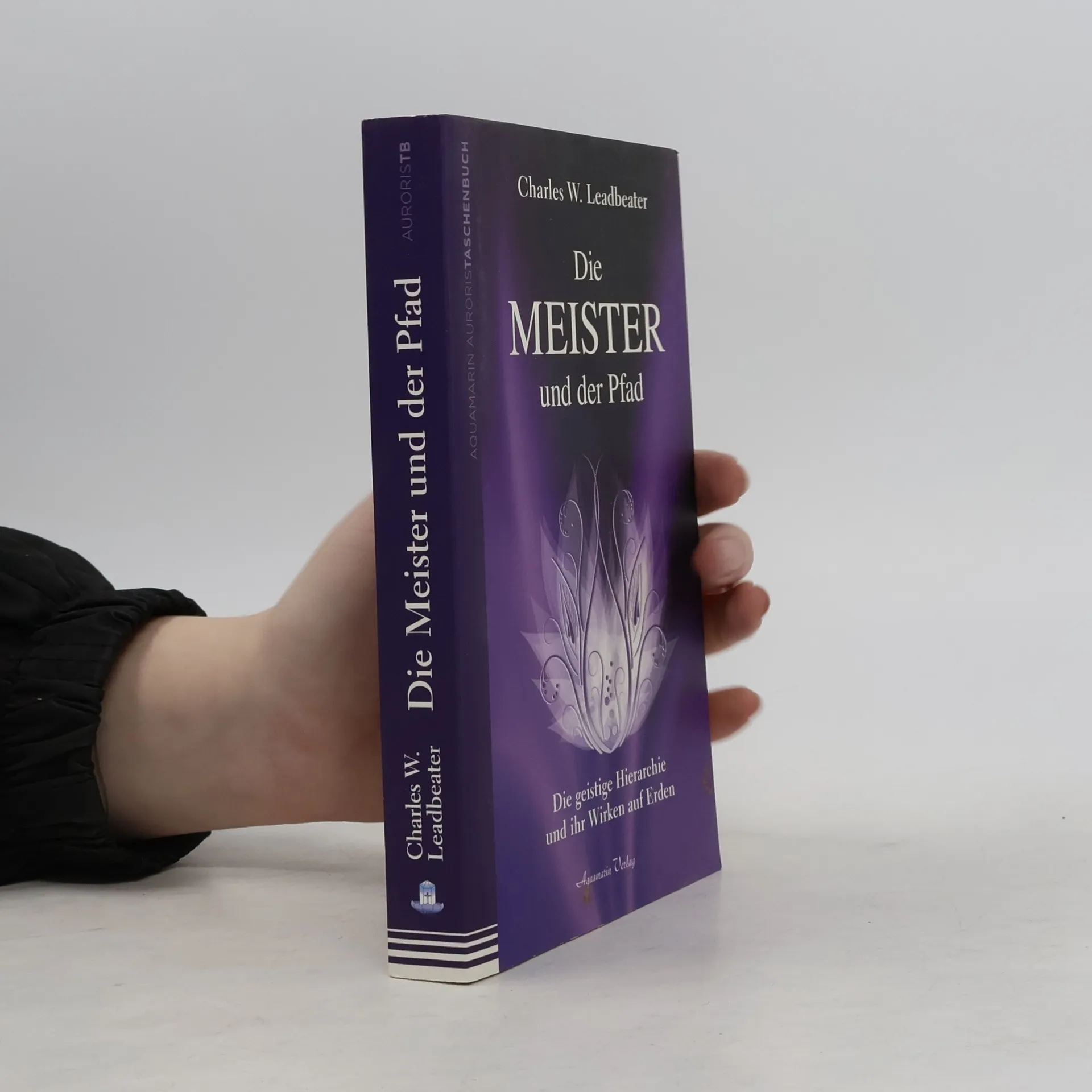
Einer der großen Weisen Asiens schrieb einmal zu Mabel Collins Meisterwerk
Licht auf den Pfad , die Menschheit sei gerade erst im Begriff, die Anfänge
der Geistestiefe dieses Buches zu entschlüsseln!§Annie Besant und Charles W.
Leadbeater haben sich der Herausforderung gestellt und versucht, einen
weiteren Schlüssel zum Verständnis von Licht auf den Pfad zu erarbeiten.
Entstanden ist ein einzigartiges Buch, das wie nur wenige andere die
Herausforderungen und die Schwierigkeiten des Geistigen Pfades schildert, aber
auch die unbeschreibliche Herrlichkeit, die den geistigen Sucher am Ende des
Weges erwartet.§Dieser tiefgründige und inspirierende Kommentar ist eines
jener Bücher, das den ernsthaft Suchenden ein Leben lang begleiten und ihm
Jahr für Jahr neue Einsichten und Erkenntnisse schenken wird.§Ein
einzigartiges spirituelles Juwel, das wahrhaft esoterisches Wissen vermittelt!
Kein anderer Geistesforscher hat in der Gegenwart so umfangreiche
Untersuchungen des Jenseits vorgenommen wie C.W. Leadbeater. Alle Sphären und
Wesen hat er in ungezählten Forschungen immer wieder beobachtet und studiert.
So entstand über Jahrzehnte hinweg seine große Monographie über die
jenseitigen Sphären.§Es gibt kein vergleichbares Werk, das so viele, so
detaillierte und so überzeugend dargelegte Studien über die astralen, mentalen
und kausalen Welten bietet wie diese Arbeit von Leadbeater. Viele seine
Forschungen wurden in späteren Jahren durch Nahtod-Erfahrungen,
Meditationserlebnisse oder mystische Schau ungen bestätigt; aber das Original
bleibt in seiner monoli thischen Größe davon unberührt.§Eines jener
spirituellen Werke, die für Jahrhunderte Maßstäbe setzen und in ihrer Art
stets unerreicht bleiben!
Alle Leser dieser Zeilen haben geträumt, – wahrscheinlich haben viele von ihnen die Gewohnheit, häufig zu träumen; sie werden sich deshalb für einen Versuch interessieren, die Traumerscheinungen im Lichte der theosophischen Untersuchungsmethode zu betrachten und zu erörtern. – Die geeignetste Behandlungsweise wird wohl folgende sein: zuerst eingehender den physischen und astralen Mechanismus zu betrachten, durch den Eindrücke auf unser Bewusstsein übertragen werden; sodann zu sehen, wie das Bewusstsein seinerseits diesen Mechanismus beeinflusst und benutzt; drittens, den Zustand des Bewusstseins und seines Mechanismus während des Schlafes anzugeben; und endlich viertens, zu untersuchen, wie die verschiedenen Arten Träume, welche die Menschen erleben, dadurch hervorgerufen werden.
Die Bezeichnung „Yoga„, die in Indien von Alters her angewendet wird, bedeutet „Vereinigung“. Im allgemeinen nimmt man an, dass es die Vereinigung mit dem Göttlichen ist, die angestrebt werden soll, also in Wahrheit „Einheit„ mit der Gottheit. In den verschiedenen Yoga-Schulen Indiens bezieht sich dieser Ausdruck jedoch nicht nur auf das weit entfernte Ziel der Vereinigung, sondern auch auf die Methoden, von denen gesagt wird, sie führen zu diesem Ziel. Daher sind einige der Ansicht, Yoga kann mit „Meditation“ übersetzt werden, die in den meisten Yoga-Schulen eine so große Rolle spielt. Man muss jedoch nicht annehmen, dass Meditation das einzige oder gar wichtigste Mittel ist, um Yoga zu erreichen. Denn es hat immer viele verschiedene Schulen gegeben, die auch heute noch existieren, von denen jede ihre besondere Methode anwendet.
Wie ein höheres Bewusstsein entwickelt werden kann
201 pages
8 hours of reading
Viele Menschen haben noch immer etwas verworrene Vorstellungen von der Fähigkeit des „Hellsehens“. Sie verbinden damit mehrwürdige okkulte Praktiken oder gebückte alte Frauen mit einem schwarzen Raben auf der Schulter. Charles W. Leadbeater, einer der bedeutenden Geistesforscher des 20. Jahrhunderts und mit außerordentlichen seherischen Fähigkeiten ausgestattet, korrigiert alle diese irrigen Vorurteile. Er analysiert zuerst grundsätzlich die seherische Begabung, um dann im Detail die unterschiedlichen Aspekte des Hellsehens zu beschreiben. Dabei wird deutlich, inwiefern sich etwa bewusstes von unbewusstem Hellsehen unterscheidet oder was „Hellsehen im Raum“ im Gegensatz zu „Hellsehen in der Zeit“ charakterisiert. Die zurzeit wohl klarste Studie über eine Fähigkeit des menschlichen Bewusstseins, die gegenwärtig erst wenigen Erwachten zu eigen ist, aber eines Tages Erbe der ganzen Menschheit sein wird.
Wie uns Gedanken im Diesseits und im Jenseits prägen
118 pages
5 hours of reading
Wie uns Gedanken im Diesseits und im Jenseits prägen.Charles W. Leadbeater war einer der wenigen Geistesforscher, der sein Bewusstsein bis in die höheren Mentalebenen zu erheben vermochte. So war er in der Lage, jene wunderbaren Reiche zu erforschen, die in ihren lichtesten Ebenen als die „Himmelswelt“ bezeichnet werden. Leadbeater beschreibt nicht nur die Wesen dieser Welt, sondern er schildert in allen Einzelheiten, wie die reinen Gedanken des Menschen während seines Erdenlebens jene Sphären erschaffen, die ihm einst als himmlische Heimat dienen werden. Ein Meisterschlüssel zum Verständnis der Gedanken und ihrer Auswirkungen und ein einzigartiger „Reiseführer“ durch die höhere Geisteswelt, wie es kaum einen vergleichbaren gibt!
Charles W. Leadbeater hat wie kein anderer Geistesforscher die Astralwelt untersucht und jene Wesen beobachtet und charakterisiert, die jenes Reich bewohnen, in das jeder Mensch nach dem Ablegen seiner körperlichen Hülle als erstes eintritt. Er schildert in allen Einzelheiten die Aufbauten und die Beschaffenheit der astralen Reiche und macht so eine Welt transparent, die zu kennen für jeden Menschen von großer geistiger Bedeutung ist. Leadbeater beschreibt nicht nur Wesen und Welten, sondern erklärt auch die Gesetzmäßigkeiten jener Sphäre, die nur eine „Stufe“ über der Menschenwelt liegt. Dadurch wird beispielweise deutlich, welche Prozesse Verstorbene unmittelbar nach ihrem Tod durchleben; es wird nachvollziehbar, wie Gefühle und Emotionen eine eigene Welt formen; und es wird verständlich, auf welche Weise jenseitige Wesen Kontakt zur Erdenwelt aufzunehmen vermögen, um Botschaften zu vermitteln. Damit wird erkennbar, auf welche Weise der Kontakt zwischen Diesseits und Jenseits funktioniert – oder aufgrund der geistigen Gesetze nicht funktionieren kann. Der bis zum heutigen Tag noch immer beste „Reiseführer“ durch die jenseitigen Welten! Eines der unsterblichen Meisterwerke des wohl bedeutendsten Hellsehers der Neuzeit!
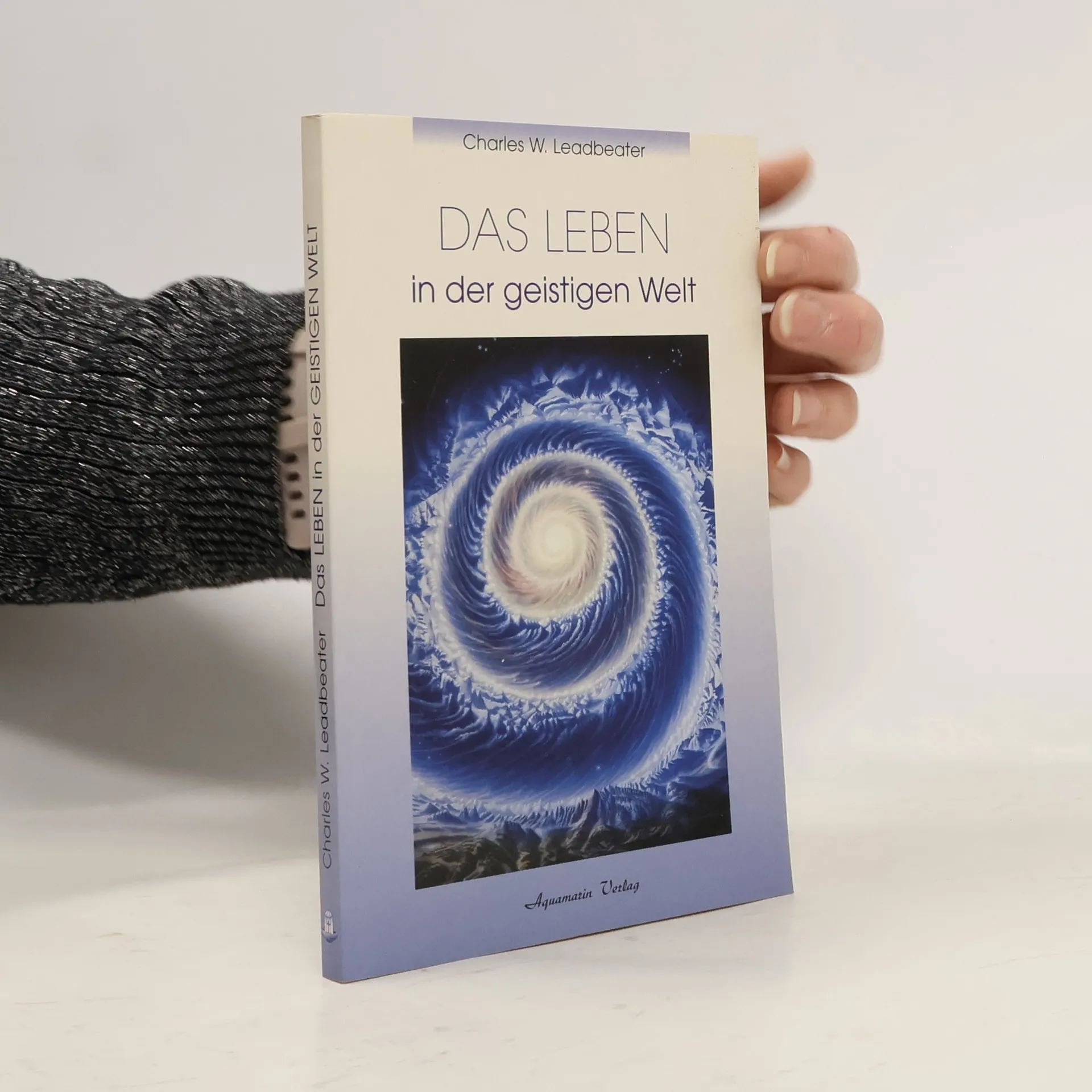
In allen Einzelheiten beschreibt der Seher den Übergang in die Geisteswelt im Augenblick des Todes, den Weg durch die Läuterungssphären und den Aufstieg in die Himmelswelten. Besonders beglückend und Trost spendend sind die Ausführungen über die Wiederbegegnung mit geliebten Menschen in den Jenseitswelten. Die Aufgaben und das hilfreiche Wirken der Schutzengel finden ebenso Beachtung wie das Wirken der Verstorbenen in höheren Daseinssphären.
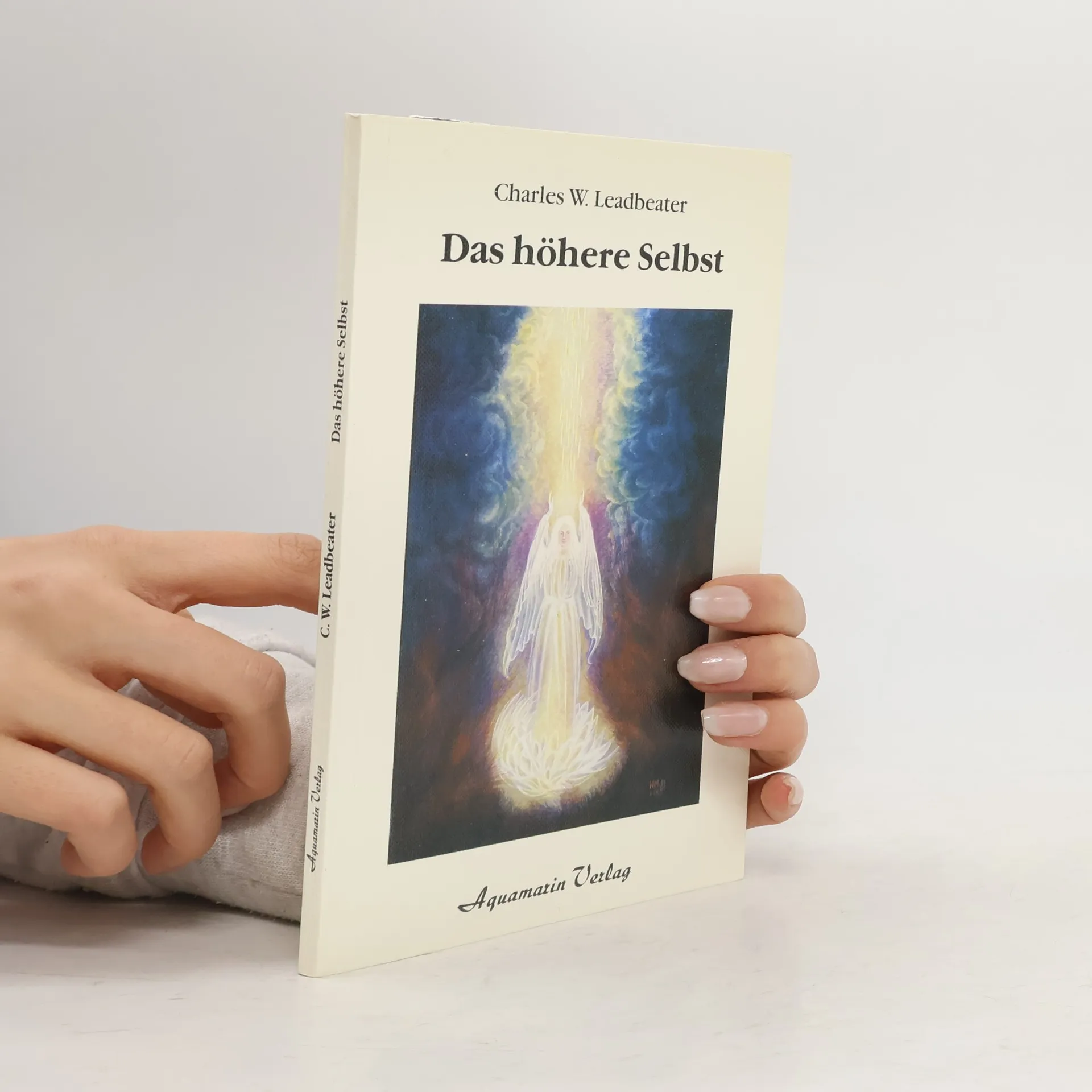
Es dürfte wenige Abhandlungen geben, die das Mysterium des höheren Selbst so klar und tief entschlüsselt haben. Wer dieses Buch auf seinem geistigen Weg nicht aus den Händen verliert, wird immer wissen, wohin er bereits gelangt ist und welche Höhen es noch zu erklimmen gibt. Ein zeitloser Klassiker!
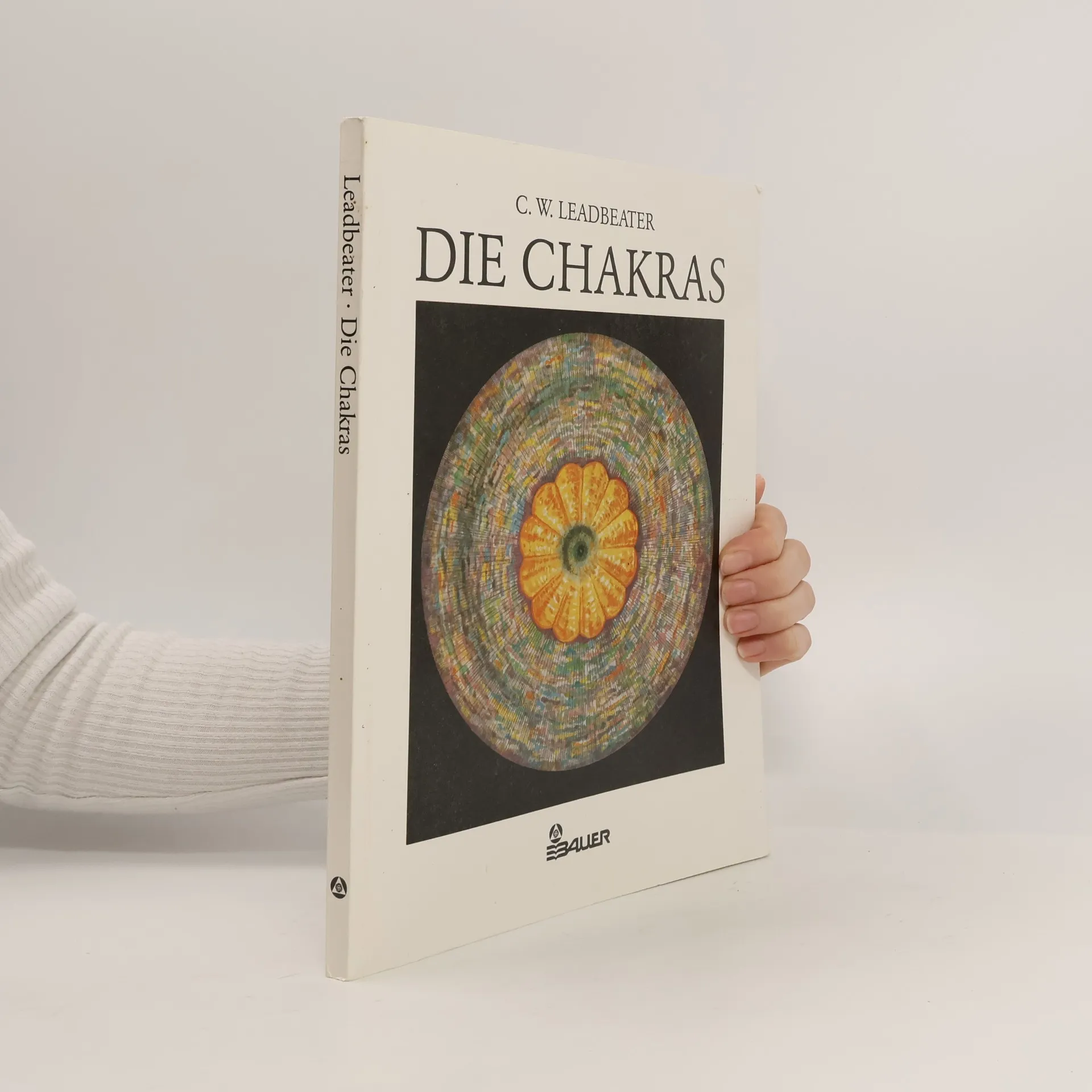
C.W. Leadbeater zählt ohne Zweifel zu den größten Hellsehern und Eingeweihten der Neuzeit. Sein großes Meisterwerk über die Chakras ist jetzt in einer neuen, erweiterten Ausgabe wieder lieferbar. Die gesamte esoterische Bewegung des 20. Jahrhunderts schöpfte in erheblichem Maße aus diesem Klassiker der spirituellen Literatur, der auch heute, am Beginn eines neuen Jahrtausends, nichts von seiner geistigen Größe und Strahlkraft eingebüßt hat. Wenn viele moderne Autoren längst in der Vergessenheit versunken sein werden, wird noch immer in den Buchhandlungen aller Länder ein Platz reserviert sein für die großen Meisterwerke von Charles W. Leadbeater!
Kniha vysvětluje v intencích theosofického učeni základní pojmy a představy
autora samotného i Teozofické společnosti a teozofického hnutí. Za poznámku
stojí, že právě autor Ch. Leadbeater se zasloužil i o objevení indického
mystika a filozofa Krishnamurtiho, jemuž zprostředkoval a zajistil vzdělaní a
uvedl jej na Západ.