Exploring the intricate connection between Dostoyevsky's personal struggles and his literary output, this book delves into the psychological and emotional influences that shaped his novels. Utilizing new source material, it examines the themes, artistic achievements, and critical responses to all of Dostoyevsky's works, providing a comprehensive analysis of his unique contributions to literature.
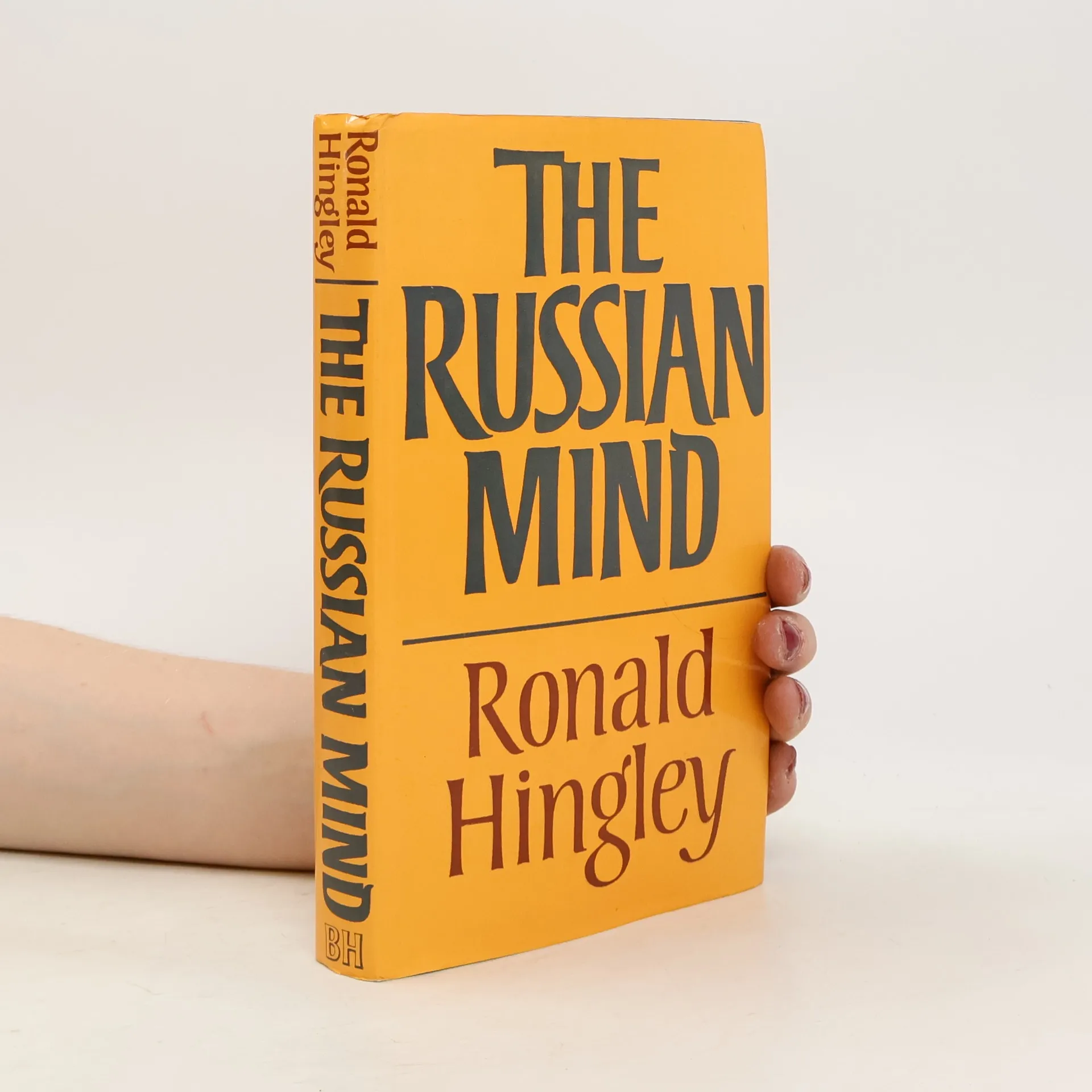
Ronald Hingley Book order (chronological)
April 26, 1920 – January 1, 2010
Ronald Francis Hingley was a distinguished scholar, translator, and historian of Russia, deeply immersed in the nation's history and literature. His extensive work illuminated the lives and contributions of key literary and historical figures through insightful biographies and meticulous translations. Hingley's scholarly approach brought depth and nuance to his explorations, making complex Russian narratives accessible. His legacy lies in his significant role in shaping the understanding and appreciation of Russian culture through his dedicated research and literary endeavors.


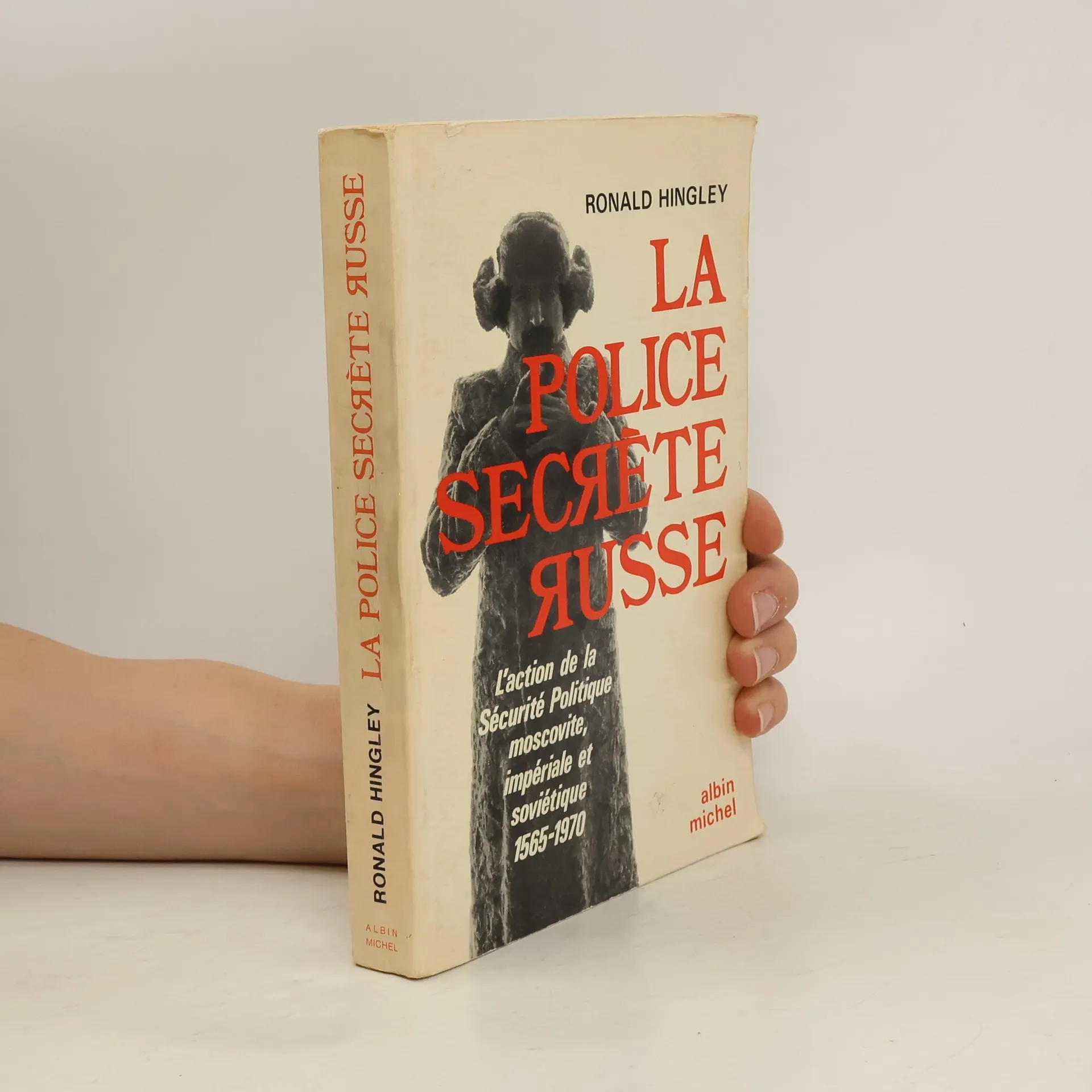
The Russian Secret Police
Muscovite, Imperial Russian and Soviet Political Security Operations 1565-1970
- 318 pages
- 12 hours of reading
Exploring the evolution of Russia's security services from their inception to the mid-twentieth century, the book highlights the role of the secret police as a crucial tool for authoritarian control under both the Tsars and Soviet regime. Ronald Hingley delves into how these agencies influenced various aspects of Russian life, showcasing their impact on society and governance throughout this transformative period.
Ward Number Six and Other Stories
- 272 pages
- 10 hours of reading
Taken from The Oxford Chekhov, the stories in this collection include "The Butterfly," "Ariadne," "A Dreary Story," "Neighbours," "An Anonymous Story," and "Doctor Startsev," as well as the title story. About the Series: For over 100 years Oxford World's Classics has made available the broadest spectrum of literature from around the globe. Each affordable volume reflects Oxford's commitment to scholarship, providing the most accurate text plus a wealth of other valuable features, including expert introductions by leading authorities, voluminous notes to clarify the text, up-to-date bibliographies for further study, and much more.
Accused of political subversion as a young man, Fyodor Dostoyevsky was sentenced to four years of hard labor at a Siberian prison camp — a horrifying experience from which he developed this astounding semi-autobiographical memoir of a man condemned to ten years of servitude for murdering his wife. As with a number of the author's other works, this profoundly influential novel brilliantly explores his characters' thoughts while probing the depths of the human soul. Describing in relentless detail the physical and mental suffering of the convicts, Dostoyevsky's character never loses faith in human qualities and the goodness of man. A haunting and remarkable work filled with wonder and resignation, The House of the Dead ranks among the Russian novelist's greatest masterpieces. Of this powerful autobiographical novel, Tolstoy wrote, "I know no better book in all modern literature."
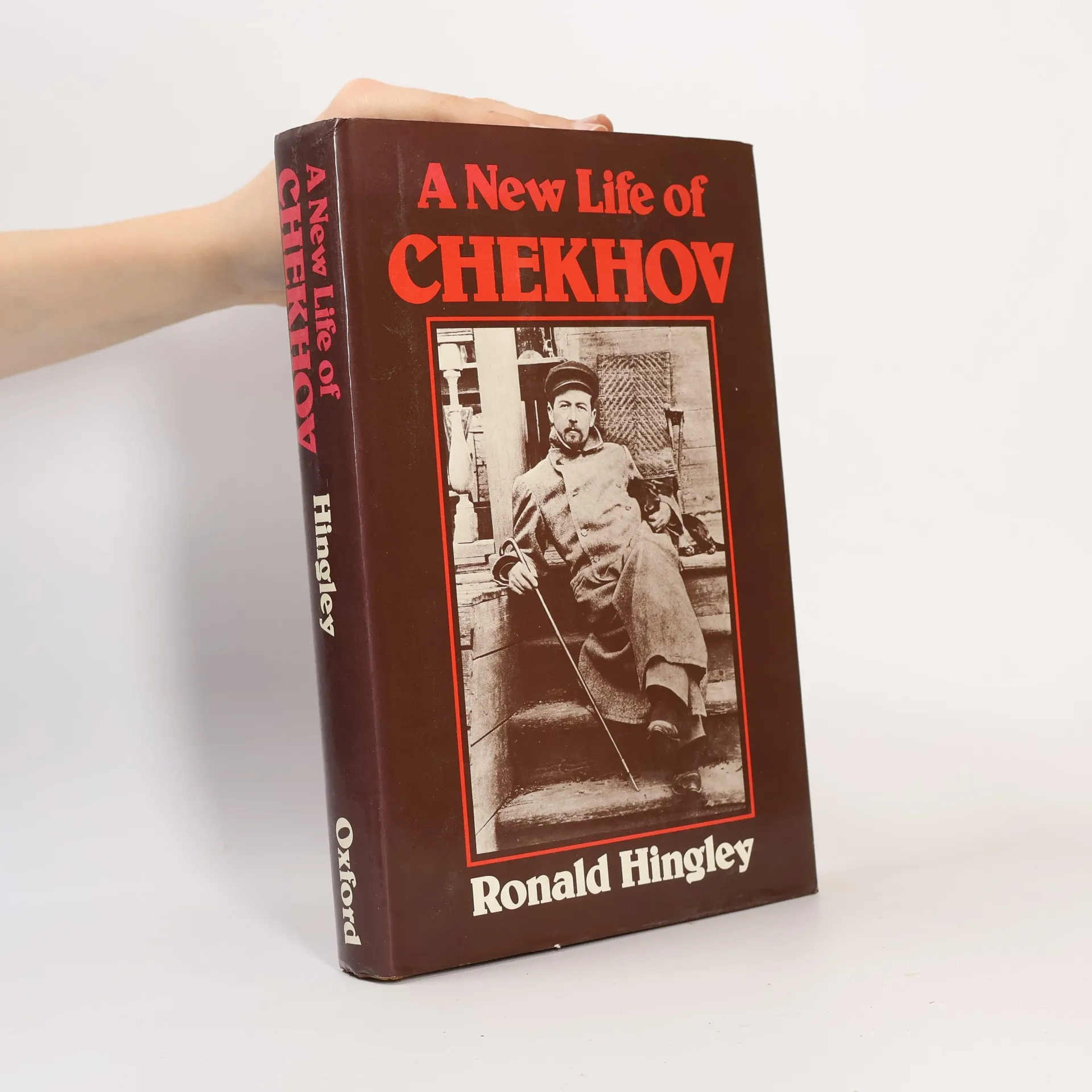
New Life of Anton Chekhov
- 358 pages
- 13 hours of reading
Very RARE edition!! UNIQUE offer!! Don’t wait to be OWNER of this special piece of HISTORY!!!
Die russische Geheimpolizei
- 399 pages
- 14 hours of reading
Dieses Buch ist eine wichtige Studie über die Sicherheitsdienste Russlands von ihren frühesten Jahren bis zur Mitte des zwanzigsten Jahrhunderts. Ronald Hingley zeigt, wie die Geheimpolizei sowohl unter den Zaren als auch unter der sowjetischen Herrschaft als ein zentrales Instrument der Kontrolle über alle Bereiche des russischen Lebens durch einen herausragend autoritären Staat fungierte. Er analysiert die zaristische Dritte Abteilung und die Okhrana sowie deren Rolle im Kampf gegen russische revolutionäre Gruppen und untersucht die sowjetischen Behörden, die die Rollen von Polizisten, Richtern und Vollstreckern übernahmen. Diese meisterhafte Bewertung der russischen und sowjetischen Geheimpolizei nutzt umfangreich schwer zu findende russische Dokumentationsquellen und ist die erste Forschung, die die russische politische Sicherheit (moskowitisch, imperial und sowjetisch) als Ganzes betrachtet.