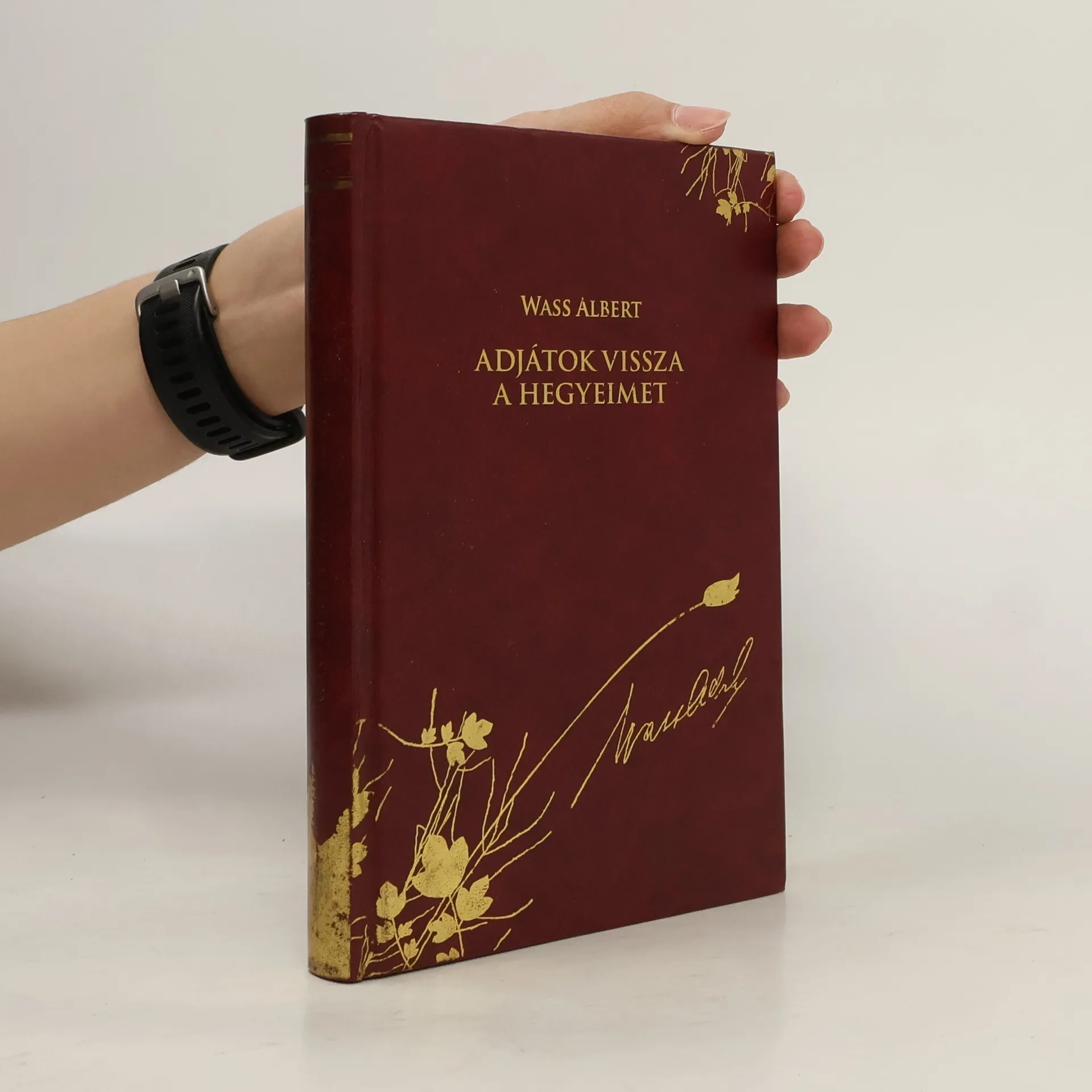
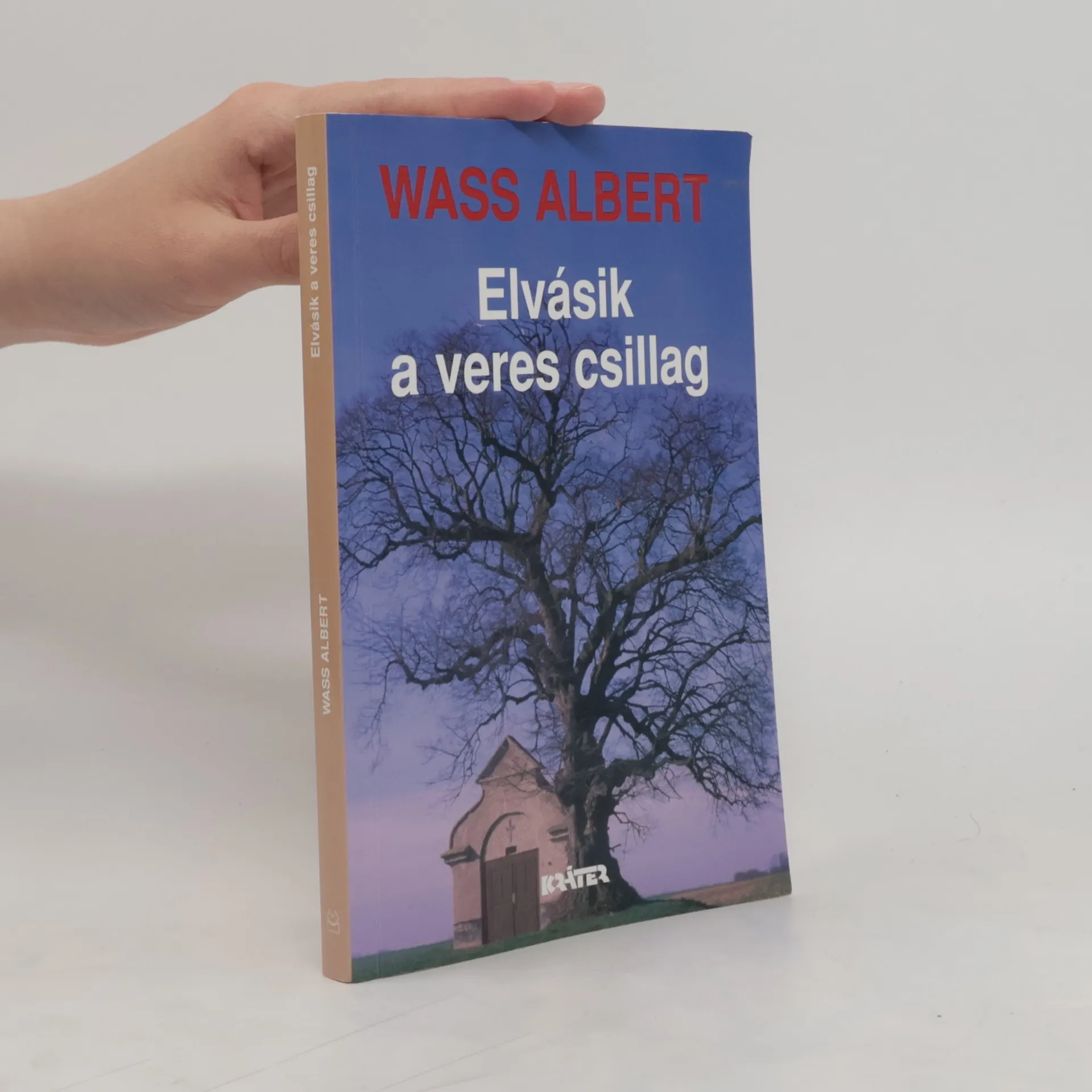
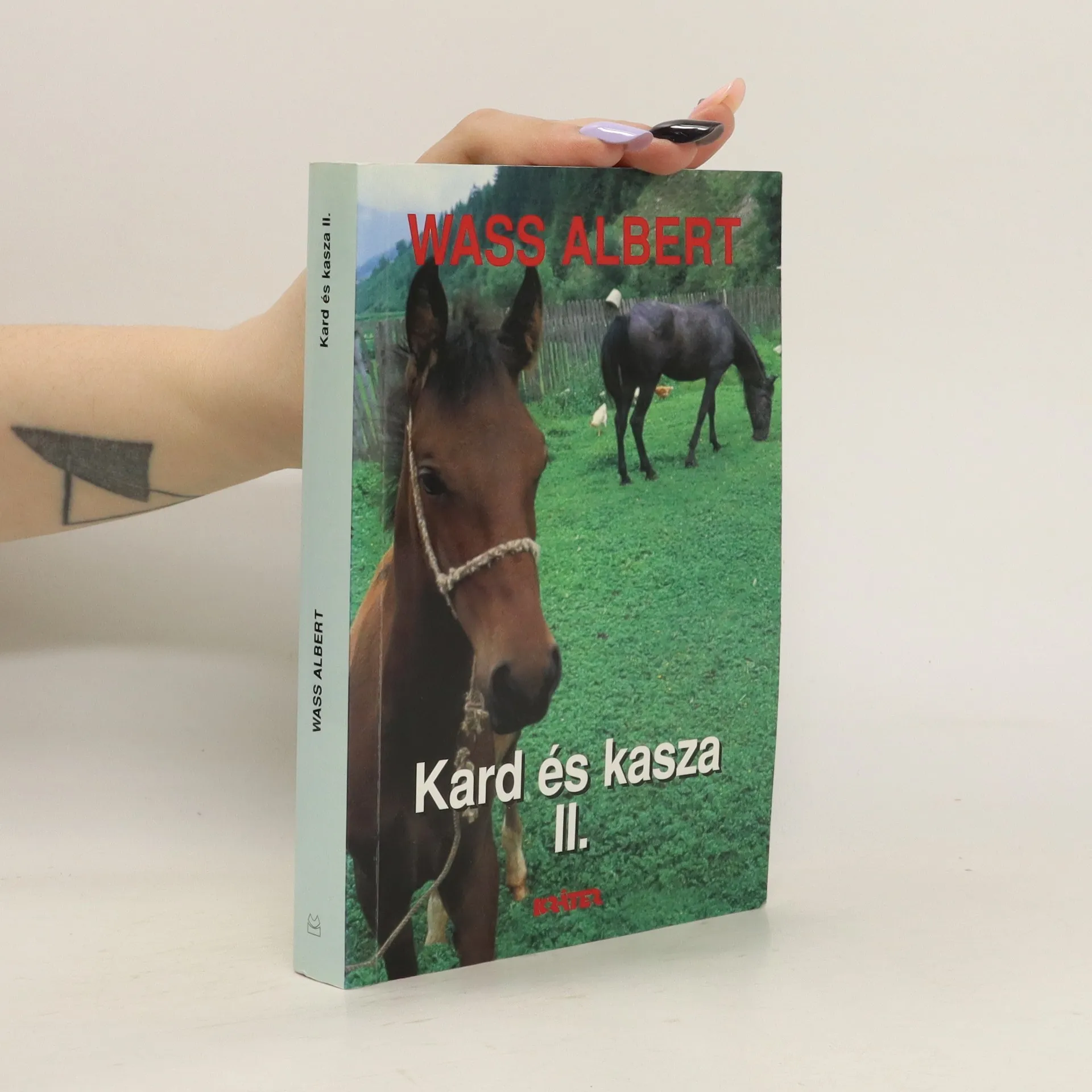
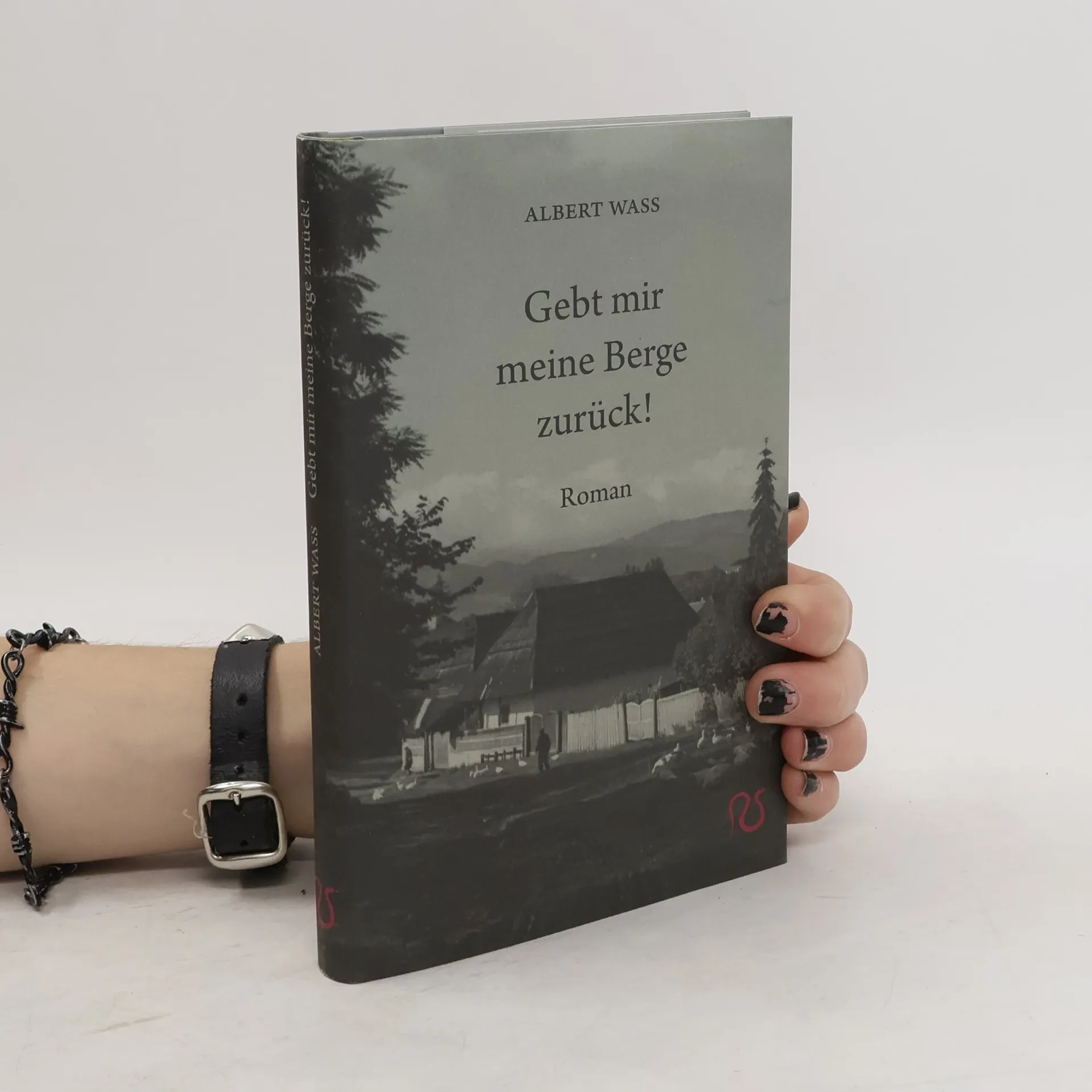
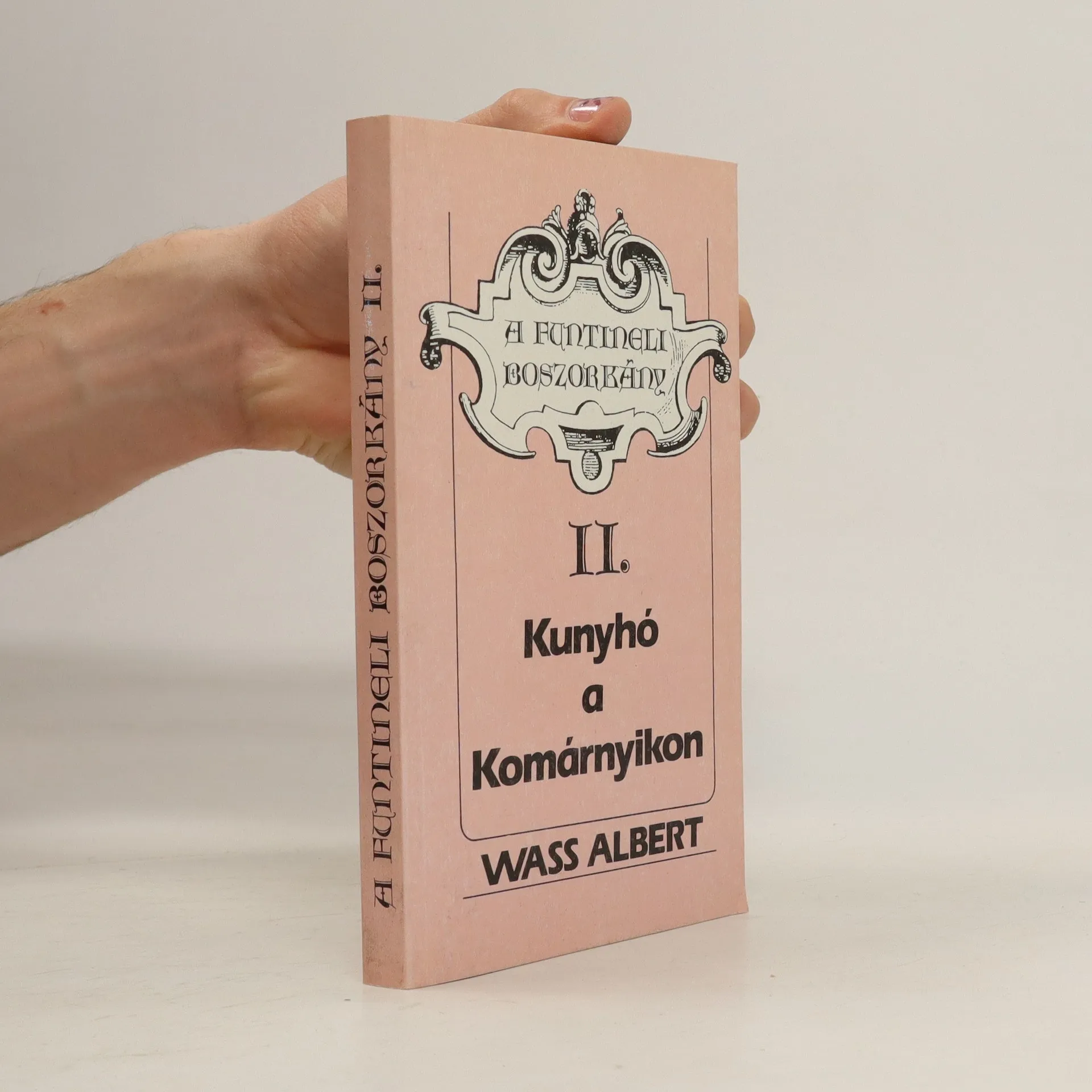
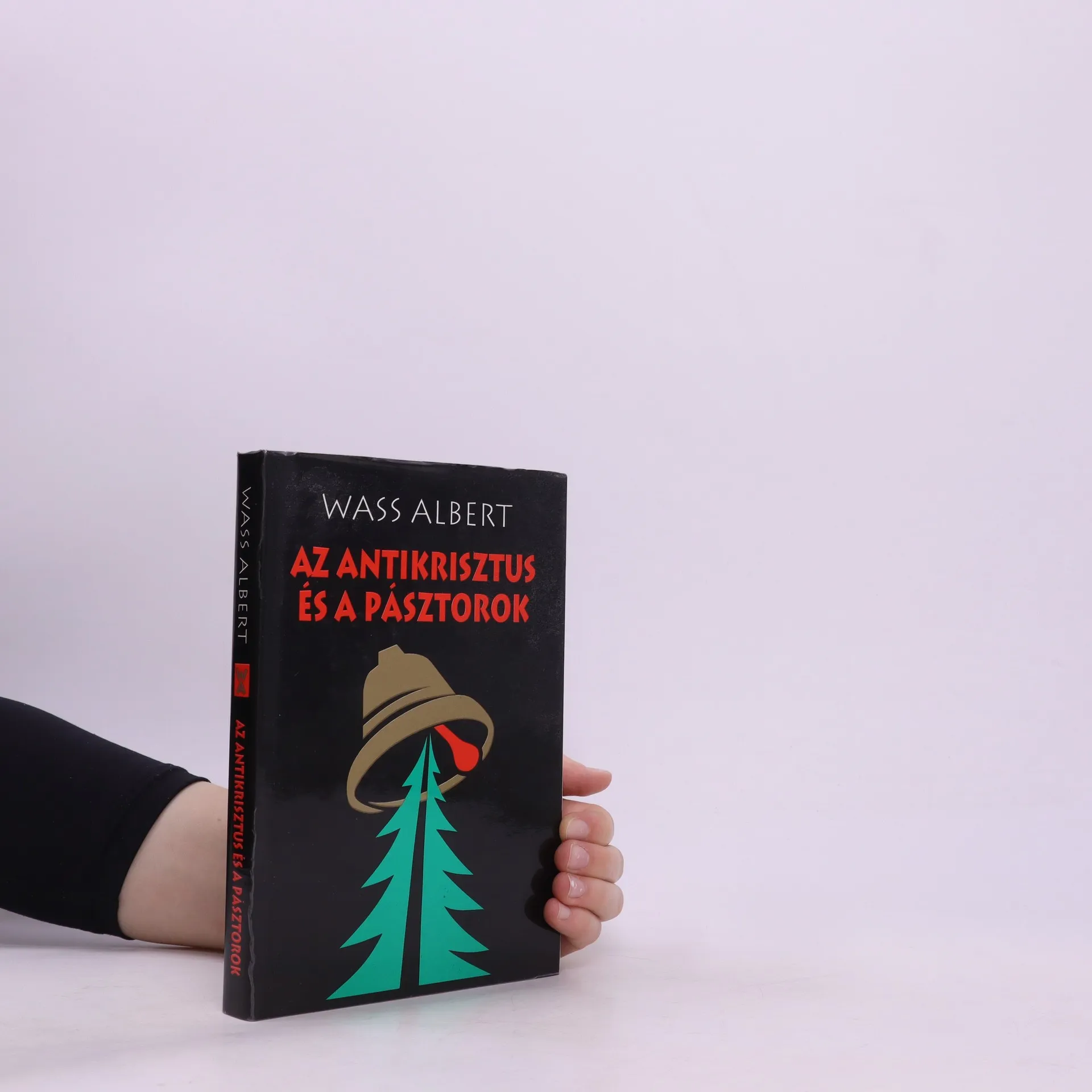
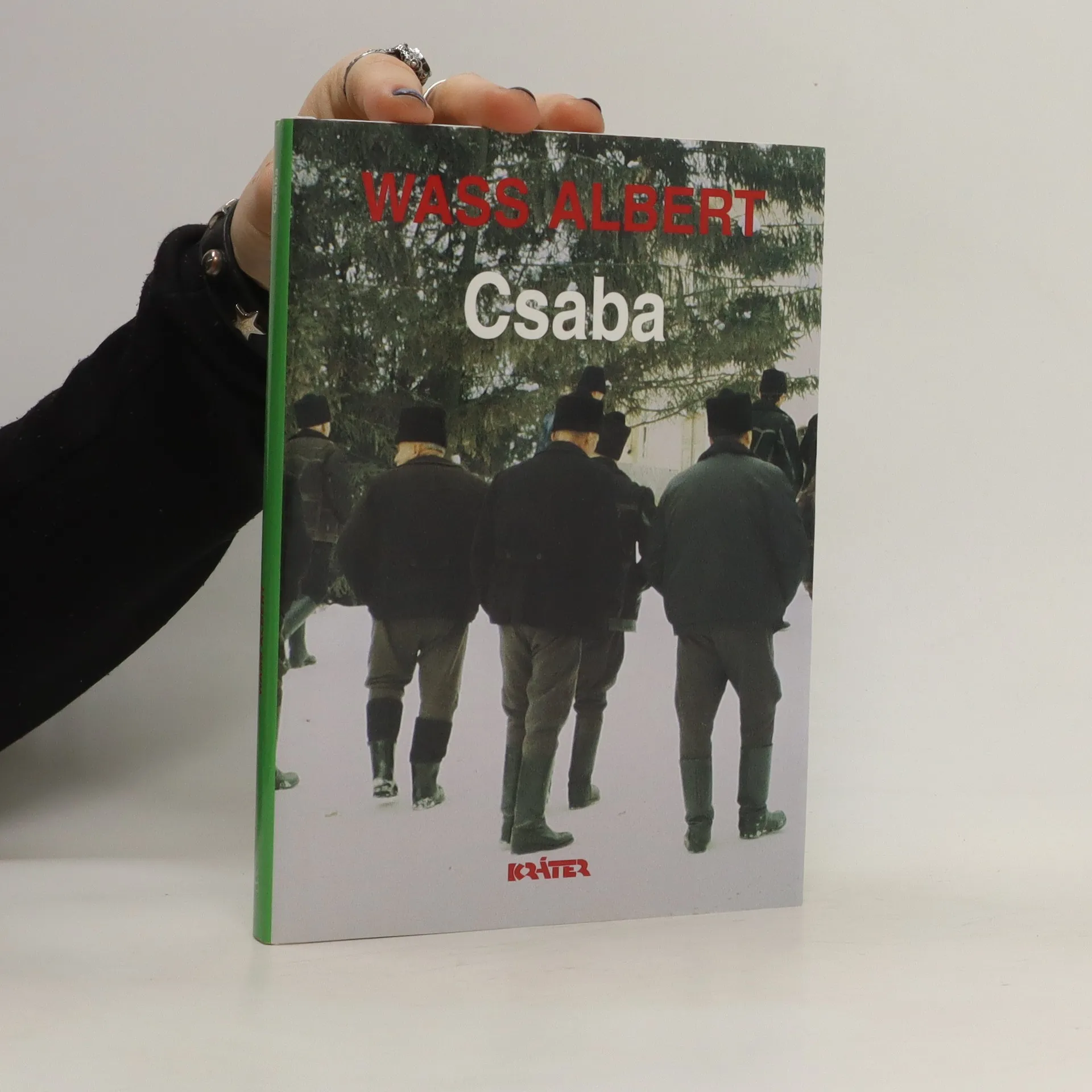
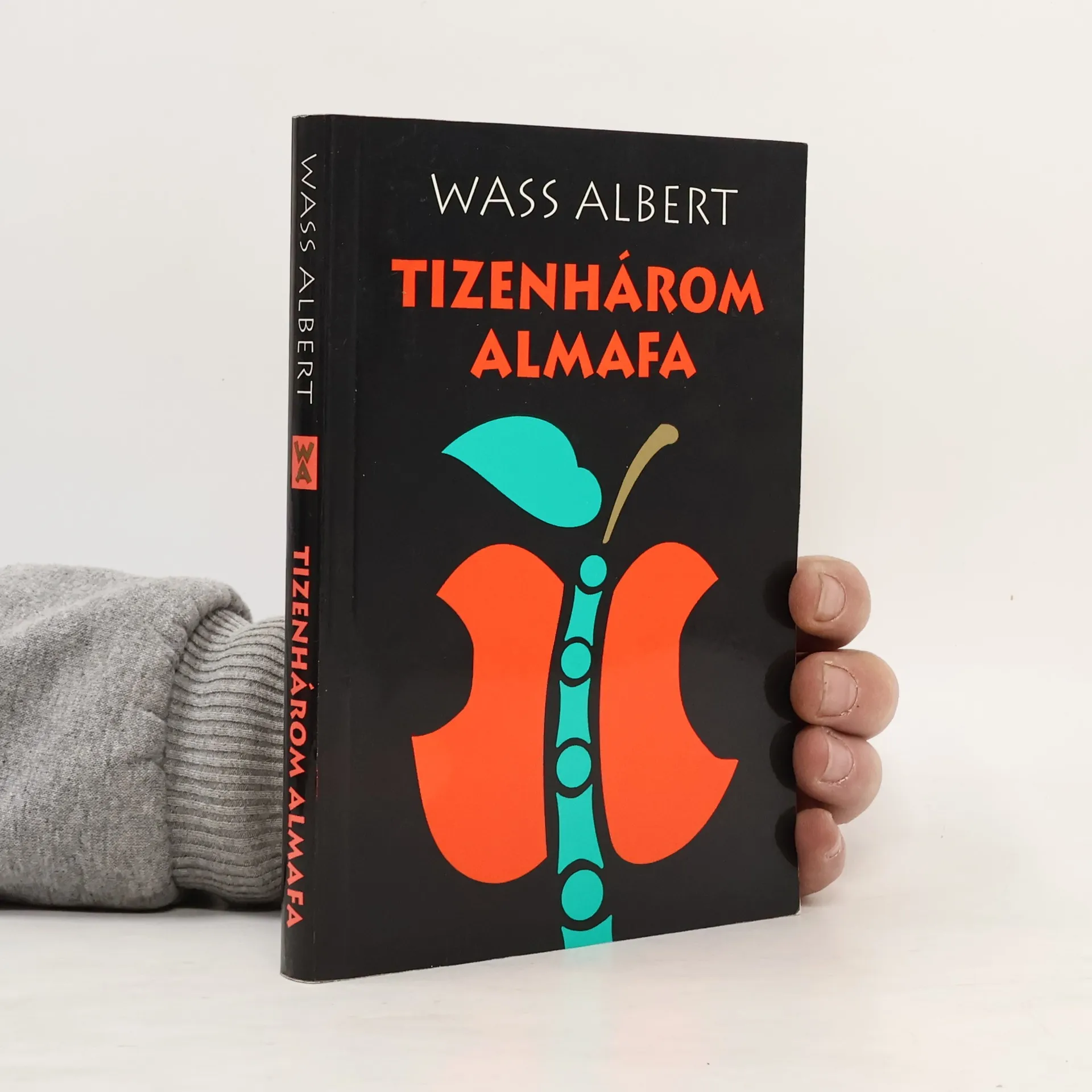
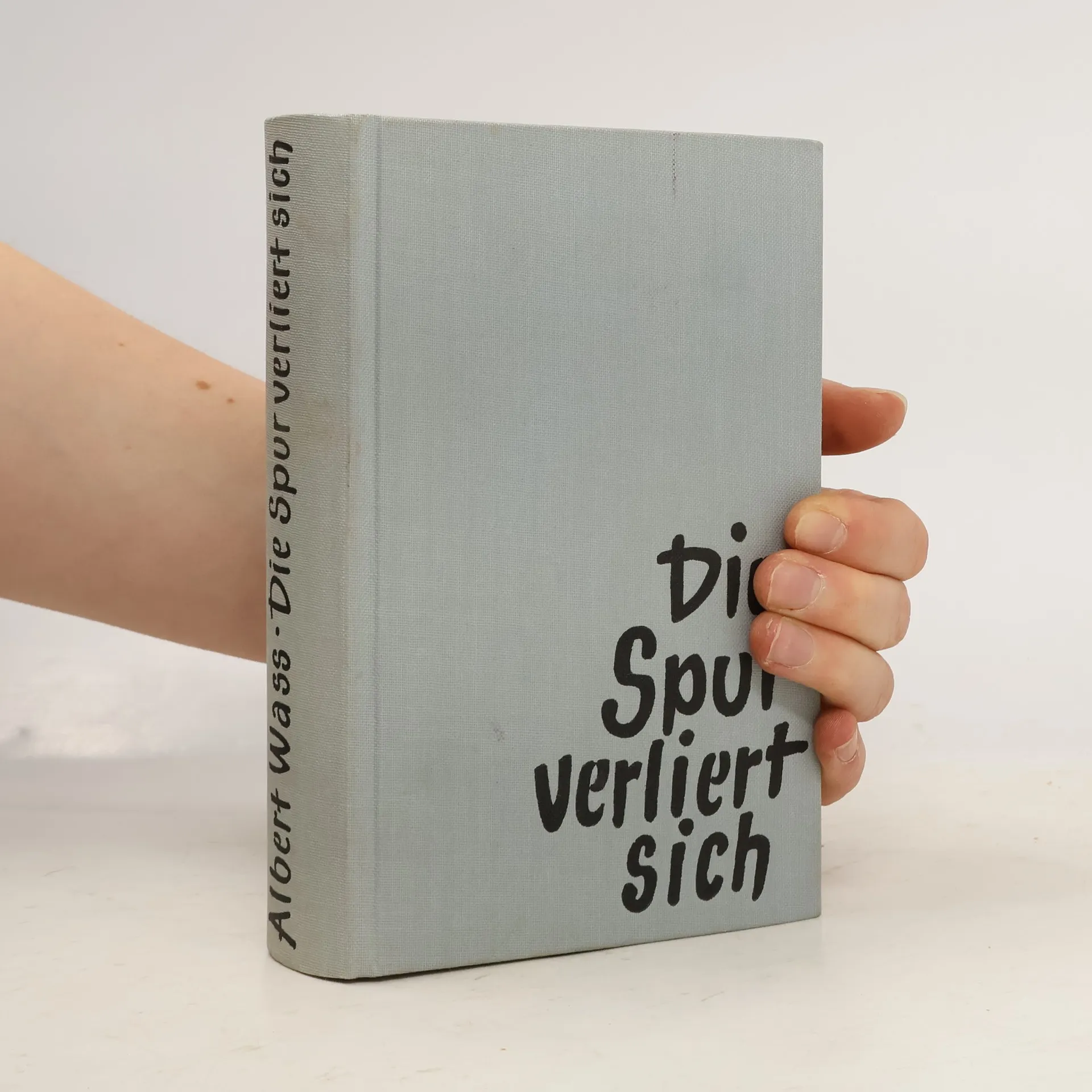
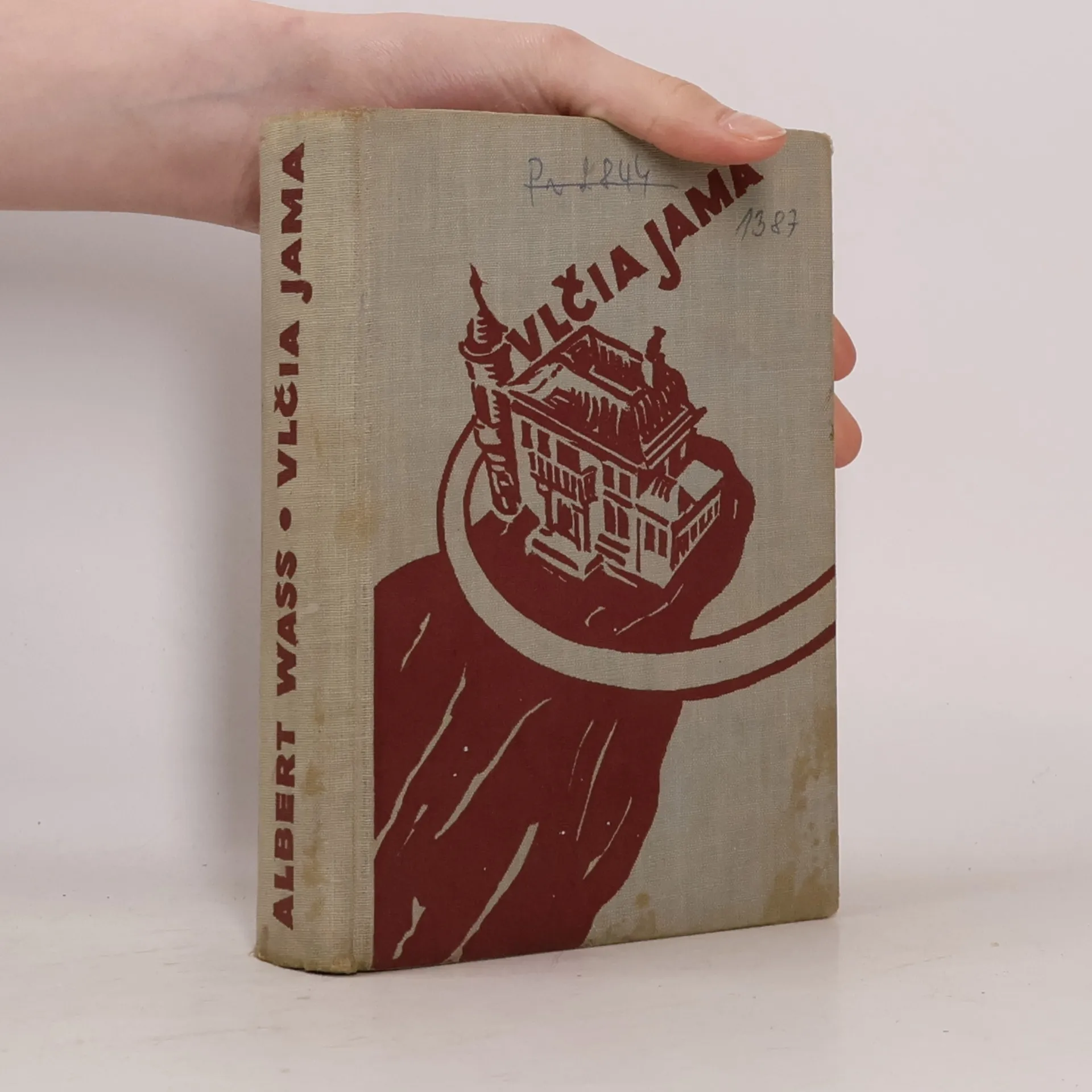
Albert Wass is a celebrated Hungarian author, renowned for his distinctive narrative voice and profound explorations of the human condition. His works, often drawing from the rich tapestry of his own life experiences, delve into themes of identity, displacement, and resilience in the face of adversity. Wass masterfully captures the spirit of his times while crafting timeless narratives that resonate with readers across generations. His literary legacy stands as a testament to the power of storytelling and its ability to connect us to our shared humanity.
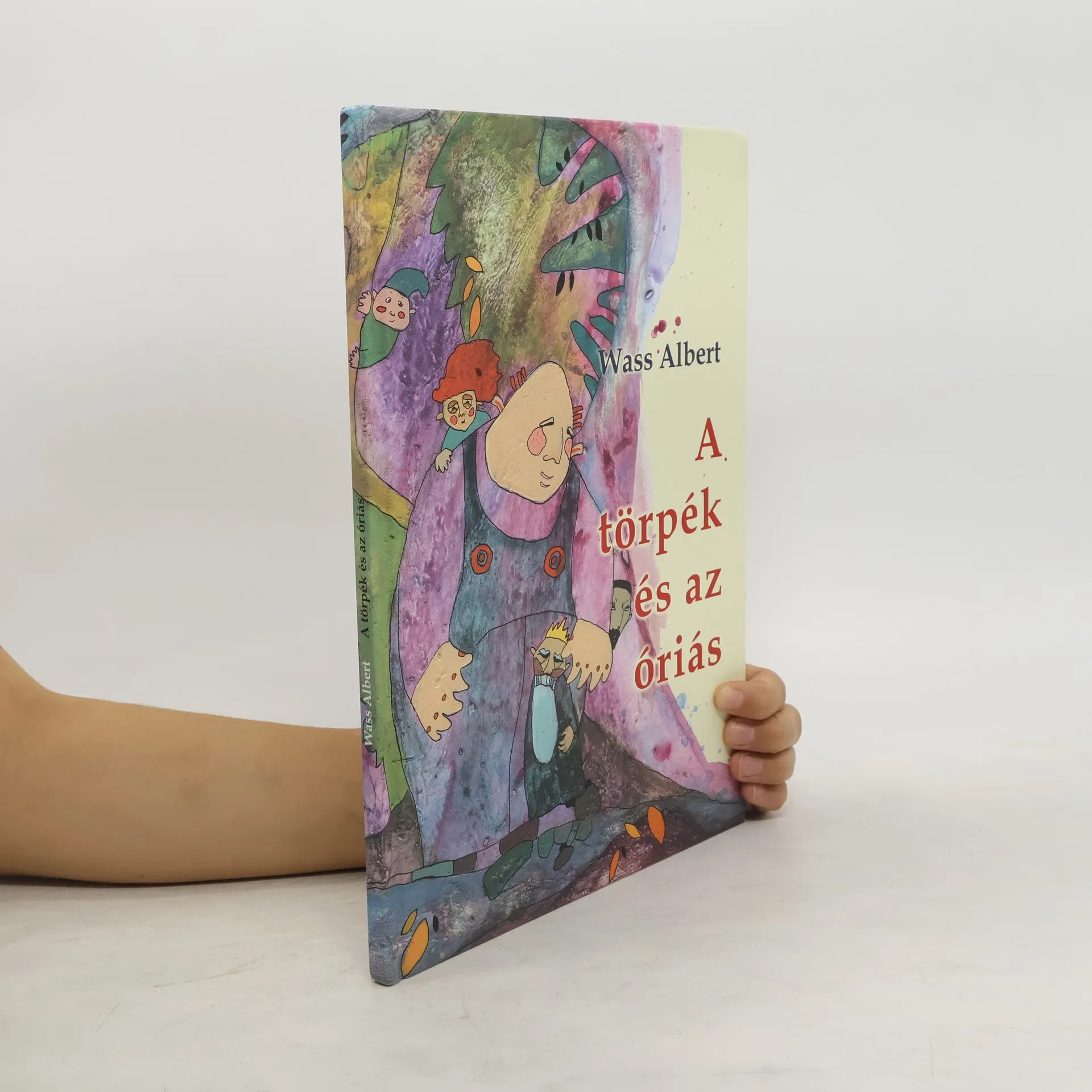
Mese arról, hogy egy óriás is lehet jóságos, mint ahogyan a kedvesnek hitt törpék között is lehetnek gonosznak. De törpék és óriások látszólagos összeférhetetlenségére van gyógyír – a barátság. Căbuz Annamária illusztrációi összhangban vannak a (felnőtteknek is szoló) mese szépségével.
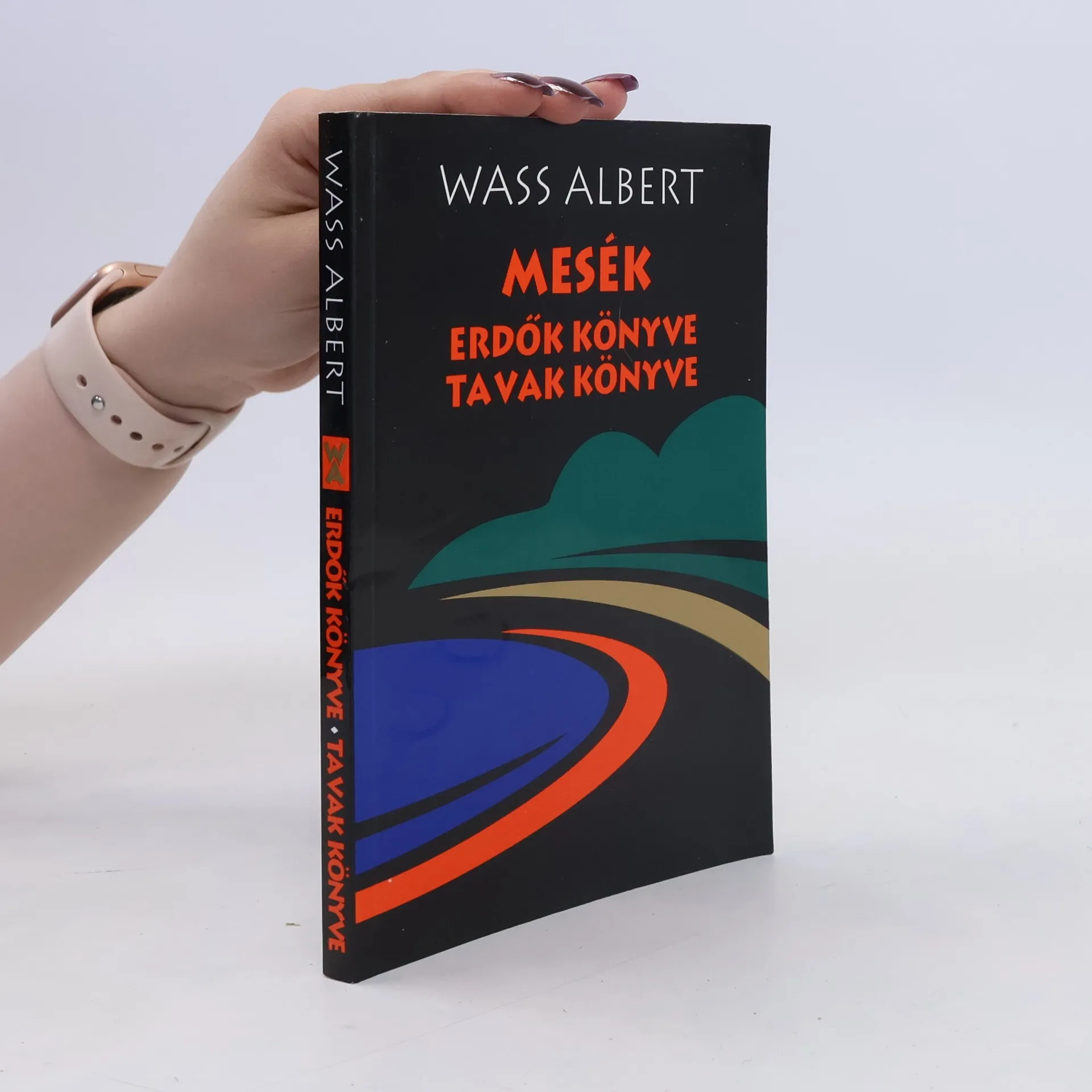
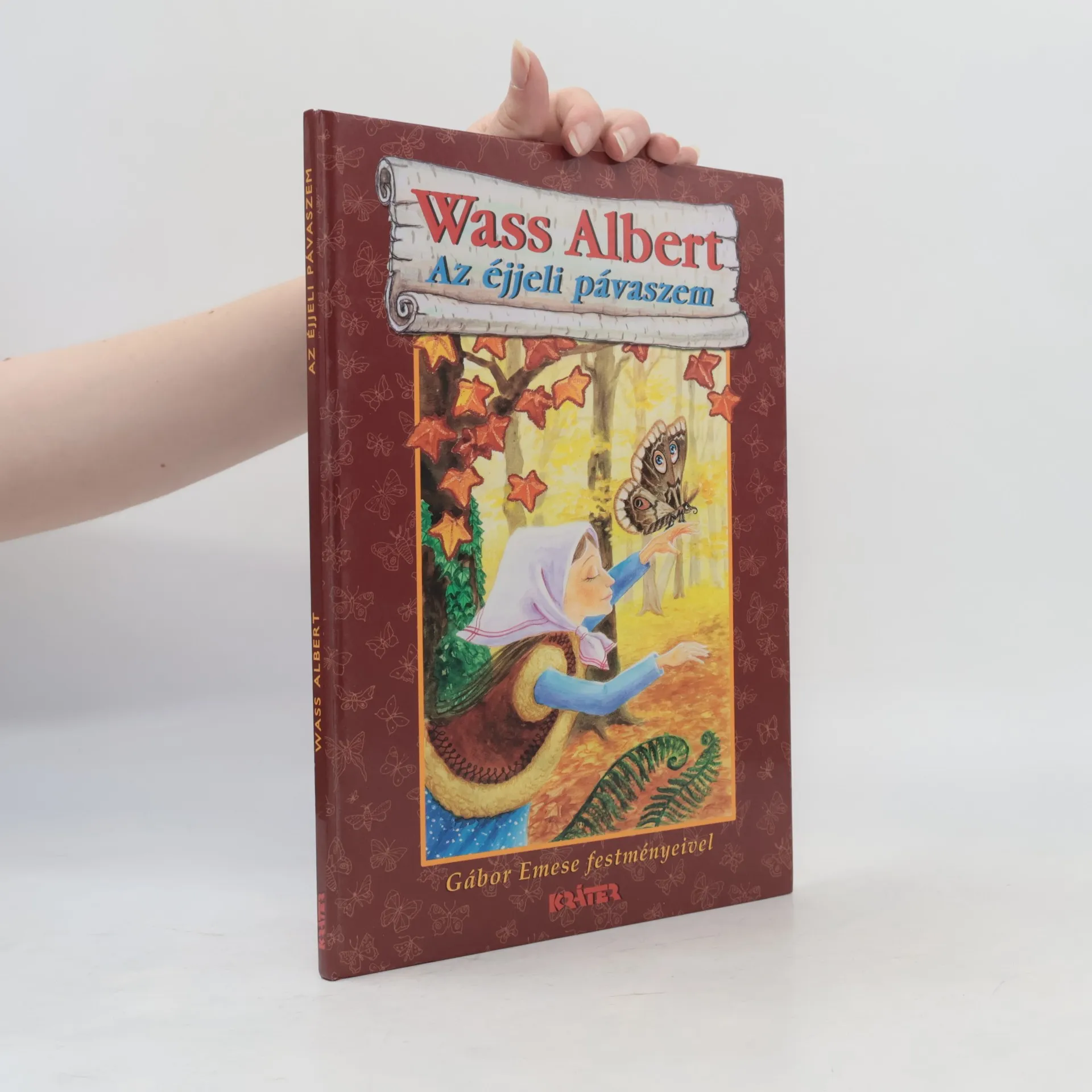
Wass Albert Németországban töltött évei alatt írta kisfiainak 1946-ban a Tavak könyvét és 1947-ben az Erdők könyvét. A Tavak és Erdők meséi nem csak a természet szeretetére nevelnek, tanításaikban az is benne van, hogy nincsen ok okozat nélkül és az emberek minden cselekedetének, megvan a következménye. Nem véletlenül nyúlt Wass Albert a mese műfajához. Tette ezt azért, mivel tudta, hogy a világ valamennyi meséjének van egy közös tulajdonsága, mégpedig az, hogy a jó győzelmét hirdeti a gonosz felett. Ezt az elveszett, vagy talán teljes valóságában soha nem létezett világot kereste a magyar népmese világában, amely a magyar néplélek mélységének és tisztaságának végtelen forrása.
Kaum ein Ungar wird den Namen Albert Wass nicht kennen, dessen Bekanntheit mit der von Knut Hamsun in Norwegen oder Hans Fallada in Deutschland vergleichbar ist. Der Roman „Gebt mir meine Berge zurück“ bietet deutschen Lesern eine literarische und historische Entdeckung. Wass stammt aus einem ungarischen Gebiet, das 1919 an Rumänien abgetreten wurde, und das mit Siebenbürgen übereinstimmt, wo die Deutschen zur Verteidigung der Karpaten angesiedelt wurden. 1940 wurde das Gebiet wieder ungarisch, doch 1944 eroberte die Rote Armee es. Vor diesem Hintergrund erzählt Wass die Geschichte eines jungen ungarischen Hirten, Jägers und Köhlers, der in der Bergwelt der Ostkarpaten seinen Platz erkämpft, eine Frau erobert und ein einfaches, frohes Leben führt – bis das Unheil über ihn und seine Familie hereinbricht. Er kämpft im Krieg an der Seite der Deutschen, gerät in den Rückzug, verteidigt seine Heimat und verliert alles. Die Szenerie ist apokalyptisch, der Dreißigjährige Krieg scheint nie vergangen zu sein. Der Roman ist weder romantisch noch flach; die Liebesgeschichte ist zart und wild, der Untergang betrifft den kleinen Mann, und die Suche nach dem Sinn des Lebens wird ehrlich und eindringlich dargestellt, ohne melodramatisches Pathos.
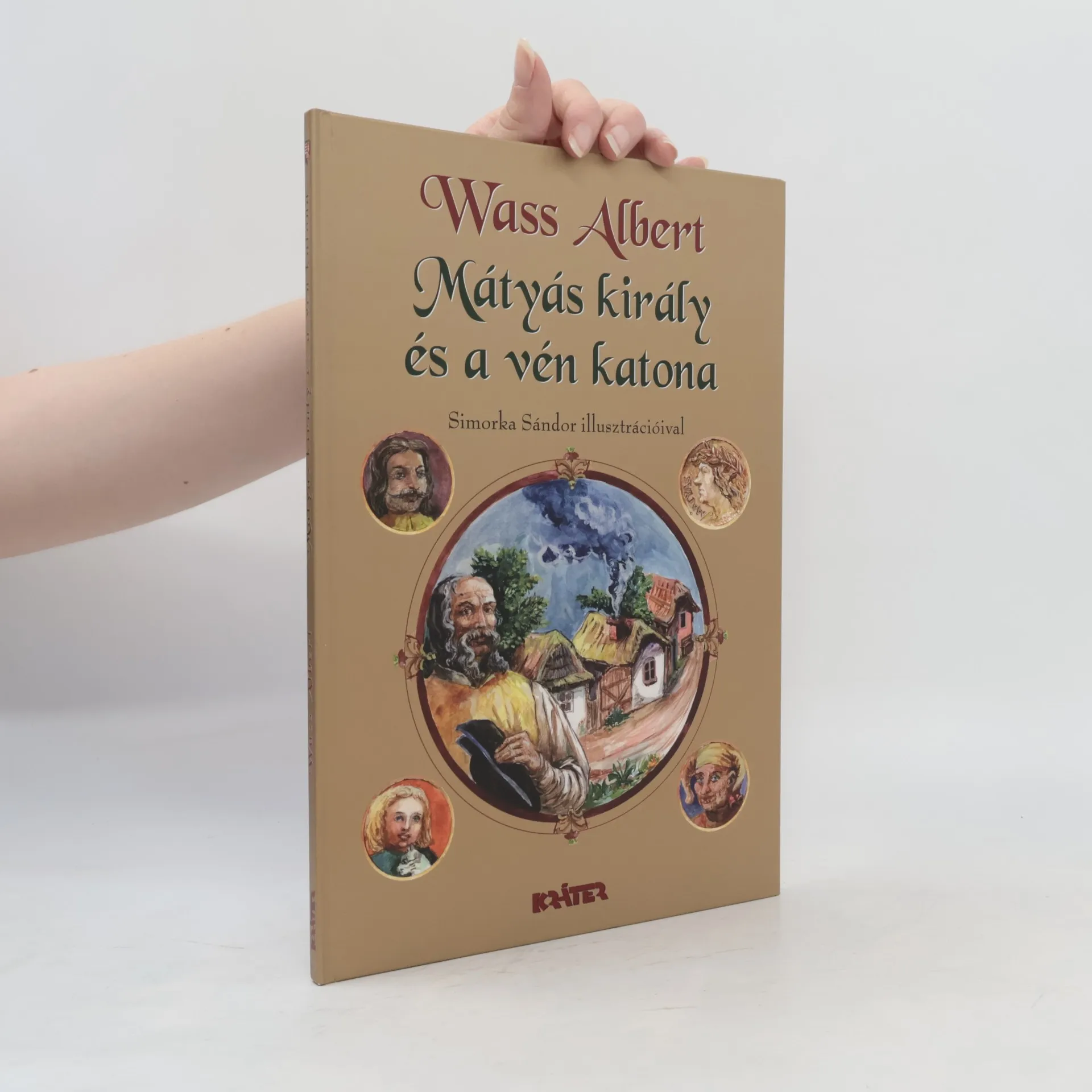
Hogy történt, hogy nem, Mátyás, az igazságos az országot járta nemesuraival, s ahogy egy dülőút mentén lovagoltak, szembejött velük egy vén parasztember. Ráismert a király nyomban az egyik régi katonájára, de nem szólt erről a nemesuraknak semmit.
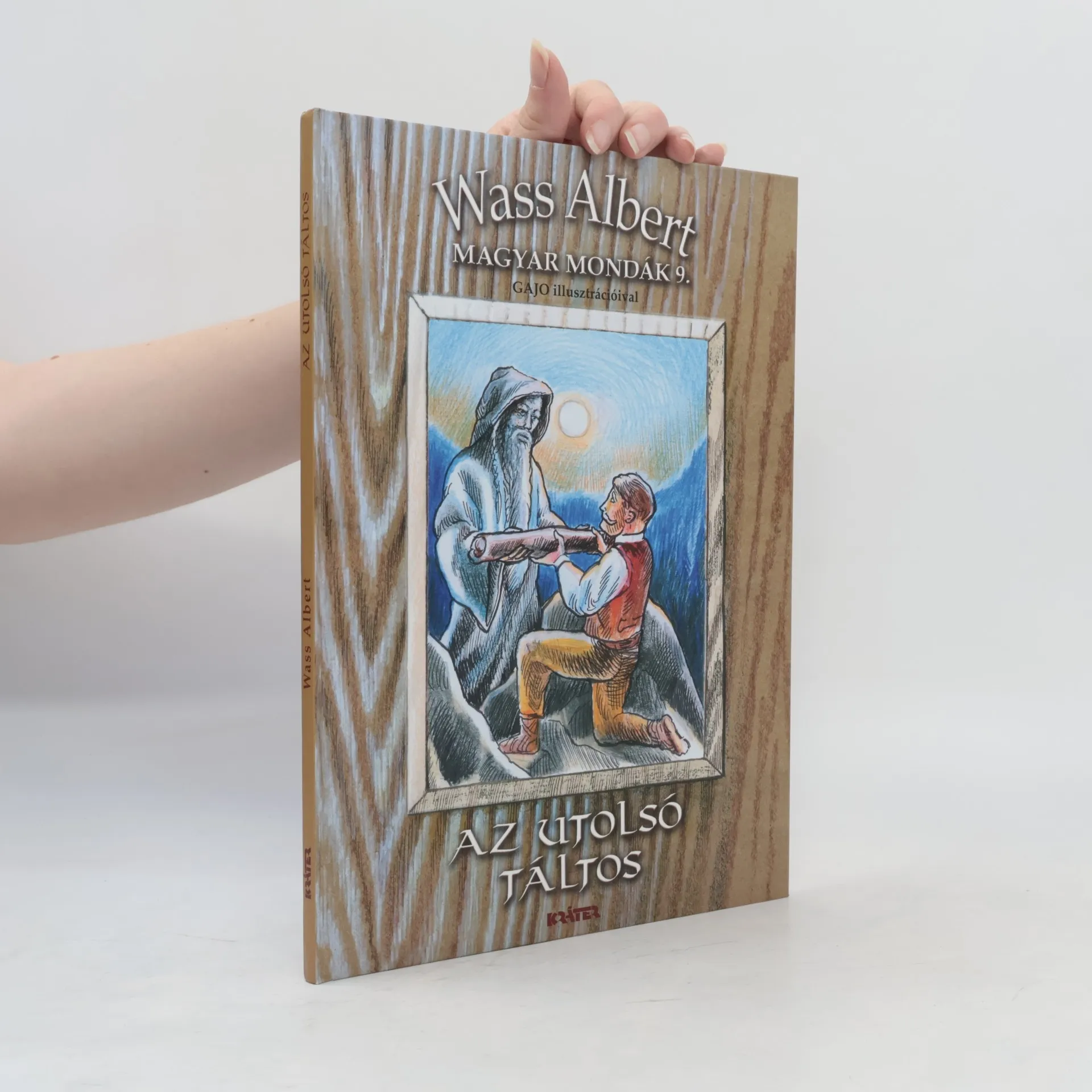
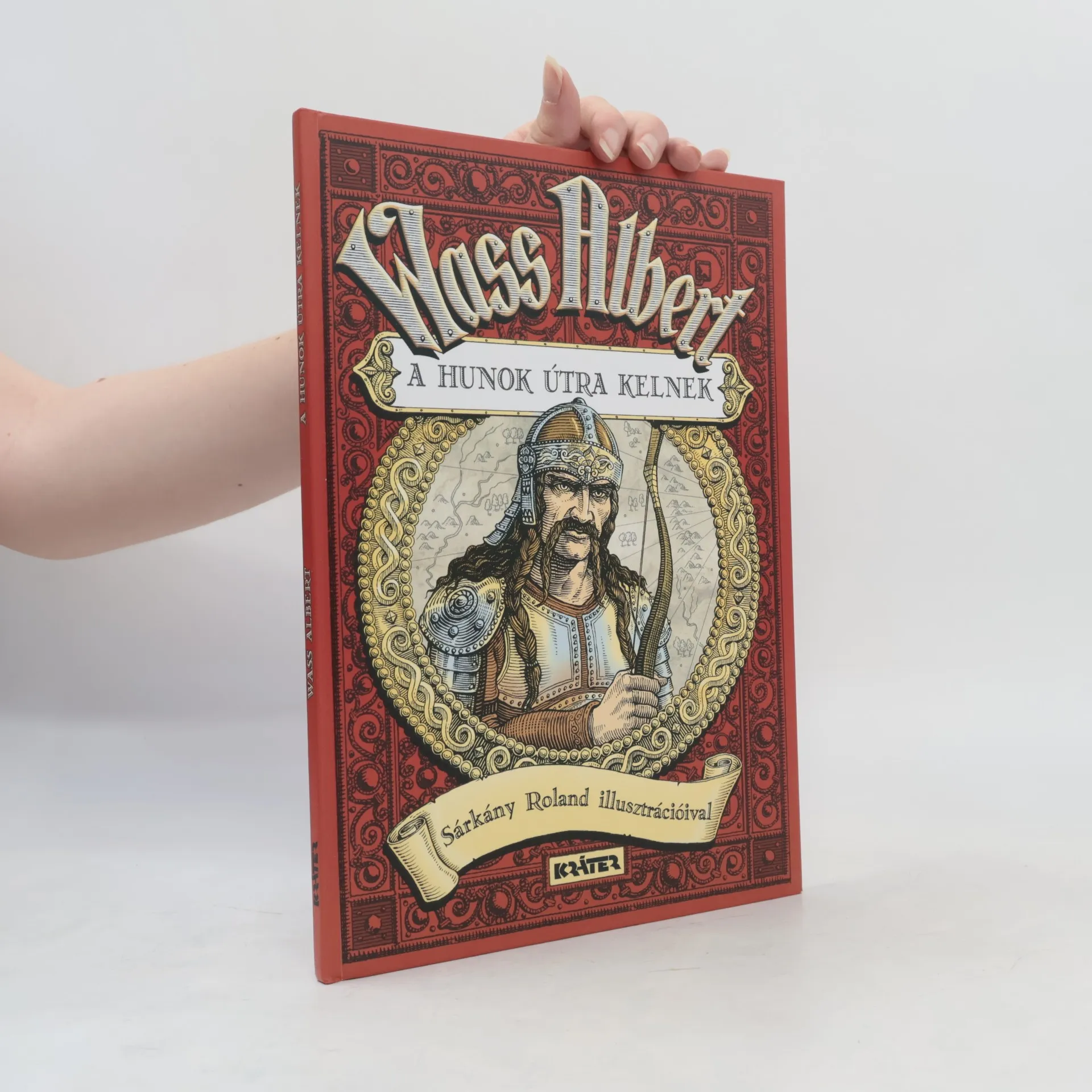
„Isten kardja csak akkor csillog majd újra, és vezeti győzelemre megint a hunok s magyarok ivadékait, amikor egyek lesznek újra, mint a hajdani időkben, egy szándék, egy akarat, egy cselekedet, Öregisten parancsa szerint!”