Geoffrey Grigson first gained prominence in the 1930s as a poet and later as the influential editor of a poetry magazine. A teacher, journalist, and broadcaster, he became a noted critic and reviewer, particularly for The New York Review of Books. His extensive work encompassed poetry, travel writing, art criticism, and studies of the English countryside and botany. Grigson was also celebrated for his inventive and innovative anthologies, which significantly shaped the literary landscape.
Geoffrey Grigson was arguably the century's greatest poetry anthologist - a man whose breadth of reading was equalled only by his infallible taste. To every anthology, Grigson brought his habitual enthusiasm and his flair for the recondite. The Faber Book of Love Poems is no exception - a task undertaken con amore by a well-furnished mind and an experienced heart.
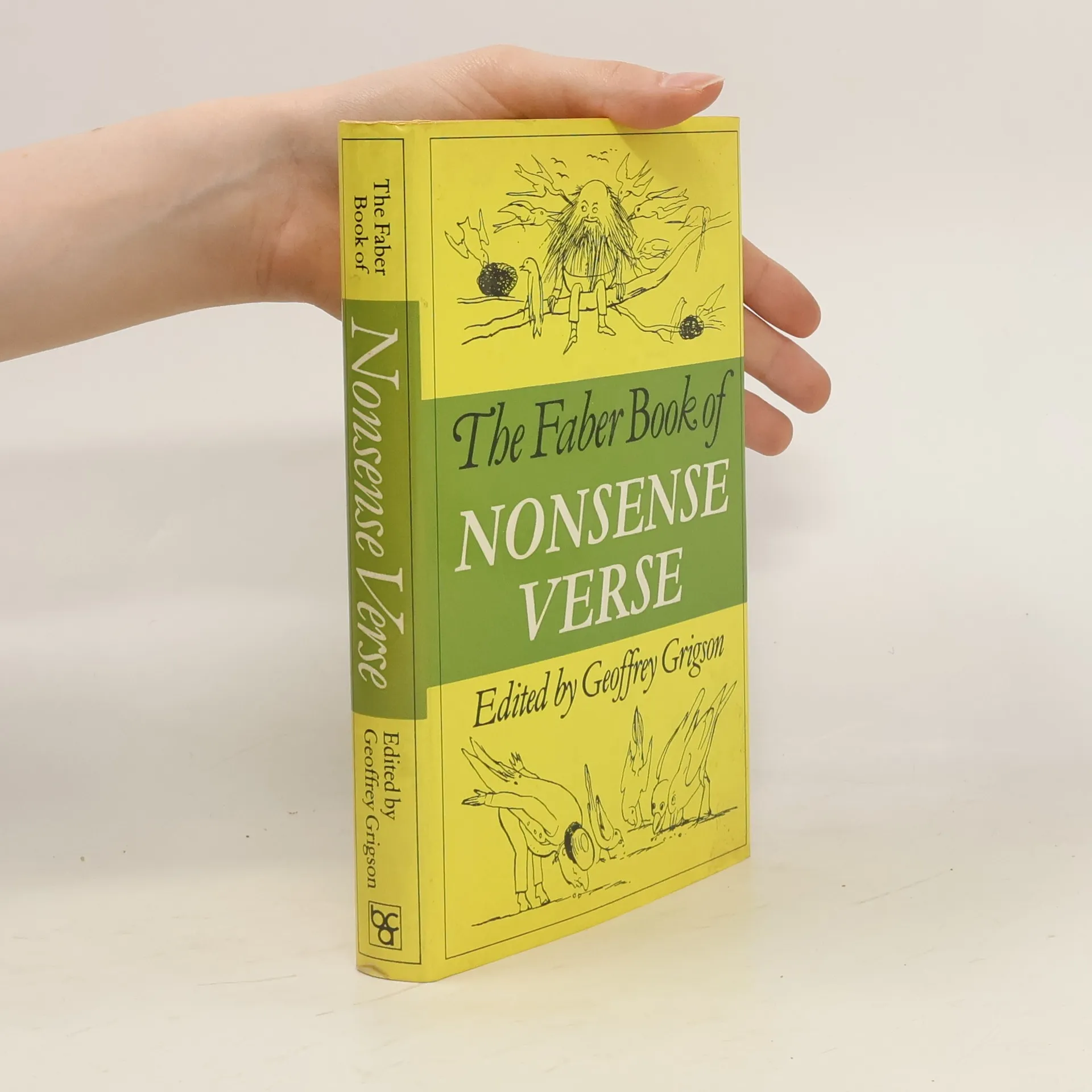
The English writers in which the author has included (among many anonymous contributions) range from Skelton through Peacock and Lear to Stevie Smith; from Europe come Rabelais, Christian Morgenstern, Hans Arp and Robert Desnos. But, as Mr. Grigson points out, it is inappropriate to be too serious or too solemn about writing which aims to poke fun and give pleasure.
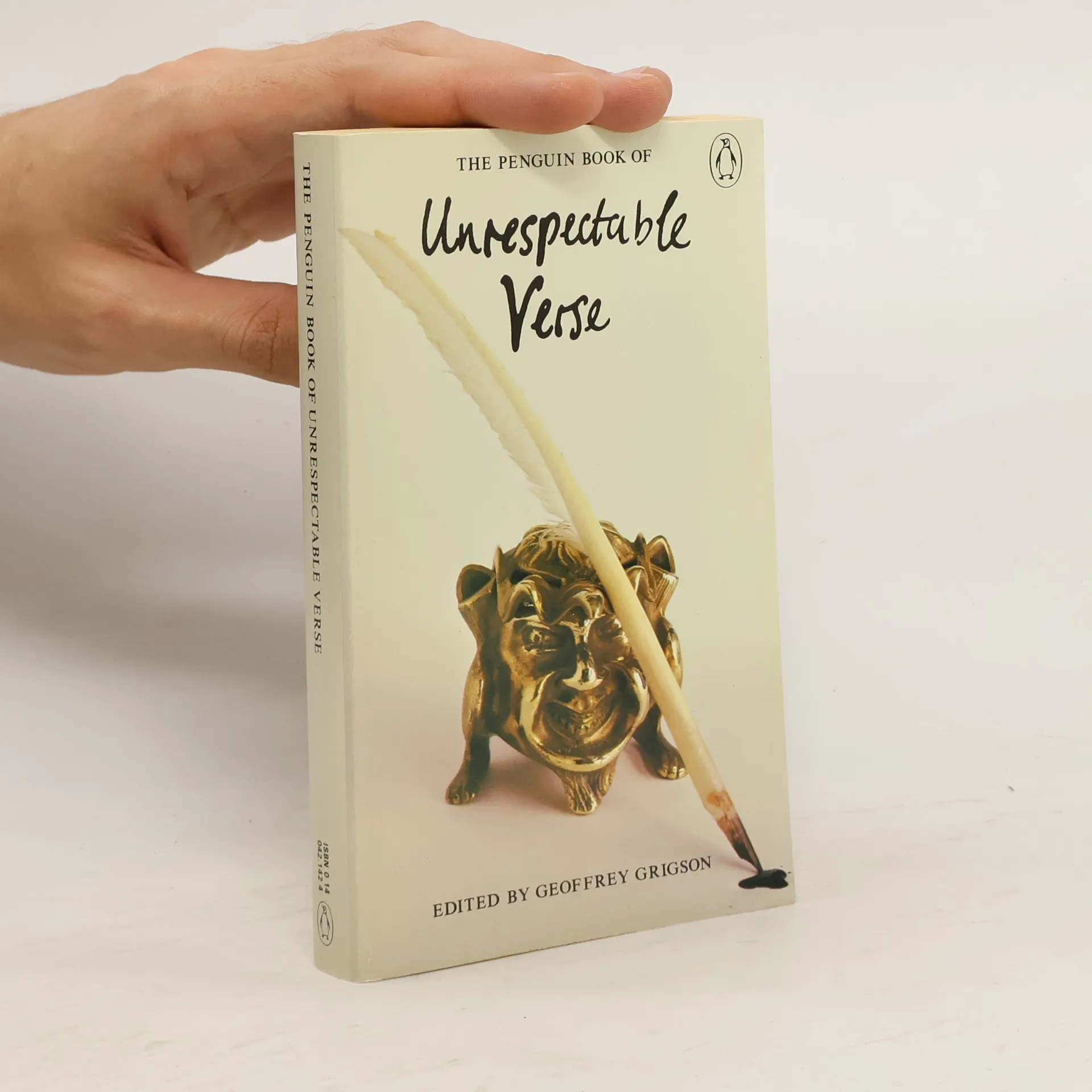
This varied collection of satirical verse contains 232 selections by writers from John Skelton and John Donne to Louis MacNeice and Clive James. Grigson--a well-known poet and critic--has chosen verse by such master satirists as John Dryden, Jonathan Swift, Alexander Pope, Charles Churchill, and Lord Byron, and has included such classics as "Mac Flecknoe" and "Beppo."
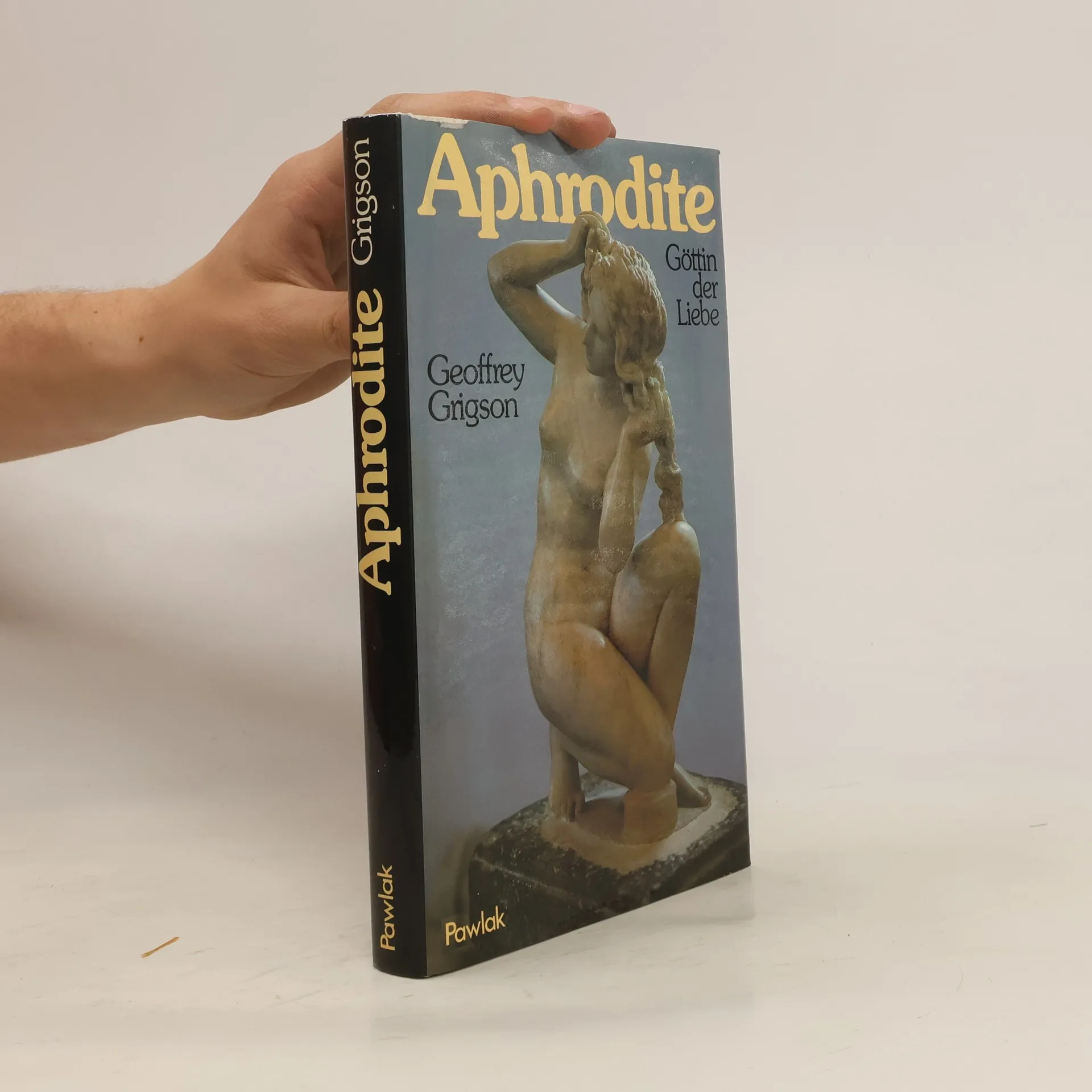
Aphrodite, die Göttin der Lust und der Liebe, hat seit Jahrtausenden die Phantasie der Liebenden, der Dichter und Künstler bewegt. „Hinter ihr, die rasch dahinschritt durch die jungen Ufer, erhoben sich die Blumen und Halme, warm, verwirrt, wie aus Umarmung“ schrieb Rainer Maria Rilke. Der englische Poet Geoffery Grigson hat die Spuren der Göttin verfolgt. Er fand die felsige Küste, wo sie „schaumgeboren“ an Land stieg, und die Anemonen, die sich vom Blut ihres Liebhabers rot färbten. Er besuchte ihre Tempel auf Zypern und ihre Statuen in den Museen Griechenlands, Italiens und der Türkei. Er erzählt, wie die babylonische Ischtar zur schlanken Aphrodite der Griechen und Venus der Römer heranwuchs, wie sie im Mittelalter das Opfer der Intoleranz wurde und in der Renaissance zu neuem Leben erwachte. Er deutet die Symbole und Zeichen, die sie begleiten, und beleuchtet auch die prosaischen Seiten der Göttin, die Organisation ihres Kults und die Rolle der Tempeldienerinnen. Eine ungewöhnliche Biographie voll Geist und Witz, beschwingter Erzählfreude und detektivischem Spürsinn. Illustriert mit großen Zeugnissen der Literatur und der bildenen Kunst, Gedichten und Gemälden, welche die Schönheit der Göttin zeitlos offenbaren.