Nigel Thomas is a distinguished literary figure whose work explores profound themes with a unique voice. His career, which included a decade as an educator, has led him to a professorship in literature, demonstrating a deep engagement with the written word. His published works span compelling fiction and evocative poetry, showcasing a versatile talent. Thomas's contributions to literature have been recognized, with his novel being a finalist for a prestigious award.
This volume examines the troops that fought during the climax of the war on
all fronts - the last great battles of attrition in the West and the collapse
of Russia in the East. Uniform changes during this period reflected the
introduction of new tactics and weapons and new types of troops, such as tanks
and assault battalions.
Given the merciless way in which the war on the Eastern Front of World War II
was conducted, it is difficult to envisage anyone changing sides during the
conflict. This book guides you through the appearance, formation and equipment
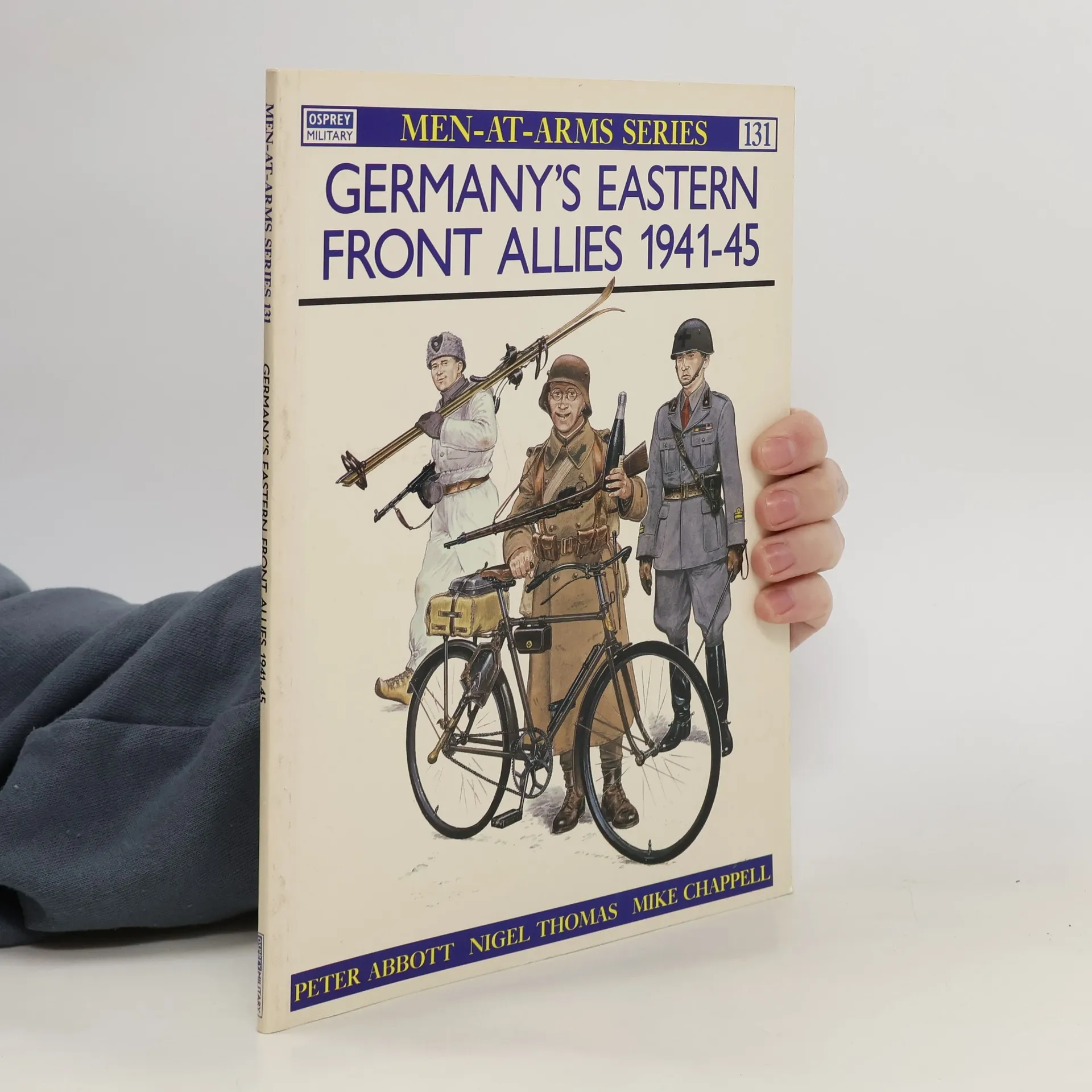
of the myriad Russian and Soviet units that fought for the Germans.
This is the third volume in a series of five books on the German army of World
War II. Covering the Eastern Front, the book includes the organization,
campaigns and uniforms of the army, beginning with the attack on the Soviet
Union and ending with their defeat at Stalingrad in 1943.
This illustrated study details the organization, battle orders, combat
history, uniforms, and insignia of the World War II units recruited by Nazi
Germany from ethnic minorities in the USSR.
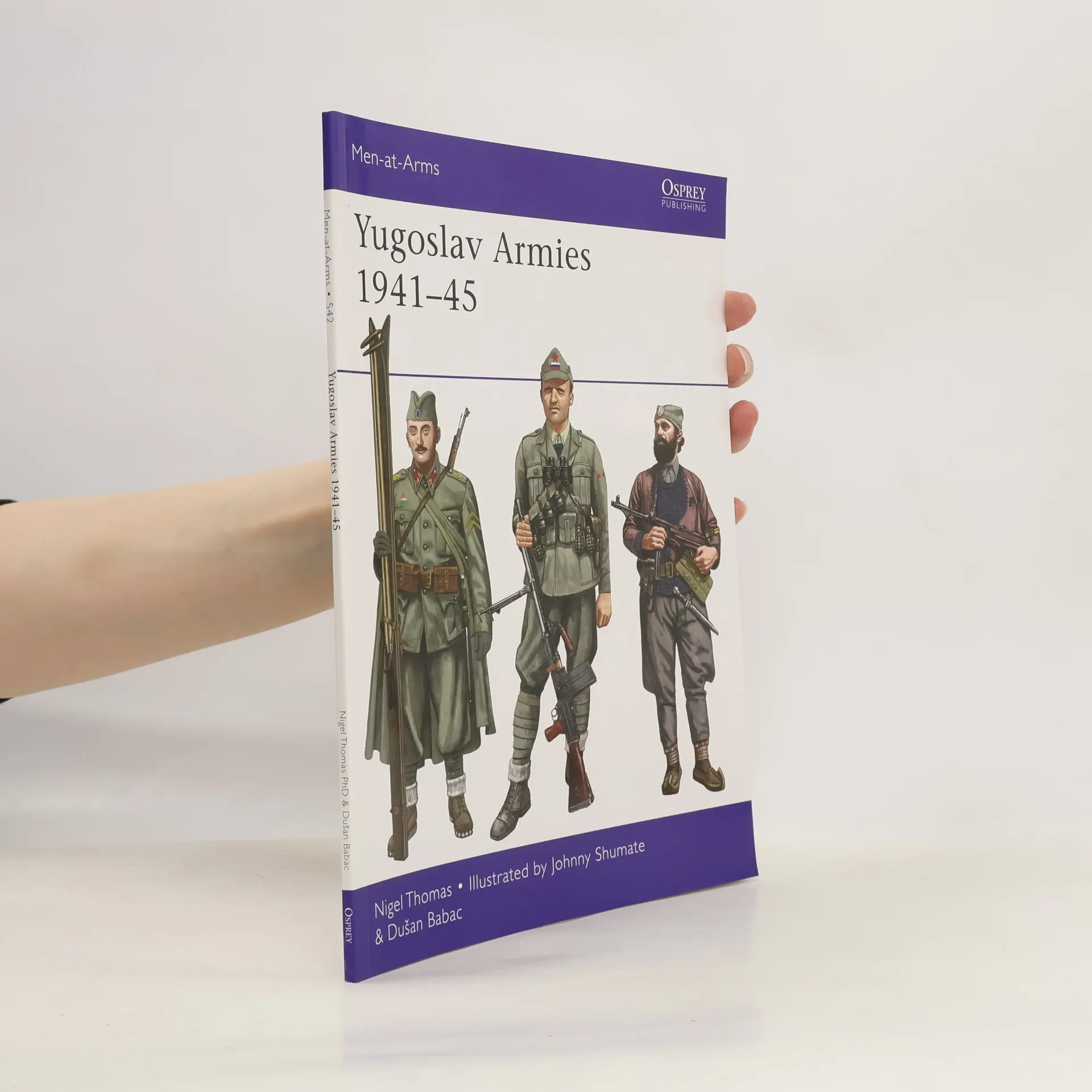
"This volume describes, lists, and illustrates the several combatant forces raised in Yugoslavia during World War II. In March 1941, an anti-German coup in the Kingdom of Yugoslavia prompted Hitler to order an invasion using allied Italian, Hungarian, Bulgarian. and Romanian forces. Operation Marita was an invasion of Yugoslavia and simultaneously Greece. At the same time, the constituent region of Croatia broke away from Yugoslavia and joined the Axis powers. Royal Yugoslav armed forces, despite advancing against the Italians in Albania were forced to surrender after 11 days' fighting and some 1,000 soldiers, airmen, and sailors escaped to British-occupied Egypt to form Free Yugoslav units. From there, guerrilla resistance to the Axis occupiers broke out and continued with increasing strength until the end of the war under Mihailovic's royalist 'Chetniks' and Tito's Communist 'Partisans' (both supported by Britain). However, hostilities between the two movements eventually led to the Chetniks entering into local agreements with Italian occupation forces and Britain switching its support entirely to the Partisans. The advance of the Red Army increased Partisan strength and, during 1944-45, they created what could be described as a lightly equipped conventional army." --Publisher description
Featuring rare photos, detailed colour illustrations and insignia tables, this study explores the contribution made by Czech and Slovak troops fighting alongside Allied forces during World War II. Following the Anglo-French failure at the Munich Conference in March 1938 to prevent a Nazi take-over of Bohemia-Moravia (modern Czech Republic/Czechia), many frustrated Czech and Slovak soldiers sided with Allied forces and fought alongside their armies – first in Poland, then in France, and finally from Britain. Using depictions of relevant uniforms and equipment plus photos of the troops in action, military uniformology expert Nigel Thomas explains how the Czech Army was organized and how it fought alongside Allied forces in the Middle East and at Normandy. He describes the involvement of free Czech agents operating from Britain in Operation Anthropoid, the assassination of Nazi governor Reinhard Heydrich in occupied Bohemia-Moravia, and the part Czech soldiers played in mutinies in both Italy and Prague against German occupation which ultimately helped to secure a final Allied victory.
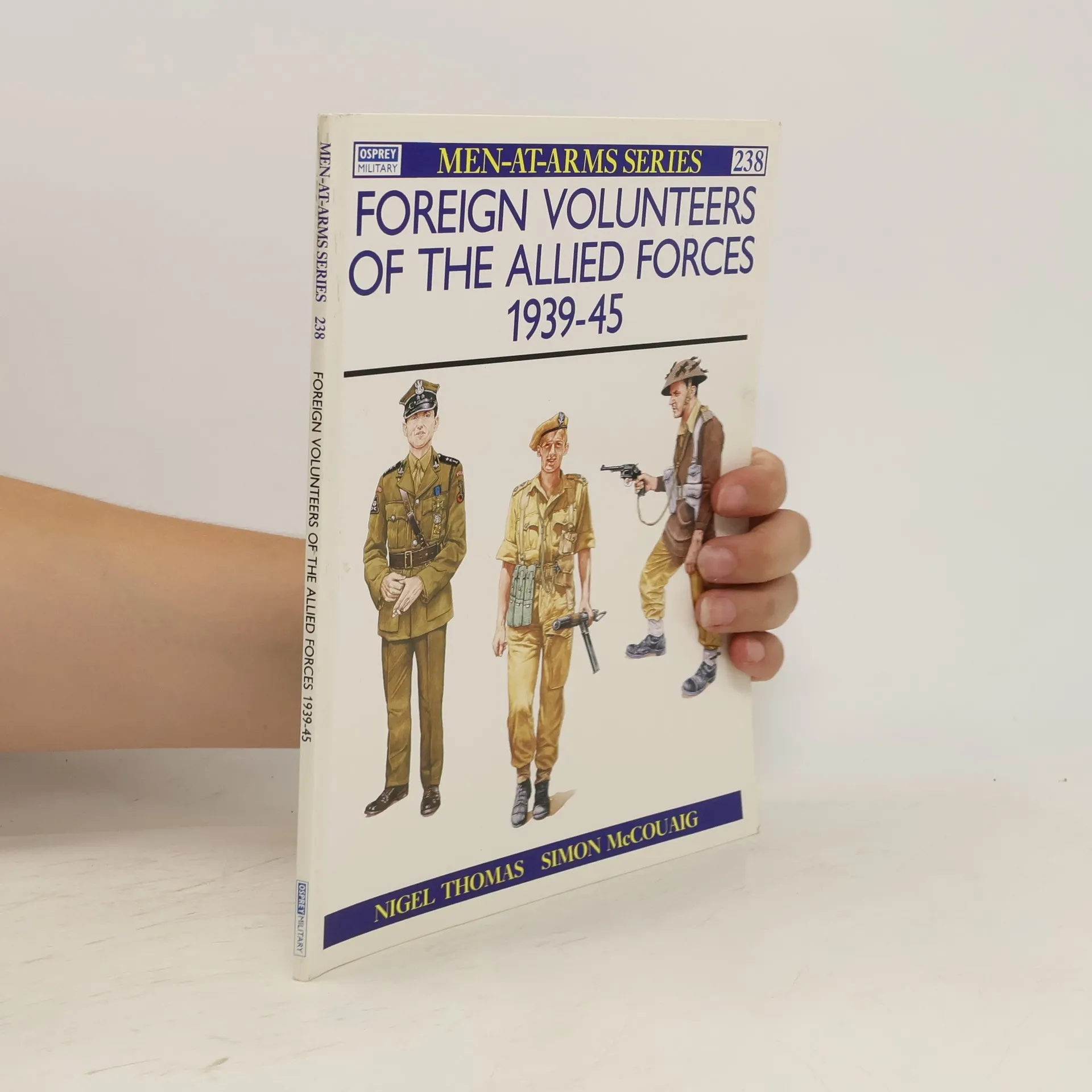
In a period of just over two years, from 15 March 1939 to 30 April 1941, ten countries were defeated in campaigns in which Nazi Germany deployed revolutionary techniques of mobile warfare. The breakneck speed of German victories allowed some defeated troops to escape to friendly countries, where their political leaders established governments-in-exile and formed them into military units to continue the struggle. The hard-pressed Western Allies welcomed this well-motivated manpower with open arms. Nigel Thomas investigates the foreign volunteers of the Western Allies in a fascinating text backed by contemporary photographs and eight full page colour plates by Simon McCouaig.
"Due to its partitions and dissolution in the late eighteenth century, hundreds of thousands of Polish soldiers enlisted in distinct units in the armies of many countries - primarily those of the Russian and Austro-Hungarian empires, but also that of the German Reich and the French Republic. All these forces were uniformed and equipped by the parent armies, though often with explicitly Polish features. The collapse of Tsarist Russia in 1917 and of the Central Powers in 1918 allowed these diverse forces to unite in a re-created Polish Army under the new-born Second Polish Republic in November 1918. With full colour illustrations of their unique and colourful uniforms as well as contemporary photographs, this is the fascinating story of the Poles who fought on both sides of the trenches in World War I and then united to fight for their freedom in the Russian Civil War."--Publisher description
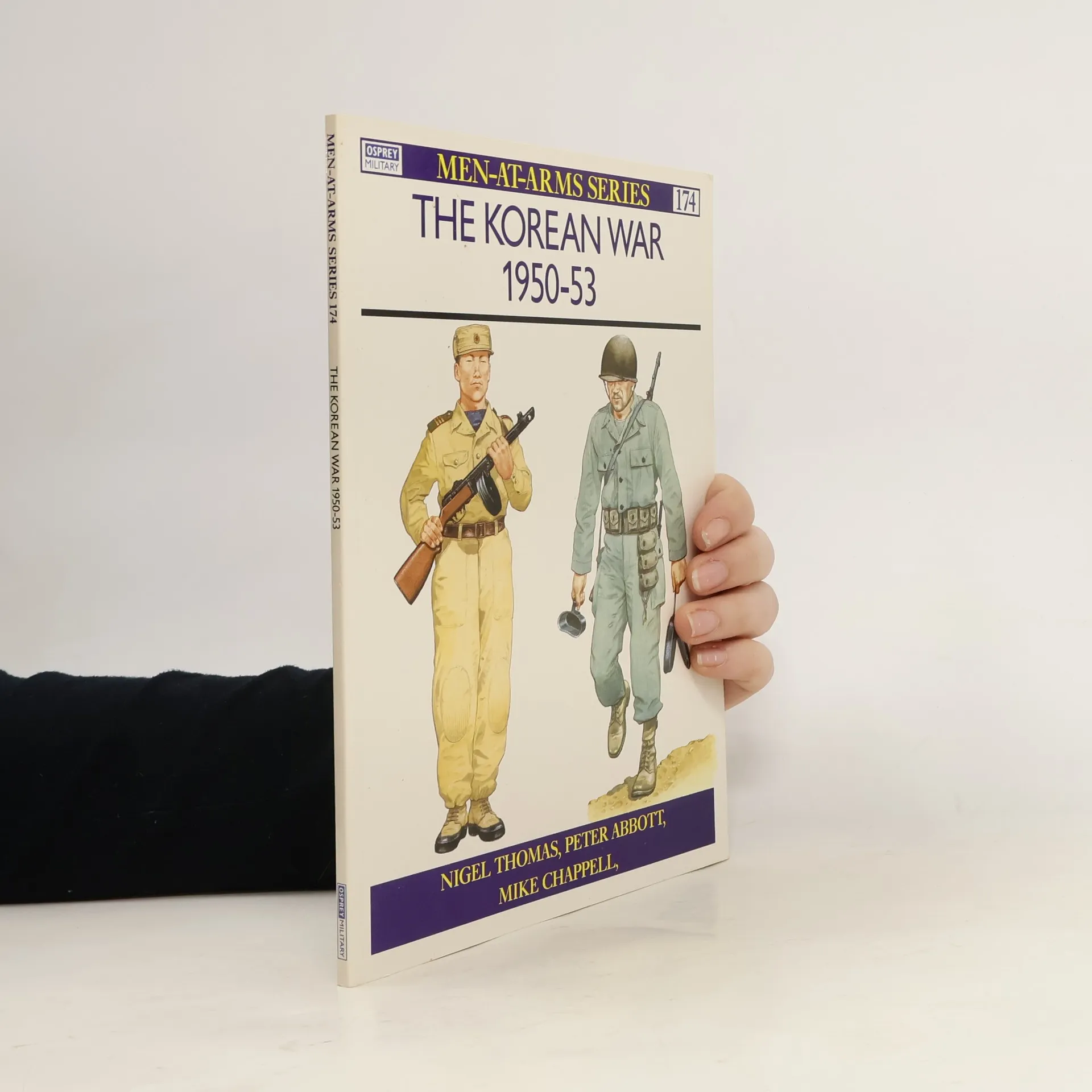
At 4am on Sunday 25 June 1950 powerful North Korean forces invaded South Korea, advancing down the Uijongbu Corridor towards the Southern Capital of Seoul. South Korean troops resisted bravely, but were crushed by overwhelming Northern superiority. Later that day the United Nations Security Council condemned the aggression, and on 7 July appointed US General of the Army Douglas MacArthur to command UN forces which would be sent to save South Korea. Nigel Thomas and Peter Abbott explore the history of this conflict, which pitted UN forces against the People's Republic of China in a resulting in hundreds of thousands of casualties.
In 1917 Poland was recognised as a state by Russia, but the Bolshevik coup
threatened this. This book explains and illustrates the armies that fought in
the epic struggle for the rebirth of the independent Polish nation, in the
bitter aftermath of World War I.
The 1930s were a time of growing tension for the smaller states of Eastern Europe. Since the end of the First World War they had enjoyed an independence which most of them had not known for centuries, but this was now threatened by the growing power of Nazi Germany and Soviet Russia. Instead of combining for self defence, they were bitterly divided. The Munich crisis of 1938, which served as the prelude to World War II, showed how little reliance could be placed on the Western democracies, whose power to intervene militarily in Eastern Europe was negligible. In effect this left the smaller East European states with little alternative but to become clients of either Germany or Russia.
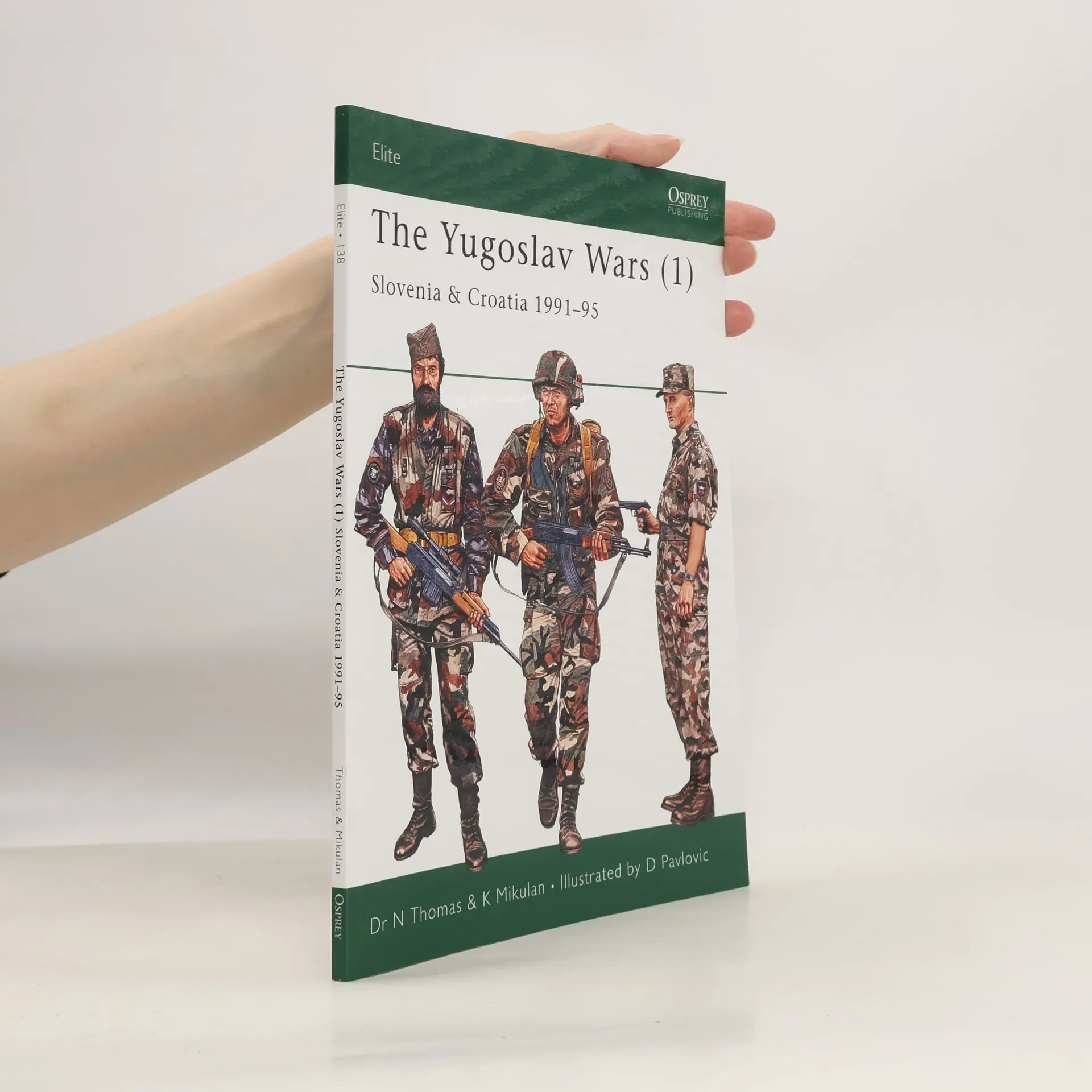
Osprey's examination of Slovenia and Croatia's armies' involvement in the Yugoslav Wars (1991-1995). Following the death of the Yugoslavian strongman President Tito in 1980, the several semi-autonomous republics and provinces that he had welded into a nation in 1945 moved inexorably towards separation. After a deceptively clean break for independence by Slovenia in 1991, the world watched a series of other wars rip through this modern European state. In this first of two volumes, experts on the Balkan region give an unprecedentedly clear, concise explanation of the Slovene, Croatian and Krajina-Serb armies of these campaigns, illustrated with rare photos and an extraordinary range of colour uniform plates.
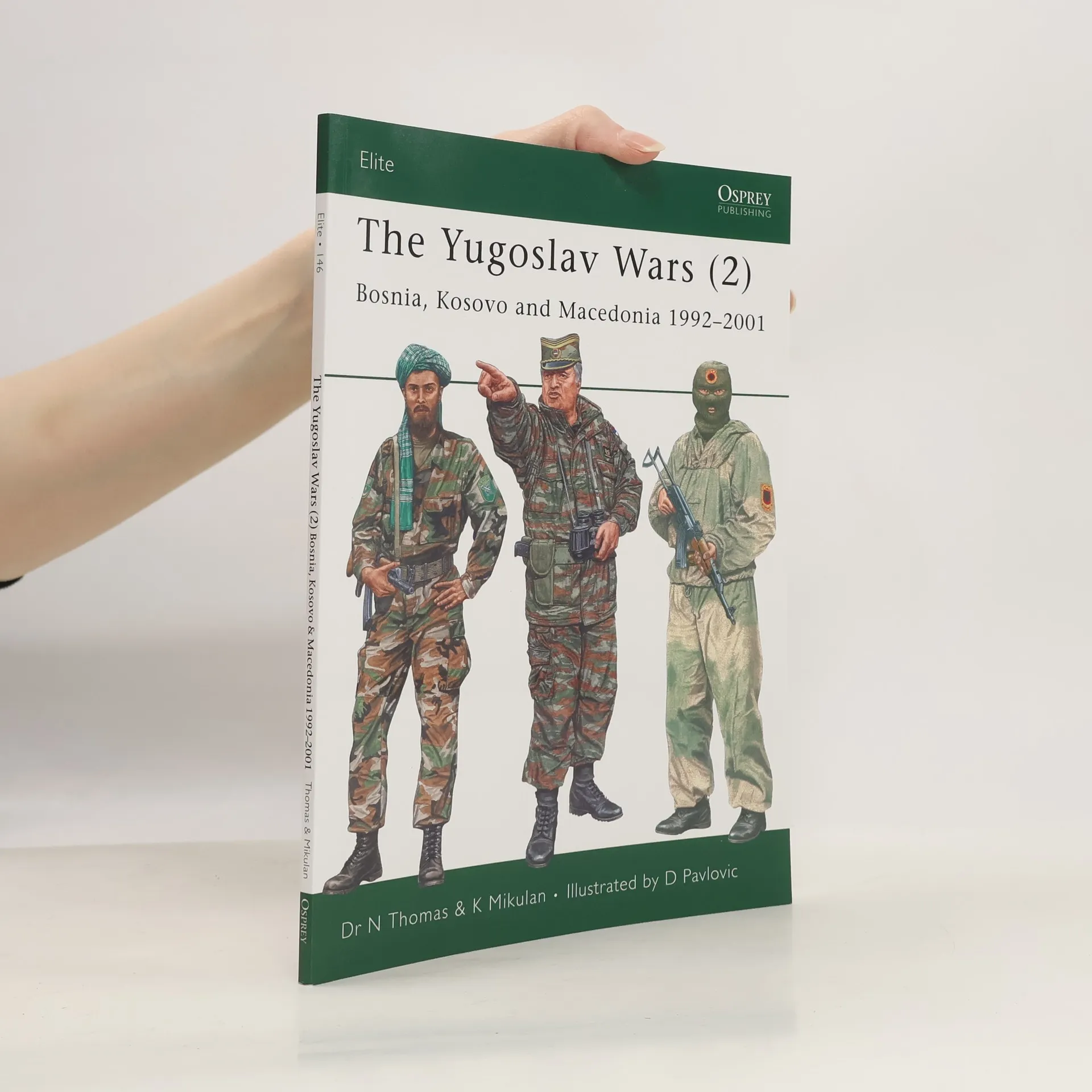
Osprey's examination of Bosnia, Kosovo and Macedonia's involvement in the Yugoslav Wars (1991-1995), as well as their involvement in the conflicts of the years that followed. Following the death of the Yugoslavian strongman President Tito in 1980, the several semi-autonomous republics and provinces that he had welded into a nation in 1945 moved inexorably towards separation. As the world watched a series of wars ripped through this modern European state. In this second of two volumes, experts on the Balkan region give an unprecedented, clear and concise explanation of the armies of the the Bosnian Civil War 1992-5 as well as the conflicts in Kosovo and Macedonia. This includes the regular and militia forces which fought in these campaigns and which ultimately resulted in the UN/NATO policing of the region that continues to this day. The book is illustrated with rare photos and an extraordinary range of colour uniform plates.
Though the 'Wehrmachtsgefolge' (Armed Forces Auxiliaries) were generally inferior to their armed forces equivalents, their contribution to the German war-effort was far from negligible. Auxiliaries including the NSKK, Transportkorps Speer, Reichsarbeitsdienst and Organization Todt supported the Wehrmacht in their duties. In 1944, the strength of these organizations peaked at 3,800,000-40% of the size of the armed forces. As they became increasingly aware of their importance, the Auxiliaries introduced uniform and insignia modifications which made them virtually indistinguishable from their comrades in the armed forces. This book examines the organization, uniforms and history of the various Wehrmacht auxiliary forces of World War II.
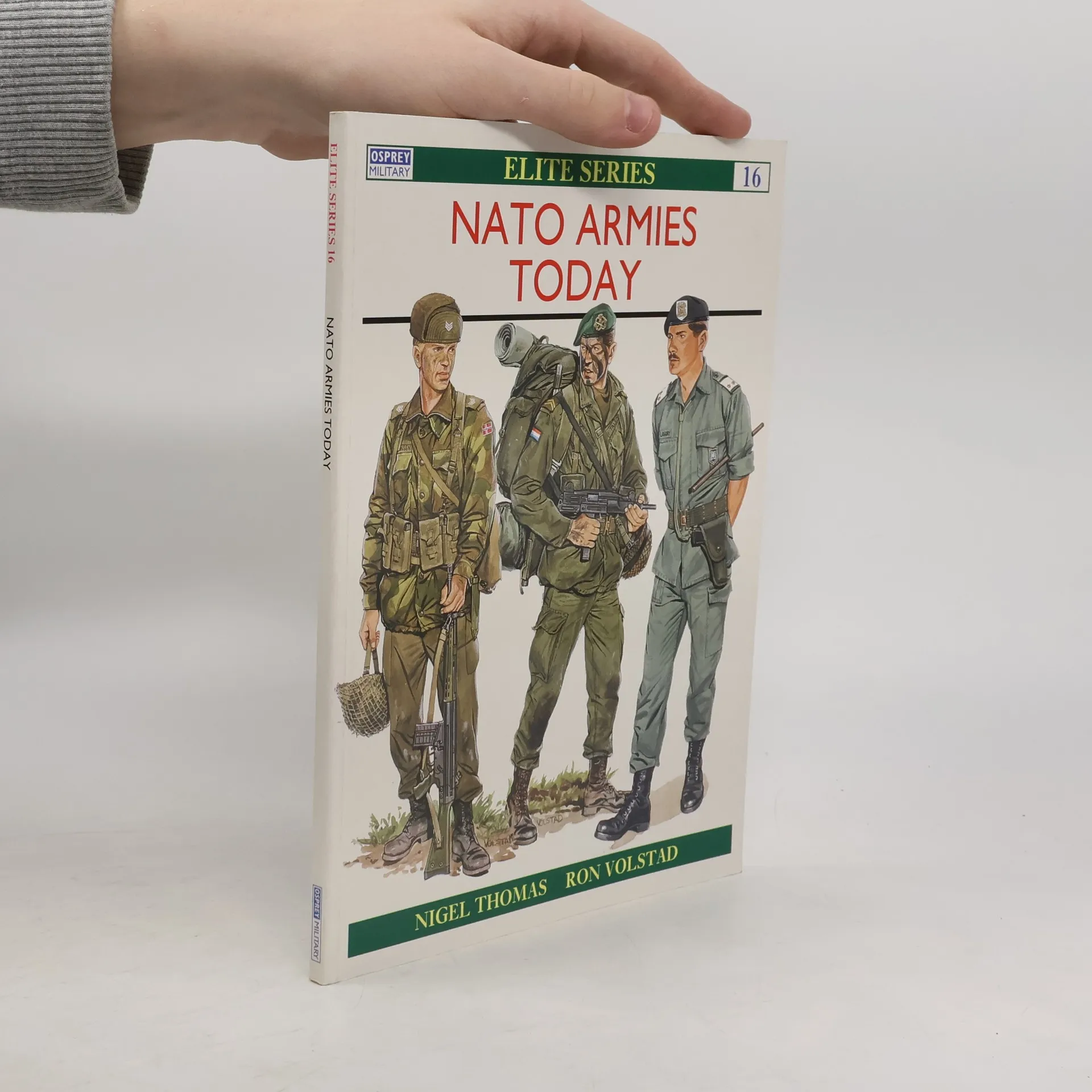
Osprey's study of NATO armies of the post-World War II period. The defeat of Hitler on 8 May 1945 left Western Europe militarily vulnerable and economically exhausted. The Soviet Union, however, had since 1940 annexed 180,000 square miles of Eastern Europe, occupied a further 390,000 square miles, and now seemed poised to advance still further westwards with its six-million strong forces. The increasing Soviet threat brought forth demands for a permanent Western Military alliance, and on 4 April 1949, the North Atlantic Treaty was signed in Washington DC. This book explores the history, organization and uniforms of NATO armies - excluding the United States and Great Britain - as they were in the late 1980s.
Tematicky ucelená publikace o účasti německého wehrmachtu ve druhé světové válce z produkce britského nakladatelství Osprey. Pokrývá všechna stěžejní témata mající souvislost s pozemní částí německých ozbrojených sil: bleskovou válku a boje na africké, italské, východní i západní frontě. Obsahuje velké množství vzácných, podrobně komentovaných dobových fotografií a detailní barevné ilustrace.
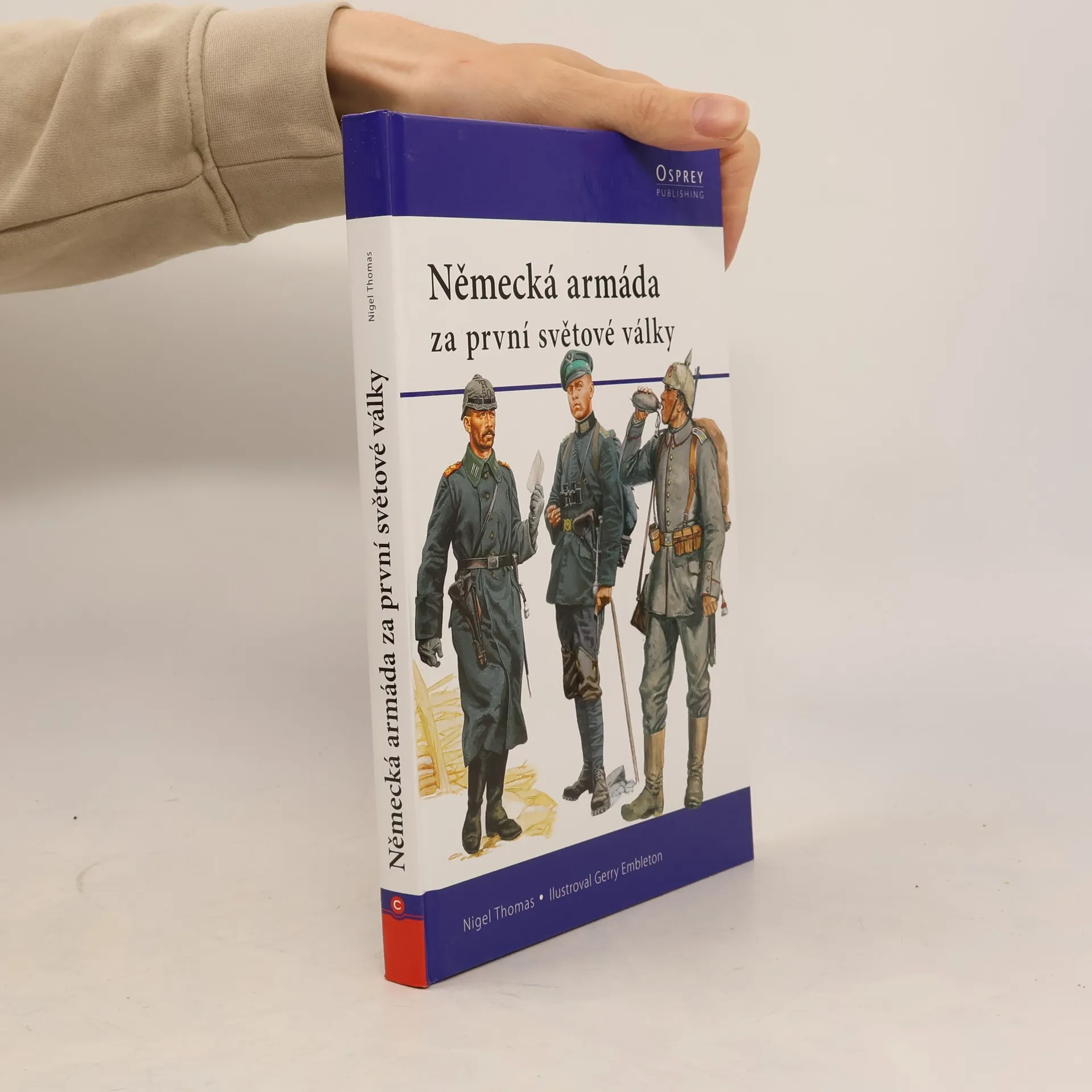
Knihu o účasti německé armády v první světové válce vydalo v anglickém originále světoznámé nakladatelství Osprey. Publikace mapuje historii, strukturu a výzbroj německých jednotek a hlavních druhů zbraní v období let 1914 až 1918, spolu se shrnutím vývoje na tehdejších válečných frontách. Kniha přináší mnoho podrobných informací, které o tomto tématu v ČR dosud nebyly publikovány.
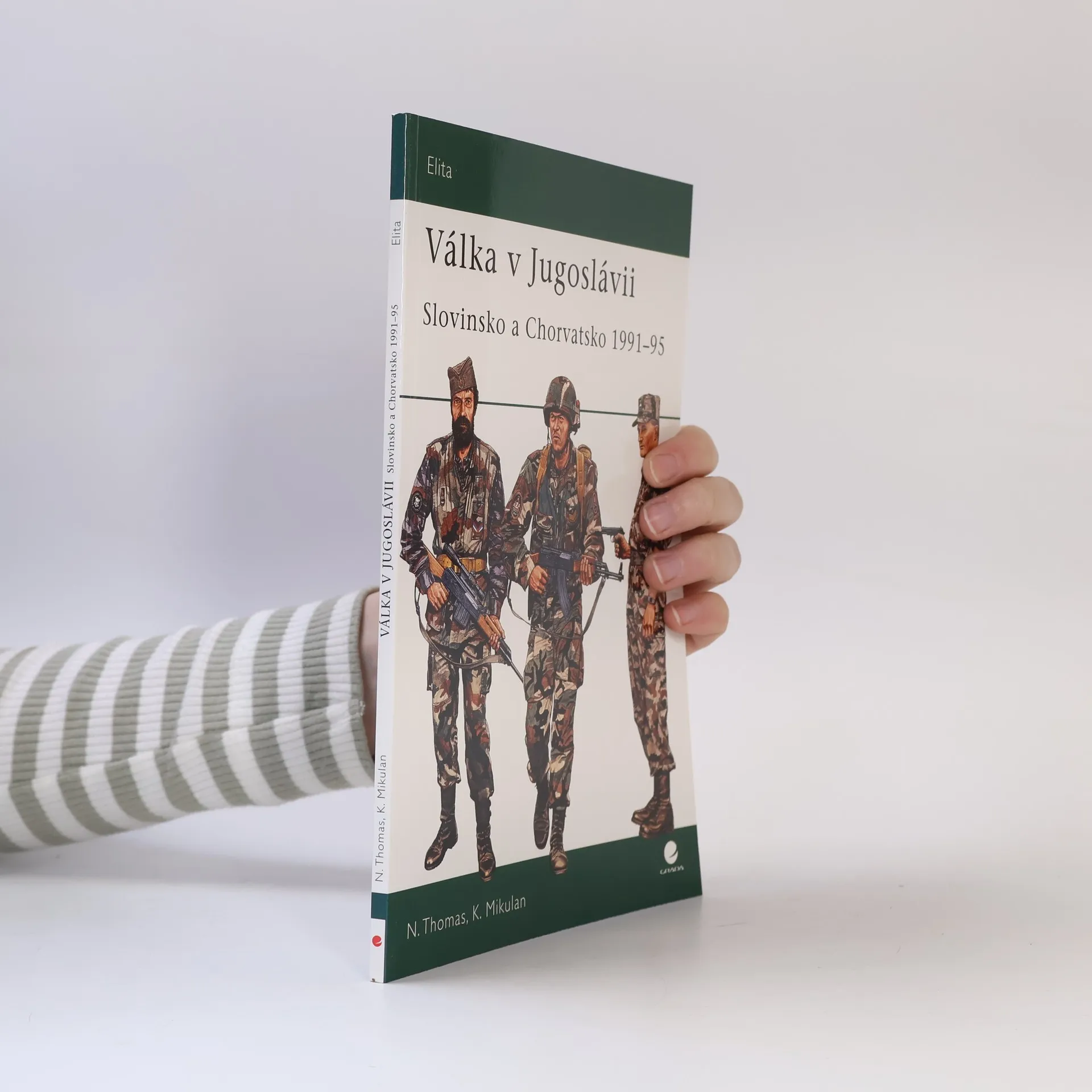
Tato publikace je součástí dvoudílného rozboru válečného konfliktu, jenž se rozhořel v bývalé Jugoslávii bezprostředně po vyhlášení nezávislosti Slovinska v roce 1991 a poté se rozšířil i na území Chorvatska. Detailní, zasvěcené a neobyčejně přesvědčivě podané informace svědčí o tom, že autoři knížky problematiku suverénně ovládají. Zaměřují se nejen na postup a organizaci slovinské, chorvatské armády a armády Srbské Krajiny, ale objasňují také historii vzniku jugoslávského státu po první světové válce a příčiny, které vedly k jeho rozpadu. Ani zde nechybí mapy, unikátní fotografie, přehledy bitevních pořádků armád a obrázové ztvárnění výstroje a výzbroje.
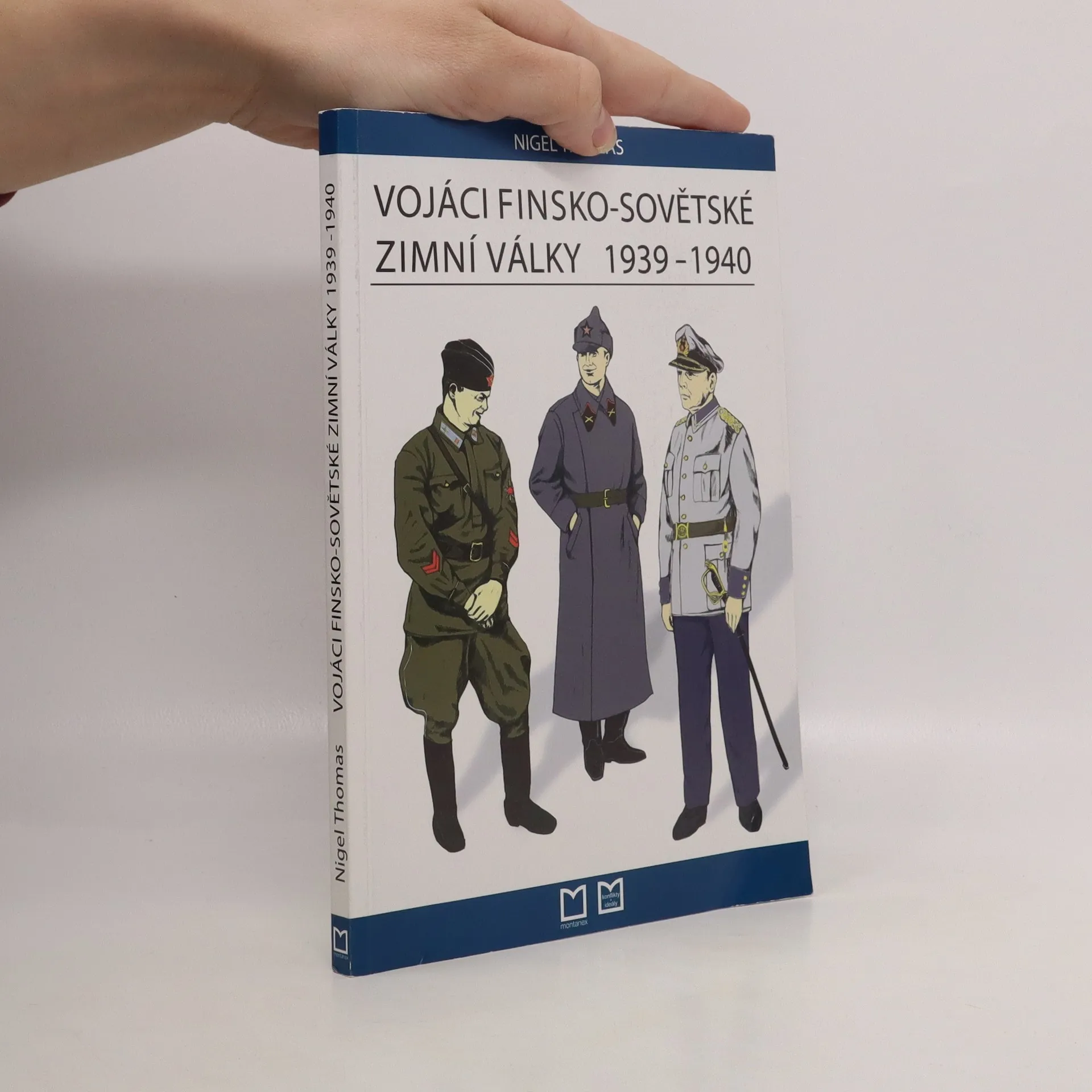
Tato kniha nabízí komplexní přehled o organizaci, vnitřním členění, hodnostních označeních a uniformách armád obou protagonistů válečného konfliktu, který se odehrál mezi listopadem 1939 a březnem 1940. Kromě detailního popisu finské i sovětské armády, které zasáhly do zimní války, nalezne čtenář v této ojedinělé knize vysvětlení důvodů vzniku válečného konfliktu, seznámí se s jeho průběhem a bude schopen posoudit jeho význam pro další vývoj tohoto regionu. Nechybí ani barevná obrazová příloha, která názorně představuje vojenská označení a vybrané uniformy obou armád.