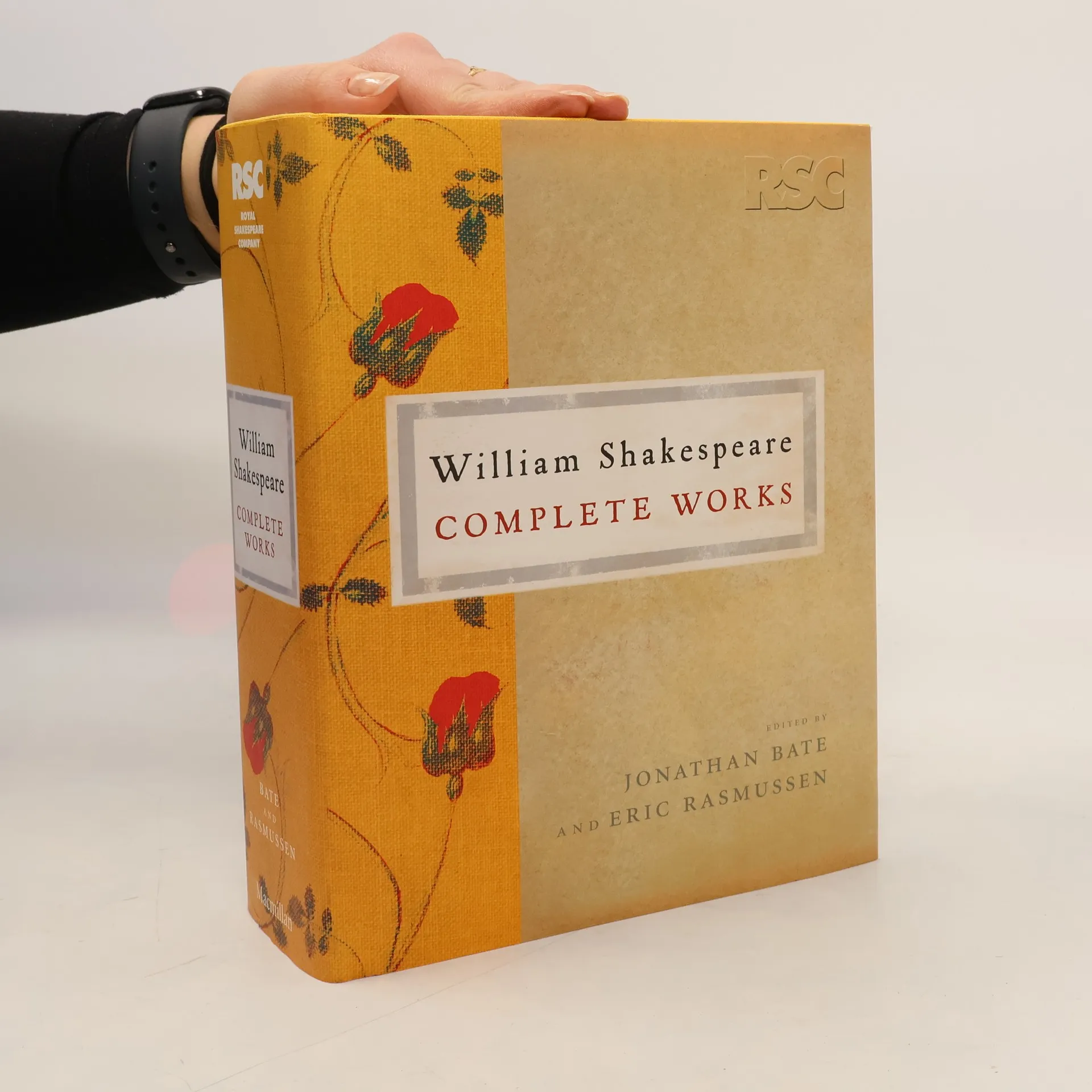
Tempest Two Gentlemen of Verona Merry Wives of Windsor Measure for Measure Comedy of Errors Much Ado About Nothing Love's Labour's Lost Midsummer Night's Dream Merchant of Venice As You Like It Taming of the Shrew All's Well That Ends Well Twelfth Night Winter's Tale King John King Richard II King Henry IV. Part 1 King Henry IV. Part 2 King Henry V King Henry VI. Part 1 King Henry VI. Part 2 King Henry VI. Part 3 King Richard III King Henry VIII Troilus and Cressida Coriolanus Titus Andronicus Romeo and Juliet Timon of Athens Julius Caesar Macbeth Hamlet King Lear Othello Anthony and Cleopatra Cymbeline Pericles Venus and Adonis Rape of Lucrece Sonnets Lover's Complaint Passionate Pilgrim Sonnets to Sundry Notes of Music Phoenix and the Turtle
Jonathan Bate Books
This British author explores the profound connection between humanity and the natural world. His work, deeply influenced by Romanticism and with a keen focus on Shakespeare, offers insightful explorations of the human spirit and its place within the wider ecosystem. Through his critical and academic writings, he provides unique interpretations of classic texts while engaging with pressing ecological concerns. His prose is both scholarly and accessible, inviting readers to delve into complex themes with fresh understanding.

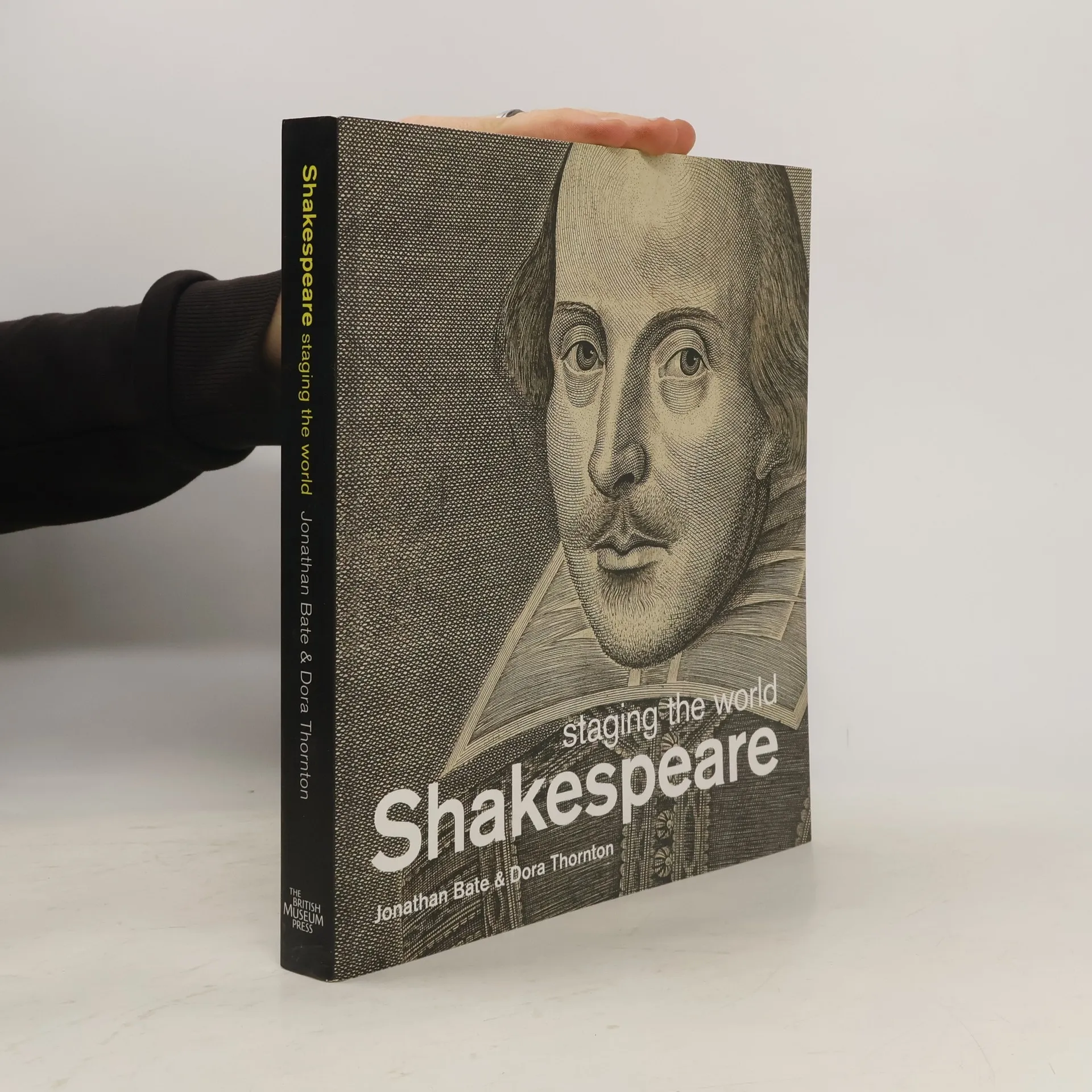
Shakespeare: staging the world
- 272 pages
- 10 hours of reading
Presents a fresh view of the early modern world through the eyes of Shakespeare, his players and audiences. This book illustrates the Catholic counterculture that is revealed through the failed Gunpowder Plot, which was later to prove the inspiration for Macbeth.
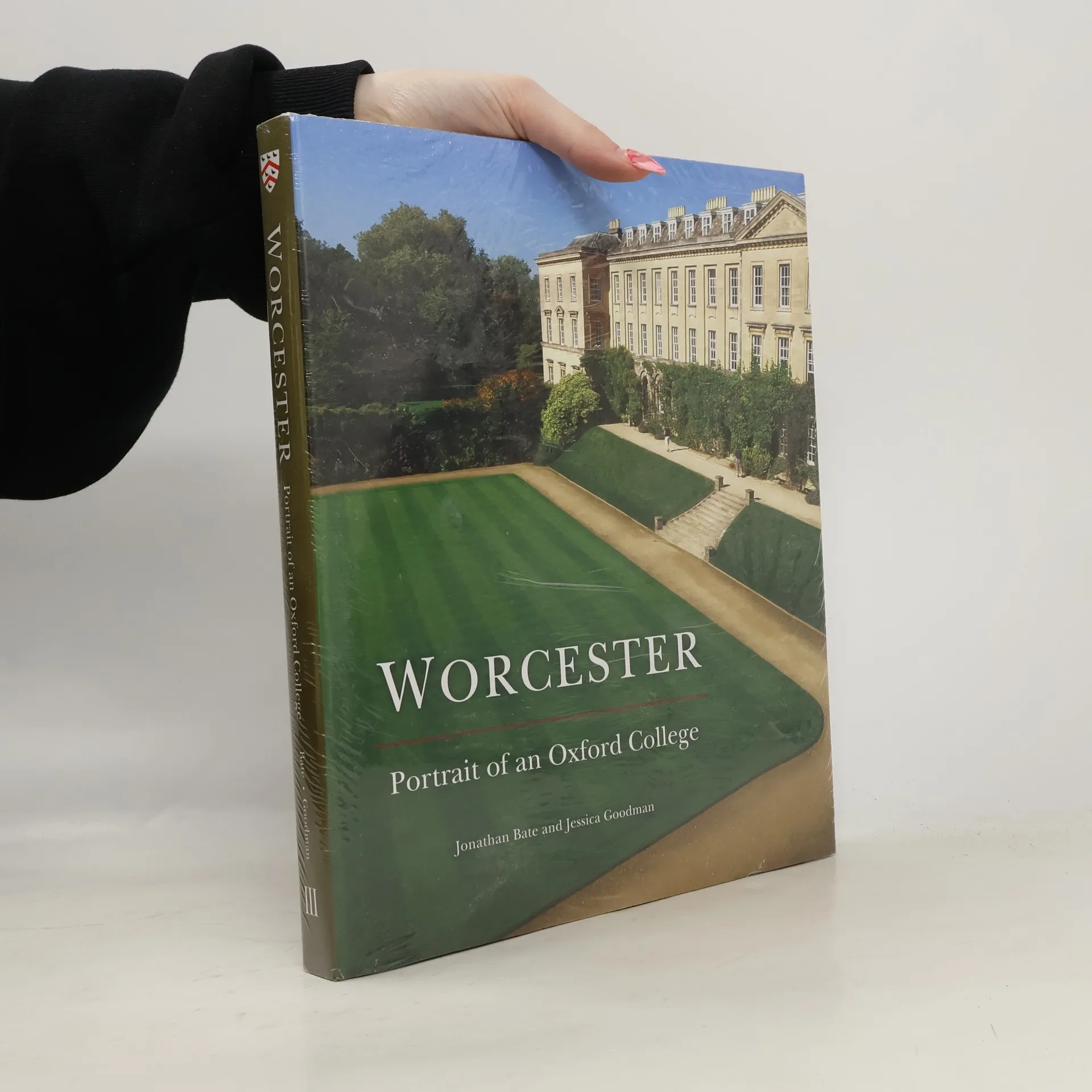
Myth and fact are not always easy to separate in Worcester's history; provoking a range of interesting, often quirky questions with even quirkier answers.Was there really a time when the College became a training-ground for Greek Orthodox clergy from Constantinople and Antioch? True, albeit only briefly.Was Lewis Carroll inspired to create the rabbit-hole in Alice, by seeing the tunnel into the gardens at the end of the main quad? Almost certainly false.Did wallabies once roam the College grounds? Yes. Did Rupert Murdoch put them there? No.This book is for anyone who wants to know why Worcester seems to create a special magic, for readers intrigued by a very unusual Oxford College, and for anyone interested in Worcester's people - from the architect and collector George Clarke, to the opium-eater Thomas de Quincey, to spymaster Masterman to the dons, the staff and the students who have enlivened the College in more recent times.It is a rich and colorful 'portrait' of the not an academic history, but an impression of the place, its people and its customs.
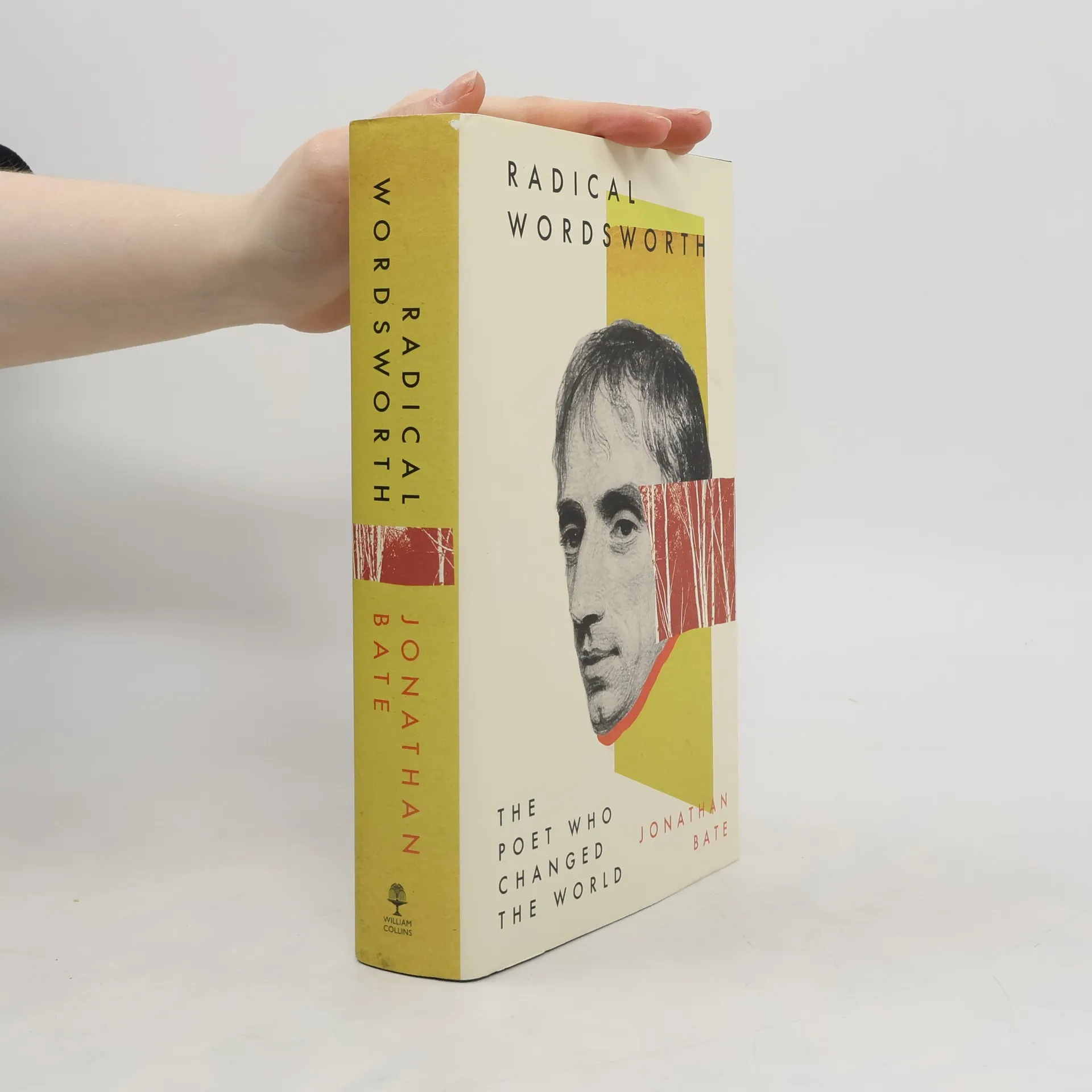
Radical Wordsworth
- 608 pages
- 22 hours of reading
A dazzling new biography of Wordsworth's radical life as a thinker and poetical innovator, published to mark the 250th anniversary of his birth.
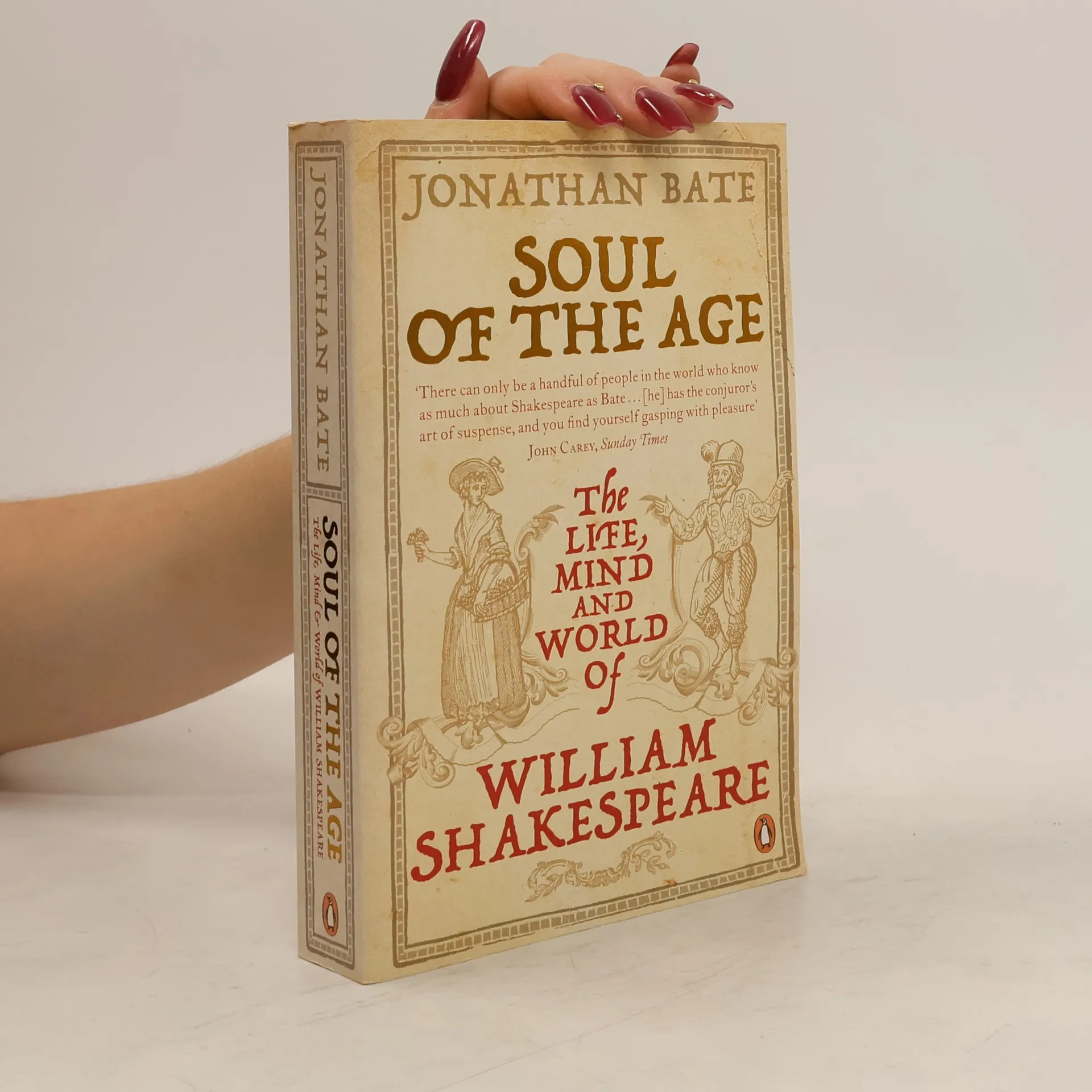
Soul of the Age
- 512 pages
- 18 hours of reading
How did plague turn Shakespeare from a jobbing hack into a courtly poet? How did Bottom's dream rewrite the Bible? How did Shakespeare's plays lead to the deaths of an earl and a king? And why was he the one dramatist of his generation never to be imprisoned? This book helps you to understand what being Shakespeare was actually like.
'Enlightening, moving' SIR IAN MCKELLEN From the acclaimed and bestselling biographer Jonathan Bate, a luminous new exploration of Shakespeare and how his themes can untangle comedy and tragedy, learning and loving in our modern lives.
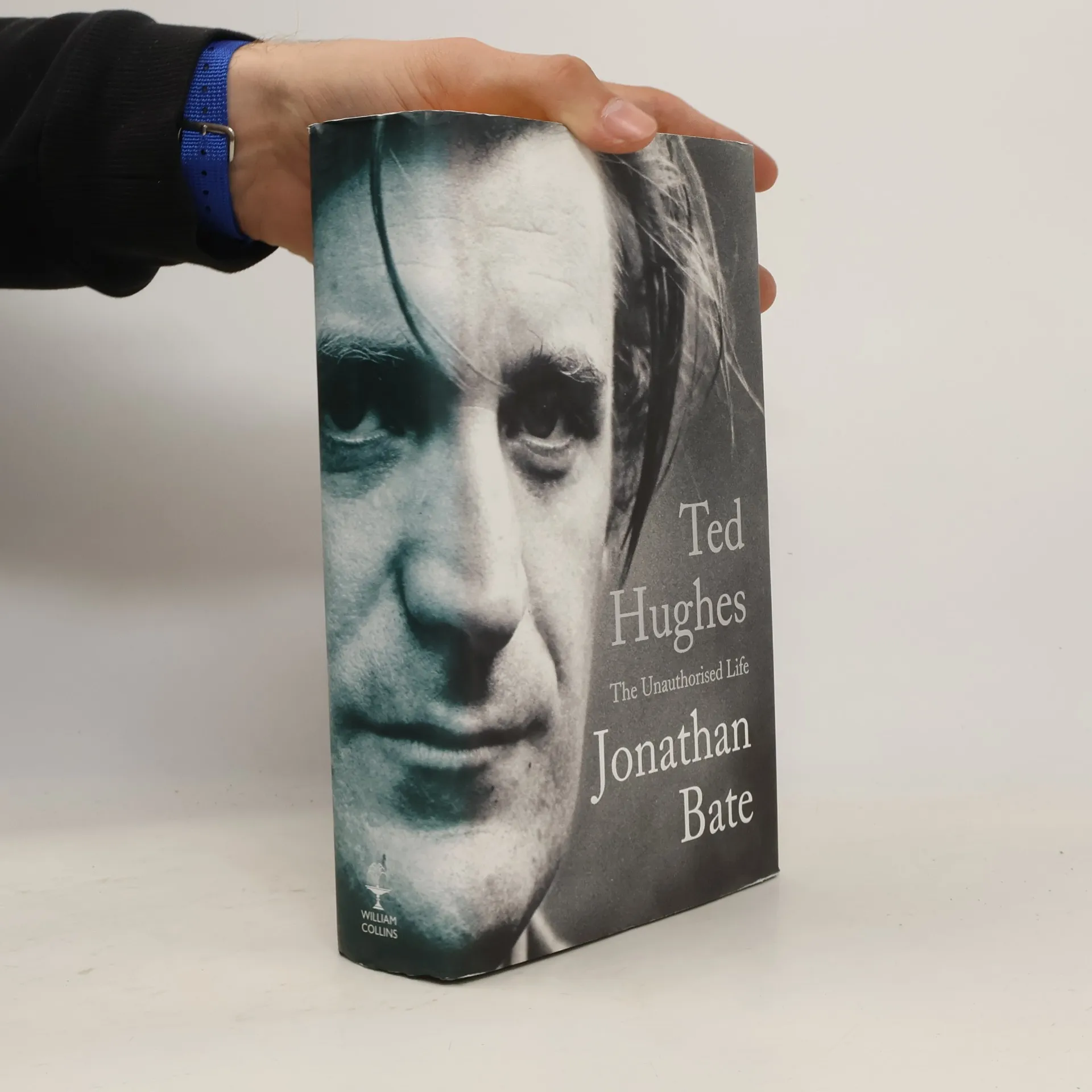
A captivating life of Ted Hughes, told with great depth by the prize-winning author of The Genius of Shakespeare , and biographer of John Clare, Jonathan Bate. Ted Hughes, Poet Laureate, was one of the greatest writers of the twentieth century. With an equal gift for poetry and prose, he had a magnetic personality and an insatiable appetite for friendship, for love and for life. But he attracted more scandal than any poet since Lord Byron. Renowned scholar Sir Jonathan Bate has spent five years in his archives, unearthing a wealth of new material. Here for the first time is the full story of Ted Hughes's life and work. At its centre is Hughes’s lifelong quest to come to terms with the suicide of his first wife, Sylvia Plath.
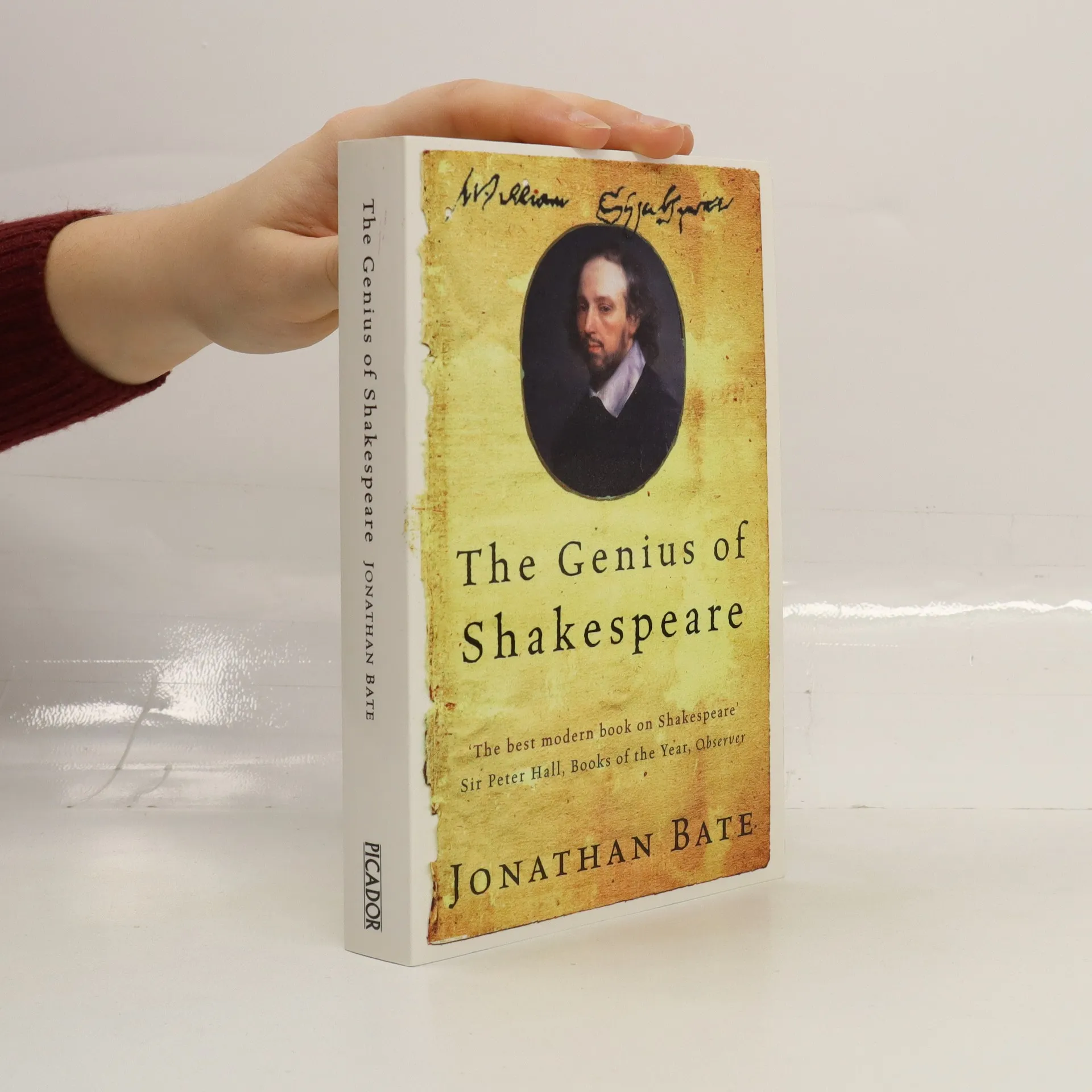
Bate presents an exhilarating, witty and original account of how Shakespeare has come to be accepted as the world genius of literature. He includes an attack on the nationalistic interpretation of Shakespeare
King Lear
- 176 pages
- 7 hours of reading
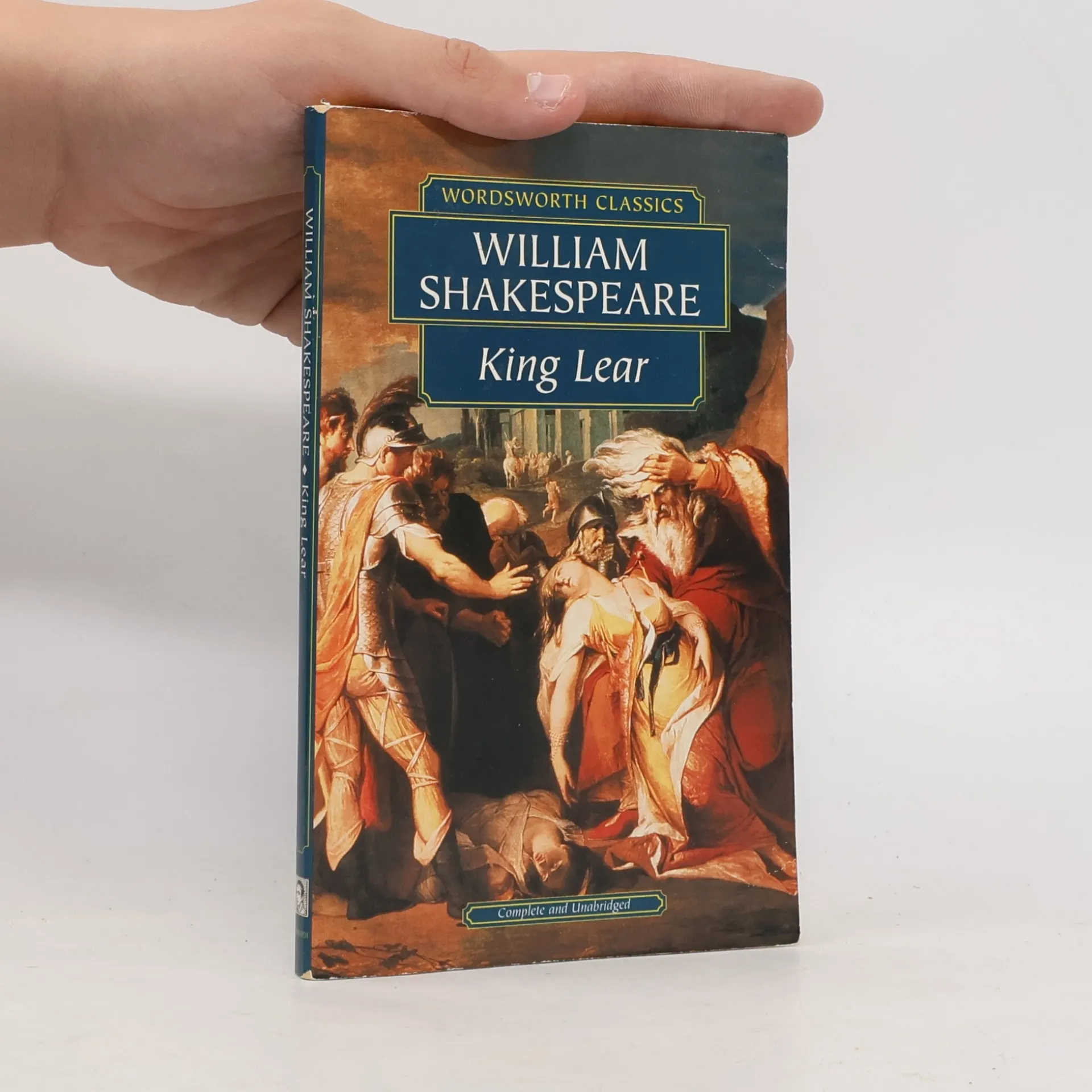
Love and hate, loyalty and treachery, cruelty and self-sacrifice: all these contend in a tempestuous drama which has become an enduring classic of the world's literature.
Bright Star, Green Light
- 432 pages
- 16 hours of reading
A dazzling biography of two interwoven, tragic lives: John Keats and F. Scott Fitzgerald. 'Highly engaging ... Go now, read this book' THE TIMES
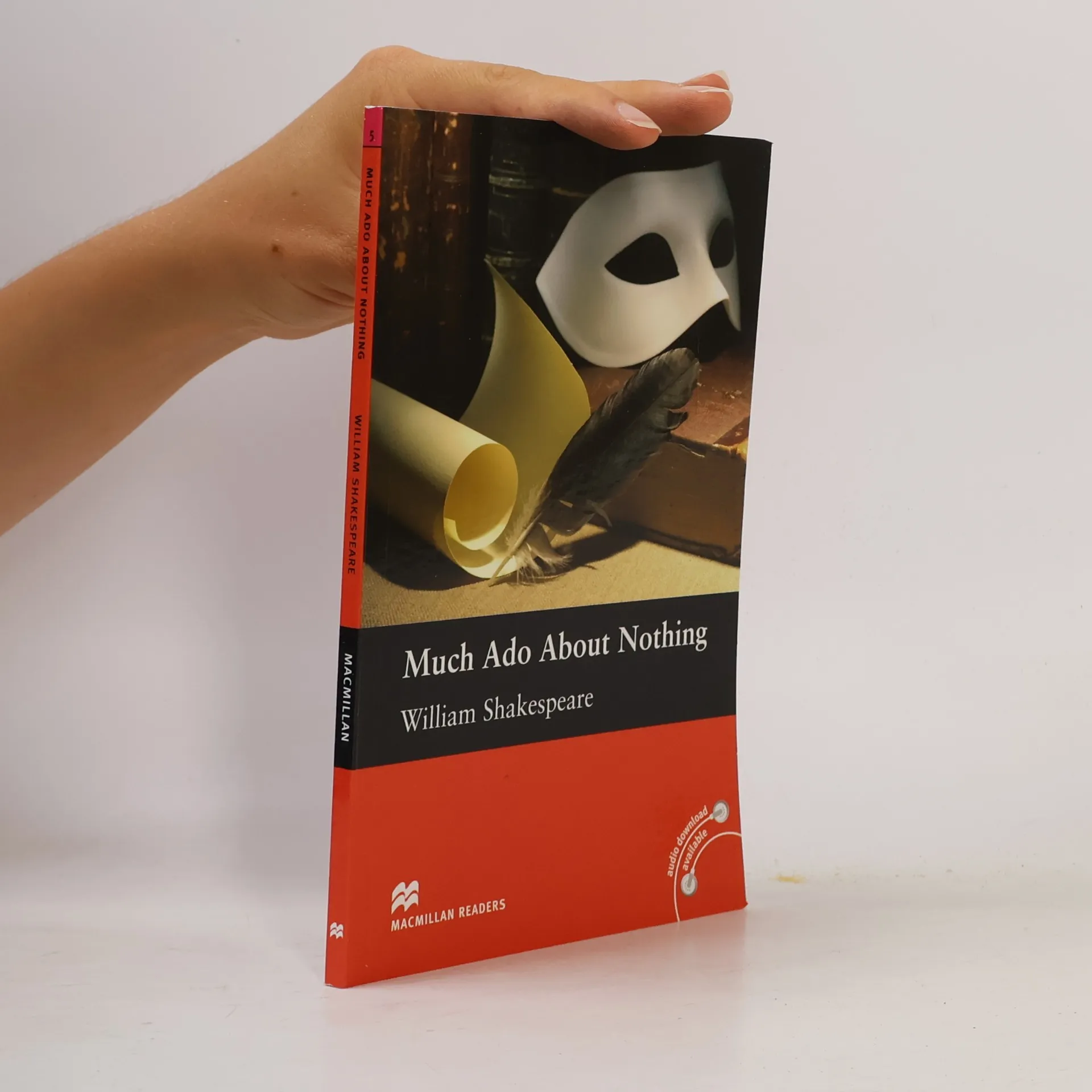
One of Macmillan's series of graded readers Much Ado About Nothing is Shakespeare's famous comedy/drama about the war of power and understanding between men and women and the disguises they wear in their romantic relationships.
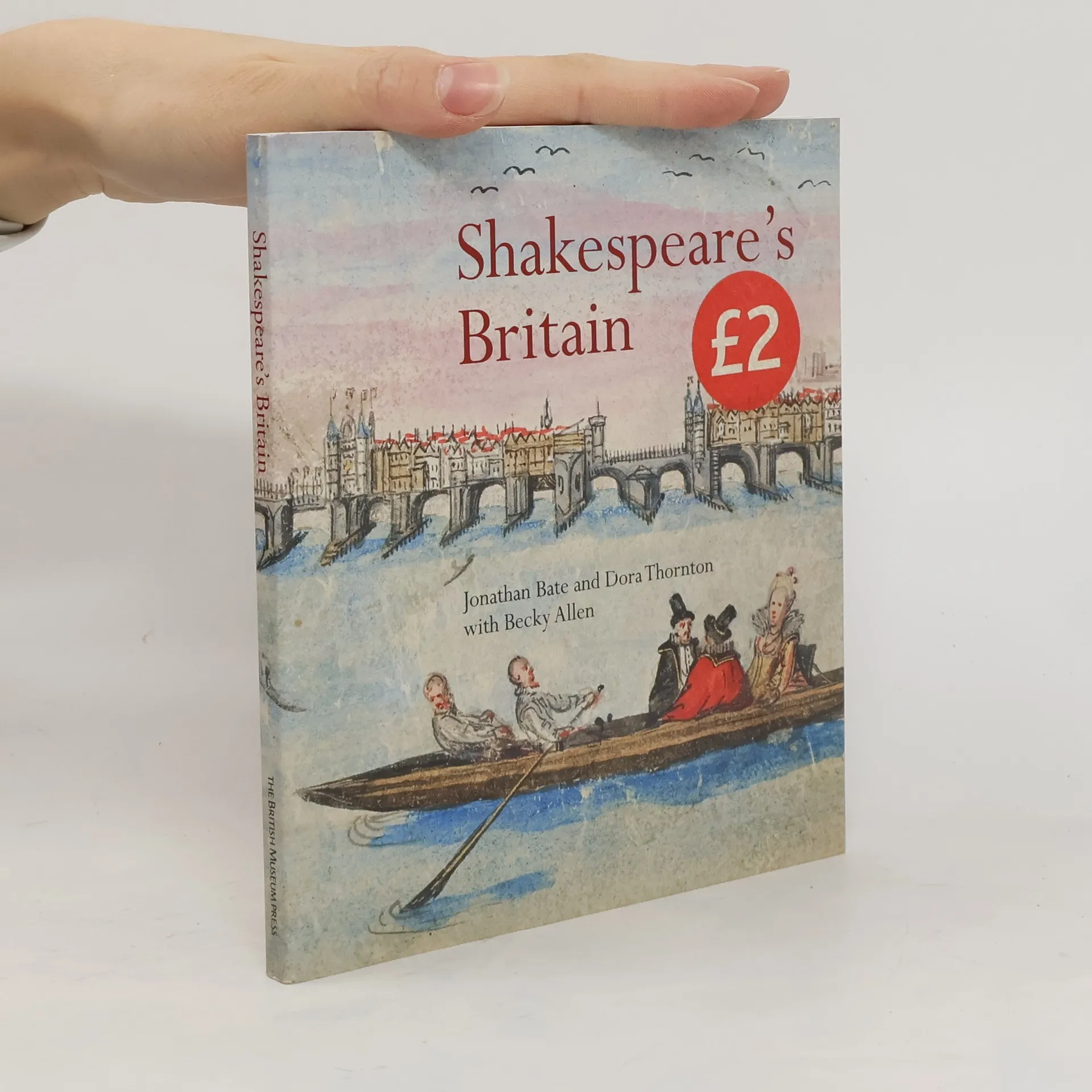
Shakespeare's Britain
- 96 pages
- 4 hours of reading
From the common playgoers to the royal patrons, this book explores Britain from the perspective of Shakespeares audience revealing how the significant issues of the day were explored at the playhouse through objects and quotations from Shakespeares plays
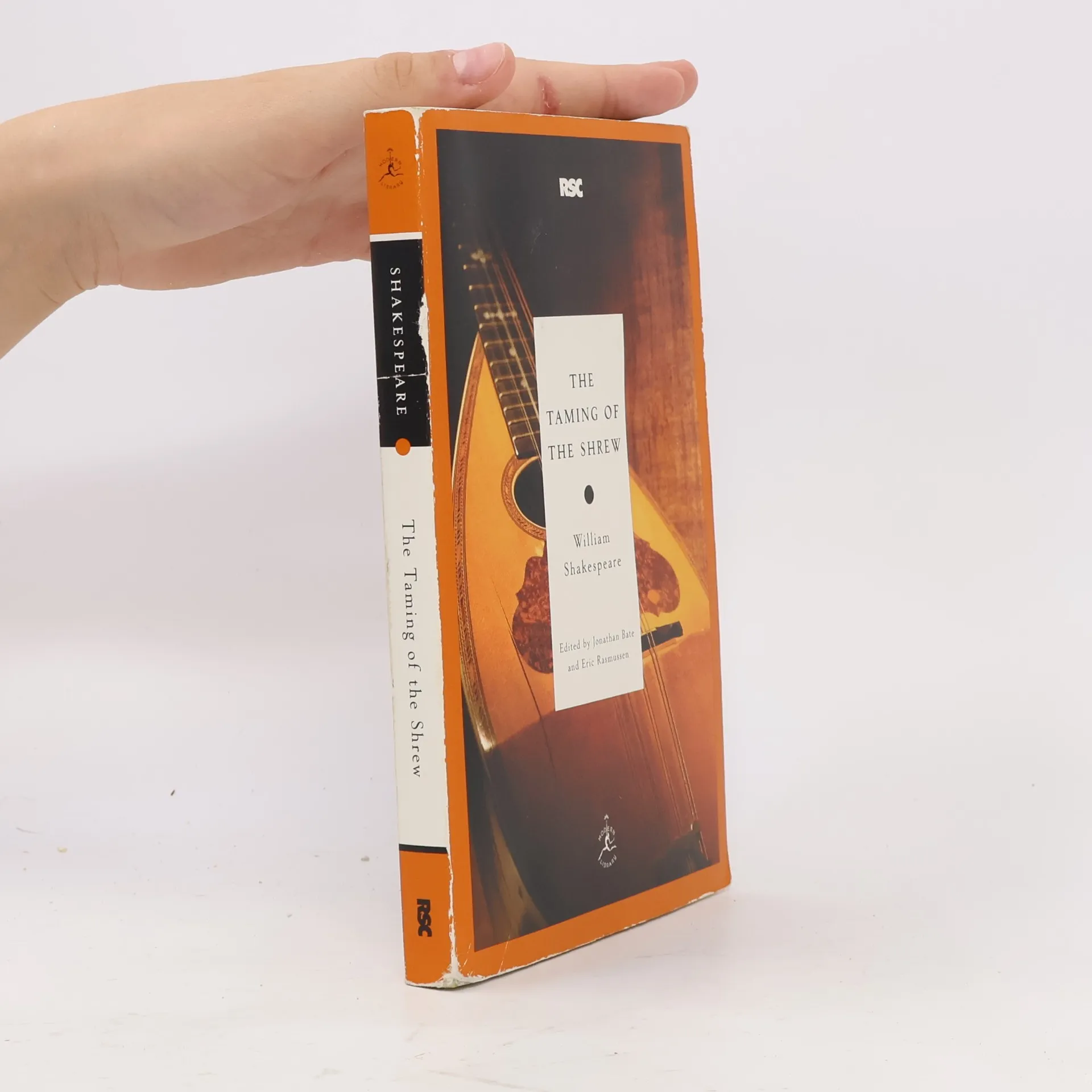
The Taming of the Shrew
- 224 pages
- 8 hours of reading
Featuring a detailed scene-by-scene synopsis, this book provides insights into the production history of the play and an overview of Shakespeare's career. It offers a comprehensive exploration of the themes and context surrounding the work, making it an invaluable resource for students and enthusiasts of Shakespearean literature.
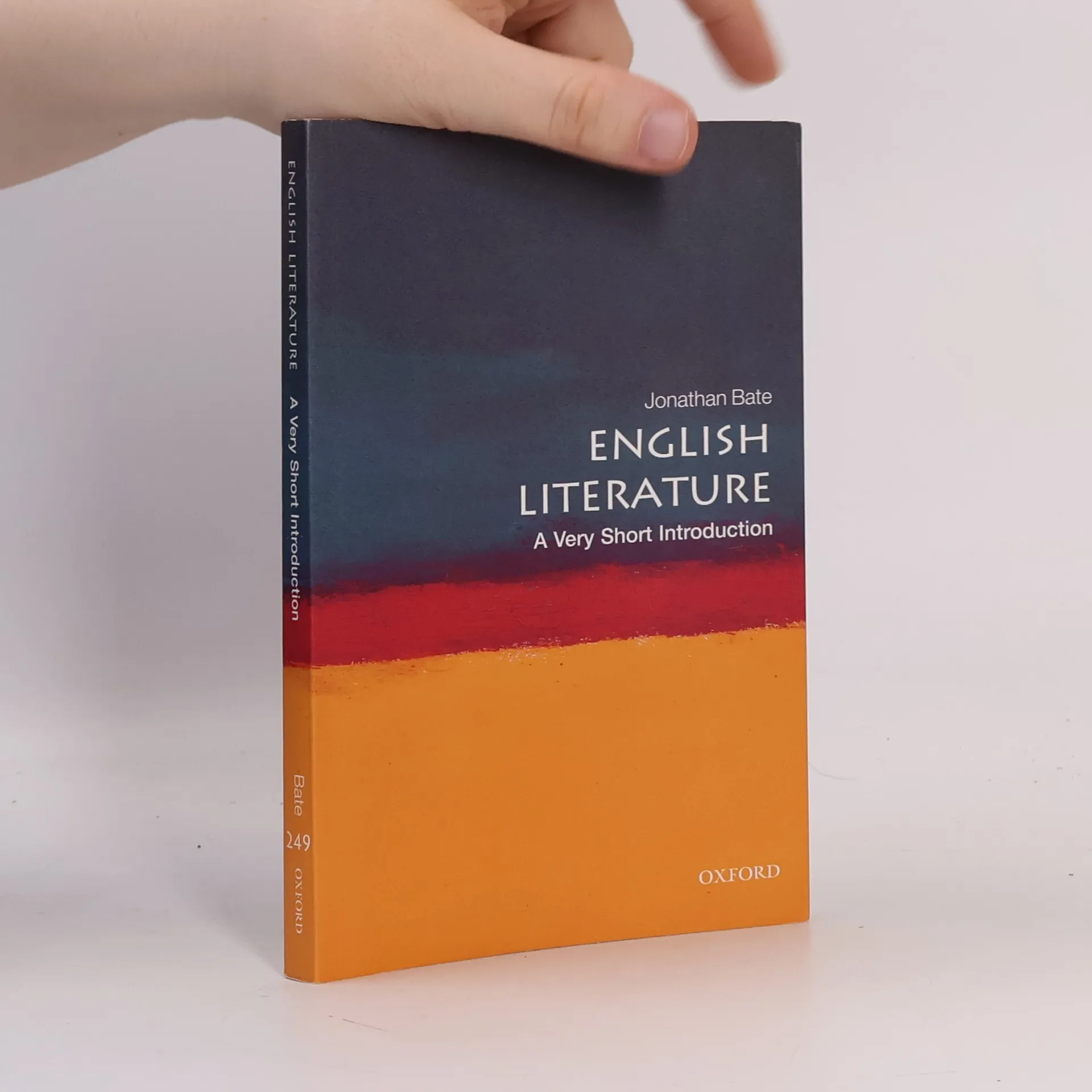
English Literature: A Very Short Introduction
- 179 pages
- 7 hours of reading
A renowned critic, biographer, and Shakespeare scholar, Jonathan Bate provides in this Very Short Introduction a lively and engaging overview of the literature that Jorge Luis Borges called "the richest in the world." From the medieval "Hymn of Caedmon" to George Orwell's "Why I Write," from Jane Austen to Ian McEwan, and from Winnie the Pooh to Dr. Johnson, this brilliant, compact survey stretches across the centuries, exploring the major literary forms (poetry, novel, drama, essay and more), the many histories and theories of the very idea of literature, and the role of writers in shaping English, British, and post-imperial identities. Bate illuminates the work of Chaucer, Shakespeare, Wordsworth, Dickens, and many other major figures of English literature. He looks at the Renaissance, Romanticism, and Modernism, at the birth of the novel and the Elizabethan invention of the idea of a national literature, and at the nature of writing itself. Ranging from children's literature to biography, this is an indispensable guide and an inspiration for anyone interested in England's magnificent literary heritage.
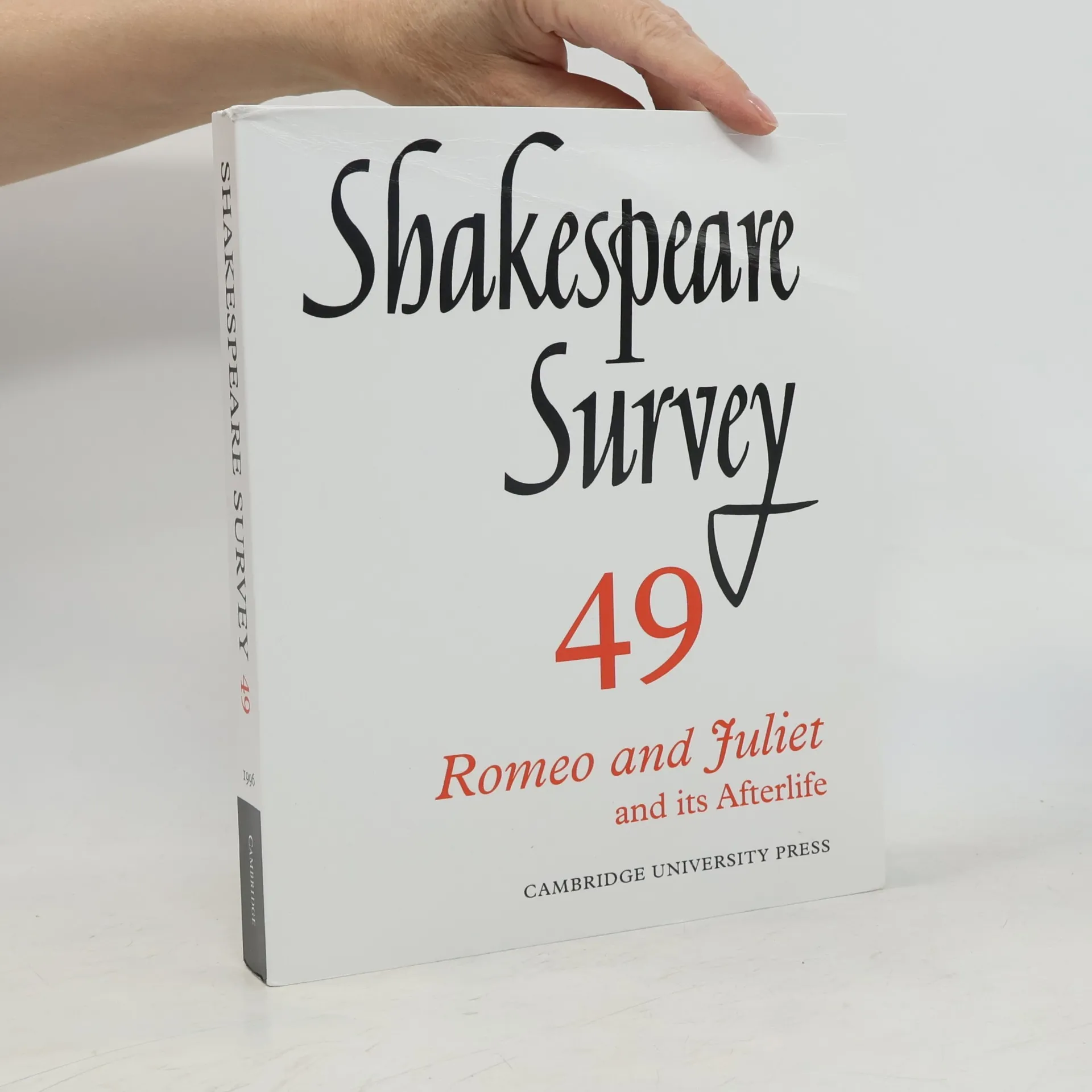
Shakespeare Survey is a yearbook of Shakespeare studies and production. Since 1948 Survey has published the best international scholarship in English and many of its essays have become classics of Shakespeare criticism. Each volume is devoted to a theme, or play, or group of plays; each also contains a section of reviews of the previous year's textual and critical studies and of major British performances. The books are illustrated with a variety of Shakespearean images and production photographs. The current editor of Survey is Peter Holland. The first eighteen volumes were edited by Allardyce Nicoll, numbers 19-33 by Kenneth Muir and numbers 34-52 by Stanley Wells. The virtues of accessible scholarship and a keen interest in performance, from Shakespeare's time to our own, have characterised the journal from the start. For the first time, numbers 1-50 are being reissued in paperback, available separately and as a set.
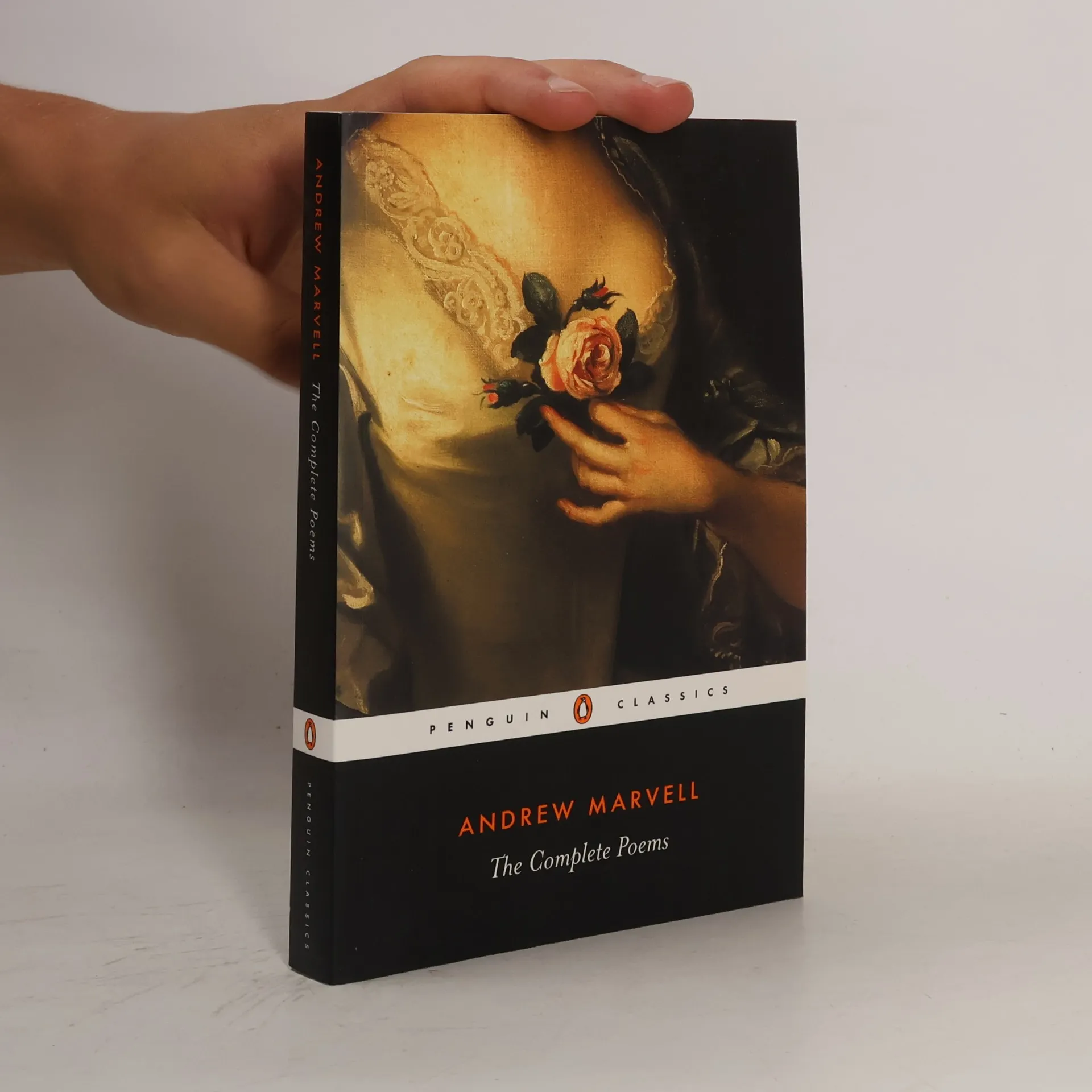
Penguin Classics: The Complete Poems
- 336 pages
- 12 hours of reading
Member of Parliament, tutor to Oliver Cromwell's ward, satirist and friend of John Milton, Andrew Marvell was one of the most interesting and important poets of the seventeenth century. The Complete Poems demonstrates his unique skill and immense diversity to the full, and includes lyrical love-poetry, religious works and biting satire.
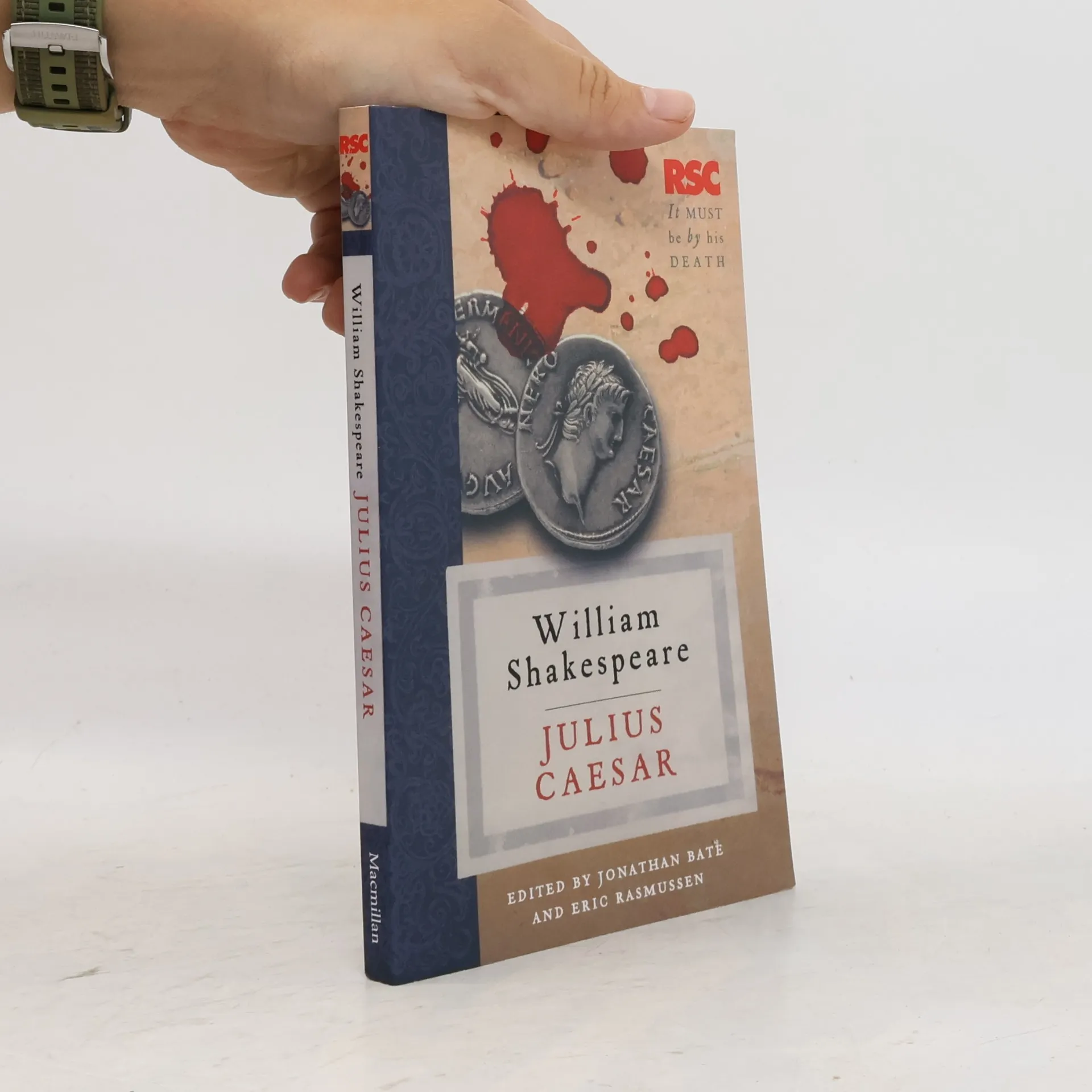
The RSC Shakespeare: Julius Caesar
- 192 pages
- 7 hours of reading
From the Royal Shakespeare Company - a modern, definitive edition of Shakespeare's drama of the conflict between one man's ambition and the good of the state.