Few have cared more about American wilderness than the irascible Cactus Ed. Author of eco-classics such as The Monkey Wrench Gang and Desert Solitaire, Edward Abbey reveals all his rough-hewn edges and passionate beliefs in this witty, outspoken, maddening, and sometimes brilliant selection of journal entries that takes the writer from his early years as a park ranger and would-be literary author up to his death in 1989. This new edition features an interview in which Abbey speaks candidly about his own work, his approach to writing, and his writing mechanics as well. Also included is a detailed index and original sketches made by Abbey himself.
Edward Abbey Book order (chronological)
January 29, 1927 – March 14, 1989
Edward Abbey was an American author and essayist renowned for his fervent environmental advocacy and anarchist political views. Deeply influenced by his profound connection to the American Southwest's wilderness, his work often explores themes of ecological activism and critiques public land policies. Abbey's prose is characterized by its intense, passionate style, delving into the tension between the natural world and industrial encroachment. His unique voice and dedication to preserving wild spaces have garnered him a devoted following.

Seuls sont les indomptés
- 172 pages
- 7 hours of reading
Désert du Nouveau-Mexique, 1950. Jack Burns, cow-boy solitaire en rupture avec le monde moderne, chevauche son Appaloosa, vit de petits boulots et dort à la belle étoile. Lorsqu'il apprend que son ami Paul vient d'être incarcéré, il descend dans la vallée pour l'aider à s'évader. Mais son amour de la liberté n'est pas du goût de tout le monde. Une chasse à l'homme s'engage bientôt aussi absurde qu'impitoyable...
Una gran novela épica para tiempos de crisis con ilustraciones de Robert Crumb. Algo que les indigna, ver el magnífico desierto del Oeste norteamericano desfigurado por las grandes companías industriales. Por eso, cuatro rebeldes deciden plantarle cara a la «gran máquina»: un ex boína verde veterano de Vietnam, adicto a la cerveza y otro peligros; un cirujano madurito e incendiario; su bravucona amante y asistenta exiliada del Bronx, y un guía mormón, polígamo y nostálgico que se siente fuera de su comunidad. Con el simple poder de sus tenazas —bueno, y algo más—, luchan contra todo aquello que afea su desierto (maquinaria, obras, puentes, tendidos eléctricos...) con un objetivo claro, la maldita presa de Glen Canyon. Edward Abbey cuenta en esta hilarante joya cómica la conjura de cuatro divertidos «quijotes», nada correctos, que se lanzan a la persecución de aquello que pretendidamente llaman «civilización» y que no hace otra cosa que subvertir «el orden natural» de las cosas. Una denuncia de los excesos del mundo de las corporaciones industriales y del consumismo, un canto a la naturaleza y un himno a la desobediencia civil. Una historia tan subversiva como su propio brío tragicómico. Sin duda, toda una larga travesía por el desierto.
Fire on the Mountain
- 192 pages
- 7 hours of reading
Edward Abbey was a hero to environmentalists and rebels of every stripe. With Fire on the Mountain, this literary giant of the New West gave readers a powerful, moving, and enduring tale that gloriously celebrates the undying spirit of American individualism. This fiftieth anniversary edition, with an introduction by historian Douglas Brinkley, reminds readers of Abbey's powerful conviction that "a patriot must always be ready to defend his country against his government." John Vogelin's land is his life—a barren stretch of New Mexican wilderness mercifully bypassed by civilization. Then the government moves in. And suddenly the elderly, mule-stubborn rancher is confronting the combined land-grabbing greed of the county sheriff, the Department of the Interior, the Atomic Energy Commission, and the U.S. Air Force. But a tough old man is like a mountain lion: if you back him into a corner, he'll come out fighting.
Black Sun
- 160 pages
- 6 hours of reading
Edward Abbey's first love was to write fiction, and as so many of his friends pointed out, Black Sun was his own personal favorite book. It contains some of his most lyrical writing, and it is unusually gentle and introspective for him.
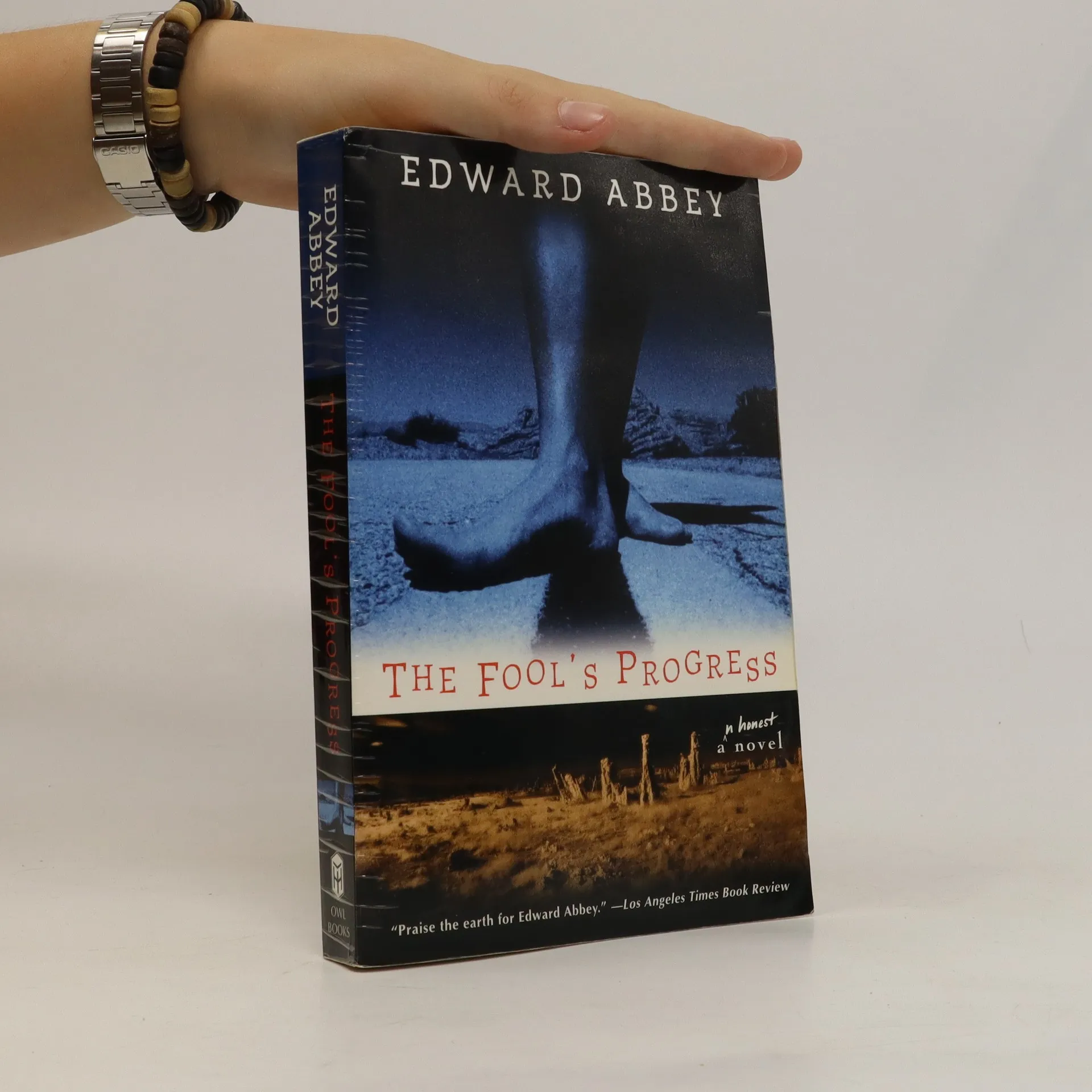
The Fool's Progress
- 513 pages
- 18 hours of reading
Henry Lightcap, a man facing a terminal illness, sets out on a trip across America accompanied only by his dog, Solstice, and discovers the beauty and majesty of the Southwest.
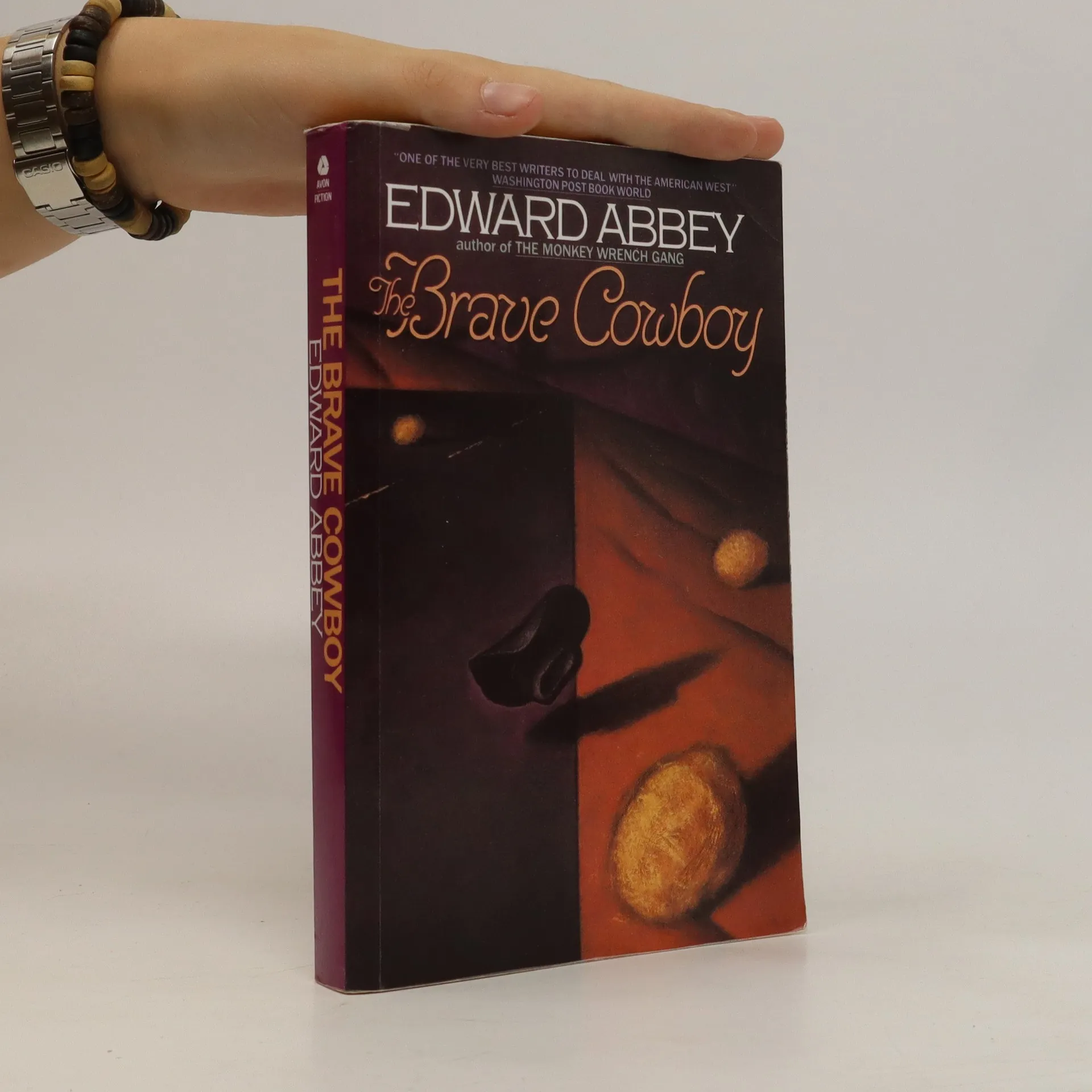
Brave Cowboy
- 297 pages
- 11 hours of reading
The Brave Cowboy Jack Burnes is a loner at odds with modern civilization. A man out of time, he rides a feisty chestnut mare across the New West -- a once beautiful land smothered beneanth airstrips and superhighways. And he lives by a personal code of ethics that sets him on a collision course with the keepers of law and order. Now he has stepped over the line by breaking one too many of society's rulus. The hounds of justice are hot in his trail. But Burnes would rather die than spend even a single night behind bars. And they have to catch him first.
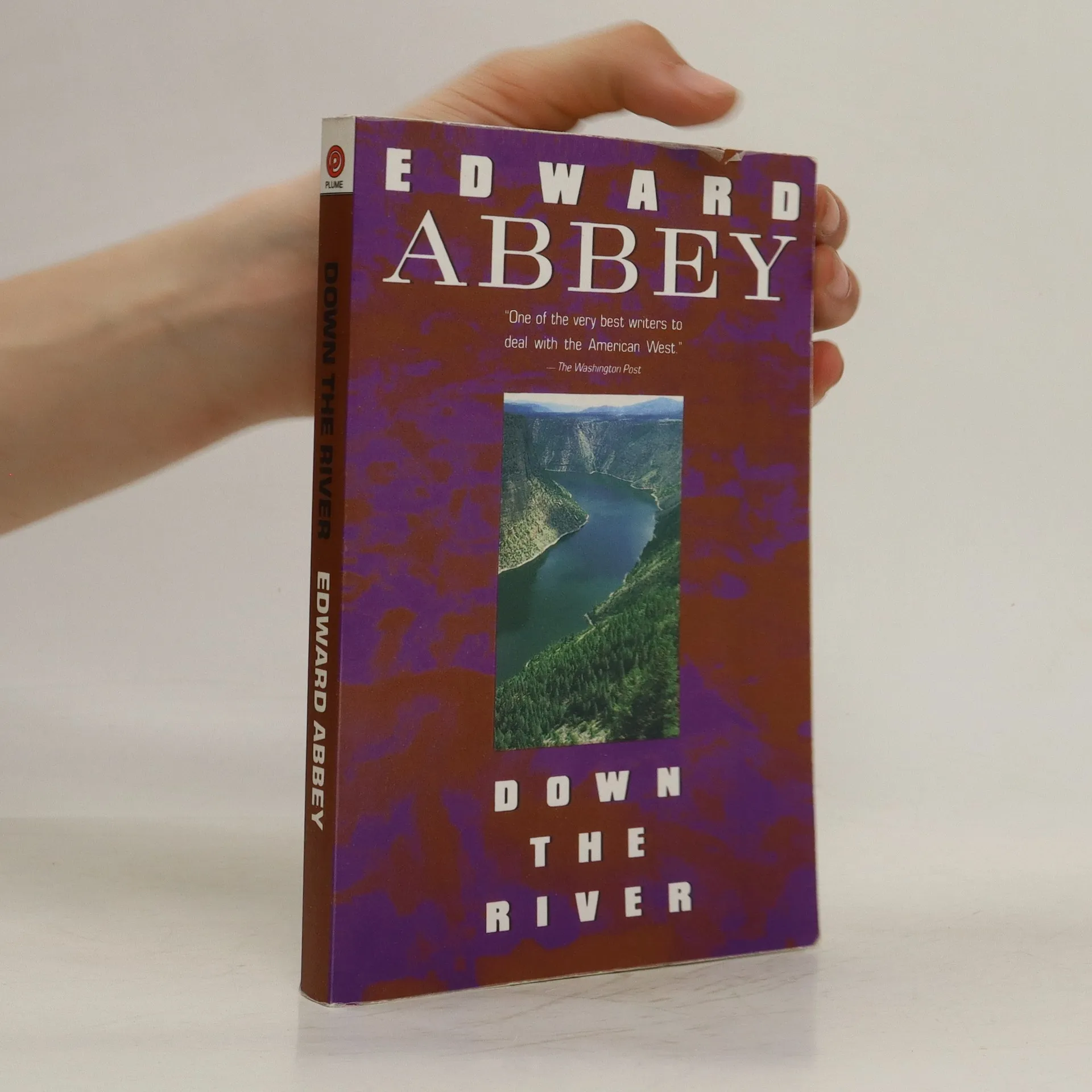
Down the River is a collection of essays both timeless and timely. It is an exploration of the abiding beauty of some of the last great stretches of American wilderness on voyages down rivers where the body and mind float free, and the grandeur of nature gives rise to meditations on everything from the life of Henry David Thoreau to the militarization of the open range. At the same time, it is an impassioned condemnation of what is being done to our natural heritage in the name of progress, profit, and security. Filled with fiery dawns, wild and shining rivers, and radiant sandstone canyons, it is charged as well with heartfelt, rampageous rage at human greed, blindness, and folly. It is, in short, Edward Abbey at his best, where and when we need him most.
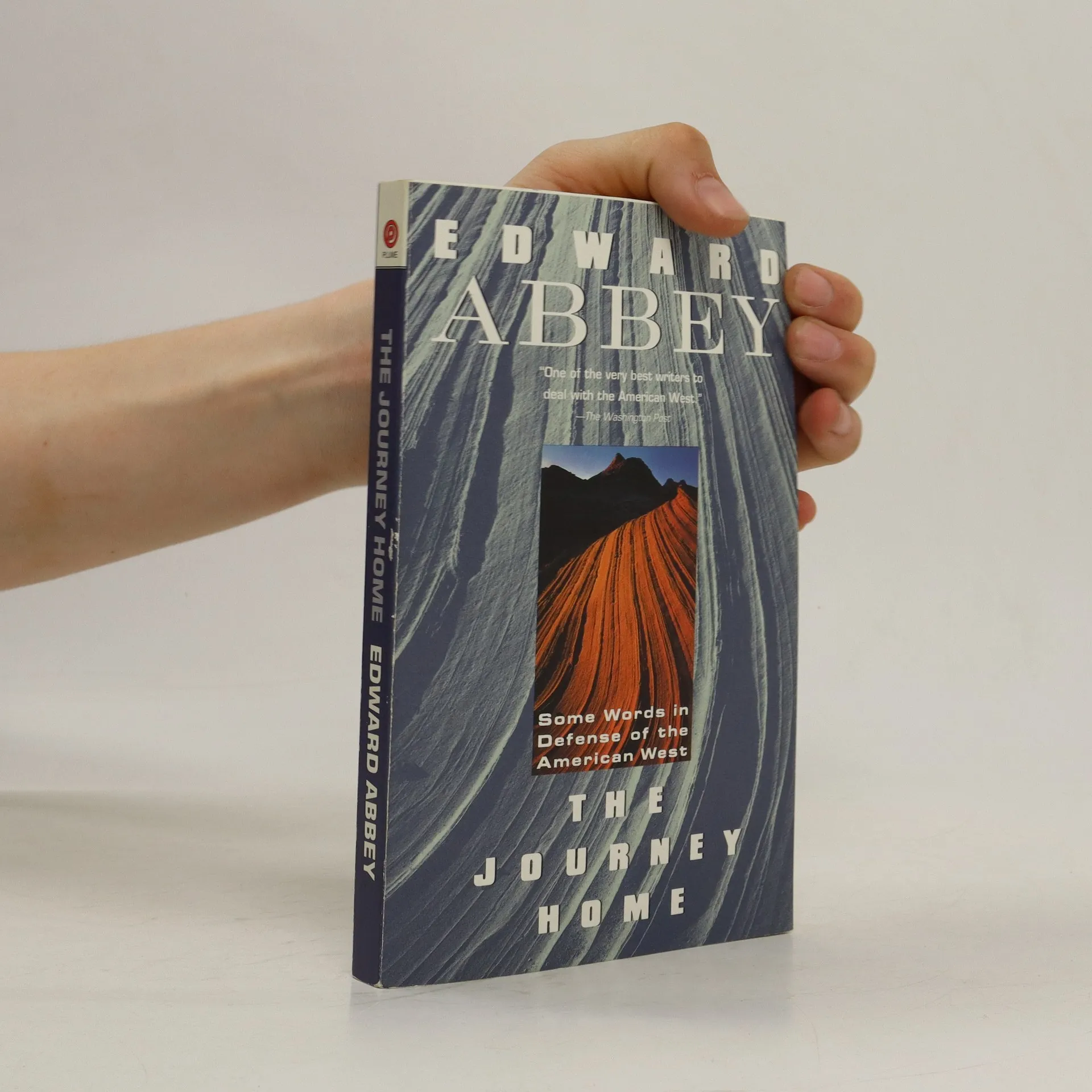
The Journey Home ranges from the surreal cityscapes of Hoboken and Manhattan to the solitary splendor of the deserts and mountains of the Southwest. It is alive with ranchers, dam builders, kissing bugs, and mountain lions. In a voice edged with chagrin, Edward Abbey offers a portrait of the American West that we’ll not soon forget, offering us the observations of a man who left the urban world behind to think about the natural world and the myths buried therein. Abbey, our foremost “ecological philosopher,” has a voice like no other. He can be wildly funny, ferociously acerbic, and unexpectedly moving as he ardently champions our natural wilderness and castigates those who would ravish it for the perverse pleasure of profit.
Good News
- 256 pages
- 9 hours of reading
In Good News, Edward Abbey's acclaimed underground classic, the West is wild again. American civilization as the twentieth century knew it has crumbled. In the great Southwest, a new breed or settler, white and Indians together, is creating a new way of life in the wilderness - a pastoral economy - with skills and savvy resurrected from the pre-industrial past. Meanwhile, in a last surviving bastion of urban life, the remnats of the power elite are girding their armed forces to reimpose the old order. This is a land of horses and motorcycles, high-tech weaponry and primitive courage, and the struggle for the American future is mounting in intensity. No quarter is asked or given, and the outcome hangs in perilous balance against a background of magnificent nature and eternal human verities.
The Monkey Wrench Gang
- 421 pages
- 15 hours of reading
Ed Abbey called The Monkey Wrench Gang, his 1975 novel, a "comic extravaganza." Some readers have remarked that the book is more a comic book than a real novel, and it's true that reading this incendiary call to protect the American wilderness requires more than a little of the old willing suspension of disbelief.The story centers on Vietnam veteran George Washington Hayduke III, who returns to the desert to find his beloved canyons and rivers threatened by industrial development. On a rafting trip down the Colorado River, Hayduke joins forces with feminist saboteur Bonnie Abbzug, wilderness guide Seldom Seen Smith, and billboard torcher Doc Sarvis, M.D., and together they wander off to wage war on the big yellow machines, on dam builders and road builders and strip miners. As they do, his characters voice Abbey's concerns about wilderness preservation ("Hell of a place to lose a cow," Smith thinks to himself while roaming through the canyonlands of southern Utah. "Hell of a place to lose your heart. Hell of a place... to lose. Period").Moving from one improbable situation to the next, packing more adventure into the space of a few weeks than most real people do in a lifetime, the motley gang puts fear into the hearts of their enemies, laughing all the while. It's comic, yes, and required reading for anyone who has come to love the desert.
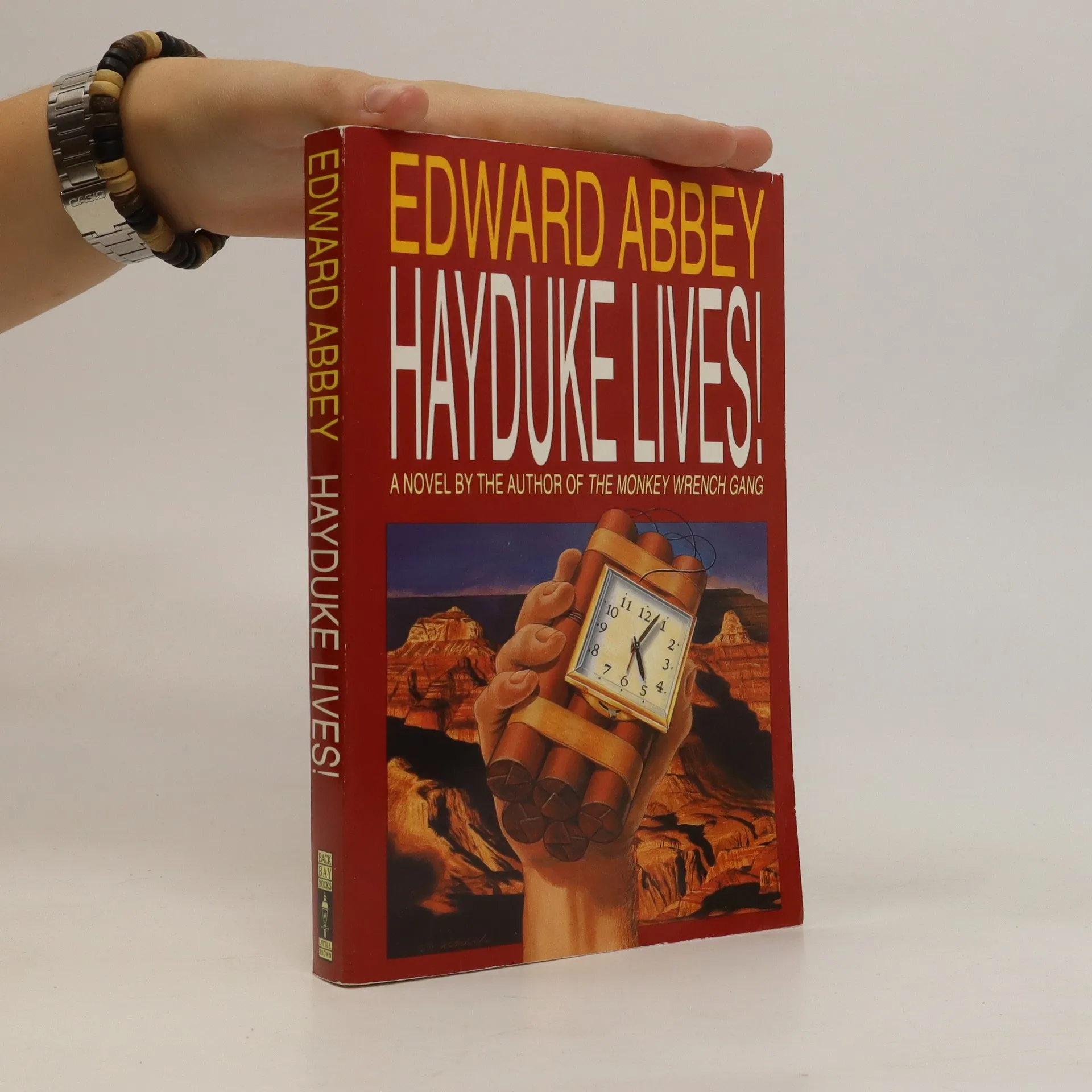
Hayduke Lives!
- 308 pages
- 11 hours of reading
George Washington Hayduke, an ex-Green Beret, gathers his friends, the Monkey Wrench Gang, to oppose developers and the world's largest earth-moving machine
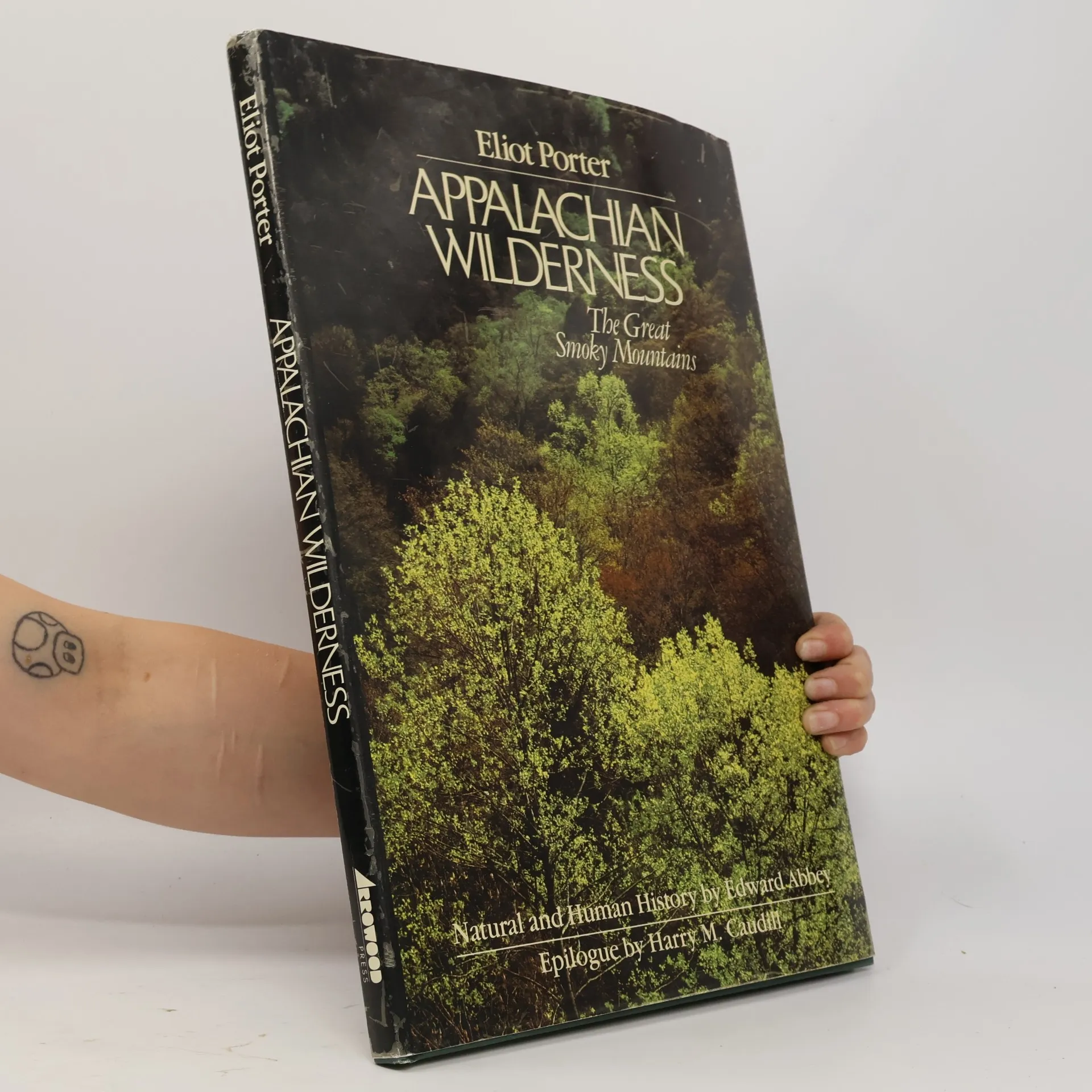
Appalachian Wilderness
The Great Smokey Mountains
One Life at a Time, Please
- 225 pages
- 8 hours of reading
From stories about cattlemen, fellow critics, his beloved desert, cities, and technocrats to thoughts on sin and redemption, this is one of our most treasured writers at the height of his powers.
Desert Images
- 238 pages
- 9 hours of reading
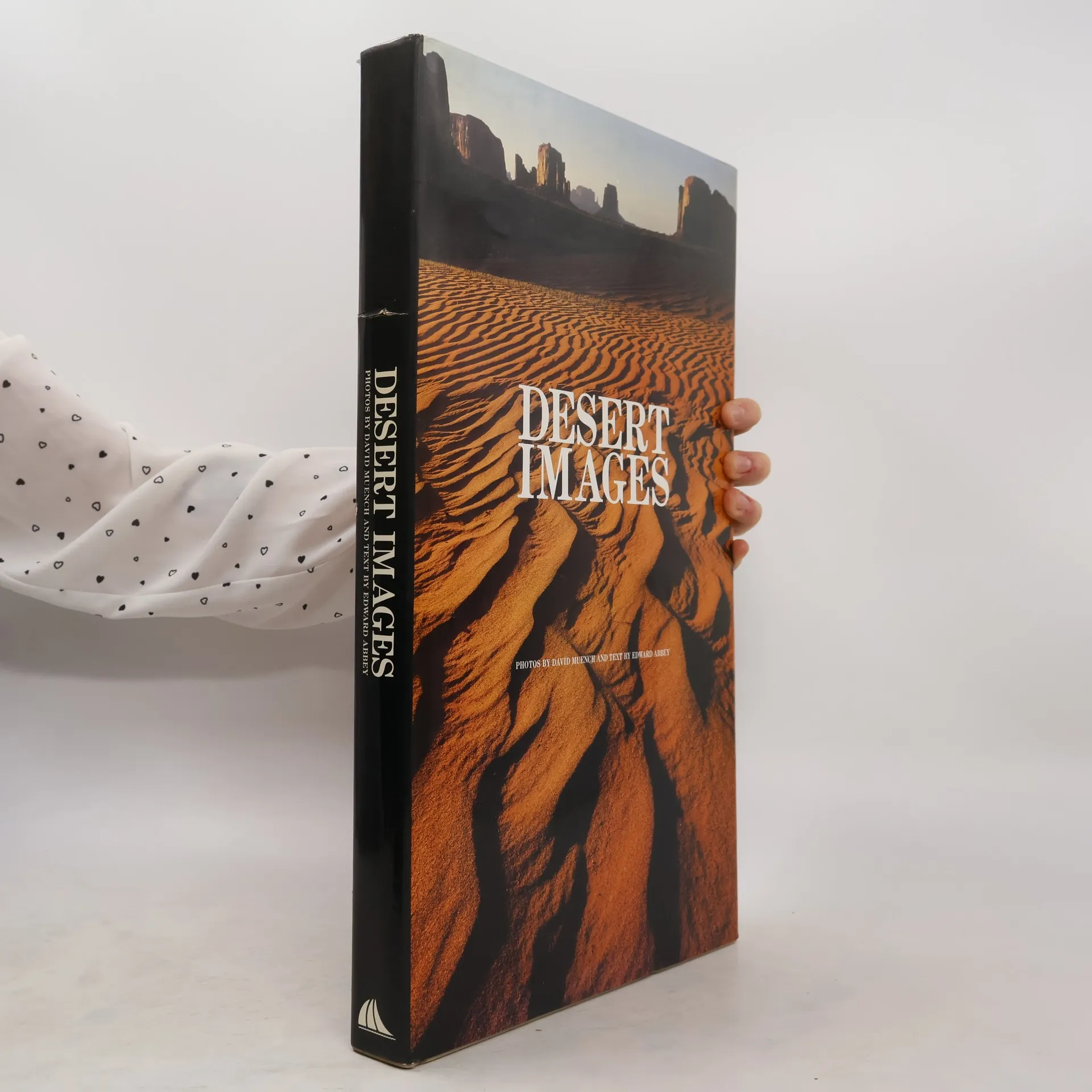
David Muench's large scale color photos of the American Southwest's desert beauties and natural wonders are accompanied by nature writing from the renowned author Edward Abbey.
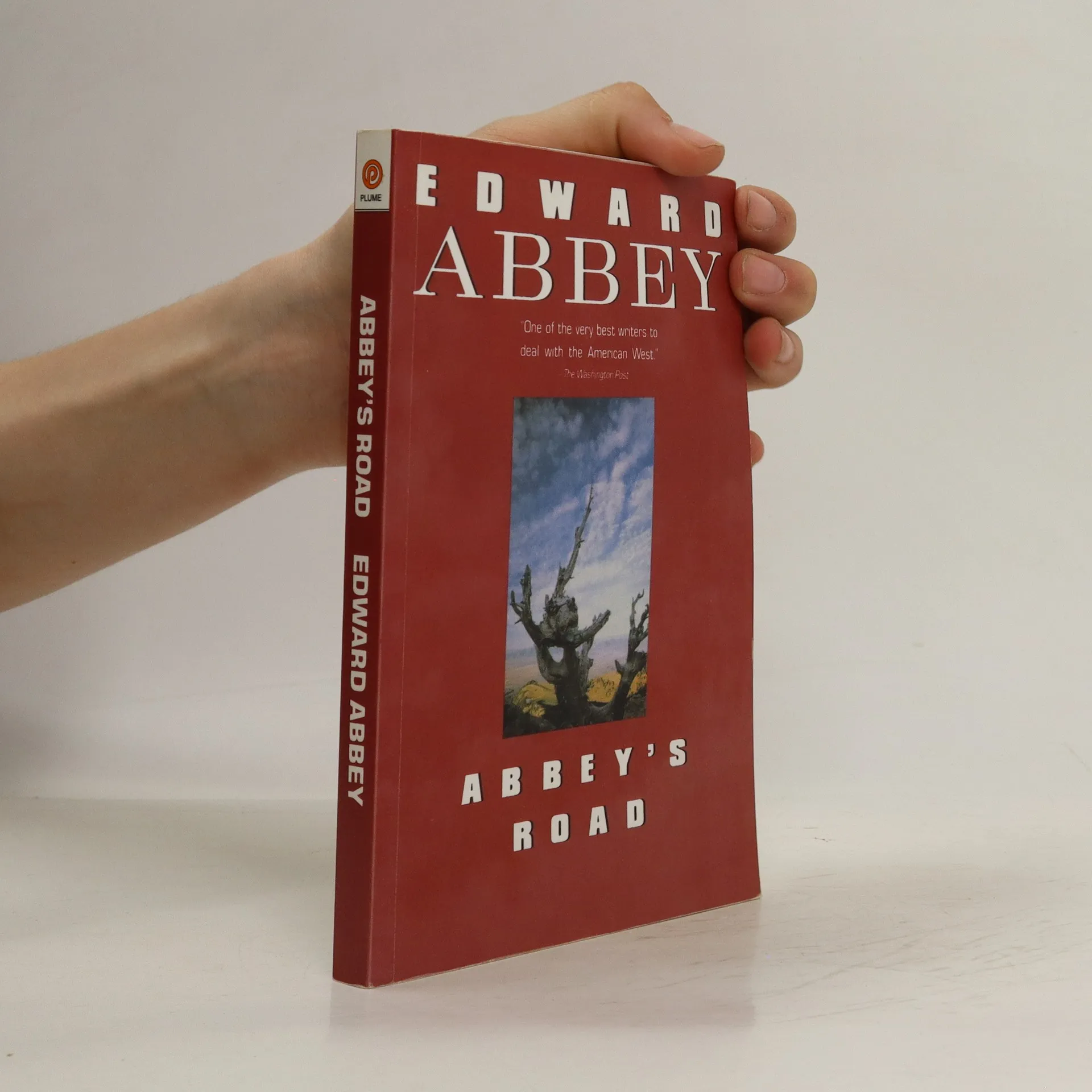
Abbey's road
- 198 pages
- 7 hours of reading
You are about to visit some of the most exciting places on earth. Not the sort of excitement that makes morning headlines or the nightly news. Instead it is the excitement that comes from experiencing the natural world as it always has been and should be, and seeing human beings living in tune with its subtlest rhythms. In Australian cattle country and in the primitive outback. On a desert island off Mexico and in the Sierra Madres. On the Rio Grande and in the great Southwest. On Lake Powell in Utah and in the living American desert. It is adventure. It is enlightenment. It is vintage Abbey.
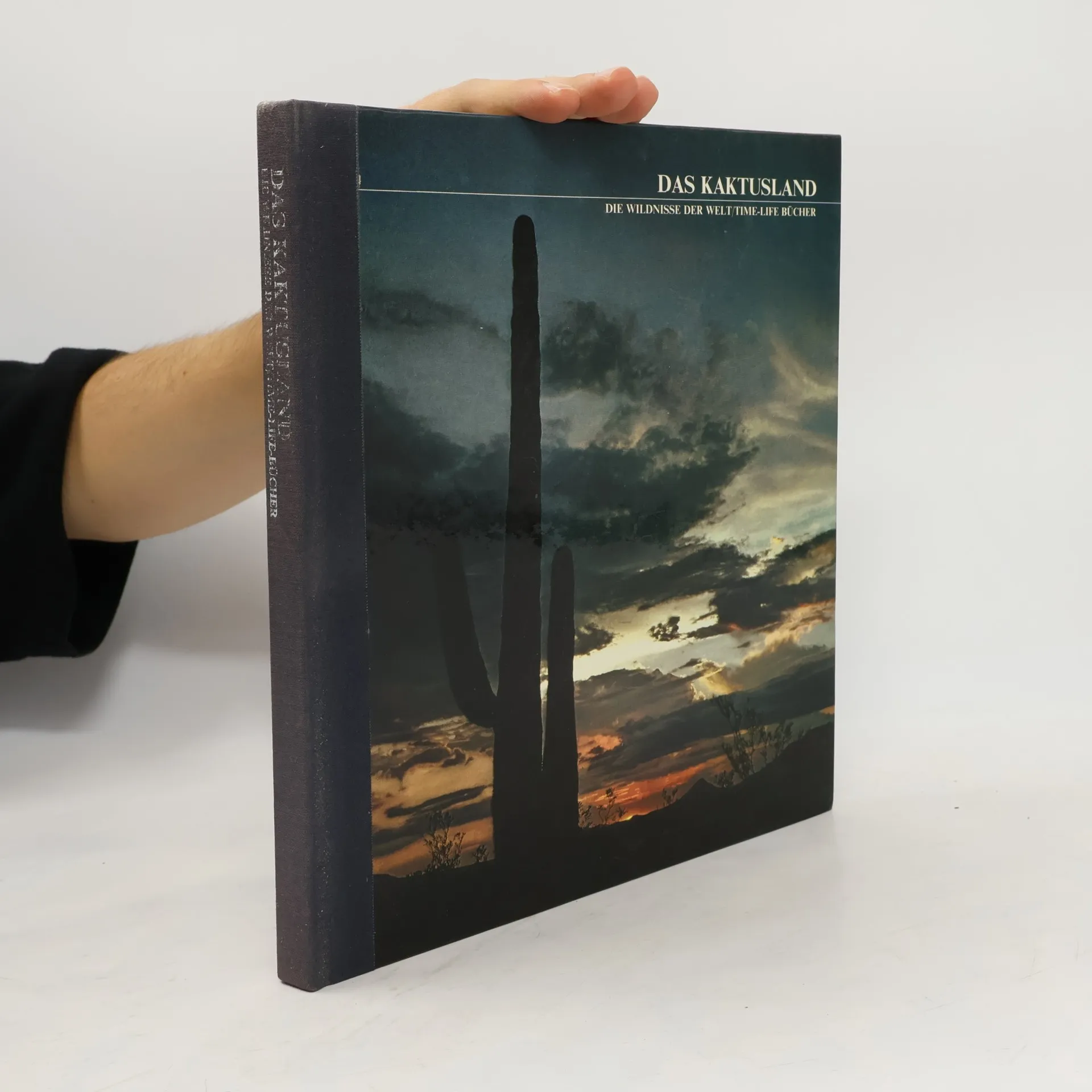
Das Kaktusland
- 184 pages
- 7 hours of reading
Von Abbey, Edward Zahlr., tls. farb. Abb. 184 S. fPr
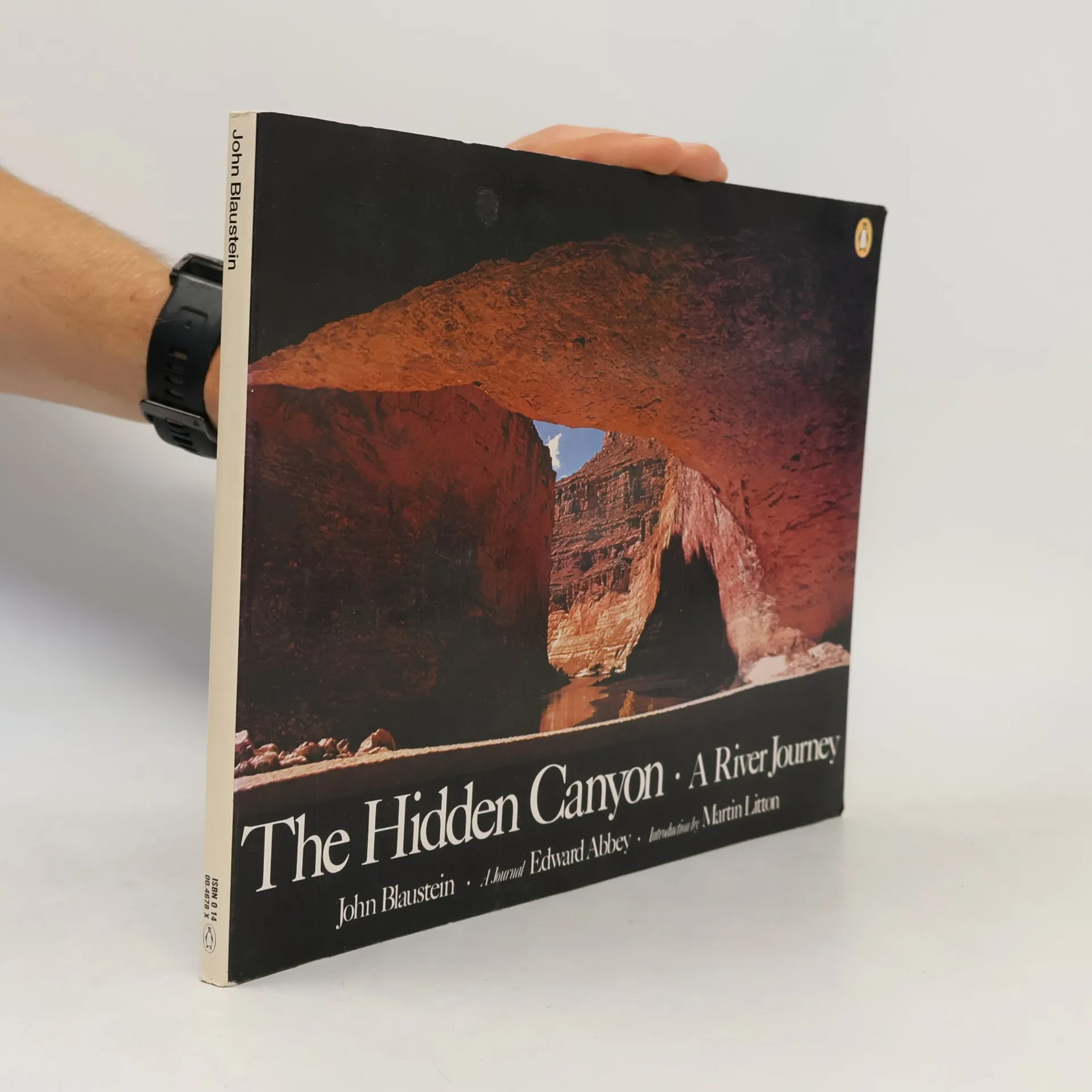
Many have photographed the Grand Canyon, but this work presents a different, equally spectacular perspective. Readers embark on a journey down the Colorado River, experiencing the canyon through stunning photographs and journal entries from Edward Abbey. While Abbey's adventurous writings provide insight into the rafting experience, they are often overshadowed by the breathtaking visuals. His descriptive language captures the essence of the landscape: "You can walk for only a mile or so till you come to an impassable waterfall—dry now—fifty feet high. Below is a small clear pool, evaporating. The silence here, away from the river and the people, is intense... A silence almost supernatural." Abbey’s narrative, filled with comparisons to Major John Wesley Powell's 19th-century diary and humorous anecdotes, enhances the adventure. Yet, the glossy photographs of the frosted river winding through the rugged canyon, the muddy waters splashing over rafters, and the reflections of the azure sky and golden canyon walls draw the eye. Each photograph is thoroughly explained, providing historical context. With Abbey's text and Blaustein's imagery, every page offers an adventure, immersing readers in the experience, making it a visually stunning work that deserves a place on any bookshelf.
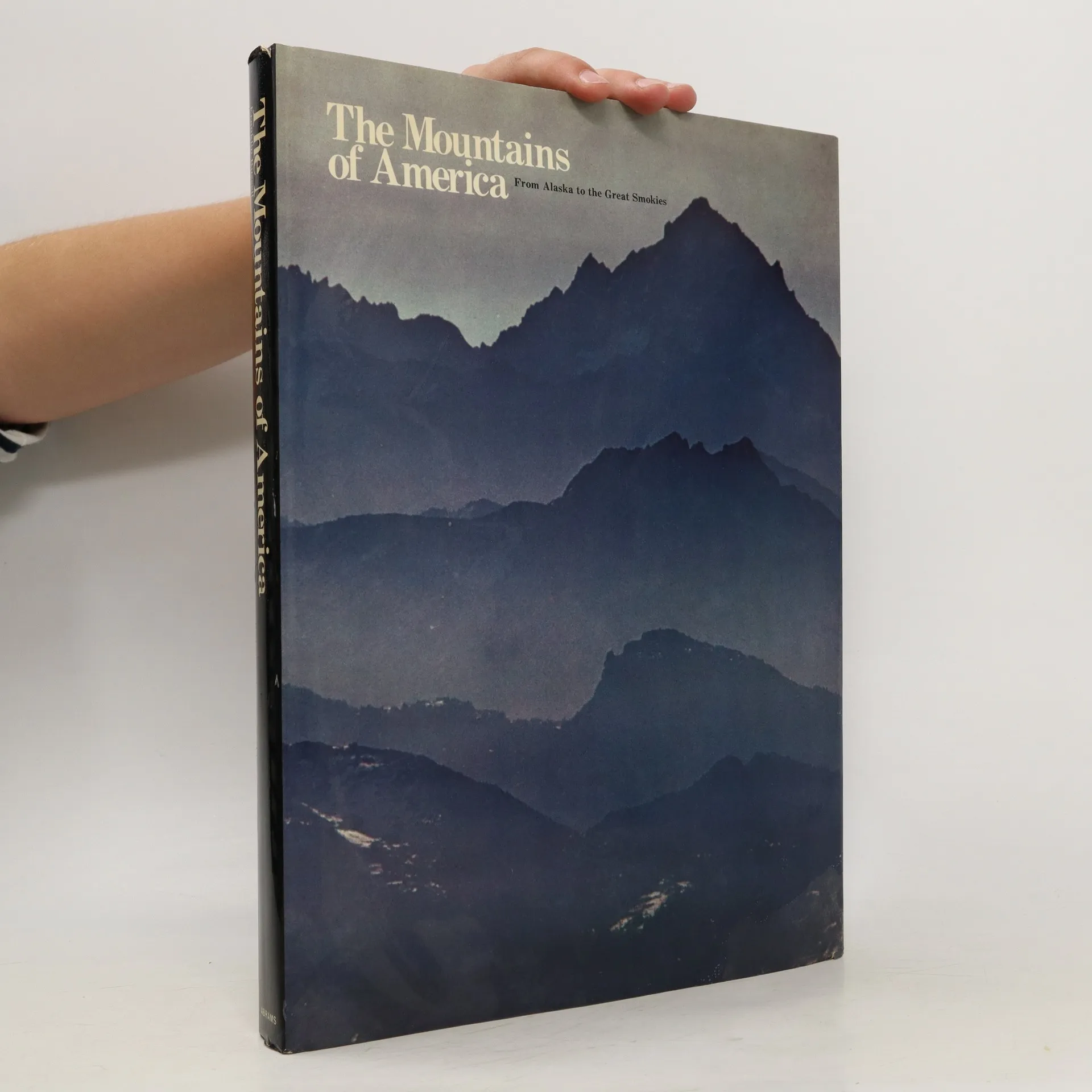
The Mountains of America
- 224 pages
- 8 hours of reading
Text and photographs discuss the various mountain ranges of North America including the Rockies, Hawaii, Cascades, Appalachins, Olympics, Sierra Nevada and the mountain ranges of Alaska
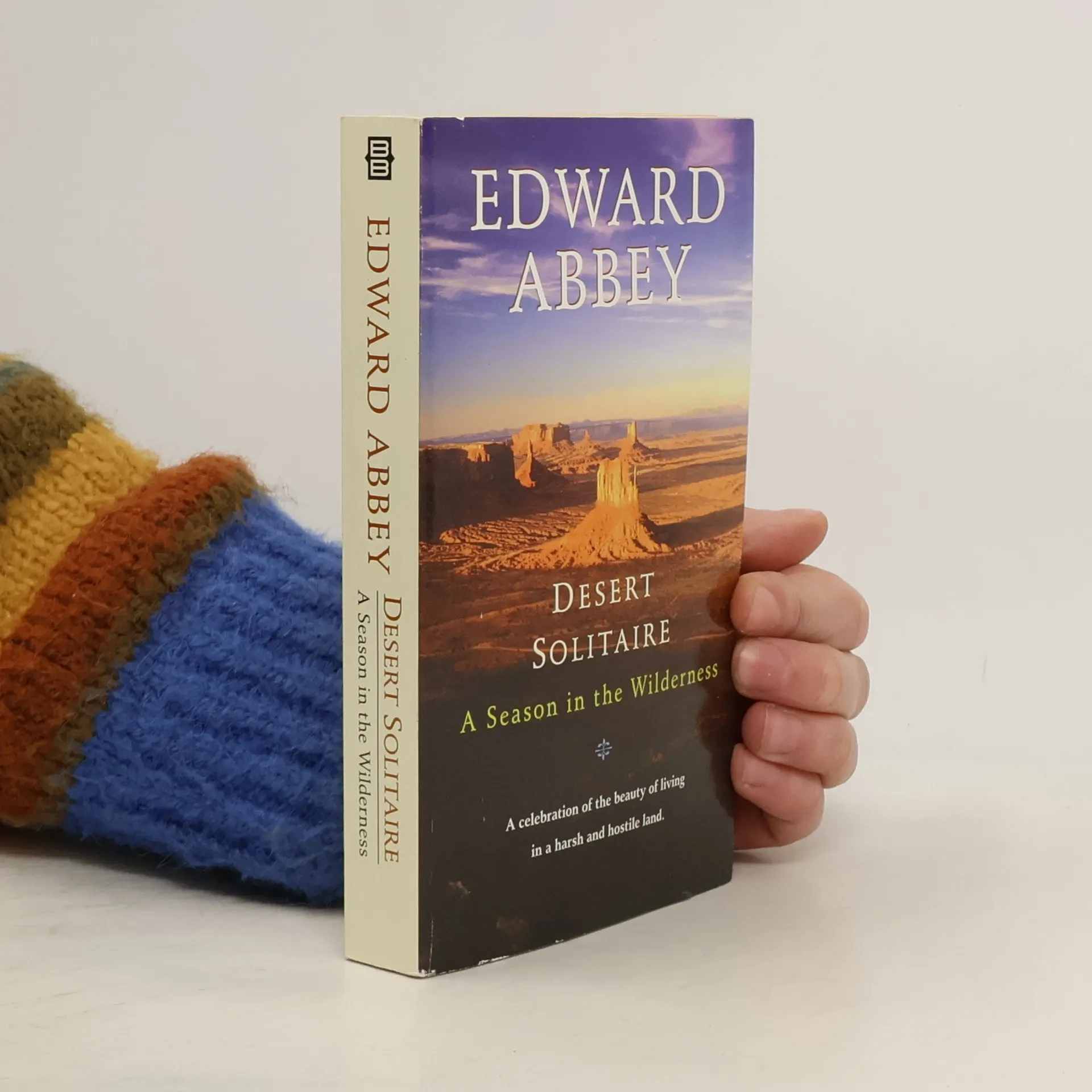
“Rough, tough, combative . . . a passionately felt, deeply poetic book.”—Edwin Way Teale, The New York Times Book Review “This is not primarily a book about the desert,” writes Edward Abbey in his introduction. “In recording my impressions of the natural scene I have striven above all for accuracy, since I believe that there is a kind of poetry, even a kind of truth, in simple fact. But the desertis a vast world, an oceanic world, as deep in its way and complex and various as the sea. Language makes a mighty loose net with which to go fishing for simple facts, when facts are infinite. If a man knew enough he could write a whole book about the juniper tree. Not juniper trees in general but that one particular juniper tree which grows from a ledge of naked sandstone near the old entrance to Arches National Monument. What I have tried to do then is something a bit different. Since you cannot get the desert into a book any more than a fisherman can haul up the sea with his nets, I have tried to create a world of words in which the desert figures more as medium than as material. Not imitation but evocation has been the goal.”