The Ungrateful Refugee
- 384 pages
- 14 hours of reading
A timely, provocative and personal examination of the refugee experience


Dina Nayeri is a graduate of Princeton, Harvard Business School, and the Iowa Writers Workshop. She spends her time in New York and Iowa City.


A timely, provocative and personal examination of the refugee experience
An unflinching look at ten young lives suspended outside of time--and bravely proceeding anyway--inside the Katsikas refugee camp in Greece.Every war, famine, and flood spits out survivors.The United Nations High Commissioner for Refugees (UNHCR) cites an unprecedented 71 million forcibly displaced people on the planet today. In 2018, Dina Nayeri--a former refugee herself and the daughter of a refugee--invited documentary photographer Anna Bosch Miralpeix to accompany her to Katsikas, a refugee camp outside Ioannina, Greece, to record the hopes and struggles of ten of them--siblings and friends from Iran and Afghanistan. "I wanted to play with them, to enter their imagined worlds, to see the landscape inside their minds," she says. Ranging in age from five to seventeen, the children live in partitioned shipping-crate homes crowded on a field below a mountain. Robbed of curiosity and purpose, dignity and identity, each battles the dreary monster of a paused life.Ten lyrical passages lead one into the next, punctuated by intimate photographs, to reveal the dreams, ambitions, and personalities of each displaced child, followed by a powerful account of the author's own experiences in a camp. Locking the global refugee crisis sharply in focus, The Waiting Place is, finally, an urgent call to change what we teach young people about the nature of home and safety.
Nayeri's exploration of exile is both tender and urgent, capturing the complexities of displacement. The narrative possesses a memoir-like immediacy, lending it intimacy and atmosphere. With crystalline and vivid prose, Nayeri addresses timely themes that resonate universally, particularly the immigrant experience and the search for belonging. The novel highlights the relationship between an Iranian father and daughter, revealing the beauty and pain of their divergent experiences of exile. It poses essential questions about home, especially for those navigating cultural divides within families. As a former Iranian refugee, Nayeri crafts a nuanced narrative that reflects the current global refugee crisis through the lens of familial bonds. The story of Niloo and her father unveils the struggles of immigrants and the emotional weight of seeking sanctuary. Gentle humor and evocative language illuminate the individuality of those caught between love for their homeland and the need for refuge. This richly imagined work deftly intertwines personal, political, and cultural threads, resulting in a poignant and often humorous exploration of what it means to seek refuge. Set against a backdrop of political unrest, the novel offers a captivating portrayal of lives straddling different worlds, making it a vital read for anyone striving to understand the complexities of displacement and home.
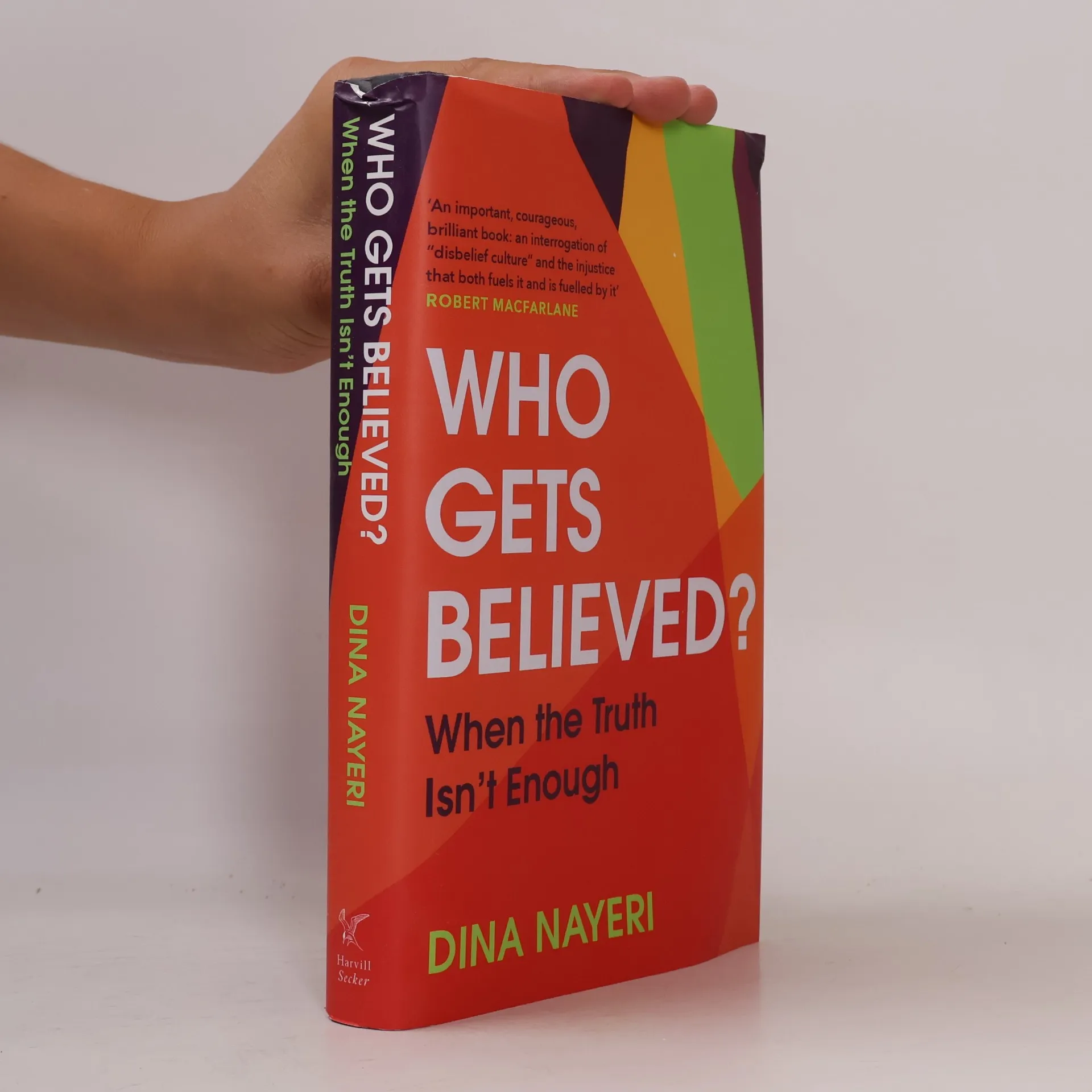
Why are honest asylum seekers dismissed as liars? Former refugee and award-winning author Dina Nayeri begins with this question, turning to shocking and illuminating case studies in this book, which grows into a reckoning with our culture's views on believability.
Years after vanishing, five teens reappear with a strange governess, and when they enter New York City's most prestigious high school, they soar to suspicious heights with the help of their benefactor's extraordinary "gifts."
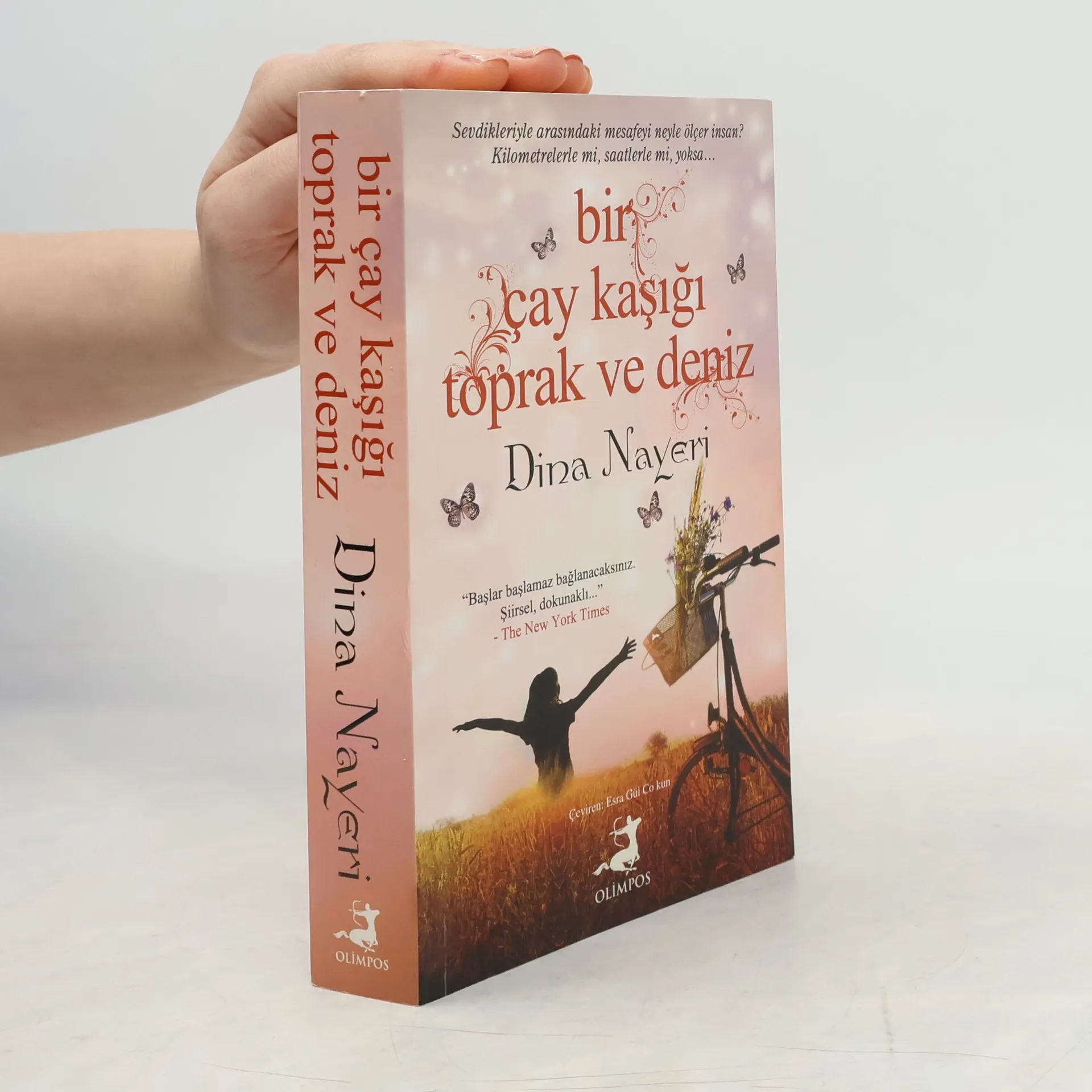
A magical novel about a young Iranian woman lifted from grief by her powerful imagination and love of Western culture. Growing up in a small rice-farming village in 1980s Iran, eleven-year-old Saba Hafezi and her twin sister, Mahtab, are captivated by America. They keep lists of English words and collect illegal Life magazines, television shows, and rock music. So when her mother and sister disappear, leaving Saba and her father alone in Iran, Saba is certain that they have moved to America without her. But her parents have taught her that “all fate is written in the blood,” and that twins will live the same life, even if separated by land and sea. As she grows up in the warmth and community of her local village, falls in and out of love, and struggles with the limited possibilities in post-revolutionary Iran, Saba envisions that there is another way for her story to unfold. Somewhere, it must be that her sister is living the Western version of this life. And where Saba’s world has all the grit and brutality of real life under the new Islamic regime, her sister’s experience gives her a freedom and control that Saba can only dream of. Filled with a colorful cast of characters and presented in a bewitching voice that mingles the rhythms of Eastern storytelling with modern Western prose, A Teaspoon of Earth and Sea is a tale about memory and the importance of controlling one’s own fate.