Rebecca Stott is a scholar of Victorian literature and culture, whose academic background deeply informs her imaginative fiction. Her novels explore the intersection of history, belief, and the hidden lives within communities, often drawing on her own upbringing to create worlds rich in atmosphere and psychological depth. She crafts narratives that are both intellectually stimulating and emotionally resonant, inviting readers to question the nature of memory and identity. Her distinctive prose weaves together meticulous research with compelling storytelling, making her work a unique contribution to contemporary literature.
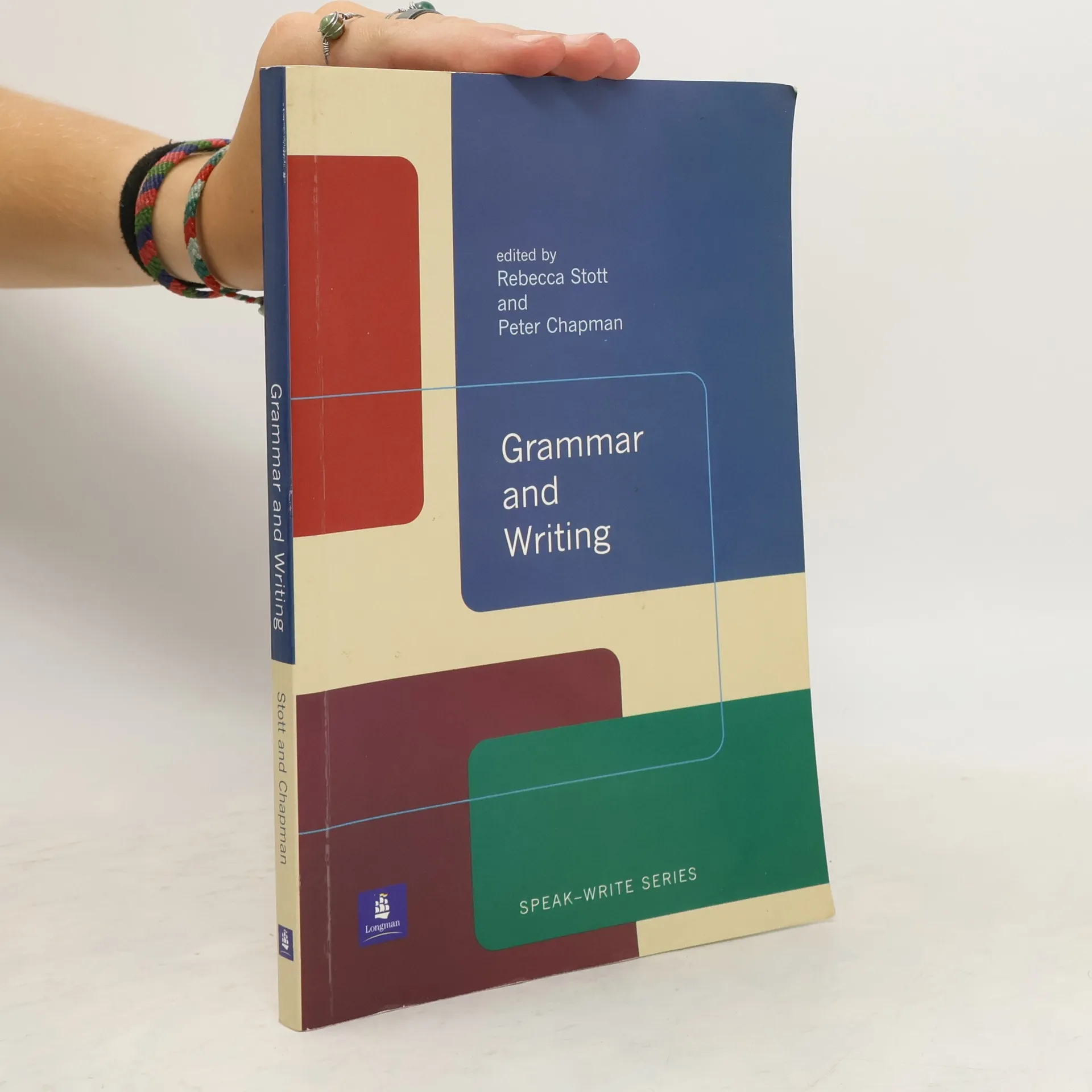
Grammar and Writing is a practical book designed to be used by writers of all kinds who want to improve their knowledge of language in order to develop and improve their writing skills.
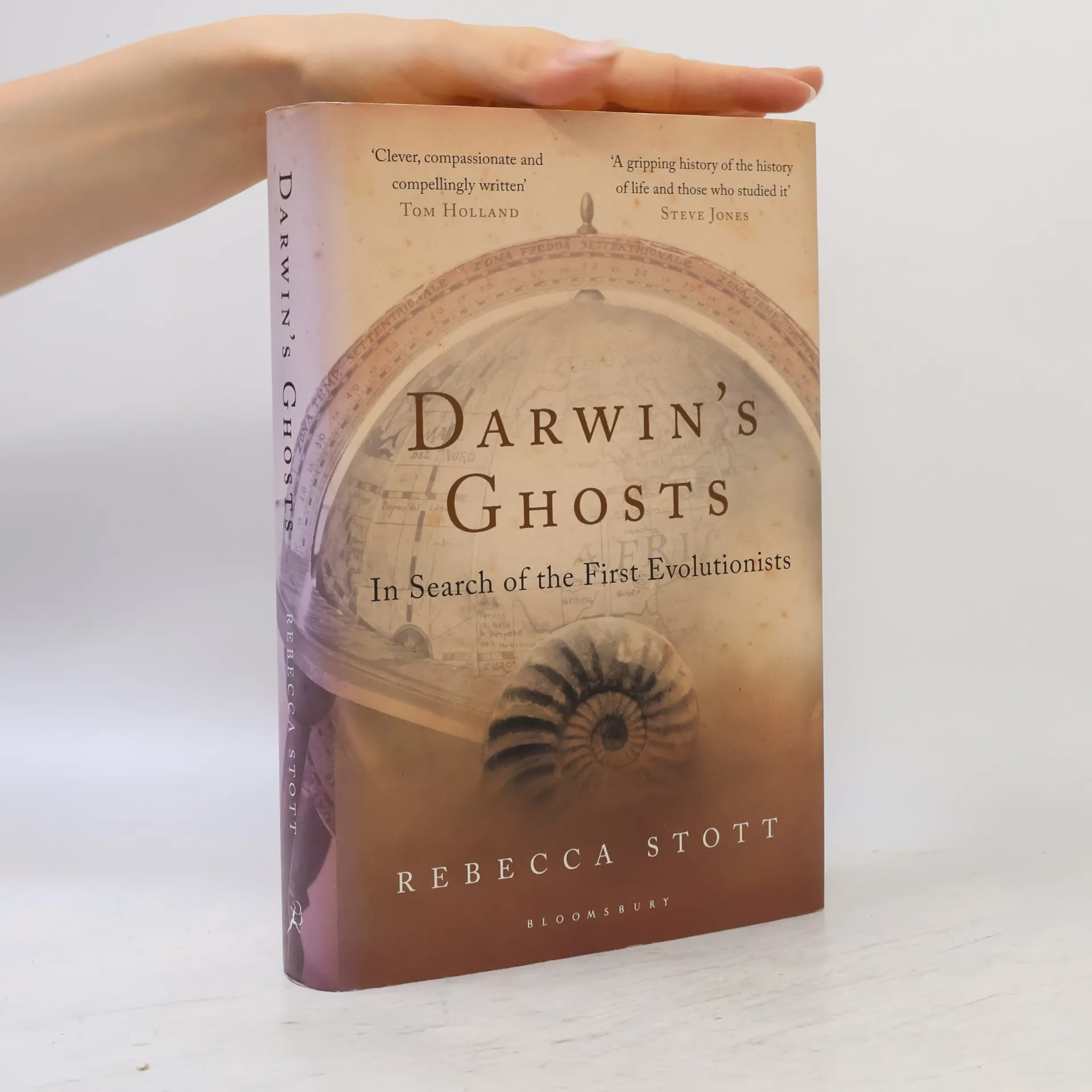
The story of one tiny creature and history's most spectacular scientific
breakthrough. In 1846, Charles Darwin has a secret: an essay, sealed in an
envelope and locked in his study drawer, which will overturn human
understanding of time and nature forever.
Thirty years after his death, private correspondence between Albert Einstein and his first wife, the Serbian mathematician Mileva Maric, was opened to public scrutiny for the first time. It revealed glimpses of a tragedy at the heart of their troubled
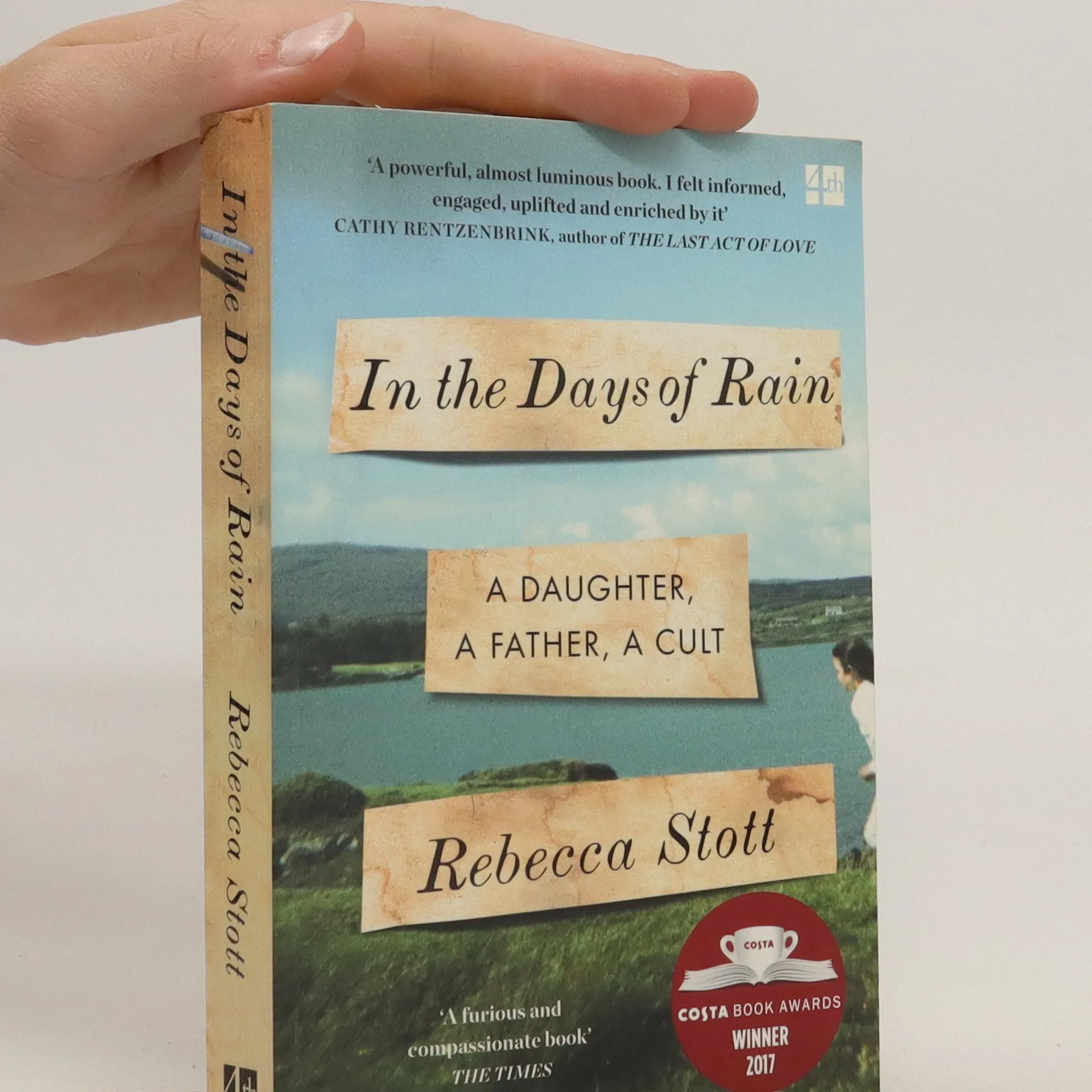
Rebecca Stott both adored and feared her father, Roger Stott, a high-ranking minister in the Brighton, England, branch of the Exclusive Brethren, a separatist fundamentalist Christian sect. A father-daughter story as well as a memoir of growing up in a closed-off community and then finding a way out of it
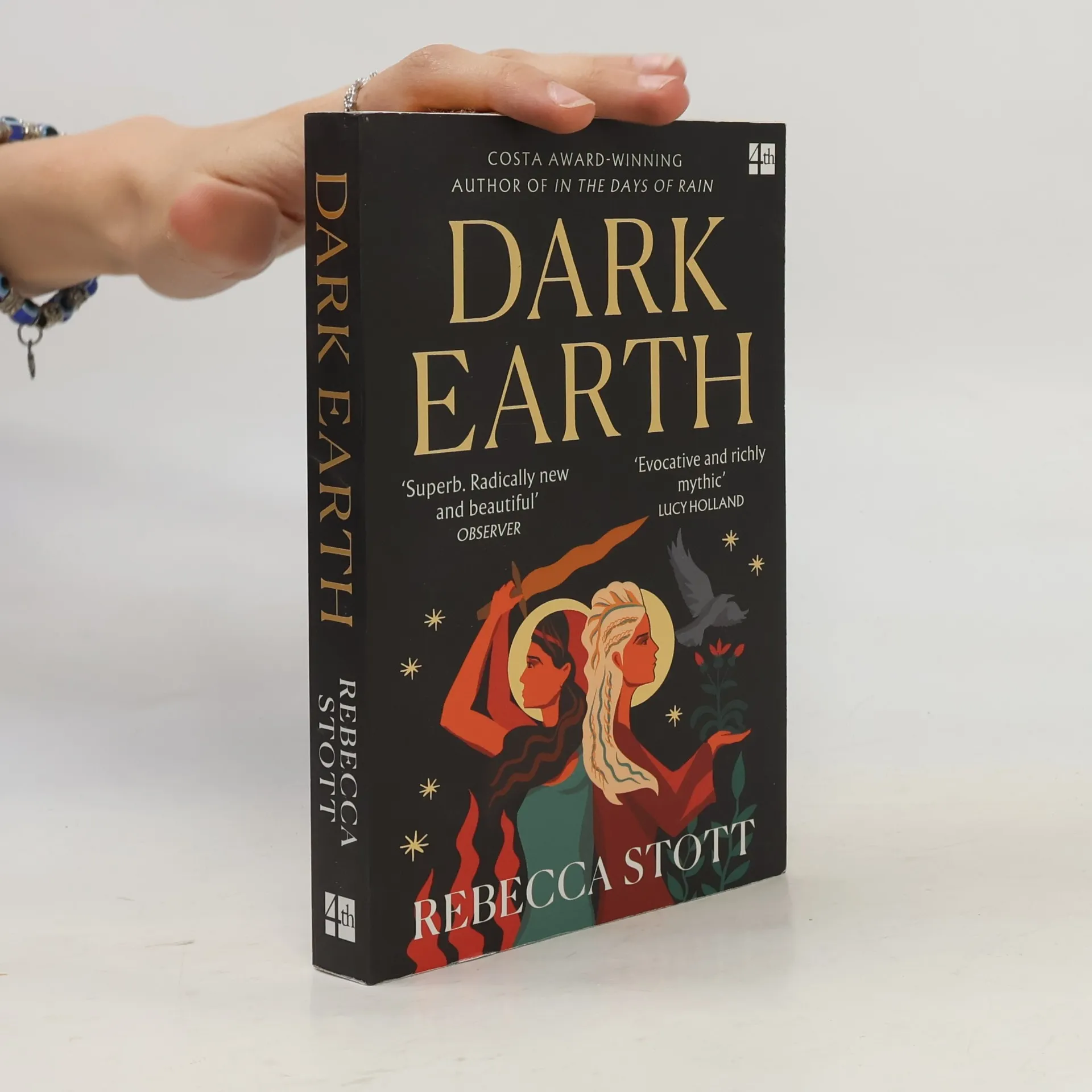
Set in AD 500 on an island in the Thames, the story follows Isla, who secretly masters her father's sword-making skills, defying the prohibition against women in forges. Her sister, Blue, harbors her own secret, visiting the bones of the mud woman, a victim of tribal elders seeking to silence dissent. When the local Seax overlord uncovers Isla's talent, the sisters flee to Londinium, a ghost city where they find refuge among a community of squatters, emigrants, and looters led by the enigmatic Crowther. However, danger continues to shadow them in this haunted city. The narrative delves into the struggles of women seeking connection in a world dominated by blood ties, feuds, and male ambition. Critics have praised the work as "superb" and "radically new," describing it as "magical and evocative" and "heartachingly poignant." The novel pulses with the energy of a vibrant yet perilous world, where belief in myth and magic can be a lifeline. It reimagines ancient legends and explores the challenges faced by women in their quest for kinship and identity amidst the tumult of a nascent nation.
An account of the collective daring of a few like-minded men who had the imagination tp speculate on nature's ways and the courage to publish at a time when doing so, for political as well as religious reasons, was to risk everything.
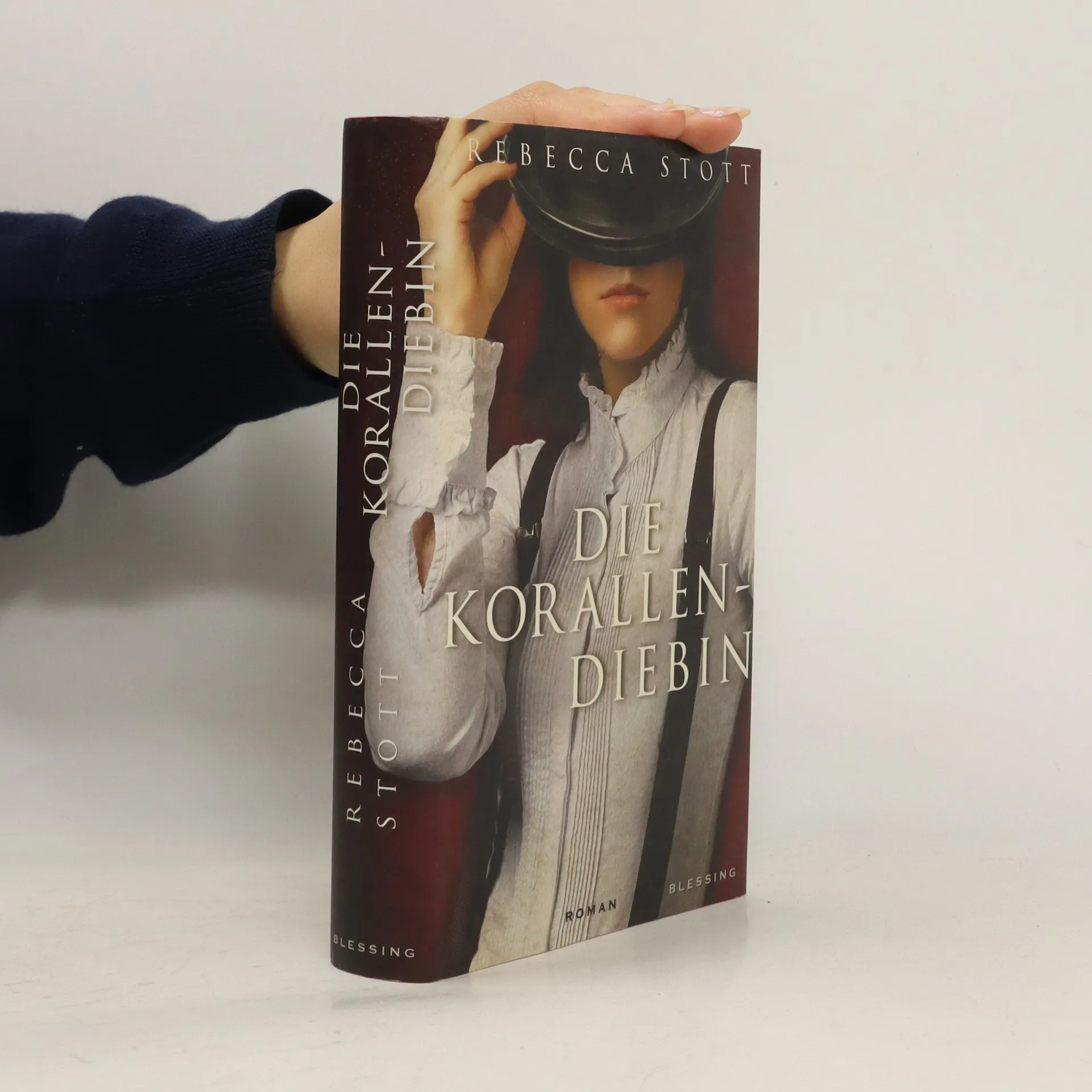
Der gerissenste Meisterdieb der Literaturgeschichte ist eine Frau: Lucienne Bernard
1815: Der junge Medizinstudent Daniel Connor reist von Edinburgh nach Paris, um ein Jahr lang die Arbeit des berühmten Naturwissenschaftlers Georges Cuvier am Jardin des Plantes zu begleiten. In der Postkutsche trifft er auf eine geheimnisvolle Frau, deren Schönheit, Wissen und radikale Ideen ihn zutiefst beeindrucken. Als Daniel nach einem kurzen Schlaf am Ziel seiner Reise aufwacht, ist sowohl die Frau weg als auch sein größter Schatz: eine Koralle, ein Mammutknochen und zwei Notizbücher - alles Referenzen, die ihm Zugang zur renommiertesten Forschungsstätte seiner Zeit verschaffen sollten.
Fieberhaft sucht Daniel in den verwinkelten Straßen von Paris nach der geheimnisvollen Fremden, und er ist nicht der Einzige: Bei seiner Reisebekanntschaft handelt es sich nämlich um die Philosophin und Meisterdiebin Lucienne Bernard, der die französische Justiz seit Jahren auf den Fersen ist. Als sie erneut in Daniels Leben auftaucht, gerät er endgültig in ihren Sog und verliebt sich haltlos. Nun ist die Polizei auch hinter ihm her, und trotzdem wird er zu Luciennes Komplizen.
„Die Korallendiebin“ ist ein farbenfrohes und spannendes Abenteuer und eine wunderbare Liebesgeschichte, angesiedelt in dem von Libertinage und Freigeistigkeit geprägten Paris des beginnenden 19. Jahrhunderts.
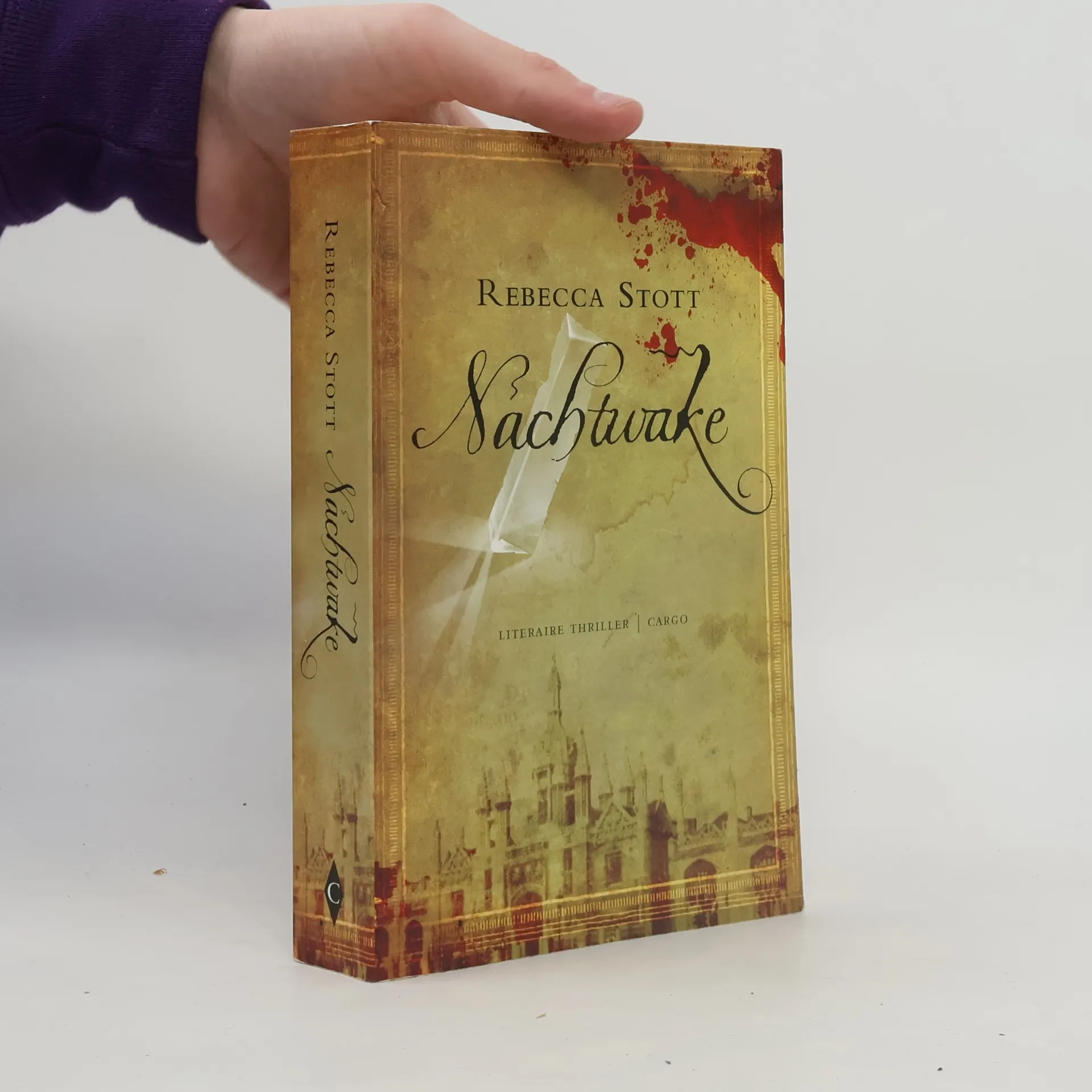
Heden en verleden smelten samen in een historisch moordmysterie op de campus van Cambridge. Het lichaam van Elizabeth Vogelsang wordt gevonden in een rivier in Cambridge. De gepensioneerde historica, die werkte aan een controversiële biografie over Isaac Newton, klemt in haar hand een antieke prisma. Om te voorkomen dat haar geheimen in het graf verdwijnen, zegt Lydia, de ex-vriendin van Elizabeths zoon, toe de biografie te voltooien. Gaandeweg ontdekt zij dat de dood van Elizabeth verband houdt met een moord uit 1665. Haar onderzoek leidt haar naar een radicale herinterpretatie van de rol van alchemie en bovennatuurlijke krachten in Newtons leven. Maar op het moment dat ze zich lijkt te verliezen in de zeventiende eeuw, vinden er in het heden nog twee moorden plaats.