Clancy Martin's work delves into nineteenth-century philosophy, existentialism, moral psychology, and applied ethics. His incisive essays explore complex questions of human existence with a unique perspective that blends academic rigor with broad reader appeal. Martin's prose is characterized by profound contemplation and an ability to make intricate ideas accessible.
Bobby Clark is just sixteen when he drops out of school to follow his big brother, Jim, into the jewelry business. Bobby idolizes Jim and is in awe of Jim’s girlfriend, Lisa, the best saleswoman at the Fort Worth Deluxe Diamond Exchange. What follows is the story of a young man’s education in two of the oldest human passions, love and money. Through a dark, sharp lens, Clancy Martin captures the luxury business in all its exquisite vulgarity and outrageous fraud, finding in the diamond-and-watch trade a metaphor for the American soul at work.
An intimate and insightful exploration of the compulsive thoughts surrounding death, this work offers humor and depth, drawing from the author’s own experiences and his viral essay, “I’m Still Here.” It serves as a crucial resource for those troubled by suicidal ideation or supporting someone who is. The author emphasizes the importance of honesty when discussing such a sensitive topic, acknowledging that many people have a personal connection to it.
Having attempted suicide multiple times, the author shares his journey, revealing the mindset of someone grappling with self-destruction. He argues that suicide attempts often stem from long-standing issues rather than sudden crises. The narrative also examines the perspectives of renowned writers who faced similar struggles, alongside insights from the history of philosophy regarding suicide.
Through a blend of memoir and critical inquiry, the work provides a voice to those who find the topic incomprehensible, reminding readers grappling with suicidal thoughts that they are not alone. It underscores that the desire for self-harm is typically temporary and avoidable, offering hope and understanding to those in need.
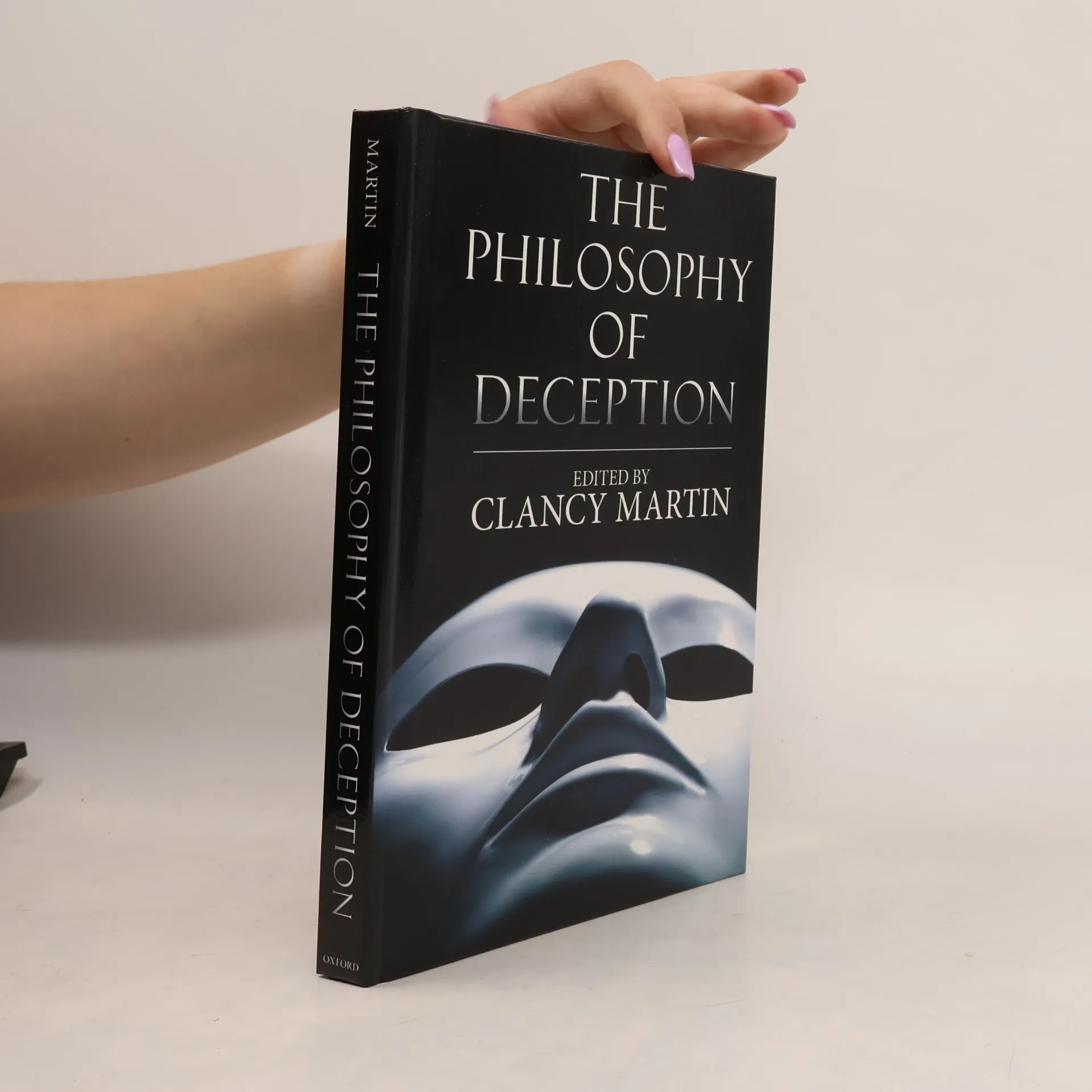
This volume gathers together new essays on deception and self-deception by leading thinkers on the subject. The contributors discuss topics including the nature and the definition of deception; whether deception is morally blameworthy or not; attacks against and defenses of self-deception; and the most famous philosophical account of lying by Immanuel Kant. Deception of others and self-deception share many more interconnections than is normally recognized, and these essays reveal the benefits of considering them together.he Philosophy of Deception ill be of interest to philosophers across the spectrum including those interested in philosophy of mind, philosophy of psychology, and metaphysics.