Gordon Burn's writing delves into the complex landscapes of modern fame, faded celebrity, and the pervasive influence of media on contemporary life. His work, spanning both fiction and non-fiction, often probes the darker facets of human nature, particularly within the realms of sport and true crime. He possessed a keen interest in infamous figures and cultural icons, dissecting their ascents and descents, and the profound impact of their public image. Burn's distinctive literary voice offers sharp insights into both individual psychology and societal dynamics.
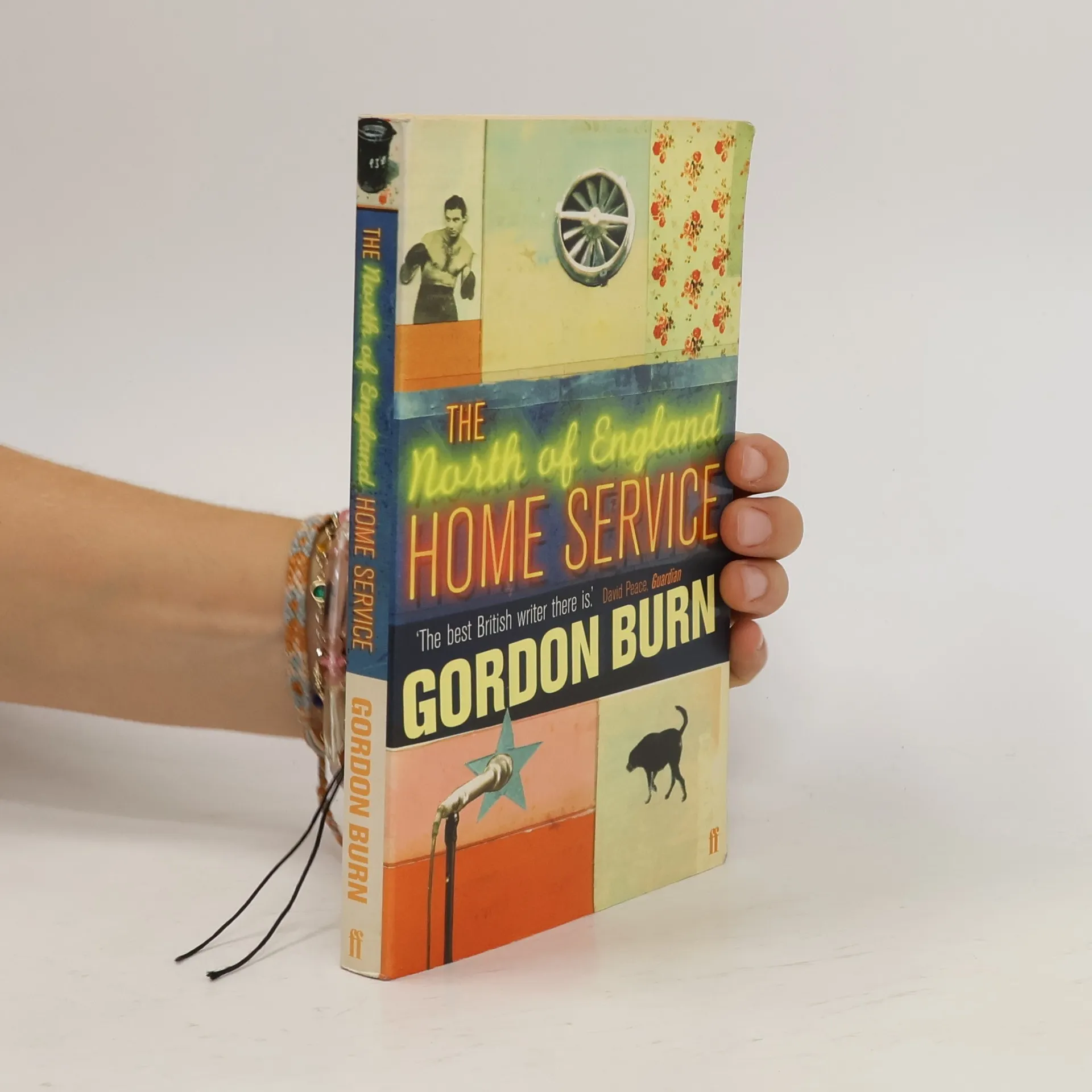
In one corner was Barry Hearn and his Romford Mafia - Davis, Taylor and
Griffiths - and in the other were the bad boys - Higgins, White and Knowles -
threatening the game's good name, and its earning potential.
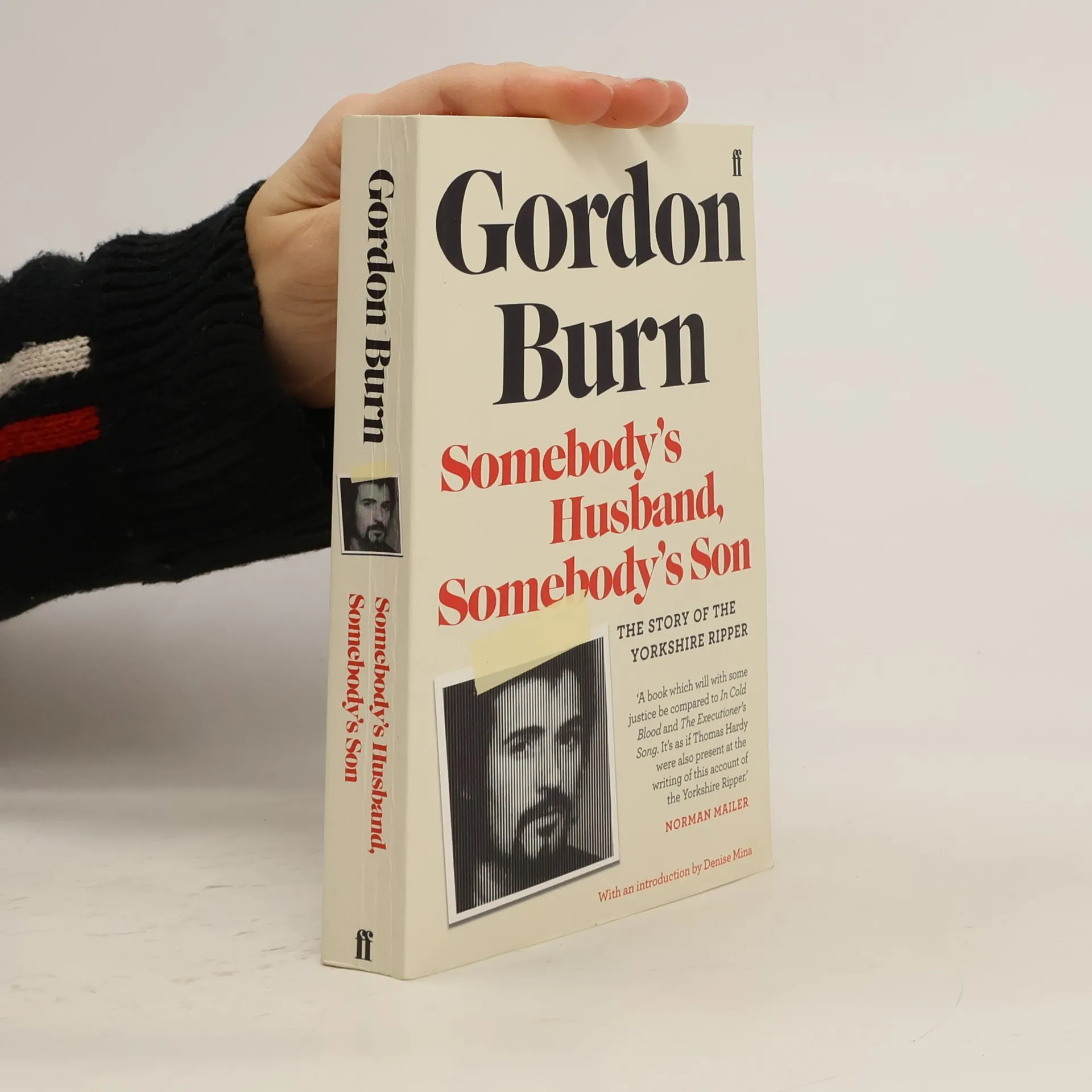
It seemed the case of the notorious Yorkshire Ripper was finally closed when
Peter Sutcliffe was sentenced to life imprisonment in 1981. But in the early
1980s, Gordon Burn spent three years living in Sutcliffe's home town of
Bingley, researching his life.
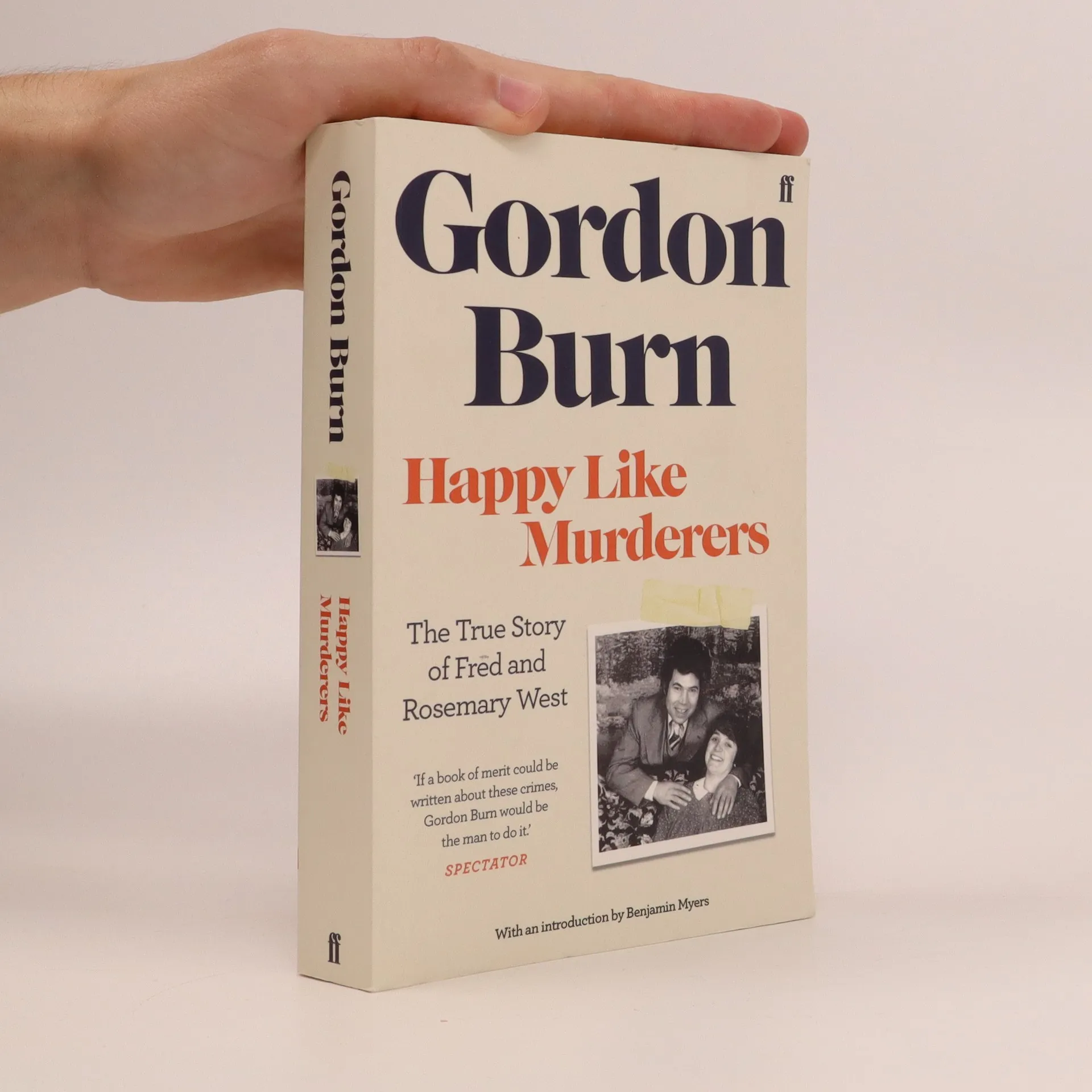
In this controversial and seminal work of reportage, Gordon Burn reveals the strange inner dynamic of Fred and Rosemary West's relationship. Based on meticulous research, this dark history is told in a powerful, compelling narrative. With a new introduction by Benjamin Myers.
In a forensic dissection of Britain's souring landscape Gordon Burn tells the tale of Ray Cruddas, a light entertainer effecting a semi-dignified retreat from his fading career, who returns to the unnamed northern town of his youth.'Burn carves a tale of mutual dependence between two also-rans - Ray, once a successful Geordie comedian, and Jackie, an almost made-it boxer . . . It is a book about ageing, about the long haul between what you hoped your life might be and the acceptance of what it is - and about the loneliness of men.' Anna Raeburn, Jewish Chronicle
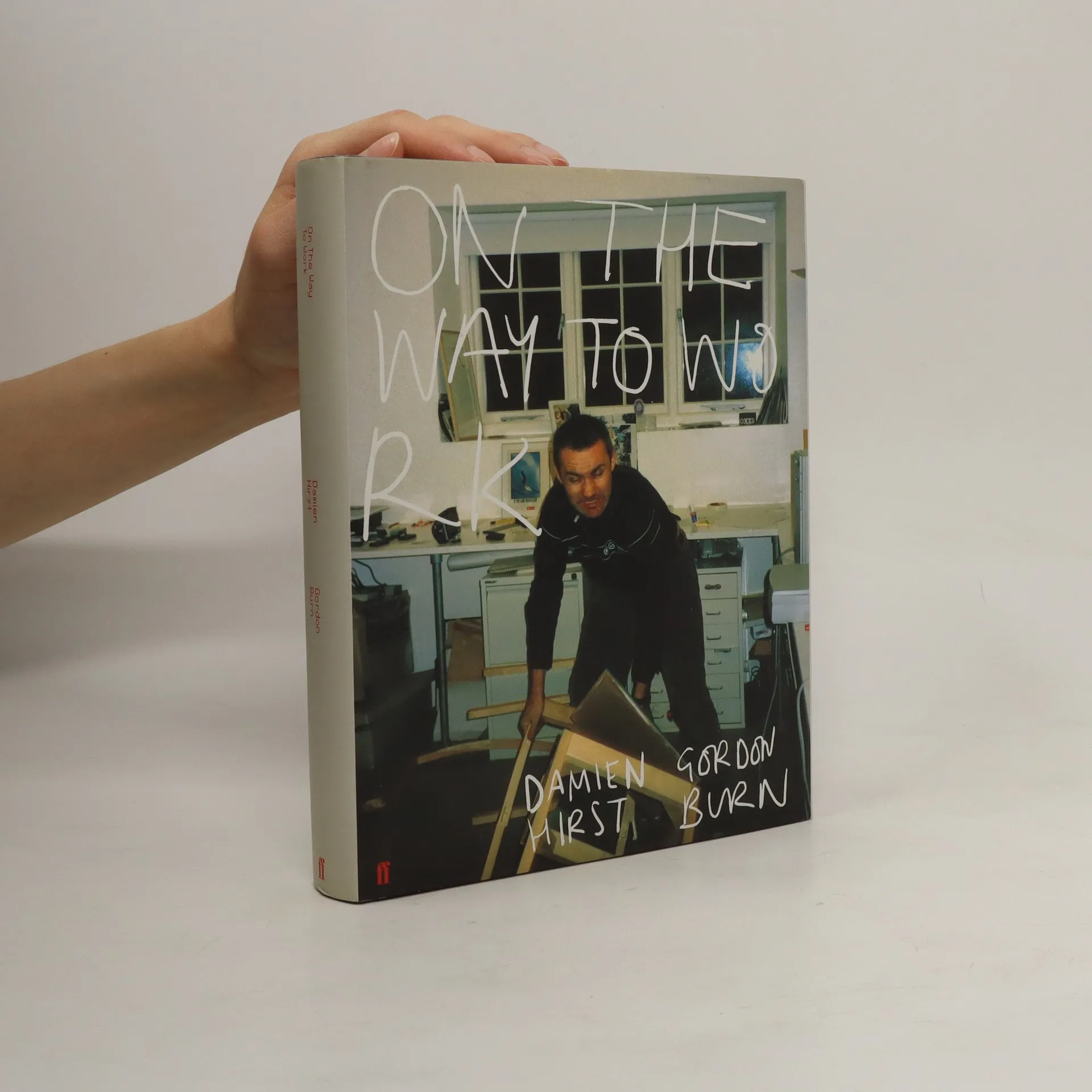
"I want it to be revealing. I'll talk about anything you like. I want it to be truthful. Let's do it. There is no off-limits. I'm afraid of nothing." Recognized as a young artist with a brilliant and uncompromising imagination, Damien Hirst stands as Britain's most celebrated artist for generations. As the leader of a dominant movement in contemporary art, he is ingrained in public consciousness, known for his notorious shark and pickled sheep. Gordon Burn first met Hirst nine years ago, sharing a mutual admiration for influential interviews with artists. Their resulting conversations are electrifyingly candid, with Hirst offering unfiltered insights into celebrity, money, art, alcohol, sex, death, class, and more. He shares his views on notable figures like Marco Pierre White, Charles Saatchi, and David Bowie. Hirst's art and life defined the nineties, and this work captures the essence of a generation—brave, unpredictable, scabrously funny, and corrosively intelligent. It serves as a how-to guide for those aspiring to become the most famous artist in the world.
A provocative collection of Damien Hirst's ideas and obsessions, created in collaboration with designer Jonathan Barnbrook. Pieces of his artwork are set against a visual narrative of drawings, words, photography, typography, pop-ups and other special effects. An essay by novelist Gordon Burn looks at Hirst's work and the breadth of its impact.