Explore the latest books of this year!
Bookbot

Robert Zaretsky

    January 1, 1955

    Robert Zaretsky is a distinguished literary biographer and historian of France. His work delves deeply into the lives and minds of significant figures, exploring their quests for meaning and their place in history. Zaretsky's style is incisive, offering readers a compelling journey through intellectual and cultural landscapes. Through his extensive essays and books, Zaretsky provides unique interpretations that enrich our understanding of historical and literary legacies.

    Robert Zaretsky
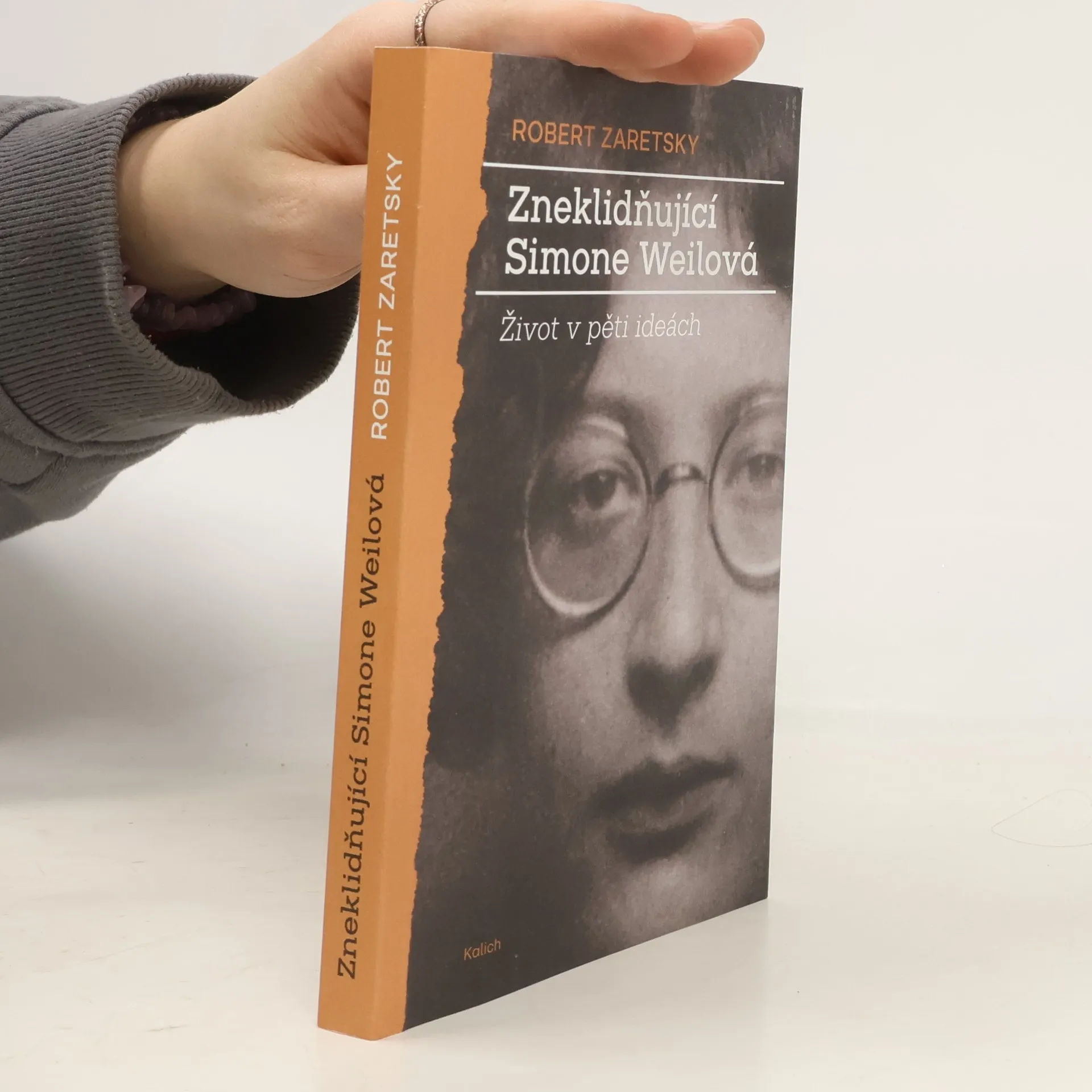
    Zneklidňující Simone Weilová : život v pěti ideách
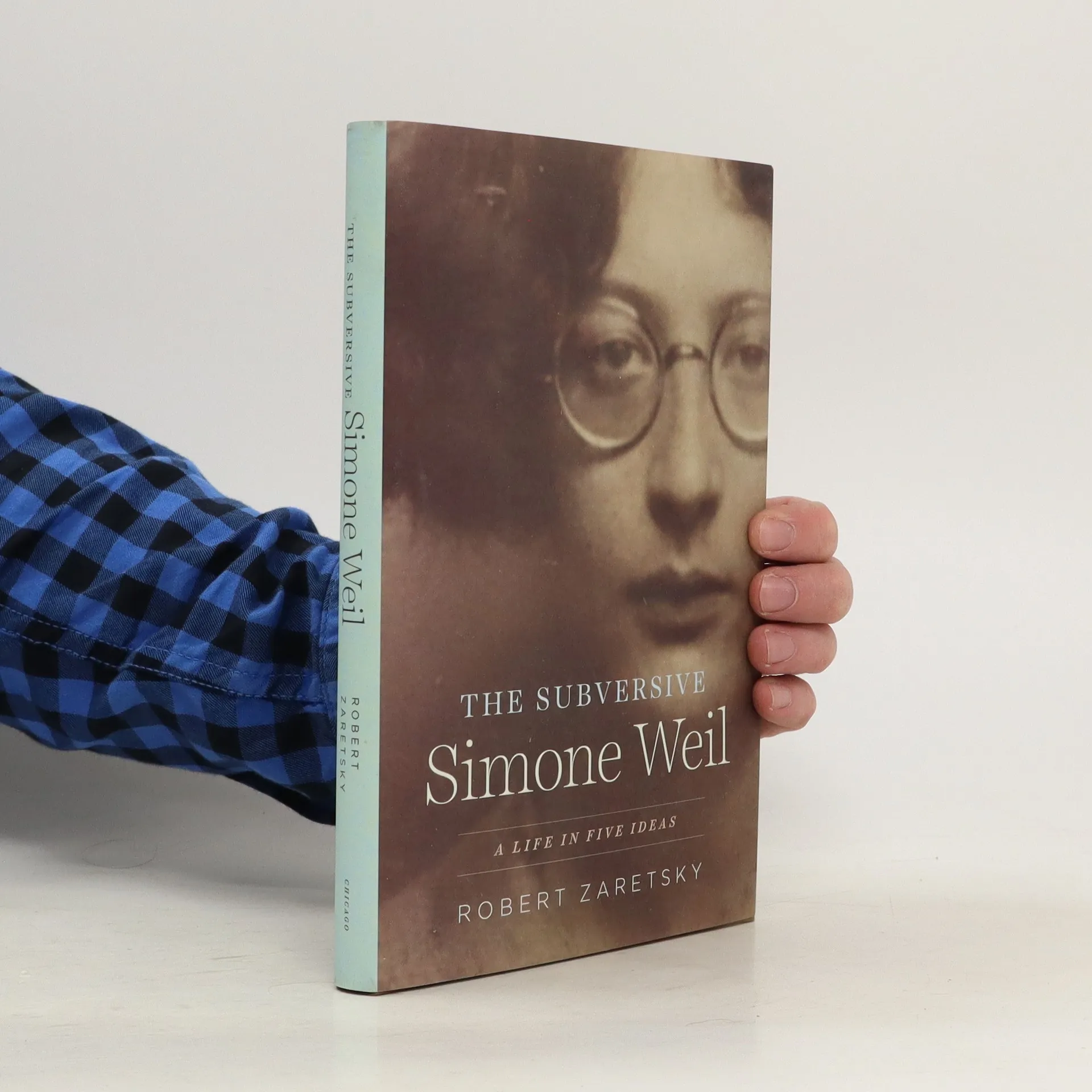
    The Subversive Simone Weil
    Victories Never Last
    • "We are far from knowing how and when the present pandemic will end, nor can we know what will be the most enduring stories that writers tell about it. We can, however, turn for guidance to earlier writers who confronted past plagues. Robert Zaretsky spent much of the past year working as a volunteer in a nursing home in south Texas, tending to residents isolated by Covid-19. When not at work, he turned to great novelists, essayists, and historians of the past to help him make sense of everyday, yet often extraordinary experiences at the residence. In this book, Zaretsky adroitly weaves his reflections on the pandemic siege of his nursing home with the experiences of six major writers during their own times of plague: Thucydides, Marcus Aurelius, Michel de Montaigne, Daniel Defoe, Mary Shelley, and Albert Camus. Each of these enduring authors knew mass death firsthand. Thucydides survived the great plague that swept through Athens from 430 to 429 BCE and described it in his History of the Peloponnesian War. Marcus Aurelius was Rome's emperor during the Antonine Plague that raged from 165 to 180 CE. Montaigne was the mayor of Bordeaux when, in 1585, it was battered by the bubonic plague, and several of his greatest essays are marked by that experience. Defoe was, of course, the author of Journal of a Plague Year, which in turn influenced both Mary Shelley in her apocalyptic novel The Last Man and Albert Camus in The Plague. Zaretsky layers accessible discussions of these authors with his own experience of the tragedy that slowly enveloped his Texas nursing home-a tragedy that first took the form of chronic loneliness and then, inevitably, the deaths of many residents whom Zaretsky cared for and whom we come to know. The result is an indelible work of witness and a tribute to the consoling powers of great literature"-- Provided by publisher

      Victories Never Last
    • The Subversive Simone Weil

      • 200 pages
      • 7 hours of reading
      4.0(257)Add rating

      The force of affliction -- Paying attention -- The varieties of resistance -- Finding roots -- The good, the bad, and the godly -- Epilogue.

      The Subversive Simone Weil
    • Simone Weilová (1909–1943), známá jako „patronka všech outsiderů“, byla jednou z nejpozoruhodnějších myslitelek dvacátého století, filozofkou, která skutečně žila podle svých politických a etických ideálů. Kniha Roberta Zaretského ukazuje nově stránky Weilové – přísnou racionalistku, která se oddávala zároveň vlastnímu typu mysticismu; revolucionářku se slabostí pro anarchismus, která však věřila v hierarchii práce; a humanistku, která lidské potřeby a povinnosti nadřazovala lidským právům. Kniha Zneklidňující Simone Weilová ctí složitost jejího myšlení a vypovídá o tom, proč nepřestává fascinovat čtenáře i dnes. Miroslav Petříček: Kniha Roberta Zaretského představuje myšlení Simone Weilové v úplnosti, ať už jde o její chápání vzdoru, nebo o její klíčový myšlenkový motiv, jímž je hledání kořenů na pozadí rozpadajícího se světa. Autor píše srozumitelně, což není snadné, protože Weilová je místy obtížně srozumitelná: v jejím myšlení se objevují na první pohled nesmiřitelné rozpory.

      Zneklidňující Simone Weilová : život v pěti ideách