

" Erring is a thoughtful, often brilliant attempt to describe and enact what remains of (and for) theology in the wake of deconstruction. Drawing on Hegel, Nietzsche, Derrida, and others, Mark Taylor extends—and goes well beyond—pioneering efforts. . . . The result is a major book, comprehensive and well-informed."—G. Douglas Atkins, Philosophy and Literature"Many have felt the need for a study which would explicate in coherent and accessible fashion the principal tenets of deconstruction, with particular attention to their theological implications. This need the author has addressed in a most impressive manner. The book's effect upon contemporary discussion is apt to be, and deserves to be, far-reaching."—Walter Lowe, Journal of Religion
Mark C. Taylor Books
Mark C. Taylor is a philosopher of religion who delves into the complex interplay between faith and modernity. His work critically examines how religious thought evolves within contemporary society and technology, seeking new frameworks for understanding spirituality. Taylor's approach is deeply interdisciplinary, weaving together philosophy, theology, and cultural theory to explore the shifting landscape of belief.
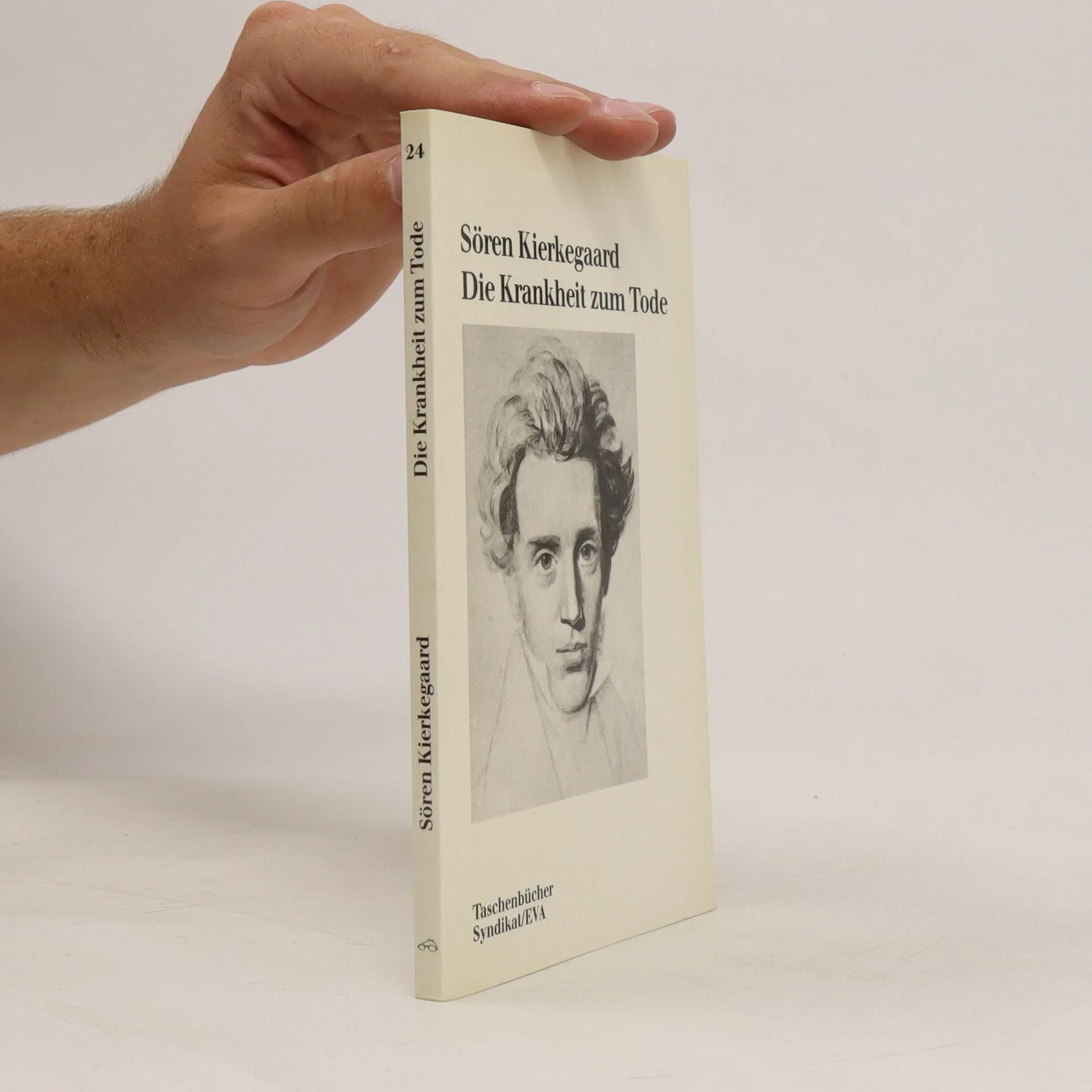
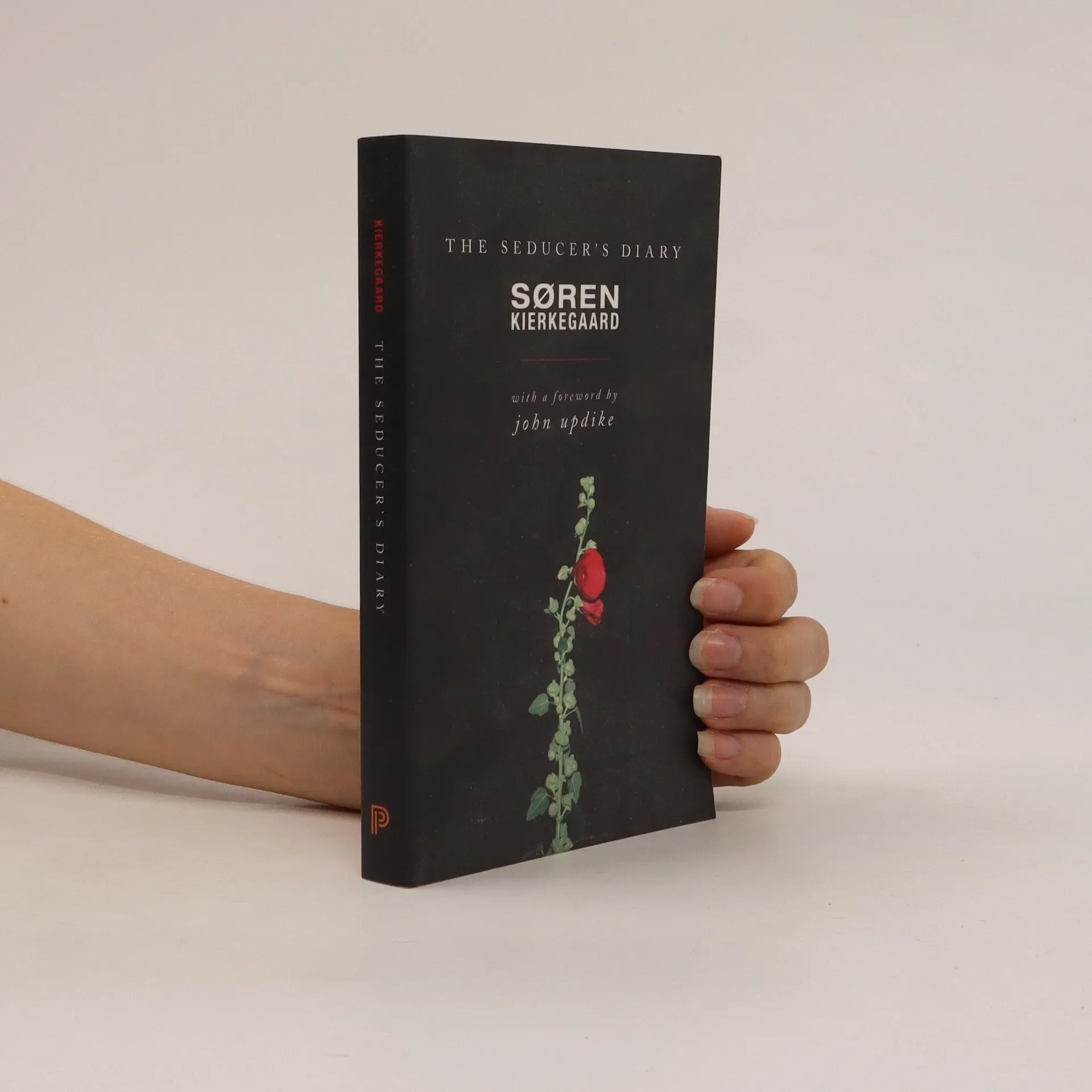

The Seducer's Diary
- 214 pages
- 8 hours of reading
"In the vast literature of love, The Seducer's Diary is an intricate curiosity--a feverishly intellectual attempt to reconstruct an erotic failure as a pedagogic success, a wound masked as a boast," observes John Updike in his foreword to Søren Kierkegaard's narrative. This work, a chapter from Kierkegaard's first major volume, Either/Or, springs from his relationship with his fiancée, Regine Olsen. Kierkegaard fell in love with the young woman, ten years his junior, proposed to her, but then broke off their engagement a year later. This event affected Kierkegaard profoundly. Olsen became a muse for him, and a flood of volumes resulted. His attempt to set right, in writing, what he feels was a mistake in his relationship with Olsen taught him the secret of "indirect communication." The Seducer's Diary, then, becomes Kierkegaard's attempt to portray himself as a scoundrel and thus make their break easier for her. Matters of marriage, the ethical versus the aesthetic, dread, and, increasingly, the severities of Christianity are pondered by Kierkegaard in this intense work.