

Explore the latest books of this year!
Bookbot

James Naremore

    April 7, 1941
    Some Versions of Cary Grant
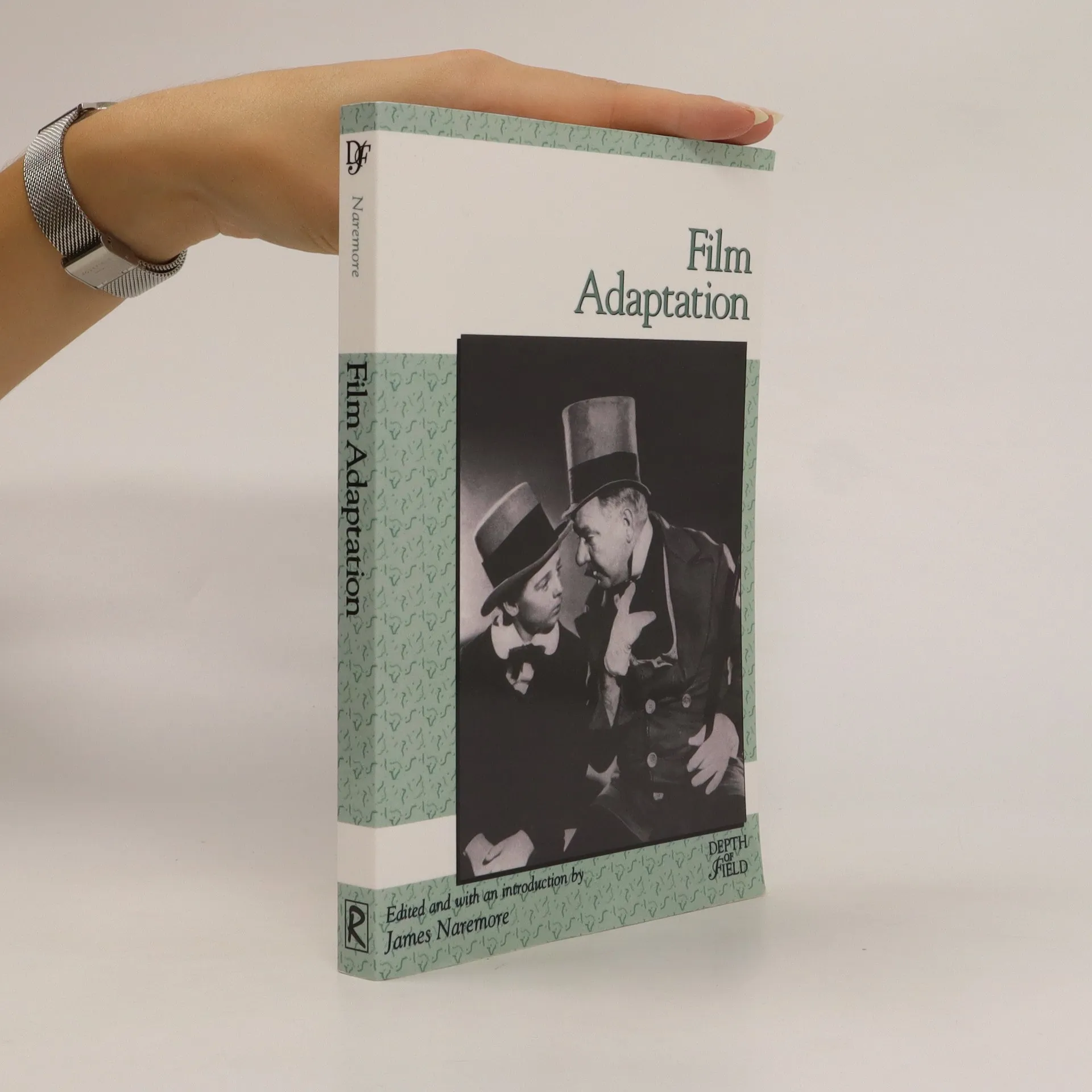
    Film Adaptation
    Film Noir: A Very Short Introduction
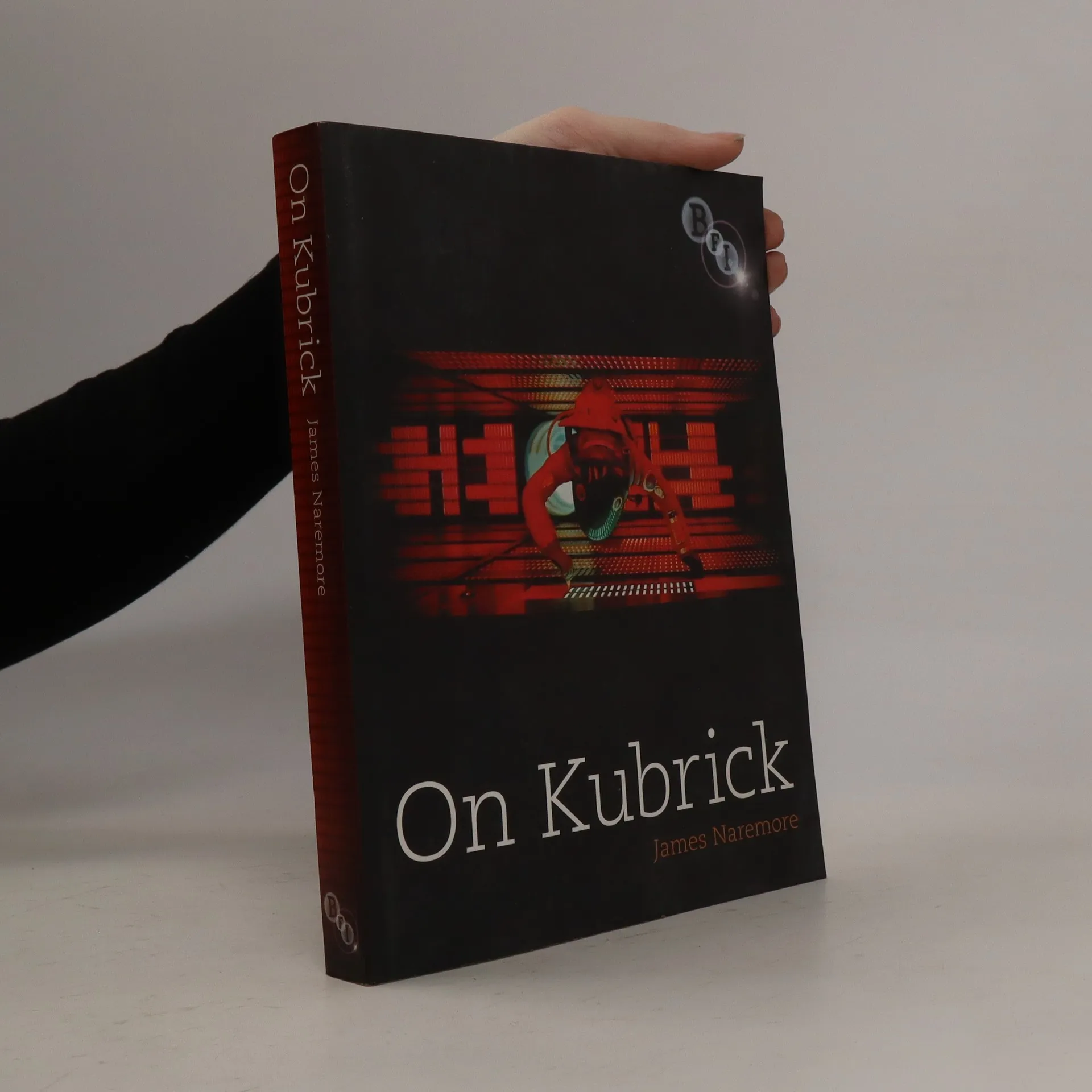
    On Kubrick
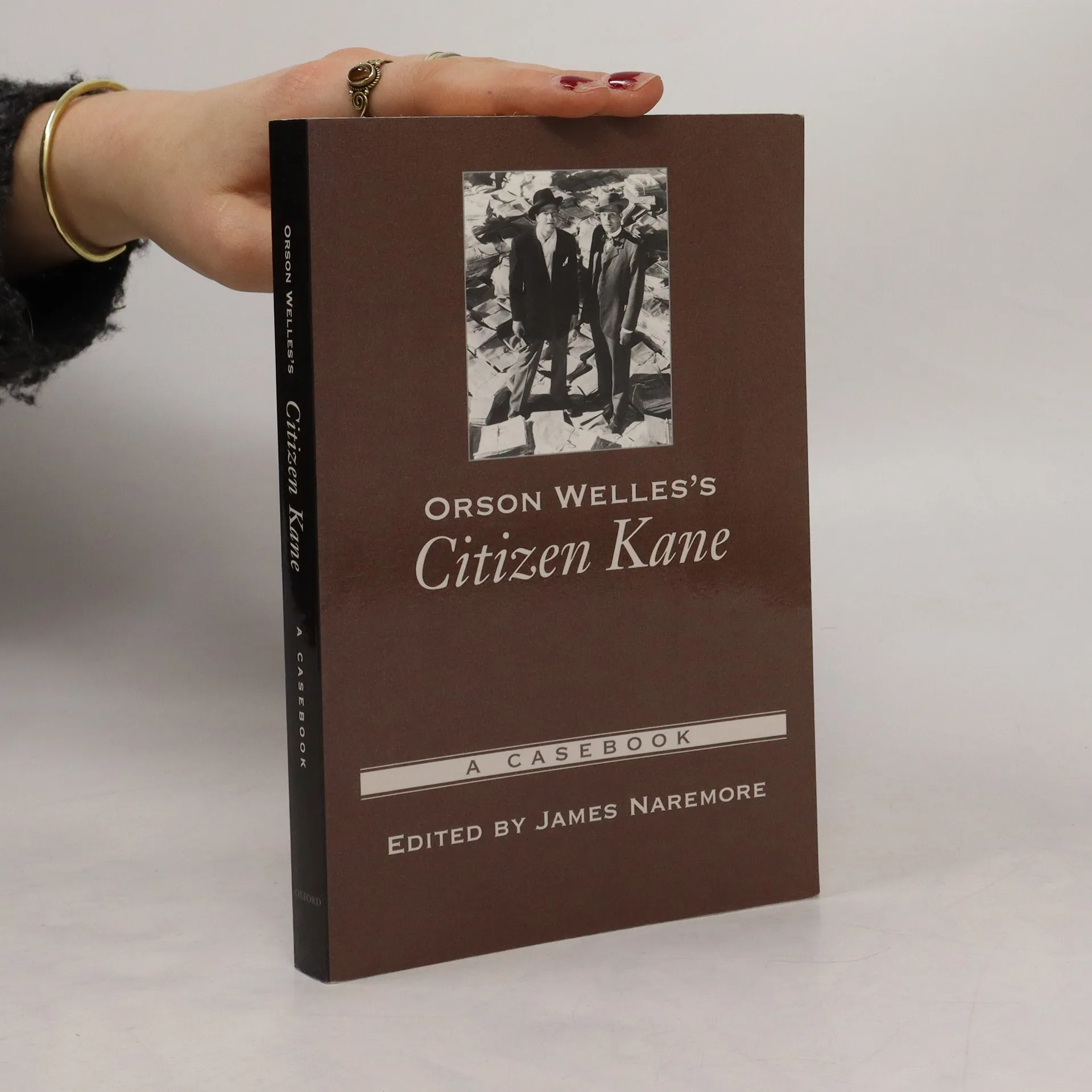
    Orson Welles's Citizen Kane
    Letter From An Unknown Woman
    • James Naremore's study of Max Ophuls' classic 1948 melodrama, Letter from an Unknown Woman , not only pays tribute to Ophuls but also discusses the backgrounds and typical styles of the film's many contributors--among them Viennese author Stephan Zweig, whose 1922 novella was the source of the picture; producer John Houseman, an ally of Ophuls who nevertheless made questionable changes to what Ophuls had shot; screenwriter Howard Koch; music composer Daniéle Amfitheatrof; designers Alexander Golitzen and Travis Banton; and leading actors Joan Fontaine and Louis Jourdan, whose performances were central to the film's emotional effect.Naremore also traces the film's reception history, from its middling box office success and mixed early reviews, exploring why it has been a work of exceptional interest to subsequent generations of both aesthetic critics and feminist theorists.Lastly, Naremore provides an in-depth critical appreciation of the film, offering nuanced appreciation of specific details of mise-en-scene, camera movement, design, sound, and performances, integrating this close analyses into an overarching analysis of Letter's “recognition plot;” a trope in which the recognition of a character's identity creates dramatic intensity or crisis. Naremore argues that Letter's use of recognition is one of the most powerful in Hollywood cinema, and contrasts it with what we find in Zweig's novella.

      Letter From An Unknown Woman
    • Orson Welles's Citizen Kane

      • 304 pages
      • 11 hours of reading
      3.8(17)Add rating

      Citizen Kane is arguably the most admired and significant film since the advent of talking pictures. No other film is quite so interesting from both artistic and political points of view. To study it even briefly is to learn a great deal about American history, motion-picture style, and the literary aspects of motion-picture scripts. Rather than presenting a sterile display of critical methodologies, James Naremore has gathered a set of essays that represent the essential writings on the film. It gives the reader a lively set of critical interpretations, together with the necessary production information, historical background, and technical understanding to comprehend the film's larger cultural significance. Selections range from the anecdotal --Peter Bogdanovich's interview with Orson Welles--to the critical, with discussions on the scripts and sound track, and a discussion of what accounts for the film's enduring popularity. Contributors include James Naremore, PeterBogdanovich, Jonathan Rosenbaum, Robert L. Carringer, François Thomas, Michael Denning, Laura Mulvey, Peter Wollen, and Paul Arthur.

      Orson Welles's Citizen Kane
    • On Kubrick

      • 303 pages
      • 11 hours of reading
      3.9(134)Add rating

      'On Kubrick' provides a critical account of the films of Stanley Kubrick, from his earliest feature to his final posthumous project. It offers a provocative analysis of each of his films, with new information about production histories and cultural contexts

      On Kubrick
    • Film Noir: A Very Short Introduction

      • 152 pages
      • 6 hours of reading
      3.8(87)Add rating

      James Naremore introduces film noir, highlighting key themes, films, and styles, and exploring why the genre is so difficult to categorize. First associated with Hollywood thrillers of the 1940s and 50s, film noir has become fully international in its nature and appeal, attracting the interest of great directors right up to our present time.

      Film Noir: A Very Short Introduction
    • An investigation of how cinema transforms stories from other sources, such as literature and history, onto the movie screen

      Film Adaptation
    • Some Versions of Cary Grant

      • 224 pages
      • 8 hours of reading

      Focusing on Cary Grant's significant impact on film history and Hollywood, James Naremore presents a lively exploration of the actor's multifaceted persona. The book delves into Grant's roles and the cultural implications of his work, illustrating how he shaped cinematic narratives and influenced the industry. Through engaging analysis, Naremore highlights Grant's enduring legacy and relevance in the context of film evolution.

      Some Versions of Cary Grant