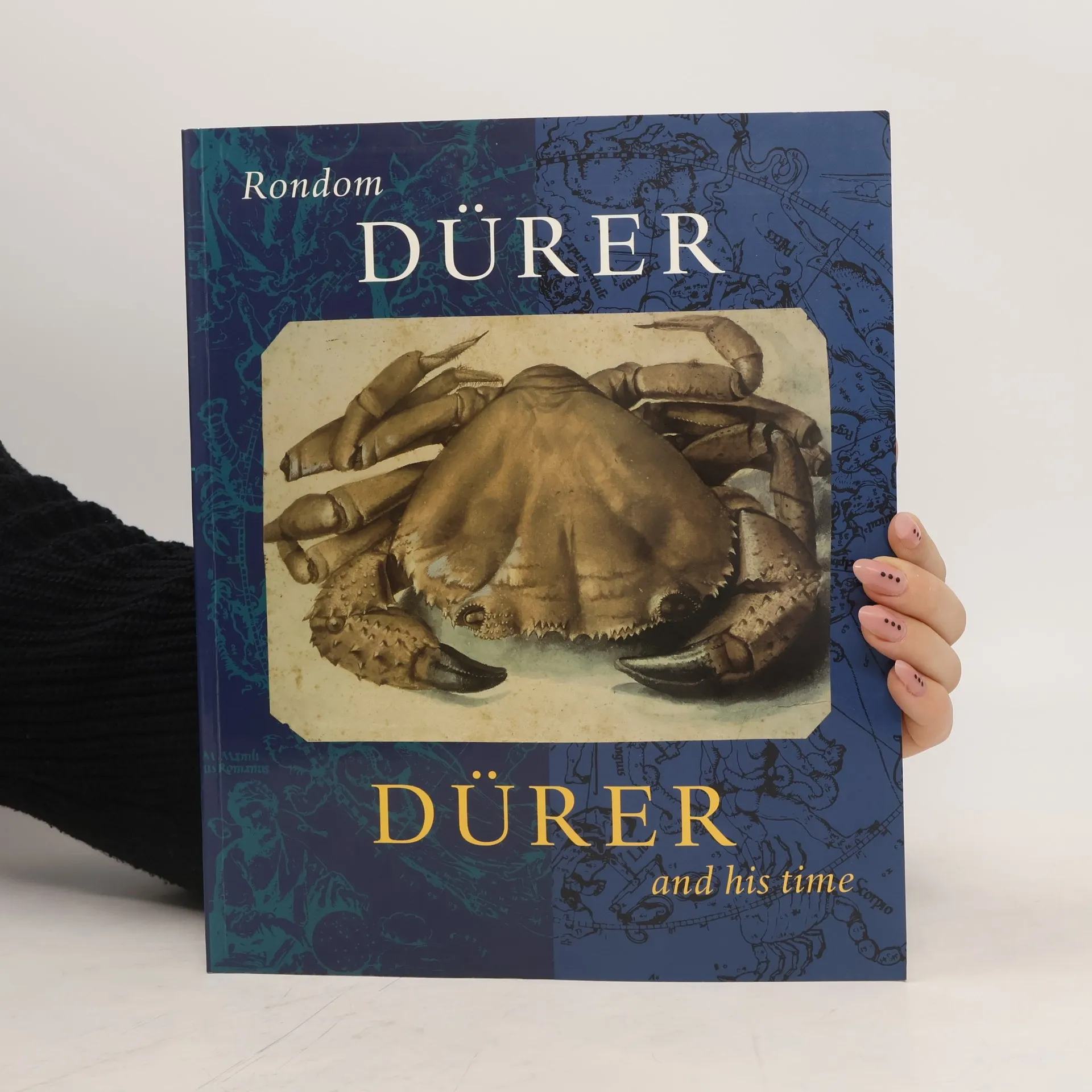
Featuring stunning, full-page details, the book offers an unprecedented exploration of Dürer's paintings, drawings, and graphic works. It highlights the intricacies and techniques of his art, providing insights into his creative process and the historical context of his work. Through meticulous reproductions, readers can appreciate the depth and complexity of Dürer's contributions to the art world.
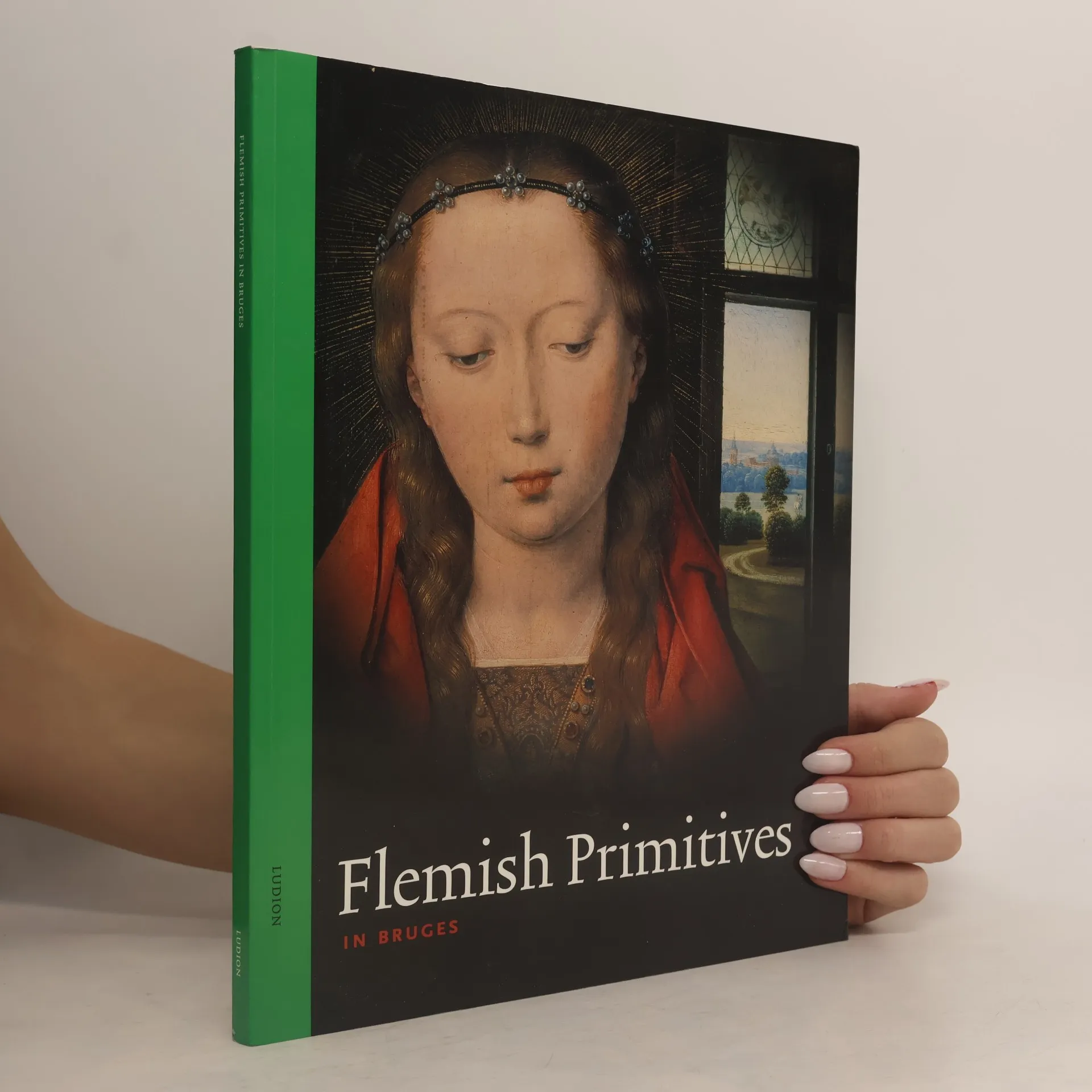
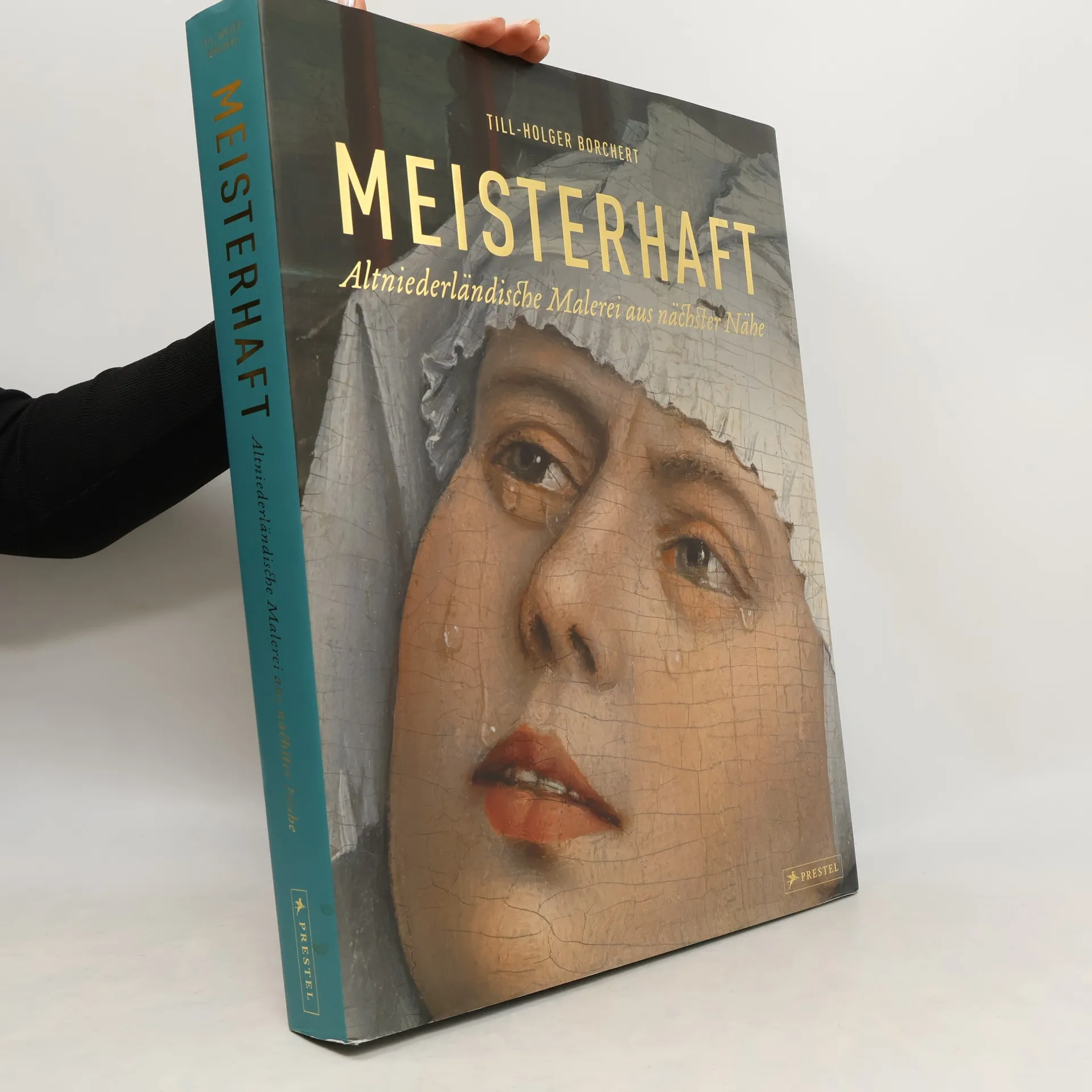
Forty works by early Netherlandish masters from van Eyck to Bosch--reproduced in exquisite detail--are the subject of this breathtaking book that leads readers deep into the paintings to reveal each artist's astonishing technique and brilliant application of color. The longer we gaze at the paintings of the old masters, the more we appreciate the subtlety and artistry of the painters who created them. This beautiful book offers readers an opportunity to learn and study the art of Jan van Eyck, Rogier van der Weyden, Hieronymus Bosch, Pieter Bruegel the Elder, and many other masters of this period and region. It also explores their influence on later artists from the Baroque period. Each of the works is briefly presented along with its historical and contextual background and importance. Then in a series of full-page illustrations, specific details are enlarged to guide the reader carefully and thoughtfully through the piece's nuances and often overlooked features. The result is the next best thing to a private viewing at a museum--a truly sensuous and emotional experience that will engage both the novice and the expert. Till-Holger Borchert's texts are informative and engaging as he shares his singular passion for these great works in a magnificent book that will inspire viewers to form their own opinions and exercise their own powers of observation within the context of this important period in art history.
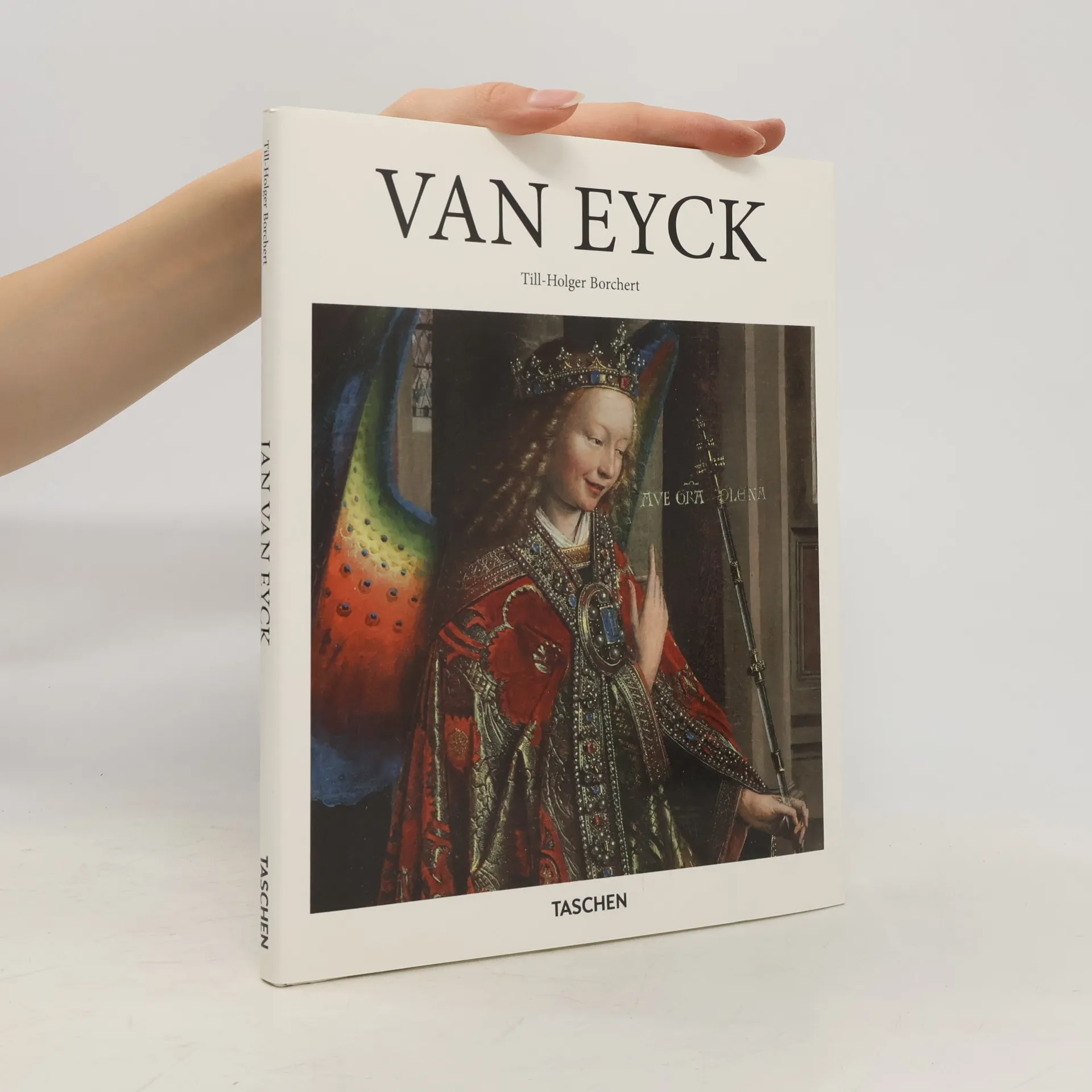
Through intricate detail and captivating compositions, Jan van Eyck was one of
the most innovative Renaissance artists of the 15th century. Though only 25
surviving works are confidently attributed to him, his extraordinary
recreation of reality highly influenced later generations of Early
Netherlandish painters. Examine his masterful oil works...
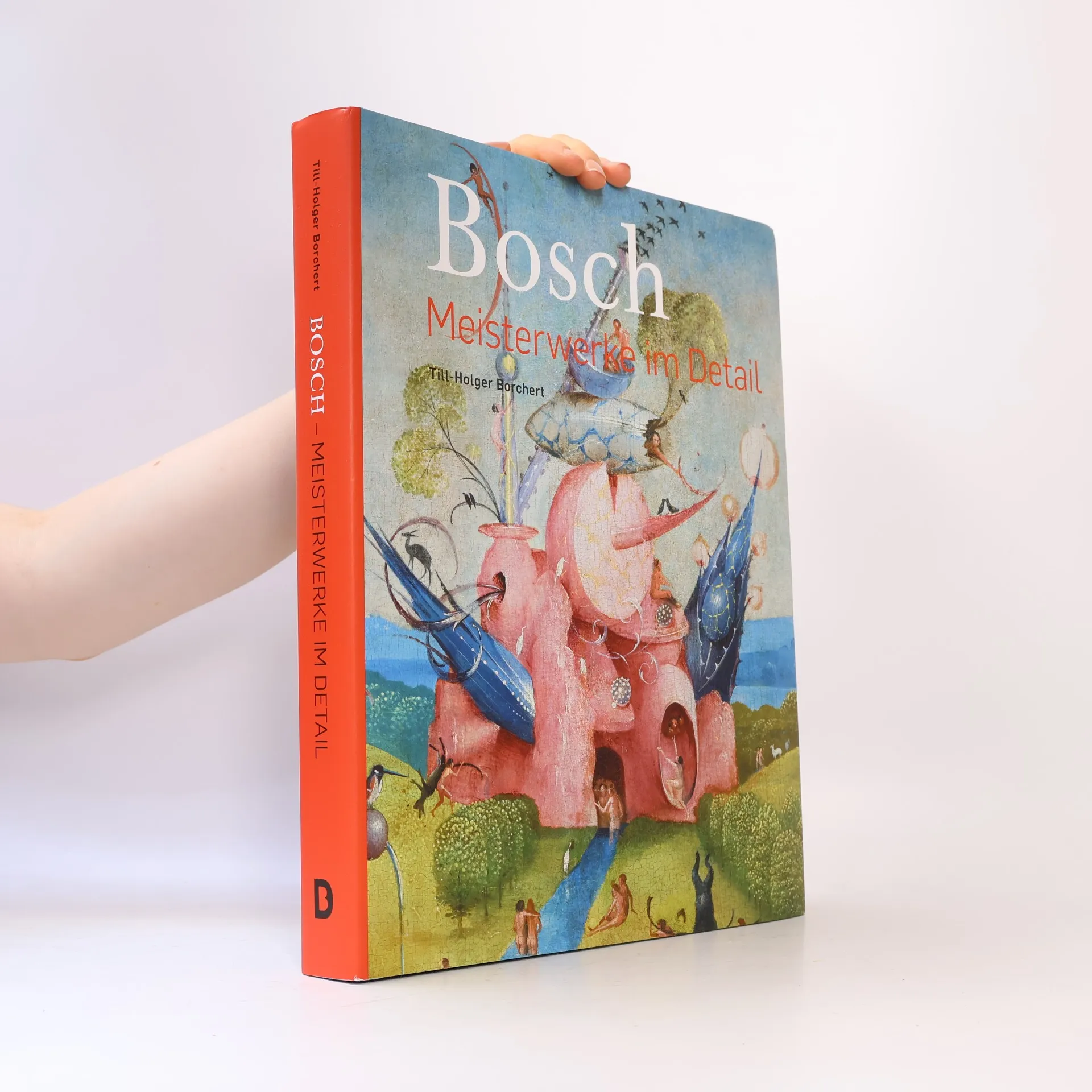
A compact, affordable introduction to one of the world's most popular painters, looking at his work in incredible close-up detail Hieronymus Bosch (1450-1516) is one of the most famous artists in the history of Netherlandish painting, if not the world. This book explores his best-known paintings and drawings, revealing them as never before in amazing full-page close-up details. Organized by characteristic themes in Bosch's work, such as faces, heaven and hell, the four elements, landscapes, and creatures both fantastic and monstrous, it offers exceptional views of masterpieces like The Garden of Earthly Delights, The Haywain Triptych, The Temptation of St. Anthony and The Seven Deadly Sins. Till-Holger Borchert, an expert on Netherlandish art, guides readers through the painter's work in clear and accessible language, and from less-familiar and surprising angles.
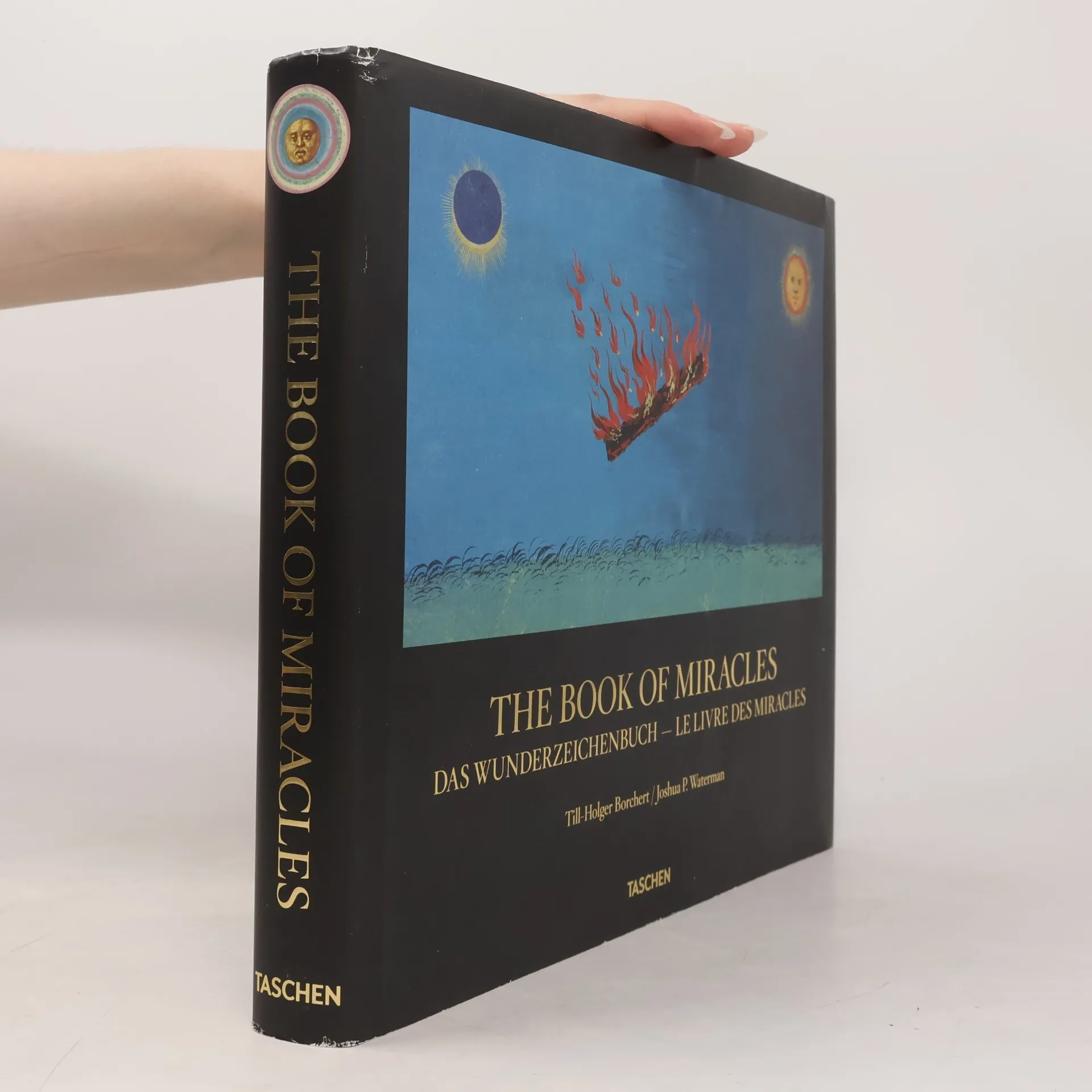
Dieses erst vor wenigen Jahren aufgetauchte Wunderzeichenbuch ist eine der spektakulärsten Wiederentdeckungen auf dem Gebiet der deutschen Renaissancekunst . Die Bilderhandschrift, die um 1550 in Augsburg entstand, enthält 169 großformatige, in Gouache und Aquarell ausgeführte Illustrationen von wundersamen und oft furchterregenden Himmelserscheinungen, Sternenkonstellationen, Feuersbrünsten, Überschwemmungen sowie anderen Katastrophen und rätselhaften Phänomenen. Vom Alten Testament spannt sich der Bogen über Ereignisse aus antiker Überlieferung und mittelalterlichen Chroniken bis in die Gegenwart der Verfasser des Buches und schließlich mit den Illustrationen zur visionären Johannesoffenbarung sogar bis zum künftigen Ende der Welt. Der vorliegende Band gibt das Augsburger Wunderzeichenbuch originalgetreu wieder und macht damit eines der bedeutendsten Werke der deutschen Renaissance für jedermann zugänglich . Er enthält eine Übersetzung der Tafeltexte in heutiges Deutsch und zwei einleitende Essays, die den Kodex in seinen kulturhistorischen Kontext einordnen.
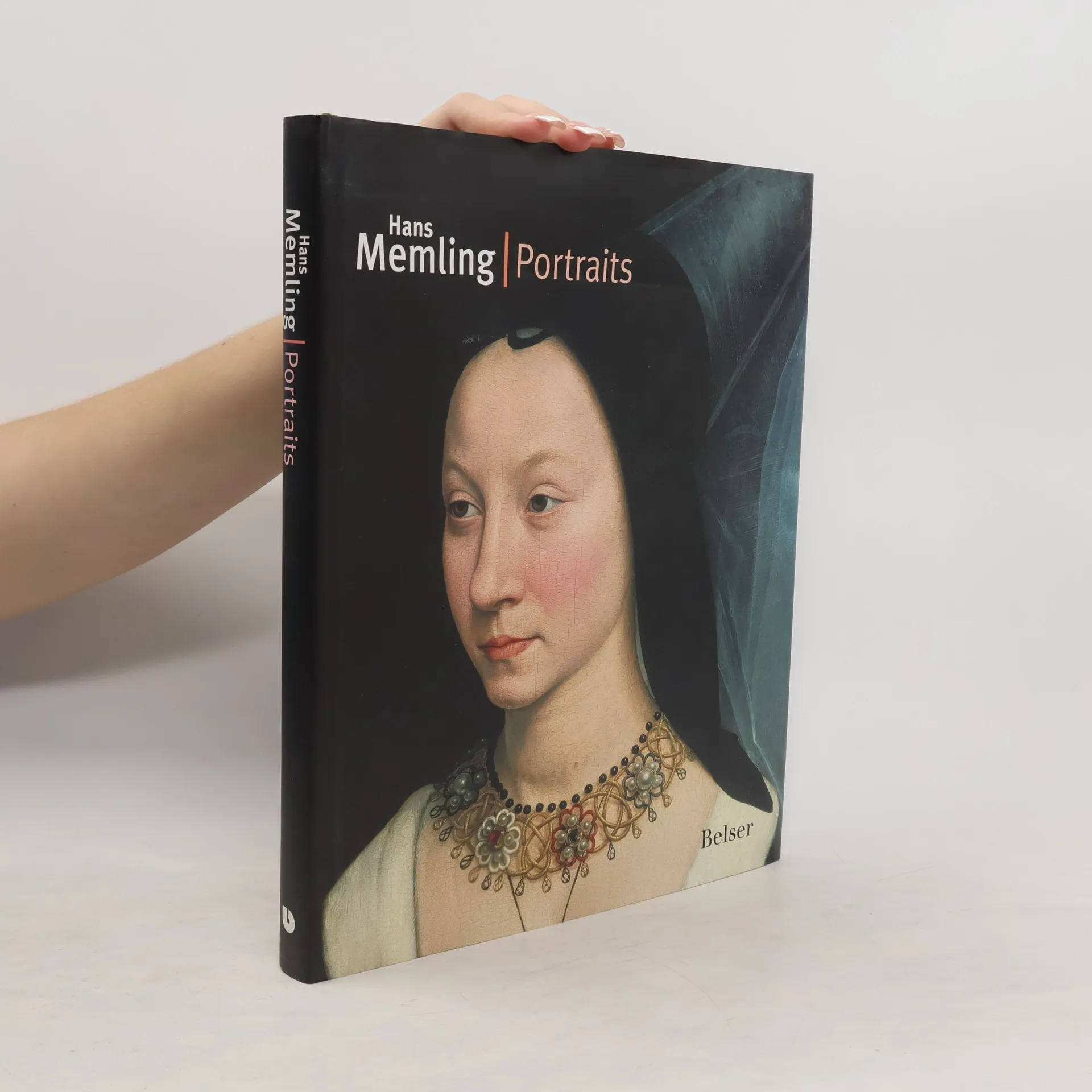
Hans Memling war der bedeutendste Maler in Brügge im späten 15. Jahrhundert. Seine Porträts beeinflussten die europäische Porträtmalerei des 16. Jahrhunderts. Der Band vereint über 120 Abbildungen seiner Werke und bietet spannende Beiträge von Experten, die die Porträtkunst Memlings neu beleuchten. Begleitend zur großen Ausstellung in Madrid, Brügge und New York.
Dieric Bouts gilt als einer der wichtigsten flämischen Meister und insbesondere der Stadt Leuven. Der „Maler der Stille“ zeichnet sich vor allem durch die Bescheidenheit und Ruhe seiner Werke aus. Von Oktober 2023 bis Januar 2024 wird ihm im Museum Leuven eine Ausstellung gewidmet, die so viele seiner Werke wie nie zuvor in seiner Heimatstadt zeigt. Die außergewöhnliche Ausstellung stellt dabei nicht allein den Künstler in den Fokus, sondern Bouts Rolle als Bildermacher und konfrontiert diese mit den heutigen Bildgestaltern, Fotografen und Filmemachern. Eine unerwartete und spannende Perspektive auf die Meisterwerke von Dieric Bouts und seinen Zeitgenossen.
Den großen Meisterwerken ganz nahAltniederländische Meisterwerke entfalten ihre ganze Pracht: Neben den Gesamtansichten zeigt dieser Band sorgfältig ausgewählte, atemberaubend schöne Detailaufnahmen dieser einzigartigen Epoche, der Wiege der europäischen Malereigeschichte. Die großen Werke von Jan van Eyck, Rogier van der Weyden, Hieronymus Bosch, Pieter Bruegel d. Ä. und anderen flämischen und niederländischen Meistern vergegenwärtigen den Beginn der Ölmalerei. Erst diese neue Technik erlaubte den Künstlern einen beinahe fotografischen Realismus, dessen Detailgenauigkeit in der Darstellung von Menschen, Landschaften oder kostbarster Textilien bis heute fasziniert. Till-Holger Borchert, Spezialist für die Kunst der frühen Niederländer, führt die künstlerischen Besonderheiten jedes Malers gezielt in großformatigen Detailaufnahmen vor Augen und eröffnet so eine bislang unerreichte Nahsicht auf diese faszinierende Kunstepoche. Künstler und Werk werden kenntnisreich vorgestellt und in ihren historischen Kontext eingeordnet – mit den großartigen Abbildungen wird die Kunstbetrachtung zum sinnlichen Vergnügen. Dieses Buch besticht durch sein Format und die einzigartige Bildregie. Das Blättern wird zu einem sinnenfrohen Streifzug durch die schönsten Museen Europas.