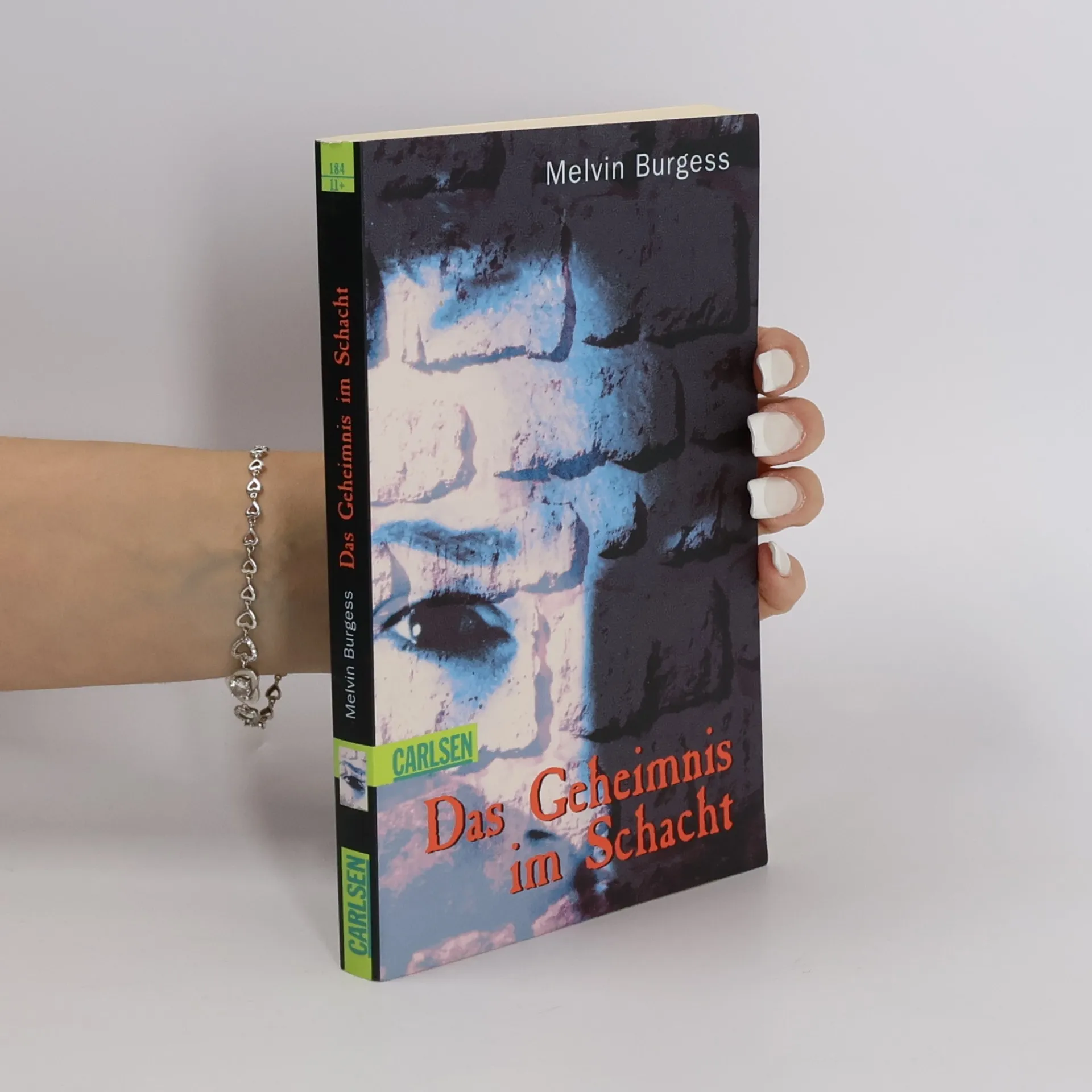
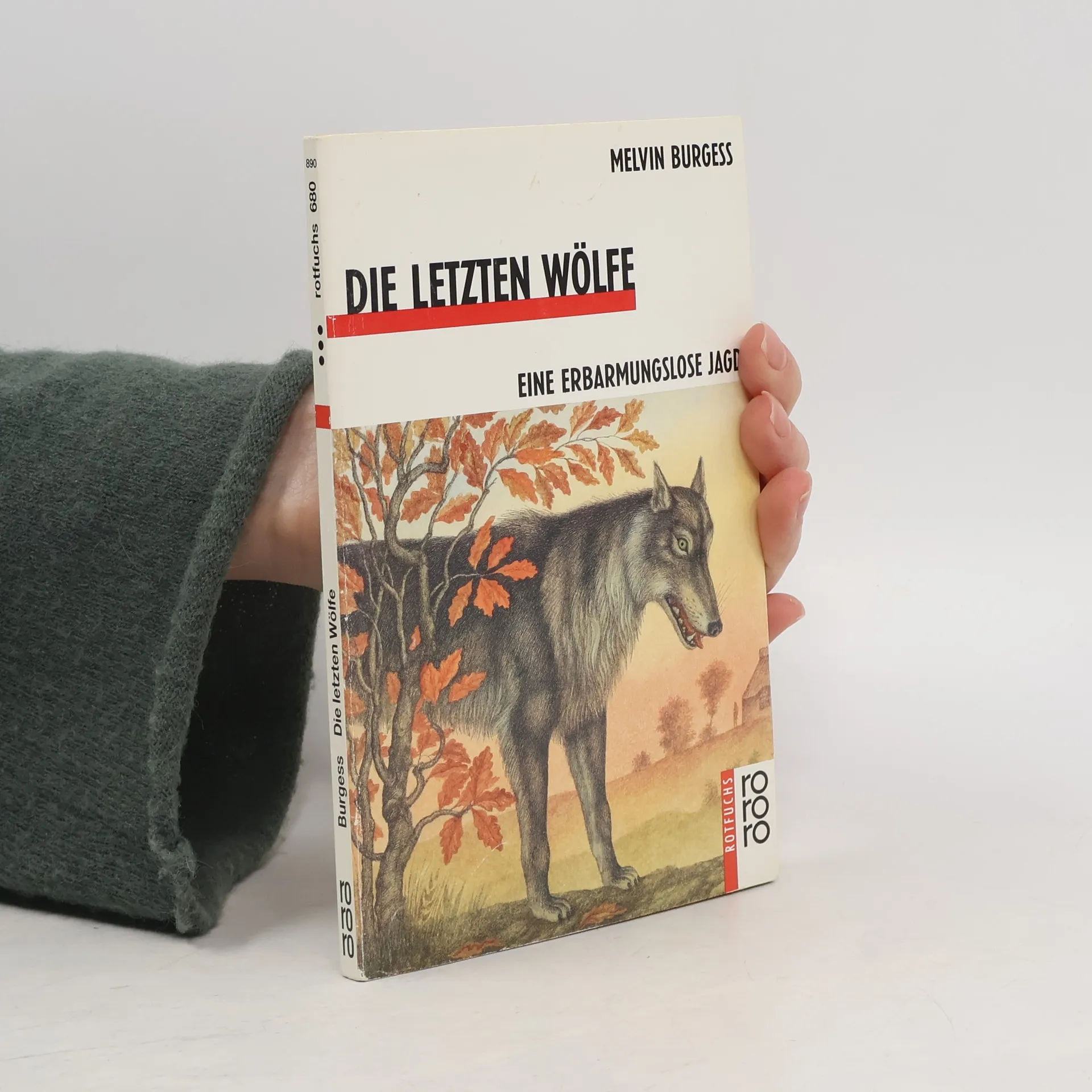
Melvin Burgess is a British author celebrated for his bold and realistic explorations of young adult life. He has gained recognition for tackling controversial themes such as teenage drug use and sexuality with unflinching honesty. Burgess skillfully weaves polyphony into his narratives, creating complex layers of experience for his readers. Beyond gritty realism, he also ventures into fantastical realms, consistently offering a distinctive and impactful voice in children's and young adult literature.
Fifteen-year-old Sigurd, son of King Sigmund, is the last surviving member of
the Volson clan. His father's kingdom - the former city of London - is gone.
And his father's knife, a gift from the gods, has been shattered to dust.
When Nick's mother dies suddenly, the fourteen-year-old is sent straight into a boys' home, where he finds institutional intimidation and violence keep order. After countless fights and punishments, Nick thinks life can't get any worse - but the professionally respected deputy head, Mr Creal, who has been grooming him with sweets and solace, has something much more sinister in mind. The scarring, shaming experience he suffers at the hands of Mr Creal can never quite be suppressed, and when the old hatred surfaces, bloody murder and revenge lead to an unforgettable climax.
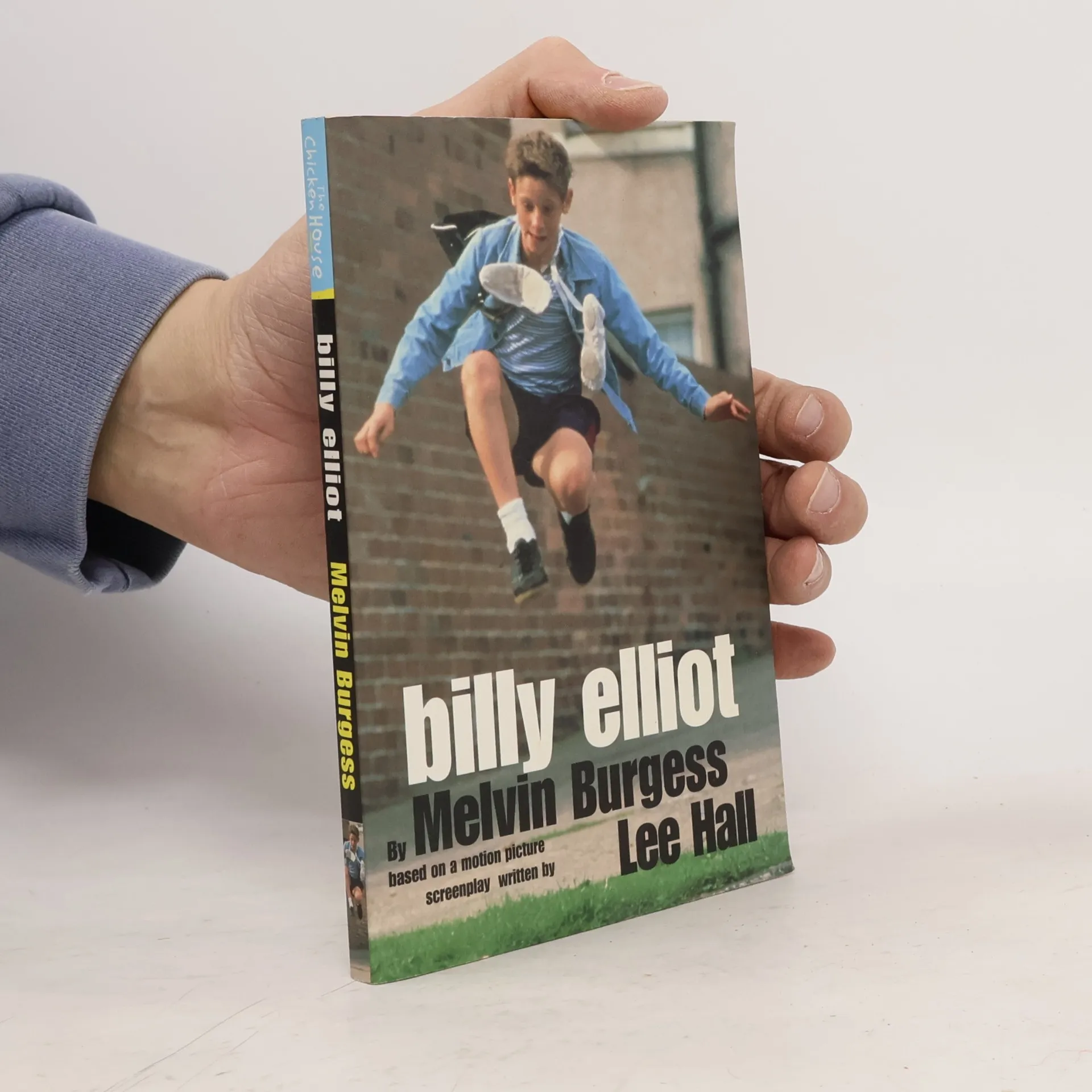
Billy Elliot's tough, funny and heart-warming story is given new depth by best-selling author, Melvin Burgess. Billy's mother is dead, and his father and brother are fiercely involved in a bitter miners' fight that has split the local community. Billy's father wants his son to learn boxing, like he did and his father before him. But Billy is fascinated by the grace and magic of ballet and is determined to dance his way to a different future. Told from the differing viewpoints of Billy, his father and brother and his friend Michael, Melvin Burgess has captured the spirit of the original film screenplay while demonstrating the skill and inspiration he showed in his award-winning novel, Junk.
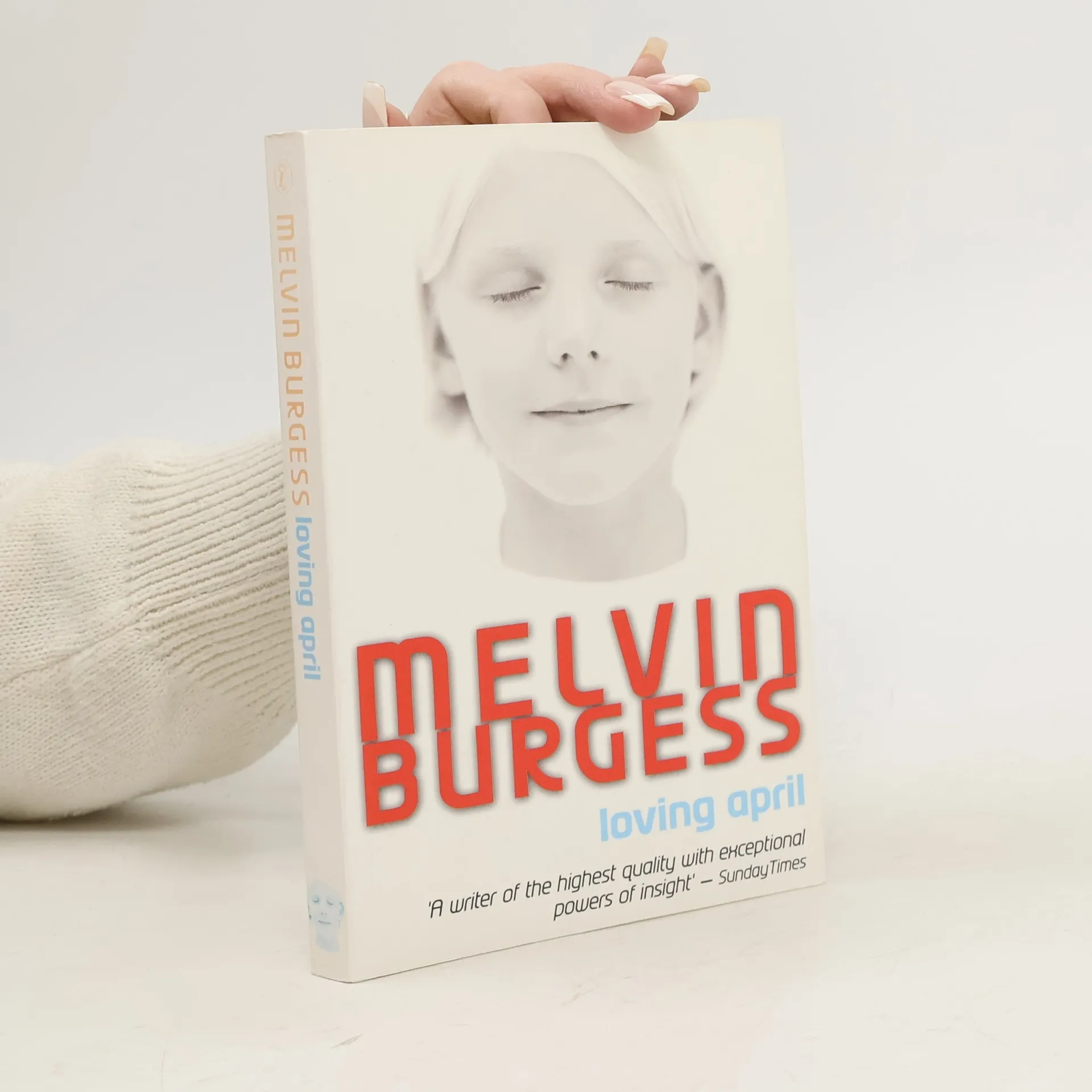
Someone mad was screaming at them from the upstairs window of a house next to the station. It was a girl. "Oh, that's April. Don't mind her... deaf and dumb, see." Abandoned by his father to a life of poverty, Tony is angry with everyone, and desperately lonely. April Dean, the deaf girl, needs friends too. But their growing relationship arouses deep prejudices which threaten to engulf not only Tony and April but also the whole village. This moving and powerful love story is about two very different people, worlds apart.
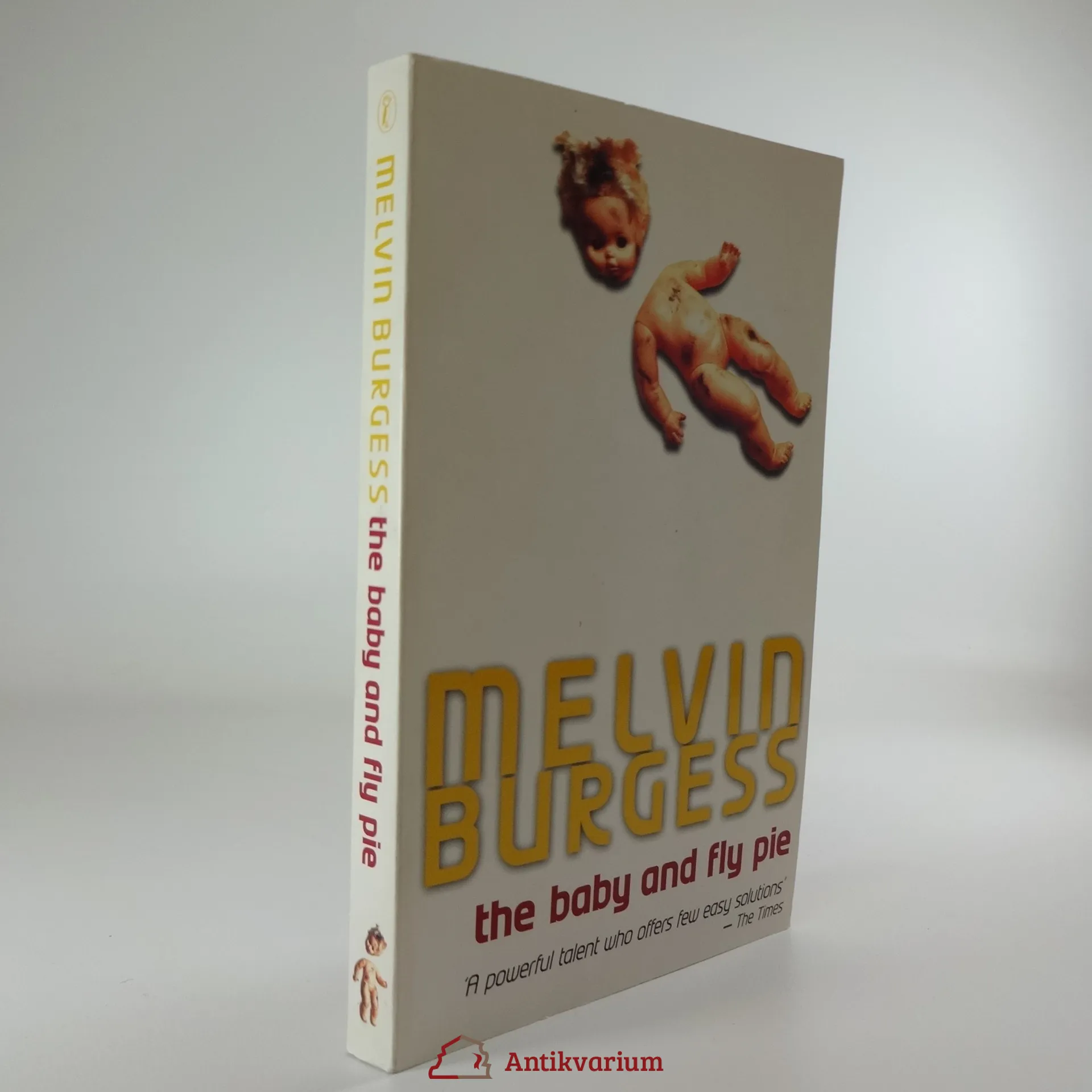
We're the rubbish kids, losers and orphans . . .For Sham and Fly Pie, there's no escape from the grim reality of their lives - every day they sort rubbish on the tip for Mother Shelly. Then one day everything changes when they find a baby on the Tip - a baby worth seventeen million pounds . . .
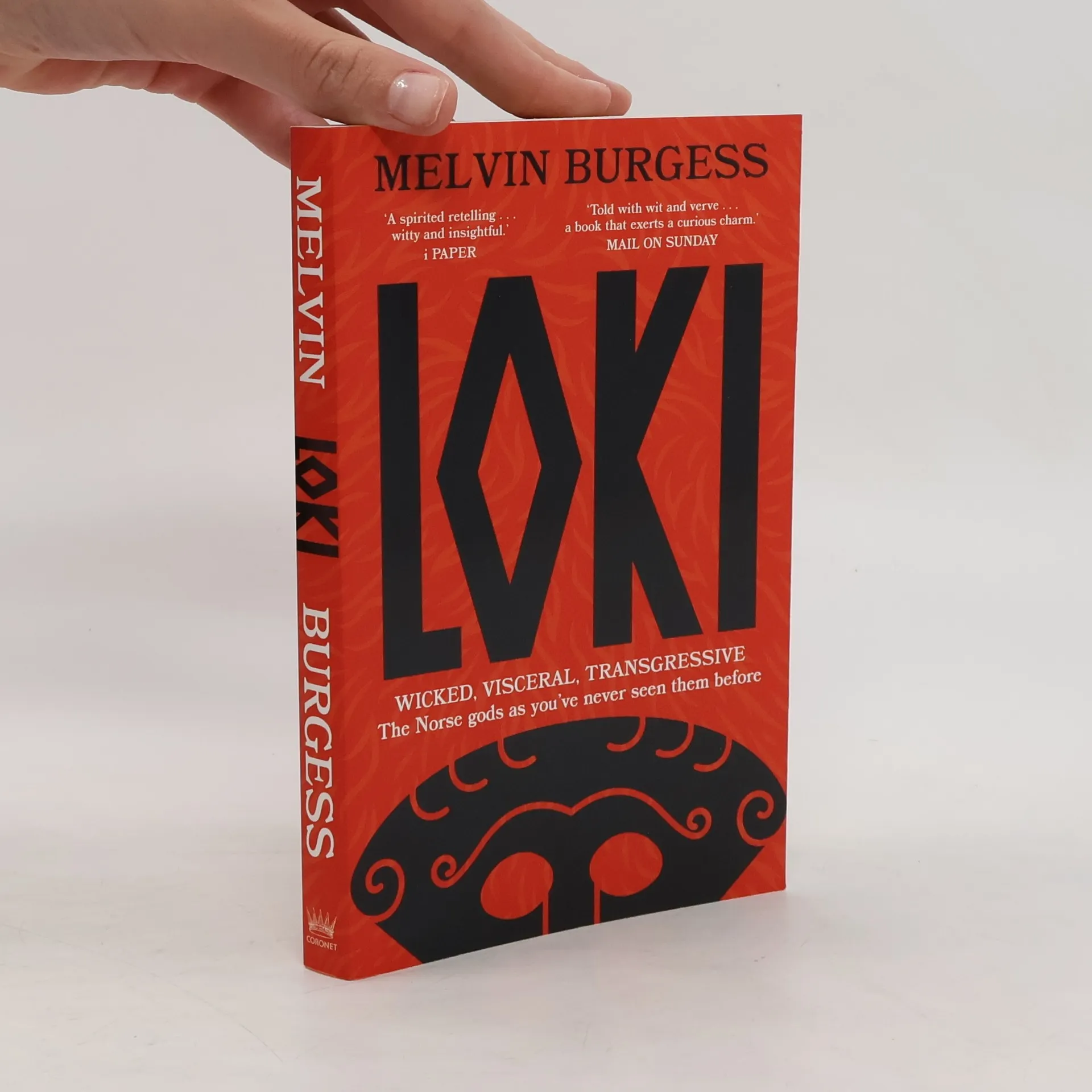
In this spirited retelling of Norse mythology, the trickster god Loki takes center stage, offering a fresh perspective on ancient legends. The narrative begins with the creation myths and follows Loki's journey through the rich tapestry of Norse tales, including the gods' triumph over monsters, Odin's sacrifice on the World Tree, and the tragic murder of Baldr, the god of love and the Sun. As an outsider born from fire in a tree-trunk, Loki embodies cleverness and wit, yet he grapples with his place among the powerful patriarchal gods, particularly in his contentious relationship with Thor.
The story delves into Loki's many loves and familial ties, highlighting his nurturing of Odin's horse and his intense, tumultuous romance with Baldr. This relationship unfolds as a poignant tale of love, jealousy, and societal constraints. The prose is lively and engaging, blending humor with deeper themes of love and intelligence while challenging the old gods of authority. The retelling resonates with contemporary readers, making the ancient myths feel both amusing and relatable, and advocating for a new era governed by compassion and wisdom.
At first the marriage seems to have been blessed by the gods, but betrayal and
deceit are never far away in this violent world, and the lives of both
families are soon to be changed for ever .
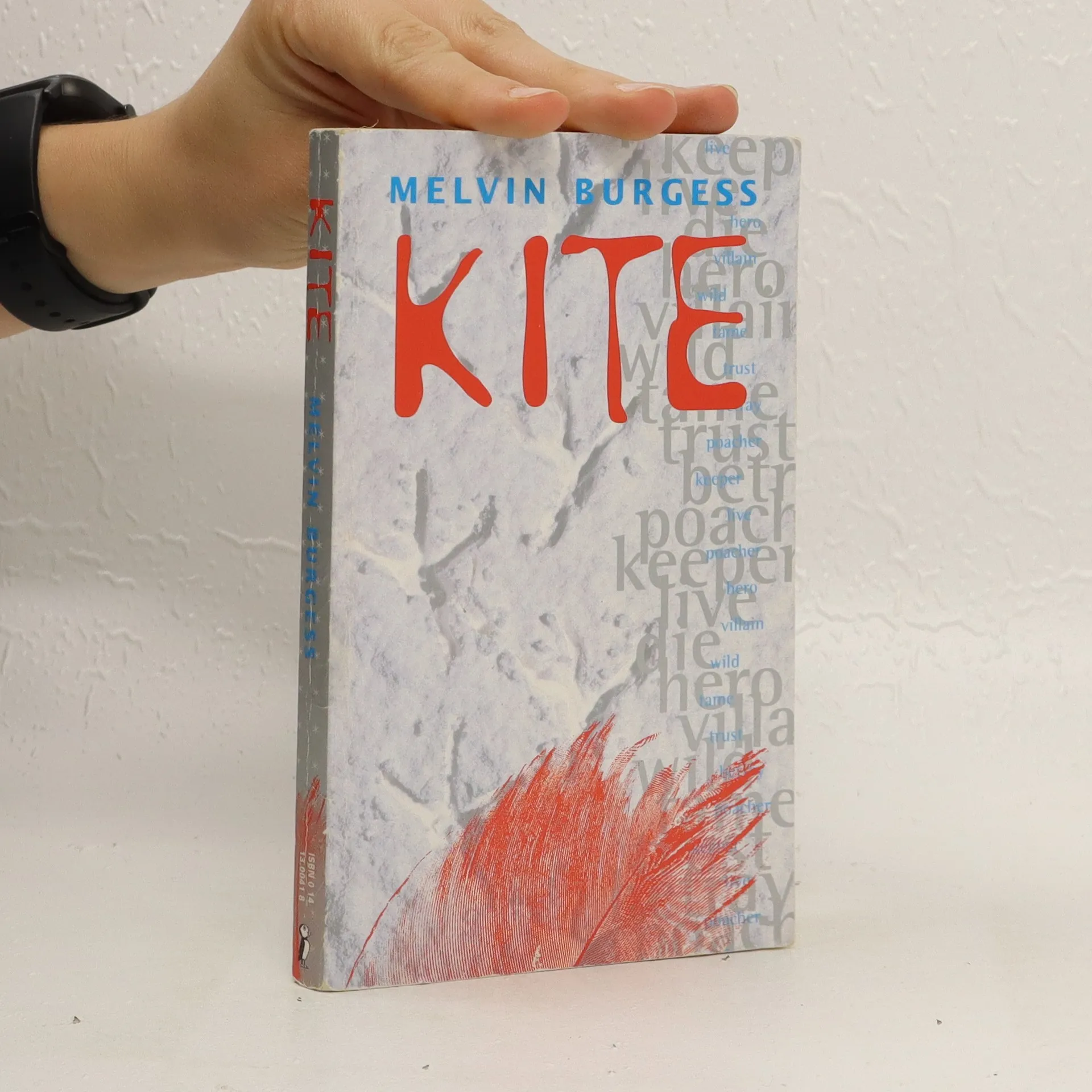
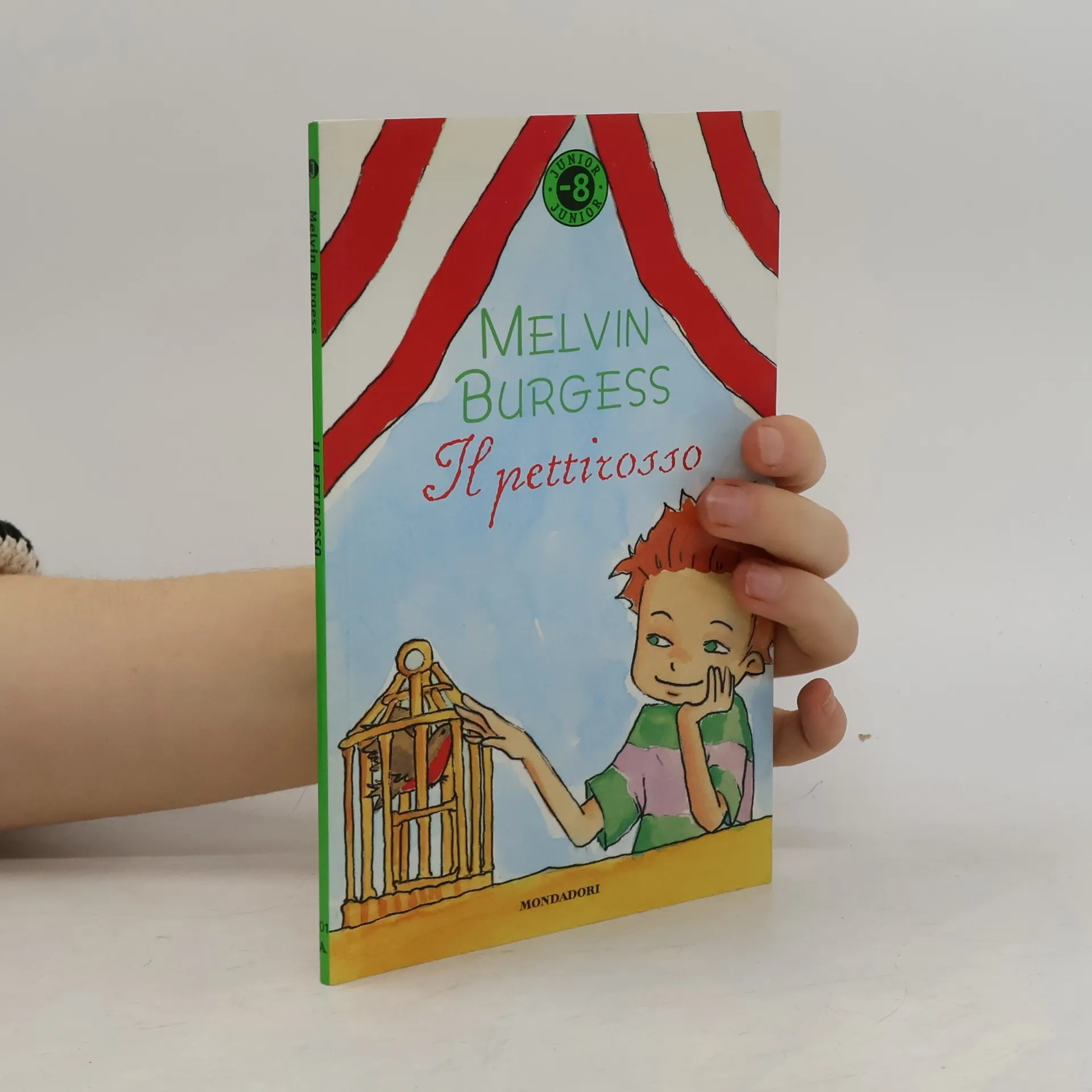
"The kite was like a kind of angel in his mind. So rare... so big... so beautiful!" Taylor is hand-rearing a red kite in secret. The bird is endangered, but not everyone wants to protect it. Taylor's father is a gamekeeper, and his employer wants the kite dead. Taylor's family will lose everything if his dad doesn't obey orders and destroy the bird. 'It's a really nail-biting story that leaves you feeling thrilled. You can't put it down.' Adam Smith, aged 13 'A writer of the highest quality with exceptional powers of insight.' Sunday Times
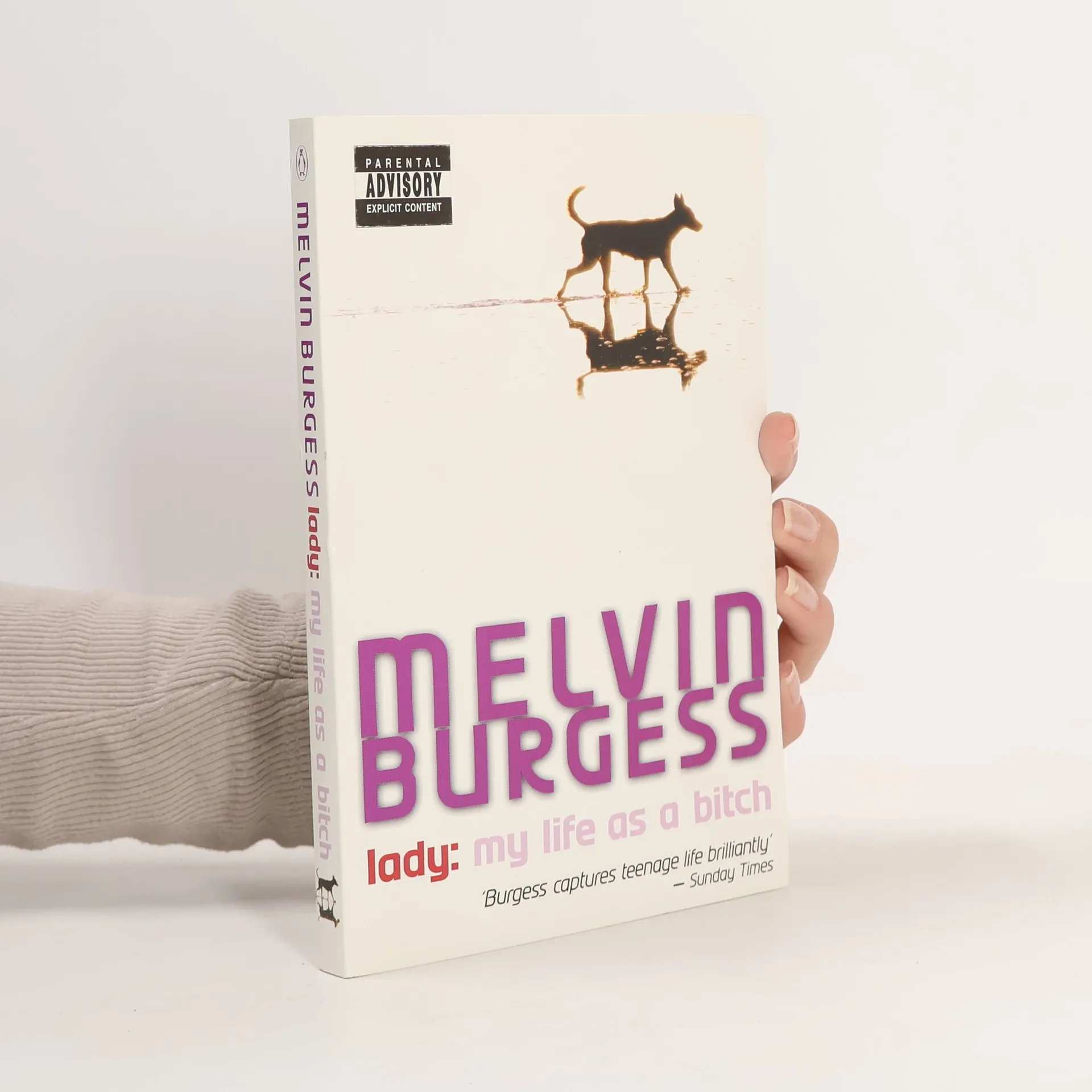
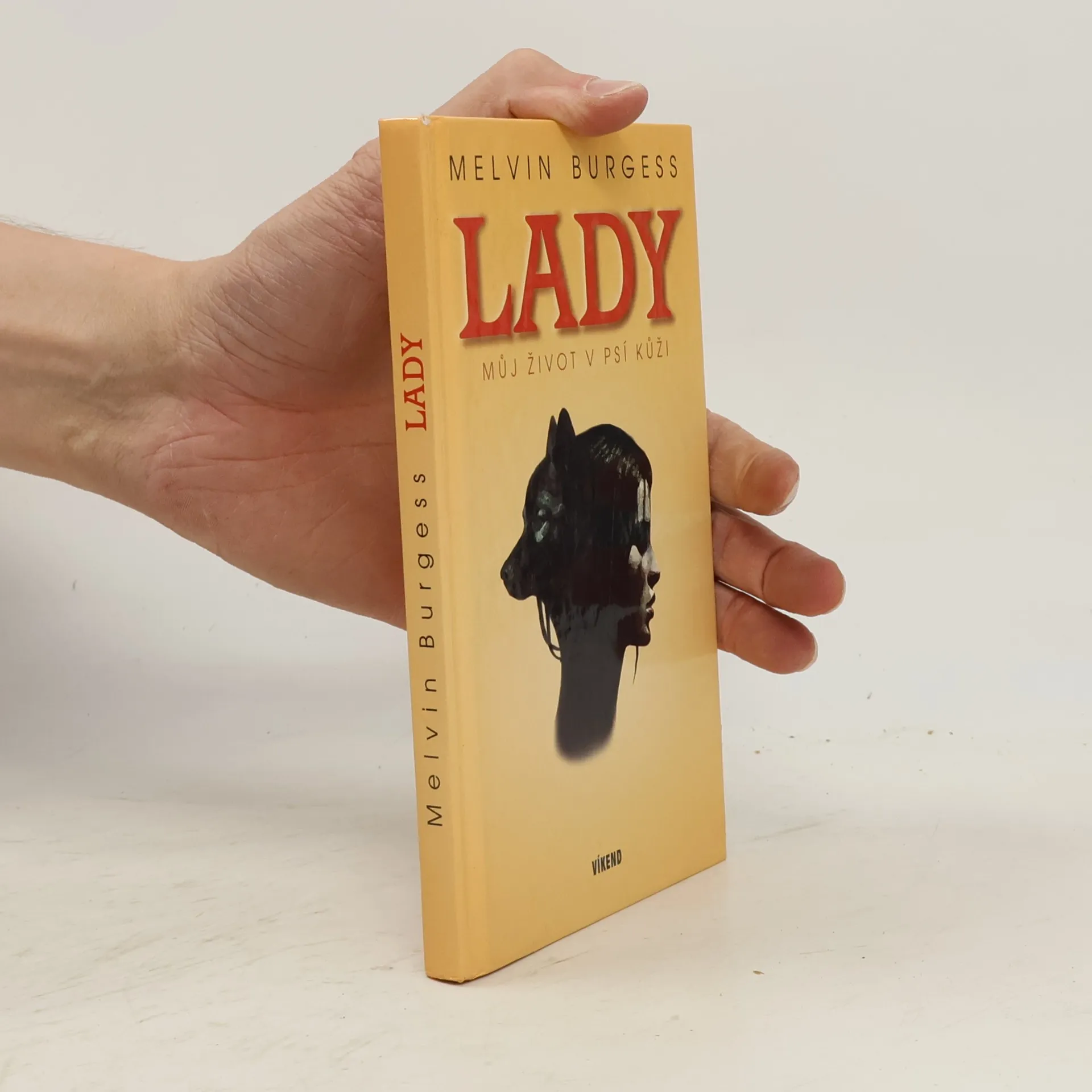
A sexually active, rebellious teenager is transformed into a confused and frightened dog by a tramp with magical powers. Sandra has a lot of growing up to do quickly if she is to survive as a scrounging stray in a rough dogs' world. She experiences all the physical aspects of being a dog, including running with a pack and going on heat.
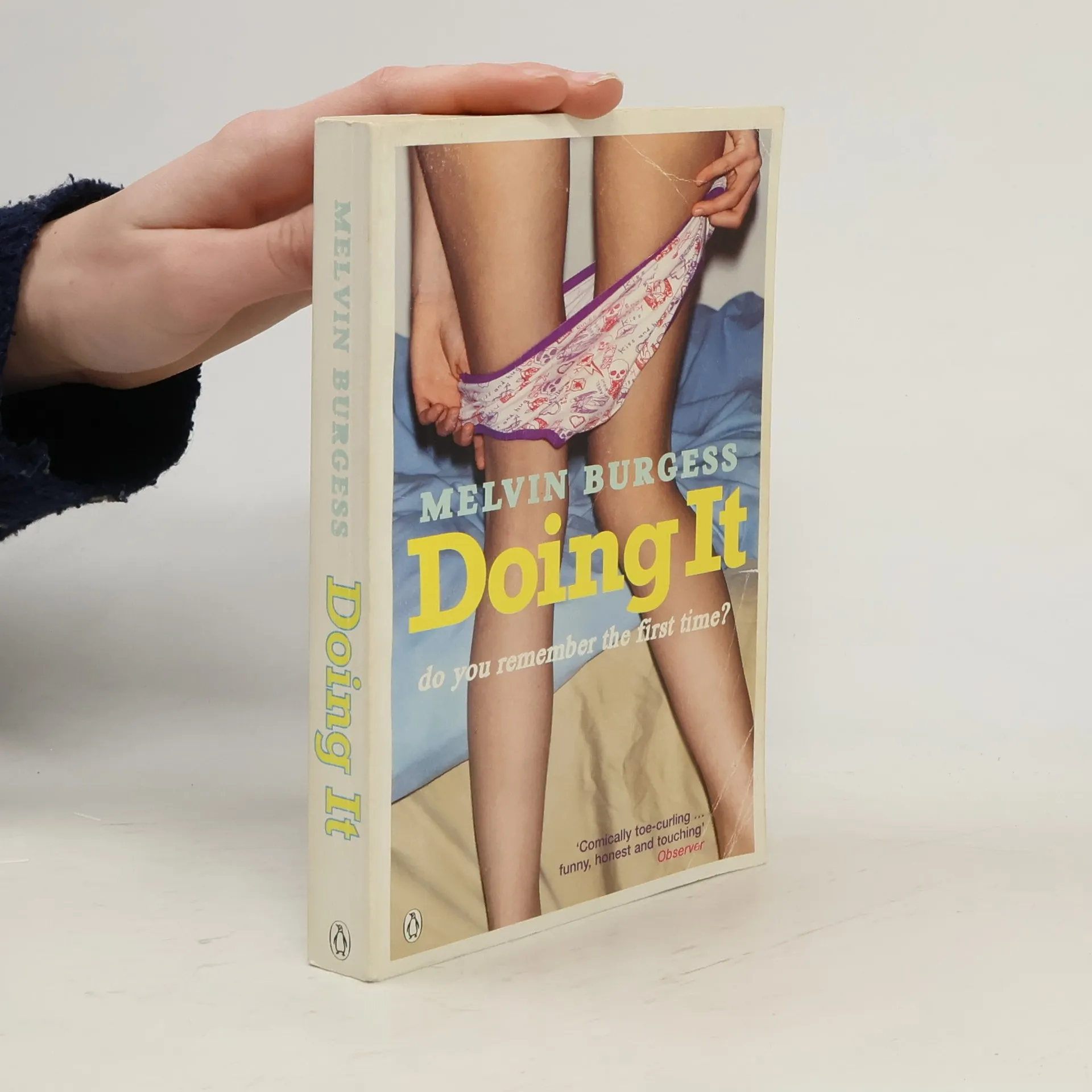
Dino reallyfancies fit, sexy Jackie, but she just won't give him what he wants . . . Jonathan likes Deborah, but she's a bit fat- what will his mates say? Ben's been secretly shagging his teacher for ages. He used to loveit, but what if he wants it to stop? Three lads discovering sex for the first time. But do any of them reallyknow what they're doing?
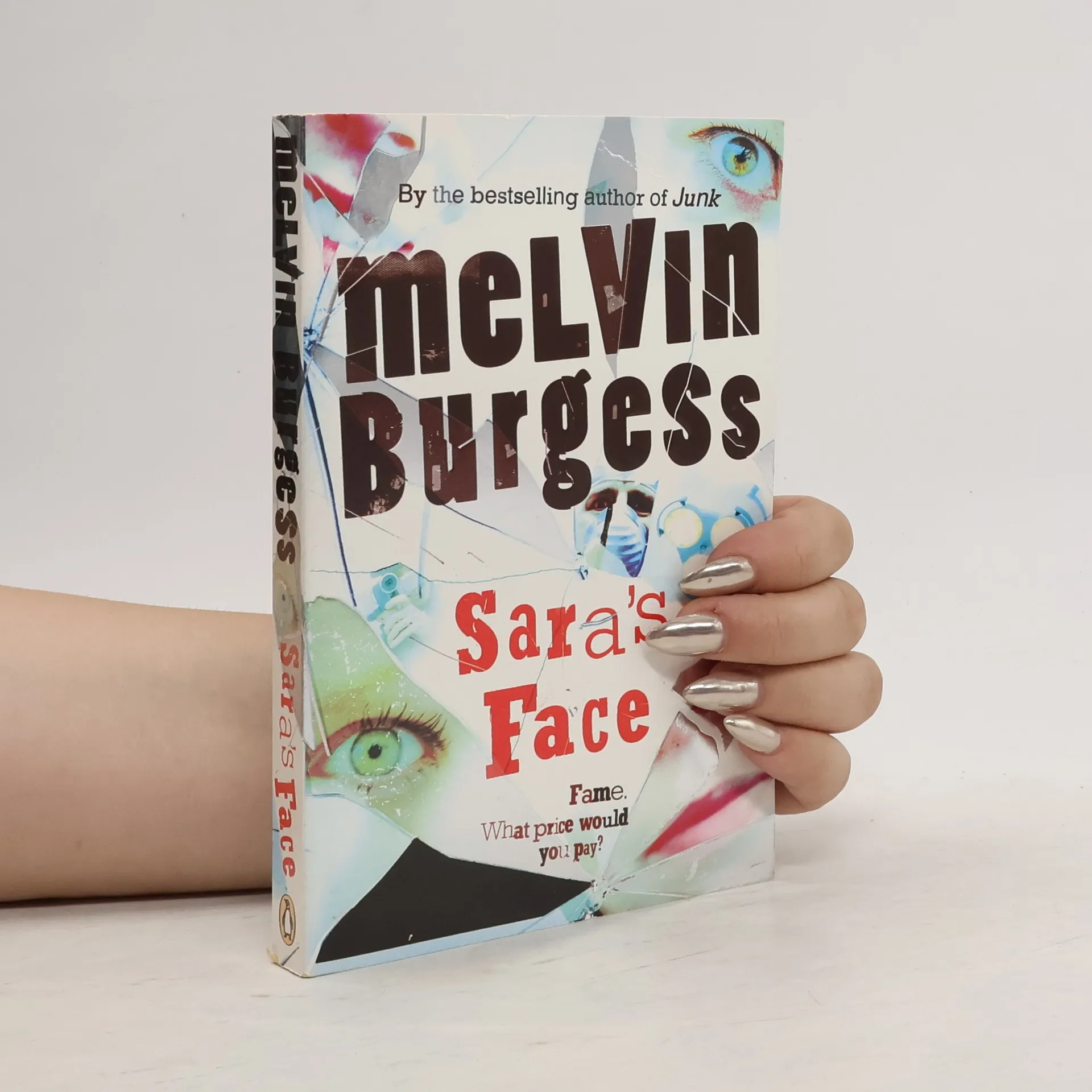
Sara Carter Wants To Be Famous. Fame Is Her Obsession. So When Legendary Rock Star Jonathon Heat Offers Her Star Training And The Cosmetic Surgery She Thinks She Wants, Sara Can'T Believe Her Dream Will Come True. But Jonathon Heat Doesn'T Want Sara'S Talent. Jonathon Heat Wants Sara'S Face. Melvin Burgess Is On Top Form With This Chilling, Original And Topical Psychological Thriller.
Take it. Live it. F*** it.A new drug is out. Everyone is talking about it. The Hit. Take it, and you have one amazing week to live. It's the ultimate high. At the ultimate price.Adam is tempted. Life is rubbish, his girlfriend's over him, his brother's gone. So what's he got to lose? Everything, as it turns out. It's up to his girlfriend, Lizzie, to show him...
The Bloods are in control and they're desperate to turn Britain into the world they want to see: right, white, Christian supremist. Anyone who they call abnormal is a target. Amidst the chaos of civil war the country is on the move as small militia groups fight each other and a sea of refugees escapes the cities and the pursuing Bloods. When her home is destroyed in a bombing raid, Marti must strike out on a mission of her own - to save her father and get his vital software into the right hands. But Marti is mixed race and trans and has her young brother in tow. Crossing into enemy territory could prove suicidal. Yet Marti's enemies haven't reckoned with her indomitable will to survive - and the gun she carries, which has three bullets . . .
Bea has started to hear and see things that no one else can - creatures, voices, visions. Then strangers visit Bea and tell her she is different: she has the rare powers of a witch. They warn her she is being hunted. Her parents think she is hallucinating and needs help. All Bea wants to do is get on with her life, and to get closer to Lars, the mysterious young man she has met at the skate park. But her life is in danger, and she must break free. The question is - who can she trust? Carnegie Medal-winner Melvin Burgess returns with a powerful, thrilling fantasy for young adults about magic, myth and following your instincts.
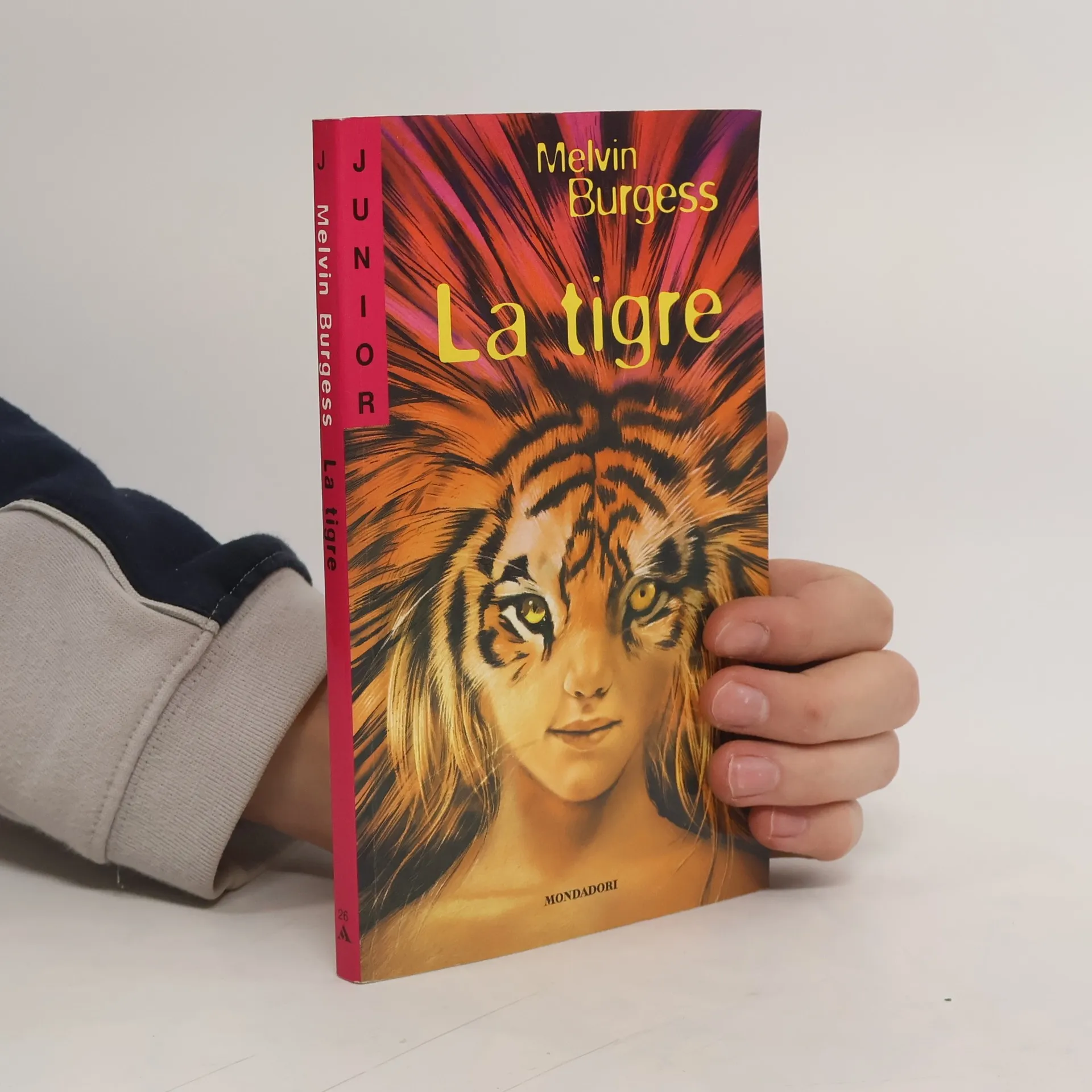
Steven ha tredici anni e una grande passione: gli splendidi felini che vivono nel vicino Parco delle Tigri, sulle colline dello Yorkshire. E fra tutti predilige Lila, la giovane tigre che sembra dotata di un'intelligenza superiore, e che si volta a guardalo come se lo riconoscesse. Ma c'è qualcuno che desidera disperatamente il cuore, il sangue, l'energia di Lila; qualcuno che ha riconosciuto in lei una creatura dagli straordinari poteri; qualcuno che no esita a ordinare il massacro di tutto gli animali del Parco. Per Steven e per Lila comincia così un'avventura impossibile, crudele e meravigliosa al tempo stesso: l'ultima avventura di una specie che l'uomo ha condannato all'estinzione, e che non ha più un luogo dove rifugiarsi.
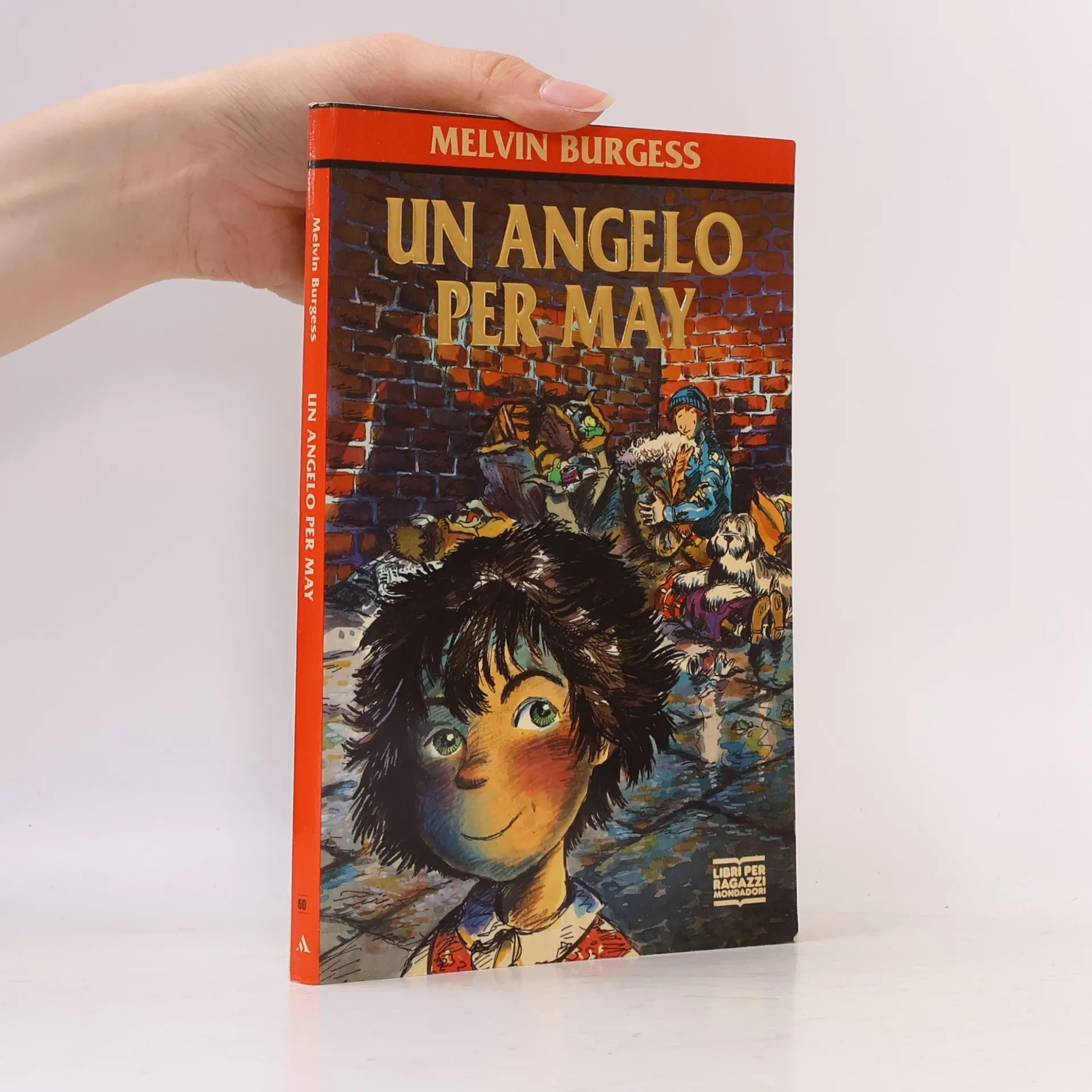
Spesso, quando a casa si sente oppresso e infelice, Tam scappa a rifugiarsi in una valle nascosta, tra le rovine della Fattoria Pensunpò. E un giorno, seguendo in mezzo a quei ruderi una vecchia stracciona e il suo cane, viene trasportato indietro nel tempo, all'epoca della Seconda Guerra Mondiale, quando la fattoria era ancora in piena attività. Là Tam fa amicizia con May, una strana bambina che, dopo aver trascorso una settimana sotto le macerie di una casa bombardata, si rifiuta di mangiare o dormire fra quattro mura. Allorché il ragazzo si caccia nei guai in quel mondo così simile eppure così diverso dal suo, sarà May a salvarlo, ma Tam non vuole rimanere con lei: ha troppa paura di trovarsi imprigionato per sempre nel passato... Riuscirà, prima o poi, a tornare nel suo tempo? E lui e la sua amica potranno mai incontrarsi di nuovo?
In dieser mystischen und spannenden Geschichte aus dem Mittelalter erfährt das Findelkind Issy wer sie ist, woher sie kommt und welches ihre Bestimmung ist.
Diese Kids bedeuten Ärger, ganz klar! Ganz klar? Billie drischt auf alles ein – sogar ihre Pflegeeltern fürchten sich vor ihr. Doch ihre Betreuerin sieht ein Mädchen, das nichts als Abweisung kennt! Rob walzt mit seiner schieren Masse jeden platt – er ist der geborene Bully. Doch sein Stiefvater sieht ein perfektes Opfer für seine Wutausbrüche! Chris ist faul und streikt im Unterricht – seit Jahren macht er keine Hausaufgaben. Doch sein wahres Problem sieht kein Mensch! Denn jede Geschichte hat zwei Seiten. Welche davon glaubst du? --- In »Kill All Enemies« erzählt der preisgekrönte Autor Melvin Burgess von drei Jugendlichen in Schwierigkeiten, von Wut und Verletzlichkeit, von Schwäche und Stärke und von Freundschaft, Hoffnung und der Gründung einer Band. --- Ein echter Burgess: realistisch, authentisch und ganz nah dran.
Der zwölfjährige David lebt mit seinem Vater in einem großen alten Wohnhaus namens Mahogany Villas. Als er entdeckt, dass er durch die Lüftungsrohre im Gebäude klettern und in andere Wohnungen gelangen kann, um den Menschen Streiche zu spielen, kann er einfach nicht widerstehen. Sein Hauptopfer ist Robert Alveston, ein vergesslicher Mann in seinen Neunzigern, der Angst hat, seinen Verstand zu verlieren. Doch Davids gemeine Streiche stören bald mehr als nur seinen älteren Nachbarn. Eines Tages trifft er auf einen Geist, der zunächst freundlich, aber immer beängstigender wird, als klar wird, dass er eine besondere Abneigung gegen Mr. Alveston hat. Bald sind sowohl der alte Mann als auch David in großer Gefahr.
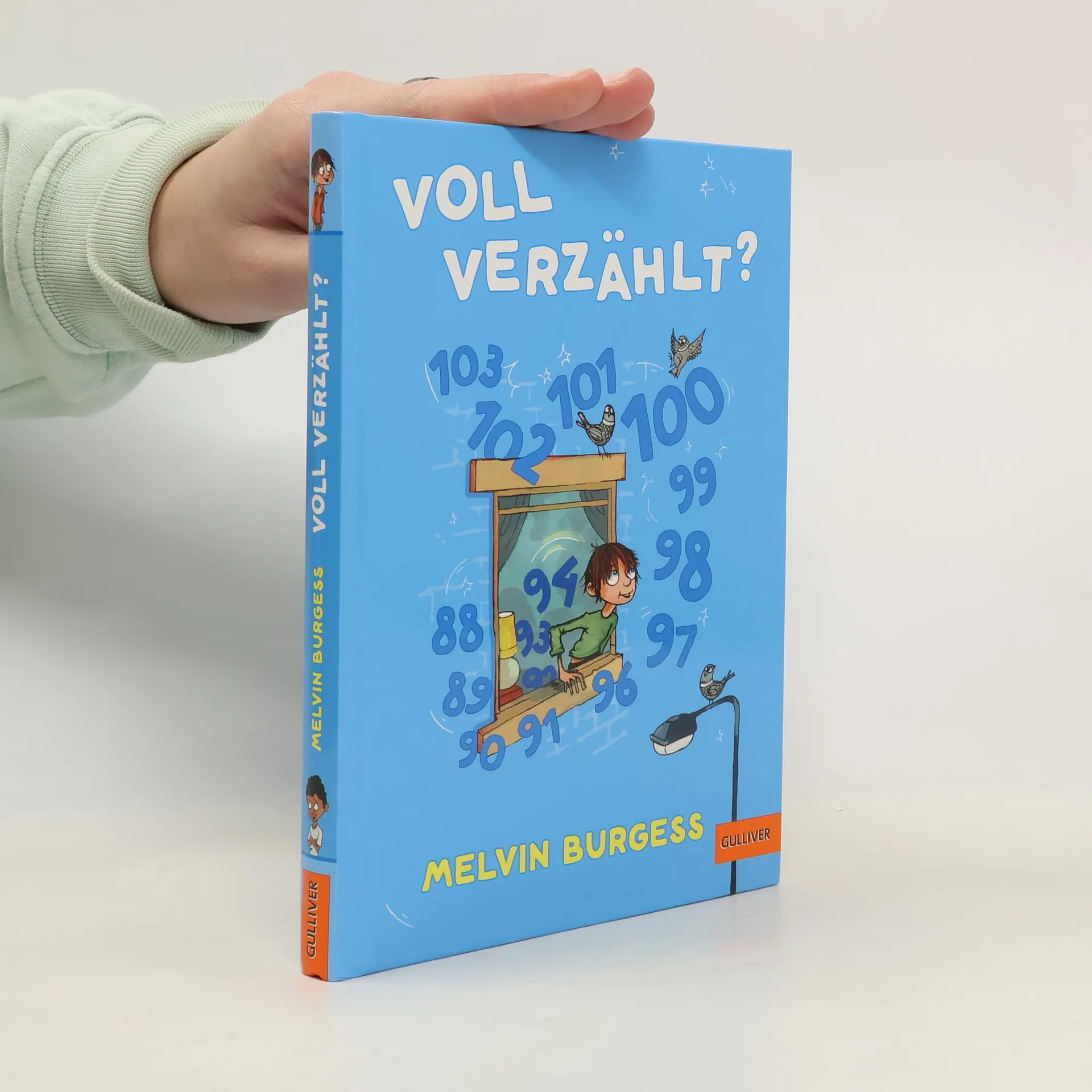
Paul ist ein Angeber, sagen alle. Große Klappe, nichts dahinter. Diesmal behauptet er, bis 10 Millionen zählen zu können. Und macht ernst: Je höher er kommt, umso mehr Leute werden auf ihn aufmerksam. Paul wird zum Star. Jetzt wittert auch die Schuldirektorin das große Geld. Doch dann macht Paul etwas, womit niemand gerechnet hat. Es ist so verrückt wie genial und zeigt, wie wichtig ihm seine Familie ist. Eine wundervolle und witzige Geschichte über das, was im Leben wirklich zählt - auch für Kinder, denen das Lesen noch nicht leichtfällt.
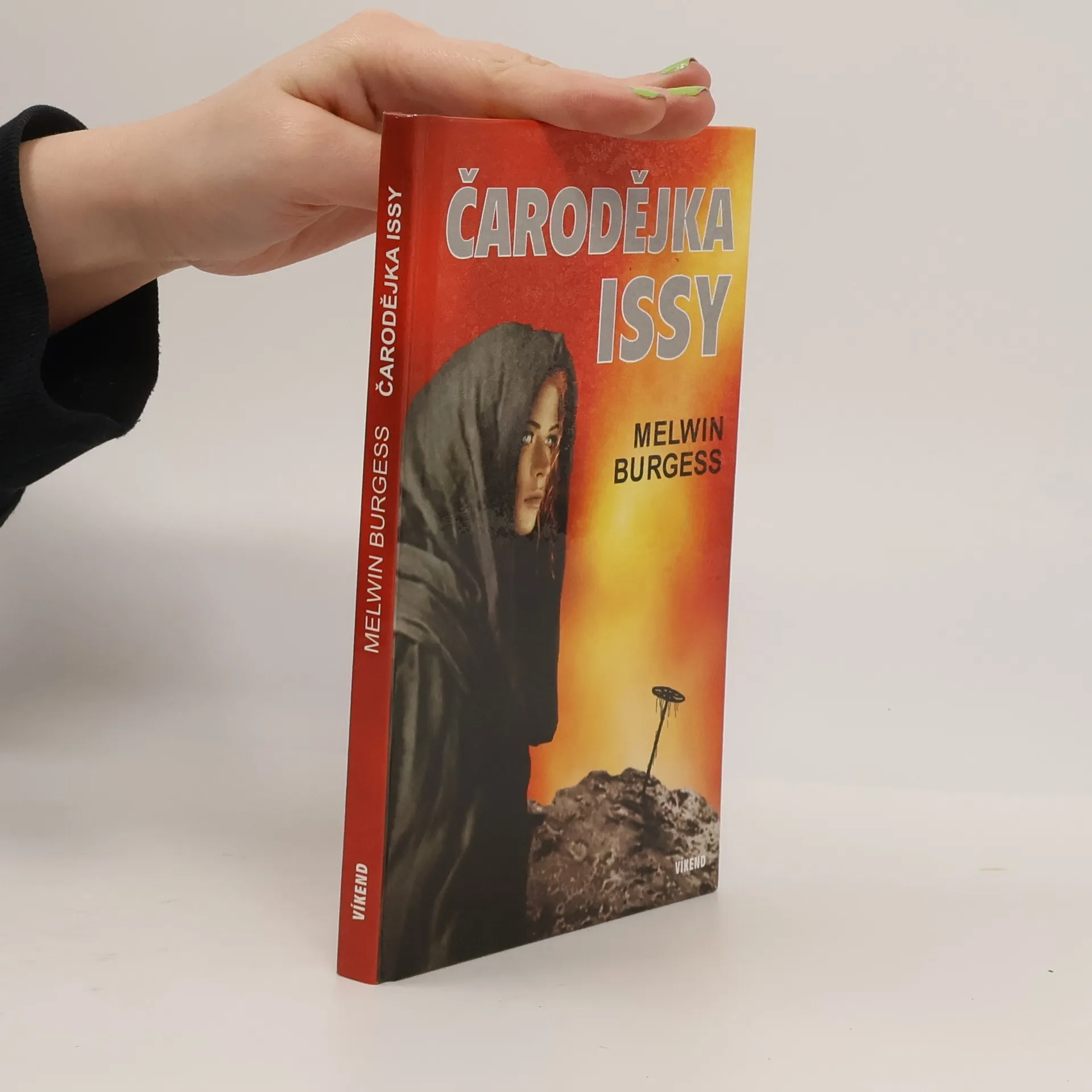
V roce 1613 bylo v anglickém Lancaster upáleno osm lidí. To bylo jen několik ze statisíců nebožáků, kteří zemřeli ze stejného důvodu po celé Evropě. Byli shledáni vinnými z čarodějnictví. Mnozí ze zabitých byli docela chytří nebo oškliví nebo chudí nebo oběti náboženské bigotnosti a vyděšených sousedů.
Nebyli ani mocní ani bohatí, neuměli číst ani psát a nezanechali po sobě žádné zprávy.
Toto je pozoruhodný a poutavý příběh o takových lidech.
O tom, jak tehdy mohl život vypadat, jak ho oni viděli a jak mu věřili.
Vraťte se tedy o staletí zpět a sledujte osud nebohého nalezence, dvanáctileté dívky Issy a těch, s nimiž onu dobu žila.
Sandře Francové je sedmnáct let a života si užívá plnými doušky. Všichni se jí snaží zklidnit, ale problém je, že jí se způsob života, jaký vede, líbí. Když se záhadně promění v psa, je nejdříve zděšená, ale pak začíná pochybovat, jestli vlastně stojí za to, být člověkem. Její snaha chovat se i v psí kůži jako člověk je neuskutečnitelná a často hodně komická. Ale na druhou stranu jí život psa přináší radosti, o kterých ani nevěděla. A tak se snaží si najít další psí přátele. Když nějaké najde, zjistí, že i oni jsou proměněni a bývali kdysi lidmi. Někdy zatouží stát se zpátky člověkěm, ale postupně zjišťuje, že být psem je mnohem lepší...