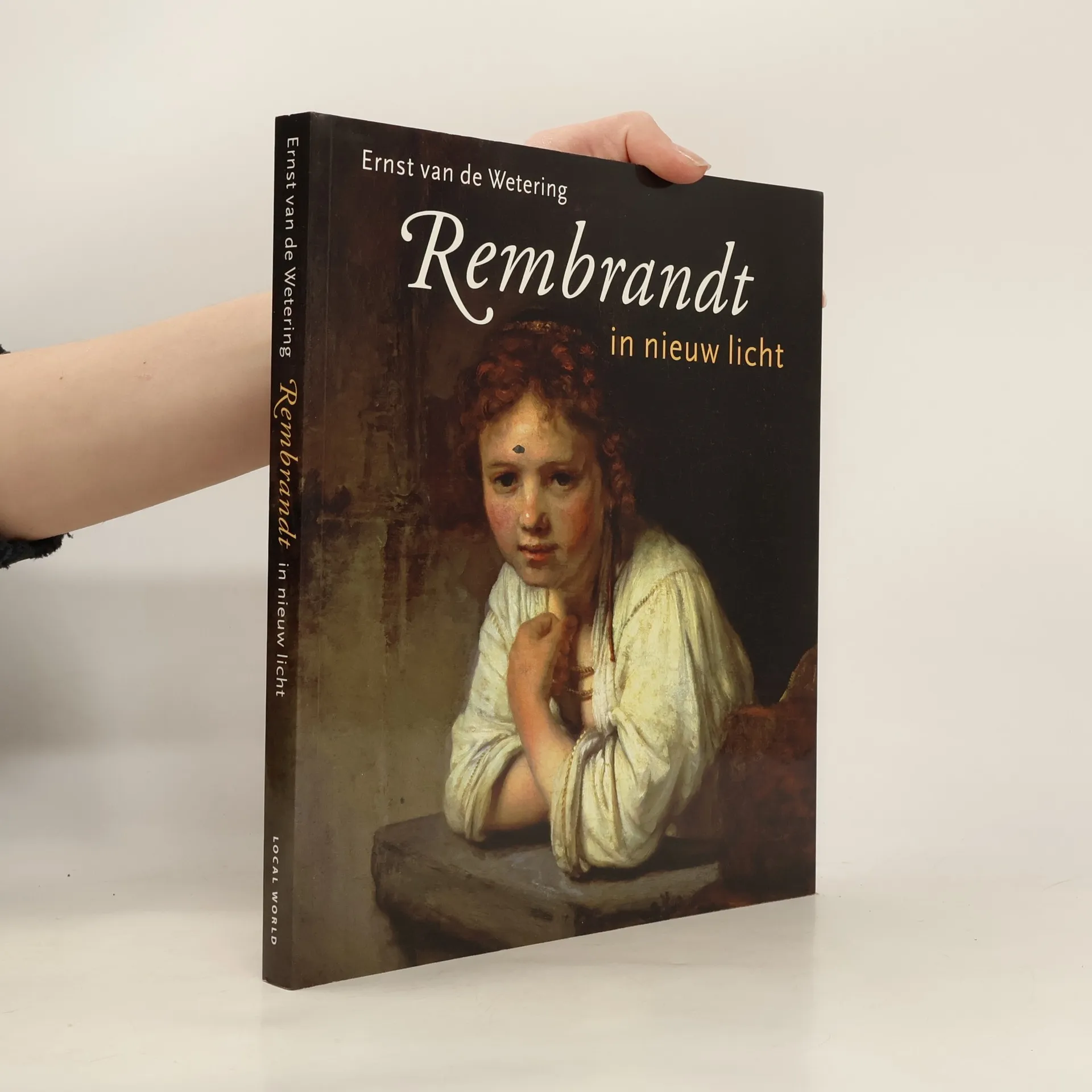
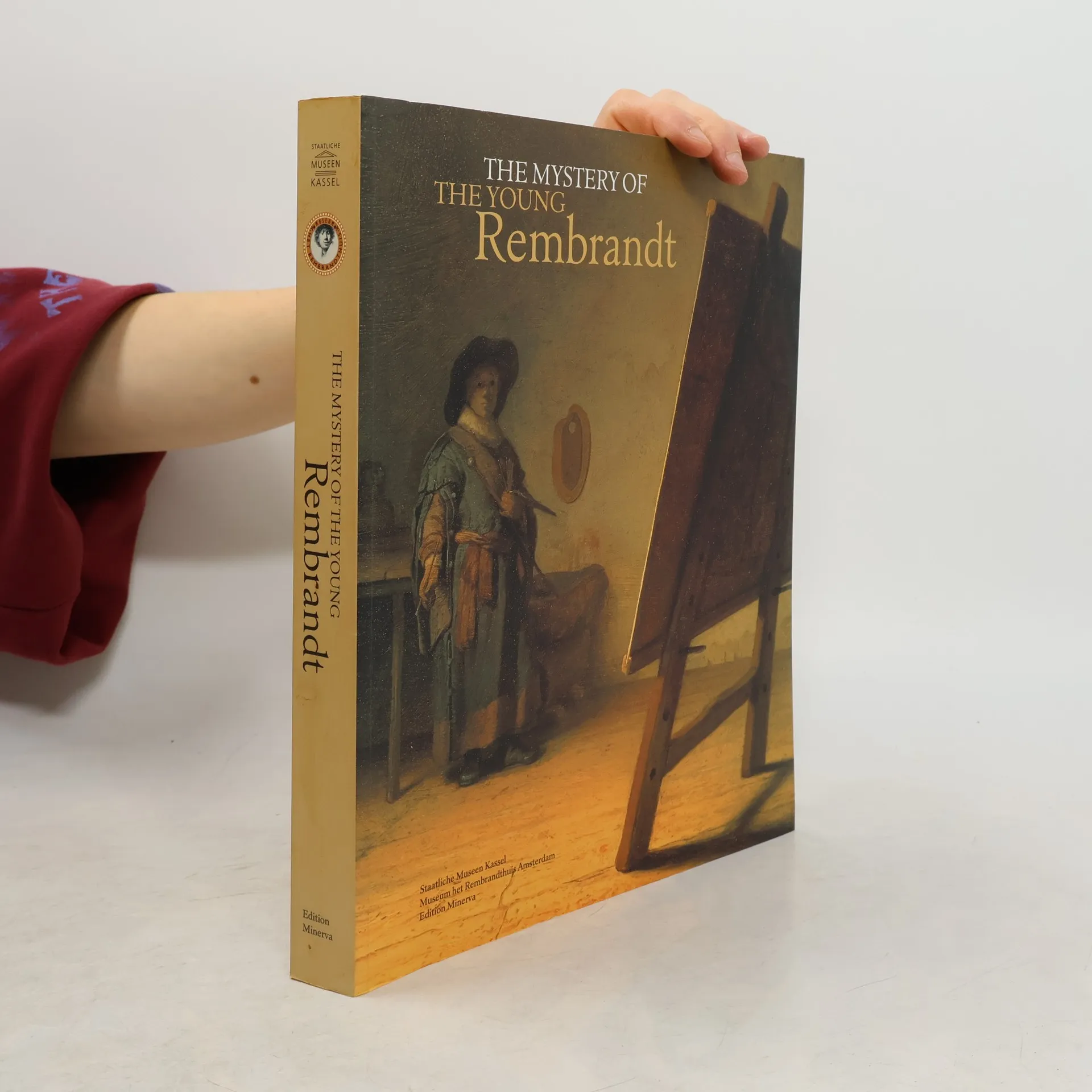
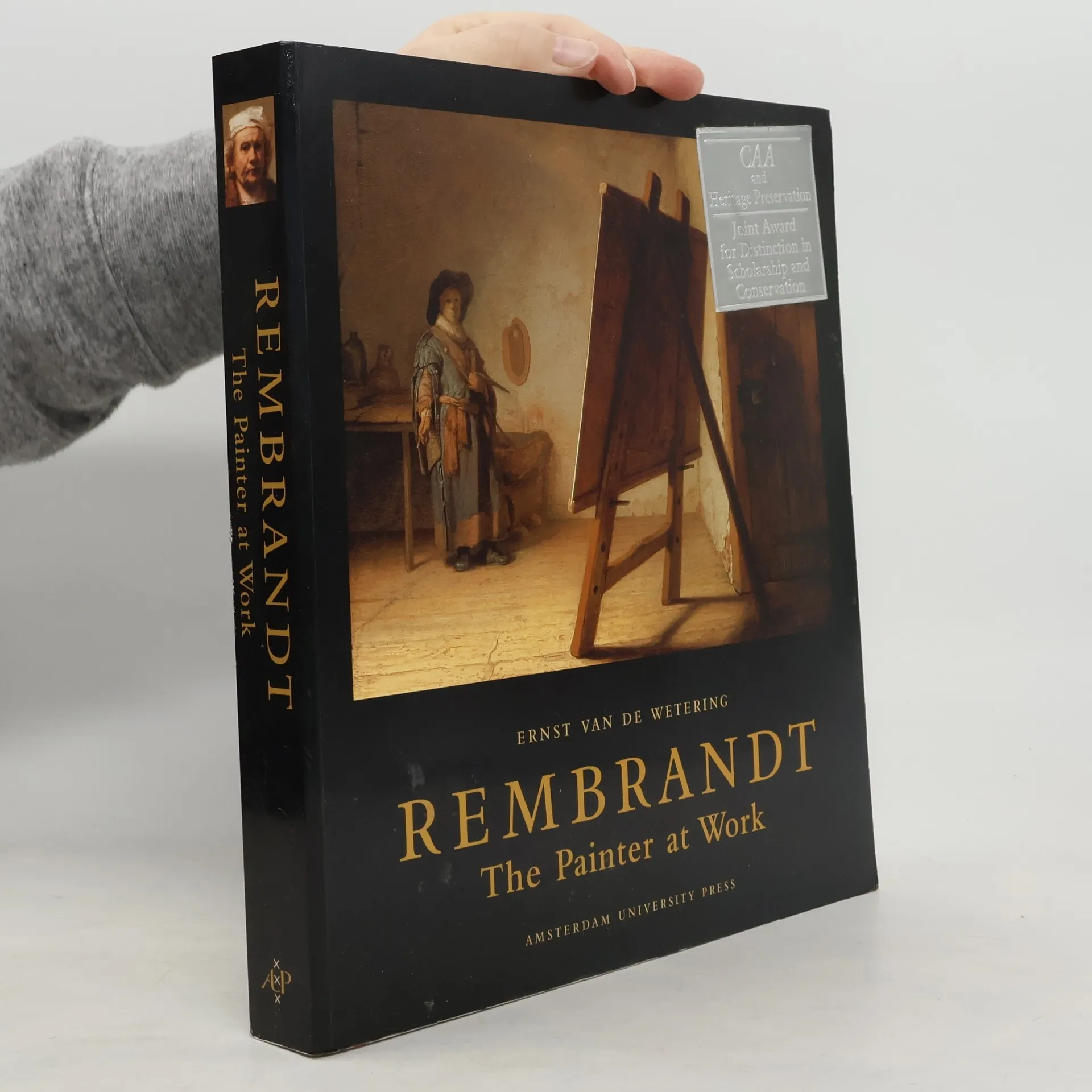
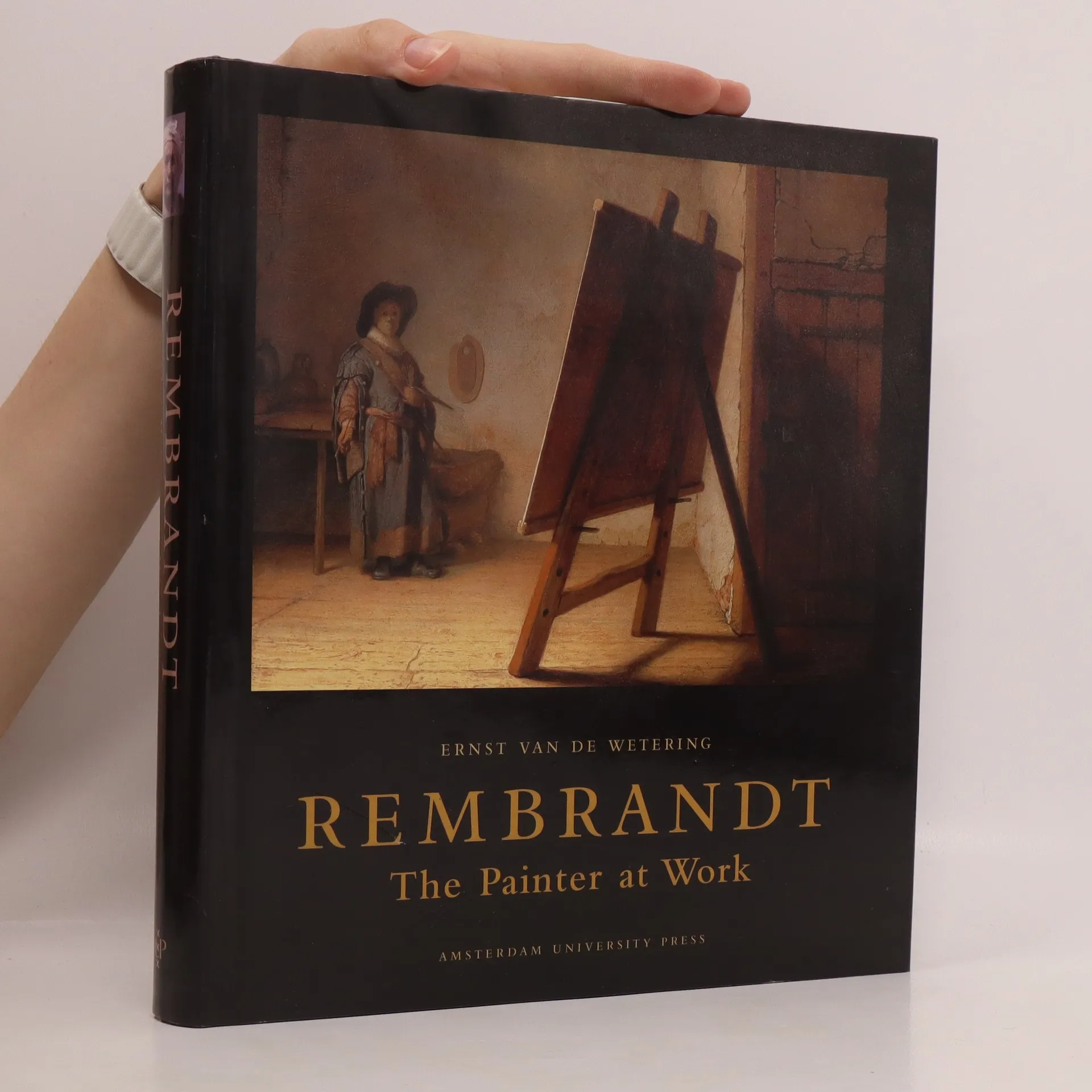
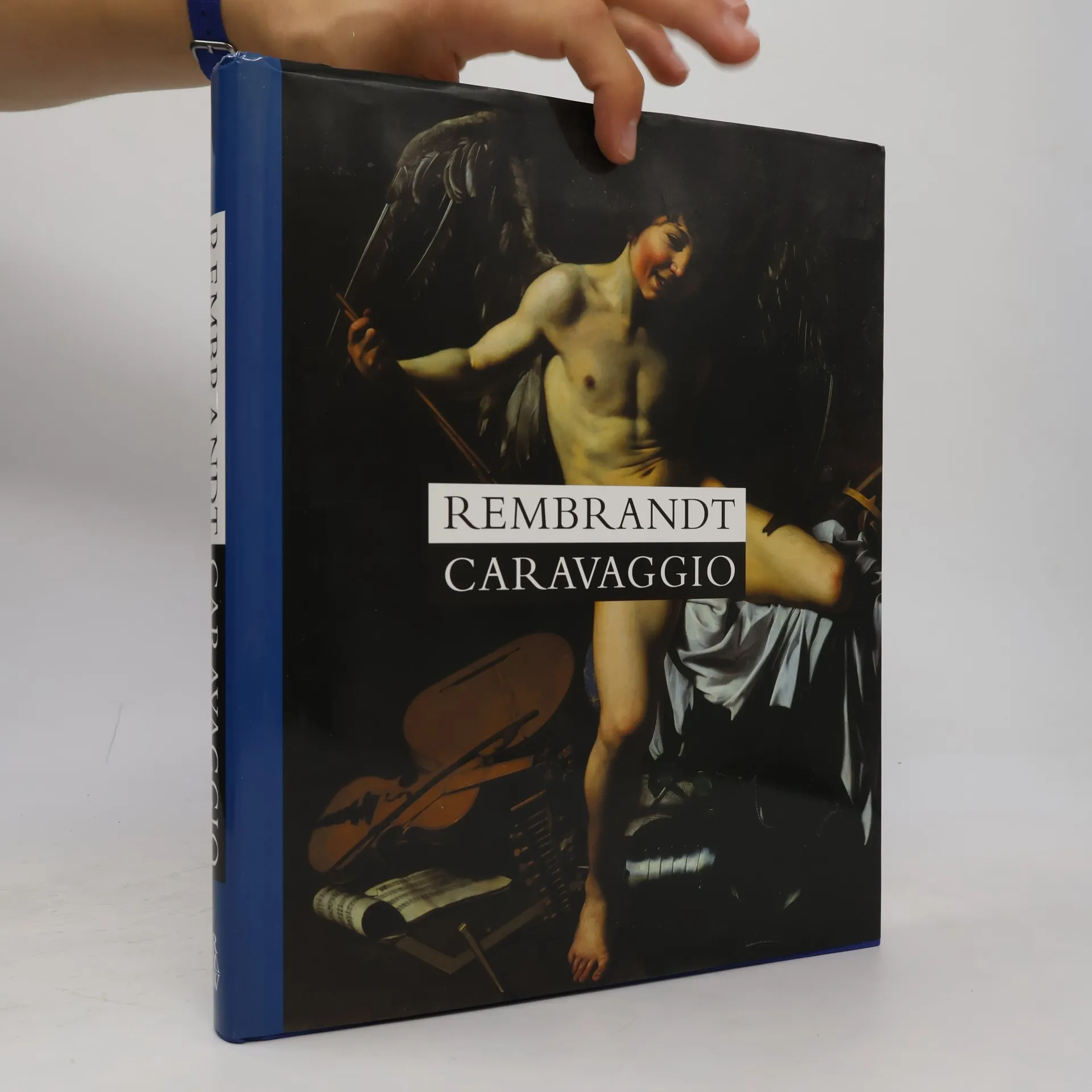
Focusing on Rembrandt's artistic techniques and studio practices, this comprehensive exploration reveals the balance between his innovative freedom and traditional craftsmanship. Ernst van de Wetering delves into the artist's working methods and intellectual approach, addressing critical questions of authenticity and art history. Enhanced by around 350 illustrations, including numerous color reproductions, the book serves as a significant tribute to Rembrandt's impact on the art world.
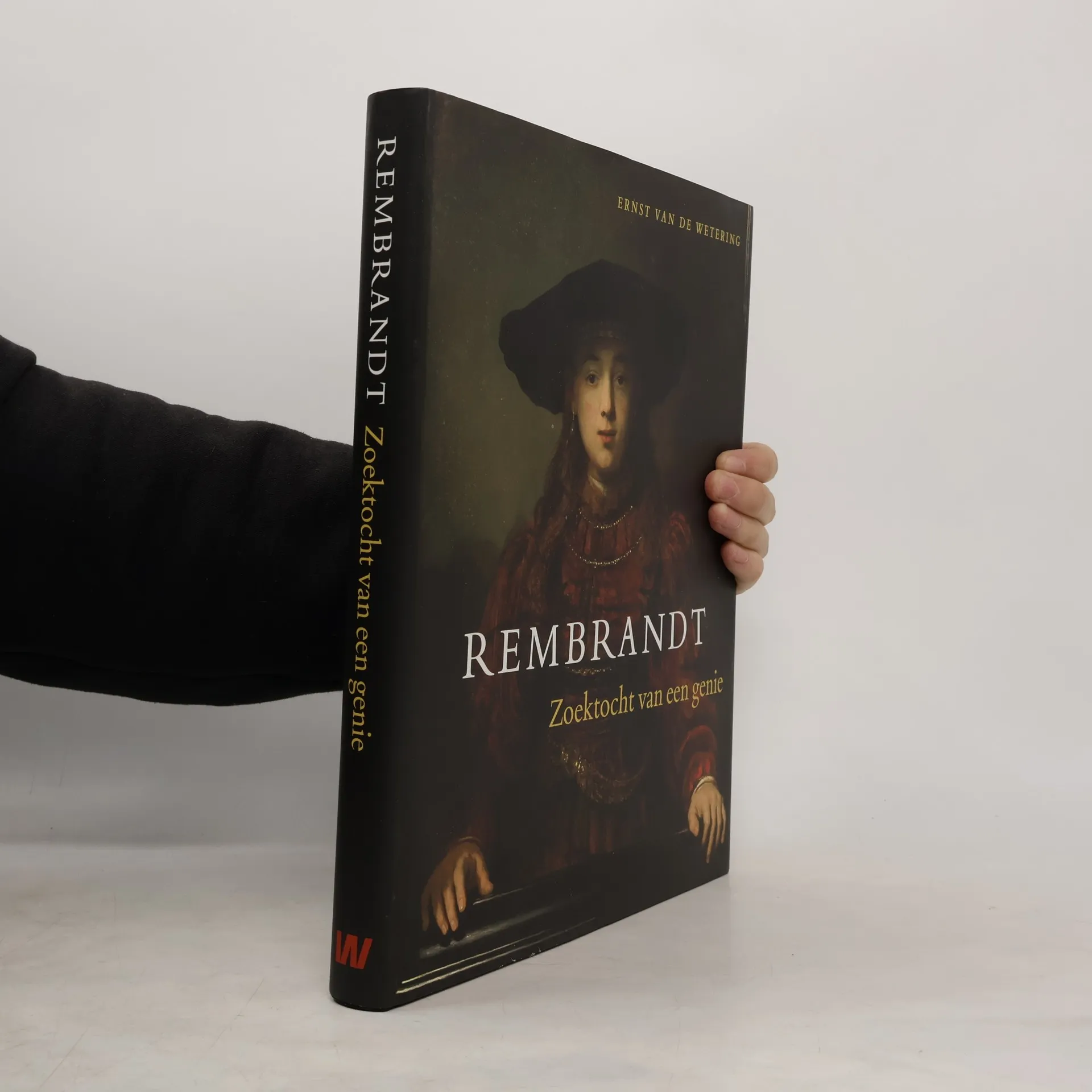
Even during the artist’s lifetime, contemporary art lovers considered Rembrandt van Rijn to be an exceptional artist. In this revelatory sequel to the acclaimed The Painter at Work , renowned Rembrandt authority Ernst van de Wetering investigates precisely why the artist, from a very early age, was praised by prominent connoisseurs. He argues that Rembrandt, from his very first endeavors in painting, embarked on a journey past all the foundations of the art of painting that, according to (up until now misinterpreted) contemporary written sources, were considered essential in the seventeenth century. Rembrandt never stopped searching for solutions to the pictorial problems that confronted him; this led over time to radical changes in course that can’t simply be attributed to stylistic evolution or natural development. In a quest as rigorous and novel as the artist’s, van de Wetering reveals how Rembrandt became the best painter the world had ever seen. Gorgeously illustrated throughout, this groundbreaking exploration reconstructs Rembrandt’s closely guarded theories and methods, shedding new light both on the artist’s exceptional accomplishments and on the practice of painting in the Dutch Golden Age.Published in association with Amsterdam University Press
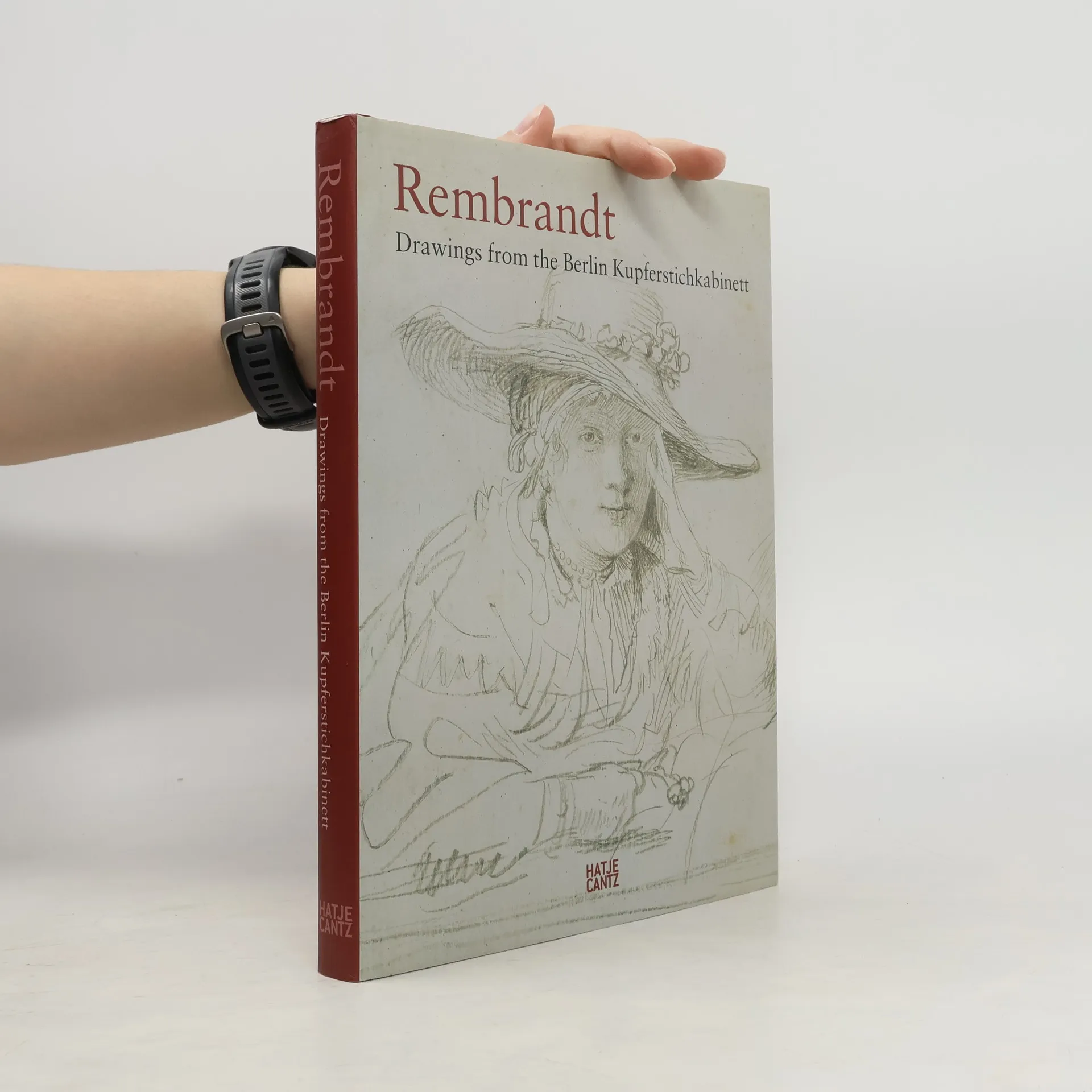
The Dutch master Rembrandt van Rijn (1606-1669) was one of the greatest draftsman of all time. Even small and quick sketches reveal his incomparable skill in capturing compositions, figures, groups, human gestures, facial expressions and landscapes with just a few strokes. Although some of Rembrandt's drawings served as preparatory studies for paintings and etchings, most are conceptual works in which he investigated motifs of movement and expression, recording ideas for his own works and those produced by pupils in his studio. Encompassing works from Rembrandt's entire career, this compact and exquisitely produced monograph presents the full spectrum of the genres and materials used in the drawings. In addition, recent scholarship has revealed that many drawings once attributed to Rembrandt were in fact done by his pupils. Of the 126 drawings in the important Berlin collection from which this volume draws its illustrations, only 55 are still considered original works by the master. Each of these is presented here within a scholarly text by Holm Bevers. As well, a selection of 25 drawings by Rembrandt's pupils is examined in light of the most recent research.
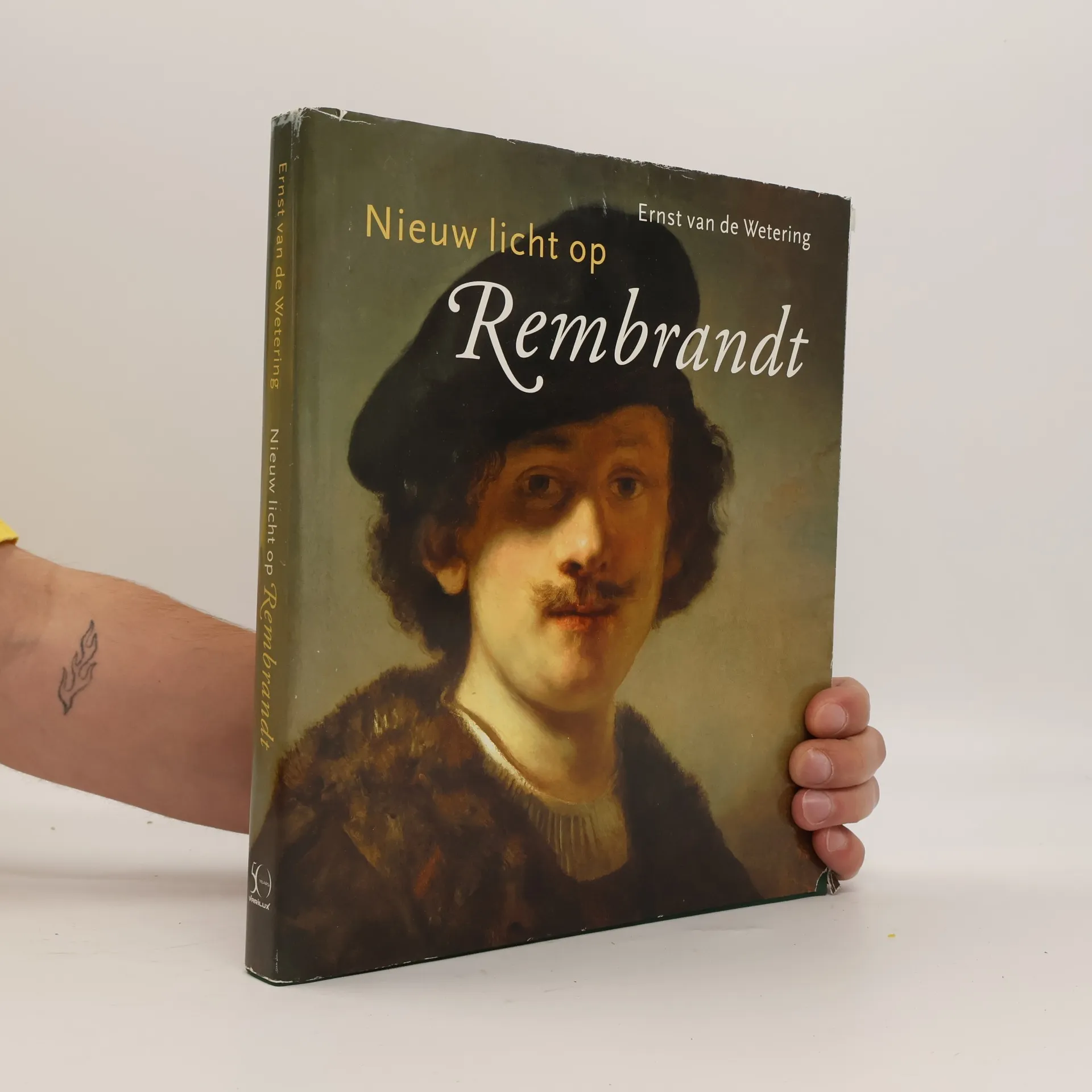
Tentoonstellingsboek en biografische tekst over Rembrandt, geschreven door Ernst van de Wetering. De auteur is al veertig jaar betrokken bij het Rembrandt Research Project (RRP) en heeft diverse publicaties over de kunstenaar op zijn naam staan. Het RRP doet onderzoek met als doel inzicht te krijgen in het eigenhandig geschilderde oeuvre van Rembrandt en het functioneren van zijn atelier. Het idee van boek en tentoonstellingen (687 reproducties van schilderijen, tekeningen en etsen) ontstond in 2006, het jaar waarin Rembrandts vierhonderdste geboortedag herdacht werd. De nieuwste inzichten over zijn werk zijn erin verwerkt. Deze publicatie is bedoeld voor de bezoekers van die tentoonstellingen.
Alles wat je over Nederland moet weten in een notendop, met een voorwoord van Frits van OostromWat moet elke Nederlander weten van de vaderlandse geschiedenis? In 2006 werd deze vraag beantwoord door de commissie-Van Oostrom, die een lijst van vijftig historische thema’s opstelde. Nu, tien jaar later, wordt in het Arnhemse Openluchtmuseum de permanente tentoonstelling ‘De canon van Nederland’ geopend. Reden om het boek De canon van Nederland in een nieuw jasje te steken.In het museum maken filmpjes, games en voorwerpen van de vaderlandse historie een multimediaspektakel. Het boek, rijk geïllustreerd en helder qua opzet, sluit daar naadloos op aan. Prominente deskundigen vertellen hoe Nederland zich in de loop der eeuwen heeft ontwikkeld: van de hunebedden tot de euro en van Karel de Grote tot Annie M.G. Schmidt. De canon van Nederland zou bij iedere Nederlander in de kast moeten staan.Met bijdragen van Marita Mathijsen, Thomas von der Dunk, Ernst van de Wetering, Dorine Hermans, David Barnouw, Remmelt Daalder, Jan Bank, Flip de Kam en vele andere wetenschappers.