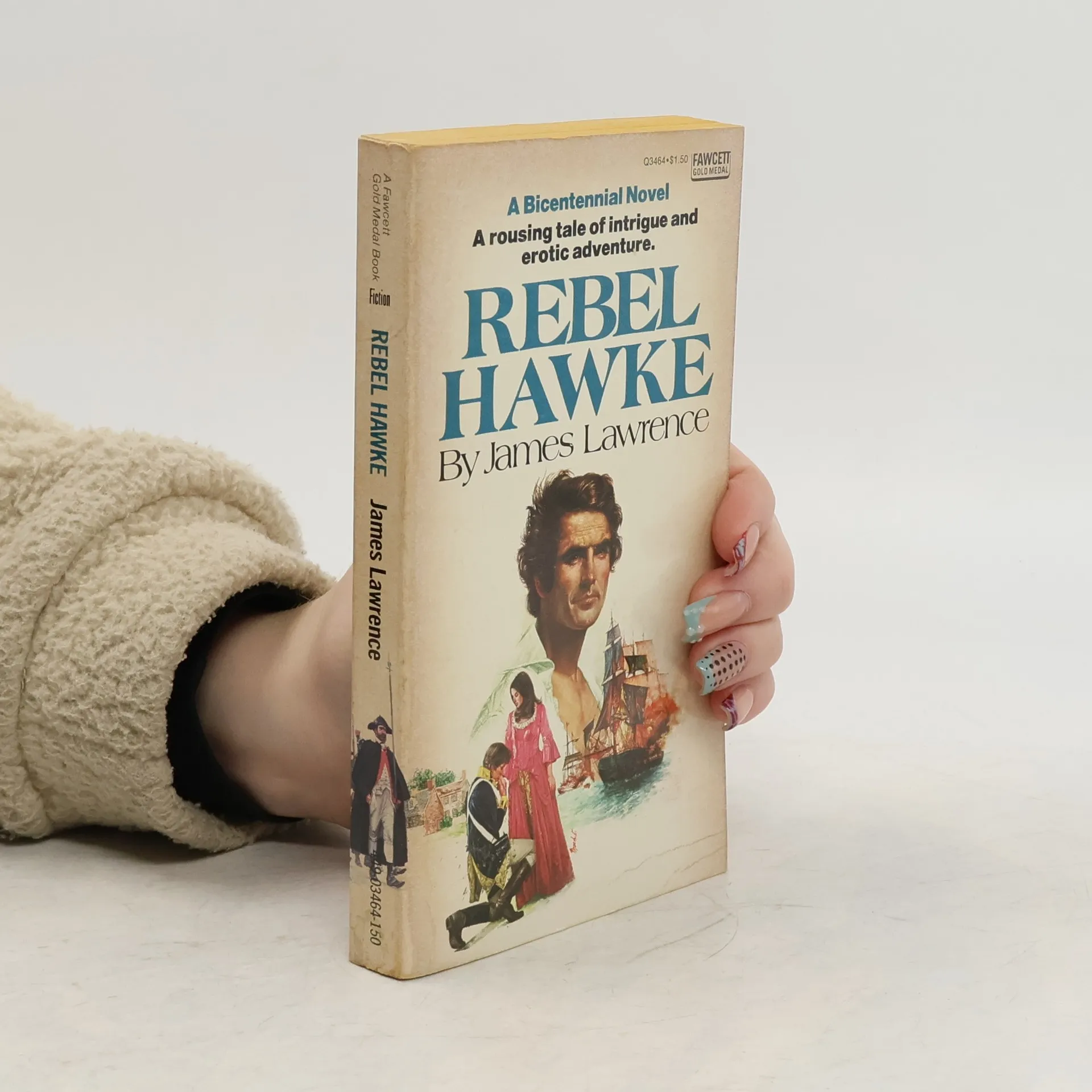
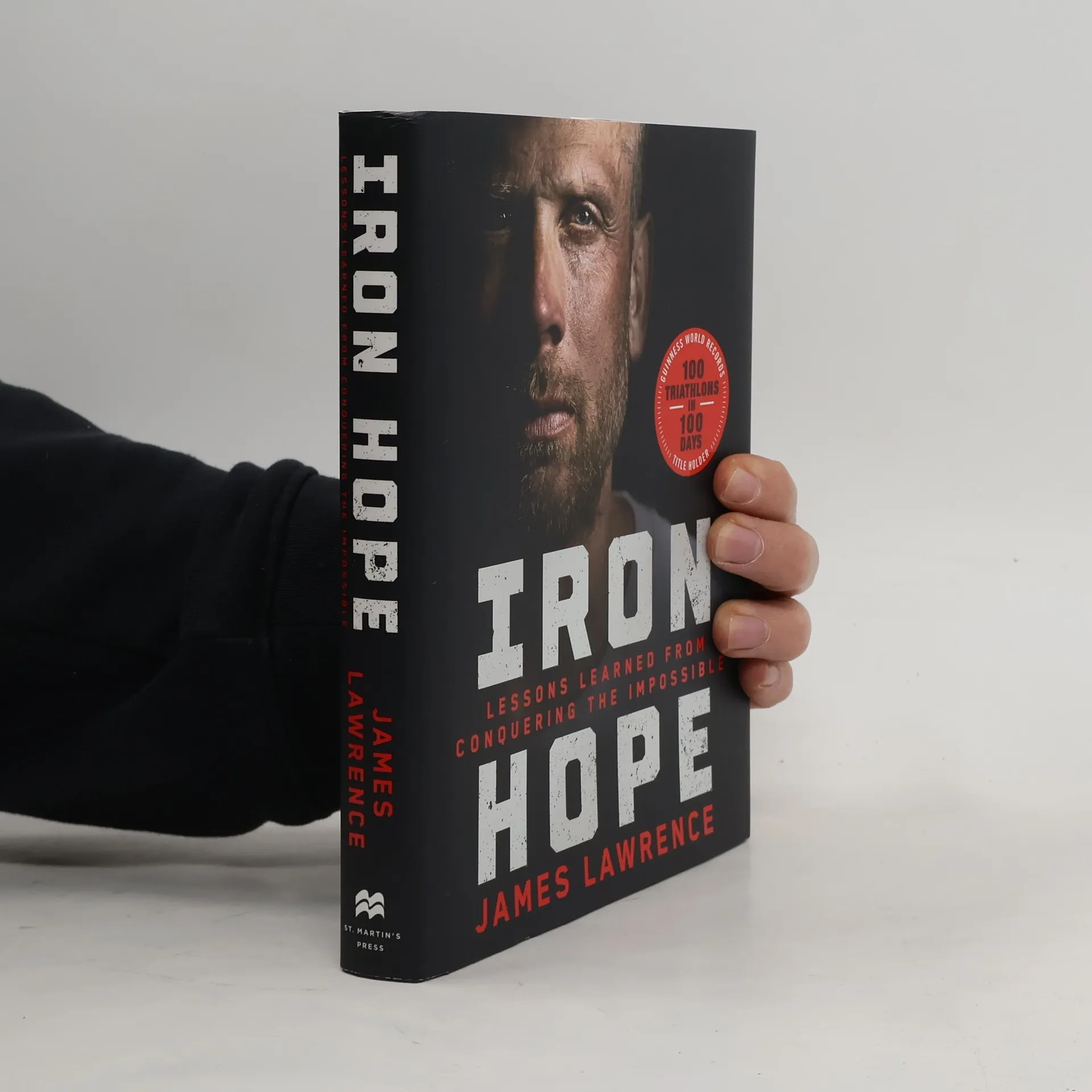

The ultimate guide to mental toughness by James “Iron Cowboy” Lawrence showcases the extraordinary journey of the greatest endurance athlete in history. Lawrence's achievements are astonishing, including breaking two Guinness World Records and completing 50 full-distance triathlons in 50 states over 50 consecutive days in 2015. This grueling challenge involves a 2.4-mile swim, a 112-mile bike ride, and a 26.2-mile run, all within 17 hours—a feat accomplished by less than .01% of the population. Despite his incredible feats, Lawrence discovered through extensive physical testing that he is physically unremarkable. The true secret behind his resilience lies in his mental strength. In 2021, he embarked on another daunting endurance challenge, pushing himself to the limits to inspire others facing their struggles. How does one cultivate the mental fortitude to endure extreme exhaustion and pain to achieve seemingly impossible goals? In this guide, Lawrence reveals how to develop an iron will by consistently making and keeping small promises to oneself, building experience, and creating momentum. By combining a big dream with consistent, incremental improvements, readers can turn their aspirations into reality.
Lawrence James Books
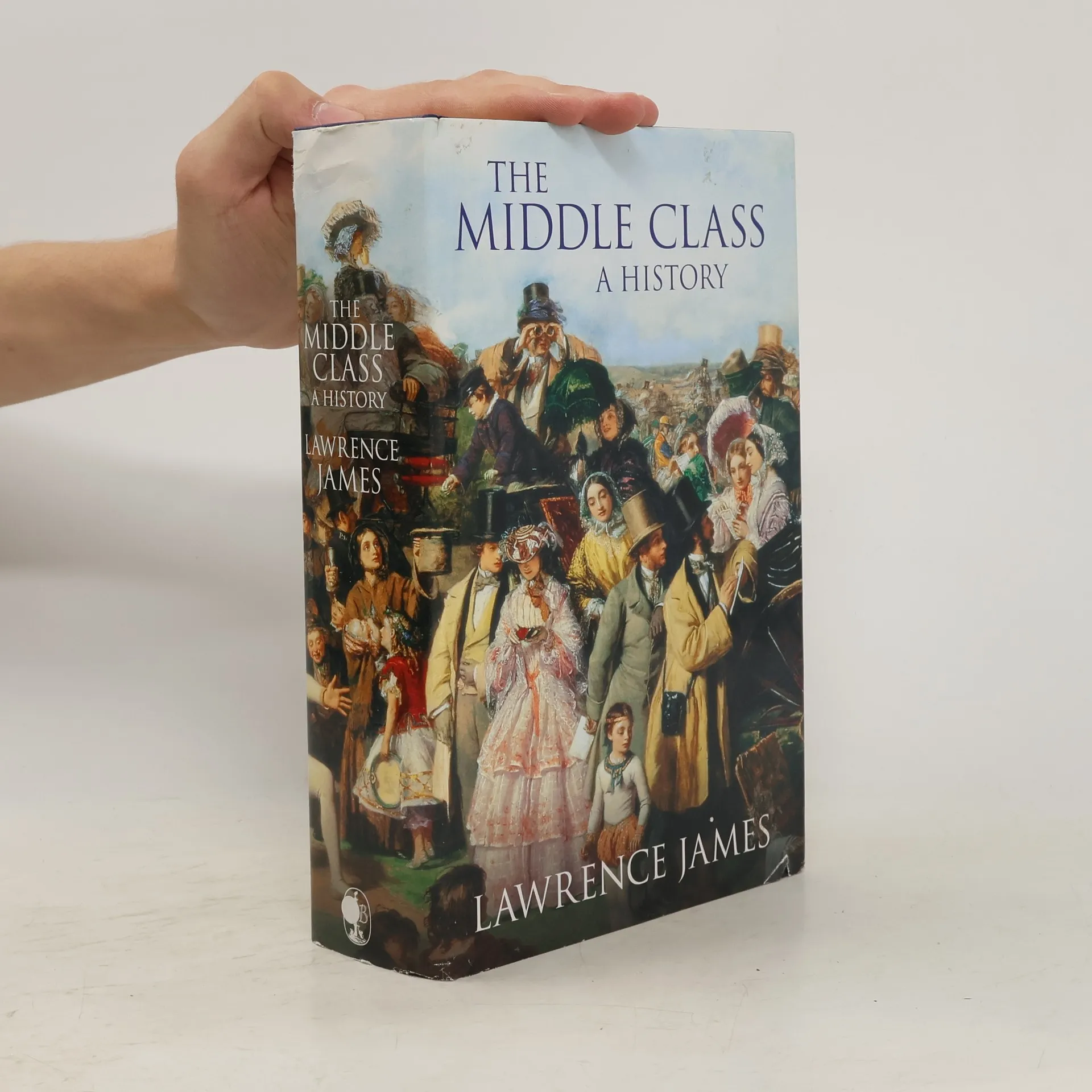
An English historian and writer, he focuses on popular history, particularly concerning the British Empire. His works are known for their engaging style and deep insights into pivotal periods and aspects of the empire. Having transitioned to full-time writing, he meticulously examines historical events and their ramifications. His contributions can also be found in prominent British newspapers and literary reviews.


Plateau Light
- 144 pages
- 6 hours of reading
The Colorado Plateau is a land rich in red sands, chocolate crags, eternally translucent skies, and stunning canyons. The region inscribes the deserts, mountains, rivers, and high mesas of the four corners of Utah, Colorado, New Mexico, and Arizona. David Muench has walked this land---the Grand Canyon, Zion National Park, Canyon de Chelly, Bryce Canyon National Park, Mesa Verde, Vermillion Cliffs Wilderness, Grand Staircase / Escalanate National Monument --- and has retruend wit the unforgetable images that are presented in this book. PLATEAU LIGHT focuses on the heart and soul of America's Redrock Country, expressing the beauty and wilderness of areas ranging from the Grand Canyon to Paria. These landscapes once inspired the Anasazi, Fremont and Archaic peoples and serve as the perfect background for the petroglyphs and ruins they left behind. For the first time in softbound edition, these spectacular photos will inspire, delight and amaze, both readers and photographers alike.Each plate has a thumbnail image with David Muench's photo notes in the back of the book. Winner of the Benjamin Franklin Award, Travel Category, 1999
This book faces the challenge of raising up new Christian leaders and helping existing leaders to mature. It comprehensively surveys leadership skills and styles, discerning our personal calling, and more.
The illustrated rise & fall of the British Empire
- 352 pages
- 13 hours of reading
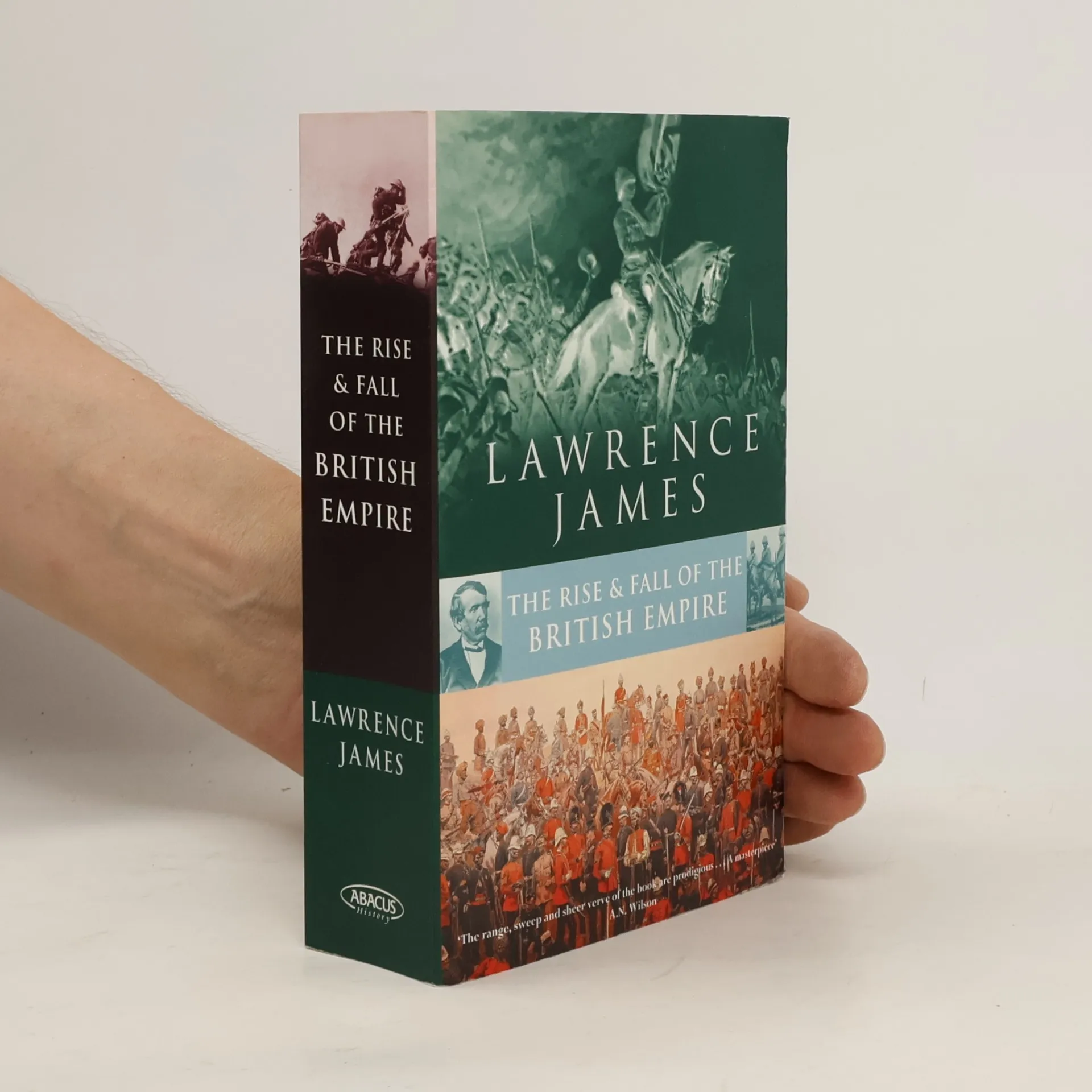
Great Britain's geopolitical role has undergone many changes over the last four centuries. Once a maritime superpower and ruler of half the world, Britain now occupies an isolated position as an economically fragile island often at odds with her European neighbors. Lawrence James has written a comprehensive, perceptive, and insighful history of the British Empire. Spanning the years from 1600 to the present day, this critically acclaimed book combines detailed scholarship with readable popular history.
Rise And Fall Of The British Empire
- 704 pages
- 25 hours of reading
Uniquely complete account of the British Empire - Jan Morris' great Penguin trilogy PAX BRITANNICA only starts from 1837, rather than the 16th Century. * A modern classic of narrative history, updated to include the 1997 handover of Hong Kong.
Aristocrats
- 448 pages
- 16 hours of reading
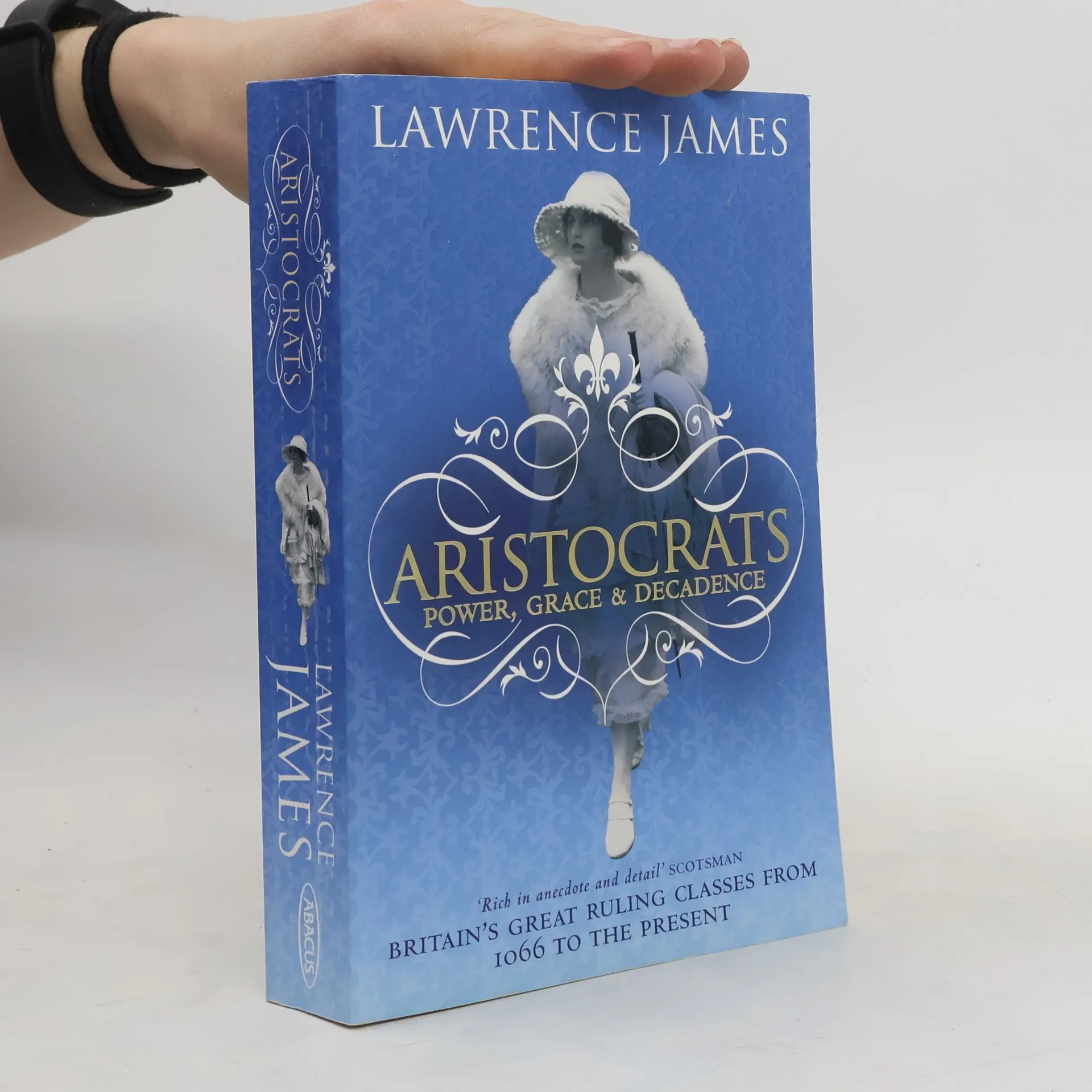
An extraordinary narrative of the richest and most powerful men and women in our history
A compelling history of Britain's complicated and compromised relationship with China between the start of the Opium Wars in 1839 and the transfer of power in Hong Kong in 1997
Raj. The making of British India
- 737 pages
- 26 hours of reading
This is the brilliantly told story of one of the wonders of the modern world - how in less than a hundred years the British made themselves masters of India. They ruled it for another hundred, departing in 1947, leaving behind the independent states of India and Pakistan. British rule taught Indians to see themselves as Indians and its benefits included railways, hospitals, law and a universal language. But the Raj, outwardly so monolithic and magnificent, was always precarious. Its masters knew that it rested ultimately on the goodwill of Indians. This is a new look at a subject rich in incident and character; the India of the Raj was that of Clive, Kipling, Curzon and Gandhi and a host of lesser known others. RAJ will provoke debate, for it sheds new light on Mountbatten and the events of 1946-47 which ended an exercise in benign autocracy and an experiment in altruism.
Fixing the Sky
- 344 pages
- 13 hours of reading
Weaving together stories from elite science, cutting-edge technology, and popular culture, Fleming examines issues of health and navigation in the 1830s, drought in the 1890s, aircraft safety in the 1930s, and world conflict since the 1940s.