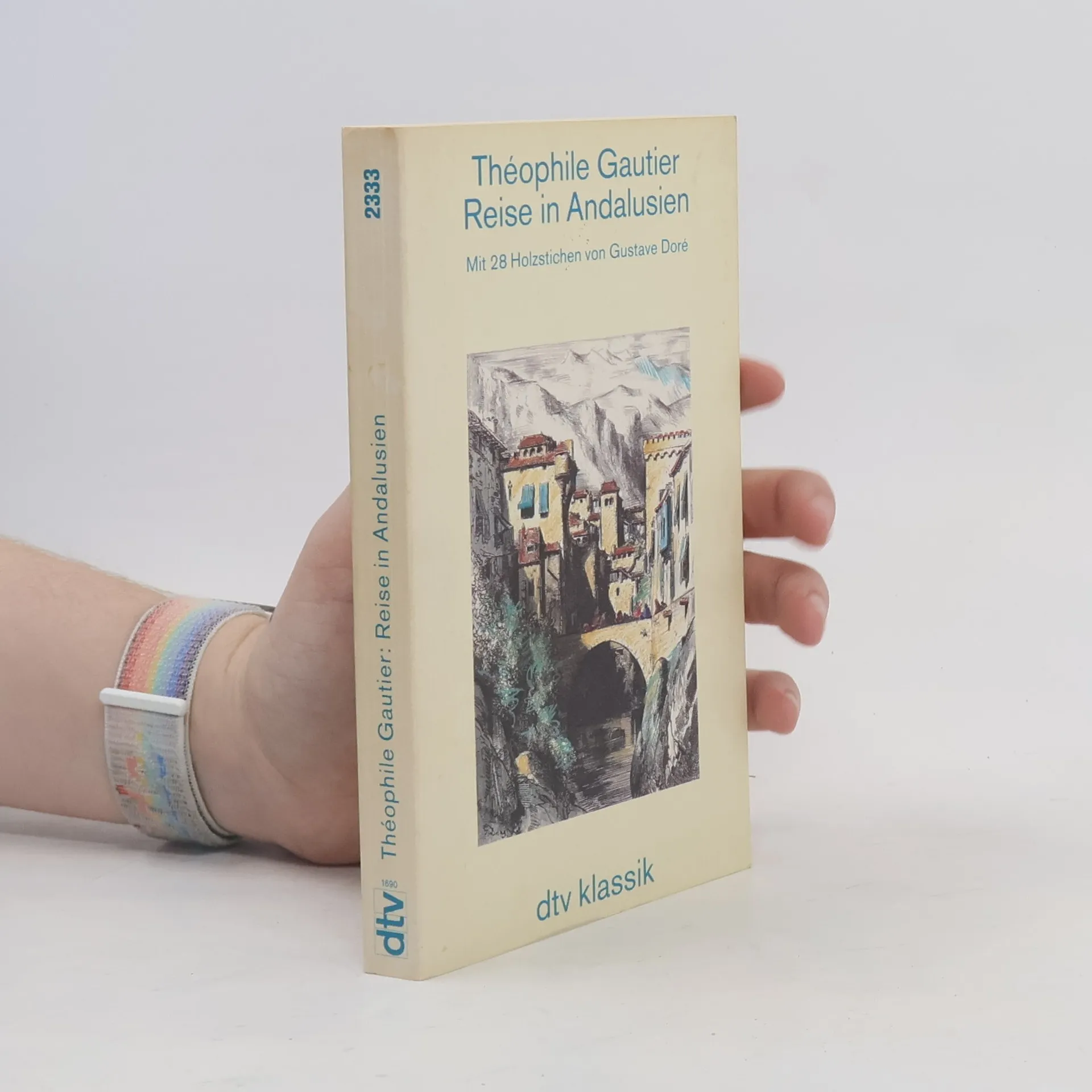
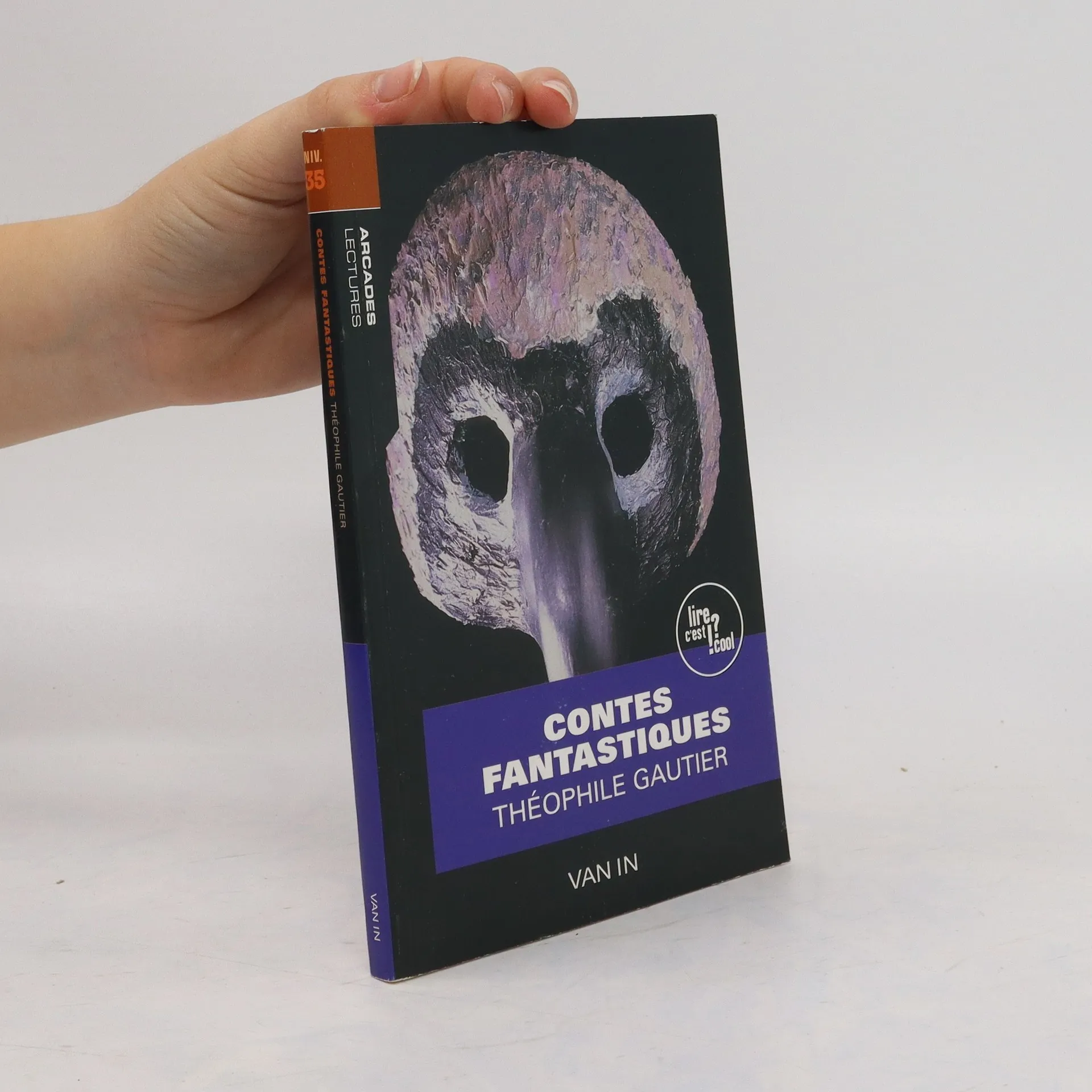
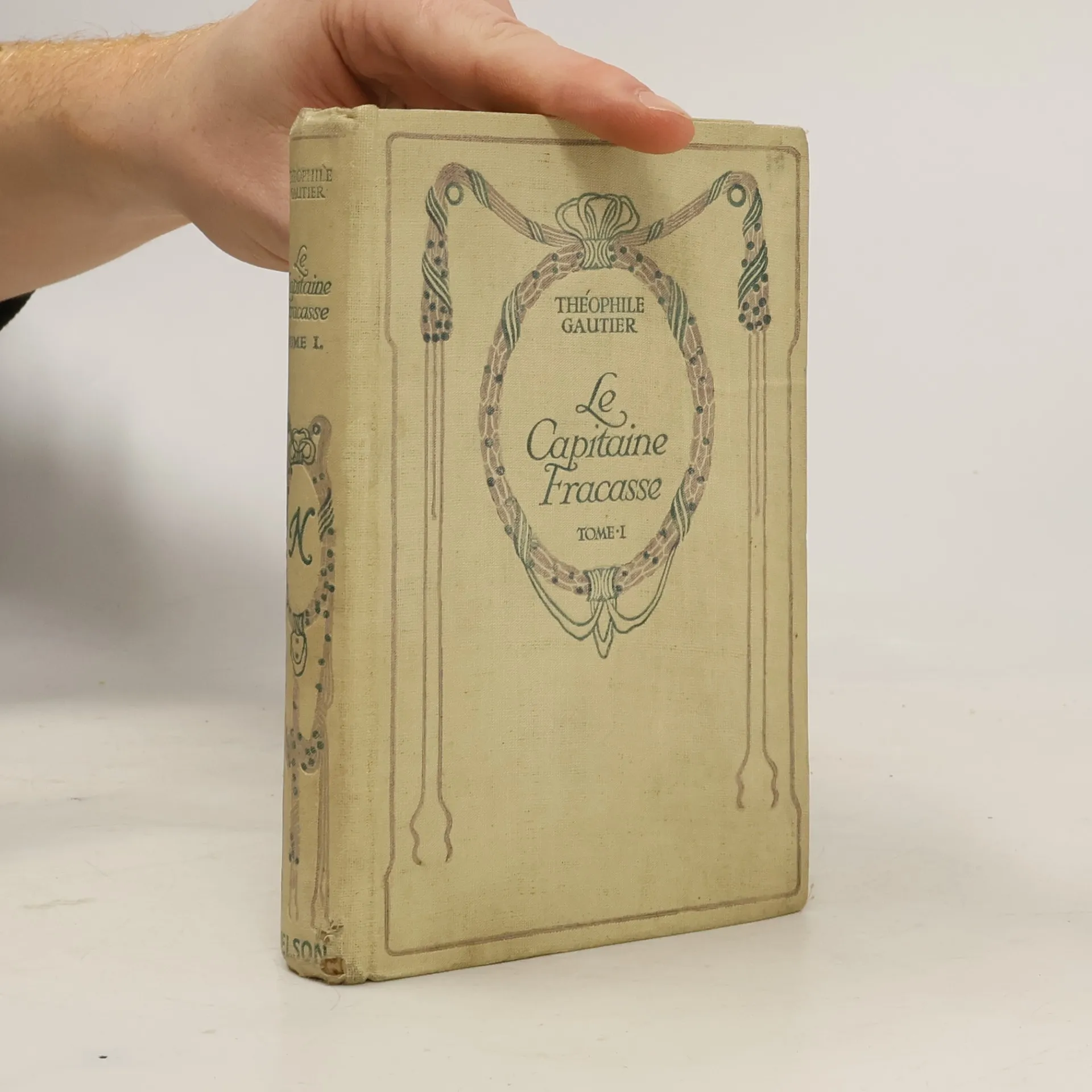
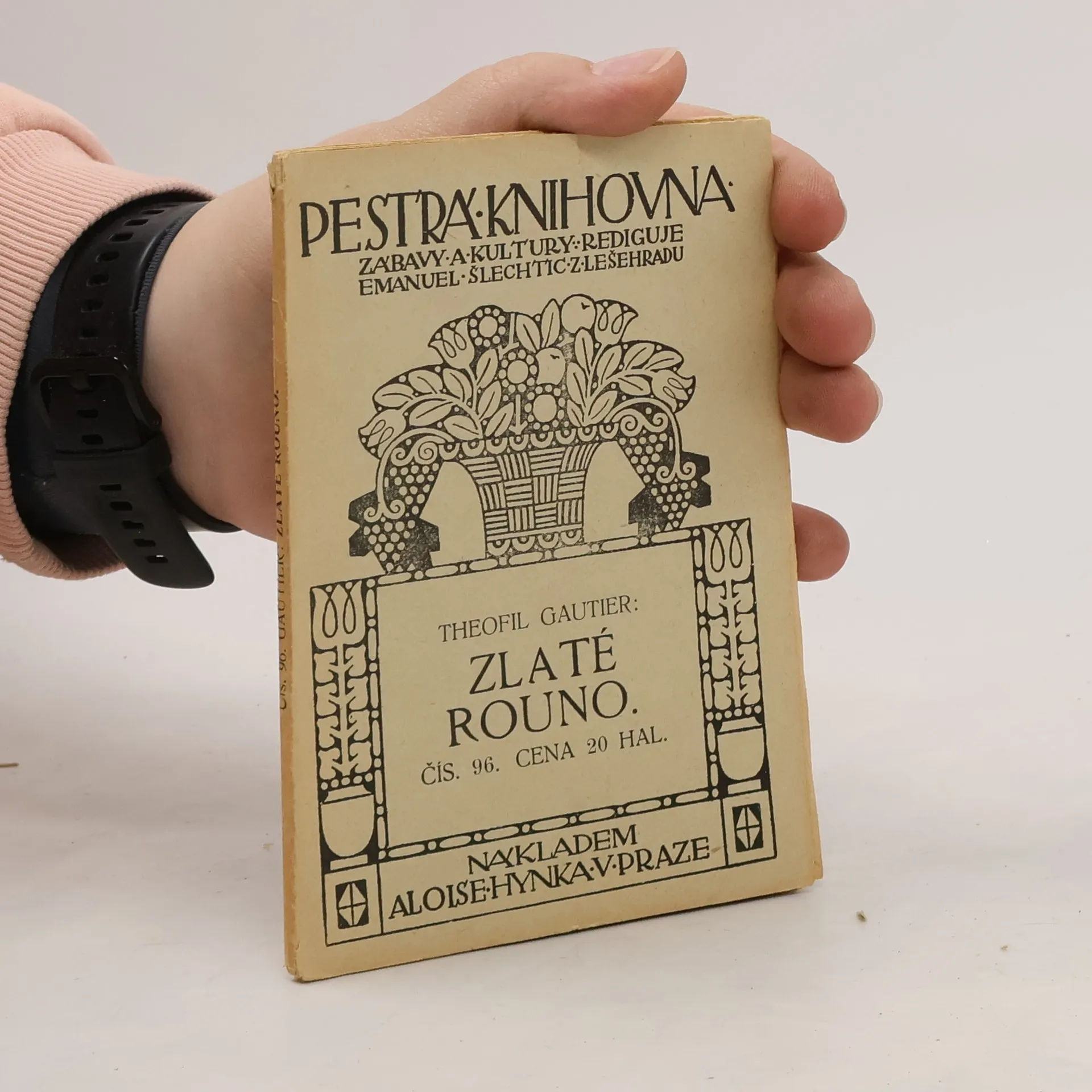
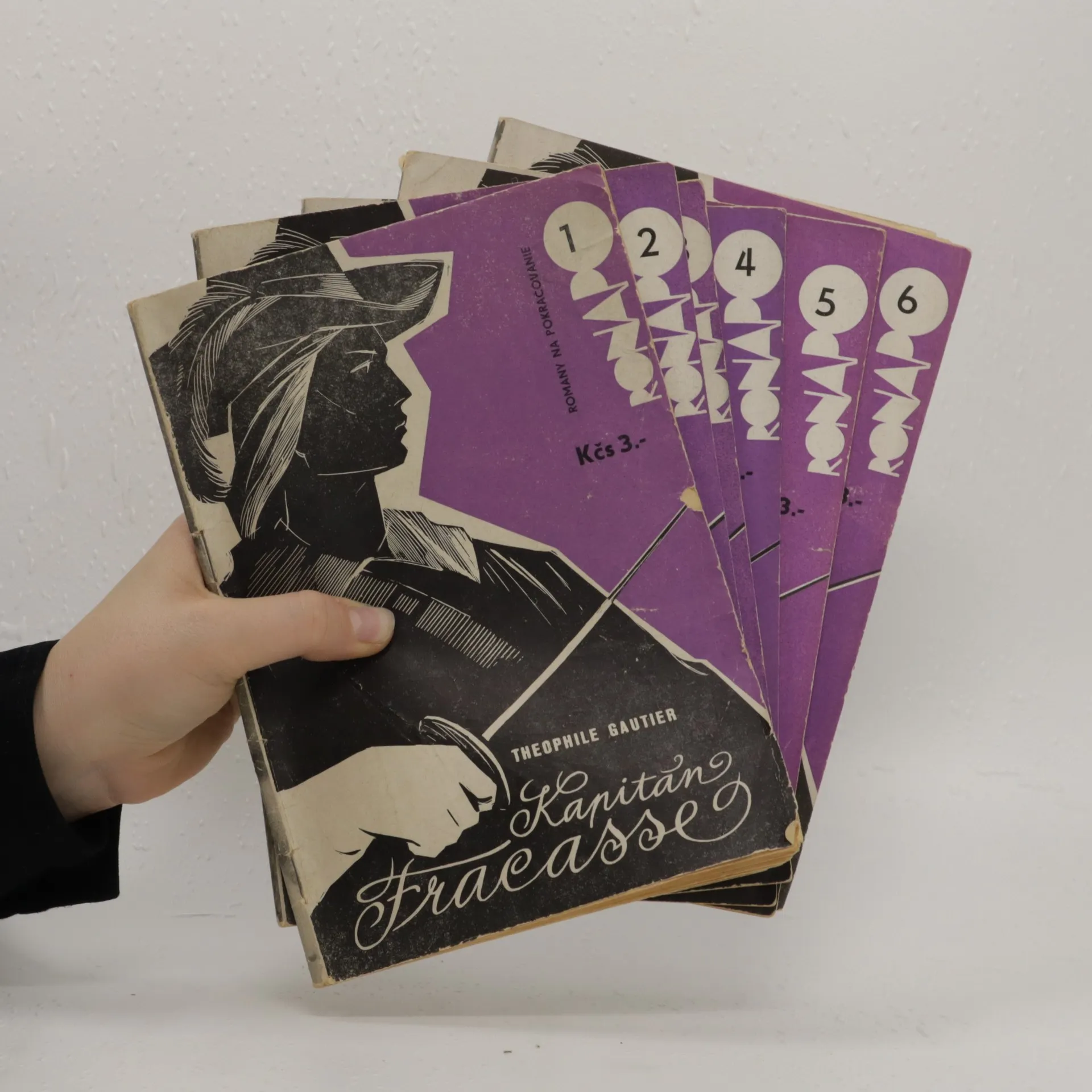
Théophile Gautier was a French poet, dramatist, novelist, and journalist who embodied the spirit of Romanticism. His works, often inspired by travel and the art world, are characterized by rich imagery and sensory detail. Gautier was a proponent of 'art for art's sake,' prioritizing aesthetic perfection and form in his writing. His influence as a literary critic and scenario writer, notably for ballet, shaped the cultural landscape of his time.
Culturally significant, this work is a reproduction of an original artifact, preserving its historical integrity. It includes original copyright references and library stamps, reflecting its importance in the knowledge base of civilization. The text remains faithful to the original, offering readers a glimpse into the past and the scholarly value of the work.
The TREDITION CLASSICS series aims to revive public domain literature by making it available in printed format worldwide. Driven by a passion for literature, the series collaborates with various non-profit projects, donating a portion of proceeds to support their efforts. Readers contribute to preserving significant works of world literature, ensuring they remain accessible and appreciated.
Set against a backdrop of forbidden love, the story unfolds as an elderly priest recounts his deep, unyielding passion for a vampiress named Clarimonde. On the day of his Ordination, he is captivated by her otherworldly beauty, which tempts him to abandon his vows. Despite warnings from Father Serapion about her dark past, Romulad's obsession leads him to seek her out, igniting a transformative love affair that defies the boundaries of life and death. This tale explores themes of desire, sacrifice, and the supernatural.
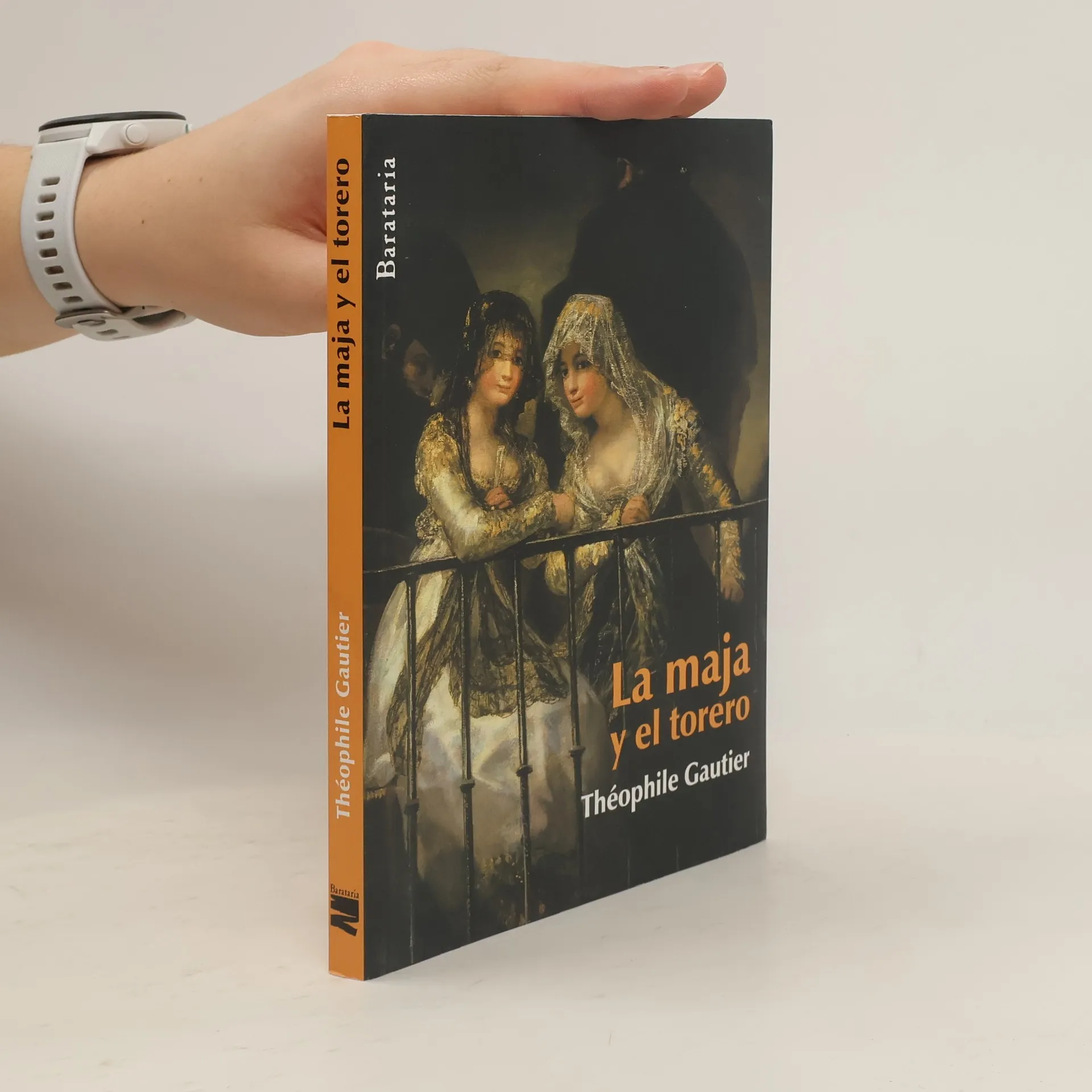
Madrid. 18 cm. Encuadernación en tapa dura de editorial.. Este libro es de segunda mano y tiene o puede tener marcas y señales de su anterior propietario. ISBN: 978-84-225-0725-3; 84-225-0725-0
Francois Villon was born in Paris in 1431. While we do not know what became of
Villon after his 32nd year, the poems he produced in just six years capture in
forceful, intelligent and candid verse the low and high life of Paris. This
book presents a translation of his works. schovat popis
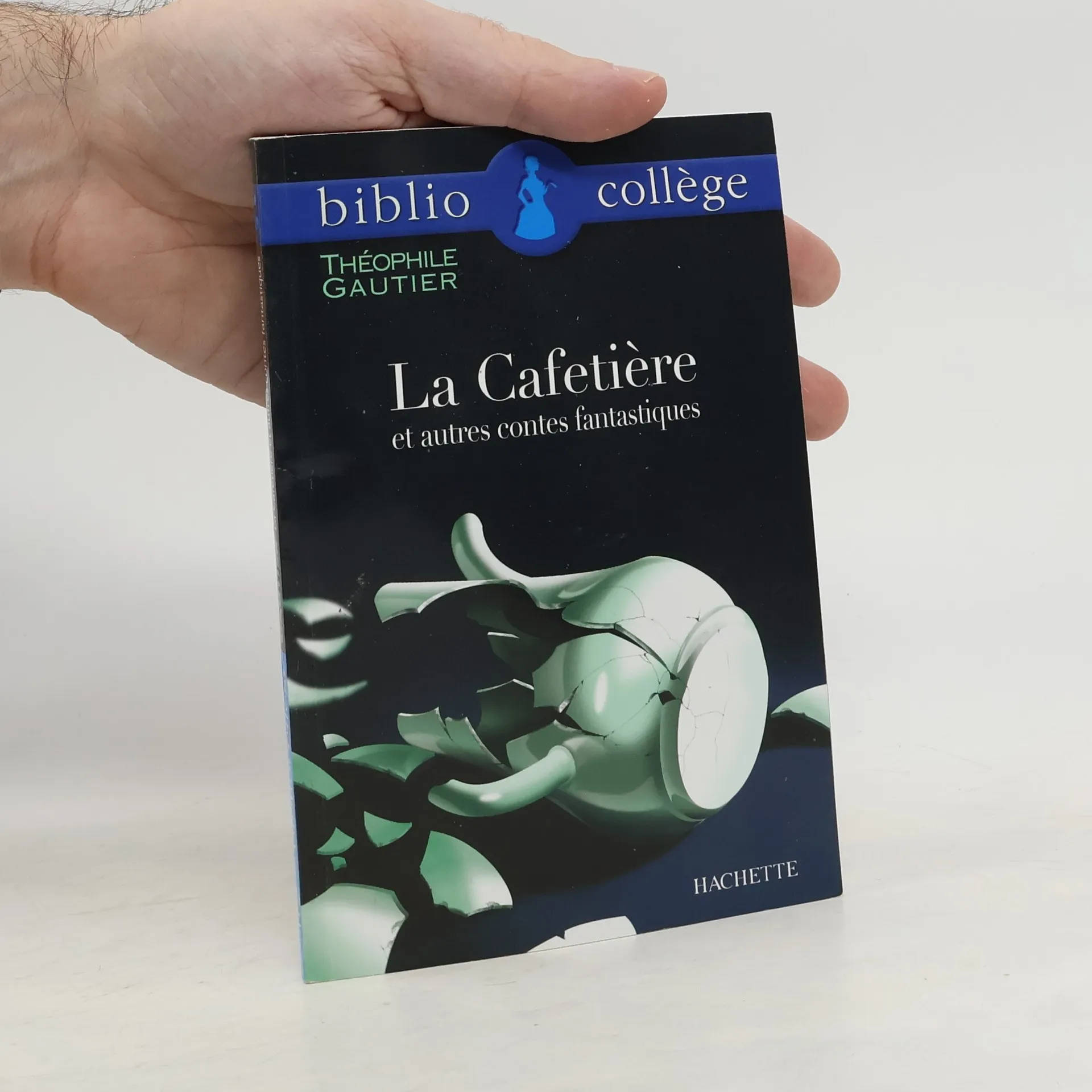
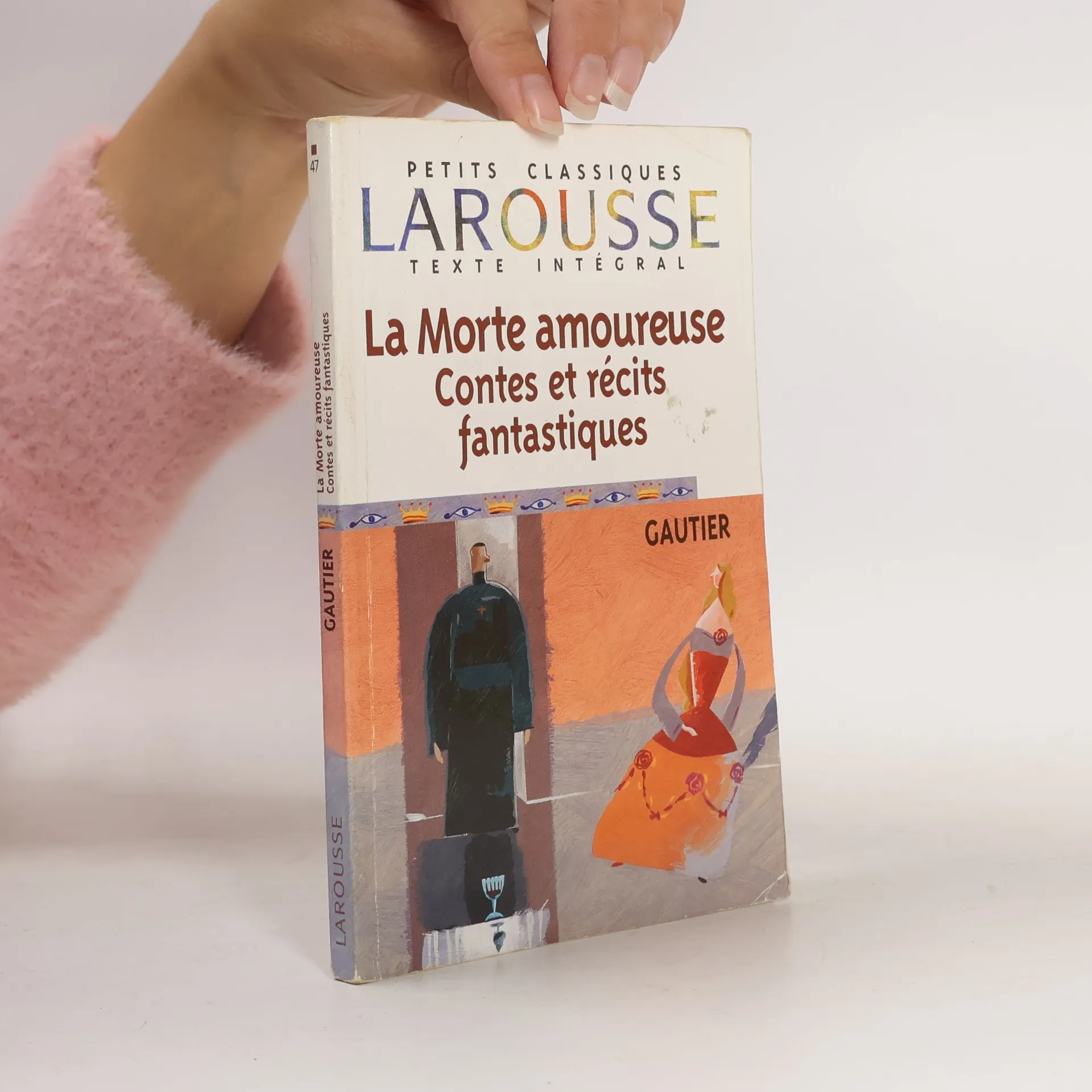
Théophile Gautier, à peine âgé de vingt ans, rédige en 1830 un article louant Hoffmann, récemment introduit au public français. L'année suivante, il publie son premier récit, La Cafetière, marqué par l'influence du conteur berlinois. Cependant, Gautier reste lucide et critique envers son propre enthousiasme. Il dépeint bientôt les « vexations » d'un Jeune-France passionné par le fantastique, avec Onuphrius comme caricature ironique. Gautier demeure vigilant et exalté, masquant ses préoccupations sous une nonchalance étudiée. Ses œuvres comme Omphale, La Pipe d’opium et Le Pied de momie effleurent les réalités invisibles, offrant au lecteur une fantaisie chatoyante, disciplinée par un langage rigoureux. Des accents plus graves émergent parfois, révélant ses hantises, témoins de son besoin d'évasion au-delà du Temps et de la Mort. Ses contes, tels que La Morte amoureuse et Le Club des Hachichins, illustrent son regret de ne pouvoir échapper aux limites humaines. À la fin de sa carrière, il compose de petits romans et une longue nouvelle. Ce volume présente ses œuvres fantastiques les plus brèves, classées chronologiquement selon leur première publication dans les revues de l'époque.
" Depuis mon départ je n'ai point appris que quelque jour nouveau soit venu éclairer cette mystérieuse catastrophe. " Edition présentée et commentée par Daniel Mortier, professeur de littérature générale et comparée à l'université de Rouen.
Après sa mille-et-unième nuit passée à divertir son très glorieux sultan pour éviter d'avoir la tête tranchée, la sublime Shéhérazade se trouve à court d'histoires. Affolée, elle se rend sur son tapis magique auprès de Théophile Gautier : " Je suis venue ici en toute hâte chercher un conte, car il faut que demain matin, à l'appel accoutumé de ma soeur Dinarzade, je dise quelque chose au grand Schahriar, l'arbitre de mes destinées. " L'écrivain saura-t-il répondre à ses attentes ? (" La Mille et Deuxième nuit ") Un jeune dandy est amoureux de deux soeurs à la fois sans parvenir à choisir entre entre elles. Parviendra-t-il à choisir et à faire mentir l'adage selon lequel "qui trop embrasse mal étreint" ? (" Laquelle des deux ") Antiquité grecque : Plangon et Bacchide se disputent les faveurs de Ctésias, déchiré entre ces deux femmes. Et si la solution du problème résidait dans un partage harmonieux, transformant l'adage cité plus haut en : "qui embrasse beaucoup étreint avec passion" ! (" La chaîne d'or ") Scandinavie : né sous les signes contradictoires du bien et du mal, de la sagesse et de la folie, de la lumière et de l'ombre, par une nuit de tempête, le jeune Oluf saura-t-il surmonter sa dualité et parvenir à la sérénité ? (" Le chevalier double ") Quatre contes enchantés à la verve jubilatoire, pleins d'humour, d'amour et de magie.
»Niemand wusste so recht etwas anzufangen mit der Krankheit, die Octave de Saville langsam von innen heraus zerfraß. Er hütete nicht das Bett, sein Leben verlief in den gewohnten Bahnen, und obwohl nie eine Klage über seine Lippen kam, ging er doch für jedermann wahrnehmbar zugrunde.« Doch dann bekommt Octave eines Tages Besuch von einem geheimnisvollen Heiler, dem er sein Herz ausschüttet. Es entspinnt sich eine höchst unterhaltsame Geschichte, mit Körpertausch und Liebesverwirrungen, die alles in Frage stellt.
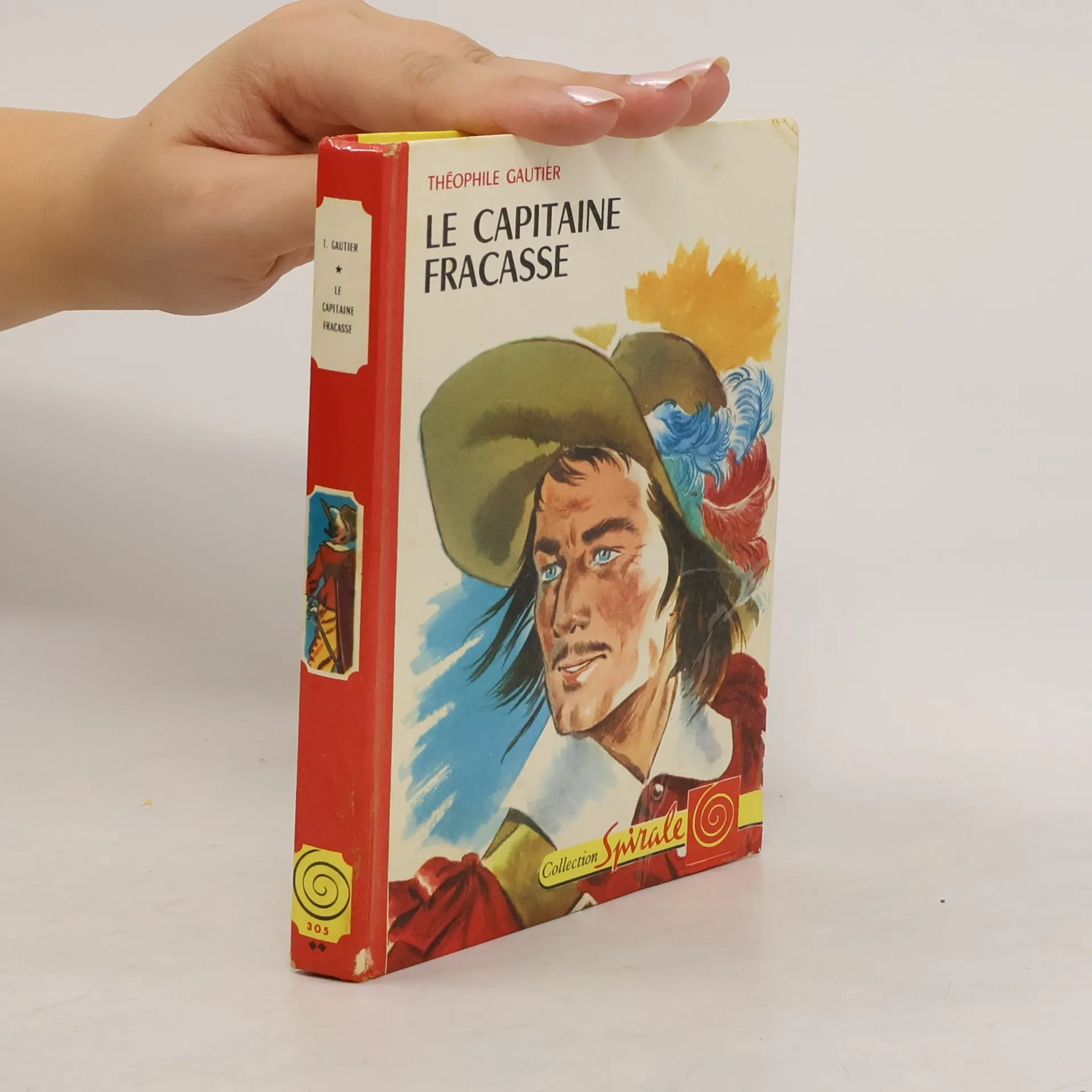
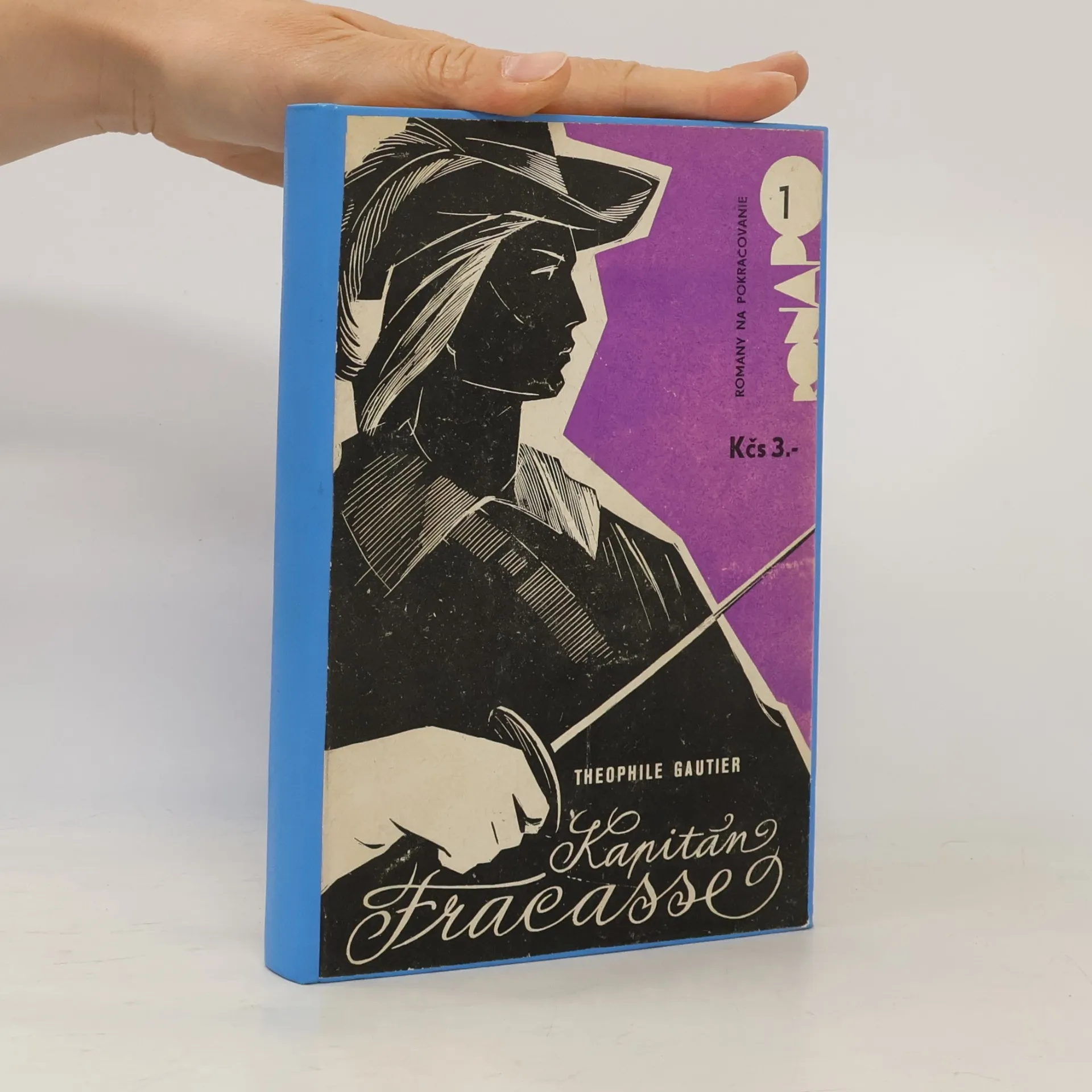
Una notte di maltempo un gruppo di comici girovaghi bussa, chiedendo ospitalità, alla porta dello scalcinato castello dove il giovane barone di Sigognac trascorre miseramente i suoi giorni in triste solitudine... Con questo inizio quasi fiabesco prende il via Le Capitaine Fracasse che Théophile Gautier pubblicò nel 1863 dopo circa trent'anni di incubazione, accorata protesta contro l'impoetica realtà quotidiana e al tempo stesso nostalgica rievocazione dell'acceso clima romantico della sua giovinezza: un capolavoro entrato a pieno diritto nei grandi classici della letteratura francese, che mescola sapientemente grazia e ironia, poesia e avventura, sorretto da una lingua prodigiosa (qui resa al meglio dall'esemplare traduzione di Massimo Bontempelli), sbalorditivamente ricca e suggestiva, plastica e sonora.
Après avoir fait valser les cafetières, parler les tapisseries, réveillé Pompéi, rêvé sur les traces d'Hoffmann et de Nerval dans des tavernes d'étudiants, suscité de séduisants succubes et d'adorables vampires, Théophile Gautier décide, en plein Second Empire, de traquer le fantastique dans la vie réelle. Le romantique au gilet rouge devient ainsi l'inventeur du «fantastique en habit noir» : «Un regard d'une rêverie féline, disait de lui Baudelaire, un écrivain d'un mérite à la fois nouveau et unique dont la muse aime à ressusciter les villes défuntes et à faire redire aux morts rajeunis leurs passions interrompues.»
In una Napoli calda e luminosa, in una terra che è espressione del mito romantico, si intrecciano due vicende fantastiche. Due vicende che sono avvolte in un doppio velo onirico. Théophile Gautier ha la capacità di far lievitare i colori dei luoghi e della storia in un mare magnum di sensazioni ora chiare ora meno nitide. Jettatura è la storia di una identità sdoppiata e della trasfigurazione di una bellezza nella morte. La città di Pompei, bella, antica, magica, viene a delinearsi come un sogno d'amore e diventa teatro di una illusione perfetta, di un inganno che coinvolge tutti i sensi. Donne volatili e destinate a svanire nei loro pallori si muovono su paesaggi colorati lasciando in noi lettori una forte sensazione di magia.
« Elle était brune et pâle ; ses cheveux ondés et crêpelés, noirs comme ceux de la Nuit, se relevaient légèrement vers les tempes à la mode grecque, et dans son visage d’un ton mat brillaient des yeux sombres et doux, chargés d’une indéfinissable expression de tristesse voluptueuse et d’ennui passionné; sa bouche, dédaigneusement arquée à ses coins, protestait par l’ardeur vivace de sa pourpre enflammée contre la blancheur tranquille du masque ; son col présentait ces belles lignes pures qu’on ne retrouve à présent que dans les statues. Ses bras étaient nus jusqu’à l’épaule, et de la pointe de ses seins orgueilleux, soulevant sa tunique d’un rose mauve, partaient deux plis qu’on aurait pu croire fouillés dans le marbre par Phidiasou Cléomène. En regardant cette tête si calme et si passionnée, si froide et si ardente, si morte et si vivace, il comprit qu’il avait devant lui son premier et son dernier amour, sa coupe d’ivresse suprême. »
Un jeune homme fait un rêve étrange dans lequel il danse avec une femme qui se transforme en cafetière volante...Le jour de son ordination, un prêtre tombe éperdument amoureux d'une mystérieuse jeune femme, Clarimonde.Un homme achète un pied de momie et se retrouve plongé dans un songe au coeur de l'Égypte des pharaons.Mais est-ce le fruit de rêves obsessionnels ou la réalité ? Vampires, succubes, fantasmes, cafetières dansantes... Trois contes étonnants par l'inventeur du "fantastique en habit noir".
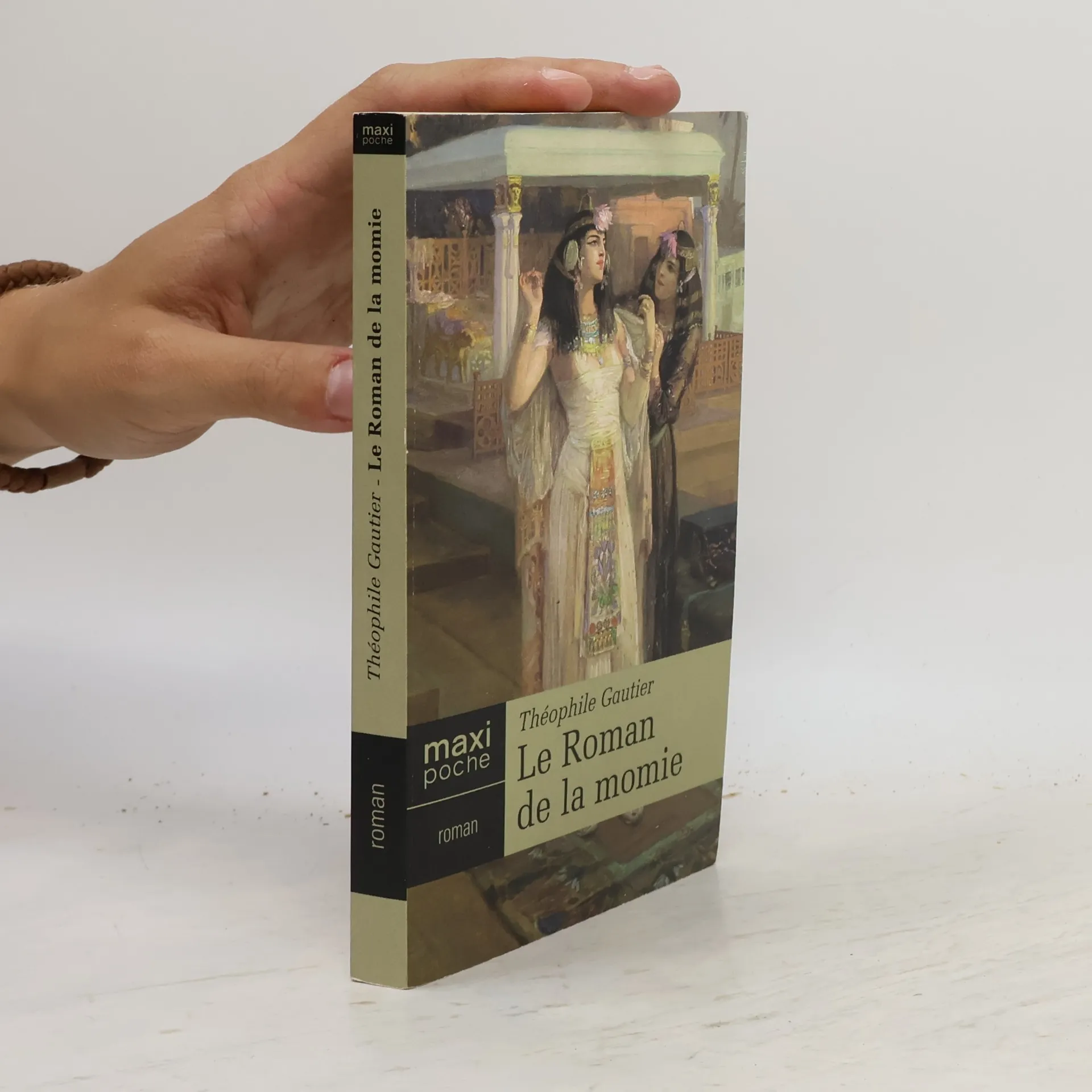
Un lord anglais et un savant allemand réussissent à pénétrer dans le tombeau d'un pharaon, dans la Vallée des Rois. Là, apparaît la momie d'une très belle jeune fille, Tahoser, qui a gardé l'apparence de la vie. Un papyrus, placé à ses côtés, explique l'énigme de la présence d'une femme dans une tombe destinée habituellement à un roi... A la suite de quels mystérieux événements Tahoser, orpheline d'un grand prêtre, a-t-elle régné sur l'Egypte ?
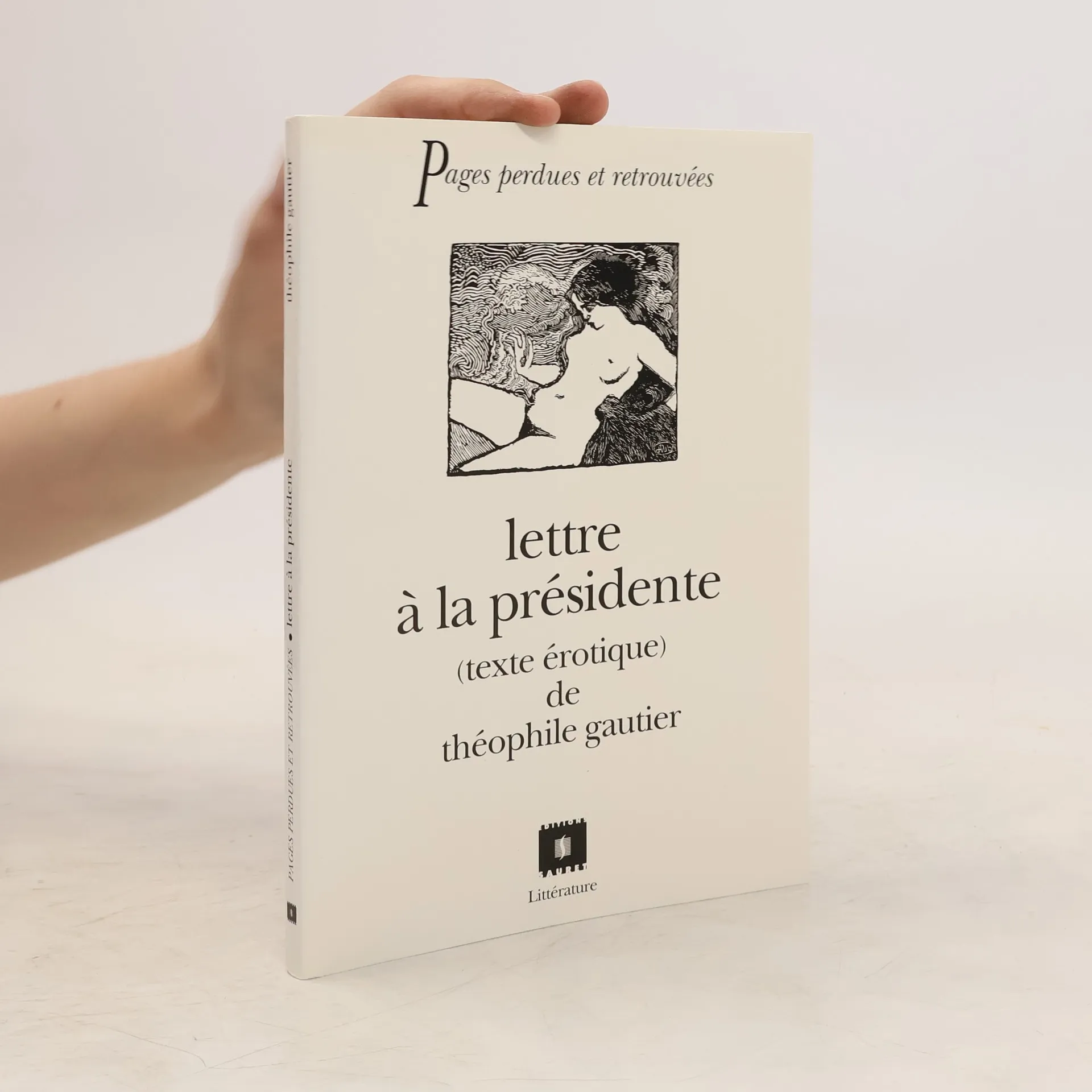
La présidente à laquelle cette lettre est adressée est madame Sabatier (1822-1890) qui tenait à Paris un salon prisé. Les artistes et les écrivains qui fréquentaient le lieu élurent effectivement leur égérie comme présidente. Il s’agissait, entre autres, de Dumas père, Feydeau, Flaubert, Nerval et Musset, Meissonier, Clésinger, Berlioz et, bien sûr, Théophile Gautier, l’ardent défenseur du romantisme (il fut un proche de Victor Hugo), le théoricien de l’art pour l’art, le poète, le nouvelliste, le romancier, le critique d’art, le chroniqueur, le dramaturge. Parmi la profusion des écrits de Gautier et aux côtés de ses oeuvres les plus célèbres (Émaux et camées, Le roman de la momie, Le capitaine Fracasse) se trouve cette longue lettre écrite en 1850, qui est censée relater un voyage en Italie, mais qui ne tarde pas à se dévoiler pour ce qu’elle est : une lettre grivoise, obscène, licencieuse, pornographique, où se succèdent allégrement les scènes et les réflexions les plus cocasses et les plus débauchées. Curieusement, cette lettre expressément adressée à madame Sabatier ne gênera d’aucune façon celle-ci, qui la fera même lire et diffuser par copies autour d’elle, avant d’être publiée pour la première fois, en 1890, peu de temps après la mort de sa destinataire.
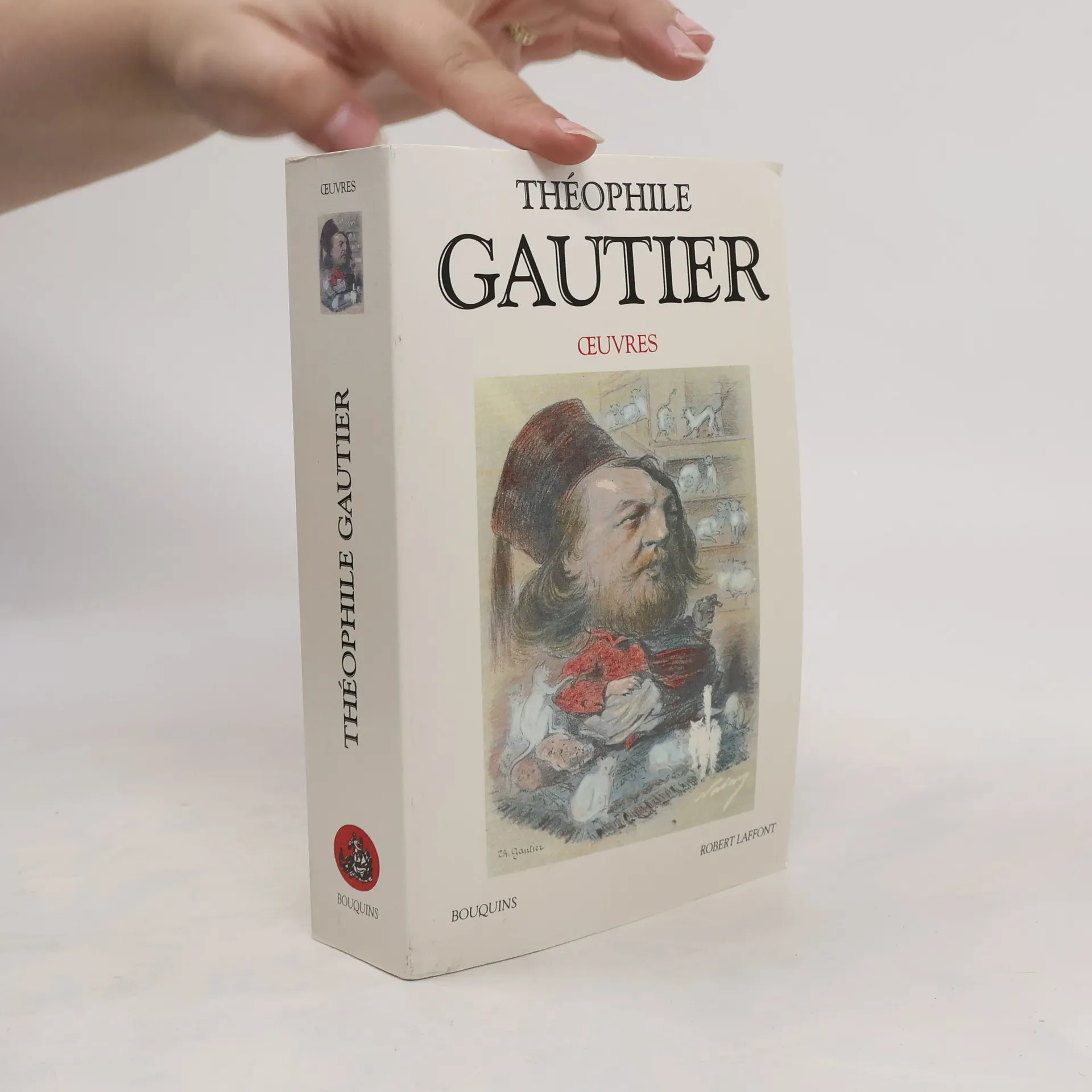
L'œuvre de Théophile Gautier est un vaste musée, où s'animent les vestiges d'un passé révolu. Le lecteur, empruntant le regard mélancolique de l'écrivain qui le guide, y rencontre des femmes à la beauté incomparable et des monstres grotesques, des châteaux en ruines et des villes ressuscitées, des courtisanes grecques et des magiciens de l'Inde. Il contemple l'ordre de l'architecture et vit le délire de la drogue, se laisse séduire par la beauté sculpturale et subit le charme pervers de la décadence. Cette édition, la plus importante actuellement disponible en librairie, regroupe les romans les plus célèbres de Gautier (Mademoiselle de Maupin, Le Roman de la momie, Le Capitaine Fracasse, Spirite), ainsi qu'un large choix de contes, dont certains sont très connus (La Morte amoureuse, Le Club des hachichins, Arria Marcella), et d'autres, en revanche, rarement réédités (Fortunio, La Chaîne d'or, La Mille et Deuxième Nuit...). Figure également, dans le texte intégral, le recueil Les Jeunes-France. Ce volume offre donc, pour la première fois, une vision d'ensemble de l'œuvre narrative de Théophile Gautier, un écrivain faussement connu qui reste à découvrir. Paolo TORTONESE. Maître de conférences à l'université de Savoie.
Das Buch ist ein Panorama der Verrücktheiten jener Zeit, ein Katalog der Extravaganzen eines Jahrhunderts. Théophile Gautiers 1833 veröffentlichte spöttische Geschichten sind das literarische Dokument einer Ära. Die Erzählungen spiegeln den Aufbruch und die Enttäuschungen der romantischen Jugend im Frankreich nach der Julirevolution. Sie oszillieren zwischen Konformität und Wahnsinn, Originalität und Snobismus, Tugend und Heuchelei, Bürgerlichkeit und Dandysmus, Jugend und Ausweglosigkeit, Revolte und Ernüchterung. Die Satiren auf eine rein zweckbestimmte bürgerliche Gesellschaft sollten den ursprünglichen Leser zu eigenständigem Denken anregen. Die Probleme dieser Generation erweisen sich dabei als überraschend aktuell. Voller Witz und Charme führt Gautiers Erzähler ein Verwirrspiel mit seinem Leser.
Théophile Gautier gehörte in den 1830er Jahren zu einer romantischen Generation, die gegen den Klassizismus aufbegehrte. Mit dem Konzept l’art pour l’art proklamierte er die Freiheit der Kunst. In seinen Werken wie dem „Haschischklub“ und „Die Opiumpfeife“ entfaltet er phantastische Traumerzählungen und erotische Phantasien, die den Surrealismus vorwegnehmen.
Ce recueil contient quelques uns des brefs contes fantastiques de Gautier qui manifestent son regret de ne pouvoir échapper aux limites de la condition humaine et son besoin d'une évasion imaginaire au-delà du temps et de la mort... Ils sont publiés dans l'ordre chronologique de leurs parutions dans les revues et les périodiques de l'époque.
De tapisserie parlante en amoureuse ressuscitée, de vampire séducteur en voyage dans le temps, ces contes fantastiques nous plongent dans des univers étranges et dérangeants, mais qui signalent tous la présence d'une autre dimension dans notre quotidien. On y entrevoit ainsi la possibilité d'un regard différent sur les choses. Tirant toutes ces ficelles, Gautier joue bien sûr à nous faire peur, mais il nous montre aussi que l'art est une fenêtre ouverte sur l'idéal... dans chacune de nos vies.
Pour approcher, visiter, comprendre une ville, qu'y a-t-il de mieux que de découvrir ce que les grands auteurs ont pu en dire ? Laissez-vous surprendre par les textes consacrés aux plus belles cités du monde, puisés dans les récits de voyage, correspondances et autres carnets de route des écrivains-voyageurs. " Ceux qui n'ont pas vu Moscou ne peuvent dire avoir vu la Russie... " Si ce ne sont pas les monuments de la ville qui ont inspiré ces mots à Casanova mais ses femmes, les voyageurs illustres qui l'ont visitée sans négliger pour leur part le Kremlin, ses églises aux coupoles dorées, ses palais, s'accordent à dire que Moscou est une " Byzance de terre ferme ", une " fantastique Bagdad ", une " Rome asiatique " : bref, l'Orient tel qu'on le rêvait au xlxe siècle. Au grand plaisir du lecteur, Mme de Staël, Dumas, Gautier... dressent le tableau vivant d'une ville-musée.
Questa è la straordinaria avventura del ritrovamento di una tomba egizia. Un papiro rinvenuto sotto il braccio della mummia narra la storia d'amore di cui è protagonista la bellissima Tahoser e rievoca per noi la vita di una civiltà lontana e misteriosa. Così la "poetica archeologica" di Gautier si intreccia con momenti di vera avventura romanzesca che fecero dell'autore un maestro riconosciuto. Con quest'opera Gautier si inserisce nella riscoperta dell'antica civiltà degli Egizi iniziata da Champollion e anticipa di mezzo secolo i risultati dei celebri scavi che portarono alla luce la tomba di Tutankhamen. Al Romanzo della mummia seguono in questo volume altre storie di eccezione: Una notte di Cleopatra, ancora di ambientazione egizia, e Arria Marcella, che si svolge in una "ridestata" Pompei, dove emerge d'incanto, pagina dopo pagina, la vita pulsante del grande affresco di Gautier.
Nouvelles (Nouvelle edition) / Theophile GautierDate de l'edition originale : 1898Ce livre est la reproduction fidele d'une oeuvre publiee avant 1920 et fait partie d'une collection de livres reimprimes a la demande editee par Hachette Livre, dans le cadre d'un partenariat avec la Bibliotheque nationale de France, offrant l'opportunite d'acceder a des ouvrages anciens et souvent rares issus des fonds patrimoniaux de la BnF.Les oeuvres faisant partie de cette collection ont ete numerisees par la BnF et sont presentes sur Gallica, sa bibliotheque numerique.En entreprenant de redonner vie a ces ouvrages au travers d'une collection de livres reimprimes a la demande, nous leur donnons la possibilite de rencontrer un public elargi et participons a la transmission de connaissances et de savoirs parfois difficilement accessibles.Nous avons cherche a concilier la reproduction fidele d'un livre ancien a partir de sa version numerisee avec le souci d'un confort de lecture optimal. Nous esperons que les ouvrages de cette nouvelle collection vous apporteront entiere satisfaction.bnf....
Il y eut en 1592 une première trouvaille, puis défilèrent les voyageurs, qui comme Stendhal, voulaient contempler face à face cette Antiquité sur laquelle on avait tant lu. Vint ensuite Bulwer-Lytton qui fit d'une ville où l'on allait prendre des notes, un lieu où l'on se rendait pour méditer, rongé par le désir, la passion le chagrin, qui fit aussi d'une oeuvre imaginaire le guide le plus sûr - aujourd'hui encore - de la cité campanienne. Dès lors écrivains, peintres, musiciens verront dans la ville enfouie au pied du Vésuve le lieu de tous les rêves et de tous les fantasmes - jusqu'à Freud qui trouvera en elle la meilleure illustration du refoulement - ce qui est enseveli profondément pour être mieux conservé. C'est de ce foisonnement, de cette fusion inextricable en lieu mythique du rêve et de la réalité, du passé et du présent, de l'histoire et de la fiction, que témoigne le présent volume. S'y mêlent récits de voyage (Mme de STAEL. DUMAS. FLAUBERT) Nouvelles fantastiques (NERVAL - GAUTHIER. JENSEN) Romans historiques (BULWER-LYTTON. BERTHEROY. LLEWELLYN). Un guide à l'usage du voyageur en partance pour Pompéi (100 pages), des cartes, un dossier iconographique en couleurs complètent cet ensemble unique, conçu pour le plaisir du lecteur, du curieux, du voyageur, en quête d'aventures et de rêves.
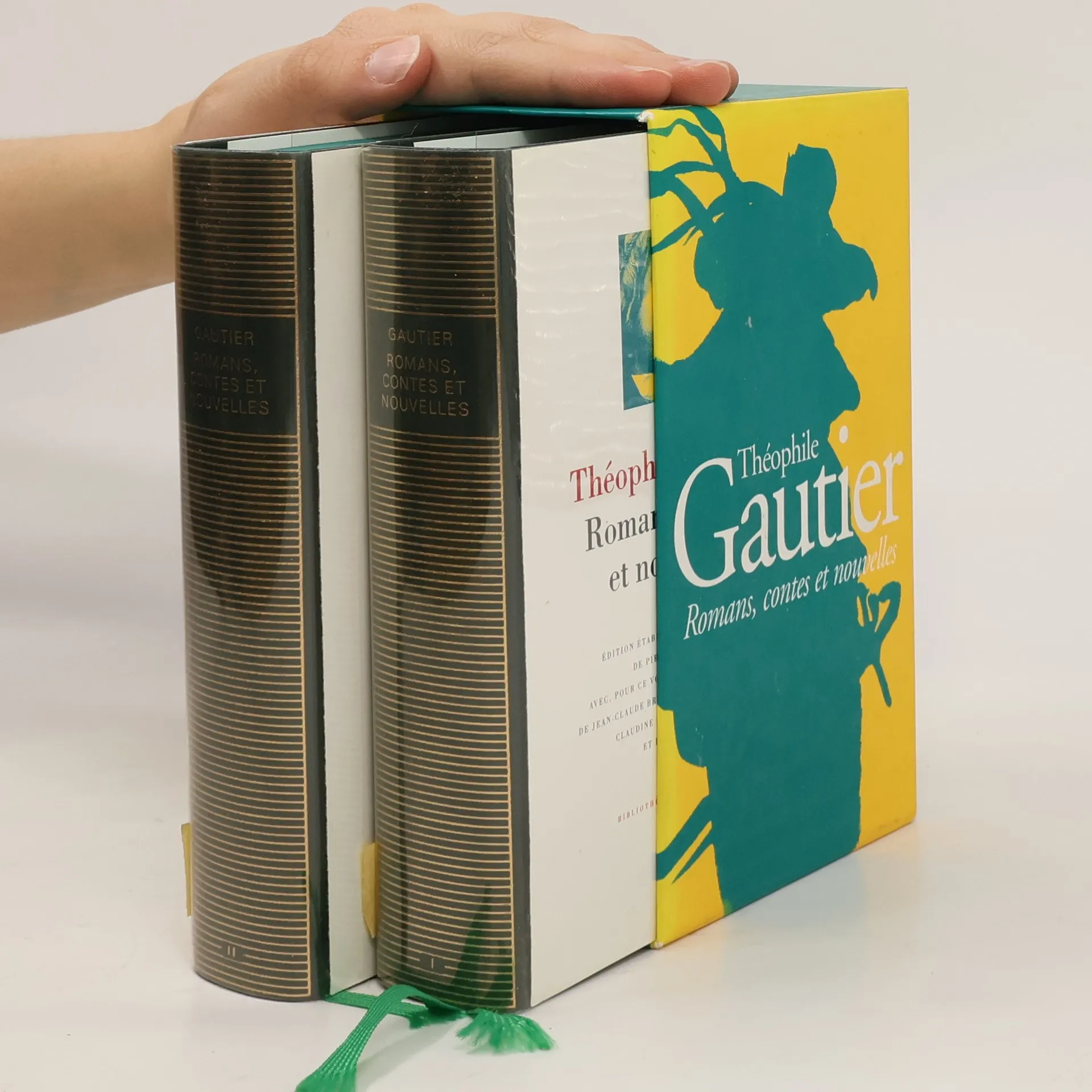
L'œuvre de Théophile Gautier, rassemblée dans ce coffret, explore une variété de thèmes allant du romantisme à l'esthétisme, en passant par le fantastique. Gautier, écrivain, poète et critique d'art du XIXe siècle, se distingue par son style riche et son attention aux détails sensoriels. Ses récits mettent souvent en avant des personnages en quête d'identité ou d'évasion, confrontés à des dilemmes moraux et esthétiques.
Parmi les œuvres incluses, on trouve des nouvelles et des poèmes qui illustrent son intérêt pour la beauté et l'art. Des figures emblématiques, telles que le héros romantique, apparaissent fréquemment, reflétant les tensions entre l'idéal et la réalité. Gautier aborde également des sujets tels que l'amour, la mort et la nature, tout en intégrant des éléments fantastiques qui interrogent la perception de la réalité.
Ce coffret permet d'apprécier la diversité de son écriture et son influence sur la littérature française. Les lecteurs peuvent s'attendre à une immersion dans un univers littéraire riche, où chaque volume offre une perspective unique sur les thèmes et les préoccupations de son époque.
CHARLES BAUDELAIRE: HIS LIFE --- By Théophile Gautier --- With poems translated by Guy Thorne --- Charles Baudelaire (1821-1867) was a celebrated 19th century French poet, author of the famous Flowers of Evil poetic sequence, first published in 1857. Baudelaire is a poet's poet par excellence, a brilliant craftsman who produced some of the finest poems in the French language. Baudelaire was known as a dandy who led a bohemian lifestyle; he knew many of the artists of the era (Manet, Nadar, Delacroix, and Gautier). Baudelaire's influence on subsequent poets and artists has been immense. This book by Charles Baudelaire's friend Théophile Gautier is an important early study of the poet. Gautier offers a biography of the poet, and looks at his work. In the second part, Guy Thorne translates a selections of Baudelaire's poems, including from his two best-known collections - the Flowers of Evil and the Little Poems In Prose. A group of letters from Baudelaire are also included, and an essay on Baudelaire's influence. --- Illustrated. 204 pages. Paperback, with a full colour cover.With the French text of Baudelaire's poetry.
Obsáhlý erotickýromán, jehož první vydání bylo vydáno v Paříži r. 1835,nakladatelem E.Renduelem.Byl jeden z prvních na erotické téma a vzhledem k době vzbudil velké ohlasy,jak kladné,tak kritické.
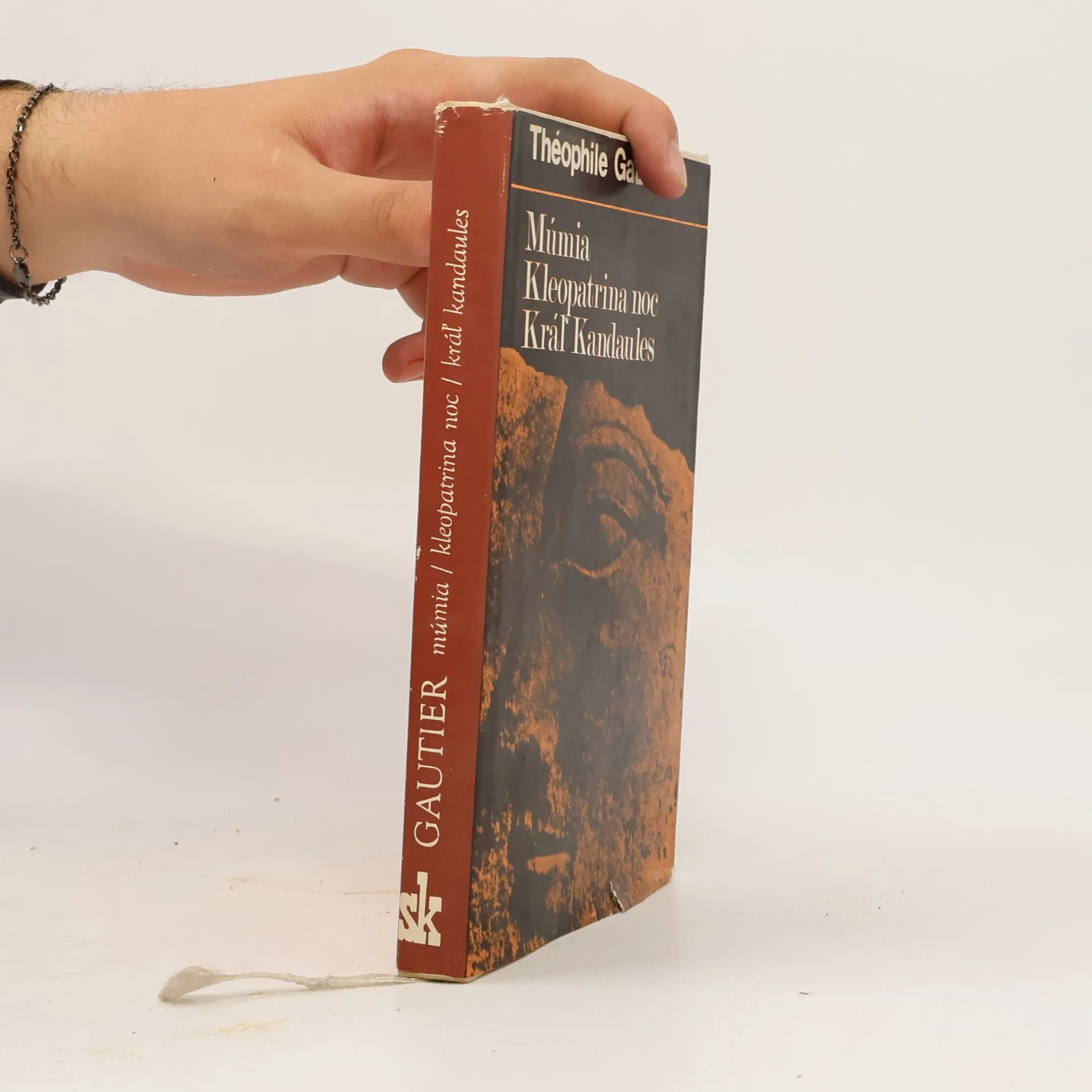
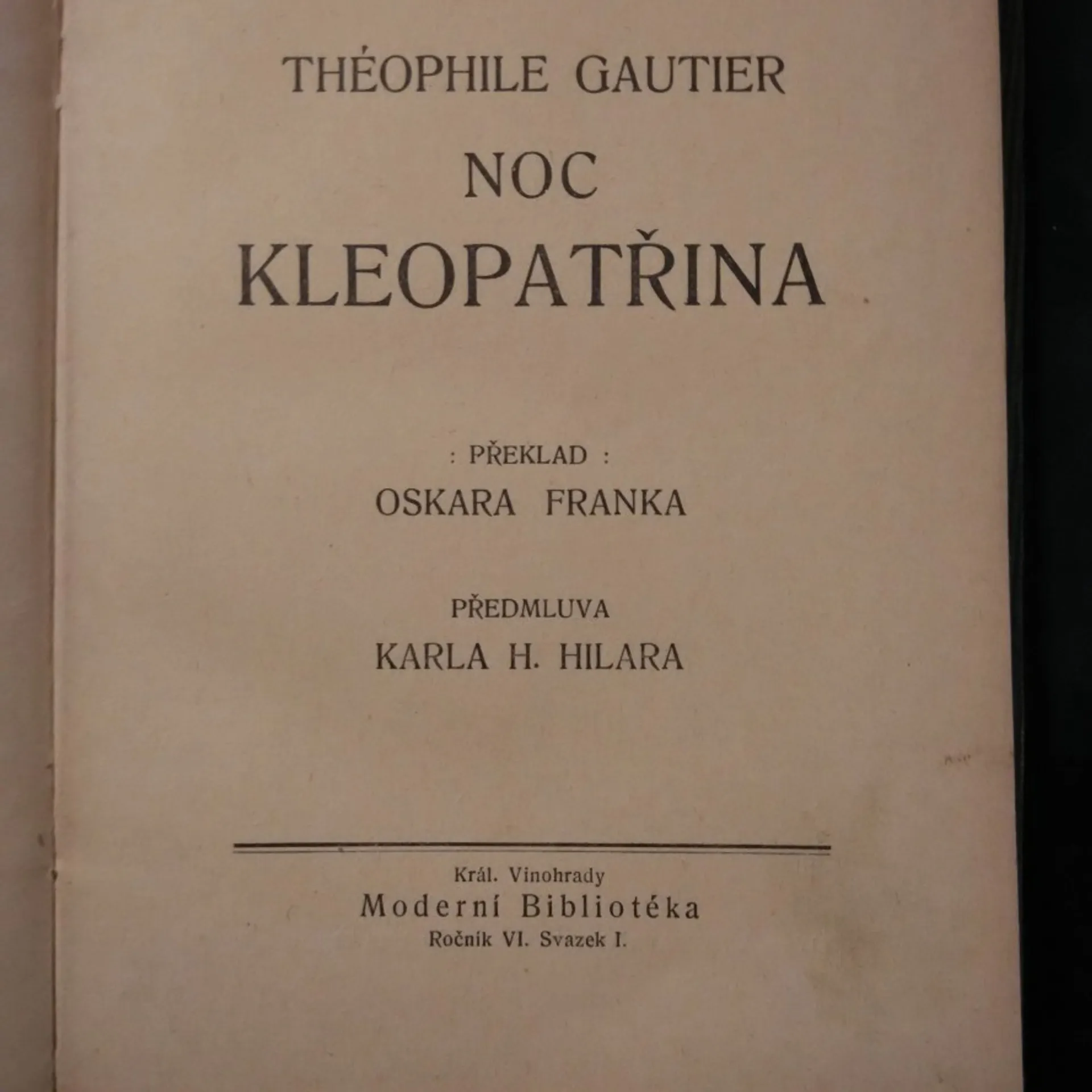
Soubor tří povídek. Titulní povídka Noc Kleopatřina zachycuje odvážného mladíka Meïamuna, který se zamiluje do nepředstavitelně mocné egyptské královny. Kleopatra je znuděná životem a fascinovaná Meïamunovou odvahou, a tak rozhodne, že s ním stráví noc v hýření – ale pouze jednu jedinou noc. Povídka Omfale s podtitulem Rokoková historie vypráví o pavilonku jménem Rozkoš. Pochází z doby Ludvíka XV. a je značně zchátralý. K pozůstatkům někdejšího galantního luxusu je čaloun s vyobrazením Herakla klečícího u nohou Omfale. Vypravěč vzpomíná, co se mu přihodilo, když na místě jako mladý a nevinný hoch trávil čas – v noci Omfale seskočila z čalounu a vyjevila mu, že je ve skutečnosti markýzou, která pro vyobrazení kdysi stála modelem. Povídka Slavičí hnízdo je situována do zámeckého parku na jaře. Krásné dívky Fleuretta a Isabella zde tráví čas svého mládí. Mají mnoho urozených a bohatých nápadníků, všechny však odmítají a touží žít v souladu s přírodou a hudbou. Jejich schopnosti jsou na takové výši, že je osloví samotný slavík a vyzve je k souboji v hudbě. Když dívky slavíka porazí, umírá, ale ještě své přemožitelky stihne požádat, aby se postaraly o jeho mláďata a naučily je zpěvu. Předmluva Karla H. Hilara.
Soubor tří povídek. Titulní Kleopatřina noc zachycuje odvážného mladíka Meïamuna, který se zamiluje do nepředstavitelně mocné egyptské královny. Kleopatra je znuděná životem a fascinovaná Meïamunovou odvahou, a tak rozhodne, že s ním stráví noc v hýření – ale pouze jednu jedinou noc.
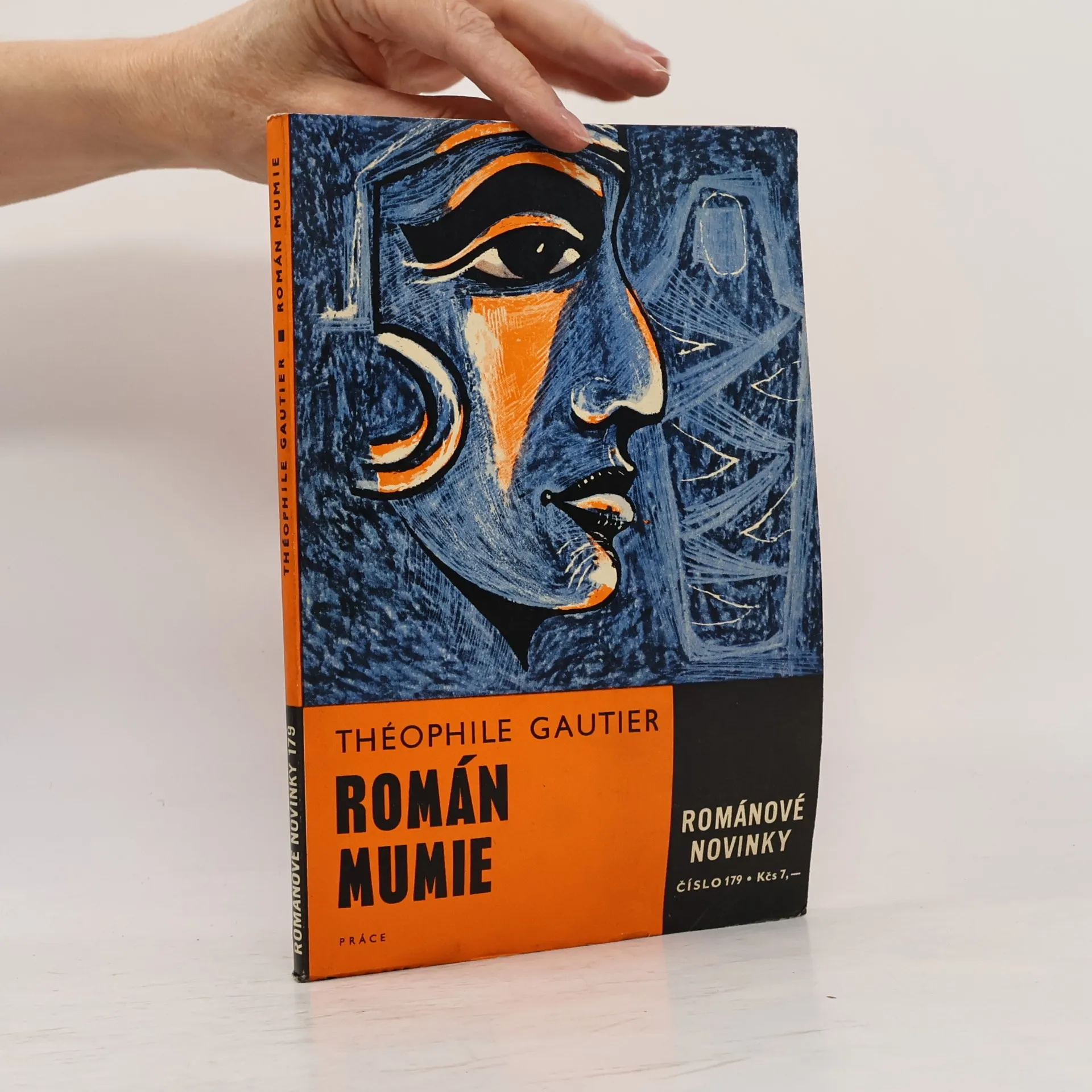
Historický román ze Staroegyptské říše, v němž autor popisuje nejprve studijní výpravu anglického šlechtice a německého učence do Egypta, nalezení a otevření dosud nedotčeného královského hrobu, skrývajícího mumii krásné egyptské královny. Podle zachovaného papyru vypráví se potom příběh této královny z doby egyptského zajetí Židů. Je to příběh tragické lásky kolísající mezi obdivem k faraónovi a obdivem ke krásnému židovskému zajatci