Heroes and Anti-Heros
- 231 pages
- 9 hours of reading
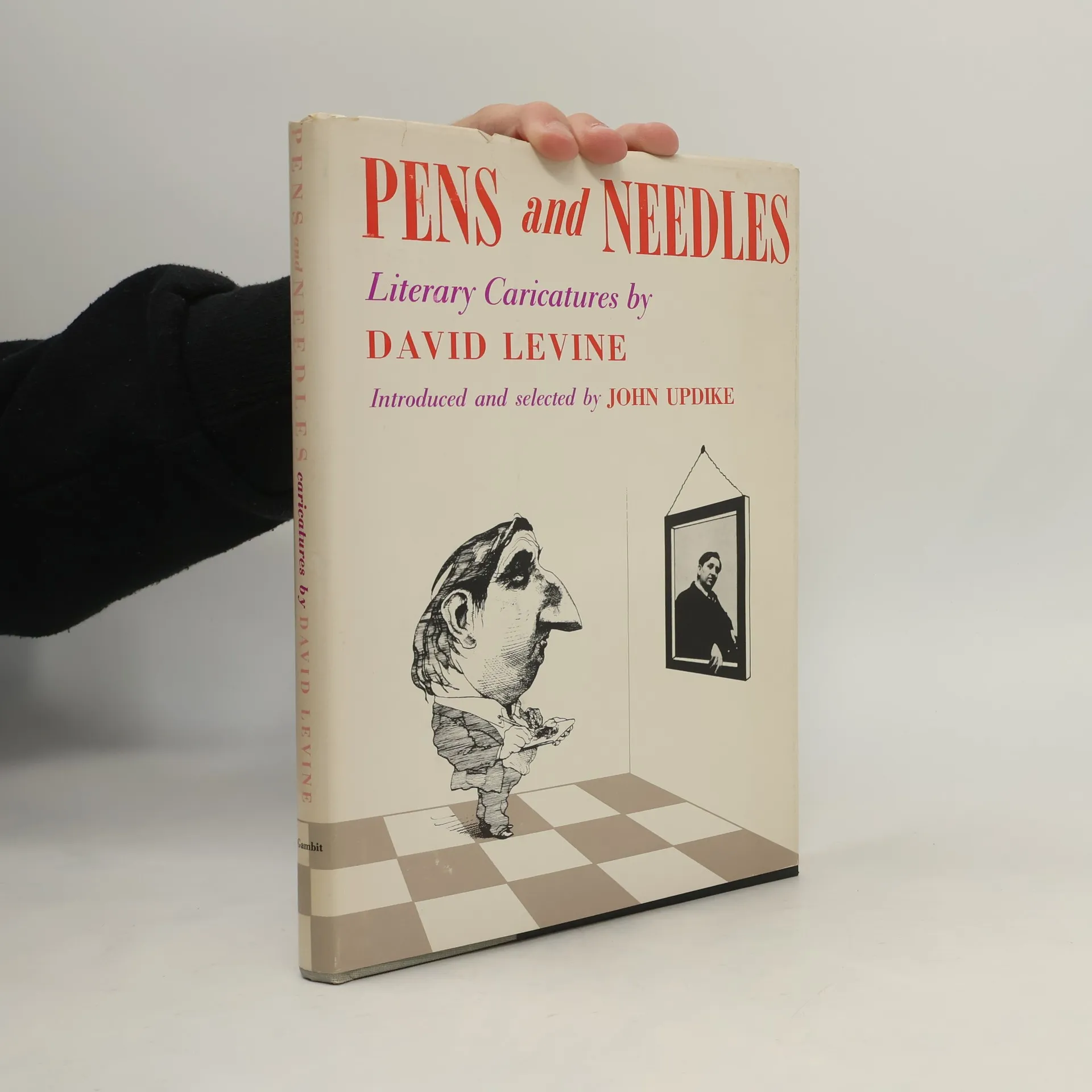
Gathers photographs of actors, actresses, musicians, composers, writers, and military, religious, and political leaders


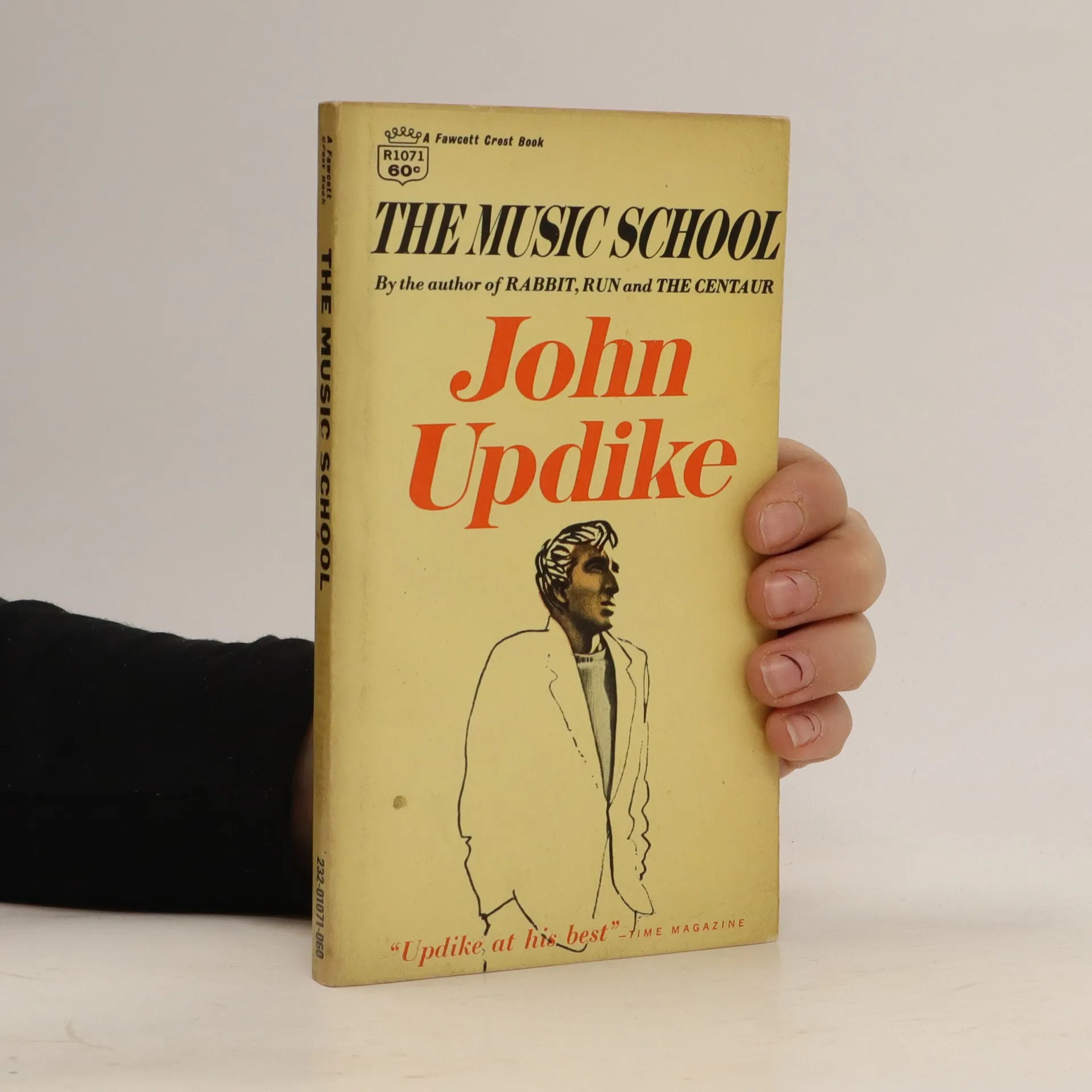
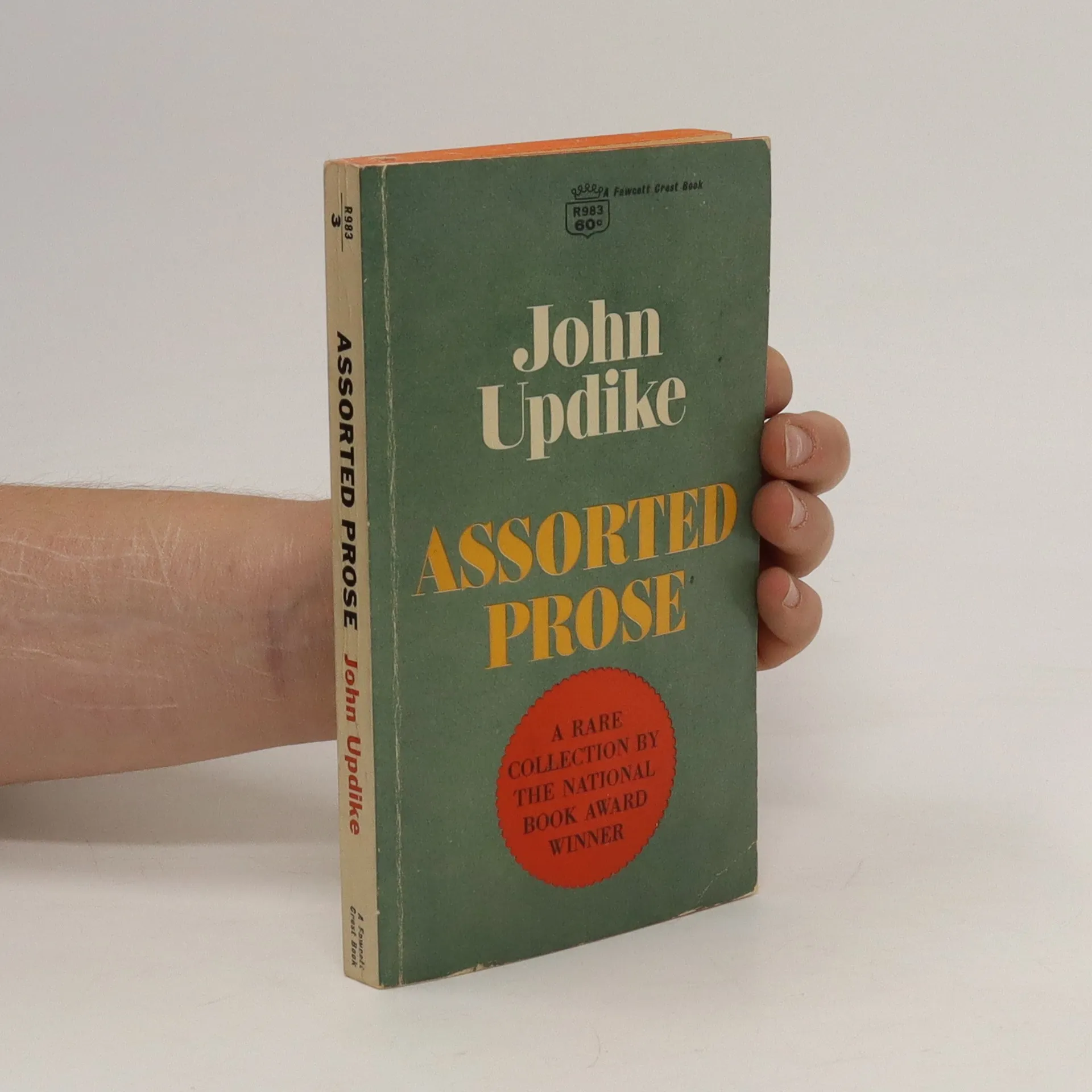
This American author is celebrated for his penetrating explorations of the American middle class, examining their faith and mortality with exceptional craft and prolific output. His distinctive voice delves into the complex interrelationships between sex, faith, and death, capturing the nuances of human experience. With a keen eye for detail and a masterful command of language, his extensive body of work offers profound insights that continue to resonate with readers.





Gathers photographs of actors, actresses, musicians, composers, writers, and military, religious, and political leaders
The third and fourth novel in John Updike's acclaimed quartet of Rabbit books -- now in one marvelous volume. RABBIT IS RICHWinner of the American Book Award andthe National Book Critics Circle Award"Dazzlingly reaffirms Updike's place as master chronicler of the spiritual maladies and very earthly pleasure of the Middle-American male."Vogue"A splendid achievement!"The New York TimesRABBIT AT RESTWinner of the Pulitzer Prize andthe National Book Critics Circle Award"Brilliant . . . It must be read. It is the best novel about America to come out of America for a very, very long time."The Washington Post Book World"Powerful . . . John Updike with his precision's prose and his intimately attentive yet cold eye is a master."The New York Times Book Review
Winner of the National Book Critics Circle Award for criticism, Hugging the Shore is an enormously intelligent, witty collection of essays by John Updike. The Pulitzer Prize-winning novelist sheds keen light on everything from the first kiss to going barefoot to the world's greatest writers. First time in paper.
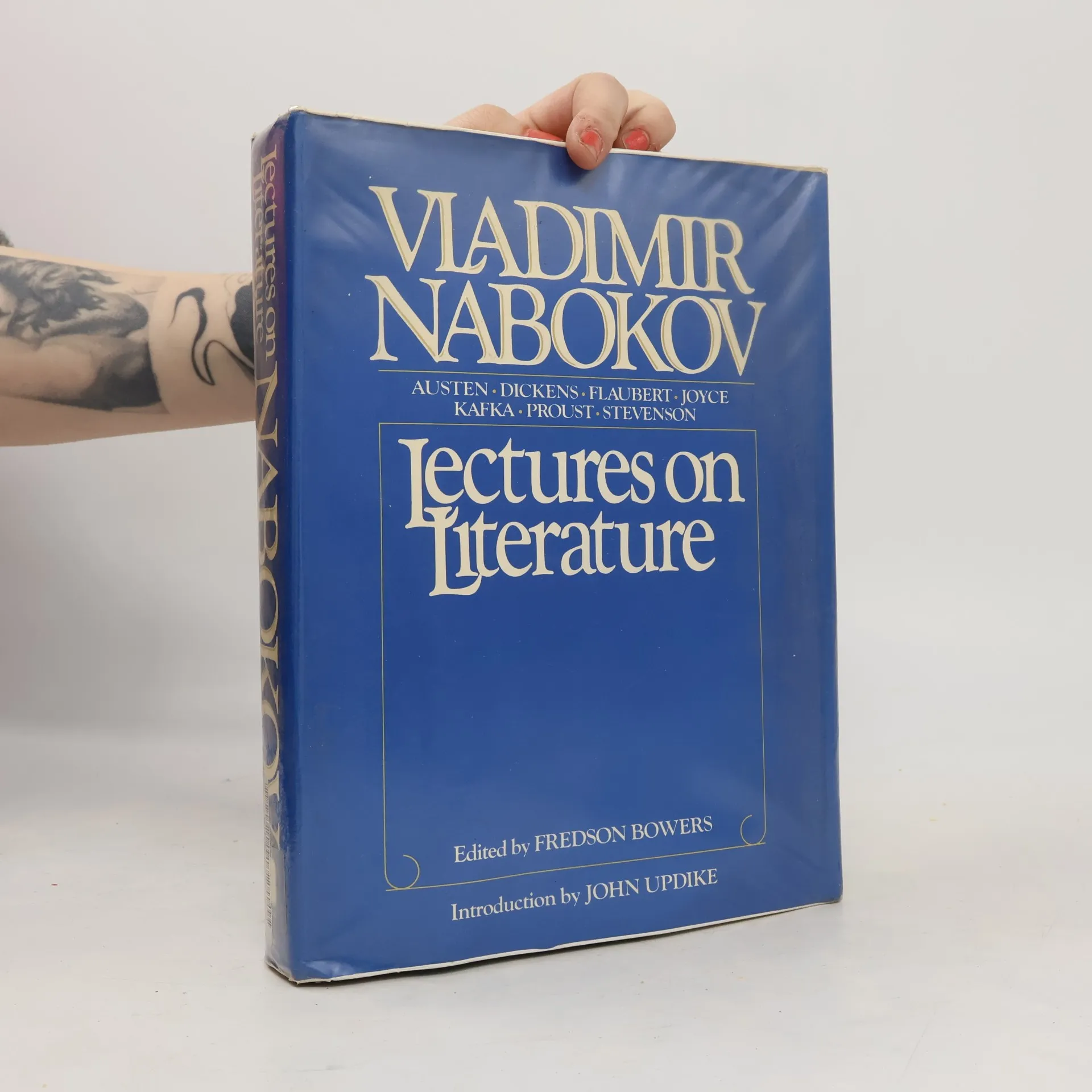
Austen, Dickens, Flaubert, Joyce, Kafka, Proust, Stevenson
For nearly twenty years, first at Wellesley and then at Cornell, Nabokov introduced undergraduates to the delights of great fiction. Here, collected for the first time, are his famous lectures on Mansfield Park by Jane Austen , Bleak House by Charles Dickens , Madame Bovary by Gustave Flaubert , Dr. Jekyll and Mr. Hyde by Robert Louis Stevenson , Swann's Way by Marcel Proust , " The Metamorphosis " by Franz Kafka , and Ulysses by James Joyce . Nabokov reveals how these masterpieces work; above all, he teaches us how to read them. Professor Fredson Bowers has edited the lectures from Nabokov's hand-written manuscripts ad teaching copies of his books, providing a text that evokes his distinctive classroom style and the brilliance of his personality. Introduction by John Updike; illustrations.
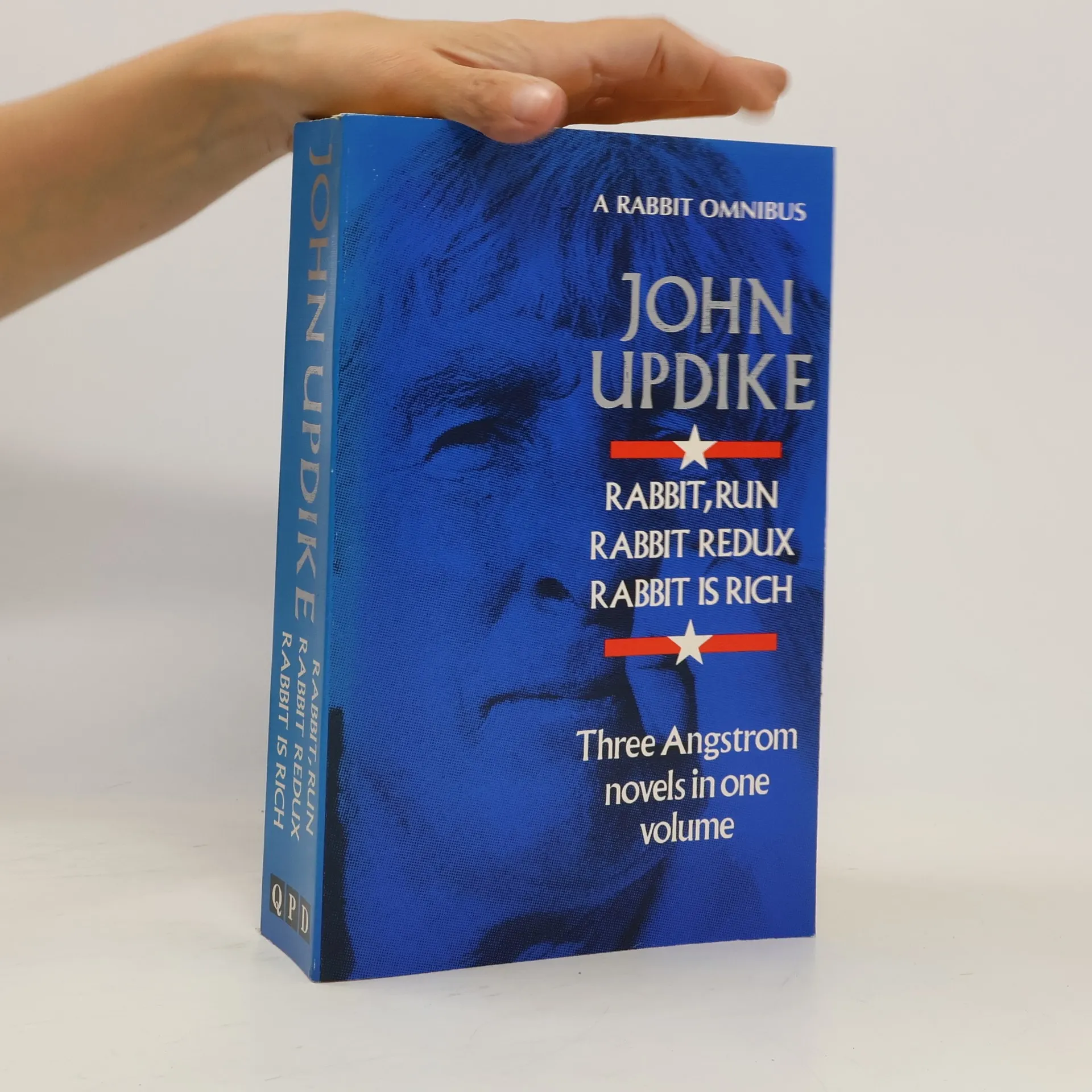
Newly revised by the author for this edition, and printed together in one volume for the first time, Updike's four Rabbit novels chronicle the history of a man and a nation from the 1950s to the 1980s. Harry 'Rabbit' Angstrom, athlete, is Mr Middle America. Dazzling in style, tender in feeling, often erotic in description and coruscating with realistic details which recreate a world in each novel, these books give a complete picture of their age.
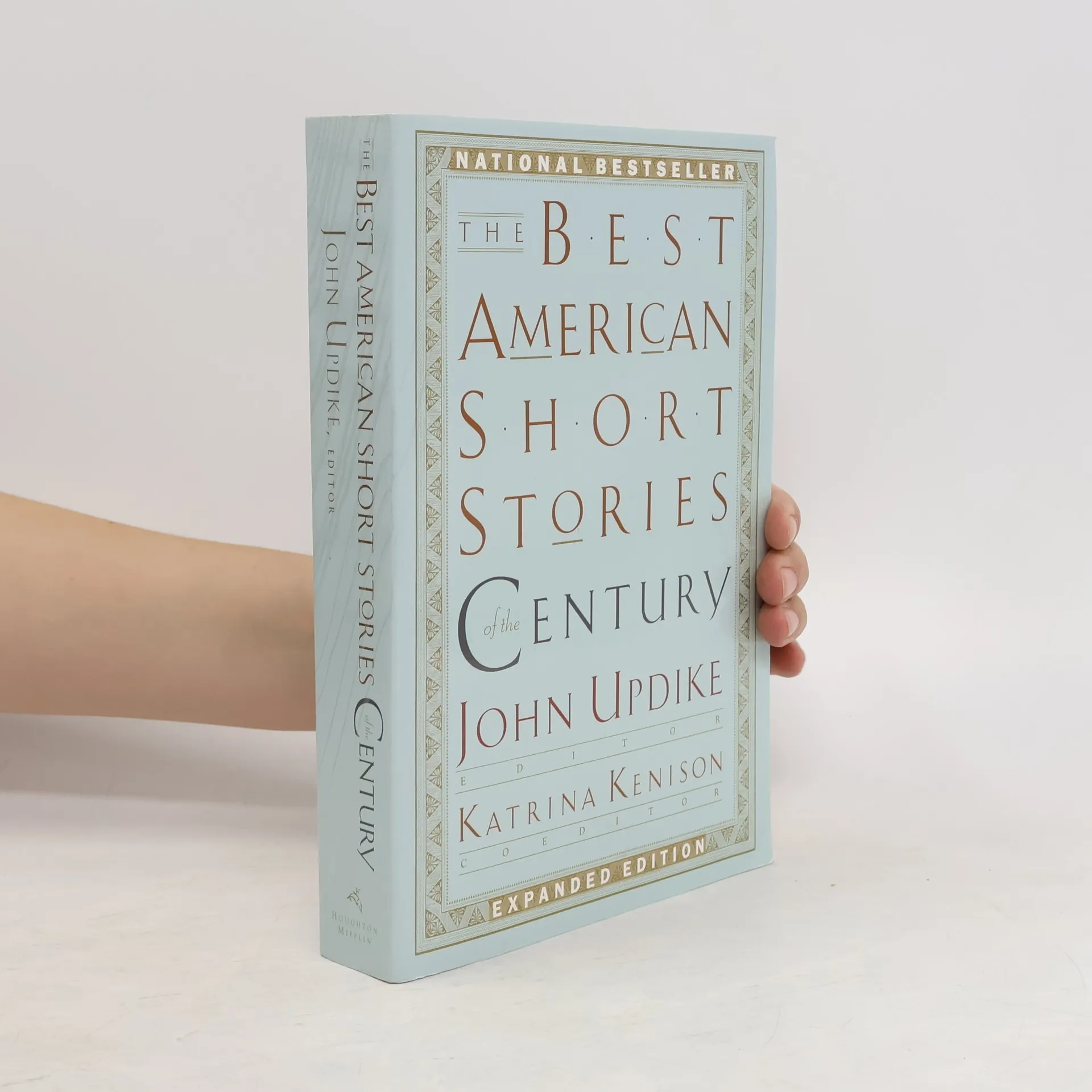
Including one new story and an Index by author of every story that has ever appeared in the series, this new volume offers a "spectacular tapestry of fictional achievement" ("Entertainment Weekly").
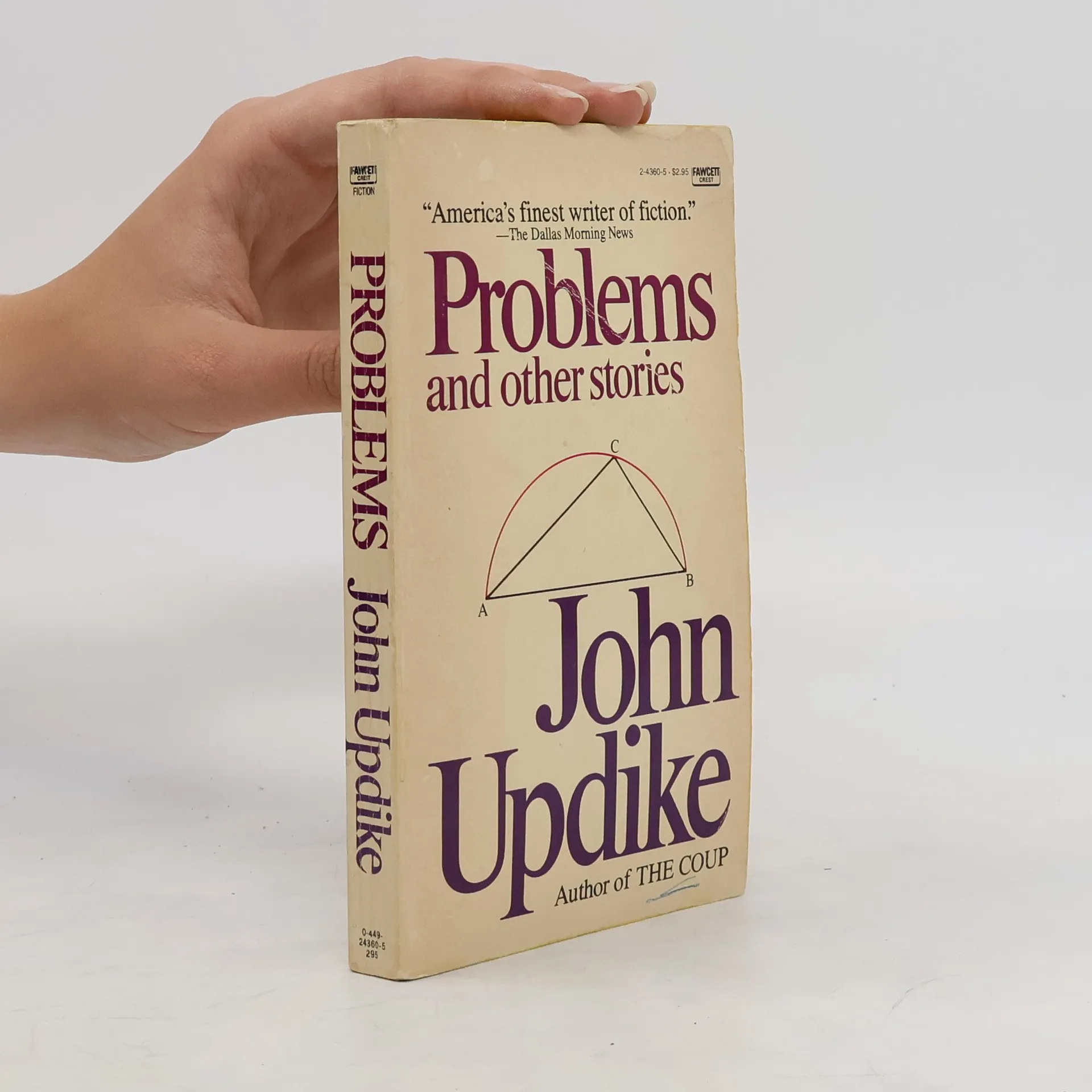
John Updike's first collection of new short stories in seven years deals with such problems as divorce and remarriage, parents and children, prostitution and leprosy, extinct mammals and guilt-gems, resigning from a committee and getting in and out of Ethiopia.
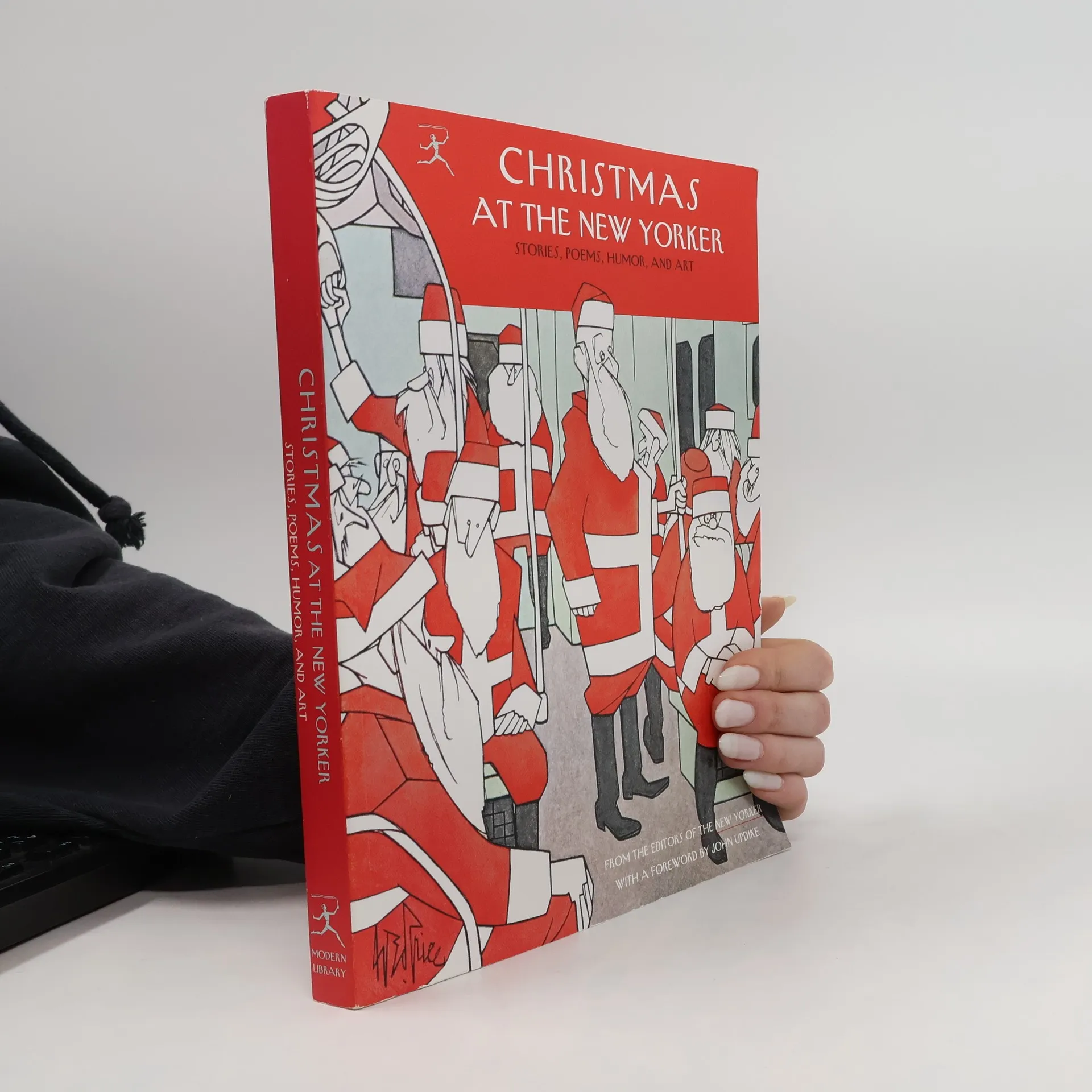
From the pages of America’s most influential magazine come eight decades of holiday cheer–plus the occasional comical coal in the stocking–in one incomparable collection. Sublime and ridiculous, sentimental and searing, Christmas at The New Yorker is a gift of great writing and drawing by literary legends and laugh-out-loud cartoonists.Here are seasonal stories, poems, memoirs. and more, from a stellar roster of writers, including John Cheever, James Dickey, Richard Ford, Ken Kesey, Alice Munro, Vladimir Nabokov, S. J. Perelman, Adrienne Rich, and James Thurber. And it wouldn’t be Christmas–or The New Yorker–without dozens of covers and cartoons by Addams, Arno, Chast, and others, or the mischievous verse of Roger Angell, Calvin Trillin, and Ogden Nash (“Do you know Mrs. Millard Fillmore Revere? / On her calendar, Christmas comes three hundred and sixty-five times a year.”)From Jazz Age to New Age, E. B. White to Garrison Keillor, these works represent eighty years of wonderful keepsakes for Christmas, from The New Yorker to you.
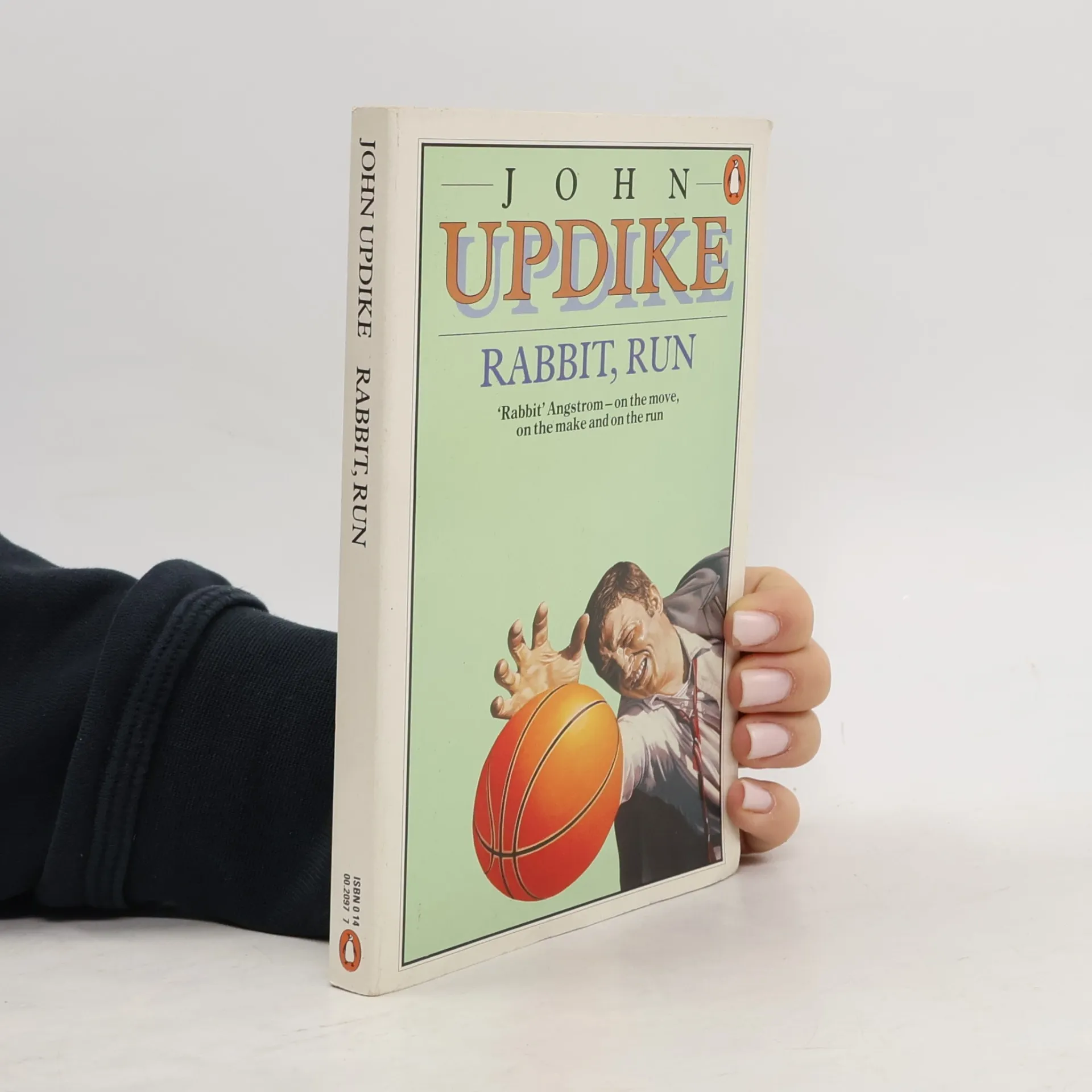
The trilogy comprises of Rabbit, Run, Rabbit Redux and Rabbit is Rich. It is intended as an amusing, sympathetic study of a man, Rabbit Angstron, putting up a fight against the inevitable.
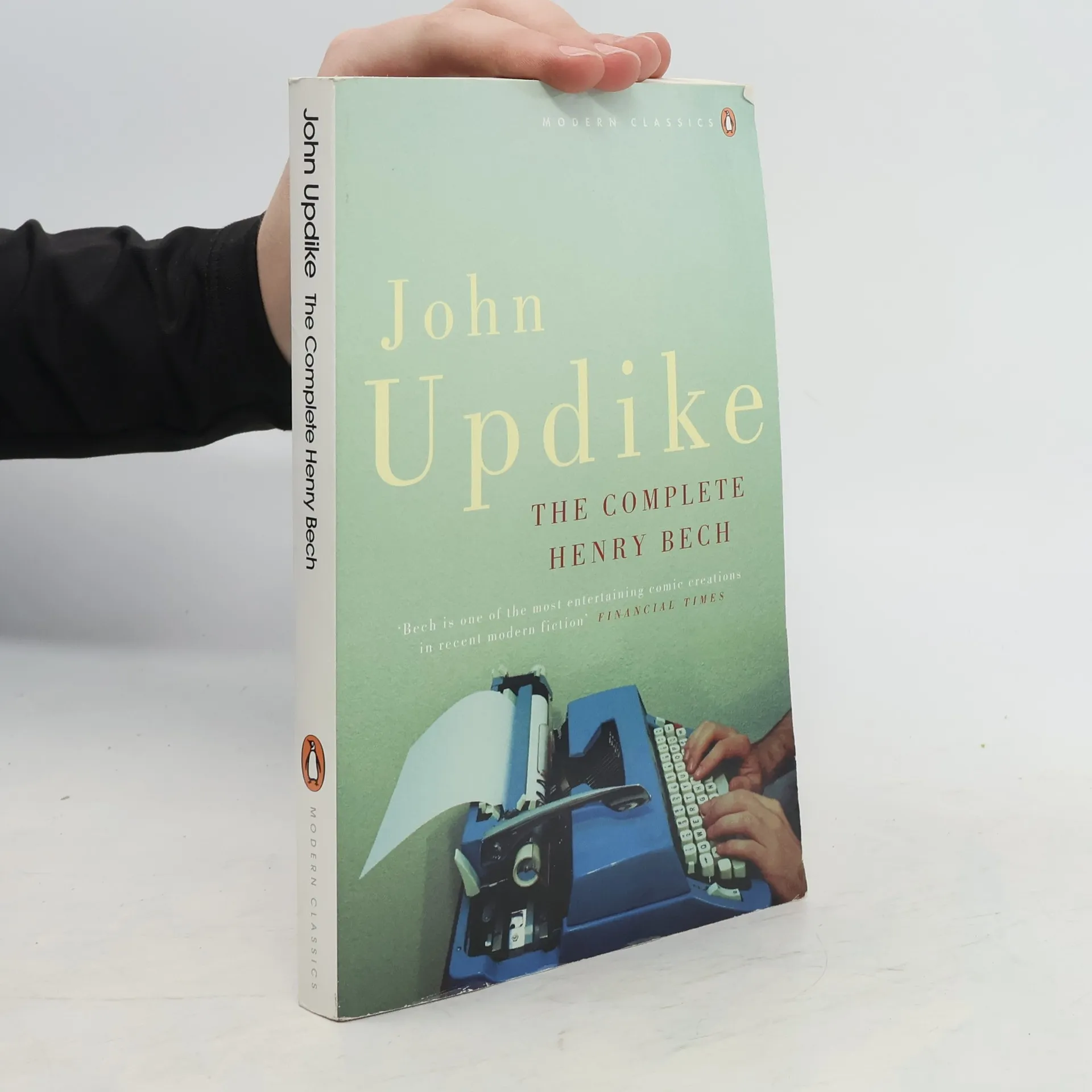
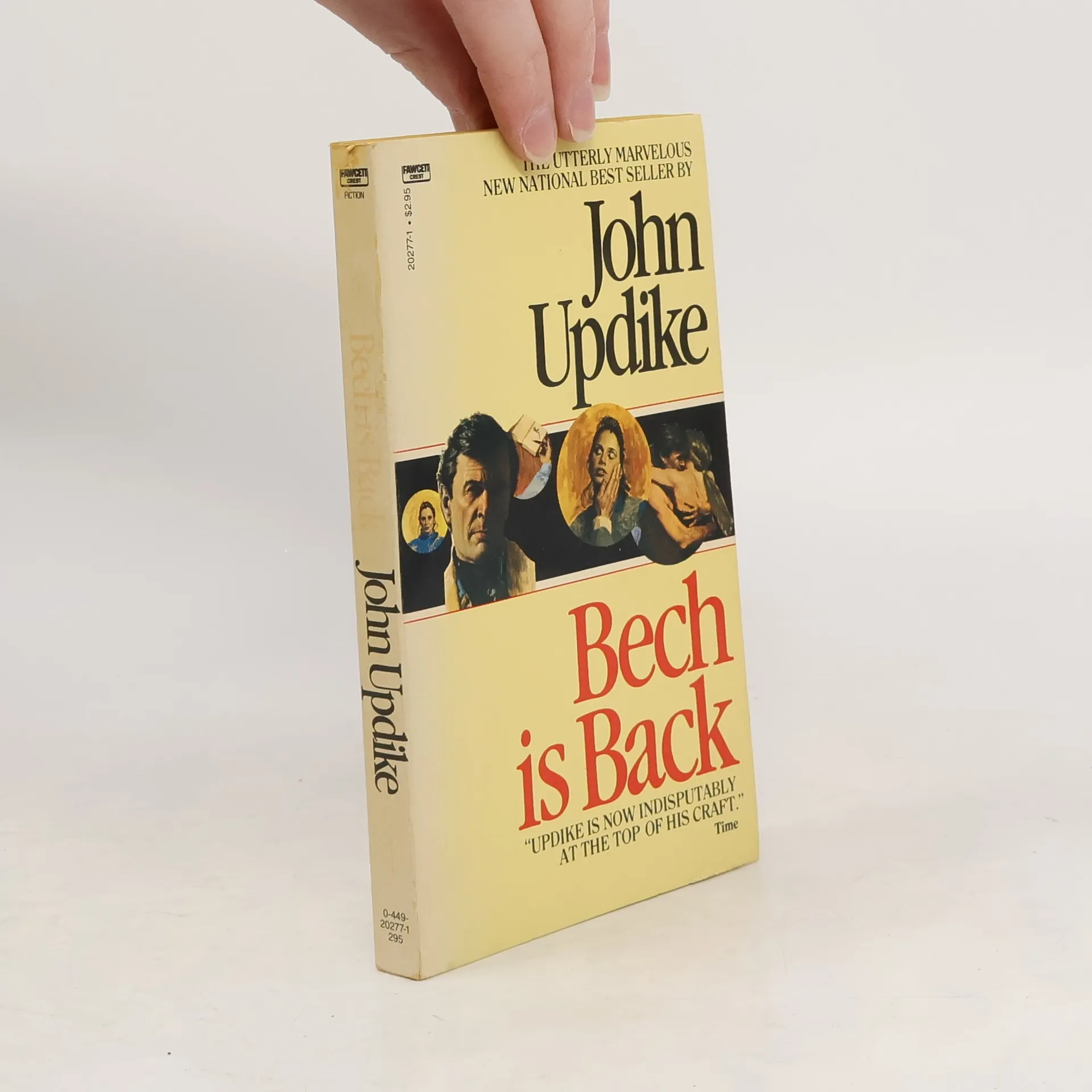
Henry Bech, the celebrated author of Travel Light, has been scrutinized, canonized and vilified by critics and readers across the world. This work explores the writing life and what happens when a writer becomes a literary celebrity.
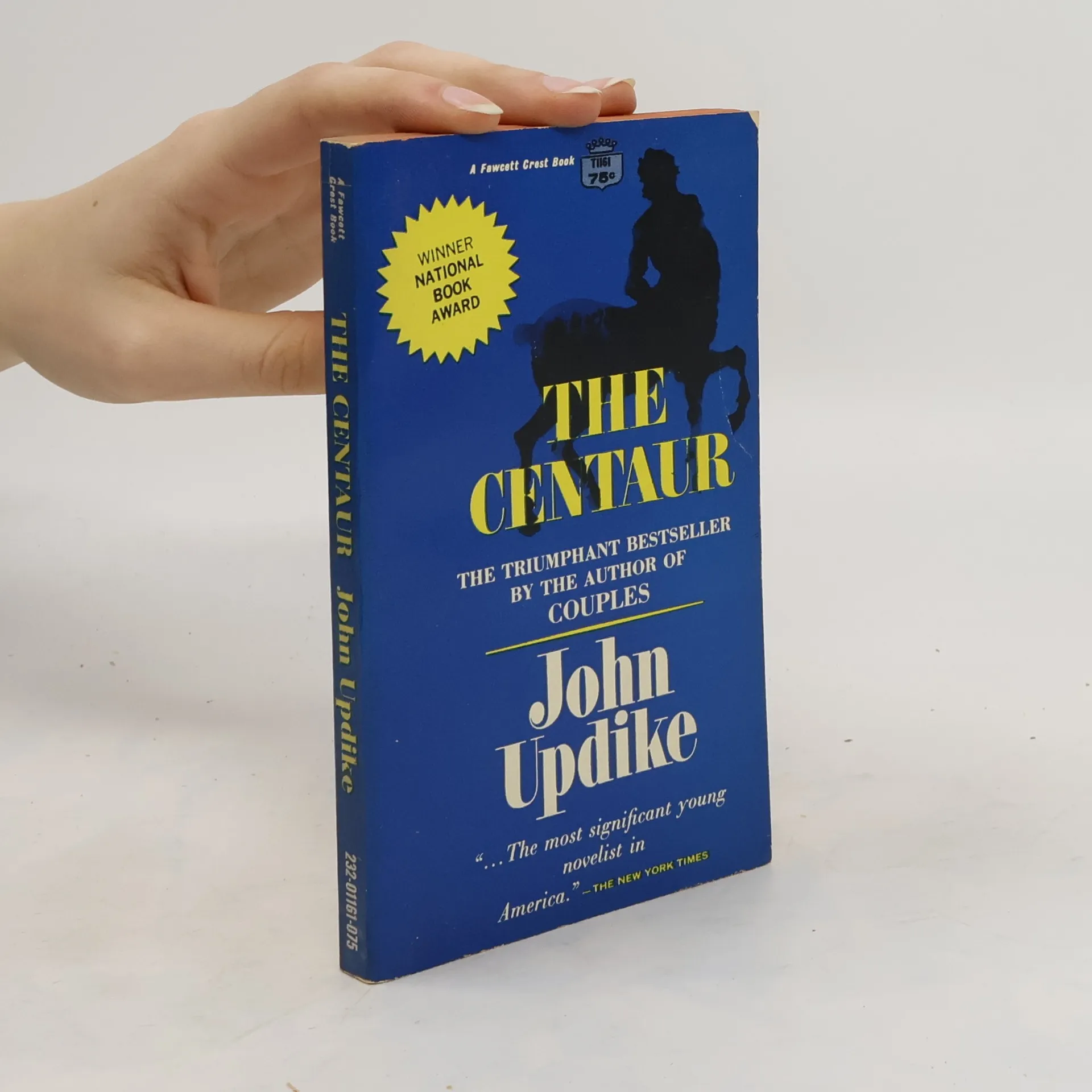
In a small Pennsylvania town in the late 1940s, schoolteacher George Caldwell yearns to find some meaning in his life. Alone with his teenage son for three days in a blizzard, Caldwell sees his son grow and change as he himself begins to lost touch with his life. Interwoven with the myth of Chiron, the noblest centaur, and his own relationship to Prometheus, The Centaur is one of John Updike's most brilliant and unusual novels.
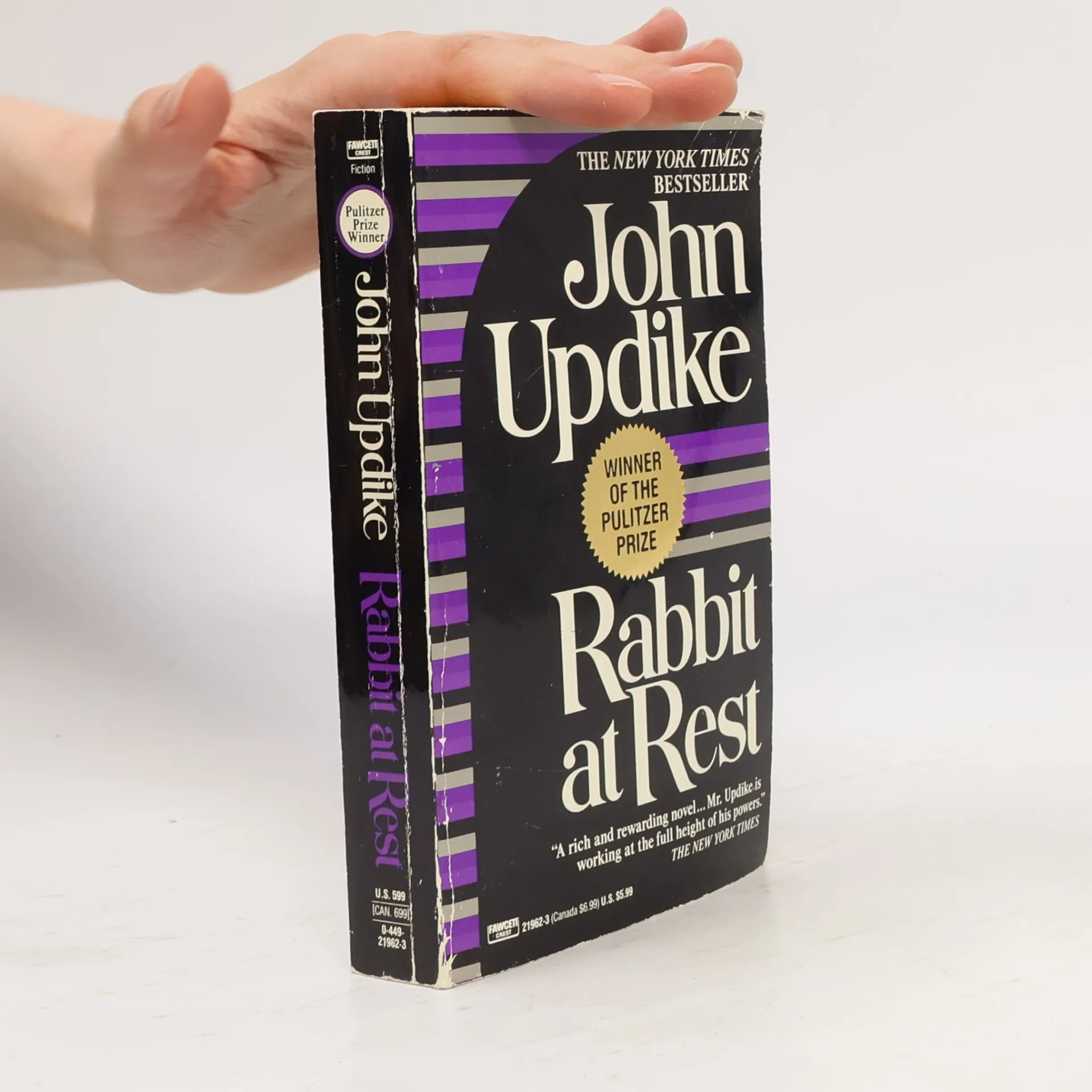
Winner of the 1991 Pulitzer Prize for Fiction. In John Updike's fourth and final novel about ex-basketball player Harry "Rabbit" Angstrom, the hero has acquired heart trouble, a Florida condo, and a second grandchild. His son and daughter-in-law are acting erratically, his wife Janice wants to work, and Rabbit is searching his soul, looking for reasons to live.... "Brilliant...It must be read." THE WASHINGTON POST BOOK WORLD
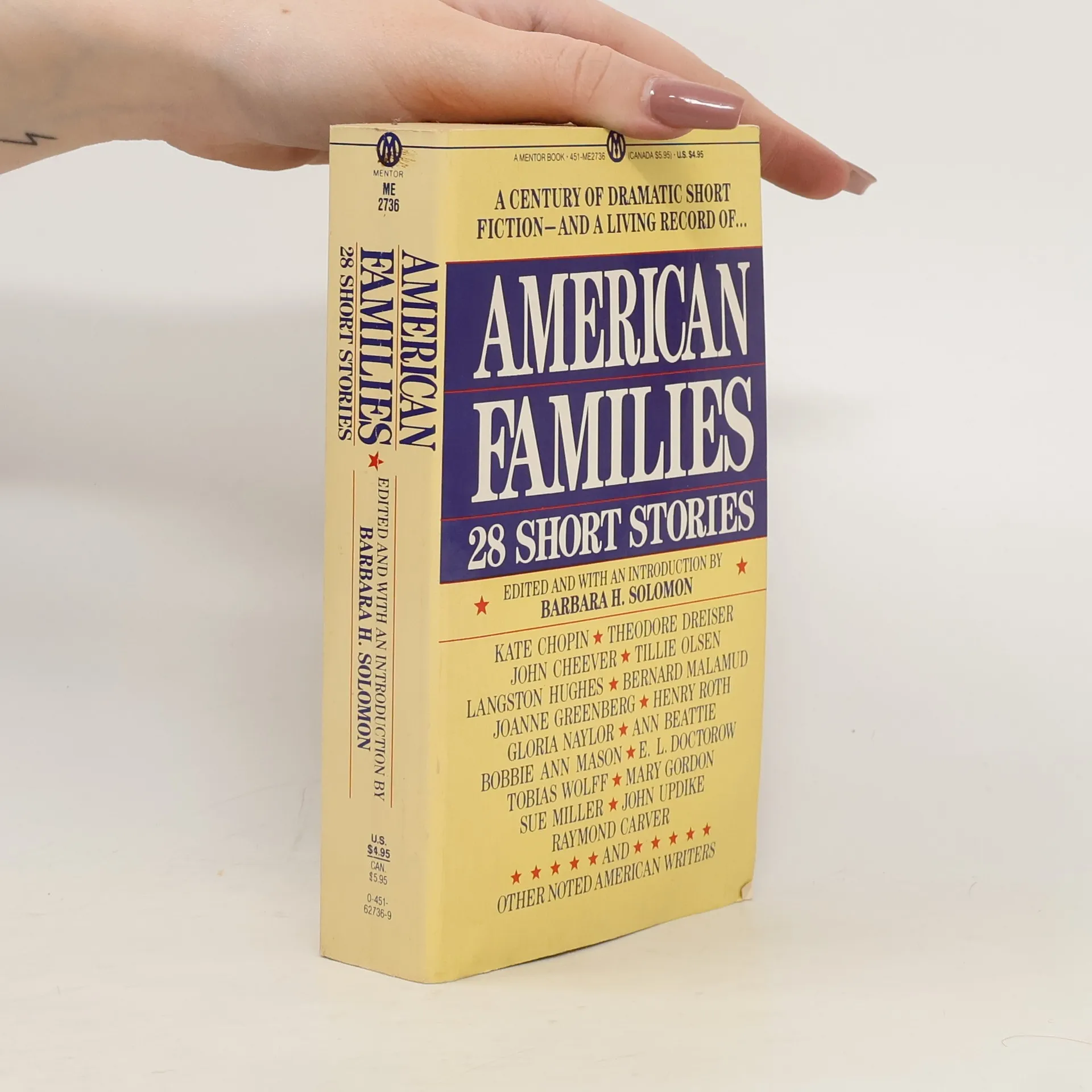
This stunning collection of 28 stories brings readers a literary portrait of the American family from 1894 to today. A collection of works that captures the essence of American families from living together and apart to loving and letting go.Regret / Kate Chopin --The lombardy poplar / Mary Wilkins Freeman --The widow's might / Charlotte Perkins Gilman --Old Rogaum and his Theresa / Theodore Dreiser --The sorrows of gin / John Cheever --I stand here ironing / Tillie Olsen --Simple and Counsin F.D. Roosevelt Brown / Langston Hughes --The sky is gray / Ernest J. Gaines --My Coney Island uncle / Harvey Swados --My son the murderer / Bernard Malamud --Final dwarf / Henry Roth --And Sarah laughed / Joanne Greenberg --Wedding day / Roberta Silman --The legacy of Beau Kremel / Stephen Wolf --Kiswana Brown / Gloria Naylor --Tuesdays / Mary Hedin --Afloat / Ann Beattie --Winterblossom garden / David Low --Old things / Bobbie Ann Mason --Starlight / Marian Thurm --The writer in the family / E.L. Doctorow --The rich brother / Tobias Wolff --My legacy / Don Zacharia --Violation / Mary Gordon --Appropriate affect / Sue Miller --What I did for love / Lynne Sharon Schwartz --Still of some use / John Updike --Elephant / Raymond Carver
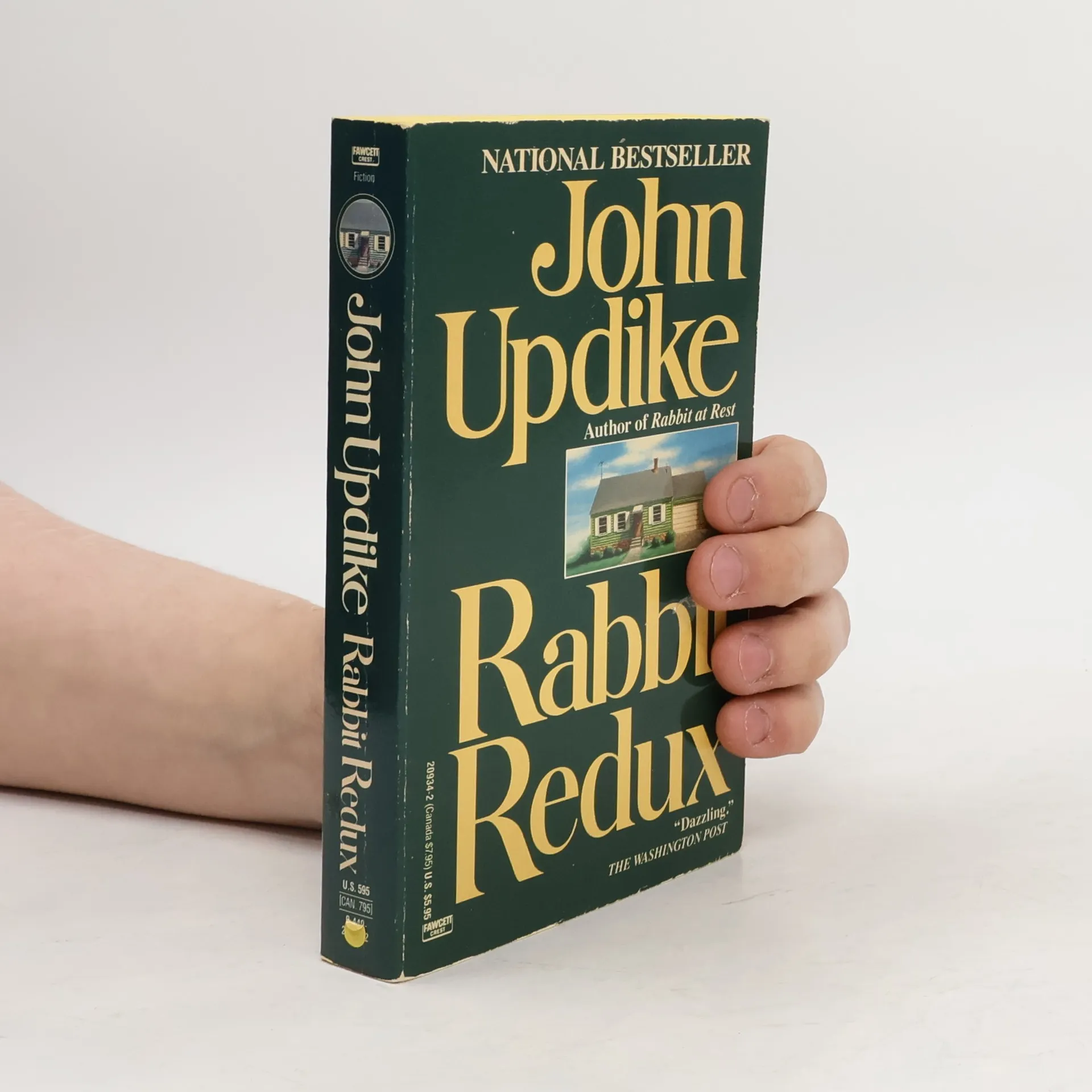
The first and second novels in John Updike's acclaimed quartet of Rabbit books -- now in one marvelous volume. RABBIT, RUN"Brilliant and poignant . . . By his compassion, clarity of insight, and crystal-bright prose, [Updike] makes Rabbit's sorrow his and out own.The Washington Post"Precise, graceful, stunning, he is an athlete of words and images. He is also an impeccable observer of thoughts and feelings."The Village VoiceRABBIT REDUX"Great in love, in art, boldness, freedom, wisdom, kindness, exceedingly rich in intelligence, wit, imagination, and feeling -- a great and beautiful thing . . . these hyperboles (quoted from a letter written long ago by Thomas Mann) come to mind after reading John Updike's Rabbit Redux.The New York Times Book Review "Updike owns a rare verbal genius, a gifted intelligence and a sense of tragedy made bearable by wit. . . . A masterpiece.Time
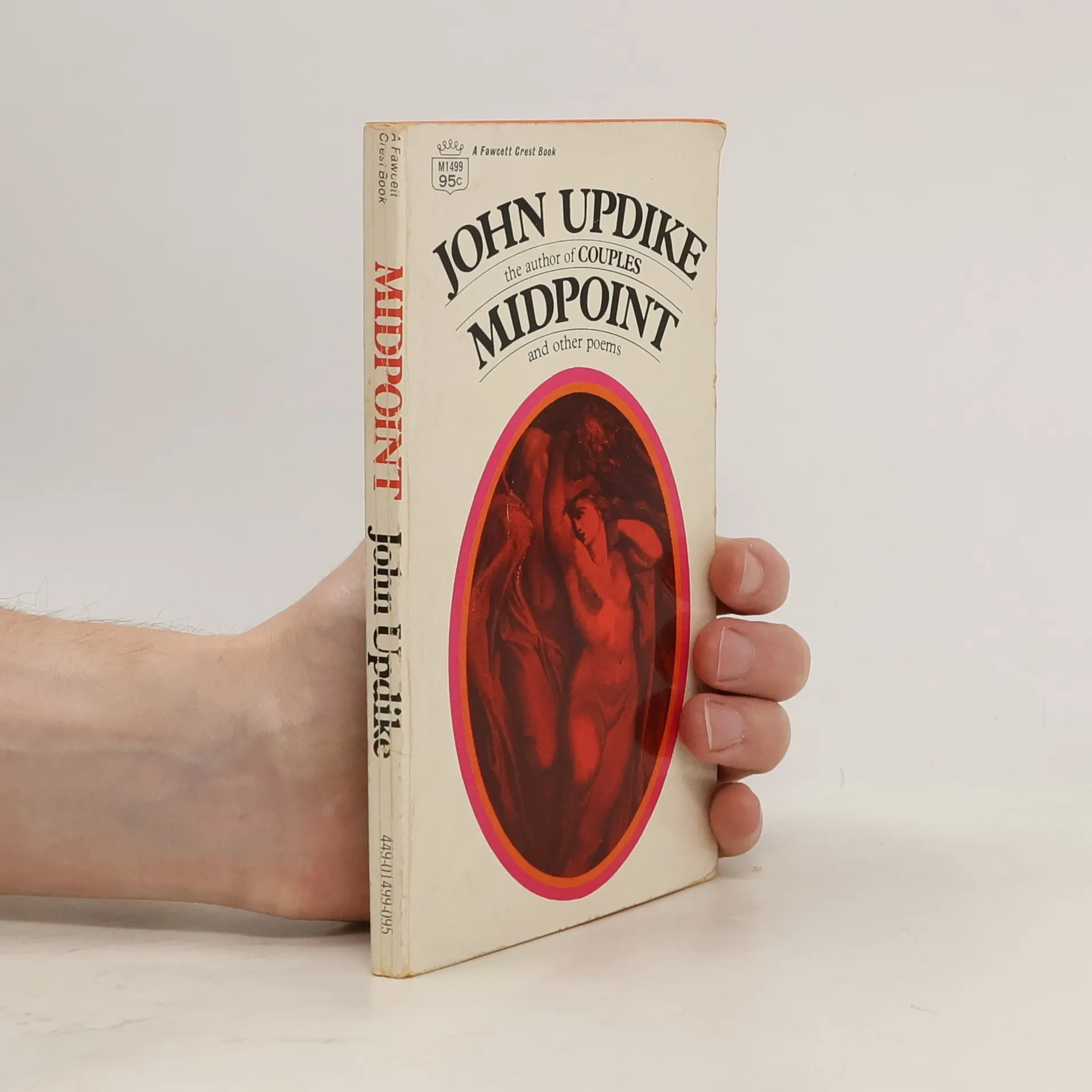
Digte. A collection of poems that John Updike wrote during the last seven years of his life and put together only weeks before he died for this, his final book. The opening sequence, "Endpoint," is made up of a series of connected poems written on the occasions of his recent birthdays and culminates in his confrontation with his final illness
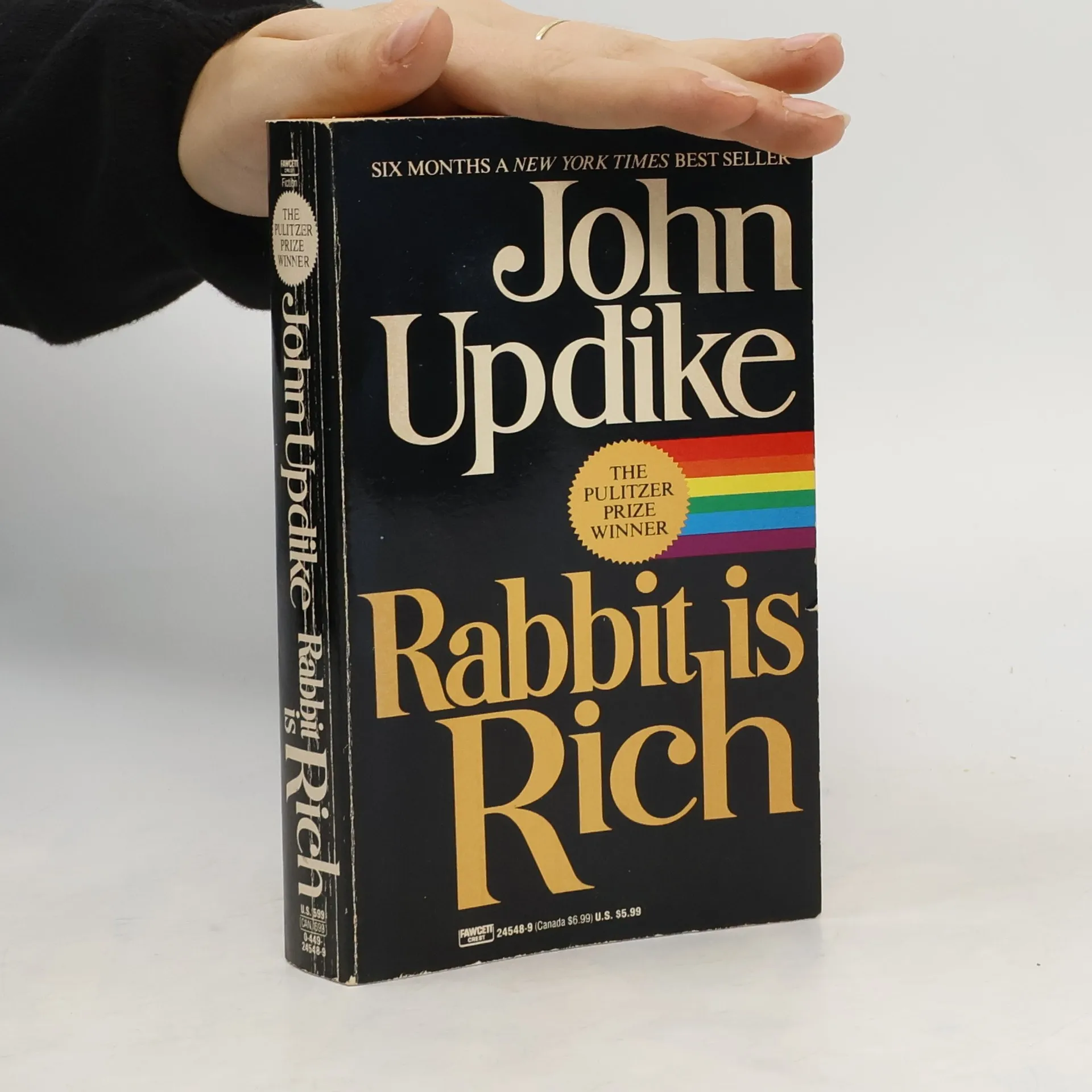
Winner of the 1982 Pulitzer Prize for Fiction. Ten years after RABBIT REDUX, Harry Angstrom has come to enjoy prosperity as the Chief Sales Representative of Springer Motors. The rest of the world may be falling to pieces, but Harrry's doing all right. That is, until his son returns from the West, and the image of an old love pays a visit to his lot....
A History and a Celebration of the World's Greatest Game
Since the Dark Ages, when Scots first played a form of golf, no sport has captivated its players and fans like this one. This book captures the essence of golf with a lively and authoritative history, stunning illustrations, and an exceptional collection of original writings. John Garrity, a senior writer for Sports Illustrated, offers a fresh take on golf's centuries-old narrative, exploring key personalities, pivotal events, advancements in technique and technology, and the global fascination with the game. The history is enriched by twenty personal essays from various literary low-handicappers, reflecting on topics such as the Age of Tiger, the challenges faced by club pros, the joy of winter golf, and the decision to step away from the sport. Accompanying the text are over 300 photographs and illustrations, including many rare and specially commissioned images, making this volume truly unique. Covering everything from the tee to the green and the clubhouse to the nuthouse, this book is an essential addition for anyone serious about understanding the game of golf.
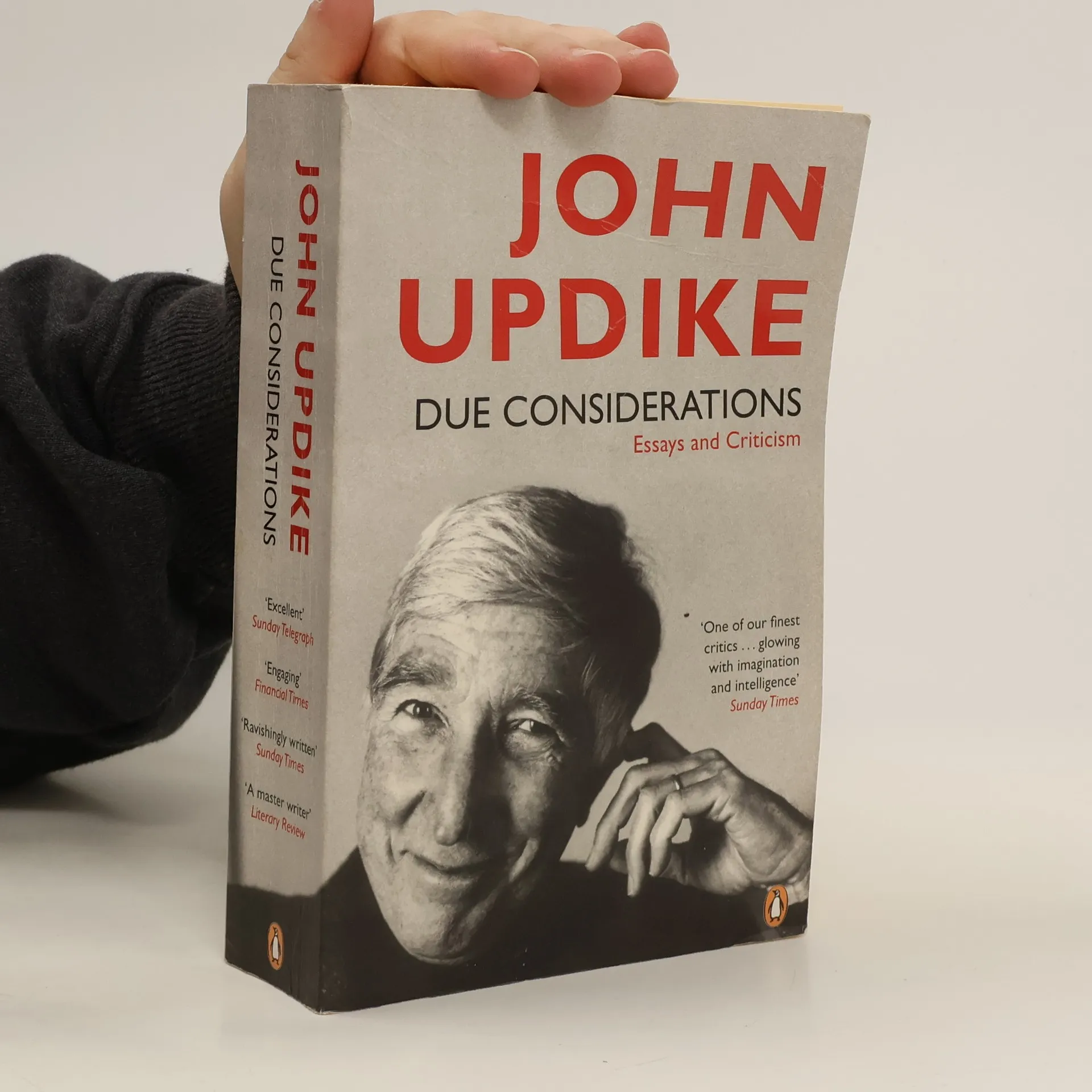
This collection of John Updike�s non-fiction writings includes a delightful preface, �Everything Considered�, in which he tells of his lifelong love affair with words; essays on travel, and on faith; introductions to some of the classics; reviews of lesser known foreign writers and new books by English and American contemporaries; as well as non-fiction topics from the sinking of the Lusitania to Coco Chanel's �unsinkable career�; tributes to legendary New Yorker figures, and much more. A cruise through the cultural waters of the past decade with as delightful, witty, sensitive and articulate a guide as you could hope for, Due Considerations is a voyage not to be missed.
"Golf Dreams" by John Updike is a collection of his reflections on golf spanning five decades. It features thirty pieces that explore the game's camaraderie, challenges, and nuances through lyrical essays, light verse, and humorous fiction, all infused with his passion for the sport.
Explores corruption and atonement through a priest and the people he encounters as he flees the Mexican State which has outlawed the church. A theological thriller.
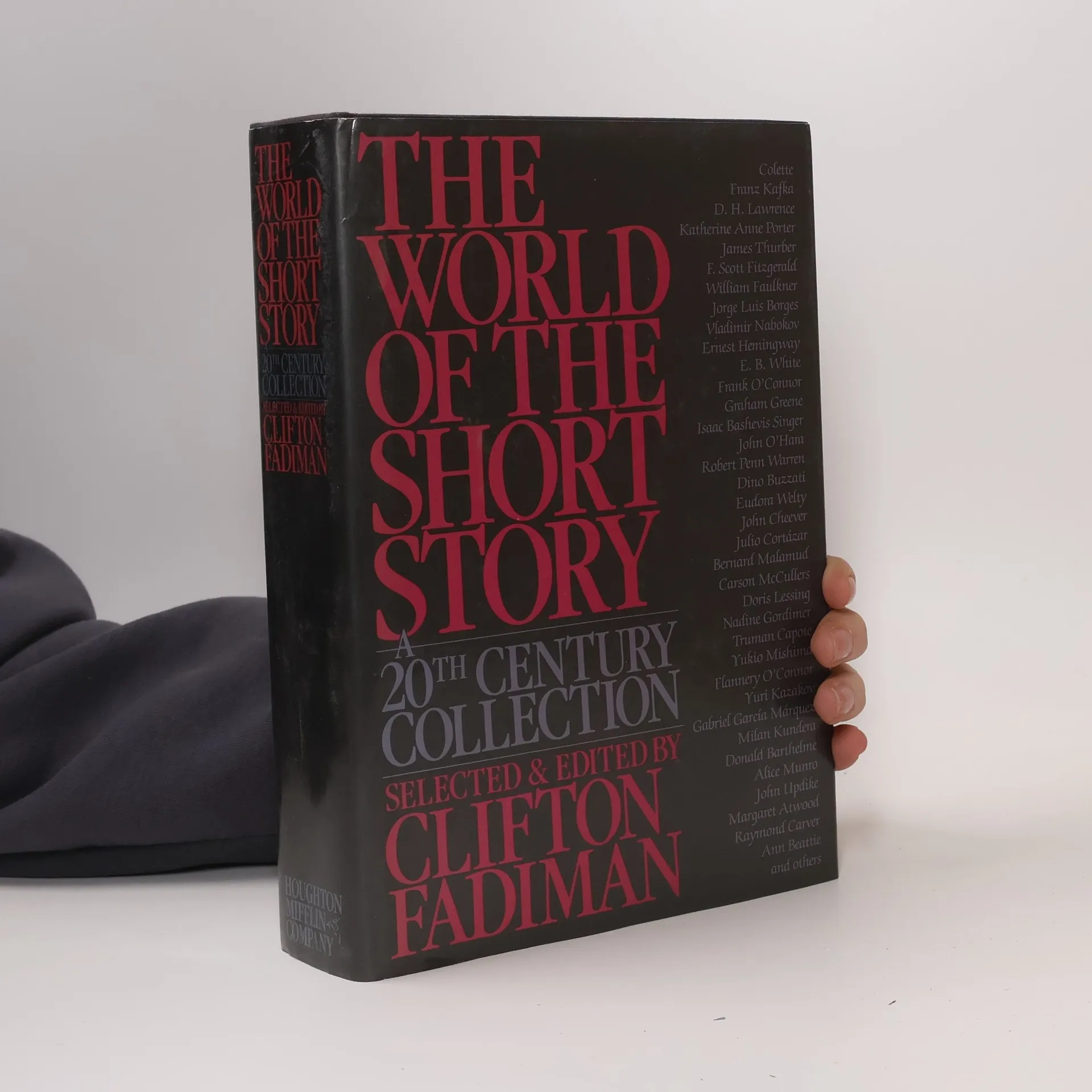
At age 82, Clifton Fadiman continues his prolific publishing career, here presenting 62 of the world's best short stories from 16 countries. His criteria? "Each story had to be both interesting and of high literary merit." Fadiman fulfills both requirements and much more, offering a cornucopia of superior 20th-century writers that includes Franz Kafka, D. H. Lawrence, Isaac Babel, F. Scott Fitzgerald, William Faulkner, Ernest Hemingway, John Cheever, Sean O'Faolain, Graham Greene, Robert Penn Warren, Colette, John Updike, Donald Barthelme, and James Thurber. (Regrettably, J. D. Salinger is not included due to lack of permission.) Here is a truly remarkable collection of this century's short stories that readers from all over the world will read with delight.
1 SOFTCOVER BOOK
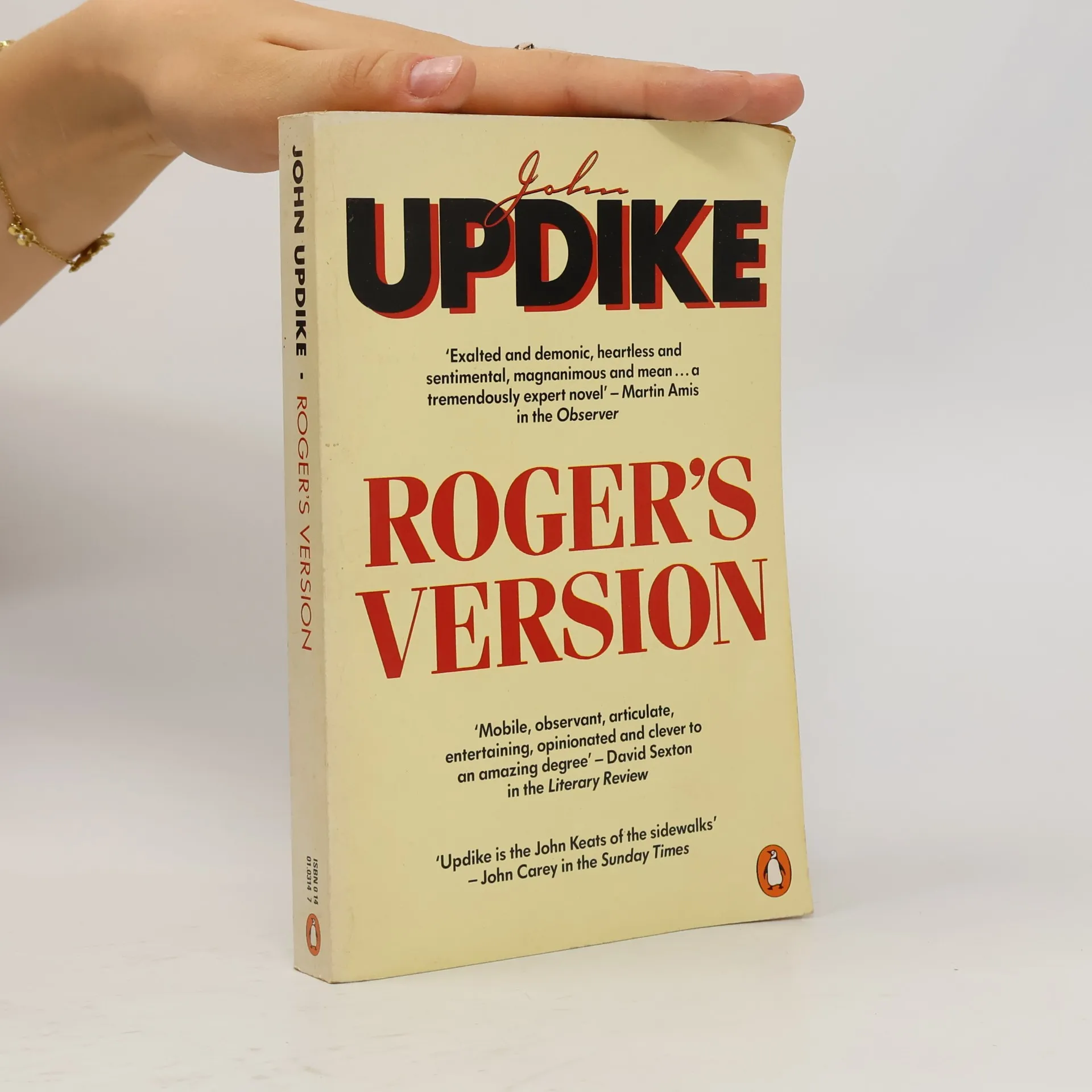
52-year-old Roger is a professor in the divinity school. Into his stuffy life breezes his 19-year-old half-niece, Verna. So when his wife starts a thing with a spotty, evangelical computer freak, he feels tempted to examine his niece's thesis that girls just wanna have fun.
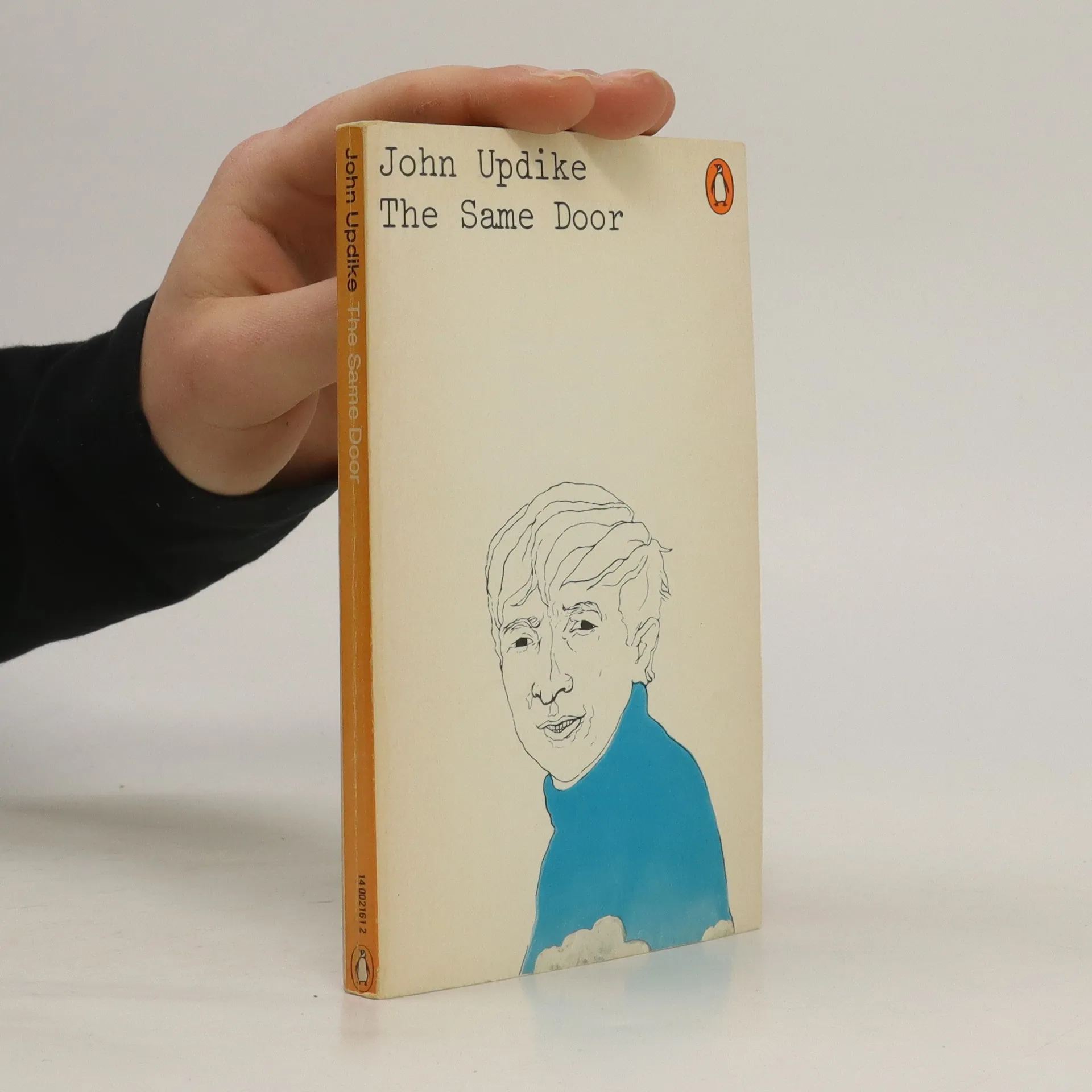
The title of John Updike’s first short story collection alludes to the old superstition that you should enter and leave a house by the same door. Thus John Nordholm, the alternately shy and brash hero of the first story here, is also the narrator of the last. Yet there is a sense in which all sixteen of these stories knock at the same door, a door that in “Dentistry and Doubt” swings open, and in “Toward Evening” remains shut. The characters are polite, nervous, diffident, as if life—or at least youth, for they are all young—were a discomfiting wait in the anteroom of the absolute. The majority of these stories depict encounters between strangers and their unexpected effects, which can be as concrete as a roomful of flowers or a bottle of wine, or as intangible as a miracle or a dream.
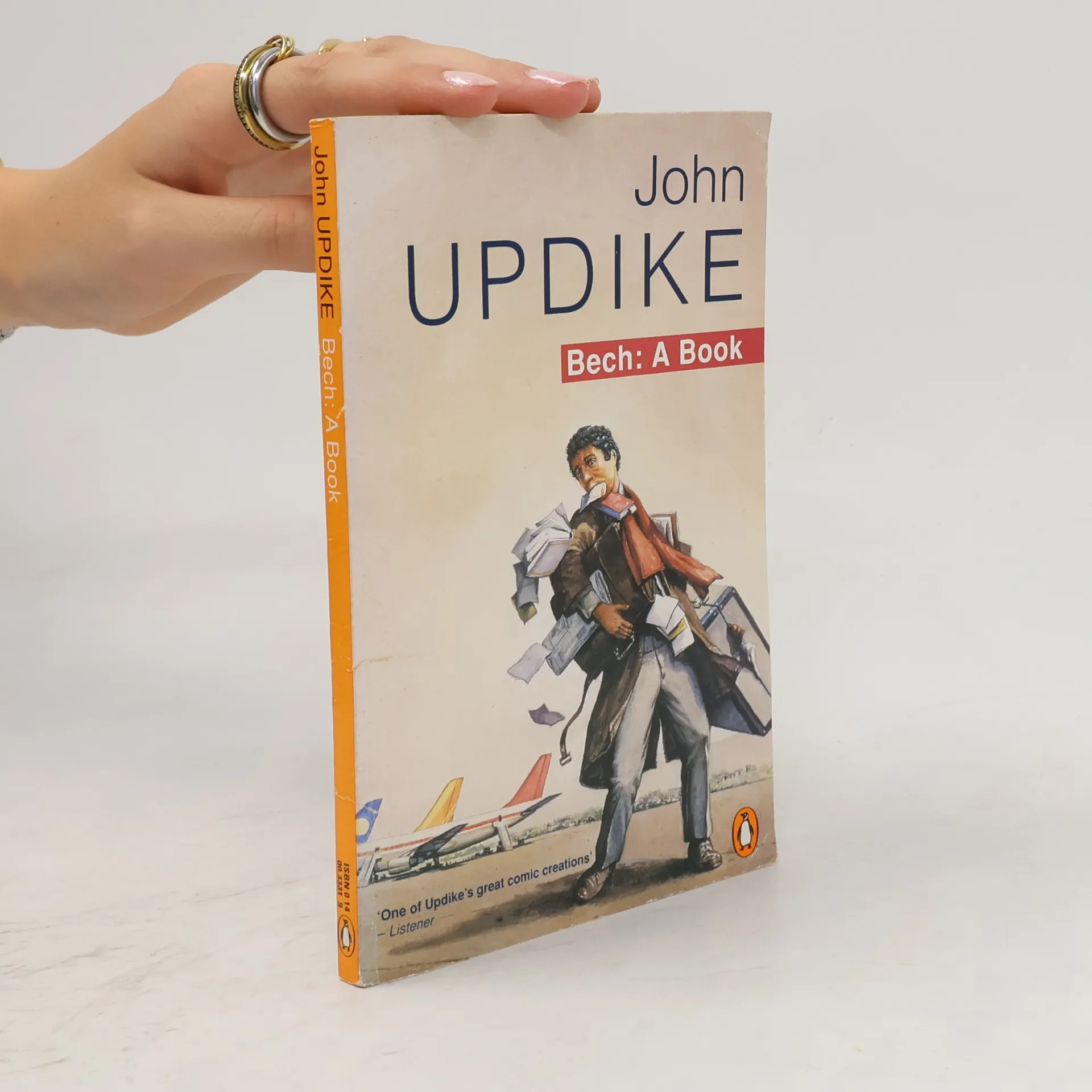
The renowned Henry Bech is now fifty years old. In this wonderful classic novel, Bech reflects on his fame, travels the world, marries an Episcopalian divorcée from Westchester, and--surprise to all--writes a book that becomes a runaway bestseller. If you've never read Updike before, there's no better place to start. If you've read him for years, you'll be delightfully reminded of John Updike's rightful place in the pantheon of quintessential American writers.
"A triumph." NEWSDAY The assumptions and obsessions that control our daily lives are explored in tantalizing detail by master novelist John Updike in this wise, witty, and sexy story. Harry Angstrom--known to all as Rabbit, one of America's most famous literary characters--finds his dreary life shattered by the infidelity of his wife, Janice. How he resolves or further complicates his problems makes for a novel of the first order. From the Paperback edition.
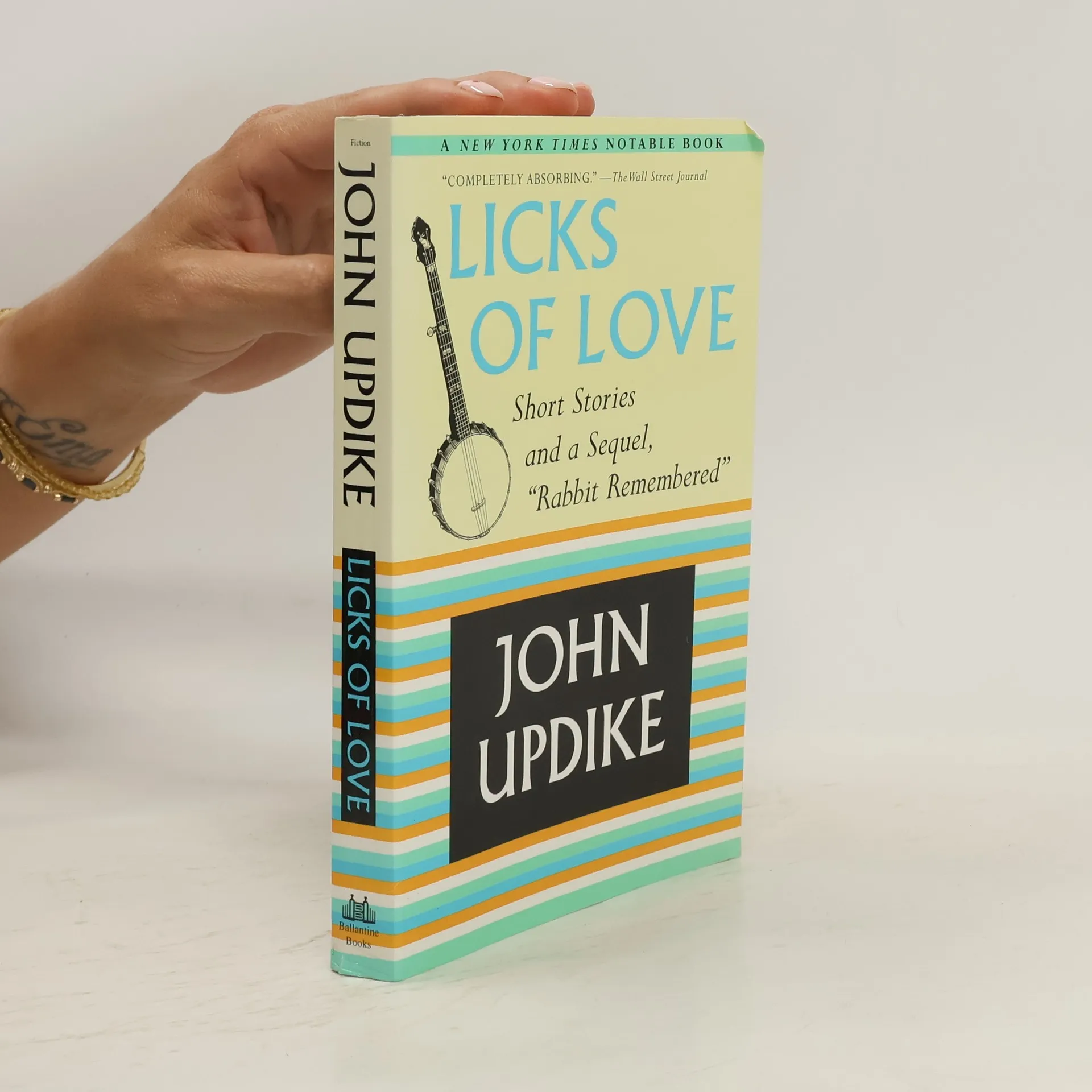
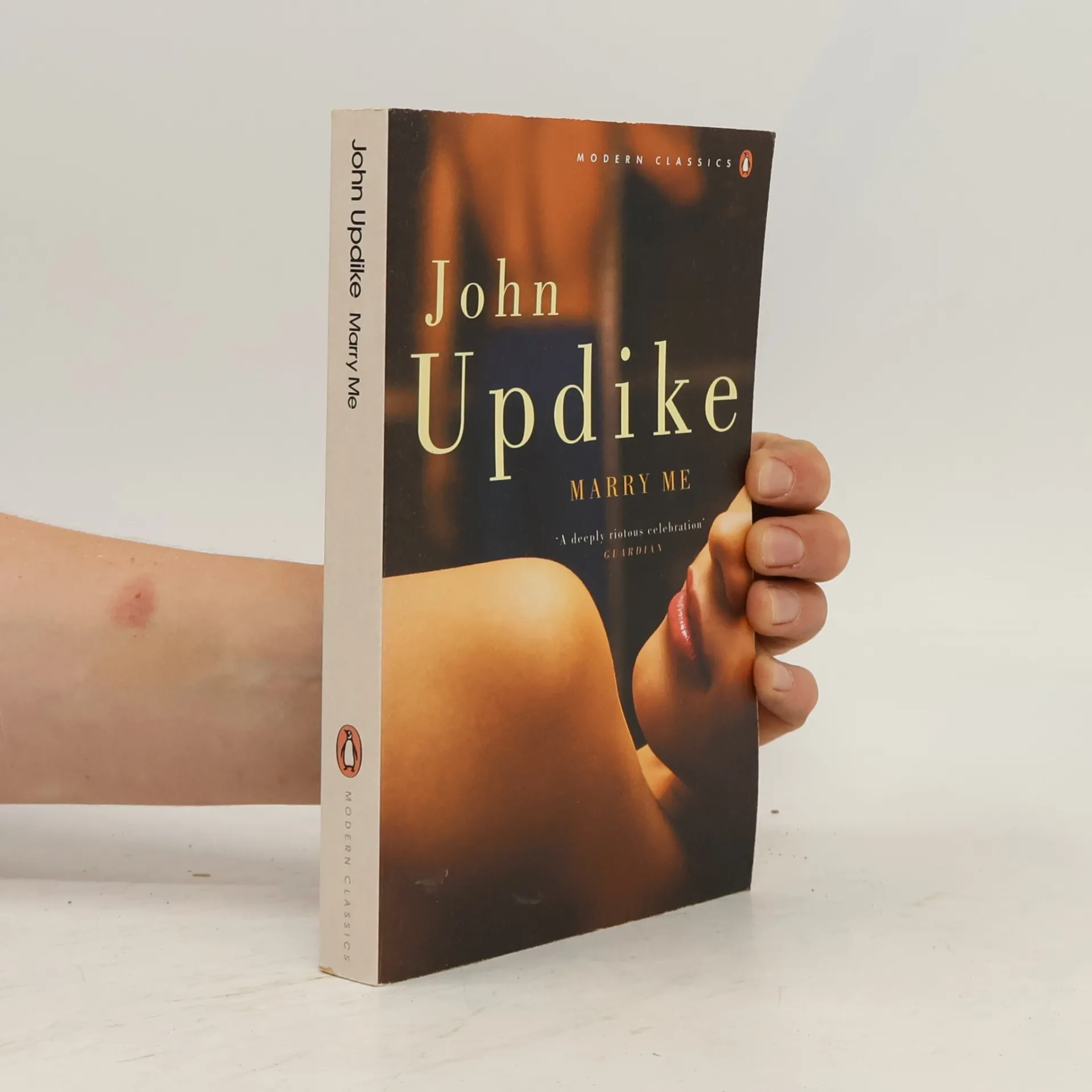
In this brilliant late-career collection, John Updike revisits many of the locales of his early fiction: the small-town Pennsylvania of Olinger Stories, the sandstone farmhouse of Of the Farm, the exurban New England of Couples and Marry Me, and Henry Bech’s Manhattan of artistic ambition and taunting glamour. To a dozen short stories spanning the American Century, the author has added a novella-length coda to his quartet of novels about Harry “Rabbit” Angstrom. Several strands of the Rabbit saga come together here as, during the fall and winter holidays of 1999, Harry’s survivors fitfully entertain his memory while pursuing their own happiness up to the edge of a new millennium. Love makes Updike’s fictional world go round—married love, filial love, feathery licks of erotic love, and love for the domestic particulars of Middle American life.
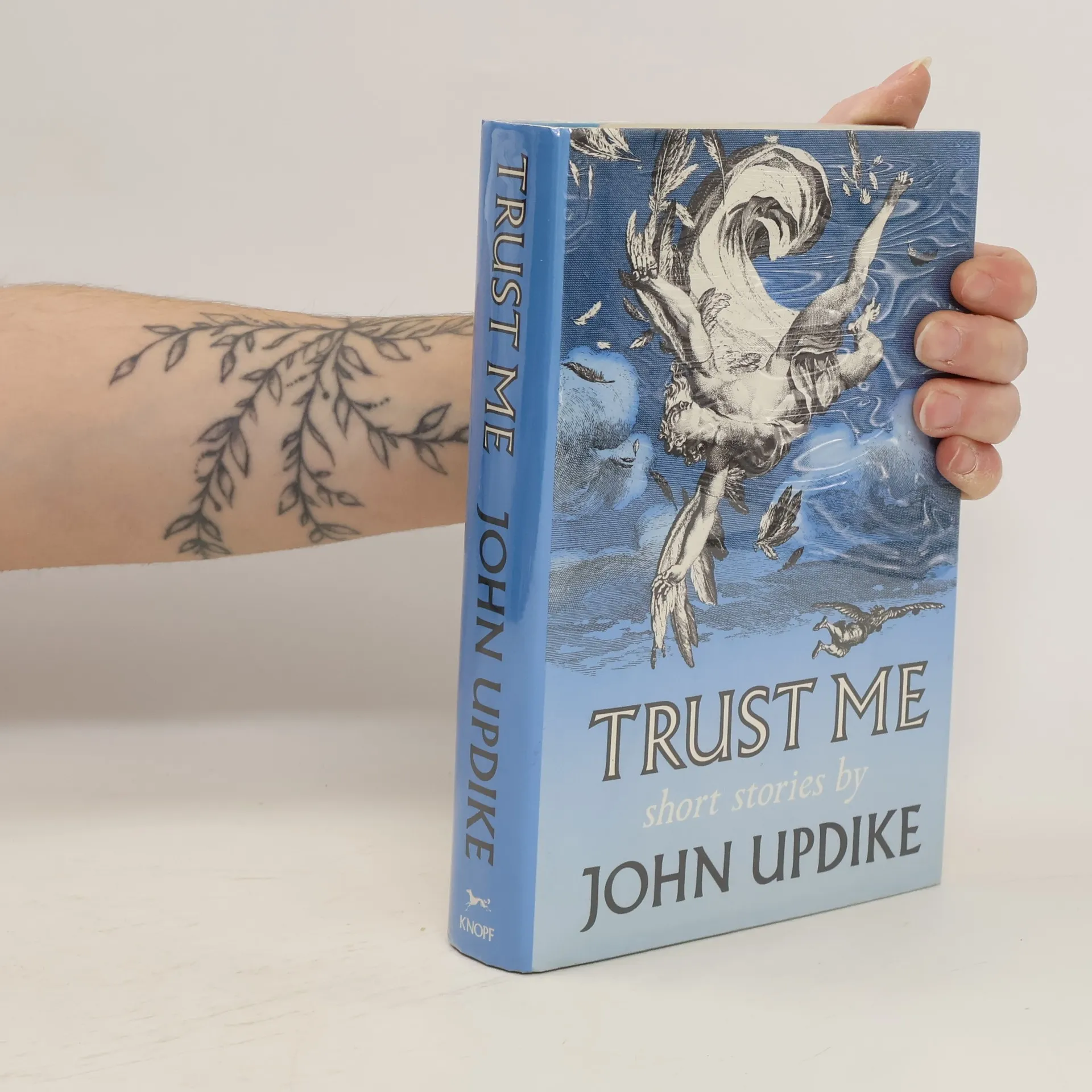
A collection of 22 short stories which share the theme of trust, mostly betrayed, but sometimes fulfilled
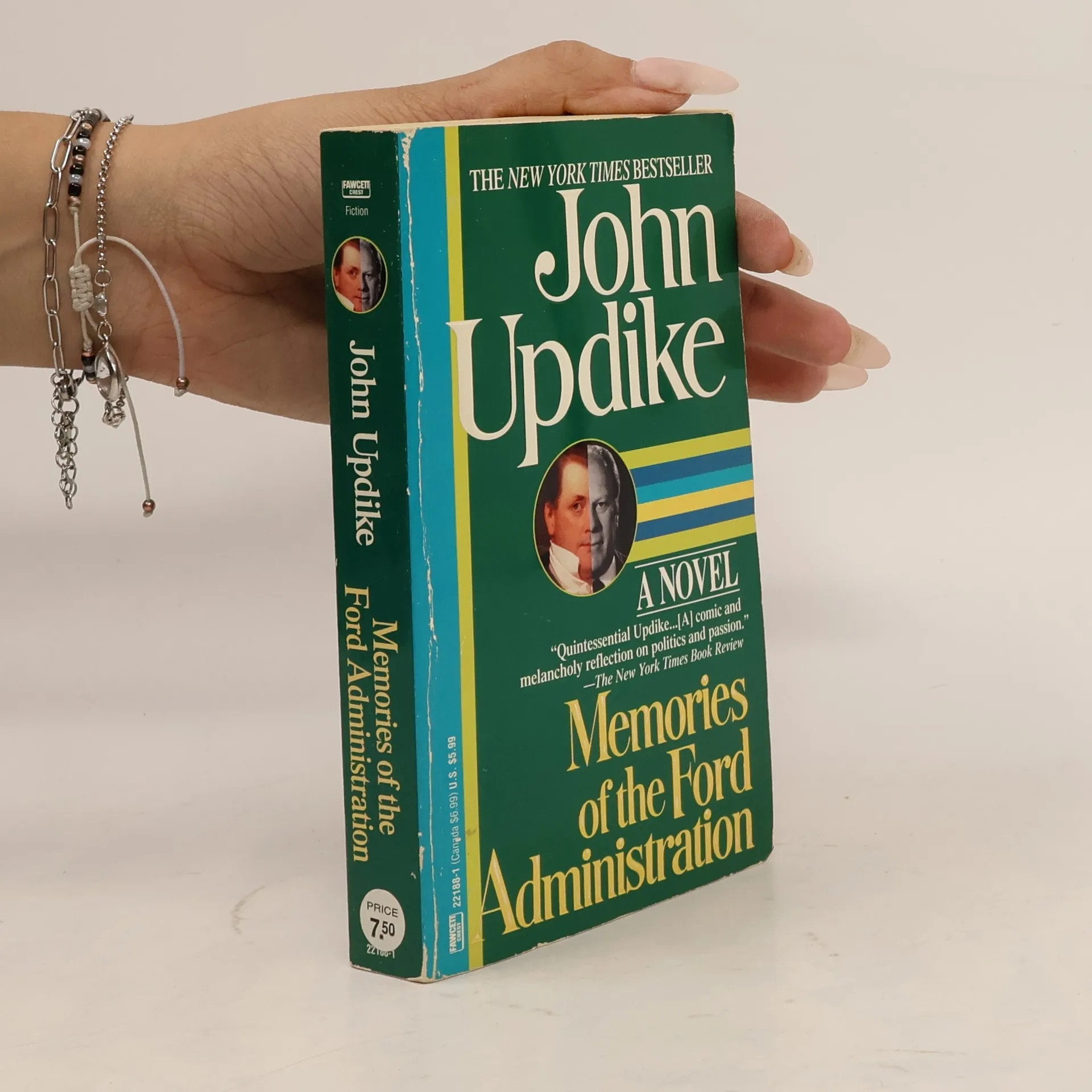
"Stunning...Alf's life and times are light and funny; Buchanan's are dark and serious. Alternating between the two, Mr. Updike entertains and instructs...in gorgeous prose." THE WALL STREET JOURNAL When junior college professor Alfred Clayton is asked to record his impressions of the Ford Administration, he recalls a turbulent piece of personal history as well. In a decade of sexual liberation, Clayton was facing a doomed marriage and the passionate beginnings of a futile affair with an unattainable Perfect Wife. But one memory begets another: Clayton's unfinished book on James Buchanan. In John Updike's fifteenth novel, he masterfully alternates between the two men, two lives, two American centuries--one Victorian, the other modern--shining an irreverent, witty, and sometimes caustic light on the contrasting views of social fictions and sexual politics.... A MAIN SELECTION OF THE BOOK-OF-THE-MONTH CLUB A NEW YORK TIMES NOTABLE BOOK
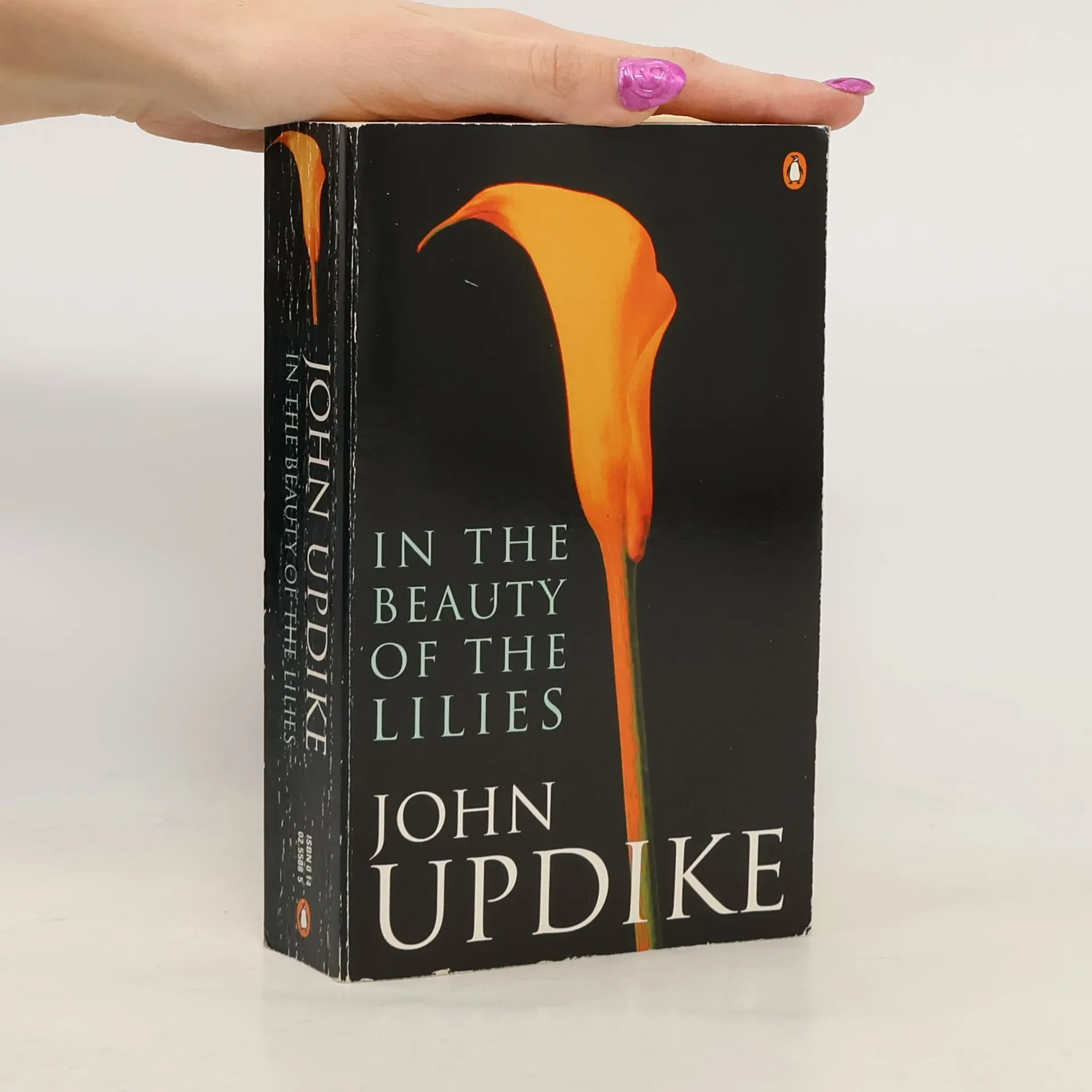
John Updike's seventeenth novel begins in 1910, and traces God's relation to four generations of an American family, beginning with Clarence Wilmot, a Presbyterian clergyman in Paterson, New Jersey. He loses his faith, and becomes an encyclopedia salesman and a motion-picture addict. The remainder of Clarence's family moves to the small town of Basingstoke, Delaware, where his cautious son, Teddy, becomes a mailman. Faithless himself, Teddy marries a good Methodist girl and begets Esther, whose prayers are always answered; she becomes an object of worship, a twentieth-century goddess. Her neglected son, Clark, makes his way back to the fiery fundamentals of Protestant piety. The novel ends in 1990, in Lower Branch, Colorado, and on television. Taking its title from the "Battle-Hymn of the Republic," In the Beauty of the Lilies spins one saga, one wandering tapestry thread, of the American Century.
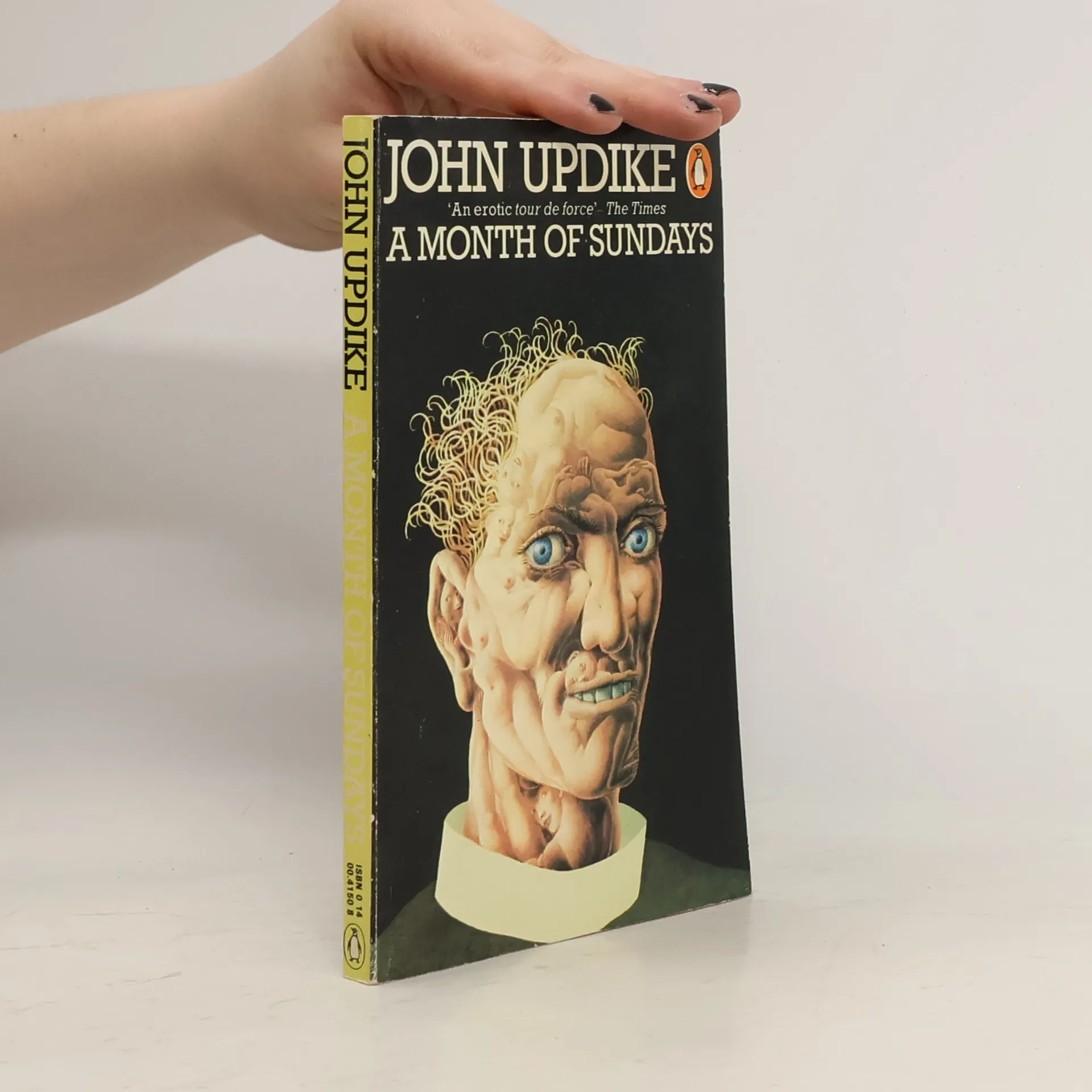
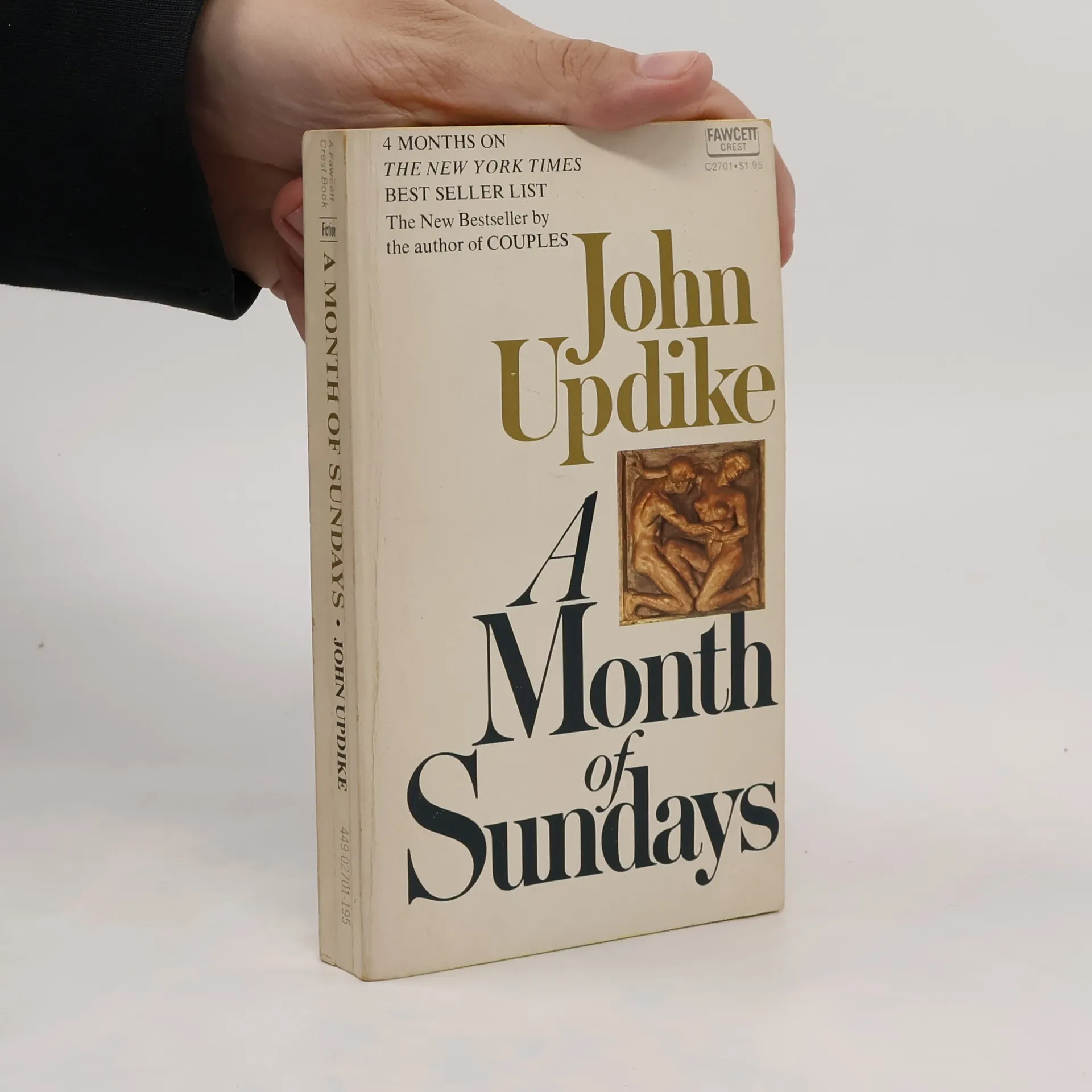
"A tour de force . . . Readable, clever." Chicago Tribune Book World The adventures of the Reverend Tom Marshfield -- literate, charming, sexual -- whose outrageous behavior with the ladies of his flock scandalizes his parish . . .
Set in a surreal literary landscape, the story follows Henry Bech, now in his seventies, as he navigates a changing world where his books are commercialized and fleeting. Despite his age, he remains competitive and self-absorbed, confronting critics with a mix of humor and defiance. Throughout five striking chapters, Bech's journey includes enacting revenge and ultimately winning a prestigious writing award, all while embodying a blend of grit and ennui in this mock-heroic exploration of a writer's life in modern America.
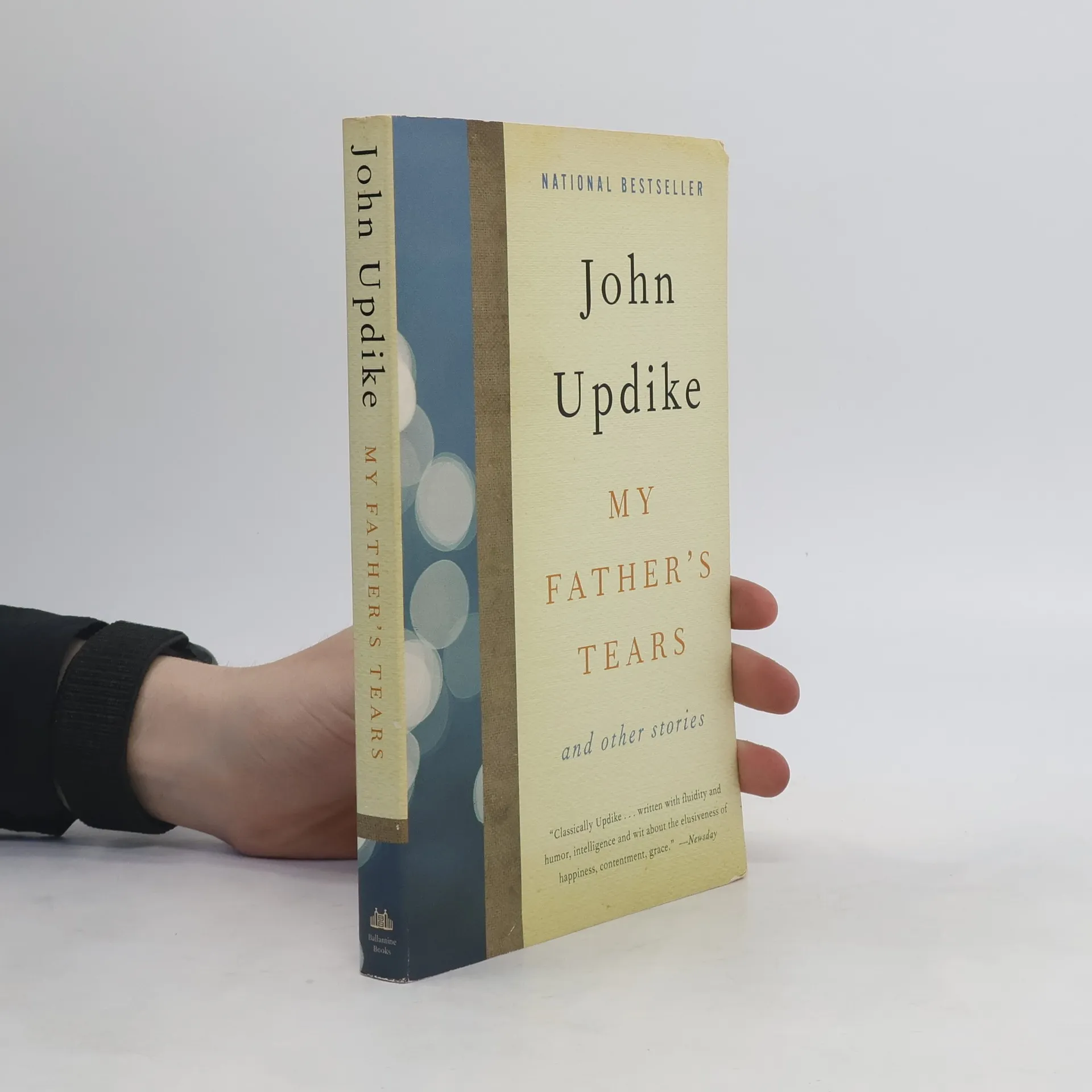
“Drinking a toast to the visible world, his impending disappearance from it be damned.” That’s how John Updike describes one of his elderly protagonists in this, his final collection of short stories. He might have been writing about himself. In My Father’s Tears, the author revisits his signature characters, places, and themes—Americans in suburbs, cities, and small towns grappling with faith and infidelity—in a gallery of portraits of his aging generation, men and women for whom making peace with the past is now paramount. The Seattle Times called My Father’s Tears “a haunting collection” that “echoes the melancholy of Chekhov, the romanticism of Wordsworth and the mournful spirit of Yeats.”
The Jewish American novelist Henry Bech—procrastinating, libidinous, and tart-tongued, his reputation growing while his powers decline—made his first appearance in 1965, in John Updike’s “The Bulgarian Poetess.” That story won the O. Henry First Prize, and it and the six Bech adventures that followed make up this collection. “Bech is the writer in me,” Updike once said, “creaking but lusty, battered but undiscourageable, fed on the blood of ink and the bread of white paper.” As he trots the globe, promotes himself, and lurches from one woman’s bed to another’s, Bech views life with a blend of wonder and cynicism that will make followers of the lit-biz smile with delight and wince in recognition.
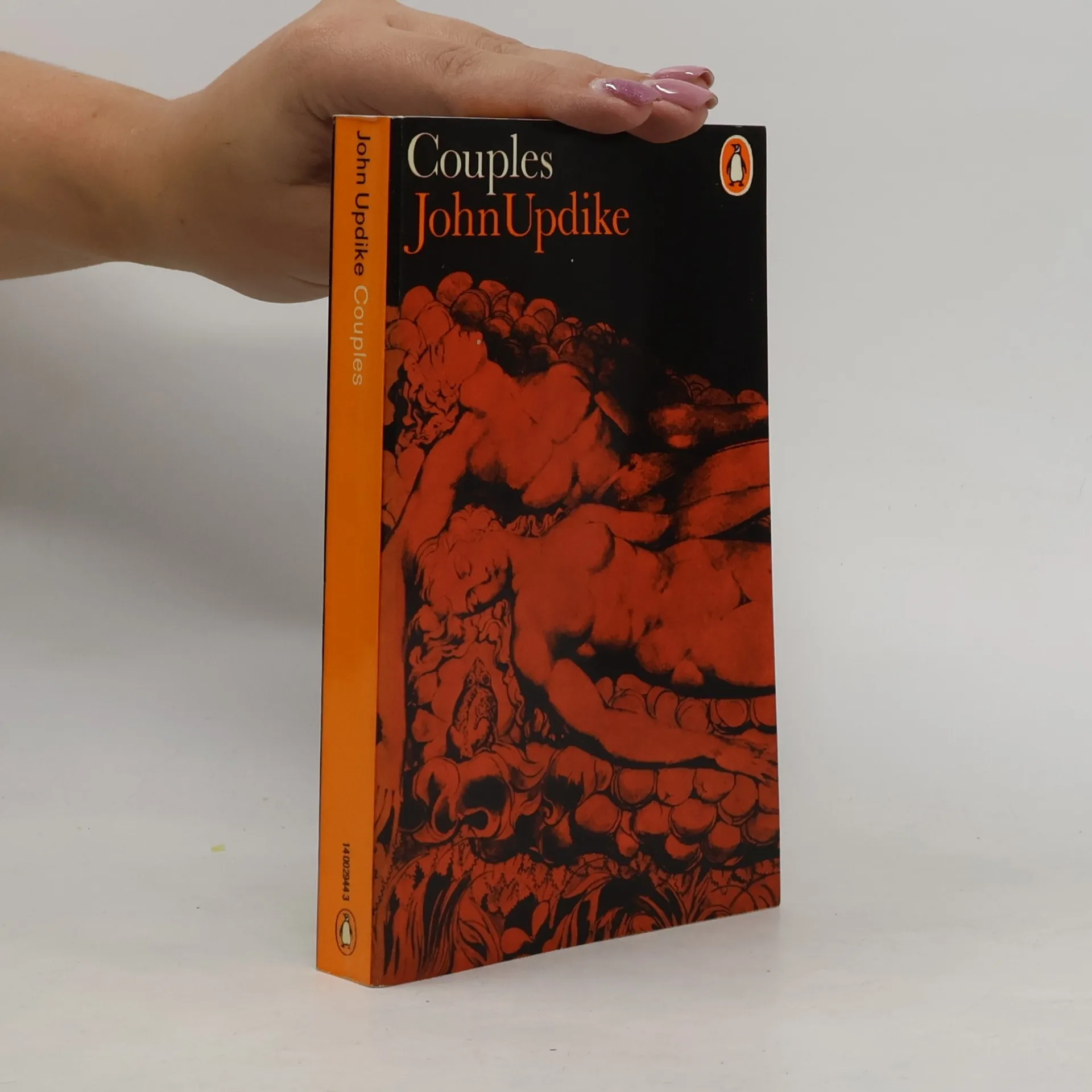
Couples is the book that has been assailed for its complete frankness and praised as an artful, seductive, savagely graphic portrait of love, marriage, and adultery in America. But be it damned or hailed, Couples drew back the curtain forever on sex in suburbia in the late twentieth century. A classic, it is one of those books that will be read -- and remembered -- for a long time to come.
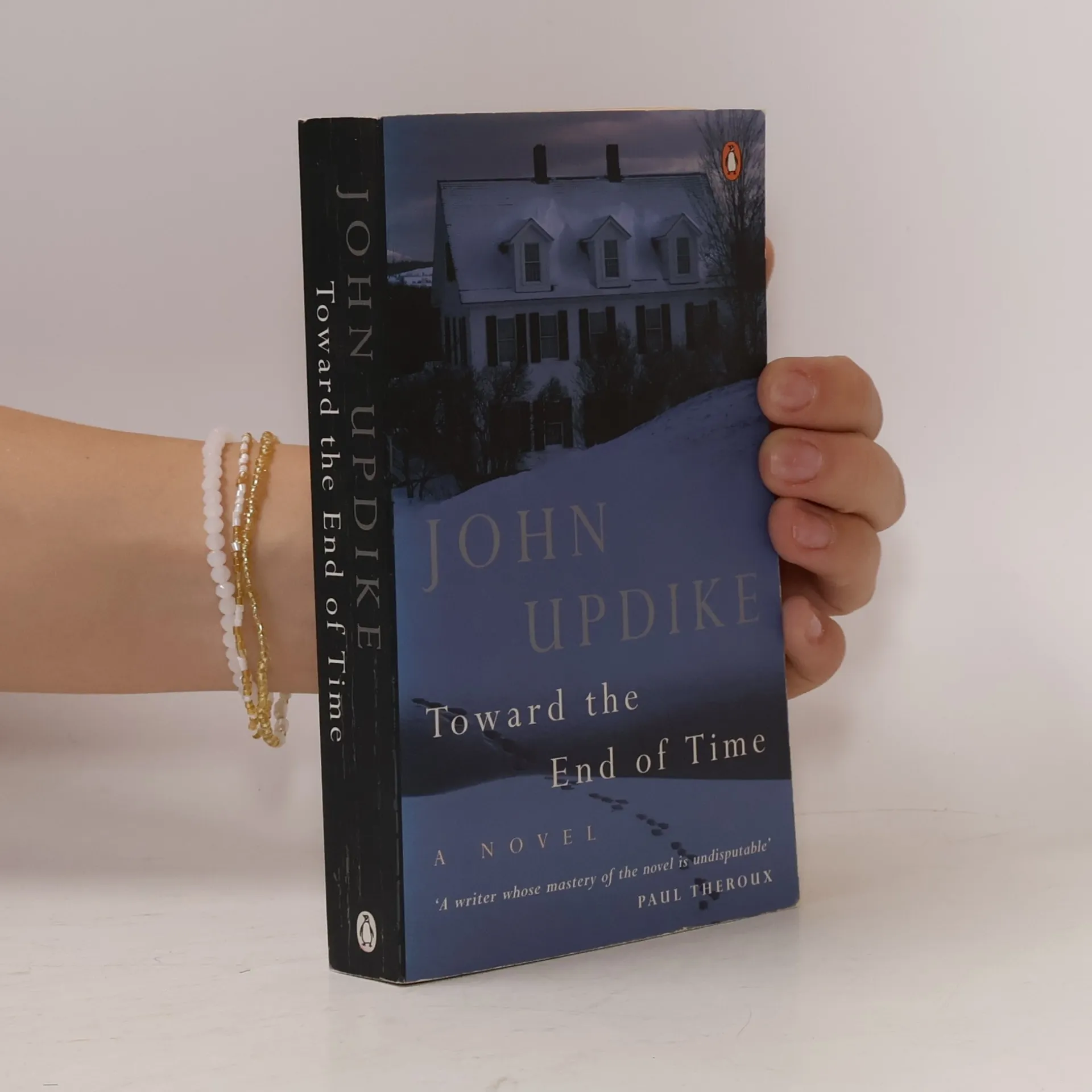
>Toward the End of Time "is the journal of a 66-year-old man, Ben Turnbull . . . [which] reveals not only the world but the wanderings of his wits. . . . So what if he jumps from a United States in the next century, disintegrating after a war with China, to ancient Egypt, or to virtual reality? So what if characters appear and disappear like phantoms in a dream? . . . Turnbull's journal is like Walden gone haywire. . . . If Ben's ruthlessness is evenhanded, so is his alarming intelligence; it falls on every scene, person, object, and thought in the book, giving it an eerie ambiance." —The New York Times Book Review "A BOOK AIMED NOT TO RESOLVE BUT TO AROUSE A READER'S WONDER . . . Vintage Updike: marital angst worked out against the chilly backdrop of privilege, rendered with a lyricism and insight and eye for detail reminiscent of the work of Jane Austen." —The Miami Herald "WONDERFUL RUSHES OF NEAR-MELVILLEAN PROSE . . . Toward the End of Time has a force that gets under your skin." —New York Review of Books A Main Selection of the Book-of-the-Month Club
The extraordinarily evocative stories depict the generation born in a small-town America during the Depression and growing up in a world where the old sexual morality was turned around and material comforts were easily had. Yet, as these stories reflect so accurately, life was still unsettling, and Updike chronicles telling moments both joyful and painful. The texts are taken from his recent omnibus, "The Early Stories, " 1953-1975.In describing how he wrote these stories in a small, rented, smoke-filled office in Ipswitch, Massachusetts, he says, "I felt that I was packaging something as delicately pervasive as smoke, one box after another, in that room, where my only duty was to describe reality as it had come to me -- to give the mundane its beautiful due."
Twenty-two-year-old Rabbit Angstrom is a salesman in a local department store, father of a preschool-age son, and husband to an alcoholic wife who was his second-best high school sweetheart. The squalor and tragedy of their lives reminds us that salvation is a personal undertaking.
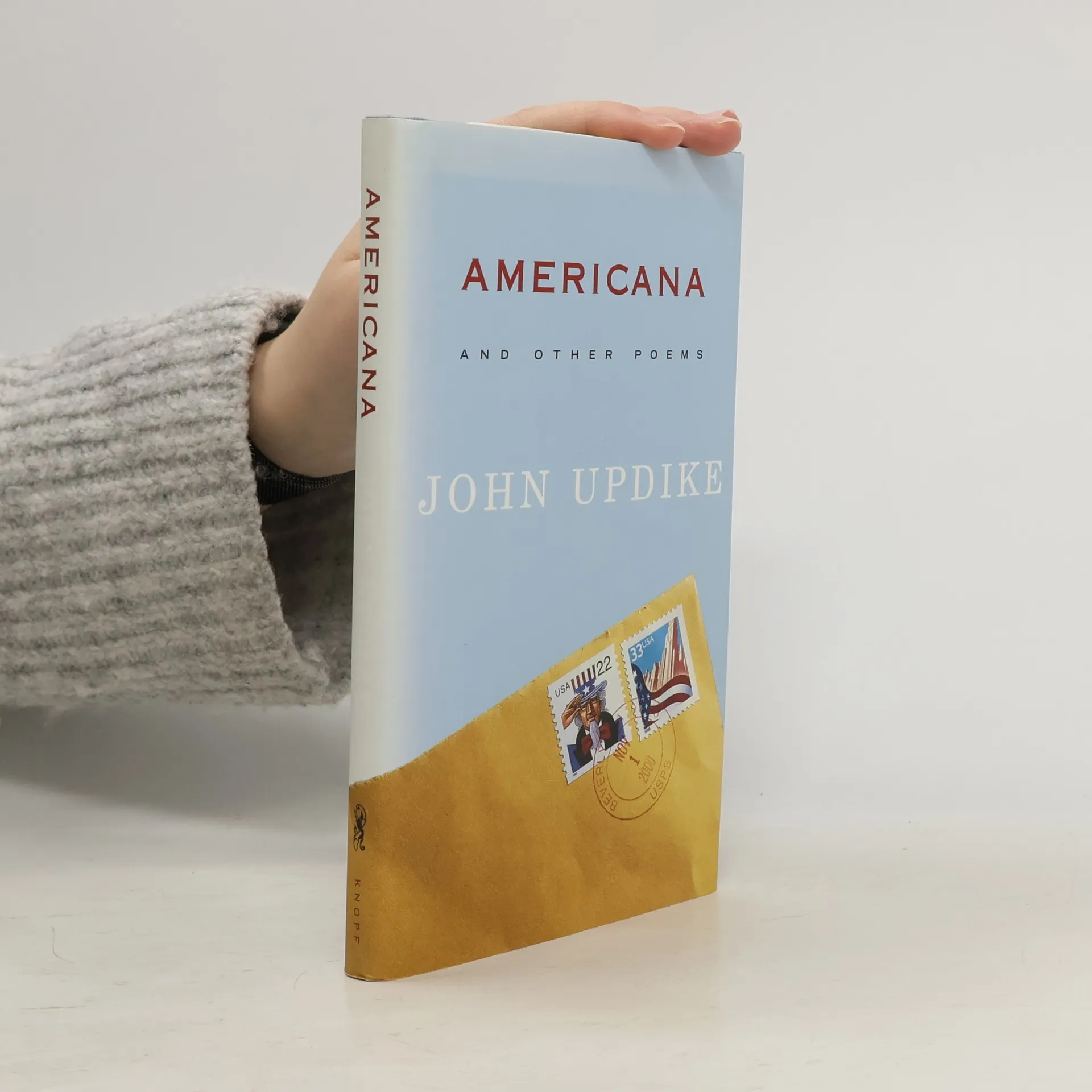
John Updike's first collection of verse since his Collected Poems, 1953-1993 brings together fifty-eight poems, three of them of considerable length. The four sections take up, in America, its cities and airplanes; the poet's life, his childhood, birthdays, and ailments; foreign travel, to Europe and the tropics; and, beginning with the long "Song of Myself," daily life, its furniture and consolations. There is little of the light verse with which Mr. Updike began his writing career nearly fifty years ago, but a light touch can be felt in his nimble manipulation of the ghosts of metric order, in his caressing of the living textures of things, and in his reluctance to wave goodbye to it all.
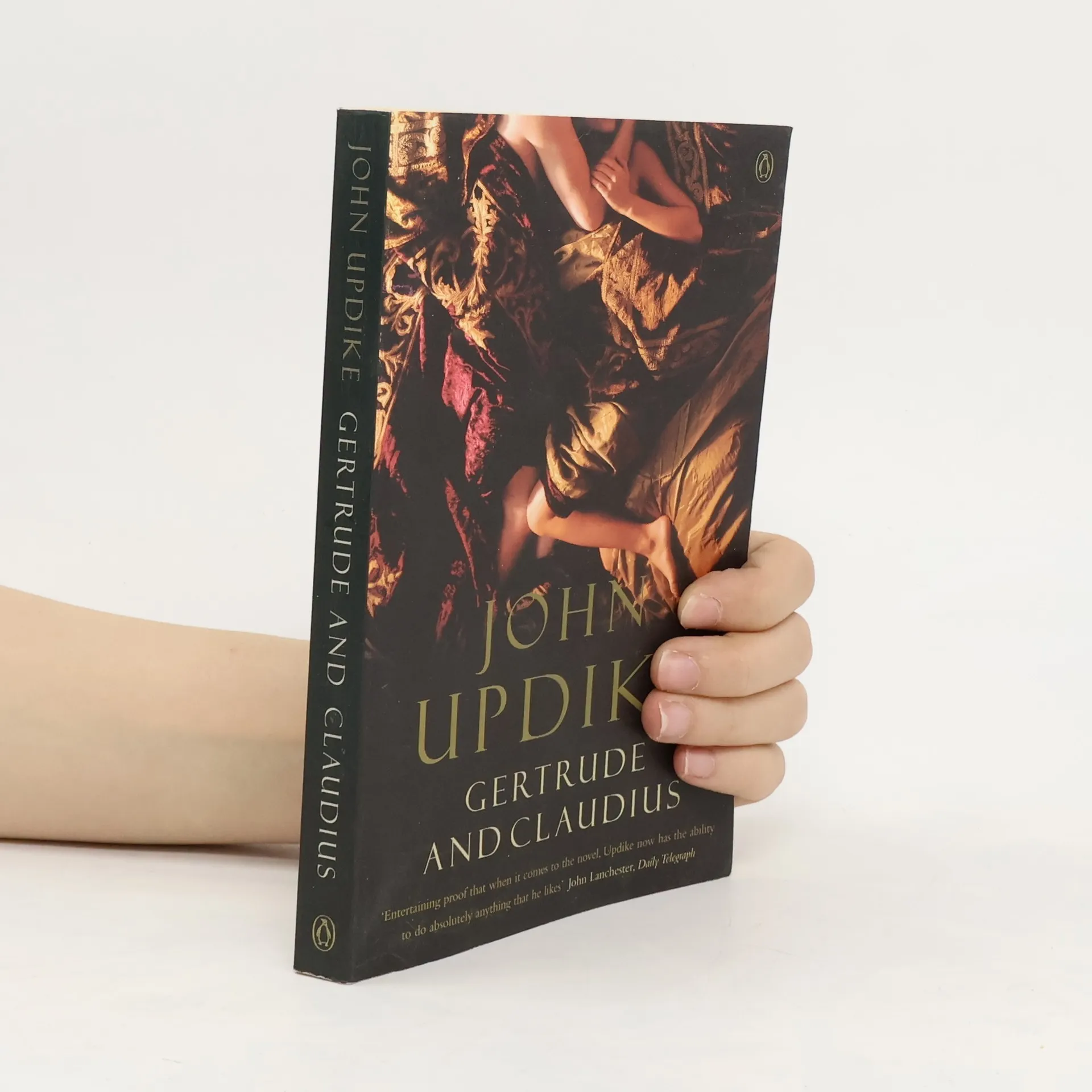
Using details from the ancient Scandinavian legends that were the inspiration for Hamlet, this tale brings to life Gertrude's girlhood as the daughter of King Rorik, her arranged marriage to the man who becomes King, and her middle- aged affair with her husband's younger brother. schovat popis
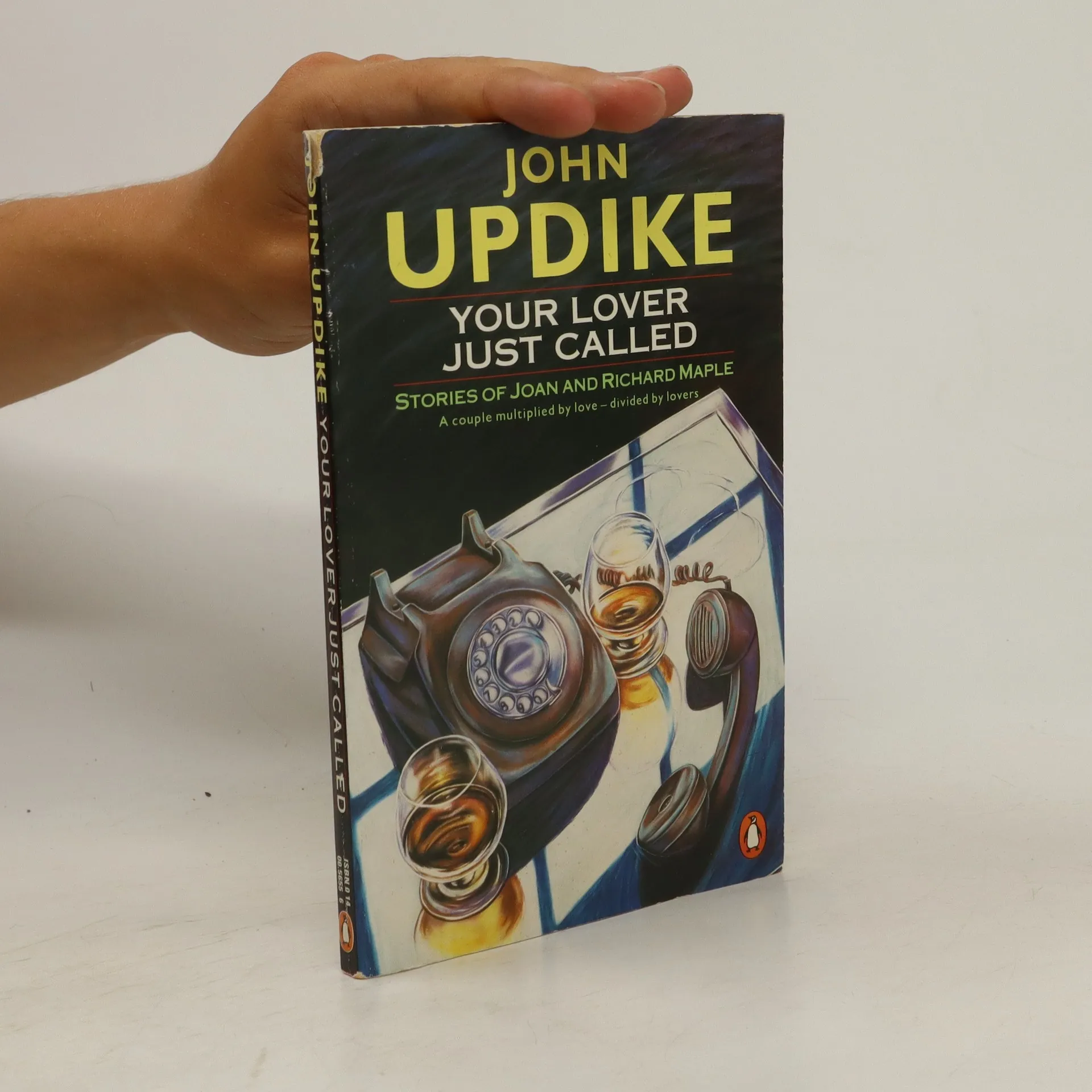
Sally is big and pampered. She's married to Richard. But she loves Jerry. Jerry loves Sally, but he's also still in love with his wife Ruth. Who's been sleeping with Richard ...As a hot, feverish summer of weekends, secret phone calls and lovemaking on the beach comes to a head, it turns out everyone knows more than they've been letting on.
Nobody has done more to chart American life through fiction over the last half-century than John Updike, and he is as much a master of the short story as of the novel as this collection proves. It contains: 'Nevada', 'Ethiopia' and 'I am dying, Egypt, dying'.
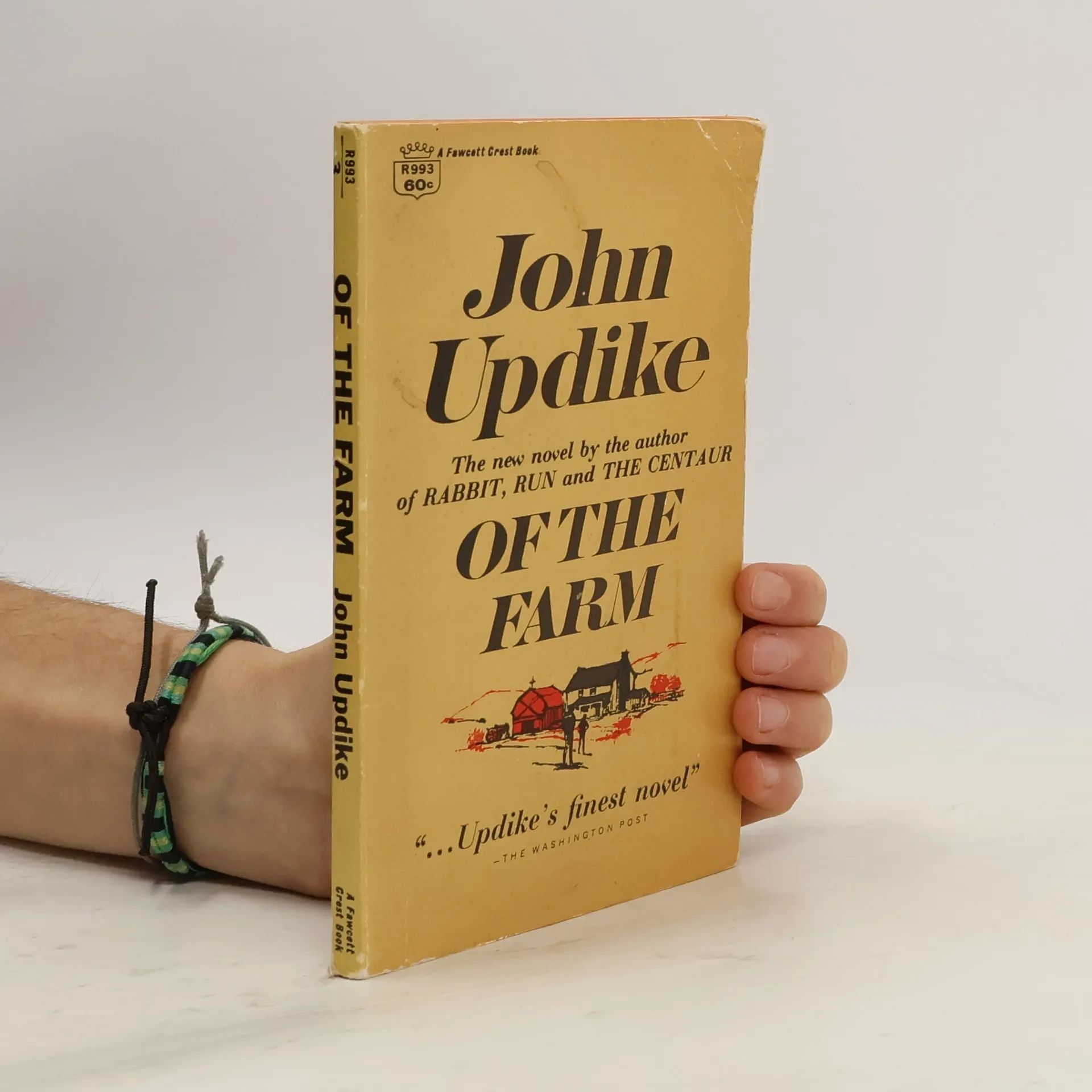
New York advertising man brings his new family to visit the farm of his youth, thereby encountering ghosts of the past.
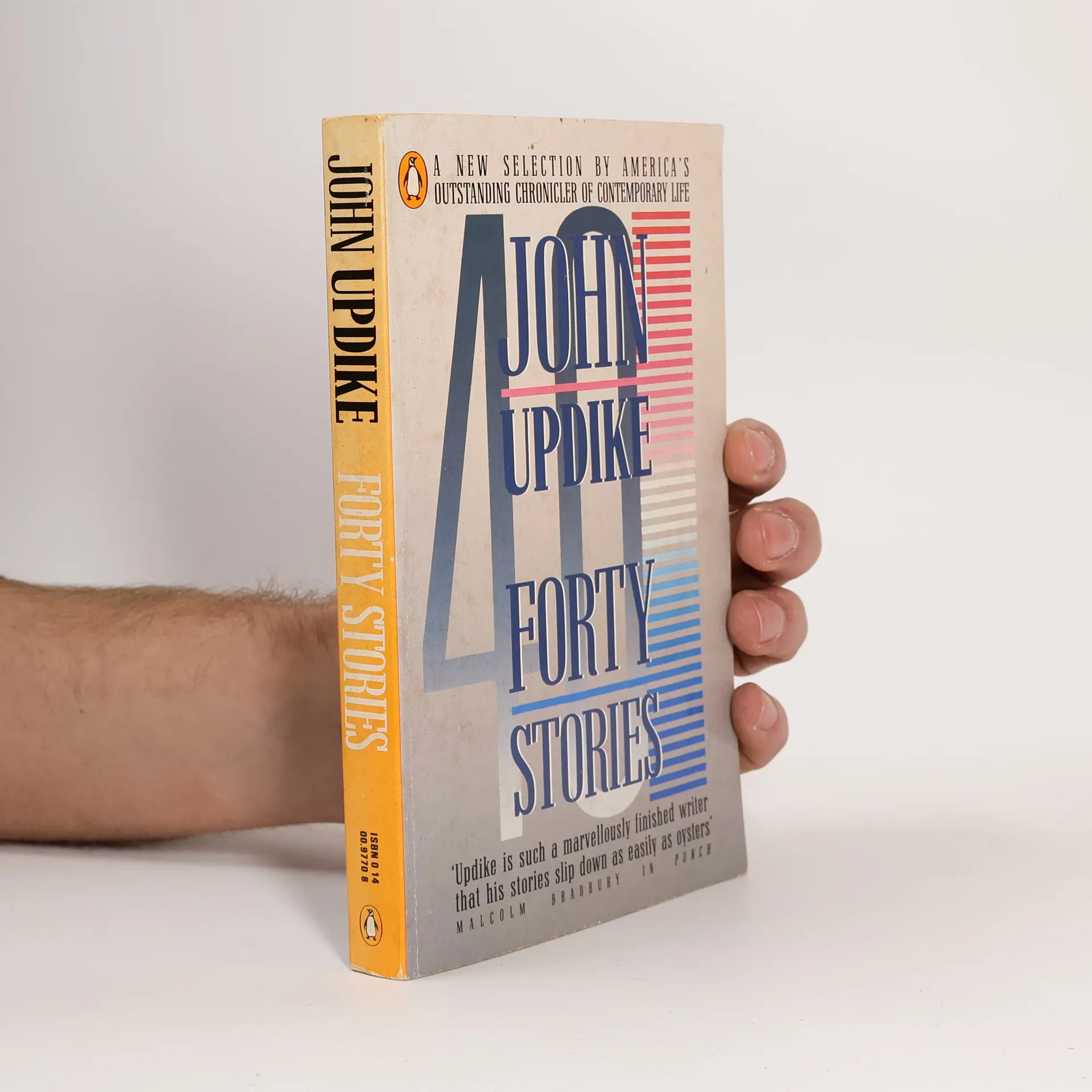
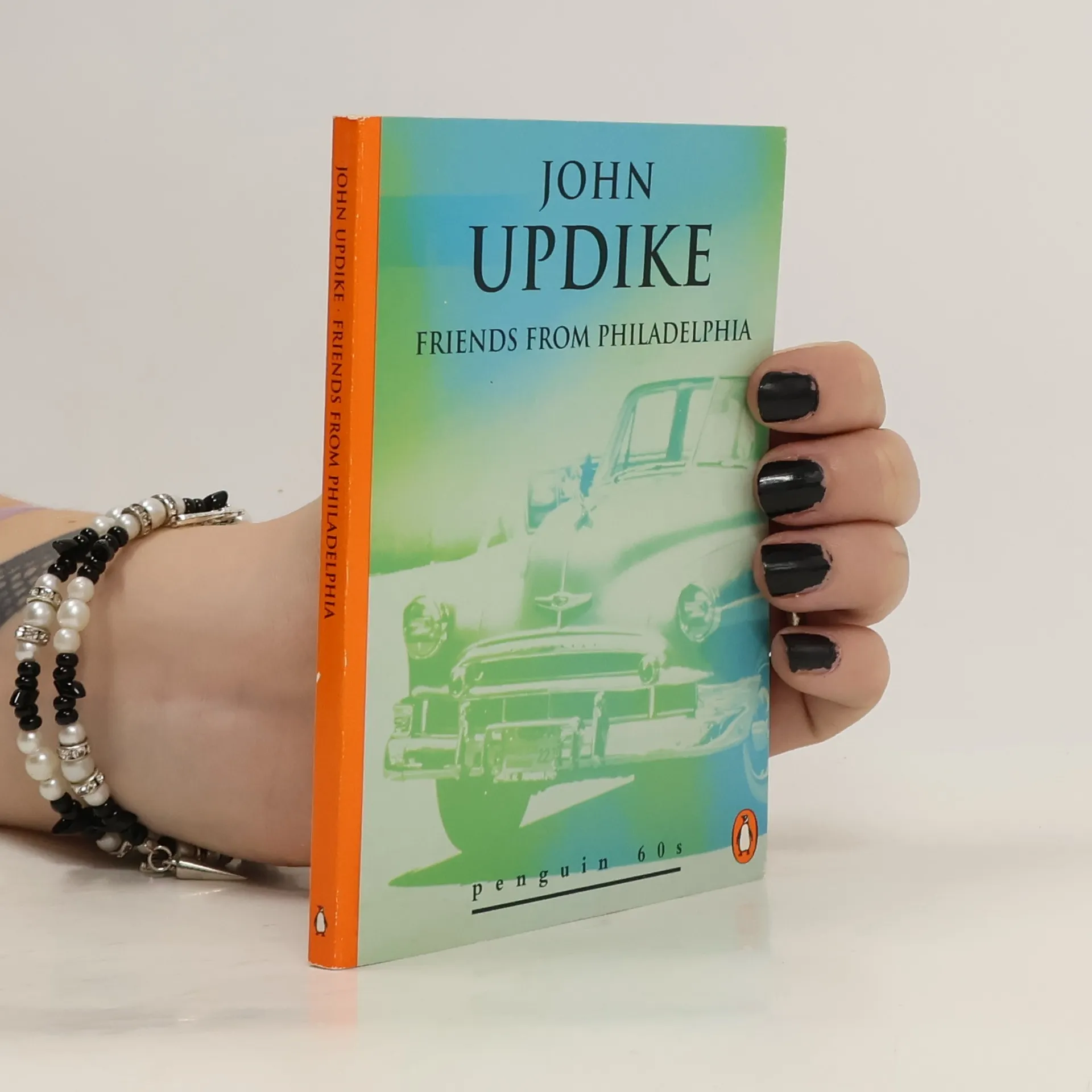
These John Updike short stories include "Friends from Philadelphia", "Sunday Teasing", "The Persistence of Desire", "The Other Woman" and "Brother Grasshopper".
Owen Mackenzie's life is marked by sin and seduction, starting with a betrayal soon after marrying his college sweetheart. His quest for happiness leads him through a series of affairs and small towns from Pennsylvania to Massachusetts, pushing him toward chaos.
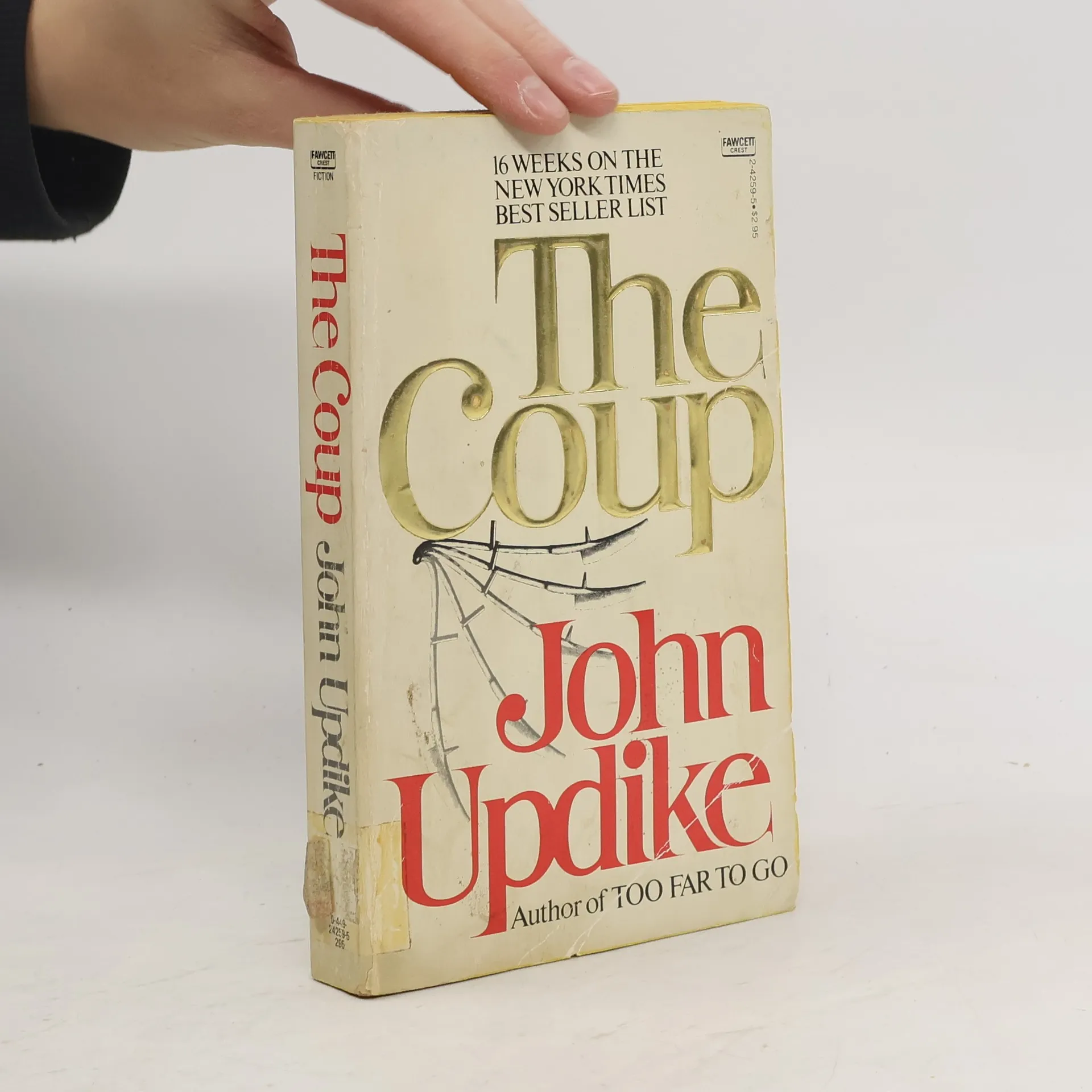
The Coup describes violent events in the imaginary African nation of Kush, a large, landlocked, drought-ridden, sub-Saharan country led by Colonel Hakim Félix Ellelloû. (“A leader,” writes Colonel Ellelloû, “is one who, out of madness or goodness, takes upon himself the woe of a people. There are few men so foolish.”) Colonel Ellelloû has four wives, a silver Mercedes, and a fanatic aversion—cultural, ideological, and personal—to the United States. But the U.S. keeps creeping into Kush, and the repercussions of this incursion constitute the events of the novel. Colonel Ellelloû tells his own story—always elegantly, and often in the third person—from an undisclosed location in the South of France. From the Trade Paperback edition.
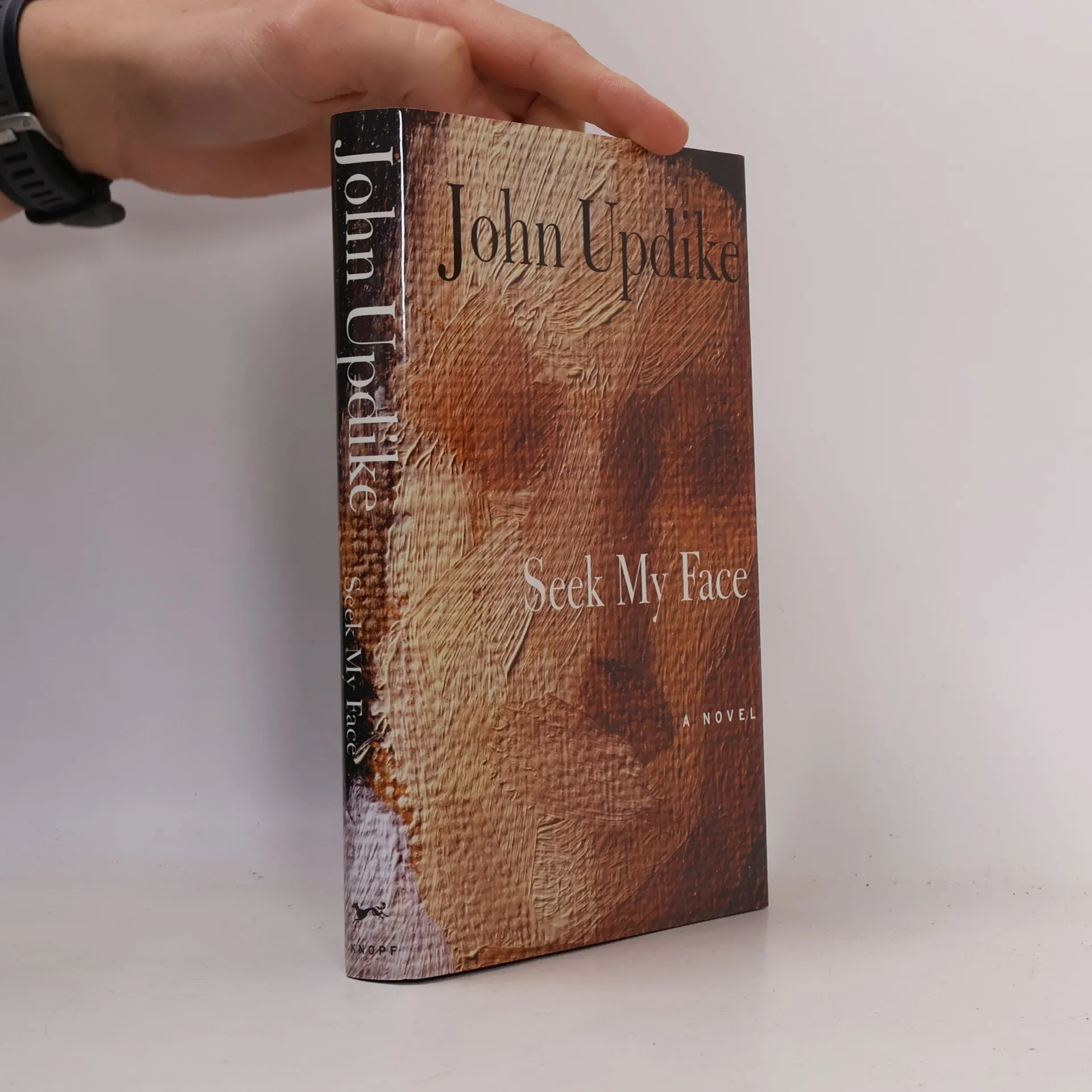
John Updike's twentieth novel unfolds in a single day, featuring 78-year-old painter Hope Chafetz as she reflects on her life during an interview with Kathryn in central Vermont, spring 2001. Their dynamic explores themes of identity and the complex relationship between women, while recounting the evolution of postwar American art.
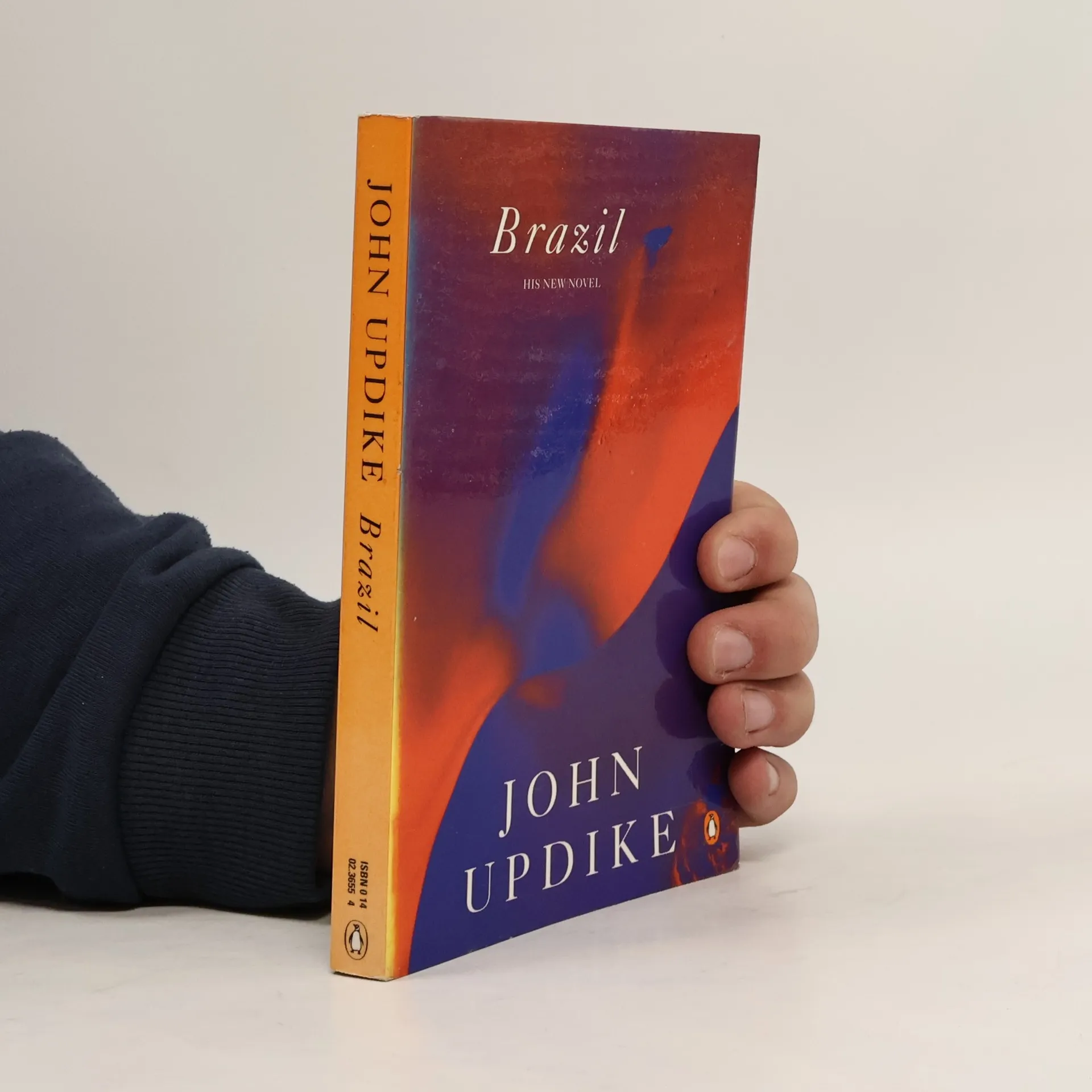
Tristao Raposa, a 19-year-old black child of the Rio slums, spies Isabel Leme, an 18-year-old upper-class white girl, across the hot sands of Copocabana Beach, and presents her with a ring. Their flight into marriage takes them from urban banality to Brazil's wild west.
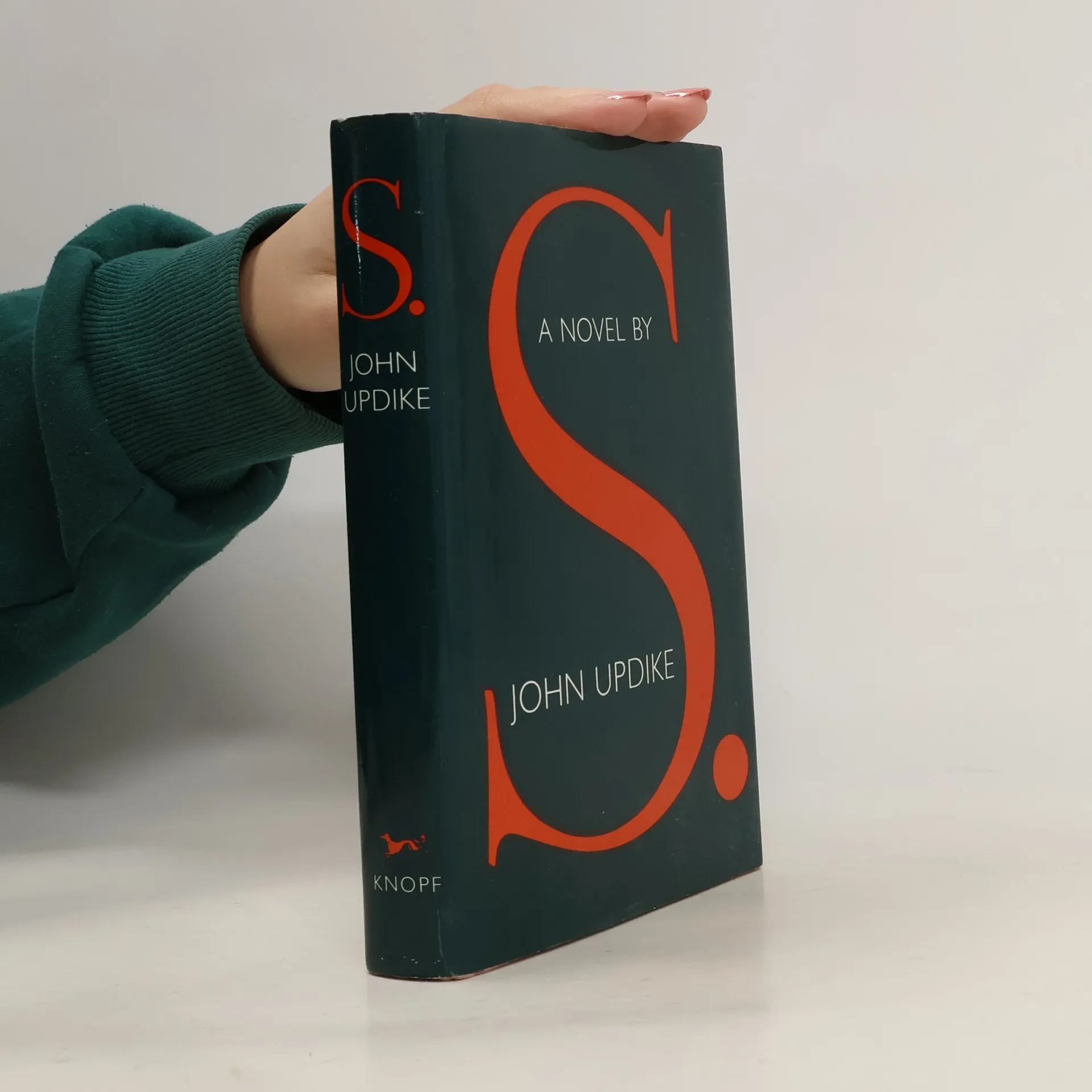
New Englander Sarah Worth goes west to join a Hindu commune in Arizona. There she mingles with the other sannyasins (pilgrims) in the difficult attempt to subdue ego and achieve salvation and release from illusion.
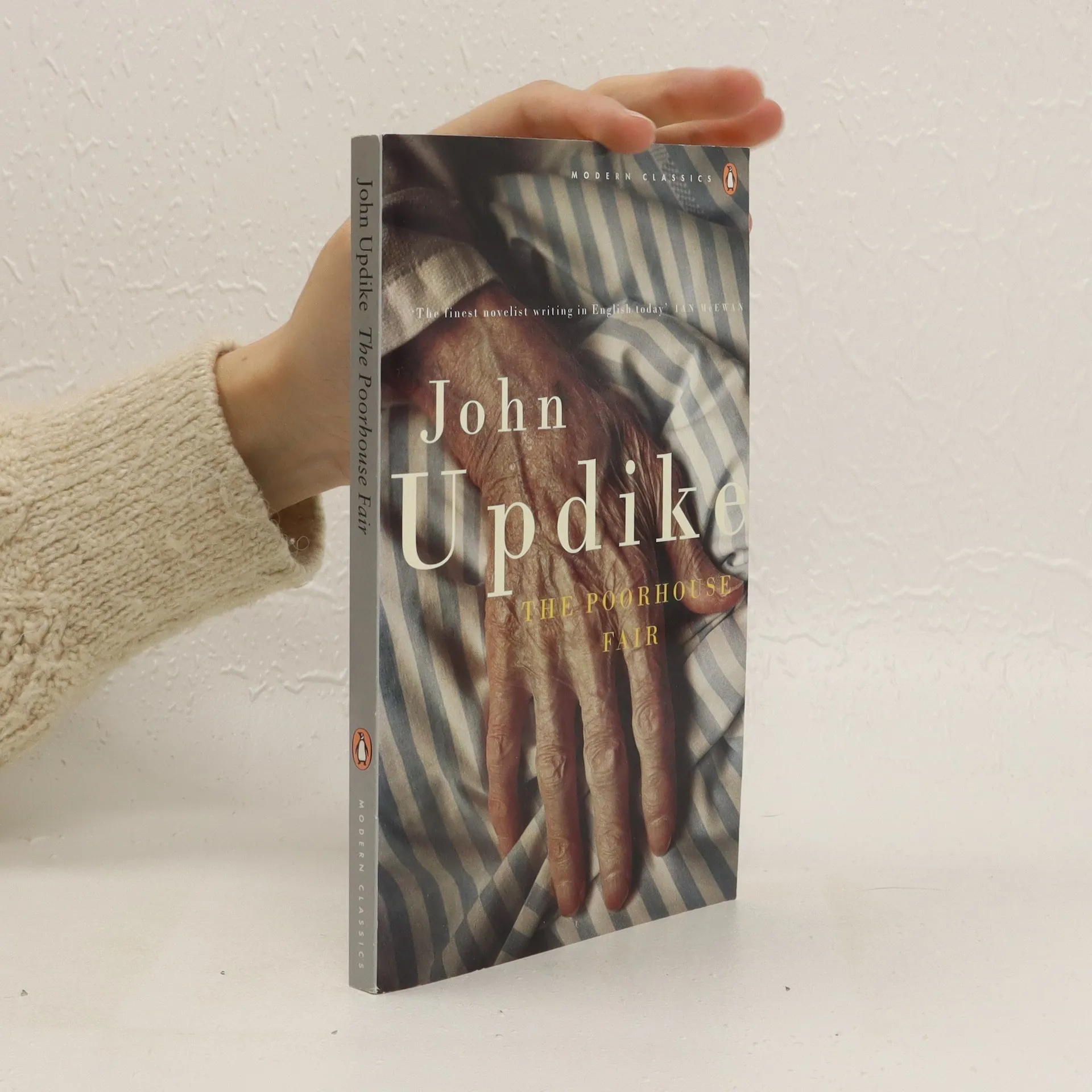
At the Diamond County Home for the Aged, the inmates prepare for the annual ritual of the Poorhouse Fair. The elderly residents take pride in the self-respect they gain from this one day. But when the fair goes less well than the folks had hoped, they blame Conner, the new prefect of the home. Together, they begin to revolt against the man.
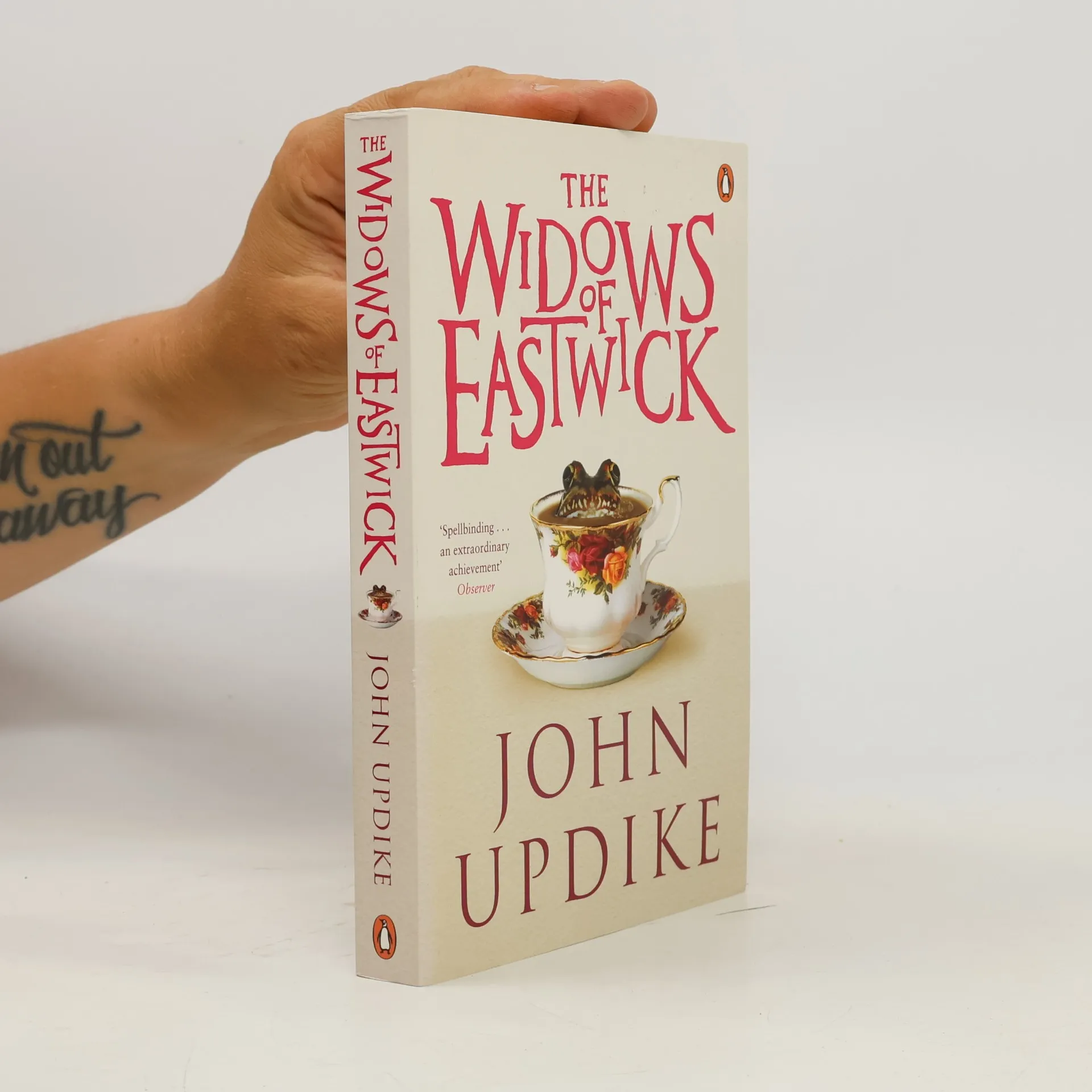
When the three witches - now old, remarried and widowed - decide to go back to Eastwick to spend a summer together, many things have changed. Darryl Van Horne is gone. Their husbands and lovers have gone. The lithe and supple bodies with which they wrecked marriages and wreaked havoc many years before have gone.
The story follows eighteen-year-old Ahmad Ashmawy Mulloy, who grapples with his faith in a materialistic New Jersey town. The son of an Irish American mother and an absent Egyptian father, he finds solace in the teachings of his imam, resisting the distractions posed by peers like his guidance counselor and a classmate. Working at a local furniture store, Ahmad believes he has found his purpose, yet the narrative hints at a darker path as he contemplates the implications of his faith and the concept of divine plotting.
"Some of the most beautiful writing in contemporary American literature is between the covers of this book . . ." BOSTON HERALD The triumphant collection of short stories by America's most acclaimed novelist. From the Paperback edition.
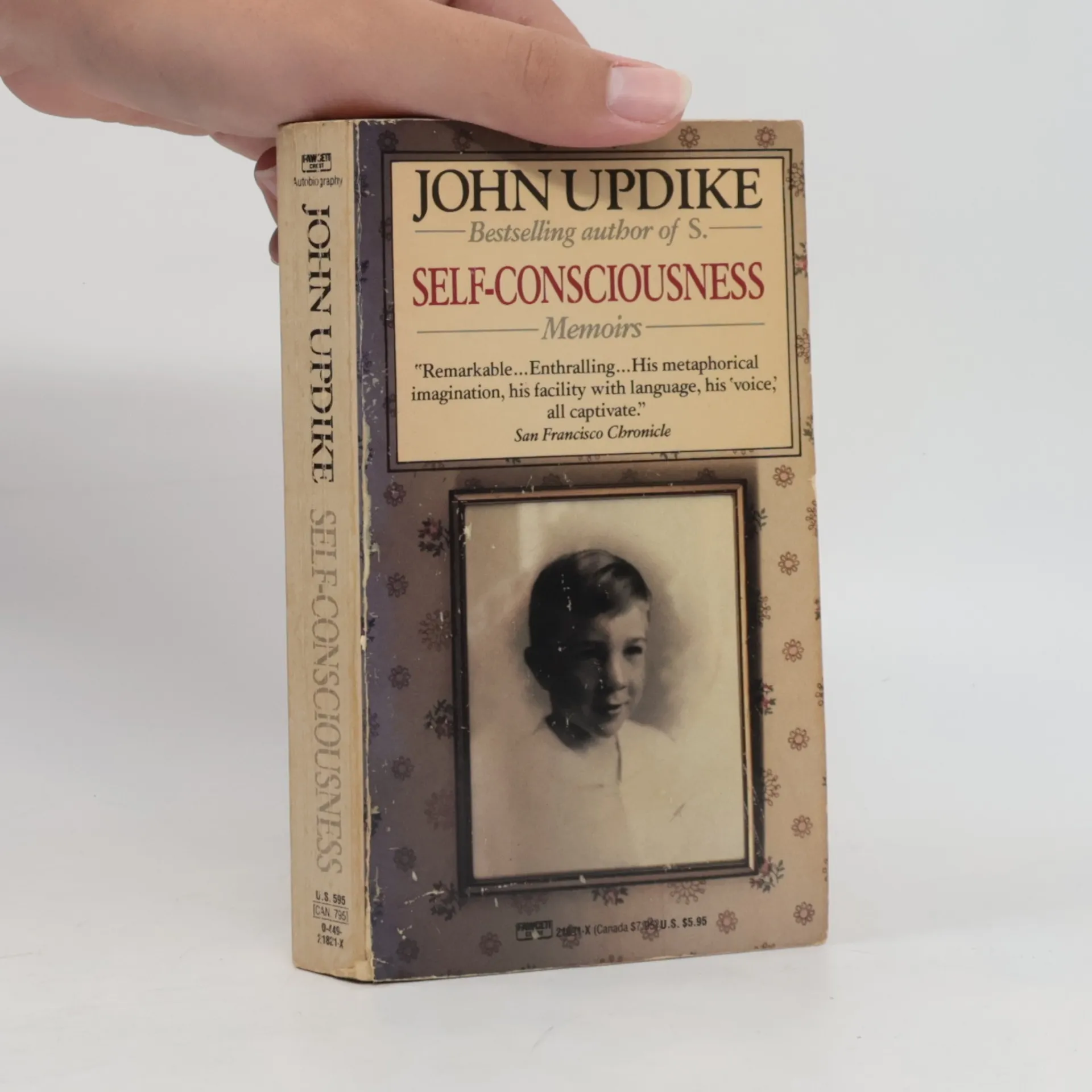
Self-ConsciousnessOne of our finest novelists now gives us his most dazzling creation -- his own life. In six eloquent and compelling chapters, the author of The Witches of Eastwick and the wonderful Rabbit trilogy gives us an incitingly honest look at the makings of an American writer -- and of an American man.Here is Updike on his childhood, on ailments both horrible (psoriasis) and hilarious (his experiences at the hands of a dentist), on his stuttering, on his feelings during the Vietnam War, on his genealogy. and on that most elusive of subjects, his innermost self. What emerges is a fascinating, fully formed portrait -- candid, often very, funny, and always illuminating.John Updike
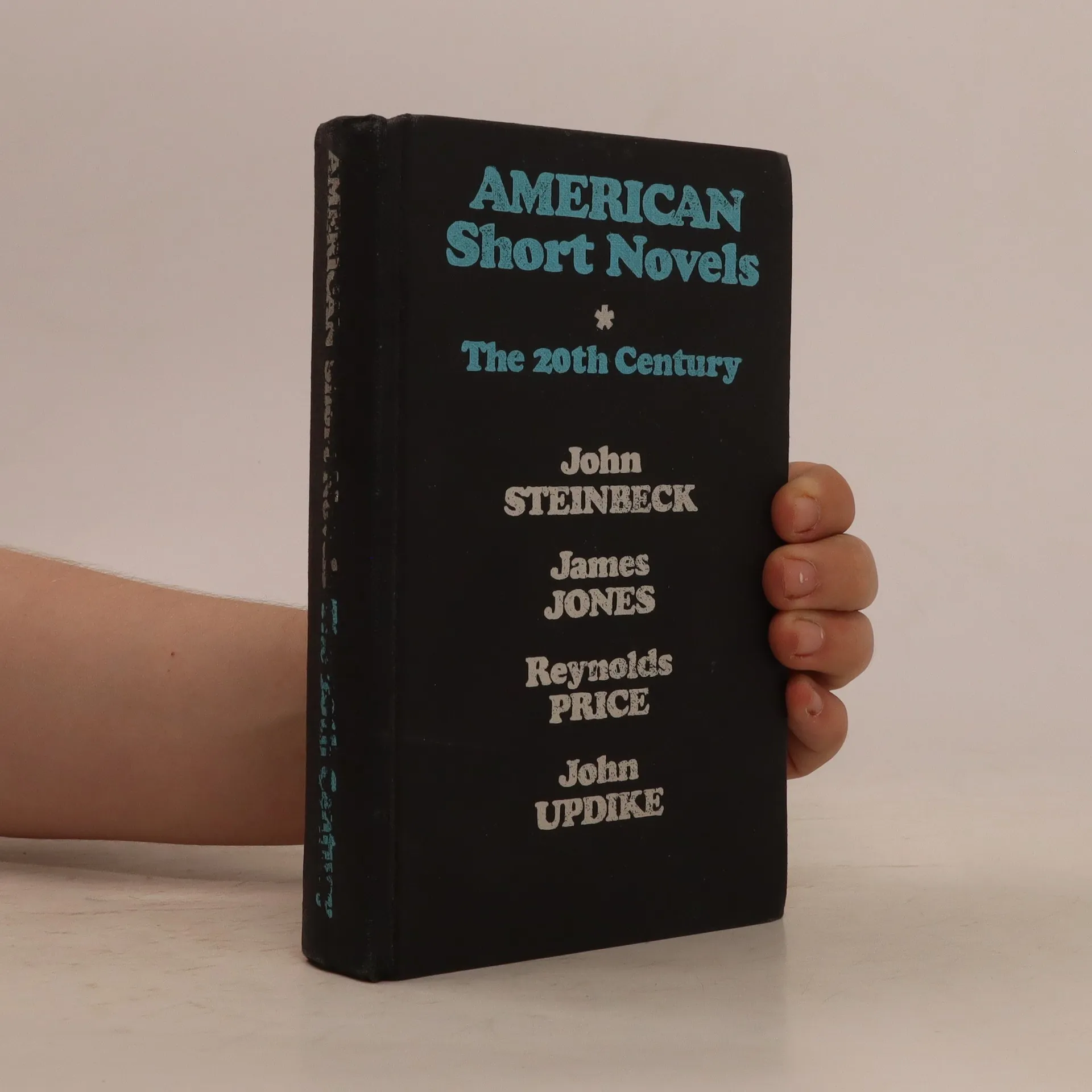
A collection of 4 US novels, published in Steinbeck - Of men and miceJames Jones - The pistolReynolds Price - A long and lappy lifeJohn Updike - Of the farm
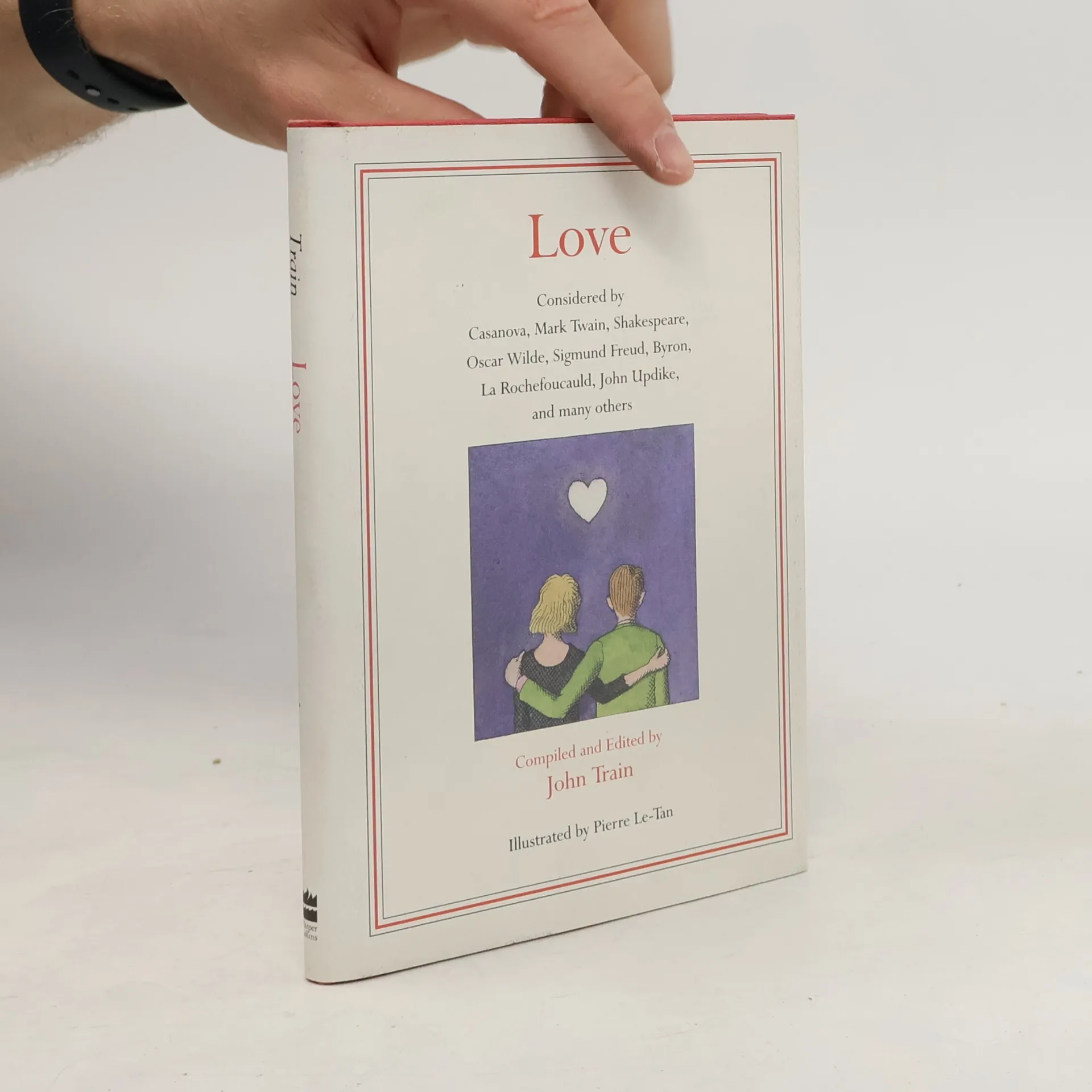
Considered by Casanova, Mark Twain, Shakespeare, Oscar Wilde, Sigmund Freud, Byron, La Rochefoucauld, John Updike, and Many Others
A collection of observations on love features the words of James Joyce, Helen Hayes, Anton Chekhov, Marcel Proust, Jane Austen, Ralph Waldo Emerson, Edna St. Vincent Millay, Stendahl, Bertrand Russell, and the Duchess of Marlborough.
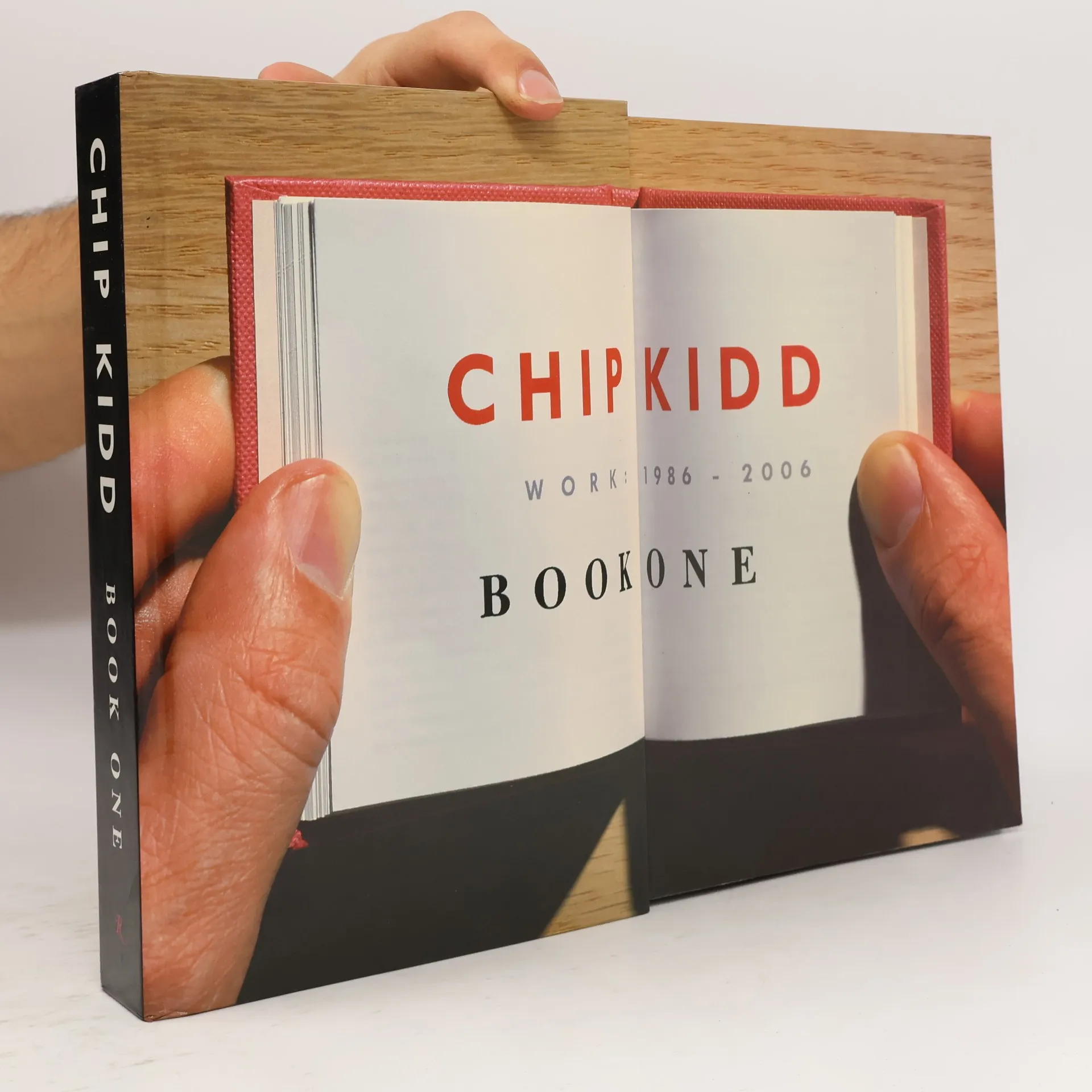
Described as "the closest thing to a rock star" in graphic design today (USA Today), Chip Kidd is universally recognized as an American master of contemporary book design. At the forefront of a revolution in publishing, Kidd's iconic covers, with their inventive marriage of type and found images, have influenced an entire generation of design practitioners in many fields.Chip Kidd: Book One collects all of his book covers and designs for the first time, as well as hundreds of developmental sketches and concepts-annotated by Kidd and by many of the best-selling authors he's worked with over the years. The result is an important contribution to the design canon today as well as a visually dazzling (and often hilarious) insider's look at the design and publishing process.The book also showcases Kidd's work with comics and graphic novels, including his collaborations with leading artists and writers in the field. Featured are projects for DC Comics, including Batman and Superman, as well as Kidd's award-winning exploration of the art of Charles M. Schulz. Chip Kidd: Book One is sure to enthrall design aficionados, book lovers, pop-culture fanatics, comics fans, and design students.
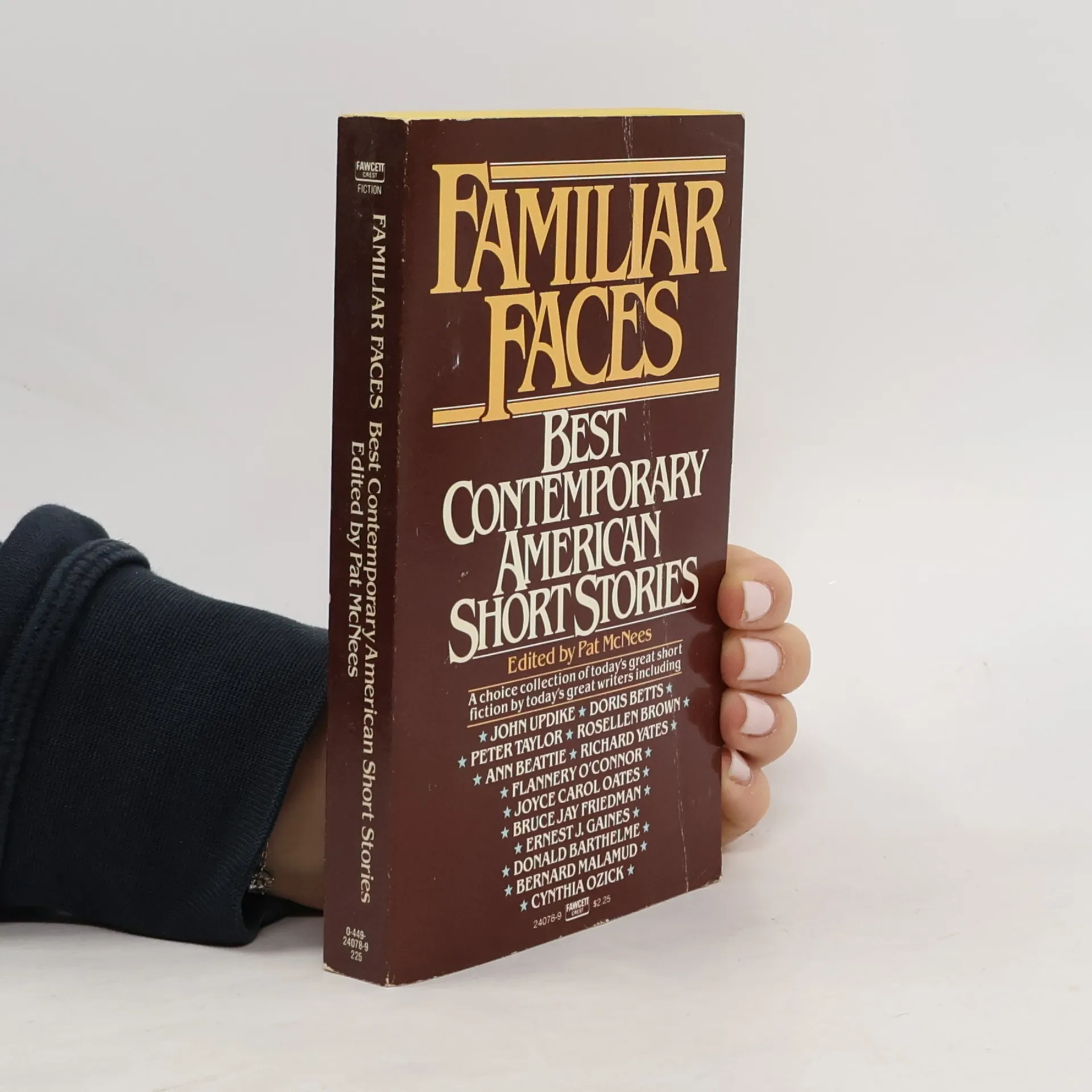
The conflicts of common people in everyday situations are revealed from many angles in a collection of stories assembled to offer an impression of contemporary American life
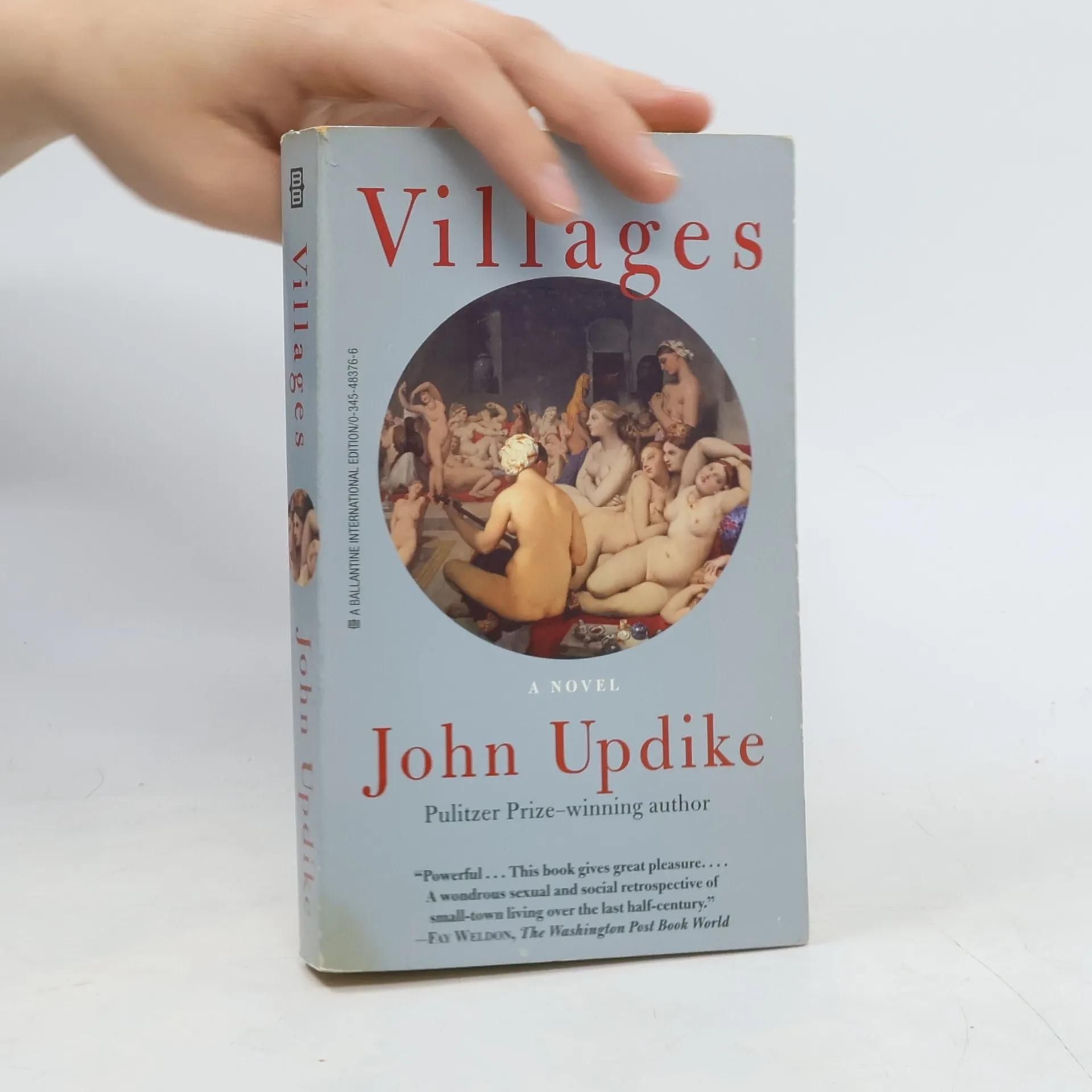
In the small town of Pierce Junction adultery is the popular pastime and pillow talk the common currency. Martin knows the women he hasn't yet seduced hold his attention for the longest, and Winifred, married to his own wife's lover, stirs him in ways he never expects.
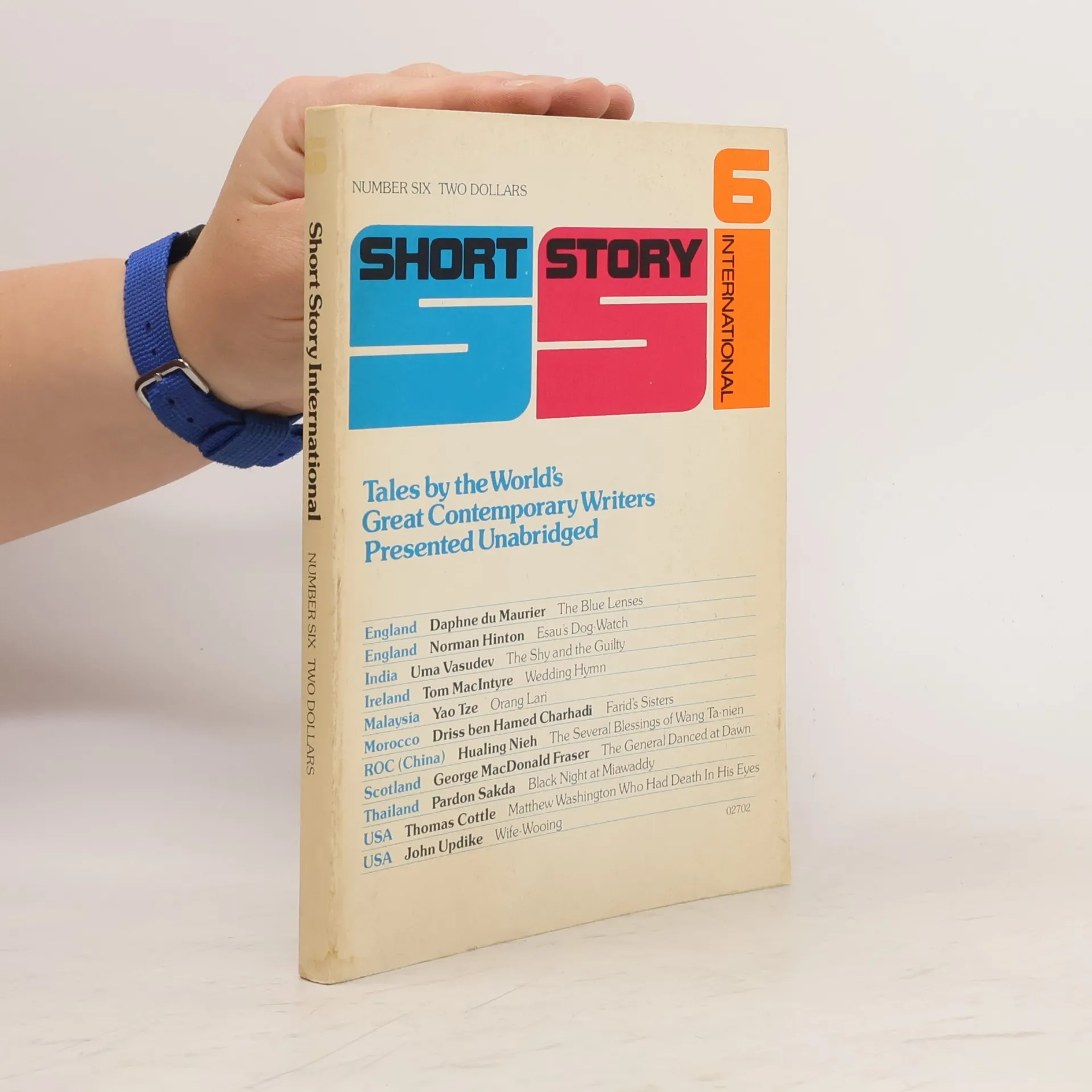
Tales by the World's Great Contemporary Writers Presented Unabridged
From India: Inhibition, in this story, is a cousin to The Seven Year Itch. From Scotland: Dancing is not always a primitive sex rite. Anyone familiar with military history will tell that the dancing Scotch soldiers are among the toughest in the world. From Malaysia: As pigs are pigs, ingrates are ingrates. From England: You'll probably start with a chuckle and end with a howl as this dog-lover goes all-out for her dog. All stories in this issue are reprinted full and unabridged.
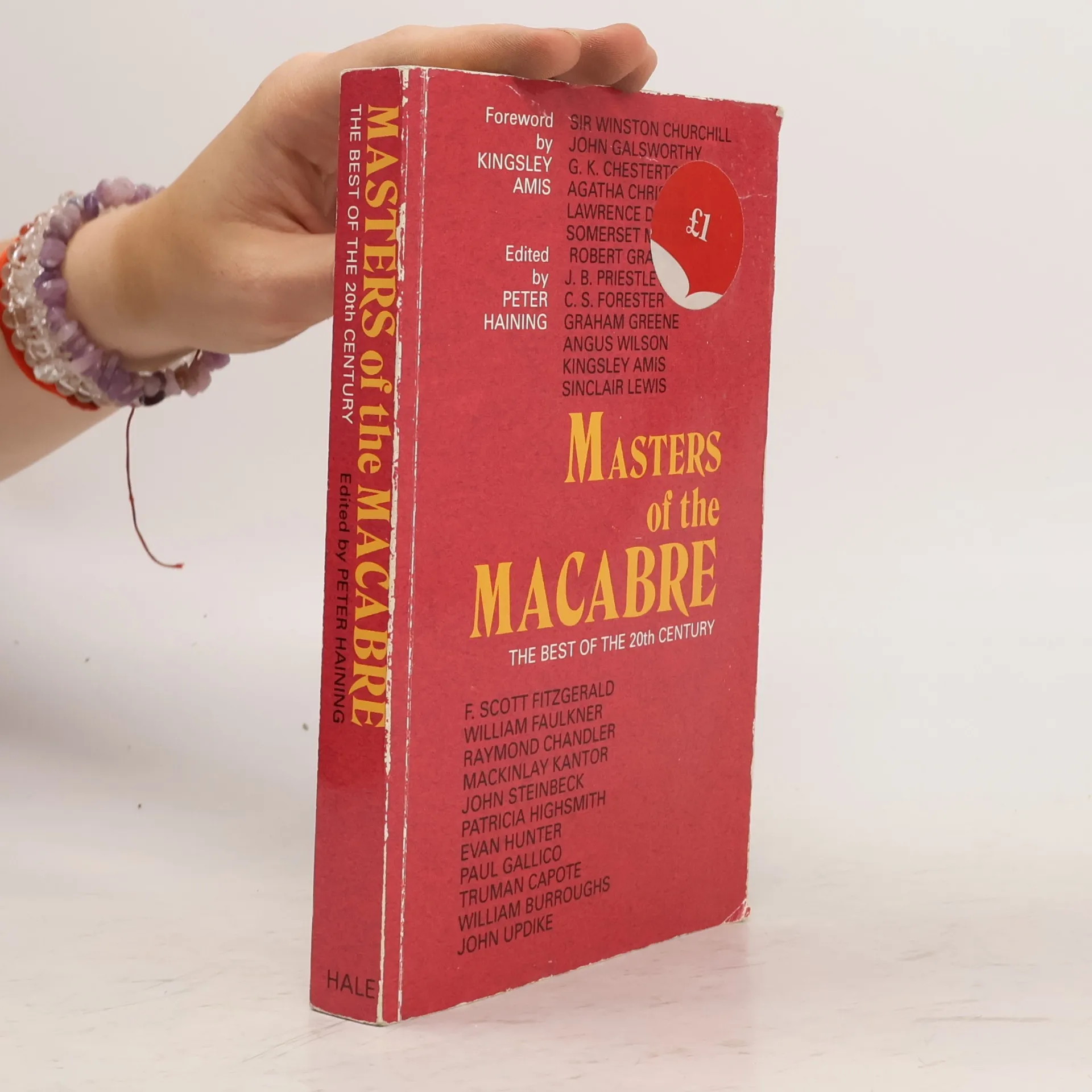
Stories included: Man Overboard (Sir Winston Churchill) Timber (John Galsworthy) The Angry Street (G. K. Chesterton) The Call of Wings (Agatha Christie) The Cherries (Lawrence Durrell) A Man From Glasgow (Somerset Maugham) Earth to Earth (Robert Graves) The Grey Ones (J. B. Priestley) The Man Who Didn't Ask Why (C. S. Forester) All But Empty (Graham Greene) Animals or Human Beings (Angus Wilson) Something Strange (Kingsley Amis) The Post-Mortem Murder (Sinclair Lewis) The Dance (F. Scott Fitzgerald) A Rose for Emily (William Faulkner) The Bronze Door (Raymond Chandler) A Man Who Had No Eyes (MacKinlay Kantor) The Affair at 7 Rue de M-- (John Steinback) The Snail Watcher (Patricia Highsmith) Inferiority Complex (Evan Hunter) The Terrible Answer (Paul Gallico) Miriam (Truman Capote) Exterminator (William Burroughs) During the Jurassic (John Updike)
Short Stories by Ann Beattie, John Updike, Cynthia Ozick, Louis D. Rubin, Mavis Gallant, Alice Munro, Elizabeth Tallent, Hortense Calisher, Joyce Carol Oates, Elizabeth Hardwick, and many others.
The anthology features significant New Yorker articles from the tumultuous 20th century, showcasing works by renowned authors like James Baldwin, Sylvia Plath, and Pauline Kael. It also includes contemporary evaluations of the 1960s by today's leading writers, providing a rich exploration of the era's cultural and social dynamics. This collection highlights both historical perspectives and modern interpretations, making it a compelling read for those interested in literary history and the evolution of thought during a pivotal decade.
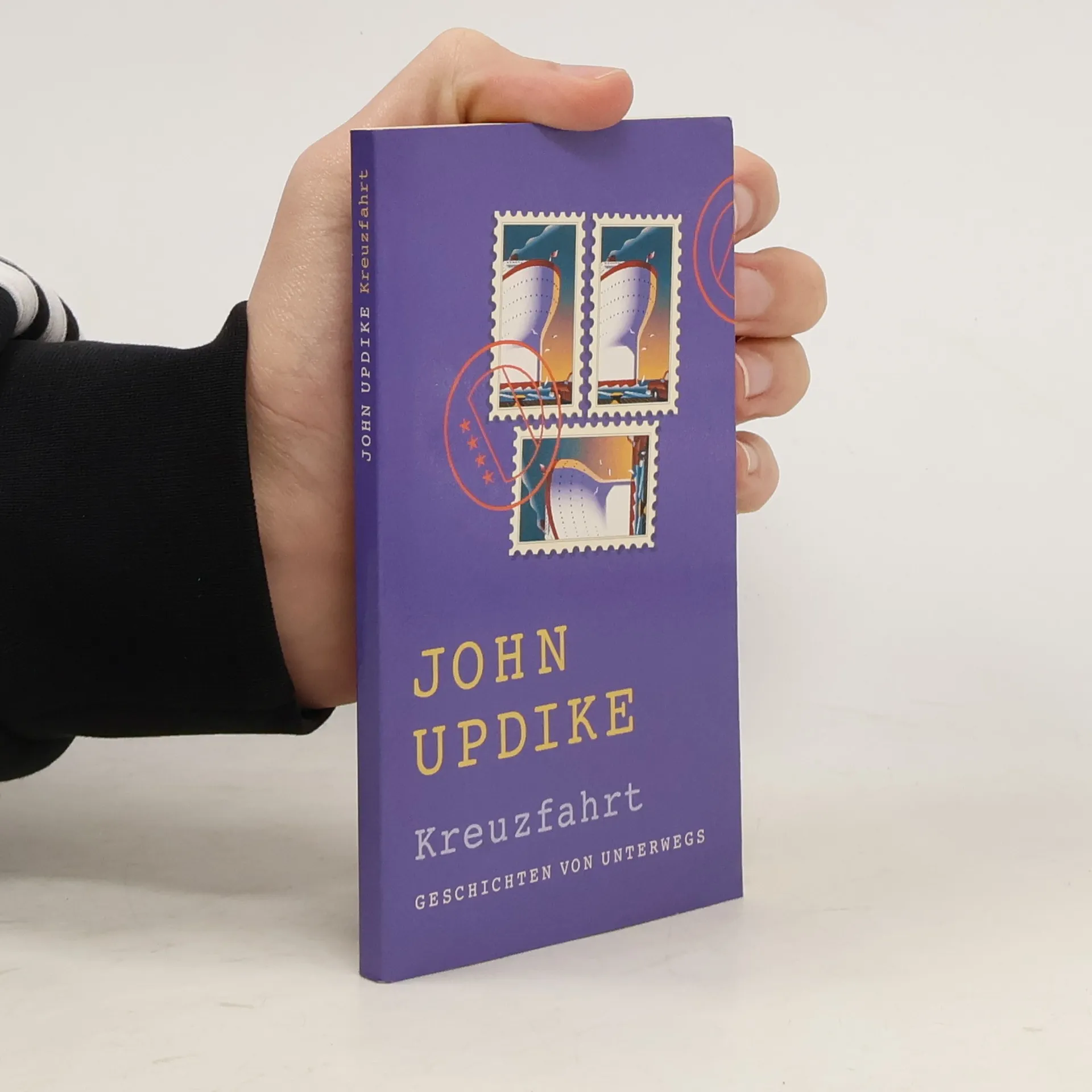
Warum hört John Updike gerne Radio? Was hat er zu sagen, wenn er seinem eigenen Romanhelden Bech Rede und Antwort stehen muss? In seinen Kommentaren zum eigenen Werk erweist sich der Pulitzerpreisträger selbst die Ehre. Aber Updike wäre nicht Updike, würde nicht auch der Rest der schreibenden Zunft seiner scharfsinnigen, doch immer auch charmanten Aufmerksamkeit teilhaftig: Lob und Tadel für Momente vollkommenen Leseglücks und Leseleids.
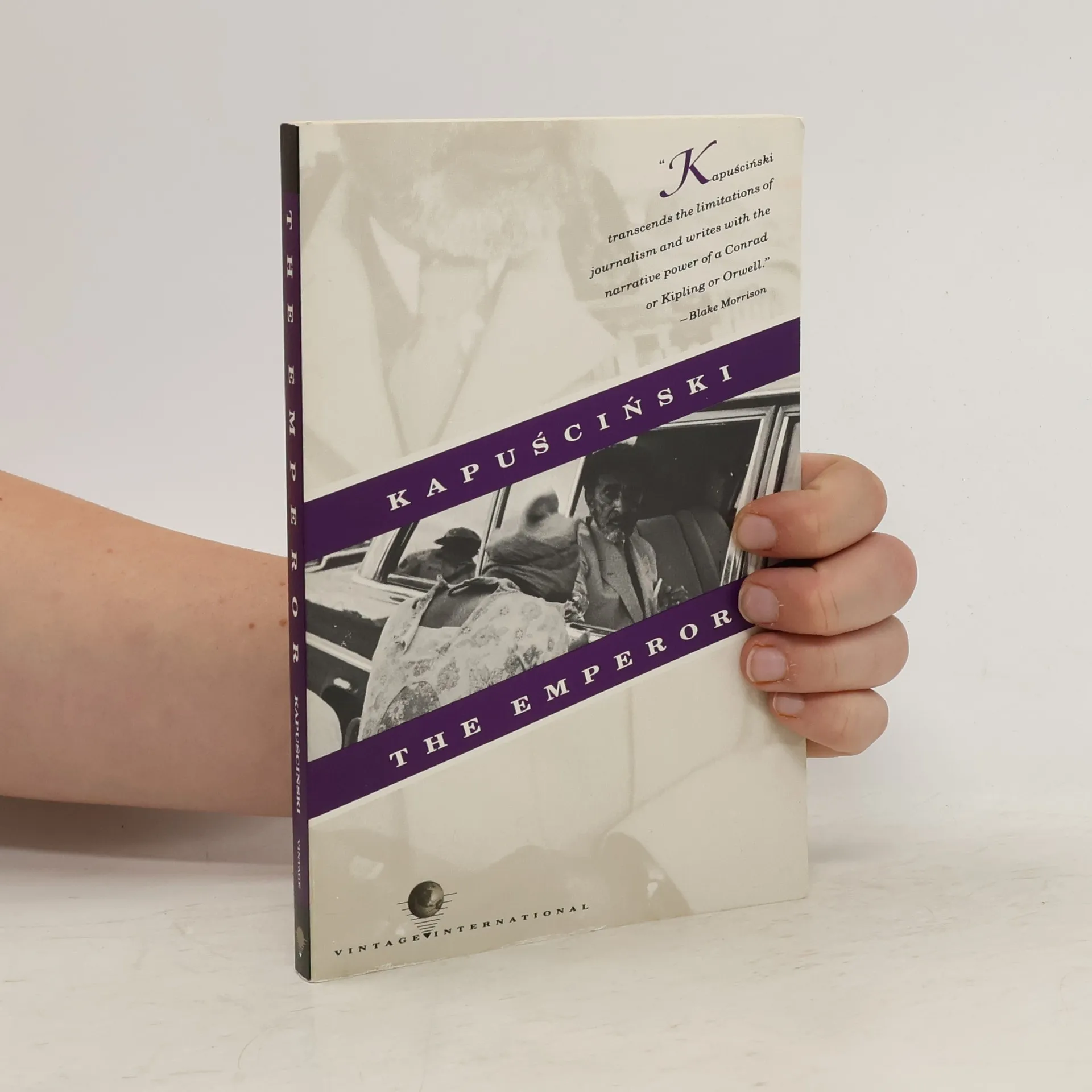
Haile Selassie, King of Kings, Elect of God, Lion of Judah, His Most Puissant Majesty and Distinguished Highness the Emperor of Ethiopia, reigned from 1930 until he was overthrown by the army in 1974. While the fighting still raged, Ryszard Kapuscinski, Poland's leading foreign correspondent, traveled to Ethiopia to seek out and interview Selassie's servants and closest associates on how the Emperor had ruled and why he fell. This "sensitive, powerful. . .history" (The New York Review of Books) is Kapuscinski's rendition of their accounts—humorous, frightening, sad, grotesque—of a man living amidst nearly unimaginable pomp and luxury while his people teetered between hunger and starvation.
Updike gilt als einer der bedeutendsten Erzähler unserer Zeit. In seinen frühen Erzählungen zeigt er sein Meisterschaft in der Short Story und thematisiert das Besondere im Alltäglichen sowie die Vergänglichkeit. Dieser zweite Band enthält vier bisher unveröffentlichte und achtzehn schwer zugängliche Erzählungen.
Die Geschichte der Maples zeigt den schleichenden Verfall ihrer Ehe über Jahre hinweg. Anfangs harmonisch, erleben sie Entfremdung, Affären und letztlich die Unmöglichkeit des Zusammenlebens. Die Erzählung thematisiert das Fehlen ungetrübten Glücks und die Herausforderungen einer Beziehung im Laufe der Zeit.
Ebenso klug wie in seinen Romanen äußert sich Updike in diesem Band über Literatur und Kulturgeschichte, über Architektur und den amerikanischen „Way of Life“. Den Schwerpunkt des Bandes bilden Updikes literarische Essays. Mit dem Sachverstand und dem geschärften Blick des Insiders gibt er neue Einblicke in die Werke berühmter Autoren von Flaubert und Joyce bis zu Böll und Kundera, macht mit verblüffender Leichtigkeit komplexe Zusammenhänge anschaulich und erweist sich nicht zuletzt als unerbittlicher und unbestechlicher Kritiker seines eigenen Werkes.