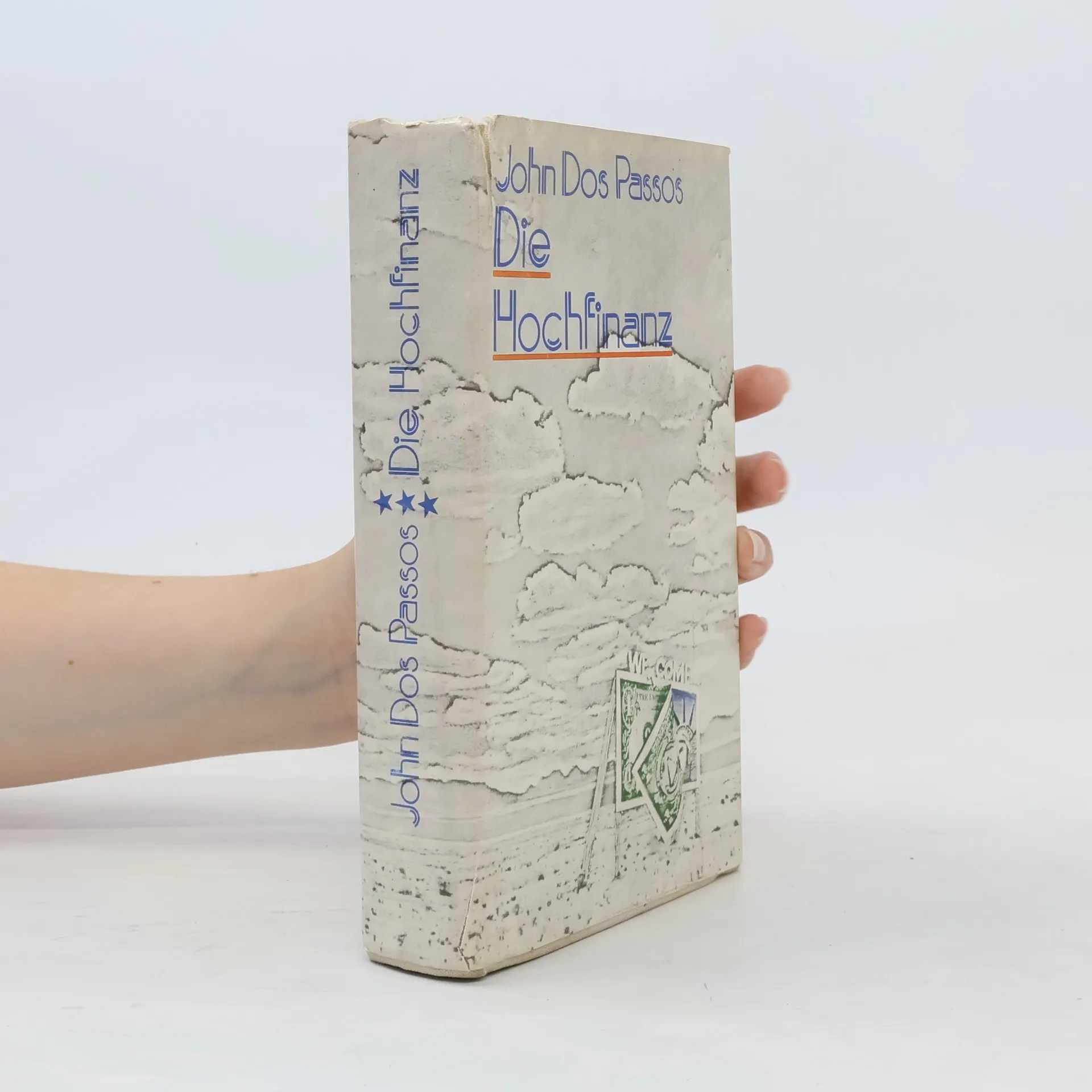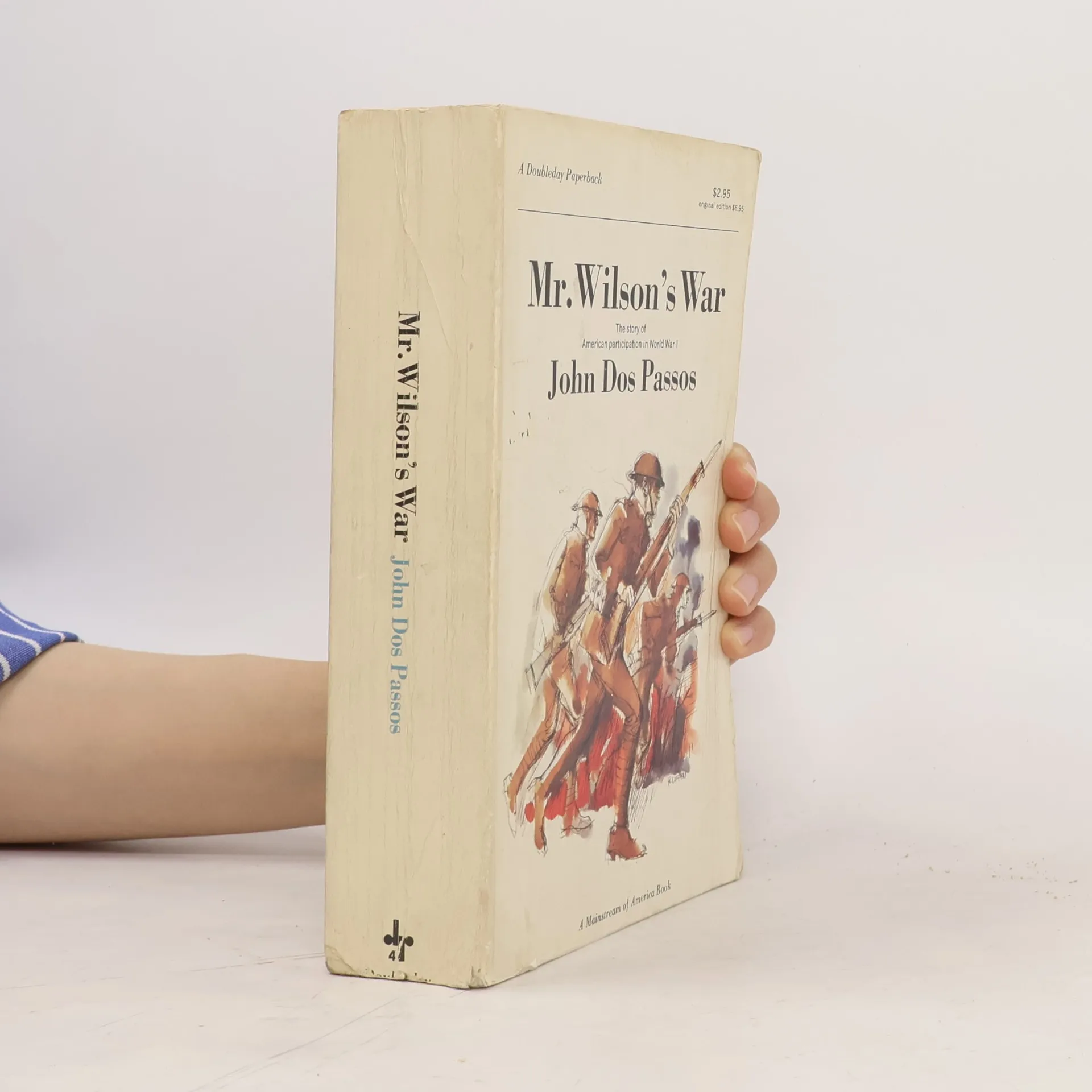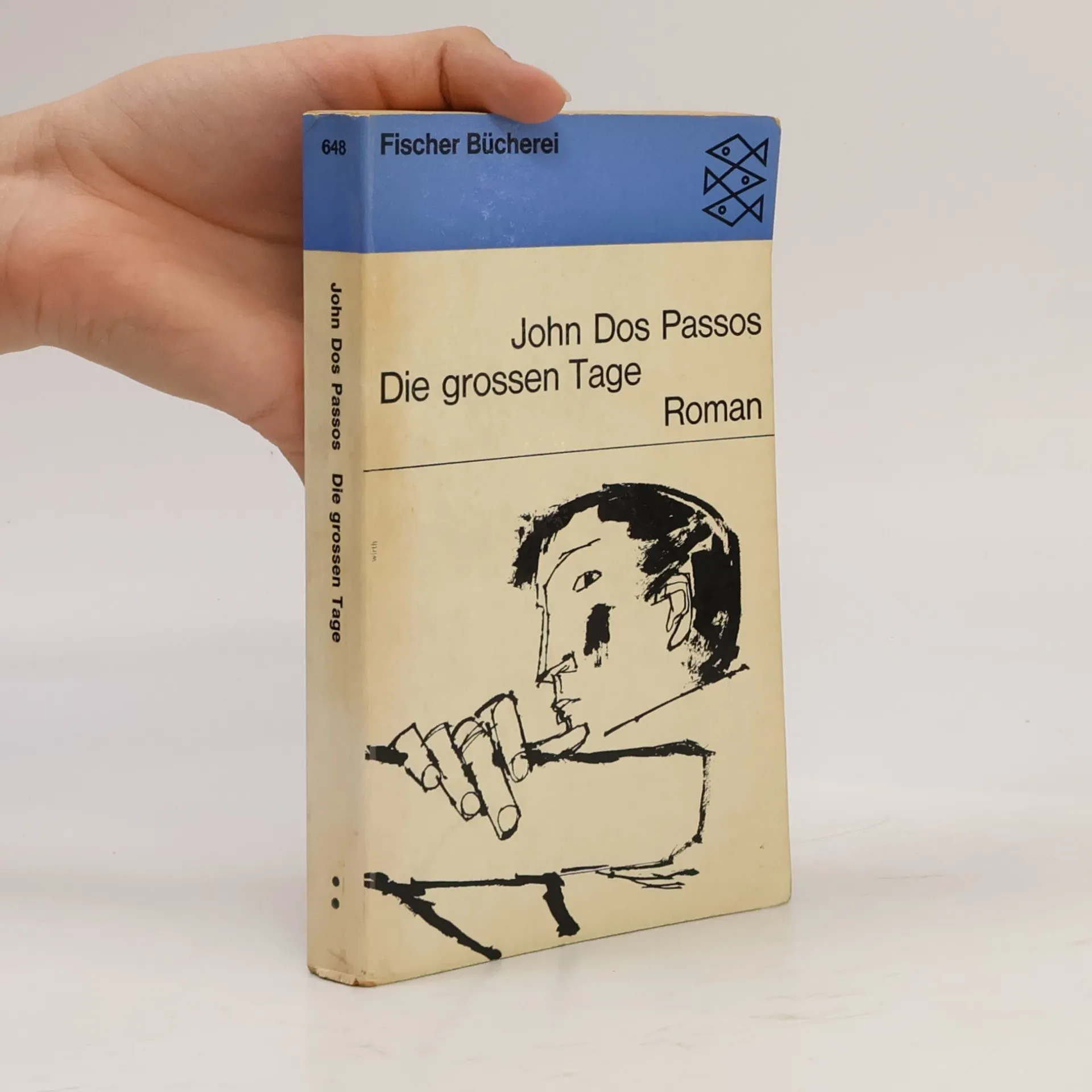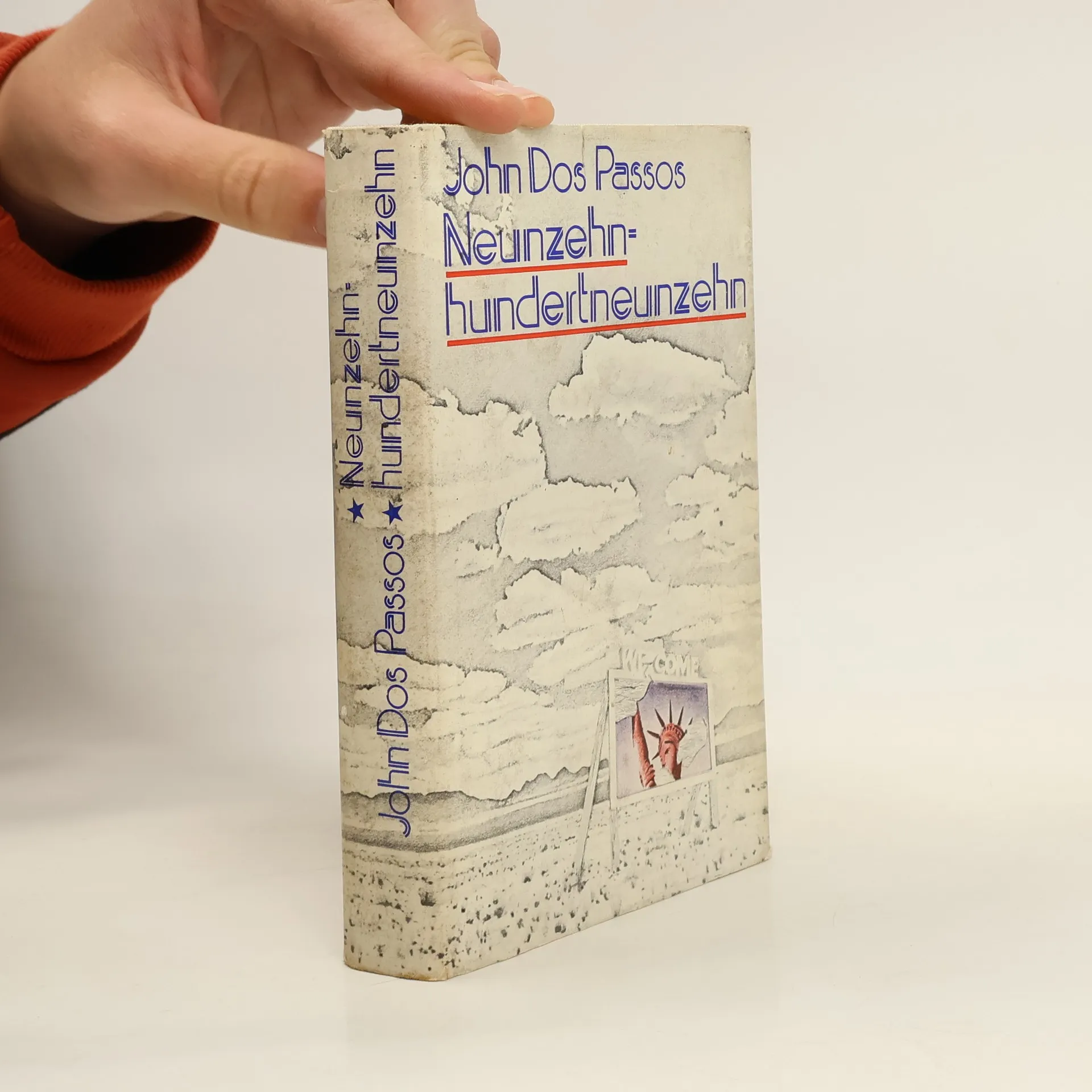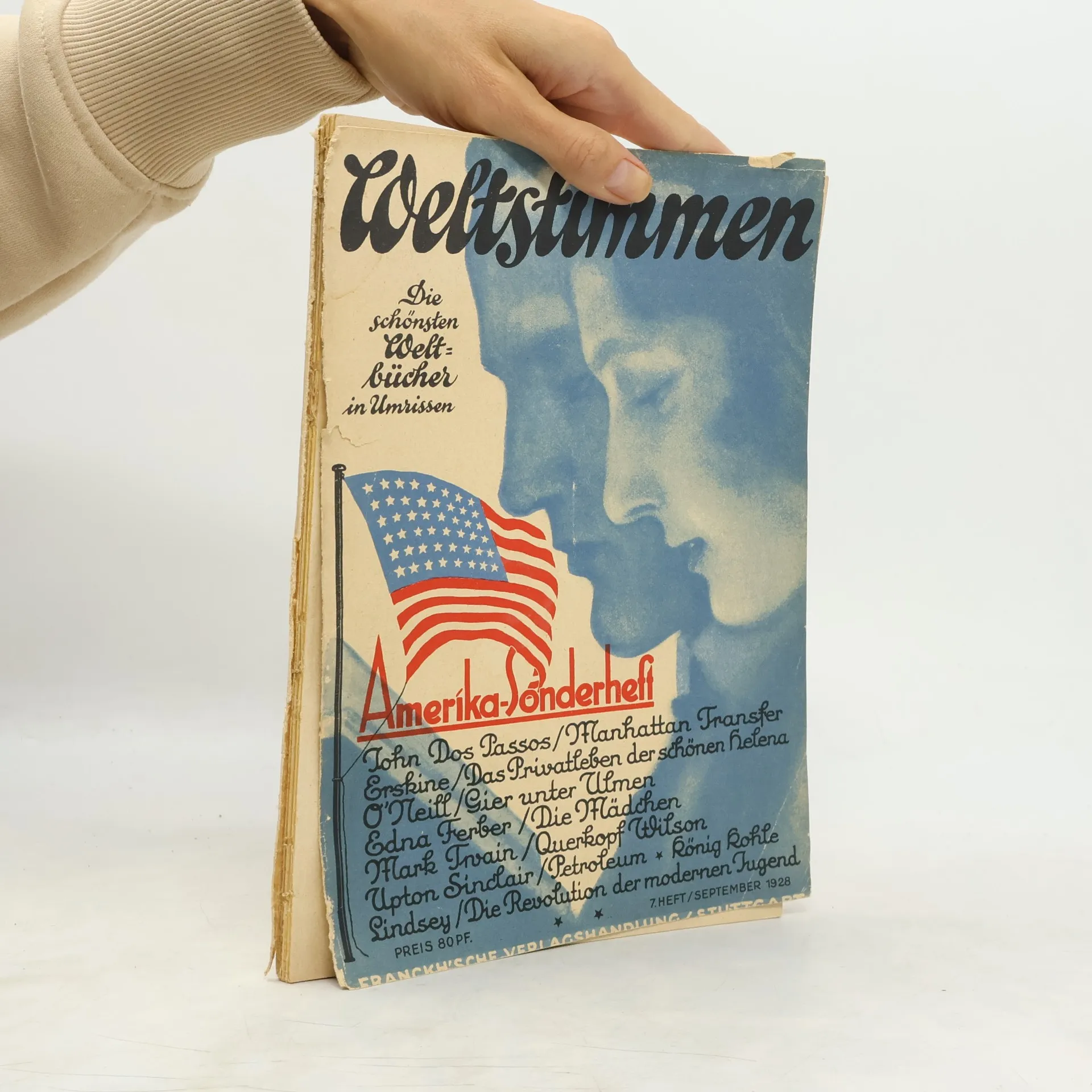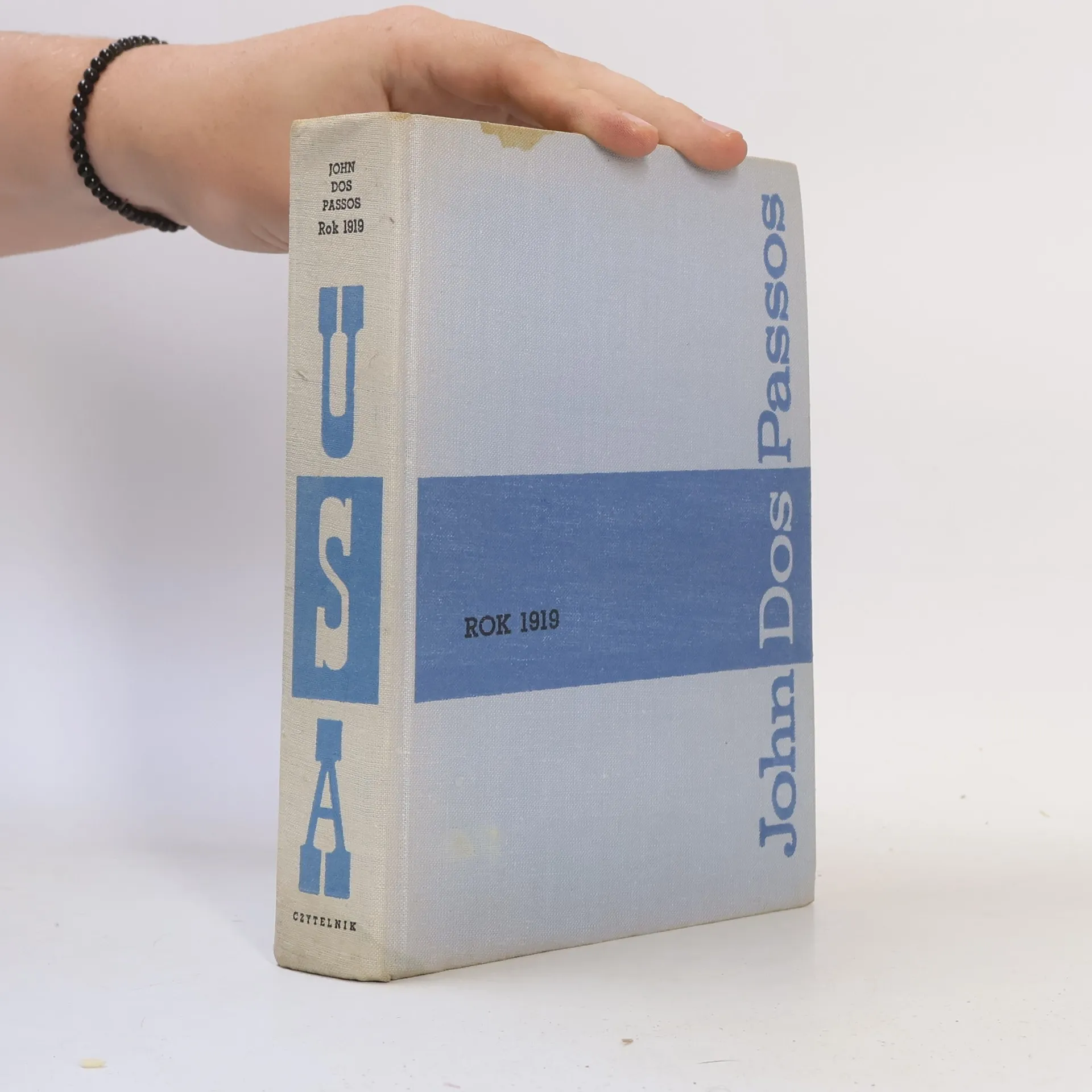

Explore the latest books of this year!
Bookbot

John Dos Passos

    January 14, 1896 – September 28, 1970

    John Dos Passos was a pivotal voice of his generation, his work offering sharp commentary on American society and the horrors of war. Employing innovative stylistic techniques such as montage and stream of consciousness, his writing captured the chaotic and fragmented nature of modern life. Dos Passos explored themes of alienation, social injustice, and the search for identity within the vast landscape of the American experience. His literary significance lies in his bold formal experimentation and his unflinching examination of the social and political terrain of his era.

    John Dos Passos
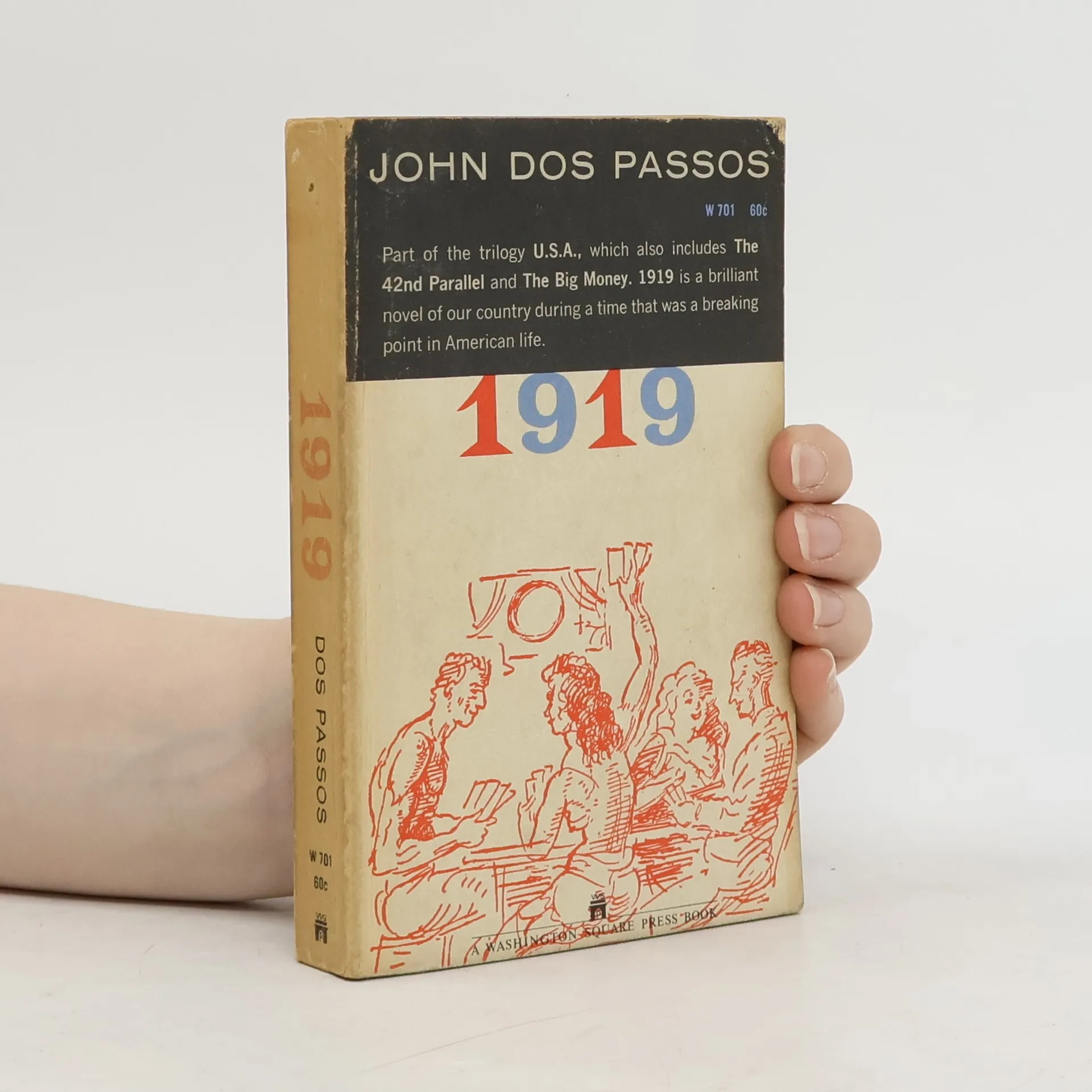
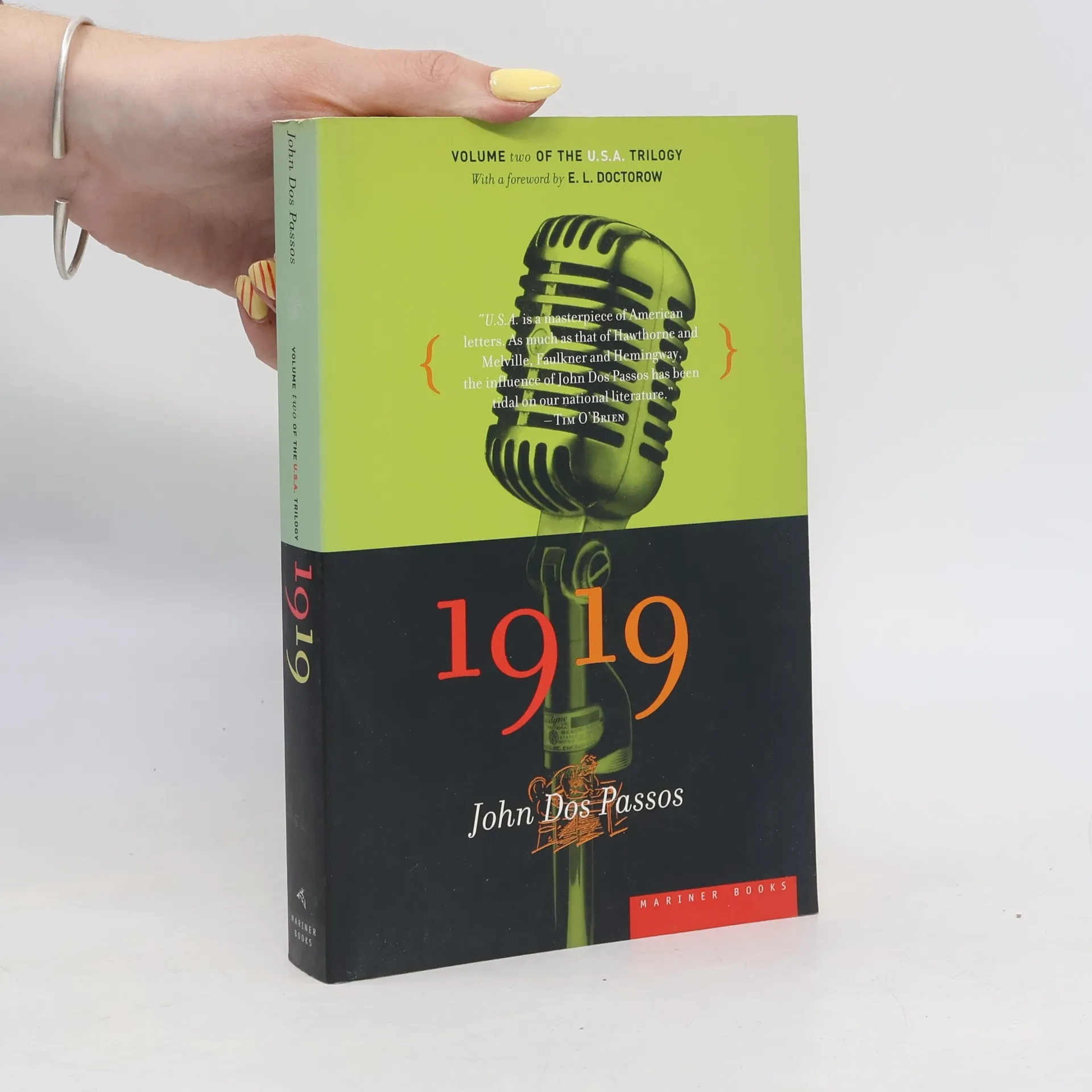
    1919
    The Big Money
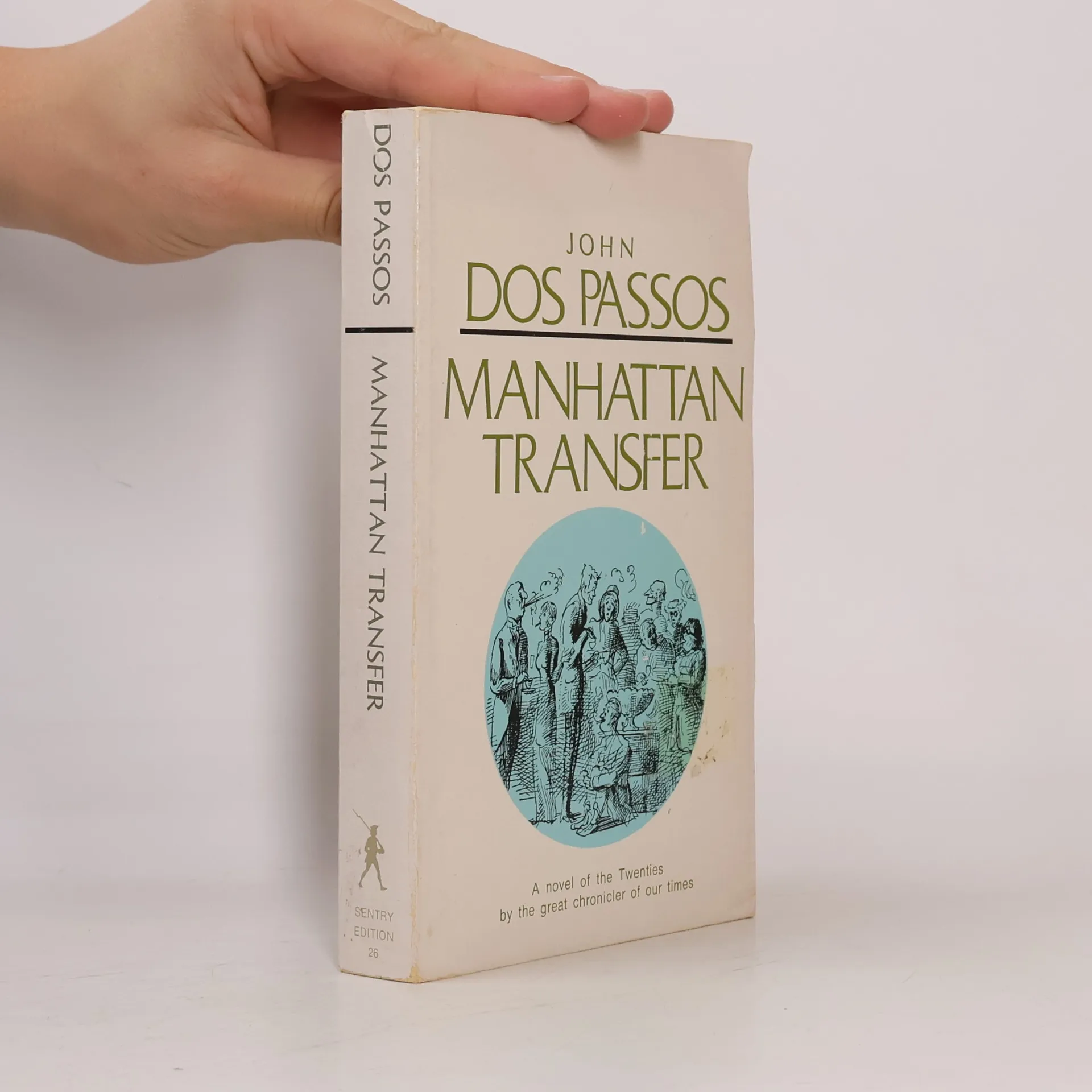
    Manhattan Transfer (Warbler Classics)
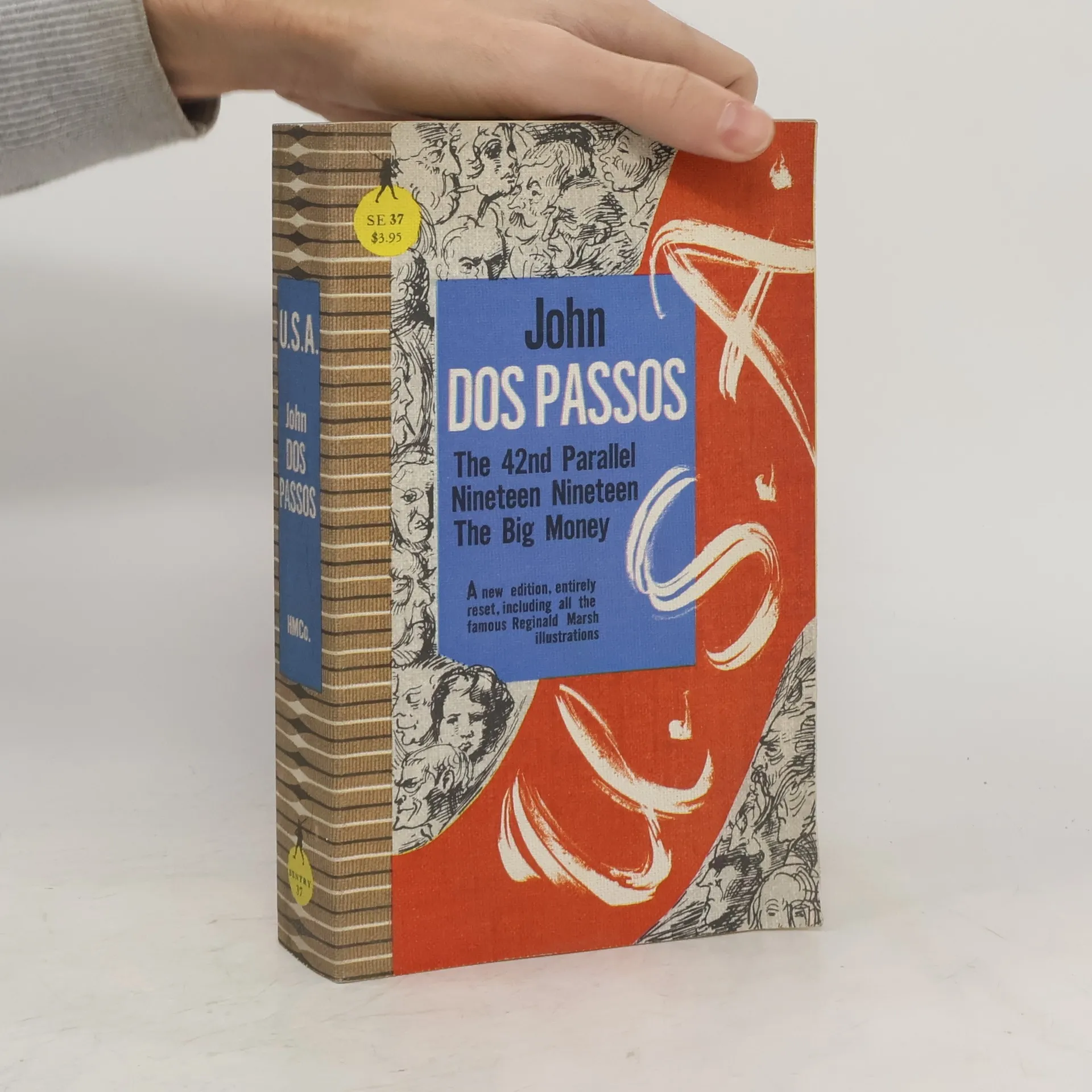
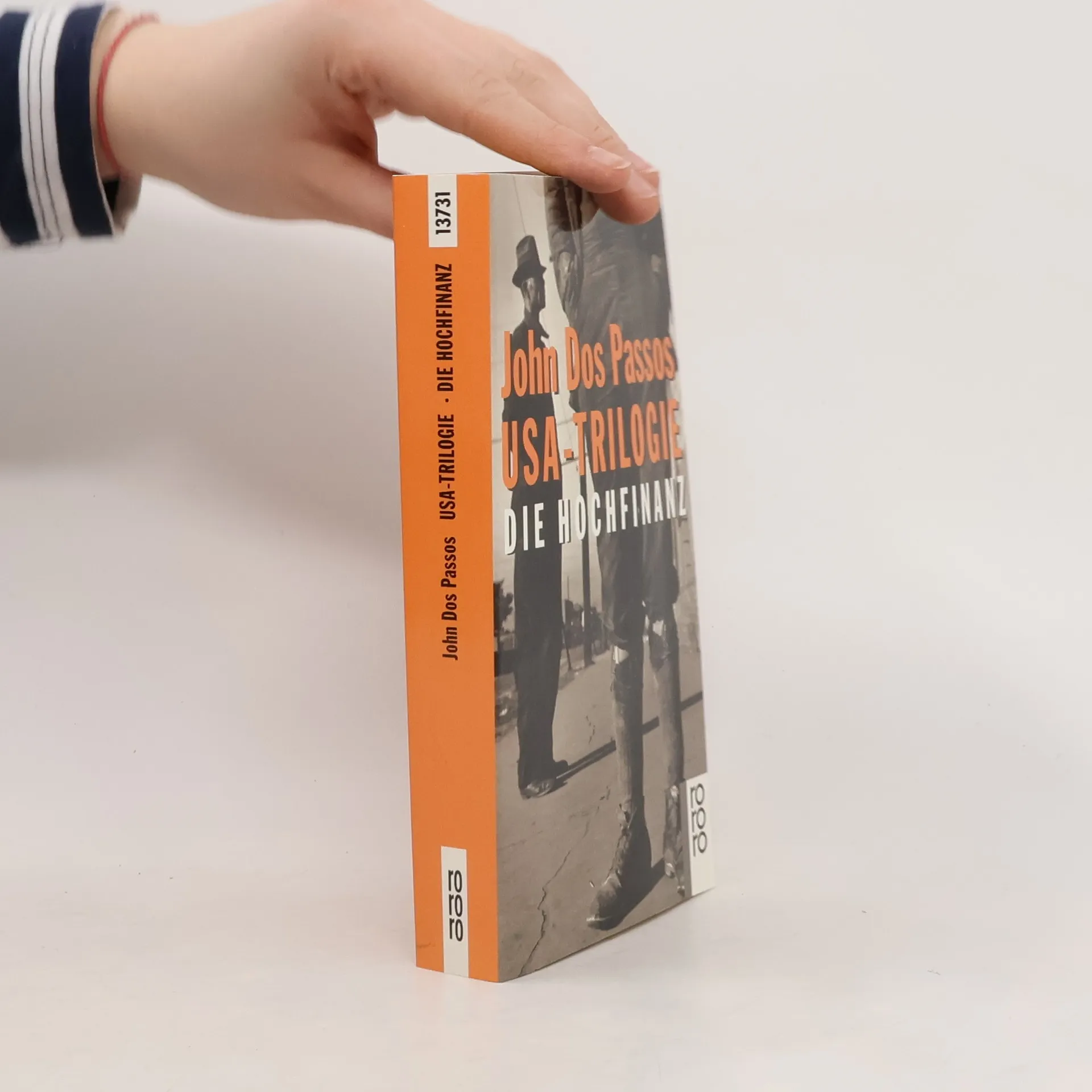
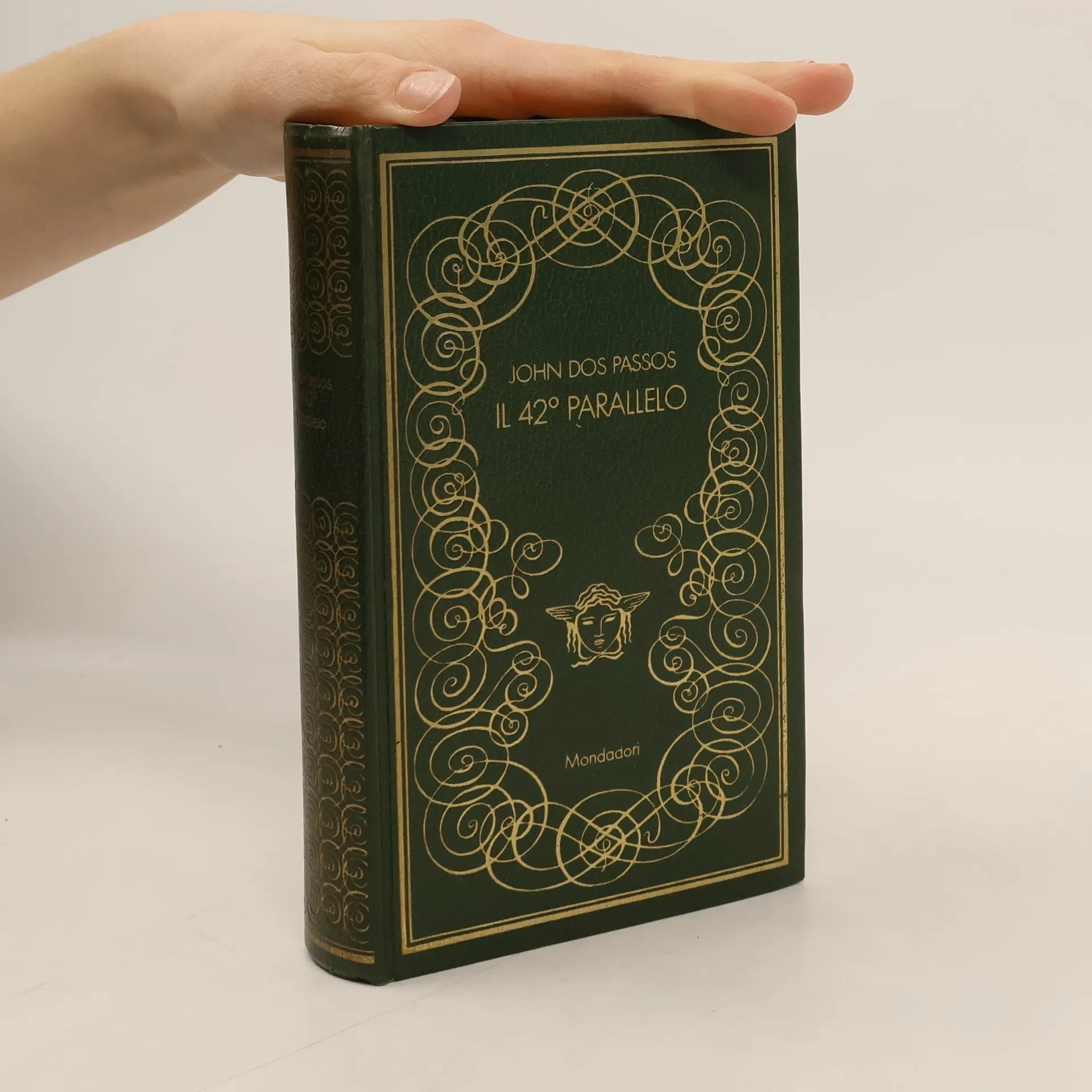
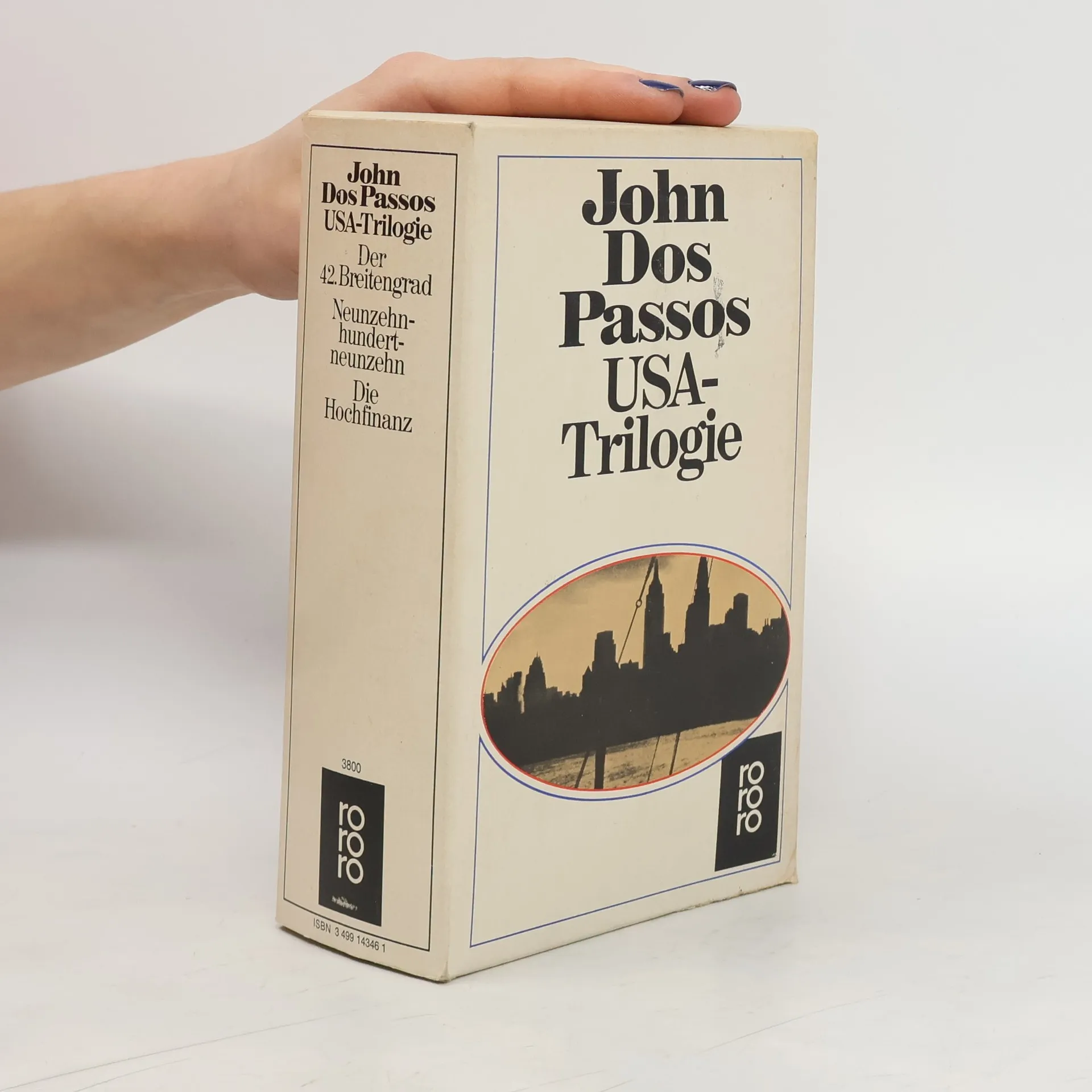
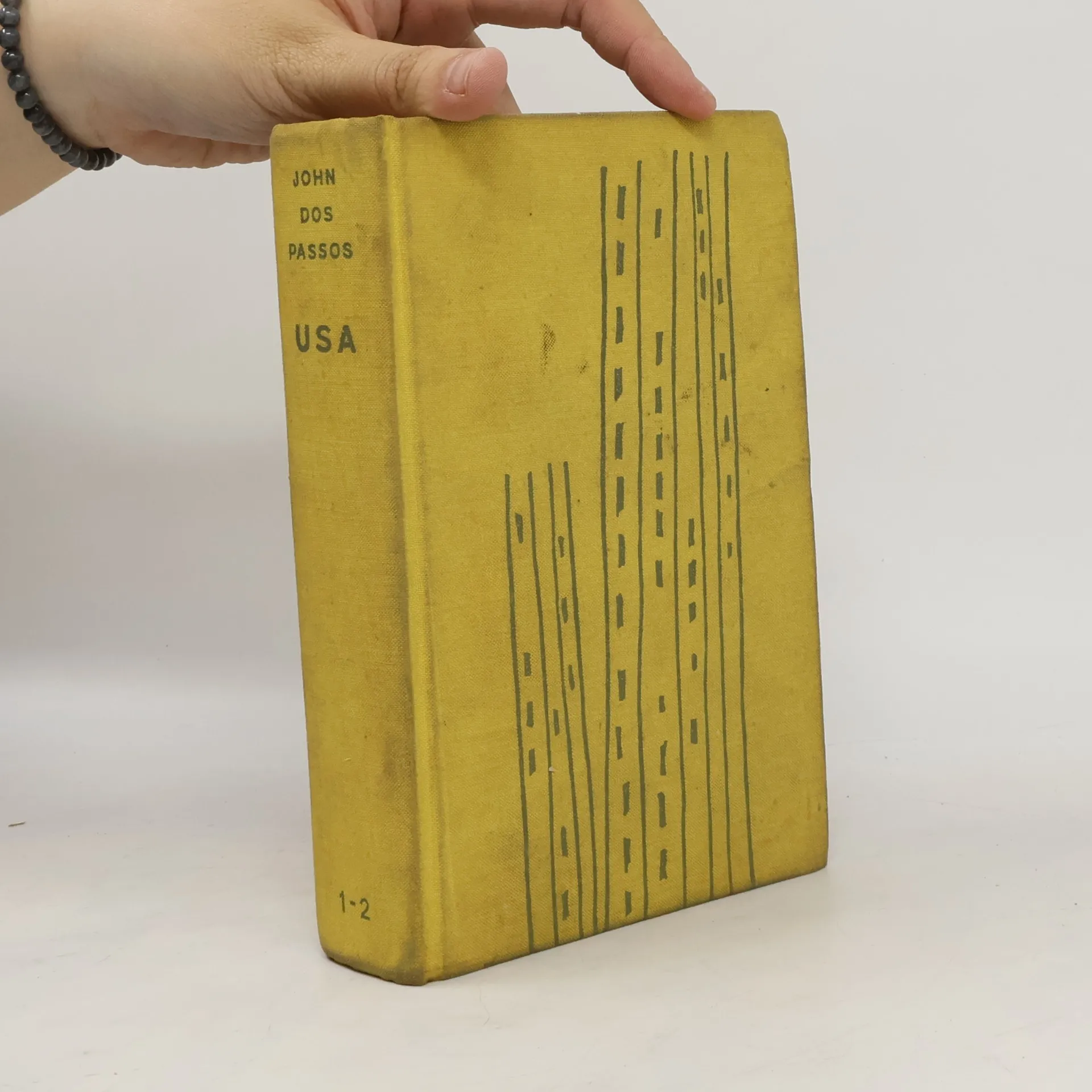
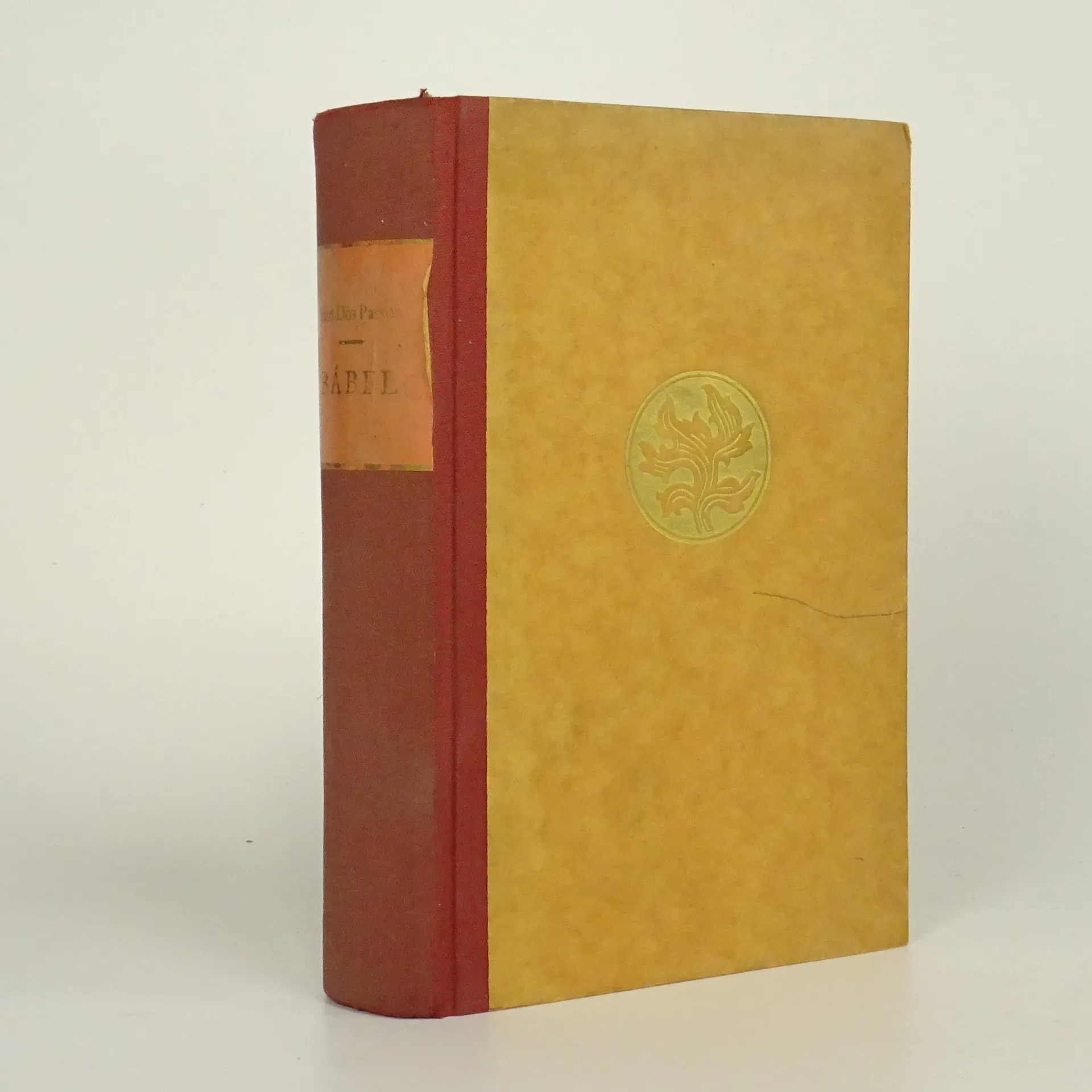
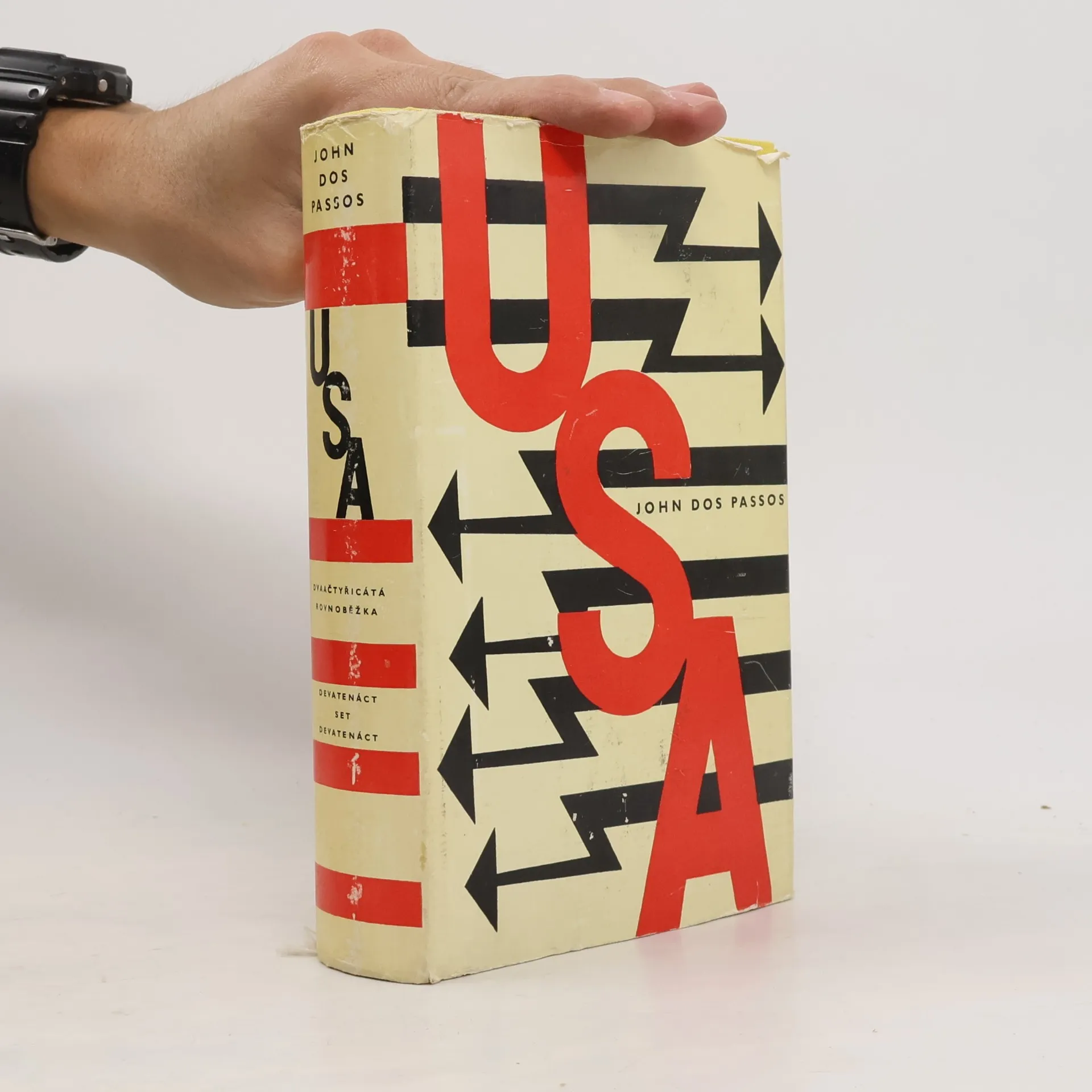
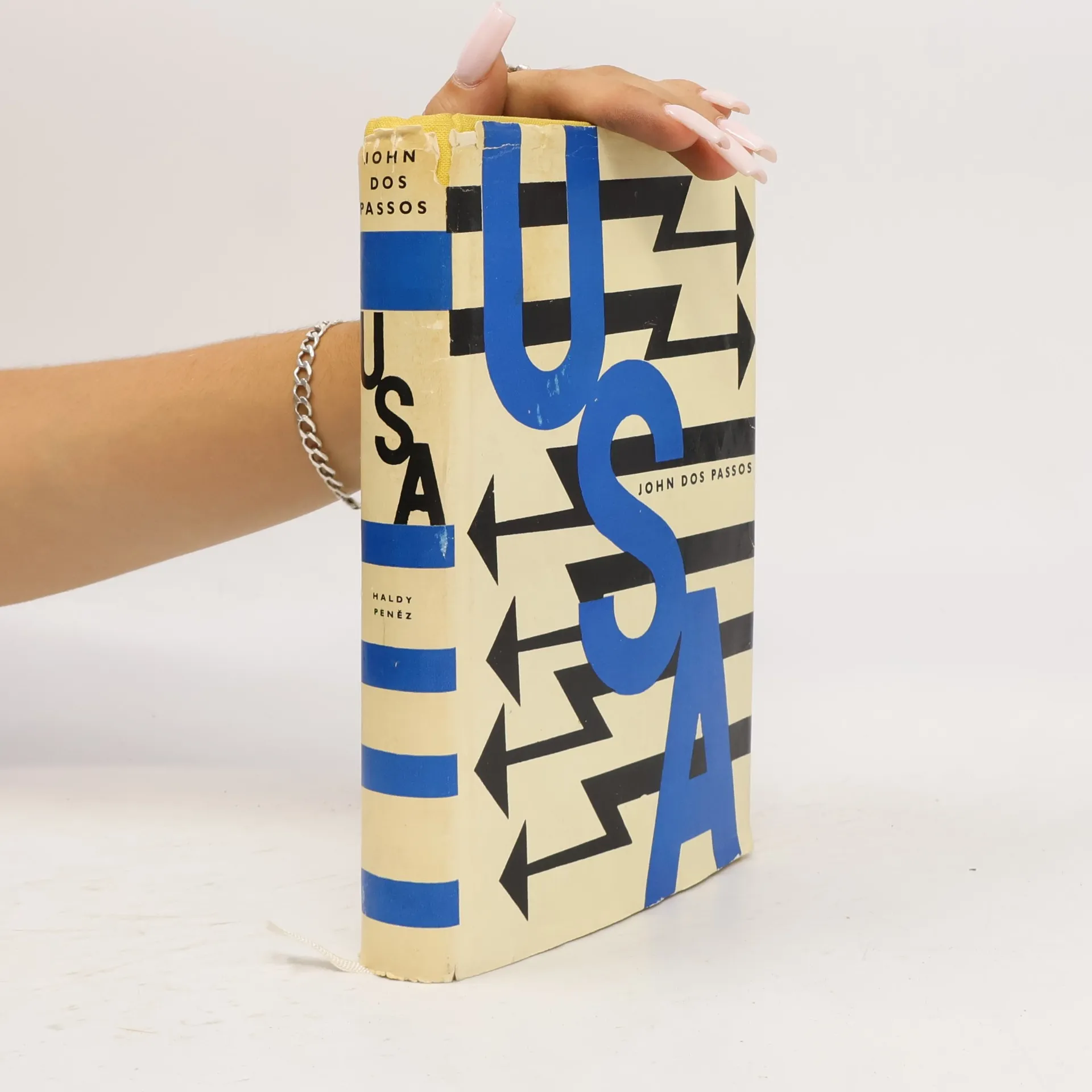
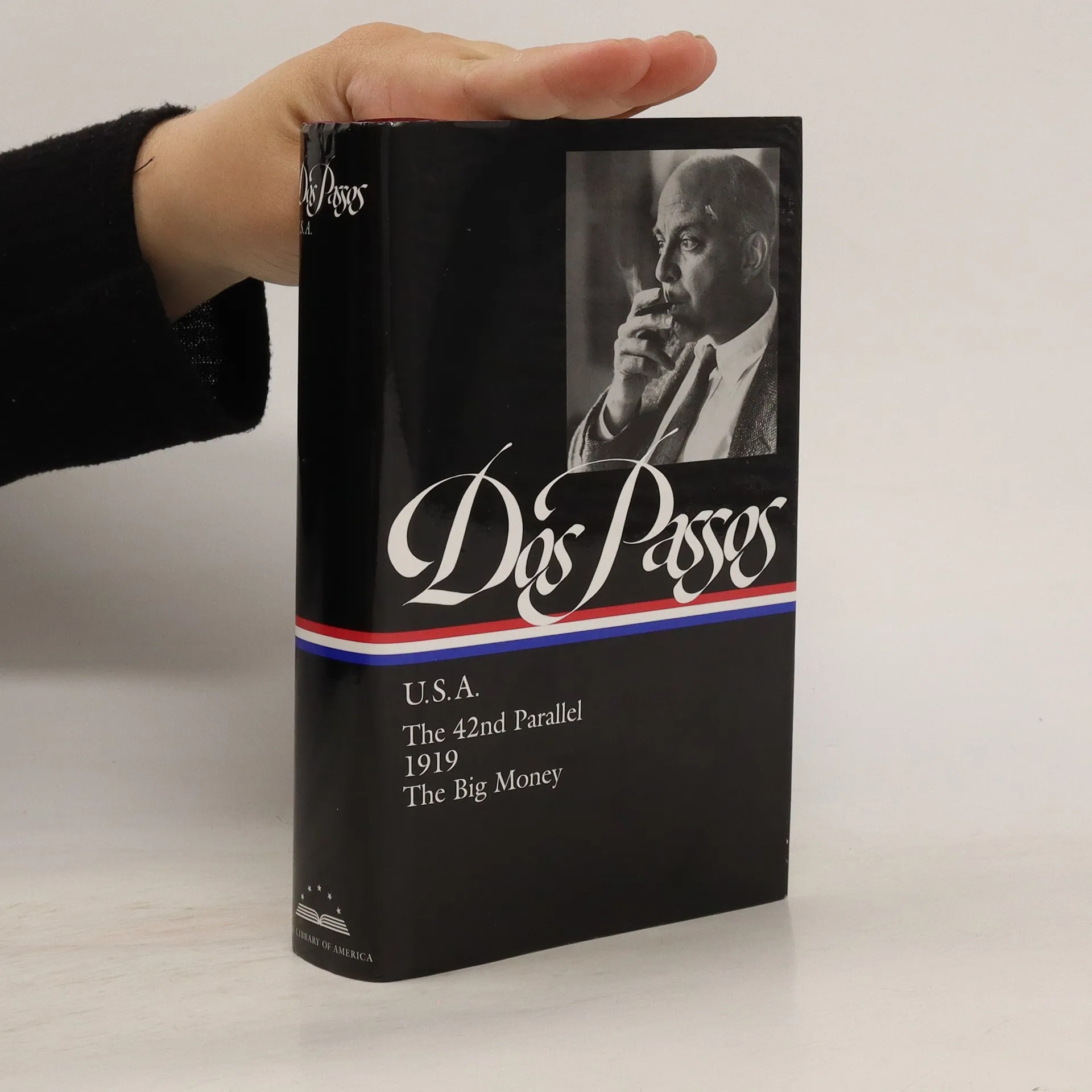
    U.S.A.: The 42nd Parallel. 1919. The Big Money
    U.S.a.
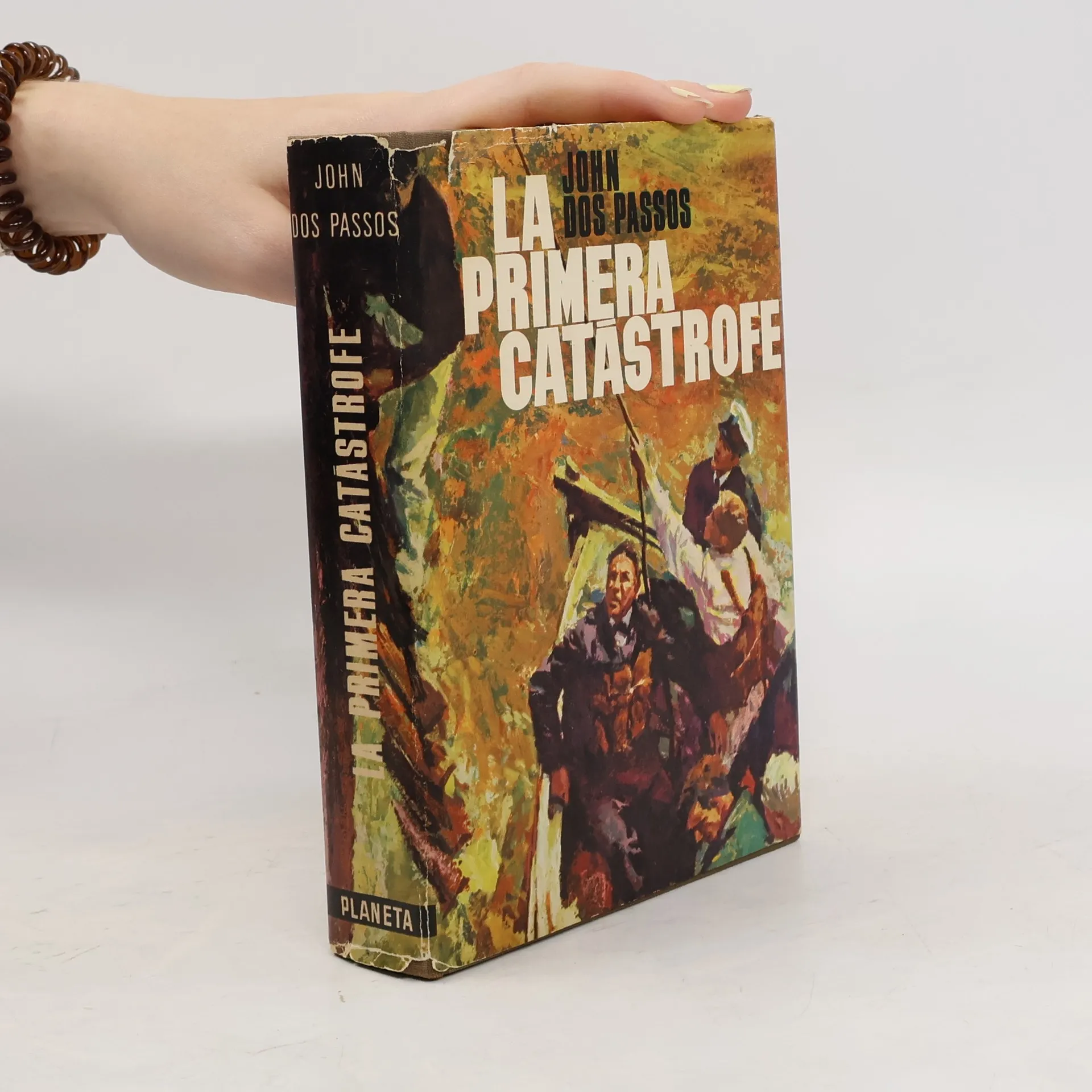
    One Man's Initiation-1917
    • One Man's Initiation-1917

      • 130 pages
      • 5 hours of reading

      Set against the backdrop of World War I, the narrative follows an ambulance driver navigating the tumultuous landscapes of Italy, France, and Spain. This semi-autobiographical tale delves into the harrowing experiences of war, capturing the emotional and physical toll on those serving on the front lines. Through vivid storytelling, the protagonist's journey reveals both the chaos of battle and the profound impact of human connection amidst the horrors of conflict.
      One Man's Initiation-1917
    • U.S.a.

      • 1184 pages
      • 42 hours of reading
      4.1(29)Add rating

      Through the testimony of numerous characters, both fictional and historical figures, the author builds up a composite picture of American society in the first quarter of the 20th century. schovat popis

      U.S.a.
    • 4.1(4614)Add rating

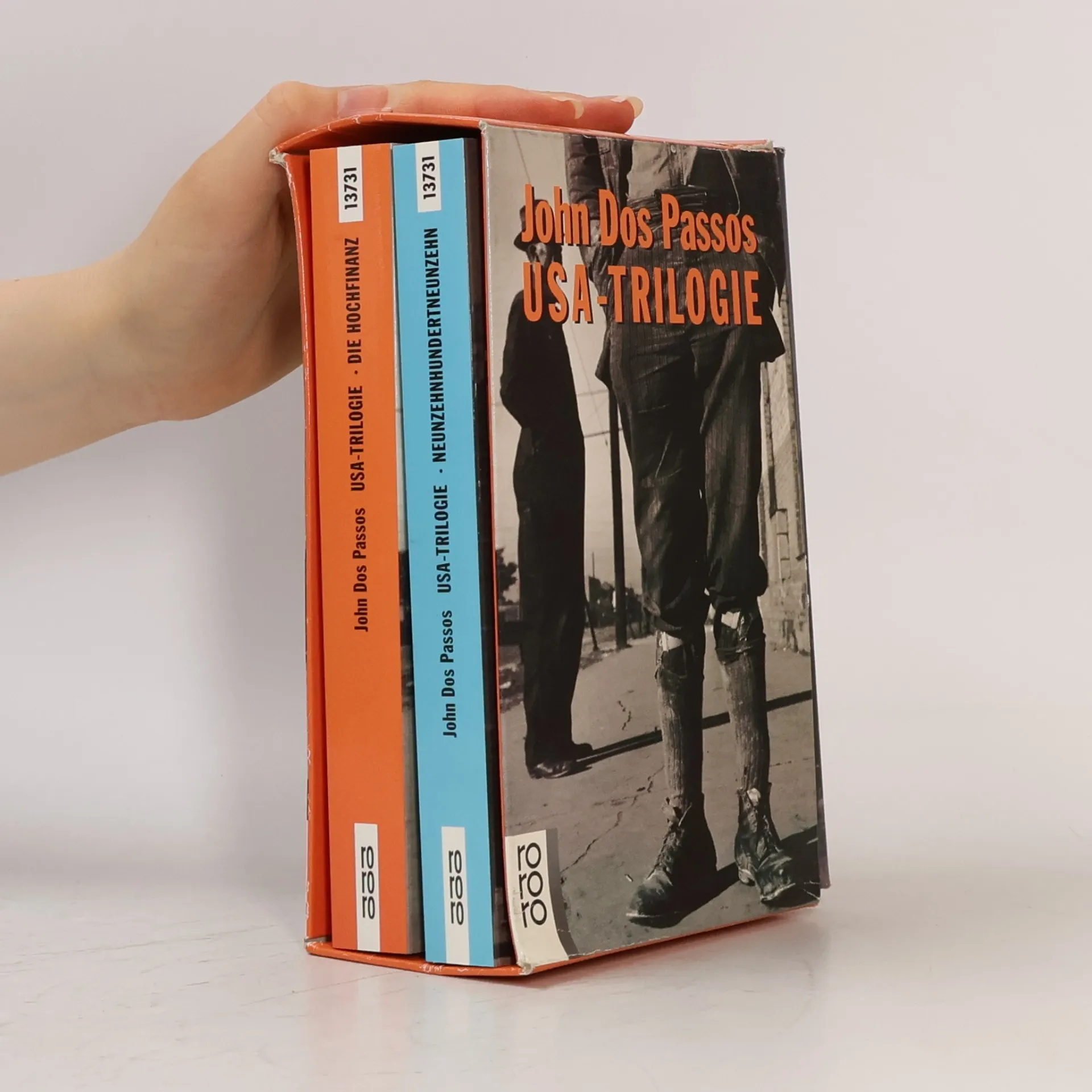
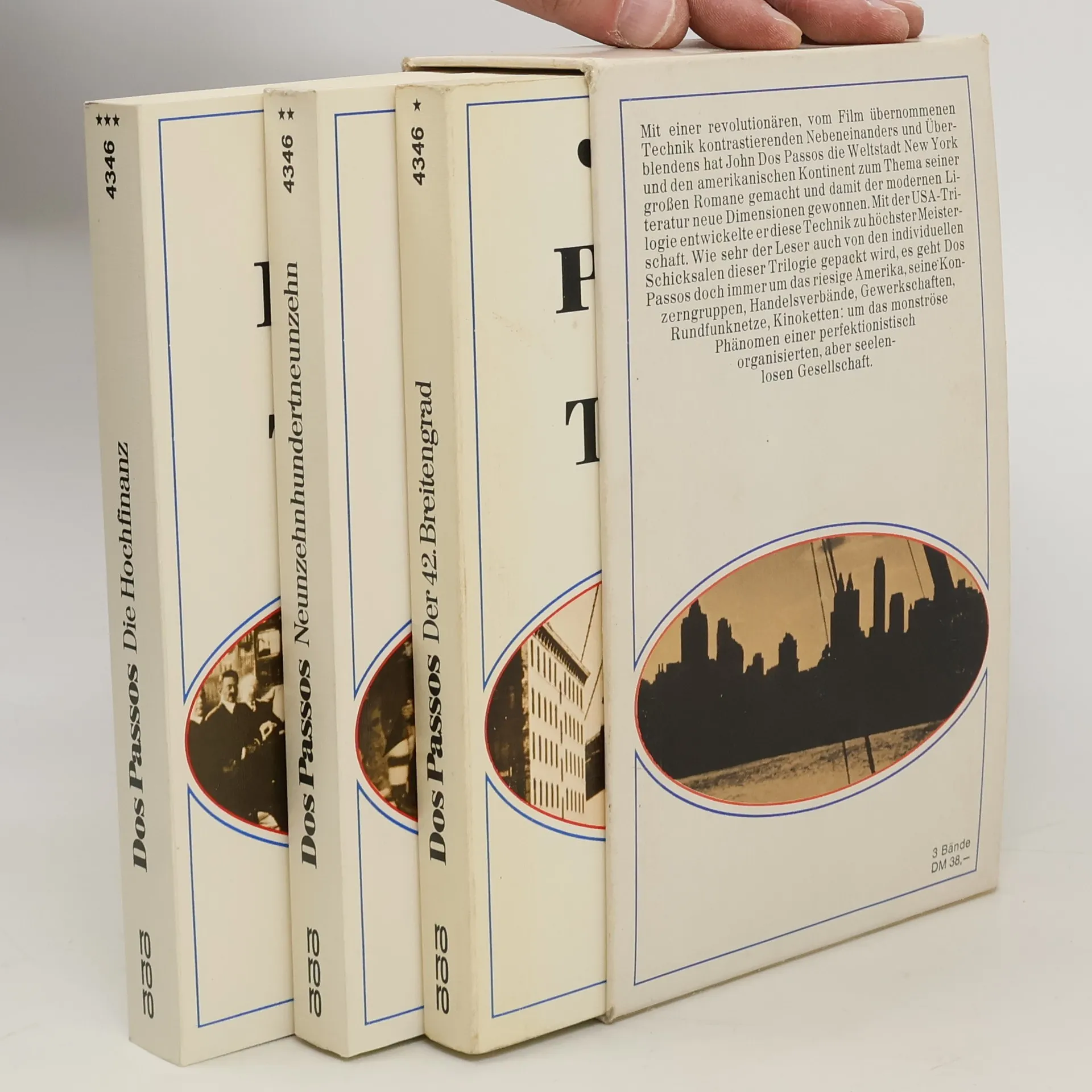
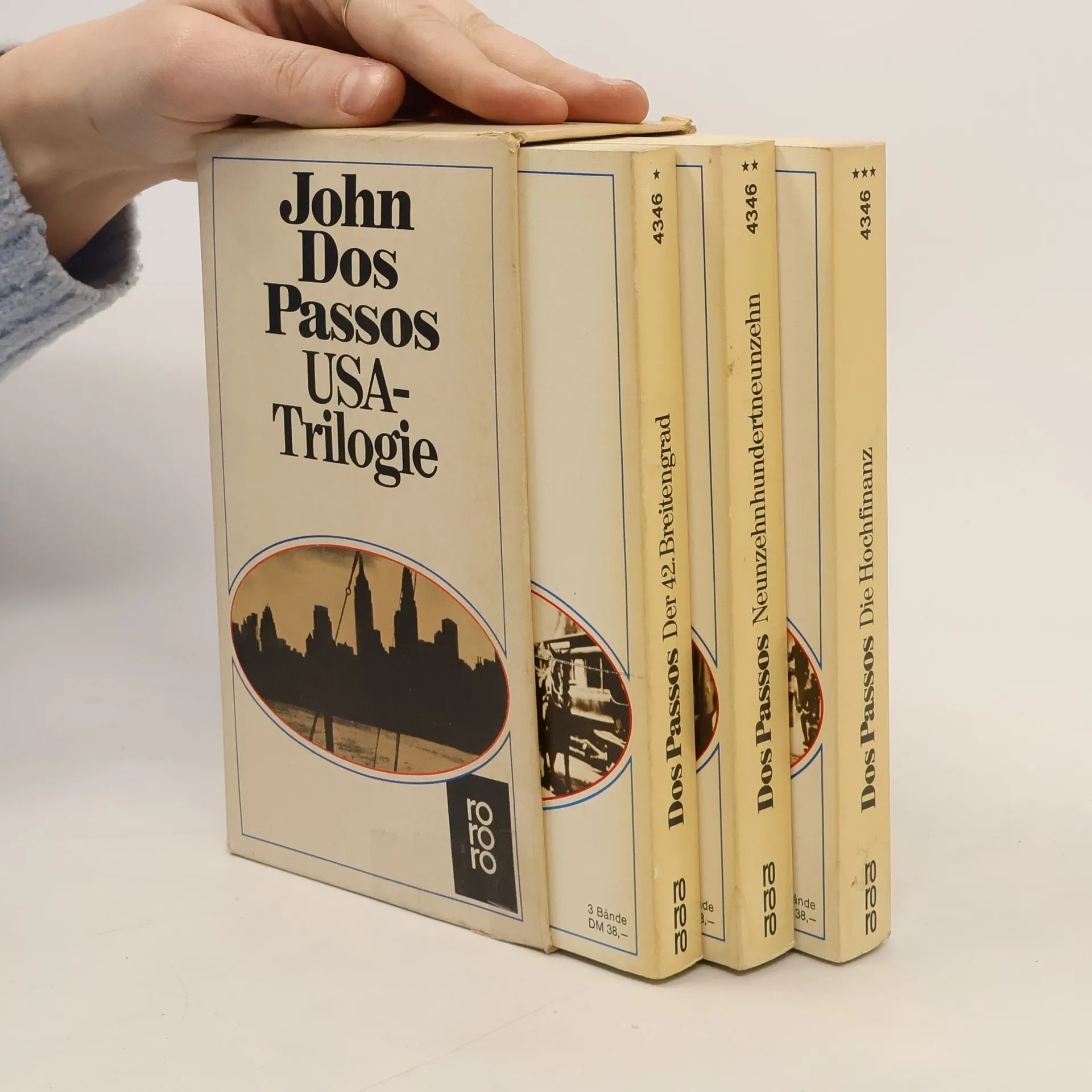
      Unique among American novels for its epic scope and panoramic and social sweep, John Dos Passos' U.S.A. has long been acknowledged as a monument of modern fiction. In the novels that make up the trilogy - The 42nd Parallel (1930), 1919 (1932), and The Big Money (1936) - Dos Passos creates an unforgettable collective portrait of America, shot through with sardonic comedy and brilliant social observation. He interweaves the careers of his characters and the events of their time with a narrative verve and breathtaking technical skill that make U.S.A. among the most compulsively readable of modern classics. In his prologue Dos Passos writes: "U.S.A. is the slice of a continent. U.S.A. is a group of holding companies, some aggregations of trade unions, a set of laws bound in calf, a radio network, a chain of moving picture theatres, a column of stock quotations rubbed out and written in by a Western Union boy on a blackboard, a public library full of old newspapers and dogeared history books with protests scrawled on the margins in pencil...But mostly U.S.A. is the speech of the people." The trilogy is filled with American speech: labor radicals and advertising executives, sailors and stenographers, interior decorators and movie stars. The volume contains newly researched chronologies of Dos Passos' life and of world events cited in U.S.A., notes, and an essay on textual selection
      U.S.A.: The 42nd Parallel. 1919. The Big Money
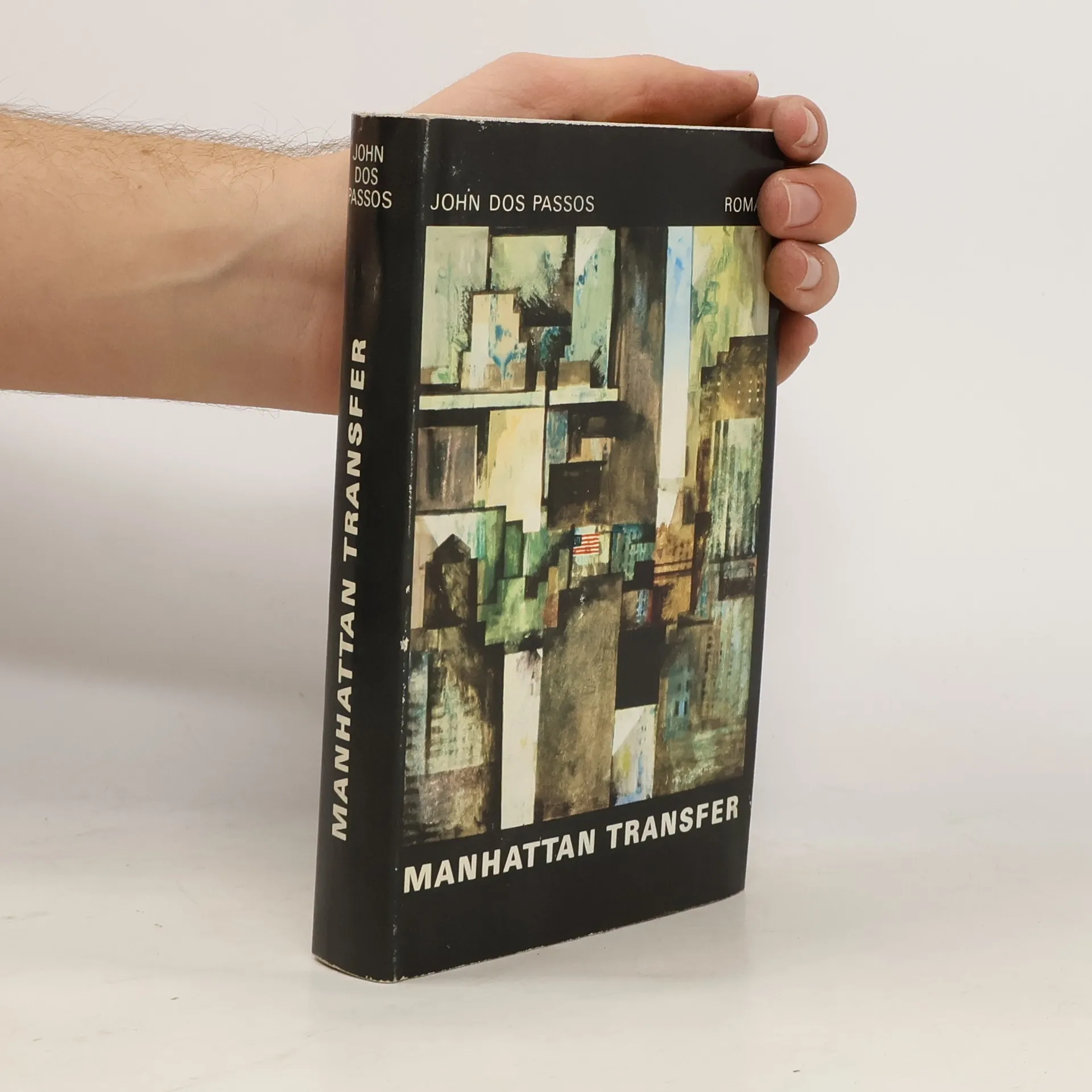
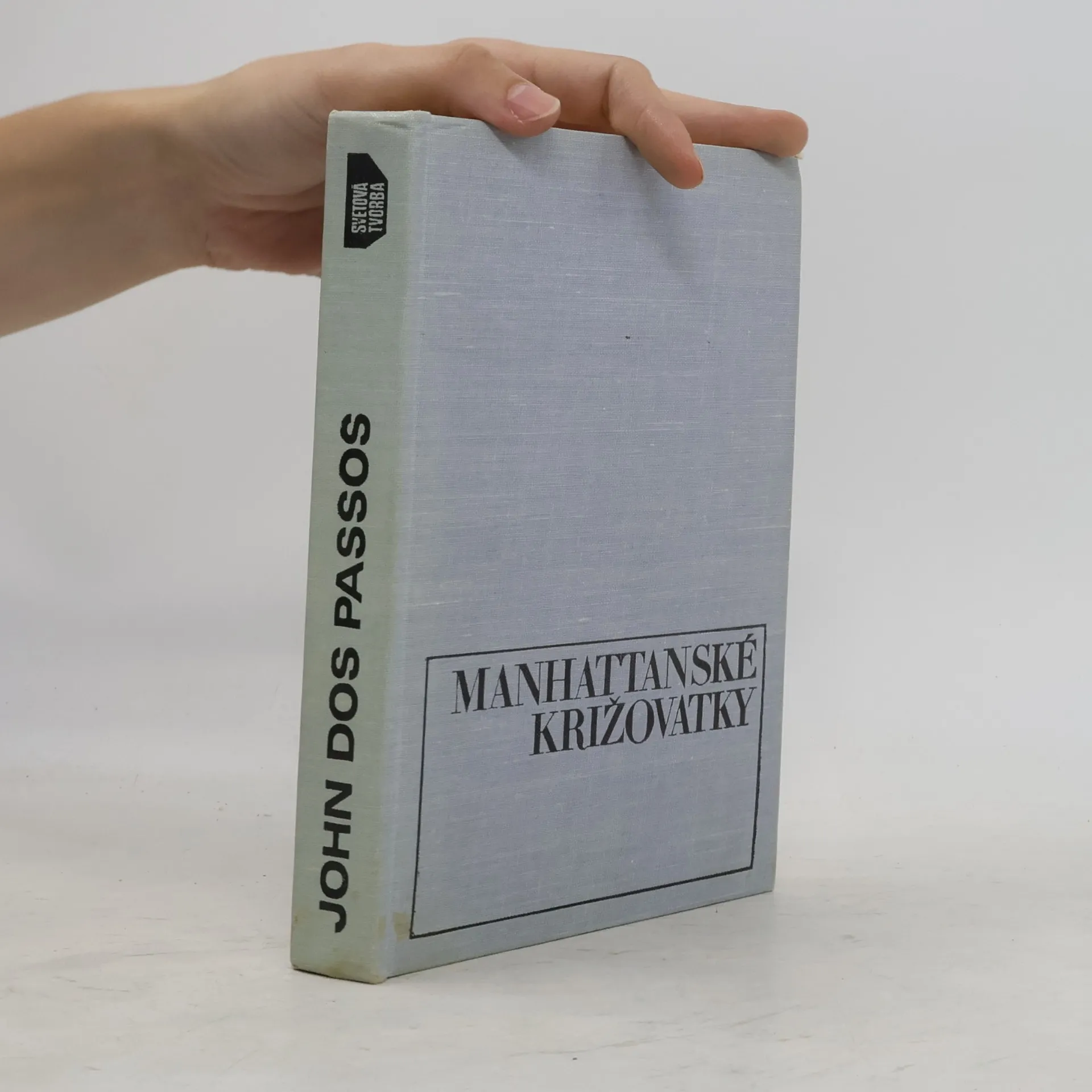
    • John Dos Passos's Manhattan Transfer follows the overlapping lives of four principal characters in a sweeping multi-faceted tale set to the soundtrack of the booming, rhythmic pulse of New York City in the 1920s. Peopled with wealthy professionals, struggling immigrants, actors, cab drivers, chefs, and shopkeepers, a portrait of New York City bursts into view with all the force of the city itself. Through a narrative collage of descriptions, snatches of conversations, music, flashbacks, streams of consciousness, and shifting perspectives, Dos Passos vividly portrays the profits and perils of the American dream. Considered by many to be his greatest novel, Manhattan Transfer is a landmark work of modernist fiction and a masterpiece of American literature.

      Manhattan Transfer (Warbler Classics)
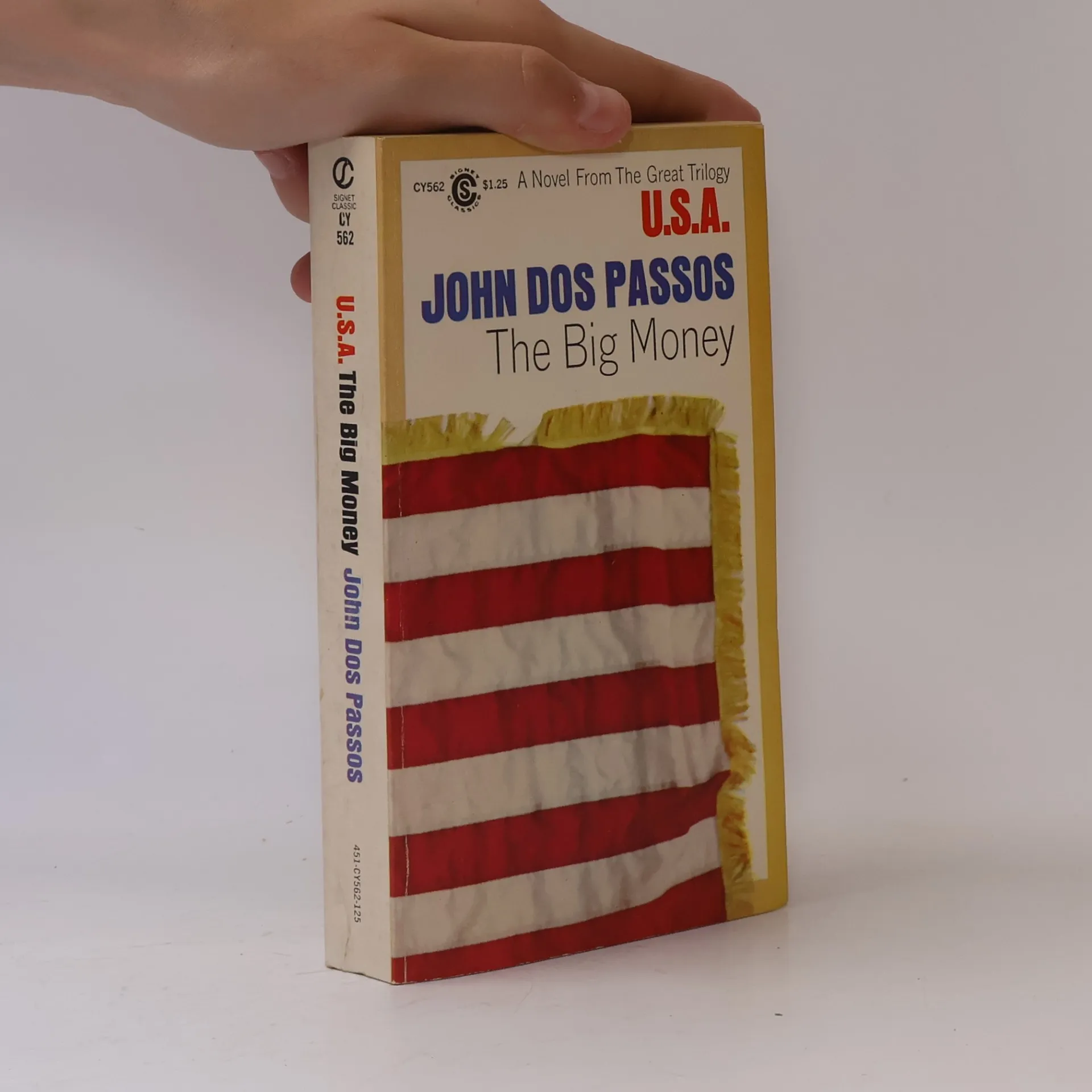
    • The Big Money

      Volume Three of the U.S.A. Trilogy

      • 464 pages
      • 17 hours of reading
      4.0(2511)Add rating

      Completing a monumental trilogy, this volume delves into America's pursuit of wealth and the accompanying moral decay. John Dos Passos weaves a narrative that critiques materialism while exploring the complexities of success. The ambitious project showcases the author's innovative storytelling and deep social commentary, capturing the essence of an era marked by both aspiration and ethical challenges.

      The Big Money
    • 1919

      Volume Two of the U.S.A. Trilogy

      • 400 pages
      • 14 hours of reading
      4.0(2706)Add rating

      With 1919 , the second volume of his U.S.A . trilogy, John Dos Passos continues his "vigorous and sweeping panorama of twentieth-century America" ( Forum ), lauded on publication of the first volume not only for its scope, but also for its groundbreaking style.Again, employing a host of experimental devices that would inspire a whole new generation of writers to follow, Dos Passos captures the many textures, flavors, and background noises of modern life with a cinematic touch and unparalleled nerve.1919 opens to find America and the world at war, and Dos Passos's characters, many of whom we met in the first volume, are thrown into the snarl. We follow the daughter of a Chicago minister, a wide-eyed Texas girl, a young poet, a radical Jew, and we glimpse Woodrow Wilson, Theodore Roosevelt, and the Unknown Soldier. 1919 provides an incomparable portrait of America from the turn of the century to the Depression of 1929.

      1919
    • Rosinante to the Road Again

      • 116 pages
      • 5 hours of reading

      The book is a significant historical work that has been preserved through modern reformatting, ensuring its clarity and readability for contemporary audiences. It explores themes relevant to the Eastern Hemisphere, particularly focusing on Spain and Portugal. The effort to republish this classic highlights its enduring importance in human history, making it accessible for both present and future generations.

      Rosinante to the Road Again
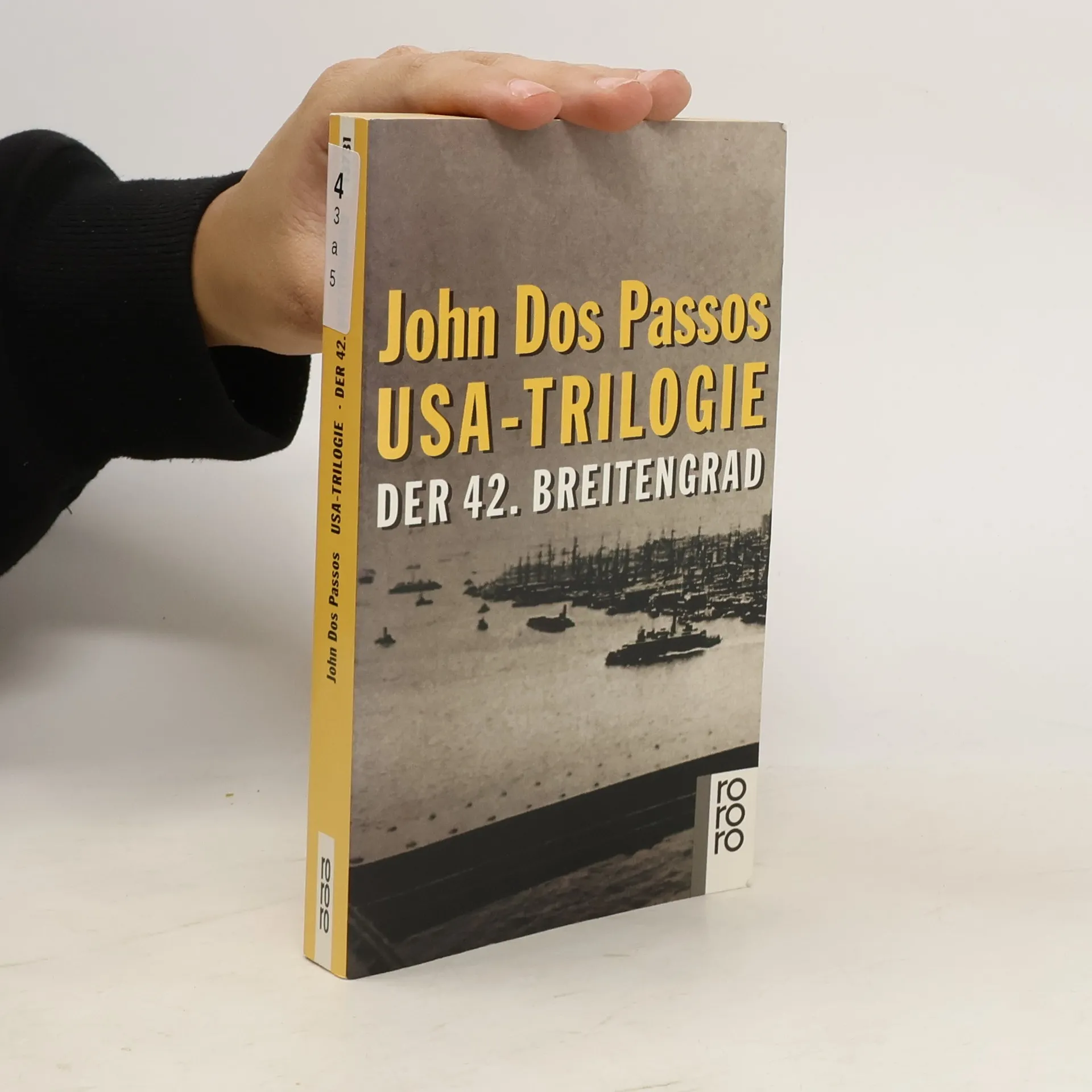
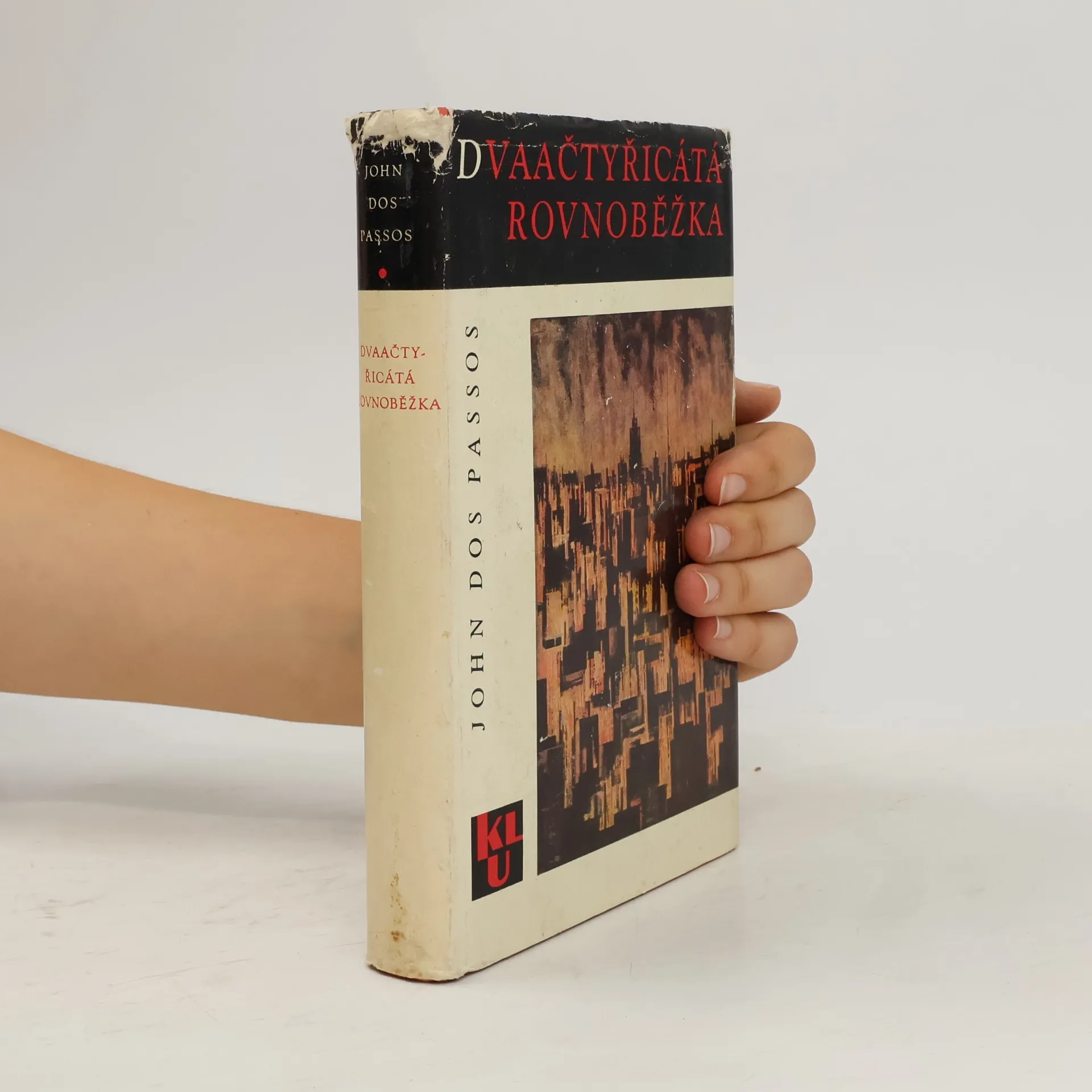
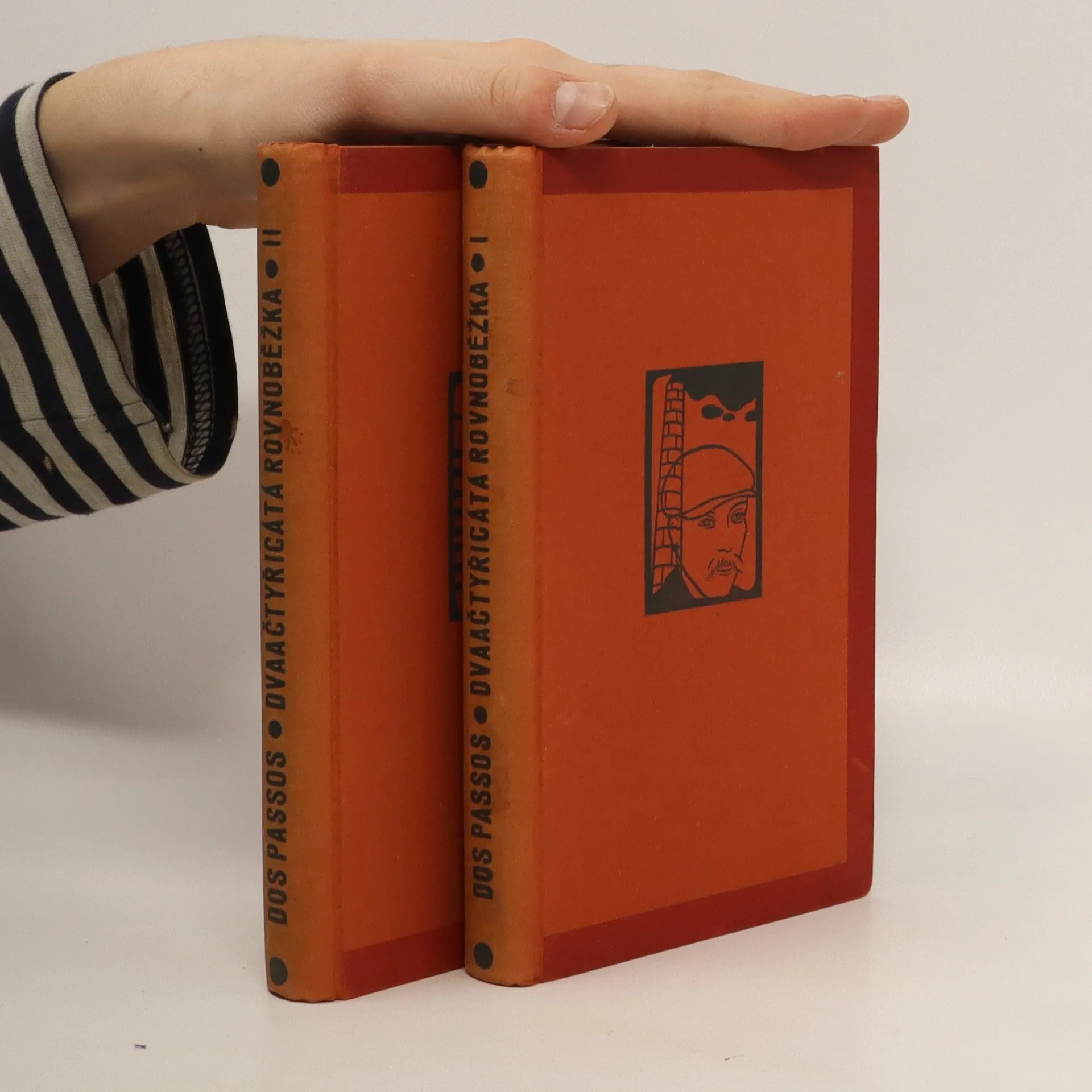
    • With his U.S.A. trilogy, comprising THE 42nd PARALLEL, 1919, and THE BIG MONEY, John Dos Passos is said by many to have written the great American novel. While Fitzgerald and Hemingway were cultivating what Edmund Wilson once called their "own little corners," John Dos Passos was taking on the world. Counted as one of the best novels of the twentieth century by the Modern Library and by some of the finest writers working today, U.S.A. is a grand, kaleidoscopic portrait of a nation, buzzing with history and life on every page. The trilogy opens with THE 42nd PARALLEL, where we find a young country at the dawn of the twentieth century. Slowly, in stories artfully spliced together, the lives and fortunes of five characters unfold. Mac, Janey, Eleanor, Ward, and Charley are caught on the storm track of this parallel and blown New Yorkward. As their lives cross and double back again, the likes of Eugene Debs, Thomas Edison, and Andrew Carnegie make cameo appearances.

      The 42nd Parallel
    • Manhattan transfer

      • 352 pages
      • 13 hours of reading
      3.7(5084)Add rating

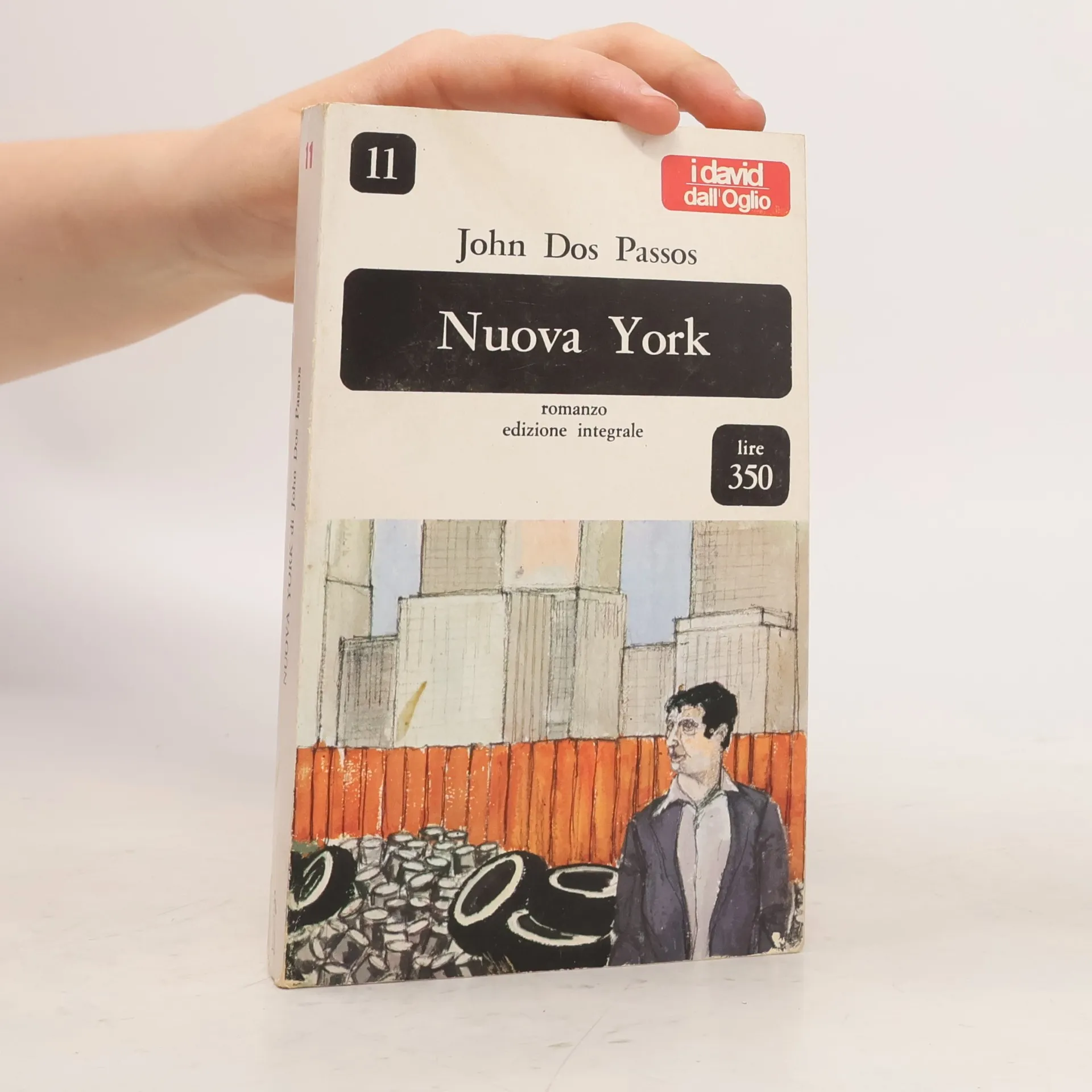
      An "expressionistic picture of New York" (New York Times) in the 1920s that reveals the lives of wealthy power brokers and struggling immigrants alike. From Fourteenth Street to the Bowery, Delmonico's to the underbelly of the city waterfront, Dos Passos chronicles the lives of characters struggling to become a part of modernity before they are destroyed by it.

      Manhattan transfer