William J. Broad is a celebrated journalist and author renowned for his deep and wide-ranging reporting on scientific subjects. His work, frequently featured on the front pages of leading newspapers, spans an impressive breadth of topics from celestial phenomena and nuclear arms to deep-sea ecosystems. With a career spanning over three decades in journalism, Broad has enriched the literary world with several bestsellers that explore complex scientific concepts and their societal impact. His ability to translate intricate subjects for a general audience has earned him critical acclaim and numerous prestigious awards.
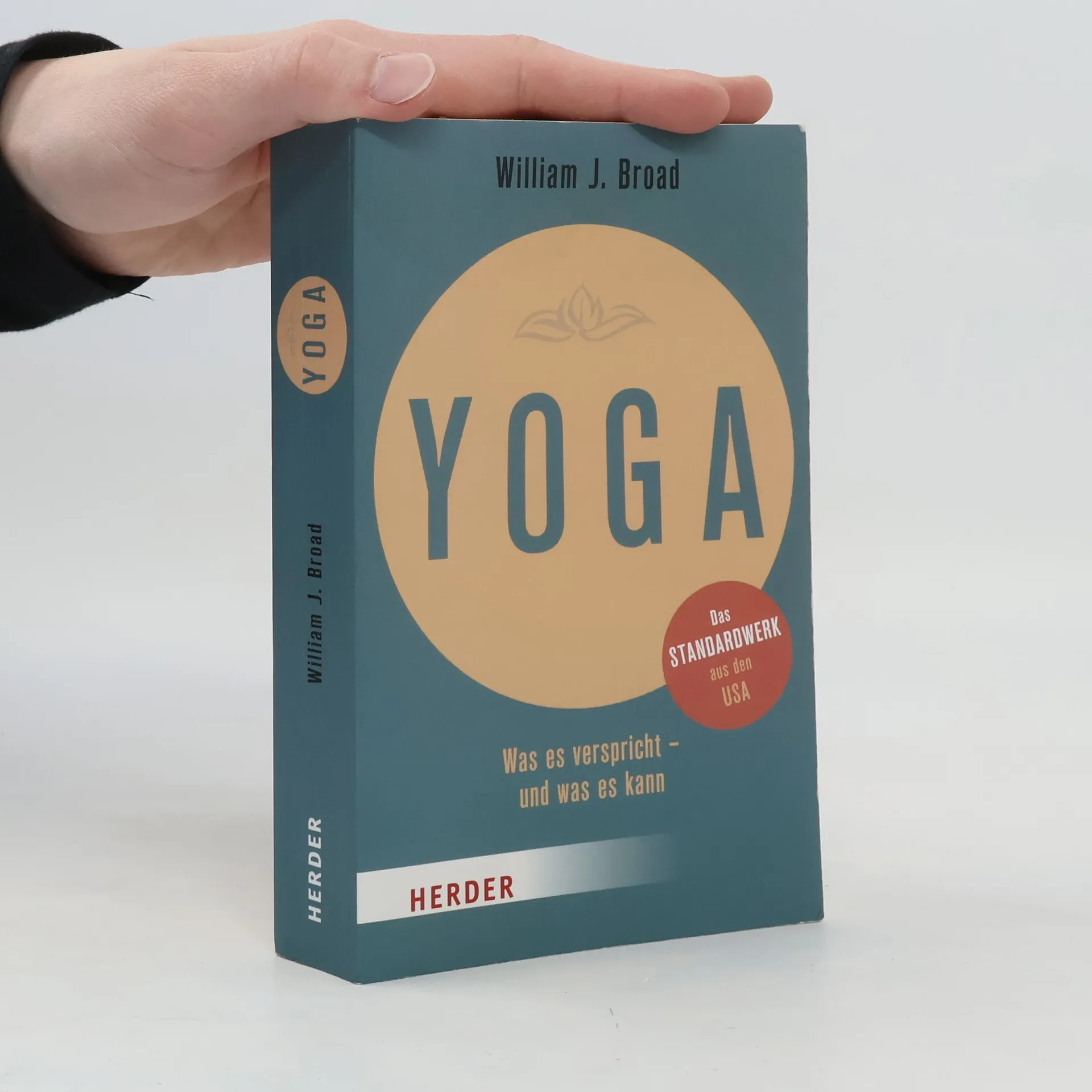
William J. Broad, führender Wissenschaftsjournalist der New York Times, praktiziert Yoga seit mehreren Jahrzehnten. Im Rahmen einer investigativen fünf Jahre langen Recherche schreibt er hier über Wahrheit und Illusion der beliebten Meditationspraxis und lüftet dabei so manches Geheimnis und Vorurteil.
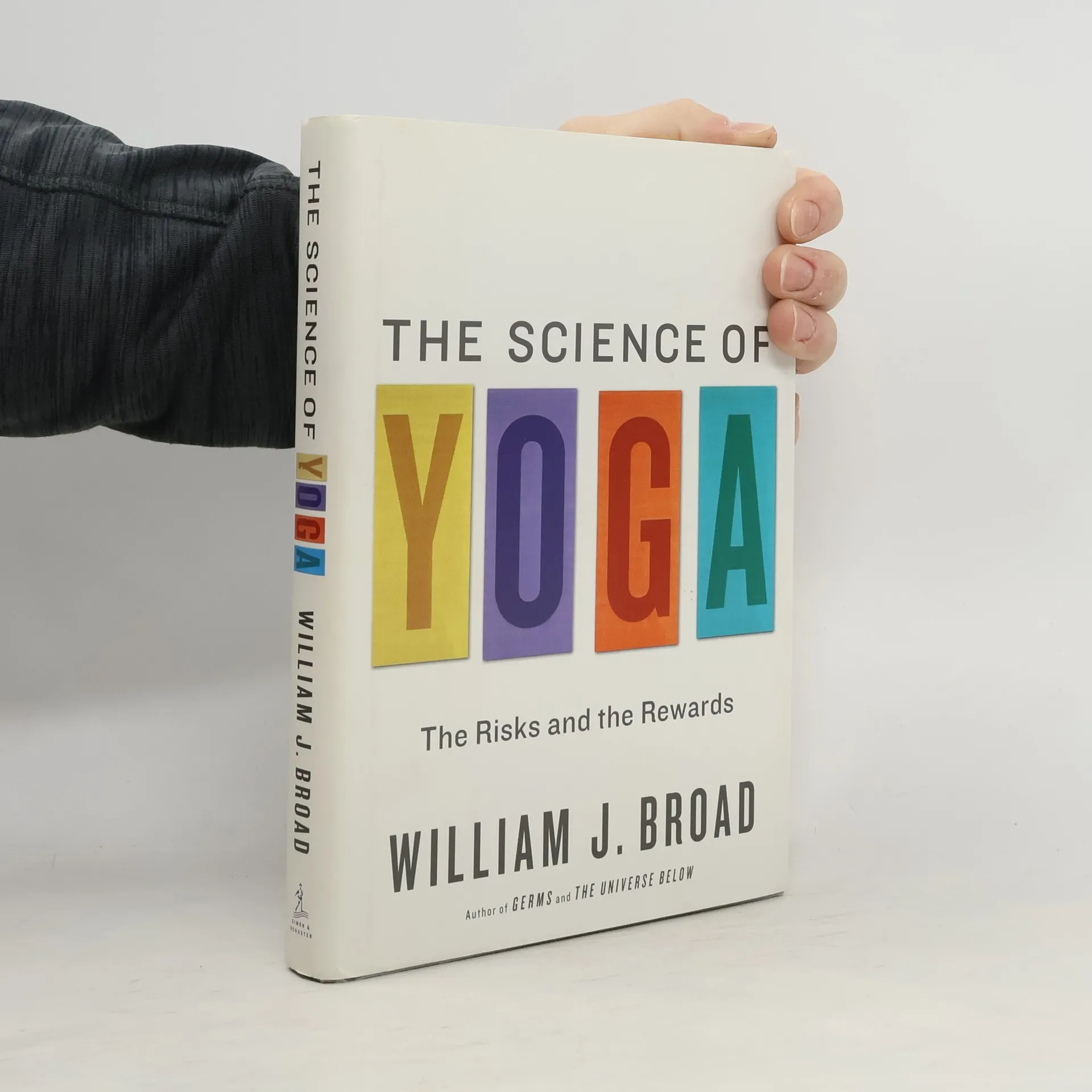
The Science of Yoga draws on a hidden wealth of science, history, and surprising facts to cut through the fog that surrounds contemporary yoga and to show - for the first time - what is uplifting and beneficial and what is delusional, flaky, and dangerous. At heart, it illuminates the risks and rewards. The book takes the reader on a whirlwind tour of undiscovered yoga that goes from old libraries in Calcutta to the world capitals of medical research, from little-known archives to spotless laboratories, from sweaty yoga classes with master teachers to the cosy offices of yoga healers. In the process, it shatters myths, lays out unexpected benefits, and offers a compelling vision of how to improve the discipline.
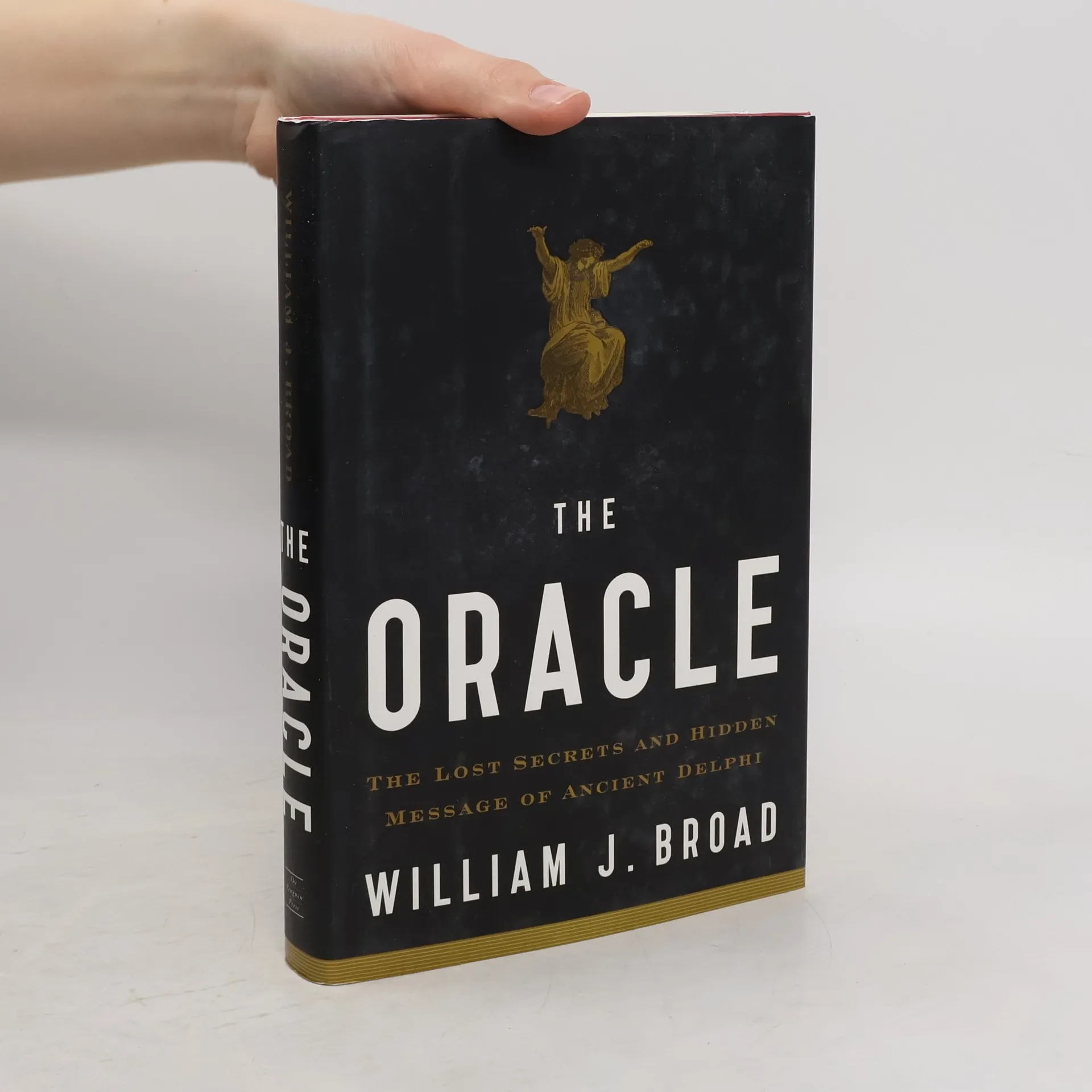
The Oracle of Delphi would enter into ecstatic union with the god Apollo and bring back his prophecies and counsel for all who came seeking answers. Though the air of magic that surrounds her might cast her as a legend, the Oracle did really exist--and her visions caused her to become the single most influential figure in all of ancient Greece. Eyewitness accounts describe temple practices in detail, claiming that the Oracle breathed in vapors rising from the temple floor. In 1892 French archaeologists unearthed the temple, but could find no evidence that the rocky ground had brought vapors of any kind. Science journalist Broad tells a modern-day detective story that blends history and science to describe how a team of scientists, working from subtle clues scattered throughout the ancient literature, as well as from the latest findings in geology, uncovered scientific evidence to explain the Oracle's powers.--From publisher description
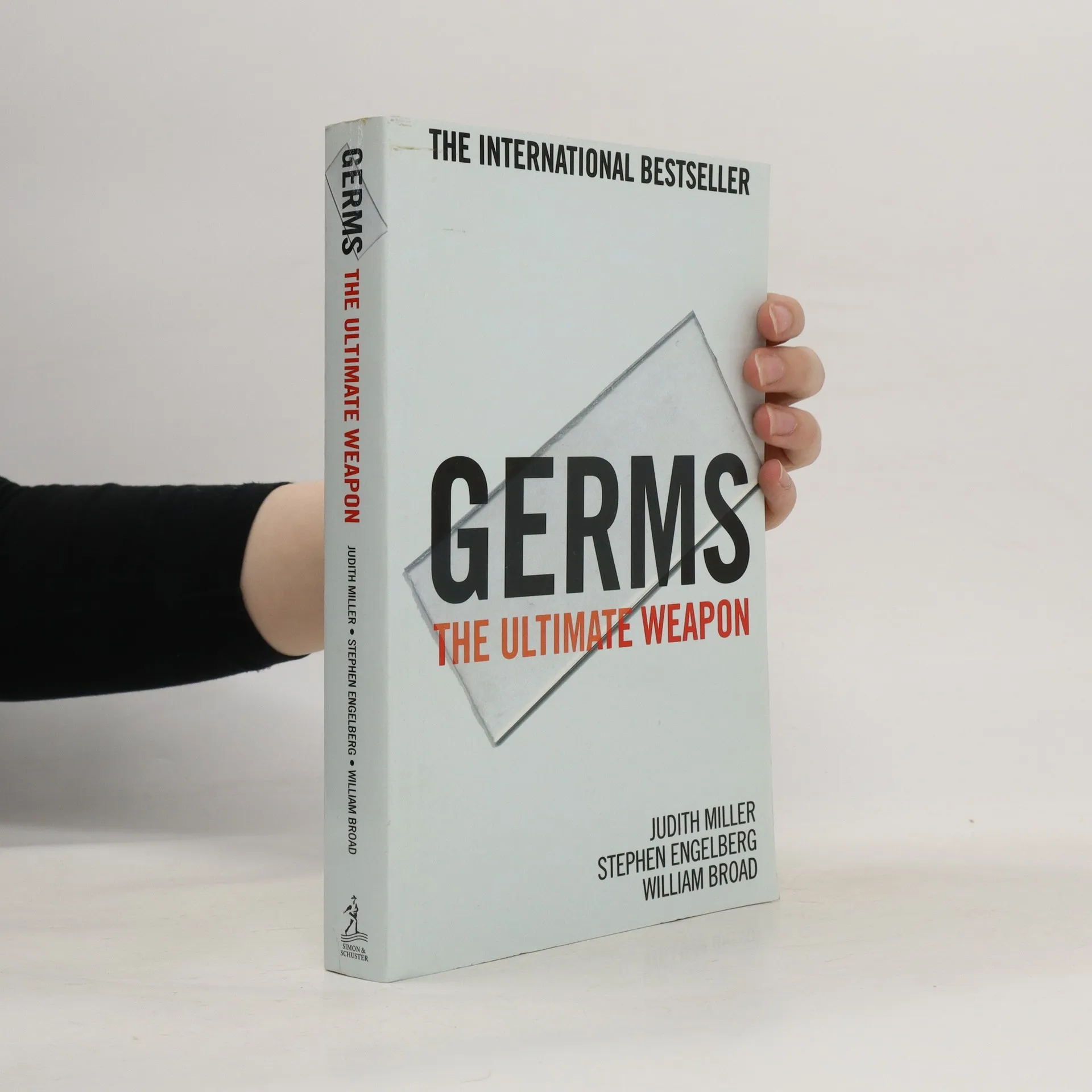
* A sober, frightening yet unforgettable narrative of cutting-edge science and spycraft The atrocities in New York and Washington on 11 September have highlighted as never before the Western world's vulnerability to terrorist attacks of all kinds. As the global coalition seeks justice and retribution so millions of people around the world consider their exposure to further outrages. Bio-terrorism, the subject of this book, is at the heart of many fears: the poor man's hydrogen bomb, a biological weapon of mass destruction can be made in a laboratory and transported in a briefcase -- yet it can silently devastate an entire population. This chillingly authoritative report reveals the spread of germ weaponry throughout the world and the massive, and until now largely undisclosed, effort to stop it. Readers see first-hand the vast extent of the Soviet Union's biological weapons program, with its rows of silos filled with tons of anthrax germs. They learn of efforts by Iran, Iraq and other rogue states to recruit the scientists who created this horror. And they learn of the West's secret effort to thwart the spread of such germ technology to those who would use science not to heal but t
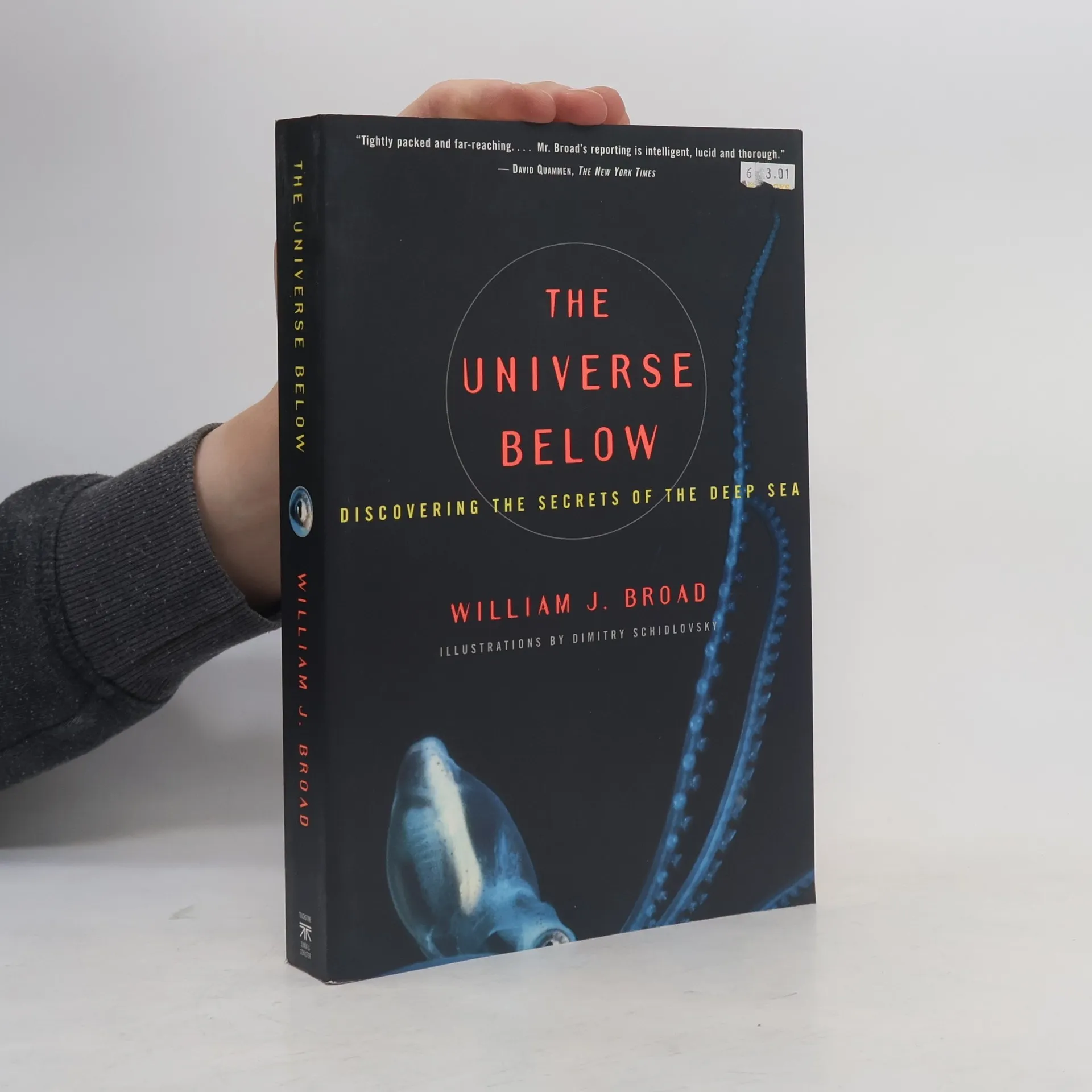
Set against a backdrop of darkness and ancient mysteries, the narrative delves into 20th Century intrigues filled with alien creatures and the treasures of lost civilizations. As secrets unravel, the quest may lead to uncovering the ultimate truth about life itself, promising a thrilling adventure through a richly woven tapestry of the unknown.
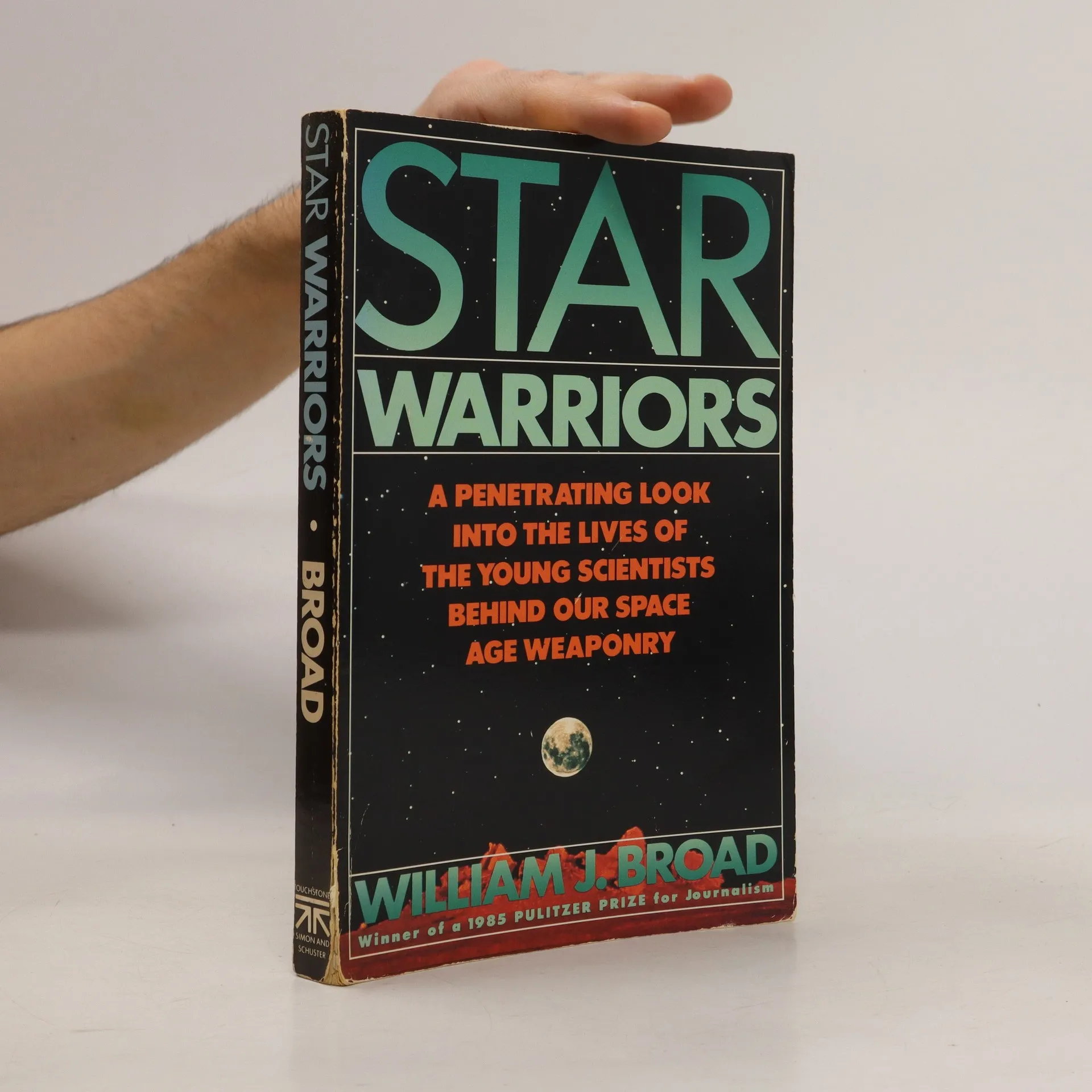
Der deutsche Titel ist irreführend, der Verlag hätte es bei der Übersetzung des Originaltitels "Star Warriors" belassen sollen. Mit den "Sternenkriegern" sind die jungen amerikanischen Wissenschaftler des Livermore-Instituts in Kalifornien gemeint, die eine neue Generation von Atomwaffen und Computern für das SDI-Projekt entwickeln. Der amerikanische Wissenschaftsjournalist (u.a. für die New York Times) hielt sich für eine Woche in dem Institut auf und beschreibt hier in Form eines farbigen Erlebnisberichts, wie die Wissenschaftler dort leben und warum sie ausgerechnet an Kernwaffen arbeiten. Dadurch gewinnt der Leser Einblicke in den Wissenschaftsbetrieb der USA und in Teilbereiche des SDI-Projekts. Kernthema bleibt aber die Verantwortung der Forscher für ihr Tun