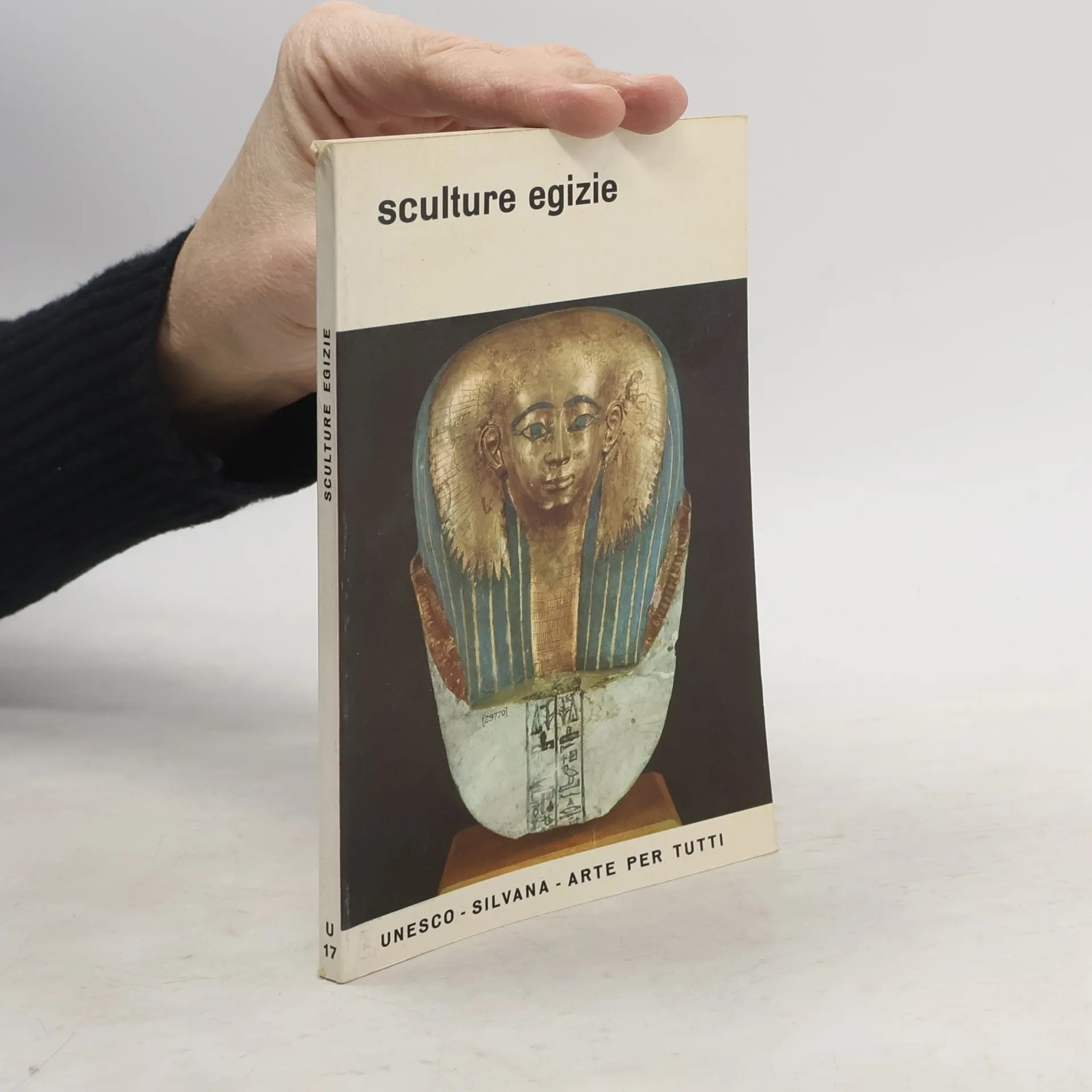
Thomas Garnet Henry James Books
May 8, 1923 – December 16, 2009

Tutankhamun
- 320 pages
- 12 hours of reading
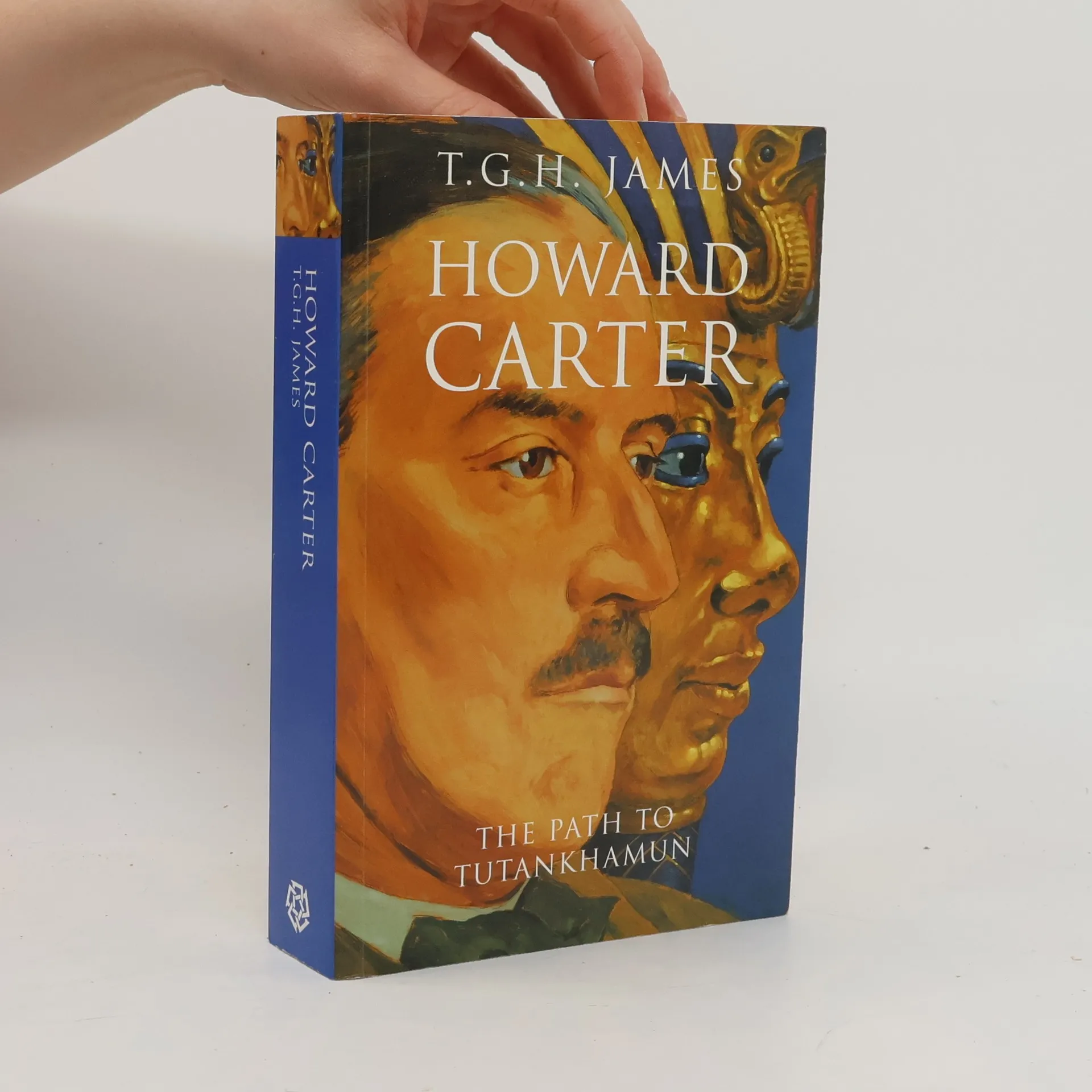
Describes the life and times of Tutankhamen and the discovery of his tomb in 1922.
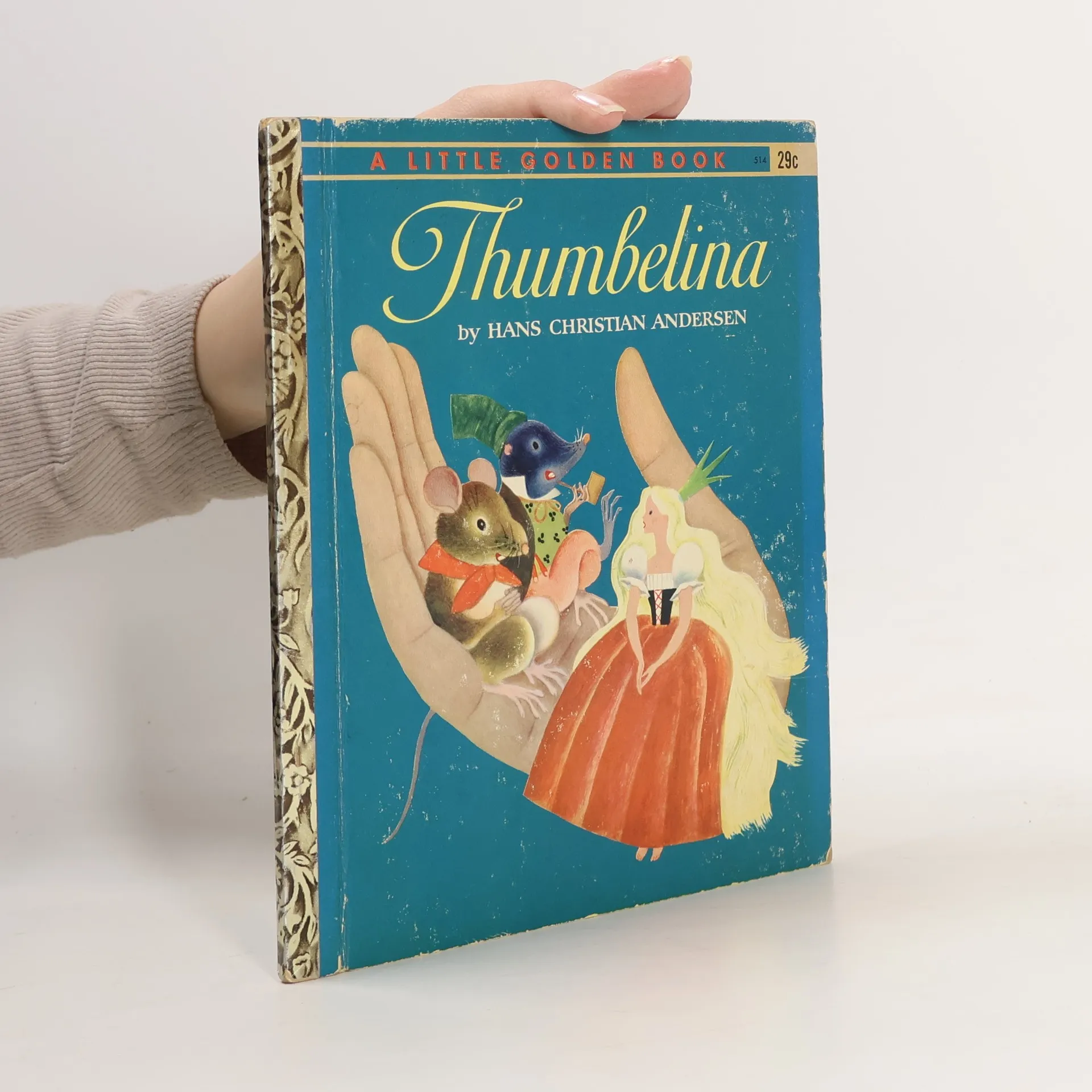
Thumbelina is part of the Ladybird Favourite Tales, which are the timeless treasured stories that generations of children have grown up with and loved. These easy-to-read retellings, enhanced by exciting, richly colourful illustrations, faithfully capture all the magic of the original stories.
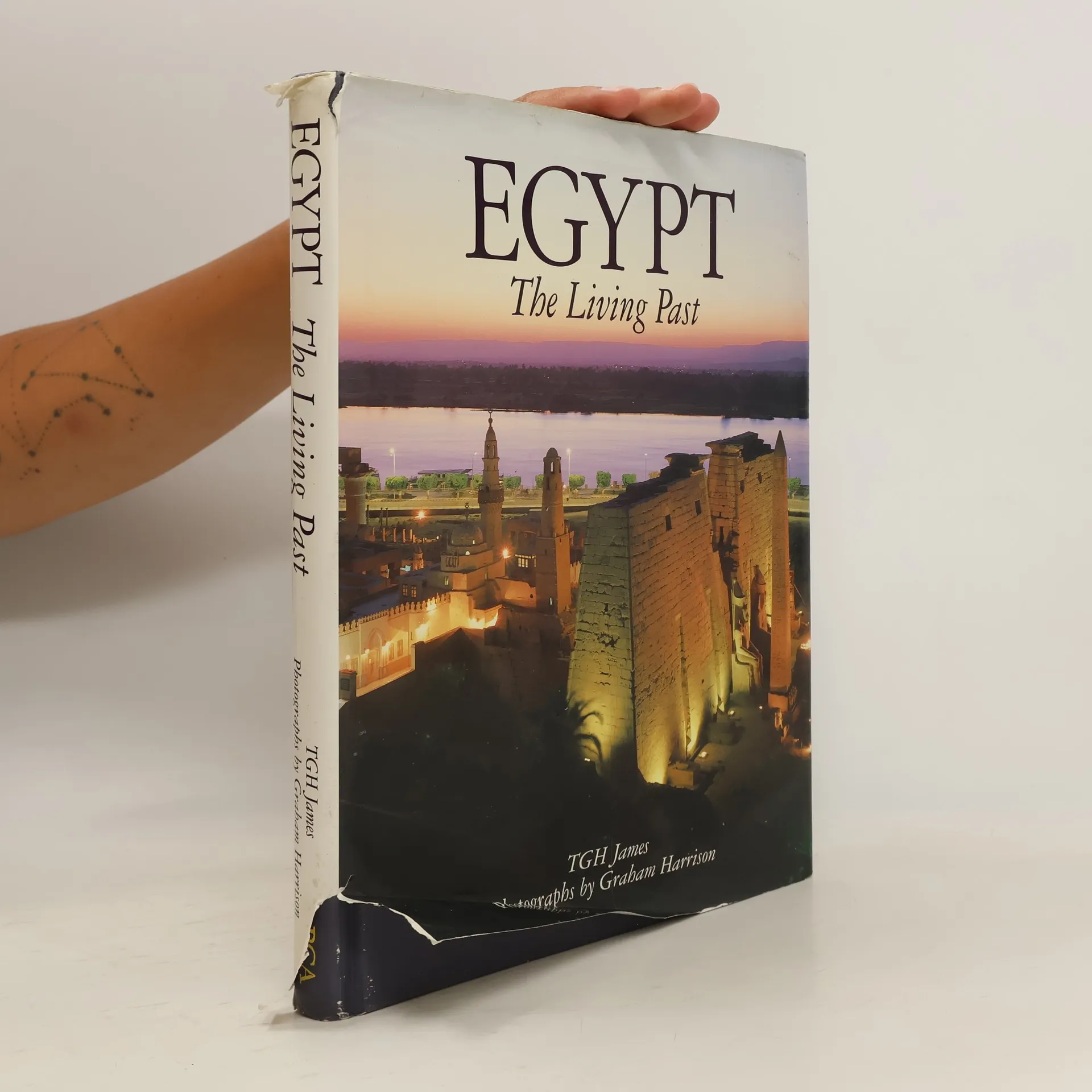
An exploration of Egypt, dealing primarily with the influence of its past.
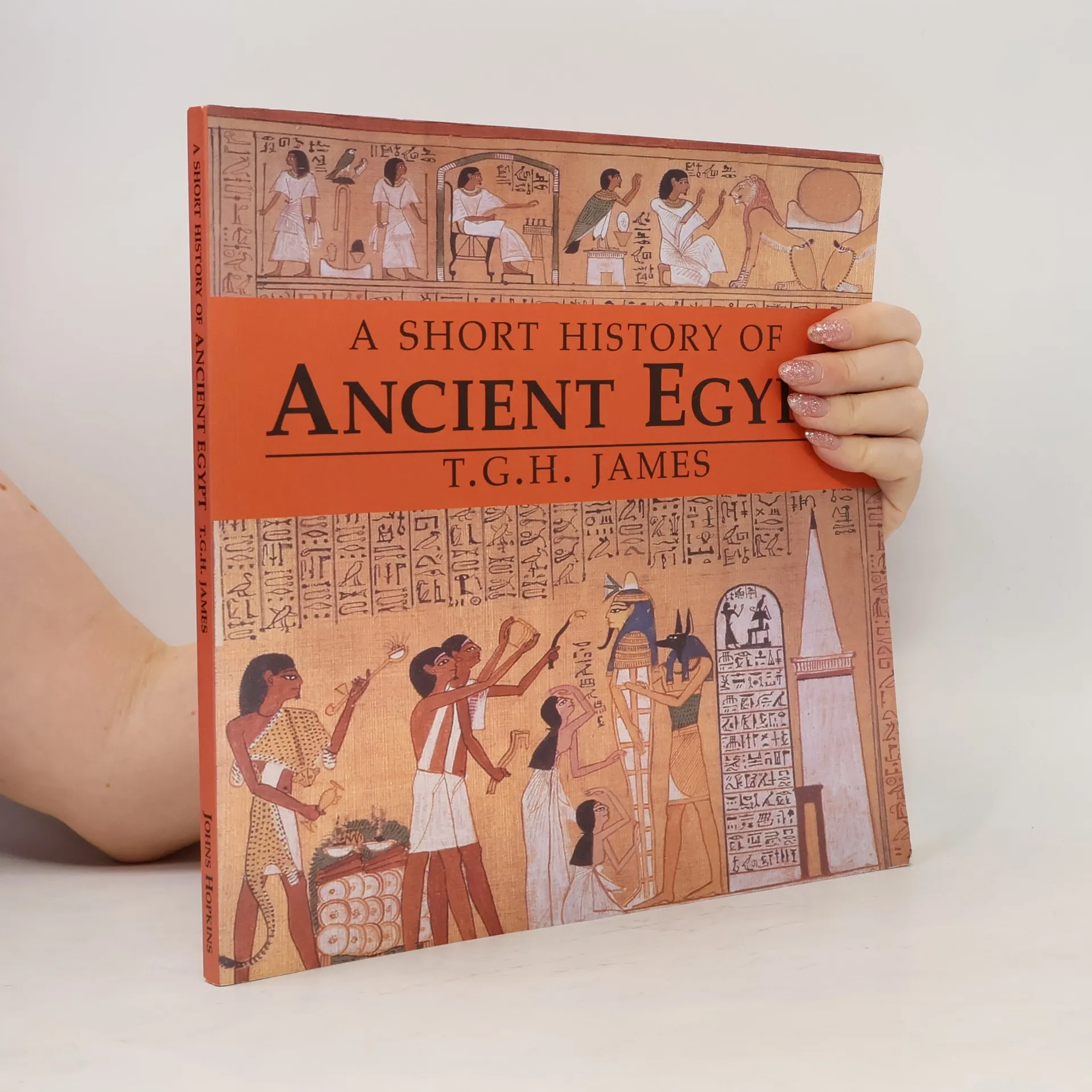
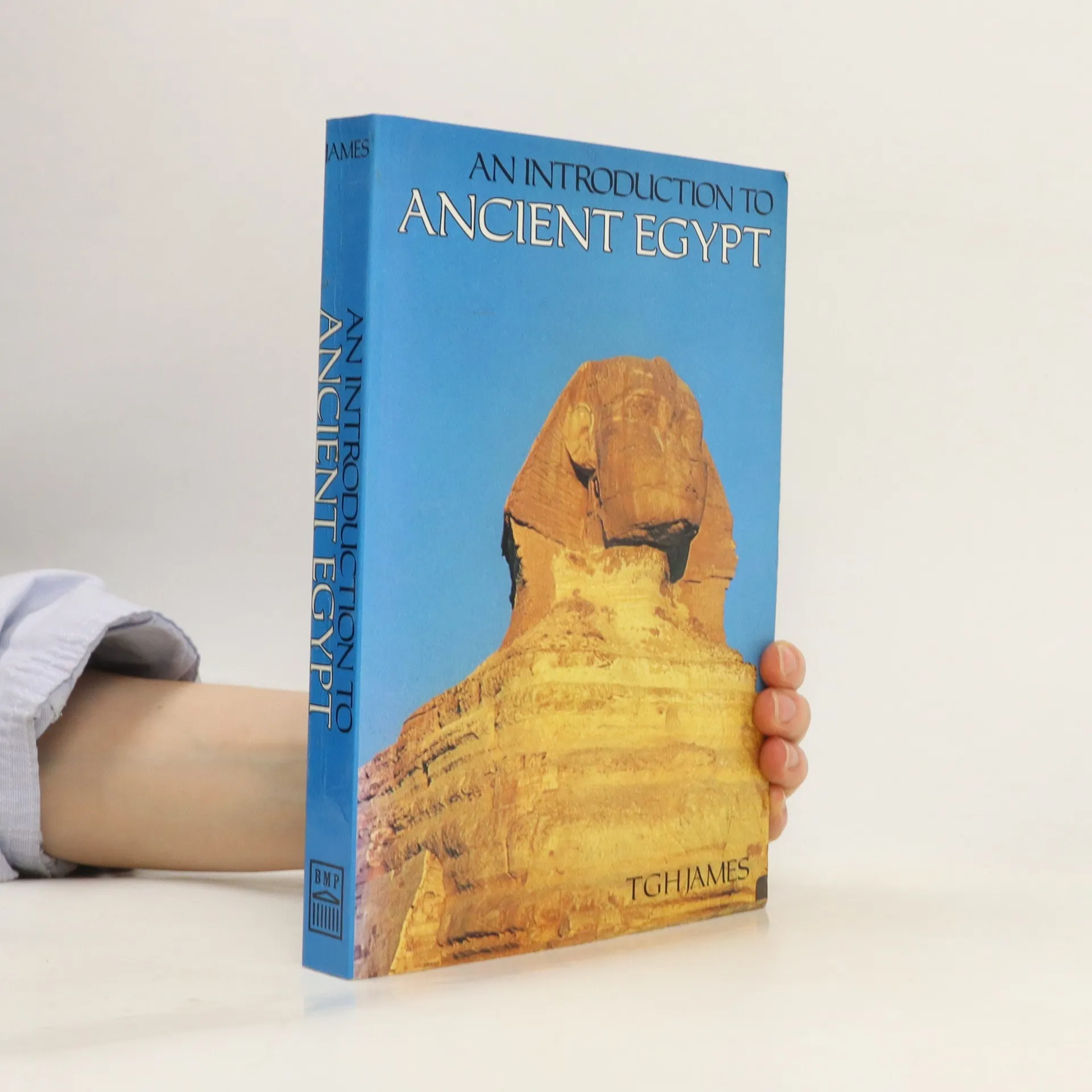
An Introduction to Ancient Egypt
- 328 pages
- 12 hours of reading
Here in a single volume is a concise, lucid and authoritative introduction to one of the greatest civilisations of the ancient world. Written by the former Keeper and the staff of the Department of Egyptian Antiquities at the British Museum, it provides an invaluable guide to the culture, history and achievements of a people whose attraction remains undiminished even after five thousand years.
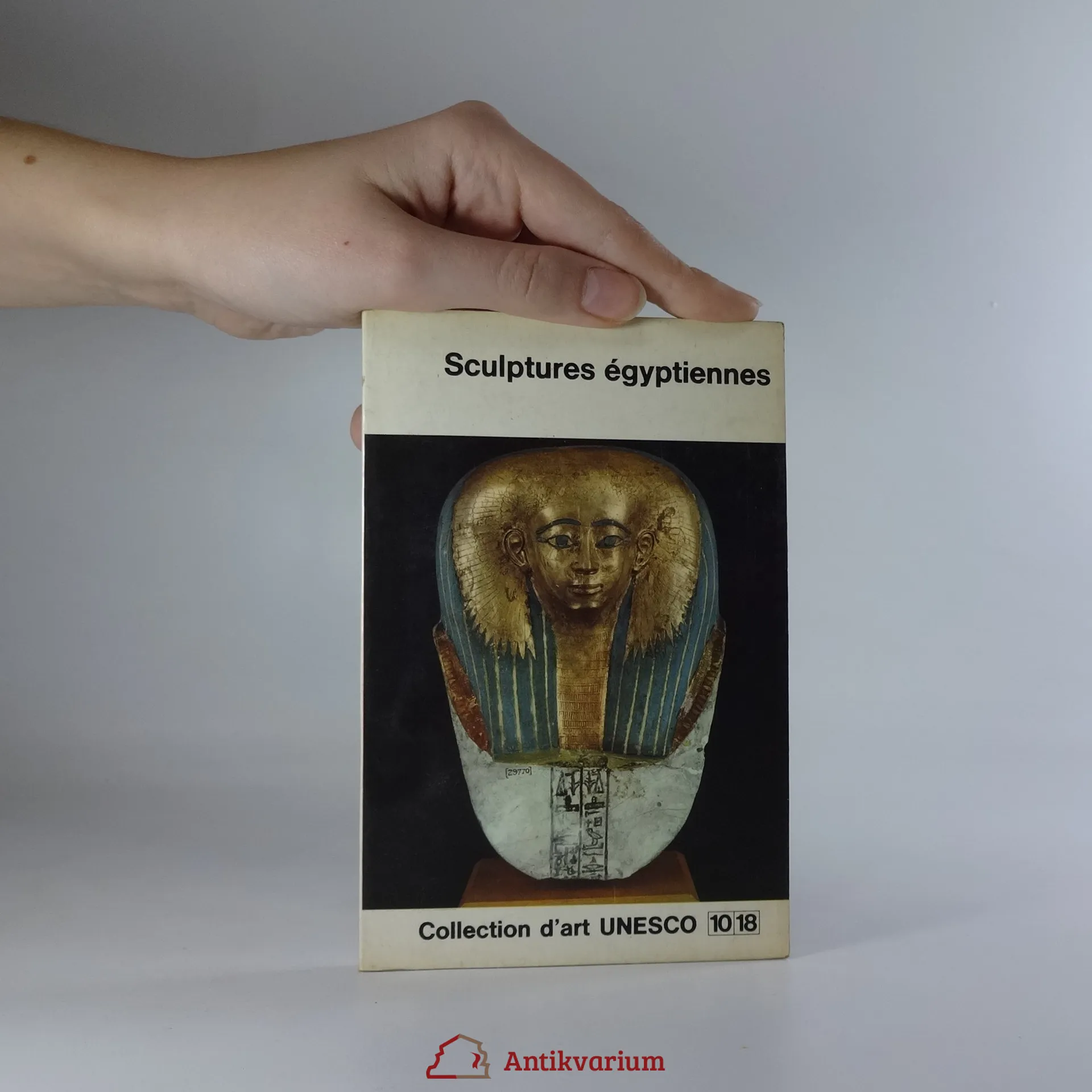
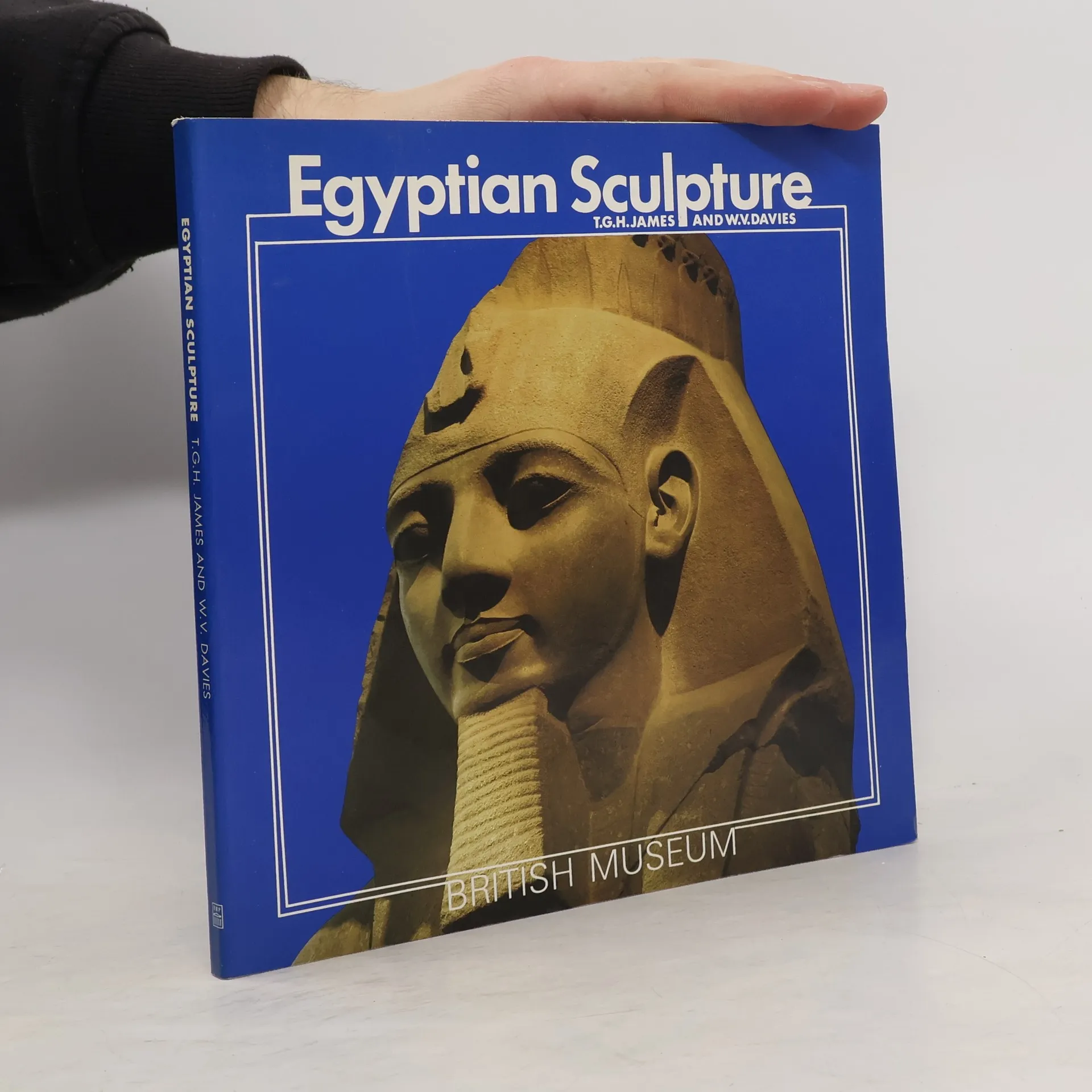
Egyptian Sculpture
- 72 pages
- 3 hours of reading
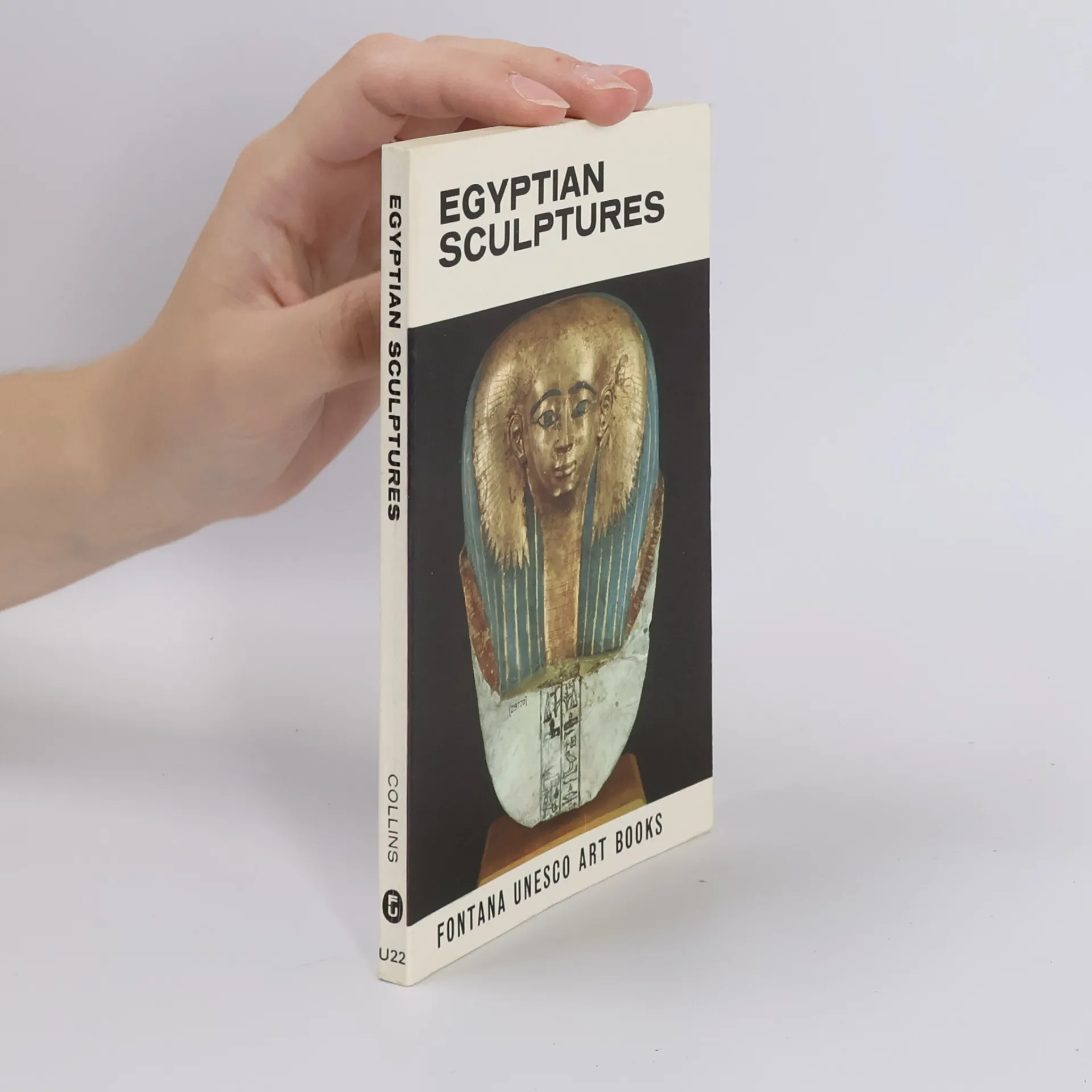
From the awe-inspring stone colossi of the kings of the delightful small bronze cats, the Egyptian sculptors showed a mastery of form and serenity of style which has never been surpassed. This concise, illustrated survey of 3000 years of Eyptian sculpture is based on the great collections of the British Museum. Why and how this immense range of sculpture was made, and the paths by which so many splendid examples reached the Museum, form the intrduction to this book. The authors go on to describe many of the finest sculptures in the collections, most of which can now be seen in the Egtptian Sculpture Gallery.
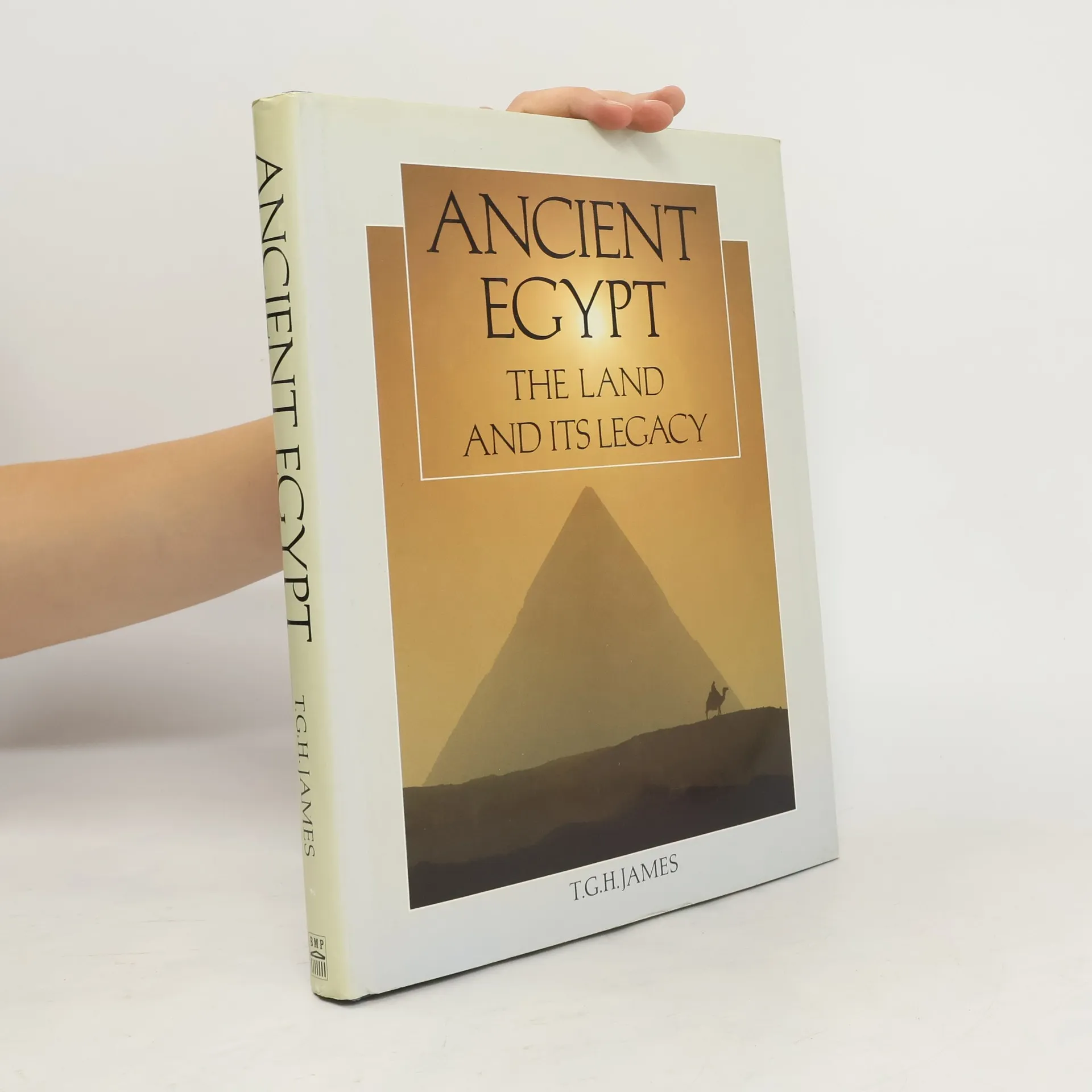
James takes the reader back to the sites from which the wealth of objects yielded by ancient Egypt and now admired in museum all over the world came from. He follows the Nile from the Delta to Nubia, via the great monuments of Memphis, Abydos and Thebes and shows why these places were to provide such superb evidence of the Egyptian achievement. His evocative text and the numerous illustrations illuminate the real significance of Egypt's legacy making a visit to the Egyptian galleries of a museum, or a journey to Egypt itself a much more rewarding experience.
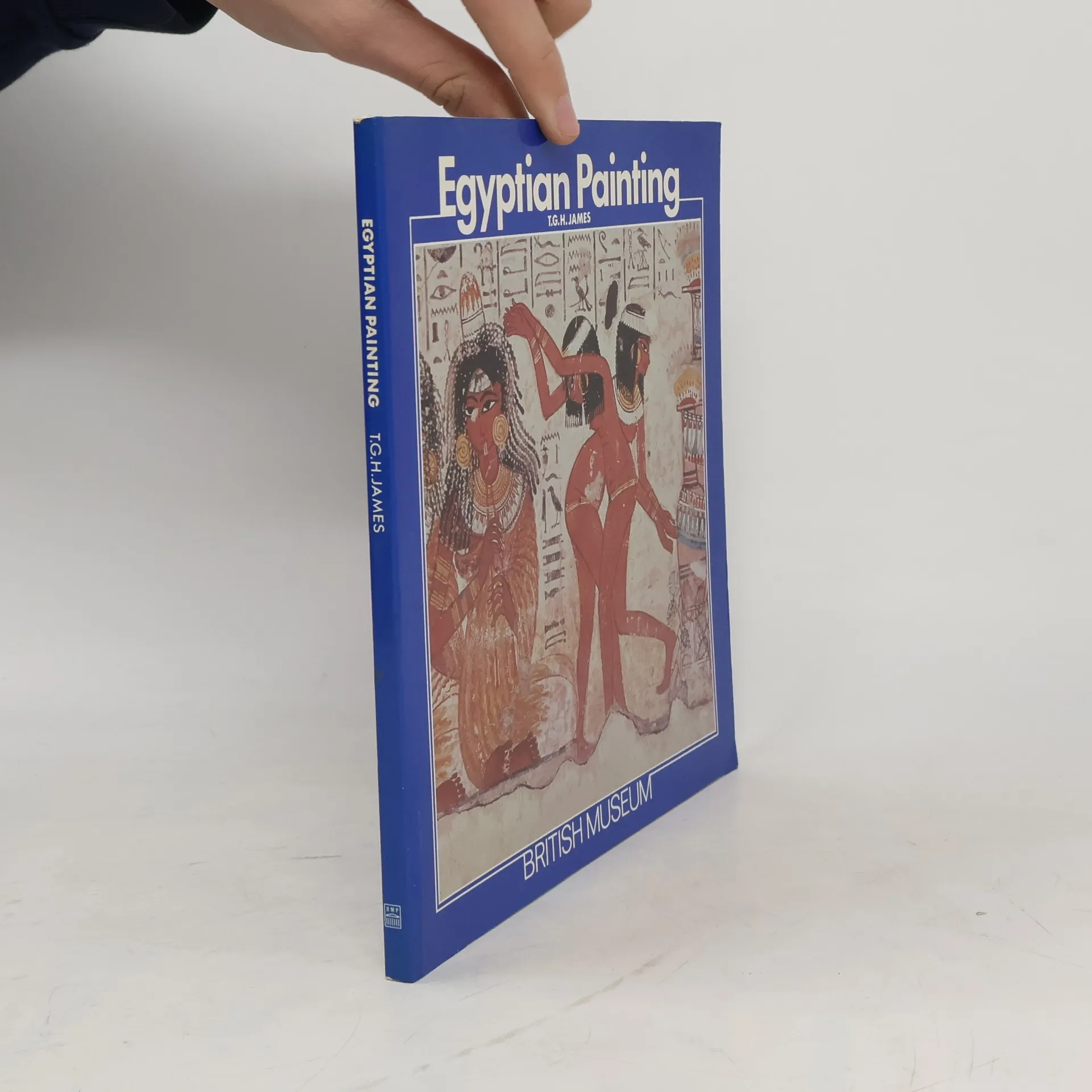
From the earliest times the Egyptians used bold, bright colours to decorate their buildings, sculptures, papyri, coffins and funerary chests. The large tomb-paintings in the British Museum are the most brilliant examples of their artistry but their love of colour shows also in the small vignettes of painted papyri.This book surveys the whole range of Egyptian painting, illustrated chiefly by the wealth of material in the British Museum. T. G. H. James examines the material used by the ancient painters and explains the conventions and methods which governed some great artists, whose work should be valued in its own right as well as for its incomparable record of Egyptian life 3,000 years ago.
Covering four millennia of Egyptian history in just 254 pages, this elegantly presented book captivates readers with its rich narrative. It invites exploration of ancient Egypt's fascinating past while providing an extensive reading list for those eager to learn more. The concise yet profound insights spark curiosity and a desire for deeper understanding, making it an invaluable resource for history enthusiasts.
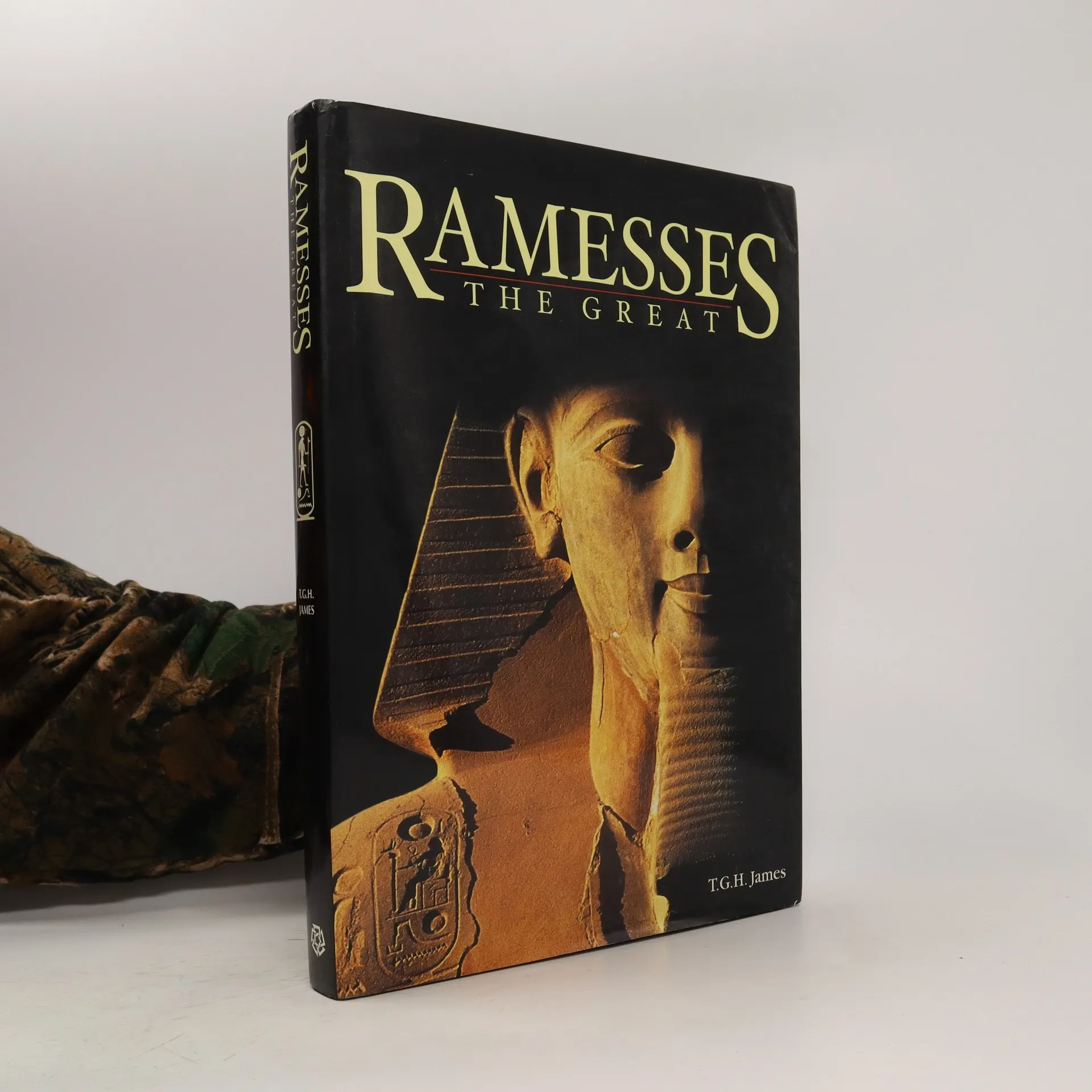
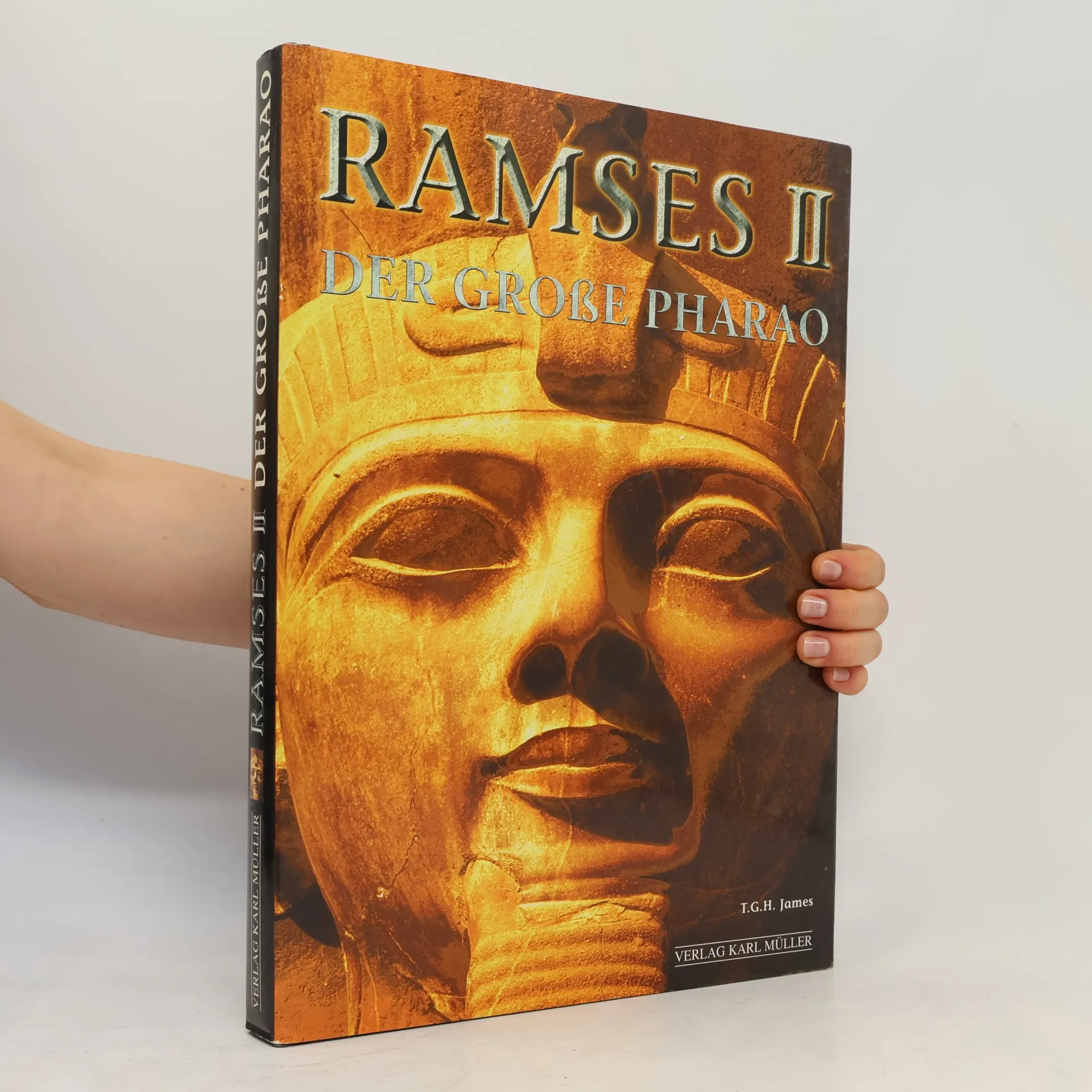
Ramses II.
- 319 pages
- 12 hours of reading
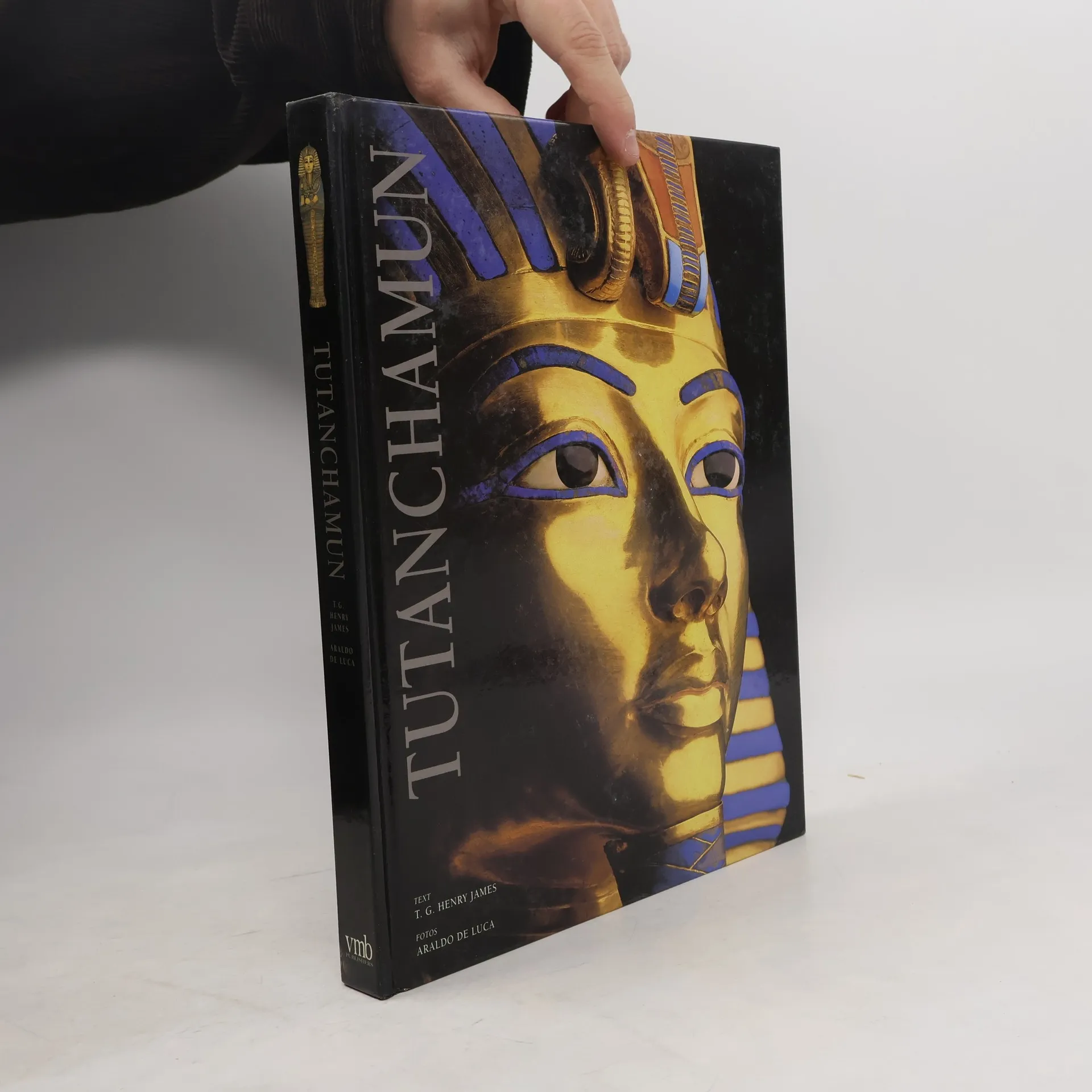
Tutanchamun
- 319 pages
- 12 hours of reading
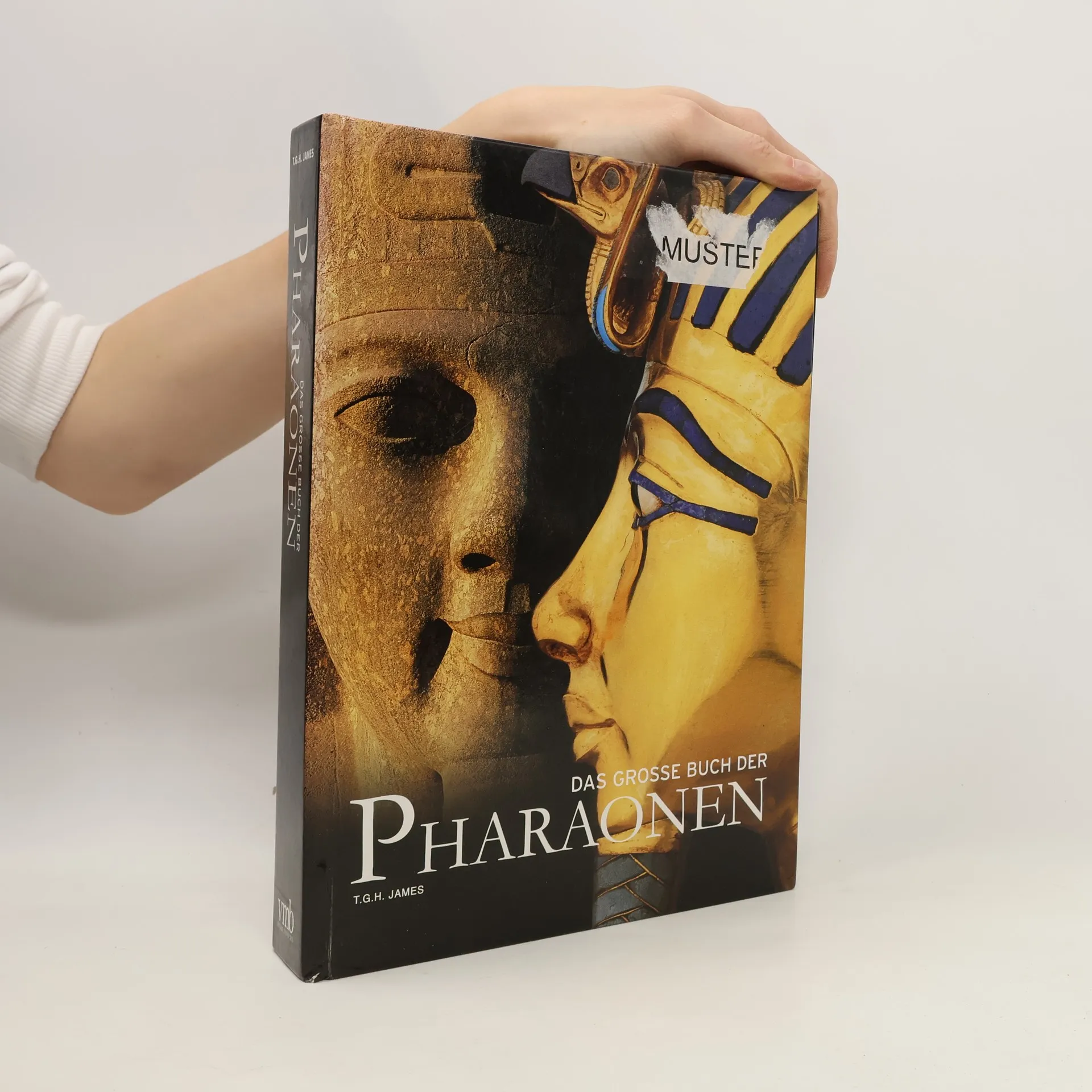
Das große Buch der Pharaonen
- 568 pages
- 20 hours of reading
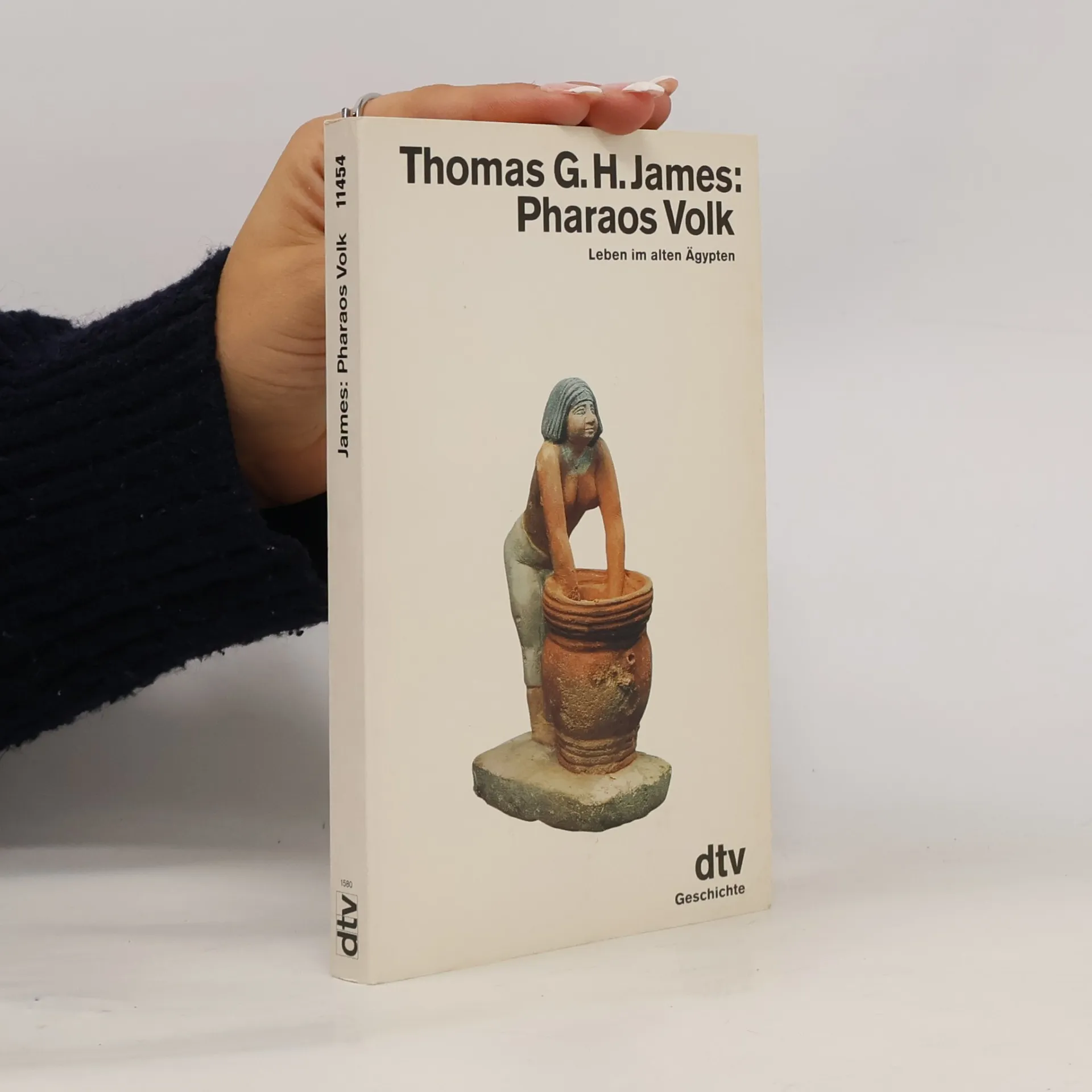
Das Leben der alten Ägypter
- 310 pages
- 11 hours of reading
James, Thomas G.H. Pharaos Leben im alten Ägypten. Mit 28 Abbildungen und 2 Karten. Aus dem Englischen von Hanna Jenni. München, Deutscher Taschenbuch Verlag, 1991. 12,5 x 19cm. 316 Seiten. Originale Broschur. Sehr guter Zustand. [dtv Geschichte, Band 11454]. Der Alltag der kleinen Leute in Ägyptens klassicher Zeit (circa 1500 bis 1400 v. Chr.) als lebendiges, aus verschiedenartigsten Quellen gezeichnetes Kulturbild - ein Buch nicht nur für Ägyptenfreunde und Ägyptenreisende, sondern für jeden am Leben früherer Zeiten interessierten Leser. [dtv]
De grote farao's
- 640 pages
- 23 hours of reading
Overzicht van leven, werk en nagelaten kunstschatten van de farao's Toetanchamon en Ramses II.
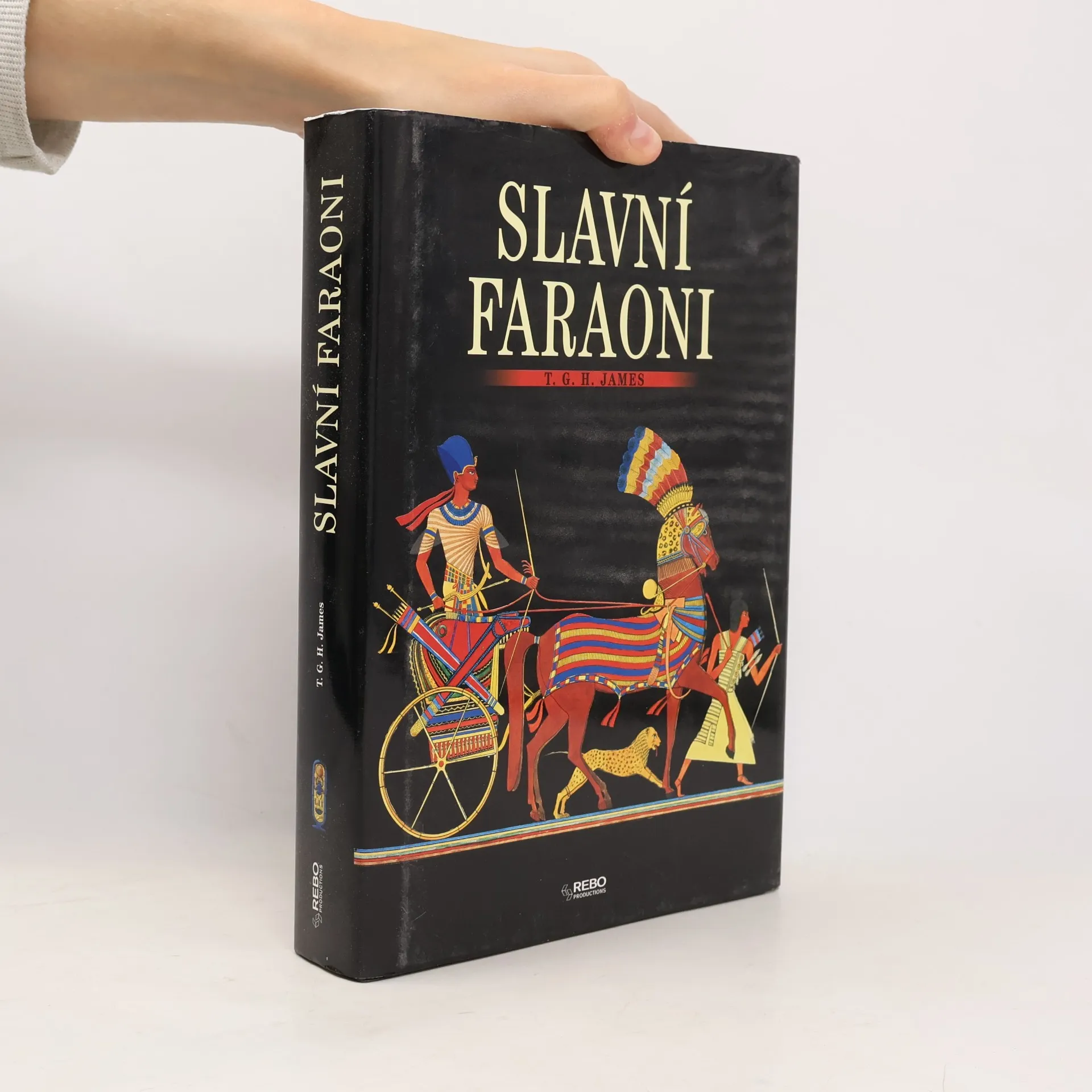
Slavní faraoni
- 560 pages
- 20 hours of reading
Výpravná publikace, zaměřená na nejvýznamnější období historie starověkého Egypta, je věnována dvěma panovníkům – chlapeckému panovníku Tutanchamonovi a dobyvateli Ramessovi II. Poutavé texty popisují období jejich vlády, poklady z Tutanchamonovy hrobky a život Ramesse jako bojovníka, stavitele, ale i manžela a otce. Autorem knihy plné nádherných fotografií a názorných kreseb je jeden z předních egyptologů. Vyšlo také ve větším formátu. - dvě části věnované dvěma panovníkům - přehledné nákresy, schémata a seznamy nálezů s podrobným popisem - rozložitelné strany s velkými fotografiemi - celostránkové a detailní barevné fotografie a unikátní dobové fotografie - slovníček pojmů a seznam základní literatury - přehledný rejstřík