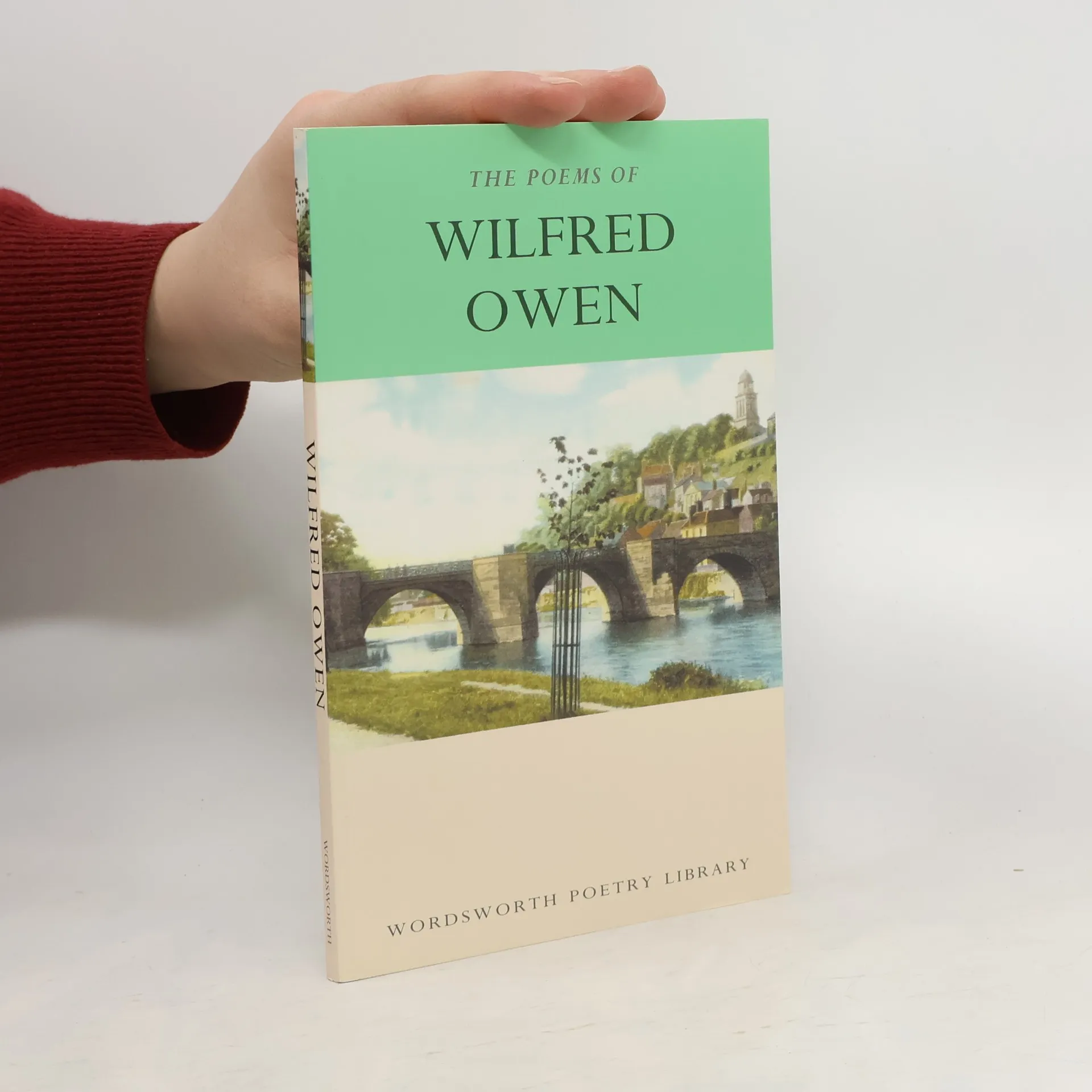
Wilfred Owen was an English poet and soldier, emerging as a leading voice of World War I poetry. His starkly realistic verse depicted the brutal horrors of trench warfare and gas attacks, a sharp contrast to the public's perception of war at the time. Deeply influenced by his friend Siegfried Sassoon, Owen's work unflinchingly exposed the true suffering of soldiers. Most of his renowned poems were published posthumously, serving as enduring testaments to the devastating realities of conflict.
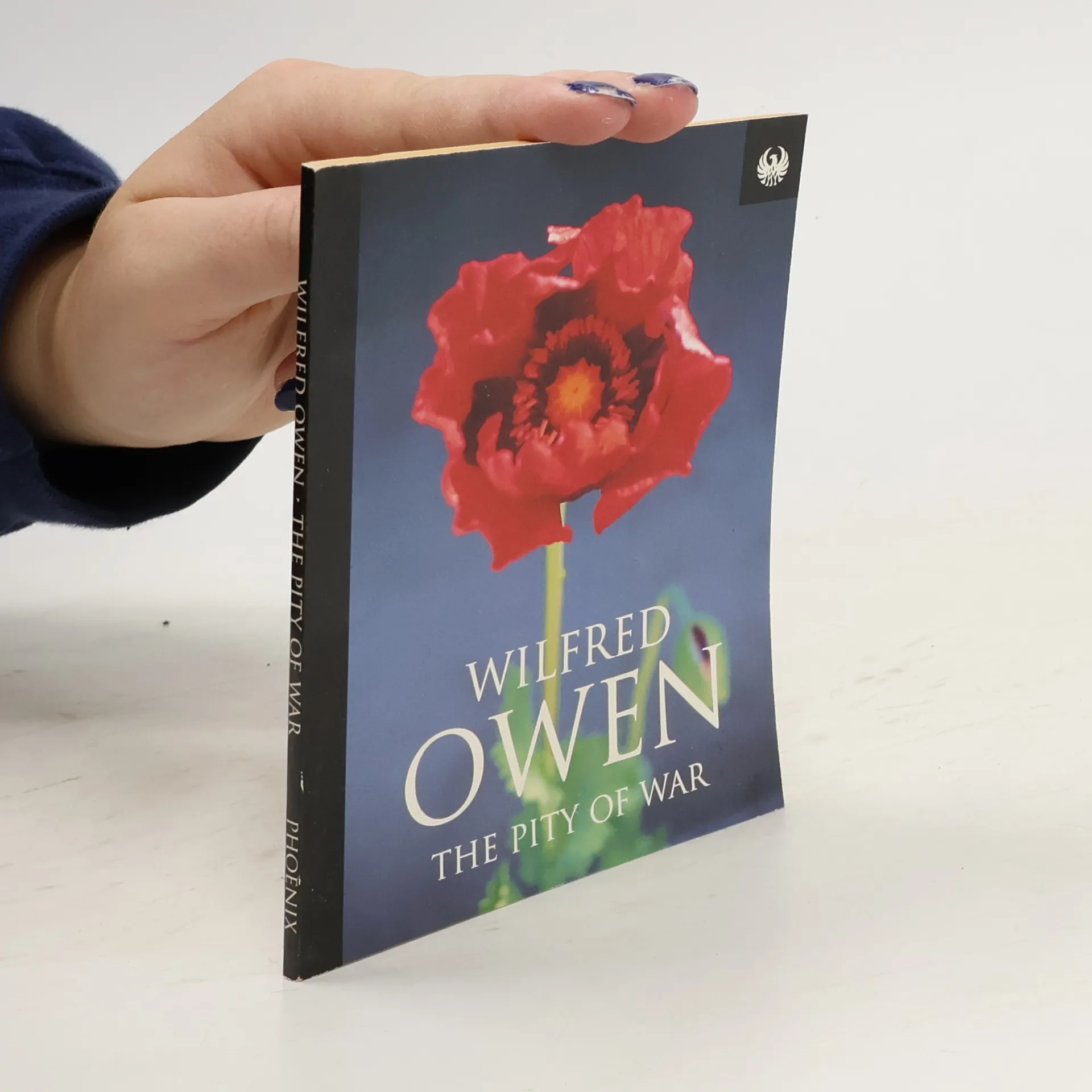
Focusing on the grim realities of World War I, this poetry collection captures the harrowing experiences of soldiers in the trenches and the brutal impact of gas warfare. Wilfred Owen, a soldier himself, explores themes of loss, suffering, and the futility of war through poignant works such as "Dulce et Decorum est" and "Anthem for Doomed Youth." His vivid imagery and emotional depth offer a profound insight into the psychological and physical toll of combat, making it an essential read for enthusiasts of war poetry.
This volume contains all of Owen's best known work, only four of which were
published in his lifetime. His war poems were based on his acute observations
of the soldiers with whom he served on the Western front, and reflect the
horror and waste of World War One.
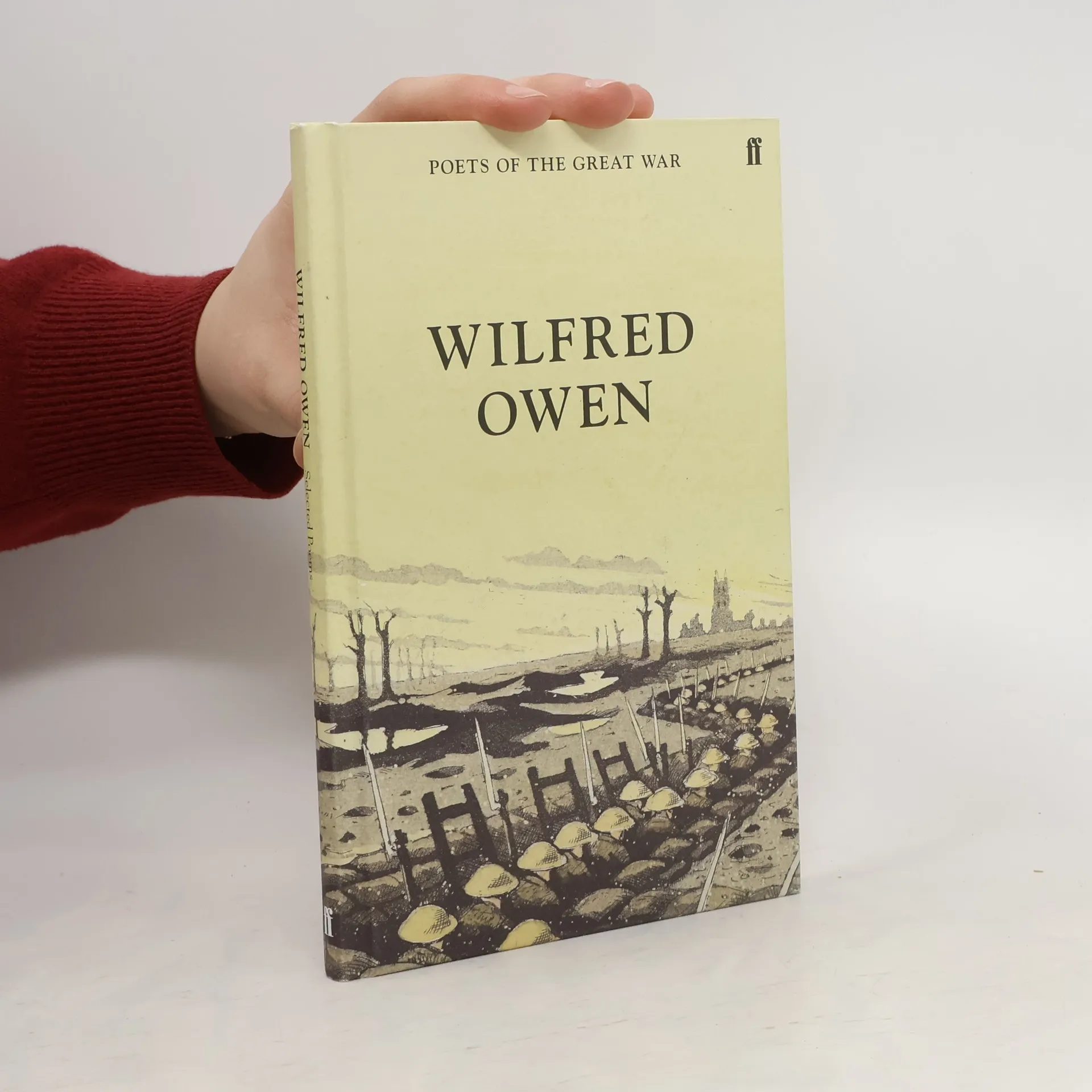
Wilfred Owen's work is featured in a new hardback series by Faber that honors the poets of World War I. This collection highlights Owen's poignant and powerful poetry, reflecting the harrowing experiences of war and its impact on humanity. Through his vivid imagery and emotional depth, Owen captures the horror and futility of conflict, making his contributions essential to understanding the literary landscape of the Great War.
The best known of the 'War poets' of World War I, Owen died a week before the armistice. His powerful verse expresses the intensity of the suffering on the Western front.
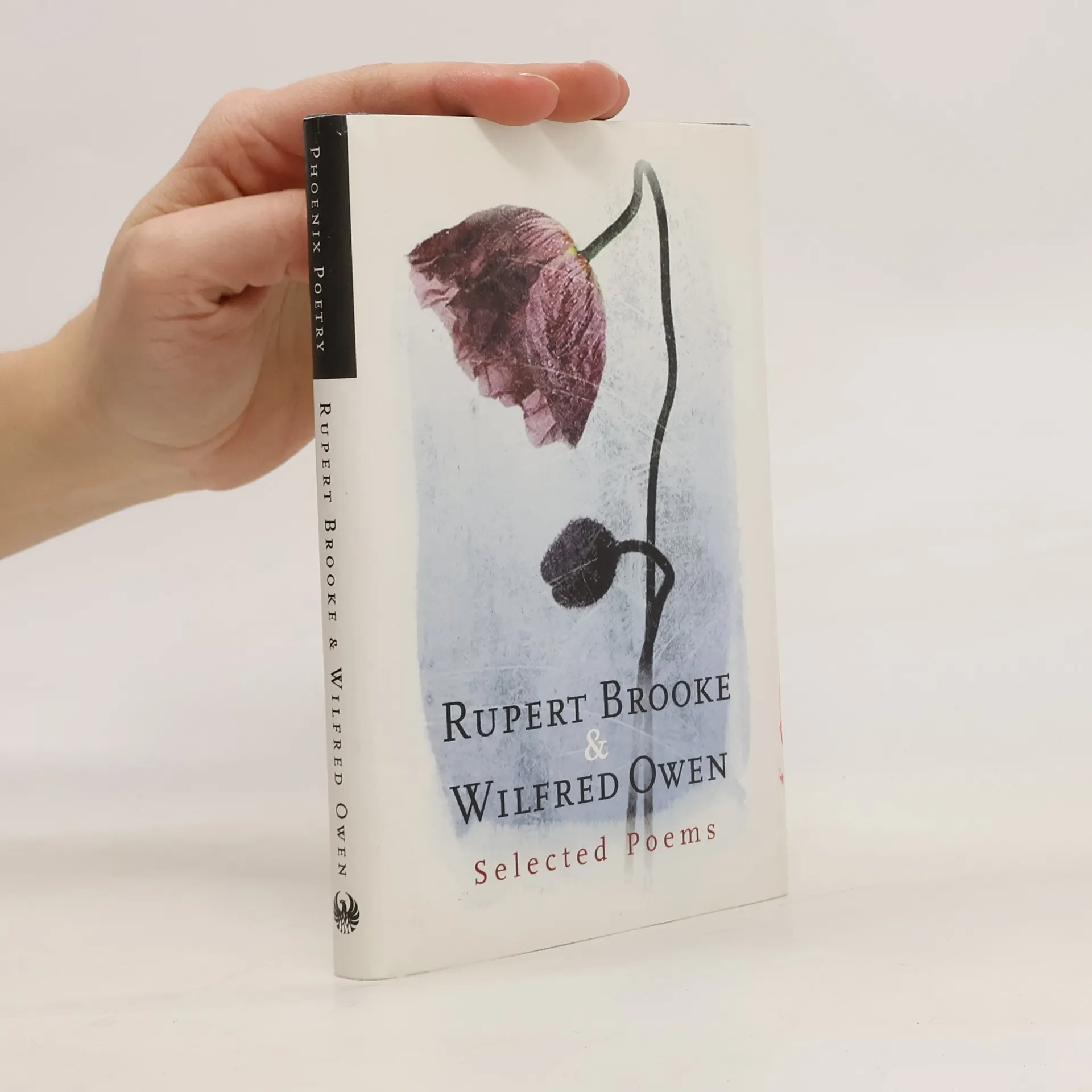
Here are the unforgettable works of two British poets who chronicled The Great War, but never lived to see its end. Although some of Brooke's verses come from an earlier, happier time, the most powerful poems convey the tragedy of warfare, including Brooke's "1914: The Soldier" and Owen's "Anthem for Doomed Youth" and "The Sentry."
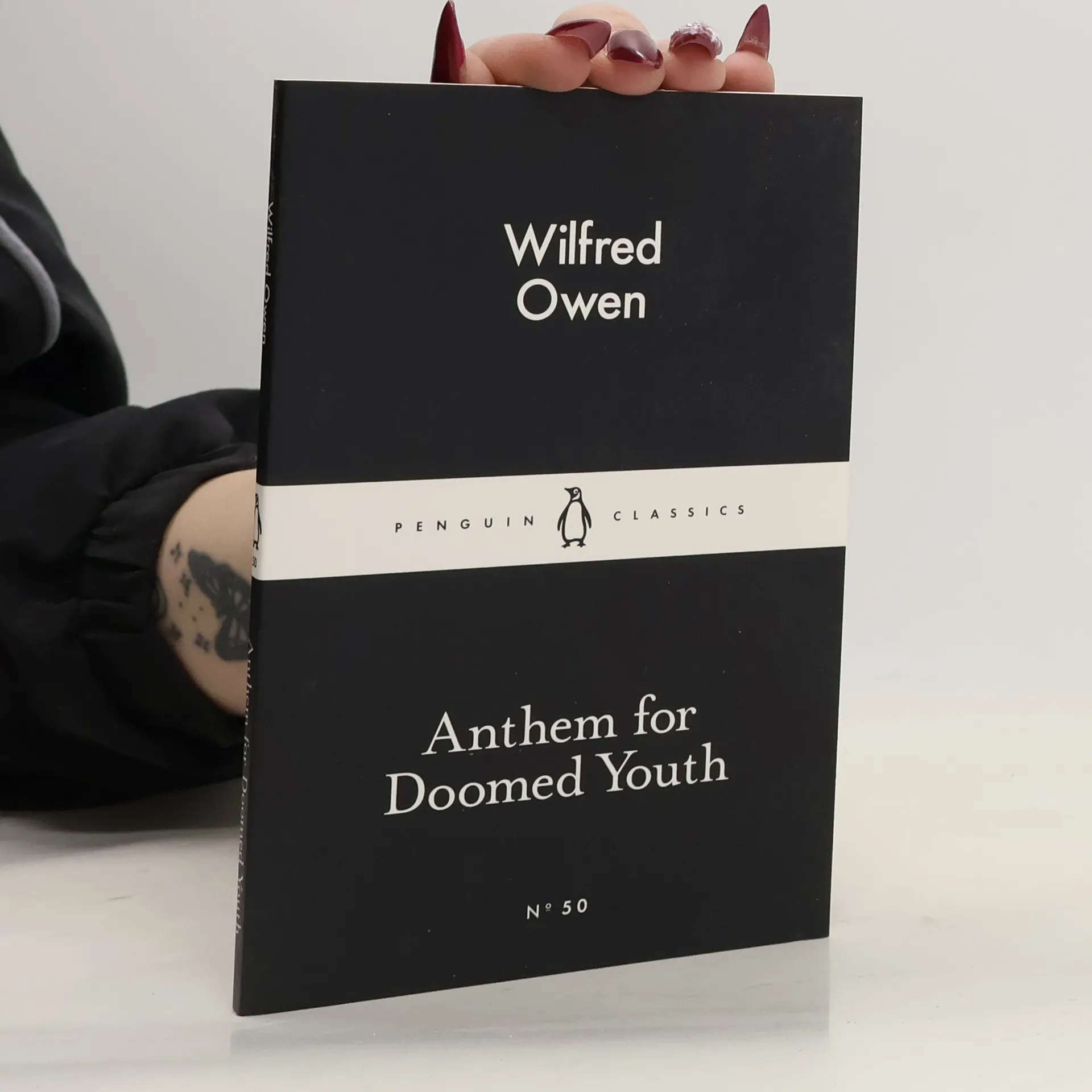
'Tonight he noticed how the women's eyes Passed from him to the strong men that were whole.' The true horror of the trenches is brought to life in this selection of poetry from the front line. Introducing Little Black Classics: 80 books for Penguin's 80th birthday. Little Black Classics celebrate the huge range and diversity of Penguin Classics, with books from around the world and across many centuries. They take us from a balloon ride over Victorian London to a garden of blossom in Japan, from Tierra del Fuego to 16th-century California and the Russian steppe. Here are stories lyrical and savage; poems epic and intimate; essays satirical and inspirational; and ideas that have shaped the lives of millions. Wilfred Owen (1893-1918). Owen is available in Penguin Classics in Three Poets of the First World War: Ivor Gurney, Isaac Rosenberg, Wilfred Owen.
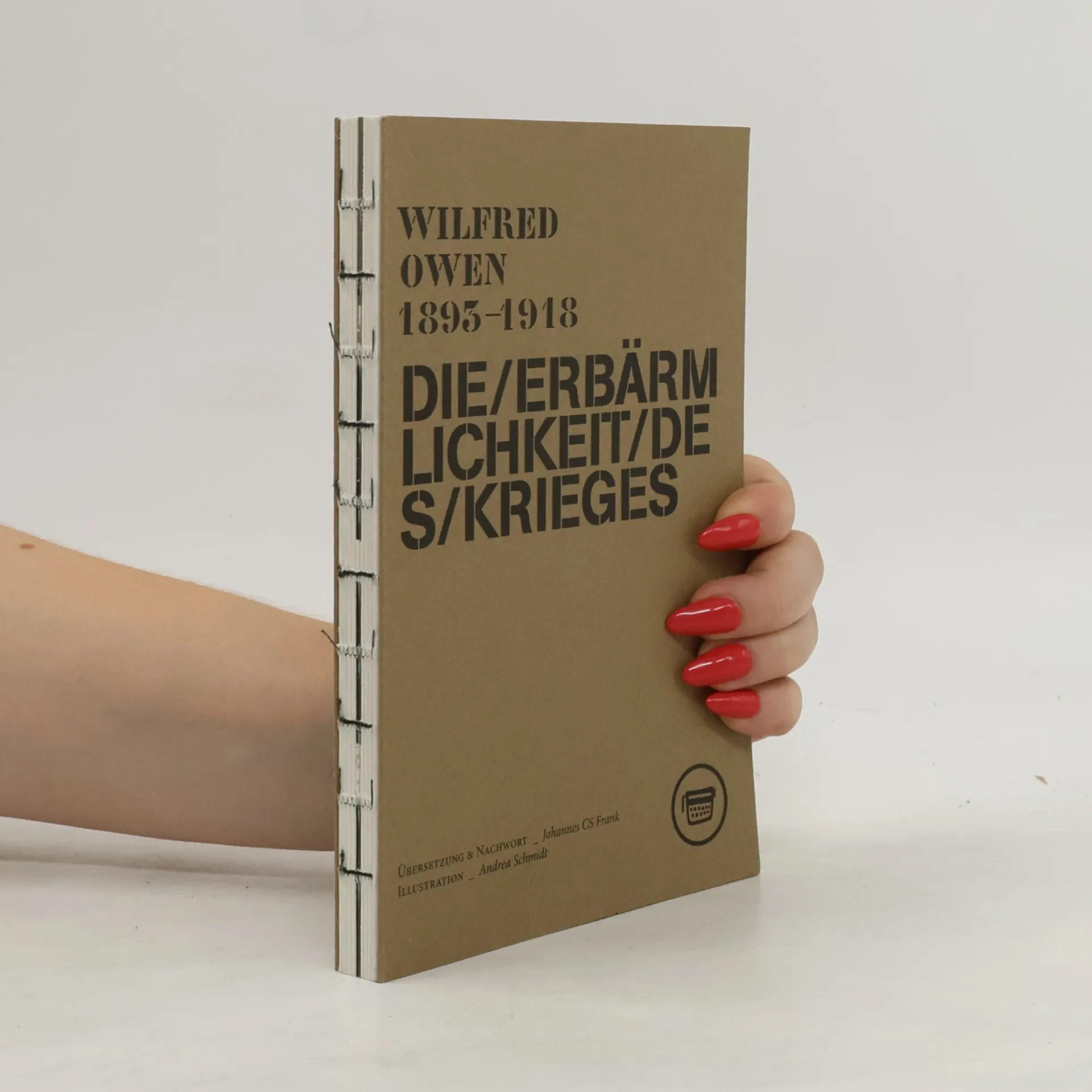
Gesammelte Gedichte und ausgewählte Briefe von Wilfred Owen
Genau eine Woche vor Ende des Ersten Weltkrieges stirbt am 4. November 1918 Wilfred Owen, einer der bedeutendsten War Poets, an der Front in Frankreich. Seine Gedichte brechen mit der traditionellen Kriegslyrik und markieren ein Umdenken in der literarischen Behandlung des Krieges. Owen thematisiert nicht Heldentum oder Patriotismus, sondern schreibt eine „Dichtung der Zeugenschaft“, die die Eintönigkeit in den Schützengräben, das Grauen der Grabenkämpfe, das zermürbende Marschieren, Gas-Angriffe, das Menschliche im „Feind“, entstellte Tote und die Überforderung von Soldaten und Ärzten behandelt. Er ist einer der prägendsten englischsprachigen Dichter des 20. Jahrhunderts. Mit der Erstausgabe seiner gesammelten Kriegsgedichte, ergänzt durch ausgewählte Briefe, wird Owen nun, einhundert Jahre nach Kriegsbeginn, auch in deutscher Übersetzung zugänglich. Die Illustrationen von Andrea Schmidt setzen Owens Texte in einen zeitgenössischen Kontext und beleben die persönlichen, sozialen und historischen Erfahrungen des Krieges. Themen wie Befremdung, Unsichtbarkeit, Zerstörung und Fragmentierung sind Erfahrungen, die bis heute fortdauern. Ausgezeichnet als eines der »Schönsten deutschen Bücher 2015.