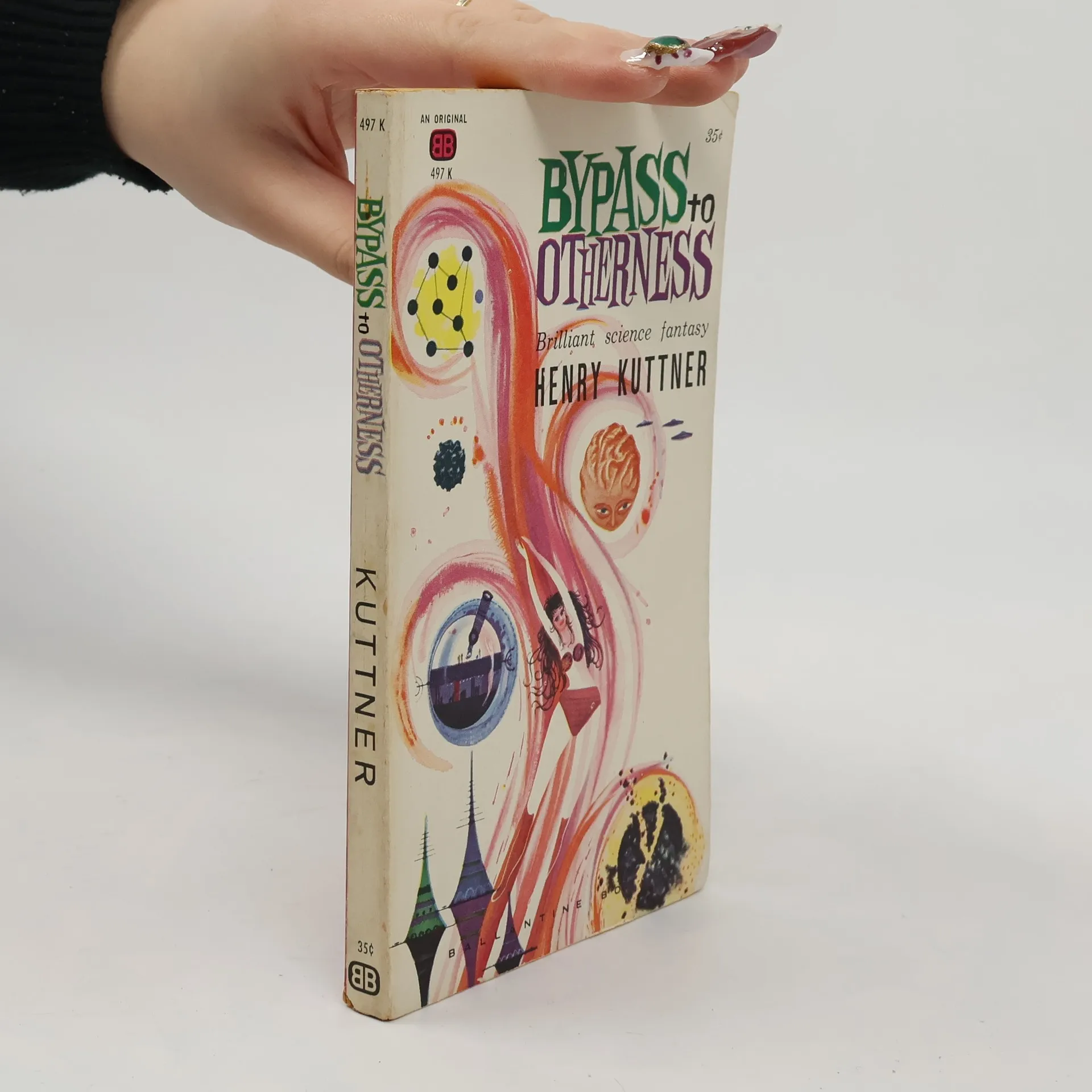
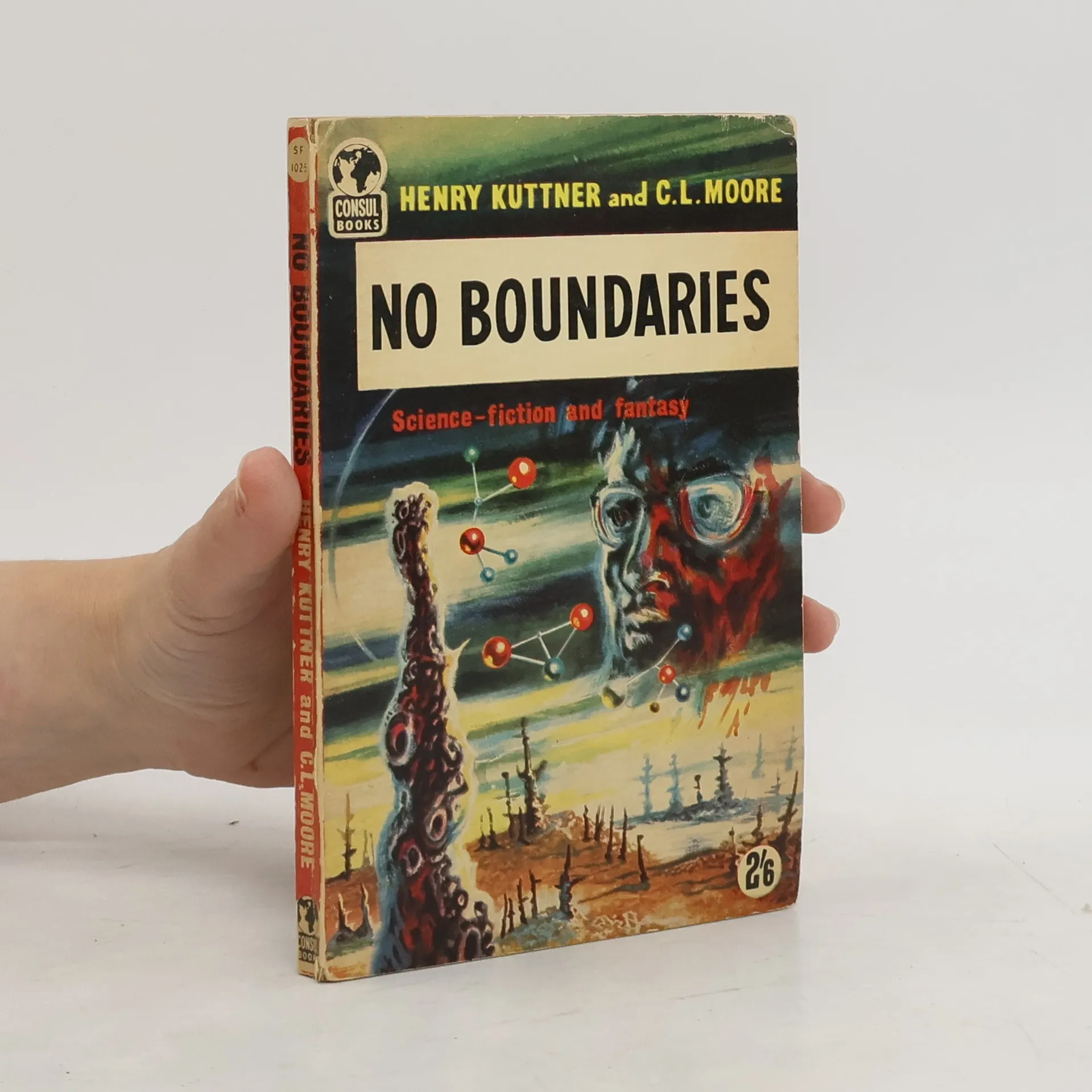
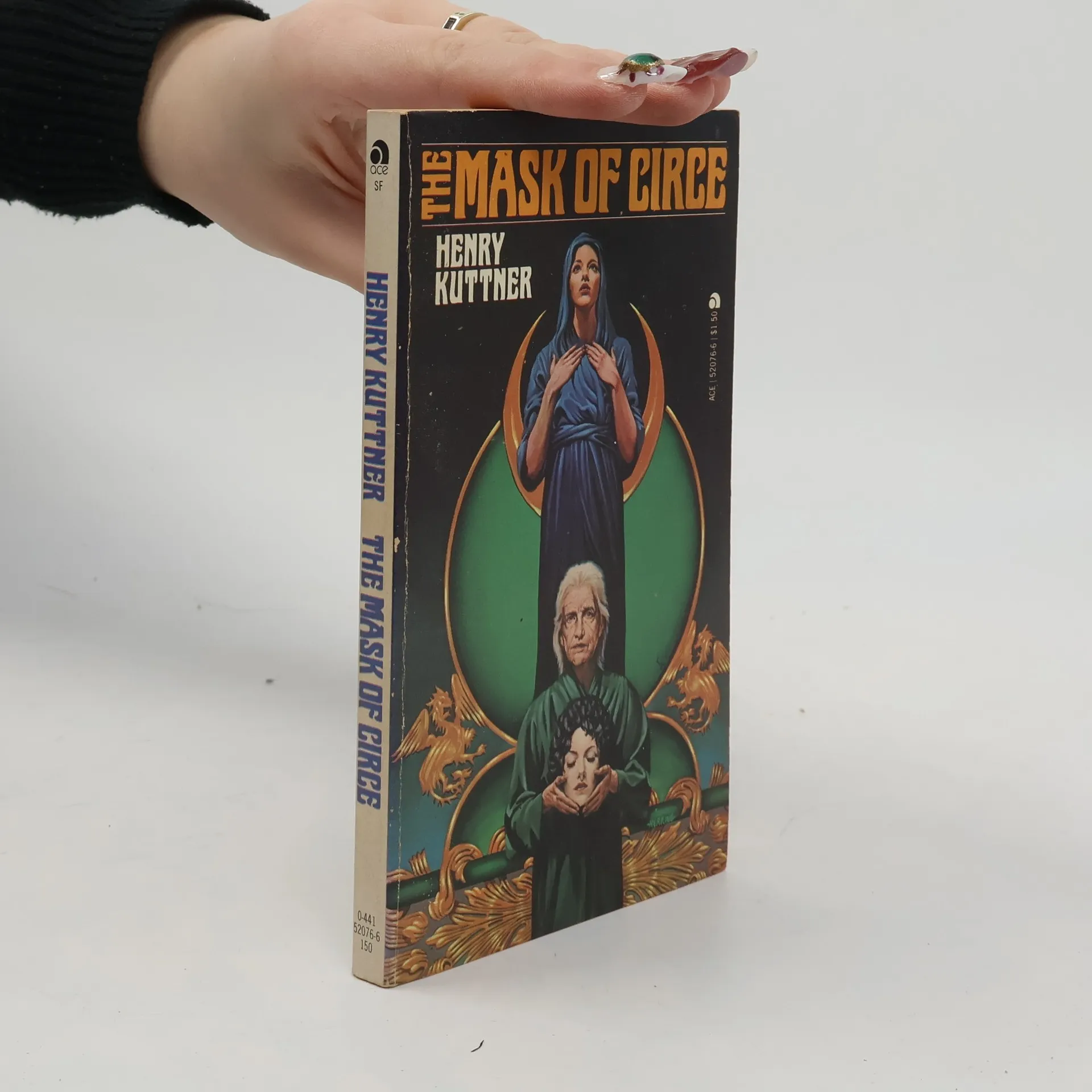
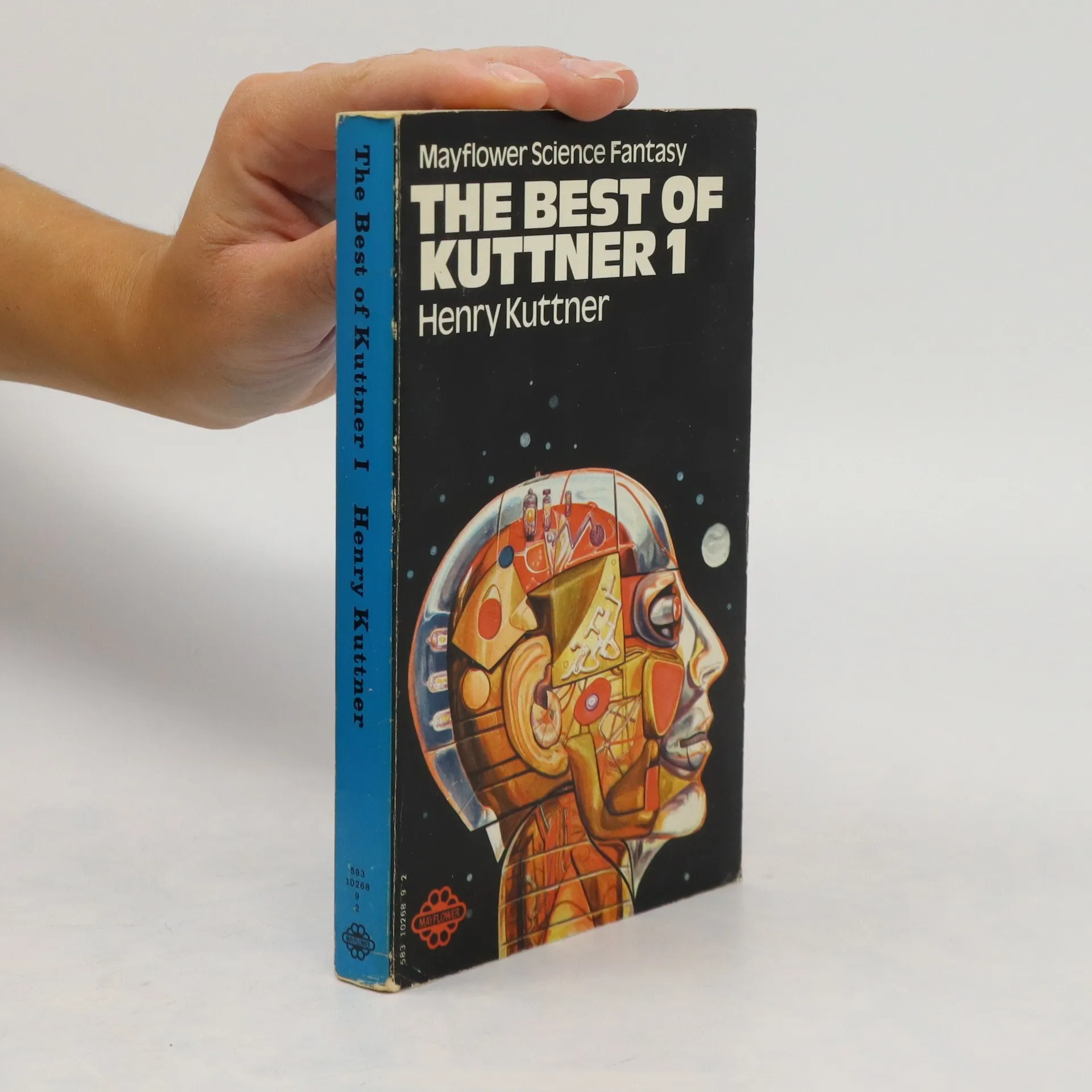
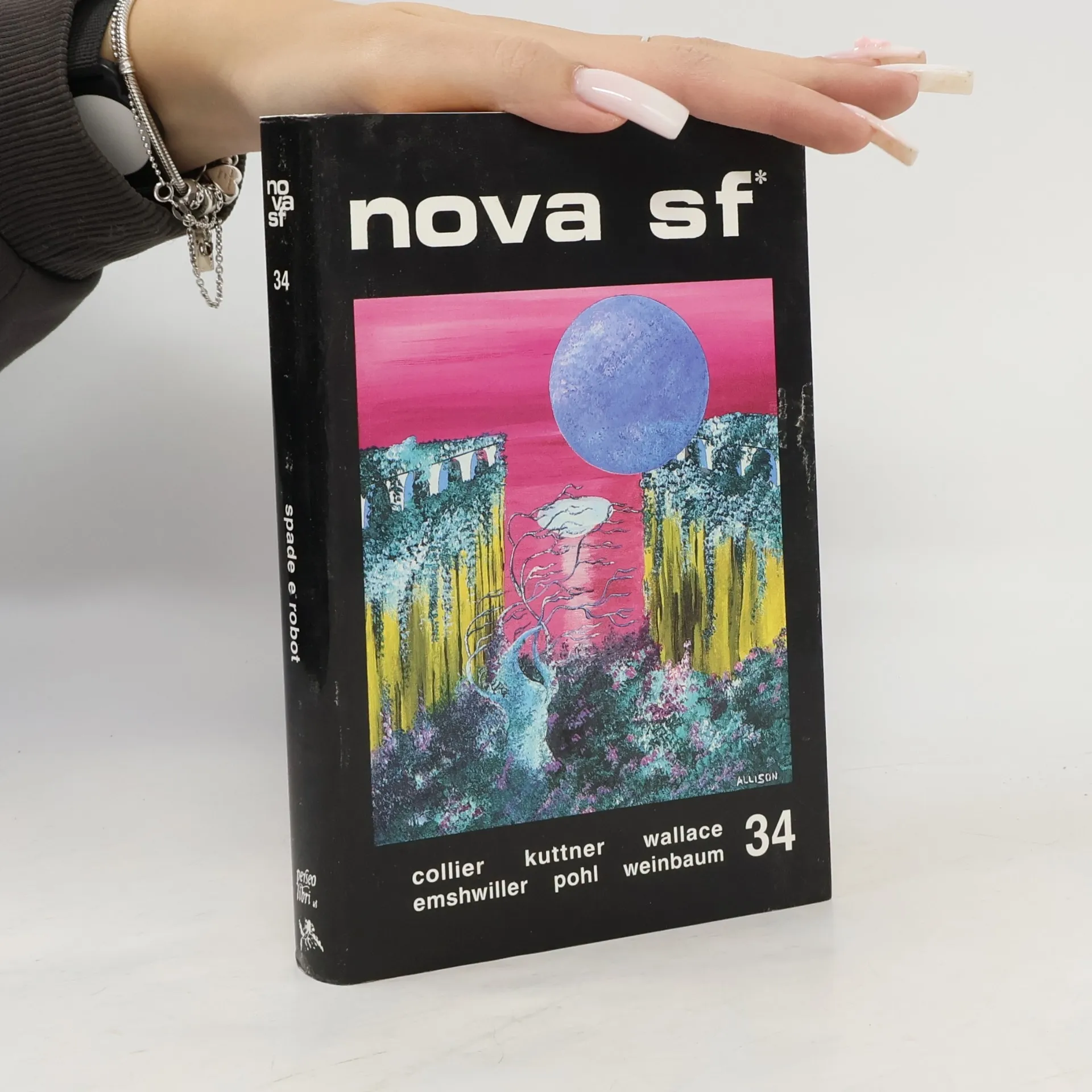
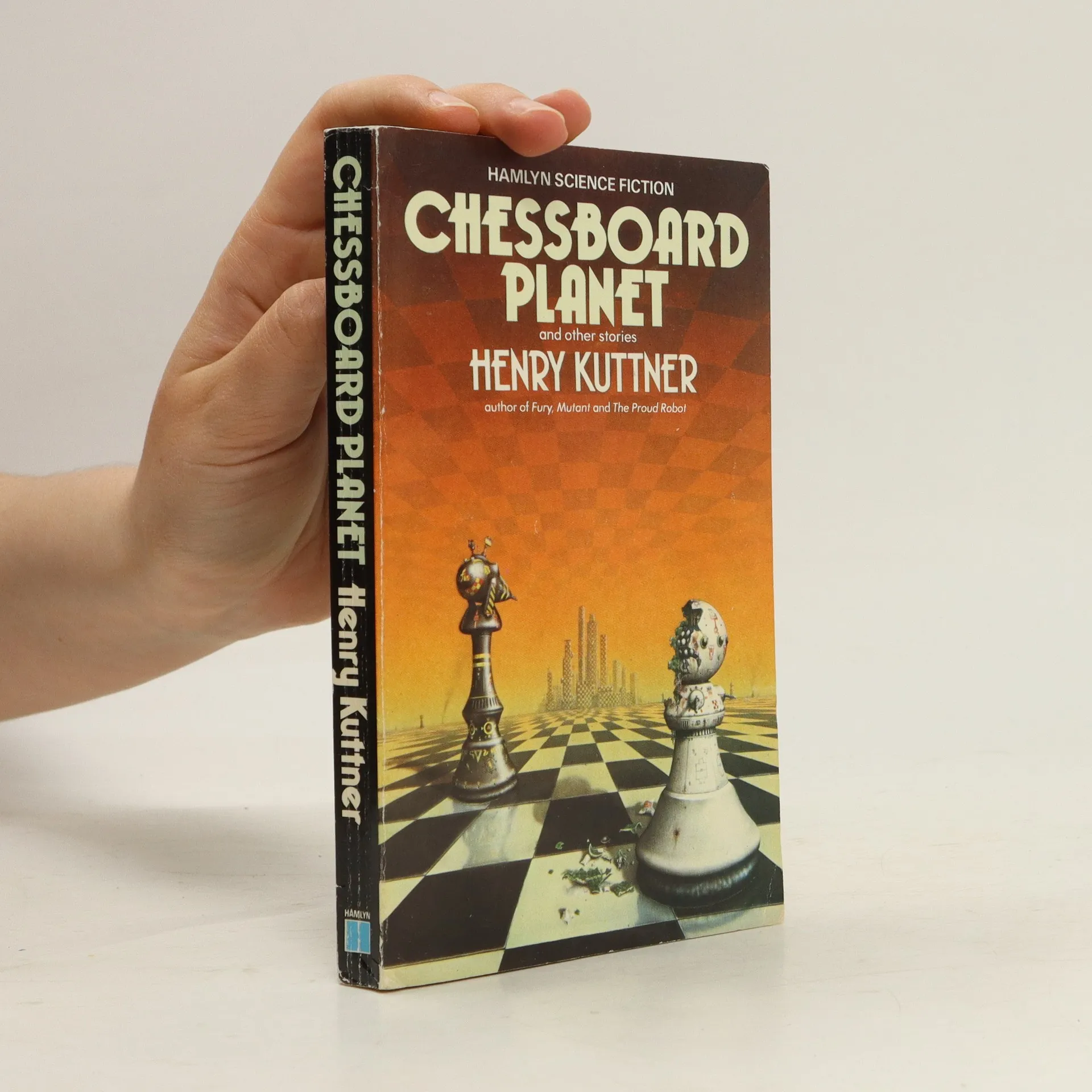
Contents: 5 • Introduction (Chessboard Planet and Other Stories) • essay by Peter Pinto 9 • Note on "Fairy Chess" • essay by Peter Pinto 11 • Chessboard Planet • novella by Henry Kuttner and C. L. Moore (variant of The Fairy Chessmen 1946) 116 • Camouflage • (1945) • novelette by Henry Kuttner and C. L. Moore 148 • Android • (1951) • novelette by Henry Kuttner and C. L. Moore 179 • Or Else • (1953) • shortstory by Henry Kuttner and C. L. Moore
Henry Kuttner Books
April 7, 1915 – February 4, 1958
Henry Kuttner, both solo and in collaboration with his wife C.L. Moore, stands as one of the most significant science fiction and fantasy writers of the 1940s. His work delved deeply into the sociological and psychological dimensions of the genre, enriching science fiction with a human element that extended beyond mere technology. Kuttner's talent was primarily focused on shorter forms, where he produced dozens of works considered among the field's most important achievements, which remain consistently in print. His writing was noted for its exceptional quality, a rarity not only in science fiction but in literature more broadly.


Fury. Mutant. The Best of Henry Kttner
- 624 pages
- 22 hours of reading
Three essential works from one of the formative voices of post-war science fiction.
Clash by Night
- 215 pages
- 8 hours of reading
Far beneath the seas of Venus the descendants of Earth now live in impervium domes. The citizens reside securely and comfortably within the safety of their Keeps, but through their midst stride men whose grim, sunburned faces make them seem like a different race – the Free Companions.These are the surface dwellers – the mercenaries who fight out the wars of Venus's cities so that the rest of civilization can survive in peace.The prequel to Henry Kuttner's classic novel Fury, this enthralling story follows one of their military campaigns. Not many of the Free Companions ever questioned their way of life – but Clash by Night tells of one who did...In these five gems of imagination the talents of Henry Kuttner and C. L. Moore combine to produce a powerful and shocking blend of science fiction and horror.Contents:- Introduction by Peter Pinto- Clash by Night (1943)- When the Bough Breaks (1944)- Juke-Box (1947)- The Ego Machine (1952)- Vintage Season (1946)
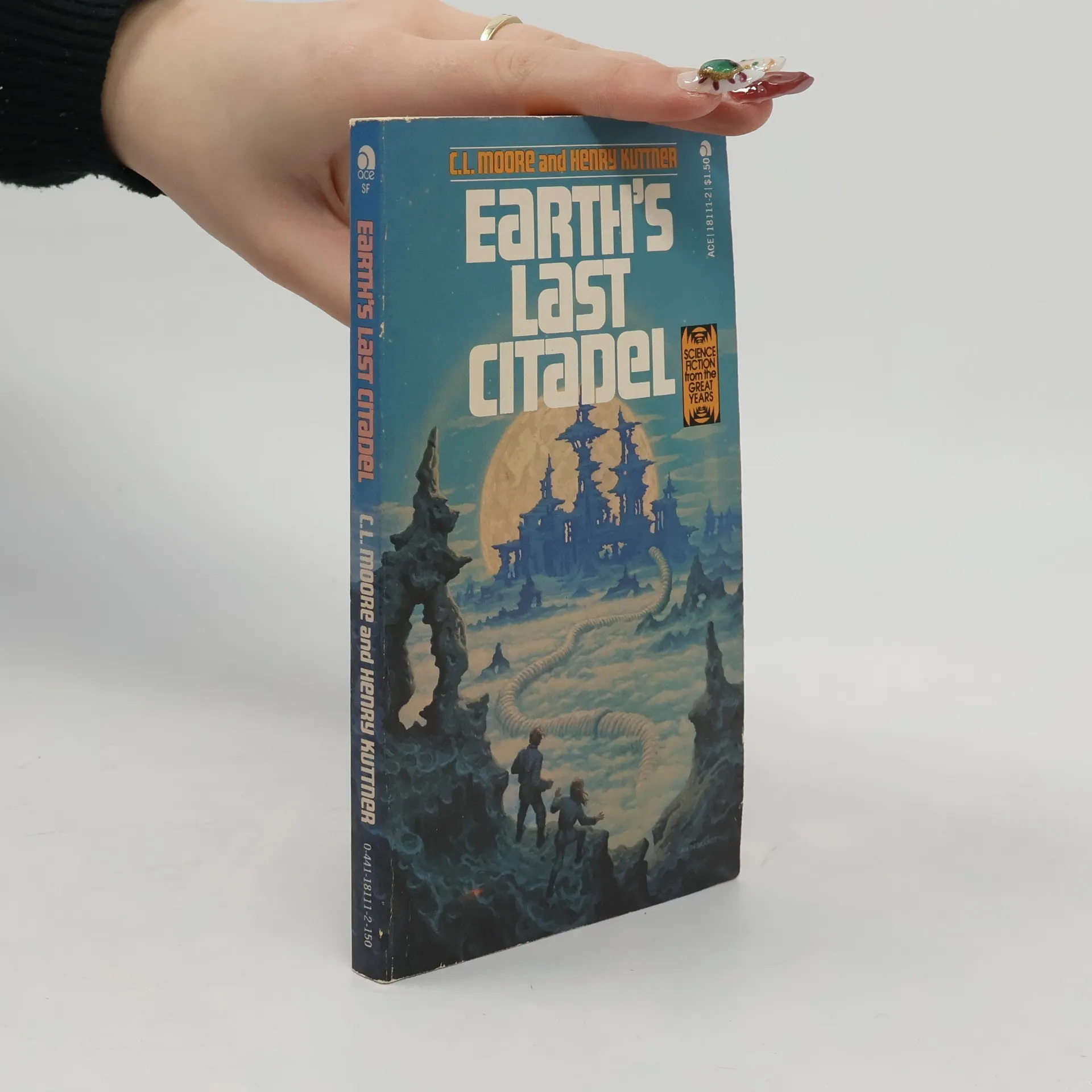
The Earth is long dead, blasted apart, and the human survivors who settled on Venus live in huge citadels beneath the Venusian seas in an atrophying, class-ridden society ruled by the Immortals - genetic mutations who live a thousand years or more. Sam Reed was born an immortal, born to rule those with a normal life-span, but his deranged father had him mutilated as a baby so that he wouldn't know of his heritage. And Sam grew up on the wrong side of the tracks and the law, thinking of the Immortals as his enemies. Then he reached the age of eighty, understood what had happened to him and went looking for revenge - and changed his decaying world forever. Fury is a powerful, dark and compelling novel that explores the sensual, bloody and urgent nature of humankind's striving.
It wasn't the communists who got us after all... You can read about its beginnings in Heinlein's immortal STRANGER IN A STRANGE LAND: At the height of America's secular decadence came Nehemiah Scudder, bearing the rod and the wrath of the Lord for those who opposed him, and the promise of earthly happiness and heavenly bliss for those who followed him...and America fell under an absolute religious dictatorship that was to last a hundred years. But nothing endures forever. The smoldering embers of liberty have burst into flame again. It is time for a new beginning. Contents: · The Innocent Eye: An Introduction by Henry Kuttner · If This Goes On - originally published in Astounding Science Fiction February 1940 · Coventry - originally published in Astounding Science Fiction July 1940 · Misfit - originally published in Astounding Science Fiction November 1939 · Concerning Stories Never Written: Postscript by Robert A. Heinlein
This small paperback contains 3 novelettes: Vintage Season, Home There's No Returning, and Two-handed Engine as well as two short stories: The Devil We Know and Exit the Professor written by the husband and wife co-authors.
War-Gods of the Void
- 46 pages
- 2 hours of reading
Set against the backdrop of Venus, a treacherous landscape ruled by War-Gods, Jerry Vanning pursues the fugitive Callahan through a perilous swamp. As he navigates this hellish kingdom, Vanning's journey is marked by the robotic movements of a North-fever slave, highlighting the physical and psychological toll of his quest. The narrative explores themes of survival and the struggle against oppressive forces in a vividly imagined alien environment.
The Eyes of Thar
- 26 pages
- 1 hour of reading
The narrative revolves around a woman who communicates in an ancient language and has lost all memory of her past, including her connection to a man who once loved her deeply. Their relationship was marked by tragedy, as she died in his arms after an assassination attempt, prompting him to vow revenge. The story explores themes of love, loss, and the haunting echoes of a forgotten past, as the characters grapple with their intertwined fates and the mysteries of memory.
Saturday Review of "A sampling of Kuttner from fantasy to science fiction and all stages inbetween--first degree entertainment!"--back coverIntroduction - Ray BradburyShort stories 1939-1955:Mimsy were the BorogovesTwo-Handed EngineThe Proud RobotThe Misguided HaloThe Voice of the LobsterExit the ProfessorThe TwonkyA Gnome There WasThe Big NightNothing But Gingerbread LeftThe Iron StandardCold WarOr ElseEndowment PolicyHousing ProblemWhat You NeedAbsalom
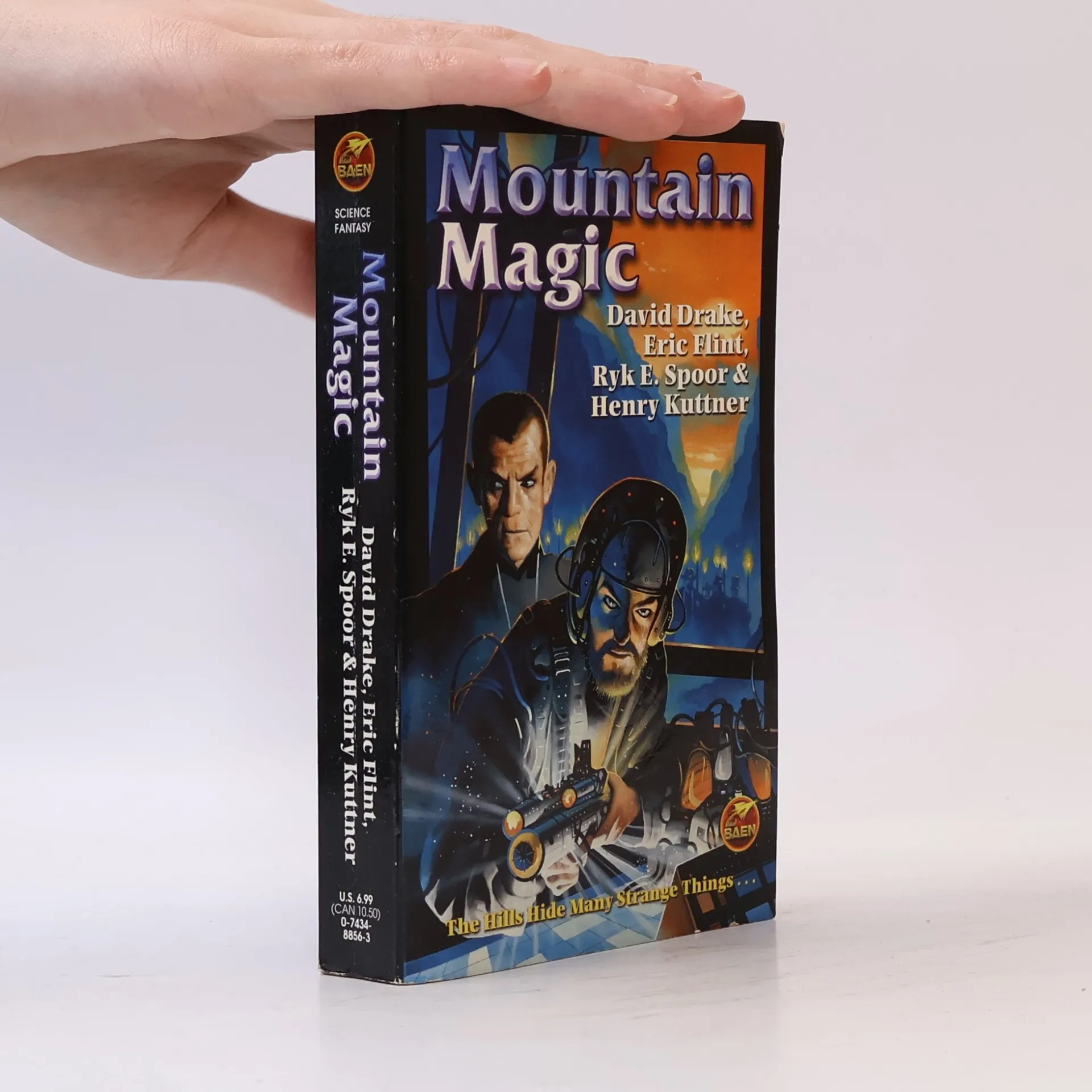
Mountain Magic
- 480 pages
- 17 hours of reading
Evil forces, both natural and supernatural, threaten the folk of the hamlets and hollows, including witches, demons, and criminals. However, they must first contend with some extraordinary residents of the hills and valleys. Among them is Old Nathan the Wizard, a backwoodsman who, despite his modest claims about his magical abilities, possesses real powers and a trusty flintlock rifle. He talks to animals and boldly declares he would confront the Devil himself, a challenge he ultimately faces. A century later, new interlopers, from criminals to nosy college professors, invade the hills, but they encounter the Hogbens, a family of mutants with peculiar powers. These city folk are in for a surprise as they experience bizarre and unpleasant happenings. Meanwhile, the Slade family finds themselves entangled in a conflict between underground creatures tied to ancient legends of gnomes. They must ensure the right gnomes prevail, or risk triggering an earthquake that could devastate multiple states. This volume weaves together magic, mutants, and mountain folk, delivering a mix of grim, eerie, and wildly comic adventures.
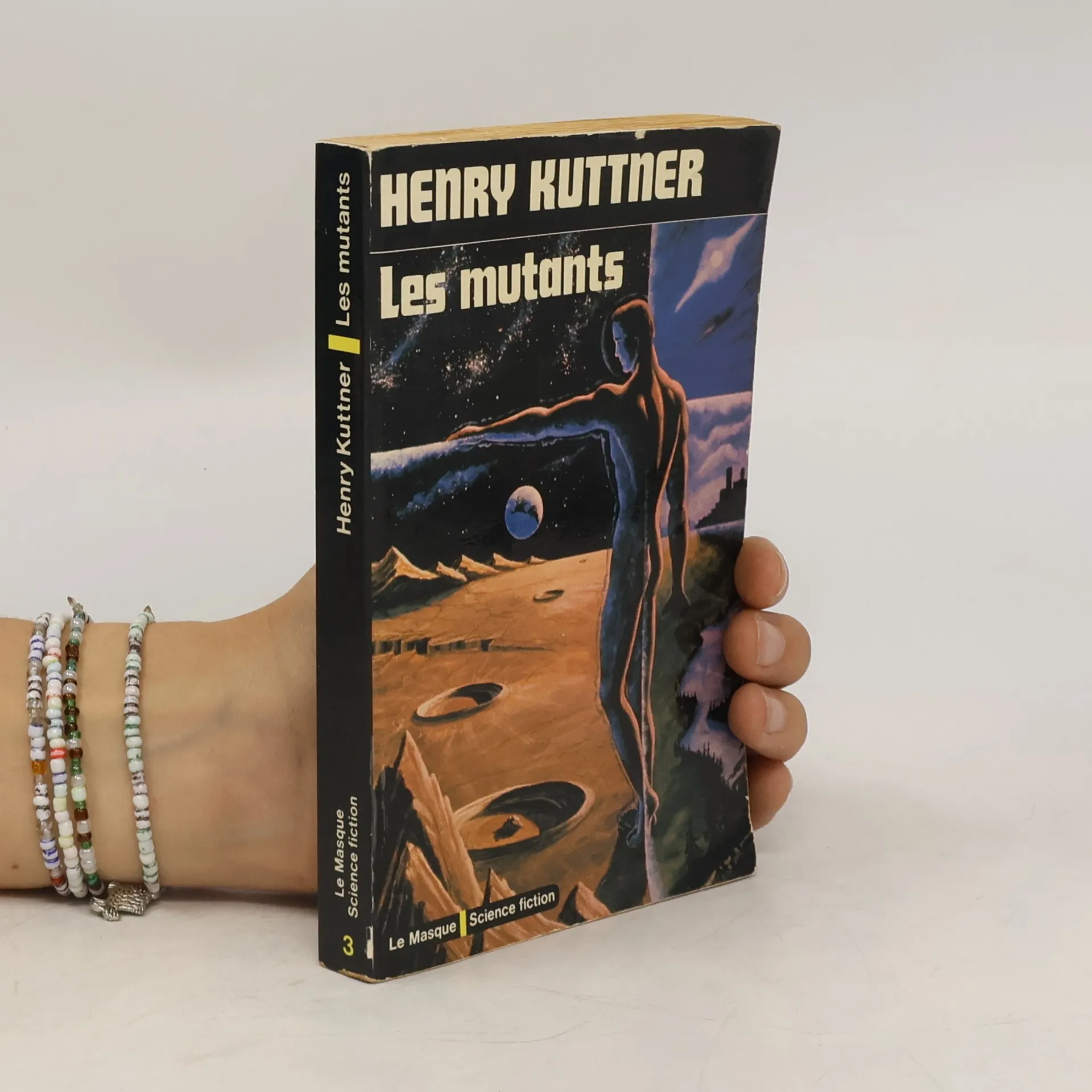
Les mutants
- 254 pages
- 9 hours of reading
Le roman de Henry Kuttner de 1953 sur une communauté méprisée de télépathes cachés de la société porte des échos de l'Holocauste et des communautés de personnes déplacées d'après-guerre. Kuttner, l'un des écrivains de nouvelles les plus inventifs et talentueux de la science-fiction, a relié ce roman à cinq nouvelles publiées cette année-là, 1945.
SF Personality - 1: Die vergessenen Science-Fiction-Klassiker
- 252 pages
- 9 hours of reading
In Zusammenarbeit mit ausgewiesenen Kennern unternimmt es Hardy Kettlitz in seiner Reihe SF Personality, die Geschichte der Science Fiction schlaglichtartig aufzuarbeiten. Nachdem die Einzelausgaben größtenteils vergriffen sind, werden in diesem Band die chronologisch ersten fünf Nummern wieder zugänglich gemacht. Sie wurden grundlegend überarbeitet, die Bibliographien ergänzt und das Bildmaterial auf den doppelten Umfang erweitert. Die Abbildungen umfassen Titelbilder von Originalausgaben, deutschsprachigen Ausgaben und Illustrationen aus zeitgenössischen Magazinen. In diesem ersten Sammelband werden Murray Leinster, C.L. Moore & Henry Kuttner, H. Beam Piper, Leigh Brackett und Gustav Meyrink ausführlich vorgestellt und gewürdigt. Hardy Kettlitz ist Chefredakteur des SF-Magazins ALIEN CONTACT und gilt als einer der besten Kenner der Science Fiction und Phantastik im deutschsprachigen Raum. Unter anderem für die Reihe SF Personality wurde er 2002 mit dem renommierten Kurd Laßwitz Preis ausgezeichnet.
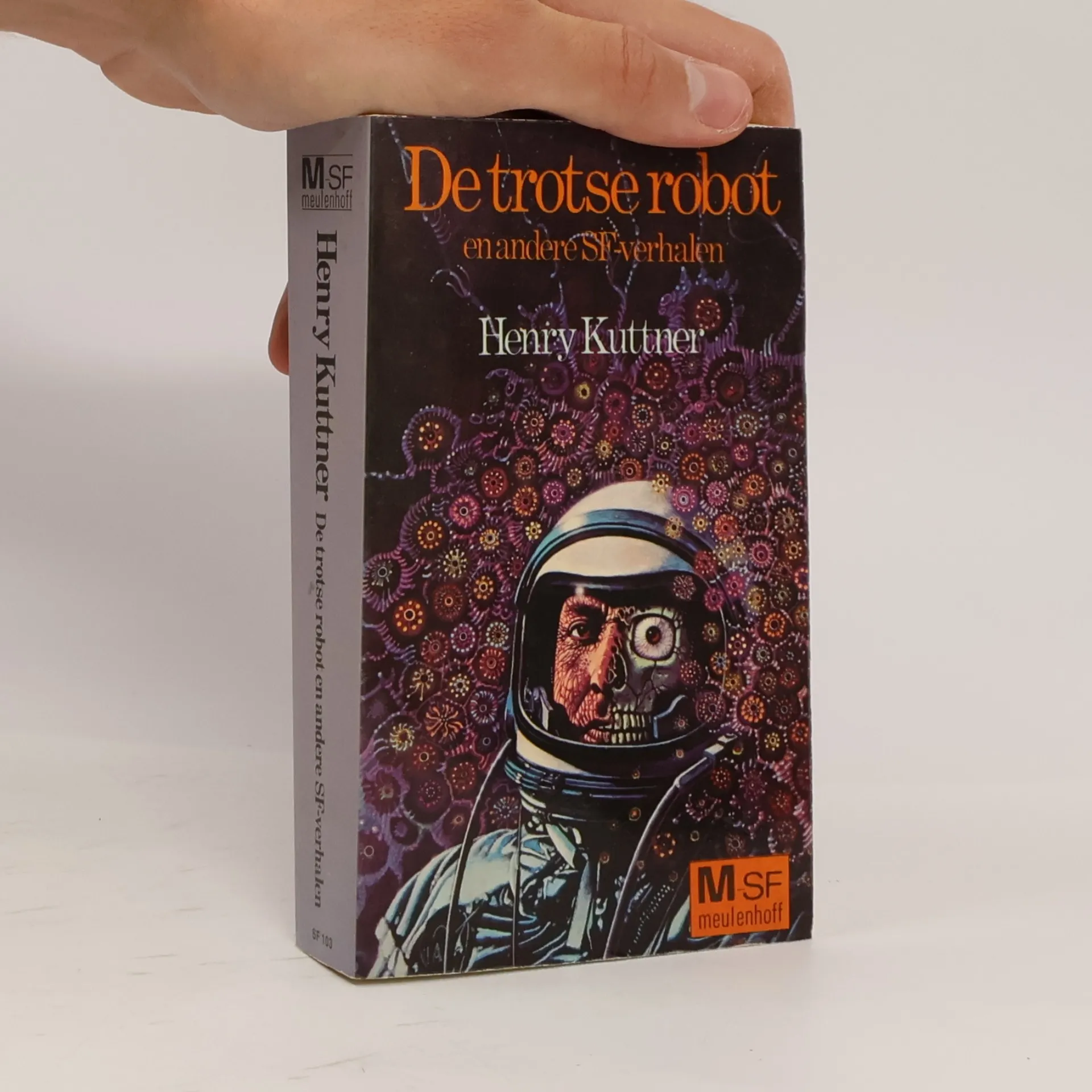
De trotse robot en andere SF-verhalen
- 345 pages
- 13 hours of reading
In twintig jaar schreef Henry Kuttner, meestal samen met C.L. Moore, een reeks verhalen die tot de duurzaamste van de SF bleken te behoren. Vaak onder pseudoniem werkend, schreven zij subtiele kleine meesterwerken van inventiviteit en humor die zelden geëvenaard zijn en zelfs door de meest verwende kenners van de science fiction hoog gewaardeerd worden.In dit eerste overzicht zijn 12 verschillende verhalen bijeengebracht uit het complete werk van deze onvolprezen en succesvolle schrijvers, waaronder twee van Kuttners vermaarde wilde robotverhalen.- De ijzeren standaard (Lewis Padgett)- Mimsy waren de borogoven (Lewis Padgett)- Verbinding met morgen (Lewis Padgett)- De trotse robot (Lewis Padgett)- Maskerade- Een wild vermoeden (Henry Kuttner & C.L. Moore)- Wanneer de tak breekt (Lewis Padgett)- Tweehandige machine- De wereld is van mij (Lewis Padgett)- De Twonky (Henry Kuttner & C.L. Moore)- Niet kijken!- De stem van de kreeft
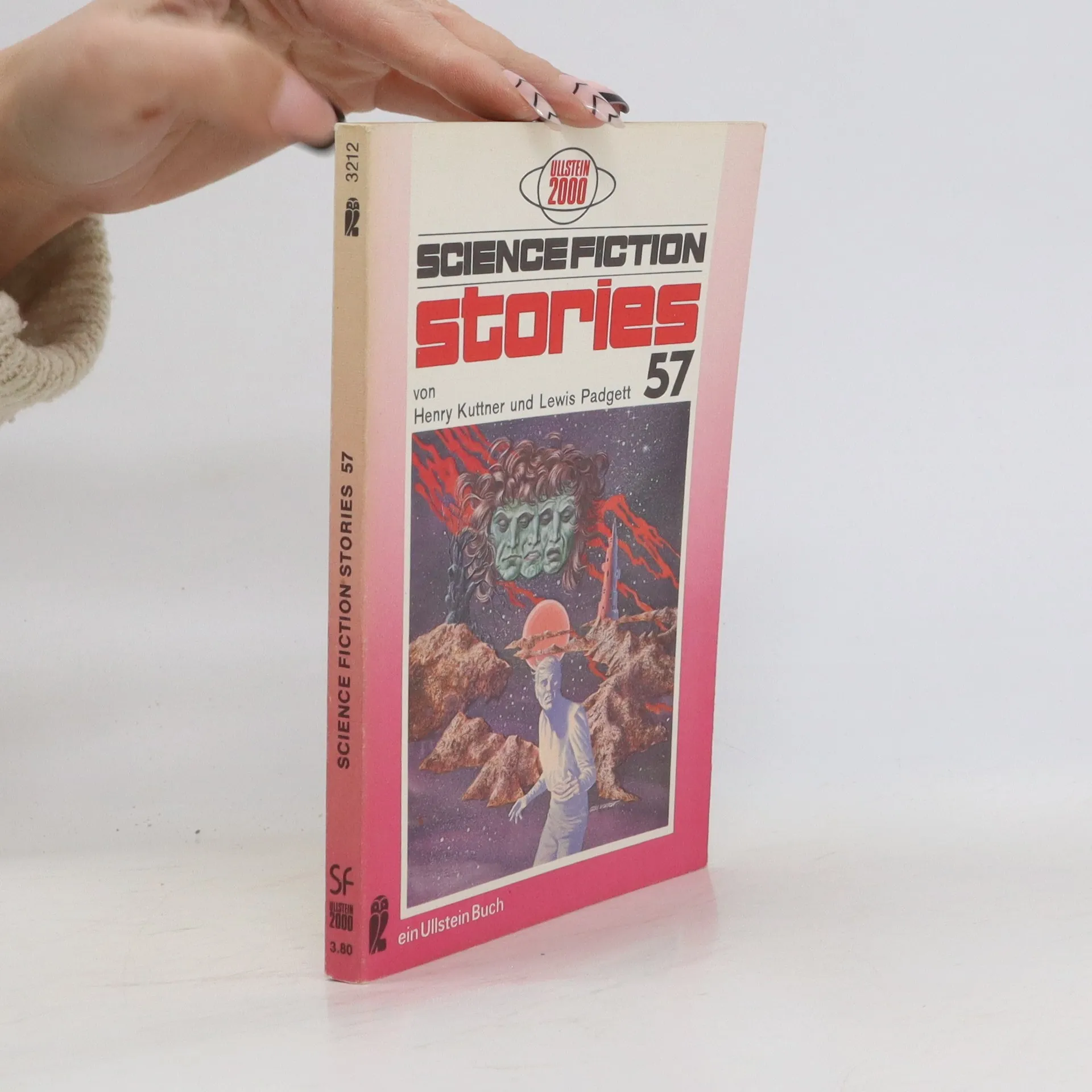
Science Fiction Stories 57
- 127 pages
- 5 hours of reading
Enthält folgende Stories von Henry Kuttner: - Das goldene Raumschiff - Gallegher Plus (als Lewis Padgett)
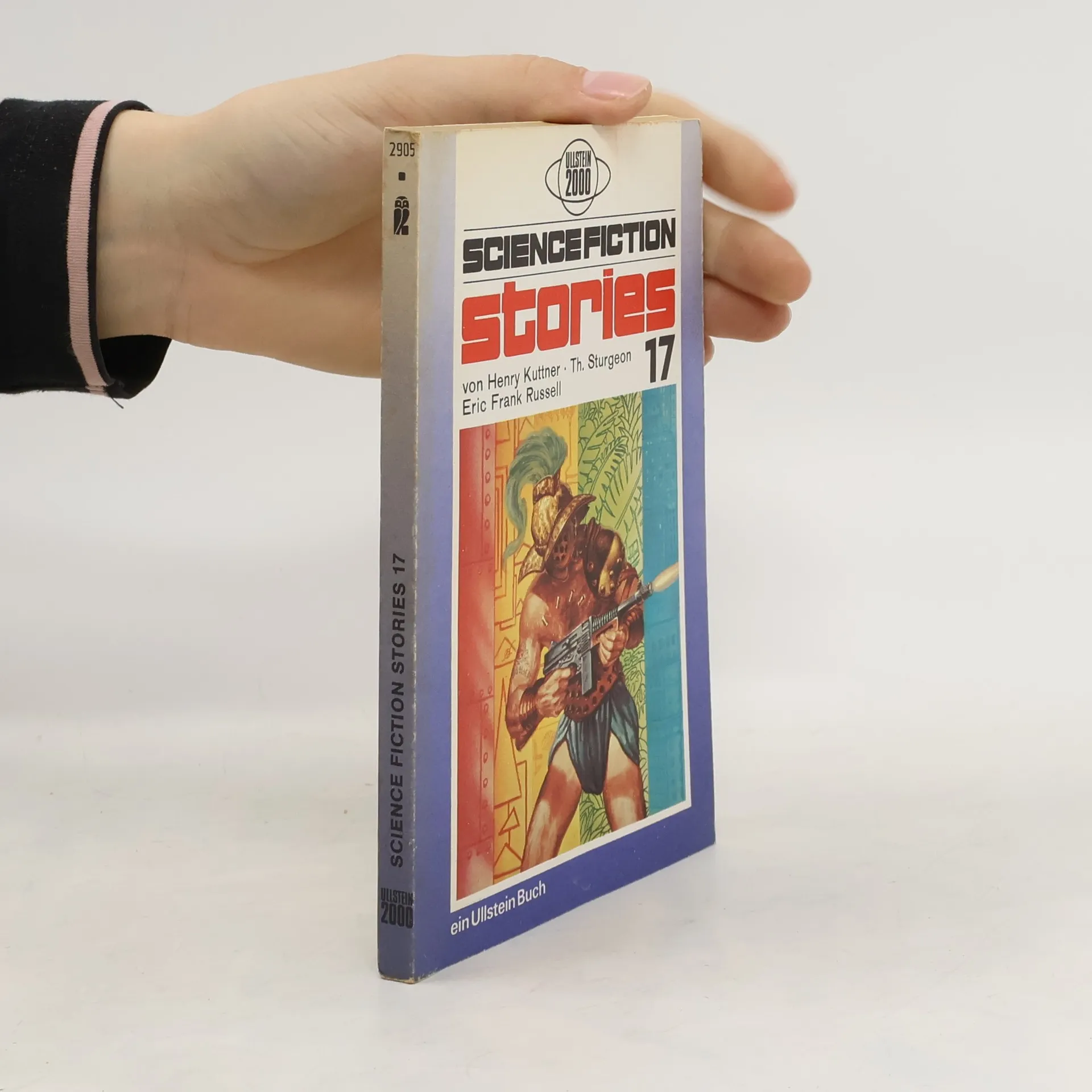
Science Fiction Stories 17
- 142 pages
- 5 hours of reading
Enthält folgende Stories: Henry Kuttner & C. L. Moore: Die Stunde der Kinder Theodore Sturgeon: Besuch bei Mrs. Binns Eric Frank Russell: Das Herrenvolk
Nova sf* 34
spade e robot
De machtige Barbaren
- 200 pages
- 7 hours of reading
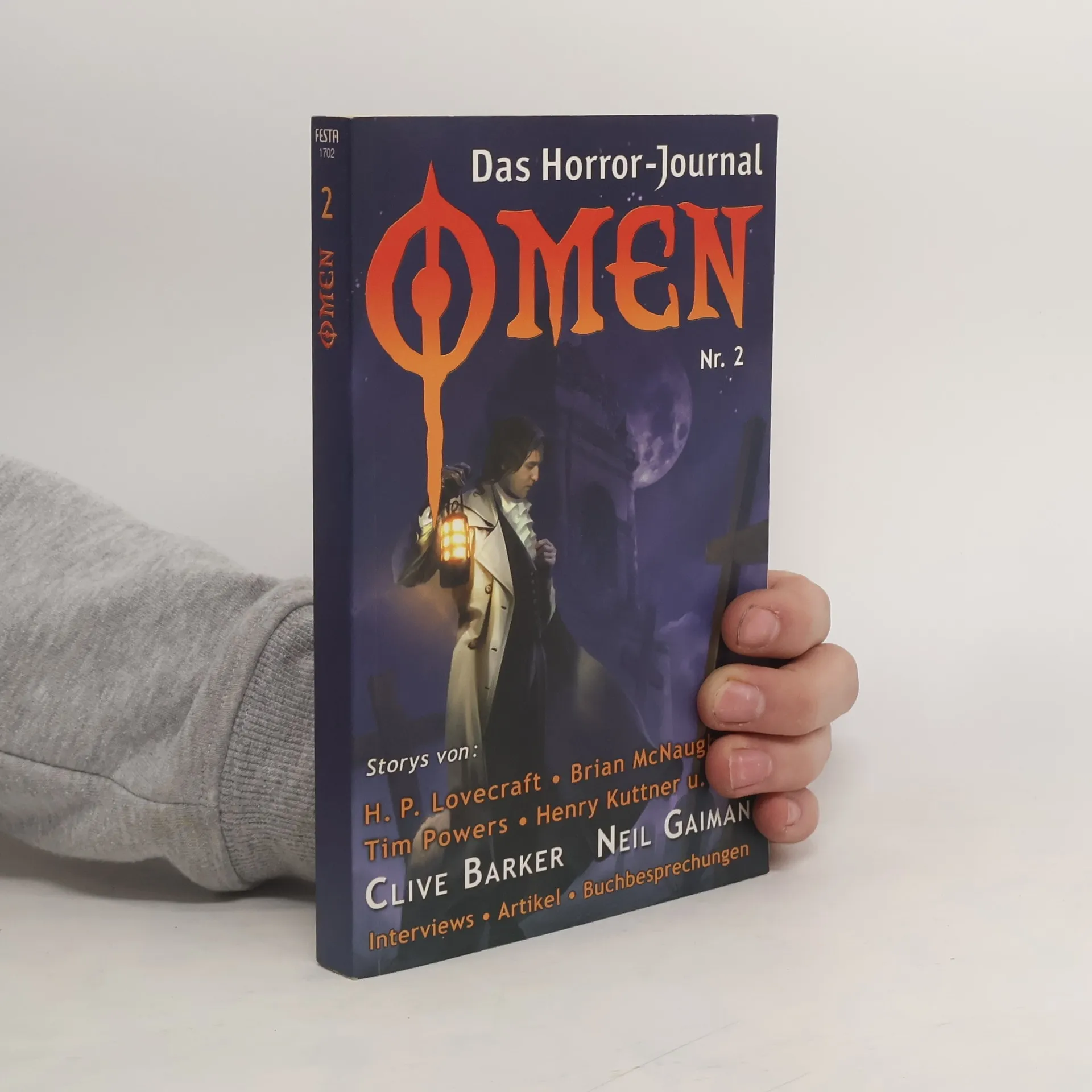
Omen - 2: Omen - Das Horror Journal
Storys von H. P. Lovecraft, Brian McNaughton, Tim Powers u. a., Henry Kuttner, Clive Barker, Neil Gaiman; Interviews, Artikel, Buchbesprechungen
- 224 pages
- 8 hours of reading
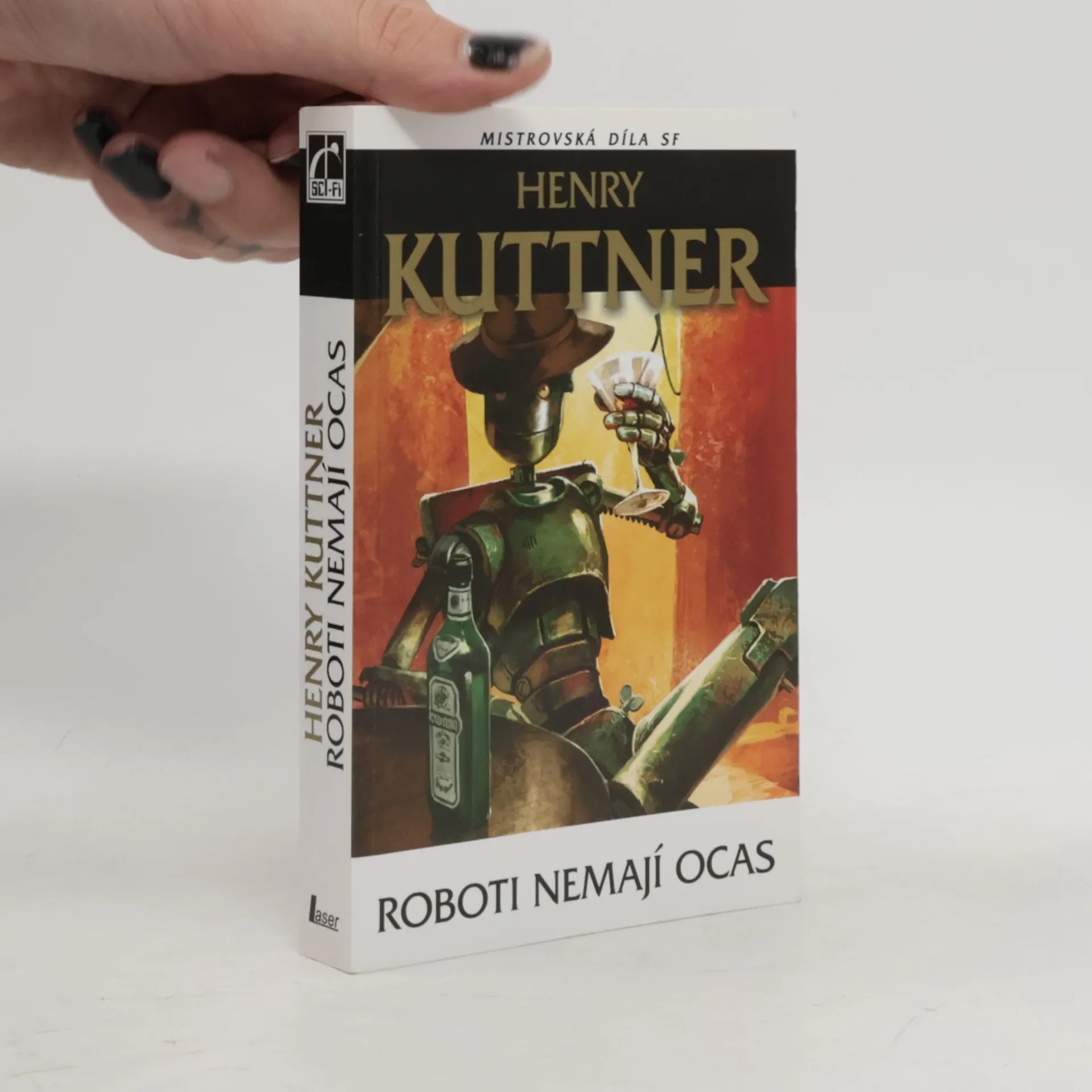
Setkejte se Gallowayem Gallegherem – geniálním vynálezcem a pijanem. Oprava – geniálním vynálezcem, když je opilý. Ovšem jediným Gallegherovým důvodem, proč vůbec něco vynalézat, jsou peníze. Na nákup alkoholu, pochopitelně. A v okamžiku, kdy je už úplně pod obraz, přebírá otěže podvědomí a vynález je na světě… Většinou. Není to samozřejmě zrovna spolehlivá pracovní metoda a výsledkem zpravidla nebývá vynález, jenž by se dal předem očekávat. Bohužel, aby se svérázný vědec vůbec dozvěděl, co to sestrojil a jak to vlastně funguje, musí se znovu dostat do nálady a celá věc se mnohdy ještě více komplikuje… K nemalé potěše klientů. Henry Kuttner je mezi odborníky jedním z nejváženějších klasiků science fiction a zde dokazuje, že byl mistrem i v notně odlehčeném pojetí žánru. Spolu s dobovou patinou jsou jeho humorné kreace jednoduše neodolatelné.
Navštivte planetu Zemi!
Výběr ze sci-fi povídek světových autorů
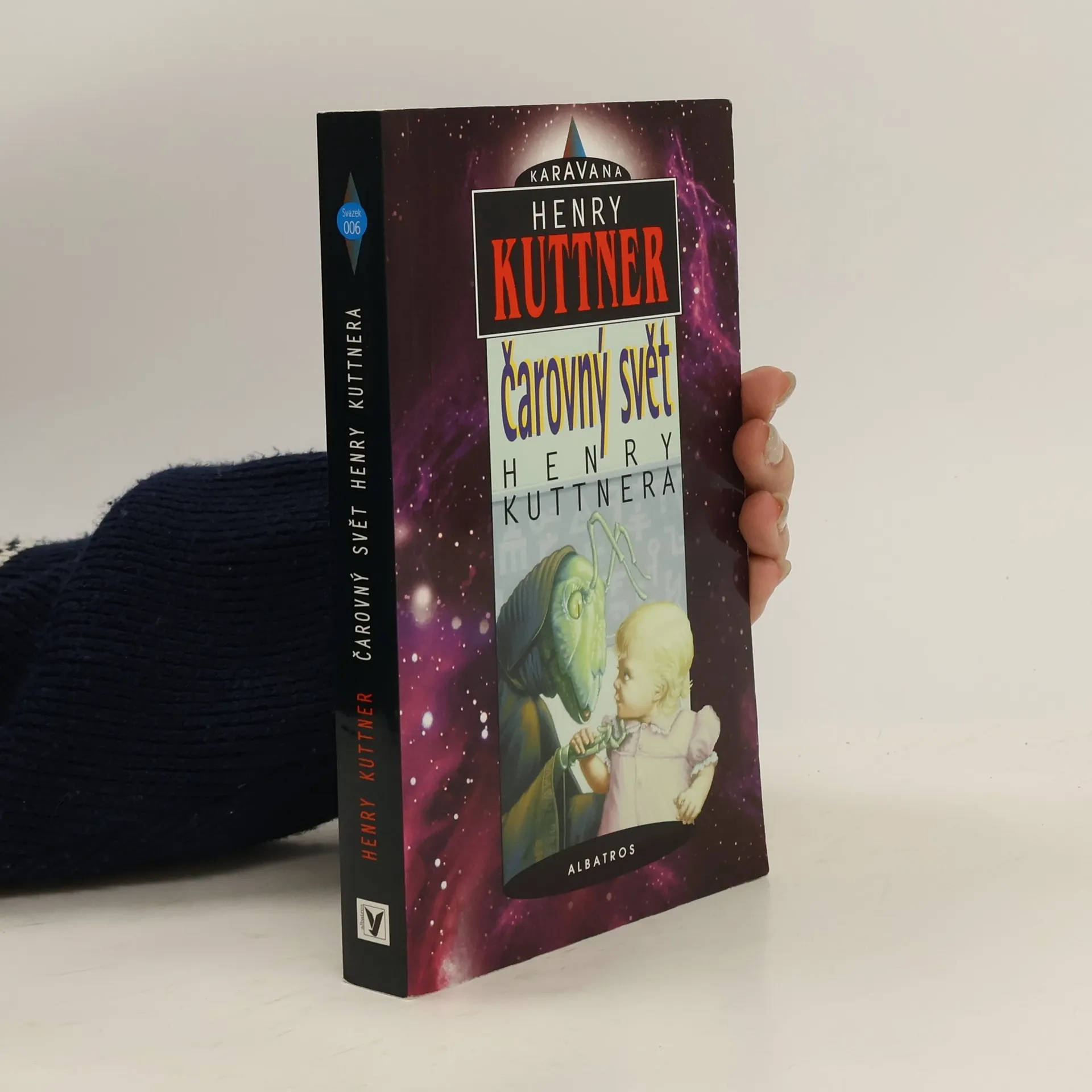
Čarovný svět Henry Kuttnera
- 358 pages
- 13 hours of reading
Cyklus povídek Henry Kuttnera. Henry Kuttner patří bezesporu k nejoriginálnějším autorům science fiction. Jeho povídka Chrudošiví jsou borolové je řazena mezi deset nejlepších povídek žánru, a příběhy Až se ucho utrhne, Twonka či horor Byl to démon lze označit za malé perly americké povídkové tvorby. Stále znovuobjevovaný klasik americké sci-fi se představuje u nás poprvé v uceleném sborníku, který chronologicky mapuje celou jeho tvorbu. Připravte se na návrat do Zlatého věku science fiction...
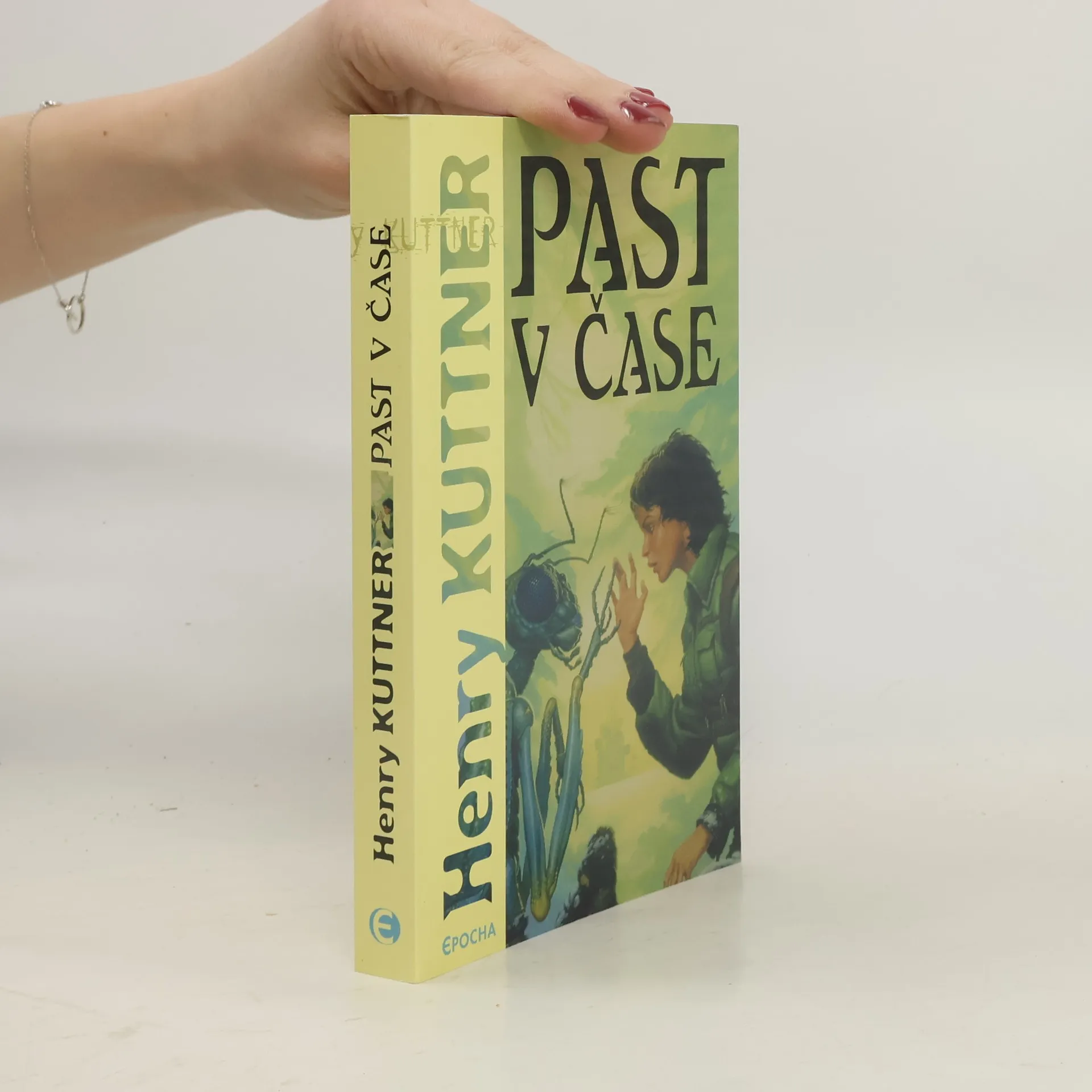
Třináct povídek tohoto souboru skládá hrubý, zrnitý, a přece snadno rozpoznatelný portrét jednoho z významných povídkářů žánru science fiction: od romantických počátků, které výmluvně zastupuje novela Past v čase, přes úsměvné povídky Byl jednou jeden trpaslík, Bytová krize či Linka do zítřka, jež si oblíbili autoři jako Ray Bradbury či Robert Bloch, až po smělé originální myšlenky v příbězích Kamufláž, Zkušební pilot či Doma je lovec, které naopak miloval slavný Philip K. Dick a navazoval na ně ve svém vlastním díle. Kuttnerova originalita ovlivnila nejen tyto autory, ale i desítky jiných a pro editory i čtenáře je dodnes malým dobrodružstvím oprašovat tyto zasuté klenoty americké science fiction.
Více než lidé
- 368 pages
- 13 hours of reading
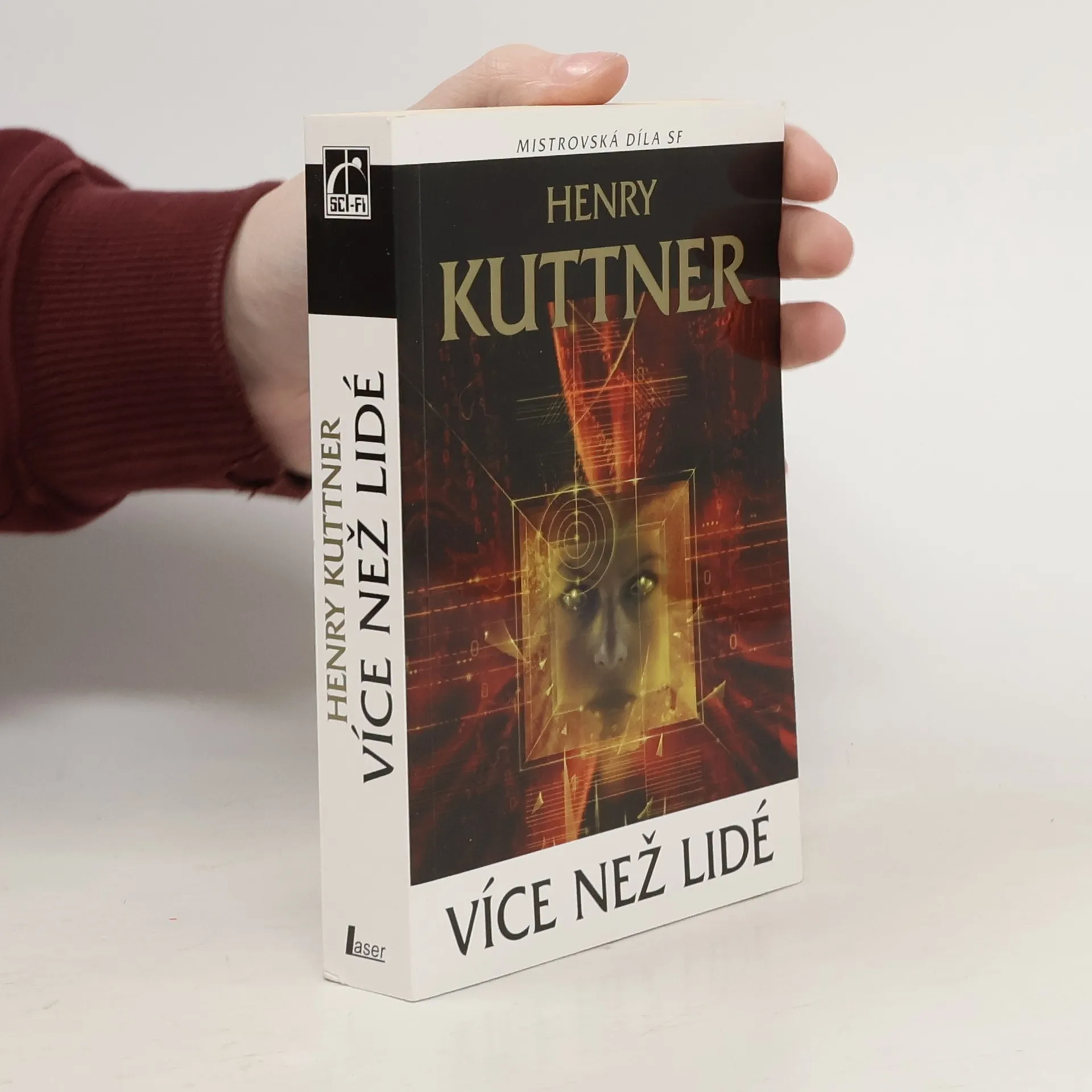
Mutanti – Radioaktivní města, která přetrvala po Výbuchu, dala vzniknout rase Mutantů – obyčejnými lidmi nenáviděné nejenom z důvodu chybějících vlasů a zbylého porostu, ale také kvůli neobvyklým telepatickým schopnostem. Ale ani Mutanti nevěděli, že mezi „Lysáky“ přicházejí na svět také paranoici, osoby kruté a zlé, rozhodnuté zničit lidstvo, aby se k moci dostali telepaté. Kromě toho, že se Lysáci snaží o soužití s většinovou společností, musí tak rovněž bojovat s paranoidními renegáty o to, zda půjde o soužití poklidné, nebo zda dojde ke gigantickému pogromu... Hogbeni – Podivuhodná rodina mutantů s neuvěřitelnými schopnostmi žije mezi obyvateli amerického venkova a snaží se nijak nevyčnívat. A až na drobné problémy s atomovým reaktorem v kurníku, létáním a transmutací prvků se jim to vcelku daří... Vraťte se s námi do dřevních dob žánru science fiction v příbězích vyvolávajících nejen nostalgický úsměv, ale i uznání nad vypravěčským uměním mistra krátkých příběhů Henryho Kuttnera!
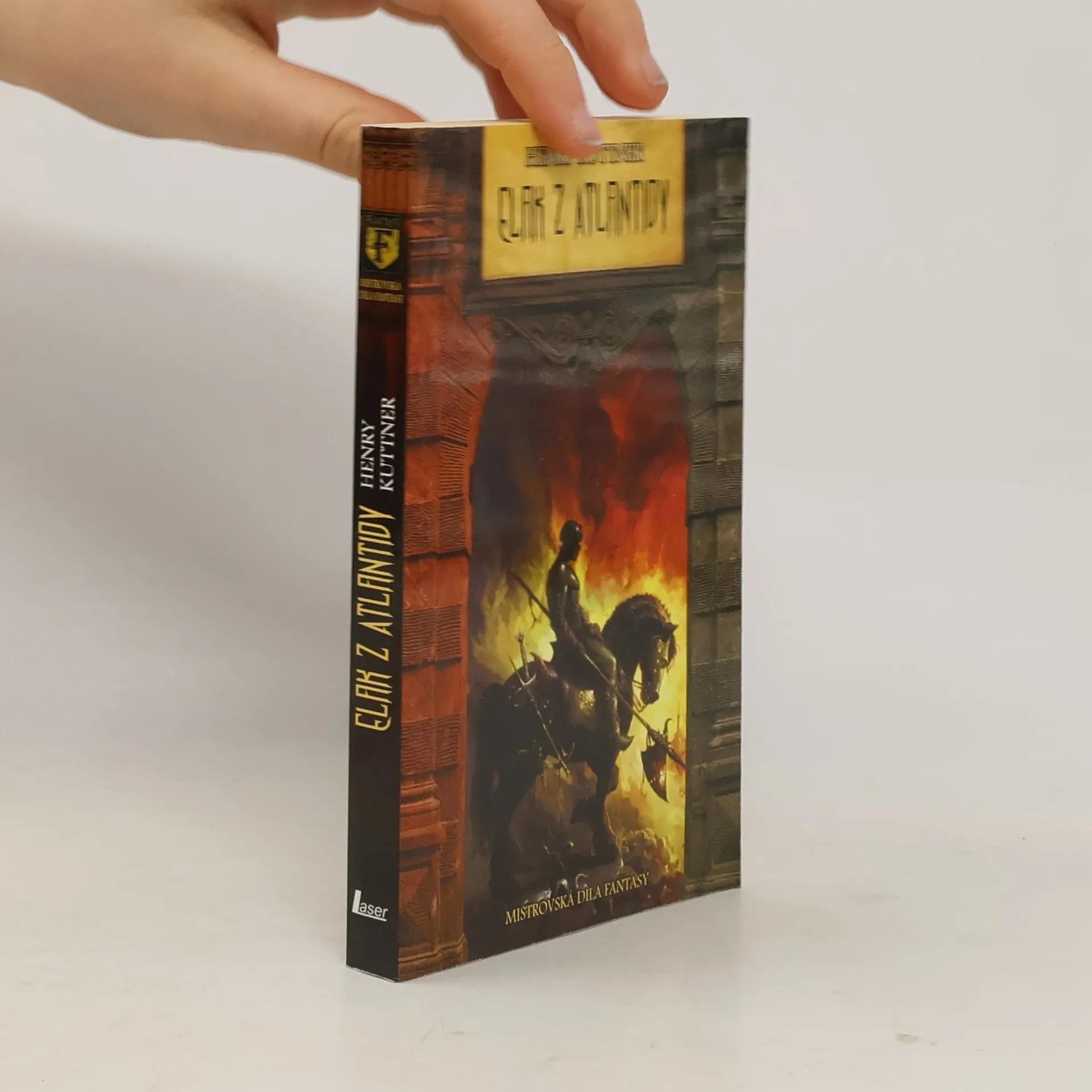
Pro ctitele příběhů meče a magie přinášíme souborné vydání klasické série povídek z pera mistra svého řemesla. Elak je pravým hrdinou své doby, neváhá se neohroženě vrhnout do jakéhokoli dobrodružství, beze strachu z bolesti a smrti, poznejte ho i vy ve čtyřech příbězích, které původně vyšly v legendárním Weird Tales na přelomu třicátých a čtyřicátých let dvacátého století. Jméno Henry Kuttner je zárukou, že zklamáni rozhodně nebudete. Knihu obzvláště doporučujeme všem ctitelům nesmrtelného díla Roberta E. Howarda, k nimž se Kuttner v tomto díle otevřeně hlásí, ačkoli své příběhy ozvláštňuje na svou dobu velmi populárními odkazy k mýtu Cthulhu z pera H. P. Lovecrafta. Snad proto je autorem předmluvy známý spisovatel Joe R. Lansdale, jenž má k pulpové literatuře také velmi blízko.