Explore the latest books of this year!
Bookbot

Italo Calvino

    October 15, 1923 – September 19, 1985

    Italo Calvino's work defies easy categorization, often blending fantastical fairy tales with sharp, observational realism. He explored the very structure of stories and language, striving, as he put it, to 'subtract weight.' This deliberate lightness, applied to characters, cities, and narratives alike, creates a unique literary experience. Readers will find his imaginative approach and philosophical depth compelling.

    Italo Calvino
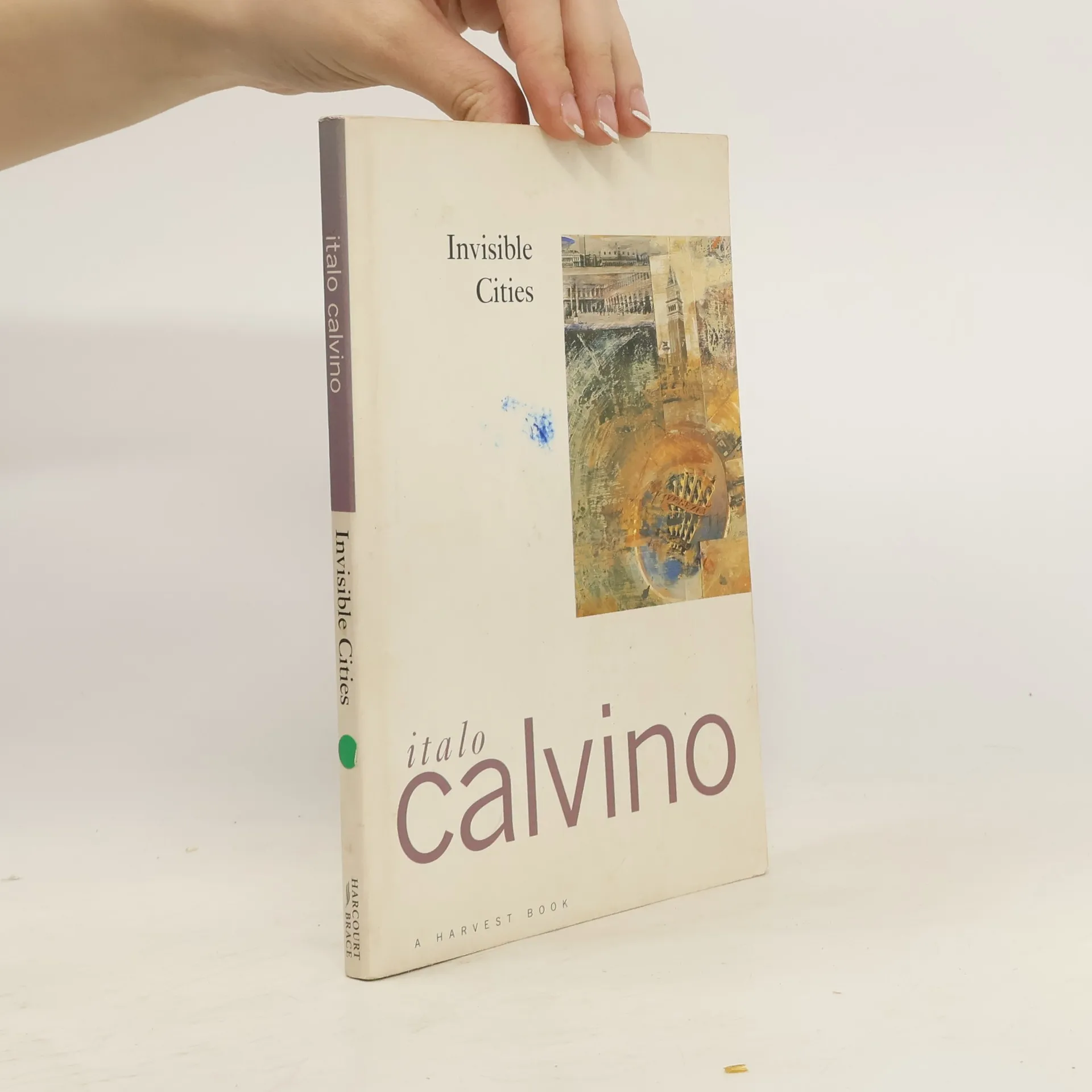
    Invisible Cities
    Invisible Cities [50th Anniversary Edition]
    Our Ancestors
    Six Memos for the Next Millennium
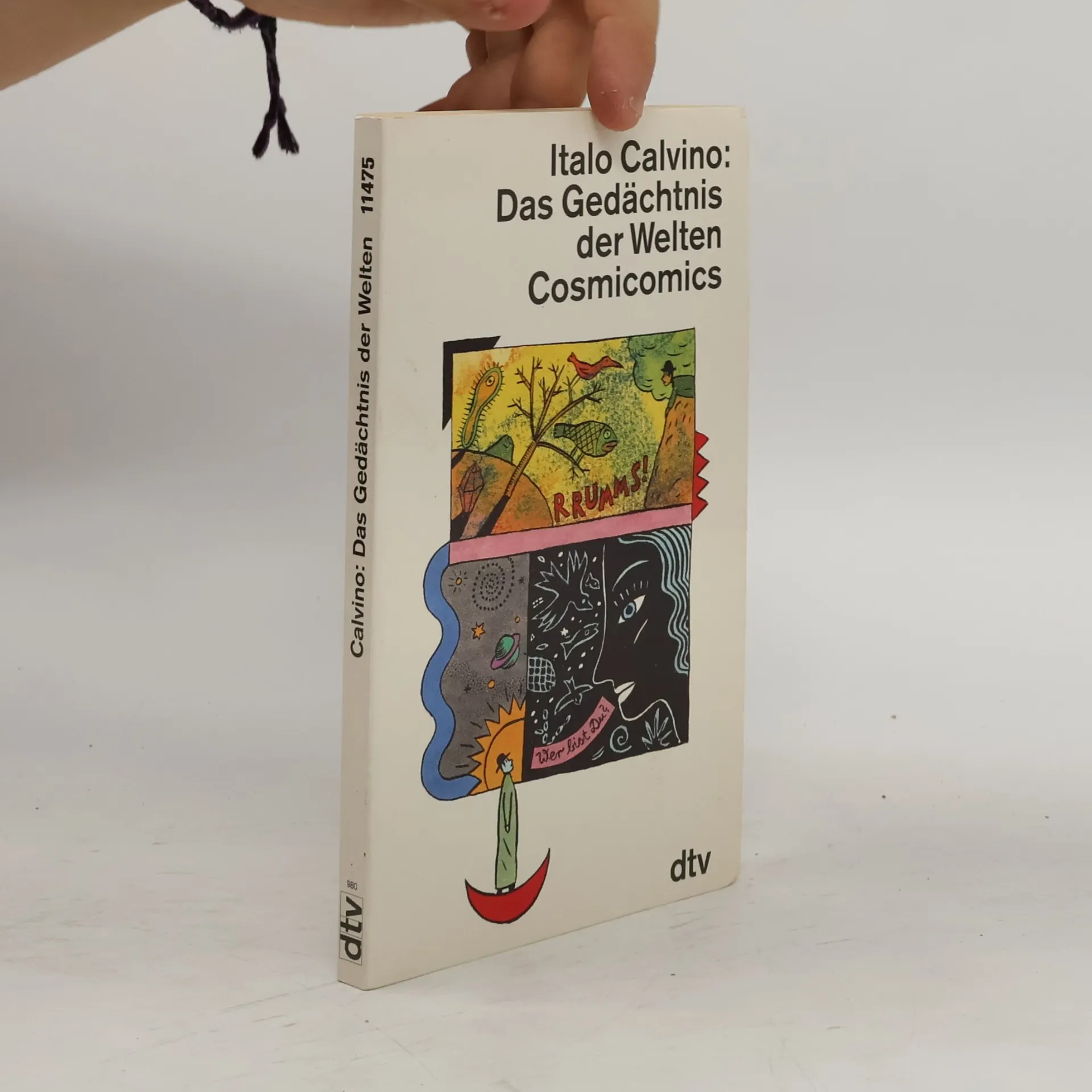
    Cosmicomics
    Jimmie Durham
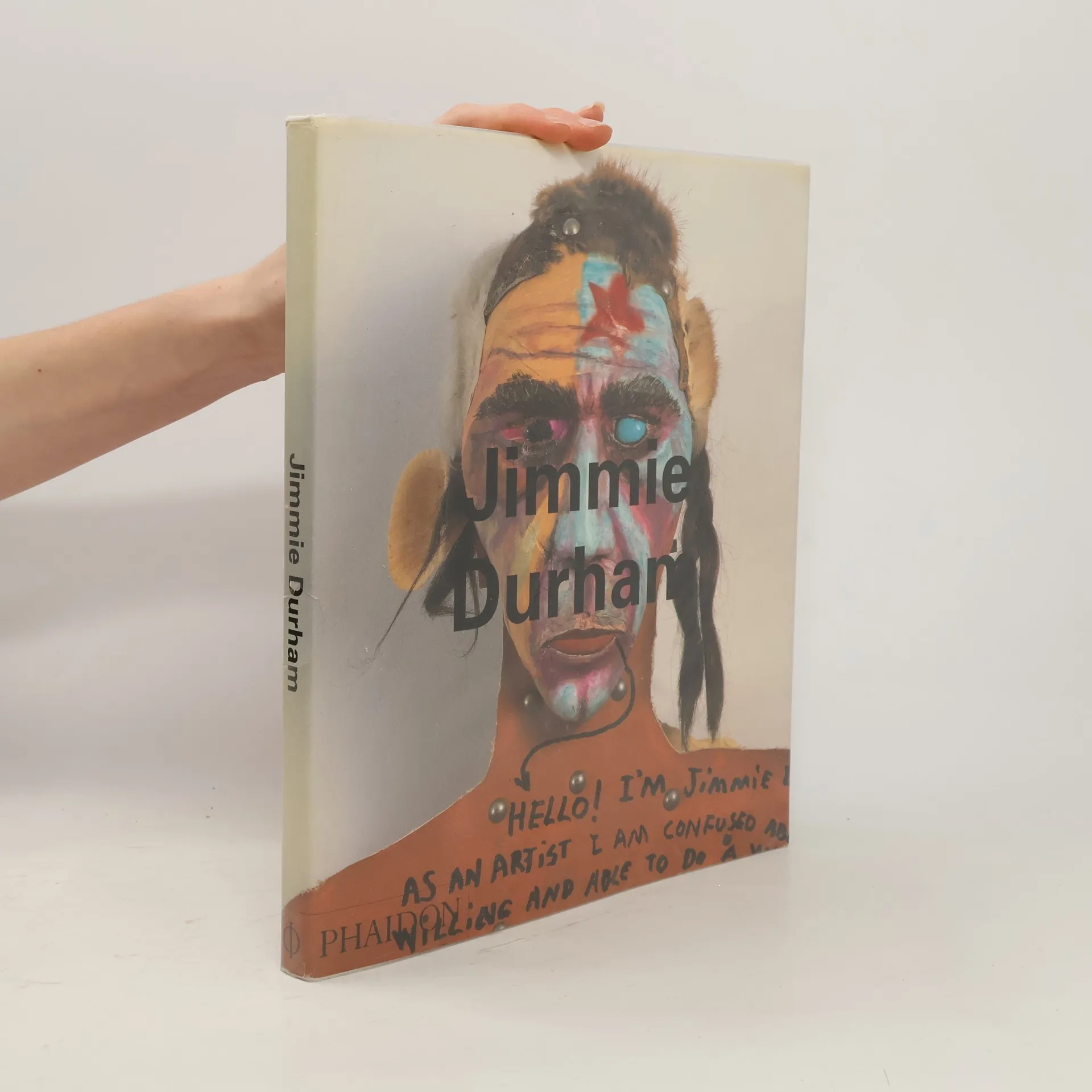
    • Jimmie Durham

      • 160 pages
      • 6 hours of reading

      This text examines the work of Jimmie Durham, the sculptor and performance artist of Cherokee descent. The book is part of a series of studies of important artists of the late-20th century. Each title offers a comprehensive survey of the artist's work, providing analyses and multiple perspectives on contemporary art and its inspiration.

      Jimmie Durham
      4.4
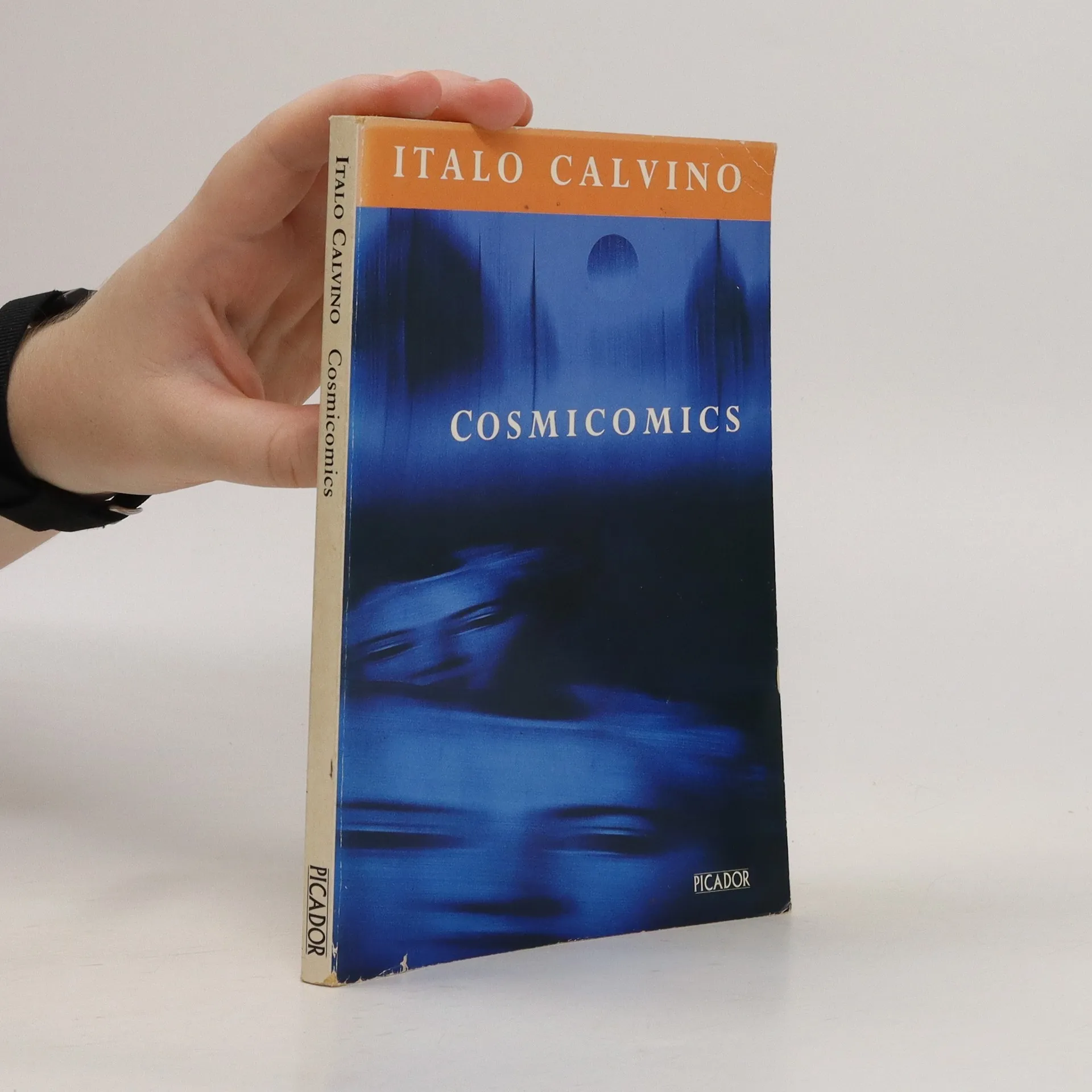
    • Cosmicomics

      • 153 pages
      • 6 hours of reading

      Enchanting stories about the evolution of the universe, with characters that are fashioned from mathematical formulae and cellular structures. “Naturally, we were all there, - old Qfwfq said, - where else could we have been? Nobody knew then that there could be space. Or time either: what use did we have for time, packed in there like sardines?” Translated by William Weaver. A Helen and Kurt Wolff Book

      Cosmicomics
      4.3
    • 'Words connect the visible track to the invisible thing ...like a fragile makeshift bridge cast across the void' With imagination and wit, Italo Calvino sought to define the virtues of the great literature of the past in order to shape the values of the future. His effervescent last works, left unfinished at his death, were the Charles Eliot Norton lectures, which he was due to deliver at Harvard in 1985-86. These surviving drafts explore the literary concepts closest to his heart: Lightness, Quickness, Multiplicity, Exactitude and Visibility (Constancy was to be the sixth), in serious yet playful essays that reveal his debt to the comic strip and the folktale. This collection, now in a fluent and supple new translation, is a brilliant precis of a great writer whose legacy will endure through the millennium he addressed

      Six Memos for the Next Millennium
      4.3
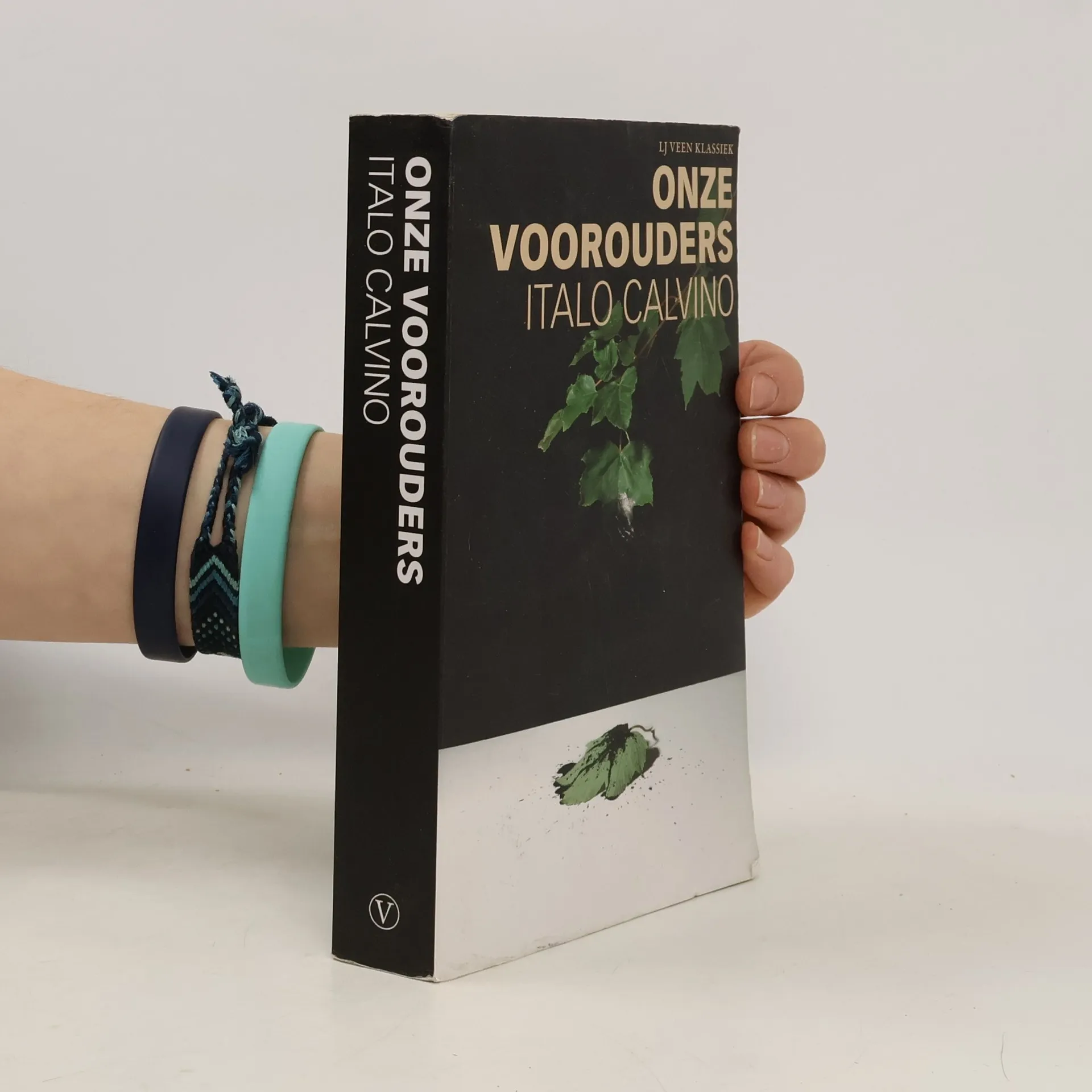
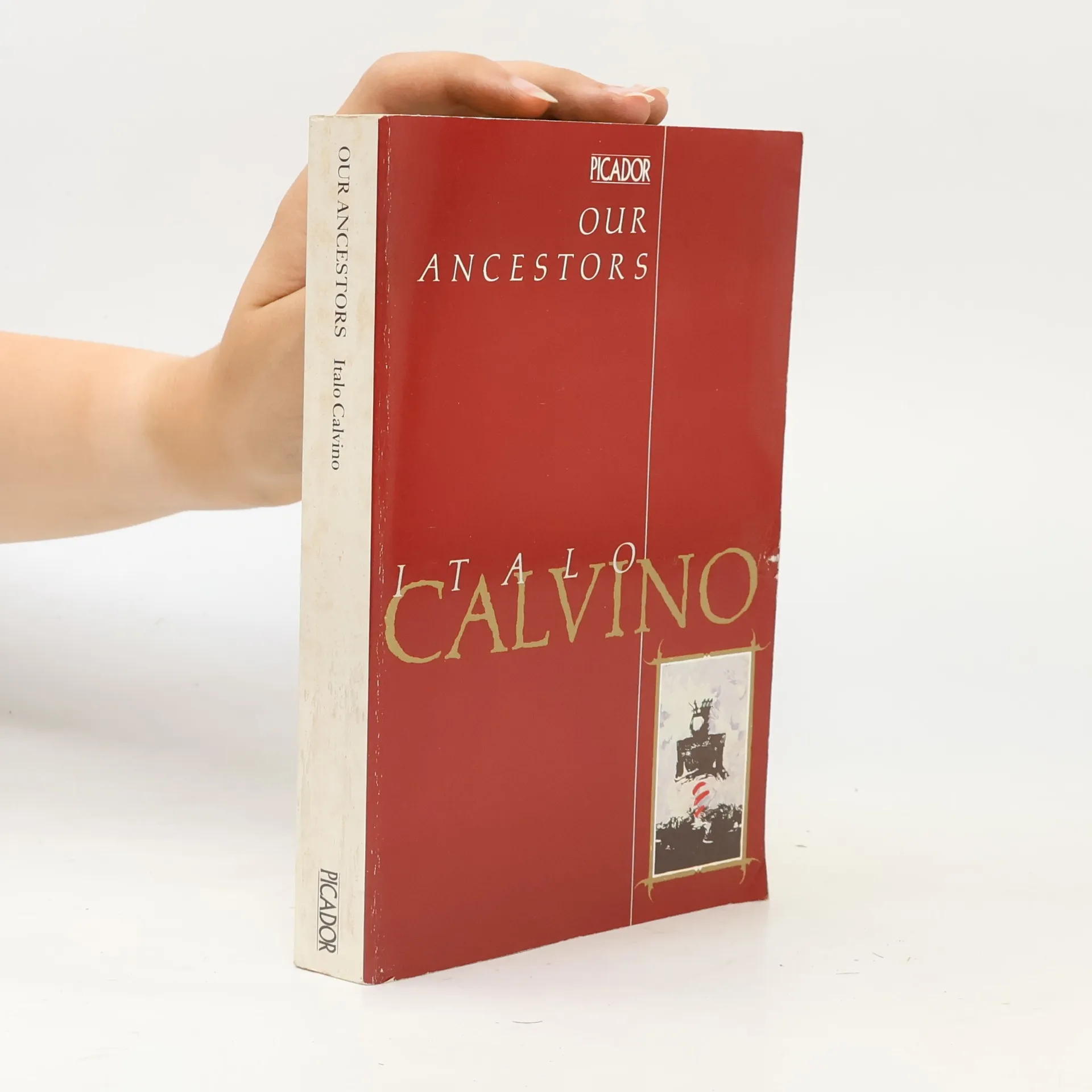
    • Our Ancestors

      • 388 pages
      • 14 hours of reading

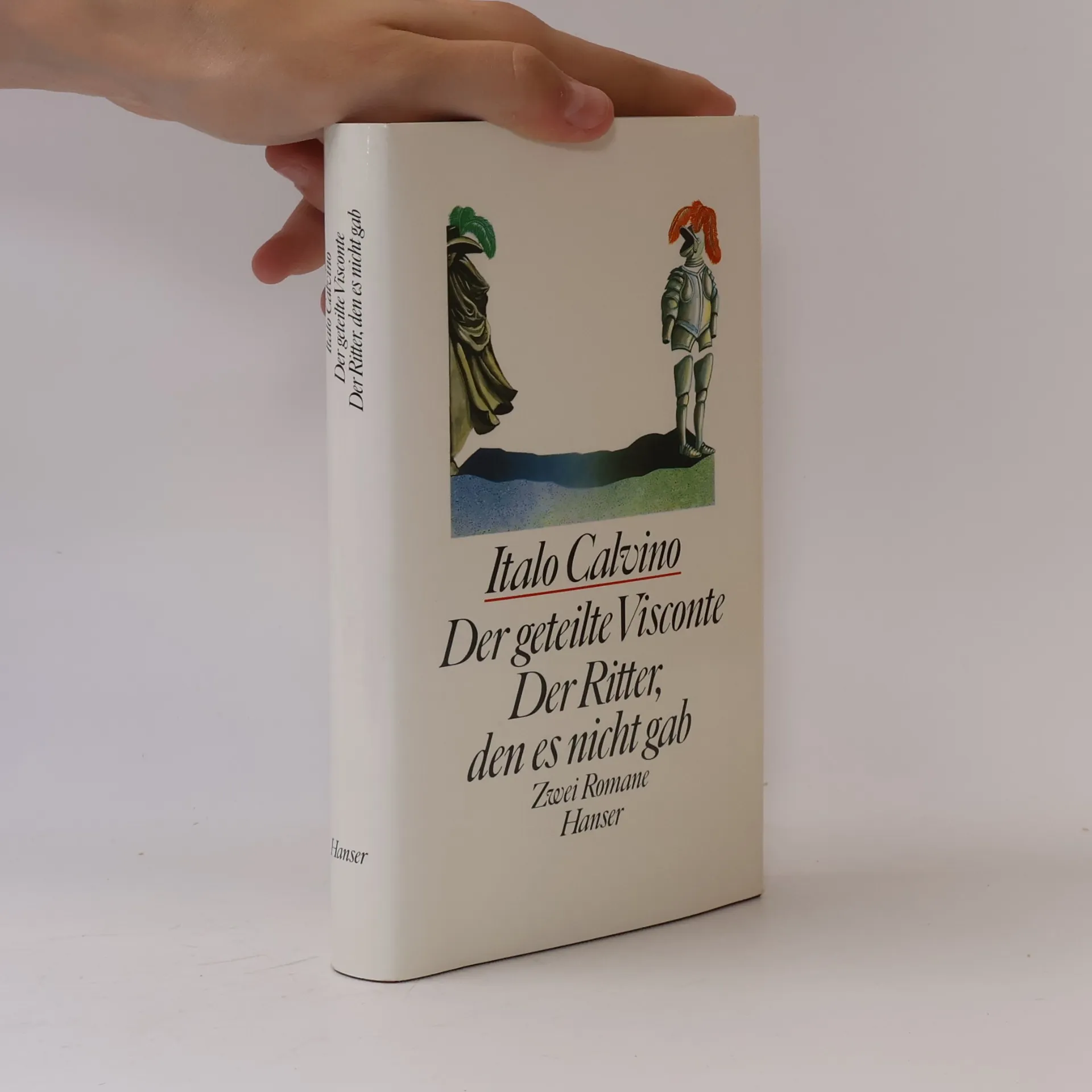
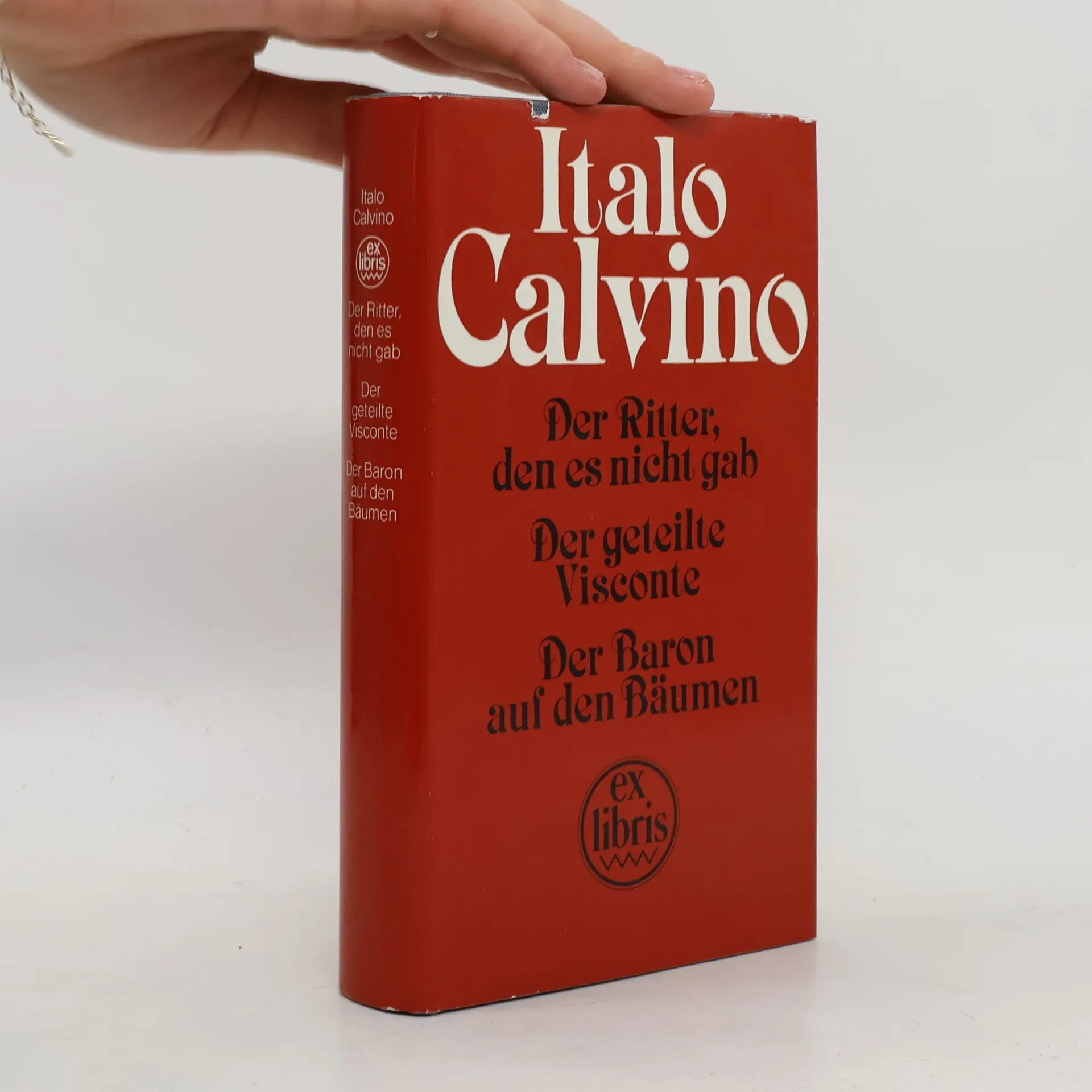
      Viscount Medardo is bisected by a Turkish cannonball on the plains of Bohemia; Baron Cosimo, at the age of twelve, retires to the trees for the rest of his days; Charlemagne's knight, Agiluf, is an empty suit of armour. These three vivid images are the points of departure for Calvino's classic triptych of moral tales, now published in one volume and all displaying the exuberant talent of a master storyteller.

      Our Ancestors
      4.3
    • This illustrated edition celebrates the 50th anniversary of a beloved work, featuring an introduction by acclaimed author Anthony Doerr, known for his Pulitzer Prize-winning storytelling. The edition enhances the reading experience with visual elements that complement the narrative, inviting both new readers and longtime fans to explore the themes and characters in a fresh light.

      Invisible Cities [50th Anniversary Edition]
      4.2
    • Invisible Cities

      • 176 pages
      • 7 hours of reading

      'A subtle and beautiful meditation' Sunday Times In Invisible Cities Marco Polo conjures up cities of magical times for his host, the Chinese ruler Kublai Khan, but gradually it becomes clear that he is actually describing one city- Venice. As Gore Vidal wrote 'Of all tasks, describing the contents of a book is the most difficult and in the case of a marvellous invention like Invisible Cities, perfectly irrelevant.'

      Invisible Cities
      4.2
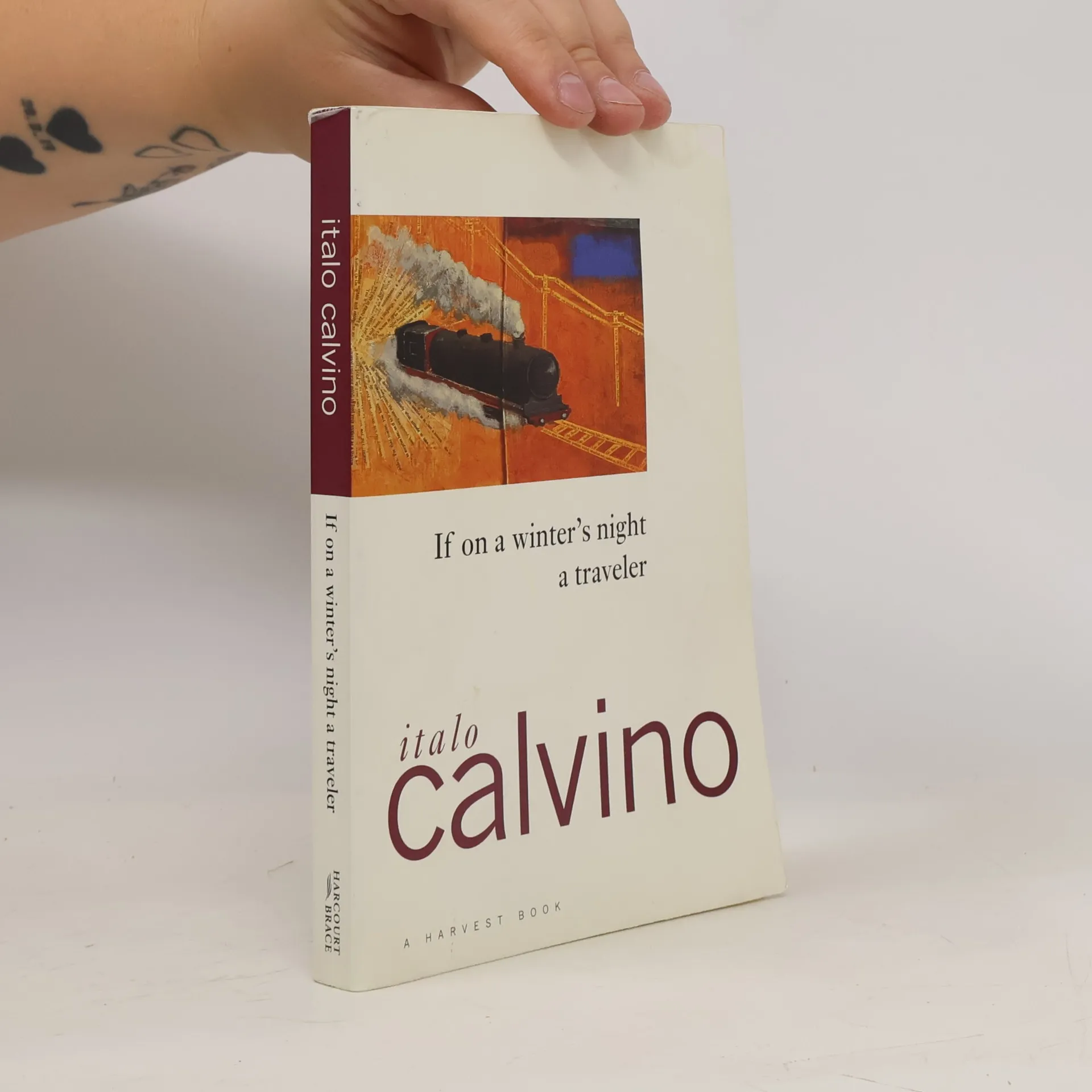
    • Italo Calvino's masterpiece combines a love story and a detective story into an exhilarating allegory of reading, in which the reader of the book becomes the book's central character. Based on a witty analogy between the reader's desire to finish the story and the lover's desire to consummate his or her passion, If On A Winter's Night A Traveller is the tale of two bemused readers whose attempts to reach the end of the same book, If On A Winter's Night A Traveller by Italo Calvino, of course, are constantly and comically frustrated. In between chasing missing chapters of the book, the hapless readers tangle with an international conspiracy, a rogue translator, an elusive novelist, a disintegrating publishing house, and several oppressive governments. The result is a literary labyrinth of storylines that interrupt one another - an Arabian Nights of the postmodern age.

      If on a Winter's Night a Traveler: Introduction by Peter Washington
      4.1
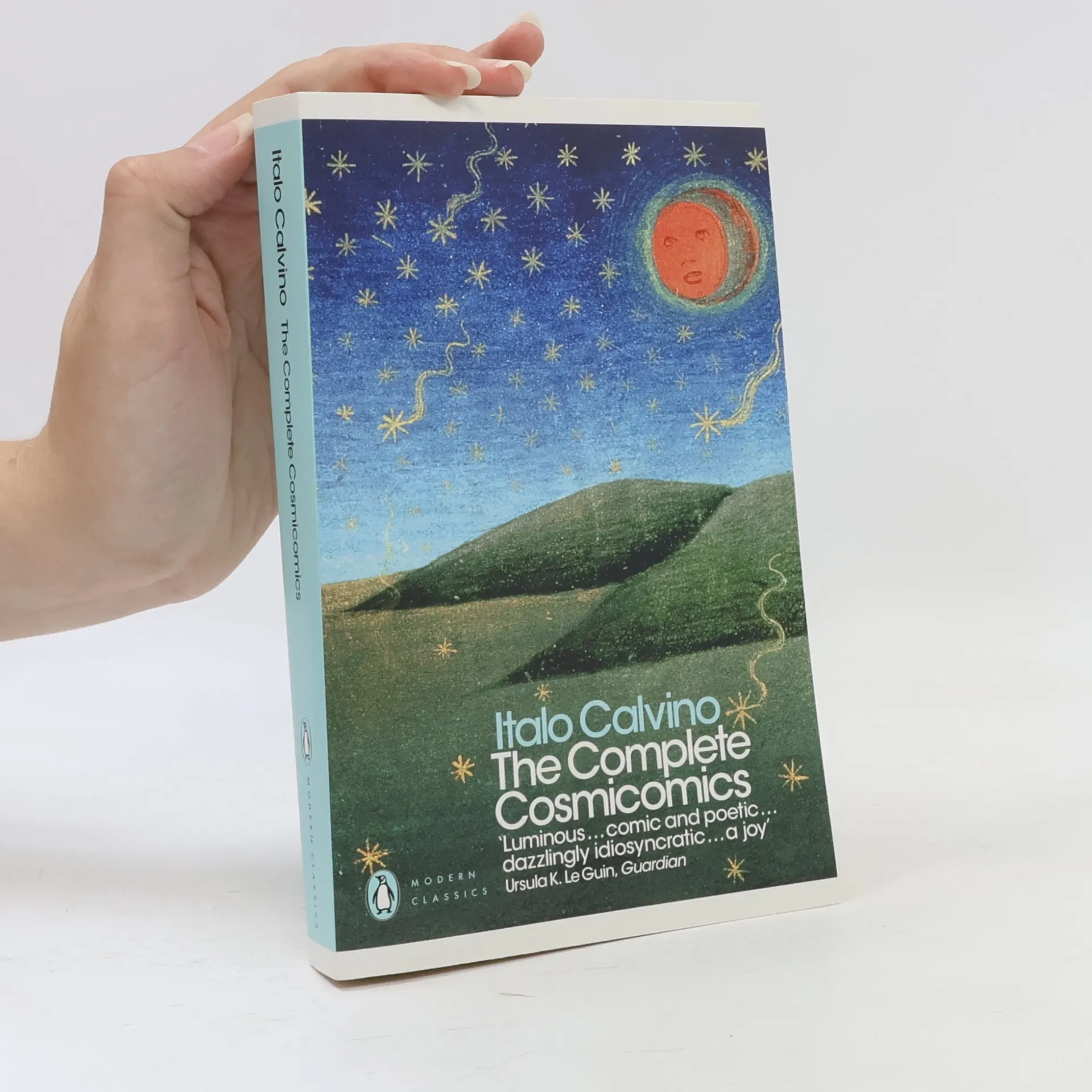
    • The Complete Cosmicomics

      • 434 pages
      • 16 hours of reading

      This title includes enchanting stories about the evolution of the universe, with characters that are fashioned from mathematical formulae and cellular structures. They disport themselves among galaxies, experience the solidification of planets, move from aquatic to terrestrial existence, play games with hydrogen atoms - and have time for a love life. 'Naturally, we were all there, old Qfwfq said, where else could we have been? Nobody knew then that there could be space. Or time either: what use did we have for time, packed in there like sardines?'.

      The Complete Cosmicomics
      4.1
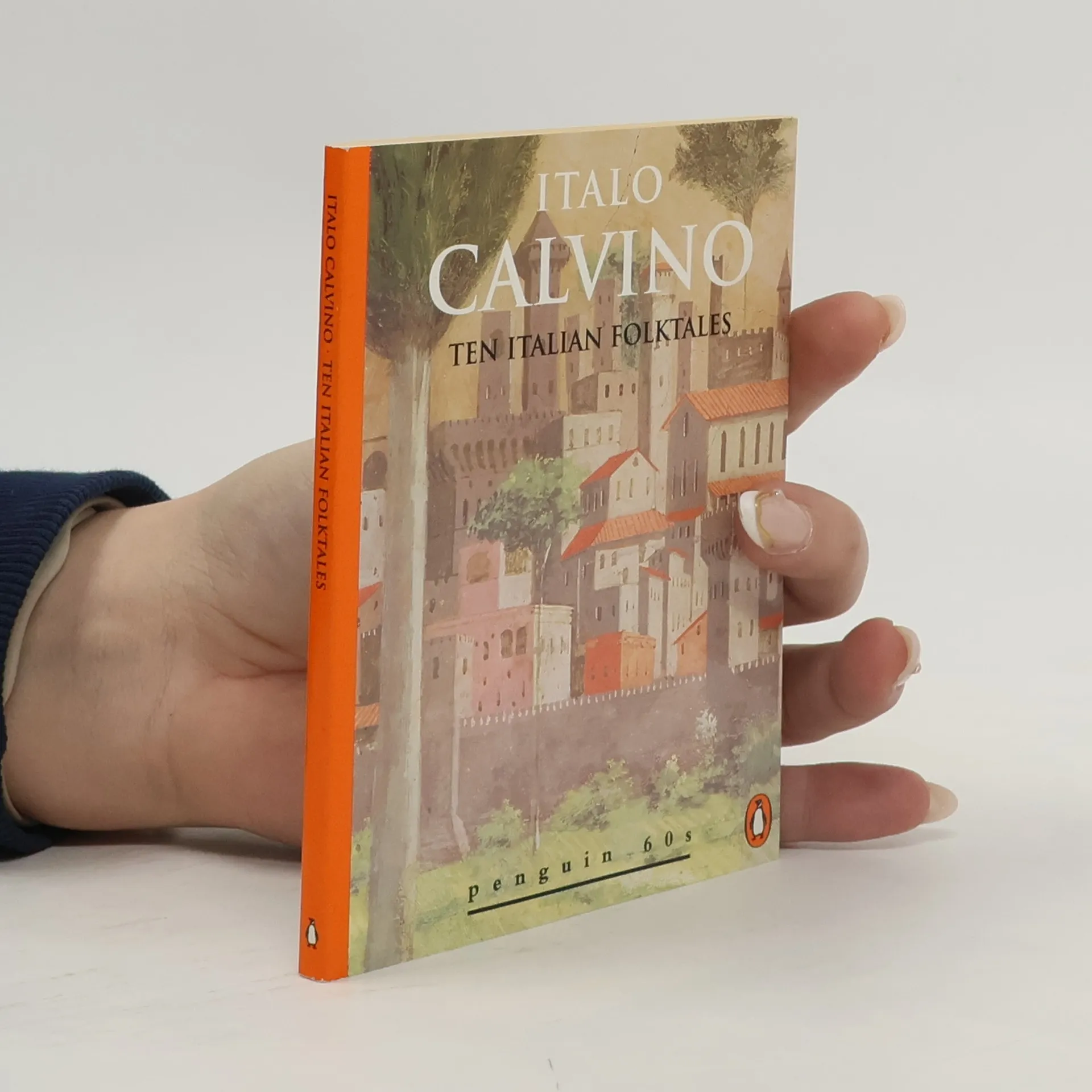
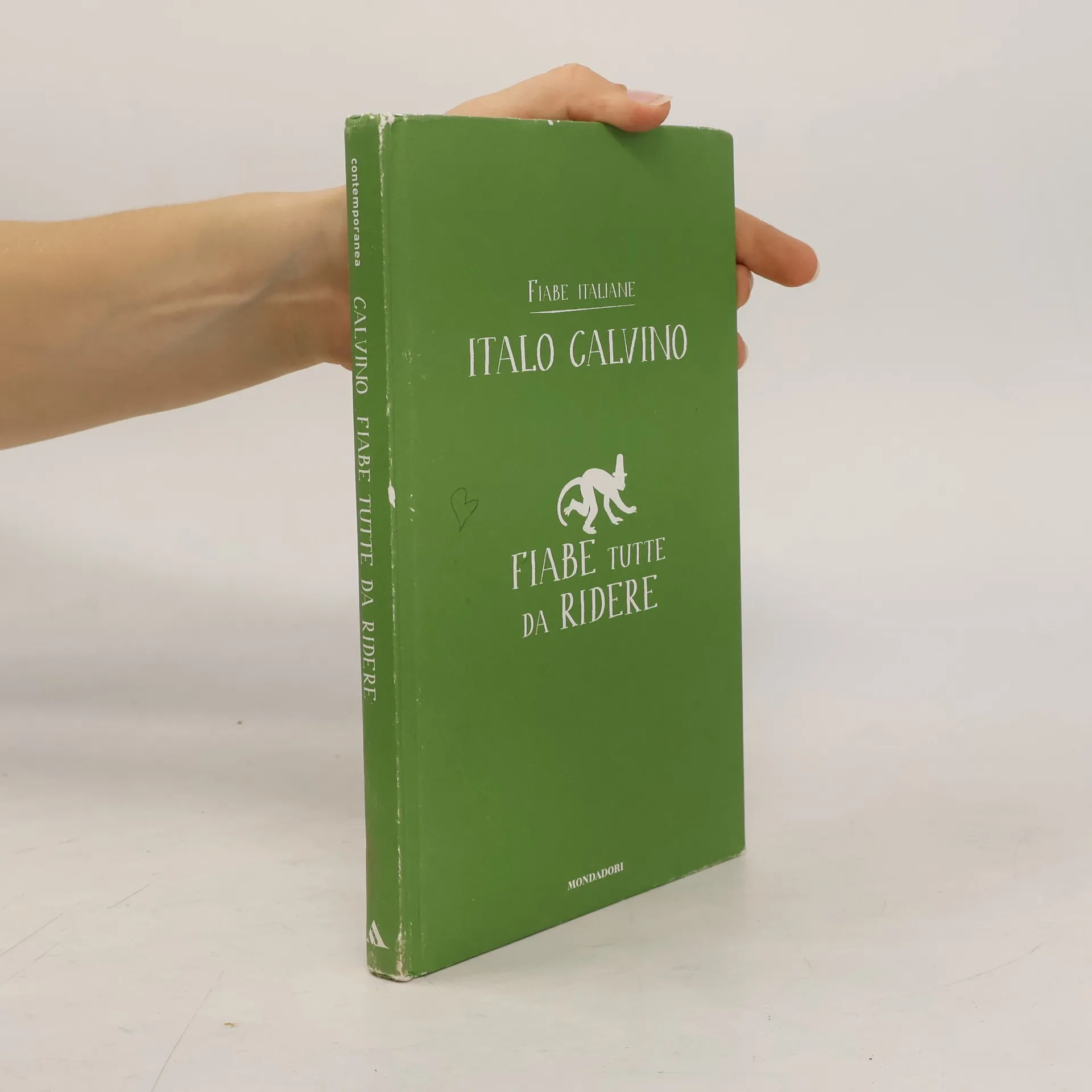
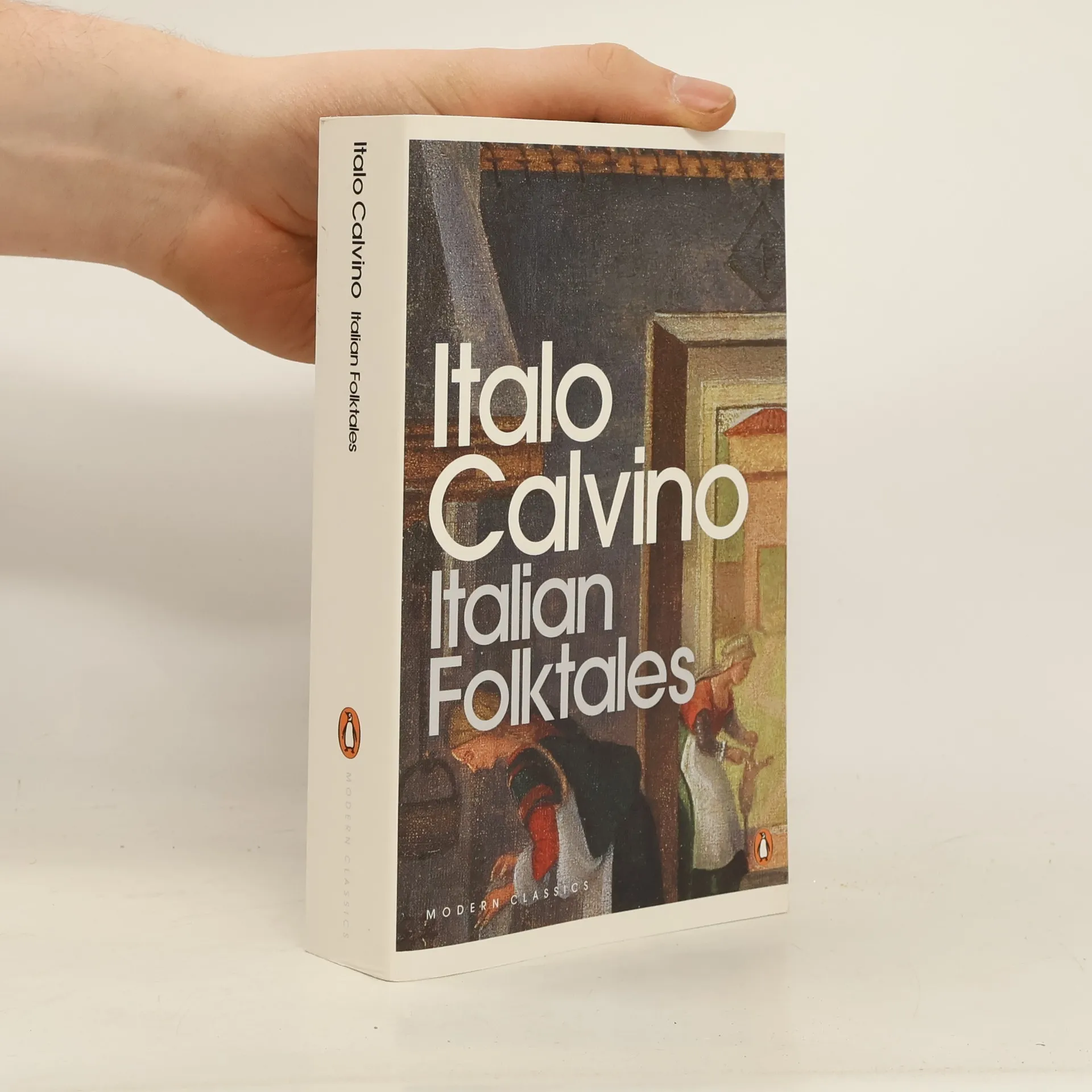
    • Contains stories which range geographically from Corsica and Sicily to Venice and the Alps. schovat popis

      Italian Folktales
      4.0
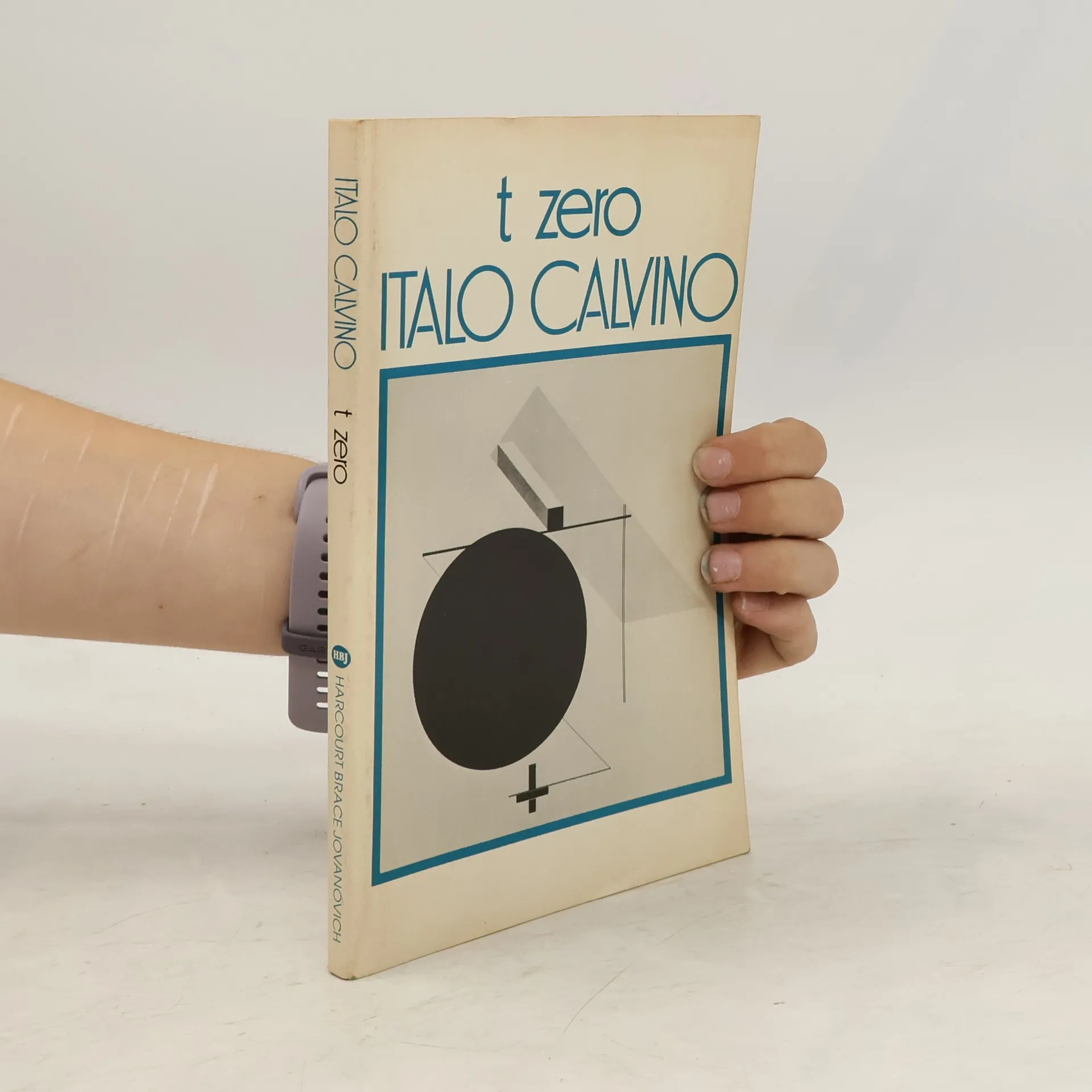
    • t zero

      • 168 pages
      • 6 hours of reading

      A collection of stories about time, space, and the evolution of the universe in which the author blends mathematics with poetic imagination. “Calvino does what very few other writers can do: he describes imaginary worlds with the most extraordinary precision and beauty” (Gore Vidal, New York Review of Books). Translated by William Weaver. A Helen and Kurt Wolff Book
      t zero
      4.0