Die erstmals 1980 erschienene und lange vergriffene Sammlung von 35 Grundlagentexten aus sieben Jahrzehnten ruft das Projekt der Analytischen Sozialpsychologie in Erinnerung. Freud’sche Psychologie und Gesellschaftstheorie sollten miteinander kombiniert werden, um Sozialrätsel – wie die Persistenz des Antisemitismus und das Festhalten an obsolet gewordenen gesellschaftlichen Institutionen – unserem Verständnis zu erschließen. In lockerem Anschluss an das von Erich Fromm (1932) formulierte Programm einer psychoanalytisch orientierten Sozialforschung plädiert Helmut Dahmer dafür, »die therapeutische Erfahrung der Deformationen der vergesellschafteten Subjekte für das Verständnis der Verhältnisse fruchtbar zu machen, deren widerstrebende Träger sie sind«. Damit knüpft er an eine Tradition der Psychoanalyse an, die durch deren Reduktion auf eine therapeutische Technik in Vergessenheit zu geraten droht. Mit Beiträgen von Karl Abraham, Theodor W. Adorno, Silvia Amati, Siegfried Bernfeld, Lambert Bolterauer, Peter Brückner, Helmut Dahmer, Erik H. Erikson, Paul Federn, Otto Fenichel, Sándor Ferenczi, Sigmund Freud, Erich Fromm, Jürgen Habermas, Rudolf Heinz, Max Horkheimer, Klaus Horn, Judith S. Kestenberg, Alfred Krovoza, Alfred Lorenzer, Herbert Marcuse, Alexander Mitscherlich, Paul Parin, Talcott Parsons, Wilhelm Reich, Lutz Rosenkötter und Ernst Simmel
Karl Abraham Book order (chronological)
Karl Abraham, an early and influential German psychoanalyst, was a pivotal collaborator of Sigmund Freud, who referred to him as his 'best pupil.' His work delves deeply into early developmental stages, exploring how primal relationships and satisfactions in the oral phase shape future reality perception and emotional states, fostering either self-assurance and optimism or pessimism and depression. In the anal stage, he examined conflicts surrounding cleanliness and their impact on character traits and neurotic tendencies. Abraham expanded on Freud's understanding of melancholia with the concept of the pre-oedipal 'bad' mother, paving the way for subsequent theories. He also engaged with cultural matters, analyzing myths and interpreting the spiritual activities of ancient figures.




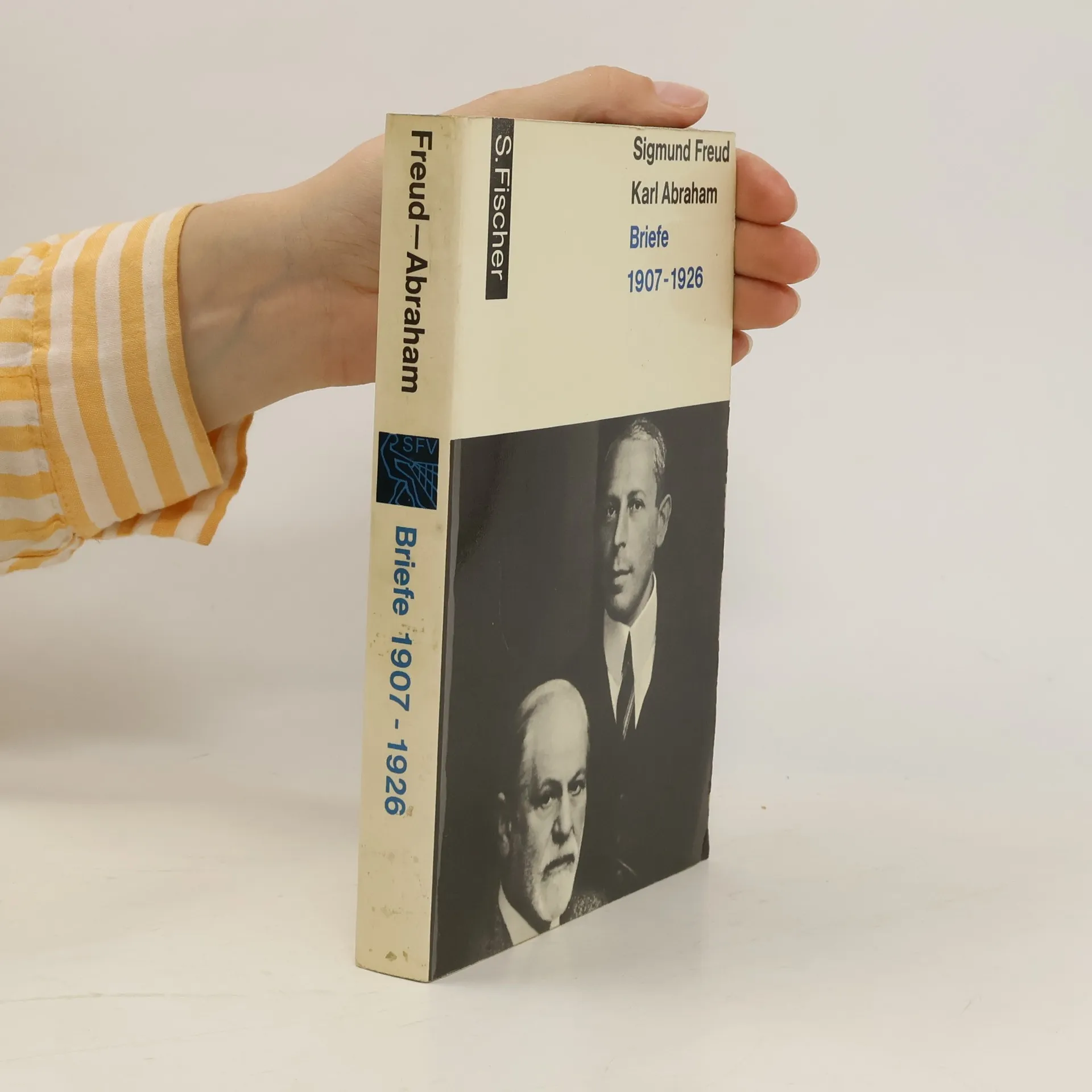

Nachdruck des Originals 1911. Der Autor dieses Werkes - Karl Abraham (1877-1925) war ein bedeutender Nervenarzt und Schüler sowie enger Vertrauter von Sigmund Freud. Er nahm regelmäßig an dessen „Mittwochsvereinigung“ in Wien teil und praktizierte anschließend als Nervenarzt in Berlin. Er ist der Begründer der Berliner Psychoanalytische Gesellschaft. Zu seinen Schülern zählten so bedeutende Persönlichkeiten wie Helene Deutsch, Felix Boehm oder Franz Alexander.
Psychoanalytische Studien
- 436 pages
- 16 hours of reading
Band 2, Inhaltsübersicht: Einleitung des Herausgebers, 1. Arbeiten zur Klinik der Psychoanalyse, 2. Arbeiten zur psychoanalytischen Empirie, 3. Arbeiten zur psychoanalytischen Behandlungsmethode (nur in Bd. 2), 4. (in Bd. 1= 3.) Arbeiten aus dem Grenzgebiet der Psychoanalyse (in Bd. 1 Ethnologie), Anhang.
Gesammelte Schriften II
- 441 pages
- 16 hours of reading
Gesammelte Schriften in zwei Bänden
- 381 pages
- 14 hours of reading
Schriften zur Theorie und Anwendung der Psychoanalyse
- 227 pages
- 8 hours of reading
Wirtschaft- Pädagogik
GRUNDFRAGEN DER WIRTSCHAFTLICHEN ERZIEHUNG