Explore the latest books of this year!
Bookbot

Ian Ridpath

    Ian William Ridpath is an English amateur astronomer recognized for his extensive work in observation, writing, editing, and broadcasting on the subject since 1972. Beyond his astronomical pursuits, he is known for his UFO skepticism and interest in astro-philately. Within astronomical circles, he is most highly regarded as the editor of the Oxford Dictionary of Astronomy and for his contributions to the classic Norton's Star Atlas. His prolific career includes authoring or editing over forty books in astronomy, establishing him as a significant figure in the field.

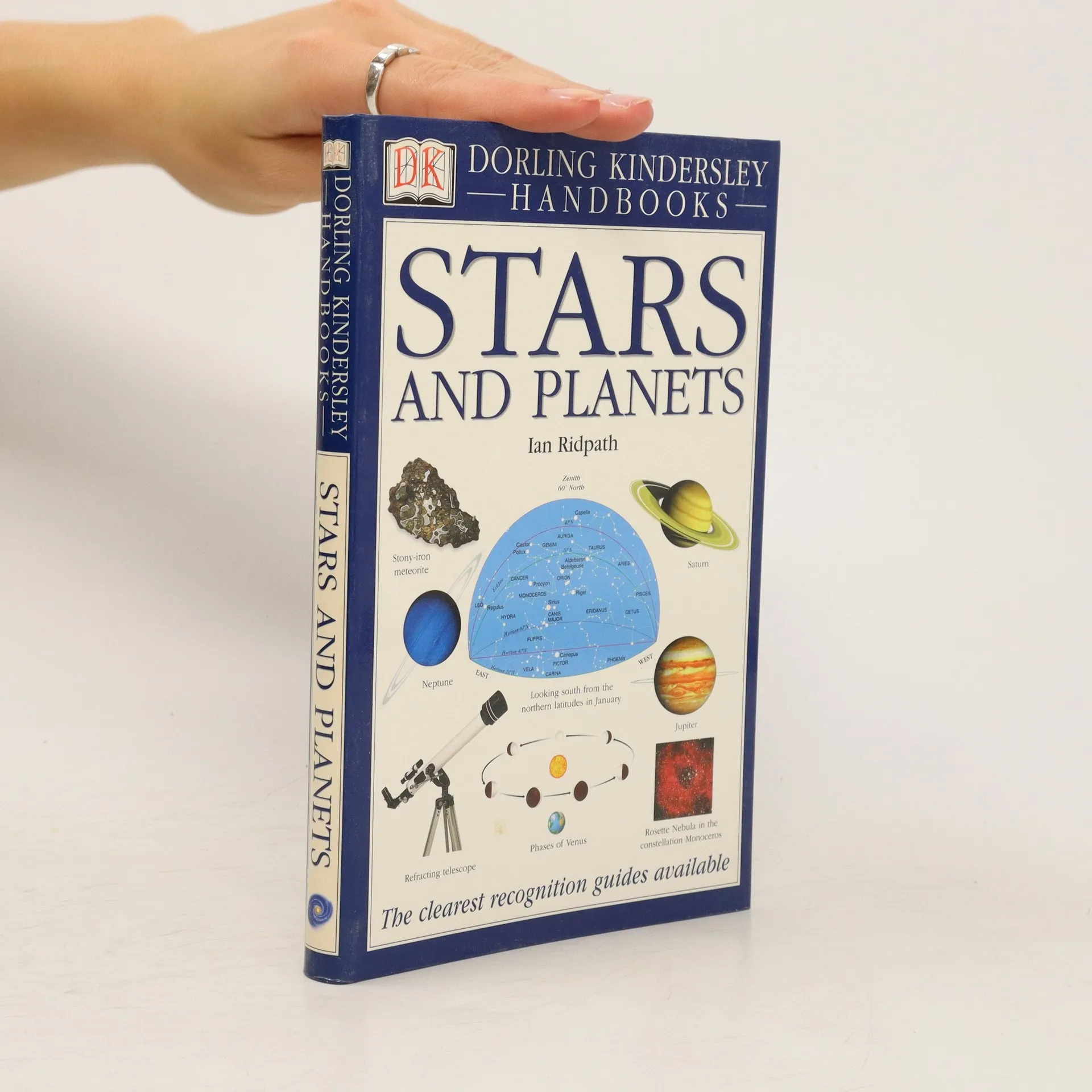
    Eyewitness Handbooks - 18: Stars and Planets
    Astronomy
    Philip's Astronomy Starter Pack
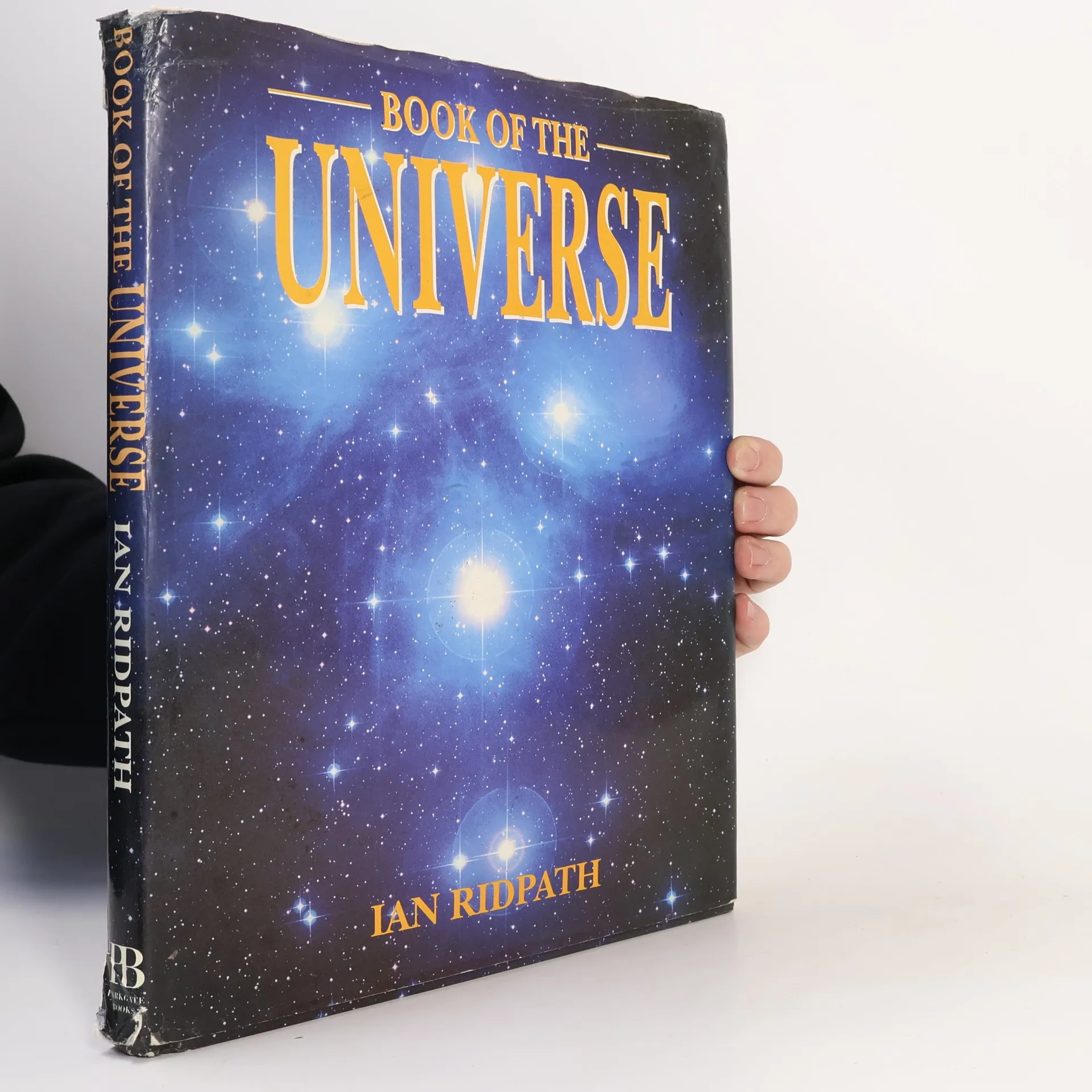
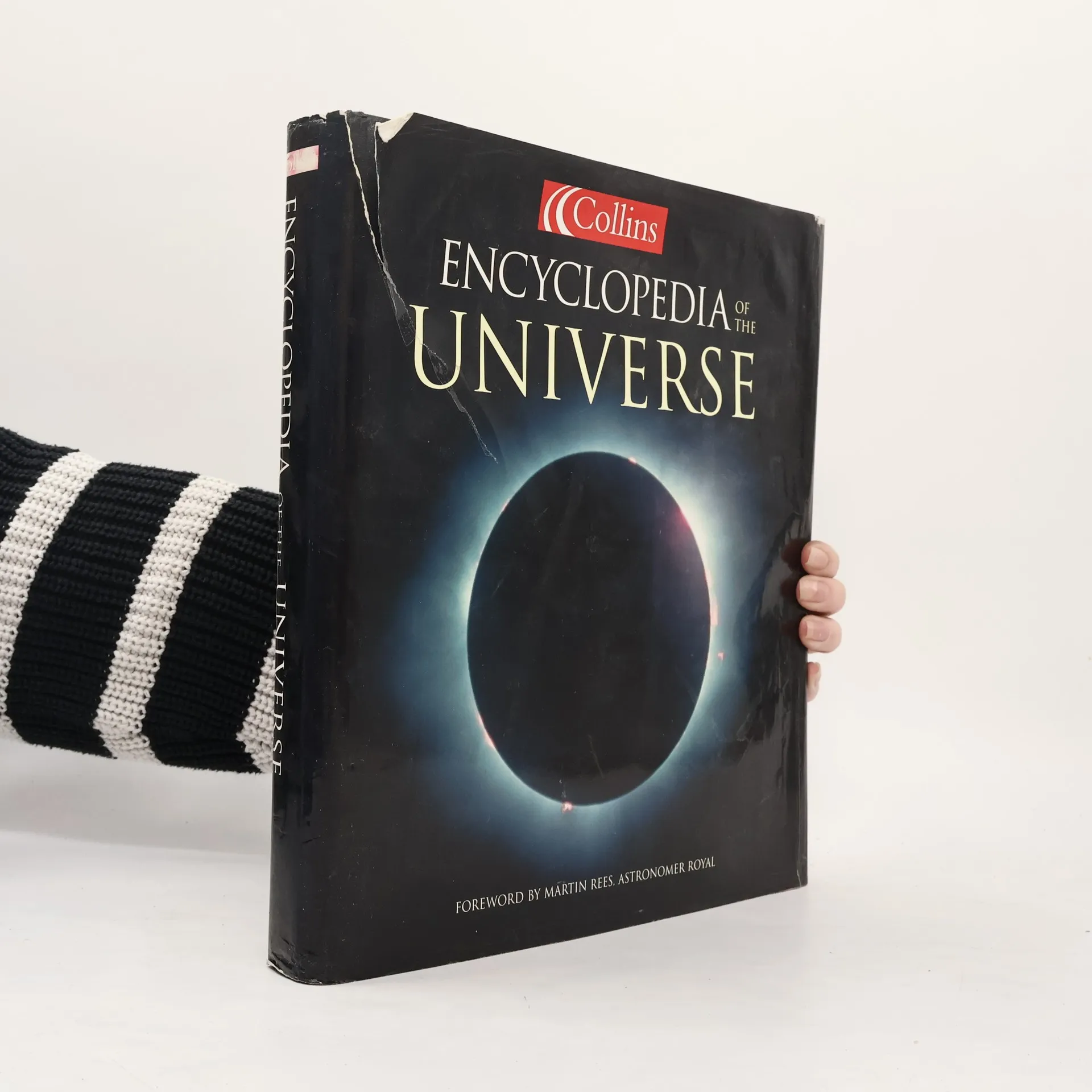
    Collins Encyclopedia of the Universe
    Astronomie
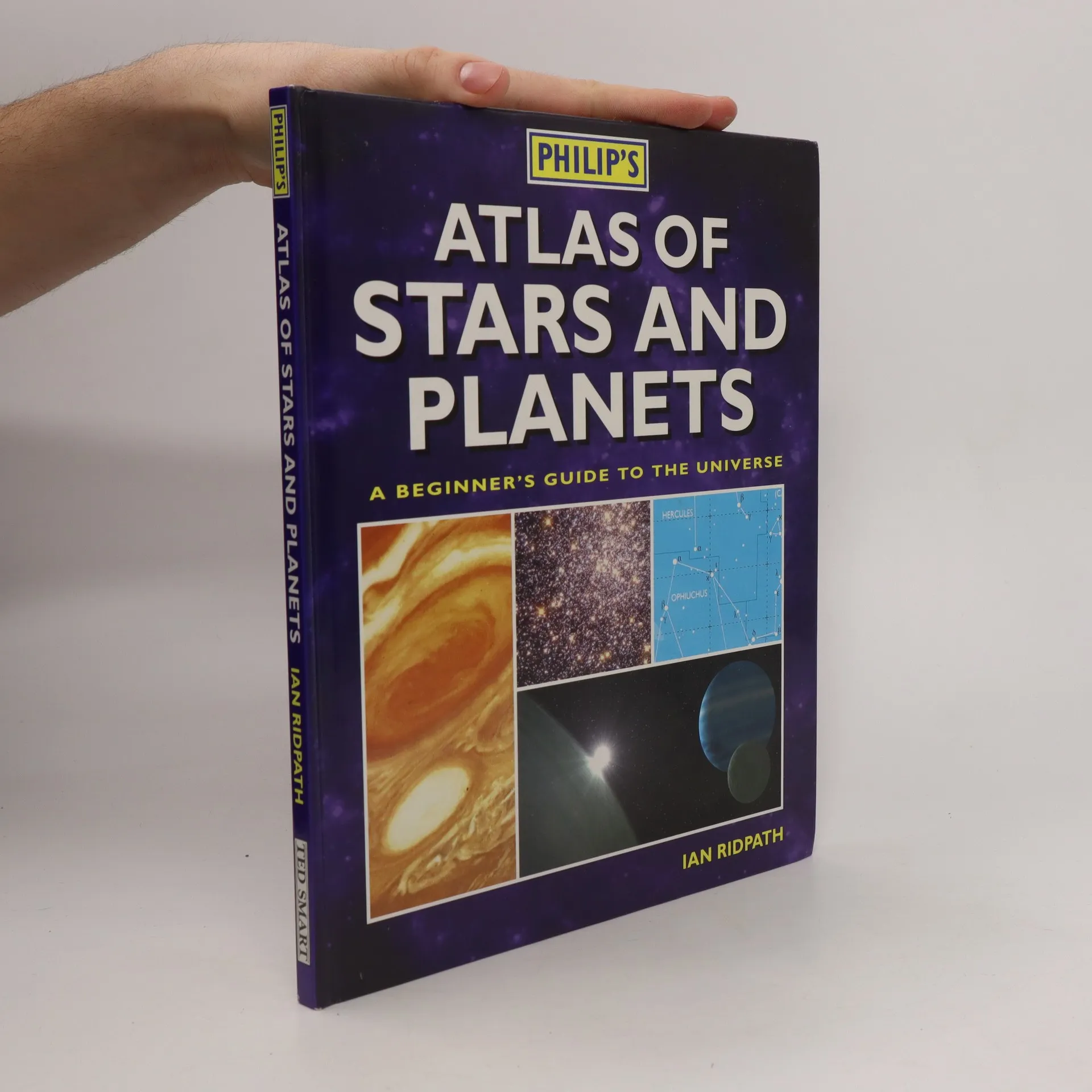
    Stars and Planets
    • Stars and Planets

      • 224 pages
      • 8 hours of reading

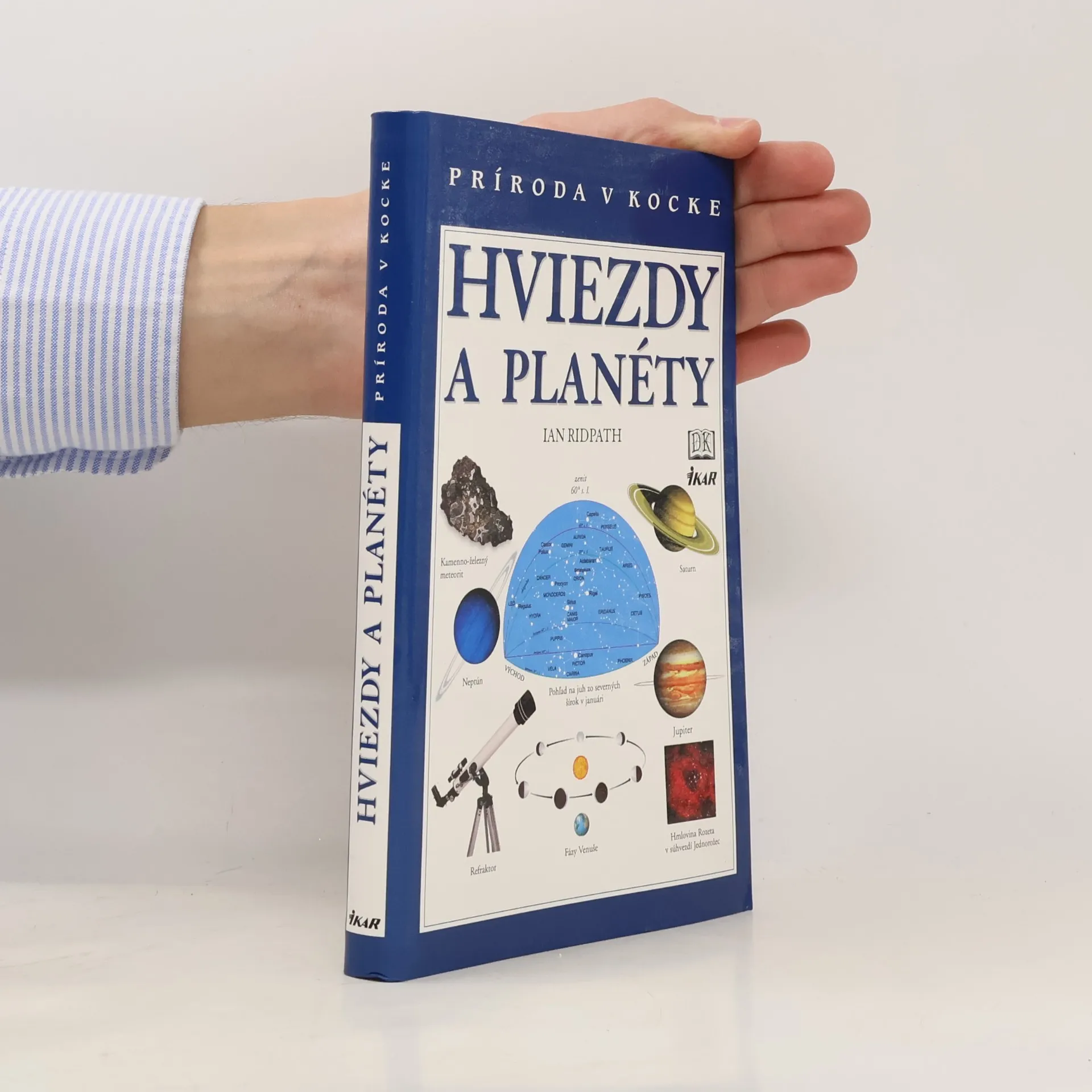
      Authoritative text, crystal-clear charts and photographs, and a systematic approach make the Dorling Kindersley Handbook of Stars and Planets the most comprehensive and concise pocket guide to observing the night sky. Packed with jargon-free information, this handbook is suitable both for beginners and more experienced astronomers.

      Stars and Planets
      4.6
    • Astronomie

      • 300 pages
      • 11 hours of reading

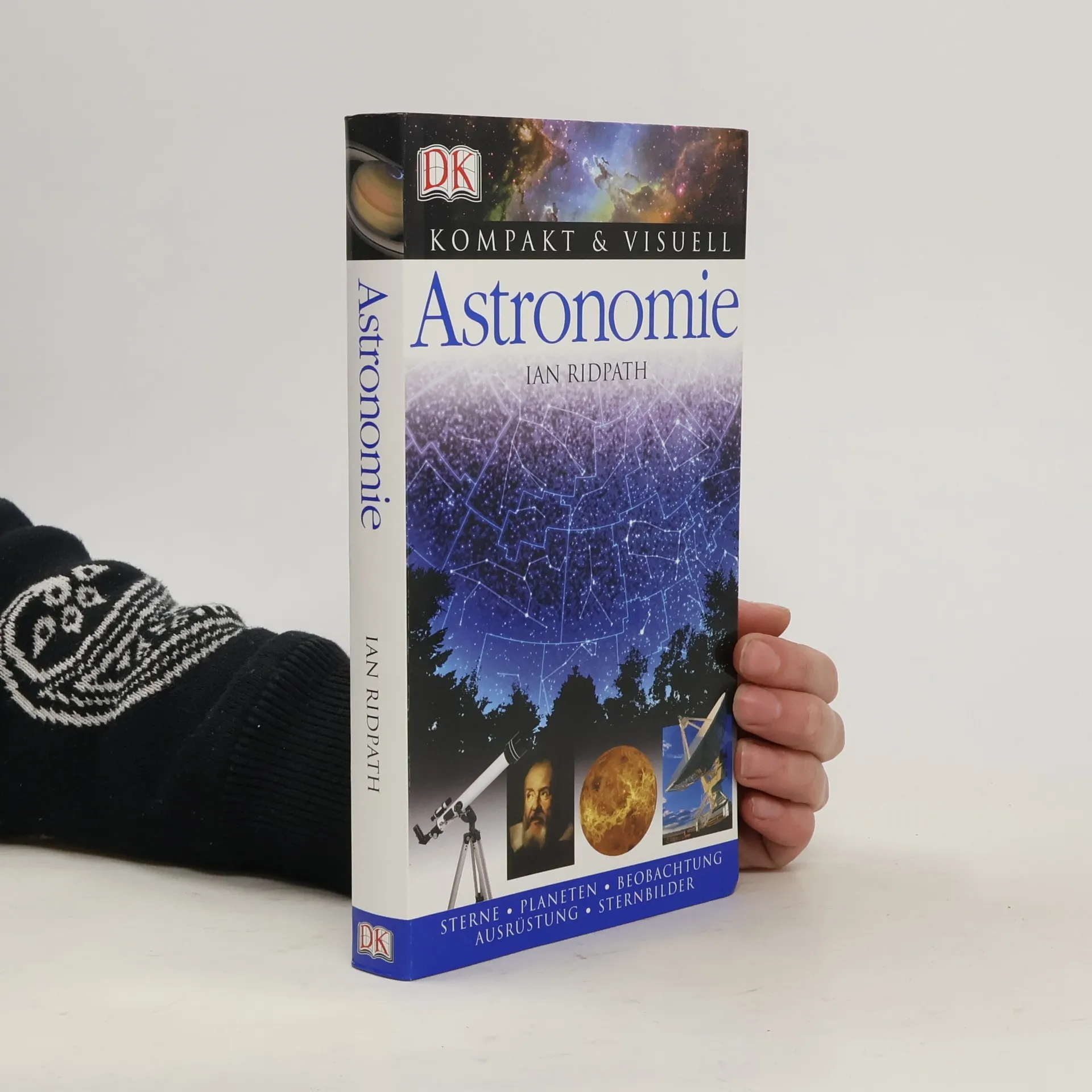
      Vom Urknall über die Bestimmung von Planeten bis zur neuesten Raumfahrttechnik ? ein idealer Begleiter und ein leicht zugängliches Kompendium für Einsteiger und leidenschaftliche Hobbyastronomen. Ian Ridpath, Autor, Astronomielehrer und Rundfunkmitarbeiter berichtet über die Anfänge der Astrophysik, Raumfahrt, Erforschung des Sonnensystems, den Urknall, die Entstehung von Himmelskörpern und unserer Sonnensysteme. Einzigartige Aufnahmen und fachkundige Informationen auf dem allerneuesten Forschungsstand werden dabei berücksichtigt, z. B. die Statusänderung des Pluto im August 2006.

      Astronomie
      5.0
    • Collins Encyclopedia of the Universe

      • 384 pages
      • 14 hours of reading

      This illustrated encyclopedia sets out to explain how the Universe works and to describe every feature. It covers the discovery and explanation of the universe from the Ancient Greeks - who thought that the night literally had a thousand eyes sewn onto a mantle by the celestial nightwatchman Argos - up to the present day understanding of black holes, worm holes and the theoretical development of time machines. The book is designed to bring all the history and concepts to life providing an up to date explanation of how the universe works.

      Collins Encyclopedia of the Universe
      4.0
    • Astronomy

      • 300 pages
      • 11 hours of reading

      Showing you what others only tell you. Discover the history and origins of the universe and observe the stars and galaxies with over 100 star charts and profiles of all 88 constellations. Includes a month-by-month guide to highlights of the night sky. Perfect for any enthusiast this is the definitive visual guide to enjoying and appreciating astronomy.

      Astronomy
      4.1
    • Space

      Stars. Planets. Spacecraft

      • 48 pages
      • 2 hours of reading

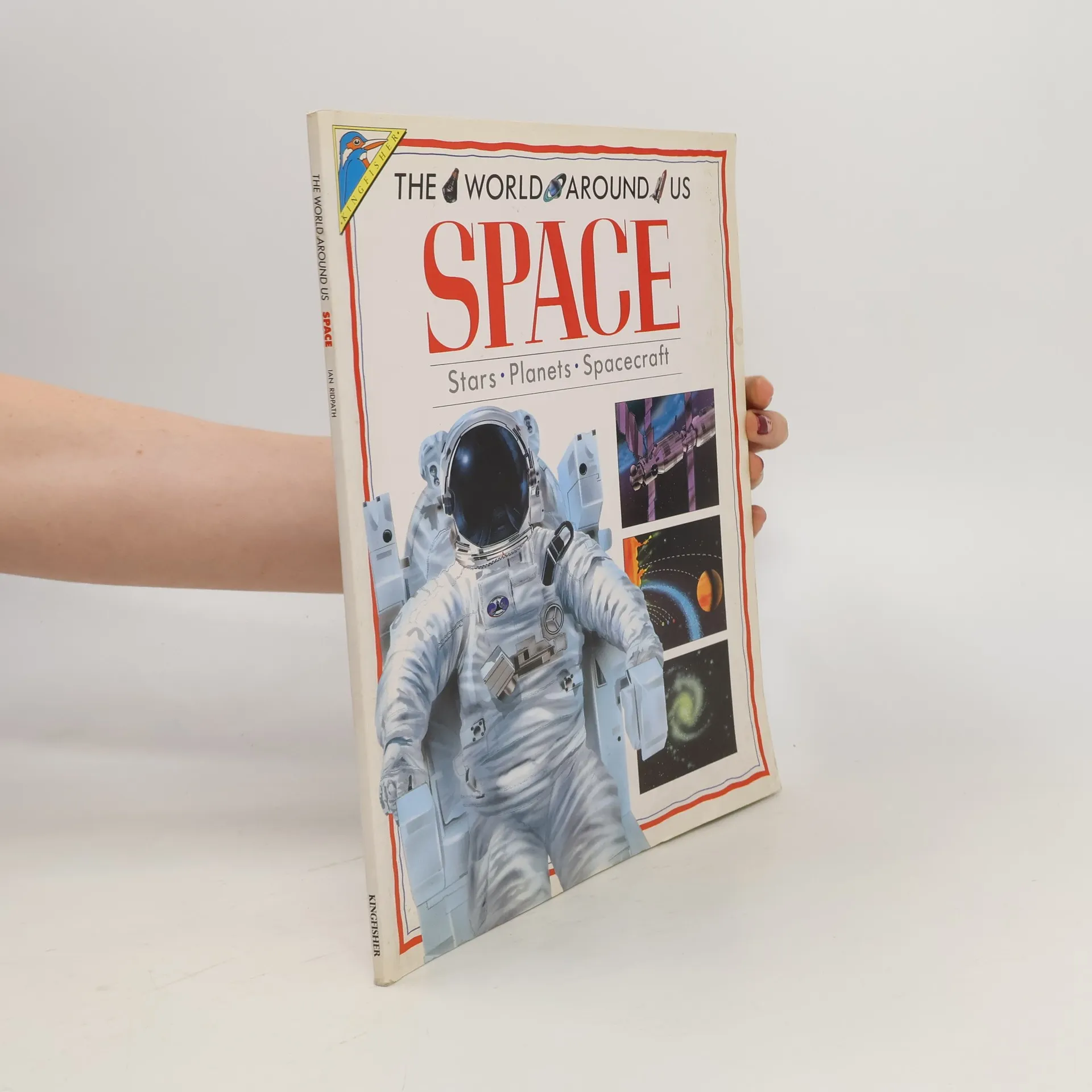
      One of a series which introduces young readers to the world around them, this book looks at the planets and stars which make up the universe. It also looks at satellites, space probes and space stations, and suggest what the future in space might be like.

      Space
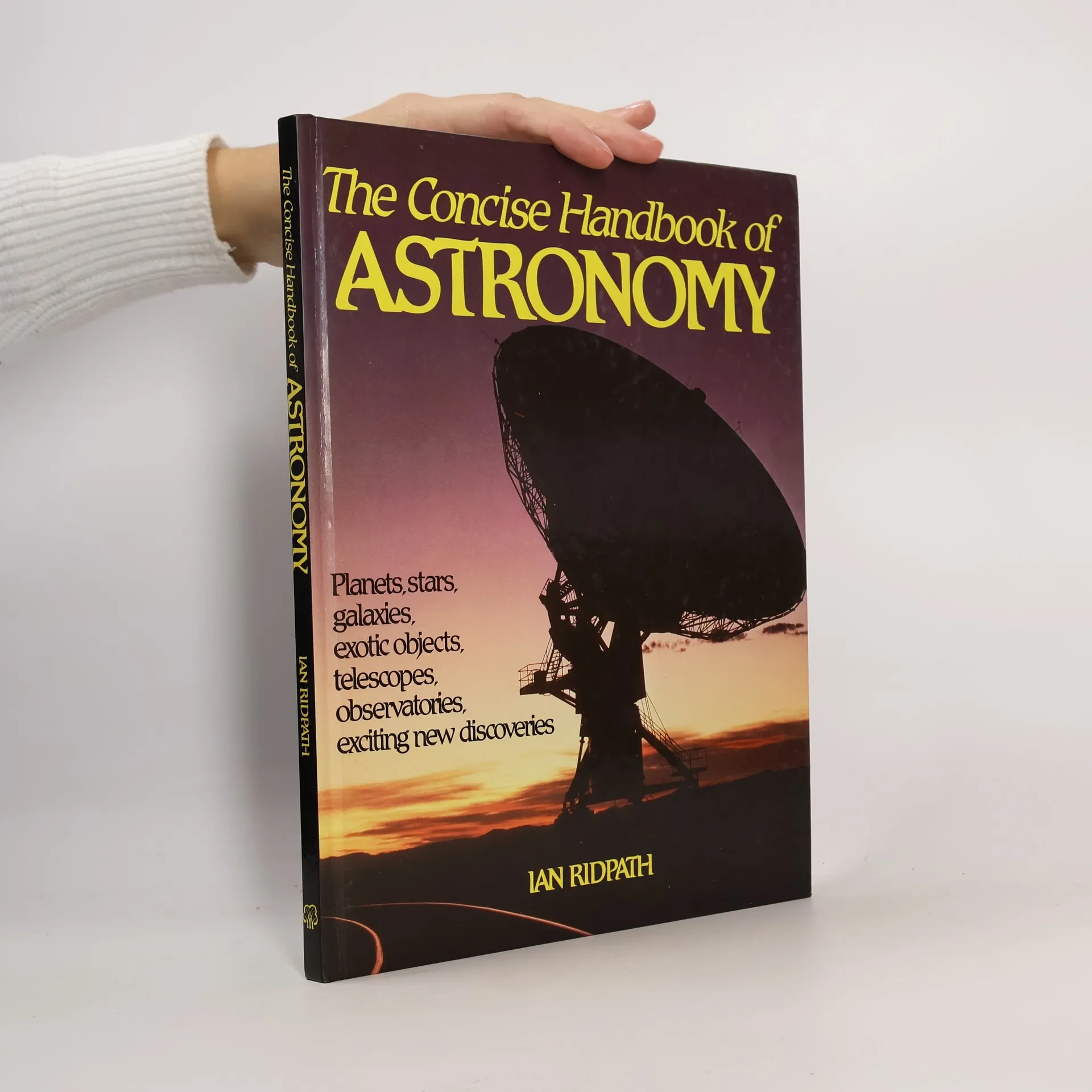
    • The Concise Handbook of Astronomy

      Planets, stars, galaxies, exotic objects, telescopes, observatories, exciting new discoveries

      • 95 pages
      • 4 hours of reading

      The history of astronomy from the discoveries of the ancient Greeks to the mindstretching visions of the cosmos being revealed today, with information on observing and photographing the skies

      The Concise Handbook of Astronomy