Focusing on the author's intellectual journey, this autobiography delves into his experiences as a committed Communist. It explores the challenges and sacrifices he faced while pursuing his ideals, providing a compelling insight into his personal and political evolution. As the first volume of a three-part series, it sets the stage for a deeper understanding of his life and beliefs.
Antonio Negri Books
August 1, 1933 – December 16, 2023
Toni Negri was an Italian Marxist sociologist and political philosopher. He is best known for his co-authorship of "Empire" and his work on Spinoza. His writings delved into profound philosophical and sociological concepts.



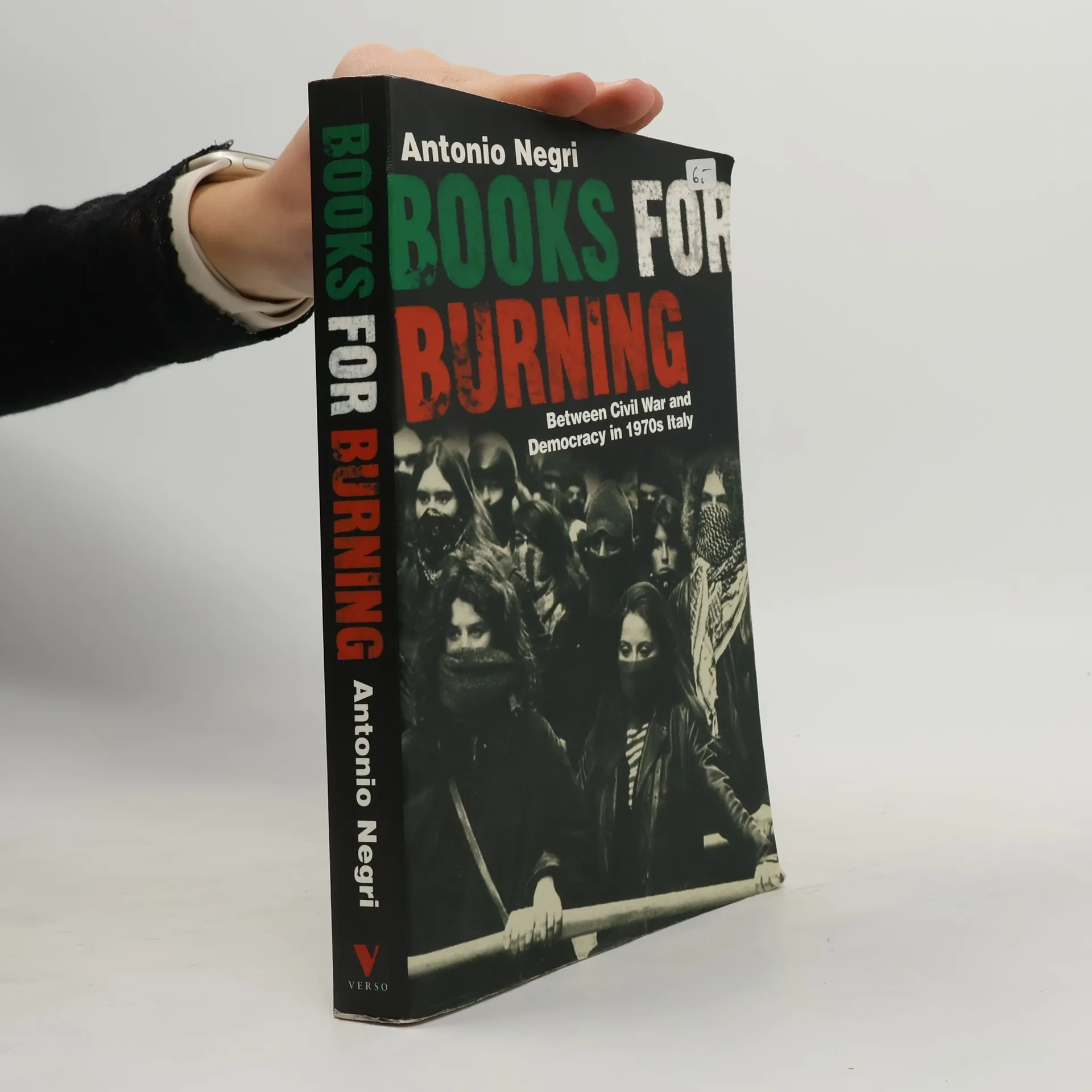
Long before Antonio Negri became famous around the world for his groundbreaking volume Empire , he was infamous across Europe for the incendiary writings contained in this book. Books for Burning consists of five pamphlets that Negri wrote between 1971 and 1977, which attempt to identify and draw lessons from new conditions of class struggle that emerged in the course of the 1970s.Conceived as organizational hypotheses intended for debate among the members of the political movements Workers’ Power ( Potere operaio ) and Organized Autonomy ( Autonomia organizzata ), these texts were later misread and misrepresented by the Italian state in its attempt to frame Negri as responsible for the assassination of former Italian president Aldo Moro, as the leader of the Red Brigades, and as the mastermind of an armed insurrection against the state. In the more than twenty-five years since their first publication, these texts have lost none of their originality, relevance or power to shock.In a new preface, Negri demonstrates how his controversial work on empire, biopolitics and immaterial labor developed out of concepts and strategies first outlined in this book, and an editorial introduction analyzes the role these texts played in Negri’s trial and in the criminalization of the Italian radical workers’ movement.
On Fire
- 141 pages
- 5 hours of reading
You've seen them on the NY Times front page and on TV -- now hear them in their own words. With the rise of the global anti-capitalist movement, from the WTO in Seattle to the G8 in Genoa, street protesters are in the public eye. The masked and militant Black Bloc are the most visible and controversial of these protesters. Here are the periodic communiques issued from within the Bloc to explain their tactics, including property destruction and police confrontation. Plus an analysis in context of the larger movement. A passionate manifesto in the rhetorical tradition of the Situationists, with photos of the events discussed.
Commonwealth
- 448 pages
- 16 hours of reading
Drawing on scenarios from around the globe and elucidating the themes that unite them, this title focus on the logic of institutions and the models of governance adequate to our understanding of a global commonwealth.
Multitude
- 448 pages
- 16 hours of reading
'Multitude' offers an inspiring vision of how people of the world can come together in a globally networked community to create a new kind of democracy. Hardt and Negri explain how empire, by colonizing and interconnecting more areas of life ever more deeply, has created the possibility for democracy of a sort never seen before.
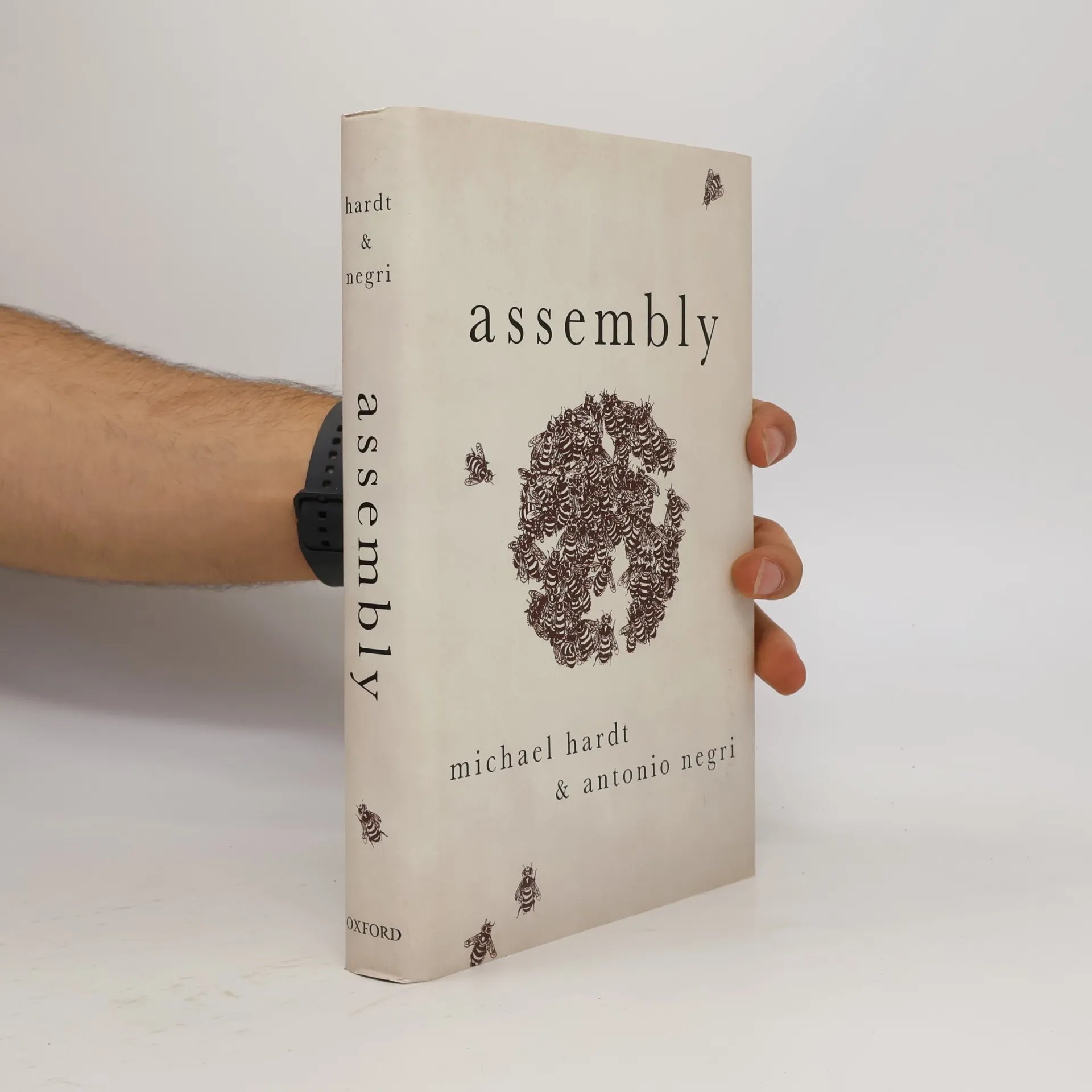
Assembly
- 346 pages
- 13 hours of reading
Each year an eruption of "leaderless" social movements leaves external observers and activists perplexed. Why have the movements, which address the needs and desires of so many, not been able to achieve lasting change? In Assembly, Michael Hardt and Antonio Negri analyze potential paths for creating a more democratic and just society.
Goodbye Mr. Socialism
- 256 pages
- 9 hours of reading
A prominent political thinker explores the global challenges facing leftist movements today. The book delves into the ideological struggles and the need for a revitalized vision of the Left, examining its historical context and potential paths forward. Through insightful analysis, it aims to inspire new strategies and unity among progressive factions in response to contemporary political crises.
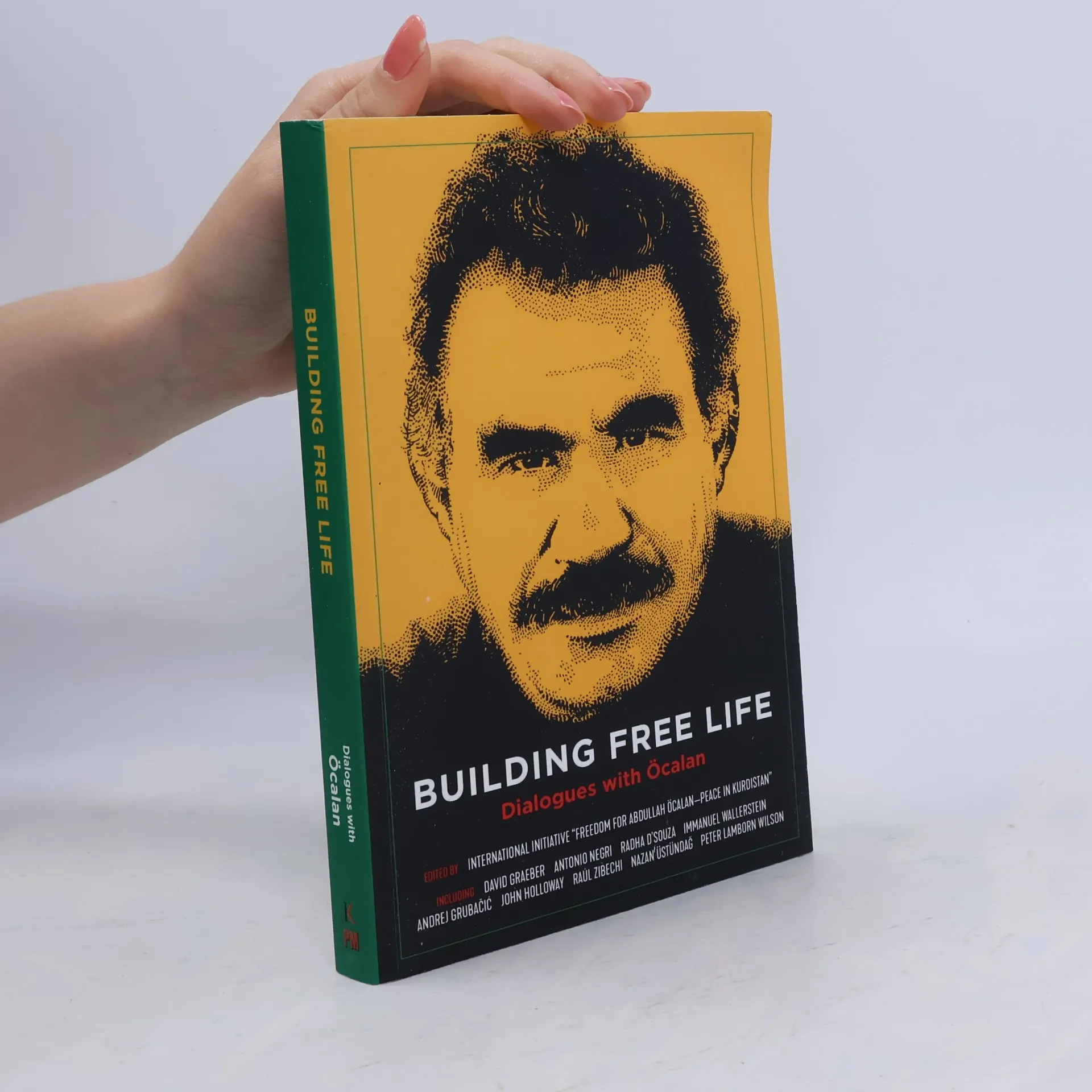
From his solitary jail cell, Abdullah Ocalan has penned daring works that give profuse evidence of his position as one of the most significant thinkers of our day. His prison writings have mobilised tens of thousands of people and inspired a revolution in the making in northern Syria, while also penetrating the walls of academia triggering debate and reflection among countless scholars. So how do you engage in a meaningful dialogue with Abdullah Ocalan when he has been held in total isolation since April 2015? You compile a book of essays written by a diverse cast of luminaries, send it to Ocalan's jailers and hope that they deliver it to him.
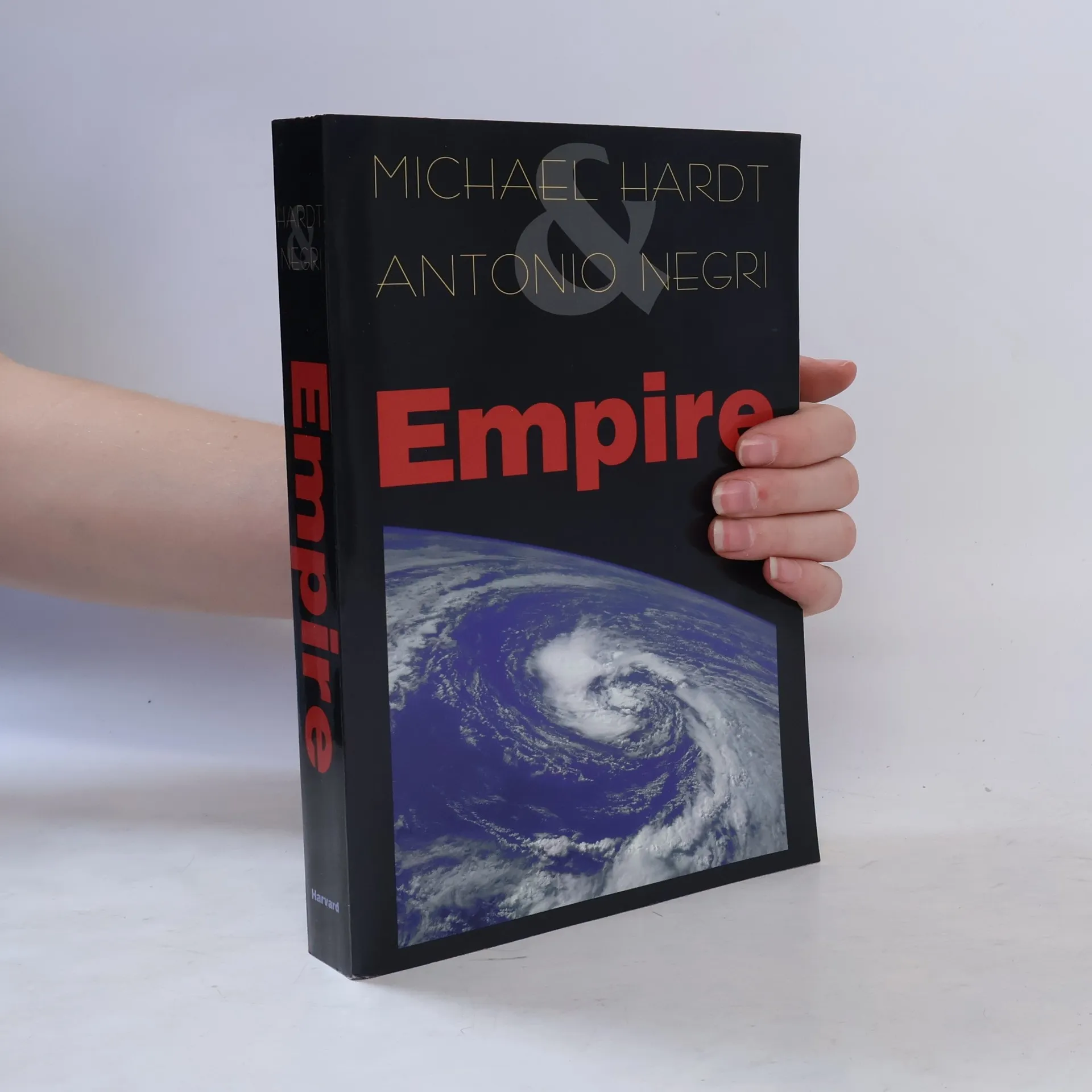
Empire
- 496 pages
- 18 hours of reading
This text identifies a radical shift in concepts that form the philosophical basis of modern politics, concepts such as sovereignty, nation and people - and links this philosophical transformation to cultural and economic changes in postmodern society. schovat popis
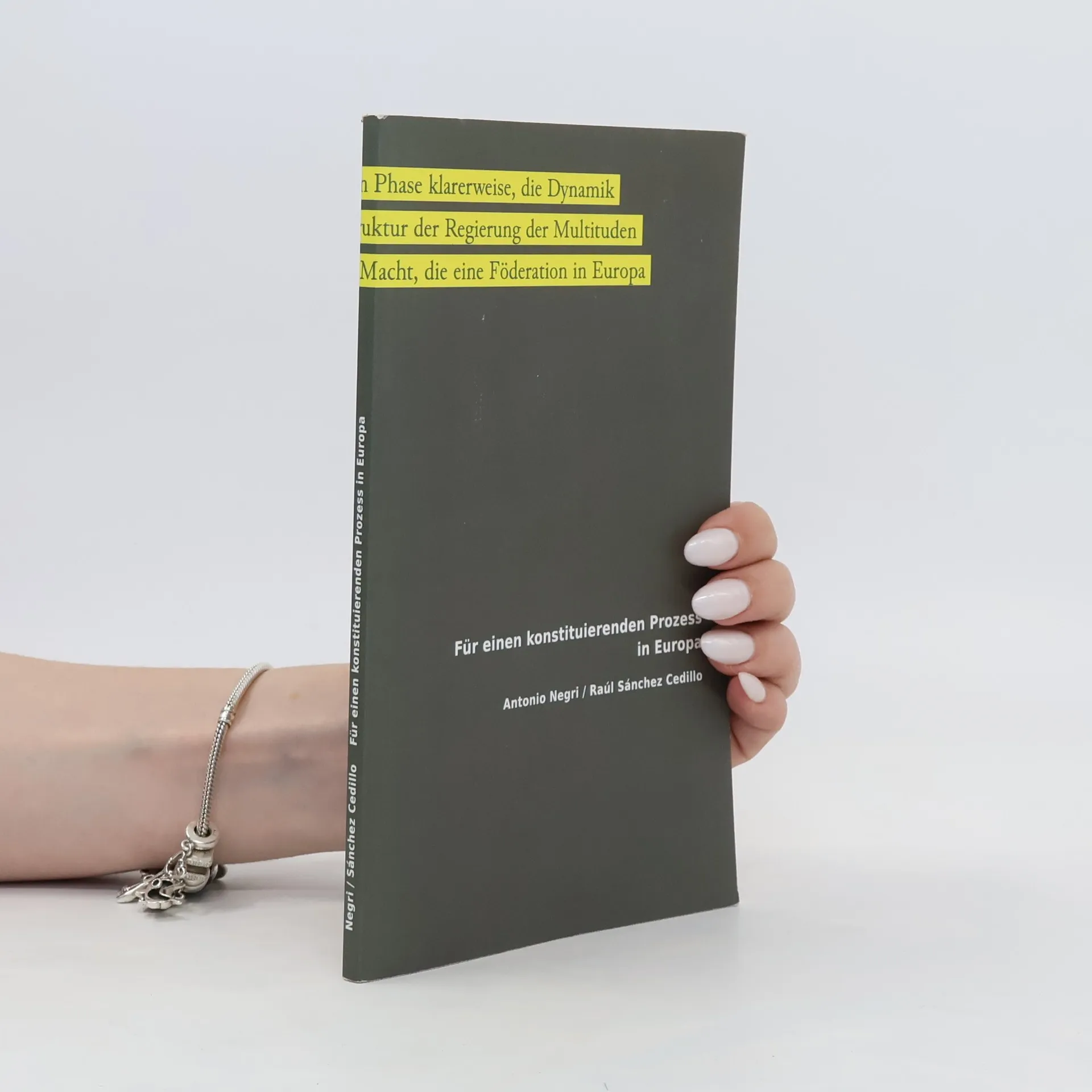
Für einen konstituierenden Prozess in Europa
Demokratische Radikalität und die Regierung der Multituden
- 80 pages
- 3 hours of reading
Die Arbeit des Dionysos
- 190 pages
- 7 hours of reading
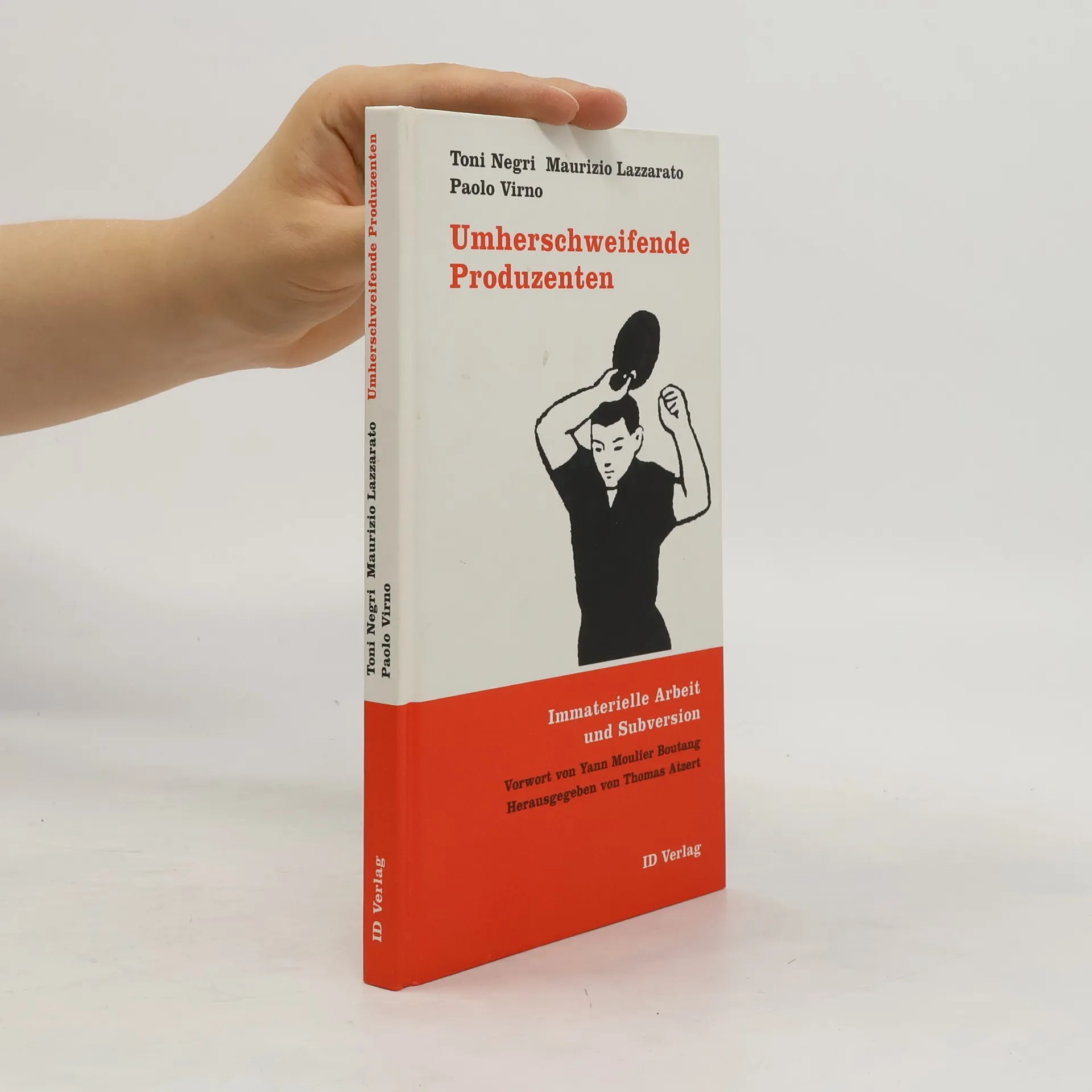
Umherschweifende Produzenten
- 126 pages
- 5 hours of reading
Staat in der Krise
- 58 pages
- 3 hours of reading
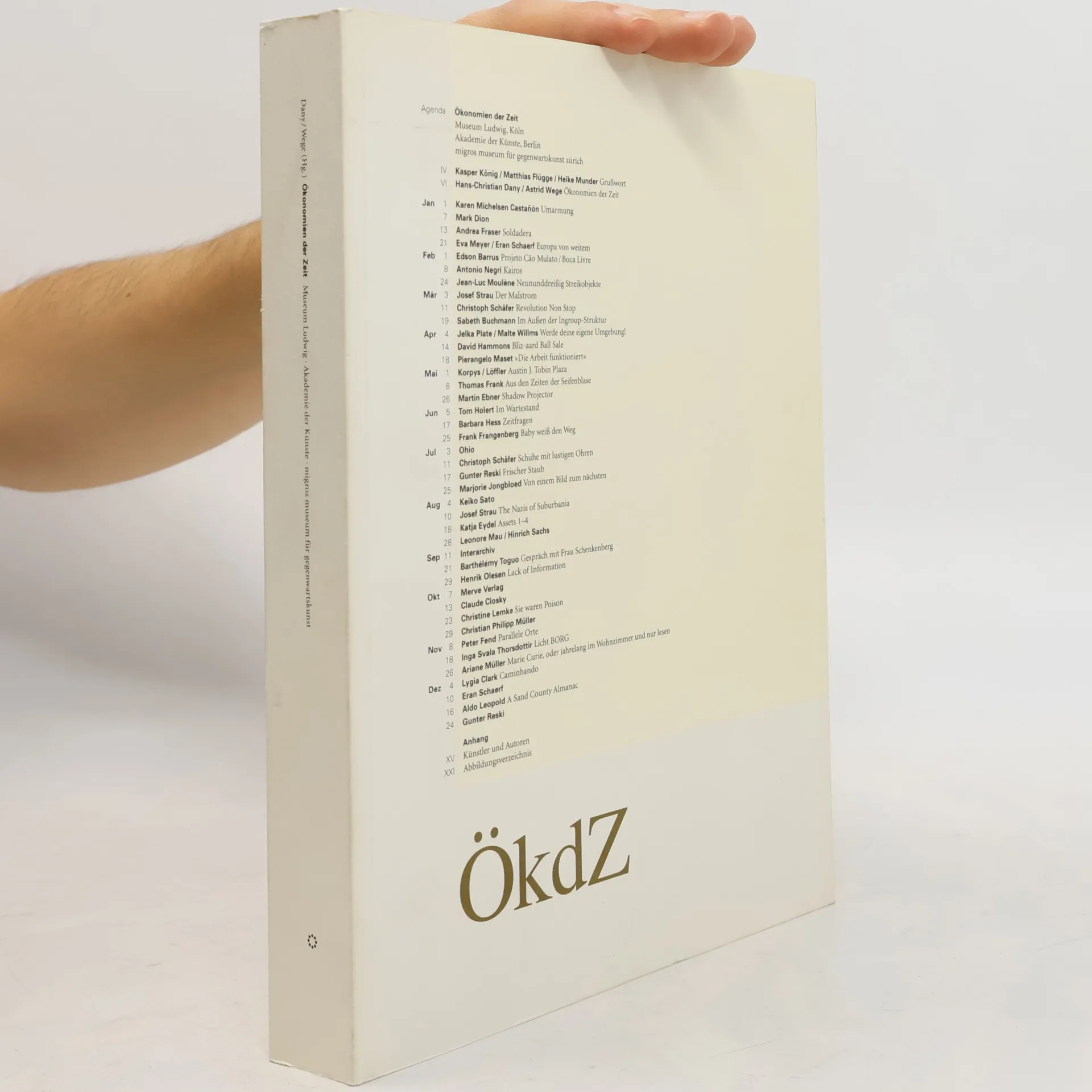
Ökonomien der Zeit
- 400 pages
- 14 hours of reading
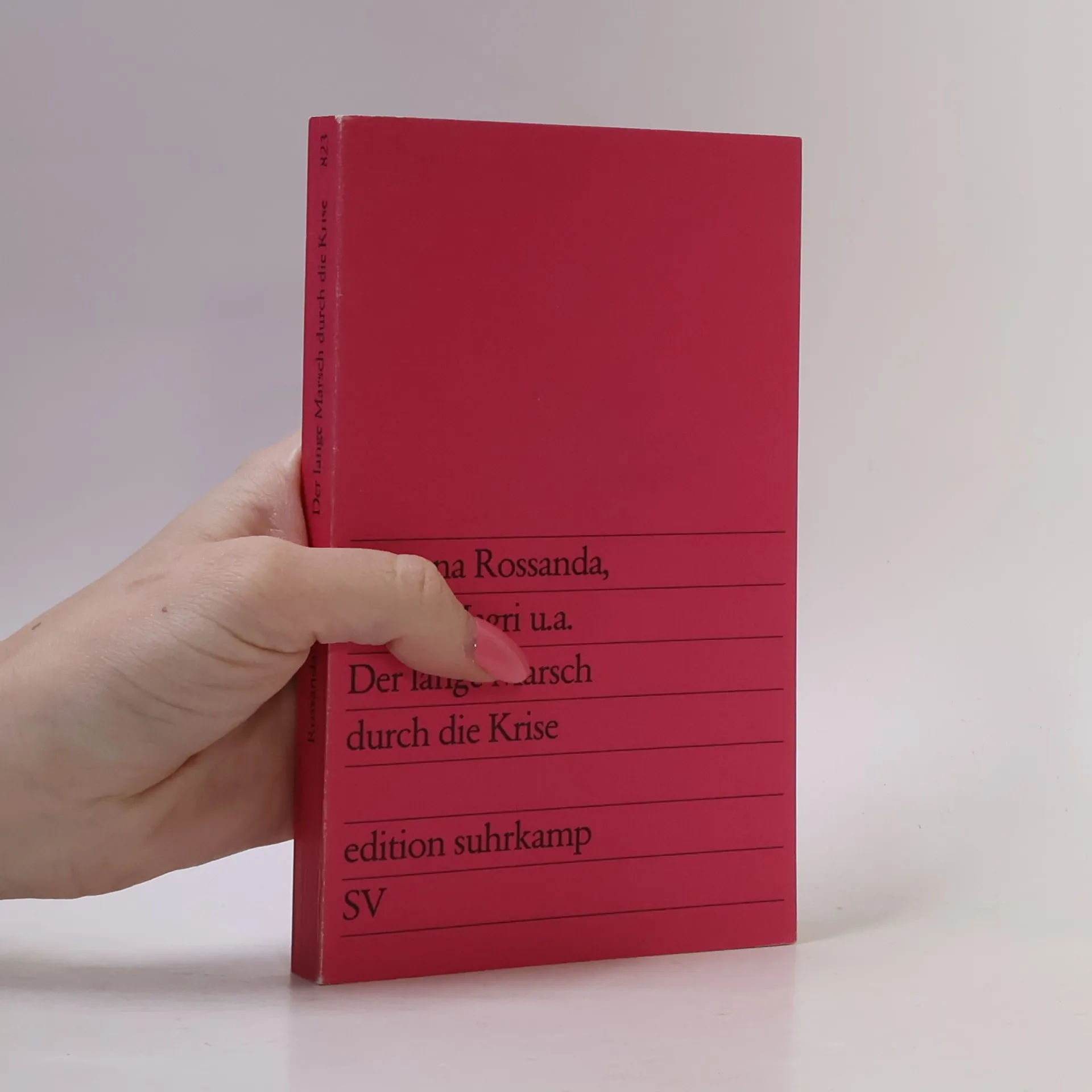
Edition Suhrkamp - 823: Der lange Marsch durch die Krise
- 296 pages
- 11 hours of reading
Rare Book
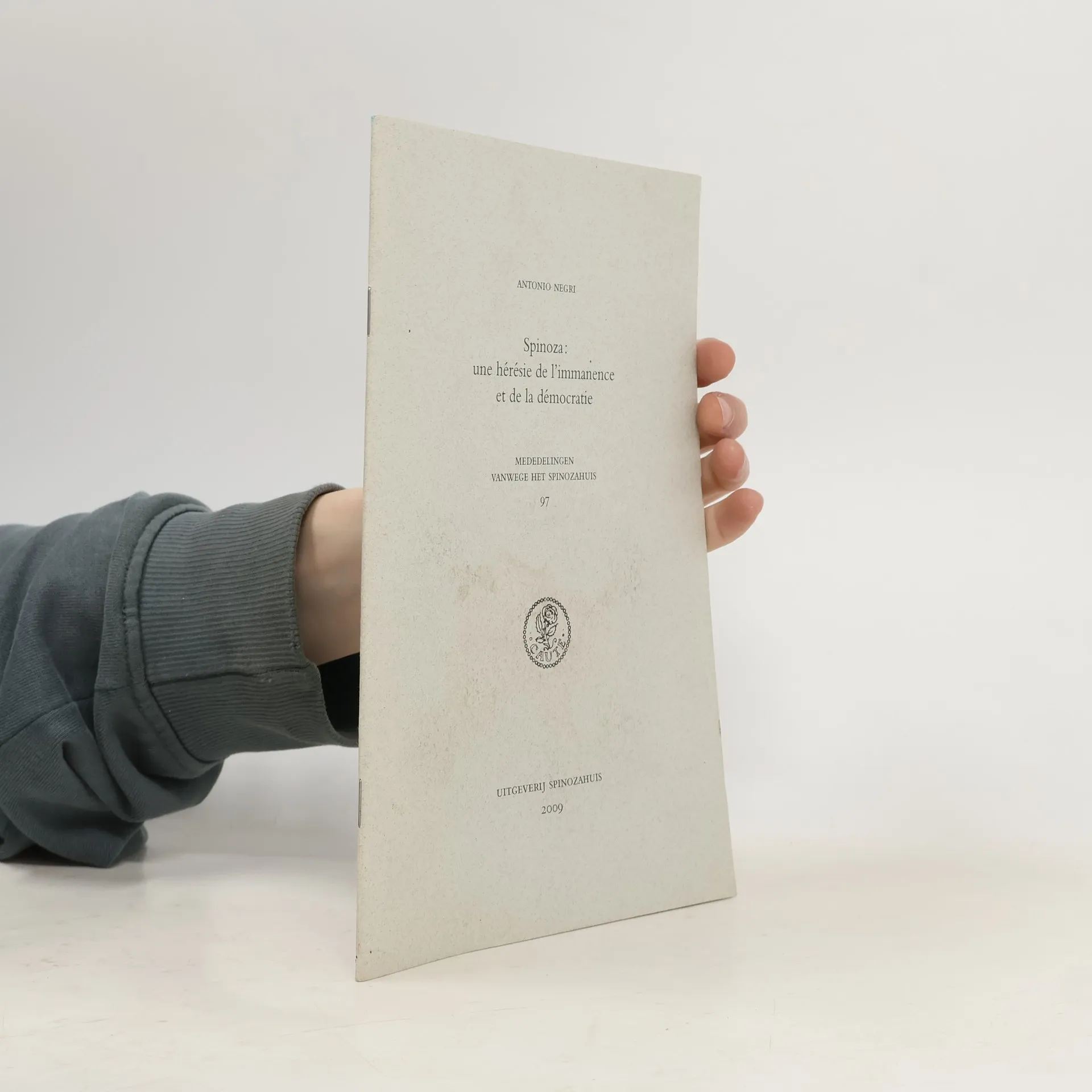
Mededelingen vanwege het Spinozahuis - 97: Spinoza
Une hérésie de l'immanence et de la démocratie
- 26 pages
- 1 hour of reading
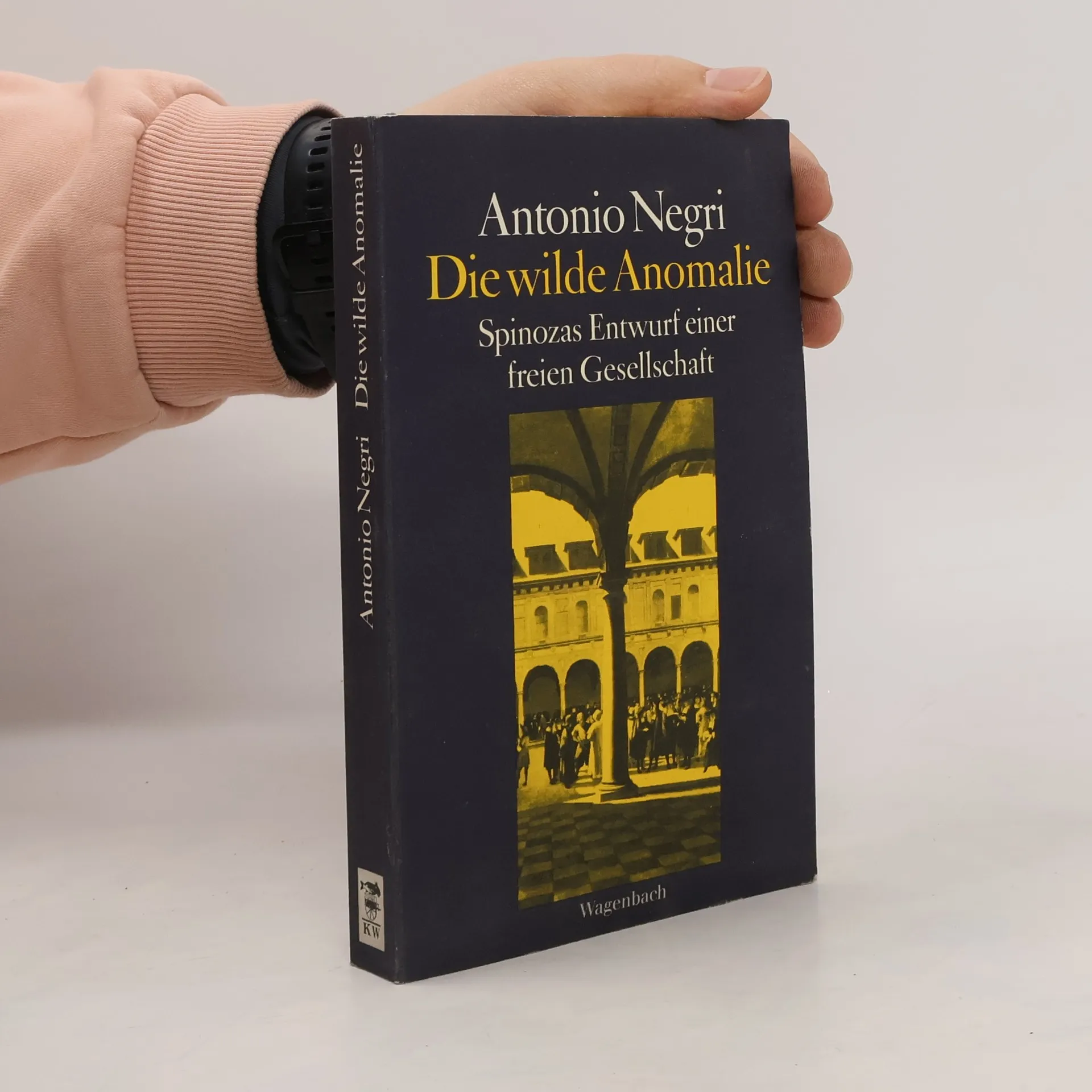
In dieser grundlegenden Neubewertung von Spinozas (1632-1677) philosophischen und politischen Schriften positioniert Negri diesen Denker im historischen Kontext der Entwicklung des modernen Staates und seiner begleitenden politischen Ökonomie. Durch eine eingehende Untersuchung von Spinoza zeigt Negri, dass dieser unter seinen Zeitgenossen einzigartig ist durch seinen nichtdialektischen Ansatz zur sozialen Organisation in einem bürgerlichen Zeitalter.