
Explore the latest books of this year!
Bookbot

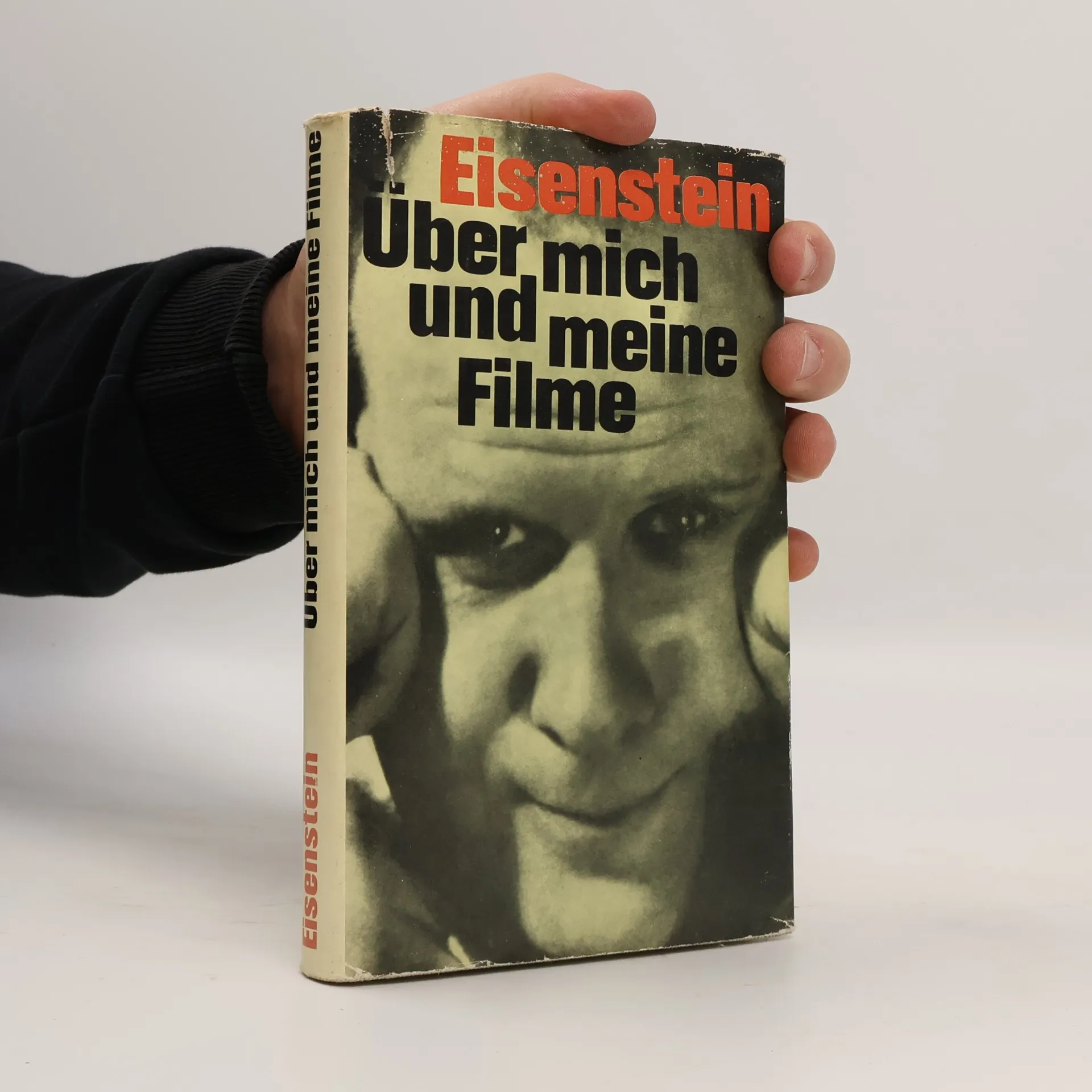
Sergei Michailowitsch Eisenstein

    January 10, 1898 – February 11, 1948

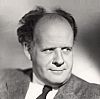
    Sergei Eisenstein was a pioneering Soviet film director and theorist, profoundly influencing the theory and practice of montage. He explored how editing could transcend narrative exposition, forging new meanings through the linkage of disparate images. Eisenstein developed five methods of montage—metric, rhythmic, tonal, overtonal, and intellectual—which he meticulously detailed in his writings. His innovative approach and theoretical contributions have left an indelible mark on filmmakers and the language of cinema.

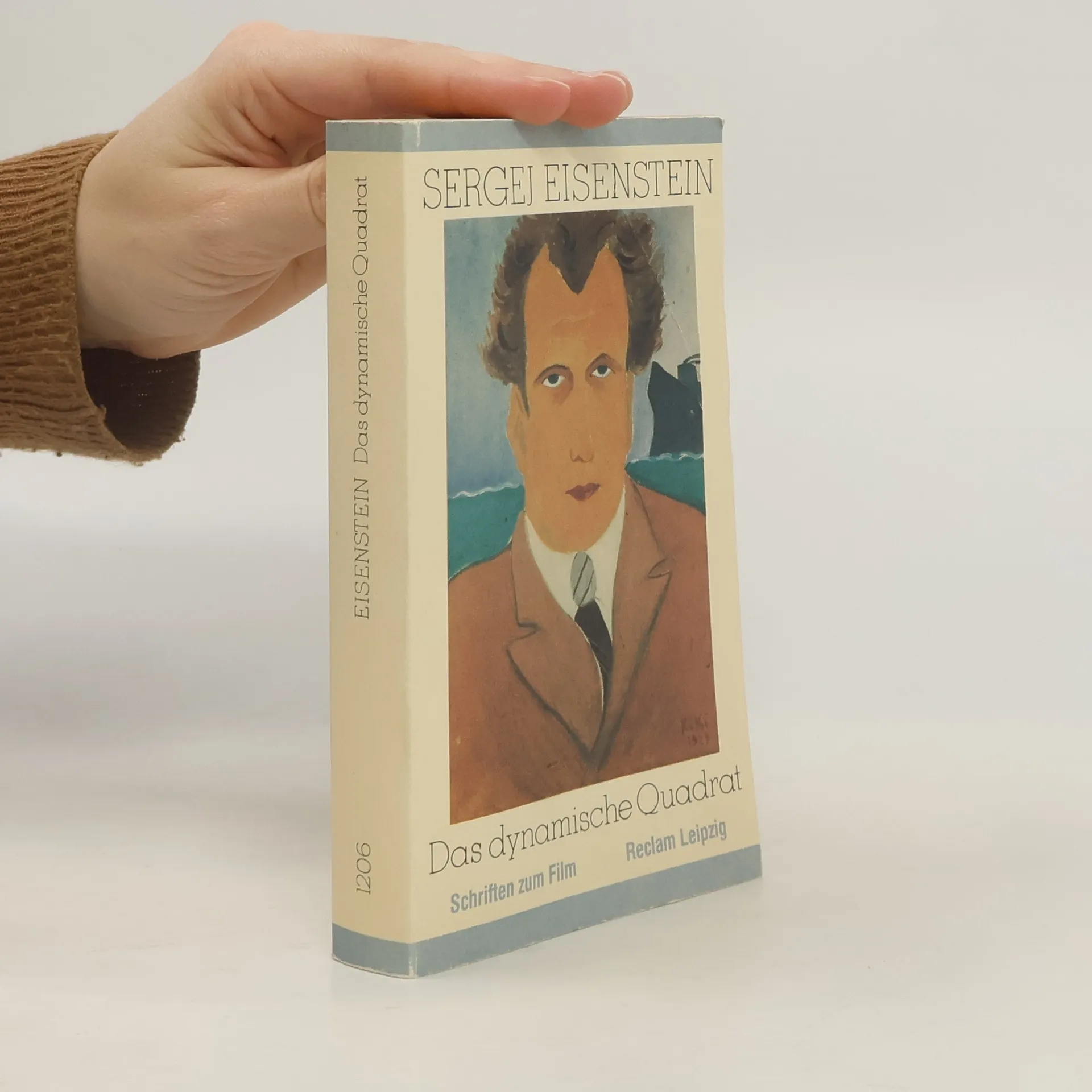
    Sergei Michailowitsch Eisenstein
    Das dynamische Quadrat
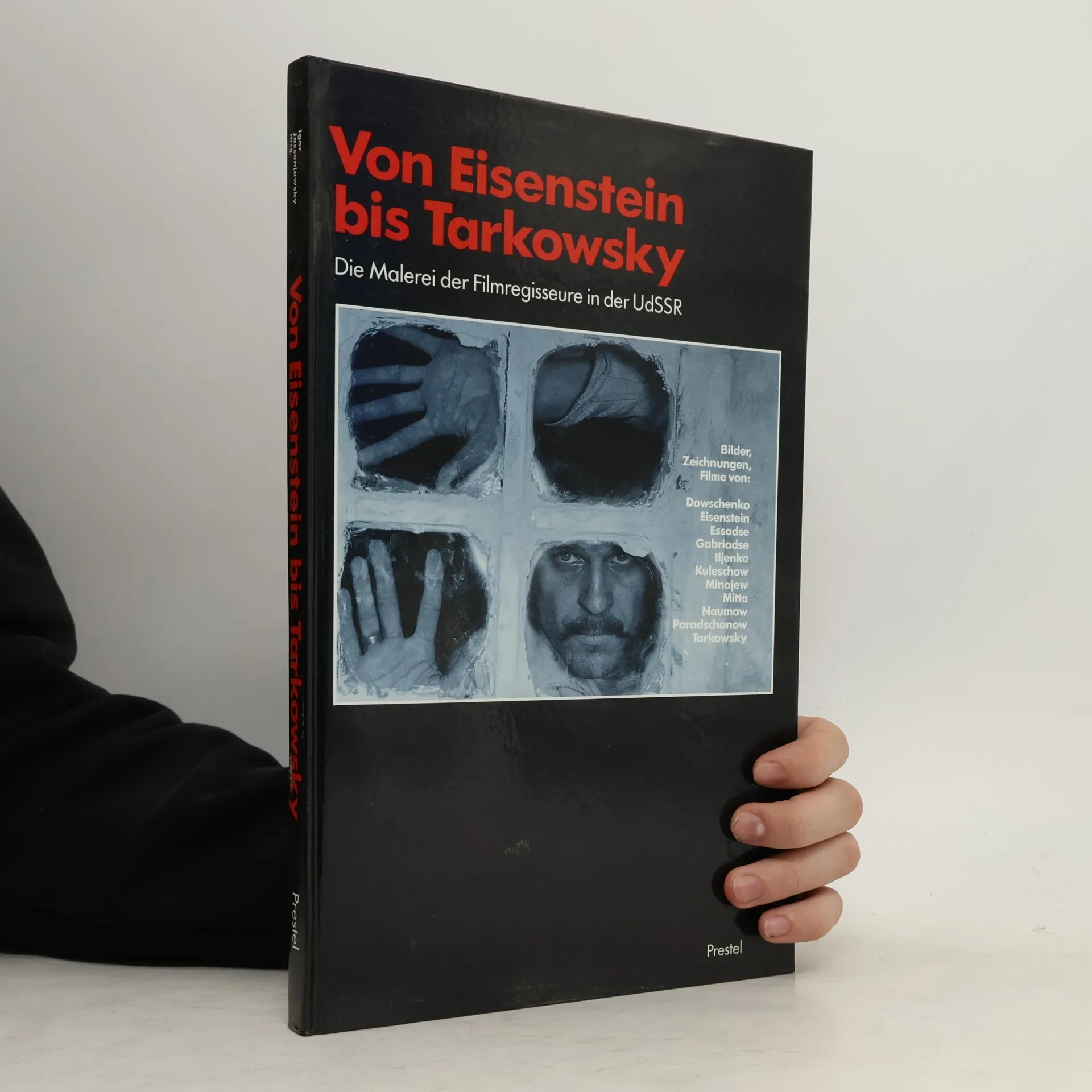
    Von Eisenstein bis Tarkowsky
    Teoria generale del montaggio
    Mise En Jeu and Mise En Geste
    Film Form
    Writings, 1922-1934
    • Writings, 1922-1934

      • 344 pages
      • 13 hours of reading

      Book documents from the definitive Russian texts the complex course of Sergei Eisenstein's writings during the revolutionary years in the Soviet Union. It presents Eisenstein the innovative aesthetic thinker, socialist artist and humourist, passionately engaged in the debates over the art forms of the future.

      Writings, 1922-1934
      4.5
    • Film Form

      • 304 pages
      • 11 hours of reading

      From Sergei Eisenstein, a legendary pioneer in filmmaking and director of Battleship Potemkin, Film Form collects twelve essays written between 1928 and 1945 that demonstrate key points in the development of his film theory and in particular his analysis of the sound-film medium."By turns savagely polemical and whimsically humorous...Eisenstein's last book, like all his writings, is on fire with imagination...Jay Leyda, well-known authority on Eisenstein's work, has done an excellently thorough job of editing and translating."— Saturday Review

      Film Form
      4.1
    • Mise En Jeu and Mise En Geste

      • 92 pages
      • 4 hours of reading

      Focusing on the concept of mise en scène, the essay explores how to unify various staging elements into a coherent narrative. Eisenstein distinguishes between mise en jeu, mise en geste, and mise en cadre, emphasizing the importance of conveying deeper meanings through concrete actions, gestures, and shot composition. Although unfinished at his death, this work has been reconstructed for its first English publication, offering insights into Eisenstein's vision of film as a structured art form that balances rhythm and clarity against the pitfalls of formlessness.

      Mise En Jeu and Mise En Geste
    • Von Eisenstein bis Tarkowsky

      • 159 pages
      • 6 hours of reading

      Herausgegeben Von Igor Jassenjawsky ; Biographien Und Filmographien Von Kora Zereteli Und Jewgeny Wolkowisky ; [Übersetzungen Aus Dem Russischen, Petra Popowa]. Dieser Katalog Erschien Anlässlich Der Ausstellung In Der Städtischen Galerie Im Lenbachhaus, München, Vom 28. März Bis 6. Mai 1990--t.p. Verso. Includes Bibliographical References

      Von Eisenstein bis Tarkowsky
      4.0
    • Reúne doce ensayos escritos entre 1928 y 1945 que muestran puntos clave tanto del desarrollo de la teoría fílmica del renombrado director soviético como, en particular, de su análisis del medio del cine sonoro. Incluye algunas reflexiones sobre el teatro Kabuki y una declaración colectiva (con Pudovkin y Alexandrov) sobre la relación adecuada entre el en ese entonces naciente cine sonoro y el montaje.

      La forma del cine
      3.9