Christine de Pizan was a medieval author and analyst who strongly challenged the misogyny and stereotypes prevalent in the male-dominated arts. Her body of work, comprising innovative writing and rhetorical techniques, critically challenged renowned male writers and their misogynistic beliefs. De Pizan earned accolades as Europe's first professional woman writer, and her works have seen a resurgence in recent decades. Her use of language conveyed the idea that women could play important roles in society.
With an Epistle to the Queen of France and Lament on the Evils of the Civil War
198 pages
7 hours of reading
The book features three epistolary works by Christine de Pizan, originally published in 1984, showcasing her personal letters that provide spiritual guidance and reflections on societal dynamics. These documents offer a unique glimpse into the experiences and thoughts of a woman navigating her world, highlighting both her wisdom and the intricacies of her society.
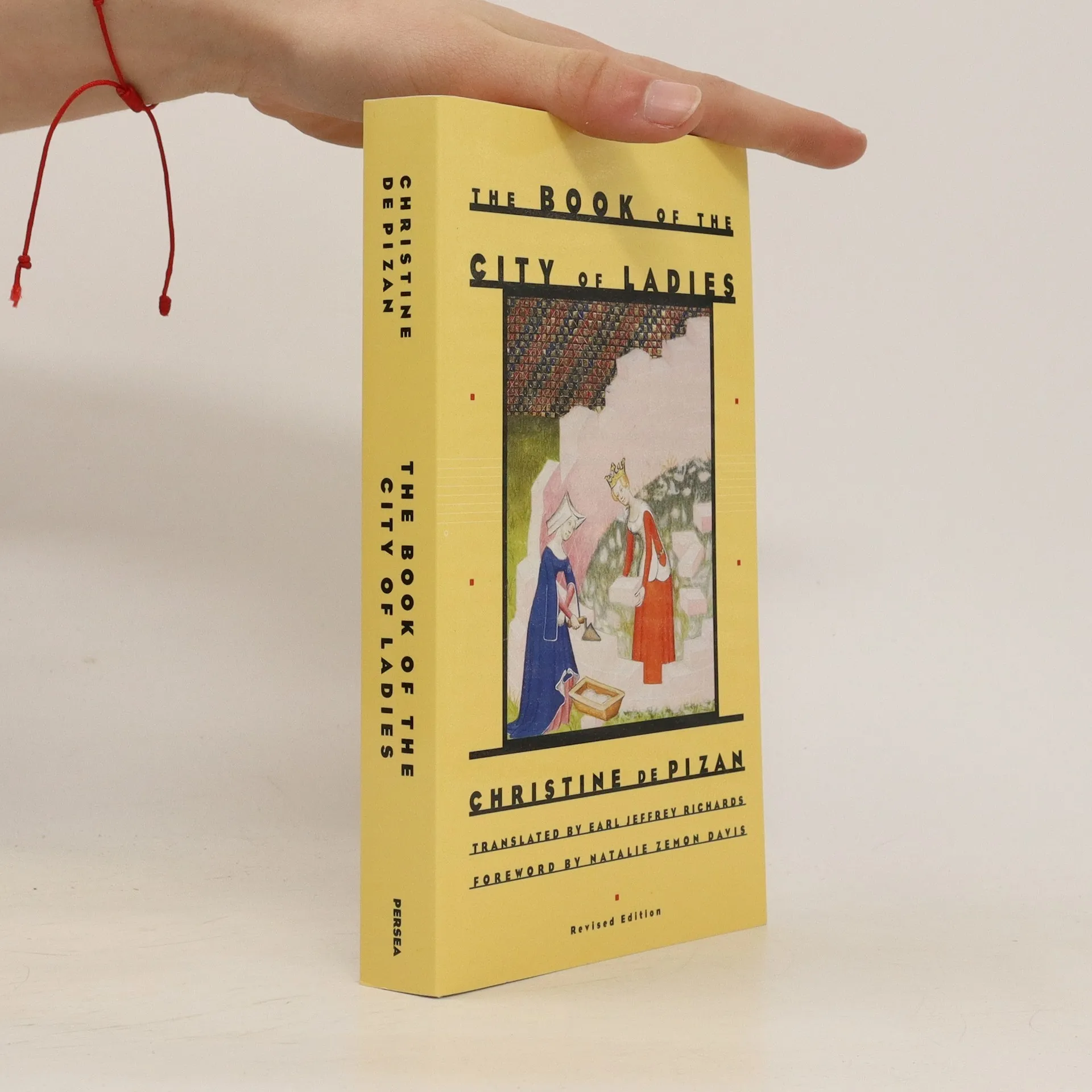
A medieval French author considers why so many philosophers, speakers, and poets malign women, and defends feminine character, behavior, and accomplishments
This insightful exploration delves into the debates surrounding women's roles in medieval culture, authored by France's first professional woman of letters. The narrative begins with Christine de Pizan's frustration after encountering a male writer's disparaging views on women. In response, she experiences a dreamlike vision where three virtues—Reason, Rectitude, and Justice—appear to guide her in creating an allegorical city that defends women against such slander. The city's walls and towers are built from examples of female achievements throughout history, showcasing figures such as warriors, inventors, scholars, prophetesses, artists, and saints. Christine's bold defense of women directly confronts the misogyny of her time, providing a unique perspective on their status in medieval society. The work presents positive portrayals of women across various fields, highlighting their contributions and strength. For over seventy years, Penguin has been a leading publisher of classic literature in the English-speaking world, offering a diverse collection of over 1,700 titles that represent the best works throughout history. Readers can trust the series for authoritative texts, insightful introductions, and contemporary translations by esteemed scholars and translators.
As a pioneering work by a female author, Christine de Pizan's treatise addresses not only rulers but also nobles, knights, and common citizens, emphasizing interdependence and social responsibility. Grounded in medieval Christian thought, it anticipates Renaissance humanism by celebrating classical culture and Roman civic virtues. The text advocates for integrity in public life and underscores the balance between rights and responsibilities, making its message relevant even in contemporary discussions of governance and civic duty.
Herausgegeben, kommentiert und mit einem Nachwort von Margarete Zimmermann.
376 pages
14 hours of reading
Christine de Pizan, geboren 1365 in Venedig, war eine bedeutende Schriftstellerin und Philosophin. Ihr Werk "Buch von der Stadt der Frauen" (1404/05) ist eine kluge Streitschrift gegen frauenfeindliche Ansichten und bietet Beispiele idealer Weiblichkeit. Es behandelt Themen wie Gewalt gegen Frauen und Bildungschancen und gilt als frühes Beispiel feministischer Literaturkritik.
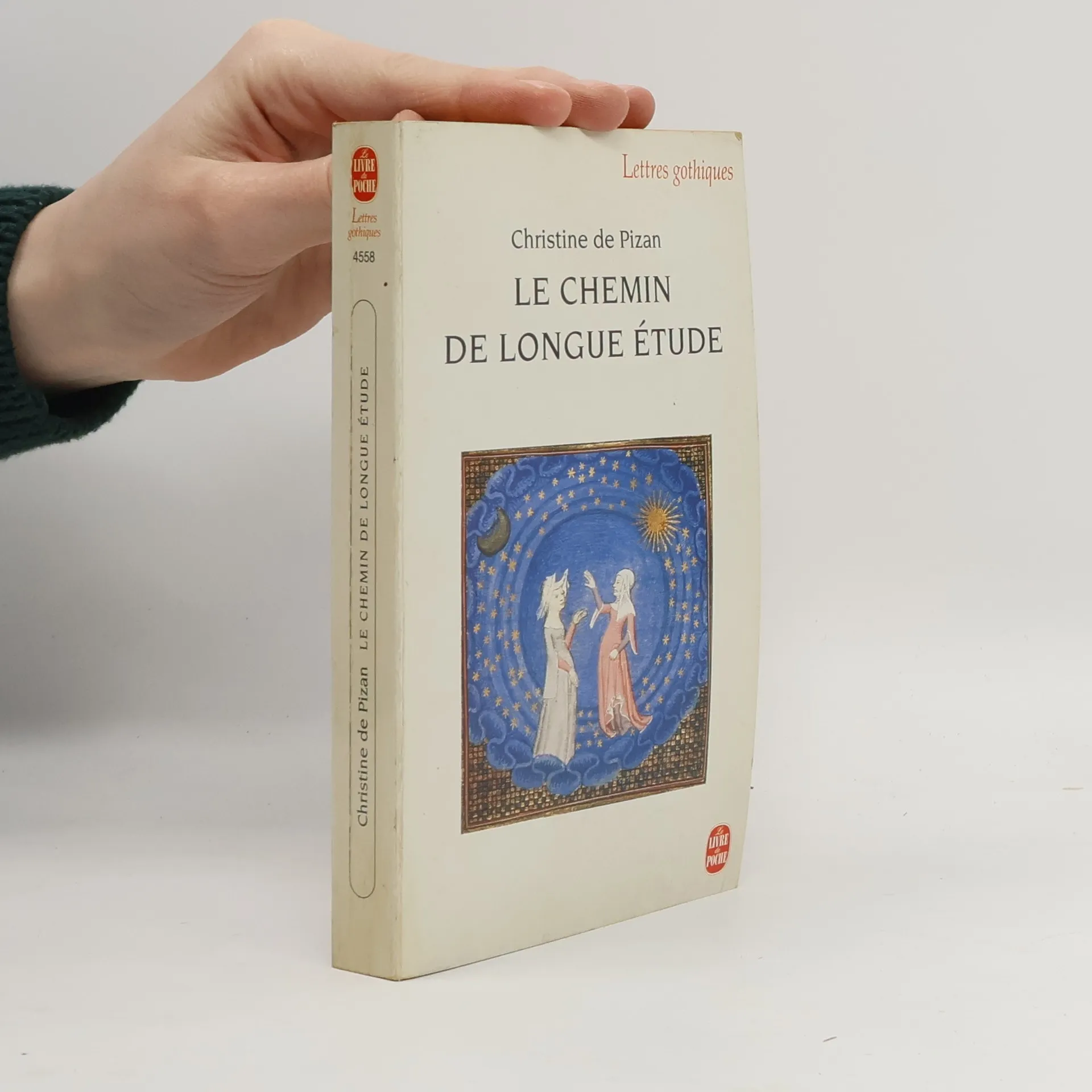
La collection Lettres gothiques vise à rendre la littérature médiévale accessible à un large public, en présentant le texte original accompagné d'une traduction en français moderne, d'une introduction et de notes. Elle propose ainsi un panorama représentatif de cette époque. Christine de Pizan, veuve à vingt-neuf ans et mère de trois enfants, devient la première femme à vivre de sa plume, s'engageant à défendre les femmes souvent calomniées dans un monde dominé par les hommes. À travers Le Chemin de Longue Etude, elle cherche à prouver sa capacité à participer aux débats moraux et politiques de son temps. Grâce à une vision, elle accède aux cieux et assiste à un débat sur les qualités idéales d'un prince capable de gouverner le monde. De retour sur terre, elle soumet son texte au roi de France, espérant qu'il contribuera à la réforme du pays. Considérée comme une œuvre majeure de Christine de Pizan, Le Chemin de Longue Etude était jusqu'à présent introuvable. Ce volume propose une nouvelle édition, la première depuis plus d'un siècle, ainsi qu'une traduction en français moderne.
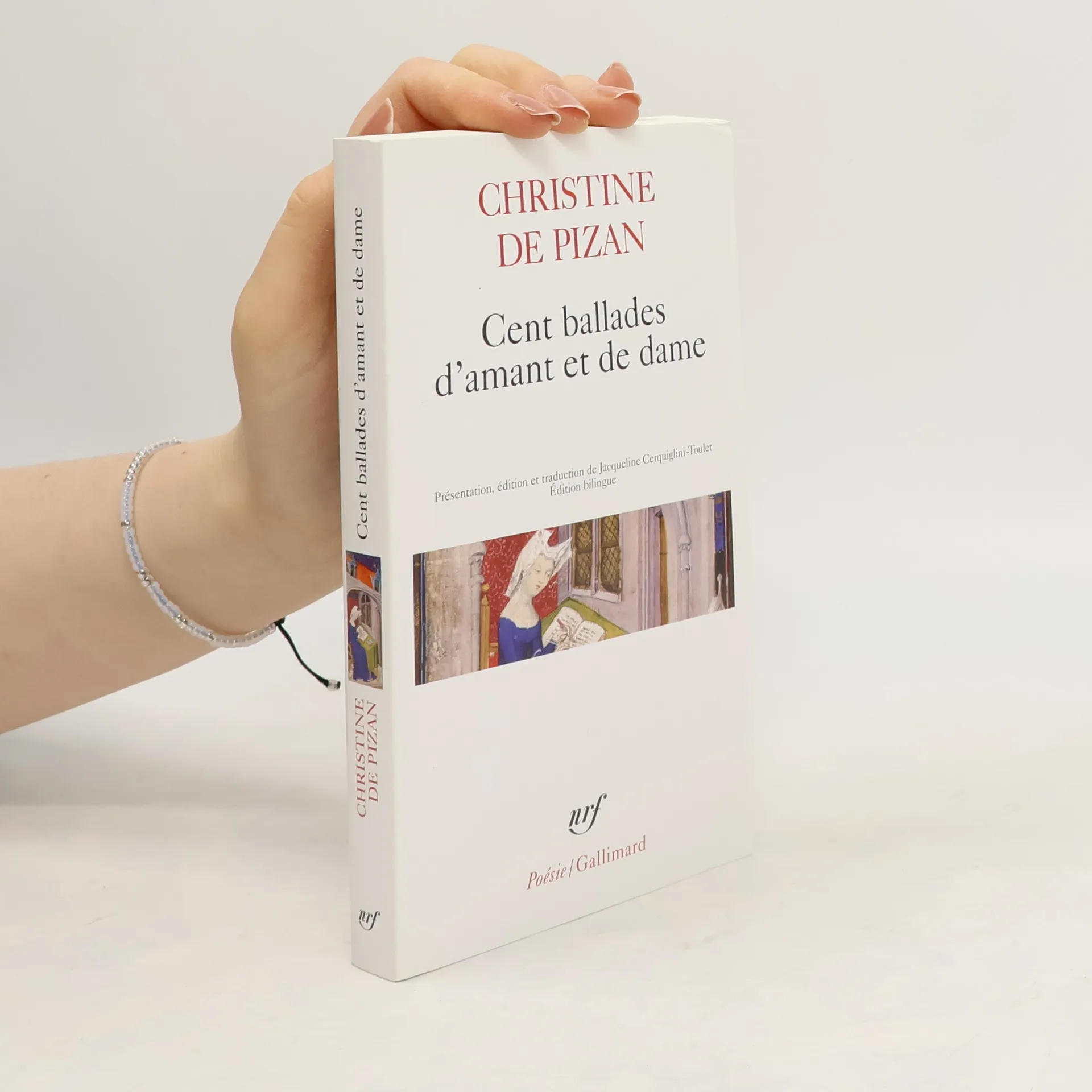
Présentation, édition et traduction de Jacqueline Cerquiglini-Toulet - Édition bilingue
336 pages
12 hours of reading
Christine de Pizan, née en 1364 à Venise et morte en 1430 à Poissy, a connu de son vivant une très grande renommée et a occupé une place majeure dans la vie intellectuelle et les débats d'idées de son temps. Poète certes, elle écrit aussi avec une autorité reconnue dans les domaines politiques, historiques, philosophiques et est généralement considérée comme la première femme ayant vécu de sa plume. Cependant son oeuvre tombe dans l'oubli après la Renaissance et il faut attendre le XXᵉ siècle pour qu'on la relise, regain d'intérêt qui est l'oeuvre de féministes qui voient en elle, souvent à juste titre, une pionnière de leur cause. Elle s'est par exemple opposée vivement à Jean de Meung et à la misogynie du Roman de la rose. Il est temps de relire et redécouvrir une oeuvre dont Jacques Roubaud considère qu'elle atteint un sommet dans l'art de la ballade. Cette parution est autant un événement littéraire qu'une justice rendue.
"Christines Vision" ist die erste deutsche Übersetzung von Christine de Pizans 1405 verfasster Prosaschrift. Sie bietet ein autobiografisches Lebensdokument über ihre Herkunft, das Leben am Hof von König Charles V. und ihre Herausforderungen, die sie mit Mut und Bildung überwindet, um eine erfolgreiche Schriftstellerin zu werden.
Dies ist die erste Übersetzung von Christine de Pizans wichtigem politischen Werk, Das Buch vom Körper der Politik (ca. 1407). Geschrieben während des Hundertjährigen Krieges von Frankreichs erster professioneller Schriftstellerin, behandelt es die Erziehung und das Verhalten, die für Fürsten, den Adel und das einfache Volk angemessen sind, damit alle Klassen ihre Verantwortung gegenüber der Gesellschaft als Ganzes verstehen können. Das Produkt einer Zeit der Unruhe und des Unfriedens bietet das Buch einen faszinierenden Blick auf die Politik aus der Perspektive einer gebildeten Frau.
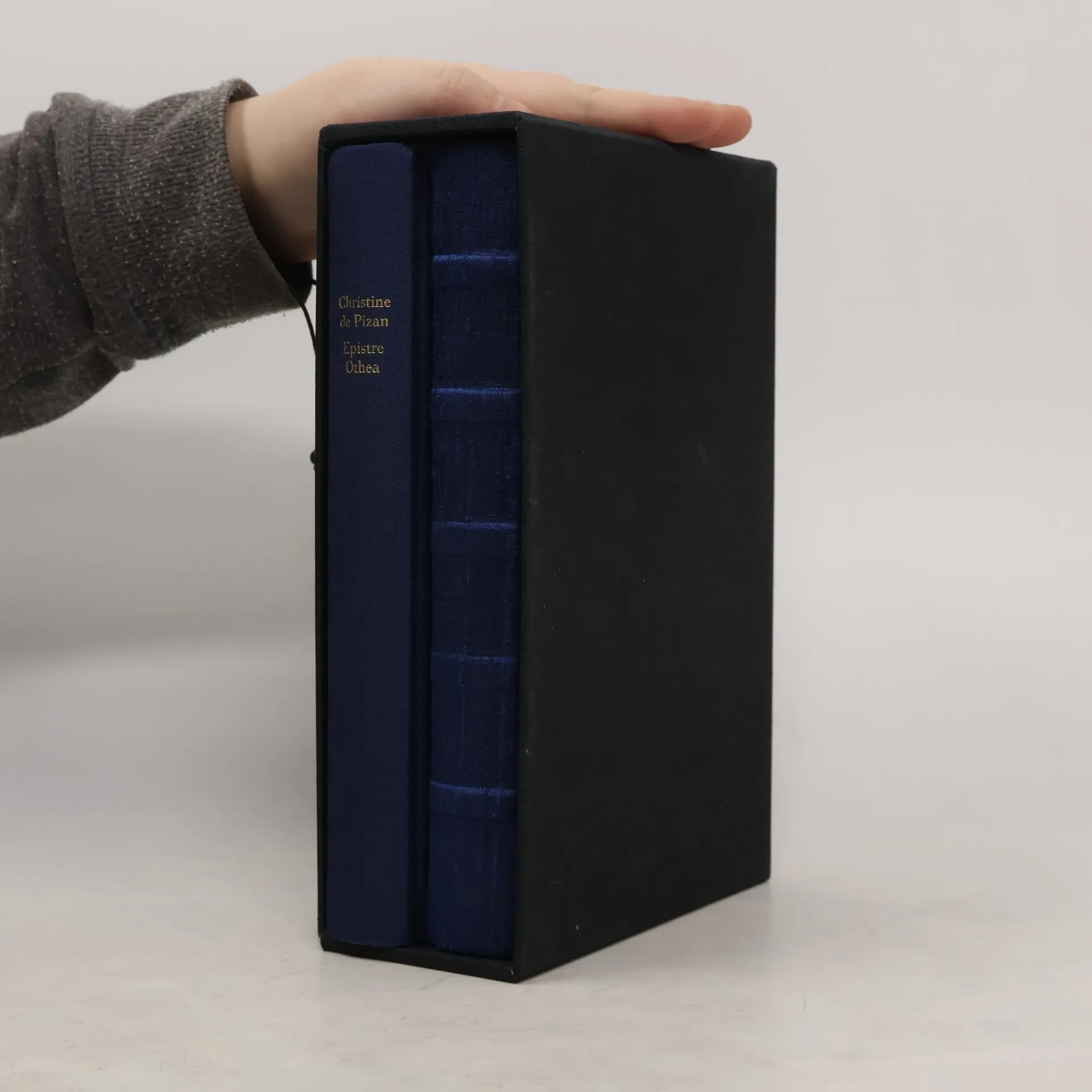
100 Bilder der Weisheit: Gesamtwerk (Studie + Faksimile)
2 volumes
Faksimile. Die 98 Miniaturen von höchster Qualität, meist mehr als eine halbe Seite bedeckend, illustrieren diese einmalige Handschrift, dessen Inhalt, die Othea-Briefe, das faszinierende Werk der ersten selbständigen Schriftstellerin des Abendlandes sind.