Explore the latest books of this year!
Bookbot

Donatien Alphonse François de Sade

    June 2, 1740 – December 2, 1814
    Donatien Alphonse François de Sade
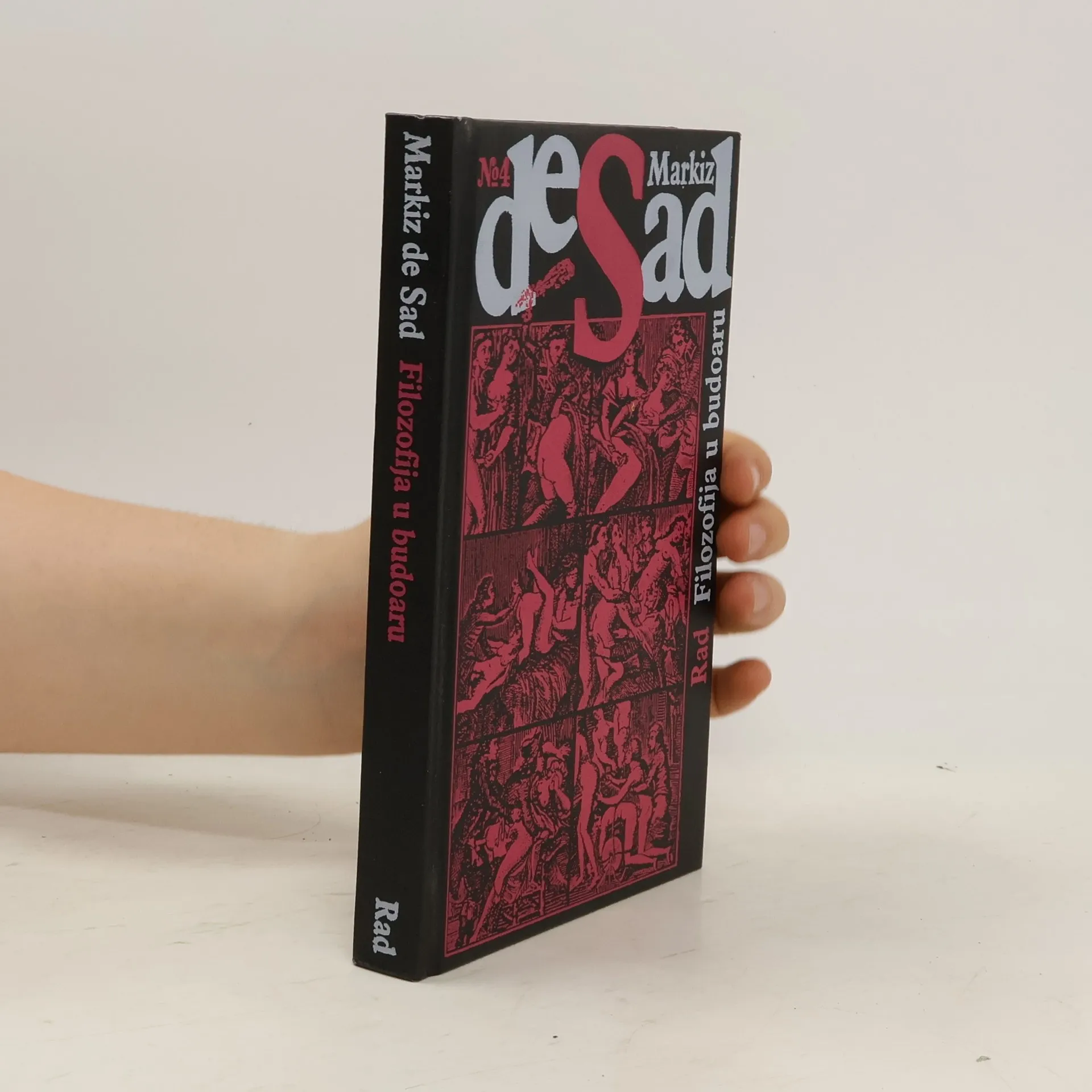
    Filozofija u budoaru
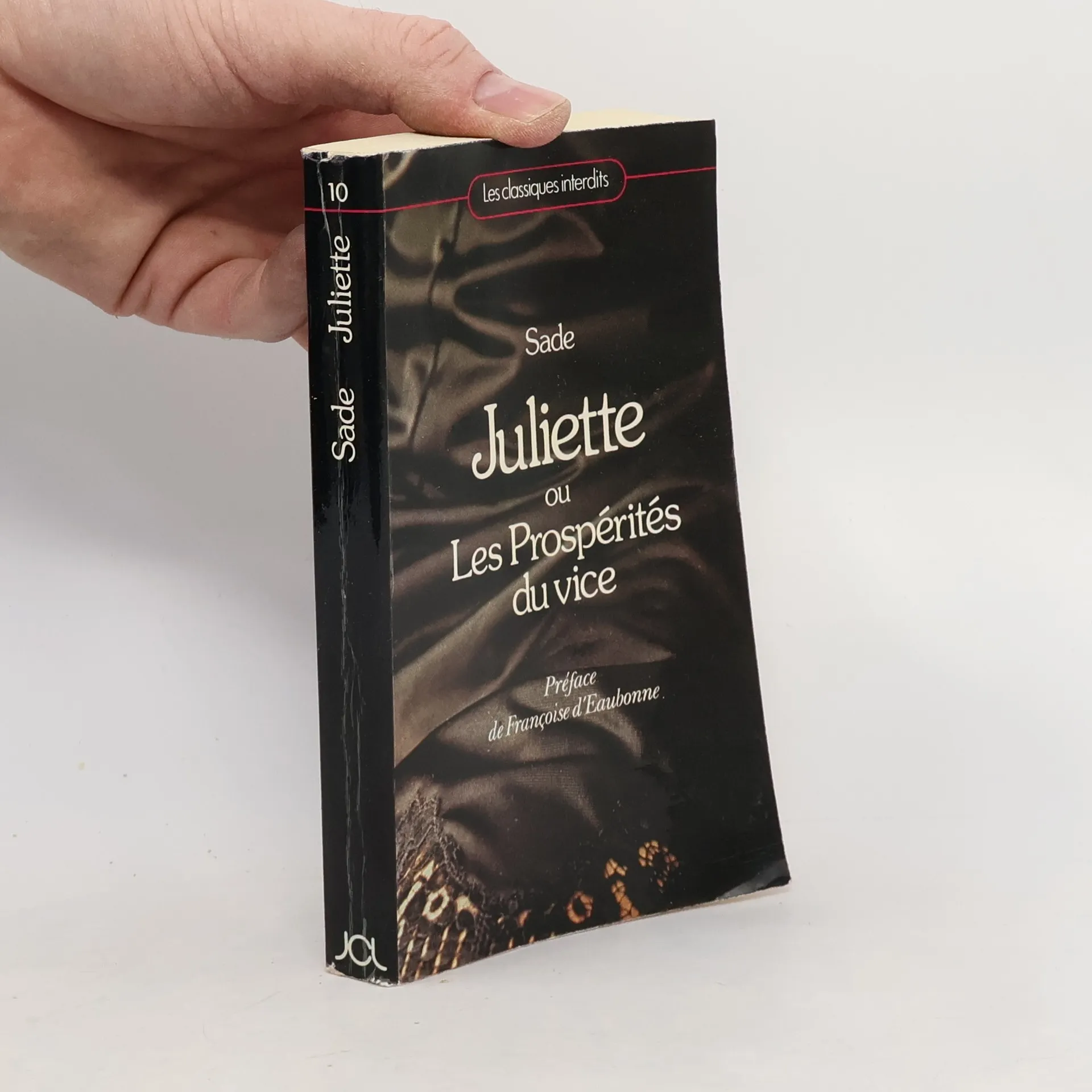
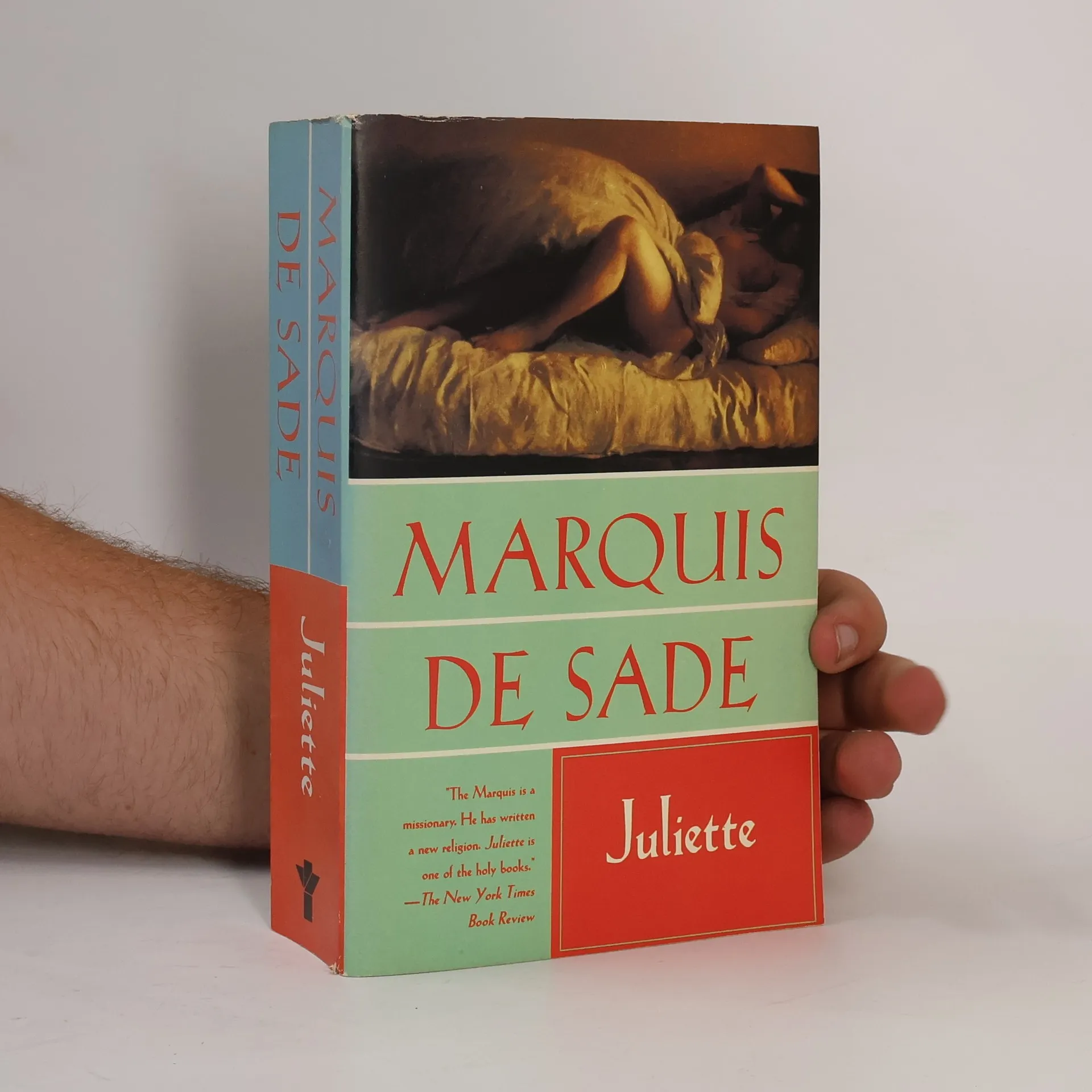
    Juliette
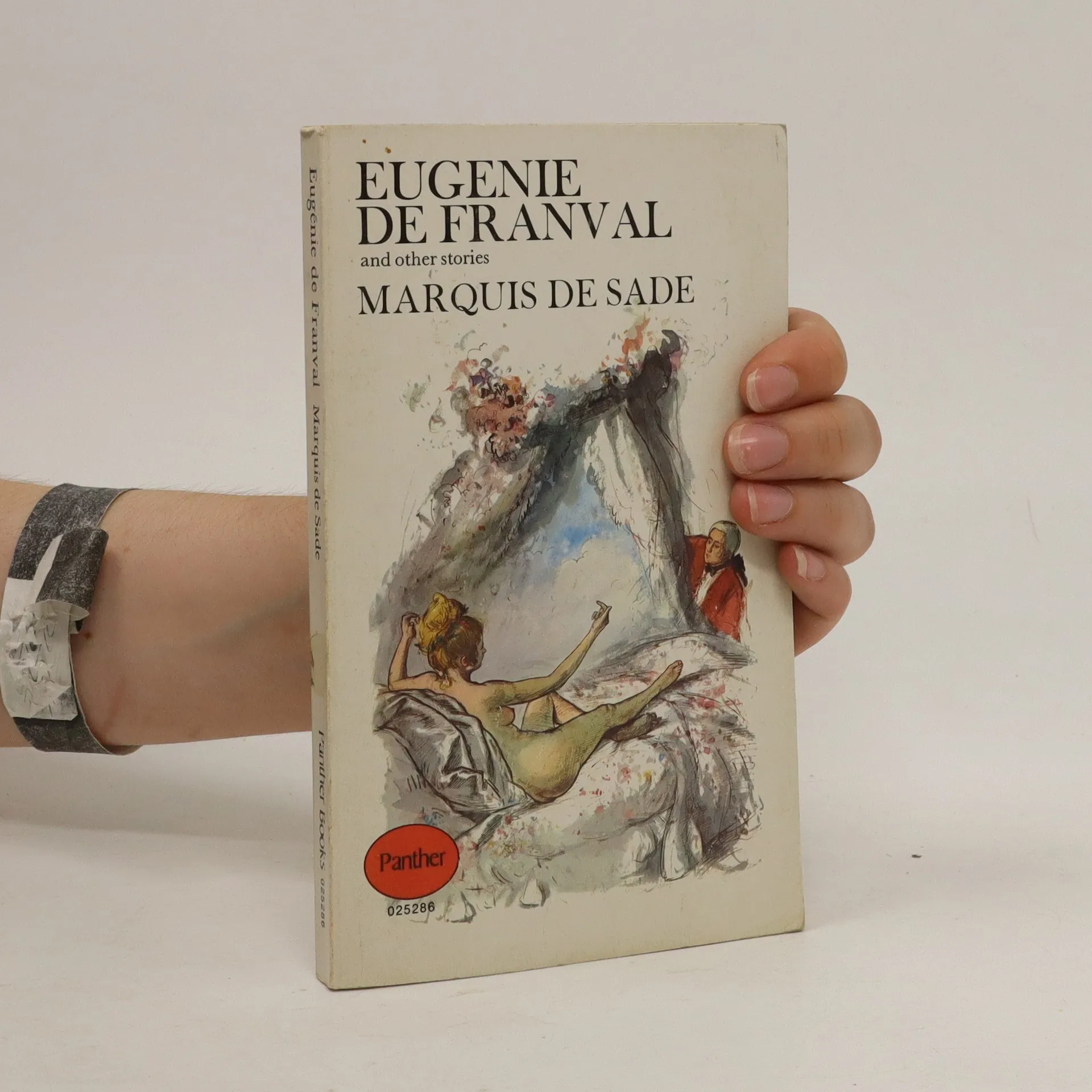
    The Crimes of Love
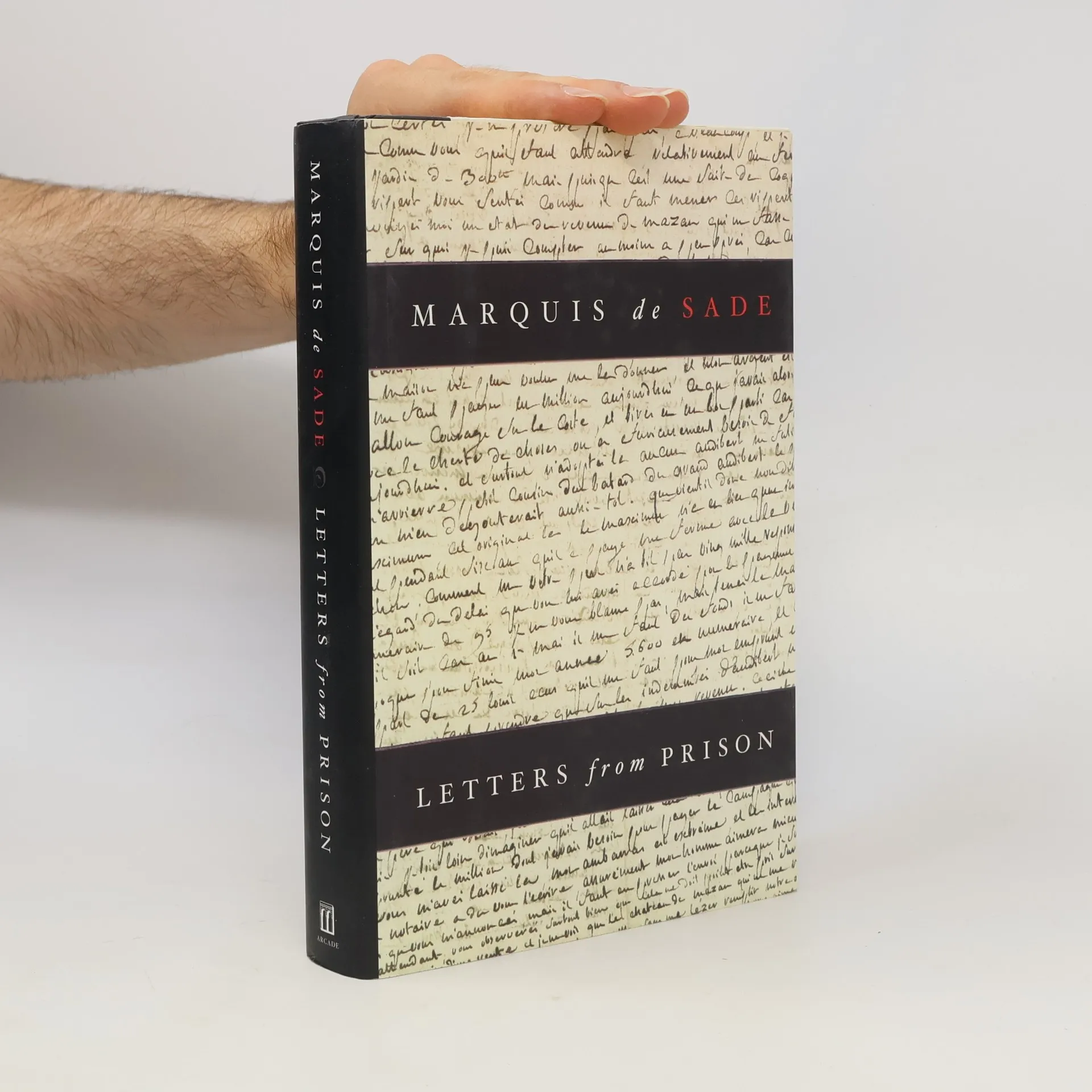
    Letters from Prison
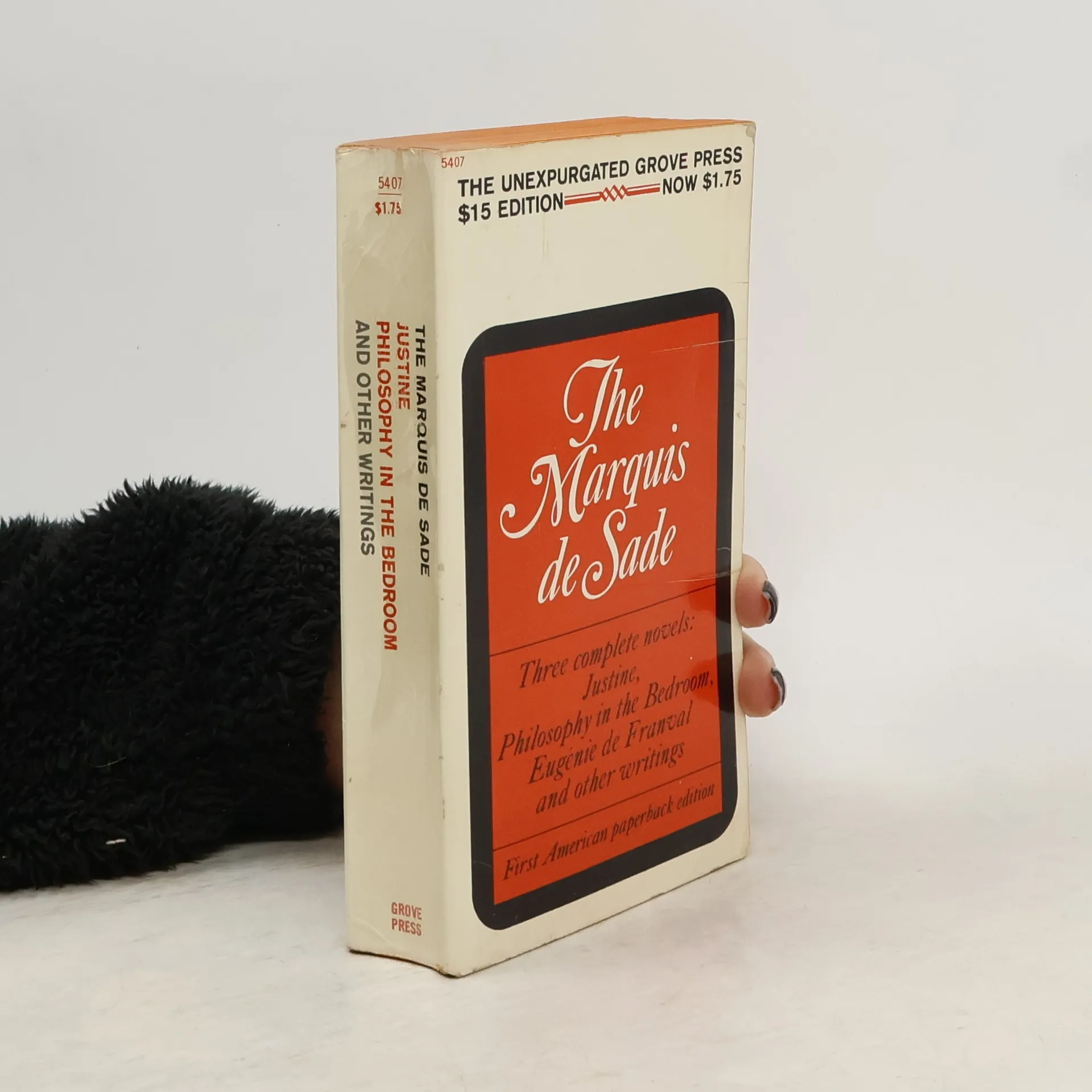
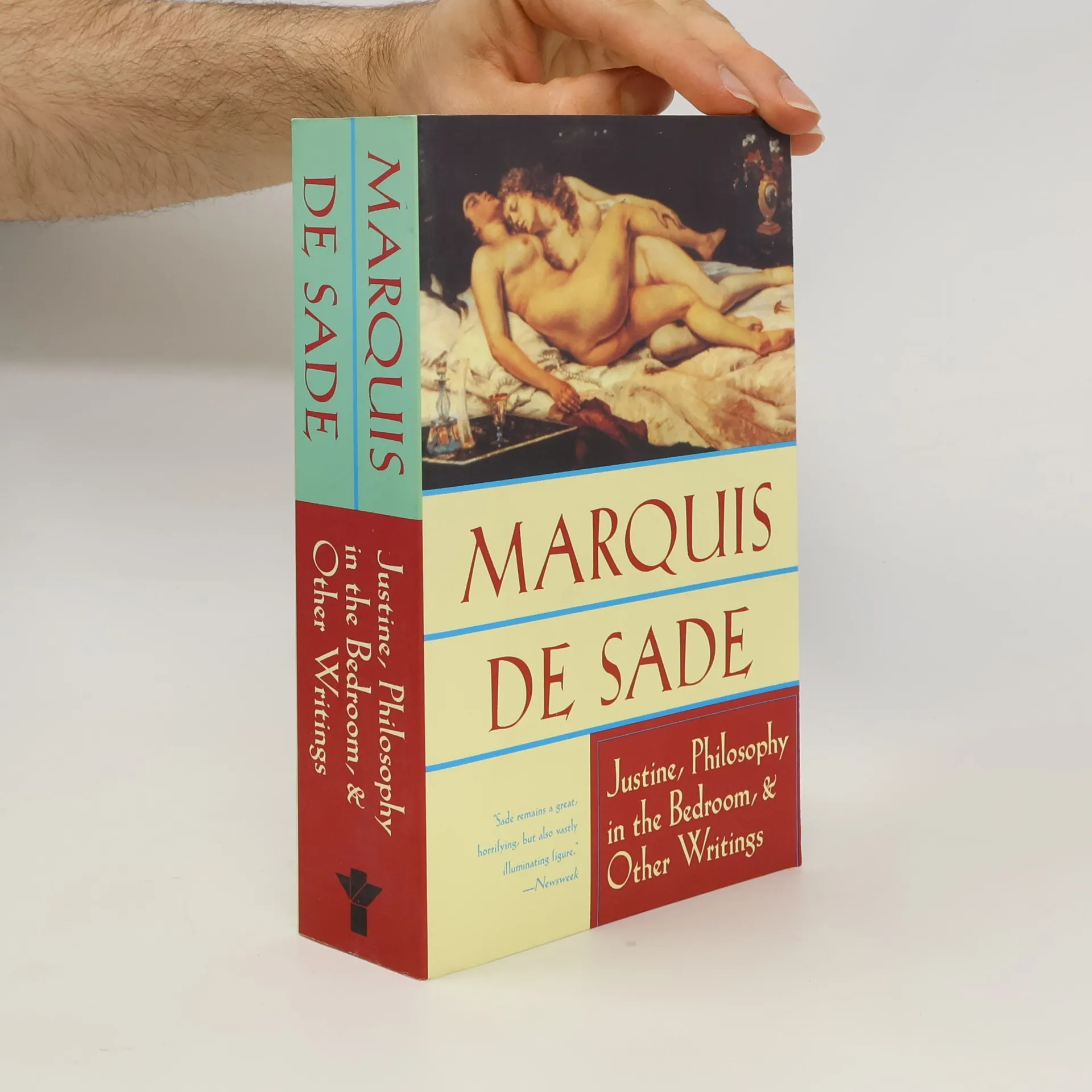
    Philosophy in the Bedroom
    Incest
    • Part of Sade's The Crimes of Love cycle, this shocking tale - which was among the writings banned for publication until the twentieth century - tests the limits of morality and portrays the disastrous consequences of freedom and pleasure.

      Incest
      3.9
    • Philosophy in the Bedroom

      • 146 pages
      • 6 hours of reading

      This most joyous of de Sade's works follows three aristocrats as they indoctrinate Eugénie de Mistival in "the principles of the most outrageous libertinism." First published in 1795, "Philosophy in the Bedroom" is a story told strictly through dialogue which displays Sade's philosophy on libertinage through the sexual education for young Eugenie while revealing a woman's role in the bedroom. The book gives the reader a very blunt and detailed description of what a woman's role should be in the bedroom. Detailed description of sexual acts shows how sex was seen more as a means of pleasure rather than reproduction. This definitely goes against social norms at this time in history and offers us a different look on sex than we have seen so far in this class. Despite the fact of very open and pleasurable-seeking sex, Sade's story clearly shows what a woman's role should be during sexual intercourse behind closed doors alongside showing their value in society.

      Philosophy in the Bedroom
      1.0
    • Letters from Prison

      • 444 pages
      • 16 hours of reading

      The 1990s have seen a resurgence of interest in the Marquis de Sade, with several biographies competing to put their version of his life story before the public. But Sadean scholar Richard Seaver takes us directly to the source, translating Sade's prison correspondence. Seaver's translations retain the aristocratic hauteur of Sade's prose, which still possesses a clarity that any reader can appreciate. "When will my horrible situation cease?" he wrote to his wife shortly after his incarceration began in 1777. "When in God's name will I be let out of the tomb where I have been buried alive? There is nothing to equal the horror of my fate!" But he was never reduced to pleading for long, and not always so solicitous of his wife's feelings; a few years later, he would write, "This morning I received a fat letter from you that seemed endless. Please, I beg of you, don't go on at such length: do you believe that I have nothing better to do than to read your endless repetitions?" For those interested in learning about the man responsible for some of the most infamous philosophical fiction in history, Letters from Prison is an indispensable collection.


      Letters from Prison
      3.8
    • The Crimes of Love

      • 208 pages
      • 8 hours of reading

      "Murder, seduction, and incest are among the cruel rewards for selfless love in Sade's stories; tragedy, despair, and death the inevitable outcome. In this text Sade asks questions about society, about ourselves, and about life, for which we have yet to find the answers"--Provided by publisher.

      The Crimes of Love
      3.6
    • Juliette

      • 1216 pages
      • 43 hours of reading

      First published in 1797, this is a sequence of bizarre sexual adventures punctuated by philosophical and theological premises on total egoism and human liberty. Vilified by respectable society since his own time, de Sade is now considered one of the most prodigious minds of Western history.

      Juliette
      3.7
    • Filozofija u budoaru

      • 205 pages
      • 8 hours of reading

      Sedam dijaloga Filozofije u budoaru prate seksualno, moralno i filozofsko obrazovanje mlade libertinke Eženi. I u ovom Sadovom delu ogleda se njegov san o svemoći -- učitelji su libertinski slobodoumnici i razvratnici koji uživaju u svim prednostima svog plemenitog porekla. Dečju naivnost zamieniće cinizam zrelosti; optimističnost prosvetiteljstva nasleđuje potpuno i sveobuhvatno razočaranje. De Sad kritikuje lažne vrline, puritansko gledište seksualnosti i obmanu religije. Mašta mu dopušta da izvuče sopstveni zaključak prema kojem smrt Boga nužno vodi okrutnosti, a zločin postaje jedina sloboda koju čovjek može u prirodi ostvariti.

      Filozofija u budoaru
      3.5
    • Exploring themes of extreme freedom and the pursuit of pleasure, this omnibus edition features three significant works by the notorious French writer and philosopher, the Marquis de Sade. Justine delves into the struggles of virtue, while The 120 Days of Sodom presents a harrowing exploration of human depravity. Florville and Courval offers a nuanced look at love and betrayal. Together, these texts showcase Sade's provocative ideas and his controversial legacy in literature.

      Three by Marquis de Sade: Justine, the 120 Days of Sodom, Florville and Courval
      3.1
    • The 120 days of Sodom, and other writings

      • 800 pages
      • 28 hours of reading

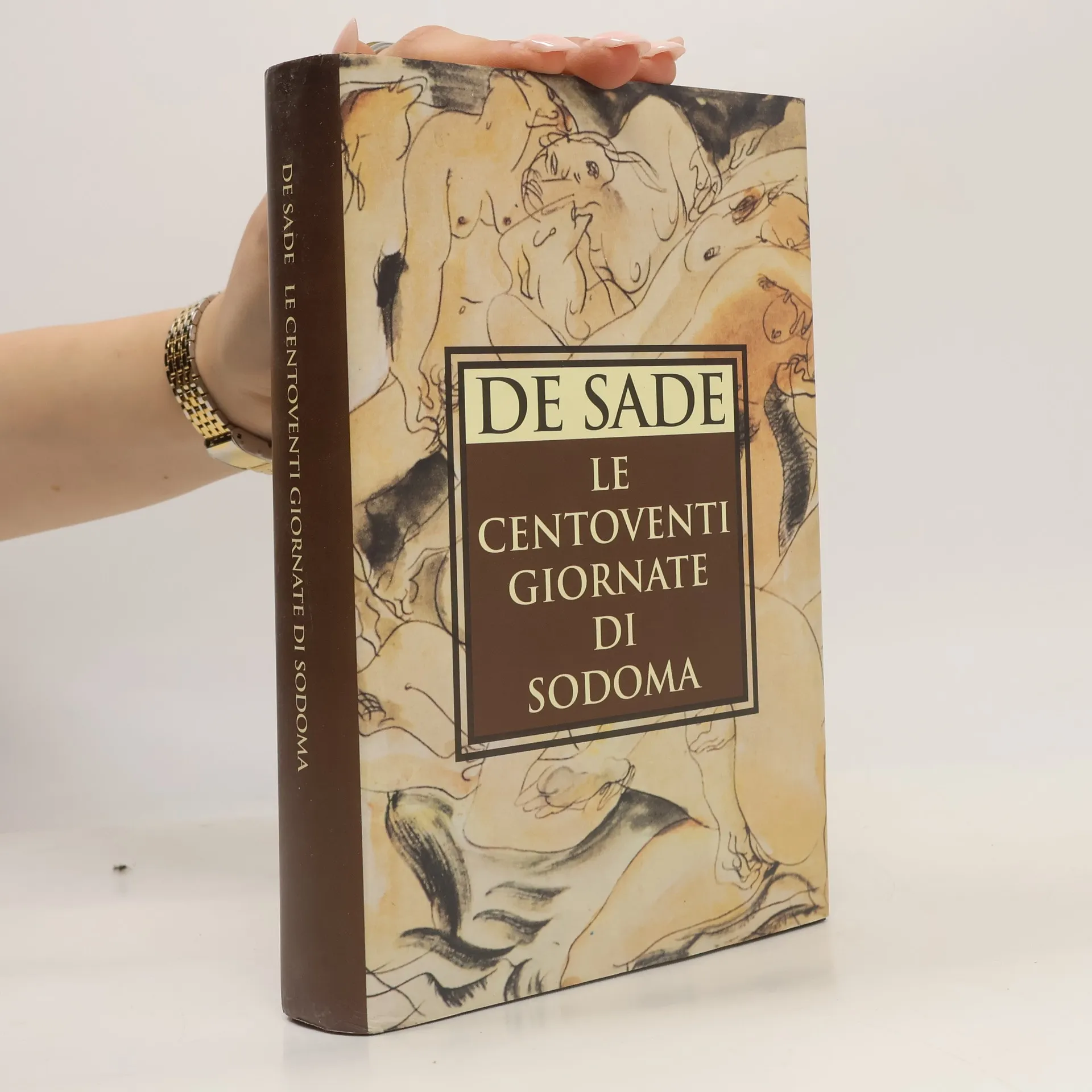
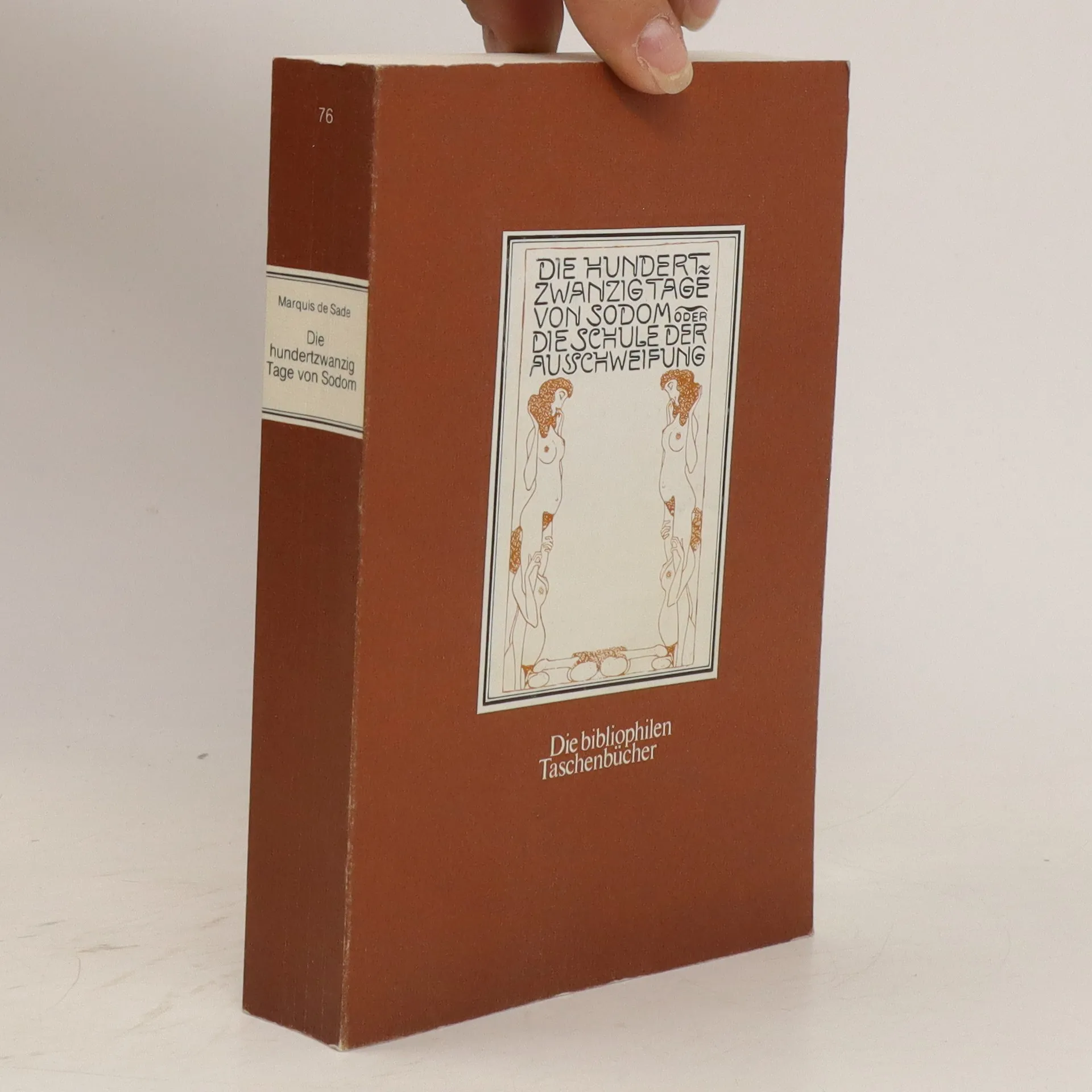
      The 120 Days of Sodom is the Marquis de Sade's masterpiece. A still unsurpassed catalogue of sexual perversions and the first systematic exploration of the psychopathology of sex, it was written during Sade's lengthy imprisonment for sexual deviancy and blasphemy and then lost after the storming of the Bastille during the French Revolution in 1789. Later rediscovered, the manuscript remained unpublished until 1936 and is now introduced by Simone de Beauvoir's landmark essay, 'Must We Burn Sade?' Unique in its enduring capacity to shock and provoke, The 120 Days of Sodom must stand as one of the most controversial books ever written, and a fine example of the Libertine novel, a genre inspired by eroticism and anti-establishmentarianism, that effectively ended with the French Revolution.
      The 120 days of Sodom, and other writings
      3.2
    • The name of the Marquis de Sade is synonymous with the blackest corners of the human soul, a byword for all that is most foul in human conduct. In his bleak, claustrophobic universe, there is no God, no human affection, and no hope. This selection of his early writings, some making their first appearance in English in this new translation by David Coward, reveals the full range of Sade's sobering moods and considerable talents. This is a fully annotated edition including an introduction, a biographical study, and a history of the censorship of these writings. About the Series: For over 100 years Oxford World's Classics has made available the broadest spectrum of literature from around the globe. Each affordable volume reflects Oxford's commitment to scholarship, providing the most accurate text plus a wealth of other valuable features, including expert introductions by leading authorities, voluminous notes to clarify the text, up-to-date bibliographies for further study, and much more.

      The Misfortunes of Virtue and Other Early Tales
      3.2
    • The 120 Days of Sodom

      • 464 pages
      • 17 hours of reading

      A new translation of Sade’s most notorious, shocking, and influential novel. Winner of the 2017 Scott Moncrieff Prize This distressing but hugely important text has influenced countless individuals throughout history: Flaubert and Baudelaire both read Sade; the surrealists were obsessed with him; film-makers like Pasolini saw parallels with twentieth-century history in his writings; and feminists such as Andrea Dworkin and Angela Carter clashed over him. This new translation brings Sade's provocative novel into Penguin Classics for the first time, and will reignite the debate around this most controversial of writers. For more than seventy years, Penguin has been the leading publisher of classic literature in the English-speaking world. With more than 1,700 titles, Penguin Classics represents a global bookshelf of the best works throughout history and across genres and disciplines. Readers trust the series to provide authoritative texts enhanced by introductions and notes by distinguished scholars and contemporary authors, as well as up-to-date translations by award-winning translators.

      The 120 Days of Sodom
      3.2
    • Justine

      Of the Misfortunes of Virtue

      Justine
    • Justine und Juliette VIII. Bd.8

      • 282 pages
      • 10 hours of reading

      Die erste vollständige deutsche Übersetzung von Sades bedeutendem Doppelroman bietet einen tiefen Einblick in die komplexen Charaktere Justine und Juliette. Während Justine nach Tugend strebt und an den Widrigkeiten des Lebens leidet, verkörpert Juliette die Ausschweifung und das Streben nach Vergnügen. Der Roman thematisiert moralische Dilemmata, die Suche nach Glück und die Abgründe menschlicher Natur. Diese Übersetzung ermöglicht es den Lesern, die provokanten Ideen und die stilistische Brillanz Sades in vollem Umfang zu erleben.

      Justine und Juliette VIII. Bd.8
      5.0
    • Justine und Juliette VII. Bd.7

      • 326 pages
      • 12 hours of reading

      Die erste vollständige deutsche Übersetzung von Sades umfangreichem Doppelroman bietet einen tiefen Einblick in die komplexen Themen von Moral, Lust und Verzweiflung. Die Geschichten von Justine und Juliette kontrastieren die Schicksale zweier Frauen, die unterschiedliche Lebenswege und Philosophien verkörpern. Während Justine für Tugend und Unschuld steht, verkörpert Juliette die Freizügigkeit und das Streben nach Vergnügen. Diese Neuübersetzung ermöglicht es den Lesern, Sades provokante Erzählweise und seine kritische Auseinandersetzung mit der Gesellschaft in vollem Umfang zu erleben.

      Justine und Juliette VII. Bd.7
      5.0
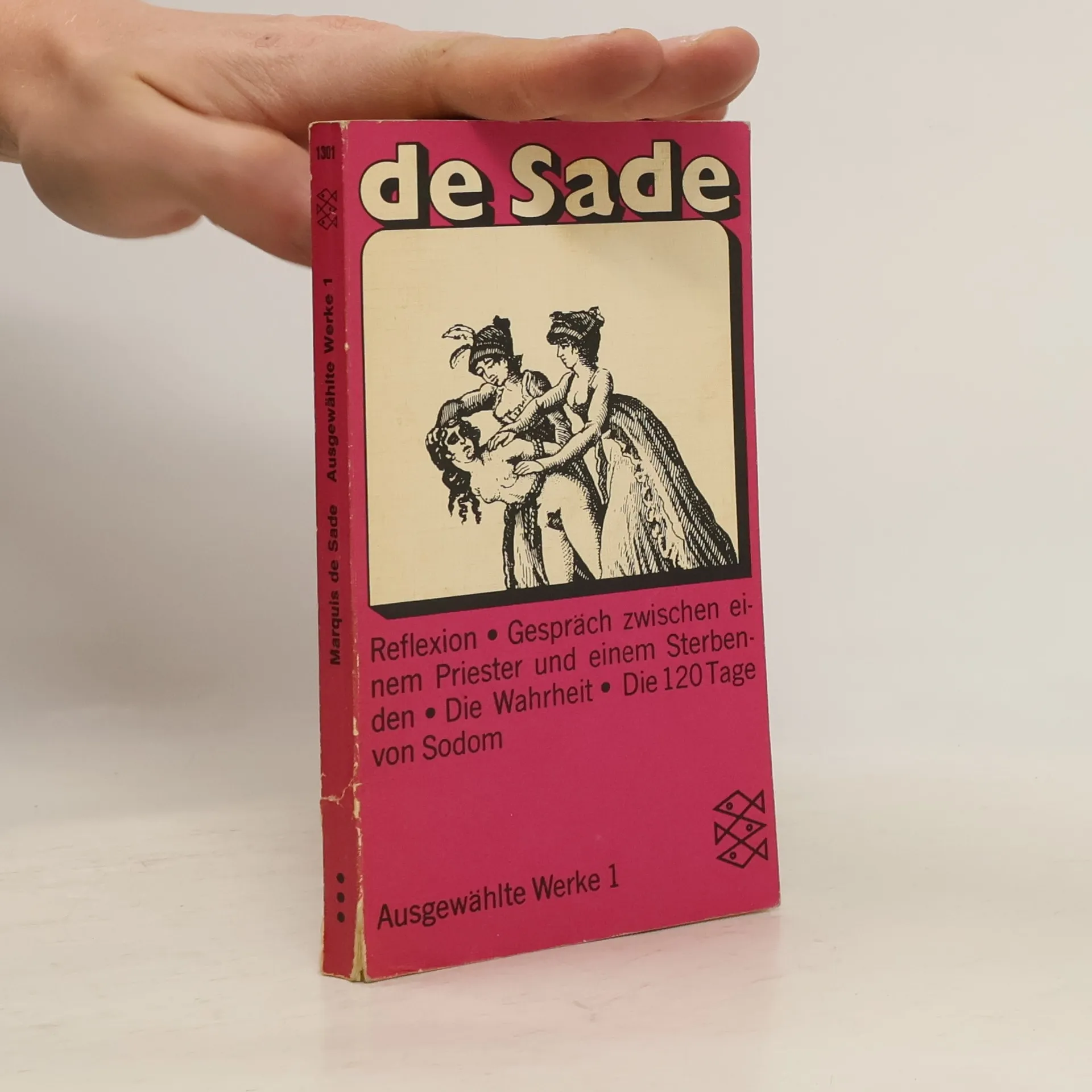
    • Skandalös, behaupten die einen. Schmerzhaft notwendig, sagen die anderen, wenn es um den Blick in die Abgründe menschlicher Triebe und Gefühlswelten geht. Die »120 Tage« des »göttlichen Marquis« polarisieren wie kaum ein zweites Werk der Weltliteratur. Vier Ehrenmänner halten 42 Frauen und Knaben auf einem Schloss gefangen und beraten, was mit ihnen zu tun sei. Da sie sich unbeobachtet wähnen, erliegen sie ihren Gelüsten und Begierden. Als philosophischer Provokateur tritt der Marquis im zweiten Band auf, den sieben Dialogen seiner »Philosophie im Boudoir«: In der fantasievollen sexuellen Ausschweifung fallen die Schranken überkommener Moral und Konvention, und nur durch egozentrische Lüsternheit gelingt es dem Menschen, sich selbst zu befreien.

      Die 120 Tage von Sodom. - Die Philosophie im Boudoir oder Die lasterhaften Lehrmeister
      4.0
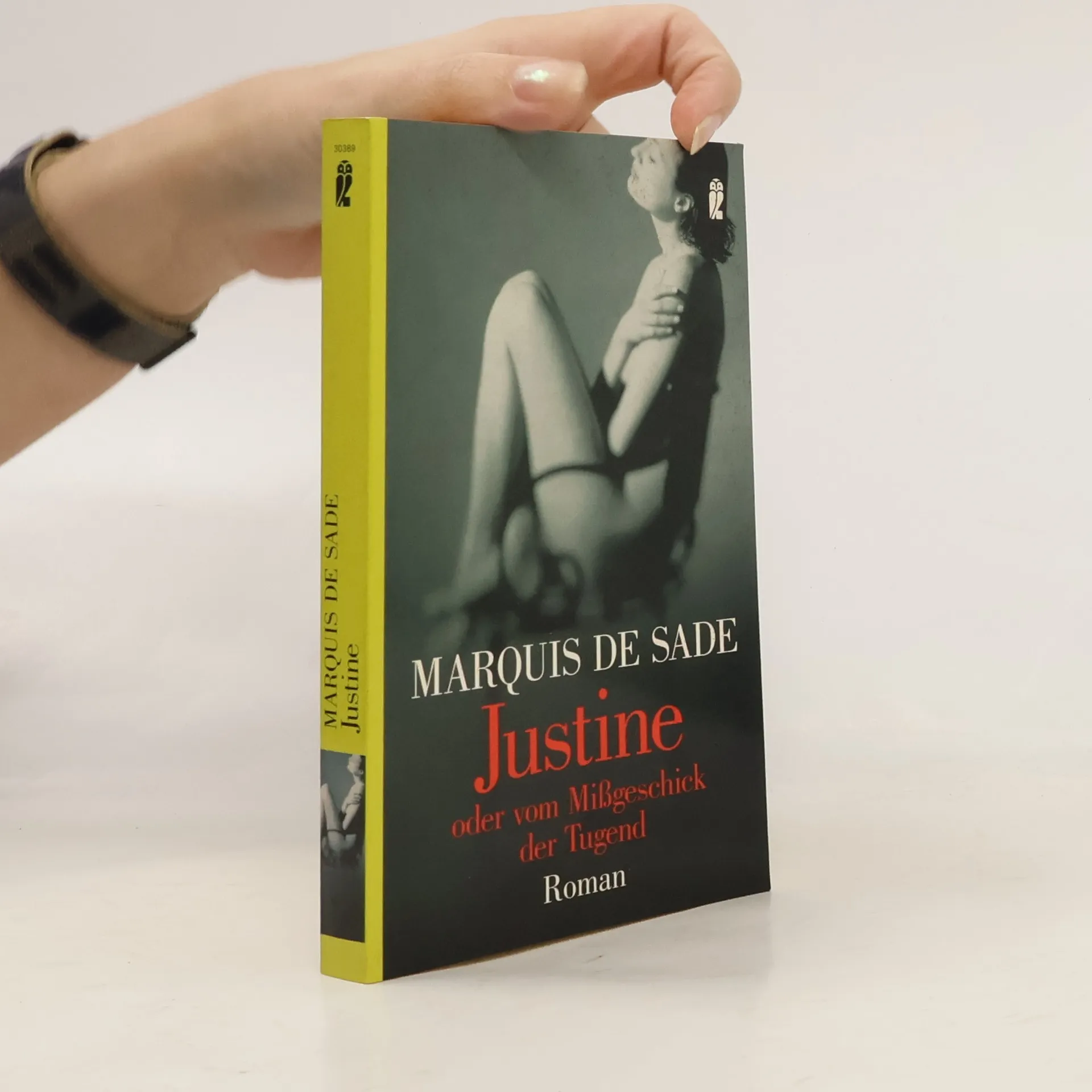
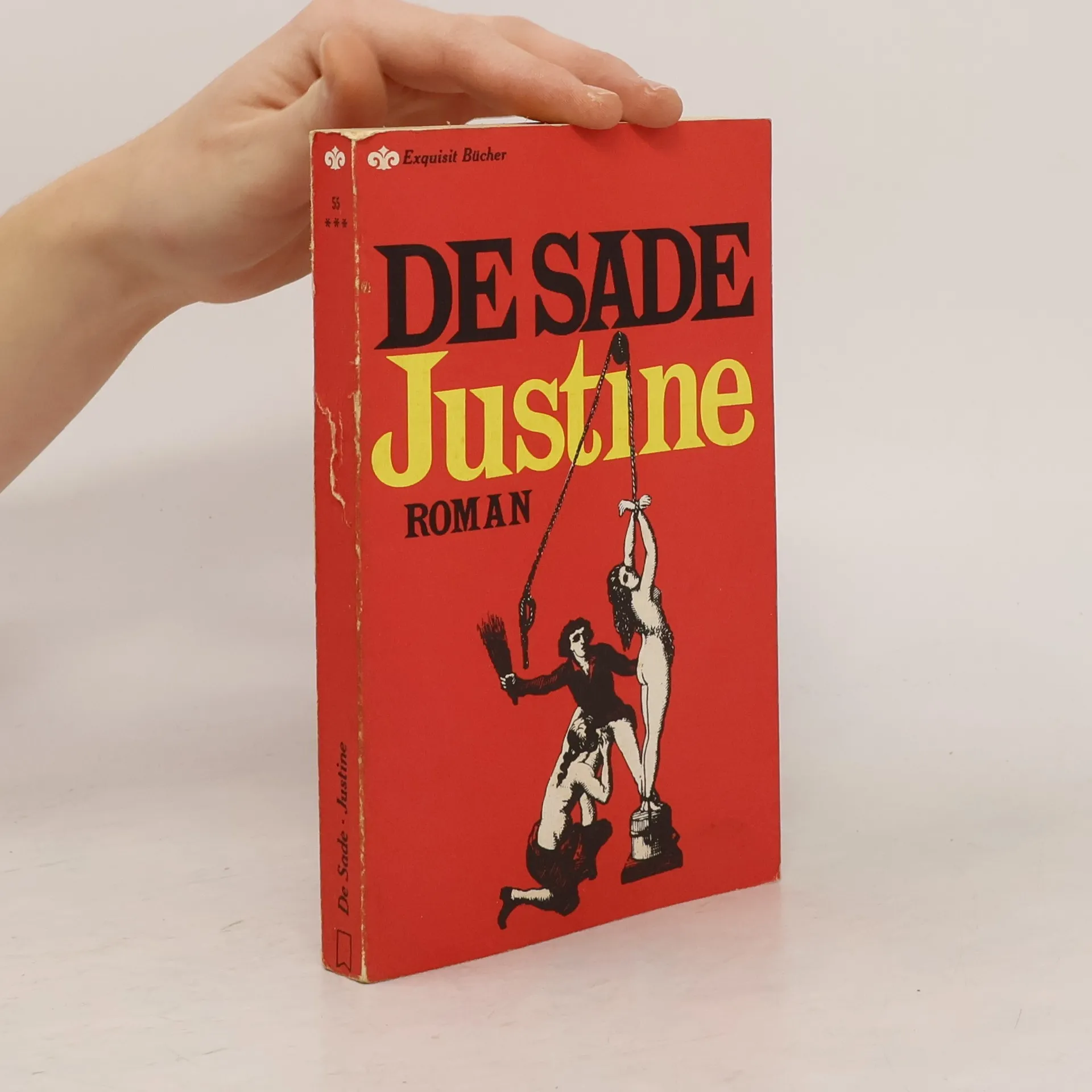
    • Justine oder vom Missgeschick der Tugend

      Roman

      • 188 pages
      • 7 hours of reading

      This version of a classic work is simplified rather than toned down. It is an honest attempt to retell the essence of the masterpiece without losing the strength or the flavor while retaining enough of the philosophy to make de Sade's opinions clear. (Adult Fiction)

      Justine oder vom Missgeschick der Tugend
      3.0
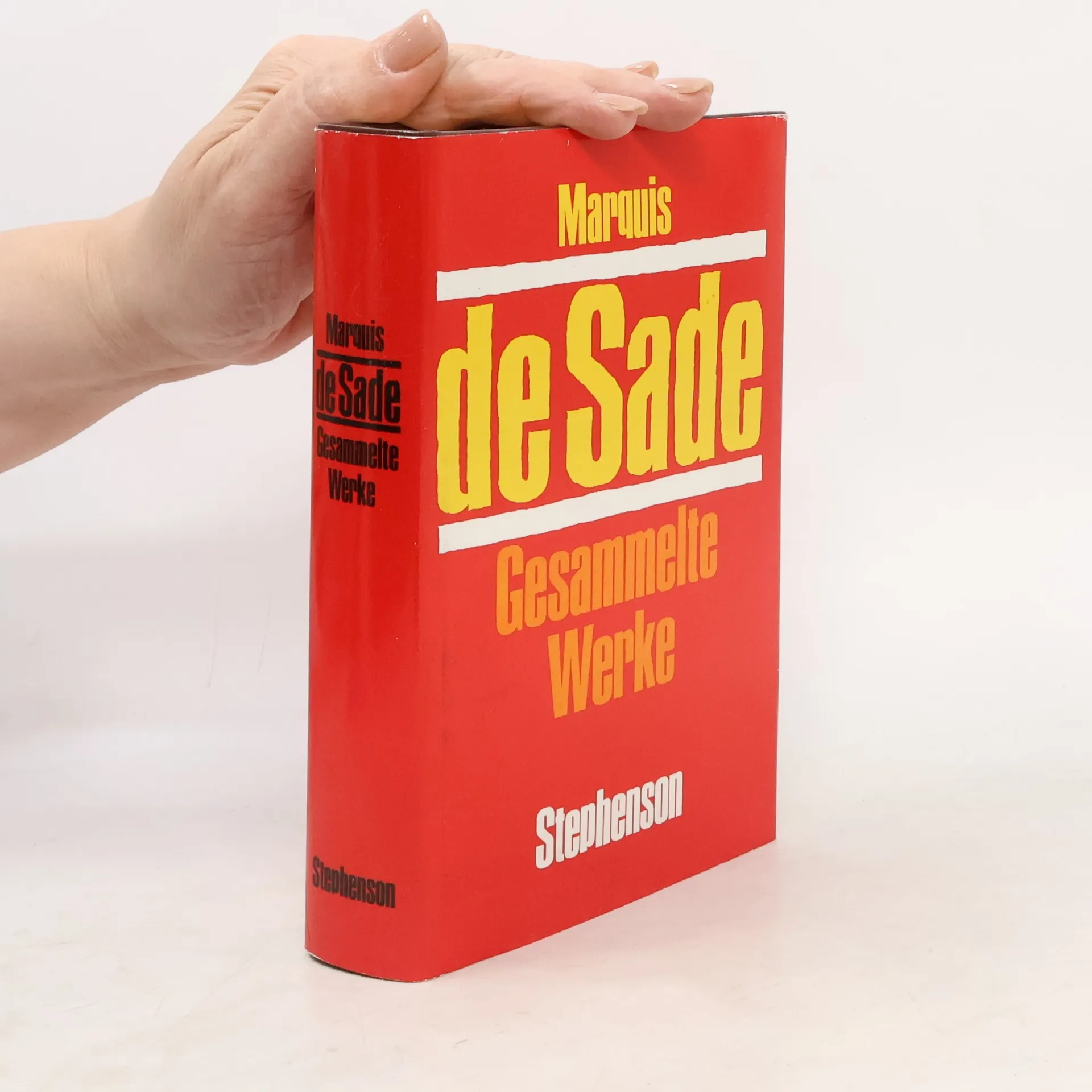
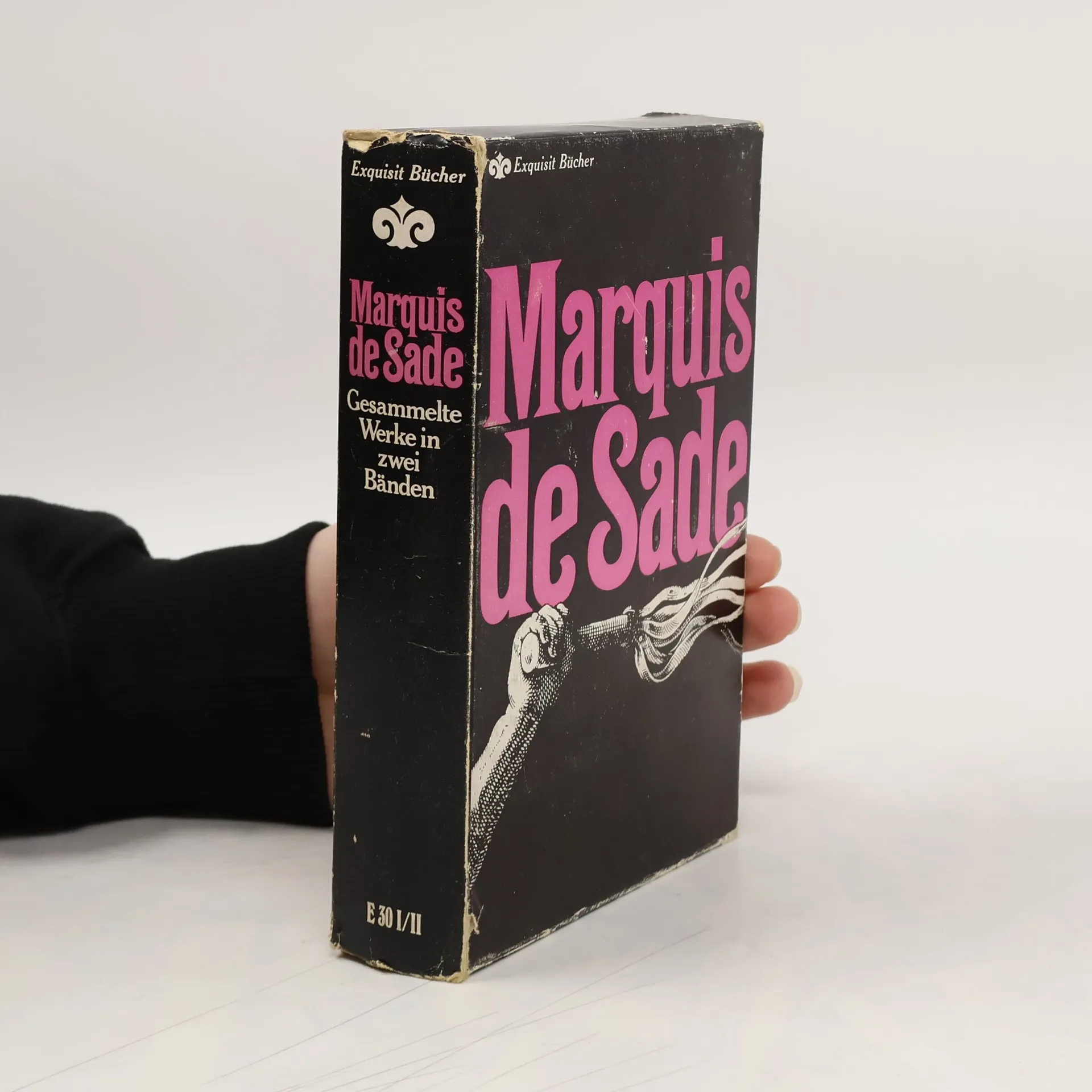
    • Wegen ausschweifender Orgien, Homosexualität und Missbrauchs mehrfach verurteilt, verbringt der Marquis de Sade mehr als 30 Jahre seines Lebens in Gefängnissen und Irrenanstalten. Dort schreibt er seine weltbekannten Werke Schilderungen gewalttätiger sexueller Ausschweifungen und Zeugen einer Philosophie, in der das Böse gewinnt.

      Gesammelte Werke
      3.4
    • Oeuvres

      • 1690 pages
      • 60 hours of reading

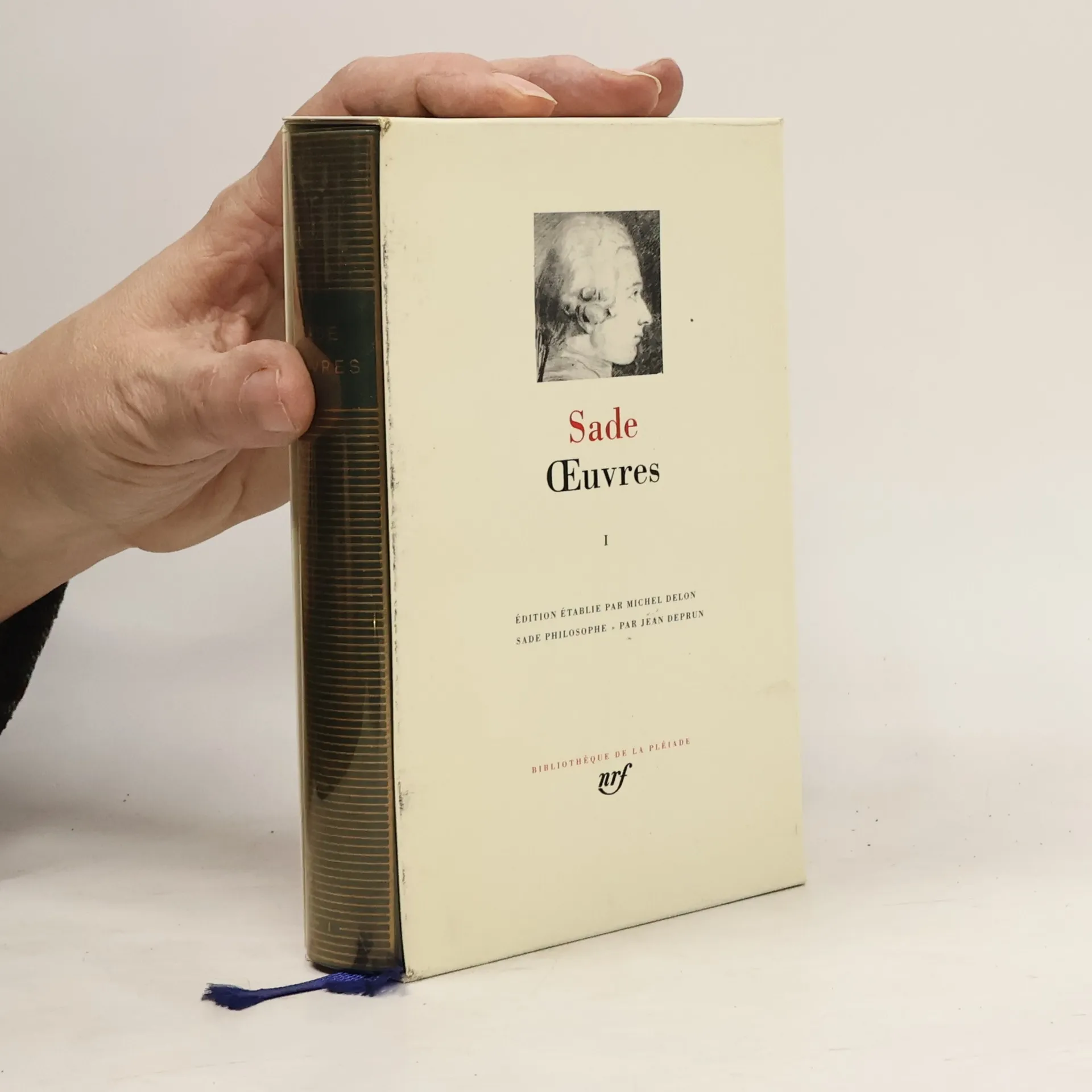
      Ce volume contient - ''Dialogue entre un prêtre et un moribond'' - ''Les Cent Vingt Journées de Sodome ou L'École du Libertinage'' - ''Aline et Valcour ou Le Roman philosophique''.

      Oeuvres
      3.7
    • Qu'attendons-nous aujourd'hui de Sade ? Y aurait-il enfin des raisons avouables de le lire ? Et faut-il ranger ses uvres sur le deuxième rayon de notre bibliothèque (de préférence derrière les volumes de la comtesse de Ségur) ou les exposer à la convoitise des visiteurs sur une étagère au-dessus de tout soupçon, entre Rousseau, qu'il a lu, et avec quelle attention, et Sainte-Beuve, qu'il l'a lu, et qui s'en excuse ? Quoi que l'on décide, l'heure est sans doute venue de faire au divin marquis une place dans la bibliothèque imaginaire de nos plaisirs (intellectuels) et de notre admiration. L' uvre pourtant n'a pas changé mais, souvent classés parmi les livres qu'on ne lit que d'une main, trop longtemps réservés aux psychiatres en quête de symptômes, les écrits de Sade existent désormais par eux-mêmes, pour ce qu'ils sont, des textes littéraires. Il y a quelque chance que leur entrée dans la Bibliothèque de la Pléiade marque, selon la formule de Michel Delon, leur sortie définitive de l'enfer des bibliothèques.Sade, décidément, n'est pas un écrivain comme les autres. Mais c'est un écrivain - et le concept de «sadisme» ne suffit certes pas à le définir. En doute-t-on encore ? Il n'est que de le lire pour s'en persuader.

      Œuvres II.
      3.4
    • Die 120 Tage von Sodom

      • 736 pages
      • 26 hours of reading

      Fast 30 Jahre saß de Sade hinter Gittern - in Gefängnissen und zuletzt in der Irrenanstalt von Charenton. Im 19. Jahhundert totgeschwiegen oder als bloße Illustration psychopathologischer Verirrung abgetan, erfuhr sein Werk erst mit Baudelaire und später mit den Surrealisten literarische Anerkennung. Seine geistesgeschichtliche Bedeutung wurde schließlich von den Vertretern der Frankfurter Schule Horkheimer und Adorno anerkannt.
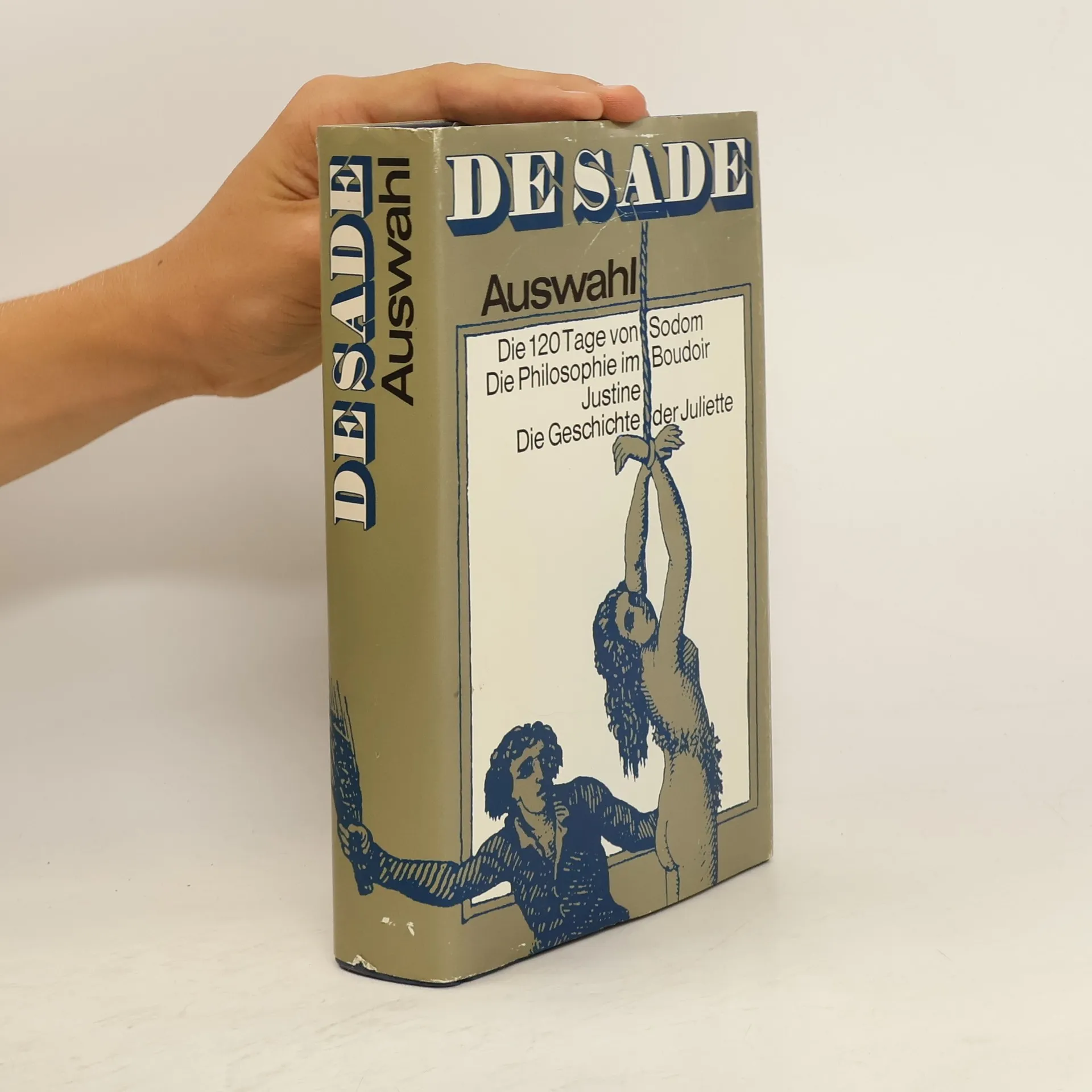
      Die 120 Tage von Sodom
      3.5
    • « Mon ami, la volupté fut toujours le plus cher de mes biens ; je l’ai encensée toute ma vie, et j’ai voulu la terminer dans ses bras : ma fin approche, six femmes plus belles que le jour sont dans ce cabinet voisin, je les réservais pour ce moment-ci ; prends-en ta part, tâche d’oublier sur leurs seins, à mon exemple, tous les vains sophismes de la superstition, et toutes les imbéciles erreurs de l’hypocrisie. »

      Dialogue entre un prêtre et un moribond
      3.7
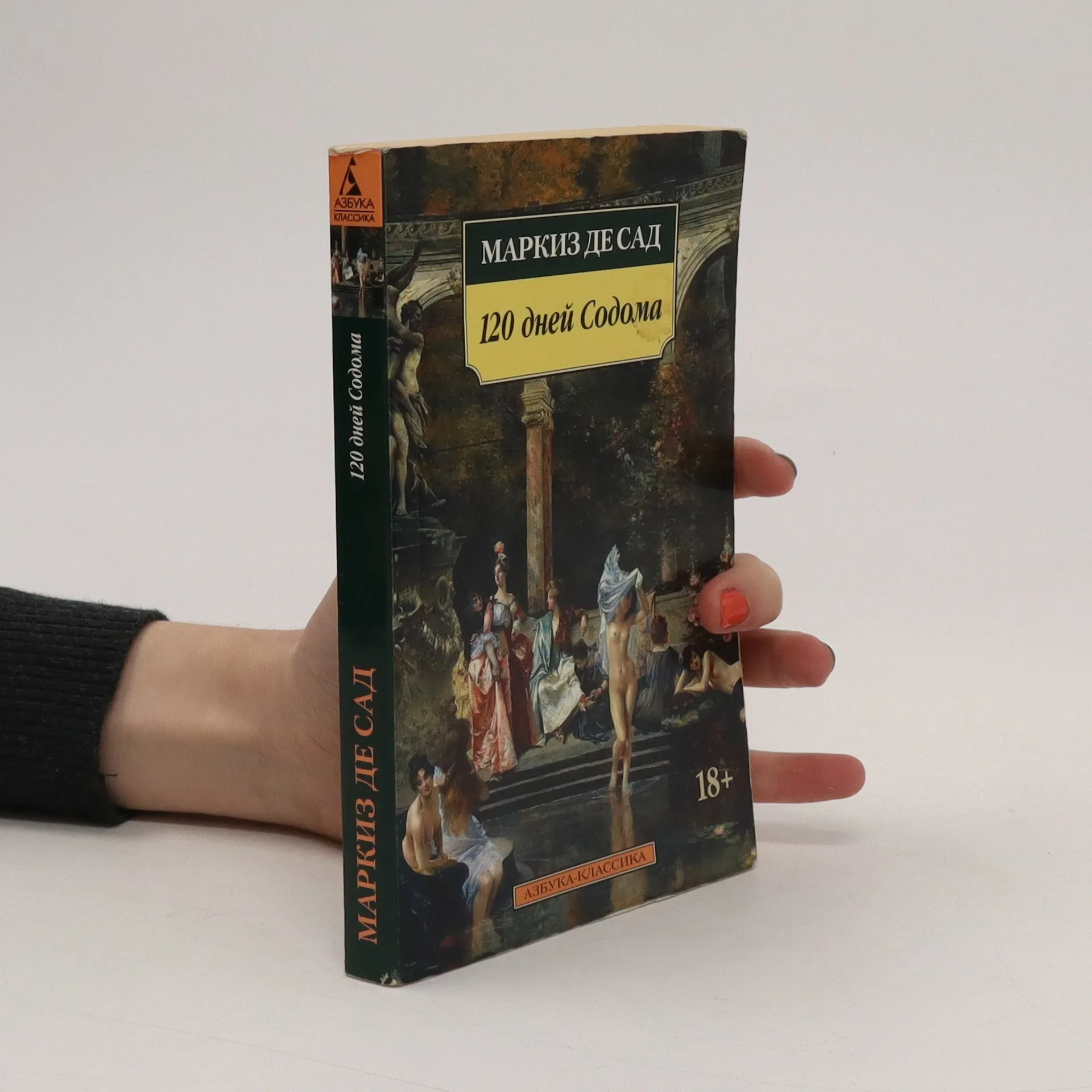
    • Роман «120 дней Содома, или Школа разврата» маркиз де Сад написал в Бастилии. Спрятанный в тайнике в стене тюремной камеры исписанный бумажный свиток длиной в 12 метров обнаружили только в 1900 году. Признание писательских заслуг самого маркиза де Сада произошло еще позже. Ныне роман «120 дней Содома» стоит в таком хрестоматийном ряду, как «Сатирикон», «Золотой осел», «Декамерон», «Опасные связи», «Тропик Рака» и др. В год двухсотлетнего юбилея маркиза де Сада его творчество было признано во Франции национальным достоянием, а лучшие его романы были напечатаны в самой престижной классической серии «Библиотека Плеяды».

      120 дней Содома (120 dney Sodoma)
      2.6
    • В книге Маркиз де Сад воспевает сексуальное удовольствие, которое заключается в том, чтобы причинять другому человеку боль, подвергать его унижению. В последствие именно после изучения работ Маркиза де Сада сексолог Рихард фон Крафт-Эбинг ввел понятие «садизм», которое употребляется и до сих пор.

      120 дней Содома, или Школа разврата
      3.1
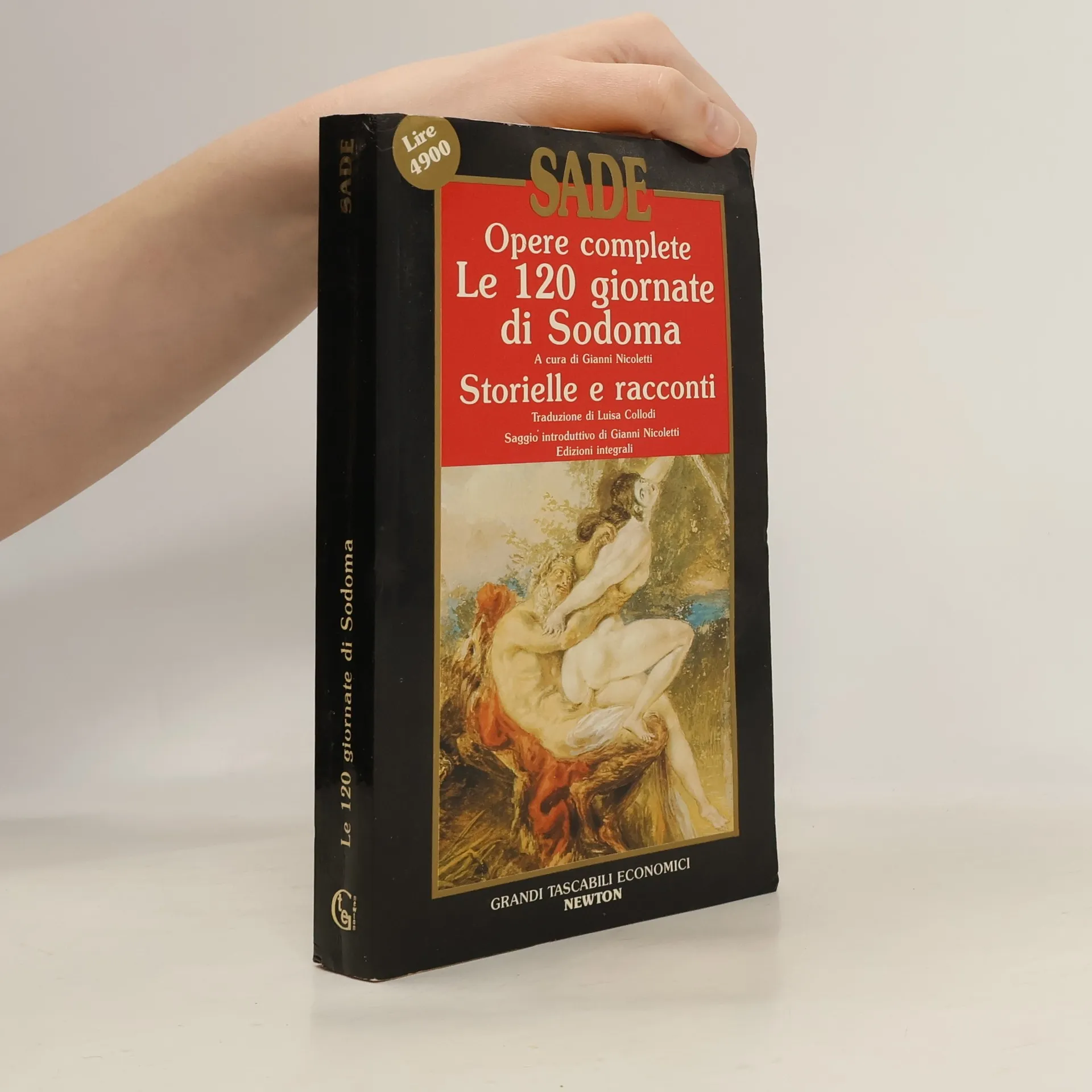
    • Opere complete

      Le 120 giornate di Sodoma - Storielle e racconti

      • 464 pages
      • 17 hours of reading

      Adorned with gripping cover art by Man Ray and translated by renowned scholar Dr. Paul J. Gillette, this dramatic collection of de Sade writings includes "Justine," "Juliette," "120 Days of Sodom," "Philosophy In The Bedroom" and many works often scattered among "pastiche" versions of de Sades oeuvre. Free of the author's repetitions, polemics and syntactically complex 18th century phrases, this edition captures the drama of de Sade's forays into human sexuality including such practices as voyeurism, fetishism, and, most famously, sadism. Vilified by critics in the 1800s as "Monstrous… depraved… An odious book by an even more odious man," de Sades depiction of his personal adventures has been studied and enjoyed by readers in light of the 20th and 21st centuries. Readers will also discover a mind as free as de Sades adventures were uninhibited, for he discusses natural evolution 25 years before Darwin's birth; postulates the existence of the unconscious mind a century before Sigmund Freud; and probes social mores decades before the work of Margaret Mead. He also espouses political ideas that were put into practice by such diverse figures as Joseph Stalin, Adolph Hitler and Fidel Castro. Born into French nobility in 1740, Marquis de Sade continues to open minds to new human experience more than 250 years later in this dramatic new release from Holloway House Publishing.

      Opere complete
      3.3
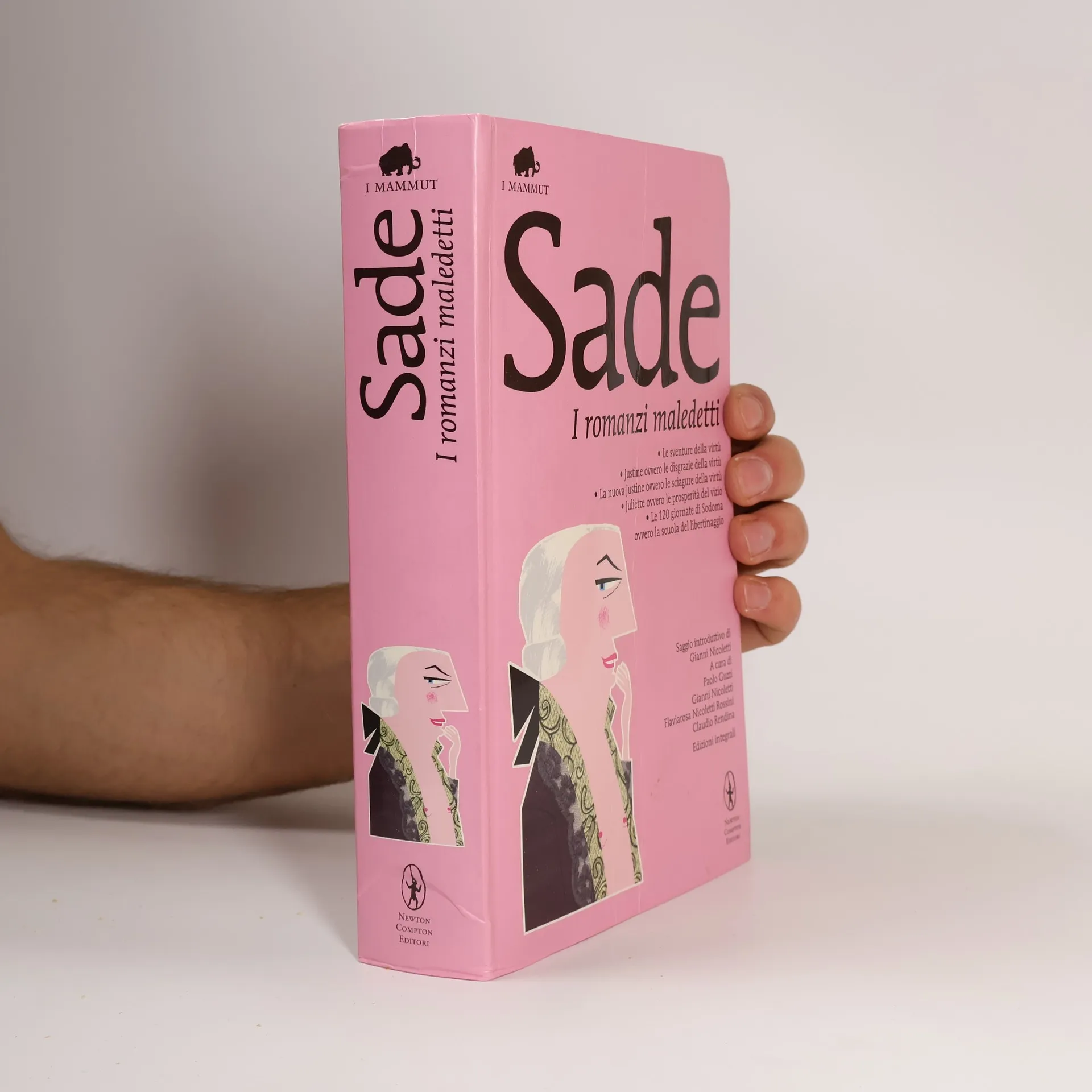
    • • Le sventure della virtù • Justine ovvero le disgrazie della virtù • La nuova Justine ovvero le sciagure della virtù • Juliette ovvero le prosperità del vizio • Le 120 giornate di Sodoma ovvero la scuola del libertinaggio Vizio, Lussuria, Perversione. Sono questi i numi tutelari della narrativa del “divin marchese” de Sade. I cinque romanzi qui raccolti compongono un affresco della Francia dell’ancien regime sotto le specie della sessualità e della vita senza freni: preti gaudenti emonaci viziosi, pudiche educande sottoposte a violenze inimmaginabili da anziani corrotti, nobili peccaminosi e pover’uomini che si trasformano in feroci aguzzini. Sull’altro versante, schiacciata, irrisa e annientata dal vizio, la virtù ha la parte della vittima, sacrificata all’altare del peccato. Il tutto secondo una filosofia tanto semplice quanto desolante: poiché vige la legge del più forte, in un universo di infernale sopraffazione, il vero bene è infliggere agli altri il male.

      Grandi tascabili economici. I mammut: I romanzi maledetti
      2.4
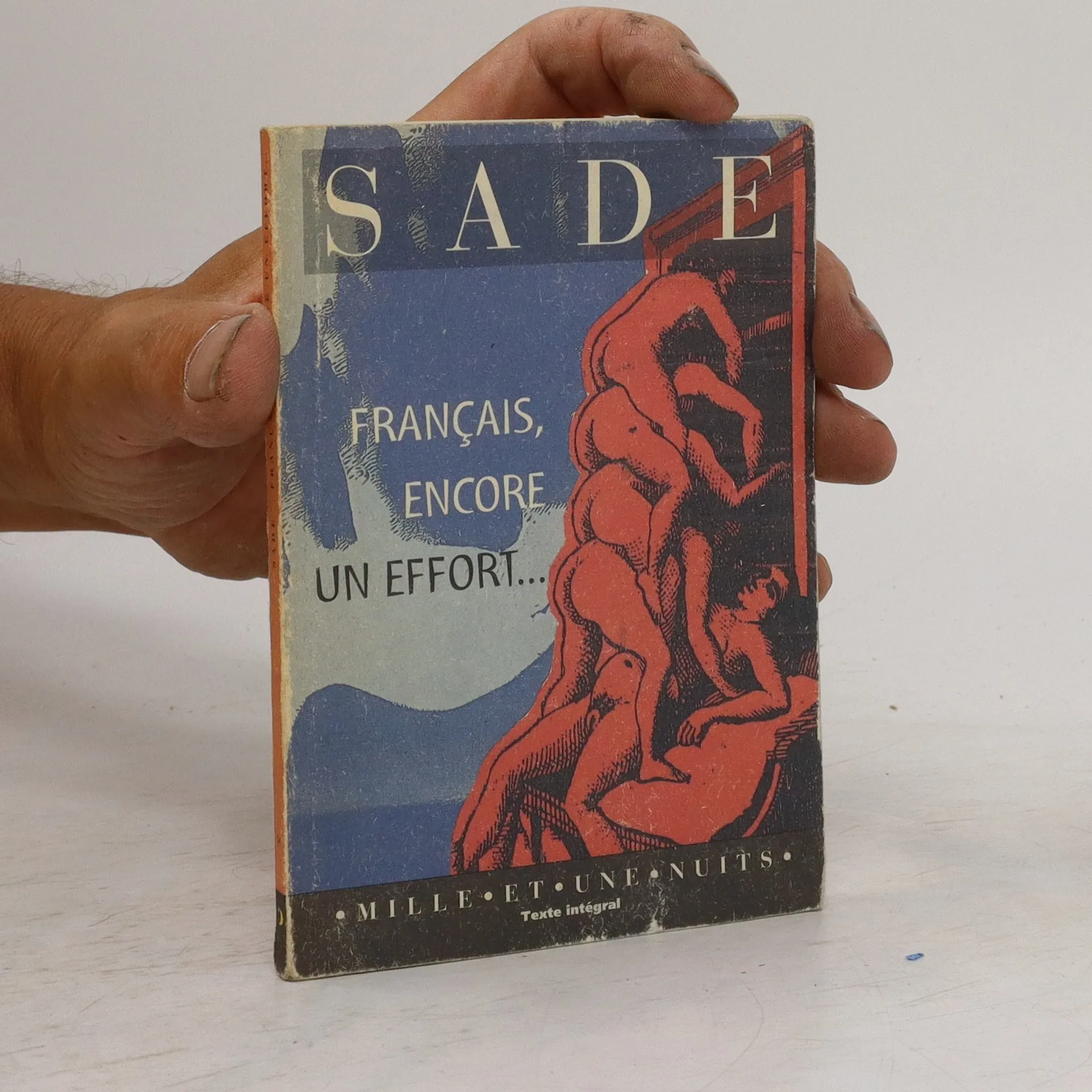
    • Un extrait de La Philosophie dans le boudoir, intitulé Français, encore un effort si vous voulez être républicains, est un manifeste politique publié anonymement en 1795. Inséré dans le Cinquième dialogue, il aborde deux thèmes principaux : « La religion » et « Les mœurs ». Sade y propose un nouveau contrat social, soutenu par un athéisme et un matérialisme radicaux, tout en critiquant les contraintes sociales, morales ou politiques qui entravent la volonté individuelle. Il plaide pour la libération sexuelle des femmes et rejette la condamnation de l'homosexualité, s'interrogeant sur la barbarie de condamner un individu pour ses goûts. Sade aborde également des sujets tels que l'avidité, le vol et l'assassinat, tout en refusant toute forme de contrainte. Ce texte, d'une portée universelle, répond à des questions contemporaines sur la religion, la sexualité, et la liberté individuelle. Sade exhorte à jouir de sa liberté dans tous les domaines, aspirant à une utopie libertaire fondée sur un compromis social renouvelable. Le débat sur ses idées reste ouvert, et il offre une ode à la liberté de penser. En proposant de grandes idées, Sade espère contribuer au progrès des lumières, tout en soulignant la lenteur de l'avancement vers un idéal républicain, insistant sur la nécessité d’un culte adapté au caractère républicain.

      Français, encore un effort si vous voulez être républicains
    • Justine

      oder Die Mißgeschicke der Tugend

      Justine
    • Das gemeinsame Thema der in diesem Band enthaltenen Erzählungen ist das Einmünden der Liebe ins Verbrechen. "Woher", fragt de Sade, "soll der Schrecken kommen, wenn nicht aus den Bildern des triumphierenden Verbrechens, woher das Mitleid, wenn nicht aus dem Abbild der bedrängten Tugend?"
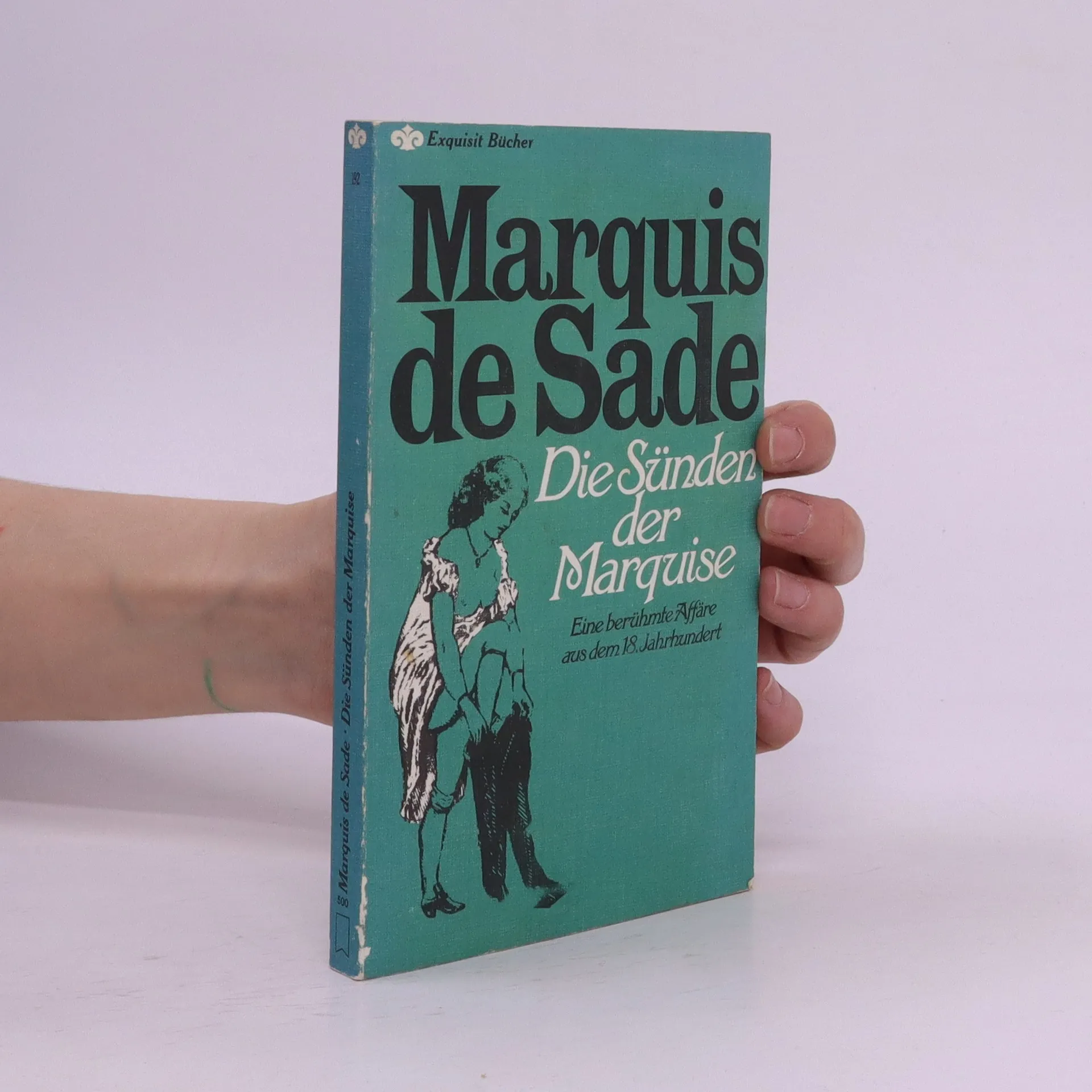
      Verbrechen der Liebe
    • Ce livre numérique présenteToutes les Oeuvres Majeures du Marquis de Sade avec une table des matières dynamique et détaillée et des notes interactives. Le Marquis de Sade - Donatien Alphonse François de Sade, né le 2 juin 1740 et mort le 2 décembre 1814, est un homme de lettres, romancier, philosophe et révolutionnaire français, longtemps voué à l'anathème en raison de la part accordée dans son oeuvre à l'érotisme, associé à des actes impunis de violence et de cruauté (fustigations, tortures, meurtres, incestes, viols, etc.). L'expression d'un athéisme virulent est l'un des thèmes les plus récurrents de ses écrits.

      Juliette ou Les Prospérités du vice
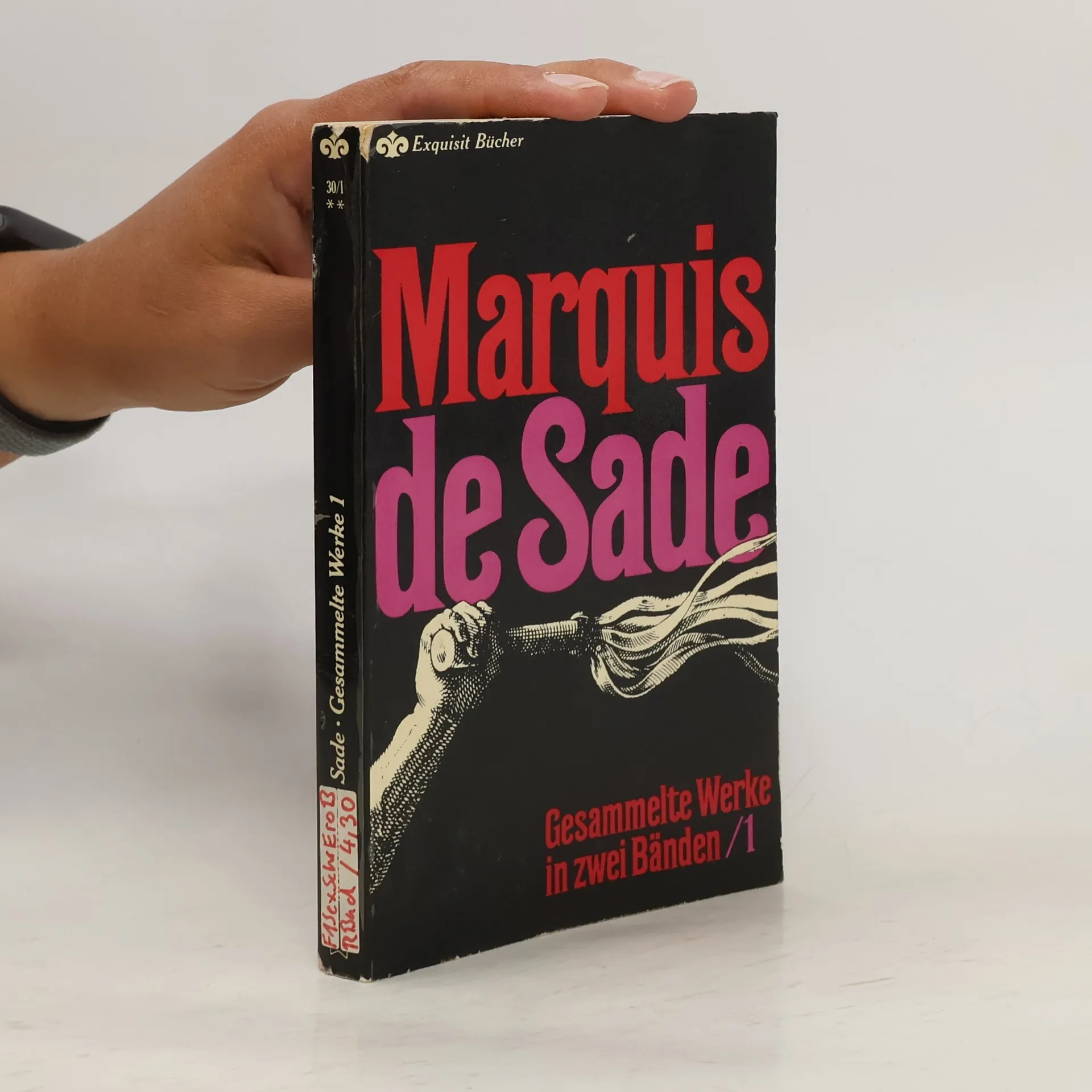
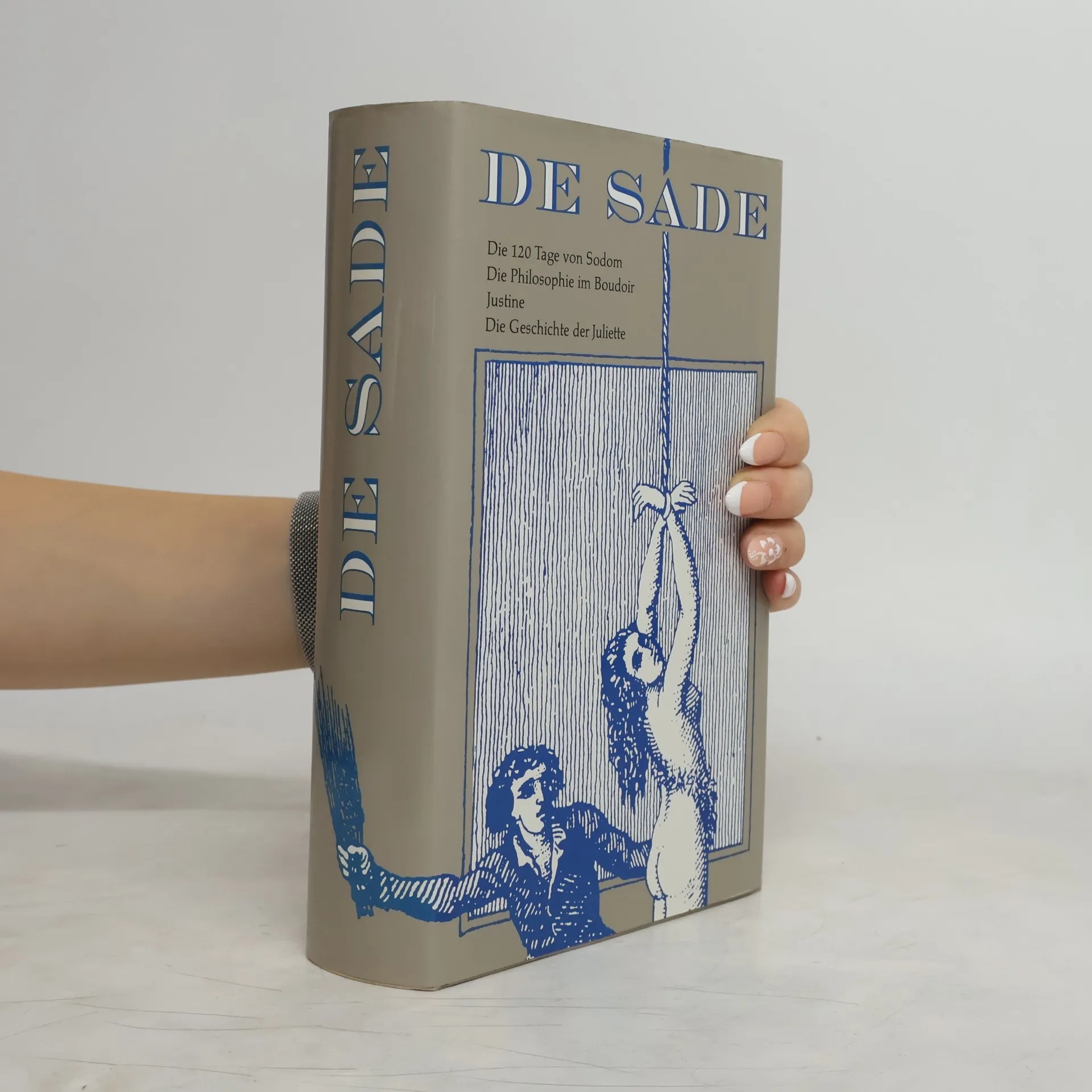
    • De Sade

      Die 120 Tage von Sodom. Die Philosophie im Boudoir. Justine. Die Geschichte der Juliette

      De Sade
    • Yo Sade

      • 235 pages
      • 9 hours of reading
      Yo Sade