Explore the latest books of this year!
Bookbot

James Trefil

    September 10, 1938

    James S. Trefil writes accessibly about science for the general audience. His work explores questions of human uniqueness, notably contrasting human intelligence with artificial intelligence. Through his writing, he demystifies complex scientific concepts and highlights the intersections of science and law.

    James Trefil
    Egrade Plus Stand-Alone Access for Physics Matters, 1st Edition (1-Term)
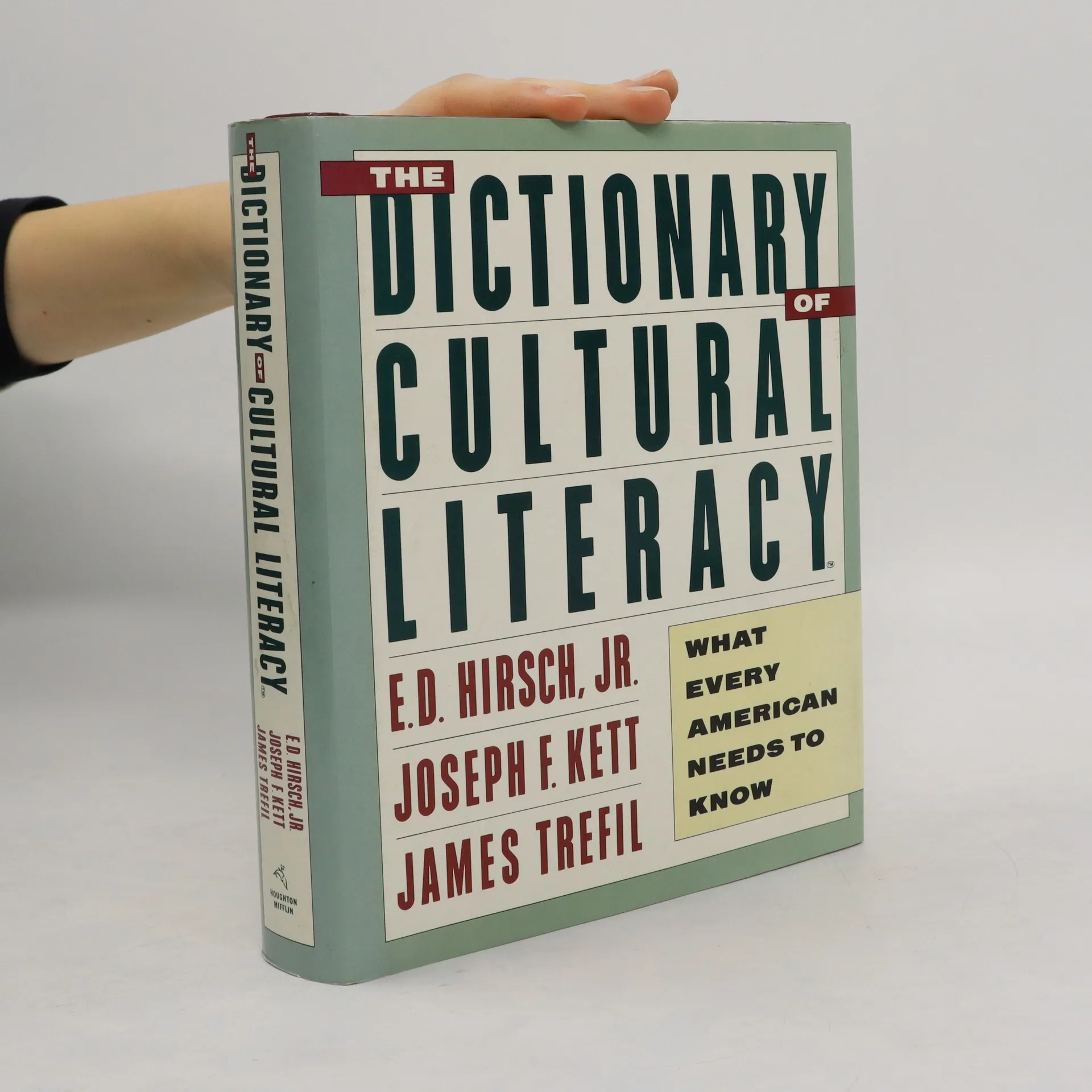
    The Dictionary of Cultural Literacy
    A Scientist in the City
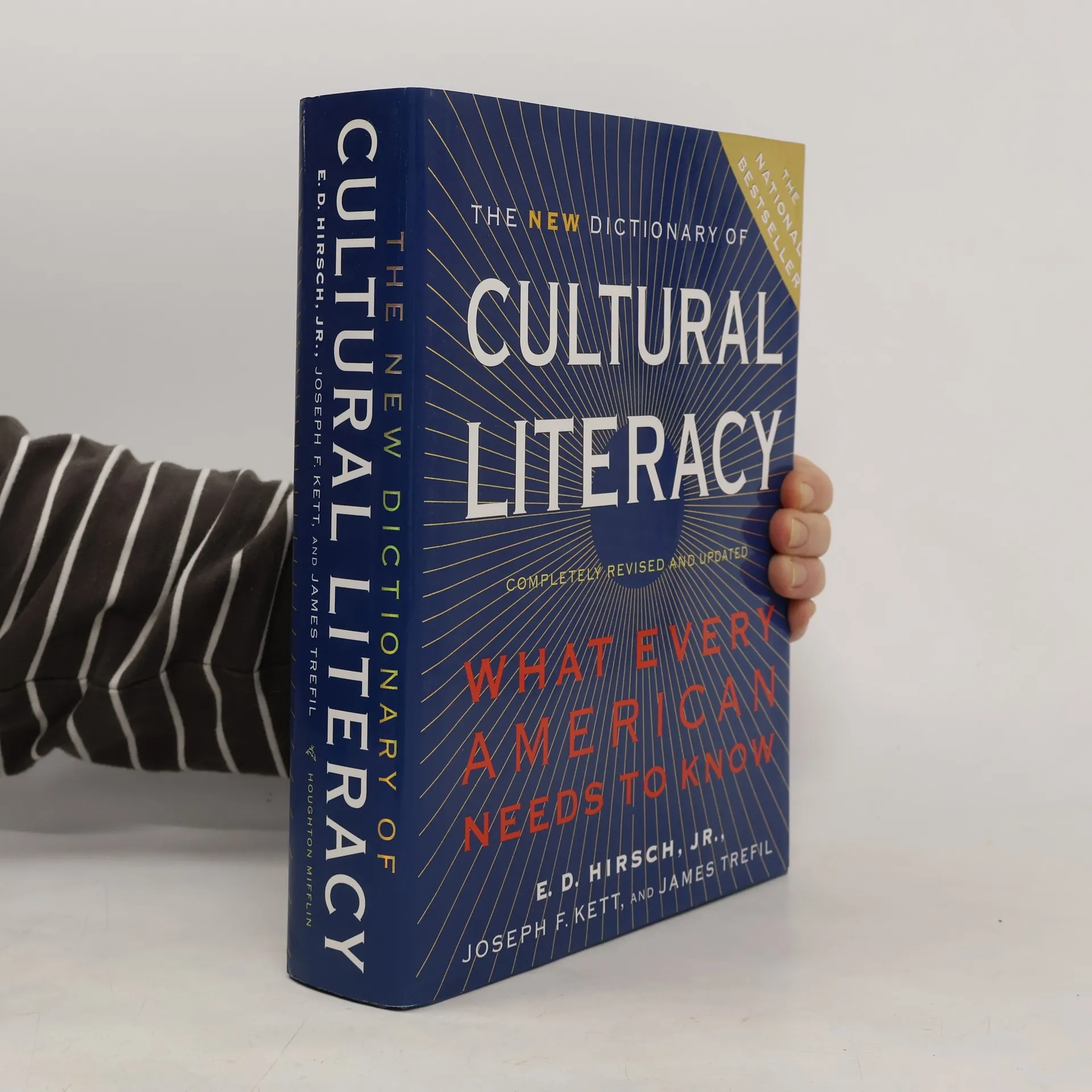
    The New Dictionary of Cultural Literacy
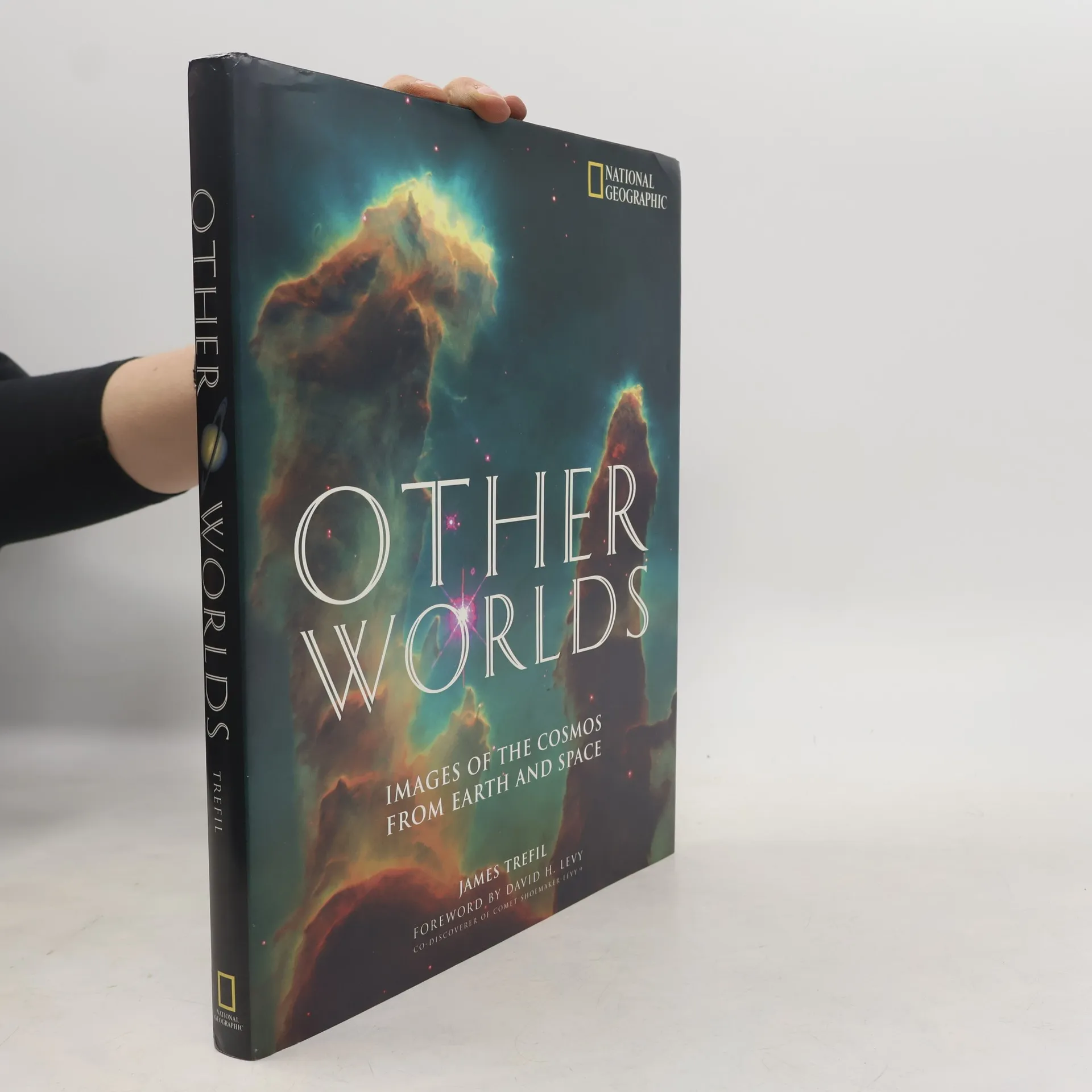
    Space Atlas
    Space Atlas. Mapping the Universe and Beyond
    • 2023

      The Sciences

      An Integrated Approach

      • 768 pages
      • 27 hours of reading

      Focusing on the interconnectedness of scientific disciplines, this edition integrates physics, chemistry, astronomy, Earth sciences, and biology to promote scientific literacy. It highlights general principles and their real-world applications, making it accessible for non-science majors. The updated content addresses contemporary issues such as climate change, sustainability, viruses, public health, and bioengineering, ensuring relevance in today's scientific landscape. Praised for its clarity and detail, it serves as an effective resource for students and instructors alike.

      The Sciences
    • 2021

      ŚWIATOWEJ SŁAWY ASTROFIZYK I KOLEJNA OLŚNIEWAJĄCA KSIĄŻKA O ZŁOŻONOŚCI ŻYCIA I WSZECHŚWIATA. Sondy kosmiczne wyprawiają się coraz dalej, akceleratory rozbijają atomy, a radioteleskopy i teleskopy rejestrują promieniowanie wyemitowane przed miliardami lat Nasze rozumienie Wszechświata i miejsca, jakie w nim zajmujemy, zmienia się w rewolucyjny sposób. Neil DeGrasse Tyson w intrygujący sposób przymierza najnowsze koncepcje astrofizyczne do odwiecznych pytań filozoficznych: skąd się wzięliśmy?, czy jesteśmy sami?, skąd wiemy to, co wiemy?. Autor nawiązujący do wiedzy dawnych mędrców, od Eratostenesa po Galileusza, i objaśniający najważniejsze naukowe osiągnięcia teraźniejszości, takie jak odkrycie egzoplanet oraz identyfikowanie cząstek elementarnych zabiera czytelnika w podróż z przeszłości w przyszłość, od niewyobrażalnie małego do przeogromnego, od granic obecnej wiedzy ku nieznanemu. Dowcipny jak zawsze, zachęca do nieustannego patrzenia w górę i poszukiwania

      Pytania z Kosmosu
    • 2019

      The captivating possibilities of extraterrestrial life on exoplanets, based on current scientific knowledge of existing worlds and forms of lifeIt is now known that we live in a galaxy with more planets than stars. The Milky Way alone encompasses 30 trillion potential home planets. Scientists Trefil and Summers bring readers on a marvelous experimental voyage through the possibilities of life--unlike anything we have experienced so far--that could exist on planets outside our own solar system.Life could be out there in many forms: on frozen worlds, living in liquid oceans beneath ice and communicating (and even battling) with bubbles; on super-dense planets, where they would have evolved body types capable of dealing with extreme gravity; on tidally locked planets with one side turned eternally toward a star; and even on "rogue worlds," which have no star at all. Yet this is no fictional flight of fancy: the authors take what we know about exoplanets and life on our own world and use that data to hypothesize about how, where, and which sorts of life might develop. Imagined Life is a must-have for anyone wanting to learn how the realities of our universe may turn out to be far stranger than fiction.
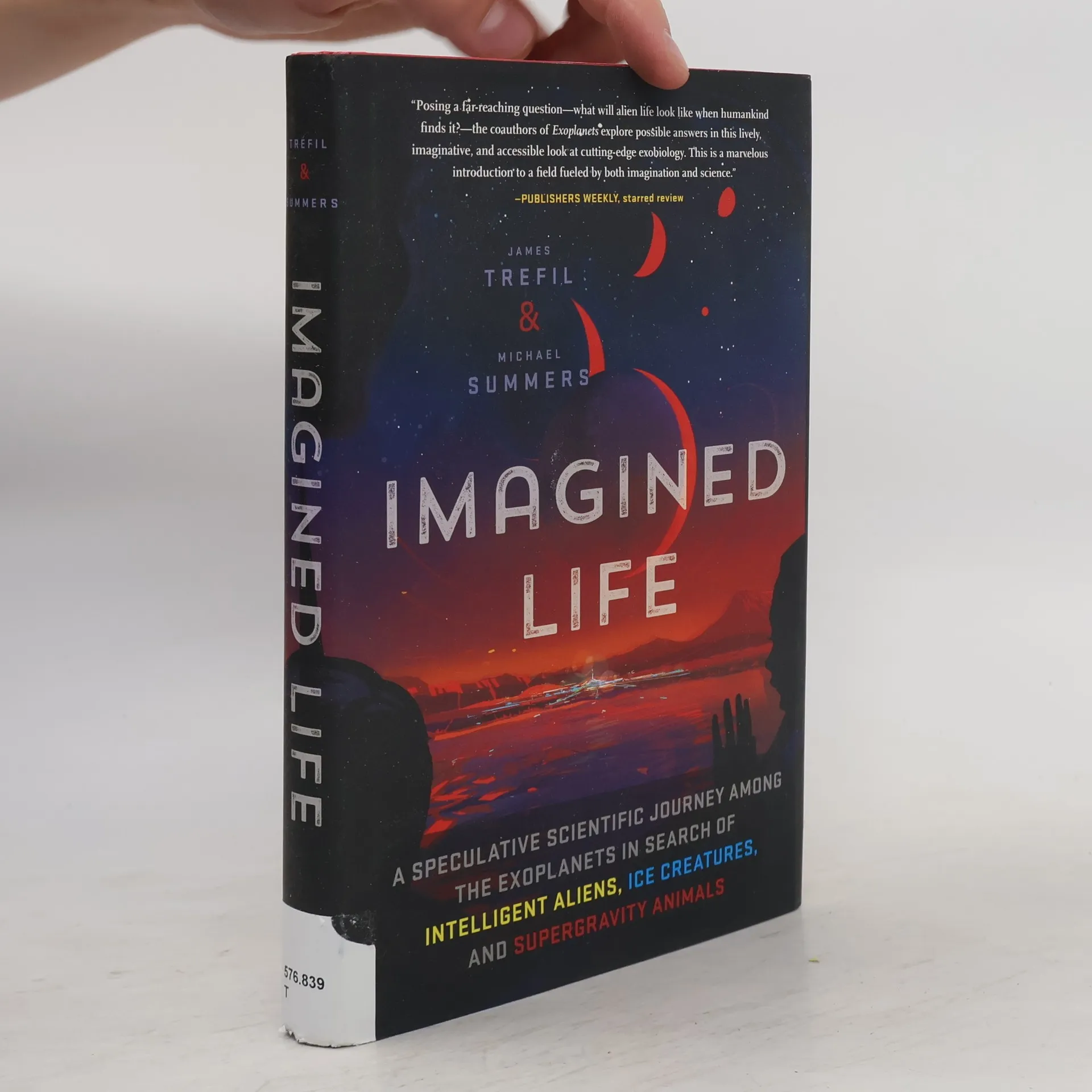
      Imagined Life
    • 2018

      In this guided tour of our planetary neighborhood, the Milky Way and other galaxies, and beyond, detailed maps and fascinating imagery from recent space missions partner with clear, authoritative scientific information. For this new edition, and to celebrate the 50th anniversary of his moonwalk, astronaut and American hero Buzz Aldrin offers a new special section on Earth's moon and its essential role in space exploration past and future.

      Space Atlas. Mapping the Universe and Beyond
    • 2018

      The past few years have seen an incredible explosion in our knowledge of the universe. Since its 2009 launch, the Kepler satellite has discovered more than two thousand exoplanets, or planets outside our solar system. More exoplanets are being discovered all the time, and even more remarkable than the sheer number of exoplanets is their variety. In Exoplanets, astronomer Michael Summers and physicist James Trefil explore these remarkable recent discoveries: planets revolving around pulsars, planets made of diamond, planets that are mostly water, and numerous rogue planets wandering through the emptiness of space. This captivating book reveals the latest discoveries and argues that the incredible richness and complexity we are finding necessitates a change in our questions and mental paradigms. In short, we have to change how we think about the universe and our place in it, because it is stranger and more interesting than we could have imagined

      Exoplants
    • 2018

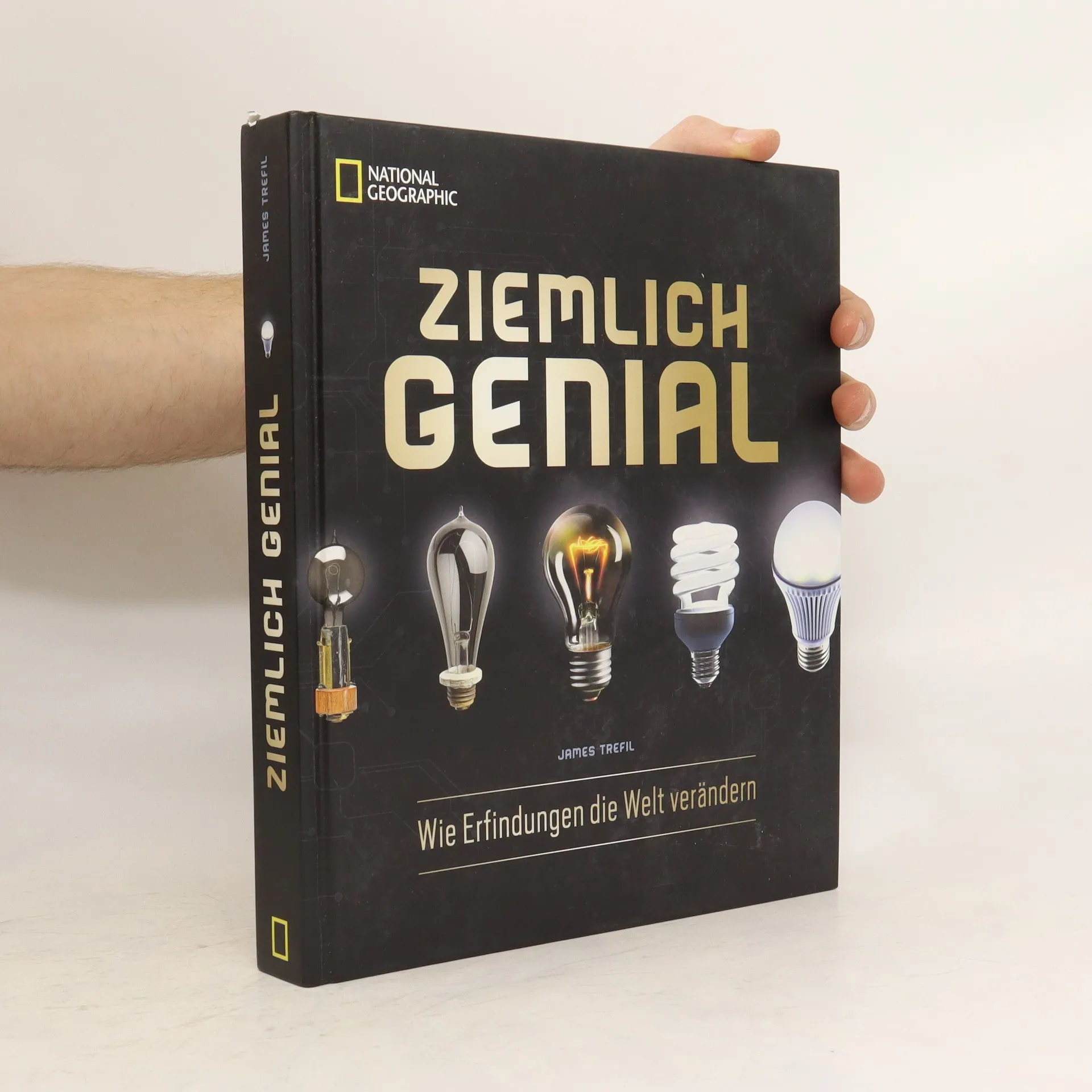
      Ziemlich genial

      Wie Erfindungen die Welt verändern

      Was hat die Struktur eines Atoms mit einem Jet-Motor zu tun? Was verbindet fossile Funde mit der Relativitätstheorie? Sie alle spielen eine gewichtige Rolle in der modernen Wissenschaft – und in diesem Bildband. Darin finden sich maßgebliche Durchbrüche der Technologie und Entdeckungen, die unsere Welt von heute formten und die Zukunft von morgen bestimmen werden. Kommen Sie mit auf eine Reise zu den wissenschaftlichen Meilensteinen unserer Zeit!

      Ziemlich genial
    • 2017

      The Story of Innovation

      • 303 pages
      • 11 hours of reading

      Written for science geeks and everyone curious about the world around us, this comprehensive sweep through modern science and technology is a solid family reference, covering the most important innovations and inventions in engineering, physics, medicine, chemistry, biology, and more.

      The Story of Innovation
    • 2015

      Albert Einstein, one of the most prolific scientists of the twentieth century, developed the theory of relativity which was crucial for the advancement of modern physics. Young Einstein identified a paradox between Newtonian Mechanics and Maxwell's equations which pointed to a flawed understanding of space and time by the scientists of the day. In Relativity, Einstein presents his findings using a minimal amount of mathematical language, but the text can still be challenging for readers who lack an extensive scientific background. The Routledge Guidebook to Einstein's Relativity expands on and supplements this seminal text, by exploring: the historical context of Einstein's work and the background to his breakthroughs details of experimental verification of special and general relativity the enduring legacy of Einstein's theories and their implications for future scientific breakthroughs. This is an essential introduction for students of physics, philosophy and history in understanding the key elements of the work and the importance of this classic text to society today.

      The Routledge Guidebook To Einstein's Relativity
    • 2012

      "Filled with lavish illustrations, this book is a grand tour of the universe. Three ever widening domains are presented--the planets, the stars, and the large scale universe itself--each including the ones before it and extending outward"--

      Space Atlas
    • 2011

      Science in World History

      • 170 pages
      • 6 hours of reading

      Exploring the evolution of scientific thought across various cultures, this book highlights key milestones in scientific development and their profound impact on society and intellectual progress. James Trefil offers a thematic survey that connects historical events in science to broader social changes, providing a rich context for understanding the interplay between science and world history.

      Science in World History