Synthesizing historian Mosse's (1918-99) life-long efforts to understand the nature of fascism, contains ten essays originally published between 1961 and 1996. He approaches the movement as a cultural phenomenon, and investigates how it and its adherents saw it and themselves. Among his subjects are fascist aesthetics, the French Revolution, fascism and the Intellectuals, the occult origins of National Socialism, and homosexuality and French fascism. Annotation copyrighted by Book News, Inc., Portland, OR
George L. Mosse Books
September 20, 1918 – January 22, 1999
A German-born American social and cultural historian, his prolific scholarship spanned diverse fields, profoundly influencing interpretations of Nazism and fascism. He delved into the historical forces shaping modern identity, from theology to the evolution of masculinity. His critical examinations of history redefined scholarly discourse, offering deep insights into societal structures and cultural movements. Through his work, he illuminated the complexities of the past, leaving a lasting legacy on historical understanding.



This new edition revisits the renowned historian George L. Mosse's landmark work exploring the ideological foundations of Nazism in Germany. First published in 1964, this volume was among the first to examine the intellectual origins of the Third Reich.
The Nationalization of the Masses
Political Symbolism and Mass Movements in Germany from the Napoleonic Wars Through the Third Reich
- 252 pages
- 9 hours of reading
Book by George L. Mosse
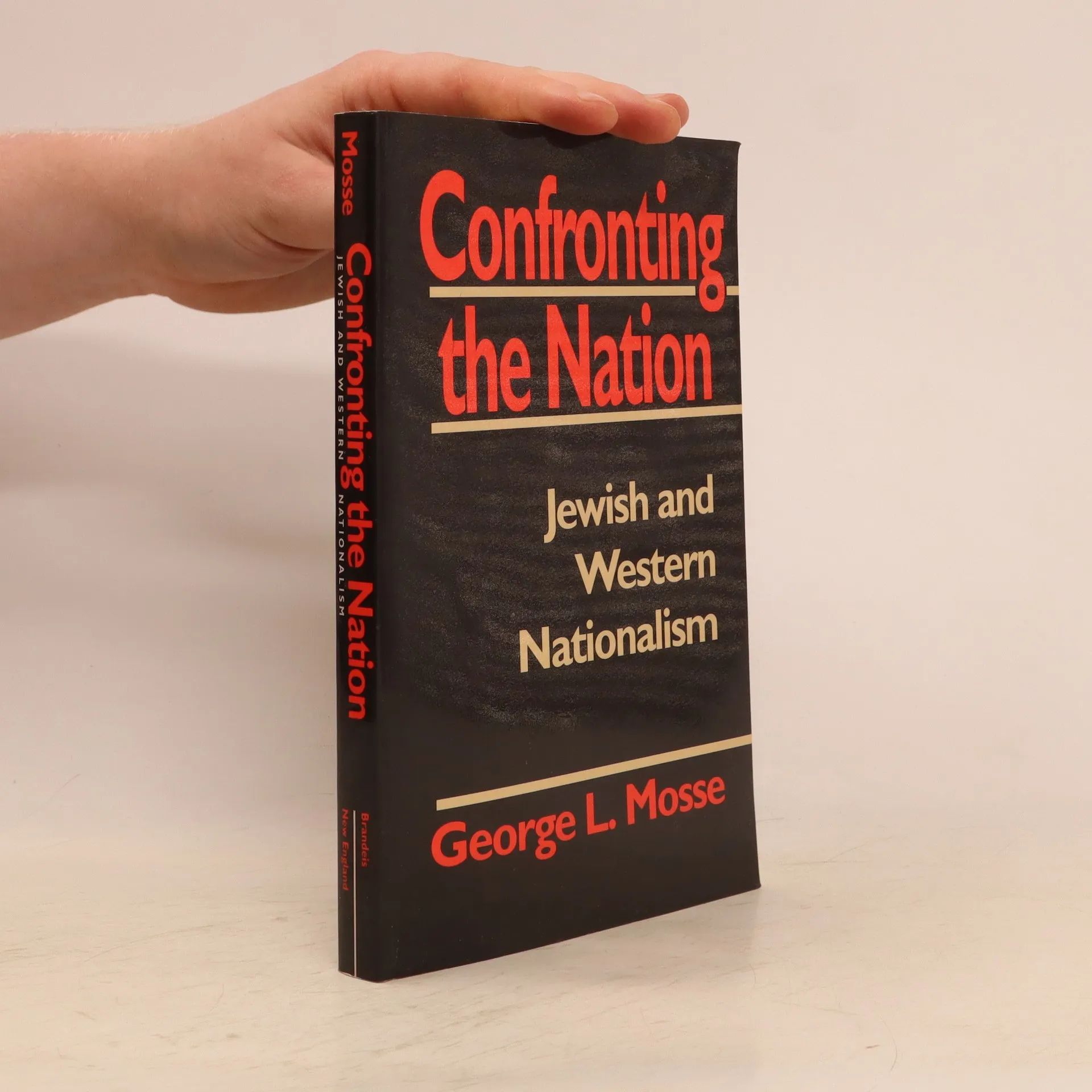
Mosse offers a comprehensive analysis of the complex and contradictory interactions of nationalism and Judaism during the last two centuries.
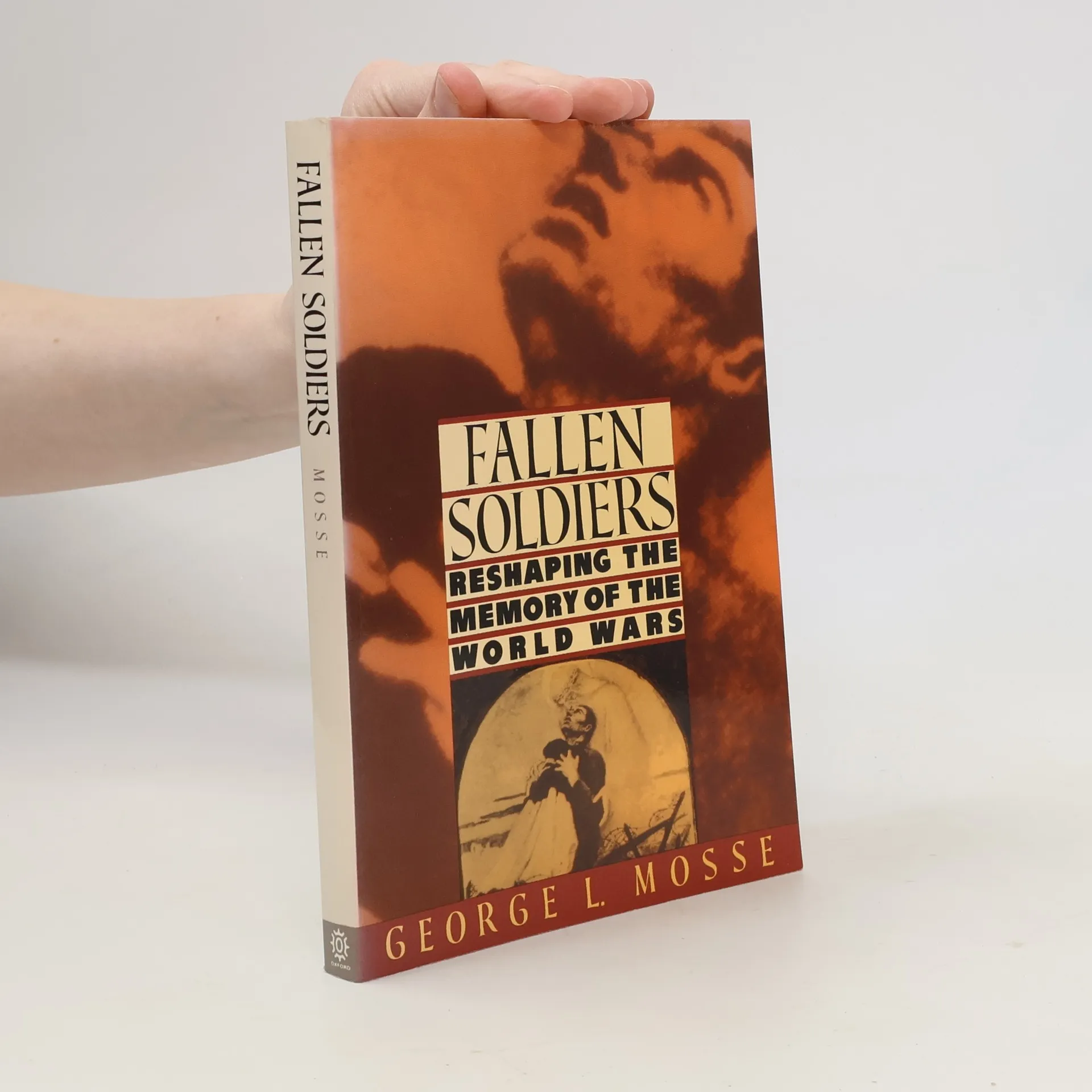
At the outbreak of the First World War, a generation of young men rushed into battle, believing in a glorious cause that ultimately claimed around 13 million soldiers' lives—more than twice the total from all major wars between 1790 and 1914. Despite this staggering toll, memories of the war often centered not on the grim realities of trench warfare, but on its sacredness and the martyrdom of those who died for their country. This pioneering work by historian George L. Mosse delves into the Myth of the War Experience—a vision that obscures the horror of war, sanctifies its memory, and justifies its purpose. Tracing the origins of this myth from the Napoleonic wars, Mosse explores how war volunteers helped create and sustain it. During World War I, the myth gained significant traction as Europeans faced unprecedented mass death, leading to a national obsession with finding a higher meaning in the conflict. Focusing on Germany, with references to England, France, and Italy, he illustrates how nations glorified war through memorials and military cemeteries, portraying the dead as martyrs. Additionally, Mosse discusses how the war's image was softened through trivialization, with war toys and postcards altering public perception. Although the Great War ended in 1918, the myth persisted, influencing the militant nationalism of the Nazi party and ultimately contributing to World War II. Mosse's exploration of the postwar years revea
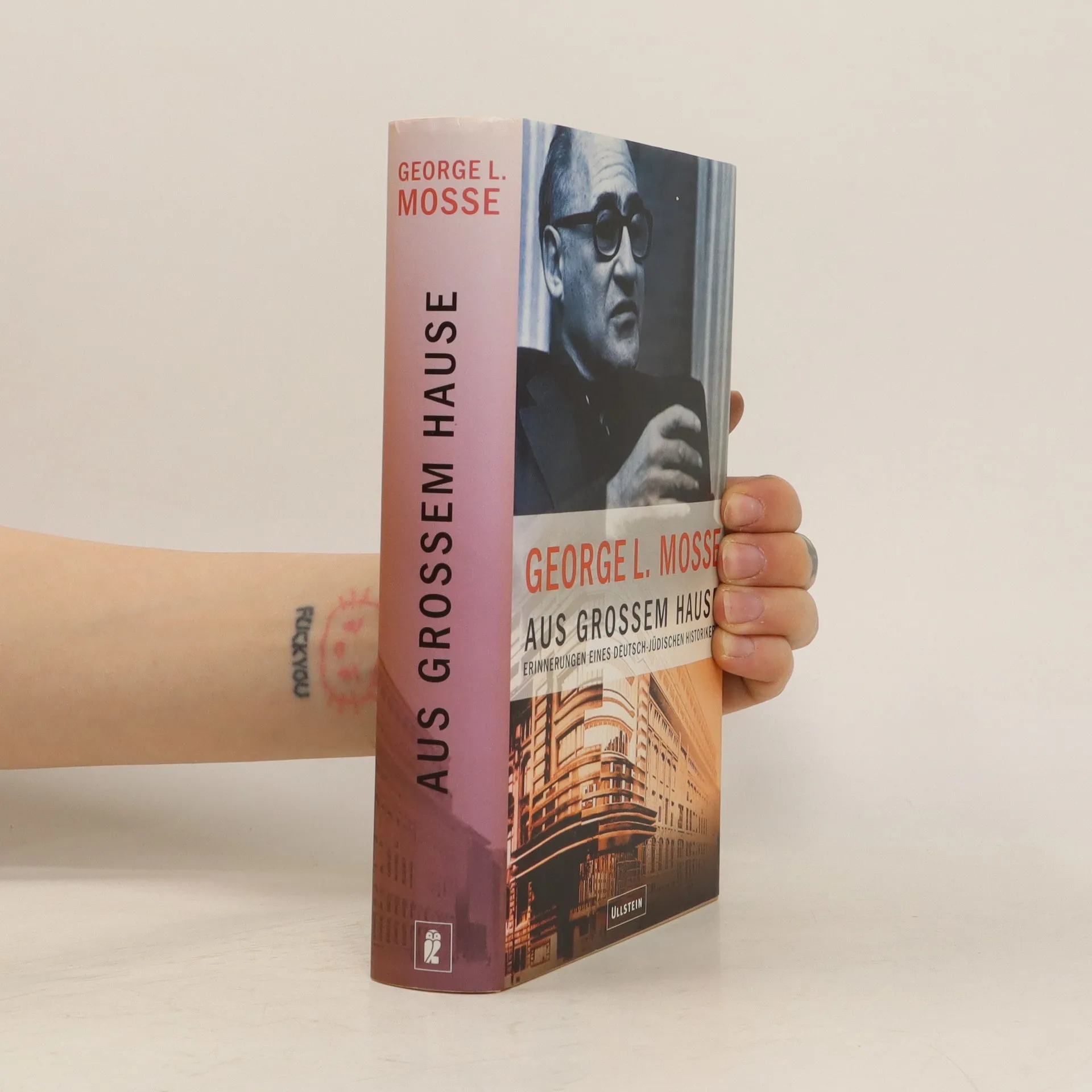
Ein faszinierender Bericht über ein außergewöhnliches Leben, das im Laufe der großen Ereignisse des vergangenen Jahrhunderts stattfand. Diese bewegende Erinnerung wird teilweise von der Überzeugung Mosse geleitet, dass "was der Mensch ist, nur die Geschichte erzählt", und von den wiederkehrenden Themen über das Schicksal des Liberalismus, die entscheidenden Ereignisse, die das politische Erwachen der Jugend hervorrufen können, die Bedeutungen von Männlichkeit sowie von rassischen und sexuellen Stereotypen, das Rätsel des Exils und vor allem die Bedeutung, sich selbst durch die Suche nach der Wahrheit und eine ehrliche und unveränderliche Analyse des eigenen Platzes zu finden.
Der nationalsozialistische Alltag
- 387 pages
- 14 hours of reading
Das Bild des Mannes
- 284 pages
- 10 hours of reading
Was bedeutet es, ein Mann zu sein? Was bedeutet es, männlich zu sein? Wie hat sich unser Begriff von Männlichkeit im Laufe der Jahre verändert? In diesem Buch bietet der Historiker George L. Mosse einen historischen Überblick über das männliche Stereotyp in der modernen westlichen Kultur und verfolgt die Entwicklung der Idee von Männlichkeit, um zu zeigen, wie sie körperliche Schönheit, Mut, moralische Zurückhaltung und einen starken Willen verkörperte. Dieses Stereotyp entstand in den tumultuösen Veränderungen des achtzehnten Jahrhunderts, als die dominierenden Aristokraten Europas widerwillig dem Aufstieg der professionellen, bürokratischen und kommerziellen Mittelschicht nachgaben. Mosse zeigt, wie die neue Bourgeoisie, konfrontiert mit einer verwirrenden, schnell industrialisierten Welt, an das ritterliche Ideal der Ritterlichkeit anknüpfte. Er untersucht auch, wie der Aufstieg der allgemeinen Wehrpflicht einen "soldatischen Mann" als idealen Typus schuf. In seiner Untersuchung bis zur Gegenwart betrachtet Mosse die Schlüsselrollen des sogenannten "schöneren Geschlechts" (Frauen) und der "unmännlichen Männer" (Juden und Homosexuelle) bei der Definition und Aufrechterhaltung des männlichen Stereotyps und denkt über die mögliche Erosion dieses Stereotyps in unserer eigenen Zeit nach.
Der weltbekannte amerikanische Historiker George L. Mosse weist in diesem Buch - einem Standardwerk, das seit 1978 immer wieder aufgelegt wird - nach, dass der Rassismus keinen Seitenerscheinung, sondern ein grundlegendes Element der europäischen Kulturentwicklung gewesen ist: Der moderne Rassismus entspringt denselben Quellen, die auch die Grundströmungen moderner europäischer Kultur gespeist haben: Aufklärung und Pietismus, Rationalismus und Romantik. Mosse stellt die Geschichte des Rassismus in den Zusammenhang mit der europäischen Geschichte. Indem er die einzelnen Entwicklungsphasen beschreibt, kann er zeigen, wie und warum rassistisches Denken in alle gesellschaftlichen Bereiche, v. a. in die Wissenschaften, eindringen konnte. Der Autor untersucht außerdem die wechselseitigen Beziehungen zwischen Rationalsimus und Christentum sowie den Verfall der humanistischen Tradition in Europa. Schließlich setzt er sich mit der Herausbildung von Stereotypen wie der „überlegenen“ und „minderwertigen“ Rasse auseinander, die am Ende zur „Endlösung der Judenfrage“ durch die Nationalsozialisten geführt hat.
Dieses wegweisende Werk von George L. Mosse untersucht die Geschichte der Sexualität durch die Linse der bürgerlichen Anständigkeit und des Nationalismus. Mit einer gewagten Breite an deutschen und englischen Quellen hat Nationalismus und Sexualität die Verwendung von Geschlechterstereotypen als Methodologie zur Untersuchung der Geschichte der Sexualität in der europäischen Geschichte geprägt. Mosse's innovative Untersuchungen zu Geschlecht bleiben zentral für Diskussionen über moderne Konstruktionen nationaler Zugehörigkeit und das Funktionieren des Staates.
Die Nationalisierung der Massen
Von den Befreiungskriegen bis zum dritten Reich
- 283 pages
- 10 hours of reading
Gebunden mit Schutzumschlag und Fotos. Der Inhalt behandelt die Ästhetik der Politik, nationale Denkmäler, öffentliche Feiern, die Entwicklung des Theaters und Massenbewegungen sowie den Einfluss von Organisationen, den Beitrag der Arbeiter und Hitlers Geschmack im politischen Kult.
Ein Volk, ein Reich, ein Führer
- 368 pages
- 13 hours of reading
Edition Pandora: Jüdische Intellektuelle in Deutschland
- 144 pages
- 6 hours of reading
Linksintellektuelle zwischen den beiden Weltkriegen
Sammlung Dialog