Explore the latest books of this year!
Bookbot

Armin Zweite

    Gerhard Richter
    Joseph Beuys
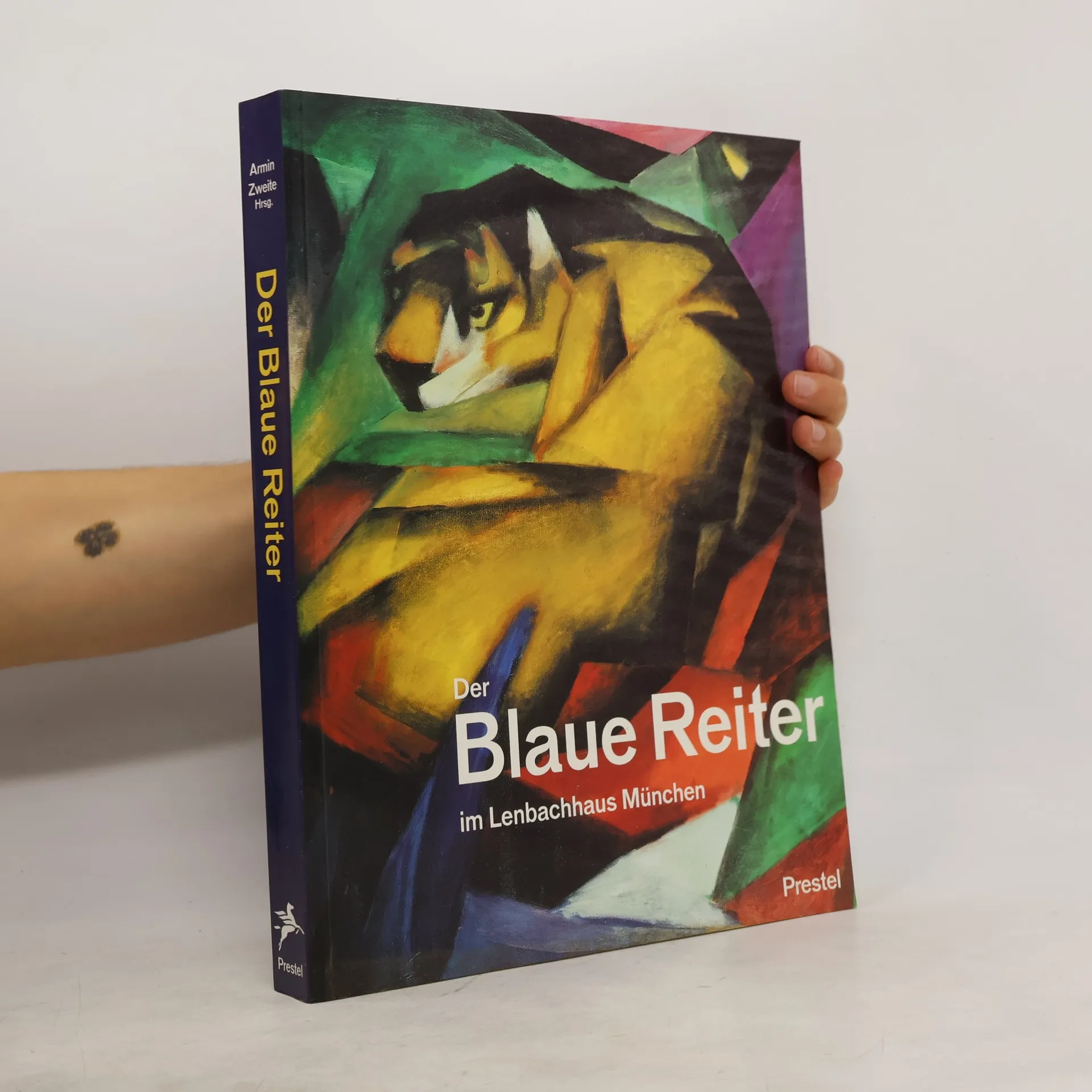
    Der Blaue Reiter im Lenbachhaus München
    Sean Scully : twenty years : 1976-1995
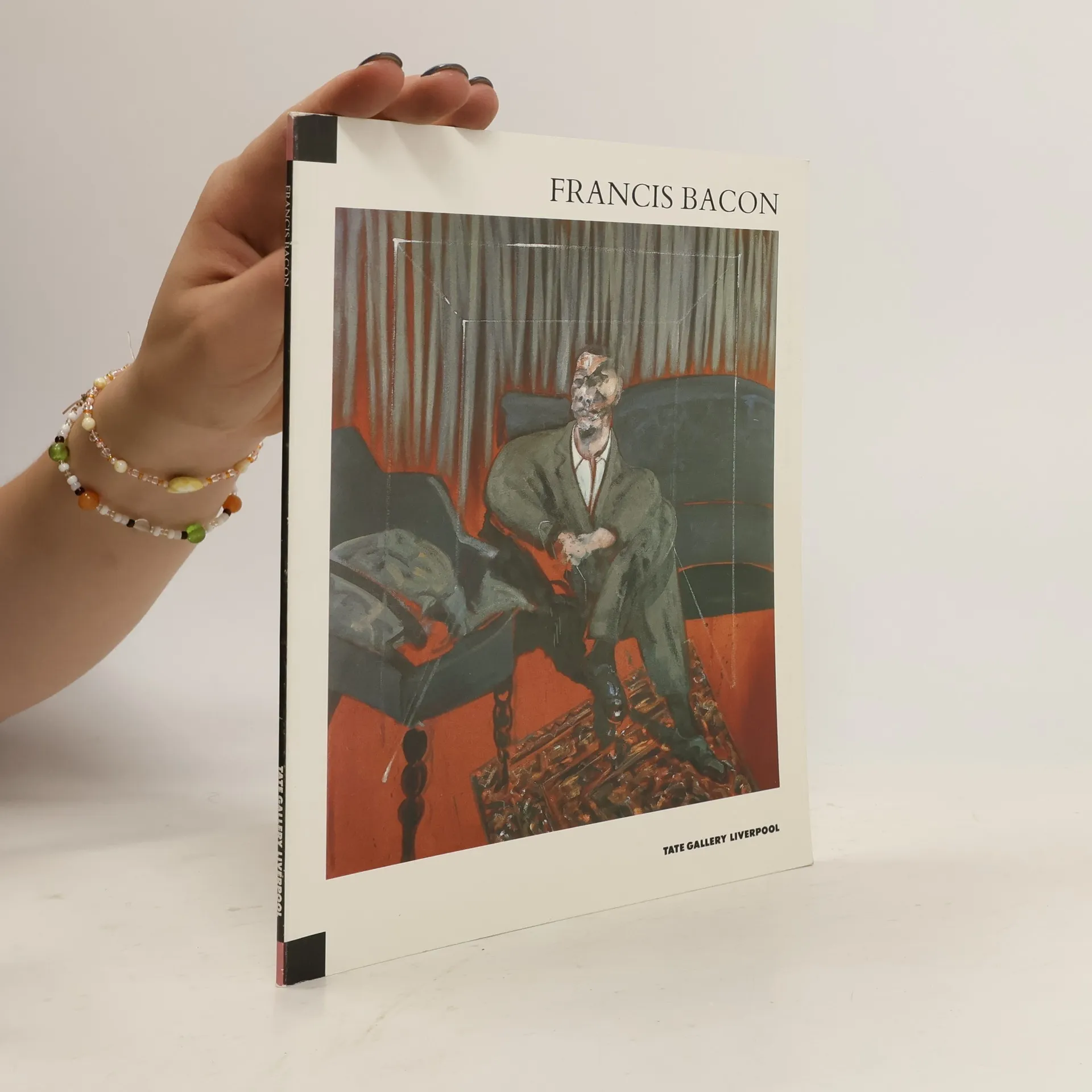
    Francis Bacon
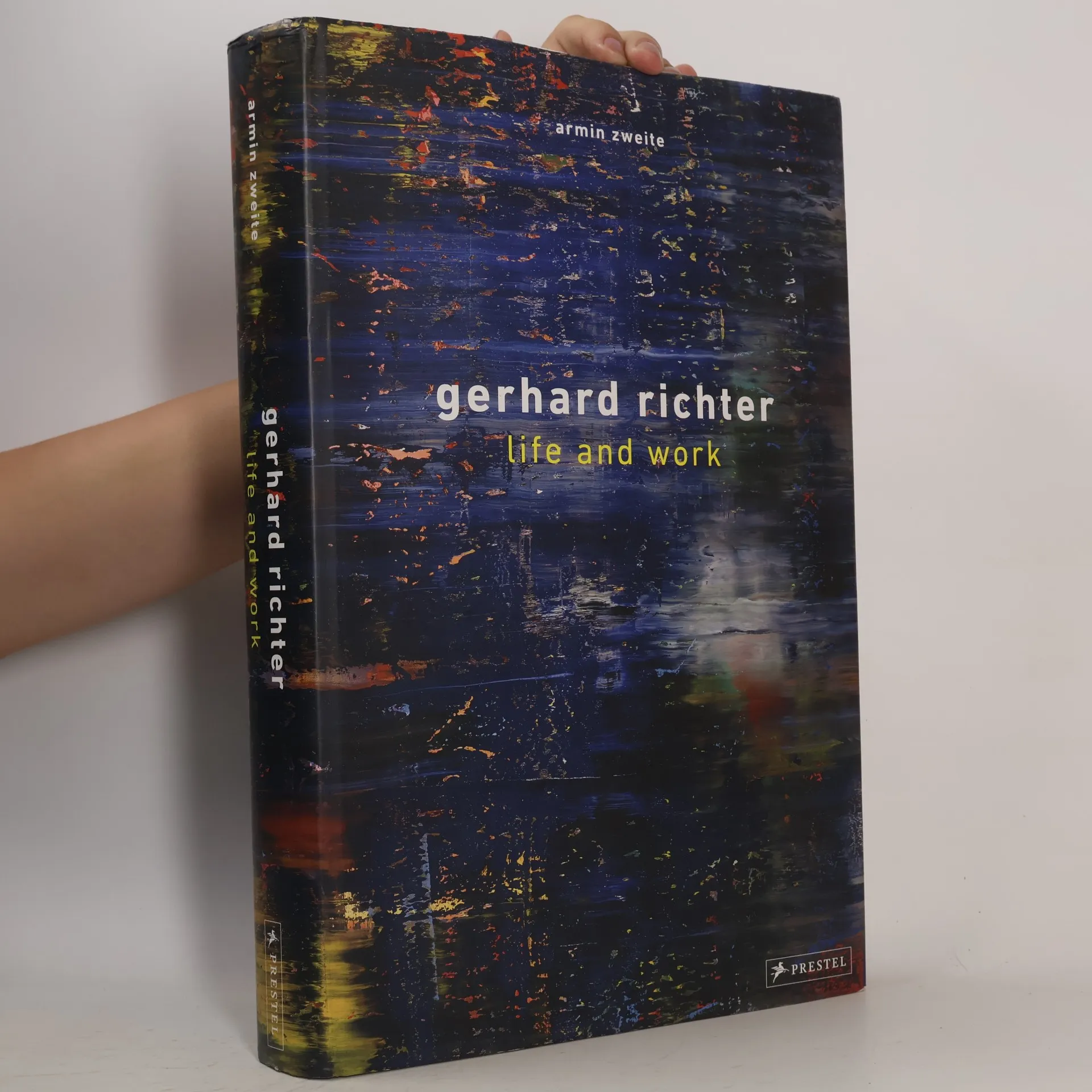
    Gerhard Richter - life and work
    • 2020

      One of the world's most revered visual artists, Gerhard Richter embraces diverse concepts in his work, continually defying categorization. This expansive overview by Armin Zweite explores every phase of Richter's celebrated career, from his early artistic education in East Germany to his prolific output in West Germany. The book covers his black and white photo paintings, innovative color charts, lush gray paintings, and installations featuring glass and mirrors, alongside landscapes, portraits, still lifes, and monumental abstract works that have set auction records. It also highlights larger thematic pieces, such as Atlas, his ongoing collection of photographs and newspaper clippings, and October 18, 1977, which memorializes members of a German left-wing terrorist group. The beautifully illustrated sections showcase over 250 reproductions of his most famous works, including Ten Large Color-Charts (1966), Annunciation after Titian (1973), Faust (1980), Skull with Candle (1983), Funeral (1988), Strip (2012), and Double Gray (2014). Zweite's insightful commentary provides an expert appraisal of the breadth of Richter's oeuvre, making this six-decade monograph a visually stunning and articulate appreciation of the artist and his life.
      Gerhard Richter - life and work
    • 2006

      Francis Bacon

      • 28 pages
      • 1 hour of reading
      4.3(52)Add rating

      Staple-bound paperback, published for the exhibition at the Tate, 22 May - 18 August 1985. Three or four minor marks on covers. Content is clear on clean pages. TS

      Francis Bacon
    • 2005

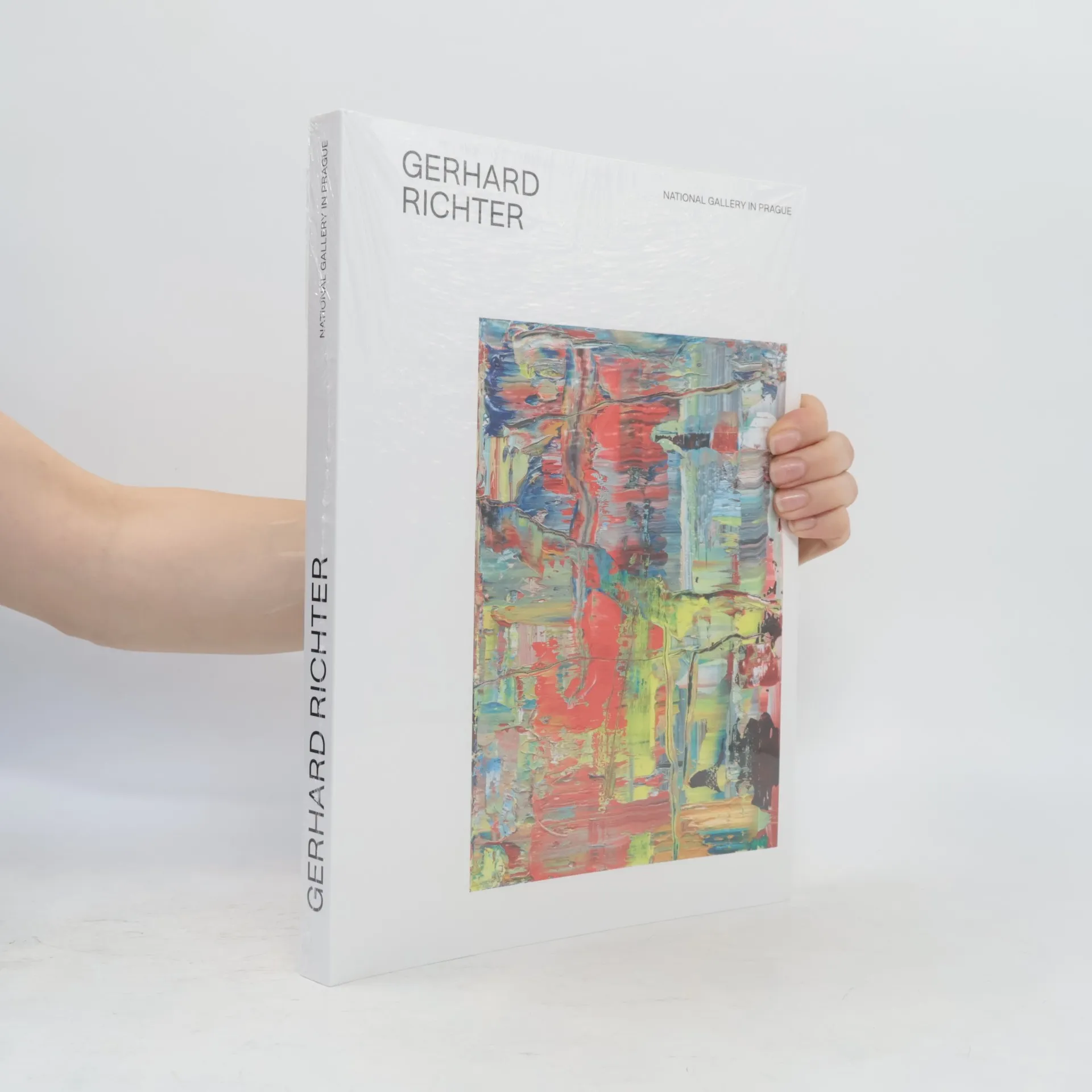
      The exhibition showcases the diverse facets of Richter's oeuvre, featuring iconic portraits of his daughters Betty and Ella, paintings reflecting everyday life and historical issues, mountain and seascapes, monochrome grey works, expressive abstracts, computer-processed geometric Strips, and his renowned Colour Charts, which inspired the monumental stained-glass windows for Cologne's Gothic Cathedral. Notably, the Uncle Rudi painting, depicting Richter's uncle as a Nazi soldier, is on loan from the Lidice Collection, where it was donated half a century ago. Additionally, sheets from his legendary Atlas, a compilation of photographs, newspaper clippings, and drawings collected since the 1960s, are displayed. The exhibition emphasizes Richter's exploration of history—not just Germany's history but also that of his family and the art world. This theme connects his personal photo-realistic works with those addressing broader art history, aiming to convey meanings beyond words. Organized chronologically, the exhibition highlights the evolving themes Richter has embraced, reflecting his engagement with contemporary trends and his constant quest for new artistic expression.

      Gerhard Richter
    • 2004
    • 2003
    • 1995

      Sean Scully's large-scale canvases carry on the rich legacy of postwar American abstract painting in an age when much of the critical focus has turned to subject-driven art. Using a deliberately restricted vocabulary of lines or bands of color that allude to architectural elements such as portals, windows, and walls, Scully, an Irish-born, English-trained, naturalized American, has generated a significant, vibrant, and compelling body of work that is widely collected and internationally exhibited. Sean Scully: Twenty Years, 1976-1995 traces the evolution of his art through paintings and related works on paper spanning this important period of contemporary art, a time wherein Scully evolved from a painter whose work was severely hard-edge and minimal, to one whose bravura handling of paint and command of resonant color take nonrepresentational painting towards a decidedly humanistic end

      Sean Scully : twenty years : 1976-1995
    • 1991
    • 1991

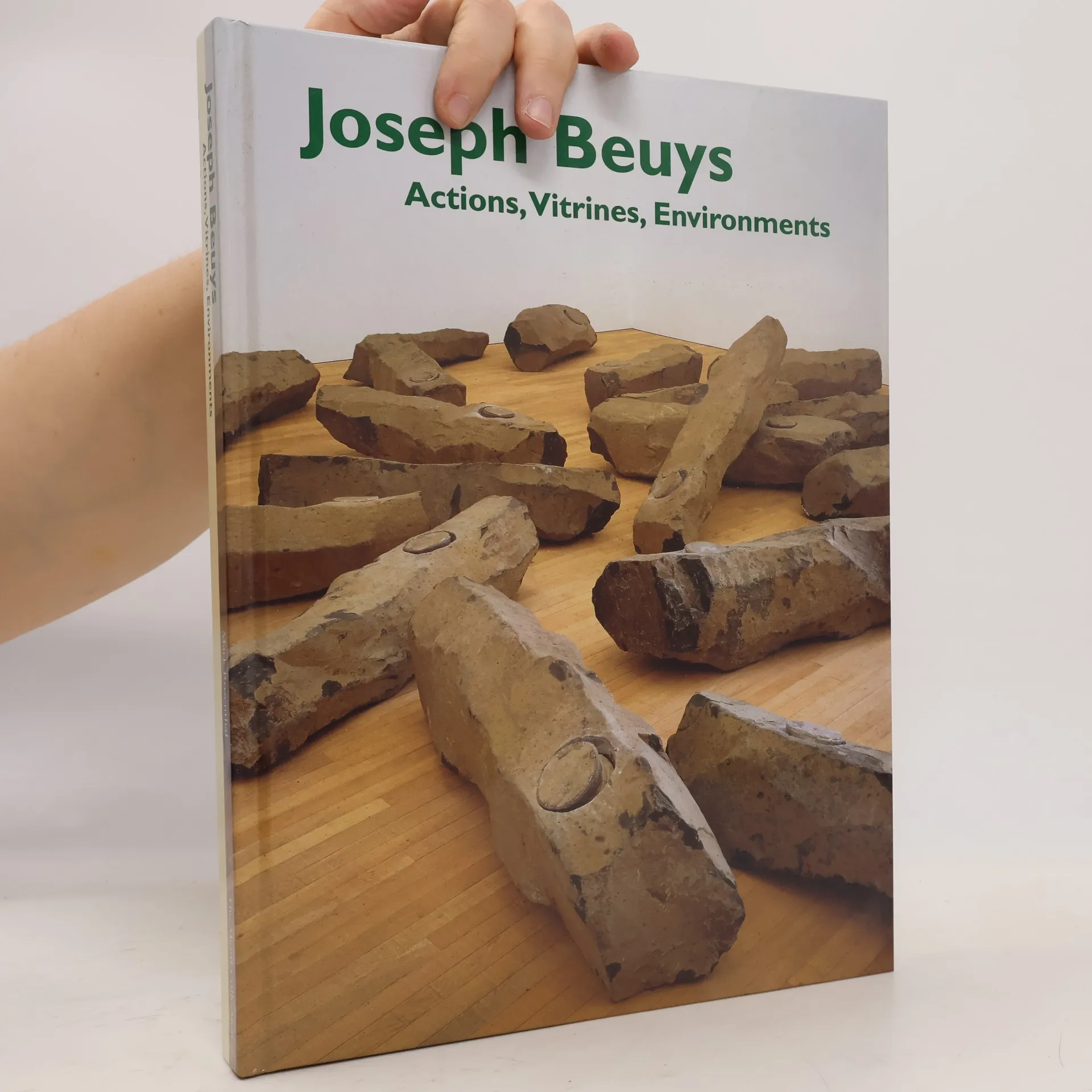
      Die Sammlung Joseph Beuys basiert auf der persönlichen Sammlung des Medizinhistorikers Prof. Dr. Dr. Axel Hinrich Murken, der sich seit den frühen 1970er Jahren intensiv mit dem Werk von Joseph Beuys auseinandersetzte. Diese Freundschaft führte zur Herausgabe des Buches „Beuys + die Medizin“ im Jahr 1979. Murken sammelte über die Jahre Originalobjekte, Zeichnungen, Multiples, Grafiken und mehr von Beuys, wobei gemeinsame Themen wie die Heilkräfte der Kunst und Schmerzforschung im Mittelpunkt standen. Im Museum Wiesbaden umfasst das Konvolut „Joseph Beuys“ etwa 150 Positionen, darunter zahlreiche empfindliche Schriftstücke und Handzeichnungen, die nicht dauerhaft ausgestellt werden können. Daher sind nur rund 50 Objekte in der Präsentation zu sehen. Eine umfassende begleitende Publikation enthält ein Werkverzeichnis aller Objekte sowie einen einleitenden Text von Jörg Daur und sechs Aufsätze von Murken aus den Jahren 1972–2008. Diese Texte dokumentieren die fruchtbare Auseinandersetzung und persönliche Beziehung zwischen Murken und Beuys. Ein Typoskript eines Gesprächs aus dem Jahr 1973 mit handschriftlichen Kommentaren von Beuys ergänzt die Publikation.

      Joseph Beuys