Umbruch
- 250 pages
- 9 hours of reading





The translation of the Ling Shu by Paul Unschuld is a groundbreaking academic work, filling a significant gap in the literature on Chinese medicine. It stands out for its completeness and fluency, providing access to essential Chinese texts. Unschuld's deep understanding of commentary traditions and the historical context of the Chinese language enhances the translation, making it a vital resource for both scholars and practitioners interested in the foundations of Asian medical concepts.
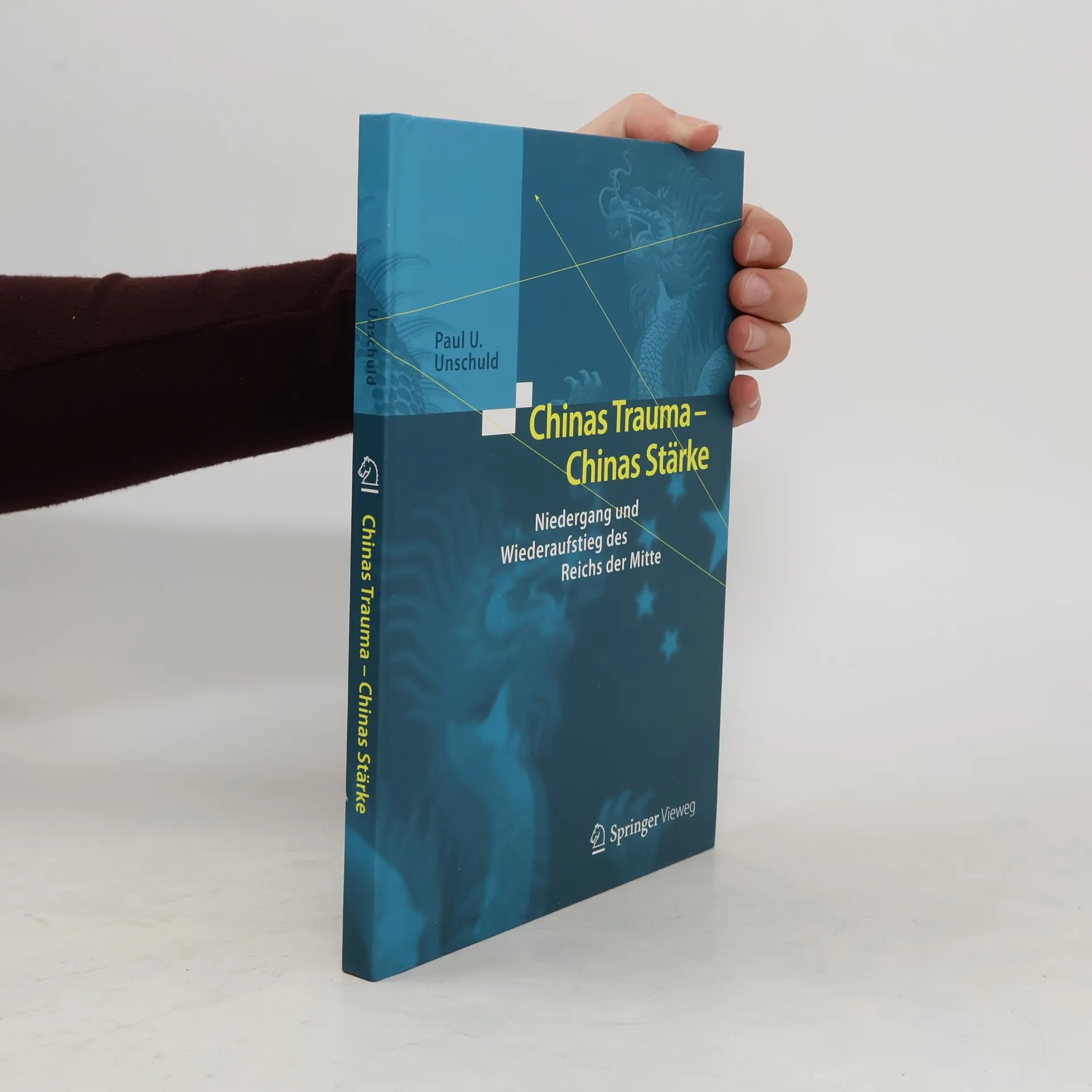
Niedergang und Wiederaufstieg des Reichs der Mitte
Paul U. Unschuld bietet eine kulturhistorisch begründete Analyse der politischen Geschichte Chinas der vergangenen zwei Jahrhunderte. Ein erster Teil beschreibt die verschiedenen Traumata, die dem Land im 19. und frühen 20. Jahrhundert durch ausländische Interventionen zugefügt wurden. In der zweiten Hälfte werden die Ursachen offen gelegt, die zu einem historisch einmaligen Vorgang geführt haben: dem Wiederaufstieg eines Staates, der von Staaten einer fremden, militärisch-technisch überlegenen Kultur besiegt und an den Rand des Abgrunds gebracht wurde. In seinem Geleitwort erläutert Ulrich Sendler die Bedeutung des Wissens um diese Hintergründe für ein Verständnis der Motivation und Erfolgsaussichten der Modernisierungsstrategien Chinas in einer zunehmend digitalisierten Welt.
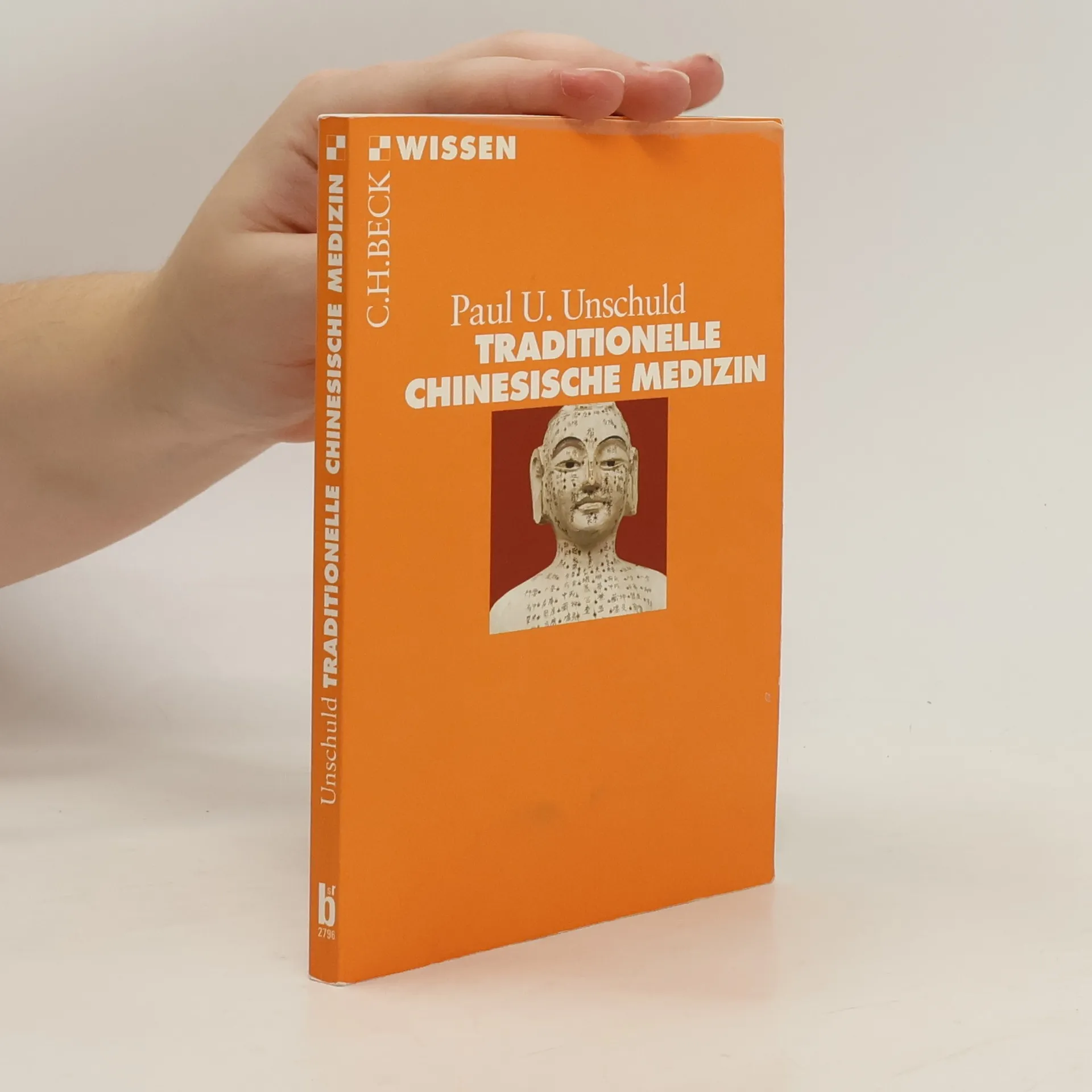
Dieses Buch erläutert Ursprung und Geschichte der Chinesischen Medizin von der Antike bis zur Gegenwart. Es schildert ihre Entwicklung als Ideal eines Teils der kaiserzeitlichen Oberschicht und als Gegenentwurf zu dem bis in die Gegenwart weit verbreiteten Glauben an den Einfluss von Göttern, Ahnen und Dämonen. Es erläutert die schwindende Bedeutung dieser Medizin durch die chinesische Reformpolitik mit der Bevorzugung westlicher Wissenschaft im 20. Jahrhundert und beschreibt die kreative Rezeption so genannter Traditioneller Chinesischer Medizin in den westlichen Industrienationen seit den 1970er Jahren.
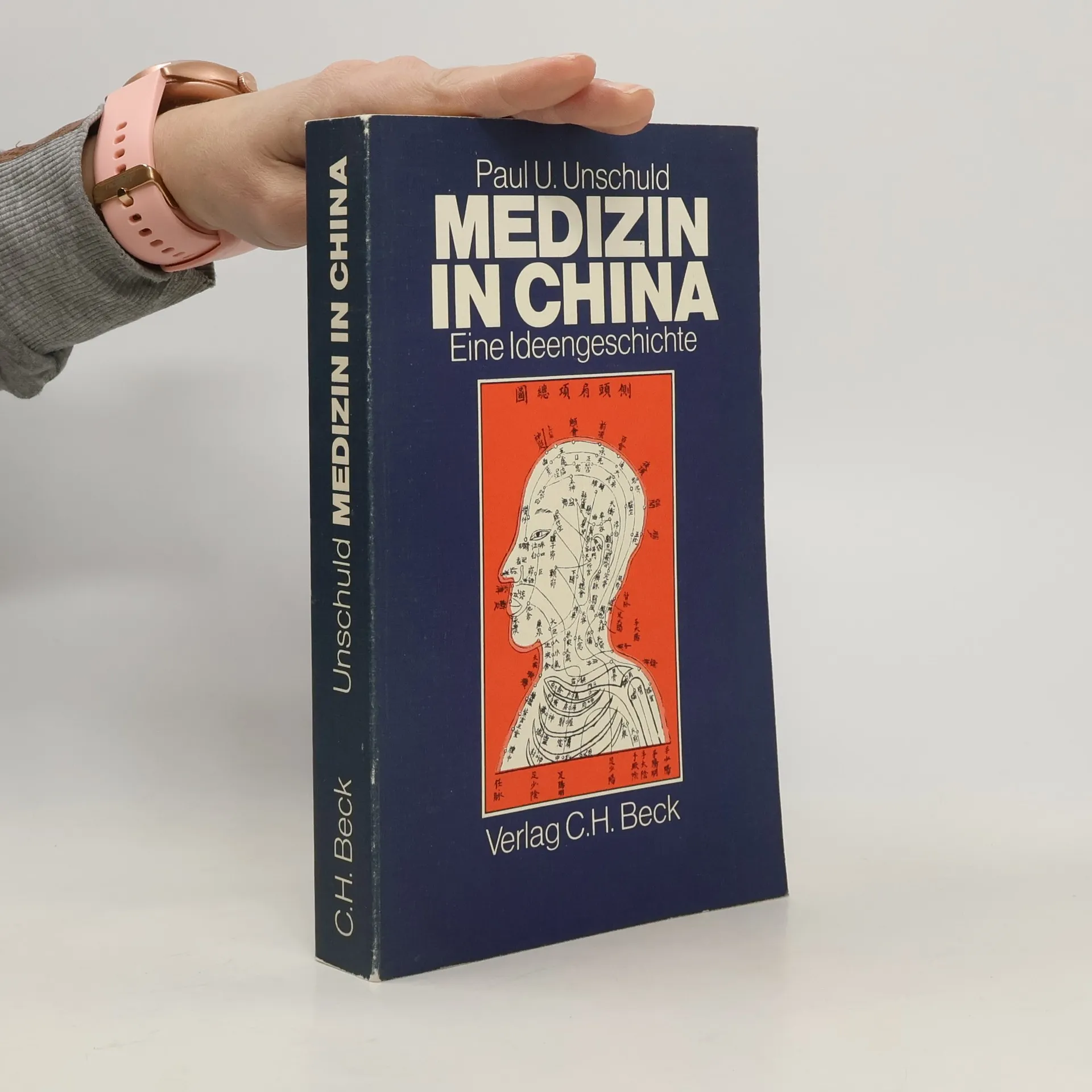
Dieses Buch schildert die faszinierende Entwicklung medizinischen Denkens in West und Ost und zeigt die enge Bindung heilkundlichen Denkens an gesellschaftliche und ökonomische Lebensbedingungen sowie an die Lebensentwürfe der Menschen. Eine weitgehende kulturübergreifende Parallelität der Traditionen überrascht. Der Autor bietet eine vergleichende Darstellung der Grundideen europäischer und chinesischer Heilkunst von der Antike bis zur Gegenwart. Er vertritt die provokante These, dass grundlegende medizinische Theorien nicht allein aus der Beobachtung des menschlichen Körpers hervorgehen konnten und fragt, welche anderen Faktoren zur Entstehung dieser Theorien beigetragen haben. Das Bild des menschlichen Körpers bedurfte stets eines Vorbilds außerhalb dieses Körpers, wobei die Anregungen zur Deutung des Organismus aus der Lebensumwelt und den Erfahrungen der Menschen stammen. Eine medizinische Theorie gilt als „wahr“, wenn sie die Lebensumwelt widerspiegelt und zugleich Kenntnisse über die realen Körperstrukturen einbezieht. Wenn die „Wahrheit“ medizinischer Theorien eng mit den Lebenswelten verknüpft ist, stellen sich Fragen zur Gesundheitspolitik und zur Bedeutung der „chinesischen Medizin“ in der westlichen Welt sowie zu den Auswirkungen der Globalisierung auf das medizinische Denken.
An Annotated Translation of Huang Di's Inner Classic - Basic Questions: 2 volumes
The complete annotated translation of the Su Wen offers an accurate and insightful guide to the fundamental concepts of traditional Chinese medicine. This work is designed to inspire new research directions and make the text accessible to a broader audience, enhancing understanding of its historical and cultural significance.
Gesundheit ist ein Menschheitstraum. Seit zweieinhalb Jahrtausenden hat die europäische Kultur - oft in Widerspruch zur Theologie - den Versuch gewagt, diesen Traum als existentielle Selbstbestimmung zu verwirklichen. Die Grundlage dazu bot und bietet die Überzeugung von dem unbedingten Primat der Naturgesetze. Heute besitzt das Gesundheitswesen ein höchst beeindruckendes Potential, Krankheiten zu heilen, Leiden zu mindern und Lebensläufe zu beeinflussen. Gleichzeitig naht das Ende der klassischen Medizin. Technischer Fortschritt, geänderte Formen der Wissensbildung, gesellschaftlicher Wandel und an erster Stelle die zunehmende Ökonomisierung haben die Ärzte als zentrale Entscheidungsträger verdrängt und neue Akteure an die Macht gebracht, die erstmals in der Geschichte den Kranken als Ressource und Gesundheit als Ware betrachten.
Introductory Readings in Classical Chinese Medicine
This book explores the classical text and takes a student into the rich history of Traditional Chinese Medicine.
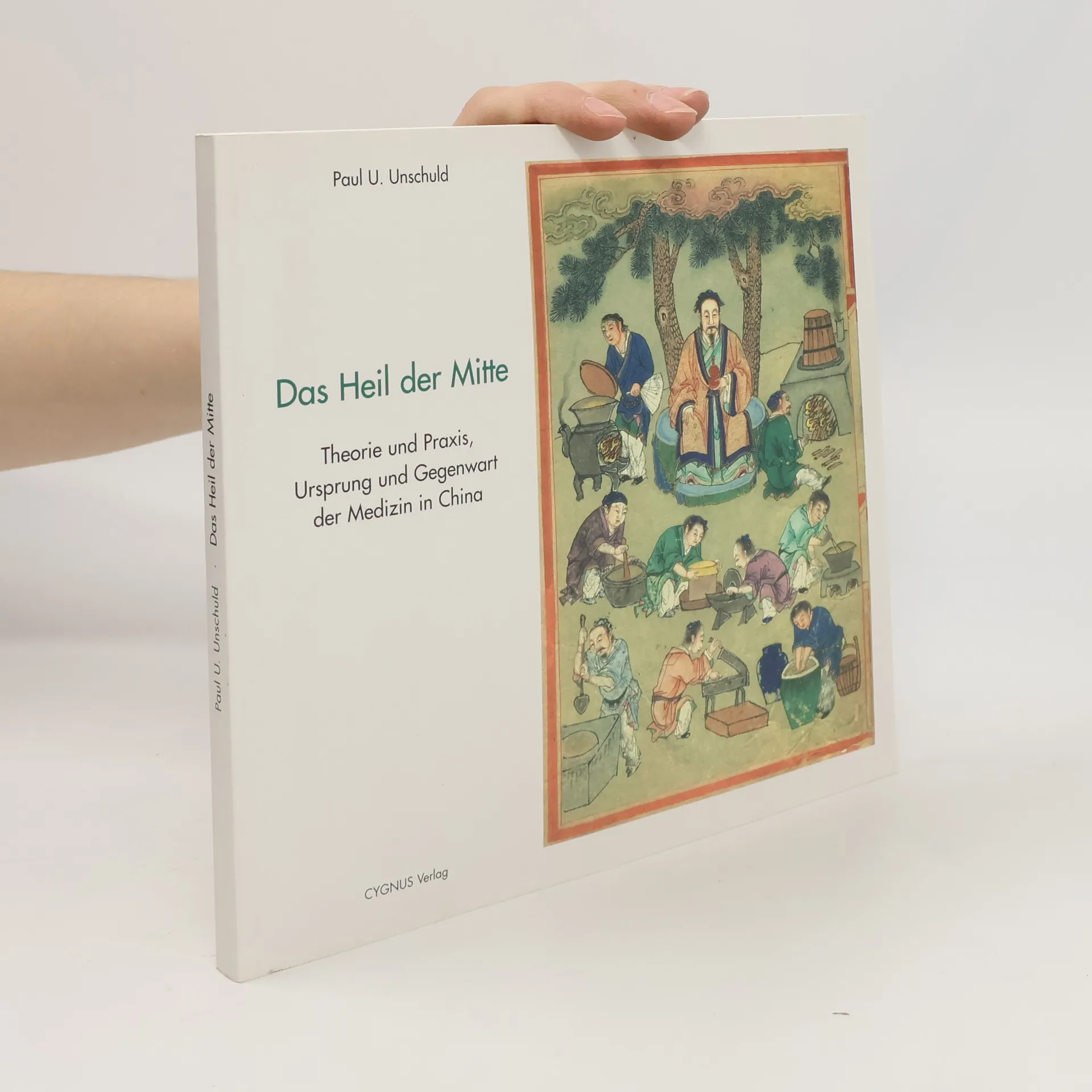
Theorie und Praxis, Ursprung und Gegenwart der Medizin in China
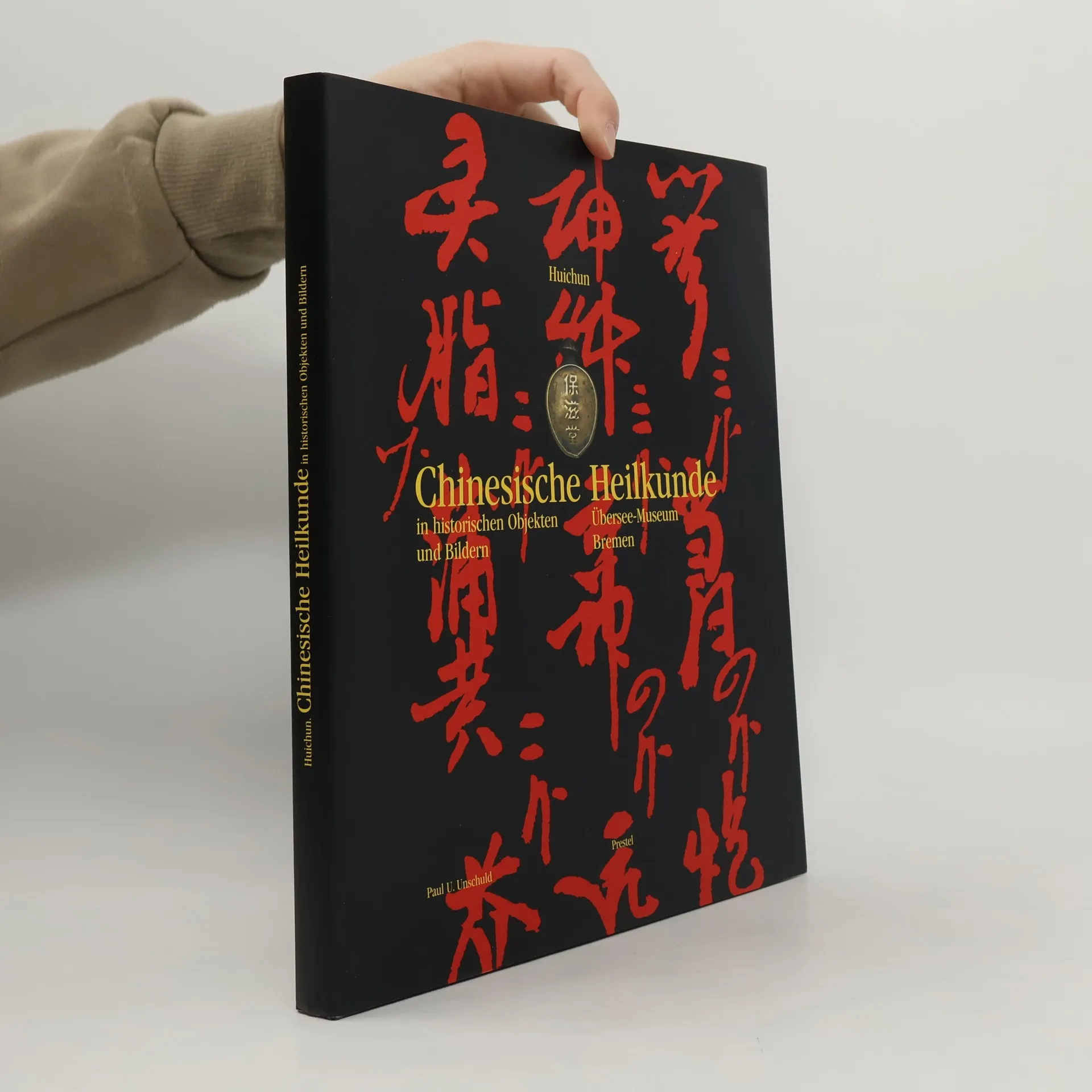
Western fascination with Chinese medicine -- especially with the therapeutic technique of acupuncture -- first arose in the 17th century, yet a systematic investigation of its history, theoretical foundations, and the practical applications of Chinese medicine has only been undertaken in the recent past. Very few of the more than 13,000 Chinese medical texts known today have been translated into European languages. This volume explores the wealth of sources providing today's researchers with an ever more accurate and widening knowledge of health care in Chinese history. Historical manuscripts and printed texts, artefacts used by physicians and pharmacists, such as beautifully decorated medicine flasks, works of fine art and illustrations for teaching purposes, and other items show the attention paid to aesthetic values in China's everyday culture in the past. At the same time they offer often surprising insights into the reality of a long-standing medical tradition that, only recently, has been profoundly remodelled in the course of China's modernization.
Obwohl es kein Geschichtsbuch ist, ist dies das Werk eines Historikers und aus dessen Perspektive geschrieben. Es erklärt Ereignisse vor dem Hintergrund des Lebens in China. Es führt jedes Element des chinesischen medizinischen Wissens ein, jede Phase seiner Entwicklung im Licht des intellektuellen, sozialen, politischen und wirtschaftlichen Bodens, aus dem es hervorging, und zeigt, wie die Konzepte der chinesischen Medizin Akzeptanz fanden und wie, trotz ihrer allmählichen Evolution, ihre grundlegenden Merkmale über 2000 Jahre stabil blieben. Neben dem Reichtum an Informationen über die Natur und Entwicklung der chinesischen Medizin ist die Sicht des Autors auf die Rezeption der chinesischen Medizin im Westen ein wesentlicher Beitrag zu unserem Verständnis alternativer Gesundheitsversorgung.
In the first comprehensive and analytical study of therapeutic concepts and practices in China, Paul Unschuld traces the history of documented health care from its earliest extant records to present developments.