
Explore the latest books of this year!
Bookbot

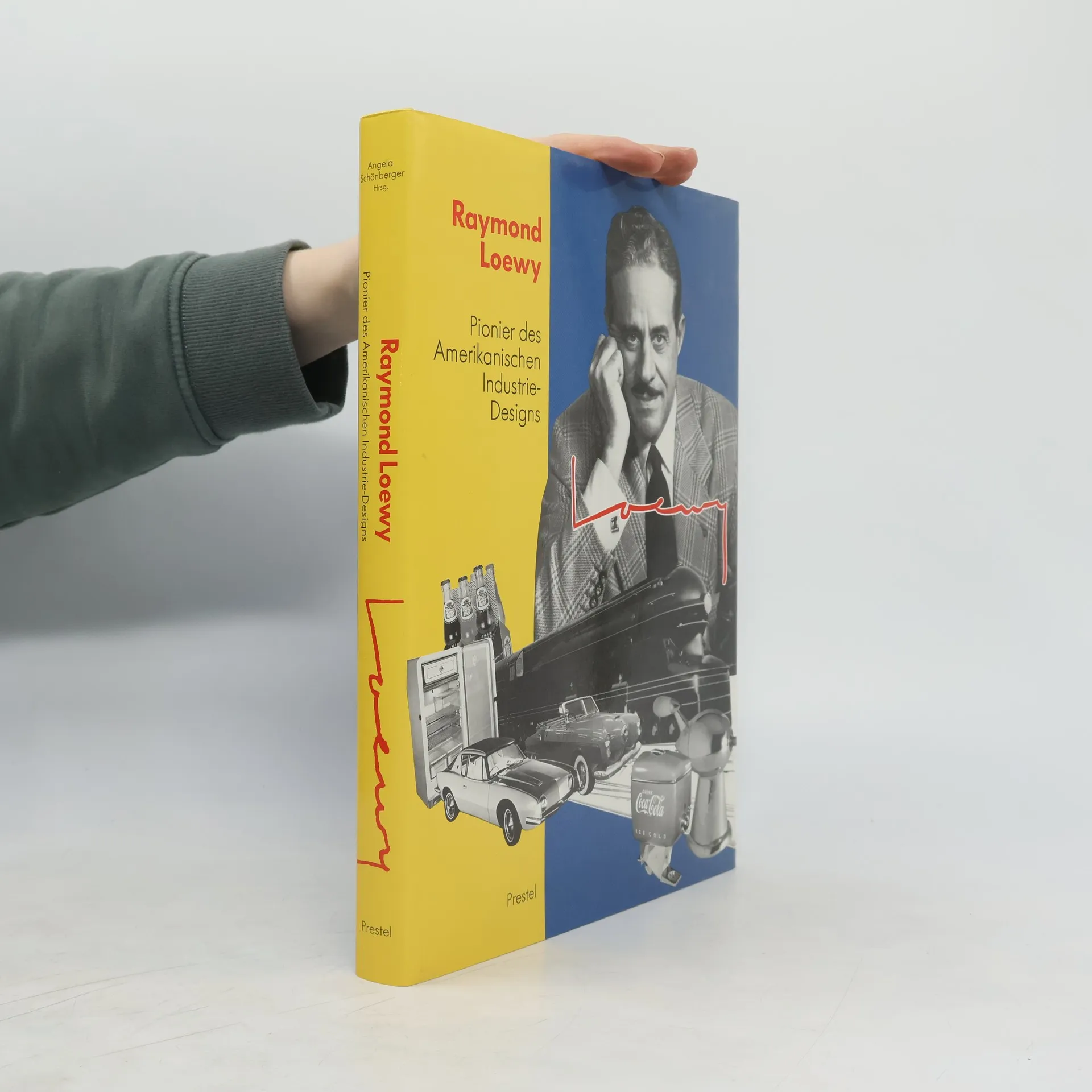
Raymond Loewy

    Raymond Loewy was one of the most renowned industrial designers of the 20th century. His career, spanning seven decades, profoundly influenced countless aspects of modern life in North America. Among his iconic contributions that shaped the visual landscape are the Shell logo, the Greyhound bus, the S-1 locomotive, the Lucky Strike packaging, Coldspot refrigerators, and the Studebaker Avanti. His work represents a synthesis of art, technology, and everyday living.

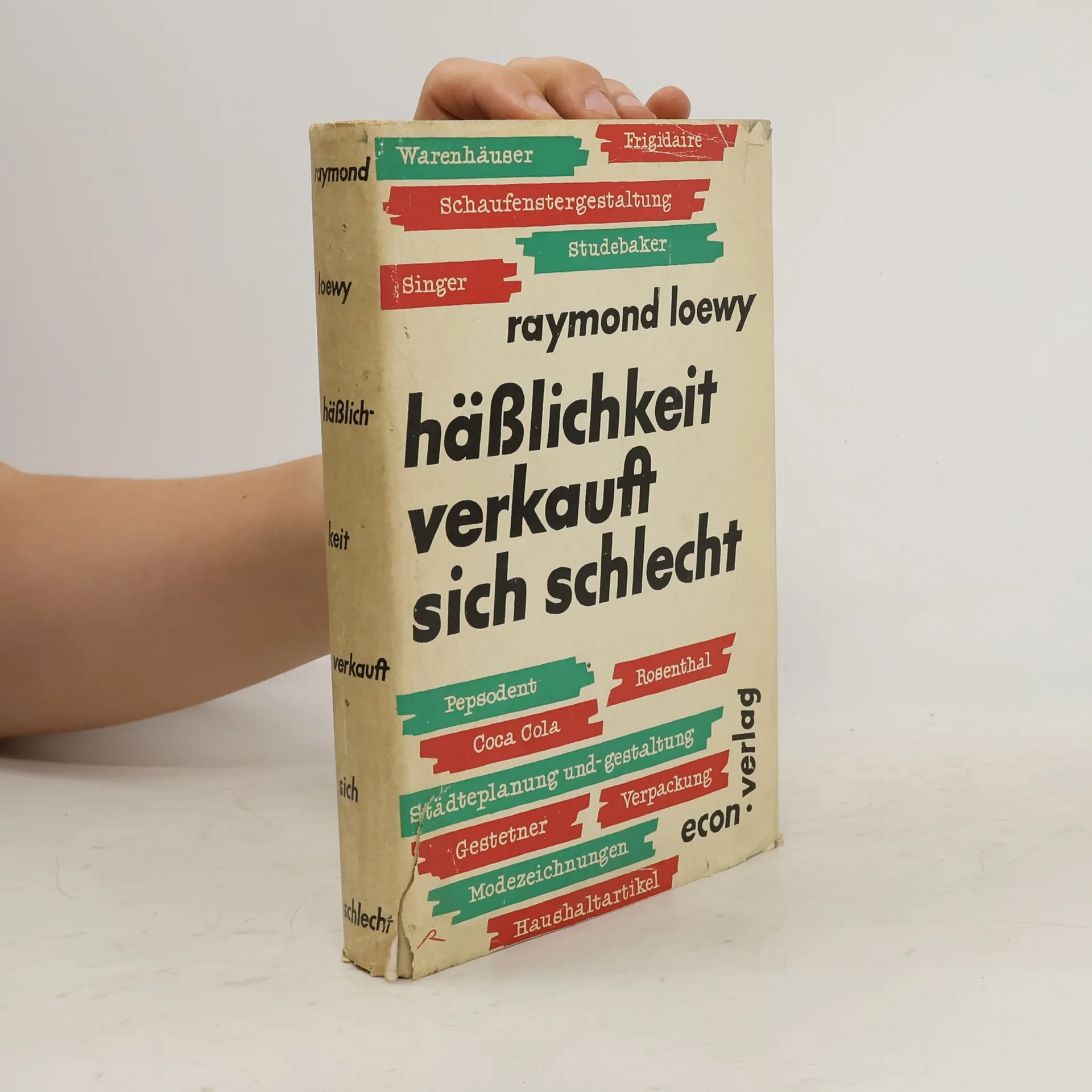
    Häßlichkeit verkauft sich schlecht
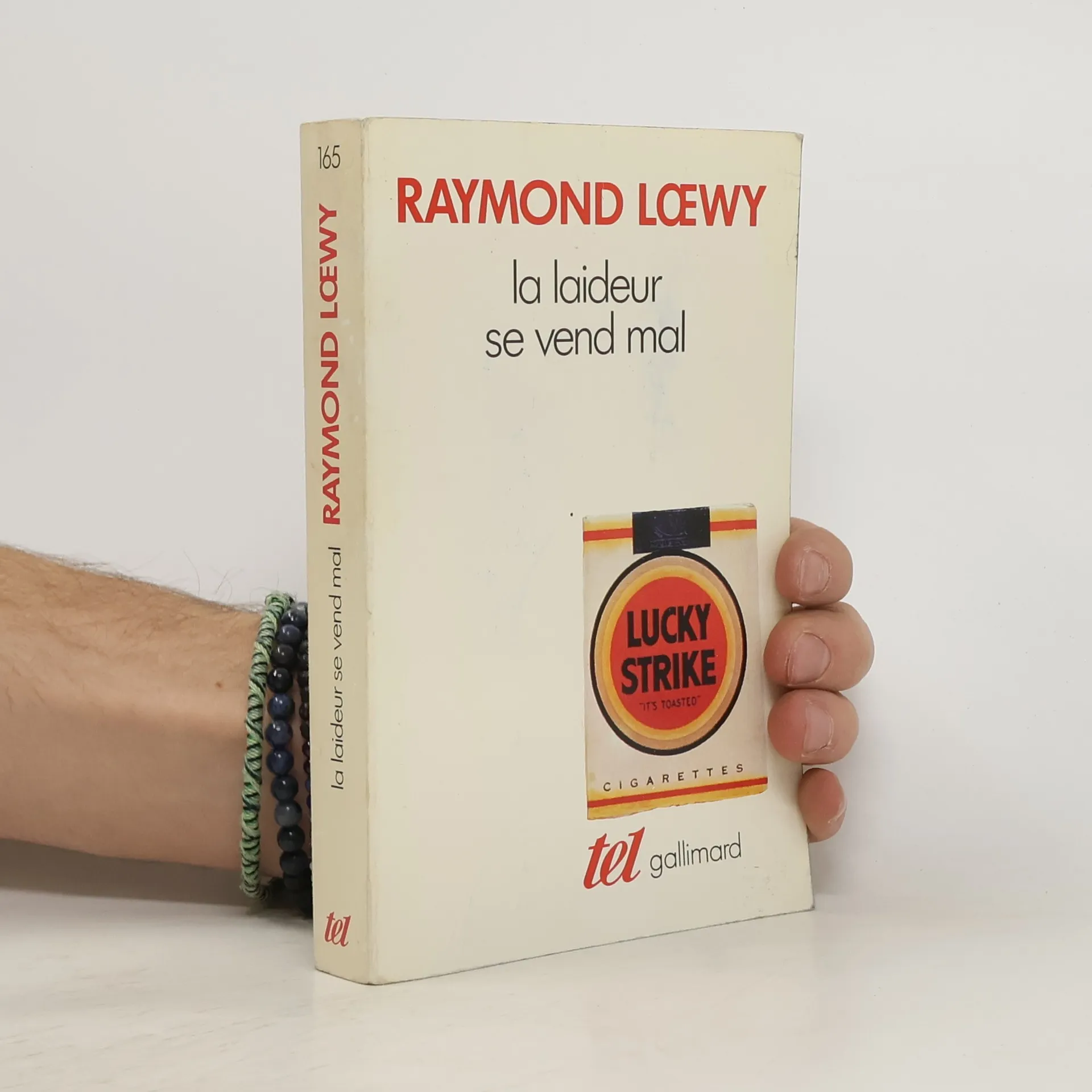
    La laideur se vend mal
    Raymond Loewy
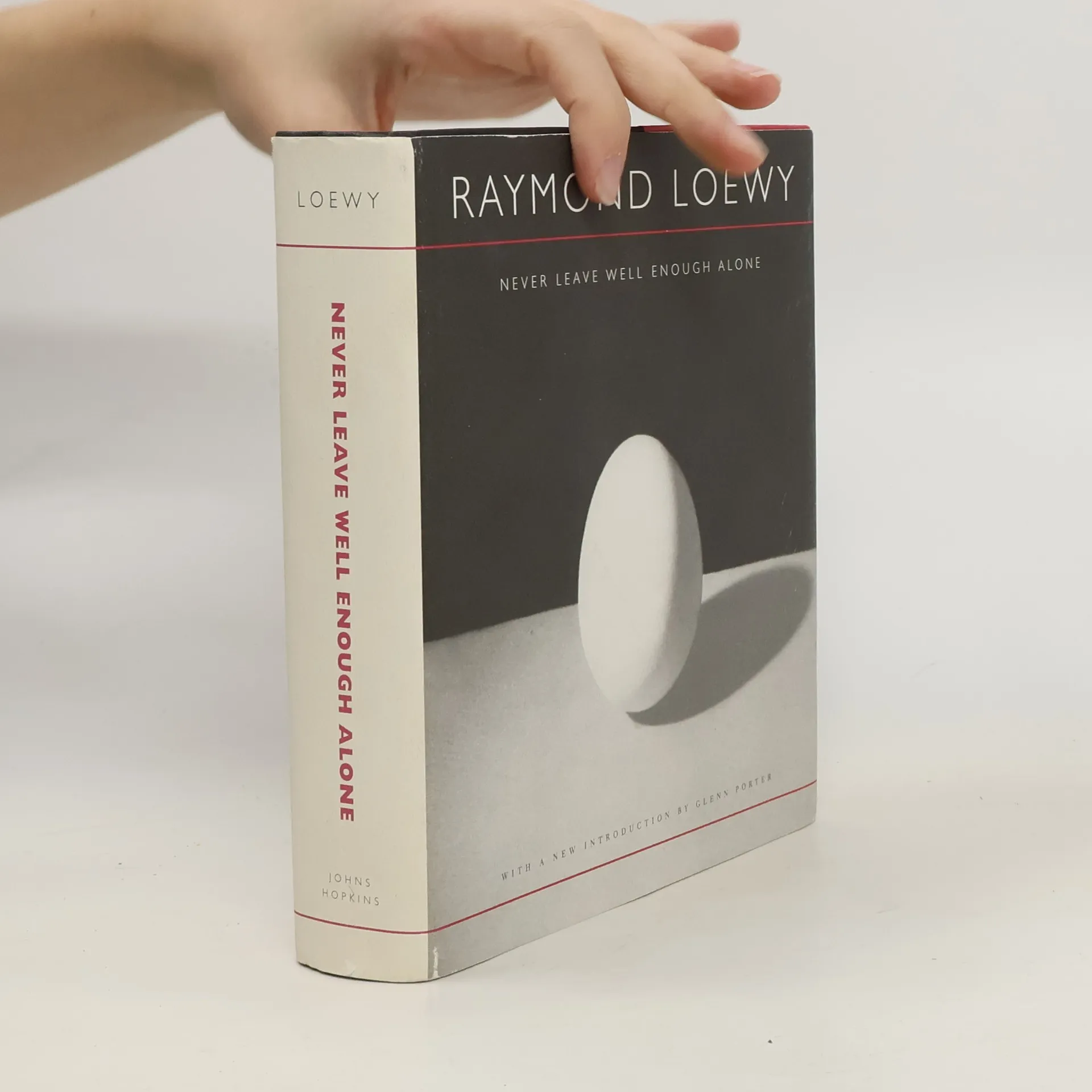
    Never Leave Well Enough Alone
    • 2002

      Never Leave Well Enough Alone

      • 488 pages
      • 18 hours of reading

      Between the 1930s and the 1960s, Raymond Loewy's streamlined designs transformed countless consumer goods, from toasters to automobiles, significantly altering American life. Known as the father of modern industrial design, he graced the cover of Time in 1949 and was named one of Life's "100 Most Important Americans of the 20th Century" in 1990. Mid-century Americans unknowingly inhabited a Loewy-designed world, influencing everything from cigarette packaging (Lucky Strike) to Coca-Cola dispensers, Pepsodent tubes, Studebaker cars, Greyhound buses, Pennsylvania Railroad trains, and department stores like Gimbel's and Lord & Taylor. His 1951 publication captures the height of his career, showcasing his firm, Raymond Loewy Associates, which consulted for over a hundred major corporations, generating more than $3 billion in product sales annually. This richly illustrated book serves as both an autobiography and a design manifesto, celebrated for its wit, unique perspectives, and insights into the Loewy aesthetic. It stands as a significant document of the American Century and a vital reflection on the role of industrial design in everyday life.

      Never Leave Well Enough Alone
    • 1990

      La laideur se vend mal

      • 414 pages
      • 15 hours of reading
      3.7(41)Add rating

      "Il faut être une oeuvre d'art ou en porter une", disait Oscar Wilde. Raymond Loewy (1893-1986), tenu pour le fondateur du design industriel, a fait sien cet aphorisme. Depuis la plus tendre enfance, il rêve de locomotives, d'automobiles, de navires. Âgé de quinze ans, "il donne son coeur à douze magnifiques créatures" : ce sont douze locomotives d'un entrepôt du P.L.M. Il quitte l'Europe pour New York entre les deux guerres. Ses premières impressions, nous les trouvons dans ce livre écrit trente ans plus tard. "On fabriquait à tort et à travers ascenseurs, moulins à café, grues mécaniques, etc, avec pour seule préoccupation que "ça marche". Quand vint l'ère de la production en masse, le pays fut inondé de produits souvent de bonne qualité, mais disgracieux et coûteux." Raymond Loewy, d'abord étalagiste, crée bientôt une profession : celle d' "esthéticien industriel", et entreprend une croisade contre la laideur, le bruit, l'encombrement, le gâchis en matières premières et en main-d'oeuvre. Son principe ? Donner à toute chose une apparence parfaite liée à un fonctionnement parfait. Son idée fixe ? L'harmonie, qu'il s'agisse d'une locomotive, du mariage, d'une boîte de conserve ou des rapports humains.

      La laideur se vend mal
    • 1990