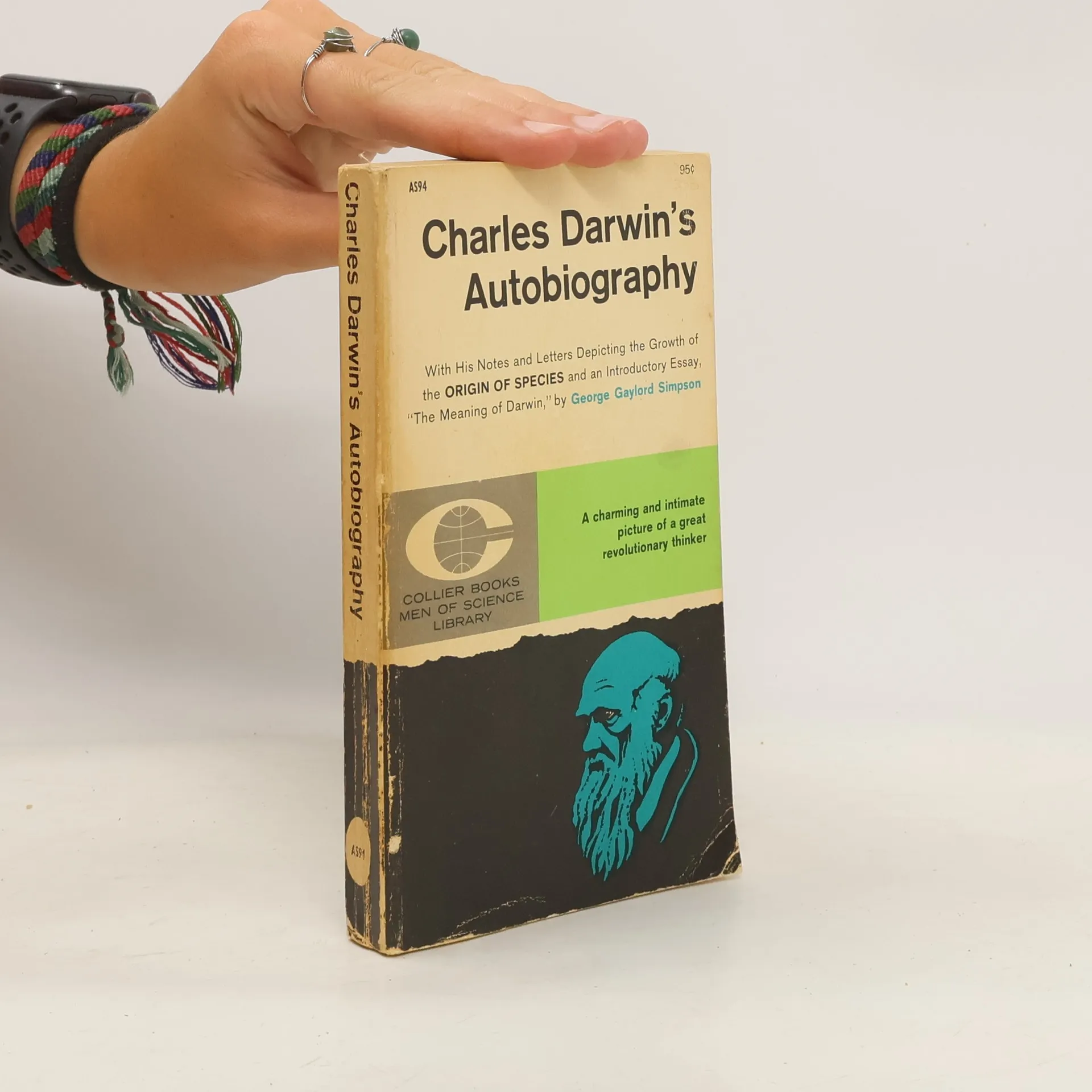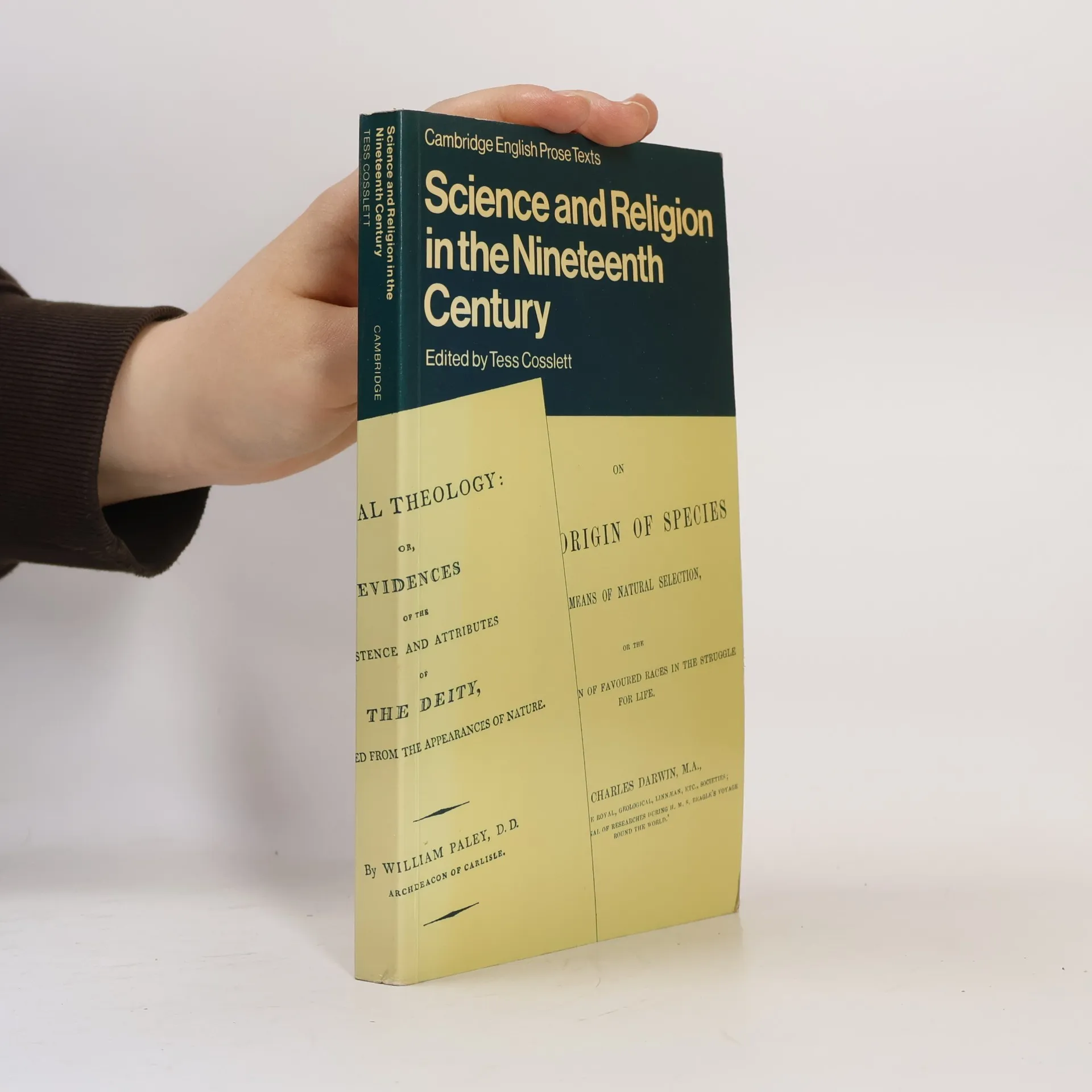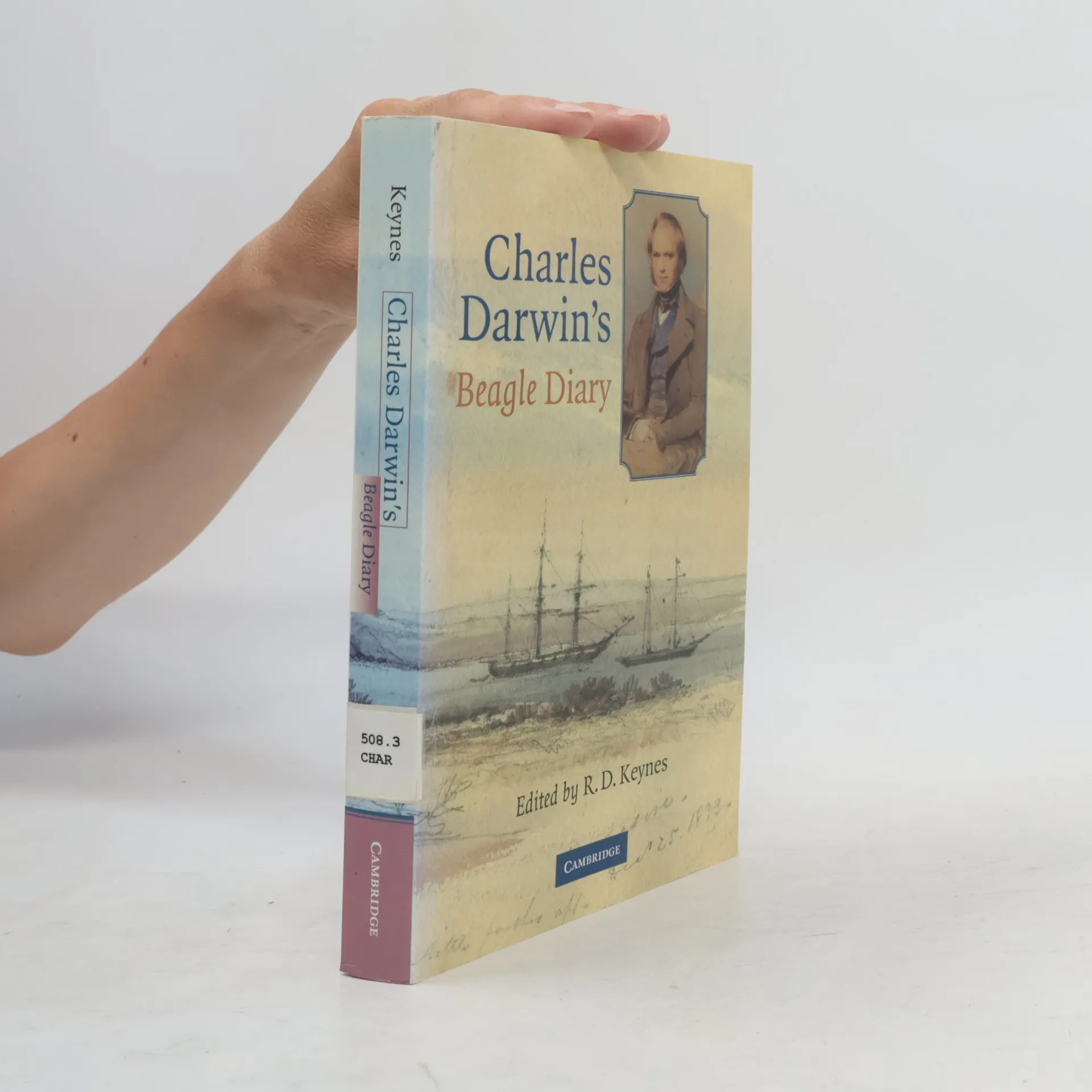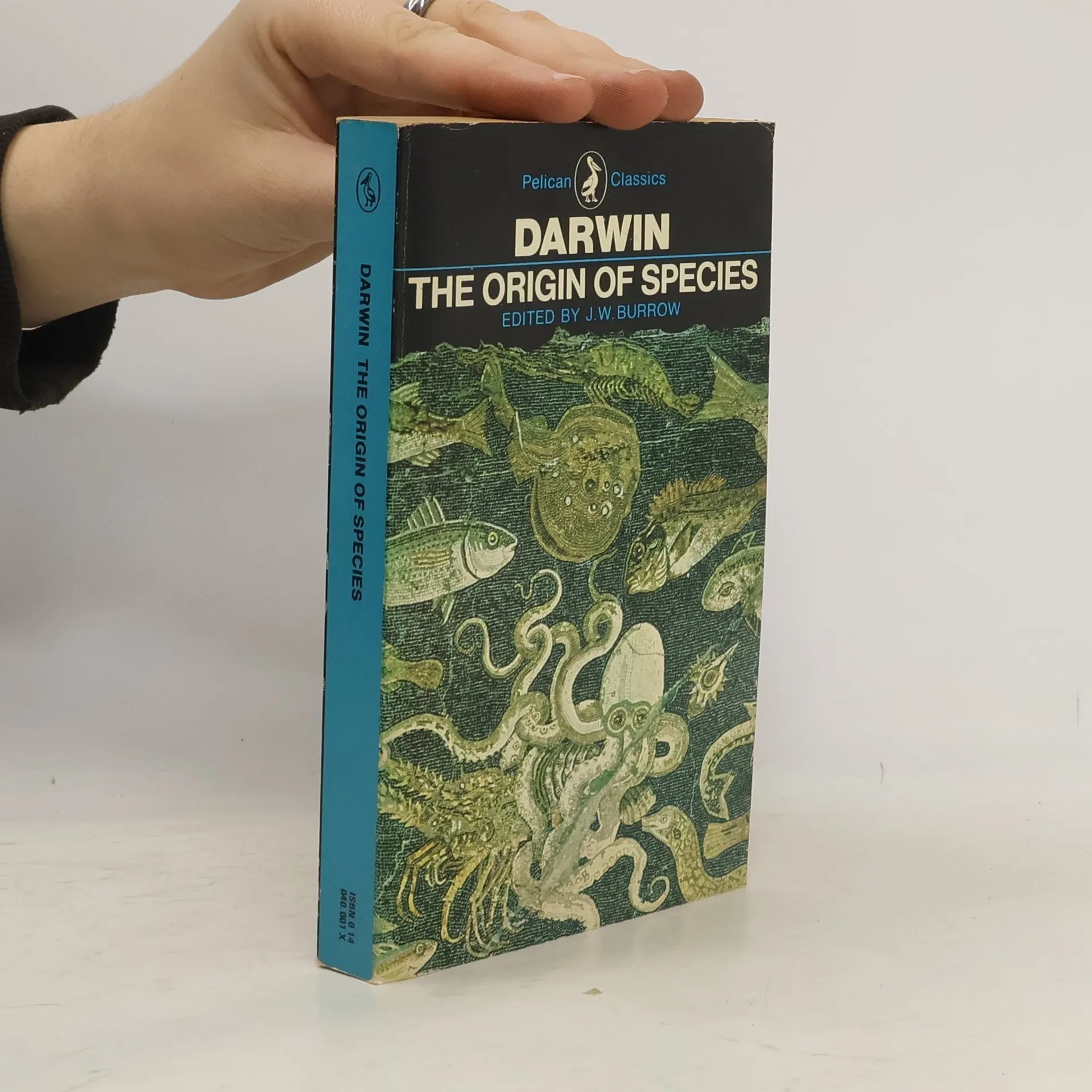


Explore the latest books of this year!
Bookbot

Charles Darwin

    February 12, 1809 – April 19, 1882

    Charles Darwin was an English naturalist whose seminal work revolutionized our understanding of life on Earth. With meticulous observation and geological insight, he proposed the theory of evolution by natural selection. This theory, positing that all species have evolved over time from common ancestors, became the bedrock of modern biology, providing a unifying explanation for the vast diversity of life. His extensive fieldwork, famously documented during his voyage, and subsequent publications established him not only as a towering scientific figure but also as a compelling author whose ideas continue to shape our perception of the natural world.

    Charles Darwin
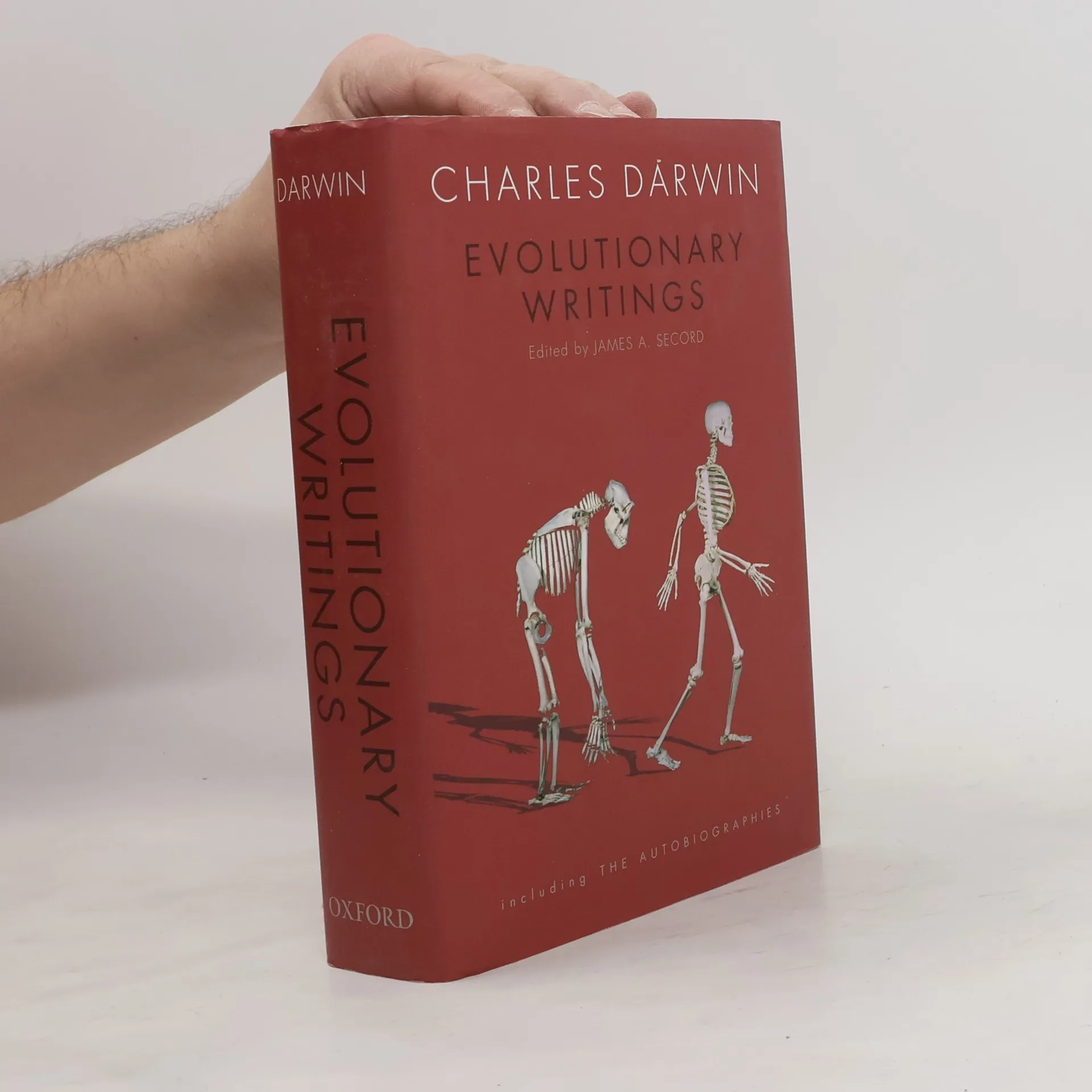
    Evolutionary writings
    The Origin of Species and the Voyage of the Beagle
    Voyage of the Beagle
    Darwin
    The formation of vegetable mould through the action of worms, with observations on their habits
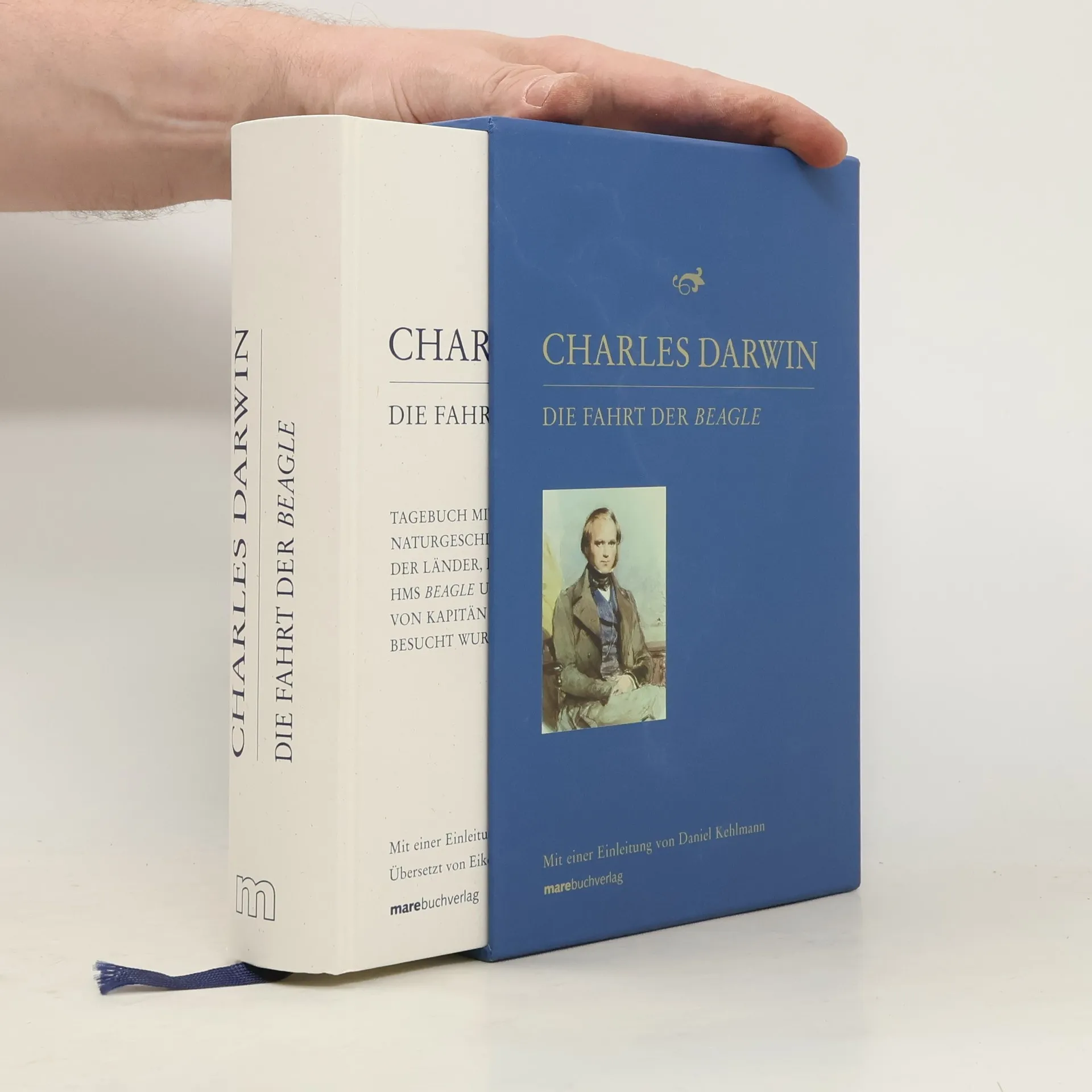
    Die Fahrt der Beagle
    • Die Fahrt der Beagle

      Tagebuch mit Erforschungen der Naturgeschichte und Geologie der Länder, die auf der Fahrt von HMS Beagle unter dem Kommando von Kapitän Robert Fitzroy, RN, besucht wurden

      • 687 pages
      • 25 hours of reading

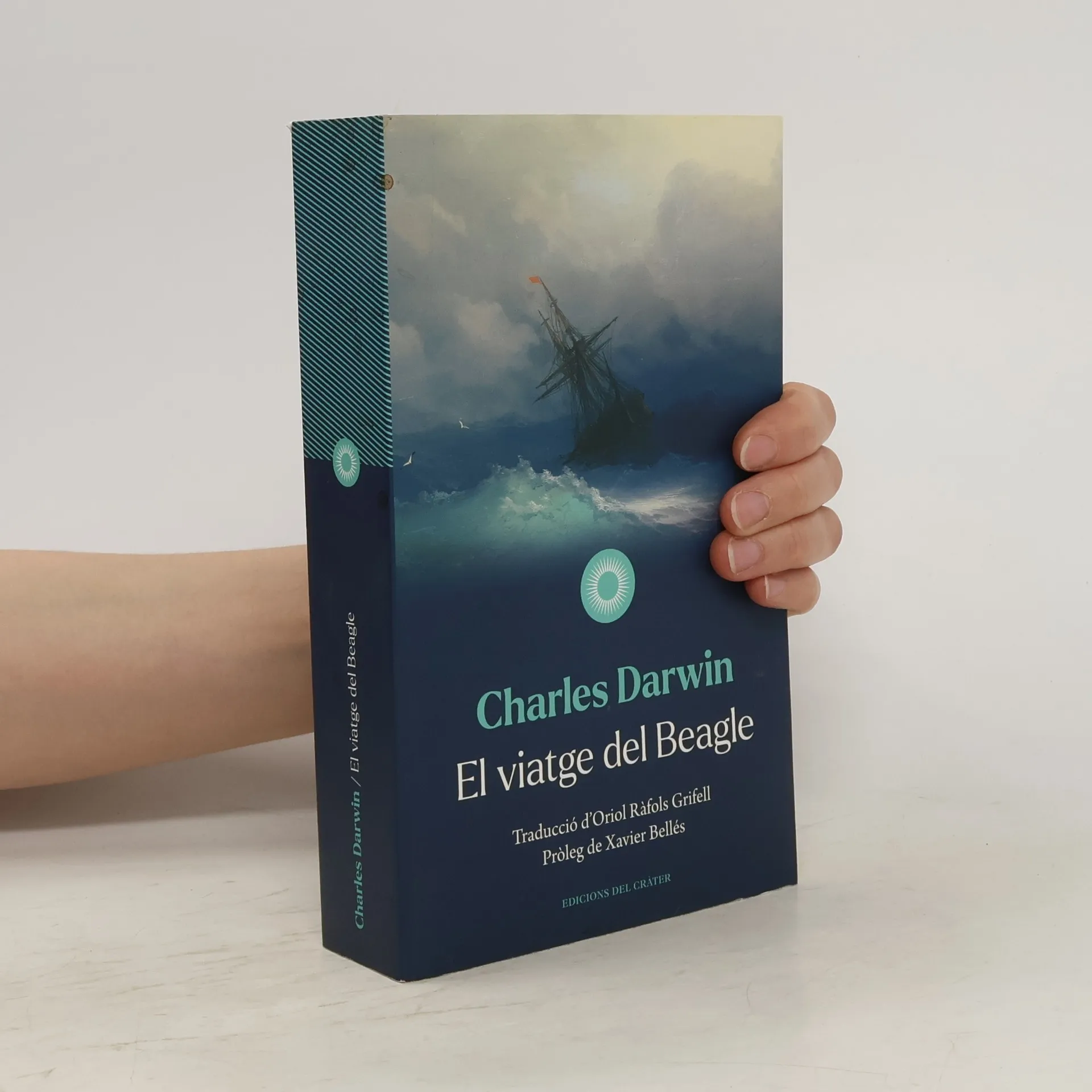
      Am 27. Dezember 1831 brach Charles Darwin mit der Beagle von Plymouth auf. In seiner kleinen Kajüte befanden sich Probenbehälter, Chemikalien, Seziergeräte, ein Mikroskop, ein Geologenhammer und Bücher. Mit 22 Jahren war er ein begeisterter Käfersammler und hatte ein leidenschaftliches Interesse an Naturwissenschaften, jedoch war er unschlüssig über seine Zukunft. Während seiner fünfjährigen Weltumrundung studierte er die Natur der Kapverdischen Inseln, die Ureinwohner Feuerlands und entdeckte auf den Galápagosinseln unterschiedliche Finkenpopulationen. Am Ende der Reise hatte er 1529 Spezies in Spiritus eingelegt und 3907 Häute, Knochen und andere Funde katalogisiert. Doch noch wichtiger war die Idee, die er mitbrachte und die später eine der größten intellektuellen Revolutionen der Menschheitsgeschichte auslöste. Darwins Bericht über seine Reise ist nicht nur ein bedeutendes Reisebuch, sondern auch die abenteuerliche Chronik eines jungen Mannes, der die Welt bereiste, um sie zu verändern. Es ist eine Mischung aus Abenteuer, Reisebericht und der Entstehung der modernen Biologie, verfasst in brillanter Literatur.

      Die Fahrt der Beagle
      4.5
    • The book delves into the detailed study of earthworm castings and their impact on soil health, specifically focusing on measurements taken in fields near Nice. Through meticulous collection and weighing of castings over several months, the author calculates the significant amounts of organic matter produced by earthworms. The findings suggest that under optimal conditions, earthworms can contribute substantial quantities of nutrients to the soil, emphasizing their vital role in agricultural productivity. The research highlights the influence of weather and soil management practices on worm activity.

      The formation of vegetable mould through the action of worms, with observations on their habits
      4.3
    • Darwin

      • 896 pages
      • 32 hours of reading

      Hailed as the definitive biography, this monumental work explains the character and paradoxes of Charles Darwin and opens up the full panorama of Victorian science, theology, and mores. The authors bring to life Darwin's reckless student days in Cambridge, his epic five-year voyage on the Beagle, and his grueling struggle to develop his theory of evolution.Adrian Desmond and James Moore's gripping narrative reveals the great personal cost to Darwin of pursuing inflammatory truths—telling the whole story of how he came to his epoch-making conclusions.

      Darwin
      4.3
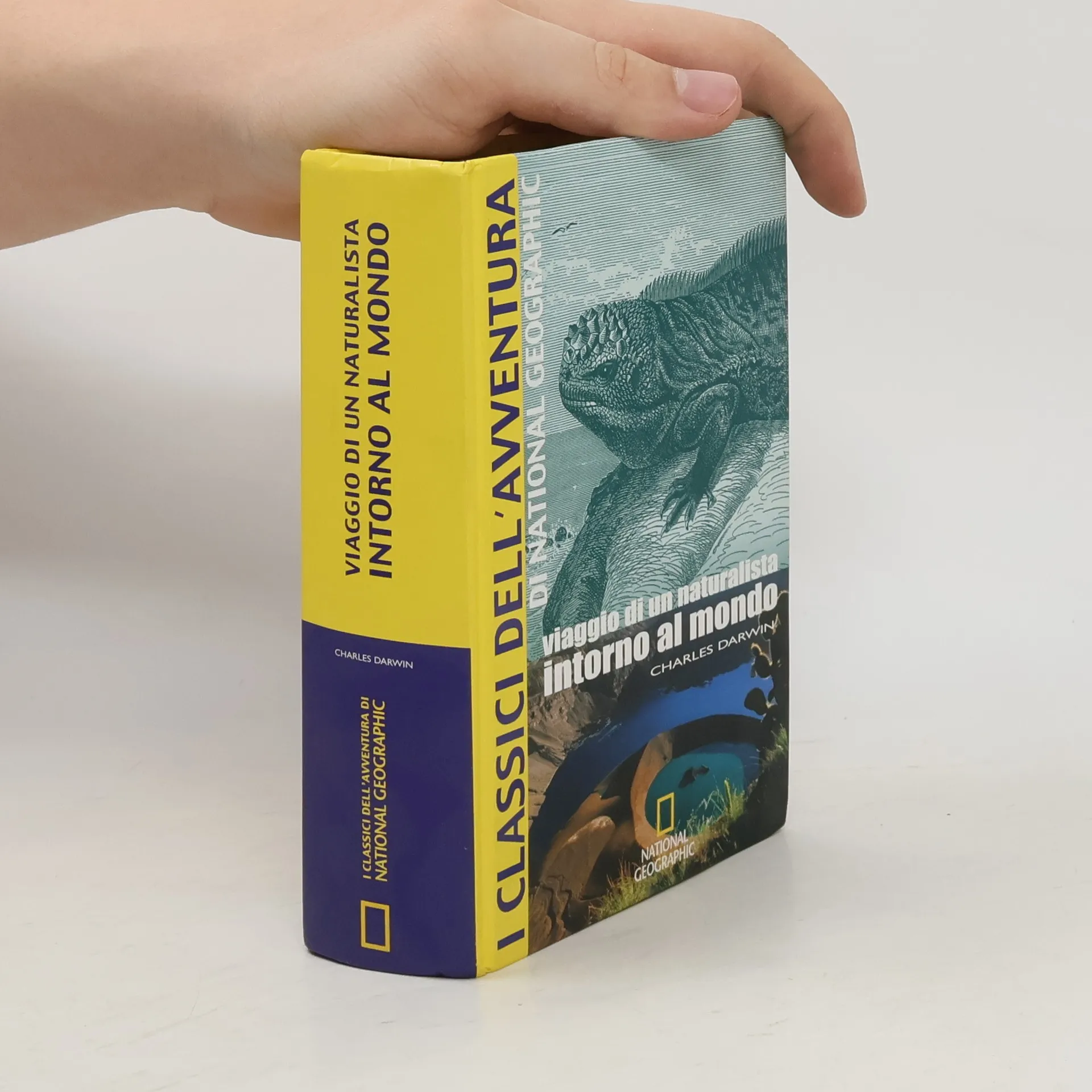
    • Charles Darwin's account of his transformative voyage aboard HMS Beagle, which began on December 27, 1831, at the age of twenty-two, captures his observations on geology, natural history, and diverse cultures. This journal, presented in a shortened format, details remarkable experiences, from the volcanoes of the Galapagos to the Gossamer spider in Patagonia and the coral reefs of Australasia. These writings laid the groundwork for the intellectual developments that culminated in the theory of evolution and the publication of the controversial "Origin of Species." This edition features an introduction by Janet Brown and Michael Neve, offering context to Darwin's ideas, along with notes, maps, and appendices. Additionally, it includes an essay on scientific geology and the Bible by Robert FitzRoy, Darwin's friend and captain of the Beagle. For over seventy years, Penguin has been a leading publisher of classic literature, offering a vast collection of over 1,700 titles that represent the best works across history and genres. Readers can rely on the series for authoritative texts, enriched by insights from distinguished scholars and contemporary authors, as well as modern translations by award-winning translators.

      Voyage of the Beagle
      4.4
    • WITH AN INTRODUCTION BY DARWIN'S GREAT-GREAT-GRANDDAUGHTER, RUTH PADELWhen the eminent naturalist Charles Darwin returned from South America on board the H.M.S Beagle in 1836, he brought with him the notes and evidence which would form the basis of his landmark theory of evolution of species by a process of natural selection.

      The Origin of Species and the Voyage of the Beagle
      4.2
    • Evolutionary writings

      • 485 pages
      • 17 hours of reading

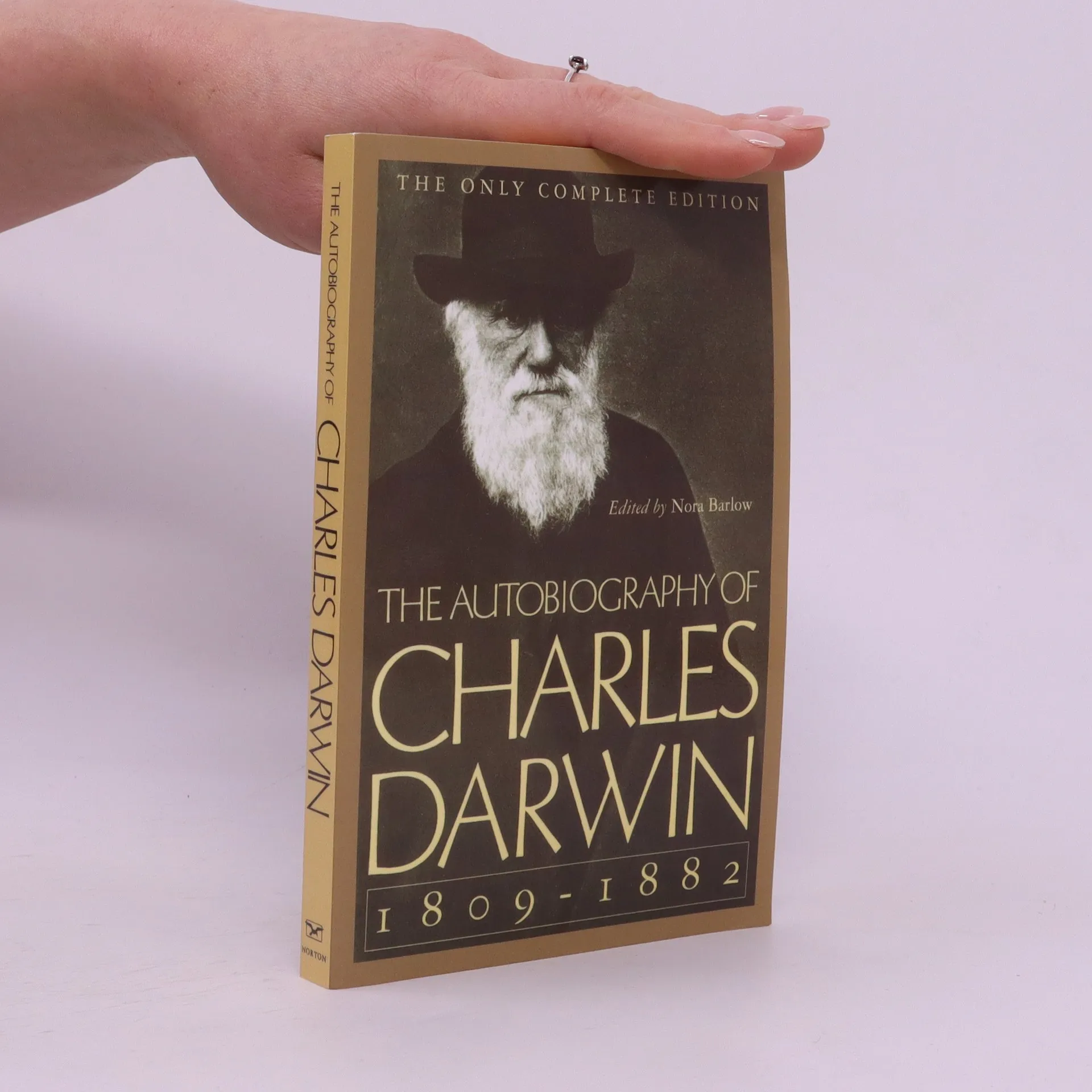
      On topics ranging from intelligent design and climate change to the politics of gender and race, the evolutionary writings of Charles Darwin occupy a pivotal position in contemporary public debate. This volume brings together the key chapters of his most important and accessible books,including the Journal of Researches on the Beagle voyage (1845), The Origin of Species (1859), and The Descent of Man (1871), along with the full text of his delightful autobiography. They are accompanied by generous selections of responses from Darwin's nineteenth-century readers from across theworld. More than anything, they give a keen sense of the controversial nature of Darwin's ideas, and his position within Victorian debates about man's place in nature.The wide-ranging Introduction by James A. Secord, Director of the Darwin Correspondence Project, explores the global impact and origins of Darwin's work and the reasons for its unparalleled significance today. To increase its usefulness for readers coming to Darwin for the first time, the selectionalso includes a map of the Beagle voyage, a detailed chronology of Darwin's life, and a biographical appendix identifying every individual mentioned in the text.

      Evolutionary writings
      4.1
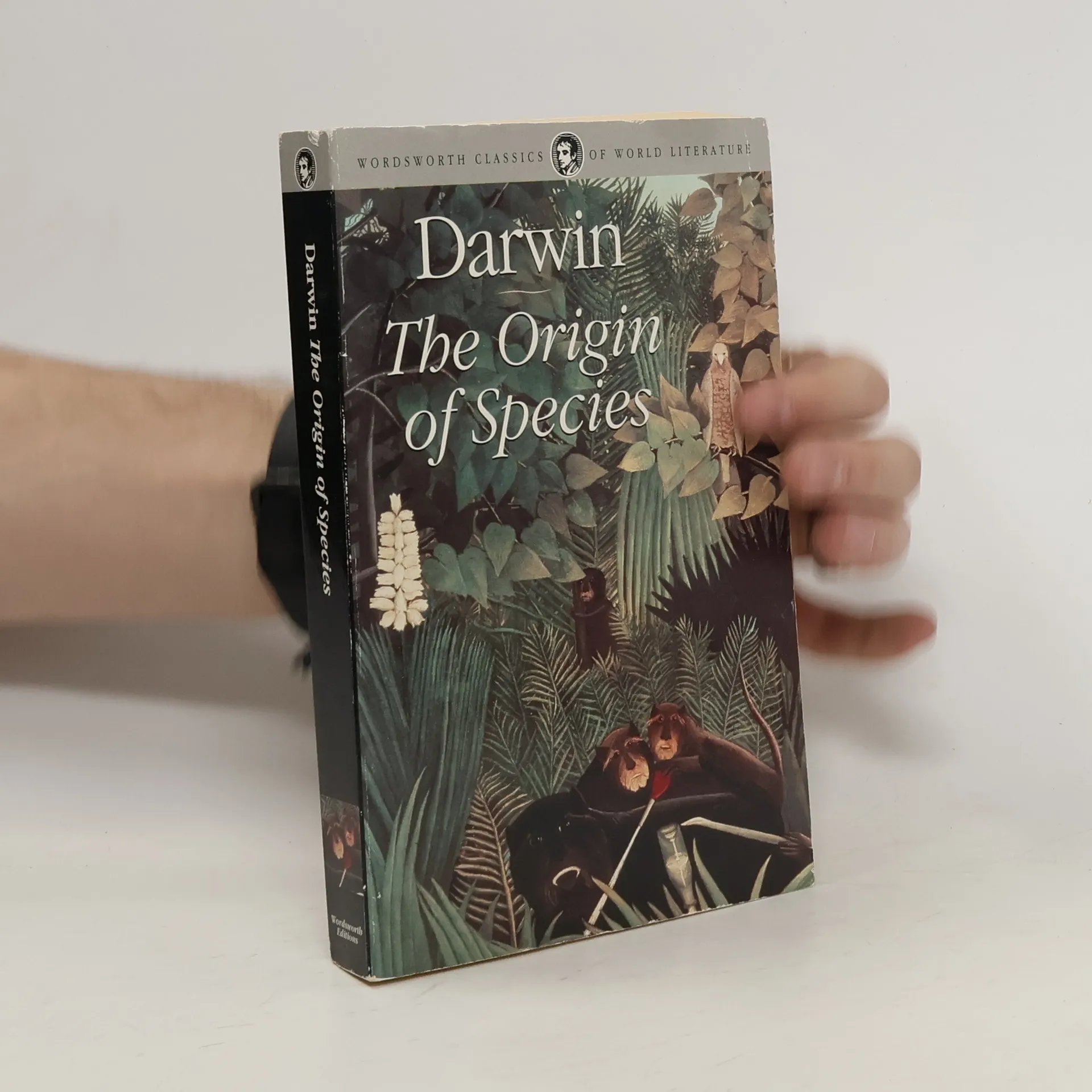
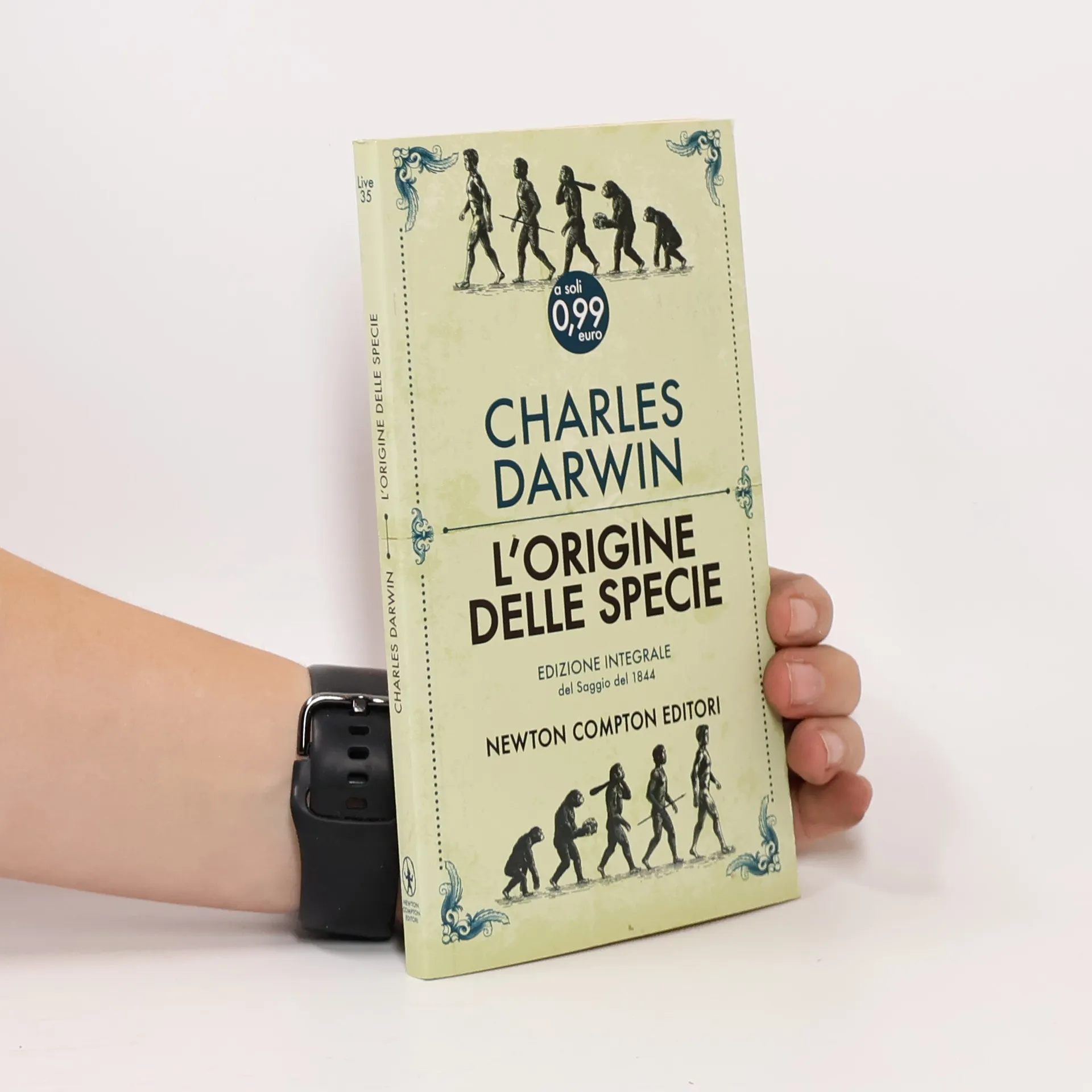
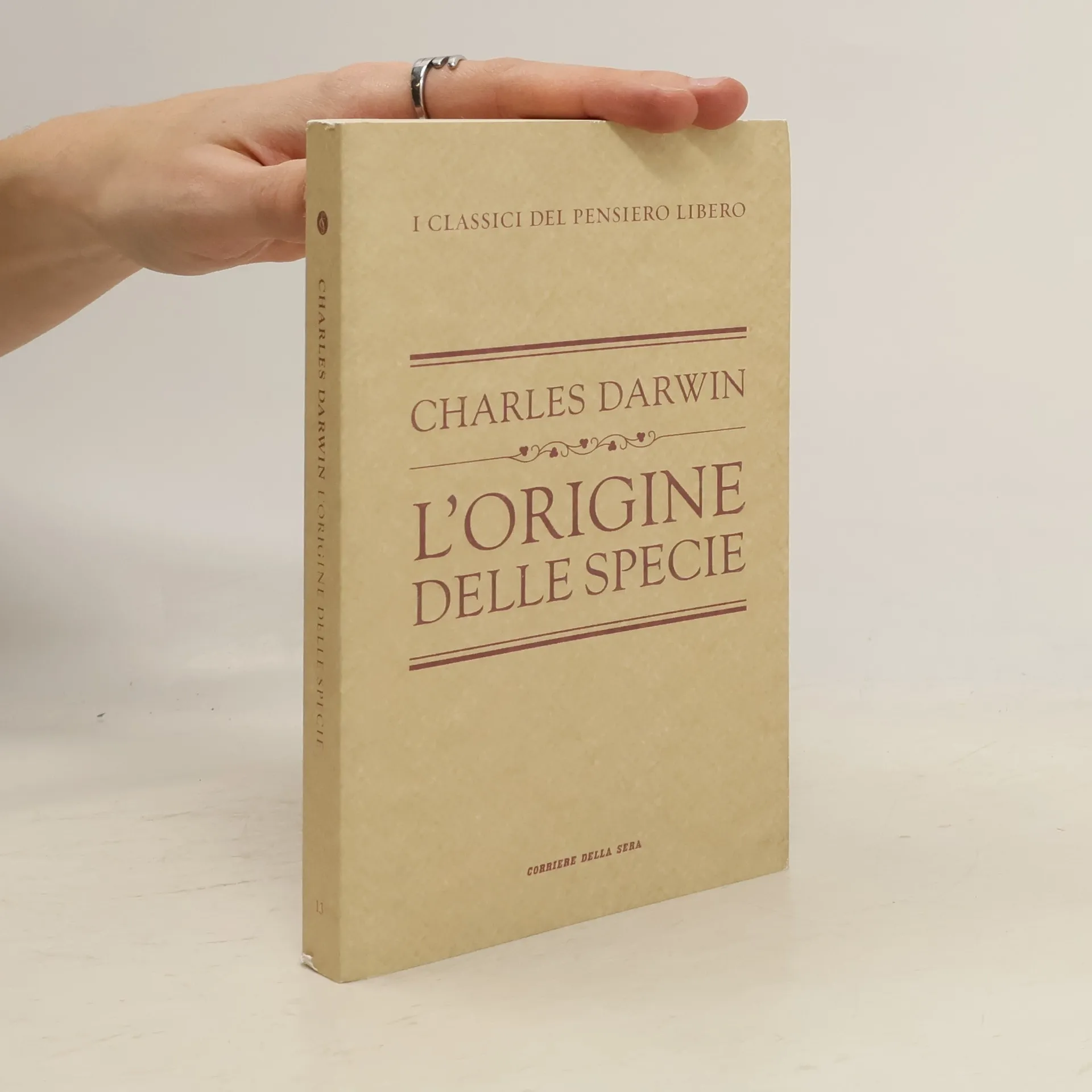
    • The publication of Darwin’s The Origin of Species in 1859 marked a dramatic turning point in scientific thought. The volume had taken Darwin more than twenty years to publish, in part because he envisioned the storm of controversy it was certain to unleash. Indeed, selling out its first edition on its first day, The Origin of Species revolutionized science, philosophy, and theology. Darwin’s reasoned, documented arguments carefully advance his theory of natural selection and his assertion that species were not created all at once by a divine hand but started with a few simple forms that mutated and adapted over time. Whether commenting on his own poor health, discussing his experiments to test instinct in bees, or relating a conversation about a South American burrowing rodent, Darwin’s monumental achievement is surprisingly personal and delightfully readable. Its profound ideas remain controversial even today, making it the most influential book in the natural sciences ever written—an important work not just to its time but to the history of humankind.

      The Origin of Species: By Means of Natural Selection or the Preservation of Favoured Races in the Struggle for Life
      4.1
    • With an Introduction by Jeff Wallace. 'A grain in the balance will determine which individual shall live and which shall die...'. Darwin's theory of natural selection issued a profound challenge to orthodox thought and belief: no being or species has been specifically created; all are locked into a pitiless struggle for existence, with extinction looming for those not fitted for the task. Yet The Origin of Species (1859) is also a humane and inspirational vision of ecological interrelatedness, revealing the complex mutual interdependencies between animal and plant life, climate and physical environment, and - by implication - within the human world. Written for the general reader, in a style which combines the rigour of science with the subtlety of literature, The Origin of Species remains one of the founding documents of the modern age.

      The Origin of Species - Introduced and Abridged by Philip Appleman
      4.0
    • A new, popular edition with a clear introduction. Initially received with muted applause, Darwin's The Origin of Species by Means of Natural Selection was soon recognized as the breakthrough scientific advance that explained the evidence of the world around us, the place and history of humans, the connections between environment and evolution.

      On the Origin of Species (Concise Edition)
      3.4
    • The Descent of Man is Darwin's second book, first published in 1871. In this edition, Darwin applies evolutionary theory to humans and details his theory of sexual selection.

      The descent of man and selection in relation to sex
      4.1