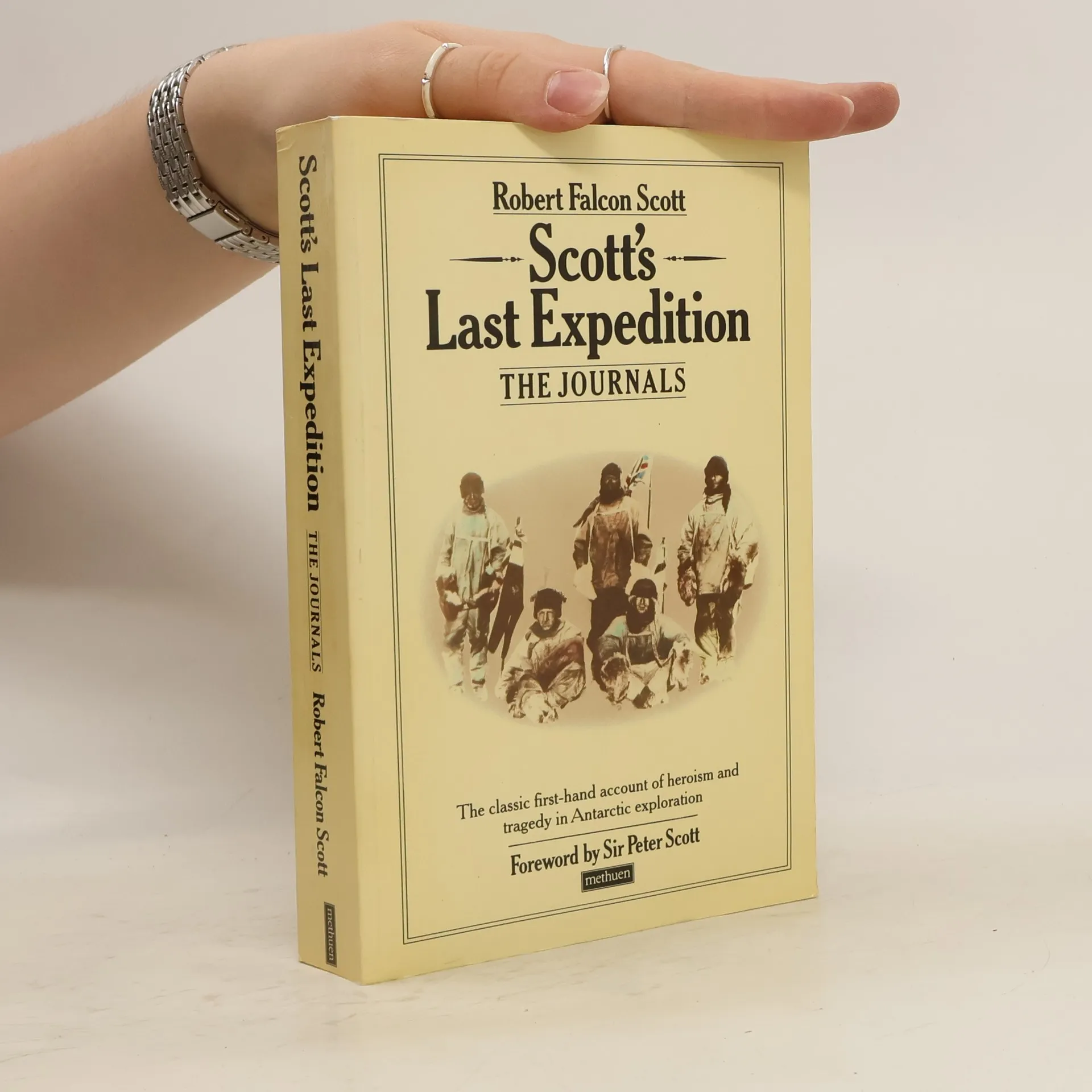
Scott's Last Expedition
The Journals
HardPress Classic Books Series


Robert Falcon Scott was a British naval officer and explorer who led two expeditions to the Antarctic. His ventures were characterized by a relentless pursuit of geographical extremes, leaving a profound legacy in polar exploration. Scott's narrative serves as a testament to the tenacity of the human spirit when confronted with the unforgiving nature and perils of the unknown.




The Journals
HardPress Classic Books Series
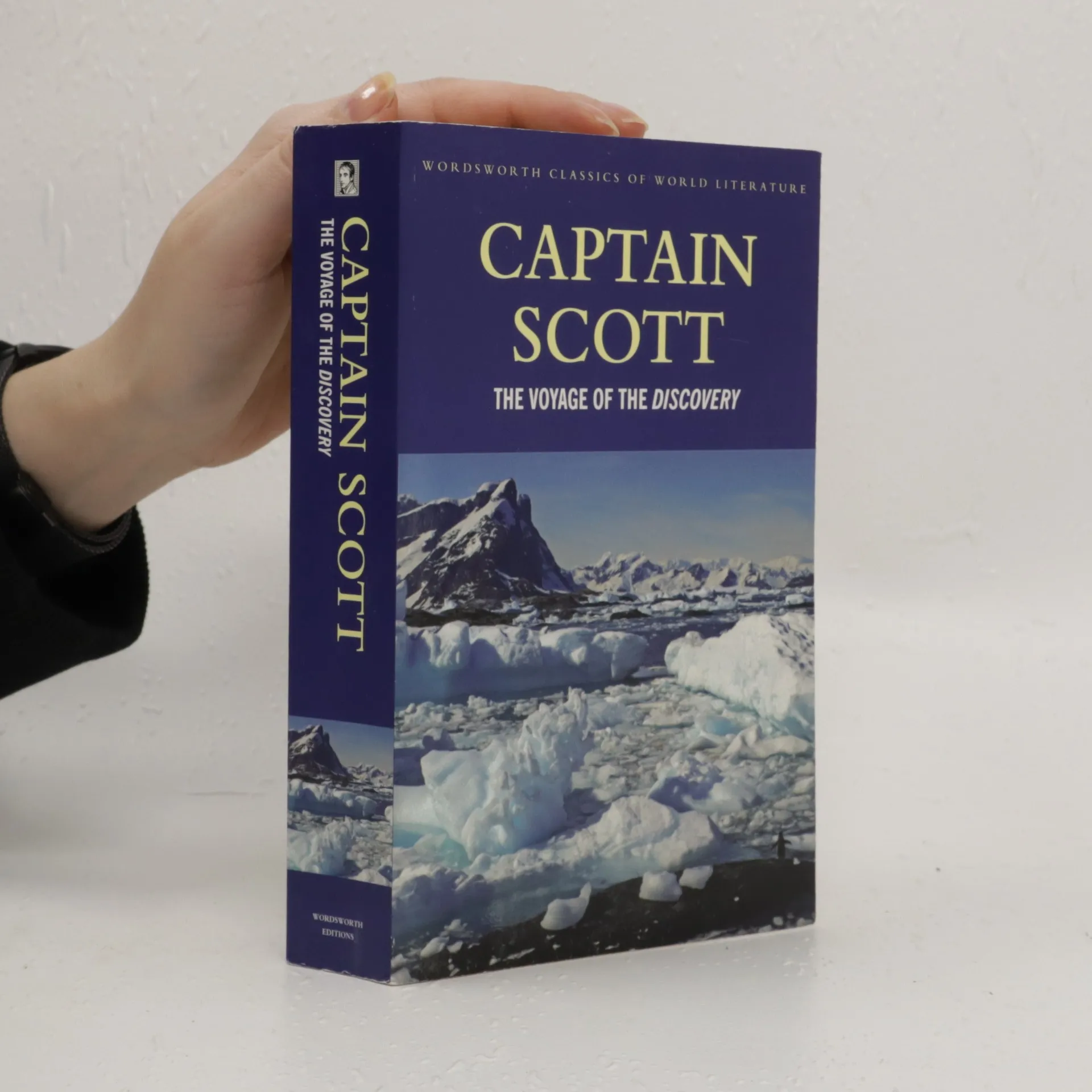
'When I received the script of "The Voyage of the Discovery" I was amazed. I had only to read a few pages to realise that it was literature, unique of its kind...Scott's mind was like wax to receive an impression and like marble to retain it'. So wrote Leonard Huxley, and he was not alone in his opinion. When this account of Scott's first Antarctic expedition appeared in 1905 the reviewers recognised it as a masterpiece and the first printing sold out immediately. Scott is best known for his doomed last expedition in 1912, but it was this earlier voyage that truly began the opening up of the Antarctic continent and laid the groundwork for the 'Heroic Age' of Antarctic exploration. The record of that voyage is a classic account by a remarkable explorer who was also one of the most talented writers in the field of polar exploration. Scott brings alive for the reader the brilliance of the aurora in the long winter nights, the hunger and danger of sledging trips, the isolation, and the joy
Die Abenteuer der Gefährten
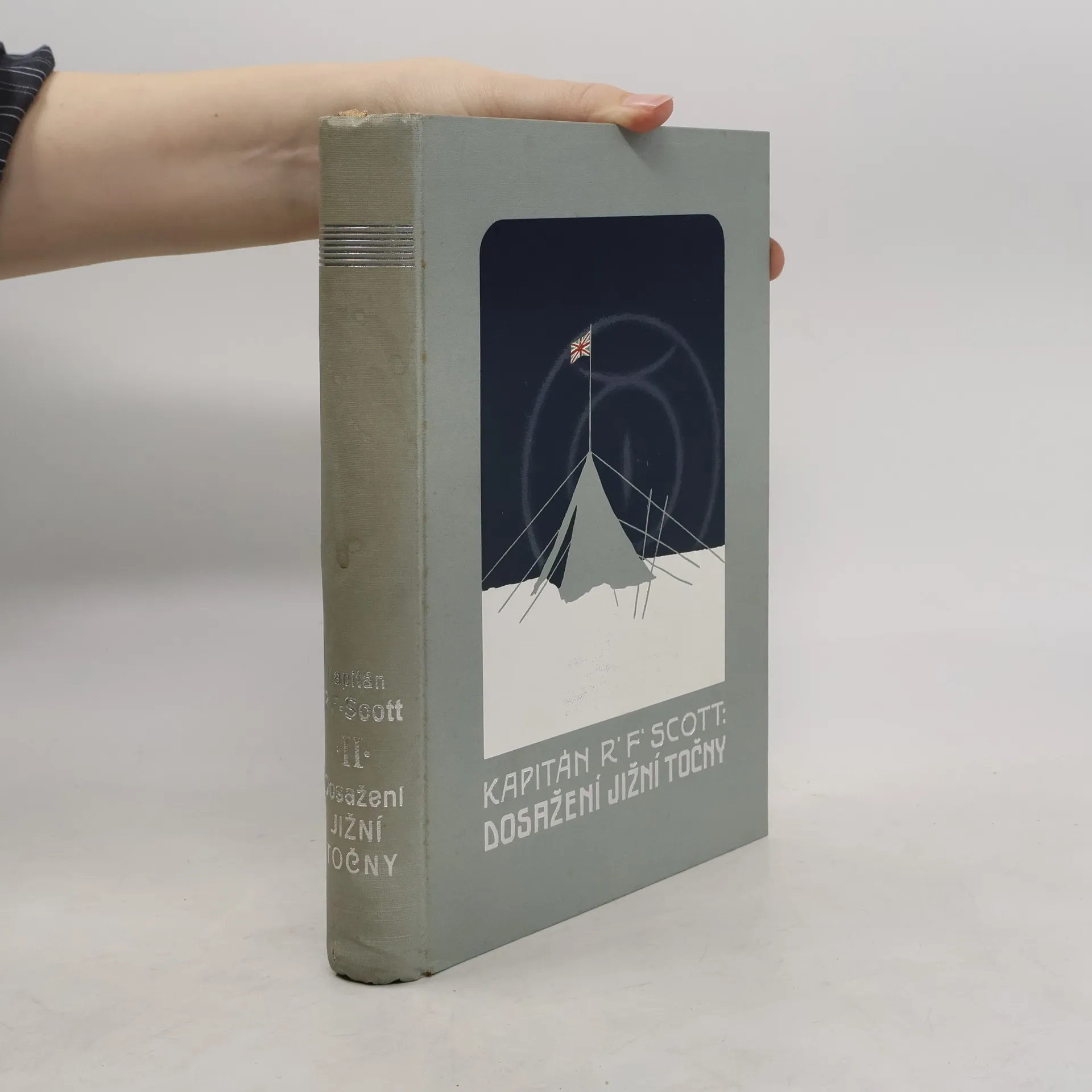
Velitel britské polární výpravy zaznamenává zážitky posádky od vyplutí z Nového Zélandu v listopadu 1910 až po poslední okamžiky v březnu 1912, kdy mohl ještě psát, než zahynul se svými čtyřmi souputníky vyčerpaný námahou, vyhladověním a mrazem. V podrobných deníkových zápisech vyvstává před očima čtenáře drama lidského zápasu s přírodou a velikost důsledného úsilí člověka dosáhnout svého cíle.