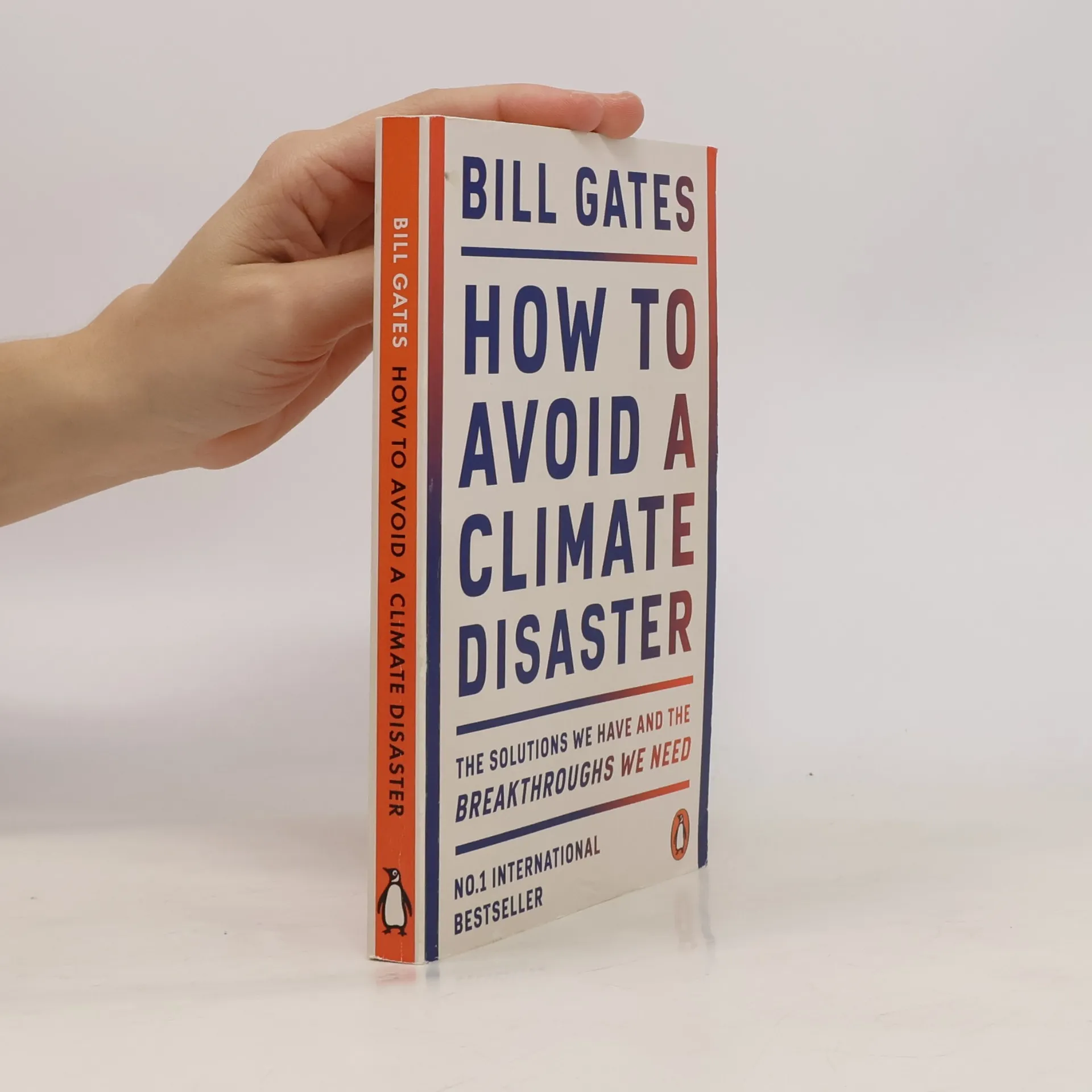
After more than a decade of studying climate change and investing in innovations to address the problems, Gates sets out a vision for how the world can build the tools it needs to get to zero greenhouse gas emissions. He explains why he is optimistic that the world can avoid the most dire effects of the climate crisis, and discusses how climate change can be addressed in meaningful ways
Bill Gates Books
This author approaches reading as a daily practice for deeper world understanding and acquiring new knowledge. They share their reading journeys, encounters, and learnings with a community. An invitation is extended to join the conversation on this platform and via their blog.


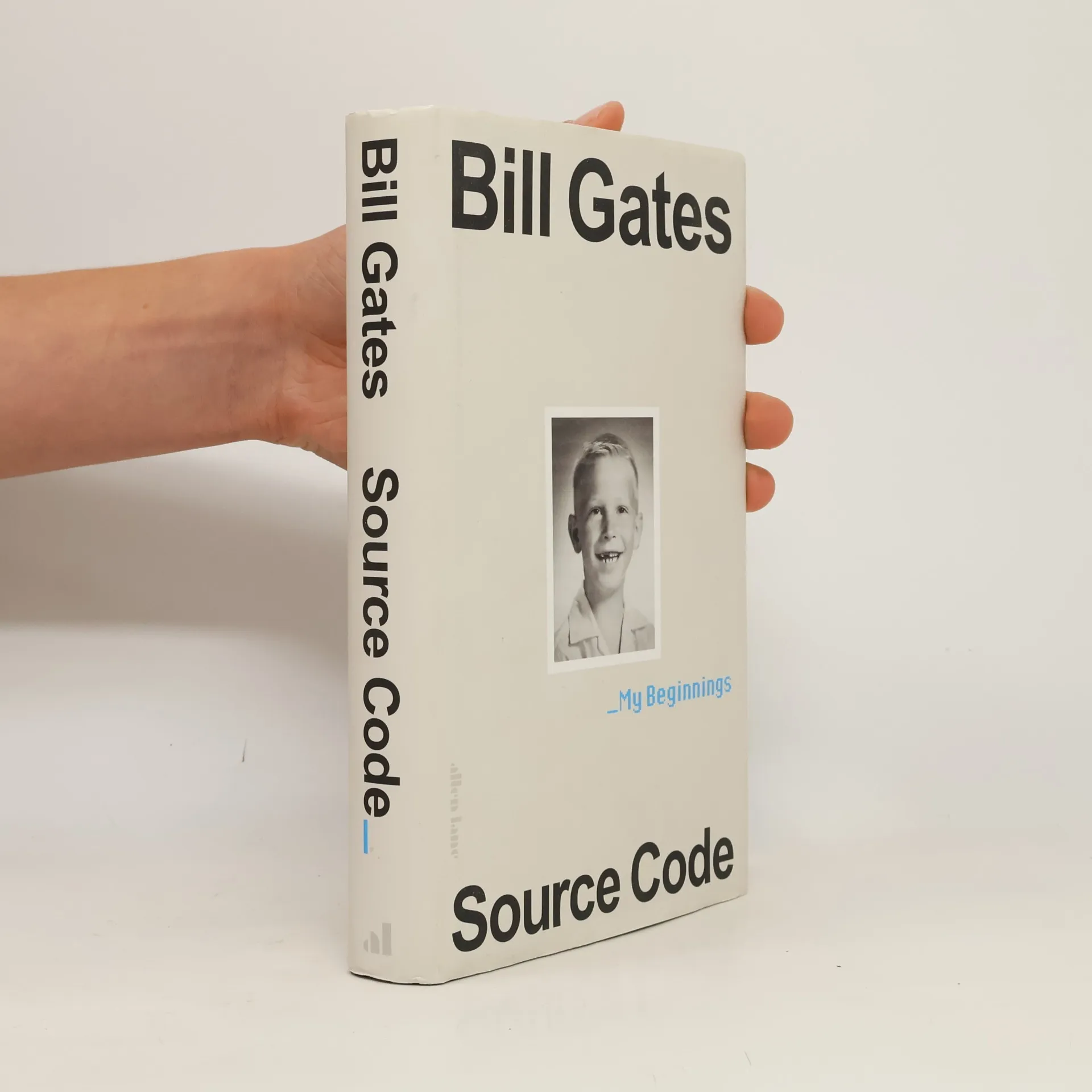
Bill Gates shares an intimate glimpse into his life, detailing his upbringing in Seattle and the pivotal moments that shaped him, including his decision to leave Harvard at 20. He reflects on the importance of family, the influence of his supportive grandmother and ambitious parents, and the challenges of fitting in. Gates also recounts the loss of his closest friend, his burgeoning interest in technology, and the early signs of his business genius. This memoir offers a heartfelt and insightful look at the man behind Microsoft and his impact on the world.
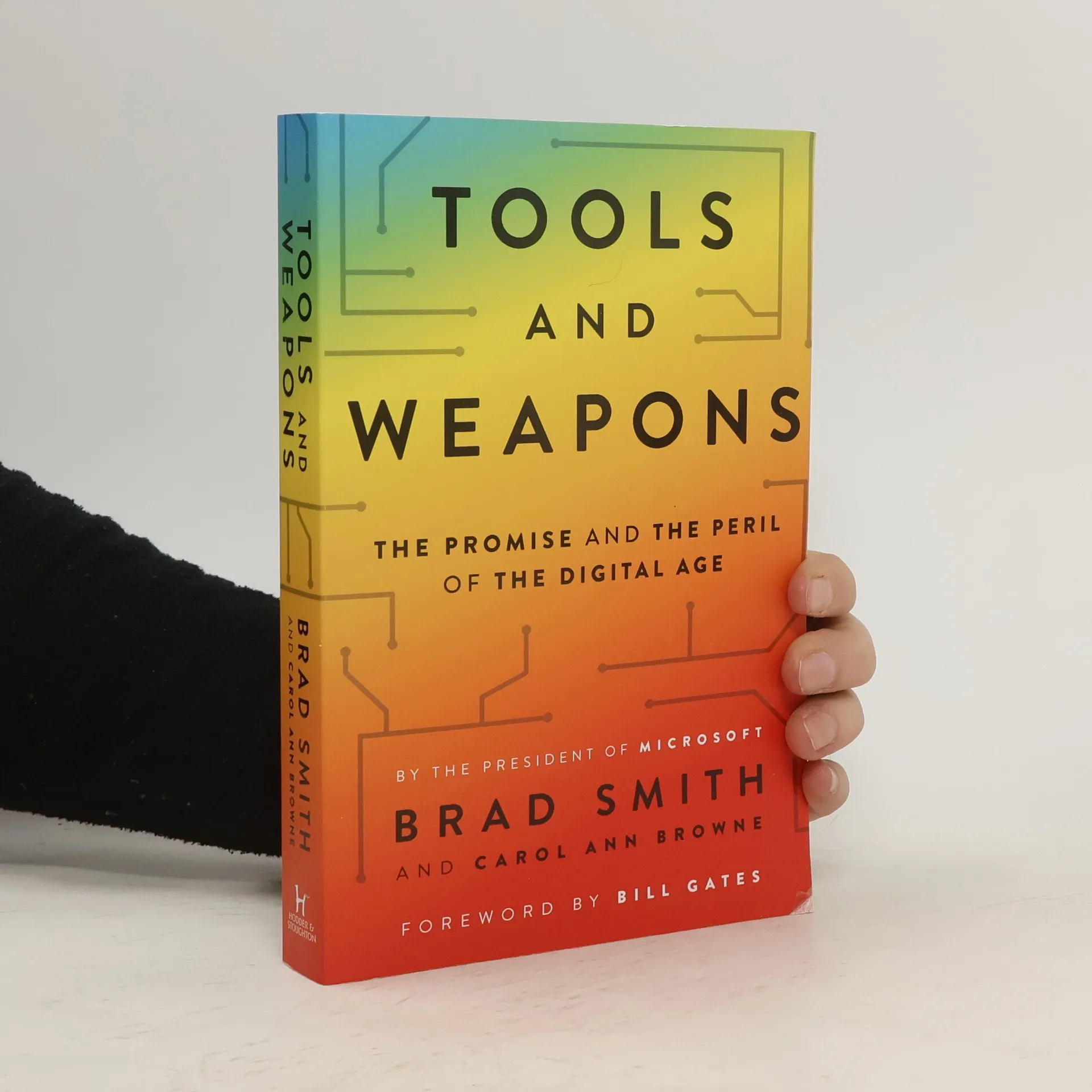
Tools and Weapons
- 368 pages
- 13 hours of reading
"In Tools and Weapons, Brad Smith and Carol Ann Browne take us into the cockpit of one of the world's largest and most powerful tech companies as it finds itself in the middle of some of the thorniest emerging issues of our time. These are challenges that come with no preexisting playbook, including privacy, cybercrime and cyberwar, social media, the moral conundrums of artificial intelligence, big tech's relationship to inequality, and the challenges for democracy, far and near. While in no way a self-glorifying "Microsoft memoir," the book pulls back the curtain remarkably wide onto some of the company's most crucial recent decision points, as it strives to protect the hopes technology offers against the very real threats it also presents. There are huge ramifications for communities and countries, and Brad Smith provides a thoughtful and urgent contribution to that effort." -- Descripción del editor.
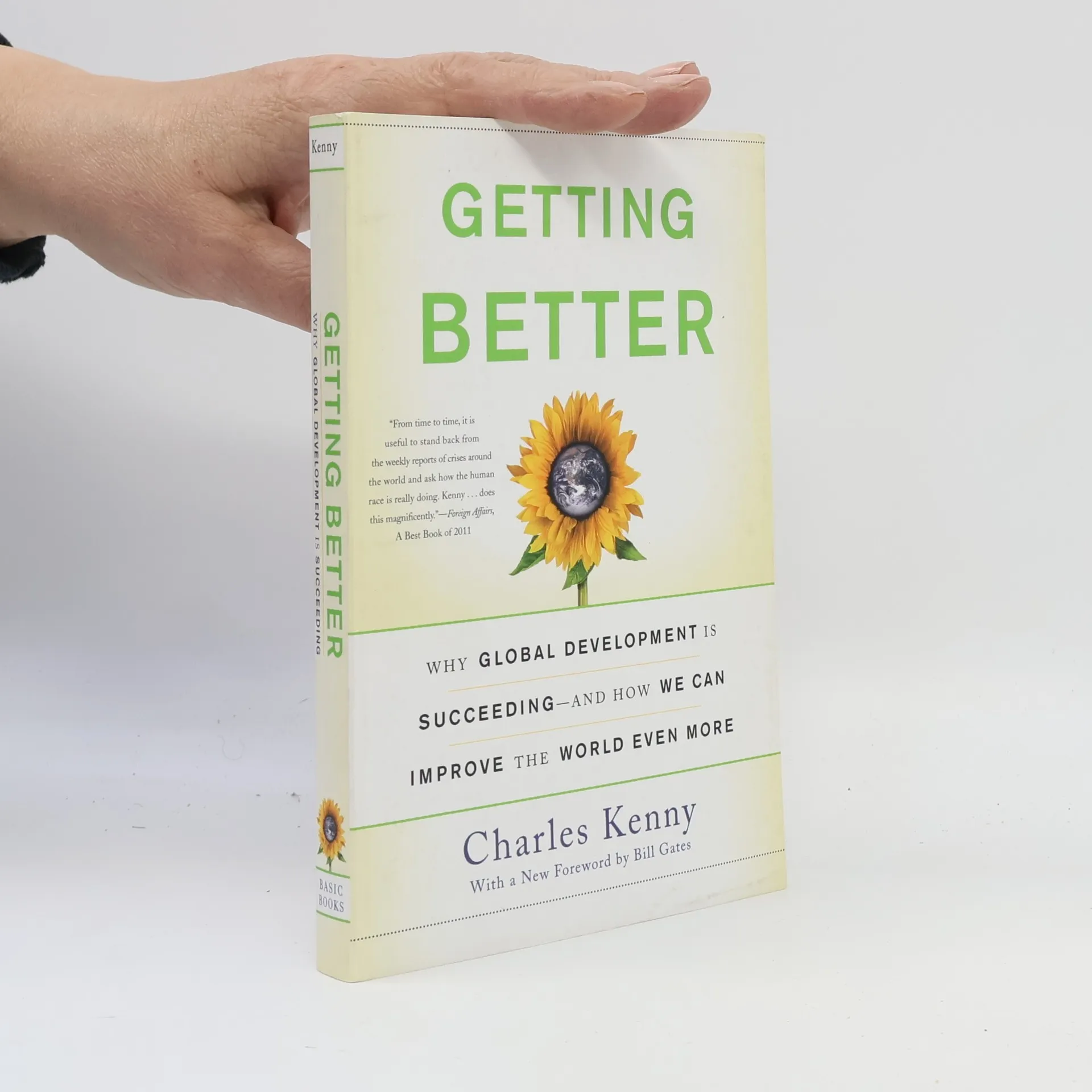
Getting Better
Why Global Development Is Succeeding--And How We Can Improve the World Even More
- 272 pages
- 10 hours of reading
As the income gap between developed and developing nations grows, so grows the cacophony of voices claiming that the quest to find a simple recipe for economic growth has failed. Getting Better , in sharp contrast, reports the good news about global progress. Economist Charles Kenny argues against development naysayers by pointing to the evidence of widespread improvements in health, education, peace, liberty -- and even happiness. Kenny shows how the spread of cheap technologies, such as vaccines and bed nets, and ideas, such as political rights, has transformed the world. He also shows that by understanding this transformation, we can make the world an even better place to live. That's not to say that life is grand for everyone, or that we don't have a long way to go. But improvements have spread far, and, according to Kenny, they can spread even further.
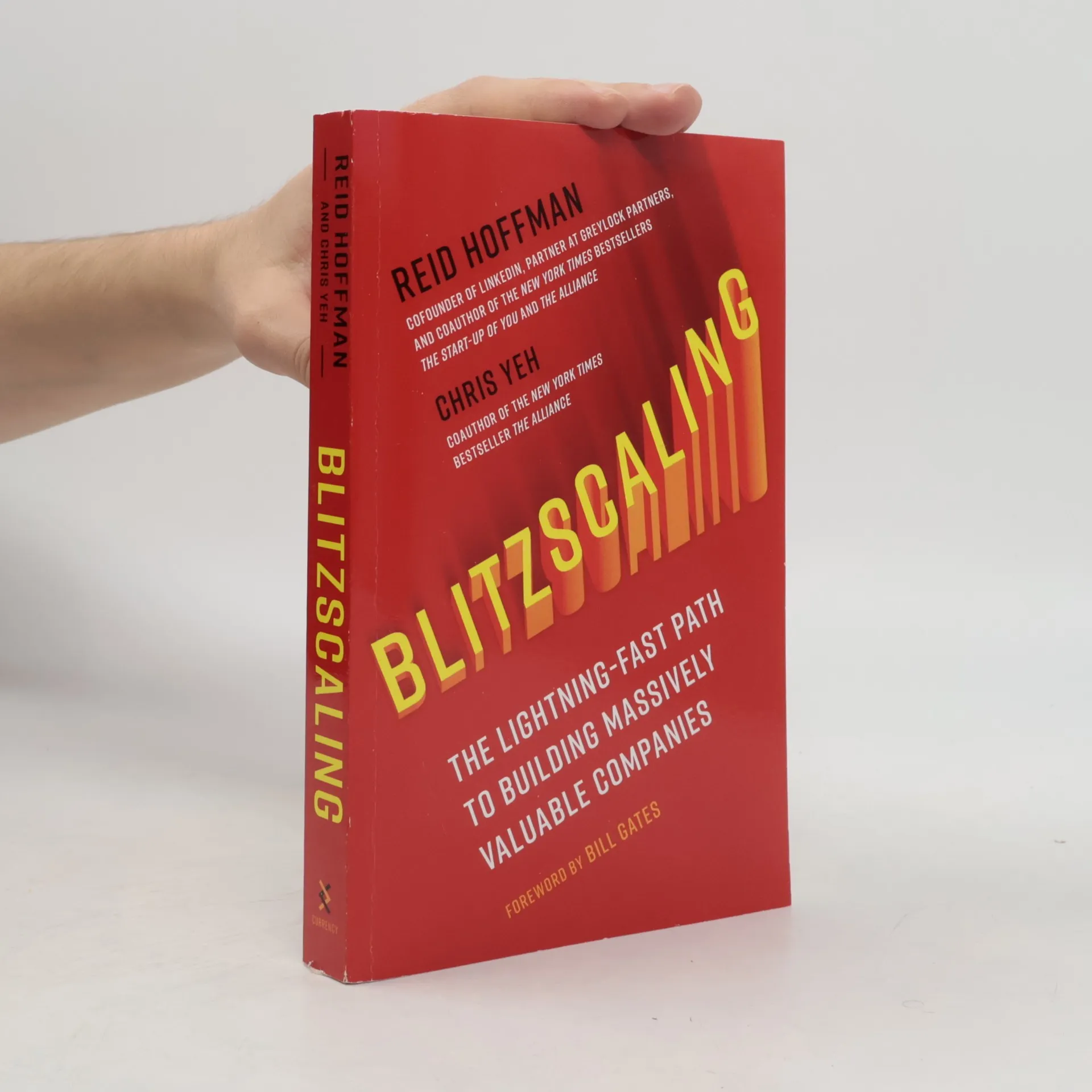
Blitzscaling: the lightning-fast path to building massively valuable companies
- 288 pages
- 11 hours of reading
Foreword by Bill Gates From the authors of New York Times bestsellers, The Alliance and The Start-up of You, comes a smart and accessible must-have guide for budding entrepreneurs everywhere. Silicon Valley is renowned for its striking number of businesses which have grown from garage start-ups into global giants; Apple, Cisco, Google, HP and Intel to name a few. But what is the secret to their outstanding success? Hoffman and Yeh explain that it's simple: they've learnt how to blitzscale. Featuring case studies from numerous prominent tech businesses such as AirBnB and WeChat, this book offers a specific set of practices for catalysing and managing dizzying growth in bourgeoning start-ups. Prioritising speed over efficiency in an environment of uncertainty, Blitzscaling illustrates how businesses can accelerate to the stage in a company's life cycle where the most value is generated. Using the framework provided by Hoffman and Yeh, readers will learn how to design business models which simultaneously support growth at a furious pace and capture the market, as well as how to navigate the necessary shifts in strategy needed at each level of scale.
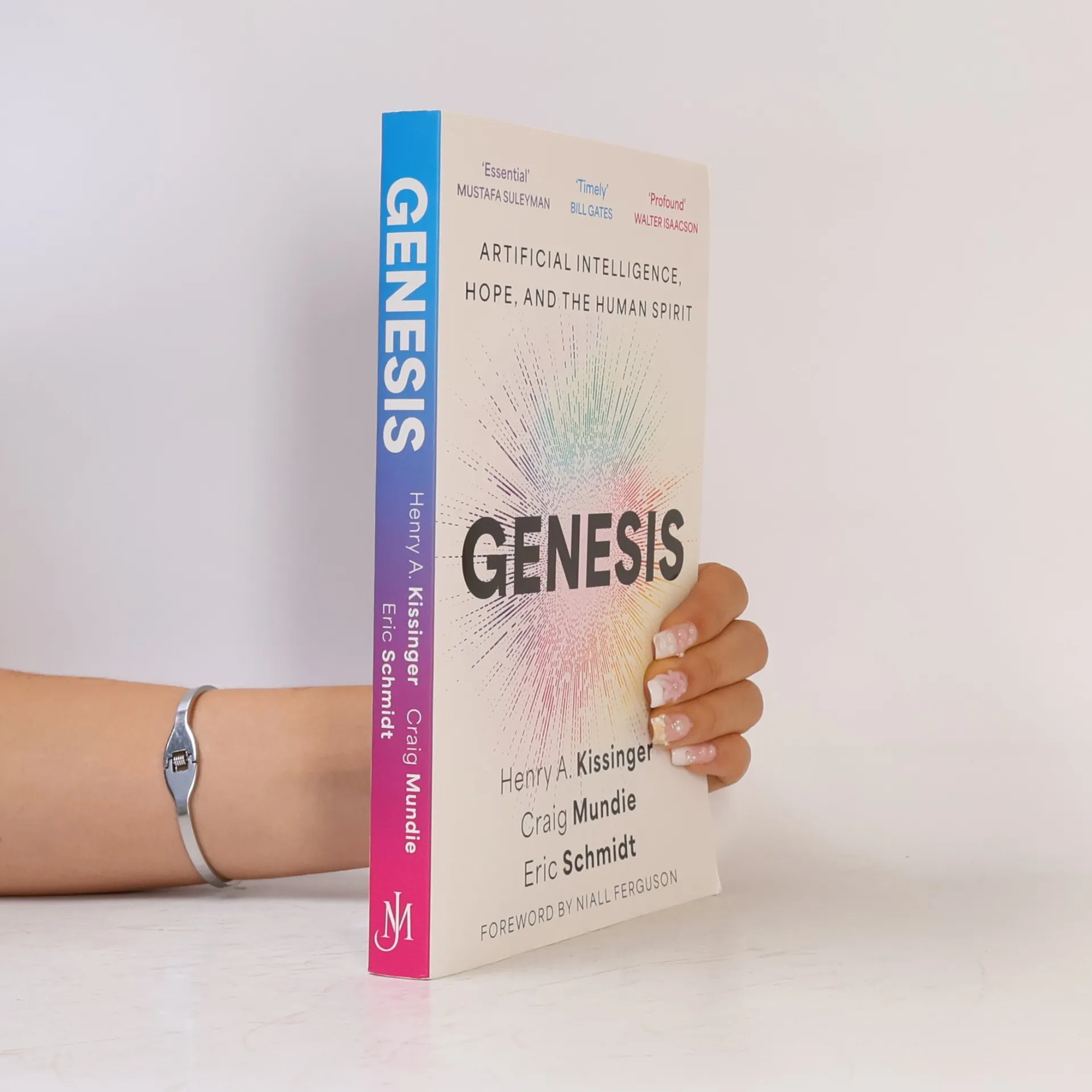
Genesis: Artificial Intelligence, Hope, and the Human Spirit
- 288 pages
- 11 hours of reading
THE FOLLOW UP TO THE INTERNATIONAL BESTSELLER THE AGE OF AI In his final book, the late Henry Kissinger joins forces with two leading technologists to mount a profound exploration of the epochal challenges and opportunities presented by the revolution in Artificial Intelligence. As it absorbs data, gains agency, and intermediates between humans and reality, AI (Artificial Intelligence) will help us to address enormous crises, from climate change to geopolitical conflicts to income inequality. It might well solve some of the greatest mysteries of our universe and elevate the human spirit to unimaginable heights. But it will also pose challenges on a scale and of an intensity that we have never seen - usurping our power of independent judgment and action, testing our relationship with the divine, and perhaps even spurring a new phase in human evolution. The last book of elder statesman Henry Kissinger, written with technologists Craig Mundie and Eric Schmidt, Genesis charts a course between blind faith and unjustified fear as it outlines an effective strategy for navigating the age of AI.
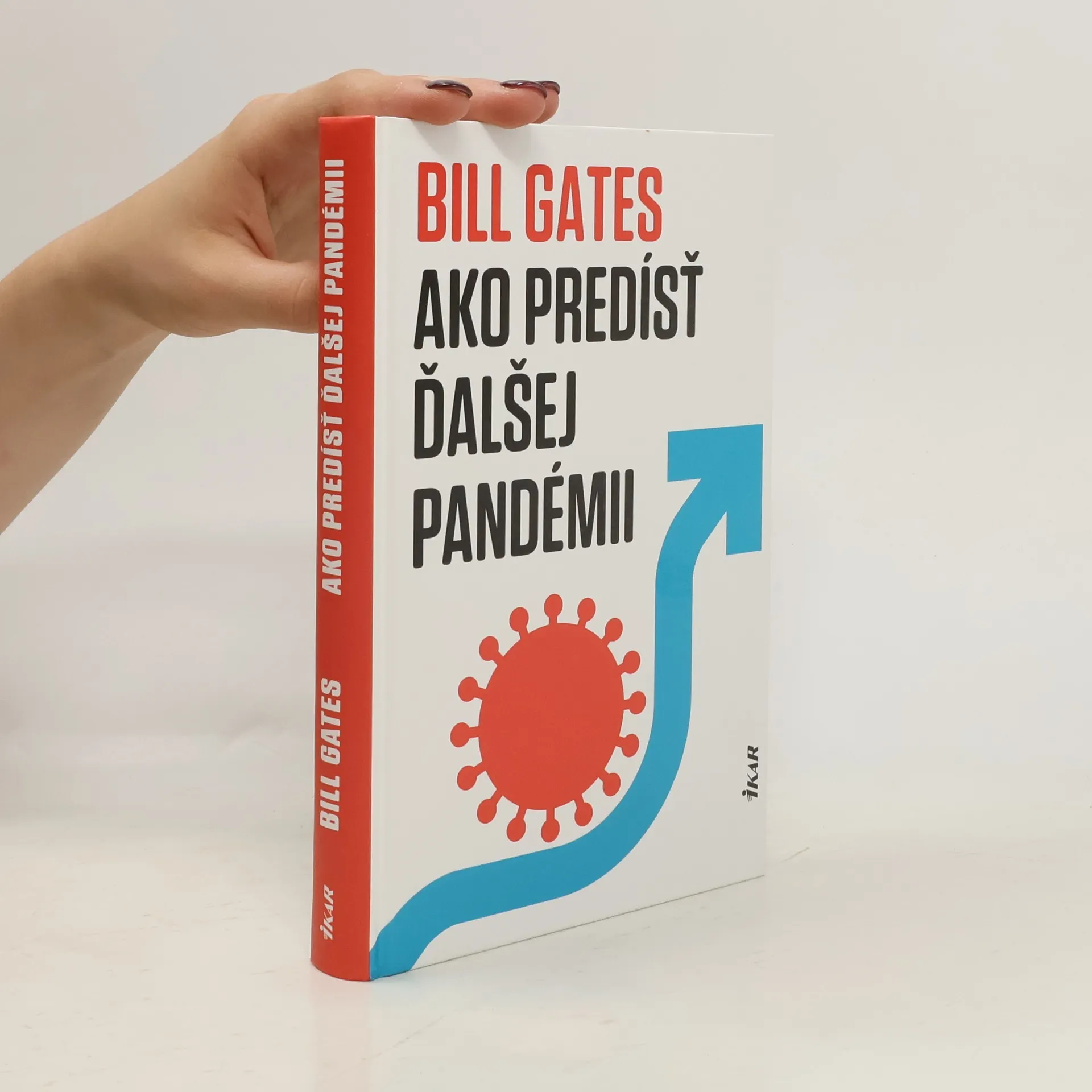
The COVID-19 pandemic isn't over, but even as governments around the world strive to put it behind us, they're also starting to talk about what happens next. How can we prevent a new pandemic from killing millions of people and devastating the global economy? Can we even hope to accomplish this?Bill Gates believes the answer is yes, and in this book he lays out clearly and convincingly what the world should have learned from COVID-19 and what all of us can do to ward off another disaster like it. Relying on the shared knowledge of the world's foremost experts and on his own experience of combating fatal diseases through the Gates Foundation, he first makes us understand the science of corona diseases. Then he helps us understand how the nations of the world, working in conjunction with one another and with the private sector, can not only ward off another COVID-like catastrophe but also go far to eliminate all respiratory diseases, including the flu.Here is a clarion call - strong, comprehensive, and of the gravest importance - from one of our greatest and most effective thinkers and activists.
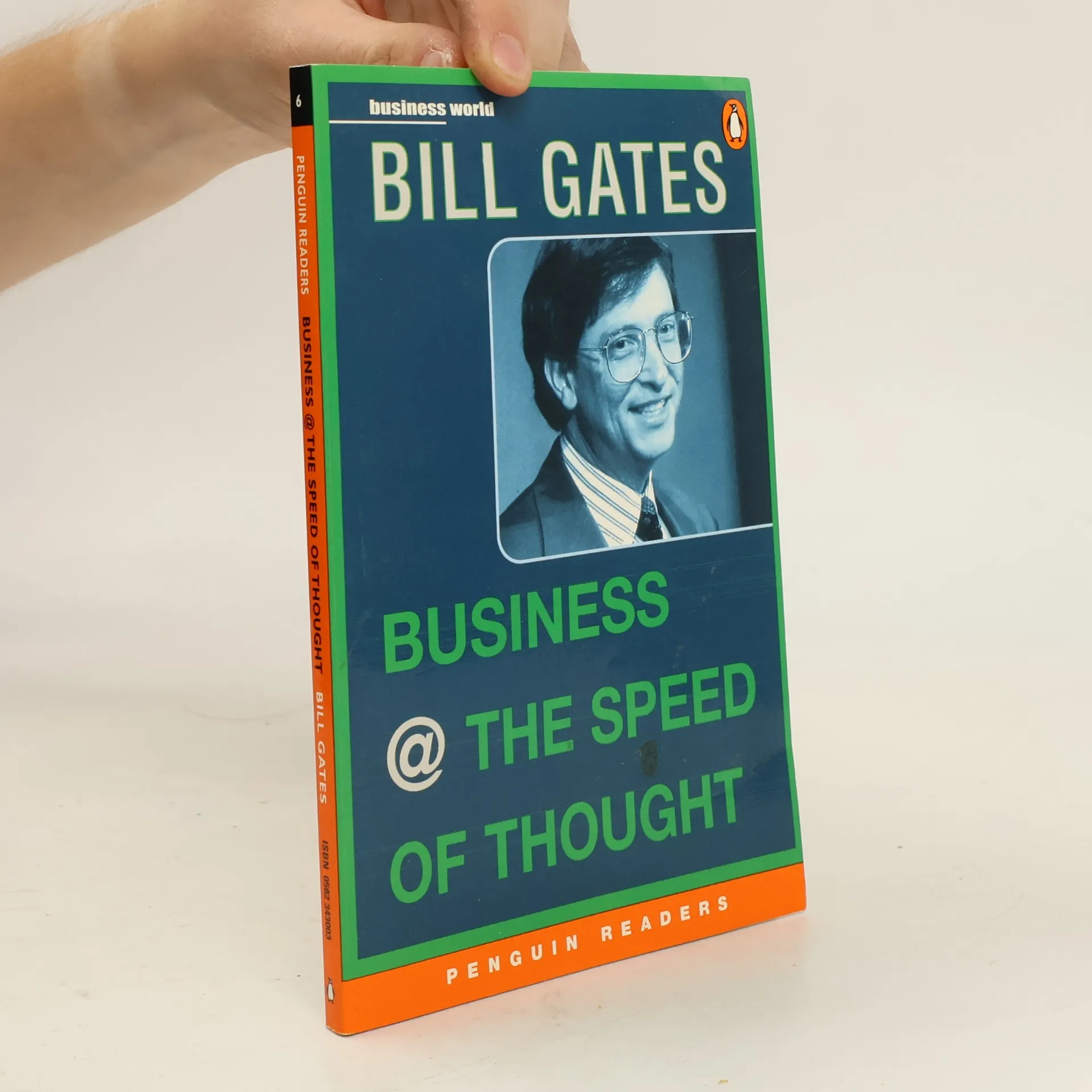
Business @ the Speed of Thought
- 112 pages
- 4 hours of reading
Bill Gates is the founder of Microsoft. He thinks that businesses use computers in the same way we use our nervous system. In this book, he describes his idea of a 'Digital Nervous System' - a way for companies to get as much as possible from all the money they have spent on computers.
This book describes Bill Gates' view of how emerging technologies will transform human existence in unprecedented ways.
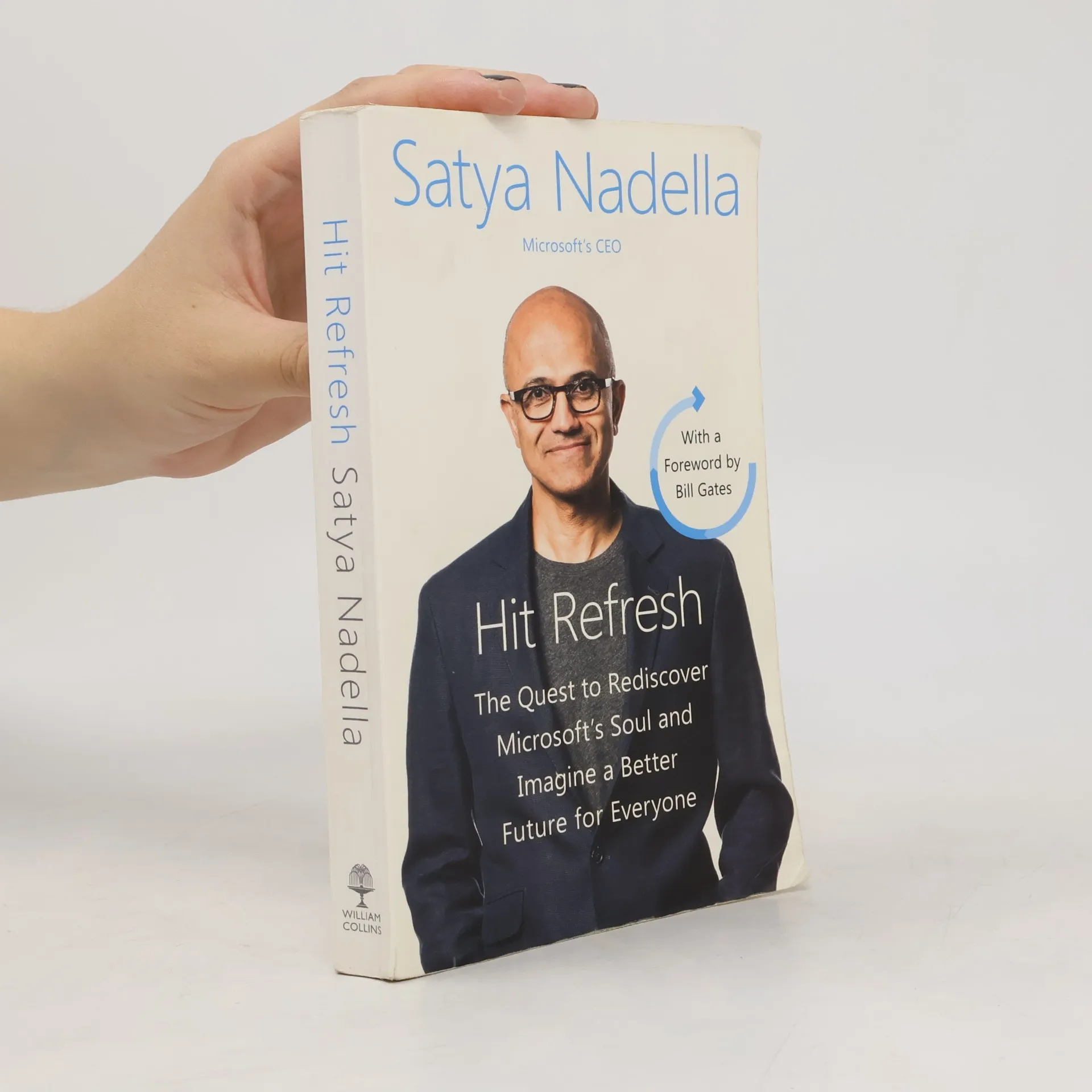
Hit Refresh
- 272 pages
- 10 hours of reading
As told by Microsoft CEO Satya Nadella, Hit Refresh is the story of corporate change and reinvention as well as the story of Nadella’s personal journey, one that is taking place today inside a storied technology company, and one that is coming in all of our lives as intelligent machines become more ambient and more ubiquitous. It’s about how people, organizations and societies can and must hit refresh—transform—in their persistent quest for new energy, new ideas, relevance and renewal. At the core, it’s about us humans and our unique qualities, like empathy, which will become ever more valuable in a world where the torrent of technology will disrupt like never before. As much a humanist as a technologist, Nadella defines his mission and that of the company he leads as empowering every person and every organization on the planet to achieve more.
Il mondo largo
- 106 pages
- 4 hours of reading
Quando si discute di globalizzazione, emergono atteggiamenti contrastanti: da un lato opportunità e crescita, dall'altro oppressione e mercificazione. Questo fenomeno suscita dibattiti tra studiosi e cittadini, generando sia speranze che timori. È davvero nuovo, o rappresenta una sfida rinnovata alla conoscenza e al progresso, simile a rivoluzioni passate? Se non è innovativo, come possiamo garantire che i benefici siano equamente distribuiti tra i popoli? Il mondo si sta espandendo: commerci, relazioni economiche, politiche e culturali si intrecciano, portando con sé valori e aspirazioni. Tuttavia, sorgono interrogativi su cosa non funzioni in questo processo e su cosa debba essere corretto. È giusto fermare l'espansione o continuare a promuoverla? Le lezioni raccolte nella Sala Zuccari di Palazzo Giustiniani affrontano queste tematiche, presentando contributi di figure di spicco come Giovanni Agnelli, Henry Kissinger, Václav Havel, Valéry Giscard d’Estaing, Bill Gates e Bernard Lewis. Insieme, offrono una prospettiva preziosa e originale sul fenomeno della globalizzazione, esplorando le sue dimensioni economiche, politiche, culturali e storiche.
Hoci pandémia ochorenia COVID-19 ani zďaleka nie je za nami a vlády na celom svete sa stále vyrovnávajú s jej následkami, súbežne riešia otázku, čo bude ďalej. Ako zabránime tomu, aby nejaká iná pandémia nezahubila milióny ľudí a nezdevastovala svetovú ekonomiku? Môžeme dúfať, že sa to podarí? Bill Gates verí v kladnú odpoveď a v tejto knihe jasne a presvedčivo argumentuje, prečo je to možné. Dôvodí, že svet by sa mal poučiť z ochorenia COVID-19 a vysvetľuje, čo každý z nás môže urobiť pre to, aby zažehnal podobnú katastrofu. V prvej časti sa snaží čitateľovi predostrieť vedecký pohľad na infekčné choroby, pričom vychádza zo spoločnej poznatkovej bázy popredných svetových odborníkov, ako aj z vlastných skúseností z boja so smrteľnými chorobami v rámci Nadácie Billa a Melindy Gatesovcov. V ďalších častiach ukazuje, ako môžu národy sveta vďaka vzájomnej spolupráci a v súčinnosti so súkromným sektorom nielenže odvrátiť podobnú pohromu, ale postupne eliminovať všetky respiračné ochorenia vrátane chrípky. Táto kniha predstavuje nesmierne pôsobivý, ucelený a závažný apel z pera jedného z najvýznamnejších a najefektívnejších mysliteľov a aktivistov našej doby. Z anglického originálu preložila Zora Ličková.