The Making of Civilization
History Discovered Through Archaeology
Two archaeologists trace the development of ancient civilizations and discuss how and why these civilizations collapsed


John Wilkins was an Anglican clergyman, natural philosopher, and author, recognized as a founder of the Royal Society. A polymath, his personal qualities were instrumental in establishing scientific societies on non-partisan grounds and in bridging political divides during a tumultuous era. He is particularly noted for his proposals concerning a universal language and an integrated system of measurement, reflecting his forward-thinking approach to knowledge and communication. Wilkins's dedication to inclusivity and his ability to foster understanding across diverse groups highlight his significant, albeit perhaps not scientifically groundbreaking, contributions to intellectual life.

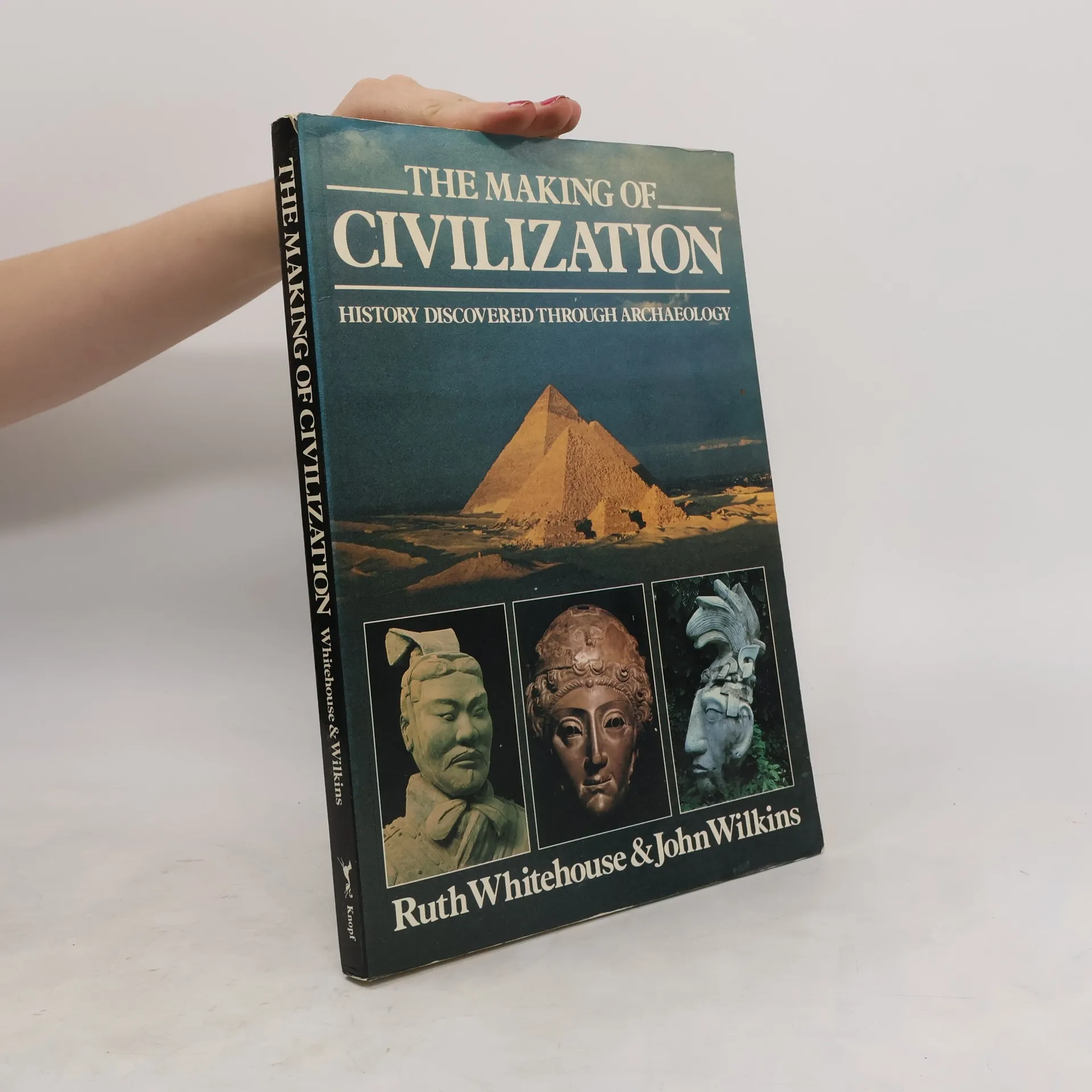
History Discovered Through Archaeology
Two archaeologists trace the development of ancient civilizations and discuss how and why these civilizations collapsed