Lucia Moholy
Exposures



Exposures
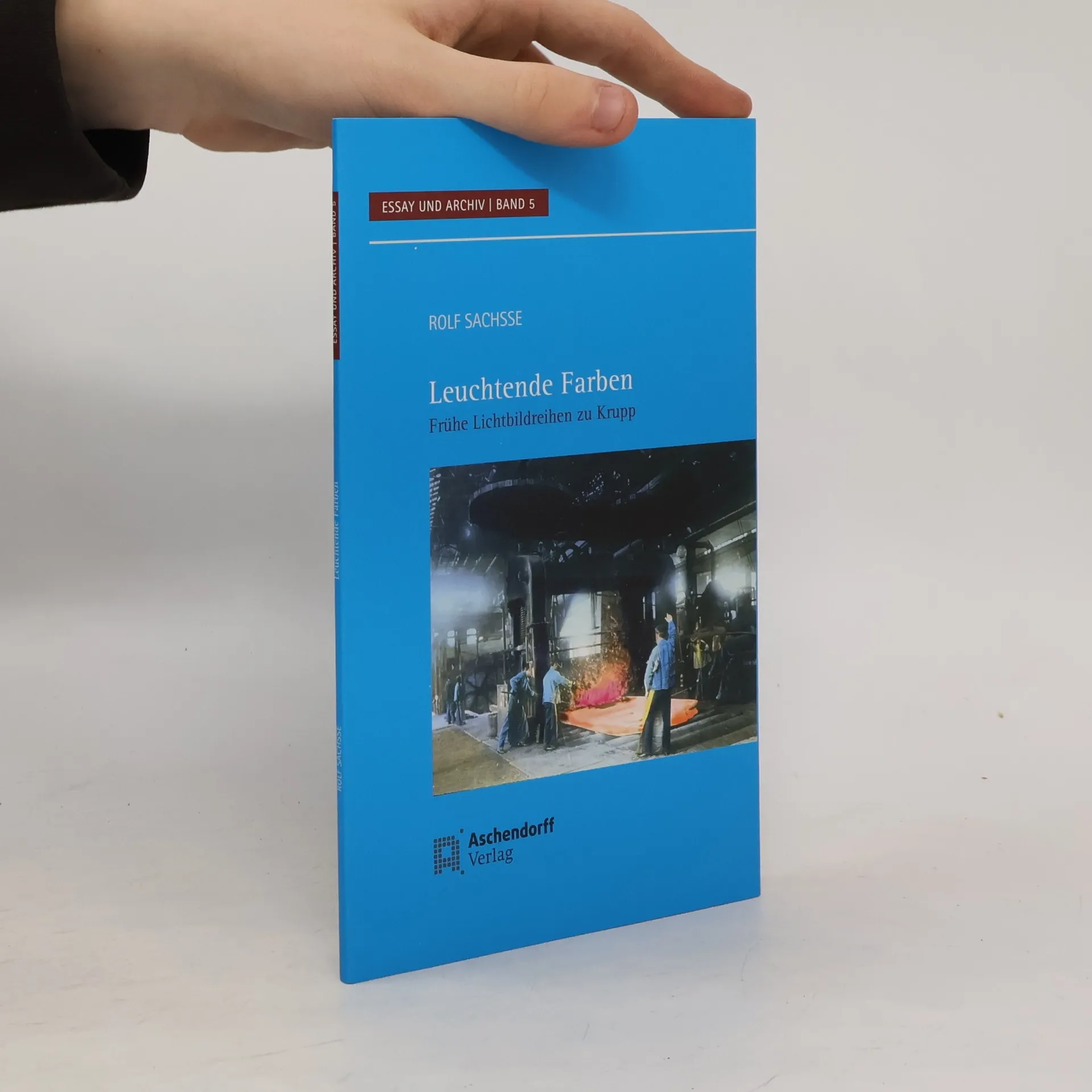
Frühe Lichtbildreihen zu Krupp
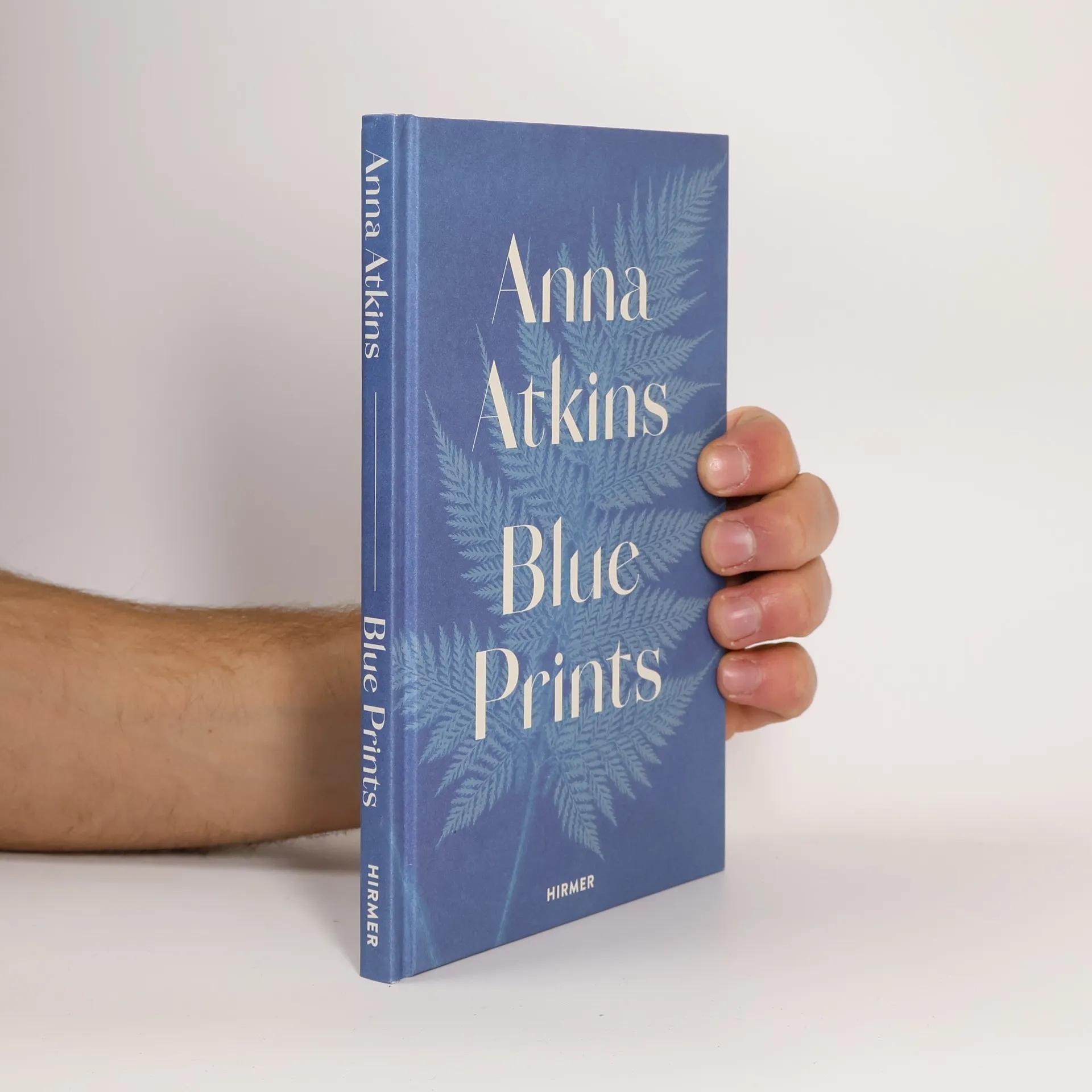
Anna Atkins, a pioneering English artist, embraced modernity by utilizing the newly invented cyanotype technique for her plant collections. In 1843, she produced the first photographic book in history, featuring stunning and original images that often resemble contemporary art. Her innovative approach not only showcased her botanical studies but also marked a significant moment in the evolution of photography and art.
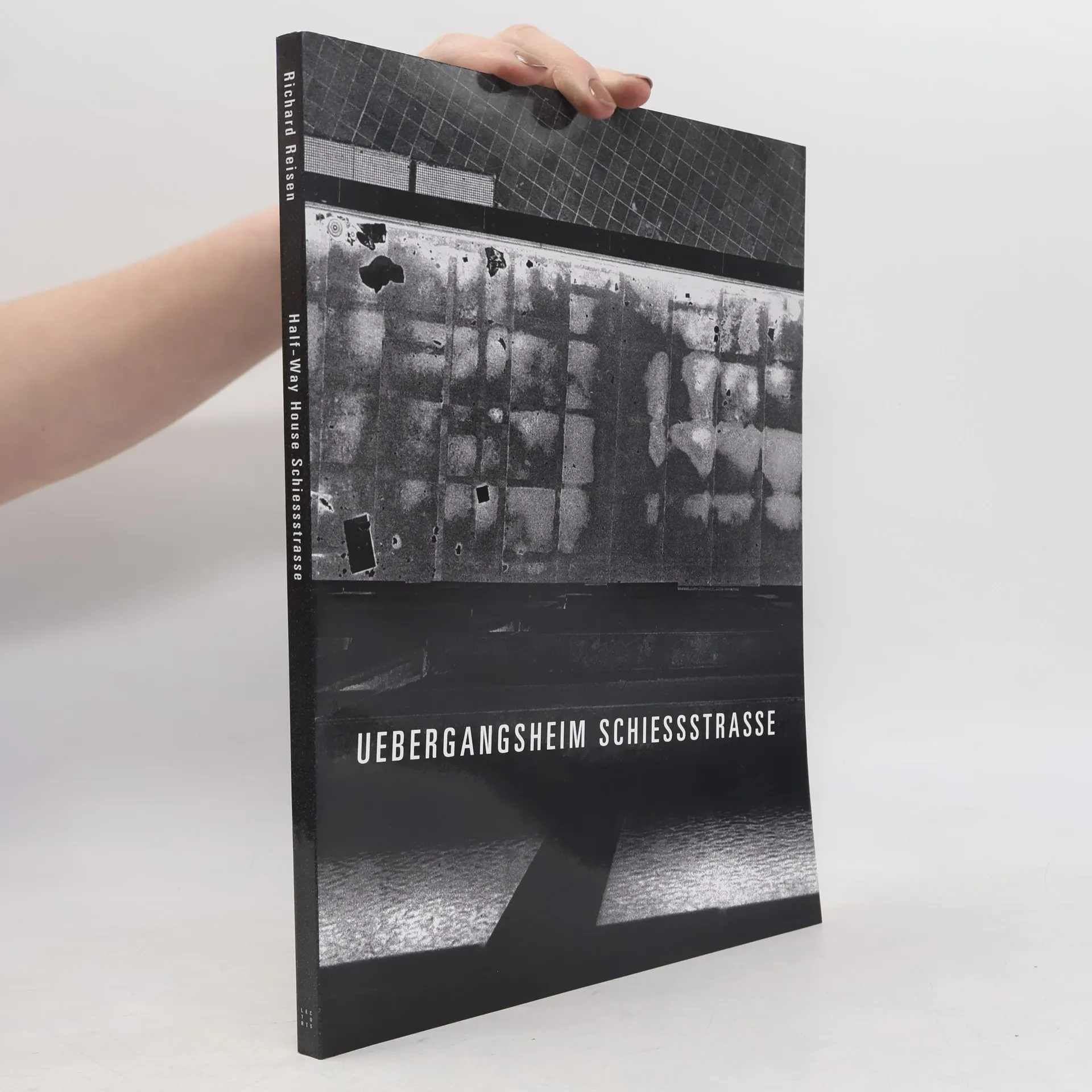
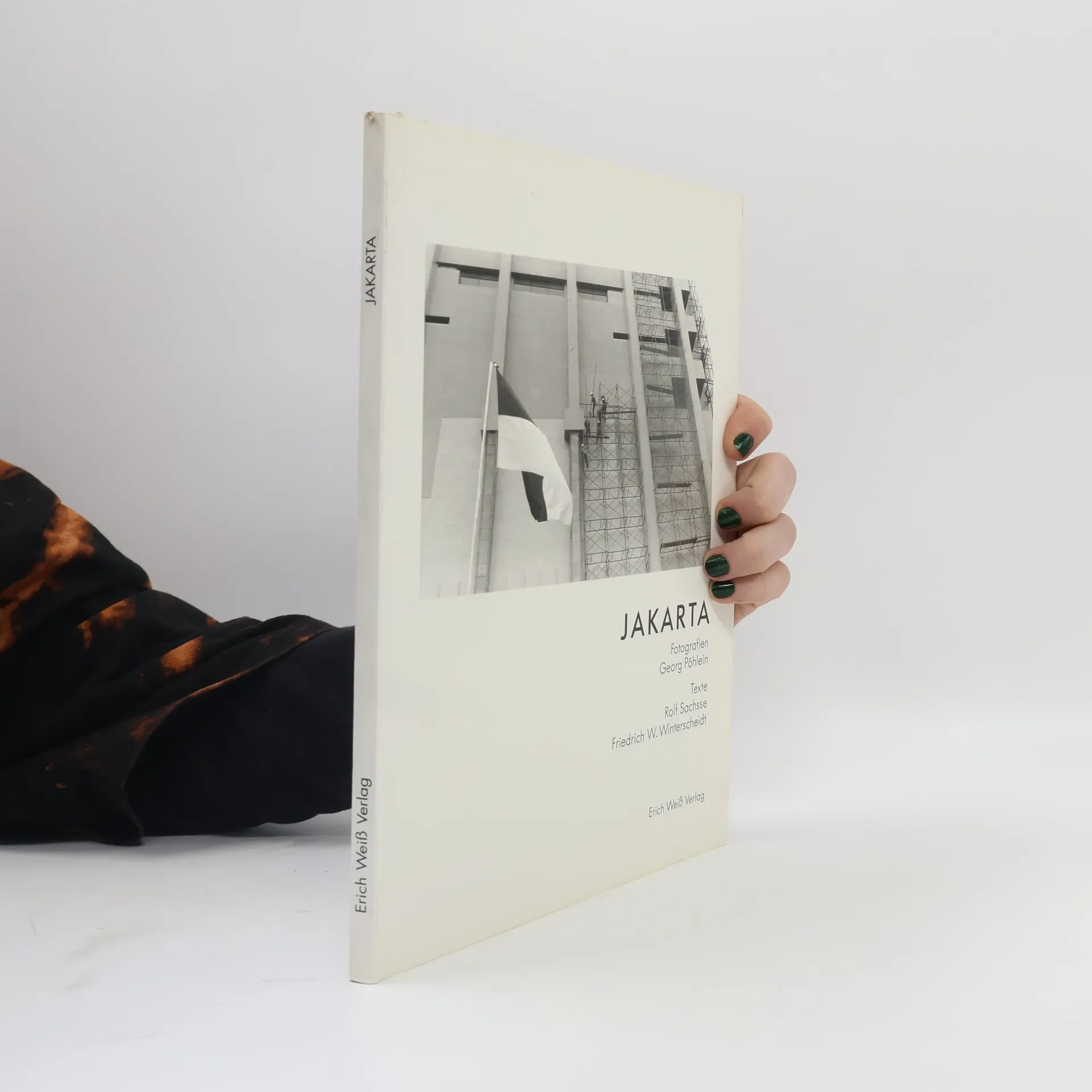
In 1989, Richard Reisen spent several months as a security guard in an asylum seekers' inn at 5 Schiessstrasse in Düsseldorf-Heerdt, bringing his camera along. His photographs exemplify 'participatory observation,' capturing people, situations, and objects with a fresh perspective. Over thirty years later, these images resonate with themes of flight and migration. They include handwritten notes in a visitor's book, vintage sash windows, and a cigarette machine, reflecting a culture where smoking was prevalent. Timeless motifs emerge, such as portraits beside cars, individuals proudly on their bicycles, cooking on a cramped hob, and the long waits next to a running washing machine. The highway in front of the terrace remains, along with the views from the rooms and balcony. A recurring theme is the passage of time, depicted through activities like haircuts, smoking, phone calls, and simply hanging out. These photographs serve as a poignant reminder of the human experience within the context of migration, capturing moments that are both distant and immediate, revealing the everyday lives of those seeking refuge.
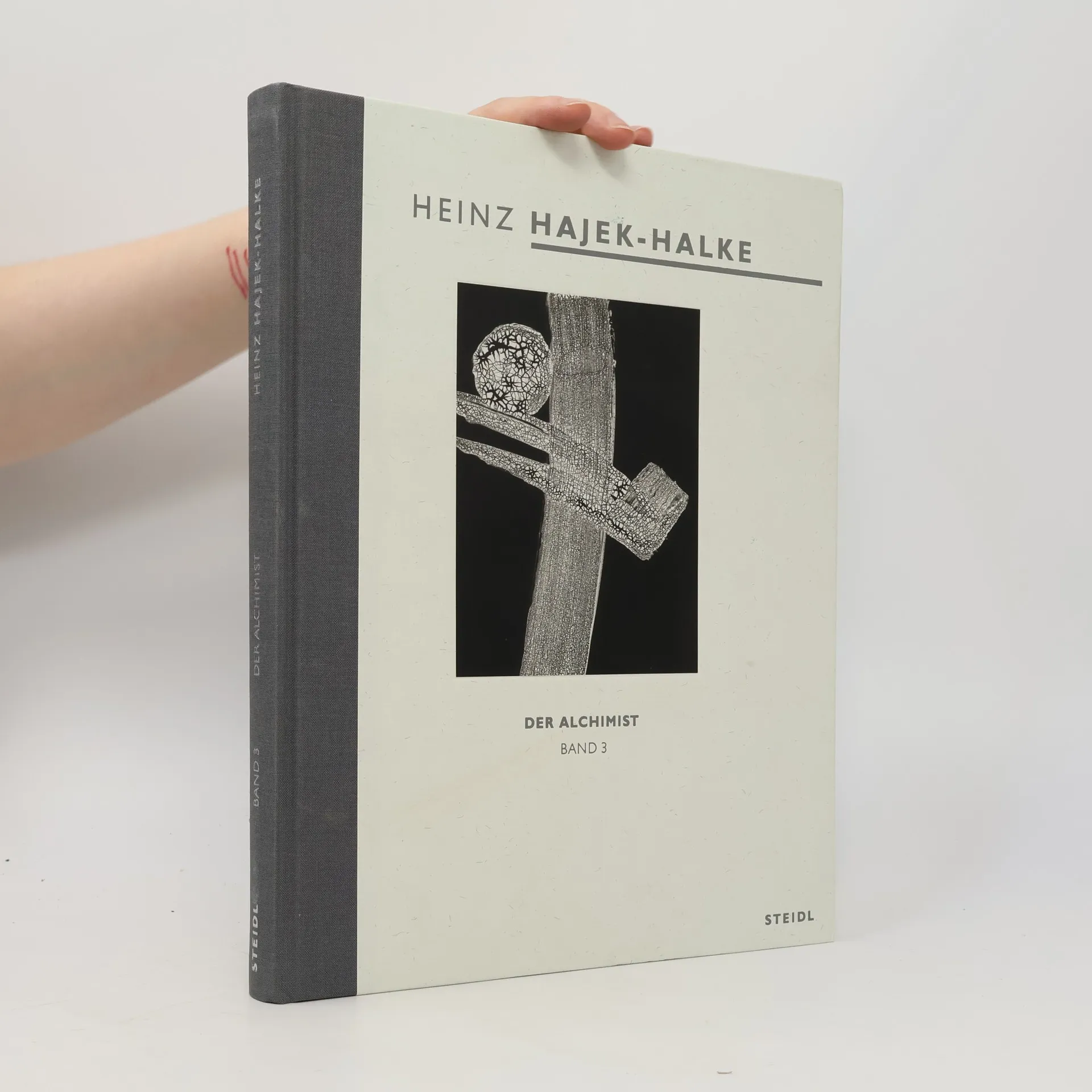
Dieses Buch widmet sich den Lichtgrafiken aus dem Spätwerk Hajek-Halkes und positioniert ihn als eigenwilligen Gestalter in der abstrakten Kunst nach dem Zweiten Weltkrieg, als Vertreter des Informel und der École de Paris. Die ersten Arbeiten entstanden auf einem alten Tricktisch für Animationsfilme, ohne fotografische Vorlage, was die Abstraktion seiner Arbeitsweise prägte. Selbst wenn sichtbare Realität in seine Bilder einfließt, bleibt die Konstruktion abstrakt und oft von Zufällen bestimmt, wodurch sie im wahrsten Sinne informel ist – vor der Form. Im Gegensatz zu vielen zeitgenössischen Künstlern, mit denen er in Kontakt stand, bleibt Hajek-Halke ein genuin fotografisch arbeitender Gestalter, dessen Endprodukt stets fotografische Prints waren. Sein Spätwerk bietet nicht nur einen besonderen Blick auf die Geschichte der Fotografie als Kunst, sondern verändert auch die Perspektive auf die bildende Kunst der 1950er Jahre insgesamt. Der Alchimist erscheint als Band 3 der Werkausgabe. Hajek-Halke, 1898 in Berlin geboren, verbrachte Teile seiner Kindheit in Buenos Aires und studierte Kunst, bevor er zum Militär eingezogen wurde. Nach dem Krieg setzte er sein Studium fort, unter anderem bei Emil Orlik, und begann 1924 mit der Fotografie. Er arbeitete als Gebrauchsgrafiker und Pressefotograf und ließ sich in den Dreißigerjahren in Kressbronn am Bodensee nieder. Von 1955 bis 1967 lehrte er Foto-Grafik an der Hochschule für Bilden
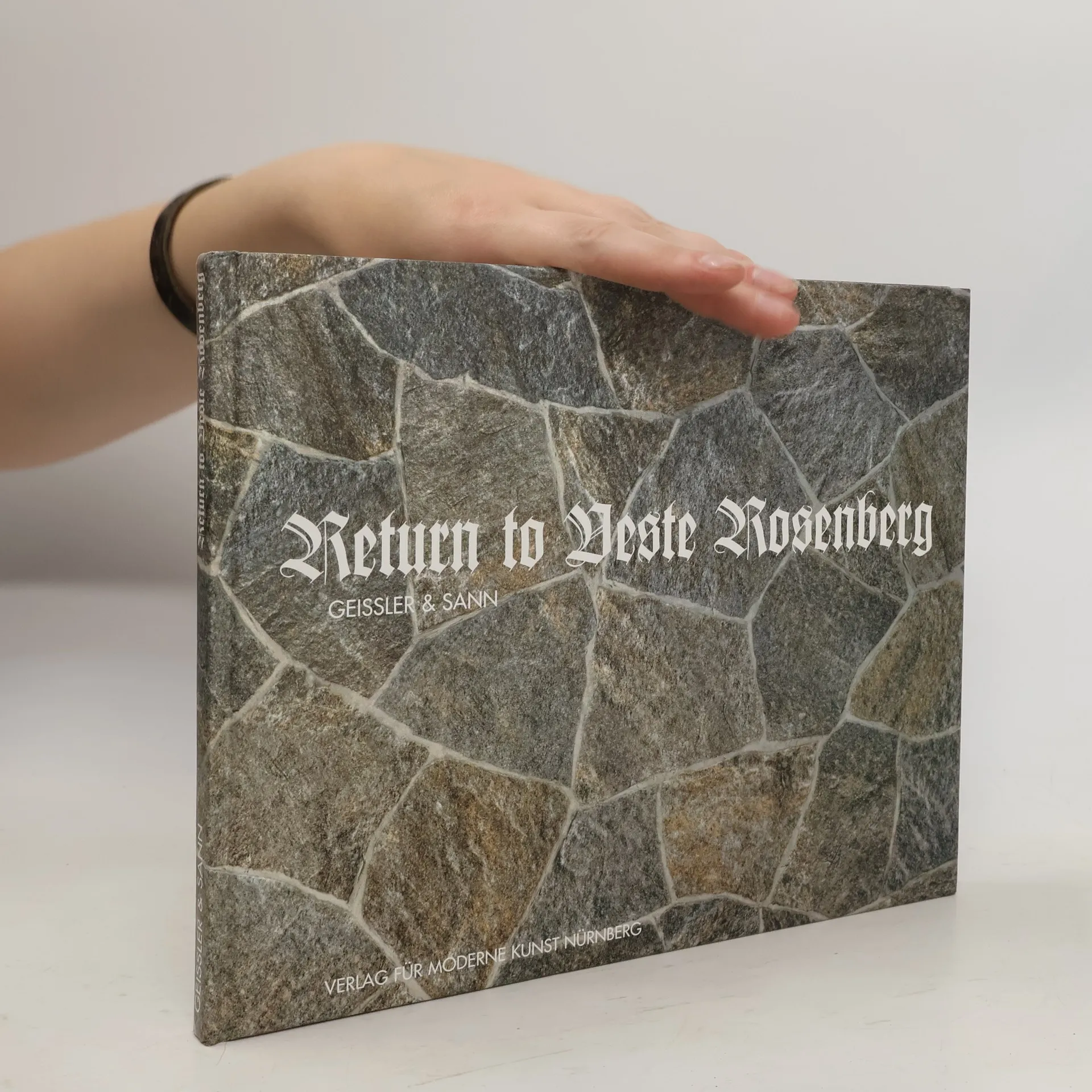
The Cologne team Geissler & Sann here invents an electronic game and converts it into photographs and video sequences. The action takes place at the Rosenberg Fort in Kronach, and it involves dangerous enemies, enigmatic figures, a fairy, magicians and eternal happiness.
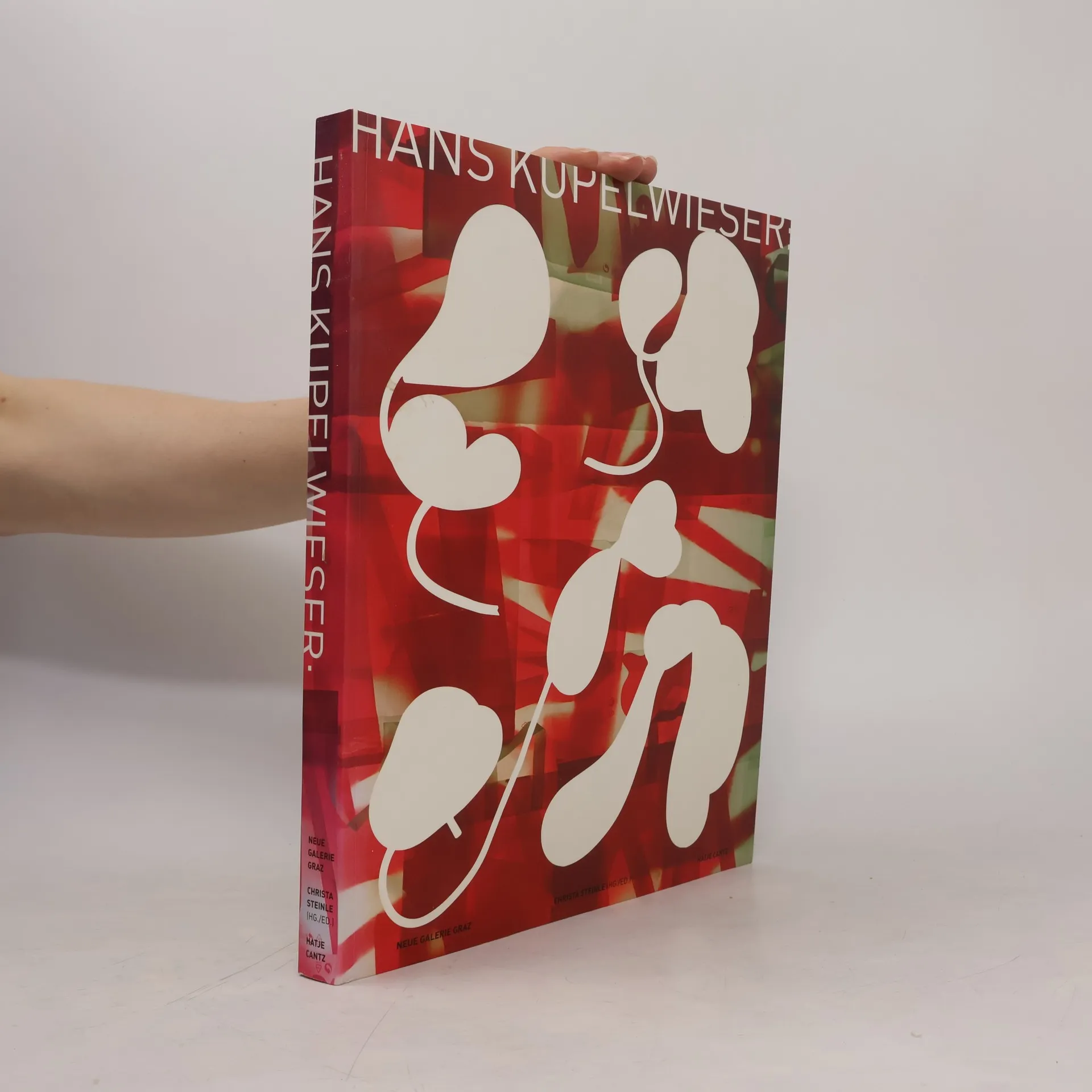
Hans Kupelwieser (*1948 in Lunz) nimmt neben Erwin Wurm und Franz West eine dritte eigenständige Position in der zeitgenössischen österreichischen Skulptur ein, die eine wesentliche Weiterentwicklung des Skulpturenbegriffs in der Nachmoderne darstellt. Von Beginn an verwendet er neue Materialien nicht nur im Feld des Experimentellen wie die Arte povera, sondern in einer Art linguistischer Ausführung operiert er auch mit neuen Bedeutungen dieser Materialien. Eine flache Gummiskulptur oder massive Stahlskulptur, in die Buchstaben als Leerstellen gestanzt werden, die Textzitate bekannter Philosophen wiedergeben, dienen beispielsweise als Paravent und werden so einer neuen Funktion zugeführt. Diese Verschränkung von Materialerweiterung und Operationserweiterung zwischen Form und Funktion ist das Analysefeld von Hans Kupelwieser. Mit zahlreichen großformatigen Abbildungen gibt der Band einen Überblick über die aktuelle Schaffensperiode des Bildhauers mit einigen Referenzwerken aus früheren Perioden. Dabei werden auch seine fotografischen Arbeiten einbezogen, die gleichberechtigt neben und in einem engen Zusammenhang mit seinen Skulpturen stehen. Ausstellung: Neue Galerie Graz am Landesmuseum Joanneum 8.5.-20.6.2004 PETER WEIBEL (*1944) ist sowohl Medienwissenschaftler wie auch Medienkünstler. Mit seinem Œuvre wurde er international berühmt und prägt bis heute Medien- und Kunstdiskurse. Seit 1999 ist er Leiter des ZKM, Karlsruhe.
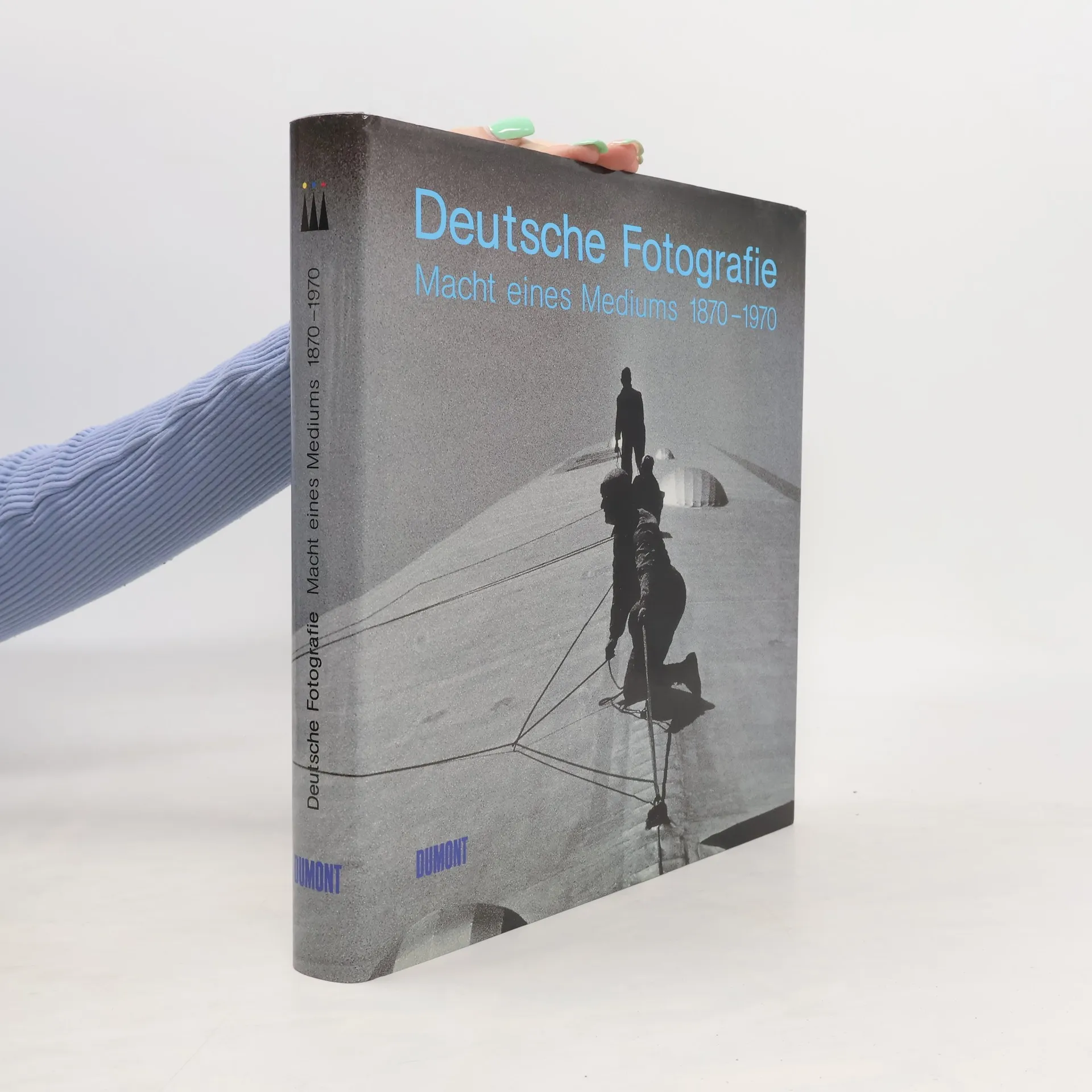
Die Essays des Bandes sind nach vier historischen Epochen gegliedert und beleuchten verschiedene Genres der Fotografie. Sie analysieren die Bedeutung und den Wandel des fotografischen Bildes in der Alltagskultur, von privaten Fotoalben bis hin zu Propaganda. Historiker und Fotoexperten kommen zu Wort, die Analyse endet 1970.