Ромео и Джульетта. Romeo and Juliet
Третья сюиты. Third Suite




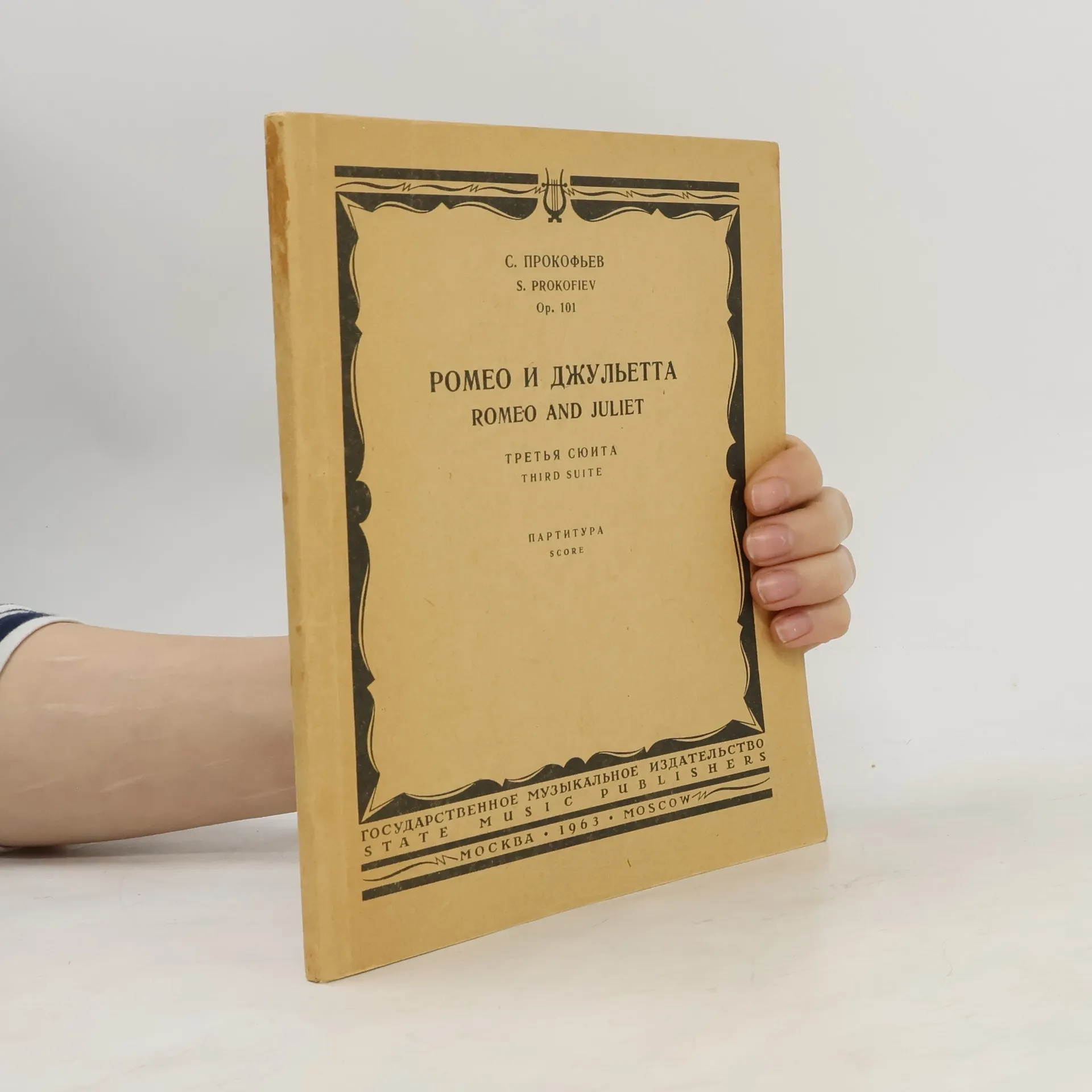
Третья сюиты. Third Suite
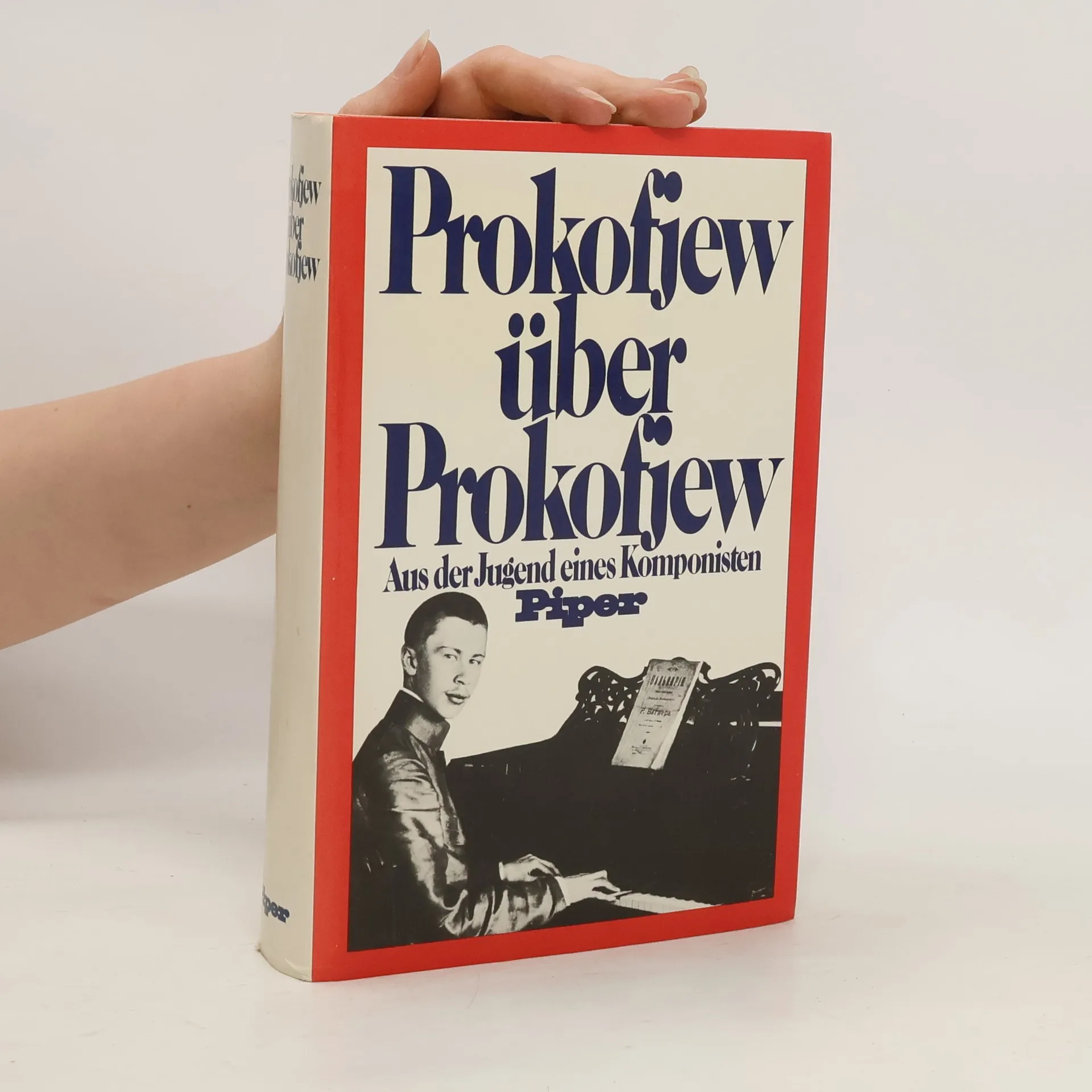
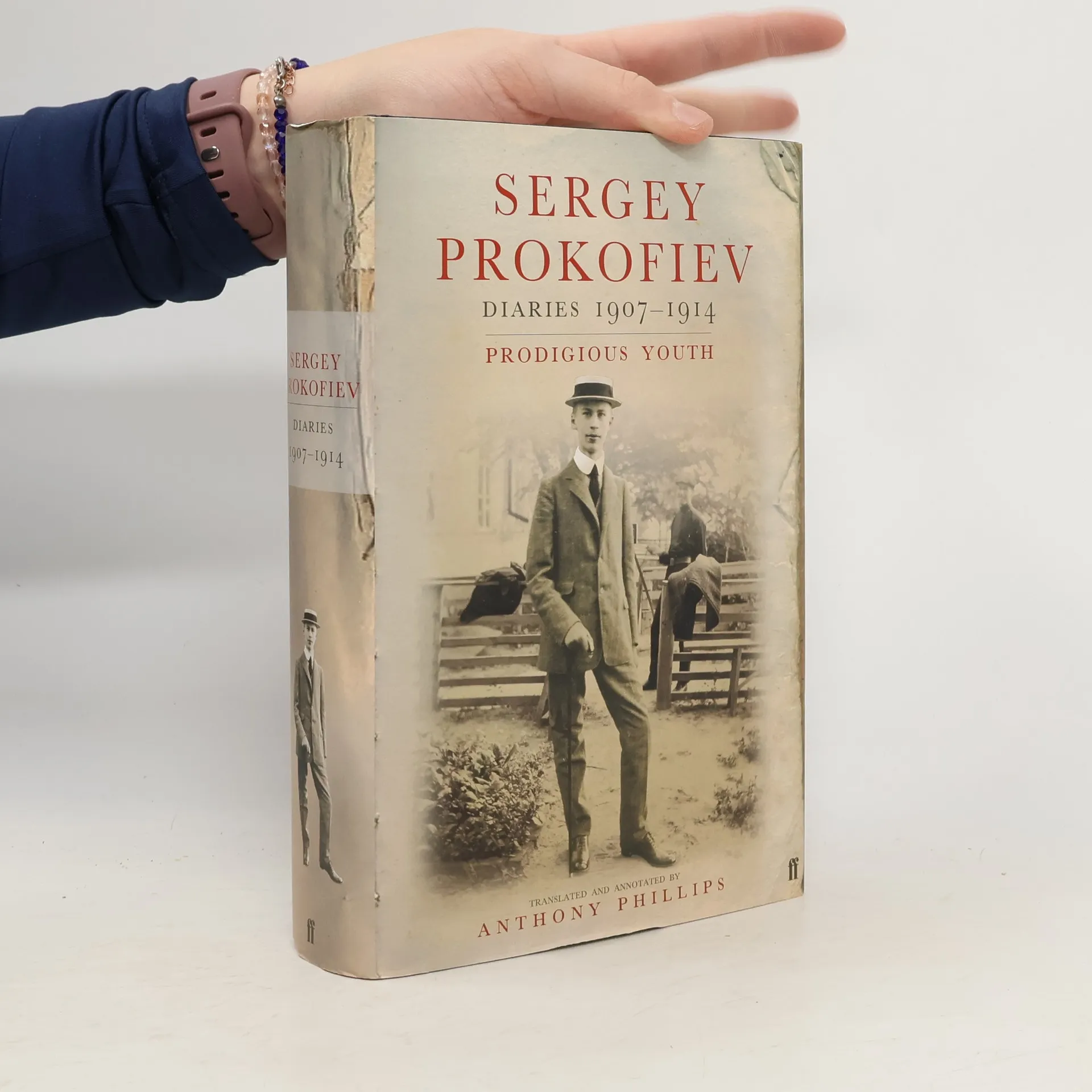
Prokofiev, a prolific diarist and unique writer, displayed a sardonic curiosity about people and events. After leaving Russia post-1917 Revolution, his diaries were salvaged from his family's Petrograd flat and hidden by Myaskovsky at great personal risk. Prokofiev later smuggled them out after his 1927 return to the Soviet Union. The later diaries, written while he was in the West, were returned to Russia posthumously, stored in a restricted section of the Russian State Archive. Eventually, Prokofiev's son Sviatoslav transcribed these extensive writings. After moving to Paris, he and his son Sergei worked on making the partially encoded manuscript comprehensible. Volume 1 chronicles Prokofiev's years at the St. Petersburg Conservatoire, culminating in his graduation. While grappling with the traditions of notable figures like Rimsky-Korsakov and Glazunov, the young genius used his talent to challenge and ultimately surpass the establishment. The diaries reveal candid insights into the typical concerns of a young man asserting himself in society. Collectively, they offer a rich portrait of a vibrant era in Western art, featuring nearly every prominent musician and artist, serving as an invaluable and entertaining resource for scholars and fans of Prokofiev's music.
A group of inventive kids launches a website to help others find answers to their questions. When a visitor inquires about the true meaning of Christmas, they embark on a journey through Old Testament prophecies. Their exploration uncovers a captivating narrative revealed through a series of "S" words. Featuring imaginative characters, witty dialogue, and engaging music, this children's Christmas musical promises an enjoyable performance experience for kids.
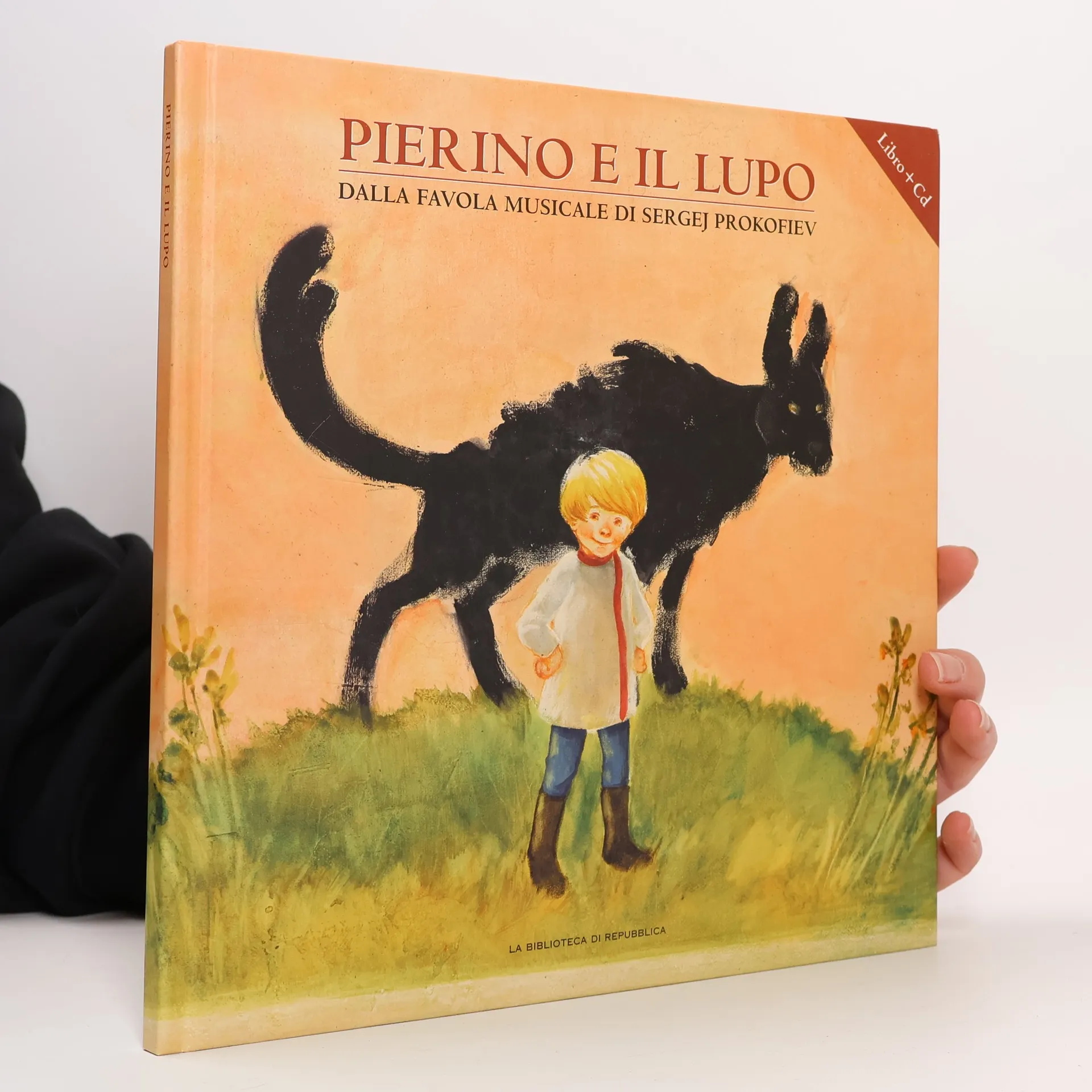
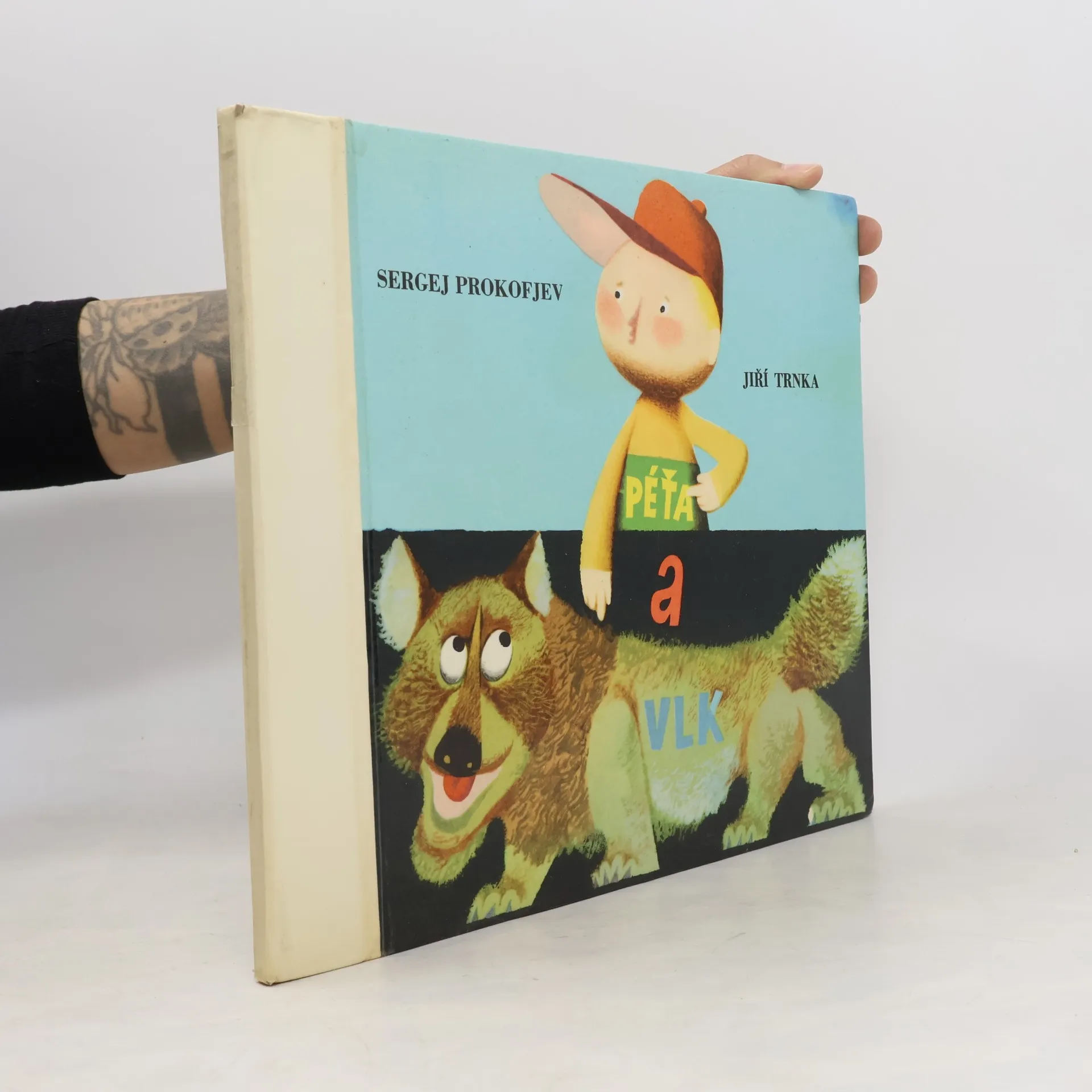
Retells the orchestral fairy tale of the boy who, ignoring his grandfather's warnings, proceeds to capture a wolf.
Sergey Prokofiev Diaries 1924-1933: Prodigal Son is thefinal volume in the critically-acclaimed Prokofiev Diaries.
Sergey Prokofiev: Diaries 1907-1914: Prodigious Youthis an inexhaustibly rich portrait of one of the most vibrantperiods in the whole of Western Art,indispensable for all lovers of Prokofiev.
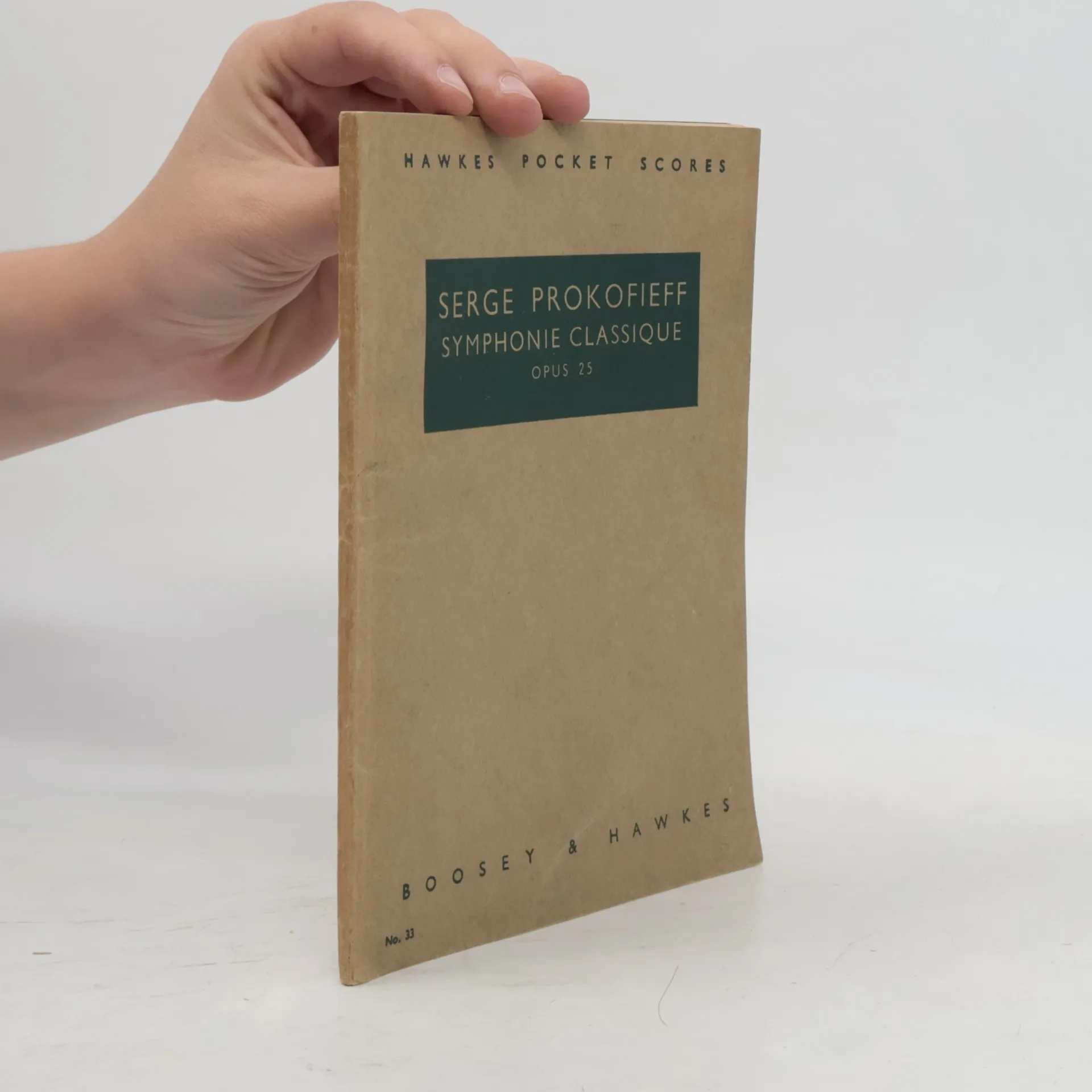
Opus 25
Eine literarische Sensation: Der Komponist Sergej Prokofjev als begnadeter Erzähler!In der Wohnung Sergej Eisensteins fand der Gitarrist Lucian Plessner in einer vergilbten Zeitschrift Erzählungen des großen Komponisten Sergej Prokofjev und landete damit eine literarische Sensation: Lange war nicht bekannt, dass der Komponist auch schriftstellerisch tätig war. Auf seinen unzähligen Reisen schrieb er humorvoll-skurrile Geschichten, die die gesellschaftlichen Verhältnisse seiner Zeit aufs Korn nehmen: Da begibt sich der Eiffelturm aus Sehnsucht nach dem Turm der Türme auf Wanderschaft nach Babylon, ein eitler Offizier und ein verliebter Maler wetteifern um eine Frau und legen sich dafür mit Schopenhauer an, oder ein Ingenieur verliert seine Frau und den Verstand. In seinem erzählerischen Werk, das hier vollständig vorliegt, spiegeln sich Prokofjevs Vorliebe für märchenhafte Stoffe, Zeiteinflüsse wie Dada und Surrealismus, aber auch die russische Erzähltradition eines Dostojewski, Gogol oder Tschechow. (Amazon.de)
L'extraordinaire histoire de Pierre et le Loup racontée par la célèbre spécialiste de la musique classique Eve Ruggiéri. Un conte musical où tous les personnages sont incarnés par un instrument de l'orchestre : le petit Pierre, par les cordes, l'oiseau qui est léger, par la flûte, le canard, par le hautbois, le chat qui glisse sur ses coussinets de velours, par la clarinette...
(Piano Solo). Sergei Prokofiev composed the twelve character pieces of the Musiques d'enfants in the summer of 1935. The pieces are an ideal introduction to the world of great piano literature of medium difficulty, especially for young musicians. Each piece in this suite has a different character: from the enchanting sunrise to the cheeky march, the result is an alternation of moods, a colorful sequence of images of a summer's day. Clever fingerings and imaginative tips for rehearsing guarantee success when practicing.
Prokofiew – Marsz z op. „Miłość do trzech pomarańczy
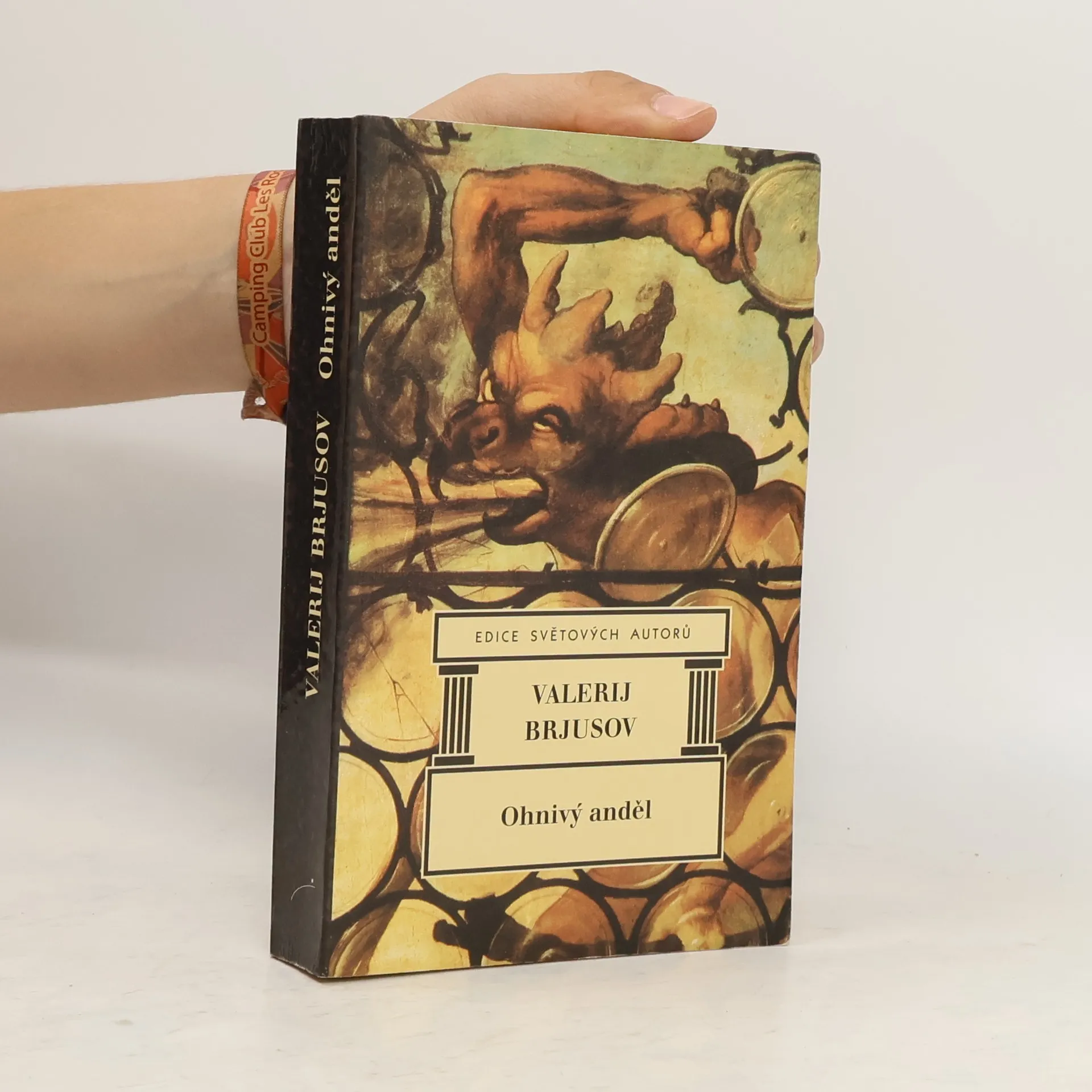
Představitel ruského symbolismu vydal svůj první román na počátku 20. století. Byl přívržencem okultních věd a zajímal se o spiritismus a démonologii. To se odráží i v jeho knize, jejíž příběh se odehrává ve třicátých letech 16. století v Německu, dosud rozjitřeném nedávným vznikem reformace a selskou válkou. Ústředním motivem je vášnivý a prudce se proměňující milostný vztah vypravěče s „posedlou“ dívkou, která zároveň miluje ohnivého anděla, jenž se jí zjevuje, ale zůstává nejasné, zda je to duch dobrý nebo zlý. Hrdinka nakonec zemře v inkvizičním žaláři.
"Zavrhl svět, v němž byl slavný. Chtěl pracovat pro svůj lid a pro budoucnost. Zakusil mnoho zkoušek, avšak neklesl na duchu. Nevzdal se, a zemřel duševně mlád, odvážný, nesmiřitelný." Tak vzpomíná na Sergeje Sergejeviče Prokofjeva významný sovětský spisovatel Ilja Erenburg. Rozsáhlé hudební dílo Prokofjevovo je pro nás spjato s prvními 35 lety rozmachu Sovětského svazu. Přestože žil od roku 1918 v cizině - koncertoval v Americe, ve Francii i jinde - neztrácel spojení se svou vlastí a vždy vystupoval jako stoupenec sovětského zřízení. Na Západě dosáhlo jeho umění jako skladatele i jako klavíristy vysokého uznání. Začátkem třicátých let však na S. S. Prokofjeva stále tíživěji doléhá odloučení od vlasti. Po úspěšných koncertních cestách v SSSR vrací se nakonec natrvalo. Již za pobytu v cizině usiloval o hudební vyjádření nového společenského řádu, který zvítězil v jeho vlasti. Tím více se tomuto úkolu sovětského umělce věnoval doma. Svědectvím o tom jsou mnohé články, týkající se soudobé hudby, i vzpomínky jeho přátel. V současnosti nebyla vždy Prokofjevova hudba plně chápána a oceňována. S odstupem doby však stále jasněji vystupuje význam jeho díla pro další vývoj hudby socialistického života.