

Explore the latest books of this year!
Bookbot

Phaedrus

    Phaedrus was a Roman fabulist recognized as the first writer to render entire books of fables into Latin. He retold the Greek prose tales of Aesop in iambic meter, transforming them into captivating verse. His work offers a significant contribution to classical literature, preserving and enriching ancient fables for posterity.

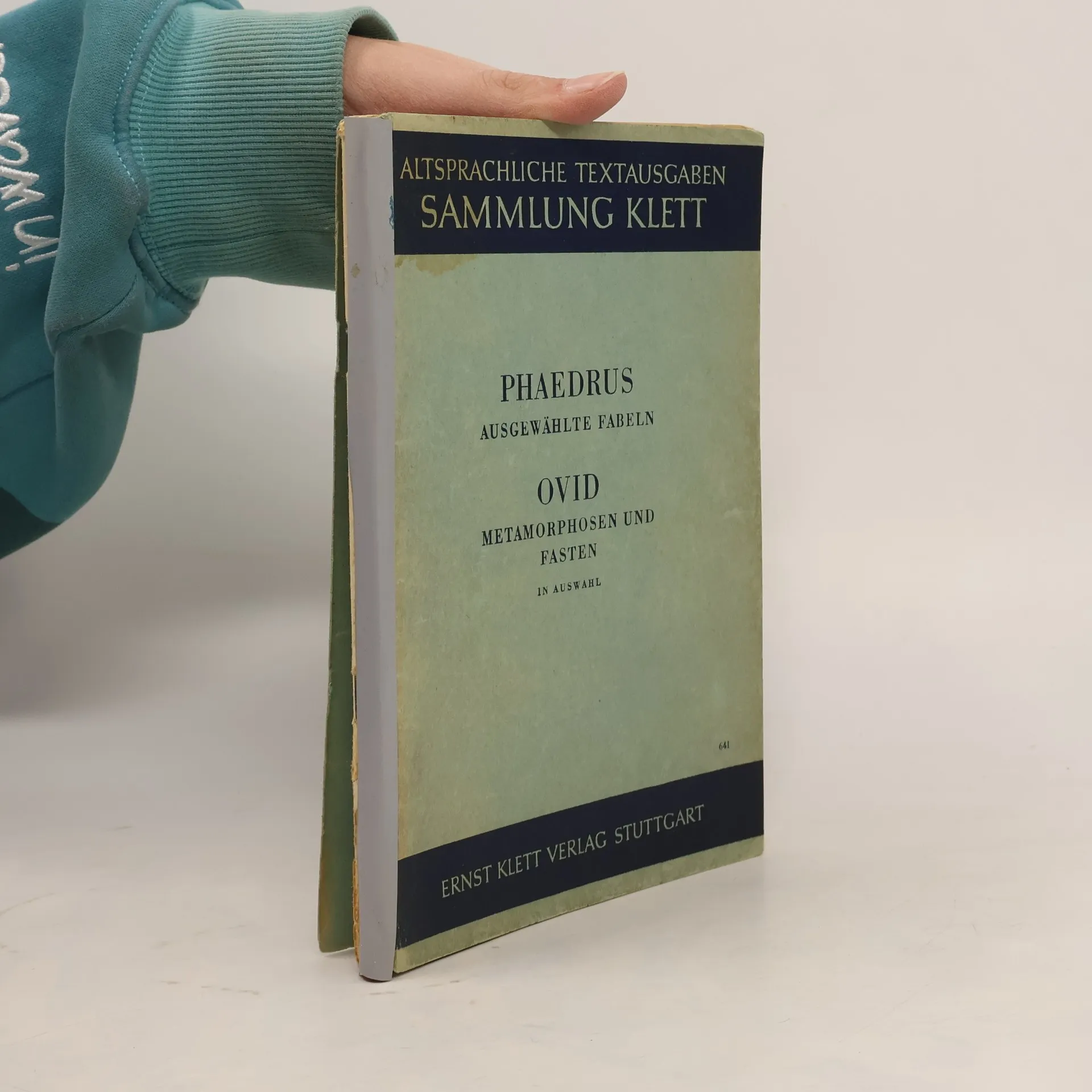
    Phaedrus: Ausgewählte Fabeln. Ovid: Metamorphosen und Fasten
    La battaglia dei topi e delle donnole
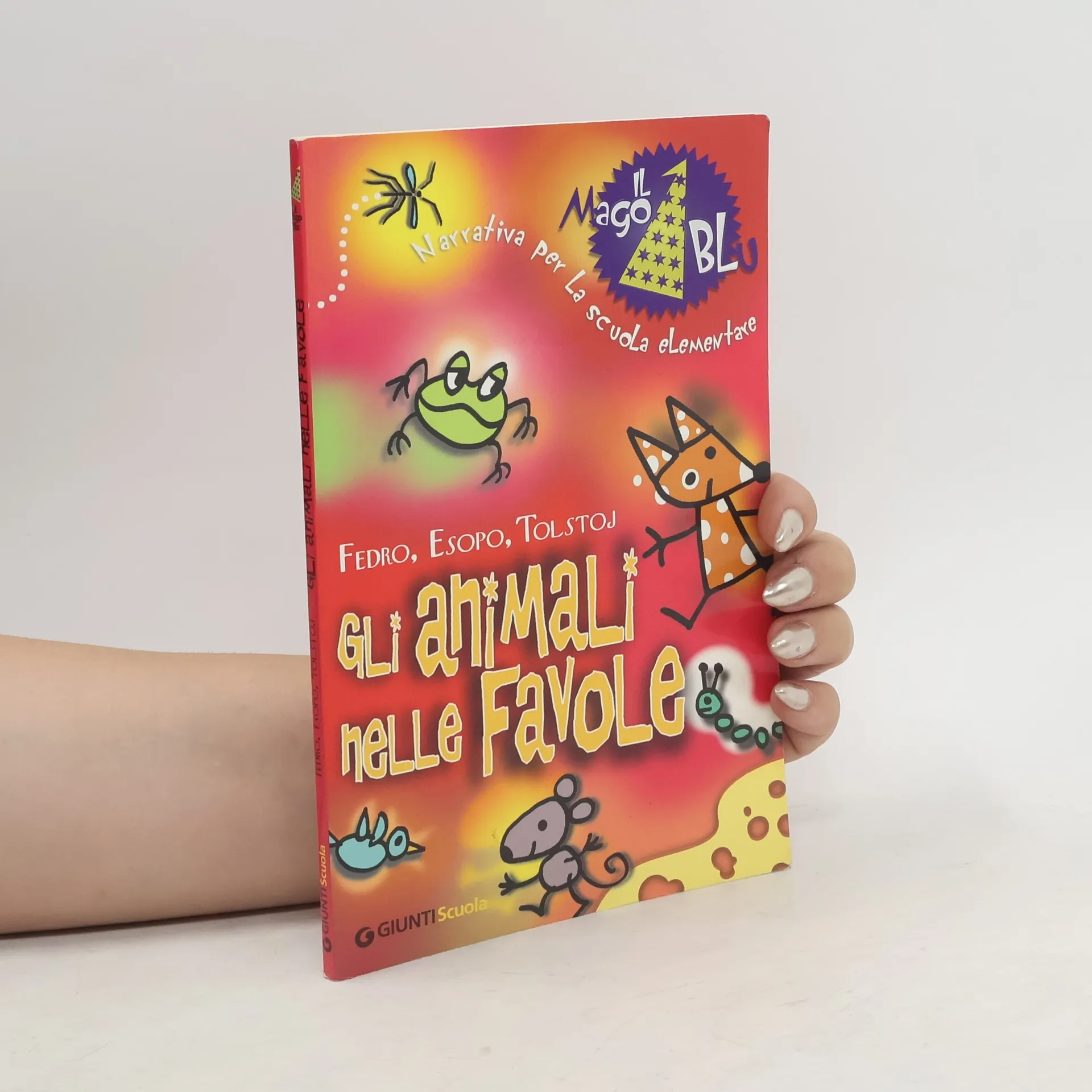
    Gli animali nelle favole. Per la Scuola elementare
    Fabels van Aesopus
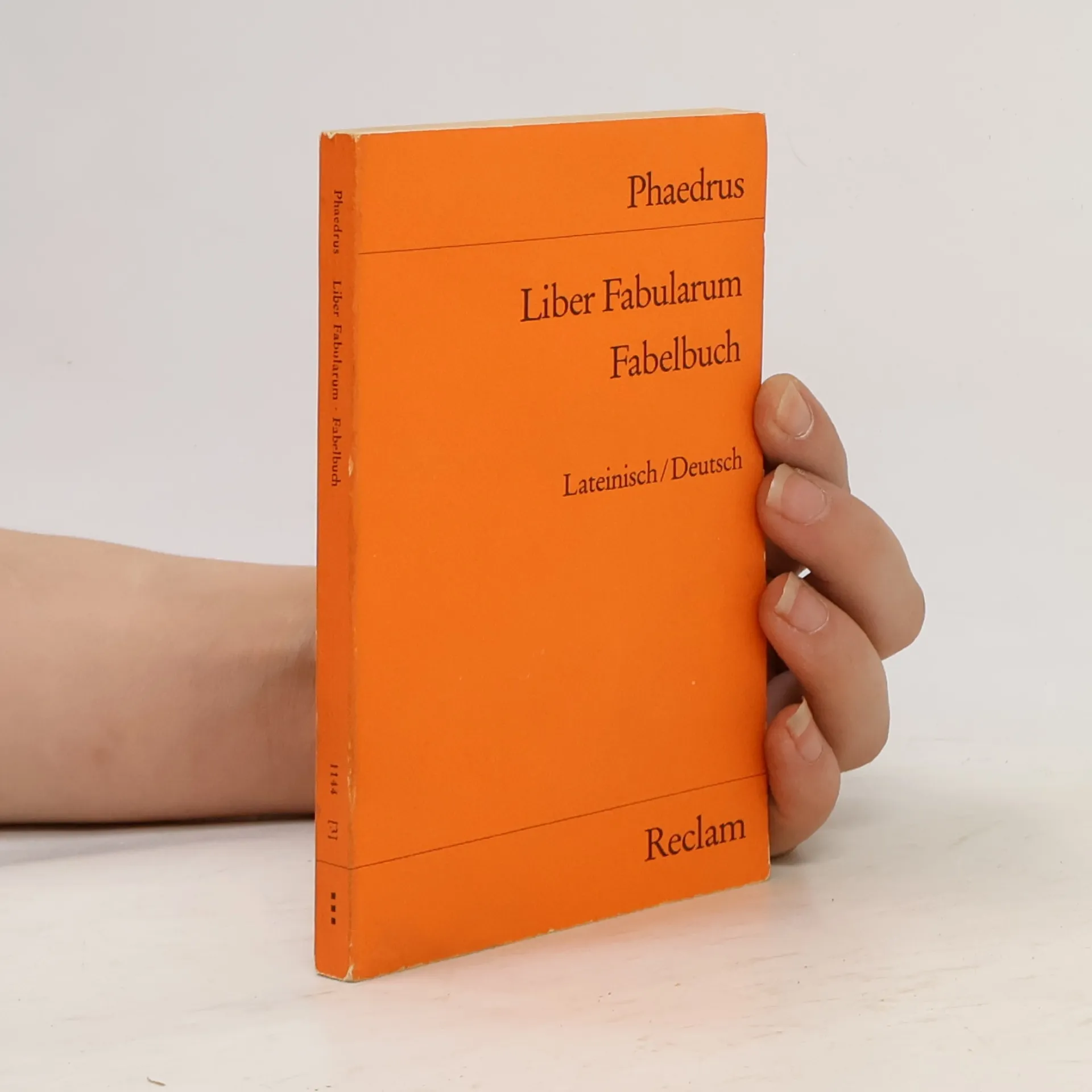
    Liber fabularum
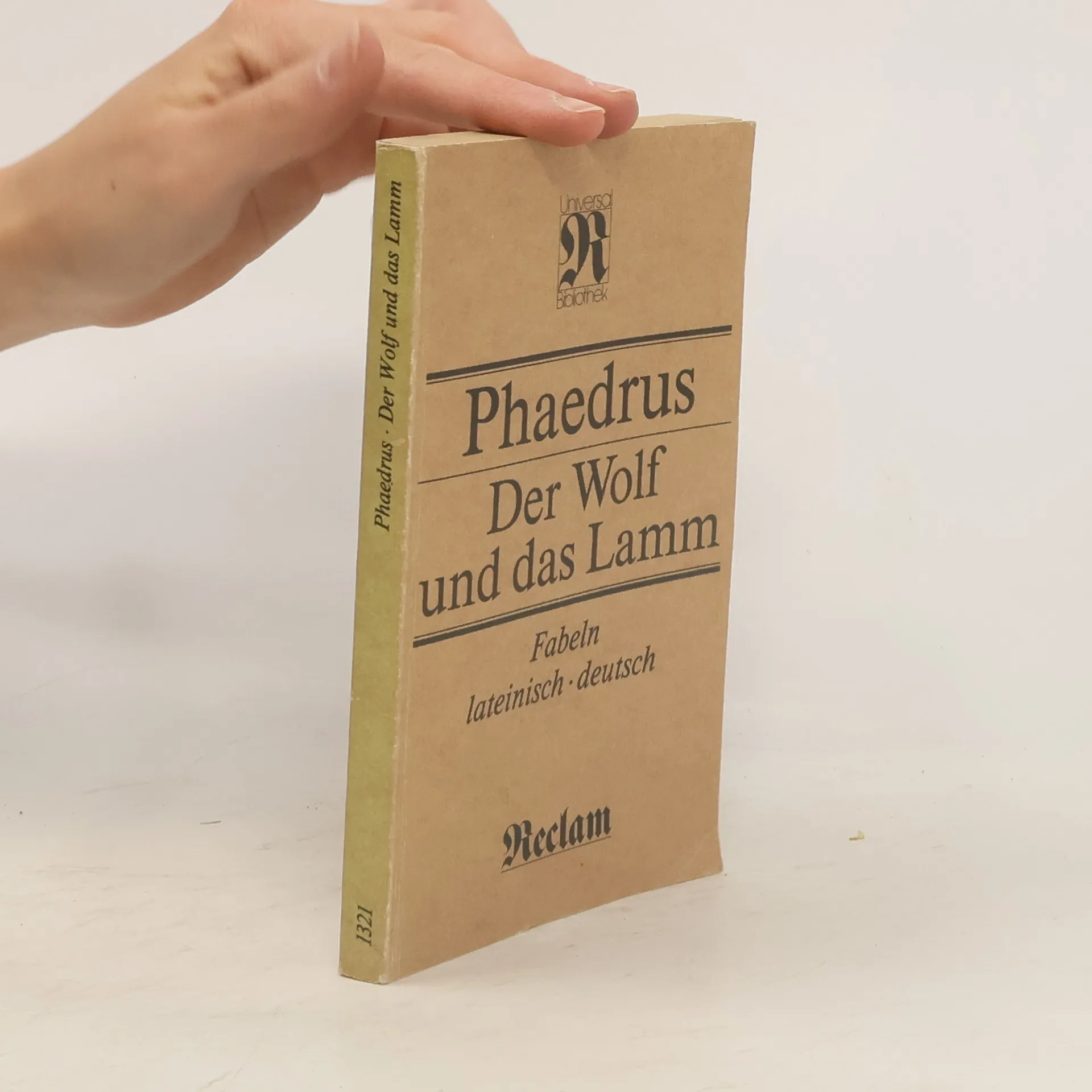
    Der Wolf und das Lamm
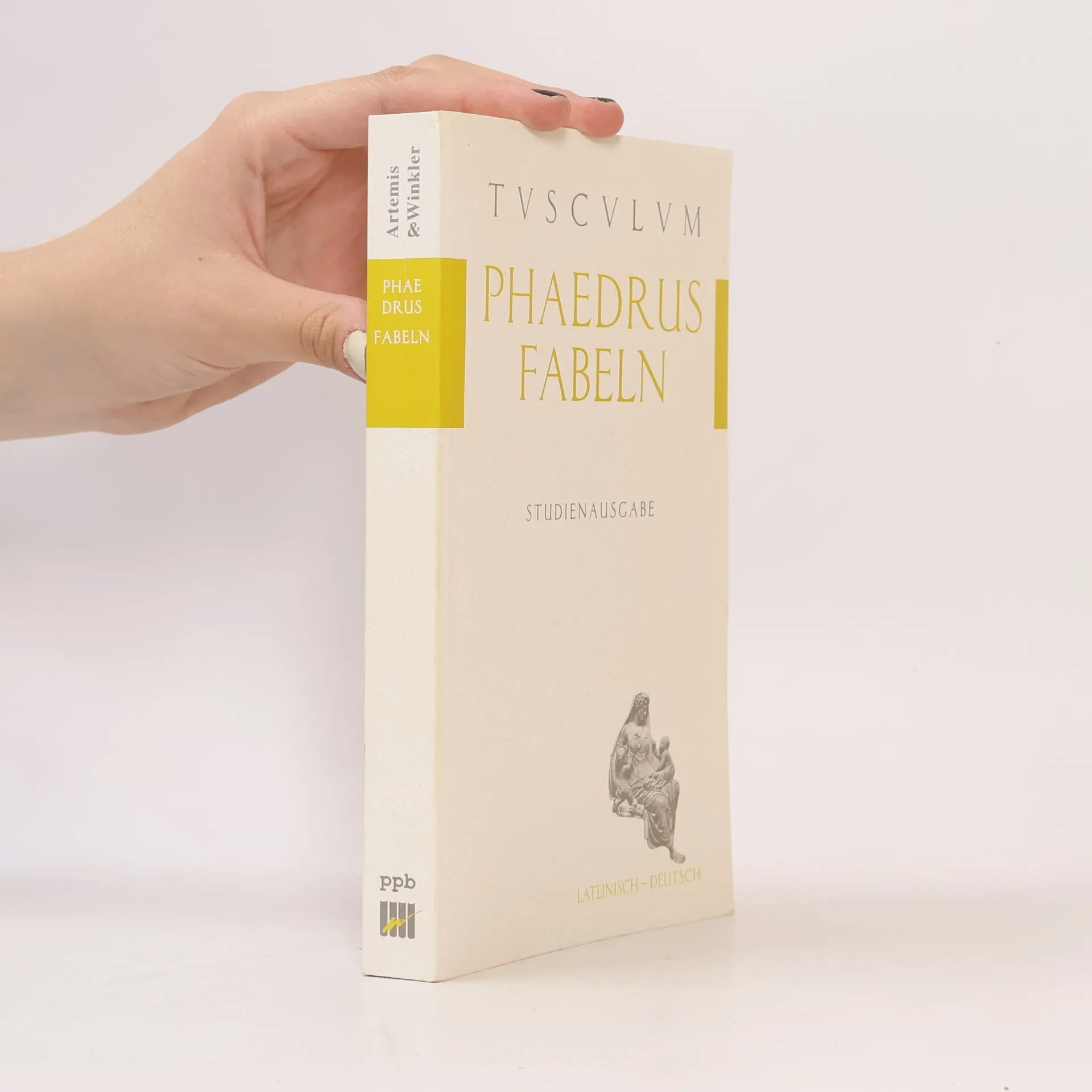
    • Fabulae / Fabeln

      • 279 pages
      • 10 hours of reading

      Ameise, Frosch, Fuchs, Hund, Kuh, Lamm, Löwe, Wolf – und allerlei Federvieh: Sie alle nehmen in den Fabeln des Phaedrus unsere menschlichen Verhaltensweisen an und halten uns so den Spiegel vor. Doch auch Menschen, mythische Figuren, Götter und sogar Gegenstände spielen mitunter die Hauptrolle. Die Texte sind nicht nur abwechslungsreich und unterhaltsam, sondern auch kurz – weshalb sie gern als Einstiegslektüre im Lateinunterricht gelesen werden. Diese Ausgabe enthält das gesamte Fabel-Corpus (126 Fabeln mit Pro- und Epilogen): den lateinischen Text, eine textnahe Übersetzung sowie erklärende Anmerkungen und ein umfassendes Nachwort.

      Fabulae / Fabeln2023
    • Fabels van Aesopus

      • 195 pages
      • 7 hours of reading

      Nieuwe berijming naar de uitgave van D. van Hoogstraten, die de fabels in 1703 uit het Latijn vertaalde.

      Fabels van Aesopus2000
      3.7
    • Liber fabularum

      • 240 pages
      • 9 hours of reading

      Phaedrus, Graecus vel Macedon, in Roma, de quo in prologis et epilogis fabularum suarum ipse de persona sua declarat, parum scimus. Vixit circa tempus nativitatis Christi, sed etiam in tempore mutationis, cuius spirituales provocationes cum mixtura resignationis et criticae fiduciae in Deo sustinuit. Licet ex antiquo, magno thesauro fabularum Aesopi, hauriat, non tamen antiquarium modo tractat, sed acuto oculo ad circumstantias suas; et ipse, "homo parvus", habet libertatem etiam magnos viros ut Pompeium, Augustum, Tiberium in carminibus suis adducere.

      Liber fabularum1975
      3.7