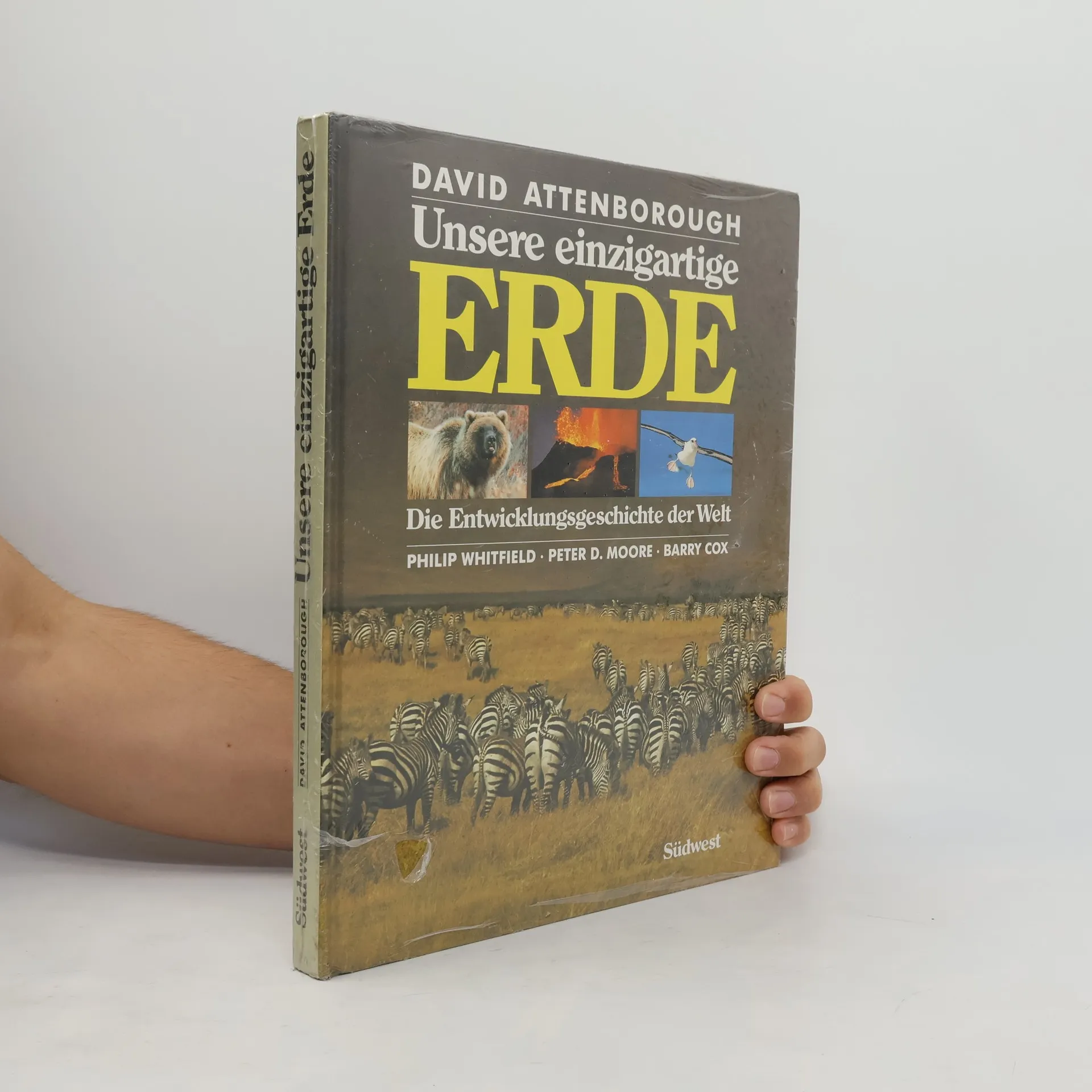
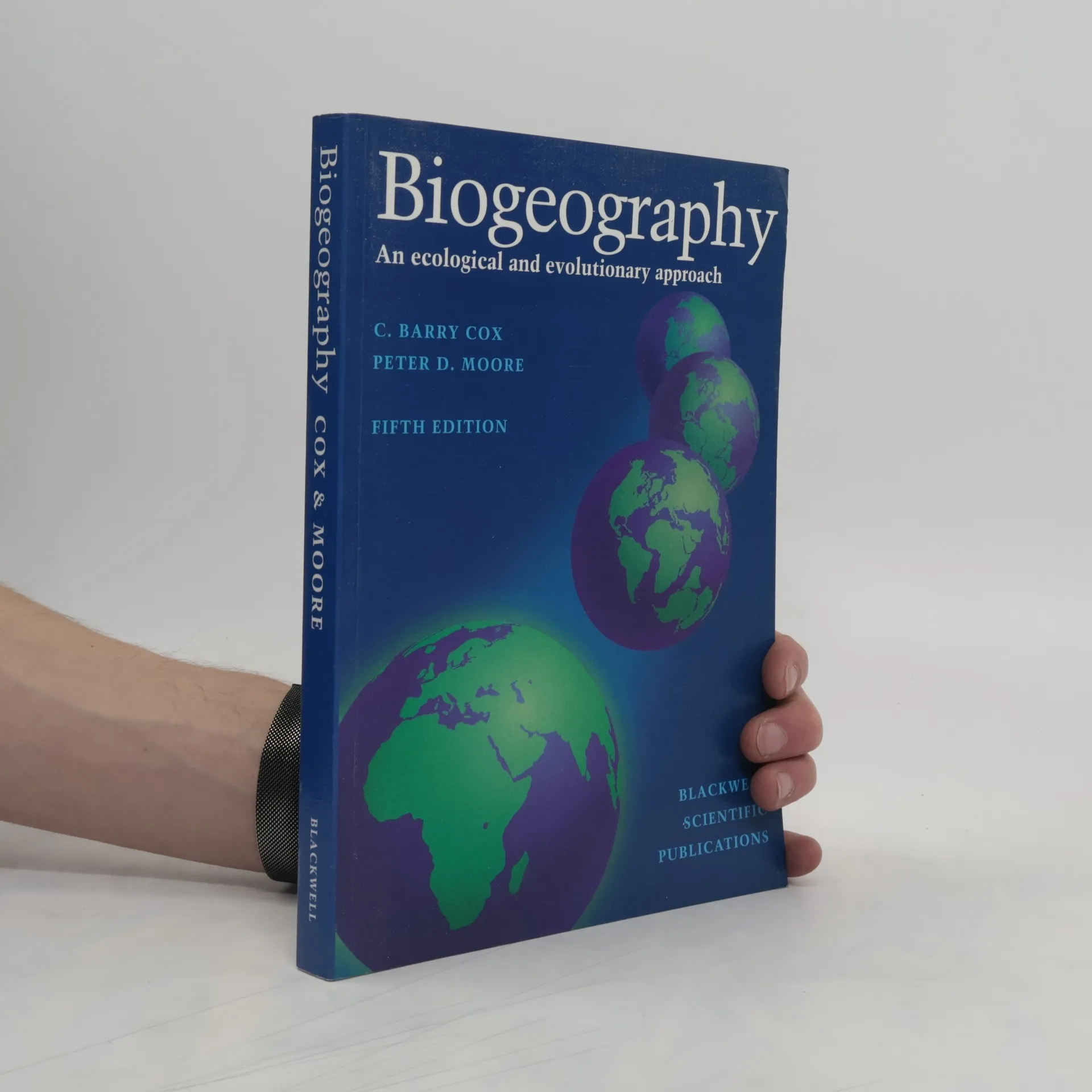
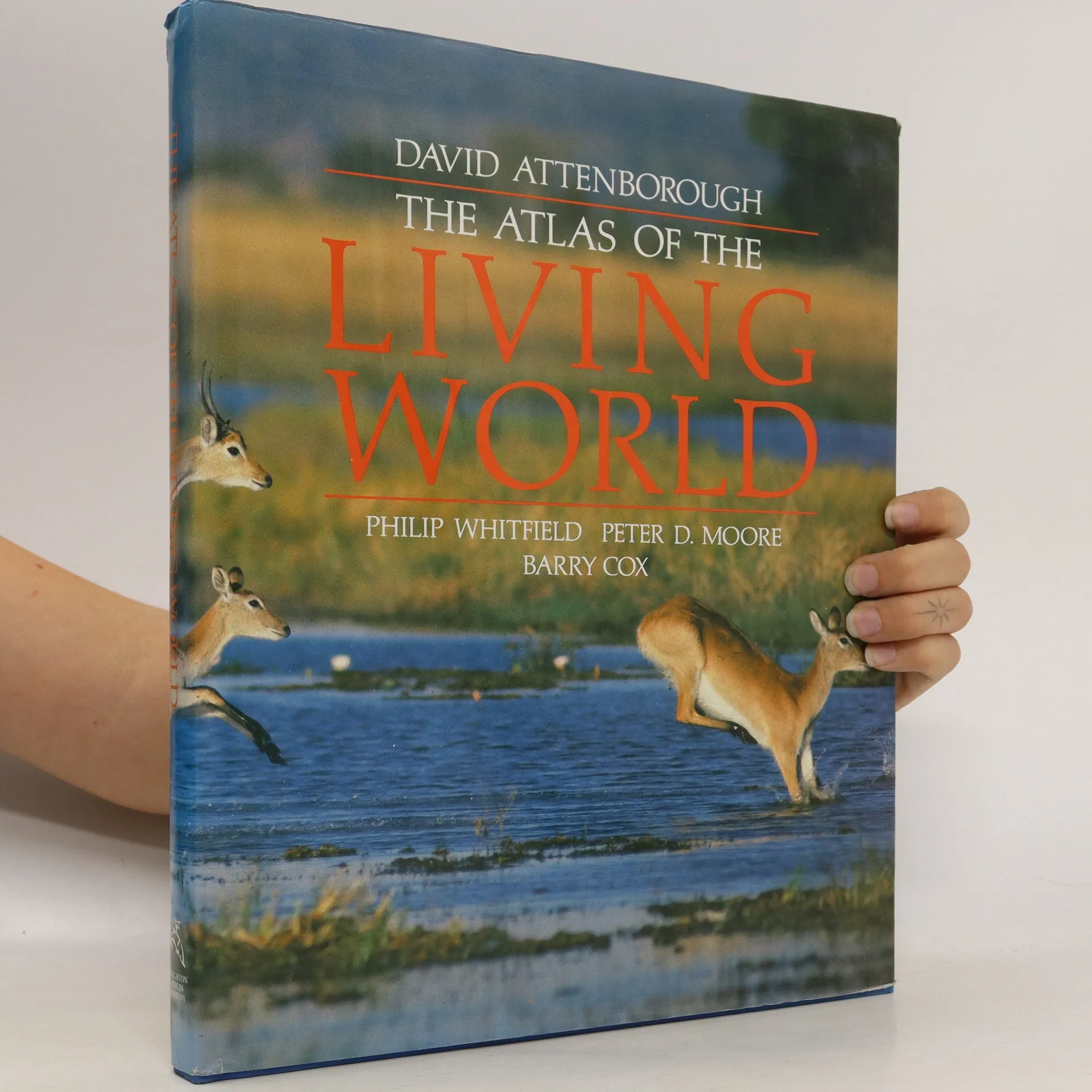
This unique atlas zooms in on the Earth like a telephoto lens, revealing global, habitat and niche patterns as well as the dynamic forces that alter them. Here are the stories of moving continents and dying dinosaurs, epics of Ice Age transformations and how new islands have been formed and populated. Full-color illustrations throughout.
Before outlining the structure of biogeography today, it's essential to understand how scientists work and their limitations. Trust in scientific claims should be approached with caution. Examining the behavior of past researchers reveals that contemporary scientists are influenced by similar factors. History offers valuable lessons, showing that the range of acceptable solutions is often constrained by societal and scientific norms. For instance, attitudes toward evolution and continental drift in the 19th and 20th centuries illustrate how such inhibitions can shape scientific discourse, with evolution still being contentious in some communities today. Scientific debates are rarely objective; they are influenced by personal beliefs, societal standing, and prior opinions. Just as "there's no business like show business," self-interest plays a significant role in scientific endeavors. Notable examples include how 19th-century middle-class scientists in England utilized the concept of evolution to challenge the establishment. Additionally, the individual case of Leon Croizat and his ideas provides an intriguing study of how personal and societal factors intersect with scientific inquiry. Understanding these dynamics is crucial for grasping the evolution of biogeographical thought.
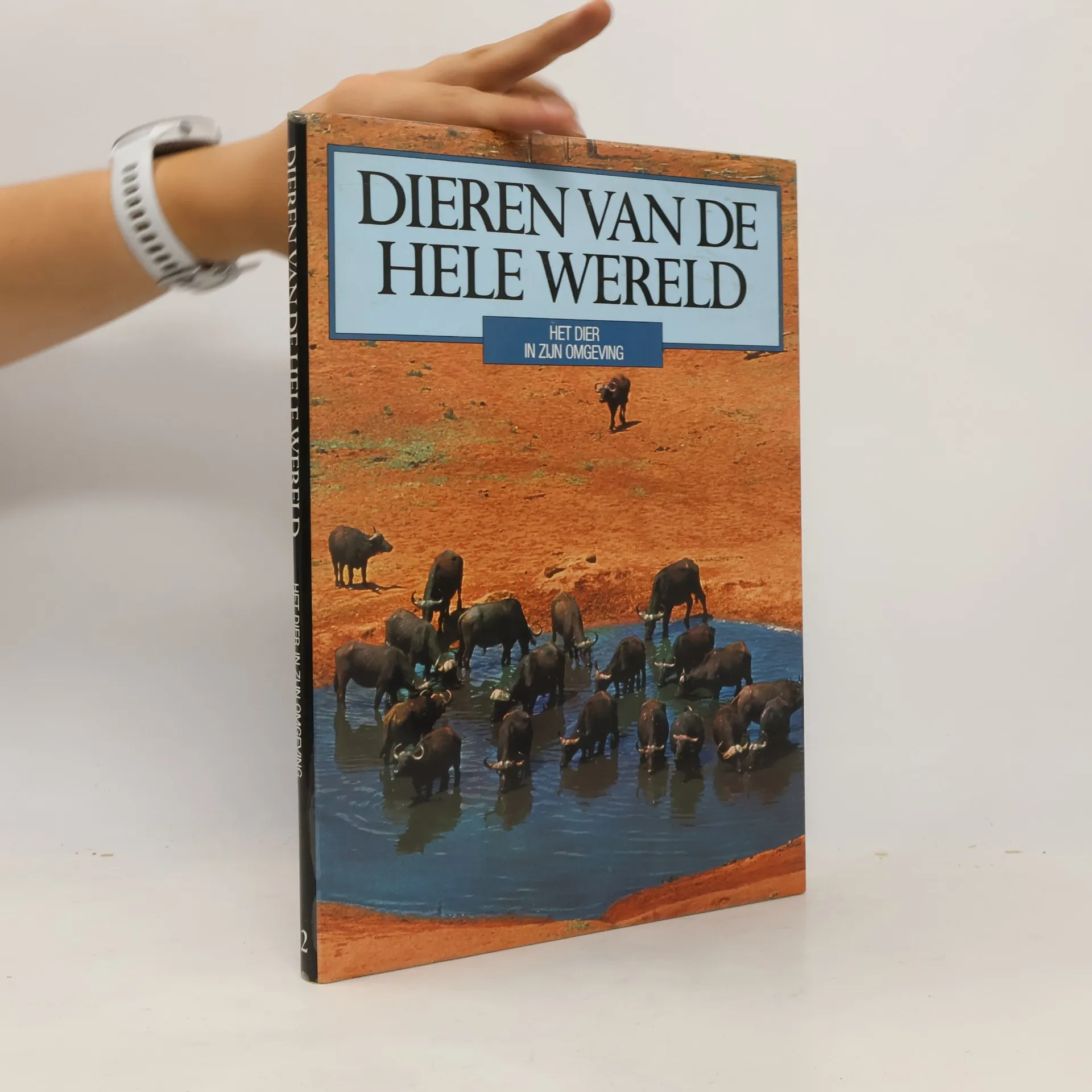
Dieren van de hele wereld is een unieke dierenencyclopedie, een overzichtelijk en aantrekkelijk standaardwerk dat uit 12 delen bestaat. Het is met grote zorg en kennis van zaken samengesteld door een internationaal team van wetenschappers. De schitterende foto's, de prachtige tekeningen, de gedetailleerde kaarten en de deskundige, fascinerende tekst maken de serie tot een onmisbaar en volledig naslagwerk. Dieren van de hele wereld voert u mee naar peilloze oceanen, ondoordringbare oerwouden, hooggebergten, moerassen en prairies, en laat u kennismaken met duizenden dieren in hun eigen mysterieuze rijk.
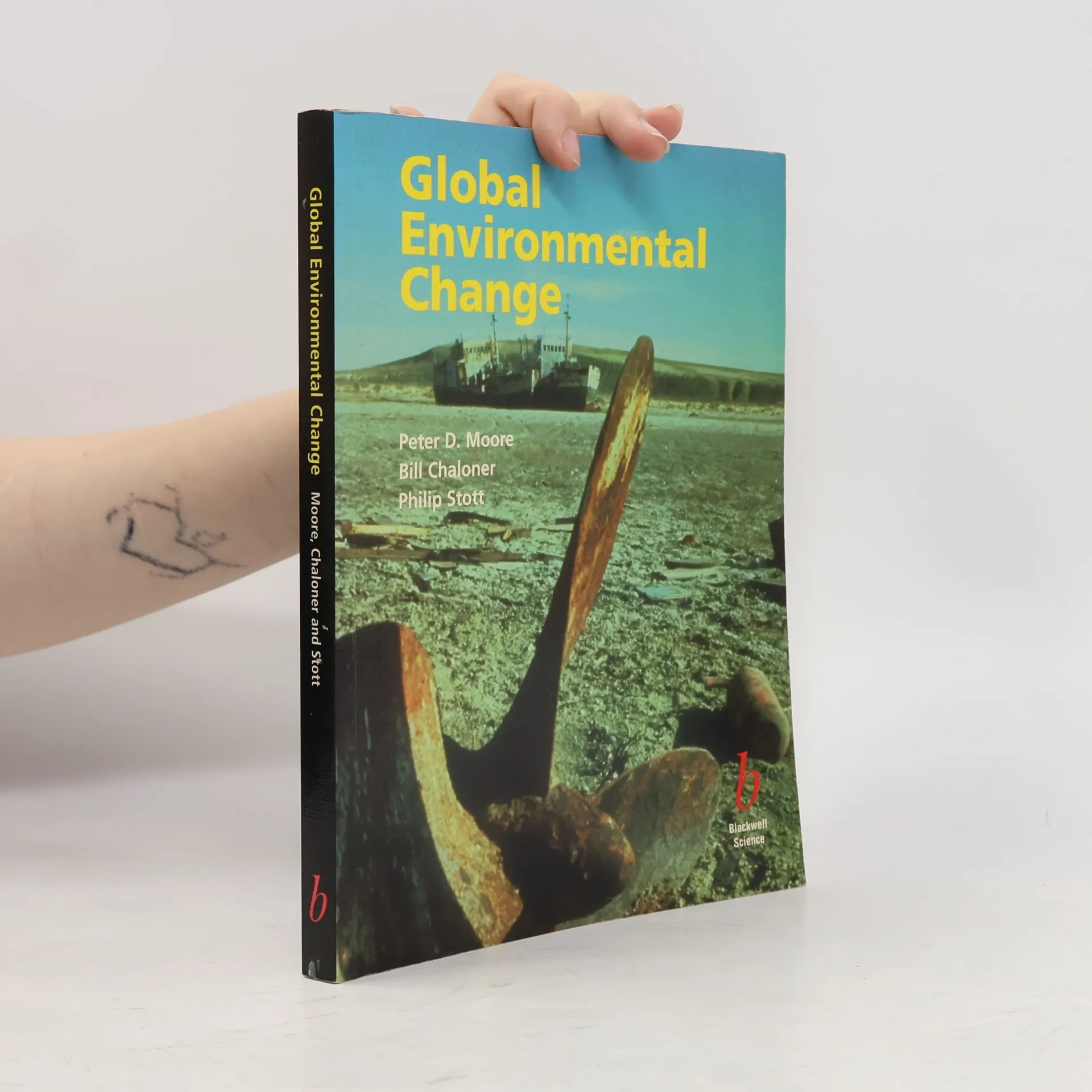
This new undergraduate textbook provides a basic grounding in the science of global change. Although the climate has been changing constantly throughout Earth's history, human impacts on the system are relatively recent. The authors base the philosophy of the book on the view that an understanding of natural global change is necessary to assess the impact of human activity. Early chapters introduce the student to the basic science of earth systems. Later chapters consider anthropogenic effects against a background of natural climate change, and discuss the implications of continuing change for agriculture, health and demographic issues