This author engages in in-depth conversations about great books and powerful ideas, exploring complex emotions like loss and transformation. His work seeks to capture the essence of human experience through both literary and visual mediums. As a translator and editor, he brings a unique perspective to his writing, infusing it with a nuanced understanding of texts. His literary contributions invite readers to contemplate the fundamental aspects of life.
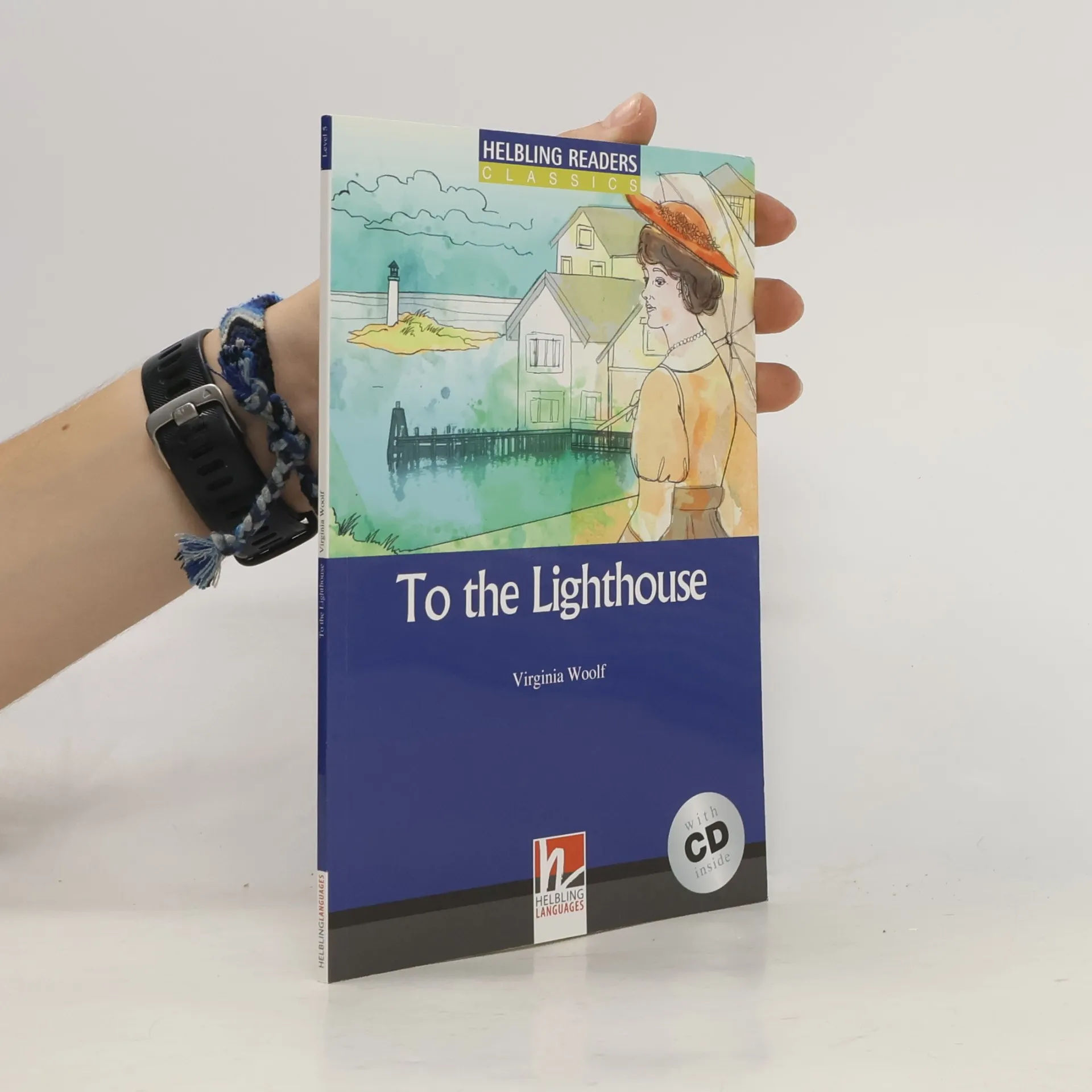
Mrs Ramsey has gathered her friends and family around her in the family's summer house on the Isle of Skye. As the children play and the adults paint, talk and think, the relationships between them develop and change.Can true happiness ever be achieved or is it destined to exist only as a poignant memory?
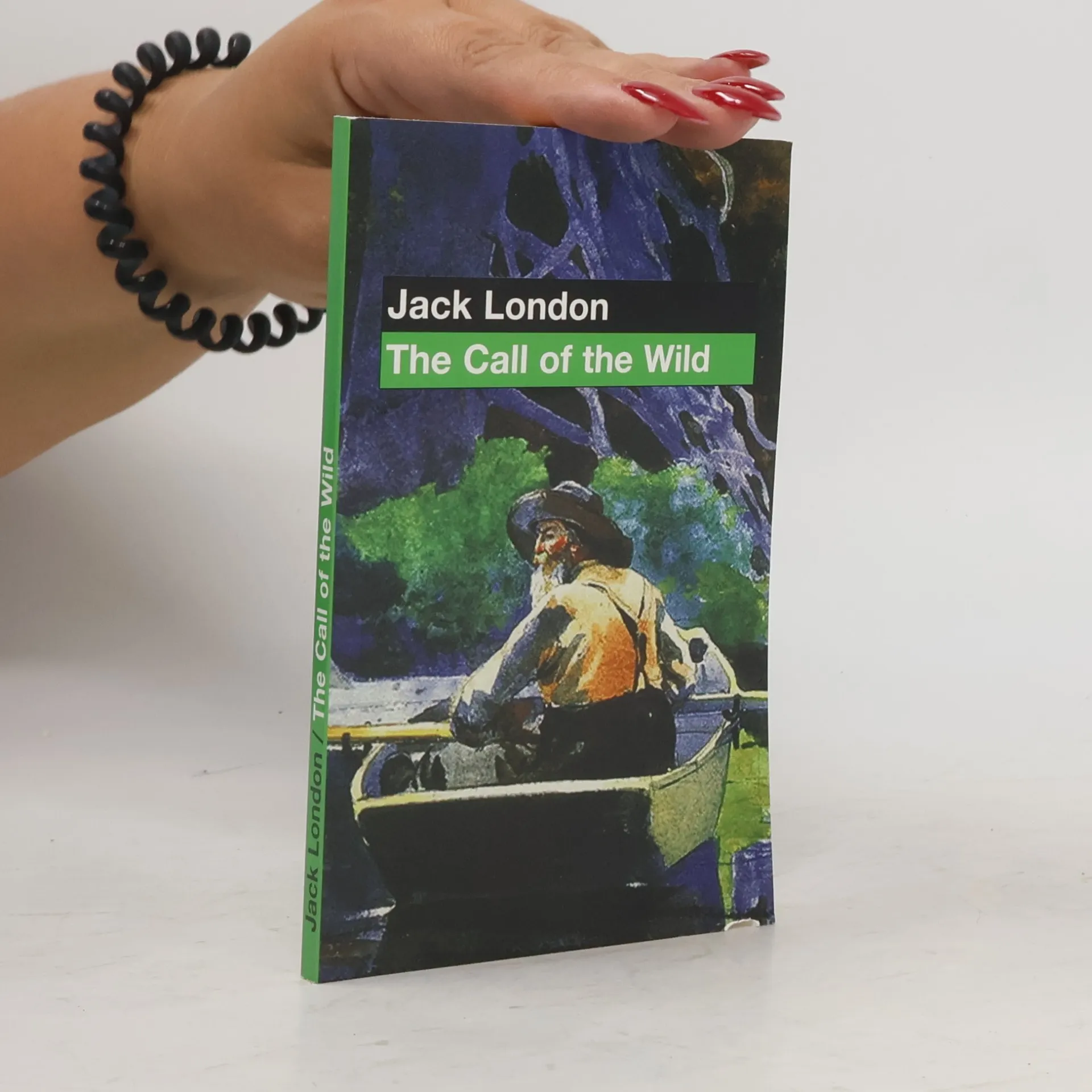
The adventures of an unusual dog, part St. Bernard, part Scotch shepherd, forcibly taken to the Klondike gold fields where he eventually becomes the leader of a wolf pack.
Disorientation and distraction are central themes in this analysis of Virginia Woolf's short story, which reflects her quest for genuine representation in writing. The ambiguous title suggests uncertainty, mirroring the narrator's confusion about the day of the week. Woolf explores how mundane experiences can both distract from and represent deeper truths, emphasizing the complexity of capturing reality through words. The narrative challenges readers to embrace this ambiguity as part of the human experience.
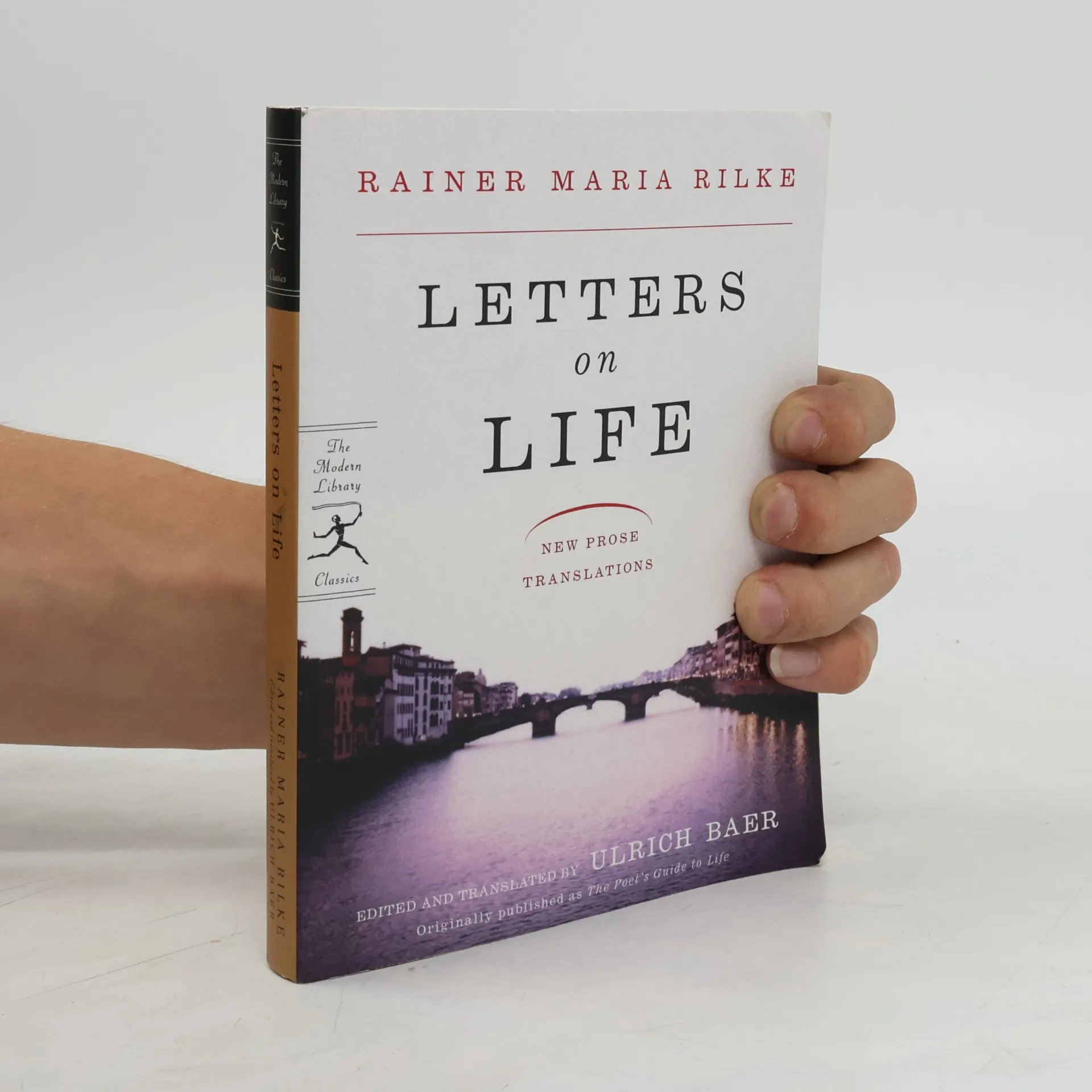
New Prose Translations - Originally Published as The Poet's Guide to Life
272 pages
10 hours of reading
Gleaned from Rainer Maria Rilke s voluminous, never-before-translated correspondence, this volume offers the best writings and personal philosophy of one of the twentieth century s greatest poets. The result is a profound vision of how the human drive to create and understand can guide us in every facet of life. Arranged by theme from everyday existence with others to the exhilarations of love and the experience of loss, from dealing with adversity to the nature of inspiration here are Rilke s thoughts on how to infuse everyday life with beauty, wonder, and meaning. Intimate, stylistically masterful, brilliantly translated and assembled, and brimming with the passion of Rilke, Letters on Life is a font of wisdom and a perfect book for all occasions. Since 1917 The Modern Library prides itself as The modern Library of the world s Best Books . Featuring introductions by leading writers, stunning translations, scholarly endnotes and reading group guides. Production values emphasize superior quality and readability. Competitive prices, coupled with exciting cover design make
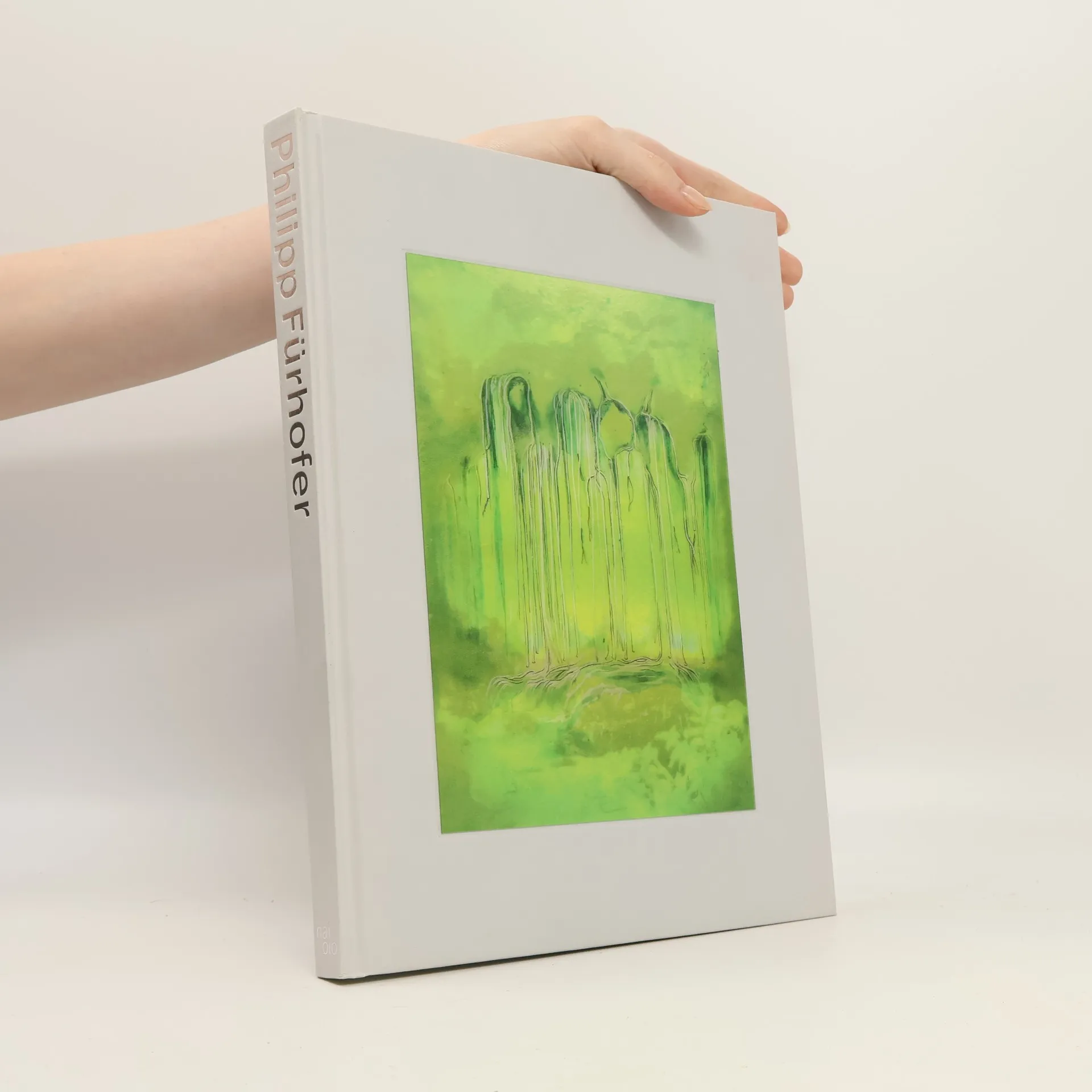
Fantastical luminescent box works by Philipp Fürhofer, Royal Opera House set and costume designer Combining painting, sculpture, installation and set design, Berlin-based artist Philipp Fürhofer (born 1982) juxtaposes different layers with mirror foil inside of painted acrylic boxes lit with incandescent lights or LED tubes. The resulting works―documented here―appear as small sets from mysterious and dream-like worlds.
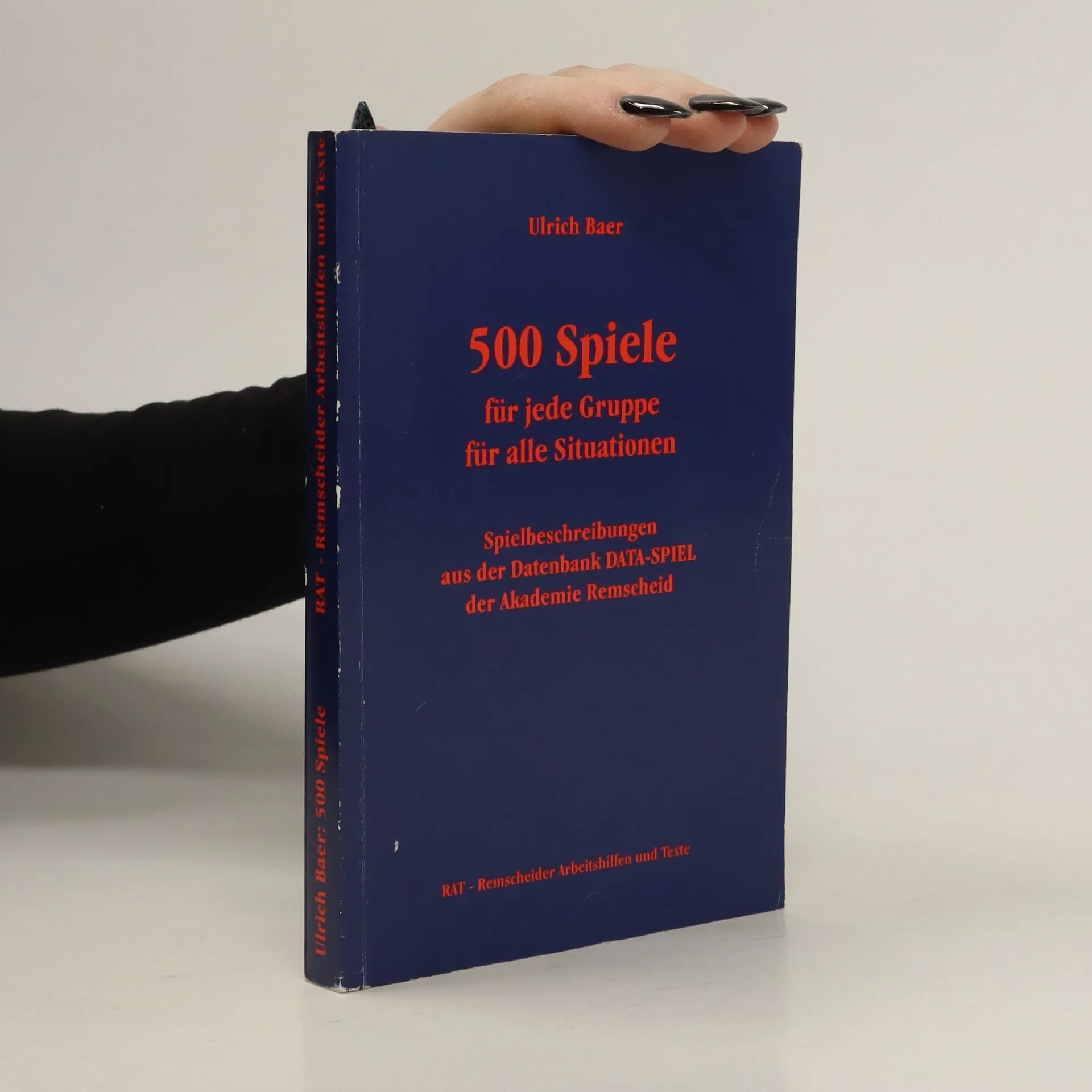
Die umfassende Spielesammlung aus Remscheid wurde komplett überarbeitet und erweitert, bietet Spiele für jede Gelegenheit. Alle 666 Gruppenspiele, ausgewählt von Ulrich Baer, einem erfahrenen Spielpädagogik-Dozenten, sind kompakt beschrieben und mit pädagogischen Stichwörtern versehen. Diese Spiele fördern Kooperation, Empathie und Kreativität in Gruppen aller Altersstufen und garantieren Spielspaß.
Neu ist die Sortierung der Spiele nach Anlässen wie Kennenlernen, Warming Up, Gruppenaufteilung, Wahrnehmung, soziales Lernen, Motorik, Action, Entspannung, Sprache, Theater, neue Medien, Projekte, Gestalten, Ganztag, Beratung, Spielaktionen, Quatsch und Abschluss. Über 60 Spiele wurden durch aktuelle ersetzt, und jedes Kapitel enthält eine Liste der 10 besten Spiele.
Die neue Struktur ermöglicht eine schnelle Auswahl passender Spiele: Eine Griffleiste am Rand erleichtert das Finden der Kapitel, persönliche Empfehlungslisten bieten eine erste Vorauswahl, und Kurztexte informieren über den Spielablauf. Stichwörter zu jedem Spiel geben auf einen Blick Auskunft über Alter, Spieldauer, Material und Spielsetting. Zudem ermöglichen Varianten zu einzelnen Spielen eine differenzierte Anpassung an die jeweiligen Gruppenkonstellationen. Ein kostenloser Downloadzugang bietet zusätzlich Materialien, Bilder, Fragekarten und Fallbeispiele für mehrere Spiele.
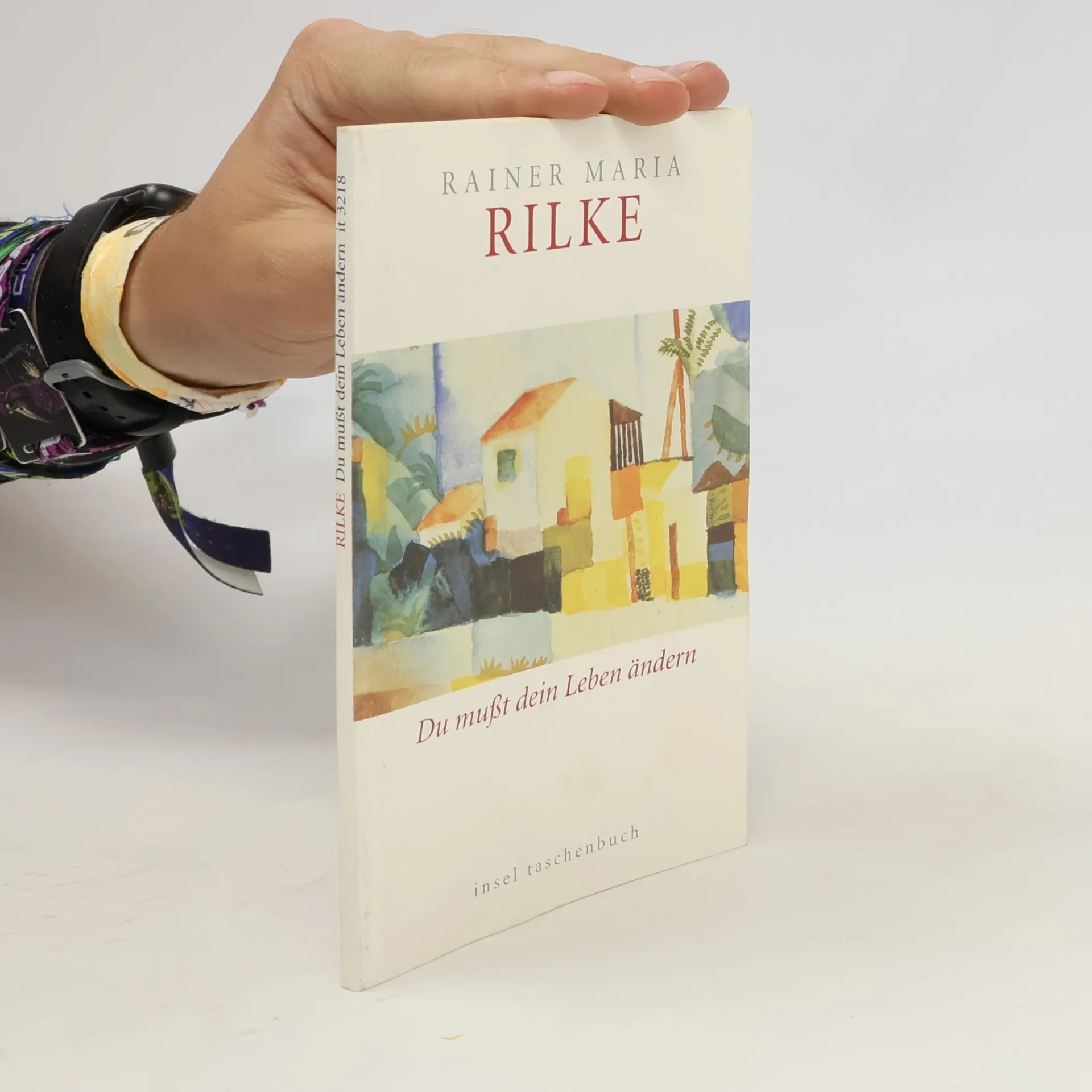
Möge das Leben Ihnen aufgehen, Tür um Tür; mögen Sie sich in die Fähigkeit finden, ihm zu vertrauen, und den Mut, gerade dem Schweren das meiste Vertrauen zu geben. Das Leben ist für Rilke ein täglich neu zu feierndes Geschenk. Es ist voller ungeahnter Möglichkeiten und verborgener Schönheiten. Seine Gedanken über die großen Offenbarungen des Lebens hat Rilke besonders in seinen Briefen festgehalten – und ist damit auch heute ein wertvoller Lebensratgeber. Seine schönsten Gedanken über ein glückliches und ausgeglichenes Leben wurden für diesen Band ausgewählt.
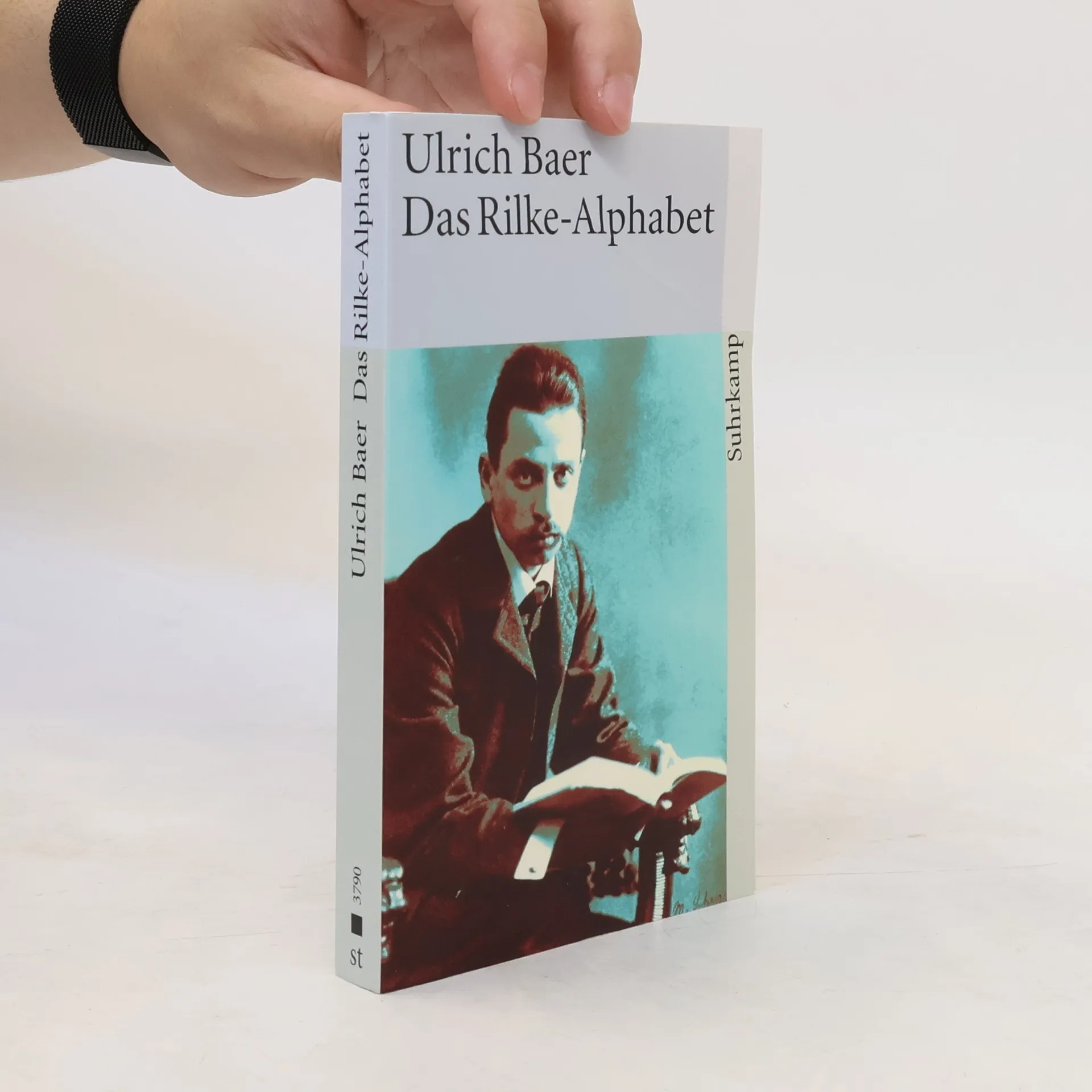
Rainer Maria Rilke von A bis Z – für Anfänger und Fortgeschrittene eröffnet Ulrich Baer 26 neue Zugänge zu Leben und Werk des großen Dichters. Ob nun B wie Buddha, F wie Frösche, M wie Mussolini oder Z wie Zahl: Jedes dieser auf den ersten Blick oft überraschend ausgewählten Worte wird vor dem Hintergrund von Rilkes Gesamtwerk untersucht und beleuchtet so die enge Verbindung, die zwischen Rilkes Dichtung und seinem Leben besteht. Dabei entpuppt sich Rilke als ungemein konkreter Dichter, als Dichter des gelebten statt des philosophisch reflektierten Lebens. Jedes der 26 Kapitel steht für sich, keines baut auf Vorwissen auf, so daß der Band zum Blättern nach Lust und Laune einlädt.
Die Erfahrung der Moderne bei Charles Baudelaire und Paul Celan
299 pages
11 hours of reading
Traumadeutung handelt vom ersten und letzten Dichter der Moderne: von Charles Baudelaire, der als erster den traumatischen Schock als Signatur der Moderne identifizierte, und von Paul Celan, dessen Werk Zeugnis von der Katastrophe ablegt, die das Ende der modernen Traditionen markiert. Beide Autoren bemühen sich in ihren Gedichten um die Darstellung von Erfahrungen, die unabhängig vom Willen oder Bewußtsein als unverarbeitet, schockierend und traumatisch im Gedächtnis haften. Mittels der Analyse von je drei Gedichten Baudelaires und Celans zeigt Ulrich Baer, daß die Beschäftigung mit den ästhetischen Eigengesetzlichkeiten des Gedichts ein Modell für die Mitteilbarkeit von traumatischen Erfahrungen darstellen kann. Dieses »außergewöhnlich luzide Buch« ( Harold Bloom ) bietet nicht nur einen neuen Zugang zu Baudelaire und Celan, sondern erhellt auch die Beziehung zwischen Literatur, Trauma und Geschichte: wie wir Wirklichkeit wahrnehmen, wie wir unsere Erinnerung sprachlich vergegenwärtigen und wie wir vergessen.
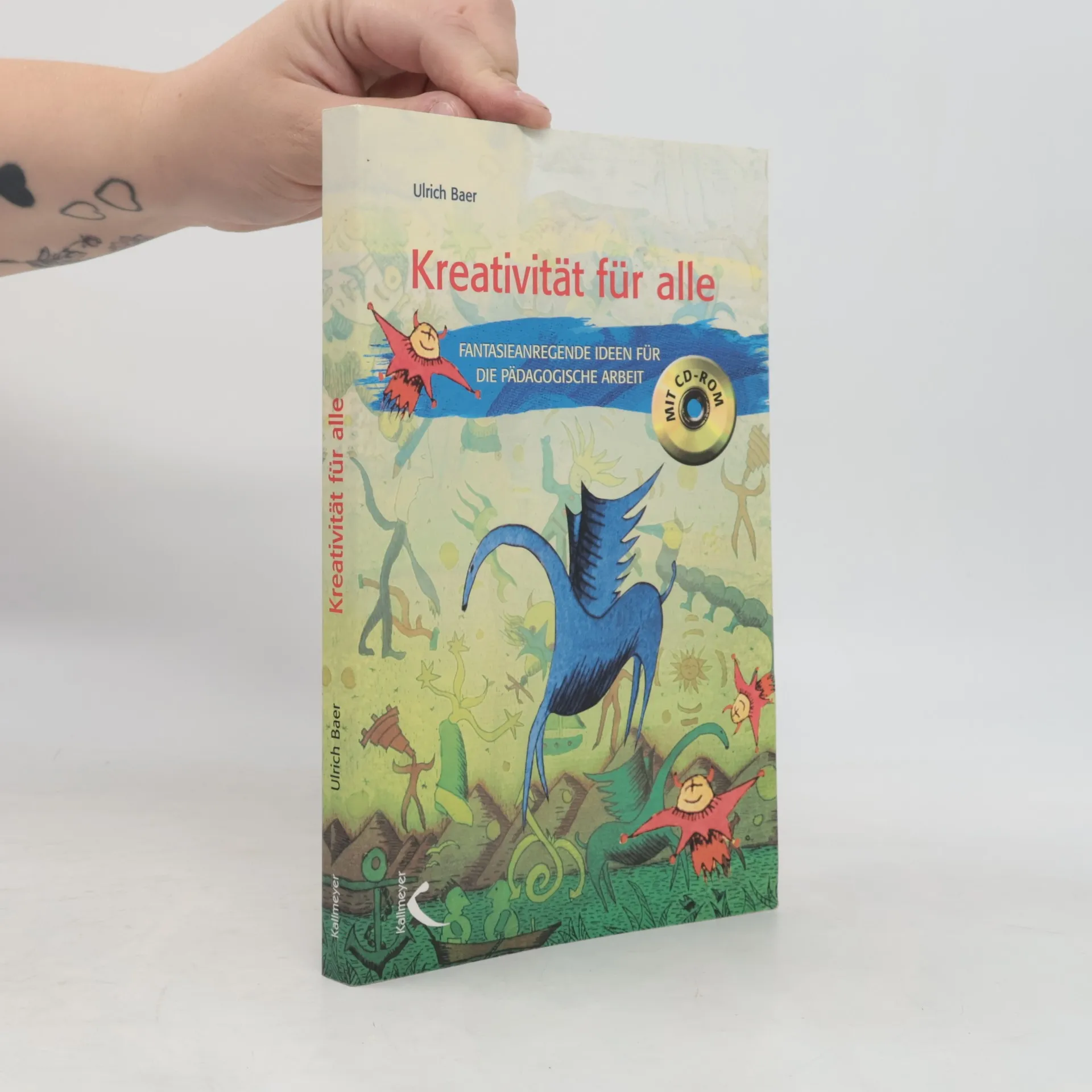
Fantasieanregende Ideen für die pädagogische Arbeit - Mit CD-ROM
223 pages
8 hours of reading
Fantasieanregende Ideen für die pädagogische Arbeit Das neue Buch von Ulrich Baer (Spiel- und Kulturpädagoge der Akademie Remscheid) ist kein Buch! Der schön gestaltete Band ist eine riesige Ideenkiste, die nur darauf wartet von Ihnen durchstöbert zu werden. In dem Teil 111 kreative Methoden finden Sie neue Ideen für die Gruppenarbeit mit Kindern, Jugendlichen und Erwachsenen - jeder Vorschlag wird mit einem instruktiven Foto, einem erklärenden Untertitel, einer praxisorientierten Beschreibung und entsprechenden Stichwörtern dargestellt. Der Teil Kreativitätspädagogik erschließt Ihnen in mehreren gut lesbaren Beiträgen das didaktische Konzept des Autors und beantwortet die vielen praktischen Fragen, die sich uns stellen, wenn wir bei uns selbst und in pädagogischen Feldern kreatives Potenzial fördern wollen.