Wege und Wegräume
- 120 pages
- 5 hours of reading



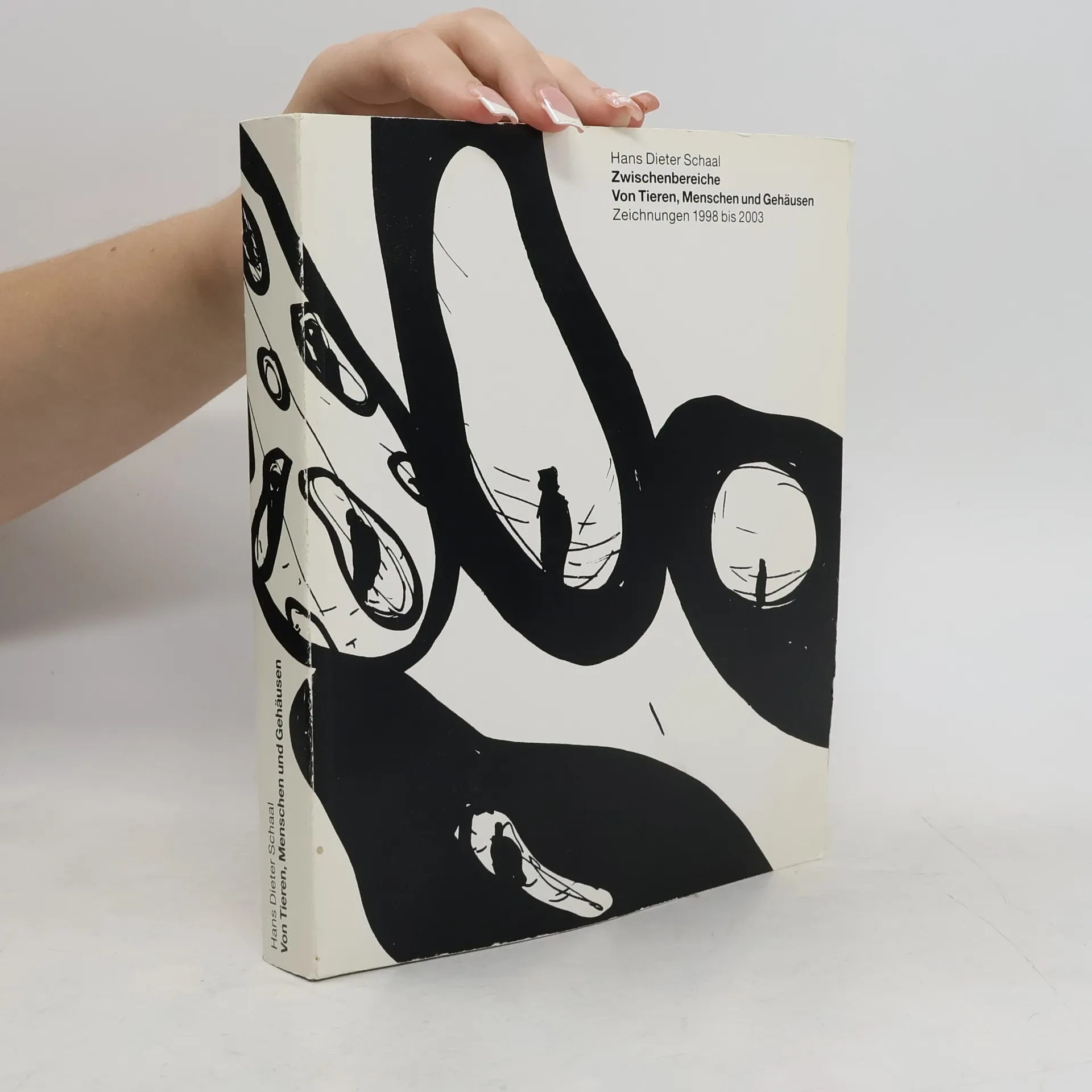
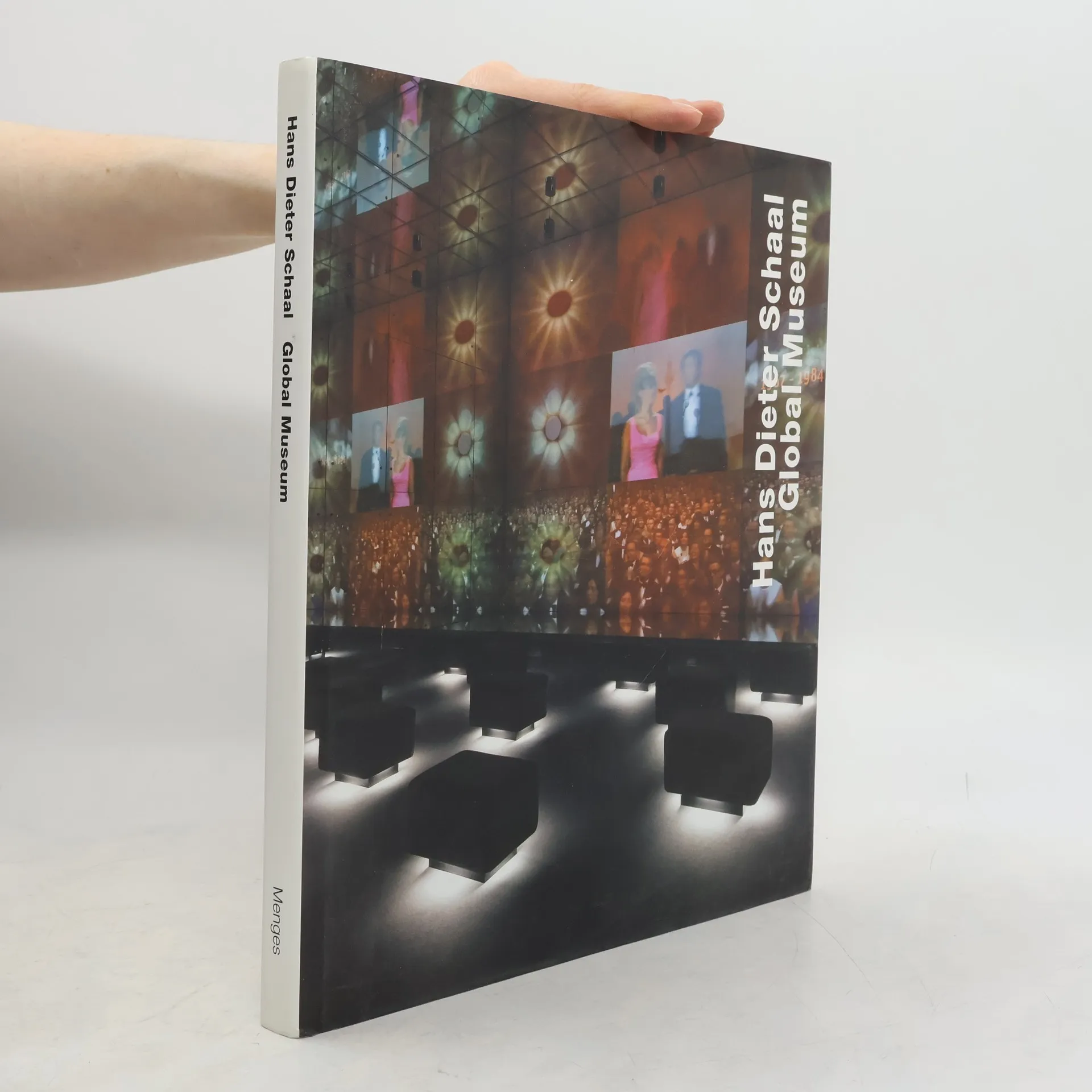
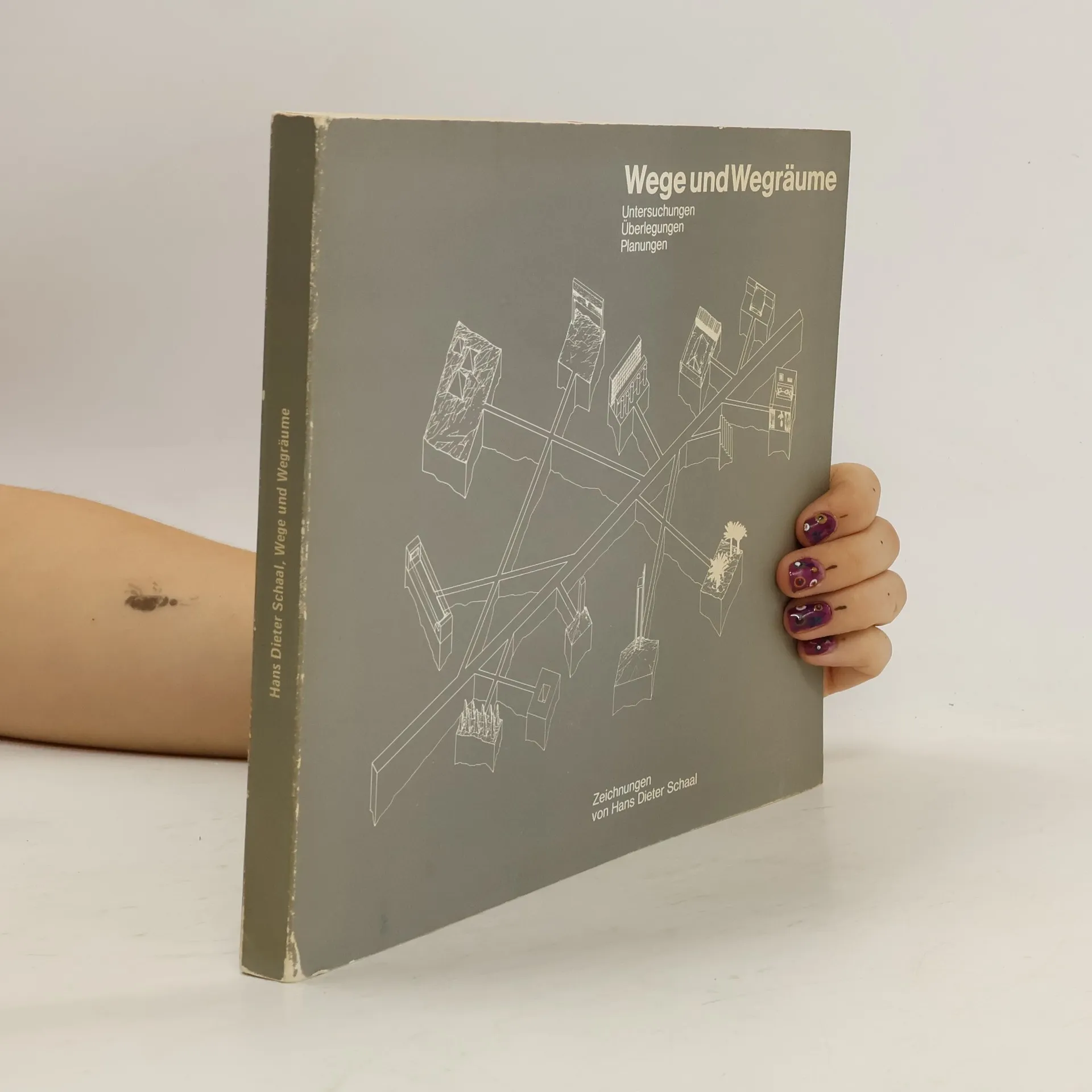
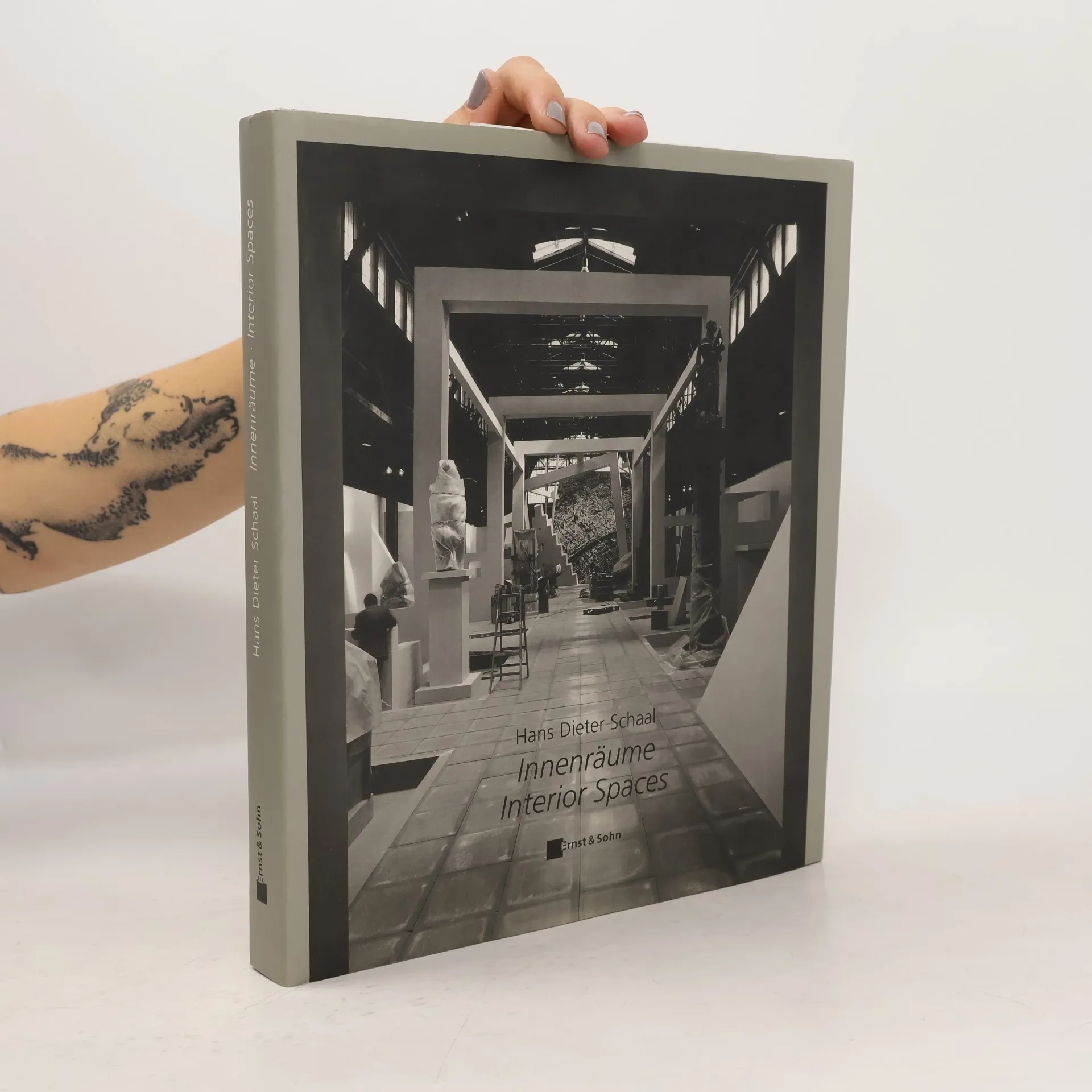
Der Begriff Museum wird oft mit muffigen, verstaubten Orten assoziiert, die vergangene Zeiten und tote Objekte beherbergen. Skeptiker sehen in Museen alte, überladene Räume, die eher als Erbbegräbnisse für Kunstwerke fungieren, als lebendige Orte des Wissens. Der Ausdruck „museal“ hat im Deutschen eine negative Konnotation, da er Objekte beschreibt, die nicht mehr aktiv genutzt werden und nur aus historischen Gründen aufbewahrt werden. In diesem Kontext wird das Museum als konservative Bastion wahrgenommen, die sich gegen die gegenwartsorientierte Gesellschaft stellt. Das Ziel des Buches ist es, dem Begriff „Museum“ seine veralteten Assoziationen zu entziehen und ihm eine neue, lebendige Bedeutung zu verleihen. Der Leser wird eingeladen, die neuen, erfrischten Ausstellungsräume zu erkunden und die Vitalität des Museums neu zu entdecken. Das Konzept des Global Museums wird als ein Ort beschrieben, der das gesamte Wissen der Welt speichert und als Zentrum für verschiedene Disziplinen fungiert. Es vereint Labor, Werkstatt, Universität und Theater und dient als Plattform für die Analyse der Vergangenheit, der Gegenwart und der Entwicklung von Zukunftsstrategien. Hans Dieter Schaal, Architekt und Designer, bringt innovative Ideen in die Gestaltung von Räumen und Ausstellungen ein.
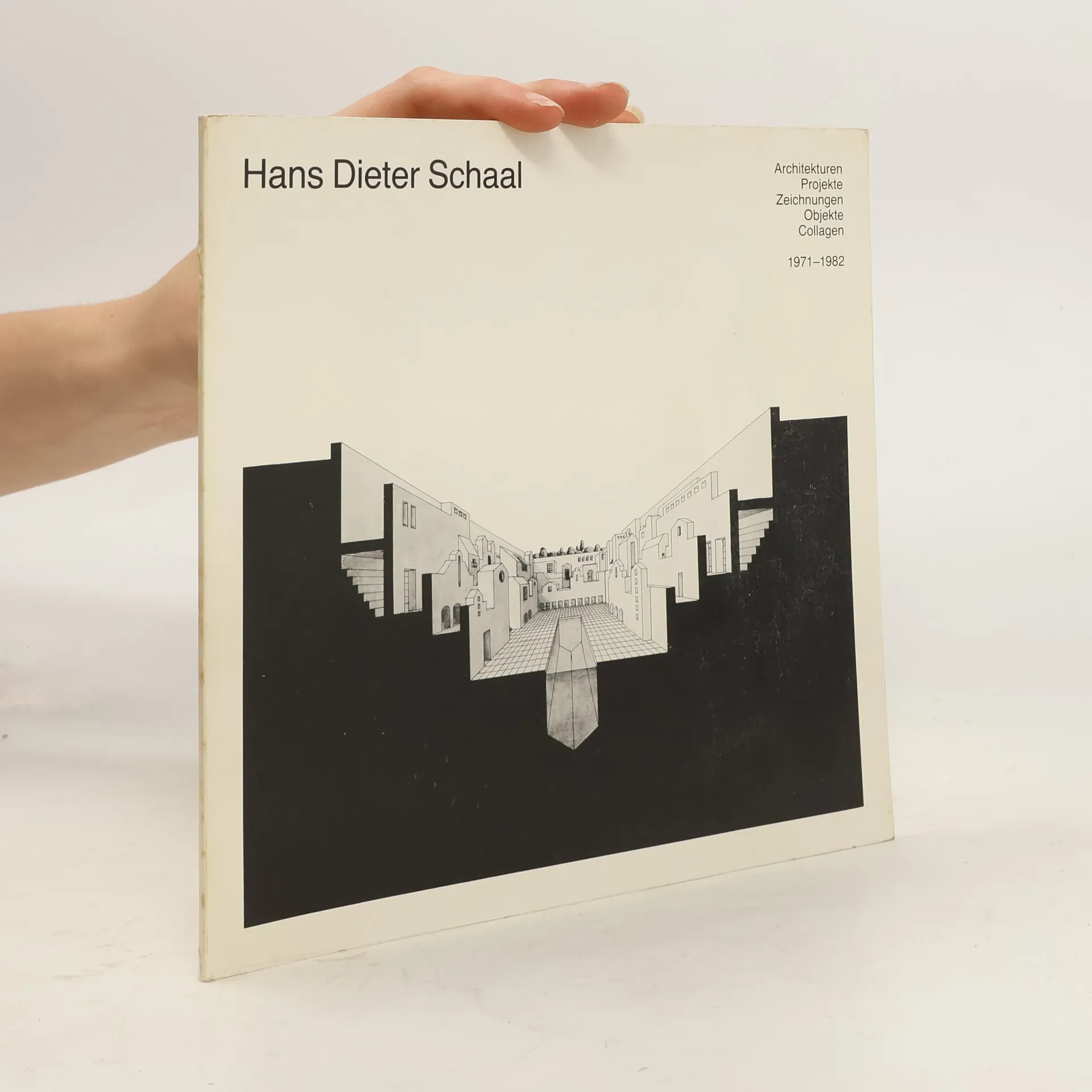
Zeichnungen 1998 bis 2003
Ausstellungsdesign / Exhibition Design
In his note to the 1994 edition of Neue Landschaftsarchitektur, Geoffrey Jellicoe likens my drawing considerations to the works of Paul Klee. While this may seem lofty, it reflects my approach to art and design, which transcends the mundane and functional aspects of everyday spaces. Klee's assertion that "Art does not reproduce the visible, but makes visible" resonates with my belief that architectural challenges and solutions are inherently multi-layered, akin to pure works of art. Each building encapsulates and reinterprets its architectural, urban, and landscape context, whether it appears as a striking intervention or a subtle enhancement. My focus encompasses the past, present, and future of urban and landscape sites, integrating archaeological methods with functional needs and imaginative, sometimes utopian visions. I reject the notion that architecture is merely necessary while art is superfluous. Navigating the complexities of design often leads to challenges with the superficial aspects of nature and urban life. Consequently, my architectural and visual outputs have been limited, and I find myself increasingly drawn to stage design and other creative fields. Currently, the ecological movement overshadows the dialogue between art and architecture, prioritizing sustainability over aesthetic considerations. This raises concerns about the future of building culture and the potential for our cities and landscapes to be tra
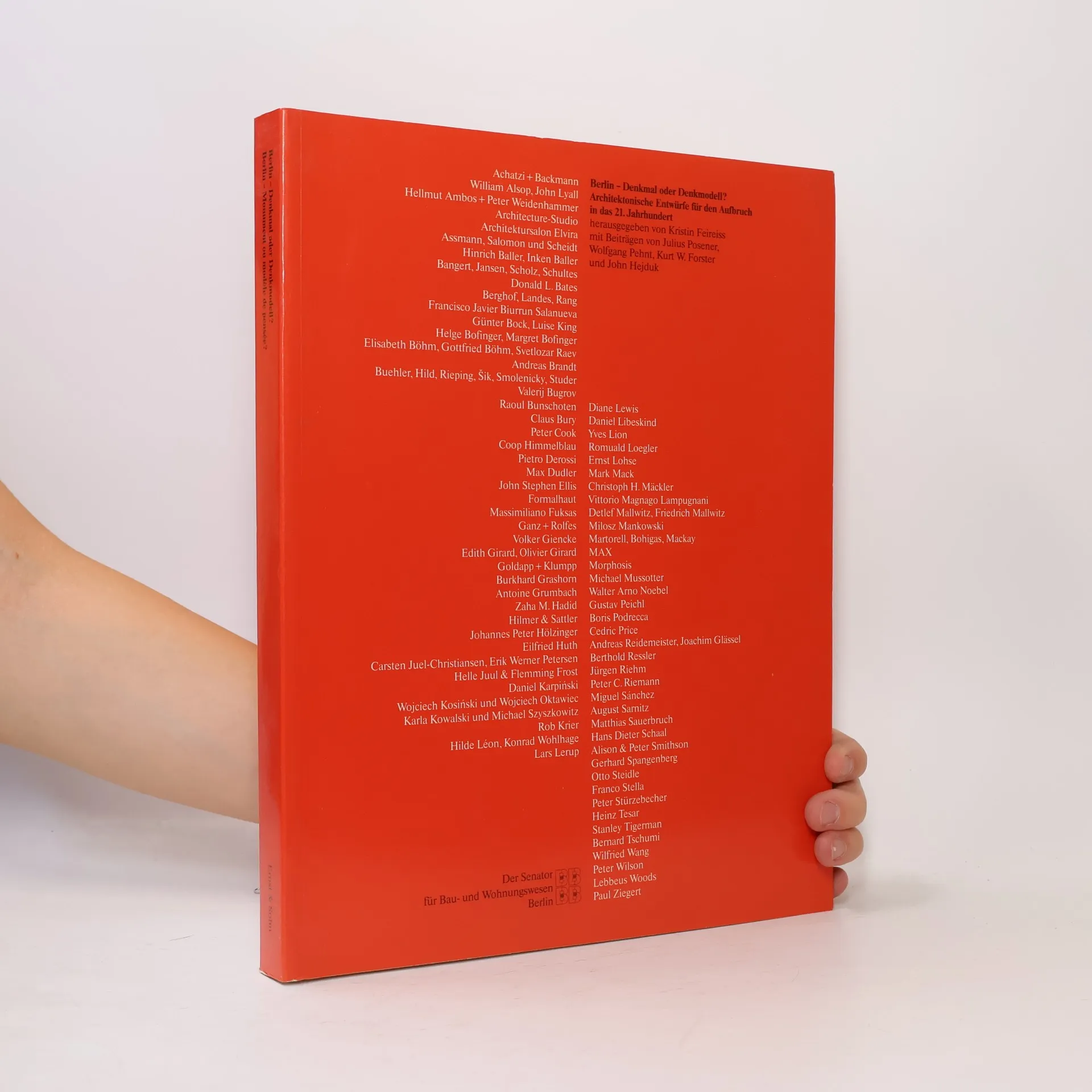
Architektonische Entwürfe für den Aufbruch in das 21. Jahrhundert
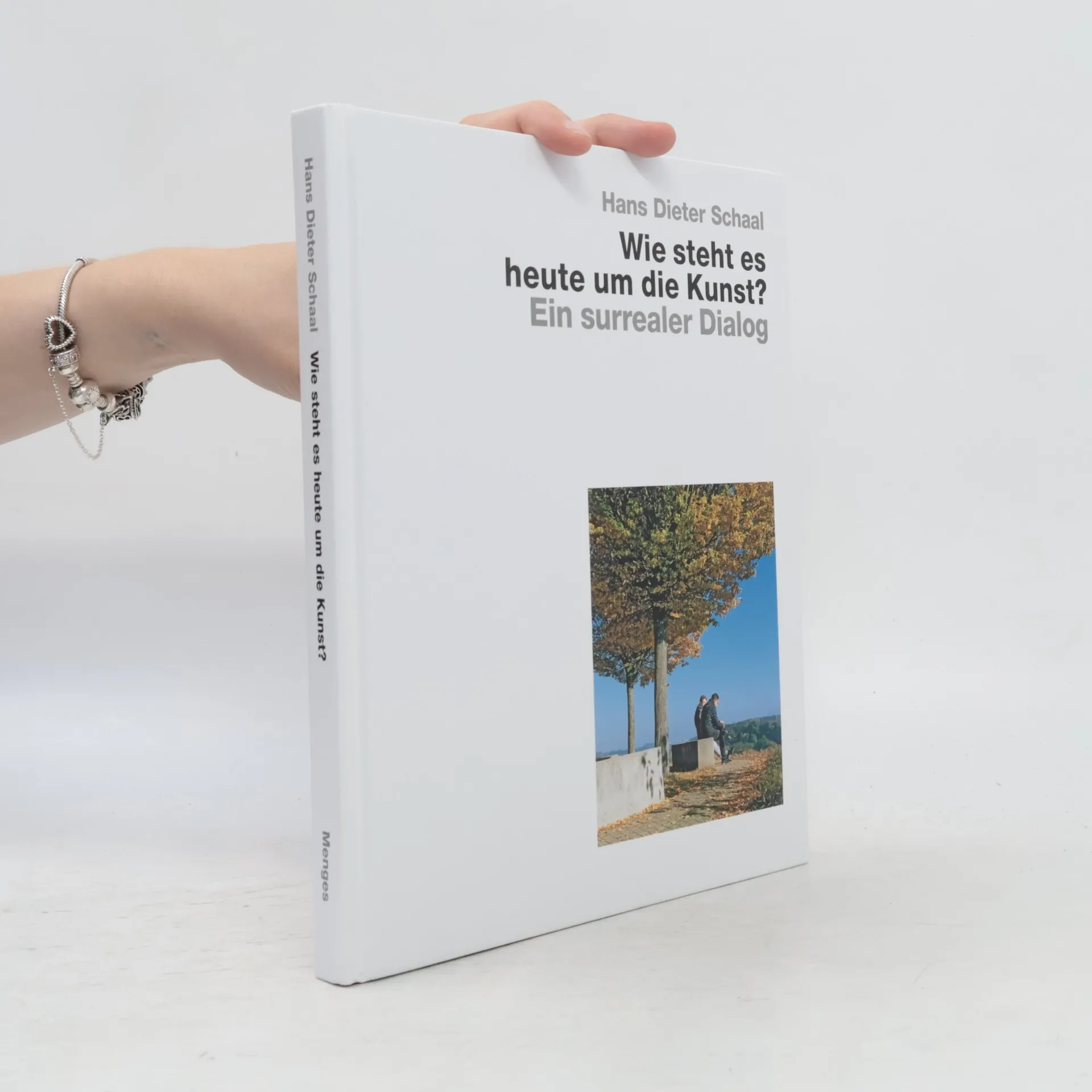
This book contains seven dialogues on the subject of art. Two residents of a retirement home discuss, among other things, wether art has reached its end and the state of Western culture. Mr B has the obsessive idea that art and art history have come to an end world-wide. Only religions could save them. Mr A is more openminded that Mr B. But he also has his nightmares and suffrs from isolation. Both are addicted to their daily discussions, which sometimes escalate into arguments and then end in reconciliation. Their conversations oscillate between seriousness and fun, between exaggeration and irony, between play and pure entertainment, between Plato and Heidegger, between Karl Valentin and current, meaningless politicians, between TV talk shows, adult education course topics and regulars’ table gossip. We accompany the two gentlemen for seven days, then it’s over. A slice of time. A slice of life. A slice of reality.