Art and science share a common drive for the new—new ideas, innovations, and perspectives. However, this quest raises a philosophical dilemma: if everything originates from something, can anything truly be new? Michael North explores this intricate issue over two millennia, tracing thoughts from pre-Socratics to the art movements of the 1960s and '70s. He reveals that the debate's foundations were laid before Plato and have scarcely evolved since: novelty is seen as arising from either recurrence or recombination. Recurrence reflects nature's cycles, while recombination is evident in language, together accounting for most conceptions of novelty in Western history, including reformation, renaissance, invention, revolution, and evolution. North's exploration spans centuries and disciplines, incorporating diverse figures like Charles Darwin, Robert Smithson, Thomas Kuhn, Ezra Pound, Norbert Wiener, and Andy Warhol, each offering unique insights into the nature of newness. He argues that novelty remains a pressing issue in contemporary science and literature—an elusive concept that continues to challenge and inspire modern thought. This ambitious work is a rich intellectual exploration, offering profound insights and a masterful synthesis of ideas.
Michael North Books

Mission to Ulster
- 192 pages
- 7 hours of reading
Europa expandiert, 1250-1500
- 495 pages
- 18 hours of reading
Das Handbuch der Geschichte Europas (HGE) bietet eine umfassende Darstellung der historischen Grundlagen des modernen Europas. Es behandelt jedes Land sowie Europa als kulturelle Einheit und ist von anerkannten Historikern verfasst. Das Werk besteht aus 10 Bänden, die chronologisch gegliedert sind und verschiedene Aspekte der europäischen Geschichte beleuchten.
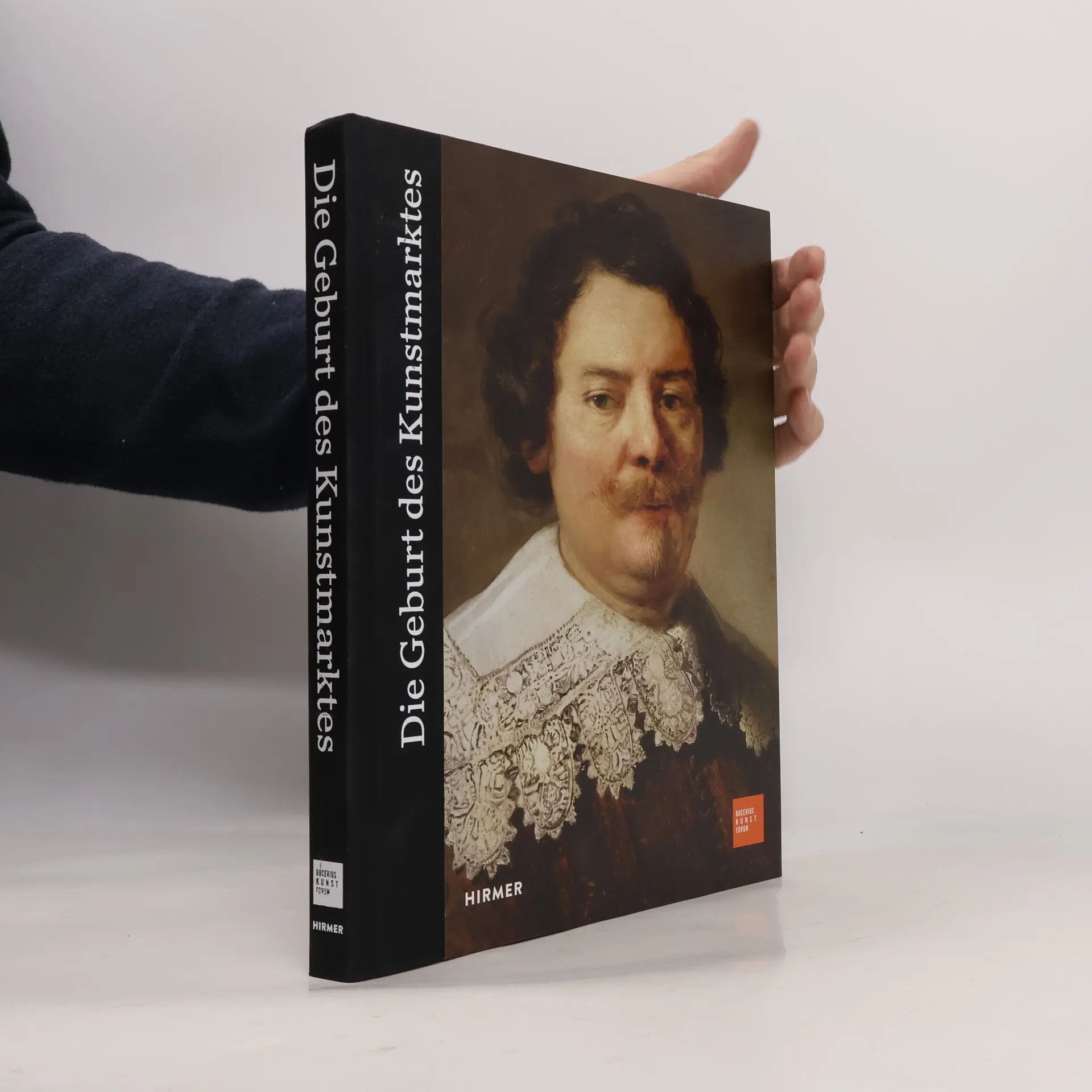
Bucerius Kunst Forum: Die Geburt des Kunstmarktes
- 208 pages
- 8 hours of reading
Niederlande im 17. Jahrhundert: Während Aufträge von Adel und Kirche ausblieben, konnte sich ein erstarkendes Bürgertum erstmals Ölgemälde leisten. Den Ansprüchen des neuen, hauptsächlich bürgerlichen Marktes folgend, mussten sich Künstler und ihre Werkstätten in ihren Themen, Techniken und Methoden neu orientieren und spezialisierten sich auf Seestücke, Landschaften mit Kühen, Jagd- oder Prunkstillleben als Markenzeichen. Absurde Preise, gierige Händler, überschätzte Künstler: Der schädliche Einfluss des heutigen Kunstmarktes scheint allgegenwärtig. Und doch ist der Handel mit Kunst eine Form der gesellschaftlichen Auseinandersetzung mit dieser und damit eine wesentliche Voraussetzung ihres Bestehens. Der Geburtsort des Kunsthandels bürgerlicher Gesellschaften waren die Niederlande des sogenannten Goldenen Zeitalters, wo Historienbilder und mythologische Szenen Stillleben, Landschafts- und Genrebildern wichen und die Preise von wenigen Gulden bis hin zu Höchstsummen reichten. Der Band zeigt, wie der Kunstmarkt die Kunst des Goldenen Zeitalters geprägt hat, und zieht Vergleiche mit der heutigen Situation.
La storia del denaro
una storia dell'economia e della società europea di oltre mille anni
- 316 pages
- 12 hours of reading
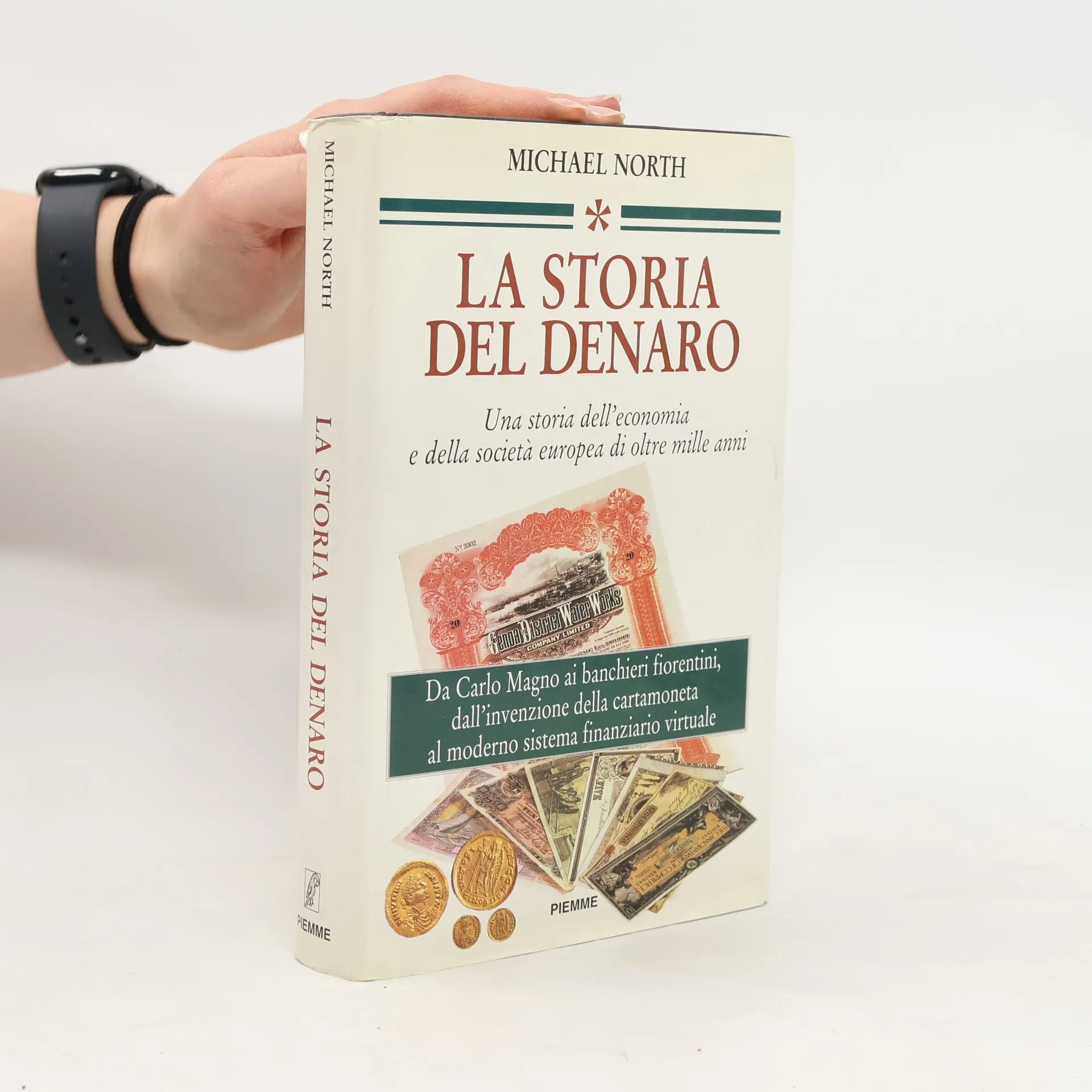
Nell'era della globalizzazione e della crisi finanziaria, è fondamentale riflettere sulle basi del nostro denaro. Questa breve storia del denaro aiuta a comprendere che i flussi di capitale non sono mai stati limitati al contesto nazionale, ma hanno sempre fatto parte di uno scambio globale ben più ampio. Attraverso un confronto storico, il possessore di euro potrà apprezzare il fatto di godere attualmente in Europa di un periodo di stabilità del valore del denaro senza precedenti.
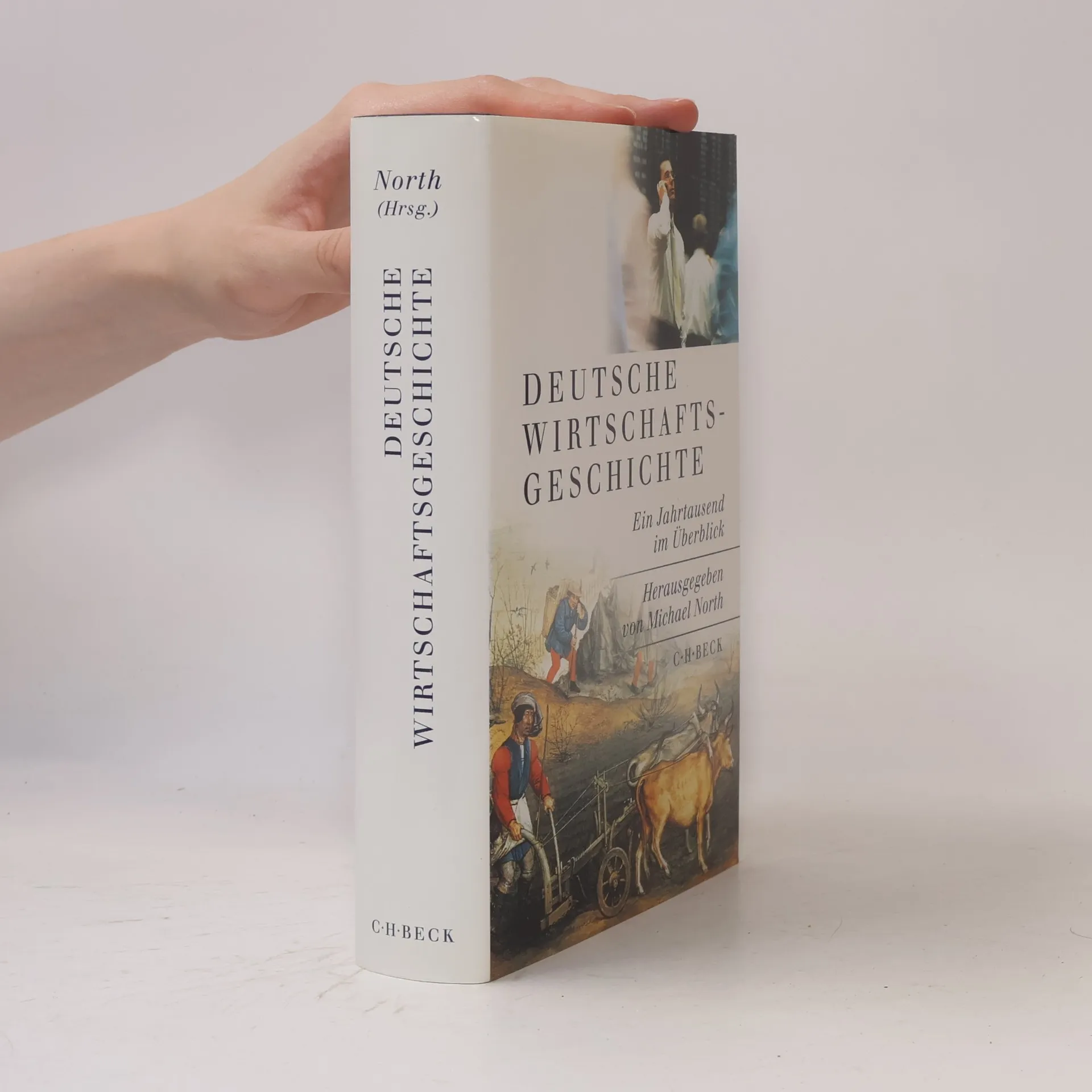
Deutsche Wirtschaftsgeschichte
- 530 pages
- 19 hours of reading
Norths Wirtschaftsgeschichte bietet auf verhältnismäßig knappem Raum einen profunden Überblick über die letzten tausend Jahre wirtschaftlicher Entwicklung in Deutschland. Das Buch wurde völlig überarbeitet und auf den neuesten Stand gebracht. Der Überblick beginnt mit der mittelalterlichen Feudalgesellschaft mit ihrer überwiegend auf Subsistenz ausgerichteten Landwirtschaft und zeigt den langwierigen Übergang zur Marktgesellschaft und den daraus sich entwickelnden Produktions- und Verteilungsformen. Die Industrialisierung und die Befreiung von den feudalen Abgaben im 19. Jahrhundert führt dann bis zum Beginn des 21. Jahrhunderts mit den grundsätzlichen Umbrüchen des politischen, sozialen und wirtschaftlichen Systems.
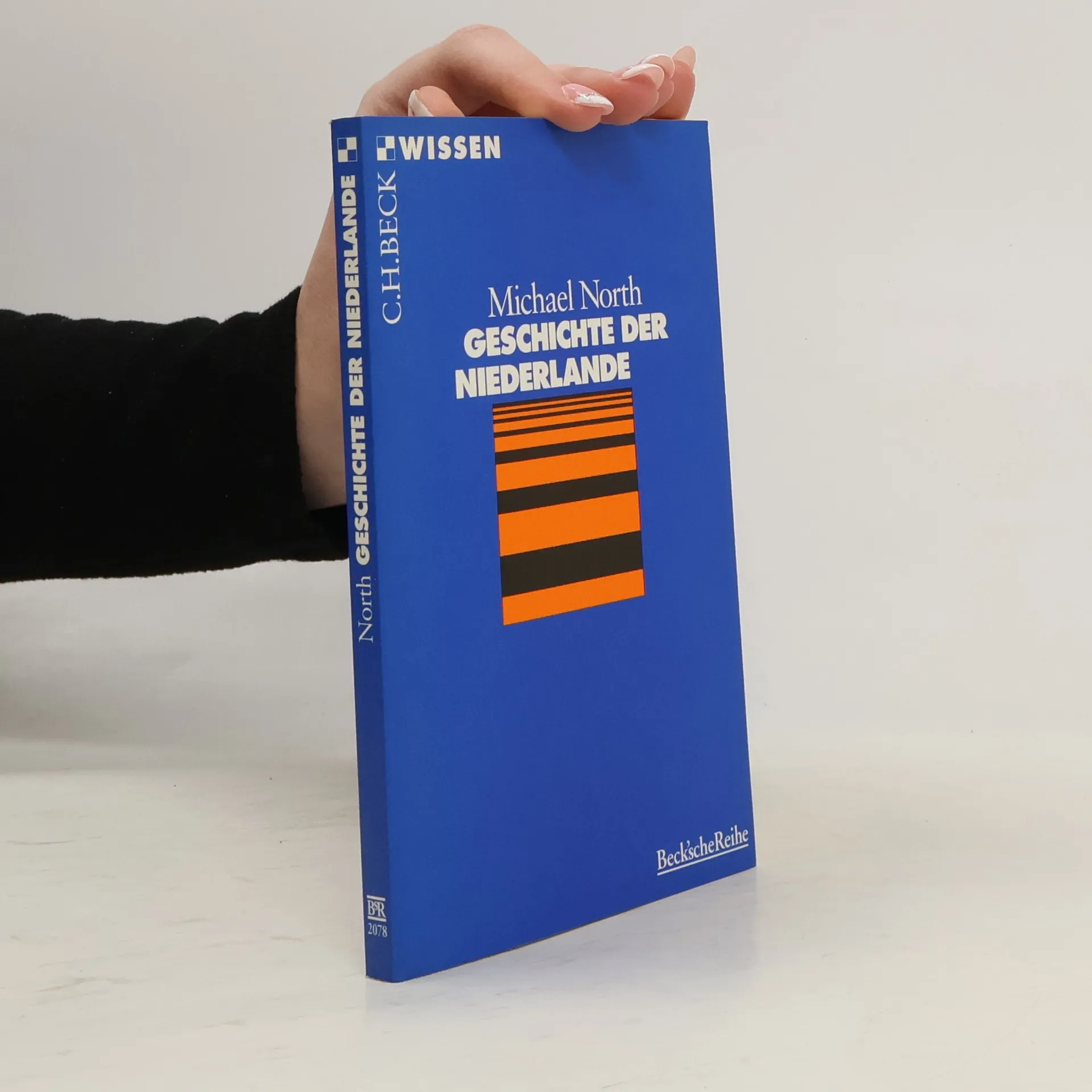
Geschichte der Niederlande
- 129 pages
- 5 hours of reading
Dieses Buch bietet erstmals einen kurzgefassten Uberblick uber die vielfaltige Geschichte der Niederlande von der burgundischen Zeit im 15.Jahrhundert bis zur Gegenwart. Im Mittelpunkt der Darstellung stehen Politik, Wirtschaft, Gesellschaft und Kultur und dabei vor allem solche Phanomene, die die Einzigartigkeit der Niederlande in der europaischen Geschichte die republikanisch-demokratische Tradition, die soziale Sicherheit, die religiose Toleranz und die einmalige Entfaltung flamischer und hollandischer Malerei."
Die Niederländische Republik war in vielerlei Hinsicht einzigartig im Europa der Frühen Neuzeit. Die hohe Urbanisierung, die geringe Zahl an Analphabeten und die religiöse Toleranz waren nur einige der vielen Besonderheiten. Hierzu gehörten auch der ungewöhnlich große Kunstbesitz und die immense Produktivität der Maler, die dieser Epoche den Namen „Goldenes Zeitalter“ gab. Niederländische See- und Kaufleute verbanden, ausgehend von Nord- und Ostsee, die Weltmeere und vermittelten die Güter der entlegensten Regionen. So schildert das Buch die niederländische Präsenz in der Welt, die Interaktion mit den einheimischen Gesellschaften sowie die davon ausgehenden künstlerischen Wechselwirkungen vor Ort einschließlich ihrer Rückwirkungen auf Europa. Die Leser*innen folgen auf diese Weise der Kupferstecherin Maria Sibylla Merian auf der Reise nach Surinam, erleben die Förderung niederländischer Künstler und Gelehrter durch Christina von Schweden, werden Zeugen einer wahrhaften „Hollandomanie“ in Japan und erfahren außerdem, wie Rembrandt die Kunst am indischen Mogulhof imitierte.
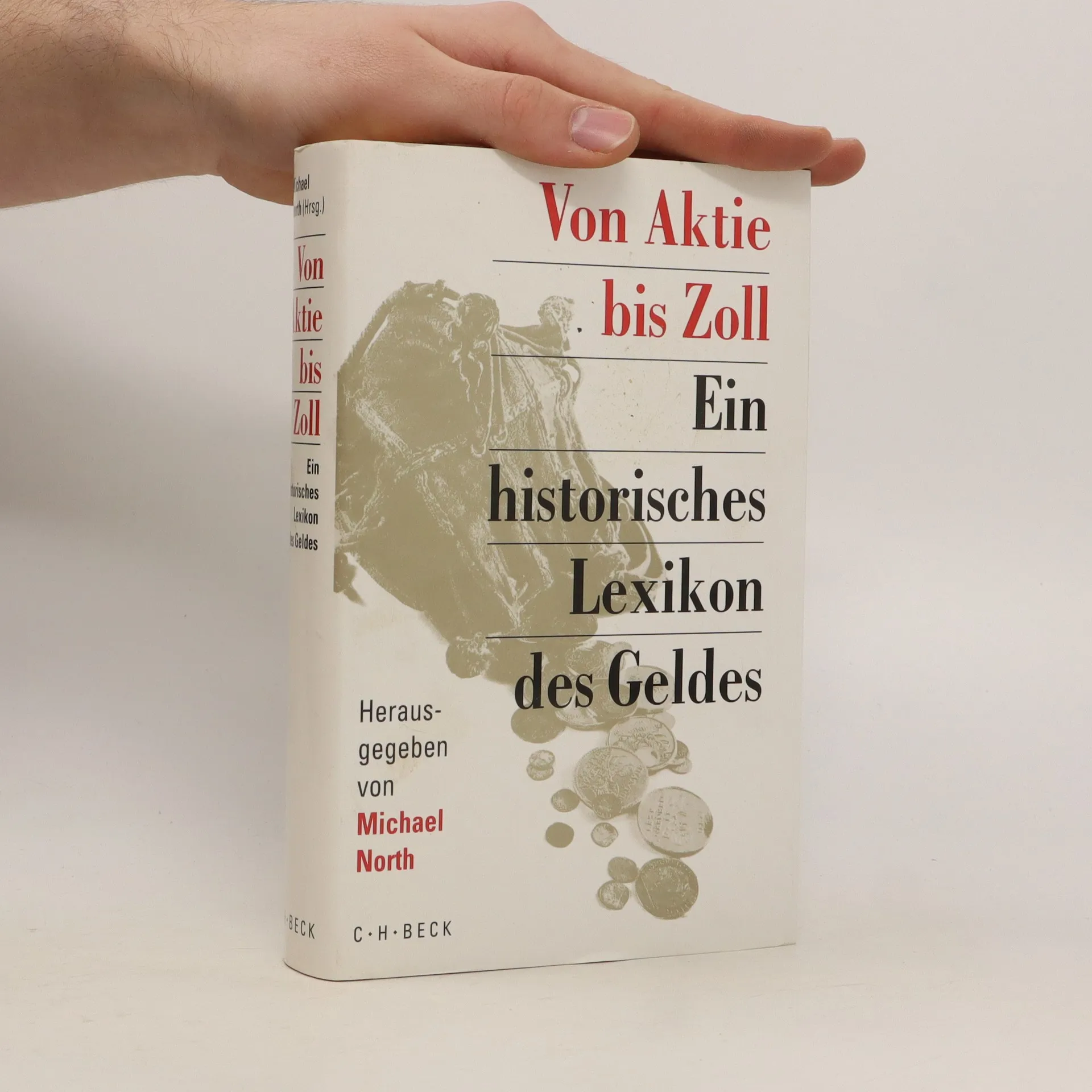
Von Aktie bis Zoll
- 467 pages
- 17 hours of reading
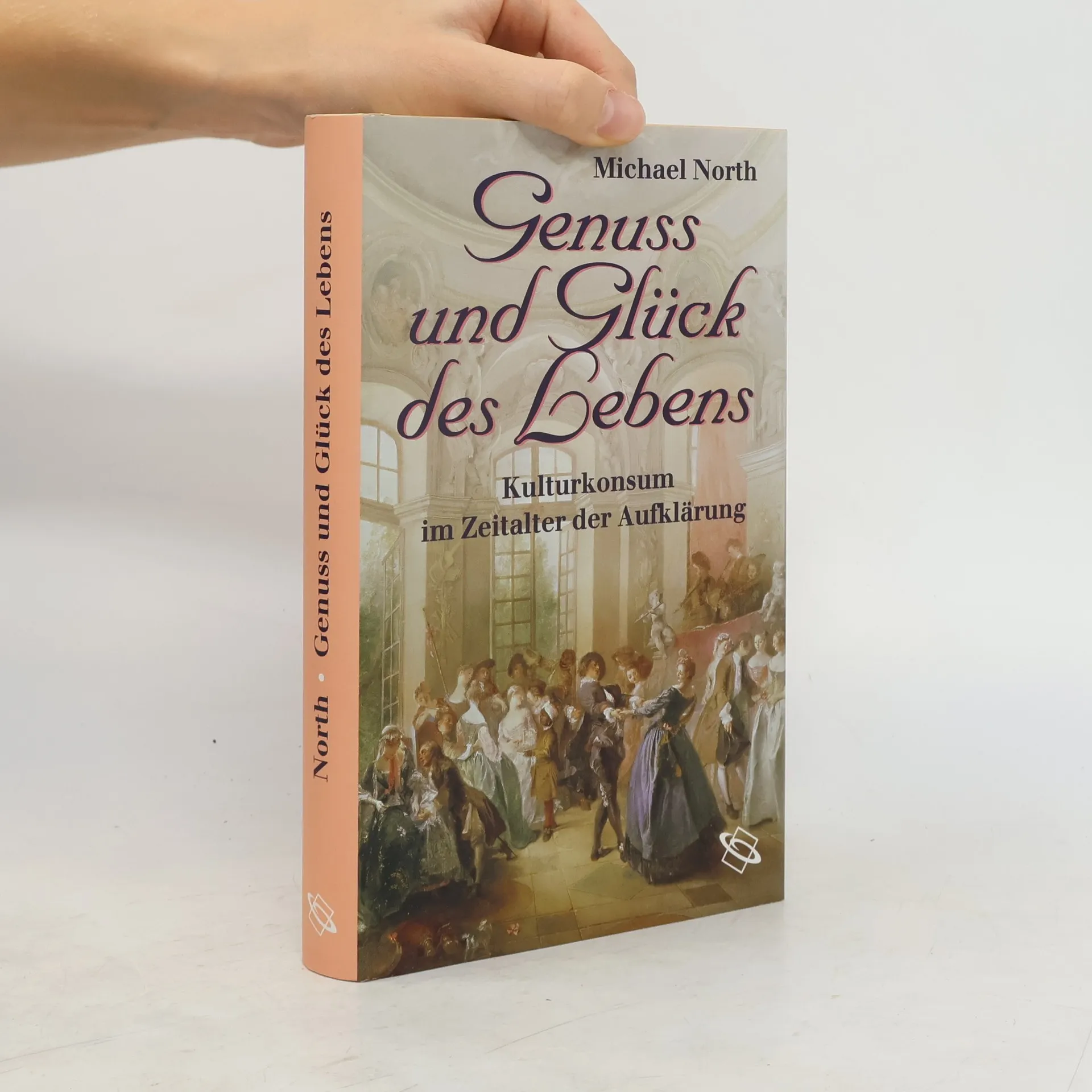
Bis heute prägt die Aufklärung unser Bild vom 18. Jahrhundert. Die Vernunft drang in die verschiedensten Lebensbereiche vor und bewirkte einen enormen Aufschwung von Bildung und Wissenschaft. Zugleich war diese Zeit aber auch ein Jahrhundert von Kriegen und Hungersnöten. Michael North entfaltet in anschaulicher Weise einen neuen Blick auf das 18. Jahrhundert: Er zeigt, dass sich Adelige und Bürger in dieser Zeit leisten konnten, nach Zerstreuung, Abwechslung und Glück zu suchen, welche sie in Kunst und Unterhaltung fanden. Dabei profitierten sie von einer Kommerzialisierung und breiten Vermarktung aller Kulturgüter. Für den Zahlenden entwickelte sich ein umfangreiches Angebot an Literatur, Theateraufführungen, Kunstausstellungen, Musik und Konzerten. Das Buch stellt die Gegenstände des Konsums wie Bücher und Reisen, Kaffee und Tee ebenso vor wie Luxus und Mode, Wohnkultur, Gärten und Landhäuser. Der Autor bietet so ein faszinierendes Panorama der Kulturgeschichte im Deutschland des 18. Jahrhunderts. Durch die musische Betätigung, das unmittelbare Kunsterlebnis oder den virtuellen Kulturkonsum im „Journal des Luxus und der Moden“ partizipierten kulturell Interessierte in allen deutschen Territorien an dem neuen europäischen Kulturangebot.
Kunst und Kommerz im Goldenen Zeitalter
- 180 pages
- 7 hours of reading
Die Niederlande waren im 17. Jahrhundert ein Land der Superlative: jahrlich wurden 70.000 Bilder gemalt, 110.000 Stuck Tuch produziert und 200 Millionen Gulden an Volkseinkommen erwirtschaftet. Hinter diesen nackten Zahlen verbirgt sich eine Gesellschaft, die im damaligen Europa ihresgleichen suchte. Die hochste Urbanisierung, die geringste Zahl an Analphabeten, der ungewohnlich grosse Kunstbesitz, das ausgebaute soziale Netz und die religiose Toleranz sind nur einige der Merkmale, die die Einzigartigkeit der Niederlande im "Goldenen Zeitalter" ausmachten. Der Autor untersucht die verschiedenen Entwicklungen auf okonomischem, sozialem und kunstlerischem Gebiet sowie deren Wechselwirkungen. Zugleich bietet er eine Gesamtschau der niederlandischen Kunst-, Gesellschafts- und Wirtschaftsgeschichte des 17. Jahrhunderts. Neu an diesem Buch ist die Einordnung des "Goldenen Zeitalters" in die europaische Kulturgeschichte (Italien, Flandern, England und Deutschland). Dabei wird insbesondere der Einfluss der niederlandischen Malerei auf die Entstehung der Kunstmarkte in England und Deutschland erarbeitet.
Christian IV.
König von Dänemark-Norwegen und Fürst des Heiligen Römischen Reiches
- 88 pages
- 4 hours of reading
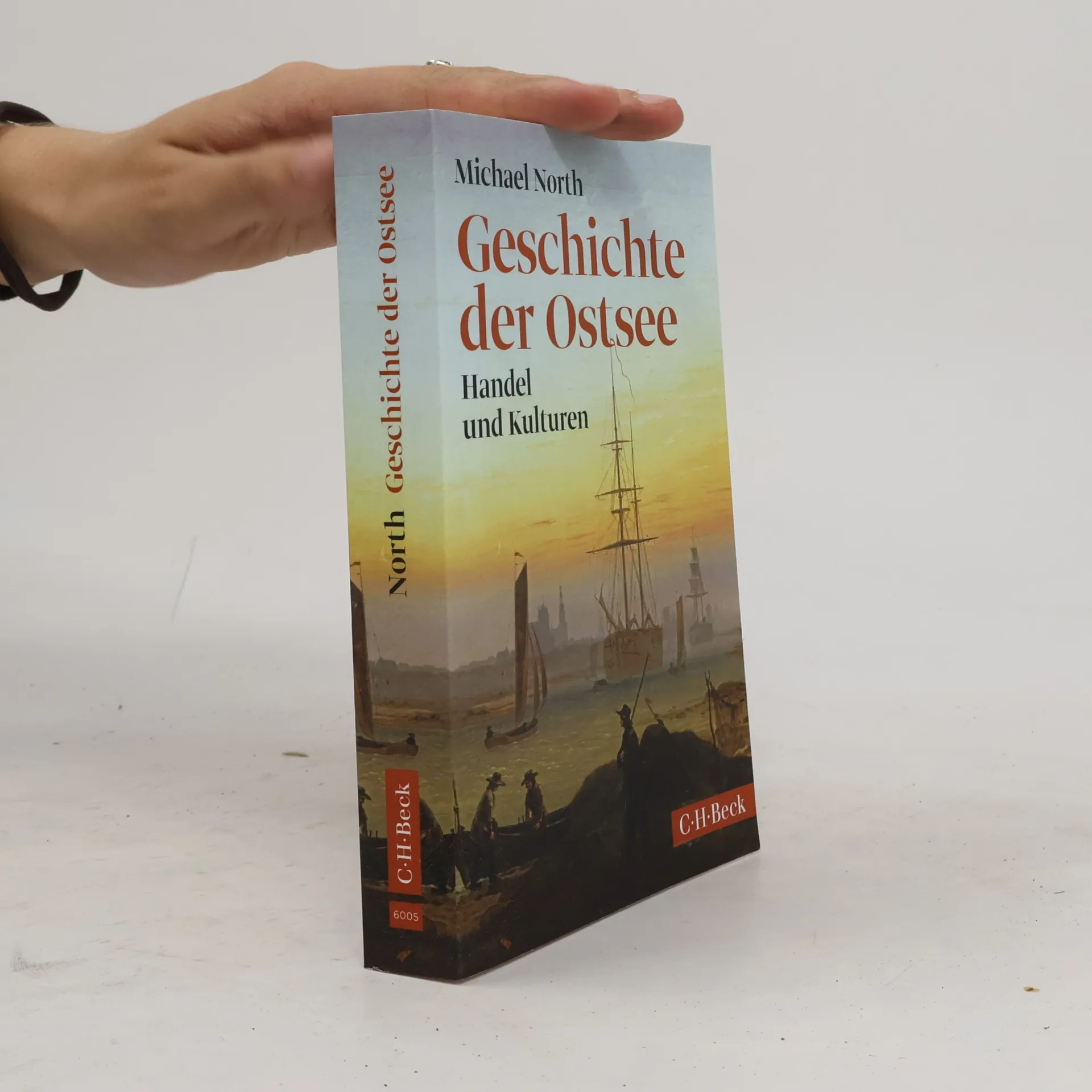
Der Ostseeraum war und ist eine Zone fruchtbarer Austauschbeziehungen. Hier leben seit Urzeiten verschiedene sprachliche Gemeinschaften: Germanen, Slaven, Balten und Finnen zusammen, die sich im Mittelalter, zum Teil aber auch erst in der Neuzeit zu Völkern und Staaten entwickelt haben. Gleichzeitig war der Ostseeraum Schauplatz eines intensiven Austausches auf allen Ebenen des gesellschaftlichen und kulturellen Lebens. So entstanden supranationale Kulturen, wie die der Wikinger und der Slaven oder der Hanse, aber auch die Niederlandisierung im 16./17. Jahrhundert sowie die Sowjetisierung im 20. Jahrhundert prägten den Ostseeraum. Diese vielfältigen Formen ökonomischer, kultureller und politischer Interaktion an und um die Ostsee stehen im Mittelpunkt des vorliegenden Buches, das von den Wikingern bis zur heutigen EU-Ostseeraum-Strategie diese in jeder Hinsicht expandierende Region historisch beleuchtet.
Beck'sche Reihe: Geschichte Mecklenburg-Vorpommerns
- 128 pages
- 5 hours of reading
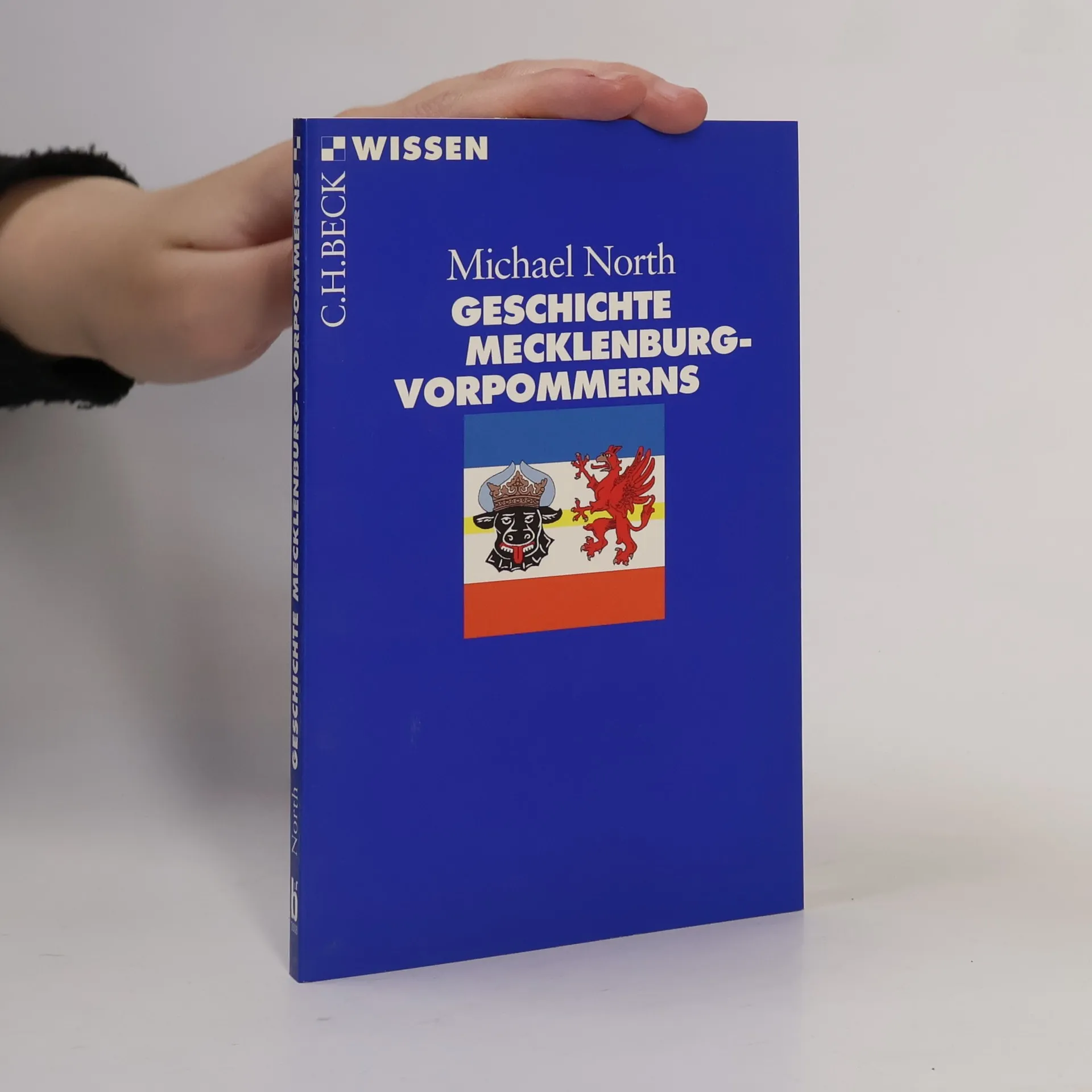
Mecklenburg-Vorpommern ist ein begehrtes Reiseziel: über eine Million Besucher kommen jährlich in dieses Bundesland. Michael North bietet erstmals ein kompakt geschriebenes, historisches Bild dieser Region an der Ostsee. Neben allen Unterschieden zwischen Mecklenburg und Vorpommern gibt es zahlreiche historische Übereinstimmungen wie die slawischen Landnahme, die prägenden Zeiten der Hanse, Backsteingotik und das schwedische Kulturerbe. Ein informativer, einführender Überblick über die Geschichte des Nordostens unserer Republik.
Enzyklopädie Deutscher Geschichte: Kommunikation, Handel, Geld und Banken in der Frühen Neuzeit
- 144 pages
- 6 hours of reading
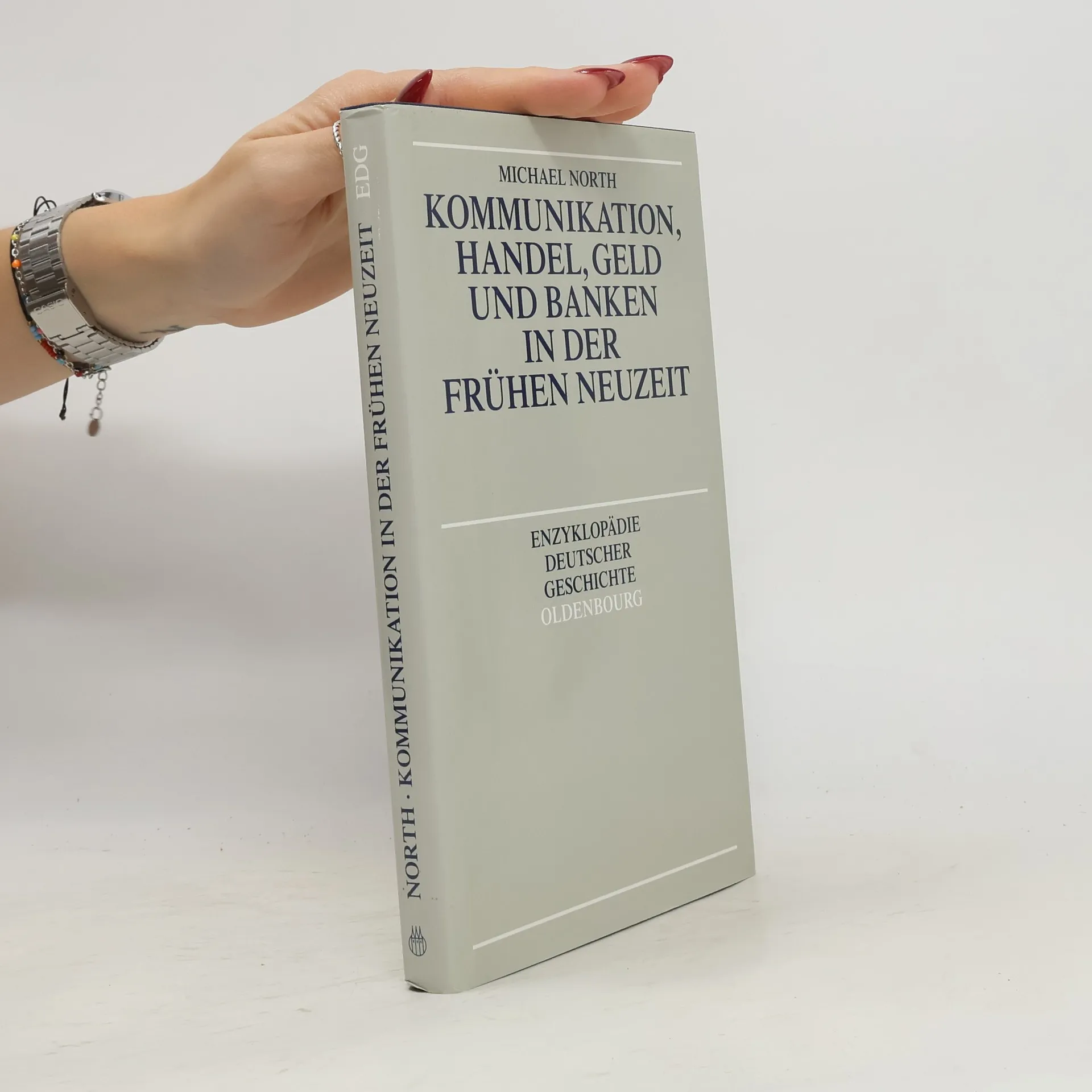
Michael North behandelt gemeinsame Strukturelemente der nur scheinbar heterogenen Themen Kommunikation, Handel, Geld und Banken. Dies ist vor allem deren gesamteuropaische Pragung, denn in keinem Sektor der "deutschen" Wirtschaft waren die internationalen Einflusse so gross wie in den genannten Bereichen. Jungste Forschungsergebnisse und eine aktualisierte Bibliographie bereichern die neue Auflage."