This stunning coffee table book explores the influence of the Space Race on design, showcasing iconic pieces from the Space Age. Featuring brilliant photography and insightful texts, it celebrates revolutionary designs like the Marshmallow Sofa and Tulip Chair, reflecting the era's high-tech aesthetics and cultural impact.
Peter Martin Books
January 1, 1942



Poland
- 285 pages
- 10 hours of reading
A breathtaking photographic odyssey through the Carpathians and Subcarpathians, Polish Uplands, Lakeland, Pomerania and the Sudeten, Silesia, Wielkopolska, Mazovia & Podlasie Lowlands.
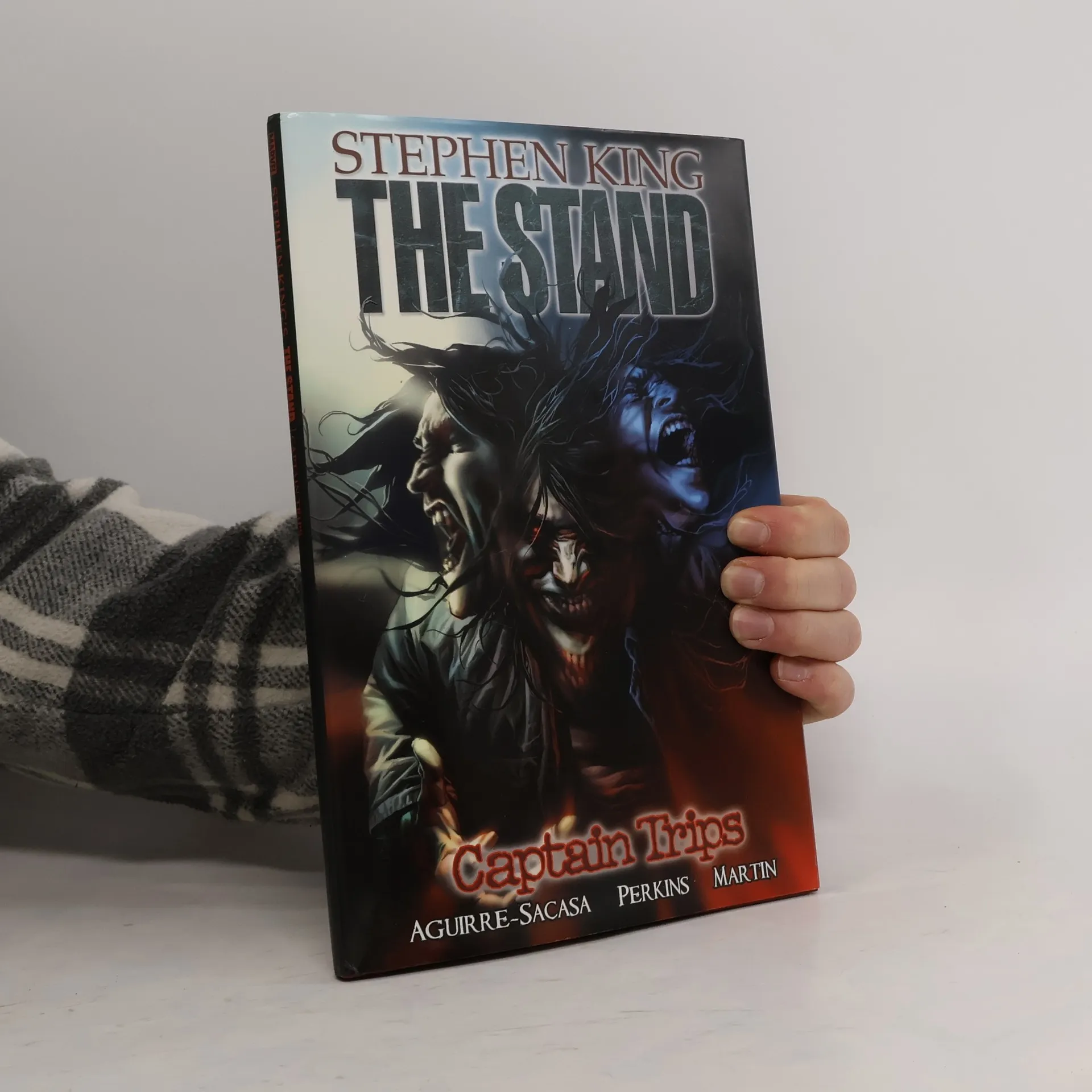
The Stand. Captain Trips
- 160 pages
- 6 hours of reading
Exclusive hardcover edition, collects The Stand: Captain Trips series of comics (#1-5) into one Hardcover volume. It all begins here: the epic apocalyptic battle between good and evil. On a secret army base in the Californian desert, something has gone horribly, terribly wrong. Something will send Charlie Campion, his wife and daughter fleeing in the middle of the night. Unfortunately for the Campion family, and the rest of America, they are unaware that all three of them are carrying a deadly cargo: a virus that will spread from person to person like wildfire, triggering a massive wave of disease and death, prefacing humanity's last stand.
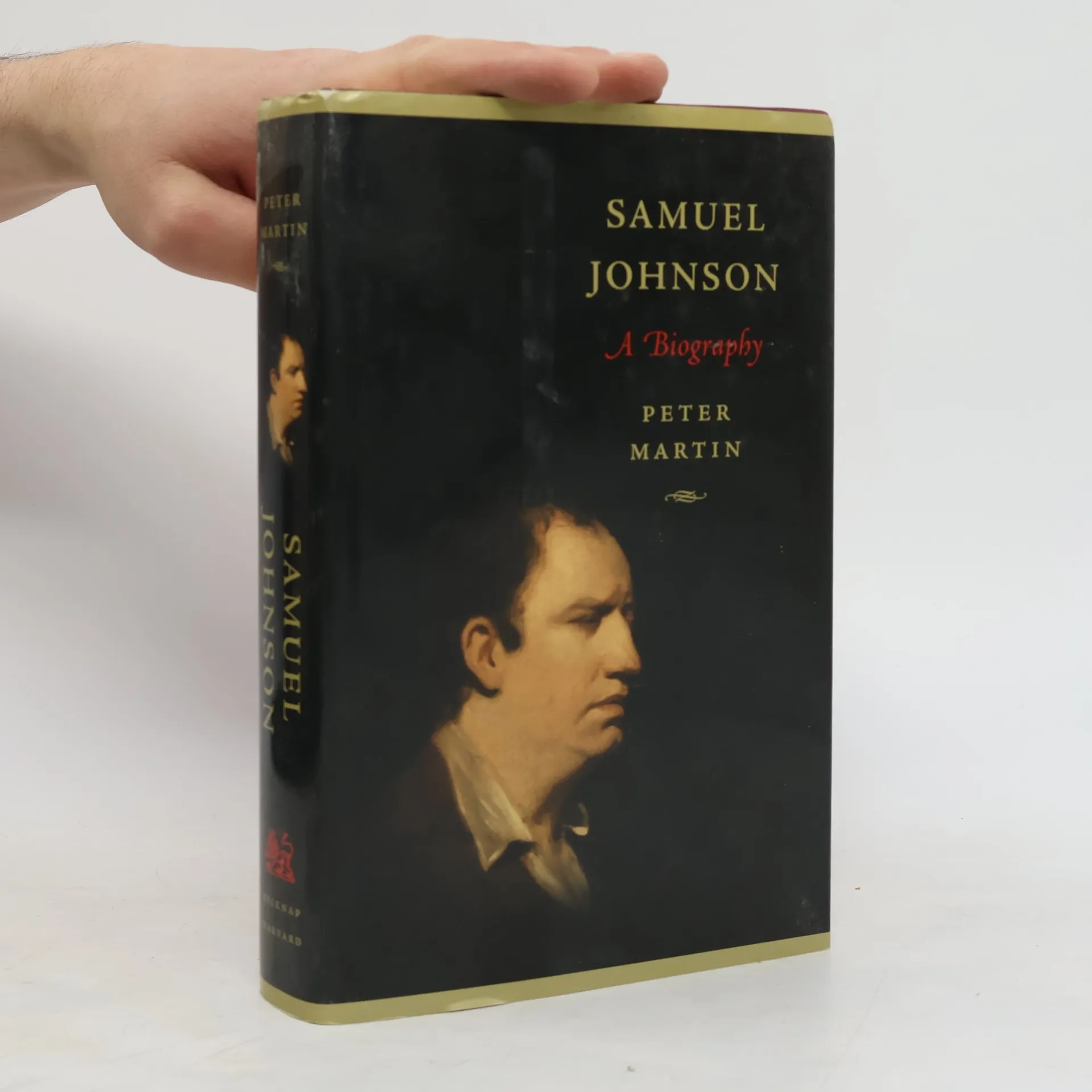
"Samuel Johnson is one of the great figures of English literature, perhaps the most quoted English writer after Shakespeare. This new biography, the first substantial one for thirty years, illuminates the Johnson that James Boswell, Johnson's famous biographer, never knew: the awkward and suffering youth, the unsuccessful schoolmaster, the eccentric marriage, his early years in London in the 1740s scratching a living, the epic struggle to produce the Dictionary. He was in many ways very much the outsider. These aspects of Johnson radically modify the conventional picture of him as the supremely confident dispenser of robust common sense. Peter Martin portrays a Johnson wracked by recriminations, self-doubt and depression - a man whose religious faith seems only to have deepened his fears."--Jacket.
The Art Of Deception
- 308 pages
- 11 hours of reading
Angie's positive pregnancy test triggers a harrowing journey filled with heartbreak and despair, contrasting the typical joy associated with such news. As she navigates this nightmare, the emotional turmoil and challenges she faces reveal deeper themes of loss and resilience.
Die Bibeldetektive
- 48 pages
- 2 hours of reading
Kleine Detektive werden dieses Buch lieben! Auf 17 Suchbildern, die Geschichten aus der Bibel erzählen, gilt es spannende Details zu entdecken. Wie haben die Menschen damals gelebt? Was haben sie gegessen und gearbeitet? Was für Tiere und Pflanzen gab es? Kleine Spürnasen begeben sich so auf Spurensuche in längst vergangene Zeiten und erfahren alles über die faszinierenden Orte, an denen sich wichtige Geschichten der Bibel ereignet haben.
Perth
- 176 pages
- 7 hours of reading
Es ist Liebe auf den ersten Blick, als die Beagle-Hündin Perth als Welpe ins Haus des Literaturdozenten Martin kommt. Perth ist liebevoll und anhänglich, doch in ihrem Freiheitsdrang lässt sie sich nicht einschränken. Wie gut, dass die schlaue Hündin die Verkehrserziehung bravourös meistert. Viele Umzüge gilt es zu verarbeiten, etliche Abenteuer und Prüfungen zu bestehen, doch zuletzt kann die Familie auf 21 glückliche und erfüllte Jahre mit Perth zurückblicken.
Science Fiction Stories. Band 92
- 160 pages
- 6 hours of reading
Enthält folgende Stories: Peter Martin: Das Medium Joe Haldeman: Gedichte des Todes R. A. Lafferty: Ein zweites Sodom und Gomorrha John Fortey: Die Zitadelle Eric Ninicoff & Marcia Martin: Die Weltraumarche Larry Niven: Die Begegnung Helen M. Urban: Gepriesen sei Ippling! Tad Crawford: Der Spieler Jay Williams: Der Weg Michael G. Coney: Esmeralda
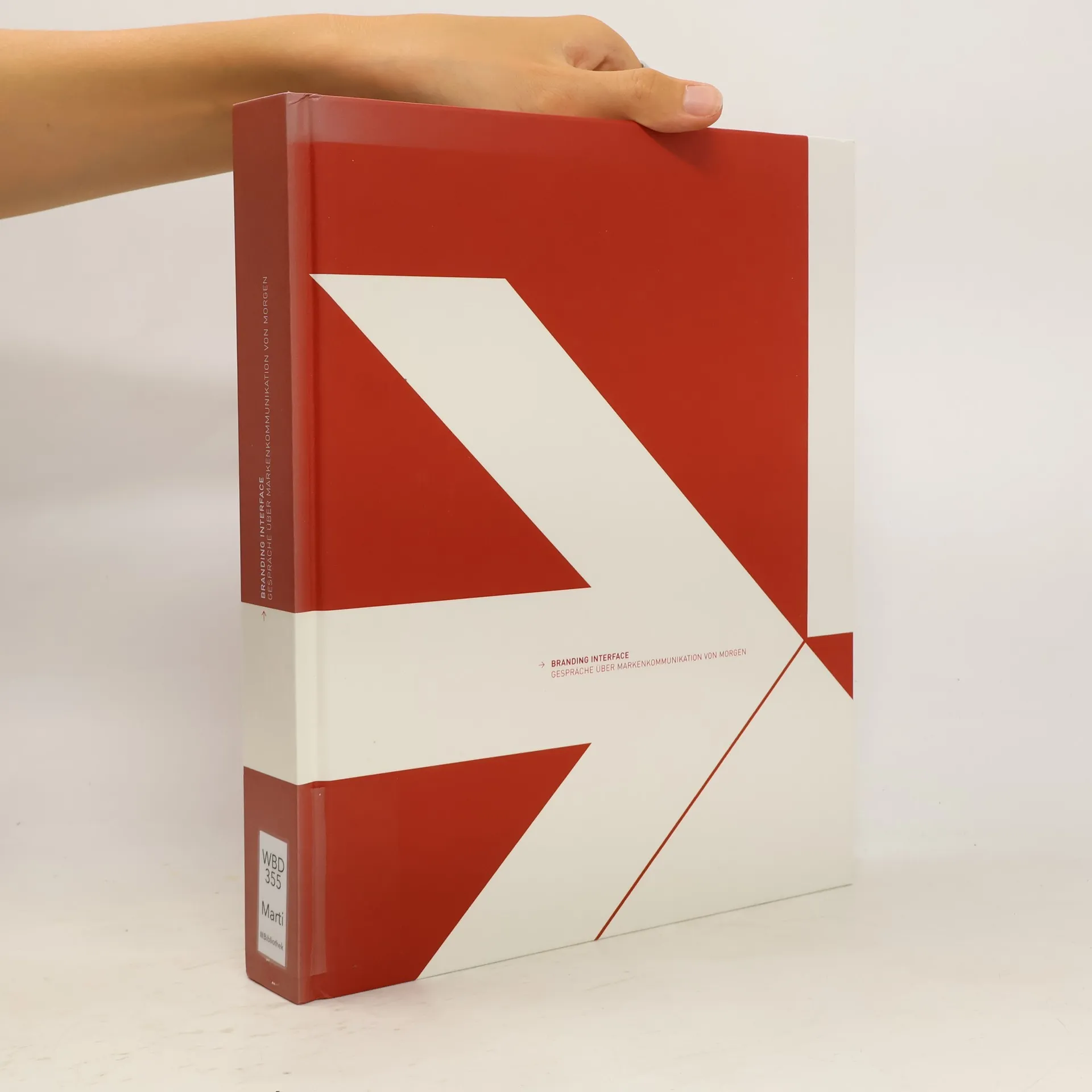
Wie ist es um die Zukunft der Marketingbranche bestellt? Was lässt sich im Zusammenspiel zwischen Agentur und Auftraggeber verbessern? Was macht erfolgreiche Marken erfolgreich? Diese und weitere Fragen diskutieren die Autoren mit maßgebenden Machern und Managern hinter bekannten Marken wie Porsche, Deutsche Bank, Audi, ProSiebenSat1, Roland Berger, Rodenstock etc. Eine Bestandsaufnahme über gegenwärtig existierende theoretische und praktische Meinungen zum Thema Kommunikationsdesign - über dessen Prozesse, Herausforderungen und Notwendigkeiten
Schlafstörungen bei Menschen mit neuronalen Entwicklungsstörungen
Diagnostik und Therapie
- 70 pages
- 3 hours of reading
Corina Schnitzler und Peter Martin erläutern die besonderen Herausforderungen der klinischen und apparativen Diagnostik von Schlafstörungen bei Menschen mit neuronalen Entwicklungsstörungen, beschreiben typische Ausprägungsmuster und erörtern spezifische Problemstellungen in der Behandlung. Mithilfe des kompakten Manuals lassen sich Schlafstörungen gezielt suchen und diagnostizieren, sodass ein passendes Behandlungsangebot erstellt werden kann. Menschen mit neuronalen Entwicklungsstörungen sind besonders häufig von Schlafstörungen betroffen. Dennoch wird diese Komorbidität häufig nicht diagnostiziert. Corina Schnitzler und Peter Martin erläutern die besonderen Herausforderungen der klinischen und apparativen Diagnostik, beschreiben typische Ausprägungsmuster von gestörtem Schlaf bei dieser Patient*innengruppe und erörtern spezifische Problemstellungen in der Behandlung. Mithilfe des kompakten Manuals lassen sich Schlafstörungen bei Menschen mit neuronalen Entwicklungsstörungen gezielt suchen und diagnostizieren, sodass ein passendes Behandlungsangebot erstellt werden kann.
"Der Kuss des Judas"
Die Befreiungsbewegung schwarzer Arbeiter und die "Afrikanisierung" der sowjetischen Außenpolitik (1919-1933)
- 607 pages
- 22 hours of reading
Die Geschichte des "International Trade Union Committee of Negro Workers" (ITUC-NW) wird detailliert beleuchtet, das in den 1920er Jahren gegründet wurde und eine bedeutende Rolle in der Allianz zwischen schwarzen Radikalen und der sozialistischen Arbeiterbewegung spielte. Geprägt von den politischen Umwälzungen nach der Oktoberrevolution und dem Ersten Weltkrieg, wird die Arbeit des Komitees sowie die Hintergründe seiner Protagonisten und deren Motive vorgestellt. Trotz seines kurzen Bestehens hatte das ITUC-NW nachhaltige Auswirkungen auf die globale schwarze Emanzipationsbewegung.
Salon Europas
- 144 pages
- 6 hours of reading
Hirten, Schäfer und arme Leute
- 127 pages
- 5 hours of reading