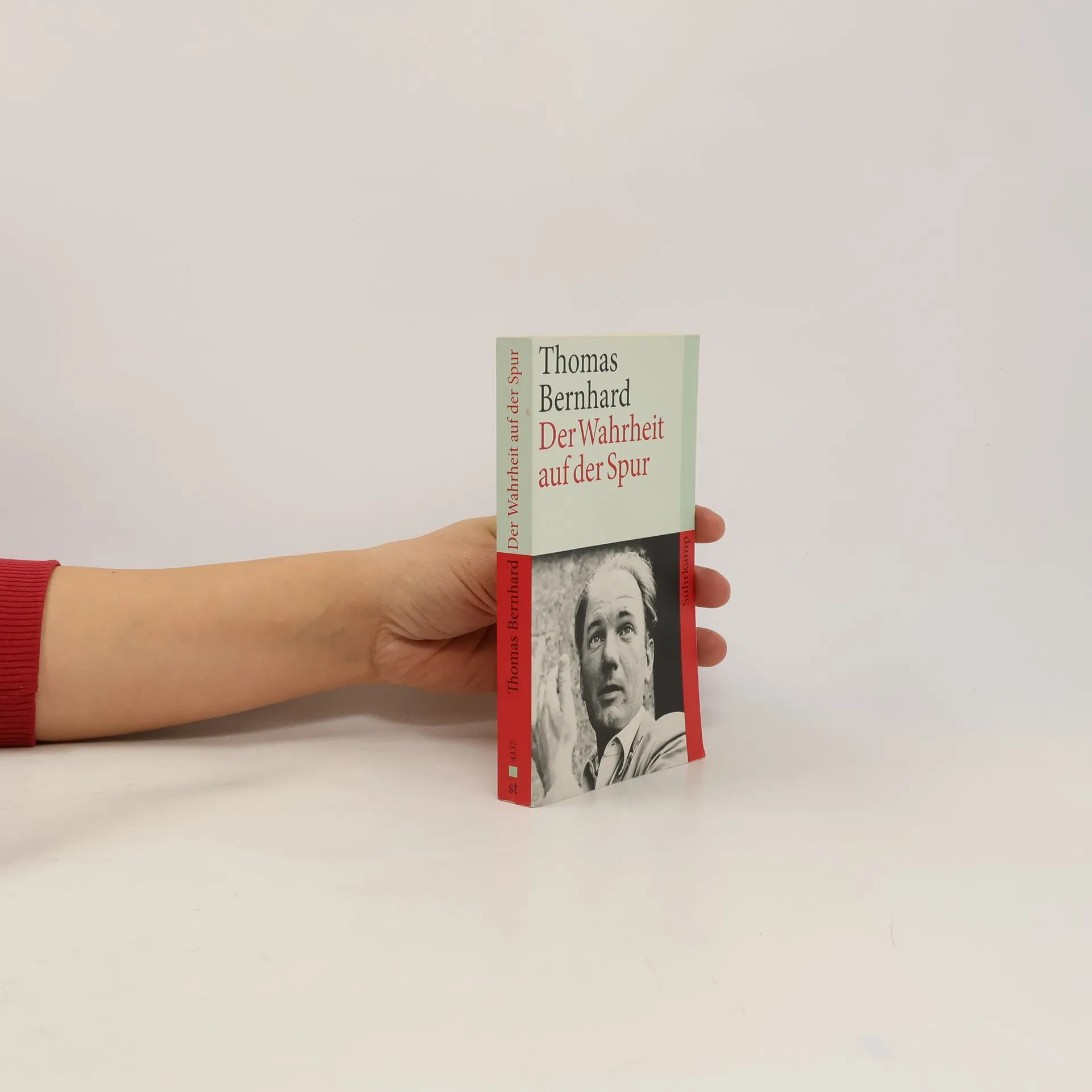
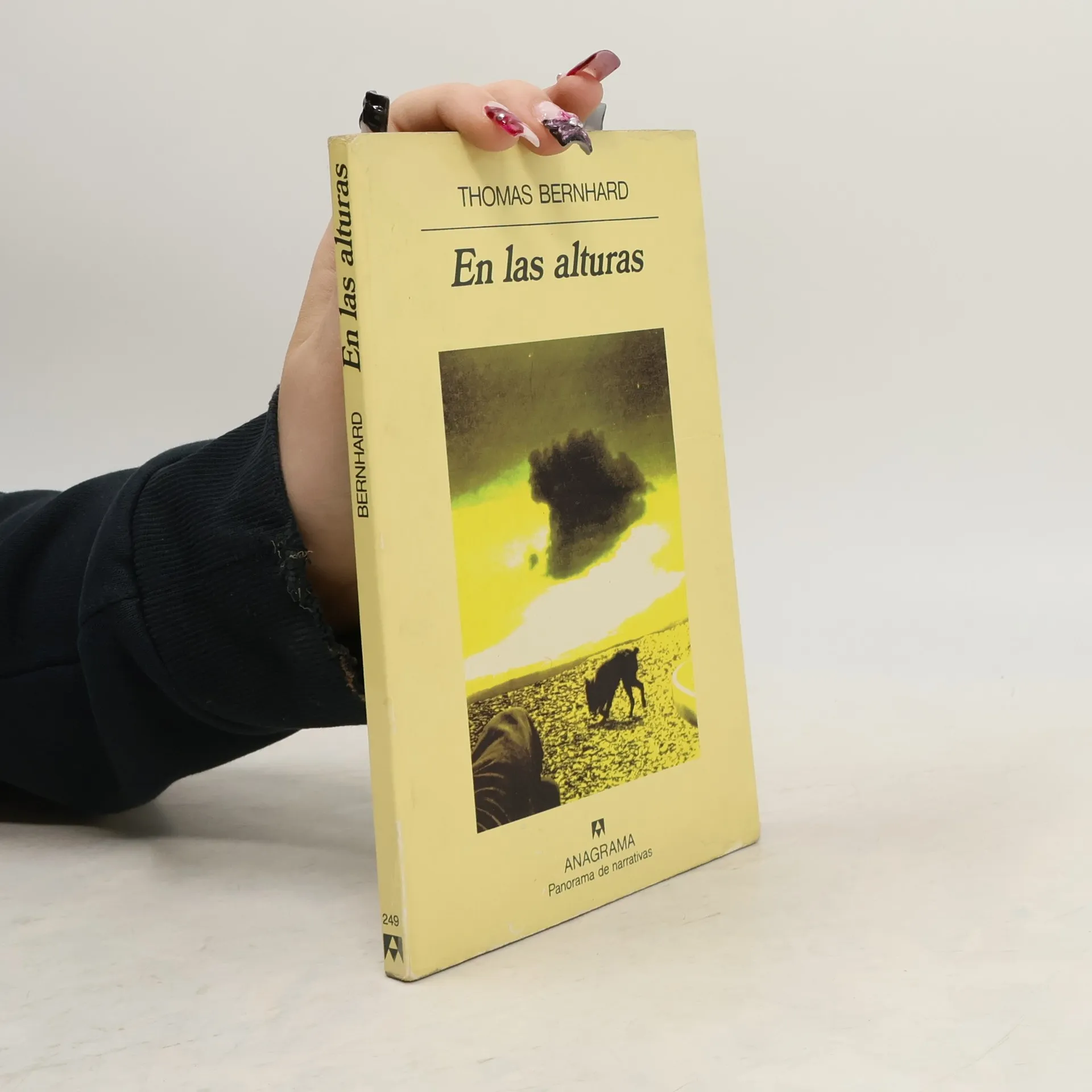
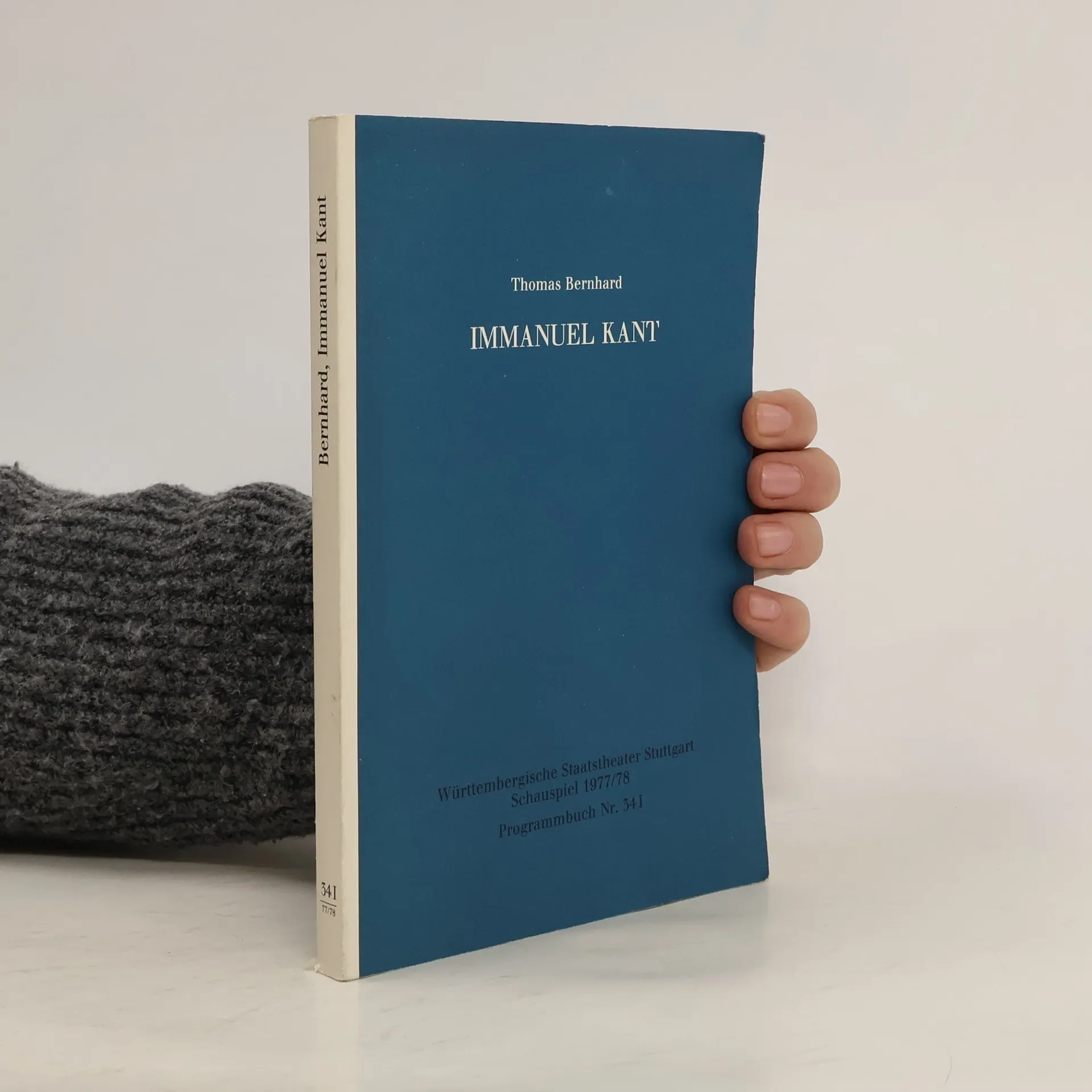
Thomas Bernhard, an Austrian author, ranks among the most distinguished German-speaking writers of the second half of the 20th century. While internationally acclaimed for his novels, he was also a prolific playwright. His characters often grapple with themes of suicide, madness, and obsession, frequently sharing Bernhard's own love-hate relationship with Austria. His prose is at once tumultuous and sober, philosophically resonant with a musical cadence and abundant black humor, offering readers an intense and provocative literary experience.
From the age of 21, everything he wrote was shaped by the urgency of a dying
man's testament - his witness, the quintessence of his life and knowledge -
and where this account of his life ends, his art begins. schovat popis
'Extinction features, without doubt, the funniest passage in the whole of literature. The dreadful becomes hilarious, joyful - and it makes one thirst for more of the similar.' - Geoff Dyer Franz-Josef Murau is the intellectual black sheep of a powerful Austrian land-owning family. He now lives in Rome in self-imposed exile, surrounded by a coterie of artistic and intellectual friends. On returning from his sister's wedding on the family estate of Wolfsegg, having resolved never to go home again, Murau receives a telegram informing him of the death of his parents and brother in a car crash. Not only must he now go back, he must do so as the master of Wolfsegg: and he must decide its fate. The summit of Thomas Bernhard's artistic genius - mesmerising, addictive, explosively tragicomic - Extinction is a landmark of post-war literature.
Roithamer, a character based on Wittgenstein, has committed suicide having
been driven to madness by his own frightening powers of pure thought. We
witness the gradual breakdown of a genius ceaselessly compelled to correct and
refine his perceptions until the only logical conclusion is the negation of
his own soul. schovat popis
'Probably nothing exists that would prepare one for Bernhard's machined vehemence, though once you've read one, you perhaps start to crave the bitter taste and the savage not-quite-humour ... Genius.' - Michael Hofmann Instead of the book he is meant to write, Rudolph, a Viennese musicologist, produces this dark and grotesquely funny account of small woes writ large, of profound horrors detailed and rehearsed to the point of distraction. We learn of Rudolph's sister, whose help he invites then reviles; his 'really marvellous' house which he hates; the suspicious illness he carefully nurses; his ten-year-long attempt to write the perfect opening sentence; and his escape to the island of Majorca, which turns out to be the site of someone else's very real horror story, and ultimately brings him no release from himself. Concrete is Thomas Bernhard at his very finest: a bleakly hilarious insight into procrastination and failure that scratches the murky depths of our souls.
Old Masters (1985) is Thomas Bernhard's devilishly funny story about the friendship between two old men. For over thirty years Reger, a music critic, has sat on the same bench in front of a Tintoretto painting in a Viennese museum, thinking and railing against contemporary society, his fellow men, artists, the weather, even the state of public lavatories. His friend Atzbacher has been summoned to meet him, and through his eyes we learn more about Reger - the tragic death of his wife, his thoughts of suicide and, eventually, the true purpose of their appointment. At once pessimistic and exuberant, rancorous and hilarious, Old Masters is a richly satirical portrait of culture, genius, nationhood, class, the value of art and the pretensions of humanity.
How to Live is a health bible for life. Whether you are in your 20s or 70s, it
will help you to empower your body against ageing and degenerative disease and
live at maximum strength.
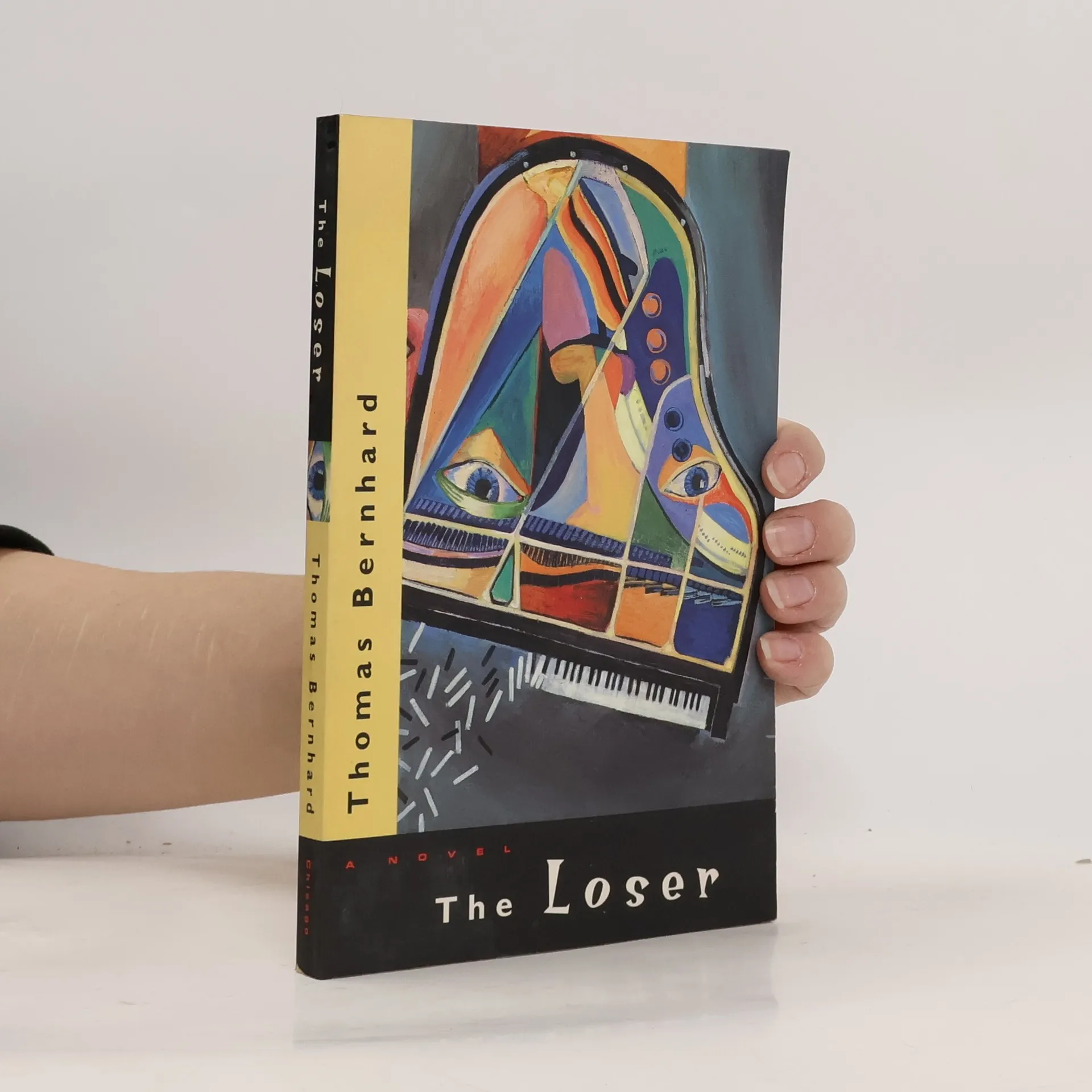
Thomas Bernhard was one of the most original writers of the twentieth century. His formal innovation ranks with Beckett and Kafka, his outrageously cantankerous voice recalls Dostoevsky, but his gift for lacerating, lyrical, provocative prose is incomparably his own.One of Bernhard's most acclaimed novels, The Loser centers on a fictional relationship between piano virtuoso Glenn Gould and two of his fellow students who feel compelled to renounce their musical ambitions in the face of Gould's incomparable genius. One commits suicide, while the other—the obsessive, witty, and self-mocking narrator—has retreated into obscurity. Written as a monologue in one remarkable unbroken paragraph, The Loser is a brilliant meditation on success, failure, genius, and fame.
It is 1967, in a Viennese hospital. In separate wards: the narrator named Thomas Bernhard, is stricken with a lung ailment; his friend Paul, nephew of Ludwig Wittgenstein, is suffering fom one of his periodic bouts of madness. Bernhard traces the growth of an intense friendship between two eccentric, obsessive men who share a passion for music, a strange sense of humor, brutal honesty, and a disgust for bourgeois Vienna. "[Wittgenstein's Nephew is] a meditative fugue for mad, brilliant voices on the themes of death, death-in-life and the artist's and thinker's role in society . . . oddly moving and funny at the same time."—Joseph Coates, Chicago Tribune "Mr. Bernhard's memoir about Paul Wittgenstein is a 'confession and a guilty homage to their friendship; it takes the place of the graveside speech he never delivered. In its obsessive, elegant rhythms and narrative eloquence, it resembles a tragic aria by Richard Strauss. . . . This is a memento mori that approaches genius.'"—Richard Locke, Wall Street Journal
Thomas Bernhard, one of the most distinct, celebrated, and perverse of 20th
century writers, took his own life in 1989. Perhaps the greatest Austrian
writer of the 20th century, Bernhard's vision in novels like Woodcutters was
relentlessly bleak and comically nihilistic.
LRB BOOKSHOP'S AUTHOR OF THE MONTH ONE OF THE GUARDIAN'S BEST BOOKS OF 2019 'If you haven't read Bernhard, you will not know of the most radical advance in fiction since Joyce ... My advice: dive in.' Lucy Ellmann 'I absolutely love Bernhard: he is one of the darkest and funniest writers ... A must read for everybody.' Karl Ove Knausgaard Mid-century Austria. Three aspiring concert pianists - Wertheimer, Glenn Gould, and the narrator - have dedicated their lives to achieving the status of a virtuoso. But one day, two of them overhear Gould playing Bach's Goldberg Variations, and his incomparable genius instantly destroys them both. They are forced to abandon their musical ambitions: Wertheimer, over a tortured process of disintegration that sees him becoming obsessed with both writing and his own sister, with whom he has a quasi-incestuous relationship culminating in death; and the narrator, instantly, retreating into obscurity to write a book that he periodically destroys and restarts. Written as a monologue in one remarkable unbroken paragraph, Thomas Bernhard's dazzling meditation on failure, genius, and fame is a radical new reading experience: musical, paralysing, raging, and inimitable.
The Loser is a brilliant fictional account of an imaginary relationship among three men—the late piano virtuoso Glenn Gould, the unnamed narrator, and a fictional pianist, Wertheimer—who meet in 1953 to study with Vladimir Horowitz. In the face of Gould's incomparable genius, Wertheimer and the narrator renounce their musical ambition, but in very different ways. While the latter sets out to write a book about Gould, Wertheimer sinks deep into despair and self-destruction.
The narrator, a scientist working on antibodies and suffering from emotional and mental illness, meets a Persian woman, the companion of a Swiss engineer, at an office in rural Austria. For the scientist, his endless talks with the strange Asian woman mean release from his condition, but for the Persian woman, as her own circumstances deteriorate, there is only one answer. "Thomas Bernhard was one of the few major writers of the second half of this century."—Gabriel Josipovici, Independent "With his death, European letters lost one of its most perceptive, uncompromising voices since the war."—Spectator Widely acclaimed as a novelist, playwright, and poet, Thomas Bernhard (1931-89) won many of the most prestigious literary prizes of Europe, including the Austrian State Prize, the Bremen and Brüchner prizes, and Le Prix Séguier.
"Walking records the conversations of the unnamed narrator and his friend Oehler while they walk, discussing anything that comes to mind but always circling back to their mutual friend Karrer, who has gone irrevocably mad."--Amazon.com.
The playwright and novelist Thomas Bernhard was one of the most widely translated and admired writers of his generation, winner of the three most coveted literary prizes in Germany. Gargoyles, one of his earliest novels, is a singular, surreal study of the nature of humanity.One morning a doctor and his son set out on daily rounds through the grim mountainous Austrian countryside. They observe the colorful characters they encounter—from an innkeeper whose wife has been murdered to a crippled musical prodigy kept in a cage—coping with physical misery, madness, and the brutality of the austere landscape. The parade of human grotesques culminates in a hundred-page monologue by an eccentric, paranoid prince, a relentlessly flowing cascade of words that is classic Bernhard.
A collection of six Bernhard plays, all in English for the first time. Save Yourself if You Can is a collection of six plays that span the entirety of Thomas Bernhard's career as a dramatist. The plays collected in this long-awaited addition to Bernhard's oeuvre in English--The Ignoramus and the Madman, The Celebrities, Immanuel Kant, The Goal Attained, Simply Complicated, and Elizabeth II--traverse somber lyricism and misanthropy to biting satire and glorious slapstick. They explore themes that will be familiar to longtime readers of Bernhardt, but here they are presented in a subtly different register, attuned to the needs of the stage.
Thomas Bernhard combined a searing wit and an unwavering gaze into the human condition. His debut novel, Frost, marked the beginning of one of the century’s most provocative literary careers. Visceral, raw, singular, and unforgettable, Frost is the story of a friendship between a young man beginning his medical career and a painter in his final days. The youth has accepted an unusual assignment, to travel to a miserable mining town in the middle of nowhere in order to clinically—and secretly—observe and report on his mentor’s reclusive brother, the painter Strauch. Carefully disguising himself as a law student with a love of Henry James, he befriends the aging artist and attempts to carry out his mission, only to find himself caught up in his subject’s apparent madness.
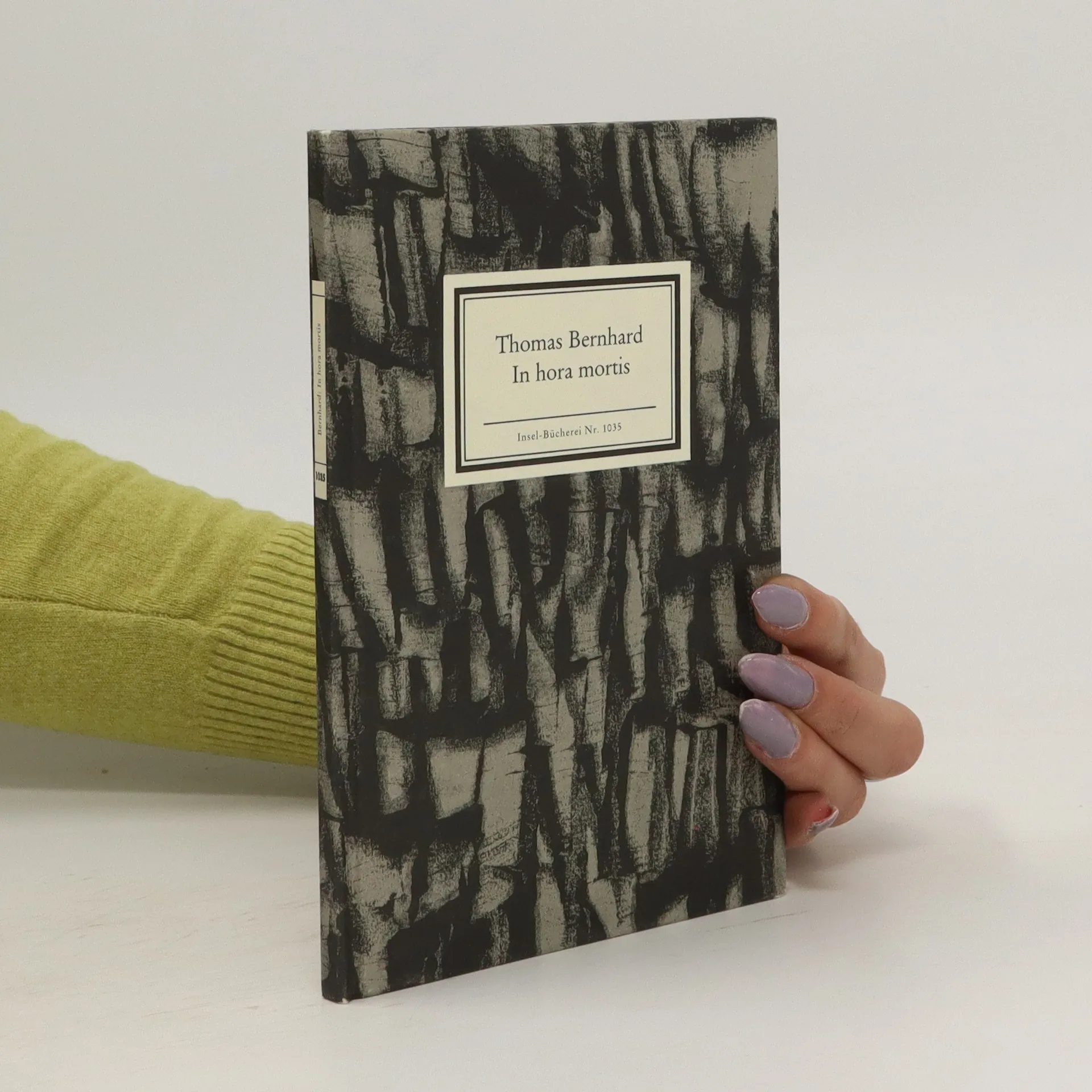
Beloved Austrian writer Thomas Bernhard (1931-89) began his career in the early 1950s as a poet. Over the next decade, Bernhard wrote thousands of poems and published four volumes of intensely wrought and increasingly personal verse, with such titles as On Earth and in Hell, In Hora Mortis, and Under the Iron of the Moon. Bernhard's early poetry, bearing the influence of Georg Trakl, begins with a deep connection to his Austrian homeland. As his poems saw publication and recognition, Bernhard seemed always on the verge of joining the ranks of Ingeborg Bachmann, Paul Celan, and other young post-war poets writing in German. During this time, however, his poems became increasingly obsessive, filled with an undulant self-pity, counterpointed by a defamatory, bardic voice utterly estranged from his country, all of which resulted in a magisterial work of anti-poetry--one that represents Bernhard's own harrowing experience, with the leitmotif of success-failure, that makes his fiction such a pleasure. For all of these reasons, Bernhard's Collected Poems, translated into English for the first time by James Reidel, is a key to understanding the irascible black comedy found in virtually all of Bernhard's writings--even down to his last will and testament. There is much to be found in these pages for Bernhard fans of every stripe.
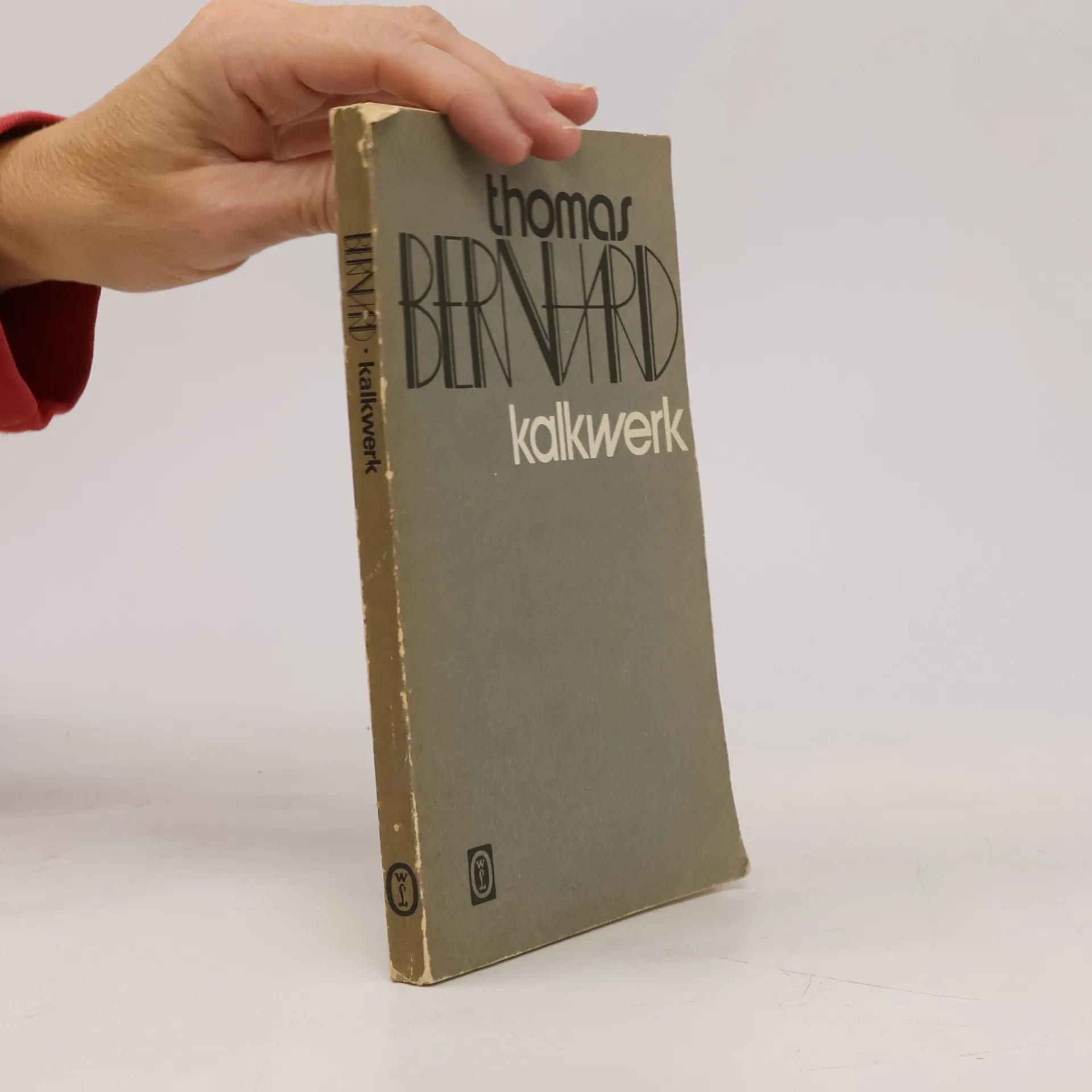
Ein Schriftsteller wollte er nicht sein, vielmehr „jemand, der schreibt“. Zugleich begriff er sich als „Geschichtenzerstörer“ und „Übertreibungskünstler“, wurde von andern als „Misanthrop“ oder „Alpenbeckett“ charakterisiert. Eins steht bei solch unterschiedlichen Ansichten fest: Bernhards Werke, die Prosa wie die Dramen, zählen unbestritten zur Weltliteratur und sind in annähernd 50 Sprachen auf dem Erdball zu lesen. Die vorliegende Quarto-Ausgabe präsentiert seine neun Romane im gesicherten Textbestand – vom Debütroman Frost aus dem Jahr 1963 über Das Kalkwerk und Korrektur bis zum gewaltigen Schlußband Auslöschung von 1986. Martin Huber und Wendelin Schmidt-Dengler beschreiben Entstehung, Relevanz und Wirkung des Bernhardschen Romanwerks in einem ausführlichen Schlußessay. Dieser Band bietet im Vergleich zu den Einzelbänden eine Preisersparnis von 71%.
Mit 30 Jahren und ohne Resonanz auf seine drei veröffentlichten Gedichtbände, überzeugt von seinem schriftstellerischen Können, wandte sich Thomas Bernhard im Oktober 1961 an Siegfried Unseld: "Vor ein paar Tagen habe ich an Ihren Verlag ein Prosamanuskript geschickt. Ich kenne Sie nicht, nur ein paar Leute, die Sie kennen. Aber ich gehe den Alleingang." Obwohl der Suhrkamp Verlag das Manuskript ablehnte, begannen der Alleingänger und der Verleger mit der Veröffentlichung von Bernhards erstem Roman "Frost" 1963 eine gemeinsame Reise in die Weltliteratur. In etwa 500 Briefen zwischen beiden entfaltet sich ein einzigartiges Zwei-Personen-Schauspiel: Mal ist es eine Tragödie, wenn Bernhard seine bekannten Schimpftiraden auf den Verleger loslässt, während dieser auf die Überzeugungskraft des Arguments setzt. Dann wird Unseld zum Helden, wenn Bernhard 1973 schreibt: "mit grösster Aufmerksamkeit, mit allen Möglichkeiten, gehe ich gern mit Ihnen." 1984 agieren sie als Kämpfer für die Literatur bei der Beschlagnahme von "Holzfällen". Das Beziehungsdrama dominiert, während der Autor unabdingbare Forderungen stellt und der Verleger erkennt, dass Bernhards rücksichtslose Selbstbezogenheit für seine Produktivität notwendig ist. Ein solcher dramatischer Briefwechsel, in dem bei jeder Zeile alles auf dem Spiel steht, ist dem Publikum bislang unbekannt.
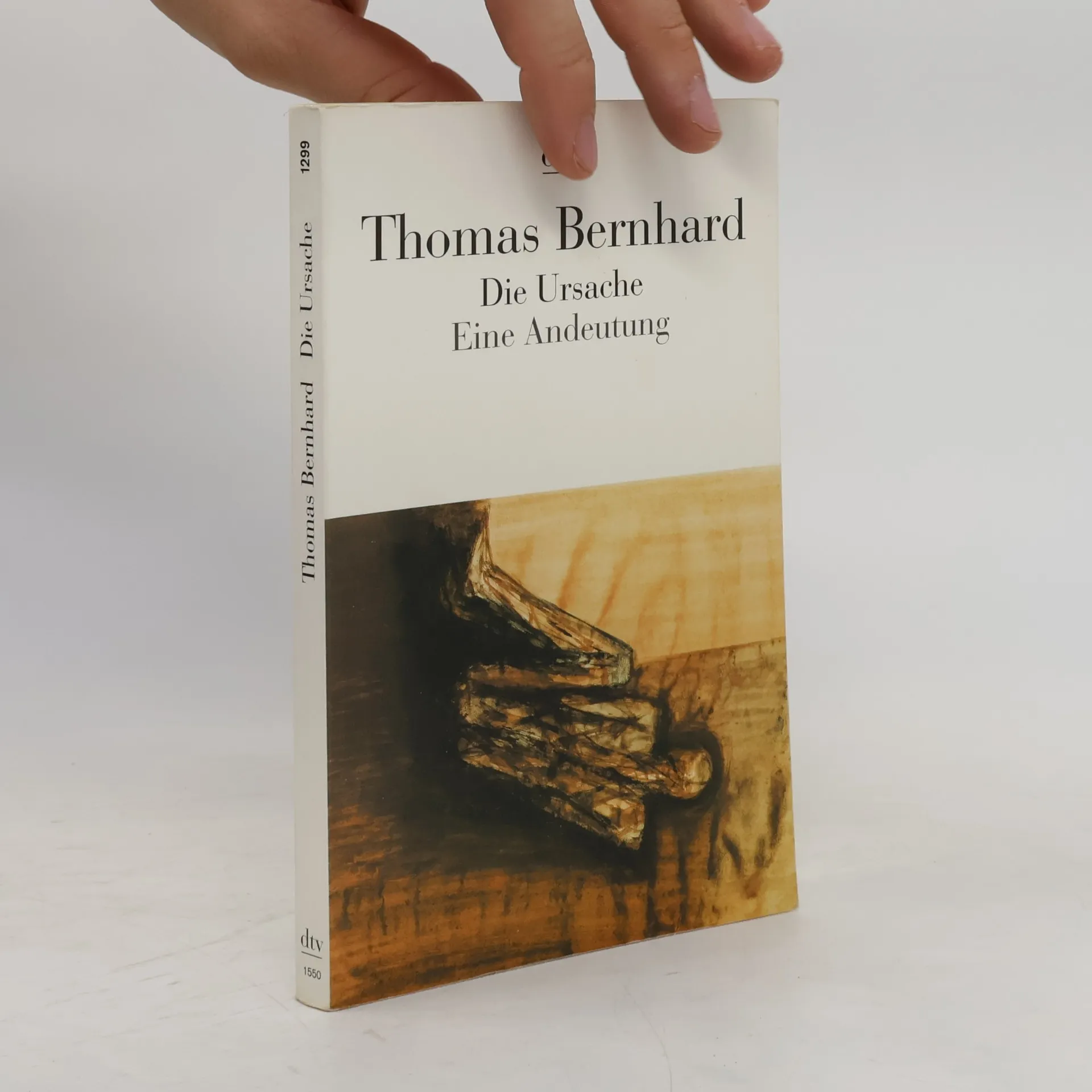
„DIE URSACHE“ UND IHRE FOLGEN: In fünf Erzählungen zwischen
Dichtung und Wahrheit legt Thomas Bernhard offen, wie er
der Schriftsteller wurde, der er war – von der Kindheit über die Internatszeit in Salzburg, die Lehre und das Studium bis zur Isolation des Achtzehnjährigen in einer Lungenheilstätte. Wer die Welt des Thomas Bernhard verstehen will, findet hier den Schlüssel: „Das ist die Geschichte eines jungen Menschen, auf dem eigentlich nur herumgetrampelt worden ist, sei es von Seiten der Stadt, ihrer Bewohner, der Verwandtschaft, ganz gleich.“ (Thomas Bernhard)
Thomas Bernhard ist einer der größten Schriftsteller des zwanzigsten Jahrhunderts. Auslöschung , sein letzter Roman, nimmt die Form des autobiografischen Zeugnisses von Franz-Josef Murau an. Der intellektuelle Außenseiter einer mächtigen österreichischen Grundbesitzerfamilie lebt im selbstgewählten Exil in Rom. Besessen und wütend über seine Identität als Österreicher beschließt er, niemals auf das Familienanwesen Wolfsegg zurückzukehren. Doch als die Nachricht vom Tod seiner Eltern eintrifft, findet er sich als Herr von Wolfsegg wieder und muss über dessen Schicksal entscheiden. In Bernhards nahtlosem Stil ist Auslöschung der endgültige Beweis für sein außergewöhnliches literarisches Genie.
Mit dem Geld seines ersten Literaturpreises und einem Honnorarvorschuß seines Verlegers hat Thomas Bernhard 1964 den verfallenen Vierkanthof Obernathal in Ohlsdorf bei Gmunden erworben und - damals noch einigermaßen bei Gesundheit - an seinem Ausbau mitgearbeitet.Einige Jahre später kam die Krucka, ein altes Bauerngehöft auf dem Grasberg nahe dem Traunsee hinzu, schließlich das abseits gelegene Haus am Waldrand in Ottnang mit dem Blick hinüber nach Wolfsegg.Hier schloß er sich ein, um zu schreiben, und von hier flüchtete er - in den von ihm geliebten Mediterannée. Doch regelmäßig kehrte er stets nach wenigen Wochen oder Monaten in die Welkt seiner Häuser zurück, und bis zuletzt lag ihm die Perfektion ihrer Einrichtung am Herzen.Dieses Buch dokumentiert Thomas Bernhards große Passion - seine Häuser. Erika und Wieland Schmied, seine Nachbarn und Freunde, waren Augenzeugen von Bernhards Umgang mit seinen Häusern, ihrem Ausbau, ihrer Einrichtung. Wieland Schmied beschreibt, was sie für Bernhard bedeutet haben, und wie sich seine Einstellung zu ihnen im Laufe der Jahre verändert hat.Die Fotos von Erika Schmied zeigen Thomas Bernhard über mehr als zwei Jahrzehnte in seinen Häusern und stellen schließlich die Möbel vor, die er für seine Wohnung in Gmunden entworfen hat.
Mit der Einweisung in die Lungenheilstätte Grafenhof endet der dritte Teil von Thomas Bernhards Jugenderinnerungen, und ein neues Kapitel in der Leidensgeschichte des Achtzehnjährigen beginnt.Ein Schatten auf seiner Lunge verbannt ihn in die isolierte Welt des Sanatoriums, aus der es so leicht kein Entrinnen gibt. Ärzten, Pflegepersonal und Mitpatienten ausgeliefert, toben in ihm die widersprüchlichsten Gefühle. Mit nichts als Hoffnungslosigkeit konfrontiert, schwankt er immer wieder zwischen absoluter Anpassung und Auflehnung.
«Col tanfo di caseificio, col / chiasso degli zoccoli / io sono, ingiustificatamente, / la polvere delle ossa dei miei / indebitati vicini...» Composé vers 1960 et publié en 1981, l'œuvre représente l’aboutissement de deux tendances stylistiques apparemment contradictoires. Réflexion théorique et concrétisation corporelle, théologie négative et obsession matérielle, projection symbolique et décor régionaliste convergent dans la rédaction d’un artefact noir et oraculaire. Bien que le texte porte les traces de séjours à l’étranger, son véritable cœur réside dans le sentiment déchirant d’attraction et de haine envers sa propre terre. Osti, curés, maires, et figures d’autorité composent le tableau d’un enfer bucolique fait de sang et de souffrance. On le voit dans le Canto halluciné du fils du boucher, où la violence se mêle à la douleur. Au fond de tant de soubresauts brûle une fureur de profanation, un sens du sacré atroce, culminant dans des images violemment expressionnistes. Dans cet «apostolat de la chair fumée», la souffrance se transforme en allumage lyrique et pathétique, avec des invocations déchirantes. La langue, thème central, correspond à la voix du deuil qui traverse la réalité créaturelle dans toute son horreur, produisant une expérience poétique parmi les plus originales et convulsées du second XXe siècle.
Thomas Bernhard spricht mit Viktor Suchy, Armin Eichholz, Brigitte Hofer, Nicole Casanova, Erich Böhme/Hellmuth Karasek, Niklas Frank, Jean-Louis de Rambures, Rita Cirio, Peter Mörtenböck, Patrick Guinand, Andreas Müry, Asta Scheib und Conny Bischofsberger/Heinz Sichrovsky. Mit einem Vorwort von Wendelin Schmidt-Dengler und einem Nachruf von Elfriede Jelinek.
Thomas Bernhard, 1931 in Heerlen geboren, wuchs in Salzburg und Bayern auf. Sein Durchbruch gelang 1963 mit dem Roman Frost. Er schrieb acht große Romane und zahlreiche Prosabücher. 1970 feierte sein Stück Ein Fest für Boris Uraufführung. Bernhard starb 1989 in Gmunden. Seine Werke erscheinen im Suhrkamp Verlag in 22 Bänden.
Goethes Gedicht Wandrers Nachtlied ist titelgebend für Thomas Bernhards im Jahr 1981 verfaßte und im darauffolgenden Jahr uraufgeführte Komödie mit dem Untertitel Ein deutscher Dichtertag um 1980.Im Zentrum des Stückes steht der Schriftsteller Moritz Meister, der sich mühevoll aus tristen Verhältnissen an die Spitze der deutschsprachigen Literaturszene hinaufgearbeitet hat. Er lebt nun zurückgezogen, dem Studium seiner Bienenvölker hingegeben, mit seiner Gattin in einem von der Stadt kostenlos zur Verfügung gestellten Haus, das vor dem Krieg jüdische Besitzer hatte. Moritz Meister hat sein Lebenswerk, seine Tetralogie, vollendet und empfängt eine Doktorandin, einen Journalisten der FAZ und seinen Verleger. Nach dem Abendessen liest er ihnen aus seinem bisher unveröffentlichten Werk vor. Dabei wird eine durch das ganze Stück von allen Beteiligten behauptete Größe und Erhabenheit als lächerlicher Schein entlarvt.
Na szczytach panuje cisza, Komediant i Plac Bohaterów tworzą drugi tom
Dramatów Thomasa Bernharda (1931–1989), wybitnego austriackiego pisarza i
dramaturga. W sztukach z lat osiemdziesiątych XX wieku autor podejmuje wiodące
motywy swojej twórczości: życia jako teatru, losów przegranych artystów
megalomanów i opętanych artystycznymi wizjami samozwańczych geniuszy czy
przemocy psychicznej w rodzinie. Wprowadza też ważny temat zafałszowanego
obrazu historii i braku rozliczenia się austriackiego narodu z epoką nazizmu,
przedstawiając go brawurowo w Placu Bohaterów, którego wiedeńska premiera
została oprotestowana w mediach i na ulicy. Czy Thomas Bernhard, jak mu się do
dziś zarzuca, „kalał własne gniazdo”, czy może domagał się prawdy o
przeszłości w trosce o Austrię i jej społeczeństwo, a przerażał go stan
umysłów i ducha współczesnych mu rodaków?
»Eine Famulatur besteht ja nicht nur aus dem Zuschauen bei komplizierten Darmoperationen, aus Bauchfellaufschneiden, Lungenflügelzuklammern und Fußabsägen, sie besteht wirklich nicht nur aus Totenaugenzudrücken und aus Kinderherausziehen in die Welt.« Mit diesem Satz beginnt der erste Roman von Thomas Bernhard. »Frost« erschien im Jahr 1963 und bildet den Ausgangspunkt des weltliterarischen Kontinents dieses Autors. Bis zur Veröffentlichung von »Frost« war Thomas Bernhard nur einem kleineren Kreis vor allem als Lyriker bekannt. Sein Romandebüt kam jedoch nicht so unverhofft, wie es damals den Anschein hatte. Der Nachlaß des Autors im Thomas-Bernhard-Archiv in Gmunden zeigt, daß dem Roman, der Thomas Bernhards Weltruhm begründen wird, mehrere große Prosaversuche vorausgehen. Die Niederschrift von »Frost« selbst wurde Anfang 1962. begonnen und im September desselben Jahres beendet.
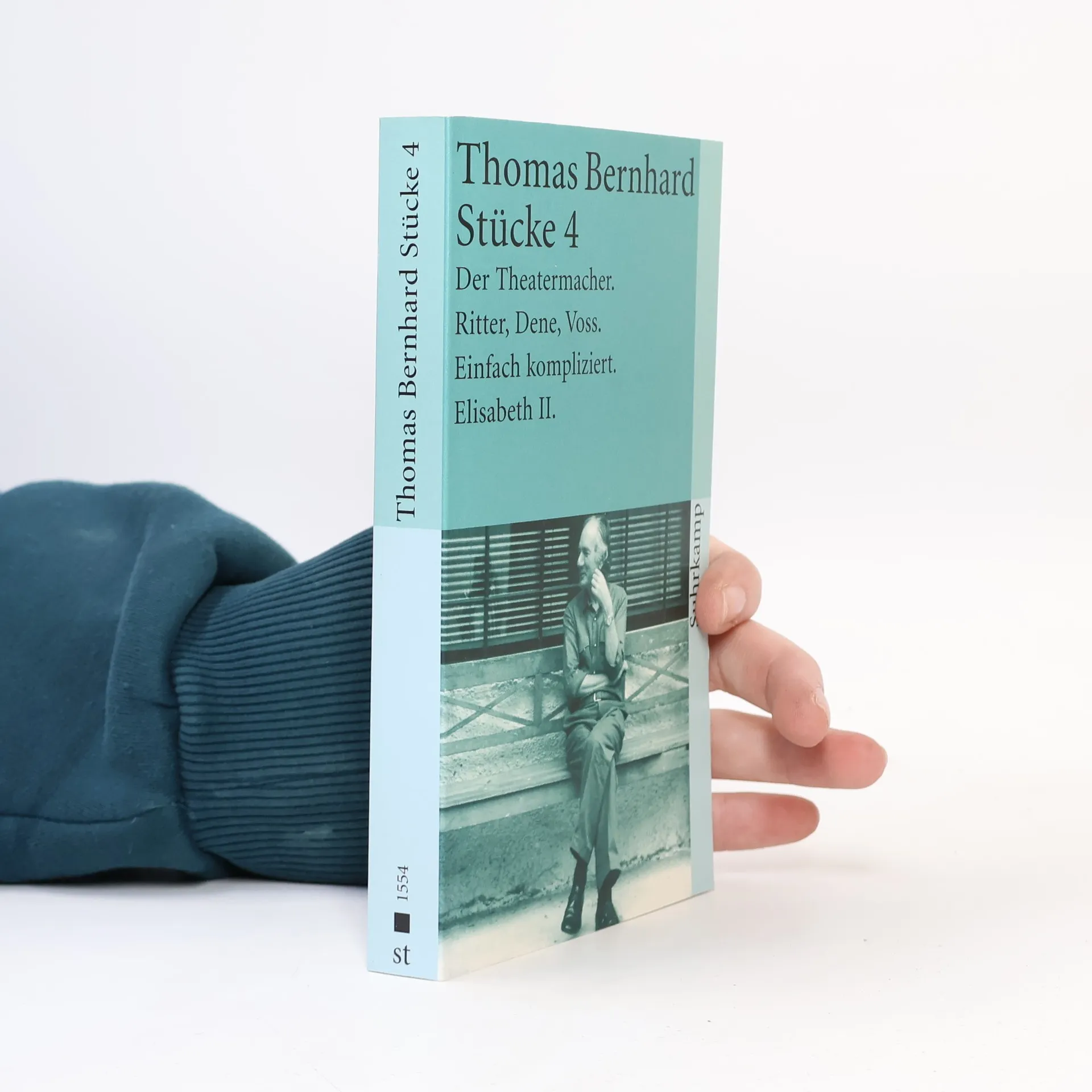
Der Theatermacher. Ritter, Dene, Voss. Einfach kompliziert. Elisabeth II
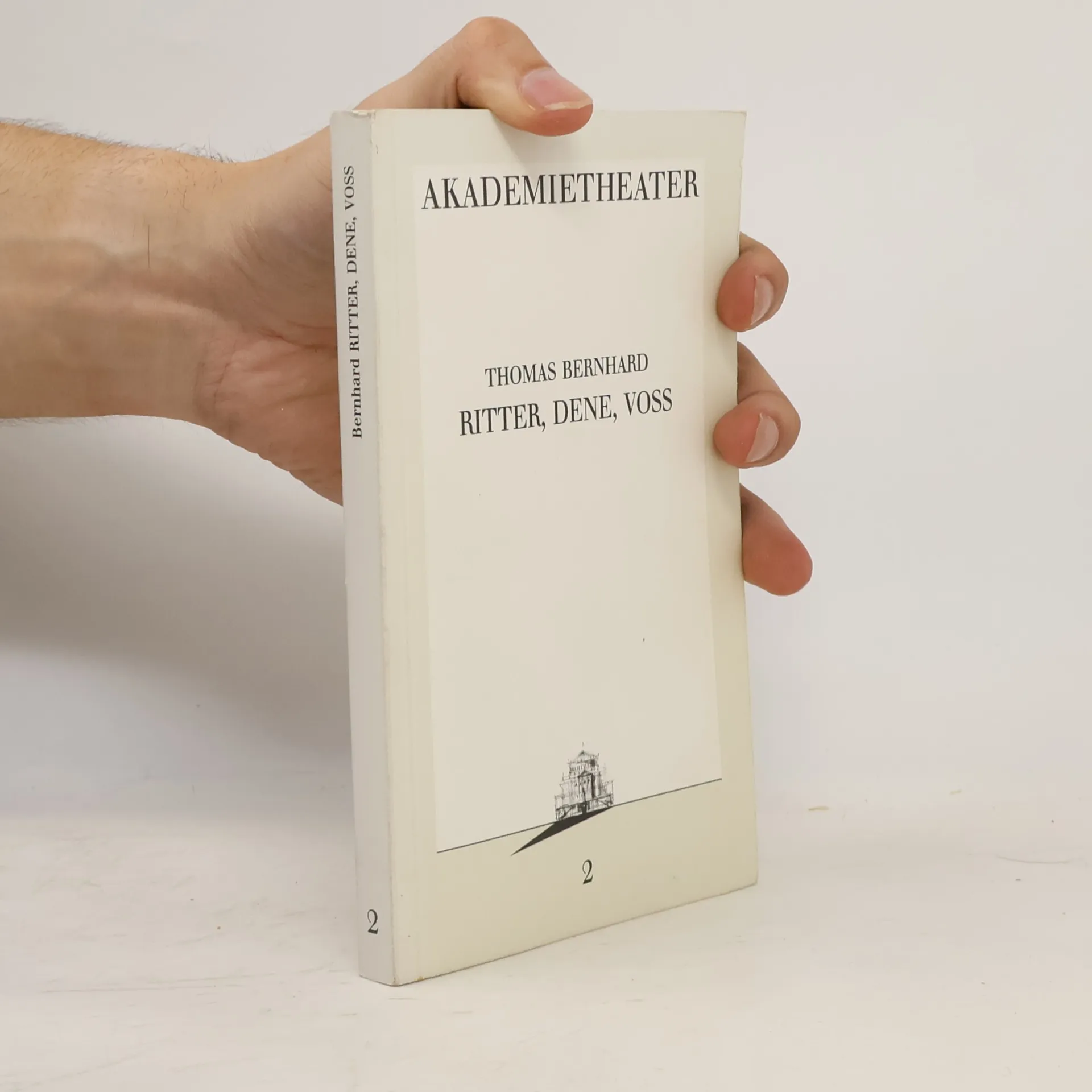
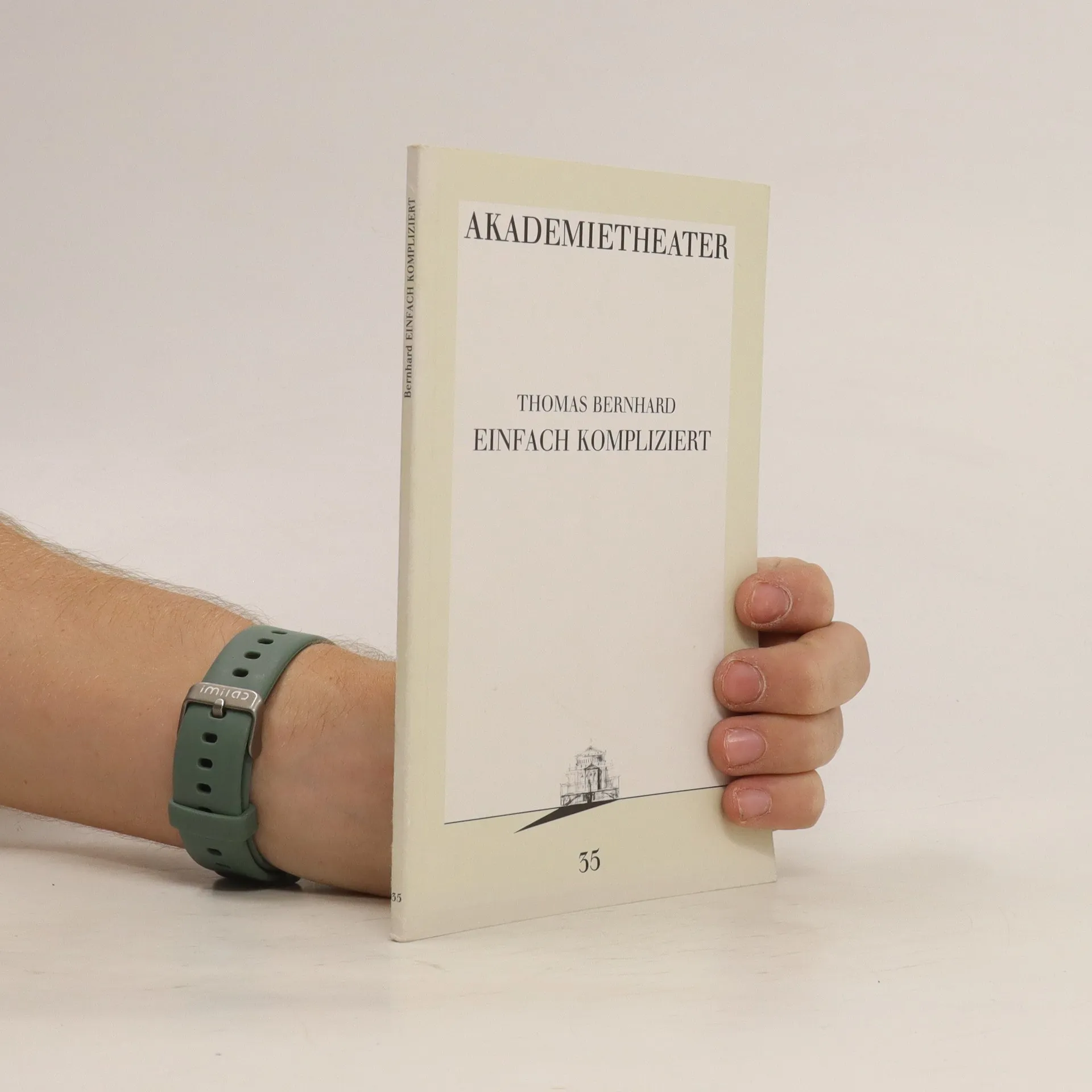
Der vorliegende Band enthält die vier neuesten Theaterstücke von Thomas Bernhard. In »Der Theatermacher« plant der Staatsschauspieler Bruscon, sein Welttheater »Das Rad der Geschichte« im Tanzsaal des »Schwarzen Hirschen« in Utzbach aufzuführen. Trotz der Zustimmung des Feuerwehrhauptmanns, die Lichter am Ende der Aufführung zu löschen, kommt es nicht zur Aufführung. In »Ritter, Dene, Voss« konzentriert sich der Autor auf Dene, die ihren Bruder, einen Philosophen, aus der Anstalt Steinhof in die geerbte Villa holt, um ihn zu heilen. Der Versuch endet nicht in einer Katastrophe, sondern wird durch das Wetter beeinflusst, da die Familie Worringer seit dreißig Jahren weiß, wie man mit verregneten Nachmittagen umgeht. In »Einfach kompliziert« lebt ein 82-jähriger Mann allein in einem verwahrlosten Zimmer, hat seit zwölf Jahren keinen Brief mehr beantwortet und das Telefon abgemeldet, studiert jedoch Stellenangebote in der Zeitung. Der berühmte Schauspieler spielt die Rolle seines Lebens, ganz einfach kompliziert. »Elisabeth II« ist eine eigene Gattung und, wie der Untertitel besagt, »keine Komödie«. Bernhard präsentiert hier das Theater als Welttheater, wobei die Welt als »ein abstoßendes Schauspiel« erscheint.
Thomas Bernhards »Salzburger Stücke« sind über den äußeren Anlaß hinaus – sie wurden in Salzburg uraufgeführt – sowohl inhaltlich als auch formal an die Stadt und ihre Festspiele gebunden. Eine musikalisch-künstlerische Tätigkeit auszuüben, sie perfekt auszuüben, das ist das Thema, das Bernhard in beiden Stücken anschlägt. Sowohl die Perfektion beherrschende, exzentrische Opernsängerin in Der Ignorant und der Wahnsinnige als auch der Cello-Perfektion erstrebende, aber nie erreichende Zirkusdirektor Caribaldi in Die Macht der Gewohnheit verkörpern den gleichen Typus: den des Künstlers, der nicht versteht, wie diese künstlerische Tätigkeit – ob erfolgreich oder erfolglos – auf seine Umwelt wirkt oder wie sie damit zurechtkommt. Die künstlerische Perfektion als Kompensation für die Unvollkommenheit der Welt, als Kontrapunkt der Notwendigkeit zum Tode, das ist es, was Bernhard in seinen Figuren thematisiert.
« Partir dans la direction opposée » à celle qu’il a prise, comme chaque jour pour se rendre au lycée, voilà ce que décide soudain Thomas Bernhard à quinze ans. Ce demi-tour décidera de toute sa vie. Il ne le regrettera jamais. Pourtant les conditions sont dures dans la cave de M. Podlaha, le magasin d’alimentation où il a trouvé une place d’apprenti. Aucun travail ne le rebute. Et quelle clientèle ! Dans ce quartier que la ville tient à l’écart, c’est la misère, l’ivrognerie, le crime, le suicide. Dans ce style bien particulier où la répétition de mots, de groupes de mots, développe comme un thème musical une pensée à la fois obsédée et obsédante, Thomas Bernhard raconte son adolescence, les siens, entassés à neuf dans trois pièces, et son goût pour la musique.
Nachrichten von der LebensgrenzebrbrDurch eine schwere Lungenkrankheit wird Thomas Bernhard, nicht einmal achtzehnjauml;hrig, aus seinem Leben gerissen. Sein Kouml;rper zwingt ihn in die Isolation der Krankenhaussauml;le, in die Gesellschaft der gerade noch Lebenden. Seine letzte Station ist das Badezimmer, aus dem nur die Toten wieder herauskommen. Dort weiszlig; er plouml;tzlich, dass er nicht aufhouml;ren darf zu atmen, dass er leben will.
Bei meinem ersten Besuch bei Thomas Bernhard auf seinem Bauernhof in Ohlsdorf war ich unvorbereitet. Mein Bericht über diese Begegnung erschien 1971 in der Münchner „Abendzeitung“ und erregte Bernhards Aufmerksamkeit, wie mir später ein Theaterregisseur erzählte. Bei unserem zweiten Treffen bemerkte Bernhard, dass ich seine Melancholie in einer Beschreibung seines wippenden Fußes eingefangen hatte. Die Baronin Agi Teuß, die das Interview arrangierte, äußerte in einem Brief, sie sei ambivalent über ihre Vermittlung.
Bernhards Hof ist oft verriegelt, er hat kein Telefon, beantwortet selten Briefe und meidet öffentliche Auftritte. Trotz seines literarischen Ruhms, den er unter anderem mit dem Österreichischen Staatspreis und dem Büchner-Preis erlangte, äußert er scharfe Kritik an seiner Heimat und dem Zustand der Menschheit. Er sieht das Leben als hoffnungslos und die Gesellschaft als eine „Sterbensgemeinschaft“.
Mein Wunsch, Bernhard näher kennenzulernen, führte zu zahlreichen erfolglosen Versuchen, ihn zu erreichen. Schließlich erhielt ich den entscheidenden Tipp von Peter Turrini, die Baronin Agi zu kontaktieren. Sie war bereit, mir zu helfen und stellte die Bedingung, dass ich sie duze. Auch Elias Canetti, den ich in Wien traf, gab mir den Rat, Bernhard von ihm zu grüßen, um ihn zugänglicher zu machen.
Thomas Bernhard, 1931 in Heerlen (Niederlande) geboren, starb im Februar 1989 in Gmunden (Oberösterreich). Er zählt zu den bedeutendsten österreichischen Schriftstellern und wurde unter anderem 1970 mit dem Georg-Büchner-Preis und 1972 mit dem Grimme-Preis ausgezeichnet. Der Suhrkamp Verlag publiziert eine Werkausgabe in 22 Bänden.
Thomas Bernhard, geboren 1931 in Heerlen, hatte 1963 mit dem Roman 'Frost' seinen Durchbruch. Er veröffentlichte acht große Romane und zahlreiche Prosabücher. 1970 feierte sein erstes Stück 'Ein Fest für Boris' Premiere. Er erhielt den Georg-Büchner-Preis und veröffentlichte zwischen 1975 und 1982 fünf Teile seiner Autobiographie. Bernhard starb 1989.
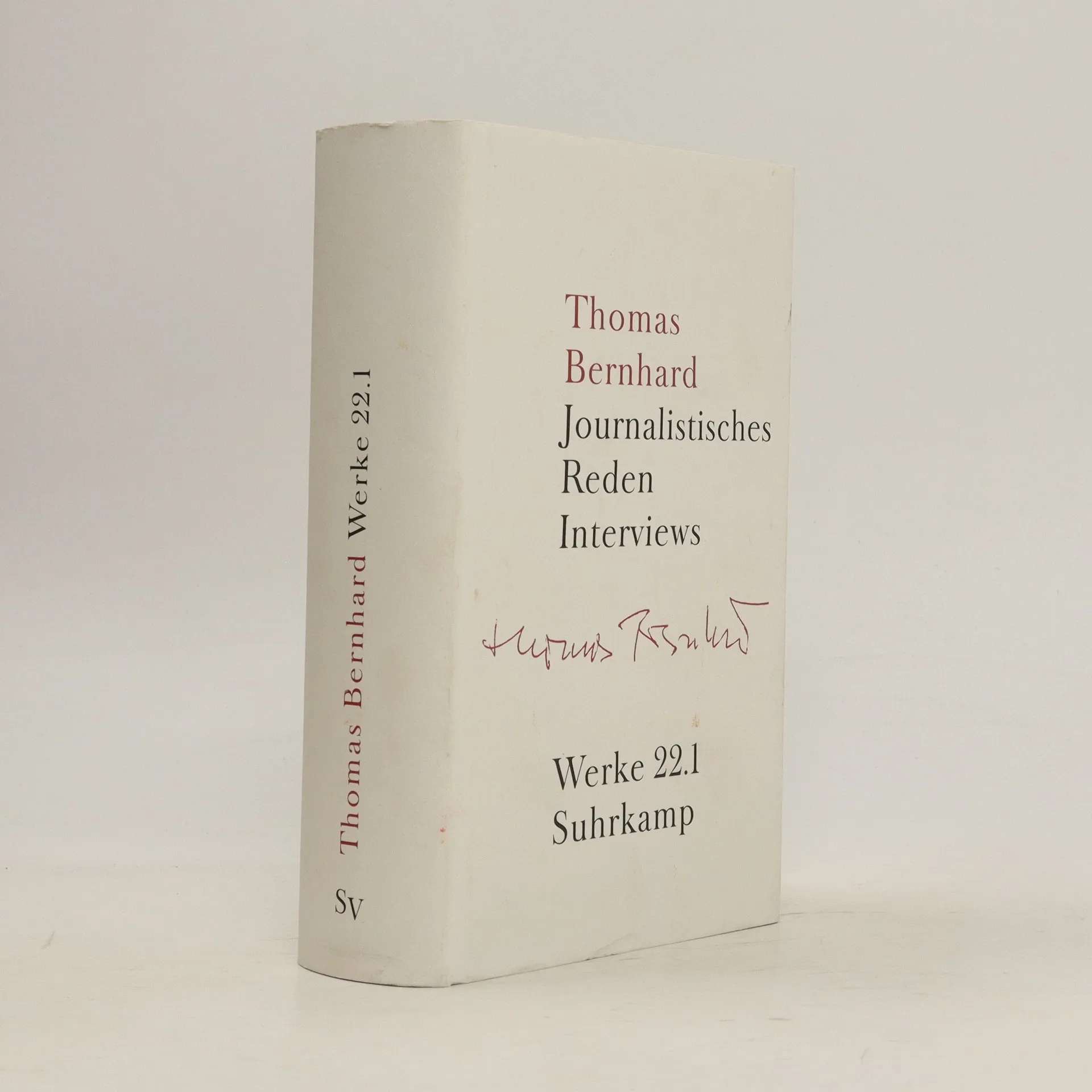
Als öffentlichkeitsscheu galt Thomas Bernhard – doch seine ersten Schreibversuche unternahm er als Reporter einer Zeitung. Leserbriefe schrieb er gerne, seine letzte Publikation ist ein Brief an die Salzkammergut-Zeitung. Inzwischen ist klar: Thomas Bernhard hat durch Artikel, Interviews, Reden, Feuilletons sein Bild als Mensch und Schriftsteller ganz präzise konturiert. Es ist ihm zwar nicht gelungen, mit der öffentlichen Meinung so zu spielen, dass sie ihn genauso betrachtet, wie er sich betrachtet wissen wollte, doch der sich der Medien bedienende Autor setzte alles daran, sich als eine Figur seiner Romane zu inszenieren.
Die vorliegende Ausgabe versammelt zum ersten Mal sämtliche zwischen 1950 und 1989 von Thomas Bernhard für die Öffentlichkeit bestimmten Texte – von den Gerichtsreportagen im Salzburg der fünfziger Jahre über die Tiraden der sechziger und siebziger Jahre gegen Gott und den Rest der Welt bis zu den Interviews im Zusammenhang mit
Heldenplatz
kurz vor seinem Tod.
Als Misanthrop galt Thomas Bernhard, und er verstand es sehr gut, dieses Bild während seines ganzen Lebens zu vermitteln. Er gab in dieser Rolle zahlreiche Interviews, die inzwischen legendären Charakter besitzen. Das hier zum ersten Mal veröffentlichte Interview, das Peter Hamm 1977 führte, ist eine Sensation: Thomas Bernhard vertraute Peter Hamm, der den ersten (1957 erschienenen) Gedichtband des inzwischen berühmt gewordenen Autors hymnisch begrüßt hatte, in besonderem Maße. So antwortete er, ungespielt, ohne Zurückhaltung, offen, auf sämtliche Fragen des Lebens und Schreibens. In diesem großen Interview ist also zu erfahren, warum Bernhard schrieb, wie er schrieb, warum er so lebte, wie er lebte
Die Ursachen waren zerstörend und verbrecherisch - sie hinterließen unauslöschliche Spuren. Das Internat: ein raffiniert gegen den Geist gebauter Kerker; die Stadt: eine Todeskrankheit, ein Friedhof der Phantasie und der Wünsche. Der Krieg: die Stollen, in denen Hunderte erstickt und umgekommen sind; der Großvater: der nur von Großem sprach, von Mozart, Rembrandt und Beethoven.
All diese Belastungen hat Thomas Bernhard in diesem autobiographischen Rechenschaftsbericht literarisch verarbeitet.
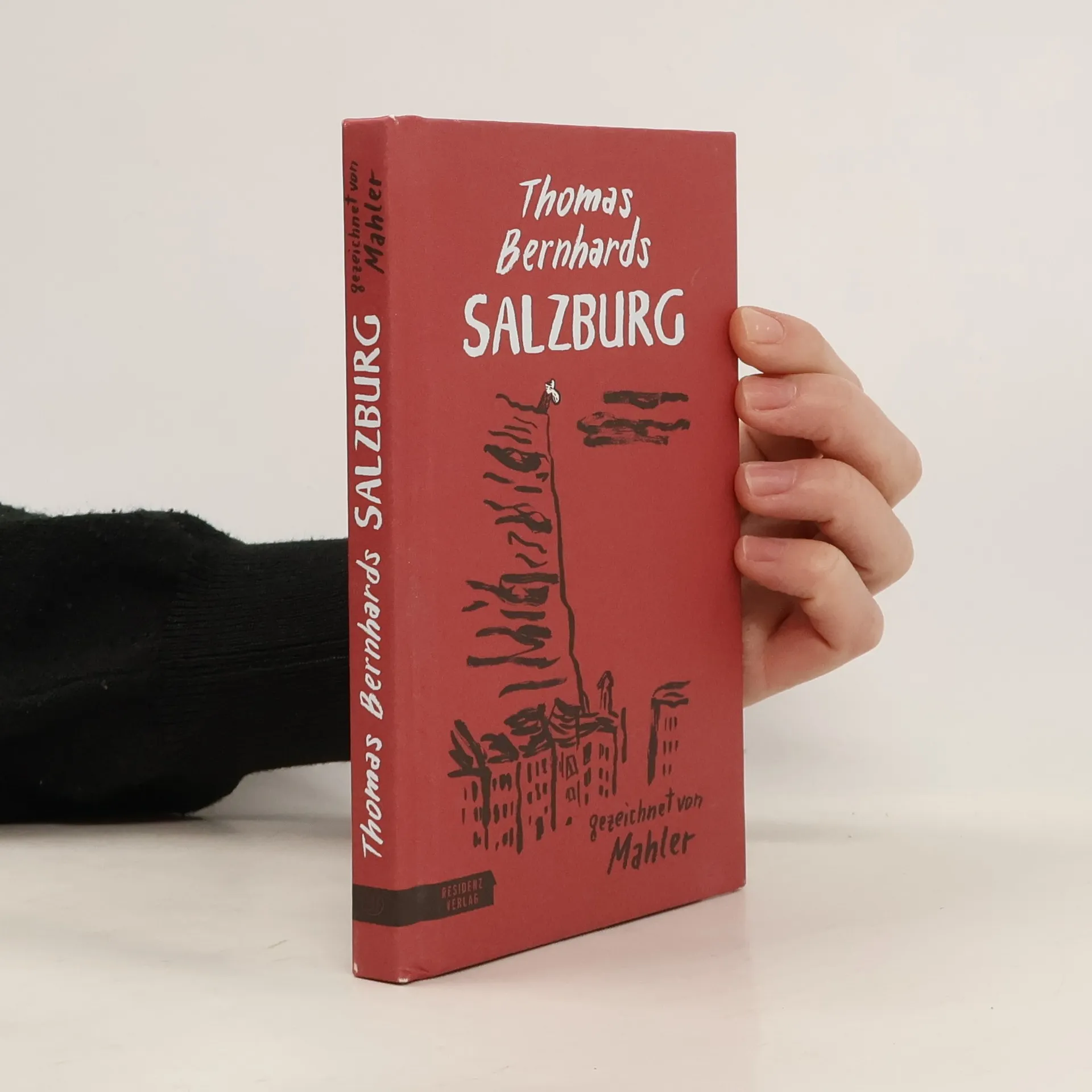
In Salzburg ist Thomas Bernhard aufgewachsen, hier hat er die prägenden Jahre seines Lebens verbracht, hier sind seine ersten Theaterstücke aufgeführt worden und seine ersten Bücher erschienen. „Eine perfide Fassade, hinter der alles Künstlerische absterben muss“, hat er Salzburg genannt, aber auch immer wieder beschrieben, dass es nichts Schöneres gebe als den Blick vom Mönchsberg hinunter auf die Festspielstadt. Ausgewählte Zitate belegen diese lebenslange Hassliebe, der kongeniale Zeichner Nicolas Mahler illustriert sie mit präzisen, liebevollen Bildern und der Experte Manfred Mittermayer begleitet sie mit einem kenntnisreichen Nachwort. Ein unverzichtbares Geschenk für Salzburg-Fans und Bernhardianer, die schon alles haben!
Ritter, Dene, Voss ist ein Theaterstück, das Ludwig Wittgenstein thematisiert. Voss (Ludwig Wittgenstein) wird von seinen beiden Schwestern für kurze Zeit aus der Steinhof-Anstalt nach Hause geholt. Eine Schwester ist jung (Ritter) und die andere alt (Dene), und sie haben sein Lieblingsdessert, die österreichischen Profiteroles, zubereitet. In einem prunkvollen Raum, der an einen Palast erinnert, passt Thomas Bernhard die Figur des Wittgenstein in sein eigenes Schreibklima an. Er verwandelt ihn in eine Figur, die verrückt, paranoid, niemandem vertrauend, seine Schwestern nicht liebend, von allem angewidert ist und die österreichische Kultur sowie deren Künstler und Köche verachtet. Interessanterweise hat er auch eine inzestuöse Beziehung zu seiner jüngeren Schwester Ritter. Für Leser, die neugierig sind, wie Ludwig Wittgenstein durch die Feder von Thomas Bernhard dargestellt wird, bietet Ritter, Dene, Voss eine alternative Lesart von Wittgenstein.
Thomas Bernhard hat sich selten auf Interviews vor laufender Kamera eingelassen. Die Fernsehjournalistin Krista Fleischmann allerdings schätzte er als einfühlsame Gesprächspartnerin, mit der zusammen zwei – mittlerweile legendäre – Filminterviews entstanden: die Monologe auf Mallorca (1981) und der in Madrid gedrehte Film Die Ursache bin ich selbst (1986). Ein Interview zu Bernhards 1984 erschienenem Roman Holzfällen rundet diesen Band ab, der über die Filmfassungen hinaus auch die nicht gesendeten Texte enthält. Bernhard selbst fand Krista Fleischmanns Arbeit »ganz großartig ... Am liebsten würde ich sofort wieder etwas mit Ihnen machen, meinen Nachruf vielleicht.« Nachdenklich und charmant, unterhaltsam, ironisch und maßlos übertreibend – Thomas Bernhard zeigt sich in diesem Band für Einsteiger wie für Kenner von seiner besten, von einer höchst vergnüglichen Seite.
When Travis Cornell and Nora Devon meet “Einstein”, they are touched by the dog's intelligence. Einstein is one of two altered life forms escaped from a top-secret lab. The other—The Outsider—is a deadly hybrid. To protect themselves, Travis and Nora must learn to be deadly as well.
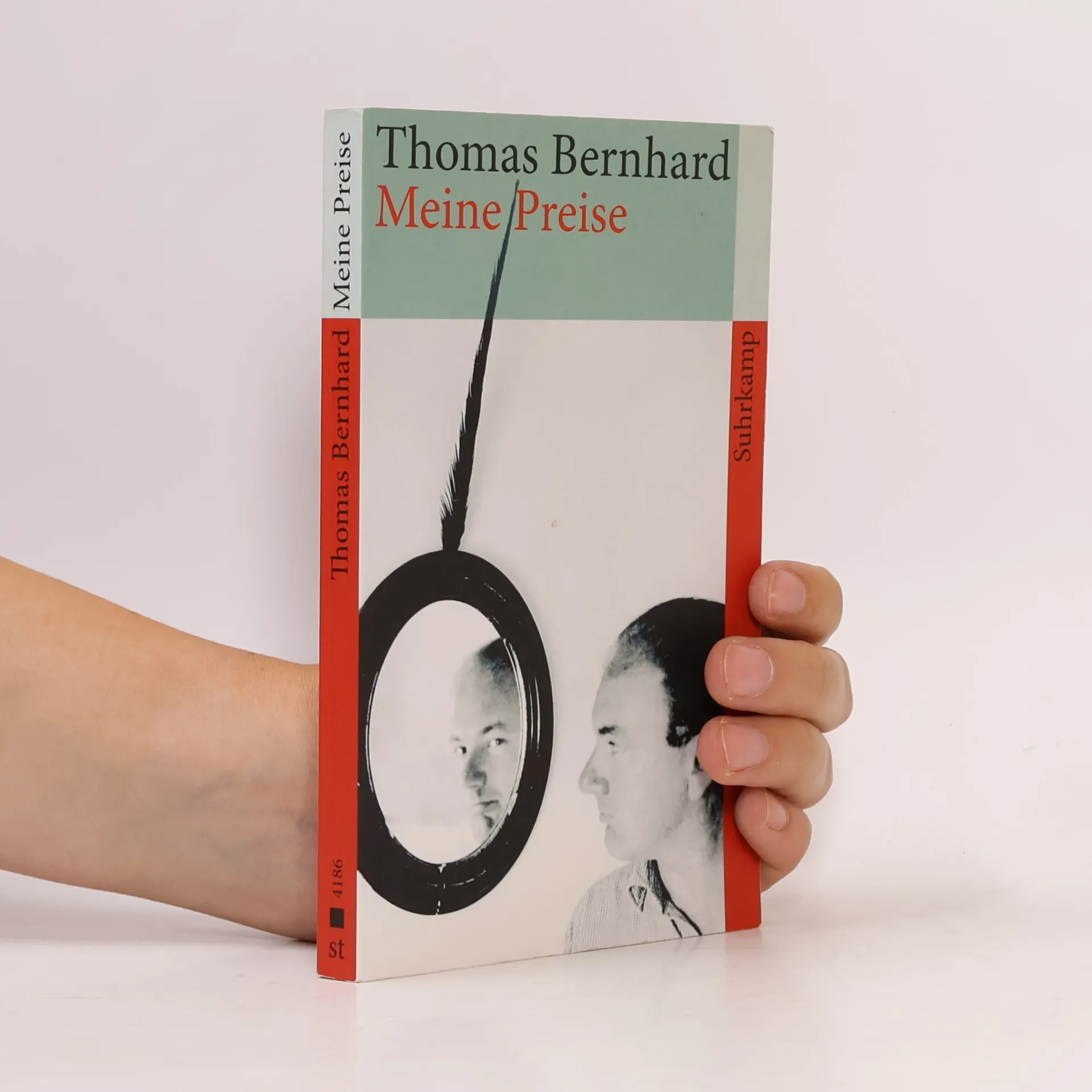
Thomas Bernhards zornig-ironischer Blick auf den Literaturbetrieb. Auf die gesamte Menschheit schimpfend und über sich selbst den Kopf schüttelnd, entwirft Thomas Bernhard ein Selbstporträt des Autors als Preis- und Preisgeldempfänger. In zorniger Rückschau zieht er darin eine Bilanz der ihm verliehenen Literaturpreise. Detailliert schildert der begnadete Komiker die Tragödien, zu denen sich die Überreichung jeweils entwickelte – egal, ob Bremer Literaturpreis, Staatspreis für Roman, Grillparzer- oder Georg-Büchner-Preis. Thomas Bernhard hadert mit der Welt im allgemeinen, dem Kulturbetrieb im besonderen und ganz speziell mit sich selbst mittendrin.
In diesem faszinierenden Meisterwerk mit dem rätselhaften, vieldeutigen Titel "Der Ignorant und der Wahnsinnige" wird die forensische Wissenschaft beauftragt, die prächtigste und strahlendste aller Opern von Mozart, die Zauberflöte, zu zerlegen und zu analysieren. Gleichzeitig wird mit der Präzision eines Skalpells die Beziehung zwischen Eltern und Kind sowie die Beziehung zwischen Künstler, Bühne und Publikum untersucht, wobei die Verantwortlichkeiten auf beiden Seiten dargestellt werden. Doch auch die forensische Wissenschaft ist dazu verurteilt, sich um ihre für alle anderen unverständliche Selbstreferenzialität zu drehen. Alle Helden des Werkes - die Diva, der Vater, der Doktor, die Kostümbildnerin, der Kellner - haben nicht einmal Namen. Sie sind dazu verurteilt, nur das zu sein, was ihre Rolle andeutet. Die Menschen sind somit keine Menschen mehr, sondern Marionetten, die in vorgezeichneten Rollen gefangen sind. Das Theater ist für Bernhard kein Ort des Spiels und der Forschung; selbst die Rollen binden die Schauspieler an ihr Recht auf autonome Existenz, sie beschränken und komprimieren sie durch die Sklaverei der Wiederholung, die sie verlangen.
Ein uralter, gelähmter, fast tauber Privatgelehrter, Philosoph und Haustyrann zugleich, soll für seinen kaum verständlichen »Traktat zur Verbesserung der Welt« die Ehrendoktorwürde erhalten und wartet zusammen mit seiner Lebensgefährtin, seinem »notwendigen Übel«, zu Hause auf die Verleihungszeremonie. Bis zum Eintreffen der Honoratioren vergeht einige Zeit, während deren nicht nur die komödiantisch ausgekosteten Altersbosheiten, die erbarmungslose Ironie eines Sprachkünstlers und das erschreckende Zerrbild einer Ehe zu erleben sind, sondern auch die Widersprüche und die Verletzlichkeit eines sonderbaren Menschen, dessen Traktat auf die »totale Abschaffung« der Welt zielt und der von dieser »verrückten« Welt geehrt, aber nicht wirklich verstanden wird.
Wenn Thomas Bernhard sich äußert, wirkt er wie die Hauptpersonen seiner Werke: Die Welt wird zum Katastrophenroman, bevölkert von Bornierte, Böswillige und Nichtkönnern, die er mit gerechtem Zorn und Übertreibung anklagt und der Lächerlichkeit preisgibt. Seine Interventionen sind oft von Skandalen begleitet: Eine frühe Kritik am Spielplan führt zu einem Prozess, eine Dankesrede bei einer Preisverleihung endet in der Absage einer weiteren Auszeichnung, und ein Interview sorgt für Aufregung unter Politikern und Journalisten. Der vorliegende Band präsentiert den „öffentlichen Bernhard“ in chronologischer Reihenfolge: seine bedeutenden journalistischen Arbeiten, Leserbriefe, öffentliche Erklärungen und folgenreiche Interviews. Er beginnt mit einem Vortrag aus dem Jahr 1954 und endet mit einem Leserbrief, der drei Tage nach seinem Tod veröffentlicht wird. Der Band zeigt, wie Bernhard von der Öffentlichkeit wahrgenommen werden möchte, wie er mit ihr spielt und sie für seine Zwecke nutzt, während er gleichzeitig seine Vorlieben, Sympathien und Vorbilder offenbart.
Heißt das Stück von Thomas Bernhard Einfach kompliziert, weil das Komplizierte einfach und das Einfache kompliziert ist? Thomas Bernhard hat ein Stück für Bernhard Minetti geschrieben. Das erscheint naheliegend, weil es nicht das erste Stück ist, das er für den großen alten Schauspieler geschrieben hat. Aber ist das einfach? Thomas Bernhard hat wieder ein Stück für einen Schauspieler geschrieben, das gleichzeitig ein Stück über einen Schauspieler ist. Ist das kompliziert? Wenn man Einfach kompliziert gelesen hat, weiß man es. Drei Szenen, eine am frühen Morgen, eine gegen Mittag und eine letzte gegen Abend; man könnte auch sagen, drei Sätze einer Komposition. Denn es ist müßig, nach tagespolitischen Botschaften zu suchen. Thomas Bernhard fasziniert und verwirrt uns mit der Musik seiner Sprache, ihrem Rhythmus, ihrer Harmonie, ihrer Disharmonie und ihrer Melodie.
Konrad zabił swoją żonę. Nie ma tajemnicy, nie ma szukania sprawcy. Czytelnik wysłuchuje różnych wersji historii zbrodni podczas nieformalnego dochodzenia. Czemu to zrobił? Pierwsze pytanie pociąga następne: kim właściwie był? kim była jego żona? jakim byli małżeństwem? czemu Konrad nie napisał studium "O słuchu"? Poczucie bezsilności kryje się za największymi i najwspanialszymi projektami, a gdy do ich realizacji przystępują obłąkani, zagubieni ludzie, katastrofa jest tylko kwestią czasu. Jedna z najsłynniejszych powieści Bernharda, w Polsce poznana dzięki genialnemu spektaklowi Krystiana Lupy, którego rysunki powstałe podczas pracy nad adaptacją zostały zamieszczone na okładce oraz stronach tytułowych.
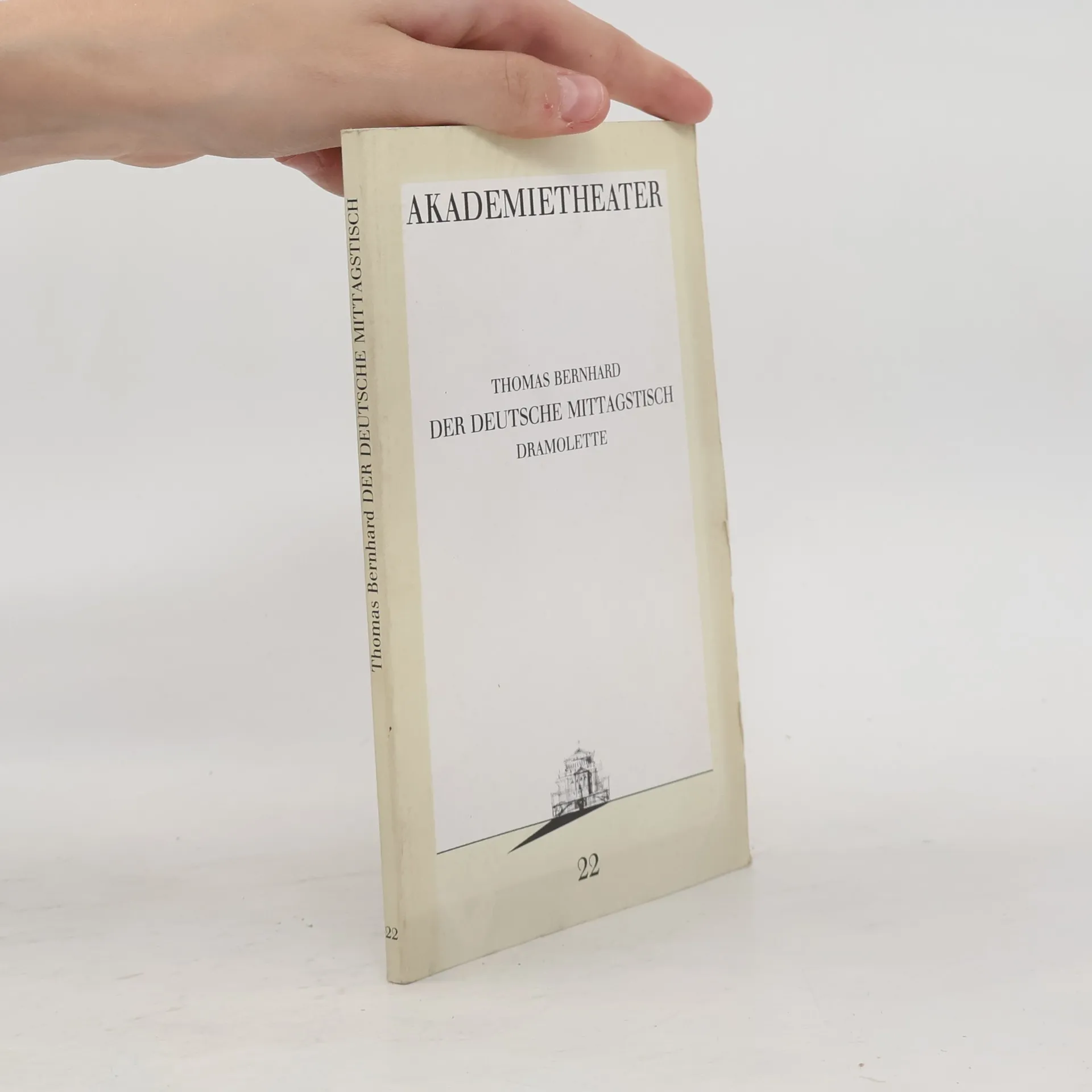
Thomas Bernhard erkundet, in Form von Dramoletten, die theatralisch-wirkliche Dimension des Theatergeschehens, anhand drei wichtiger Situationen des Regisseurs: dessen Weggang aus Bochum (»(Claus Peymann verläßt Bochum und geht als Burgtheaterdirektor nach Wien«), eines Treffens der beiden in Wien (»Claus Peymann kauft sich eine Hose und geht mit mir essen«) und nach einer Shakespeare Aufführung – also naturgemäß vor einer Bernhard-Aufführung (»Claus Peymann und Hermann Beil auf der Sulzwiese«).
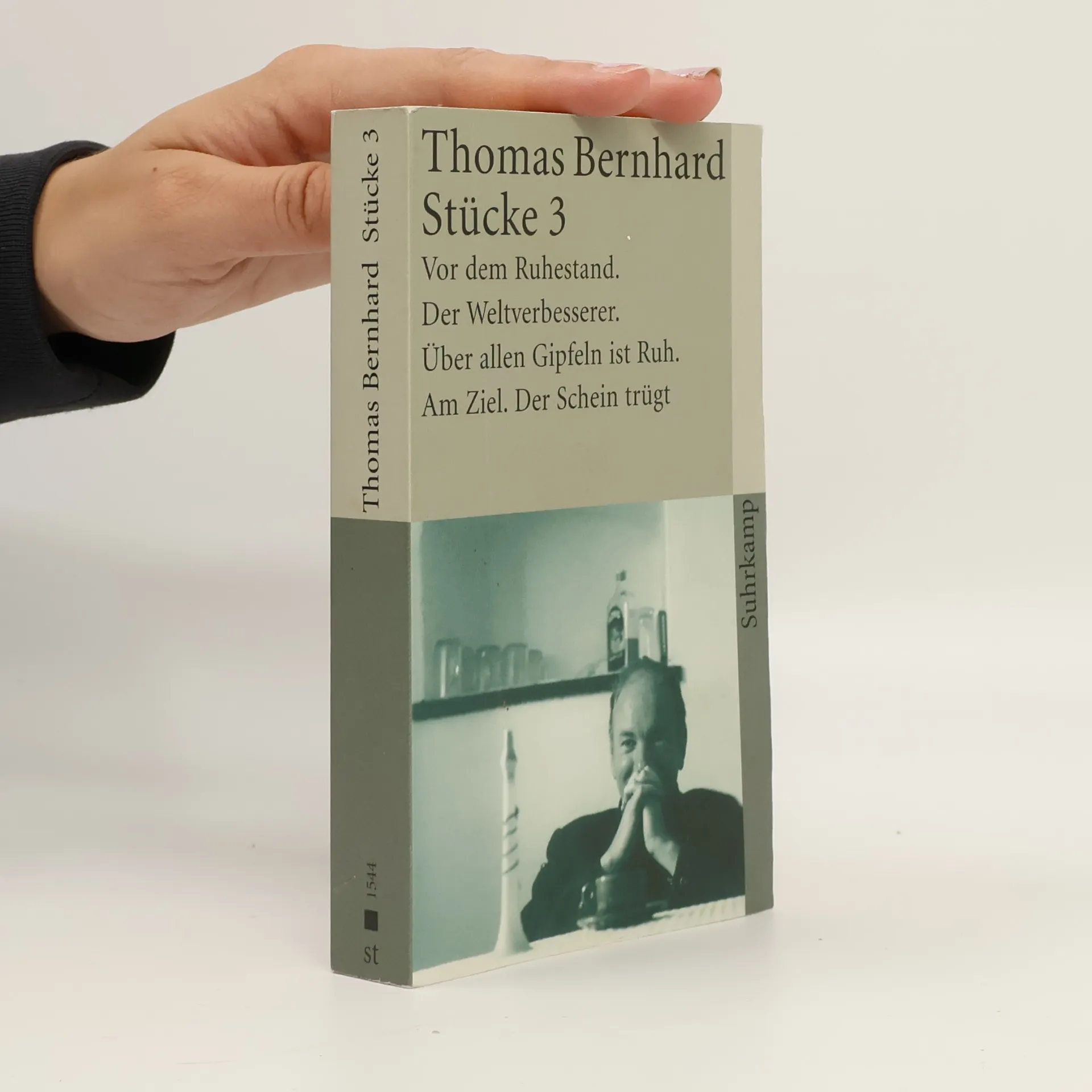
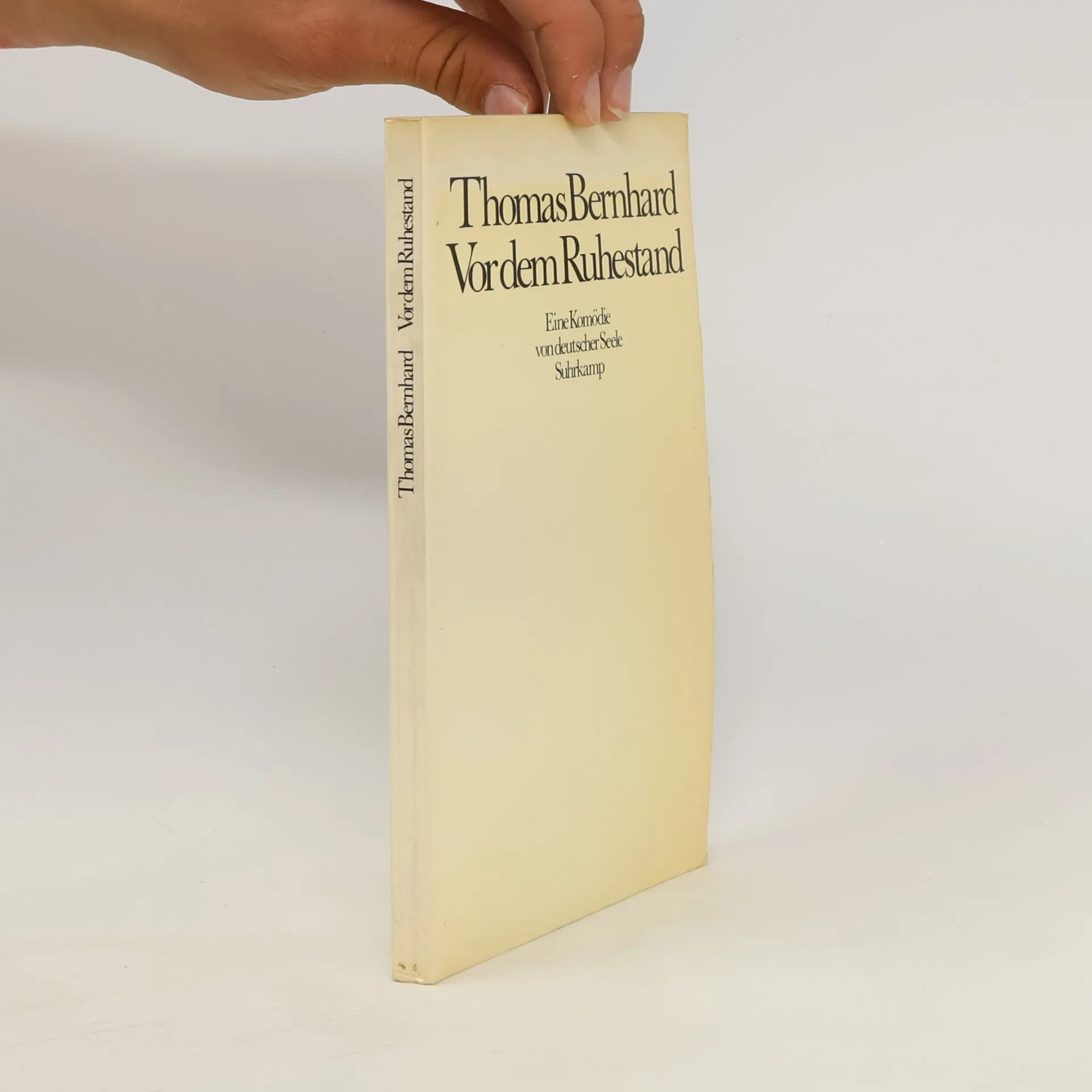
Gerichtspräsident und Landtagsabgeordneter Höller führt ein Doppelleben. Tagsüber spricht er als seriöser Richter Recht oder verhindert als erfolgreicher Abgeordneter den Bau einer Giftfabrik vor den Toren seines Hauses. Zu Hause führt er ein zurückgezogenes Leben mit seinen Schwestern Vera und Clara. Zu Vera pflegt er ein innigstes Verhältnis, der durch einen Kriegsunfall querschnittgelähmten Clara gewährt er das Leben außerhalb der Anstalt. Zehn Jahre hatte er, versteckt, Gras über seine Vergangenheit wachsen lassen - nun steht er als hoher Richter vor der Pensionierung. Aus jährlich am 7. Oktober wiederkehrendem festlichen Anlass schart er seine kleine familiäre "Verschwörung wider den Ungeist des Lebens" um sich und macht sich ernsthafte Sorgen über den zukünftigen Ruhestand, in dem die Vergangenheit möglicherweise für Unruhe sorgen könnte...
Thomas Bernhard, am 9. Februar 1931 im niederländischen Heerlen geboren, wuchs im salzburgischen und südbayerischen Raum auf. Nach drei Gedichtbänden, die in der Öffentlichkeit kaum wahrgenommen wurden, gelang ihm 1963 mit dem Roman Frost der Durchbruch. Es folgten weitere acht große Romane sowie zahlreiche Prosabücher (u. a. »Amras«, »Ungenach« und »Gehen«). 1970 hatte unter der Regie von Claus Peymann Bernhards erstes abendfüllendes Stück, Ein Fest für Boris, seine Uraufführung in Hamburg. Im selben Jahr wurde der Autor mit dem Georg-Büchner-Preis ausgezeichnet. Zwischen 1975 und 1982 legte er u. a. die fünf Teile seiner Autobiographie vor, »Die Ursache«, »Der Keller«, »Der Atem«, »Die Kälte«, »Ein Kind«. Wenige Monate nach der Uraufführung seines letzten Stückes, Heldenplatz, starb Thomas Bernhard am 12. Februar 1989 im oberösterreichischen Gmunden. Im Suhrkamp Verlag erscheint die Ausgabe seiner Werke in 22 Bänden.
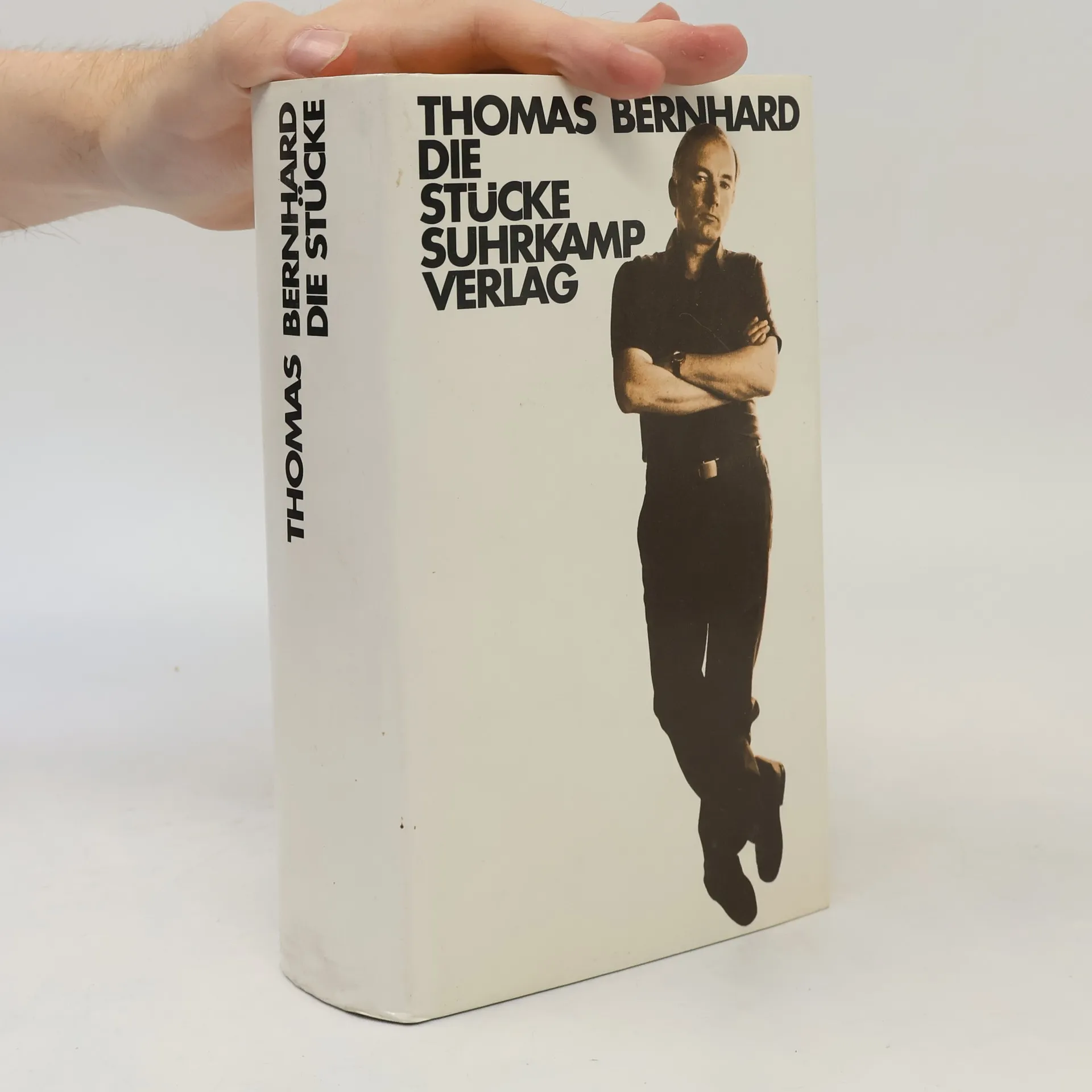
Der Präsident. Die Berühmten. Minetti. Immanuel Kant
Dieser zweite Band der Stücke von Thomas Bernhard enthält diejenigen Dramen (Komödien? Tragödien? Keine Komödien? Keine Tragödien?), die in den Jahren zwischen 1975 und 1978 uraufgeführt wurden.
Gespräche mit Thomas Bernhard von 1981 bis 1988. Zwischen 1981 und 1988 stand der sonst ausgesprochen unzugängliche Thomas Bernhard dem Journalisten Kurt Hofmann in mehreren Interviews Rede und Antwort. Die dabei entstandenen Aufzeichnungen wurden zu einem autobiographischen Vermächtnis.
Mit dem Land in einem Zustand wachsender Anspannung hat das Präsidentenpaar gerade einen Anschlag überlebt, bei dem der geliebte Hund der Präsidentin und auch ein Colonel ums Leben kamen. Der Terror, den Präsident und Präsidentin erleben – verstärkt durch das Risiko, von ihrem eigenen Sohn, der sich den anarchistischen Reihen angeschlossen hat, ermordet zu werden – wird allmählich den Abgrund offenbaren, der die scheinbare Solidität ihrer Macht von der Mediokrität ihrer tatsächlichen Fragilität trennt. Die politische Farce, die Thomas Bernhard konstruiert, greift ohne jegliche Zugeständnisse die Blasen der Machtzentren an, um diese gnadenlose Röntgenaufnahme einer familiären Intimität zu bieten, in der die Gesellschaft von Masseuren, Vertrauten und offiziellen Geliebten nur dazu dient, die unvermeidlichen Einsamkeiten eines Führerpaares mit diktatorischen Ambitionen abzulenken, die ebenso unfähig sind, mit ihrem Volk wie mit sich selbst zu kommunizieren.
Als ich erneut, wenn auch diesmal viel besonnener, zum Spielball meiner Krankheit wurde, dachte ich, was machen wir jetzt? Ich setzte mich hin und begann zu schreiben. Während ich schrieb, dachte ich nur daran, dass ich, sobald ich fertig bin, etwas Warmes essen werde. Plötzlich setzte ich die Mütze auf, alle tragen so eine Mütze, dachte ich, während ich schrieb und schrieb...
Mit dem Werkzeug des Monologs balanciert der Autor die Erzählung und macht sie fesselnd. Sein radikaler, persönlicher Schreibstil stellt eine Herausforderung für die nachkriegsdeutsche Literatur dar und eröffnet neue Wege des literarischen Genusses.
Die Protagonisten sind alltägliche Menschen, die an die Grenzen ihrer Belastbarkeit stoßen: ein Pädagoge leidet unter Schlaflosigkeit, ein psychisch Gestörter hat eine Obsession für eine Mütze, ein Medizinstudent, der das Theater verabscheut, schreibt darüber, ein Steinbrucharbeiter ertrinkt in seinem Arbeitsumfeld, ein Botschaftsangehöriger begeht Selbstmord, ein behindertes Kind wird von seiner Familie abgelehnt und ein ehemaliger Häftling findet nicht in sein verlorenes Leben zurück.
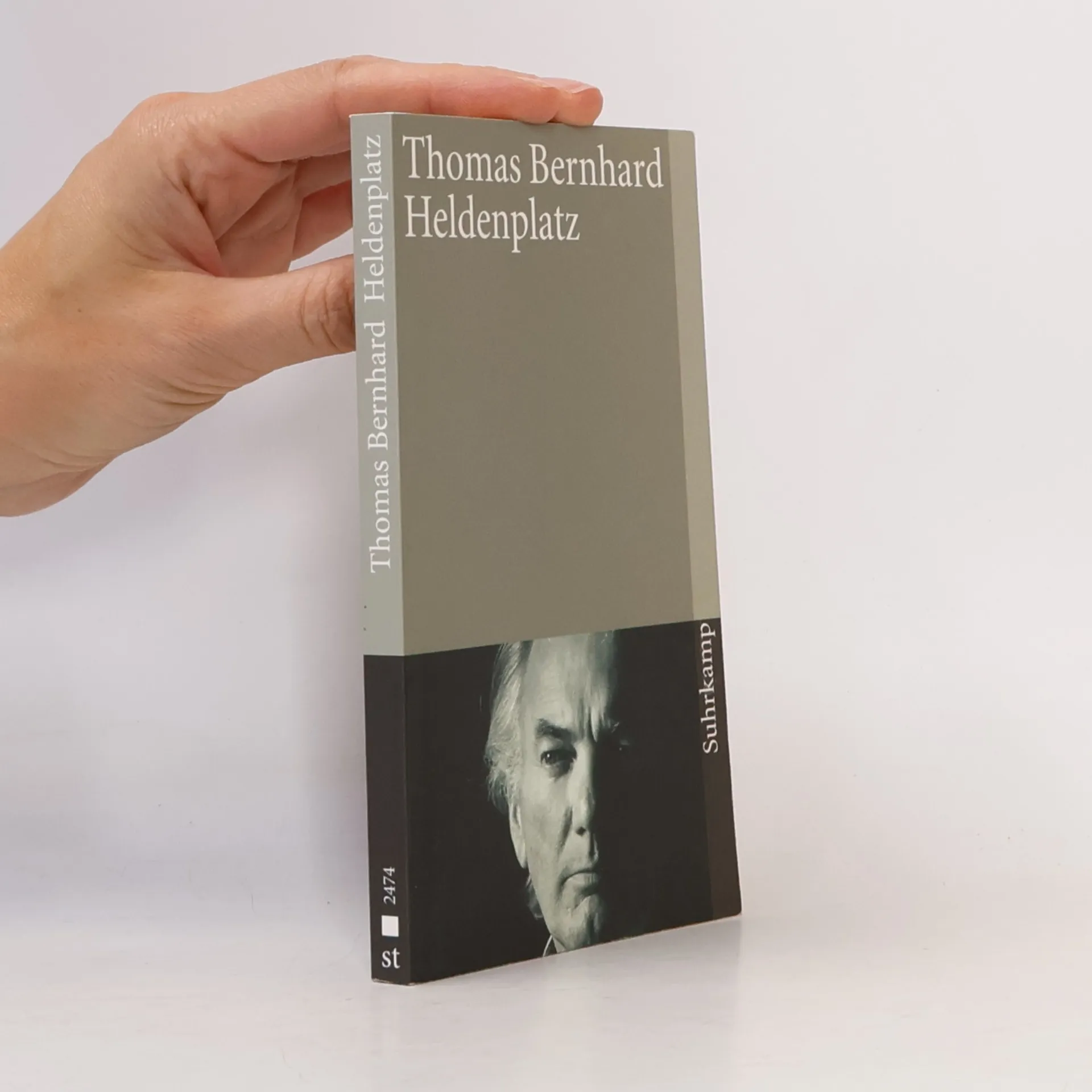
Am 15. März 1938 verkündete Adolf Hitler unter den Jubelrufen der anwesenden Wiener auf dem Heldenplatz den »Anschluß« Österreichs an Deutschland. 50 Jahre später versammeln sich in einer Wohnung in der Nähe des Heldenplatzes die Familie Schuster und deren engste Freunde. Der Anlaß: das Begräbnis von Professor Josef Schuster. Für diesen philosophischen Kopf, von den Nazis verjagt, in den fünfziger Jahren auf Bitten des Wiener Bürgermeisters aus Oxford auf seinen Lehrstuhl zurückgekehrt, gab es keinen anderen Ausweg als den Selbstmord. Denn die Situation im gegenwärtigen Österreich sei »noch viel schlimmer als vor fünfzig Jahren«.
Von »Das Verbrechen eines Innsbrucker Kaufmannssohns« aus dem Jahre 1960 bis zu »Am Ortler«, erschienen 1971, reicht das Spektrum der hier versammelten Erzählungen Thomas Bernhards. In ihnen wird die sprachliche Gestaltungskraft dieses Autors deutlich – in Sätzen, die jede mögliche These und Antithese so lange gegeneinander ausspielen und hin- und herwenden, bis jeglicher semantischer Kern aufgelöst ist. So entsteht – trotz des Niedergangs, der Verzweiflung und des Todes, die geschildert werden – der Eindruck, daß die Sprache ein Mittel des Überlebens in dieser Welt ist, und nicht nur des Überlebens, sondern auch der Komik.
Das vorliegende Lesebuch versteht sich als Vorschlag und Einladung zu einer Erkundung des Bernhardschen Schreibens, dessen begriffs- und geschichtenzerstörende Irritationskraft den Leser in seinen Sog zieht und ihn jene Haltung einnehmen läßt, die Thomas Bernhard als die seinem Werk angemessene beschrieben hat: »Man soll sich vorstellen, man ist im Theater, man macht mit der ersten Seite einen Vorhang auf, der Titel erscheint, totale Finsternis – langsam kommen aus dem Hintergrund, aus der Finsternis heraus, Wörter, die langsam zu Vorgängen äußerer und innerer Natur, gerade wegen ihrer Künstlichkeit besonders deutlich zu einer solchen werden.«
Die Schande einer unehelichen Geburt, die Alltagssorgen der Mutter und ihr ständiger Vorwurf: Du hast mein Leben zerstört! überschatten Thomas Bernhards Kindheitsjahre. Ein wahres Martyrium begann mit dem Eintritt in die Schule, in der sich der begabte Junge von Anfang an langweilte. es waren Jahre fern der Idylle, wenn auch nicht ohne Augenblicke des Hochgefühls. Und es war die Zeit des Nationalsozialismus und des Krieges.
Vier Männer gehen zu einem Gastwirt, so wie seit Jahren, zum Watten, zum Kartenspiel. Aber das Kartenspiel findet an diesem Abend nicht statt, der Gastwirt wartet vergebens auf seine Mitspieler. Warum es an diesem Abend nicht zum Watten kommt, das behandelt die Erzählung.
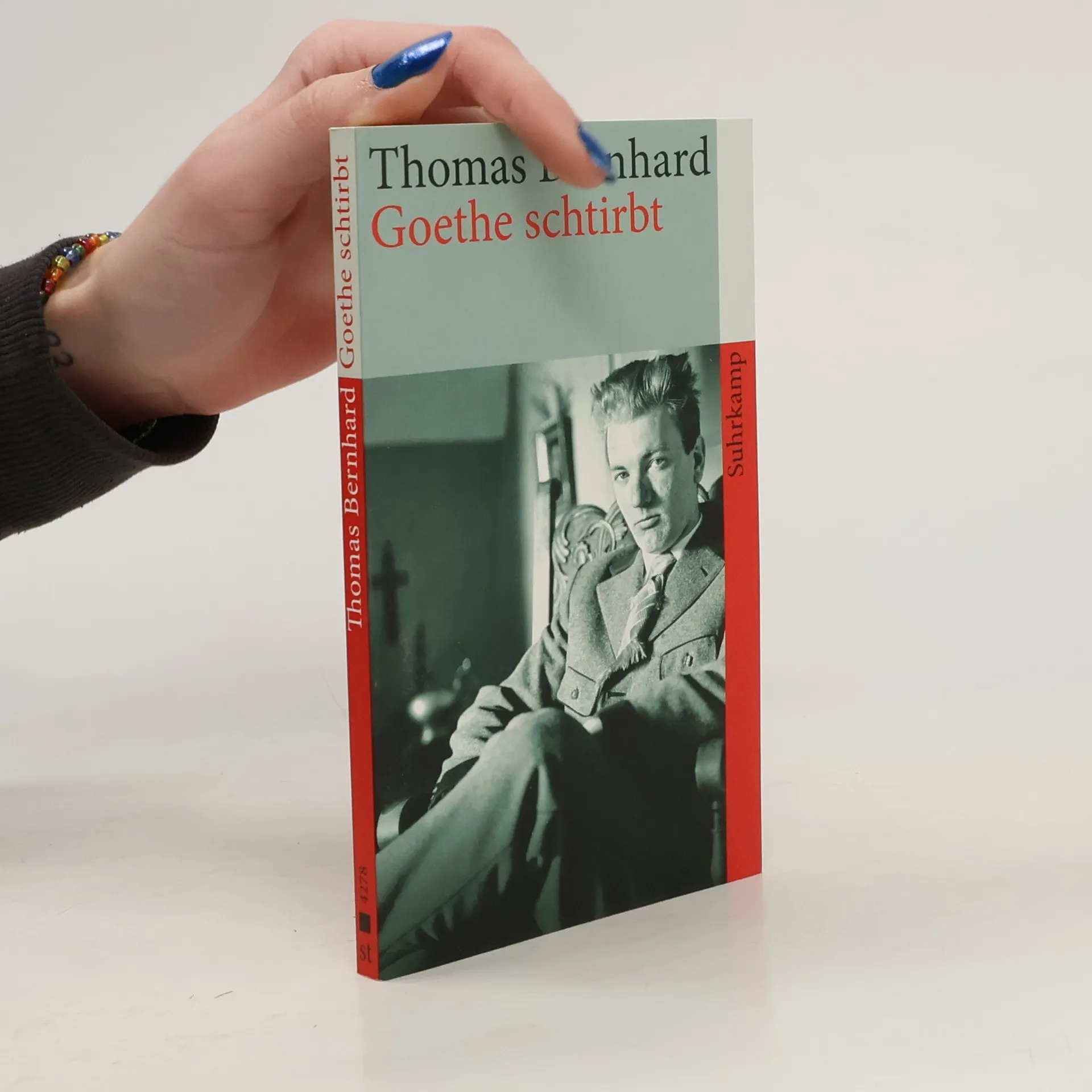
Der ganze Bernhard-Kosmos in vier Erzählungen. Zu Lebzeiten von Thomas Bernhard kam die Buchpublikation dieser Erzählungen nicht mehr zustande: zu sehr war er mit dem Romanopus „Auslöschung“ und mit dem Theaterstück „Heldenplatz“ sowie dem dadurch entfachten Skandal befaßt. In „Goethe schtirbt“ werden die vier Erzählungen zum ersten Mal, dem Wunsch ihres Verfassers entsprechend, in einem Band zusammengefügt: Sie zeigen den abgeklärten Meister der tragischen Momente und komischen Situationen, der auf der Höhe seiner Kunst Motive und Strukturen seines Gesamtwerks entfaltet und übertreibend ironisiert.
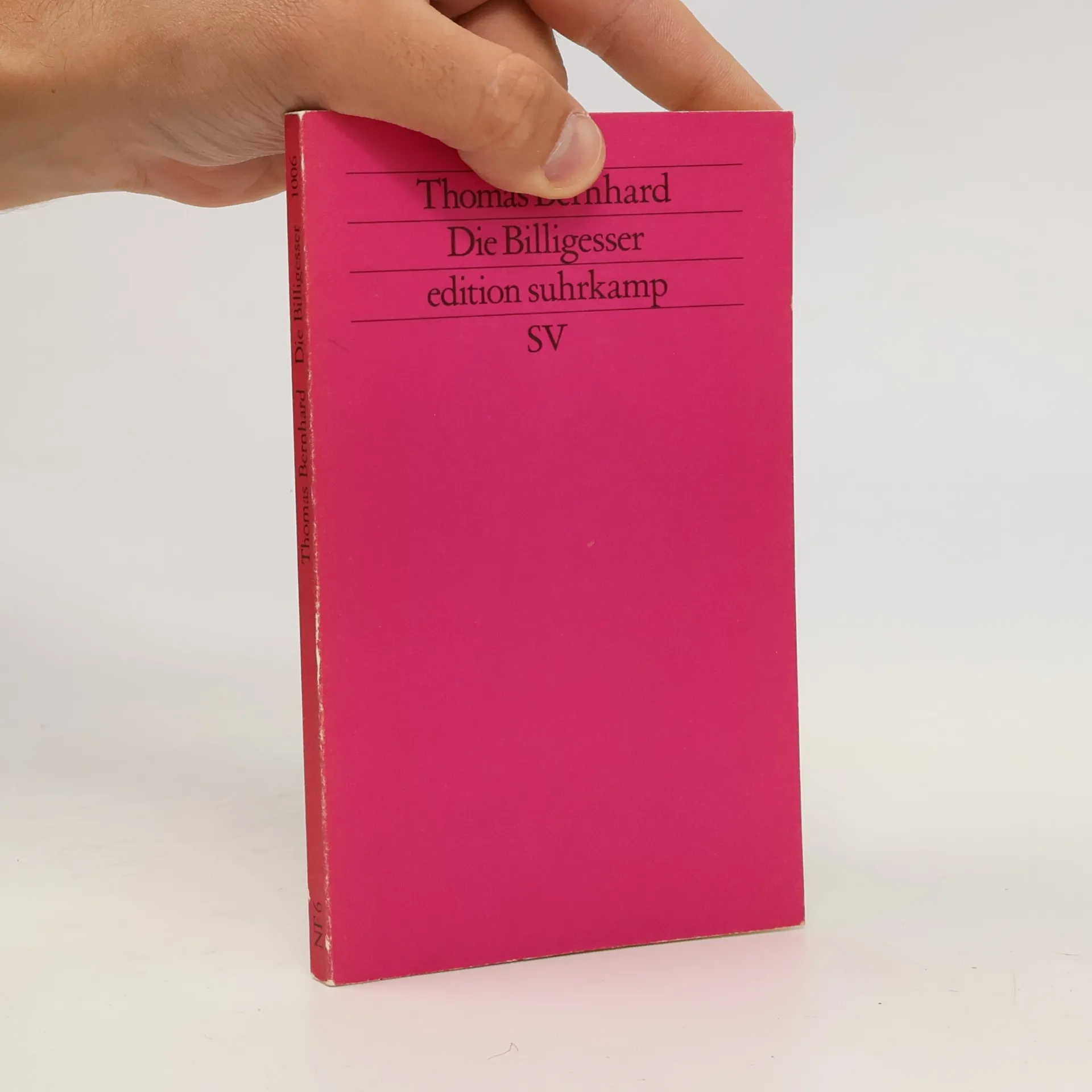
Der Privatgelehrte Koller, die Hauptfigur der Erzählung, hat vor 16 Jahren durch einen Hundebiss im Wiener Türkenschanzpark das linke Bein verloren; er arbeitet seither an einer Studie über die Physiognomik. Kurz vor der Amputation hat er vier „Billigesser“ kennen gelernt, die in der Wiener Öffentlichen Küche, der WÖK, stets das billigste Essen wählen; sie haben ihn damals trotz seiner körperlichen Beschädigung ohne Umstände in ihre Mitte aufgenommen. Als er nun viele Jahre danach eines Tages aus der Gewohnheit eines stets gleich ablaufenden Spaziergangs ausbricht, erinnert er sich plötzlich an die damaligen Freunde. In einer Art Erleuchtung gelingt es ihm, aus dem Studium der vier Billigesser-Physiognomien die ersten vier Kapitel der geplanten Studie abzuleiten. Er kann aber dem Erzähler, einem Bekannten Kollers aus früher Kindheit, nur noch diese vier Teilabschnitte vortragen; kurz bevor er ihm das fünfte und entscheidende Kapitel erzählen will, stirbt er an den Folgen eines Treppensturzes.
Anotar, utilizar la falta de consideración hacia todo y, por consiguiente, también hacia sí mismo: se podría ser el lema que encabezara este libro, un gran poema en forma de relato. Partiendo de innumerables retazos de pensamiento, observaciones y alusiones, Thomas Bernhard esboza una verificación del mundo y de sí mismo cuyo objetivo es el conocimiento: Me preparo para mí mismo; todo esto no es más que una preparación para mí mismo . Entretejidos, hay jirones de un fin de semana en un hostal que 'el cronista de tribunales' visita para encontrarse allá con 'la señorita'. Aparecen otros personajes: el hostelero, el jardinero, el chófer, la cantante, los asilados del vecino manicomio, pero también la voz del catedrático, a quien el amor ha precipitado en la infelicidad, o la figura de la judía, a quien atormenta el vecino. Entre esos seres - repelido por ellos, pero atraído también, una y otra vez - vive el narrador. Sin embargo, en realidad su única compañía es su perro, que está alrededor de él, con él, dentro de él. Sorprende ver con qué claridad pueden encontrarse ya casi todos los elementos de la imaginación de Thomas Bernhard en este libro, escrito antes de Helada . Por añadidura, su autor se muestra abierto, delicado y vulnerable hasta tal punto, que tal vez pudiéramos llamarlo su obra más personal.
Groteske, die ernsthaft und humorvoll bestimmte Stereotypen des philosophischen Denkens und Lebens verspottet, oft unterstützt von den Philosophen selbst. Im Mittelpunkt der Satire steht die Kultfigur Immanuel Kant, der sich auf einer erfundenen Reise zur spirituellen Rettung des amerikanischen Kontinents befindet.
Viele Stimmen versammelt dieses 1978 erstmals erschienene Buch in seinen mehr als hundert kurzen Prosastücken. Von sehr verschiedenen Gestalten wird berichtet, von Philosophen und Schriftstellern, Dompteuren, Schauspielern und Wahrsagern, von Postboten, Bankangestellten und Chorknaben, von Bürgermeistern, Direktoren und Präsidenten. Allemal sind es Leidensgeschichten, an deren Sachlichkeit man täglich vorbeigeht.
»Das Wesen der Krankheit ist so dunkel als das Wesen des Lebens.« Dieses Zitat von Novalis steht als Motto über der 1964 geschriebenen Erzählung Thomas Bernhards. Beschrieben wird die letzte Phase im Auflösungsprozeß einer Familie, Ursache und Wirkung eines allmählichen Niedergangs, der auf ebenso geheimnisvolle wie bestimmte Weise mit der Landschaft im Zusammenhang steht. Die Tragödie erfüllt sich an zwei letzten Überlebenden, einem Brüderpaar. Das in Zuneigung und Abneigung ambivalente, durch Krankheit sich mehr und mehr verschärfende Verhältnis der Brüder zueinander bildet ein Spannungsfeld, in dem Leben und Tod, Geist und Natur, die Finsternis und die Hellhörigkeit des Schmerzes einander begegnen, sich verbinden, sich spiegeln.